


 Скачать презентацию Young People s Involvement in Democratic Structures in England
2aaf4d2248cb931b3120573d018dd1b3.ppt
- Количество слайдов: 19
 Young People’s Involvement in Democratic Structures in England Tom Cockburn University of Bradford Carnegie UK Youth Policy and Youth Politics in the UK and France Today, International Conference Centre for Research on the English Speaking World, Université Sorbonne Nouvelle, Paris 16 th – 17 th September 2010.
 The paper discusses § Young people’s previous experiences of participation § Spaces in which young people feel as though they are listened to and feel comfortable in § The limits of `representative democracy’ § Some possible ways forward § More information: http: //democracy. carnegieuktrust. org. uk/files/SUMMARY%20%20 How%20 children%20 and%20 young%20 people%20 win%20 frien ds%20 and%20 influence%20 others. pdf
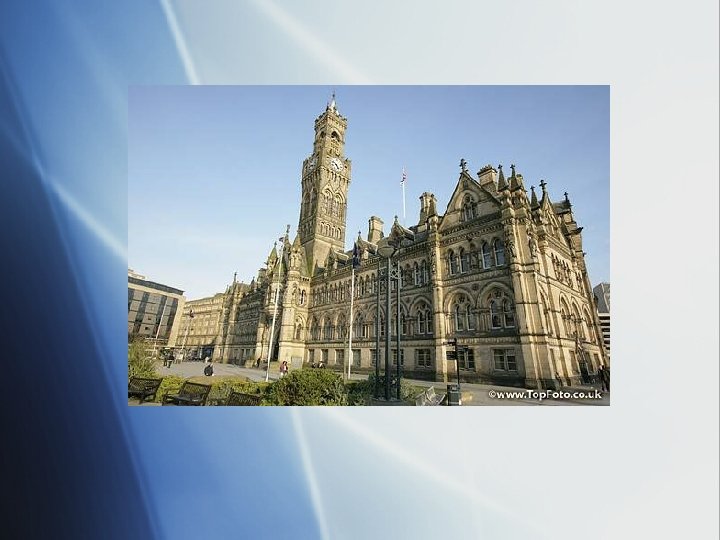
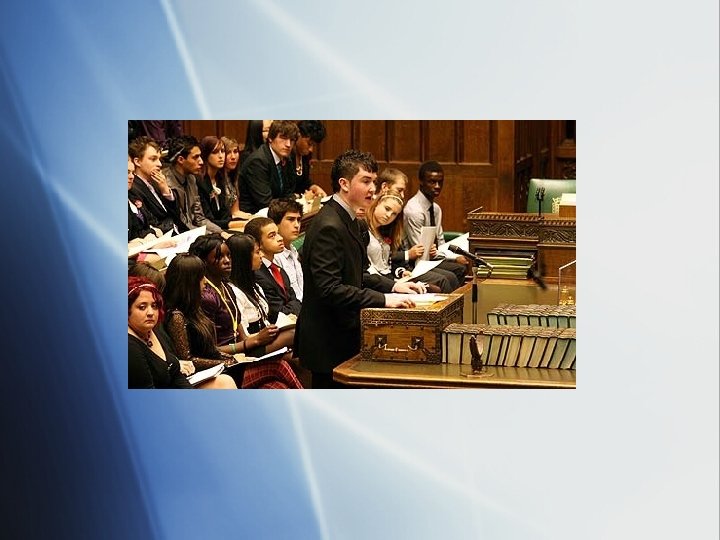
 Methodology § Literature Review § 10 Interviews with academics, practitioners and policy makers § 4 Case studies: Housing estate, young mothers group, Bradford and Keigthley Youth Parliament (BKYP), Children of Asylum Seekers
 Previous Experiences of Participation § Meaningful participation where cyp are able to speak and be listened to: “it is nice to see something put into action” § Danger of not listening: Children and young people have become skilled presenters. They have spoken to policy makers and made their needs known. However, they need to see change, because what hasn’t happened for them is the change in their situation regarding friends and a social life, education and money. If none of that changes for them, then what is the point?
 Not Being Listened to by authorities I phoned them (the Police) up last time and they didn’t even bother coming out. The last officer who came down had walked instead of being in a car and they said they were not on duty but they would send someone out. Nobody came. When my window got smashed, it took three days for a policeman to come to my house. I phoned them straight away. When one of the councillors, last week, rang 999, the police didn’t come at all! (Laughter) Where I am on school mornings, you can’t walk anywhere without walking into the police! (Louise, teenage mother)
 Schools § Citizenship education important: I think that what schools need to do is, instead of just focusing on the National Curriculum, focus more on citizenship … They just need to be told about what possibilities are out there in the world. They should be informed that they can get their voices heard, instead of just concentrating on maths, science and curriculum based activities.
 But § I think it has something to do with the fact that I get bored out of my head in citizenship lessons. They were teaching us all this stuff about what we should do in society but no action was taken on it … That’s what we need in our society. People are bored with being lectured on what they should do – they need to go out and do it for themselves. They need to feel the joy that comes from helping other people. § Avoidance of `politics’ in schools § Schools are by contrast places of hierarchies, testing, discipline and individualistic competition.
 Families § Positive influence: So I took my cue from him in that I understood, from a very young age, that if I wanted to change something, I shouldn’t just let it go. § So I have always had my mum and my foster sister who has done extremely well – she’s an extremely successful Crown prosecutor now
 By contrast § Youth Parliamentarians are exceptions § Other young people refer to the “politics and stuff”; § one of the young mothers in Stoneyshaw referred to political language, amidst much laughter: “you might as well talk Swahili to me”. § No young people in the area we talked to had parents who were interested in politics. The disinterest appeared to span the generations.
 Importance of space § Young people emphasised local place as more important than identity: although `community representatives contested’, refugee children were different § Spaces are shaped by market forces and material wellbeing § `Provided’ spaces versus `claimed’ spaces § Finding a place, particularly as a British Pakistani, is sometimes hard. The Youth Service shows how everything comes together, it doesn’t discriminate, or hold anything against anyone.
 Representing Space and place I guess that as individuals we have a social responsibility and if a place is your home then surely you should make it a better place to live, and the only way that it will function is by everyone being active. It’s the results that you get out of doing things, and the level of satisfaction. It’s what you get from other people, learning your own history, learning about Bradford, you know, learning about the Asian Youth Movements for example. (Nadia)
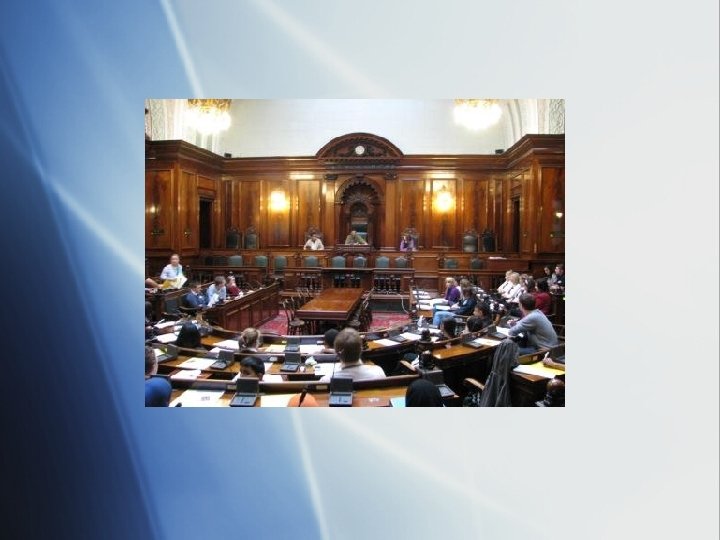
 Democracy § Participative democracy - Laws requiring cyp to be `consulted’ § Deliberative democracy - school councils, local youth funds, Youth Opportunity and Youth Capital Funds, Budgets for youth mayors, etc. § Representative Democracy - Youth Mayors, Youth Parliaments, school councils, etc.
 Participation § Most comfortable in informal contexts § A feeling of their voices being oppressed or marginalised in adult structures; § In formal contexts even the most articulate and older young people require support from adults § Facilitating participation of the most excluded often begins by teaching elementary communicative skills
 Difficulties of Representing § Time consuming “it involves a lot of planning … organising is a lot of stress and there’s a lot of running around, but I quite enjoy that” § Once someone elected it becomes an individual opinion § Representation may exacerbate divisions § Representation does not encourage involvement across the spectrum
 Conclusions § Two way communication is essential to effective participation § feeling comfortable in formal structures depends upon educational background, a wide social network, encouragement of parents, adequate support from professionals and positive experiences of participation § Spaces and attention to spaces need more of a focus, rather than abstract ideas of identity and citizenship § Importance of support from the informal sector - is this likely to increase, remain the same or even be supported under the climate of budgetary cuts?
 I think that what happens is that you see a lot of things that are going wrong and you want to do something about it. I did find that speaking on behalf of other people was one of the main reasons why people come on board and get involved with BKYP, and the other fundamental thing is frustration that exists in society when you want to have your voice heard, and you want to make a difference in society. When you are wronged or there is injustice or you have been messed about, it is just about finding constructive ways of channelling that and making an impact. You should be heard and be valued. It can be so that this doesn’t happen again, or it can be to better things. You want to be heard on things that go on in society, such as drugs, identity crises, the value of education and that kind of thing. People do not know their history or where they belong. When you have politics, and international politics coming into play as well it can be frustrating. There are cultural factors as well to take into account. People are faced with perhaps forced marriages, - and things like ‘honour’ killings do happen. They are not just stories that you hear being glamorised in the media – they are a living reality, along with domestic violence. On the positive side, people do have massive talent to offer and when you bring them all together it does have a beneficial effect. It’s also good to meet people from different areas. (Samad)