


 Скачать презентацию Yashwantrao Chavan Academy of Development Administration YASHADA
cb3137341f21f080e2202b2aee38f1a7.ppt
- Количество слайдов: 33
 Yashwantrao Chavan Academy of Development Administration , YASHADA “Welcome to Chief Executive Officers” Glimpses of Orientation Dr. K. M. Nagargoje, IAS Dy. Director General, YASHADA
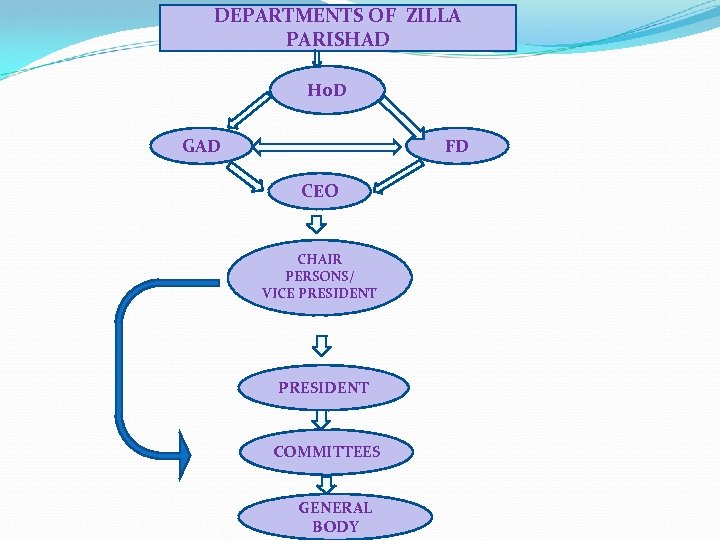 DEPARTMENTS OF ZILLA PARISHAD Ho. D GAD FD CEO CHAIR PERSONS/ VICE PRESIDENT COMMITTEES GENERAL BODY
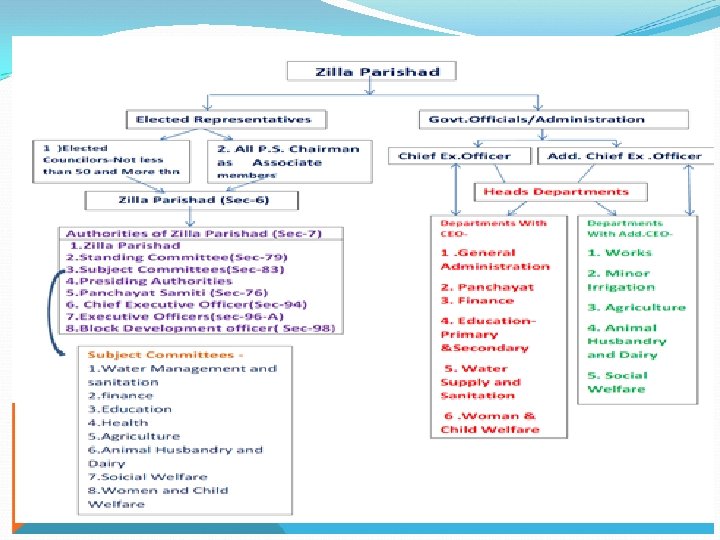
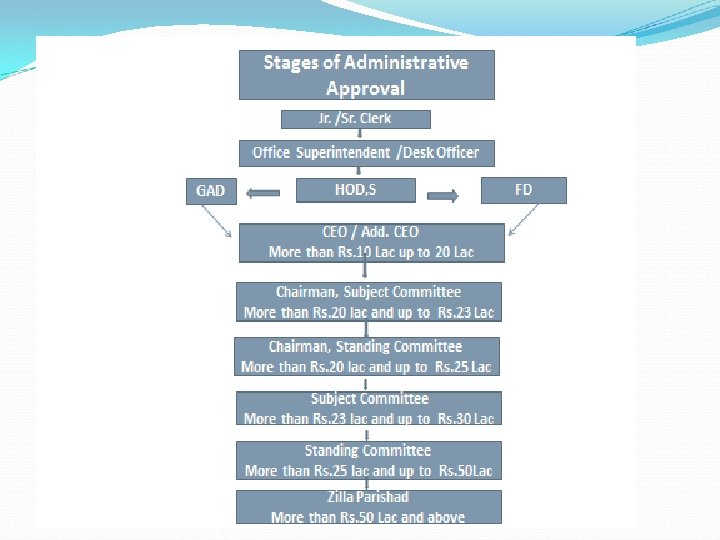
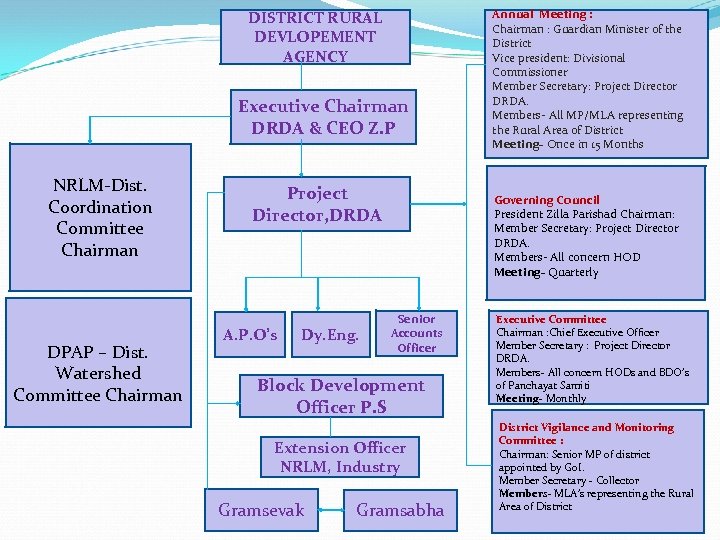 DISTRICT RURAL DEVLOPEMENT AGENCY Executive Chairman DRDA & CEO Z. P NRLM-Dist. Coordination Committee Chairman DPAP – Dist. Watershed Committee Chairman Project Director, DRDA A. P. O’s Dy. Eng. Governing Council President Zilla Parishad Chairman: Member Secretary: Project Director DRDA. Members- All concern HOD Meeting- Quarterly Senior Accounts Officer Block Development Officer P. S Extension Officer NRLM, Industry Gramsevak Annual Meeting : Chairman : Guardian Minister of the District Vice president: Divisional Commissioner Member Secretary: Project Director DRDA. Members- All MP/MLA representing the Rural Area of District Meeting- Once in 15 Months Gramsabha Executive Committee Chairman : Chief Executive Officer Member Secretary : Project Director DRDA. Members- All concern HODs and BDO’s of Panchayat Samiti Meeting- Monthly District Vigilance and Monitoring Committee : Chairman: Senior MP of district appointed by Go. I. Member Secretary - Collector Members- MLA’s representing the Rural Area of District
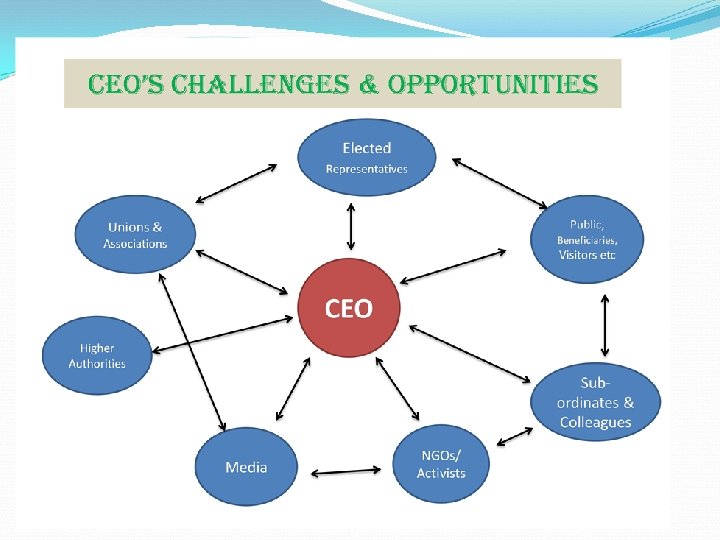
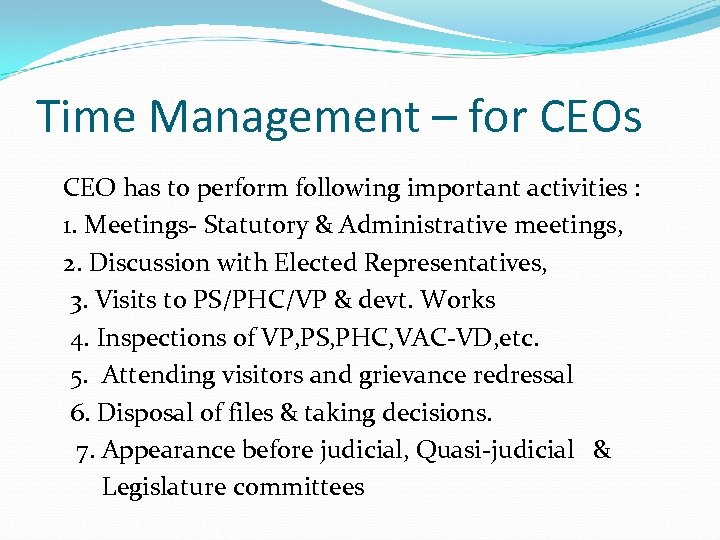 Time Management – for CEOs CEO has to perform following important activities : 1. Meetings- Statutory & Administrative meetings, 2. Discussion with Elected Representatives, 3. Visits to PS/PHC/VP & devt. Works 4. Inspections of VP, PS, PHC, VAC-VD, etc. 5. Attending visitors and grievance redressal 6. Disposal of files & taking decisions. 7. Appearance before judicial, Quasi-judicial & Legislature committees
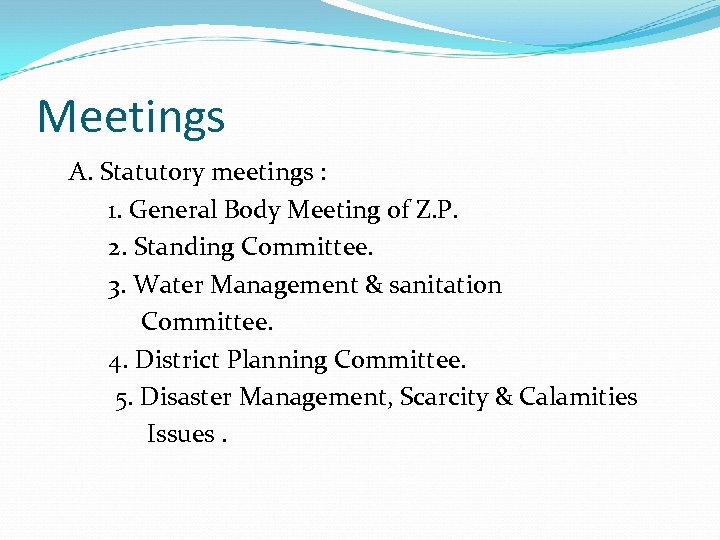 Meetings A. Statutory meetings : 1. General Body Meeting of Z. P. 2. Standing Committee. 3. Water Management & sanitation Committee. 4. District Planning Committee. 5. Disaster Management, Scarcity & Calamities Issues.
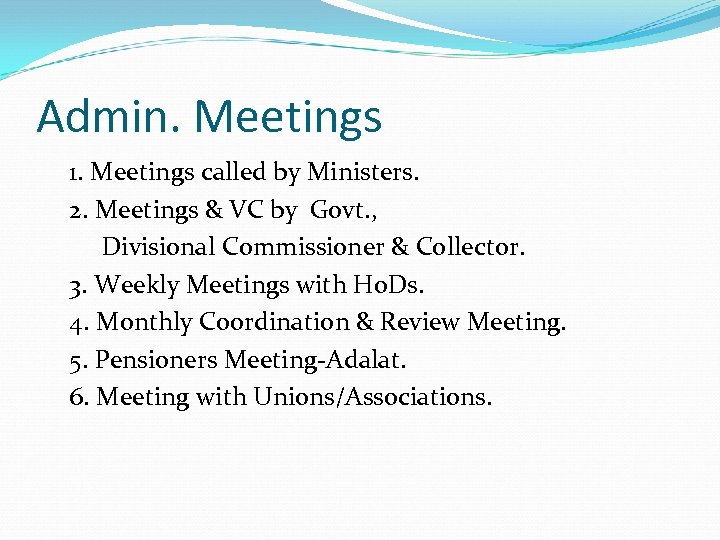 Admin. Meetings 1. Meetings called by Ministers. 2. Meetings & VC by Govt. , Divisional Commissioner & Collector. 3. Weekly Meetings with Ho. Ds. 4. Monthly Coordination & Review Meeting. 5. Pensioners Meeting-Adalat. 6. Meeting with Unions/Associations.
 Admin. Meetings. . cont 7. Vigilance & Monitoring of CSS committee 8. Lokshahi Din. 9. Meetings for Review of Central & State Govt. Programmes e. g D. R. D. A. , N. R. H. M. , S. S. A. , S. B. A. , Watershed, ZP Cess, etc. 10. Other Meetings about campaigns, workshops, exhibitions, etc.
 Appearance before judicial, Quasi-judicial & Legislature committees 1. High Court/ Dist. Court/ Session Court. 2. Lok Aayukt/ Uplok Aayukt. 3. Jan Mahiti Aayukt. 4. Human Rights & other Commissions 5. State Lokshahi Din.
 Appearance before judicial, Quasi-judicial & Legislature committees 6. Panchayat Raj Committee. 7. E. G. S. Committee. 8. S. C. Committee. 9. S. T. Committee. 10. Minority Committee. 11. Women and Child Rights Committee.
 Inspections Regular Inspections of 1. Panchayat samiti, 6. Schools, 2. Head of Dept. , 7. PHC/subcenter, 3. Gram panchayats, 8. VACs, 4. Godowns, 9. Sub-divisions, 5. MREGS Works, 10. Inspection of Hostels & special schools of social justice dept. Flying squads for surprise visits.
 Discussions with Elected Representatives. Communication with elected representatives is needed especially for… 1. Preparation of G. B. Meeting, 2. Preparation of DPC meeting 3. Preparation of standing/subject committees, 4. Before Aam Sabha of all Blocks, 5. Before taking any imp. decision like general transfers, finance commission grants, MREGS annual action plan etc.
 Visitors Fix a day & time for visitors Ensure your availability Easily accessible during emergency Create personal network for feedback mechanism Night halts
 Disposal of Files/ Decisions Number of files huge Many files need timely clearance Laws are in place to avoid delay & bring transparency Law on guarantee of Service Stakeholders are assertive for timely disposal (NGOs, Activists, Peoples representatives, Media, Concerned persons )
 Human Development Issues
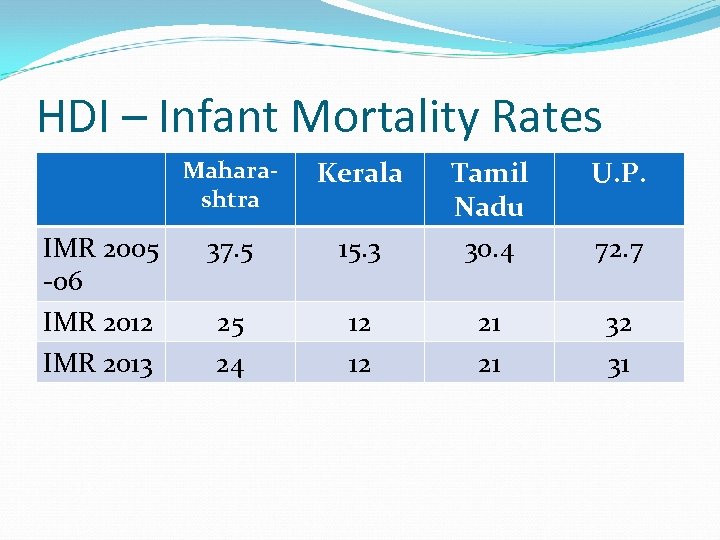 HDI – Infant Mortality Rates Maharashtra IMR 2005 -06 IMR 2012 IMR 2013 Kerala U. P. 15. 3 Tamil Nadu 30. 4 37. 5 25 24 12 12 21 21 32 31 72. 7
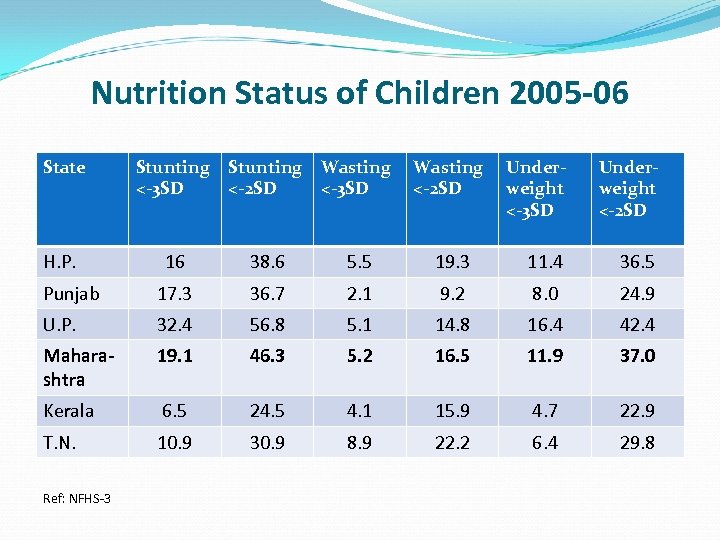 Nutrition Status of Children 2005 -06 State Stunting <-3 SD Stunting <-2 SD Wasting <-3 SD Wasting <-2 SD Underweight <-3 SD Underweight <-2 SD H. P. 16 38. 6 5. 5 19. 3 11. 4 36. 5 Punjab 17. 3 36. 7 2. 1 9. 2 8. 0 24. 9 U. P. 32. 4 56. 8 5. 1 14. 8 16. 4 42. 4 Maharashtra 19. 1 46. 3 5. 2 16. 5 11. 9 37. 0 Kerala 6. 5 24. 5 4. 1 15. 9 4. 7 22. 9 T. N. 10. 9 30. 9 8. 9 22. 2 6. 4 29. 8 Ref: NFHS-3
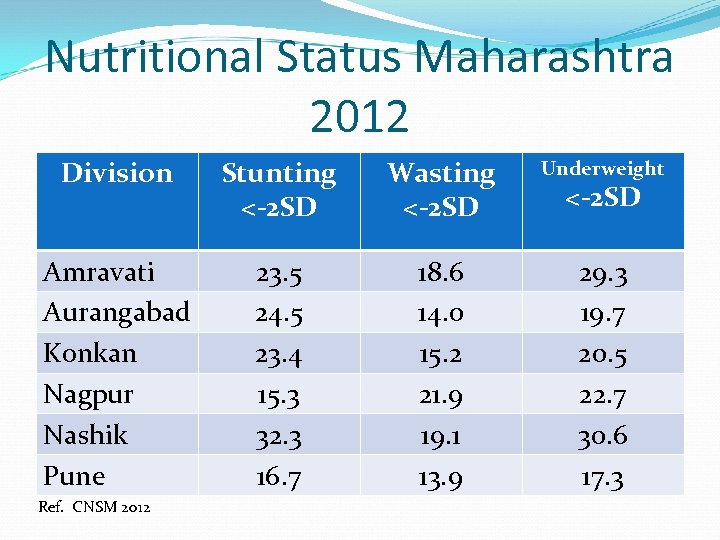 Nutritional Status Maharashtra 2012 Division Stunting <-2 SD Wasting <-2 SD Underweight Amravati Aurangabad Konkan Nagpur Nashik Pune 23. 5 24. 5 23. 4 15. 3 32. 3 16. 7 18. 6 14. 0 15. 2 21. 9 19. 1 13. 9 29. 3 19. 7 20. 5 22. 7 30. 6 17. 3 Ref. CNSM 2012 <-2 SD
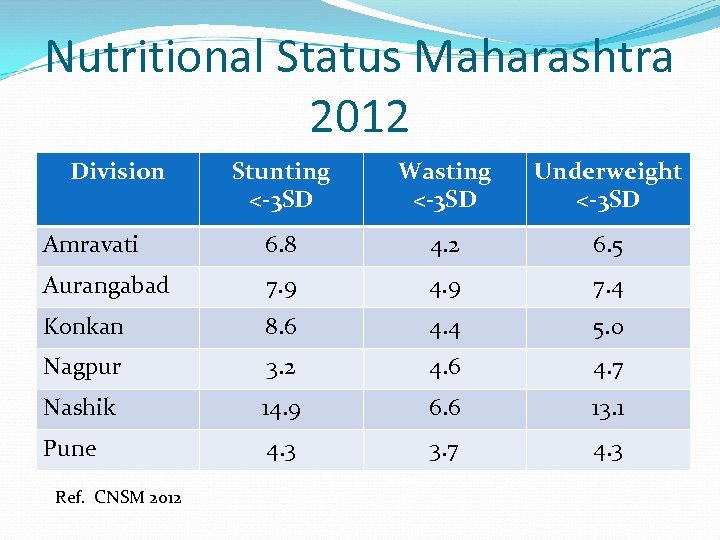 Nutritional Status Maharashtra 2012 Division Stunting <-3 SD Wasting <-3 SD Underweight <-3 SD Amravati 6. 8 4. 2 6. 5 Aurangabad 7. 9 4. 9 7. 4 Konkan 8. 6 4. 4 5. 0 Nagpur 3. 2 4. 6 4. 7 Nashik 14. 9 6. 6 13. 1 Pune 4. 3 3. 7 4. 3 Ref. CNSM 2012
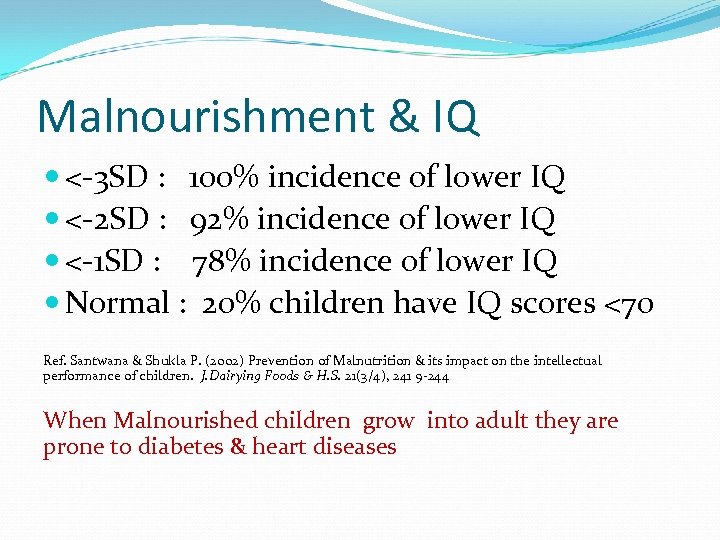 Malnourishment & IQ <-3 SD : 100% incidence of lower IQ <-2 SD : 92% incidence of lower IQ <-1 SD : 78% incidence of lower IQ Normal : 20% children have IQ scores <70 Ref. Santwana & Shukla P. (2002) Prevention of Malnutrition & its impact on the intellectual performance of children. J. Dairying Foods & H. S. 21(3/4), 241 9 -244 When Malnourished children grow into adult they are prone to diabetes & heart diseases
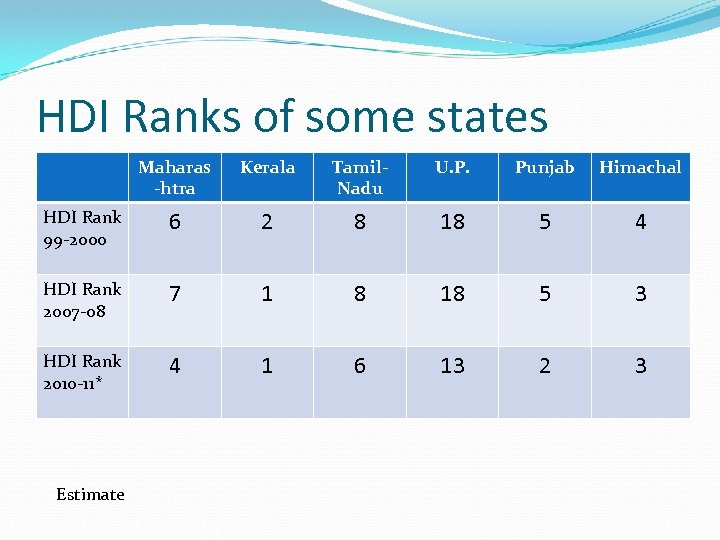 HDI Ranks of some states Maharas -htra Kerala Tamil. Nadu U. P. Punjab Himachal HDI Rank 99 -2000 6 2 8 18 5 4 HDI Rank 2007 -08 7 1 8 18 5 3 HDI Rank 2010 -11* 4 1 6 13 2 3 Estimate
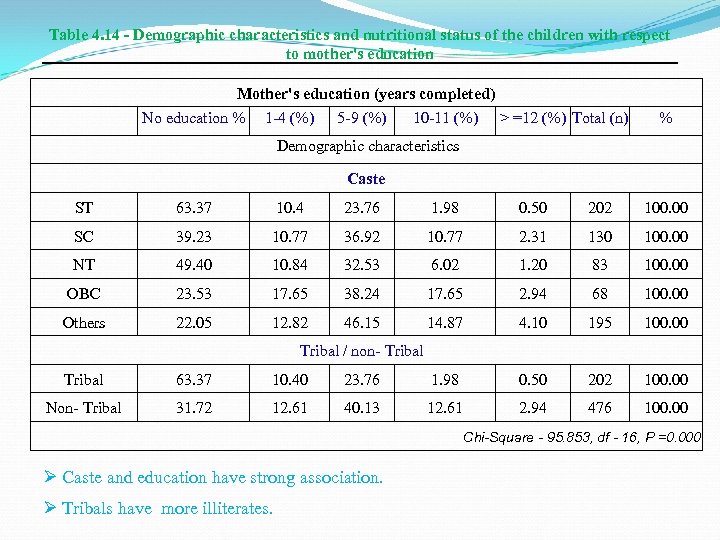 Table 4. 14 - Demographic characteristics and nutritional status of the children with respect to mother's education Mother's education (years completed) No education % 1 -4 (%) 5 -9 (%) 10 -11 (%) > =12 (%) Total (n) % Demographic characteristics Caste ST 63. 37 10. 4 23. 76 1. 98 0. 50 202 100. 00 SC 39. 23 10. 77 36. 92 10. 77 2. 31 130 100. 00 NT 49. 40 10. 84 32. 53 6. 02 1. 20 83 100. 00 OBC 23. 53 17. 65 38. 24 17. 65 2. 94 68 100. 00 Others 22. 05 12. 82 46. 15 14. 87 4. 10 195 100. 00 Tribal / non- Tribal 63. 37 10. 40 23. 76 1. 98 0. 50 202 100. 00 Non- Tribal 31. 72 12. 61 40. 13 12. 61 2. 94 476 100. 00 Chi-Square - 95. 853, df - 16, P =0. 000 Ø Caste and education have strong association. Ø Tribals have more illiterates.
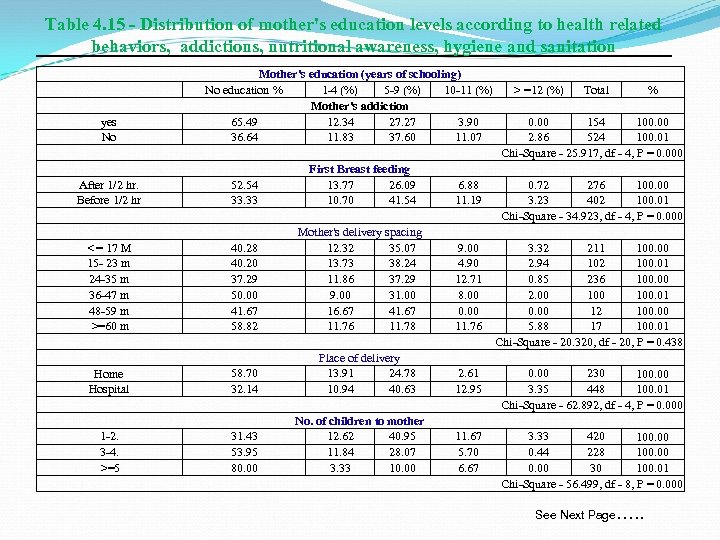 Table 4. 15 - Distribution of mother's education levels according to health related behaviors, addictions, nutritional awareness, hygiene and sanitation yes No After 1/2 hr. Before 1/2 hr < = 17 M 15 - 23 m 24 -35 m 36 -47 m 48 -59 m >=60 m Home Hospital 1 -2. 3 -4. >=5 Mother's education (years of schooling) No education % 1 -4 (%) 5 -9 (%) 10 -11 (%) Mother's addiction 65. 49 12. 34 27. 27 3. 90 36. 64 11. 83 37. 60 11. 07 > =12 (%) Total % 0. 00 154 100. 00 2. 86 524 100. 01 Chi-Square - 25. 917, df - 4, P = 0. 000 52. 54 33. 33 First Breast feeding 13. 77 26. 09 10. 70 41. 54 6. 88 11. 19 0. 72 276 100. 00 3. 23 402 100. 01 Chi-Square - 34. 923, df - 4, P = 0. 000 40. 28 40. 20 37. 29 50. 00 41. 67 58. 82 Mother's delivery spacing 12. 32 35. 07 13. 73 38. 24 11. 86 37. 29 9. 00 31. 00 16. 67 41. 67 11. 76 11. 78 9. 00 4. 90 12. 71 8. 00 0. 00 11. 76 3. 32 211 100. 00 2. 94 102 100. 01 0. 85 236 100. 00 2. 00 100. 01 0. 00 12 100. 00 5. 88 17 100. 01 Chi-Square - 20. 320, df - 20, P = 0. 438 2. 61 12. 95 0. 00 230 100. 00 3. 35 448 100. 01 Chi-Square - 62. 892, df - 4, P = 0. 000 11. 67 5. 70 6. 67 3. 33 420 100. 00 0. 44 228 100. 00 30 100. 01 Chi-Square - 56. 499, df - 8, P = 0. 000 58. 70 32. 14 31. 43 53. 95 80. 00 Place of delivery 13. 91 24. 78 10. 94 40. 63 No. of children to mother 12. 62 40. 95 11. 84 28. 07 3. 33 10. 00 See Next Page…. .
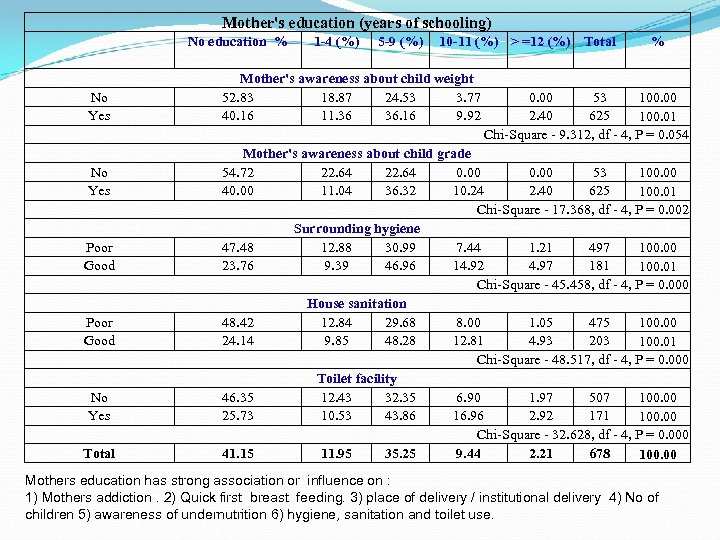 Mother's education (years of schooling) No Yes Poor Good No Yes Total No education % 1 -4 (%) 5 -9 (%) 10 -11 (%) > =12 (%) Total Mother's awareness about child weight 52. 83 18. 87 24. 53 3. 77 40. 16 11. 36 36. 16 9. 92 % 0. 00 53 100. 00 2. 40 625 100. 01 Chi-Square - 9. 312, df - 4, P = 0. 054 Mother's awareness about child grade 54. 72 22. 64 0. 00 53 100. 00 40. 00 11. 04 36. 32 10. 24 2. 40 625 100. 01 Chi-Square - 17. 368, df - 4, P = 0. 002 Surrounding hygiene 47. 48 12. 88 30. 99 7. 44 1. 21 497 100. 00 23. 76 9. 39 46. 96 14. 92 4. 97 181 100. 01 Chi-Square - 45. 458, df - 4, P = 0. 000 House sanitation 48. 42 12. 84 29. 68 8. 00 1. 05 475 100. 00 24. 14 9. 85 48. 28 12. 81 4. 93 203 100. 01 Chi-Square - 48. 517, df - 4, P = 0. 000 Toilet facility 46. 35 12. 43 32. 35 6. 90 1. 97 507 100. 00 25. 73 10. 53 43. 86 16. 96 2. 92 171 100. 00 Chi-Square - 32. 628, df - 4, P = 0. 000 41. 15 11. 95 35. 25 9. 44 2. 21 678 100. 00 Mothers education has strong association or influence on : 1) Mothers addiction. 2) Quick first breast feeding. 3) place of delivery / institutional delivery 4) No of children 5) awareness of undernutrition 6) hygiene, sanitation and toilet use.
 Educational Status
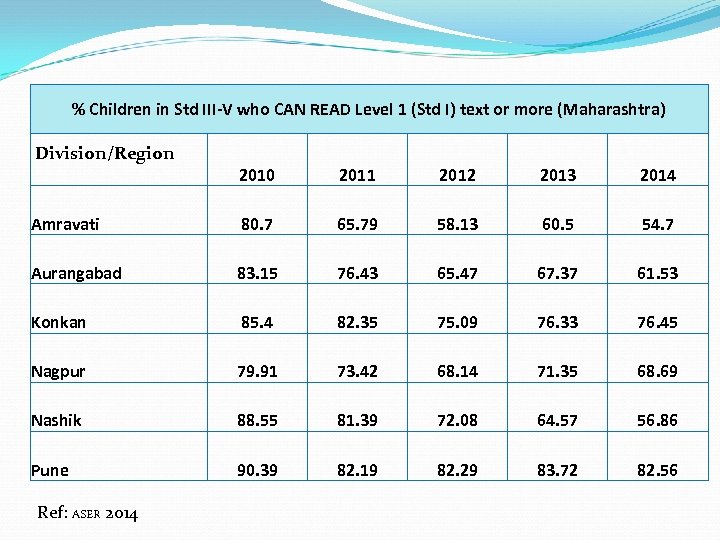 % Children in Std III-V who CAN READ Level 1 (Std I) text or more (Maharashtra) Division/Region 2010 2011 2012 2013 2014 Amravati 80. 7 65. 79 58. 13 60. 5 54. 7 Aurangabad 83. 15 76. 43 65. 47 67. 37 61. 53 Konkan 85. 4 82. 35 75. 09 76. 33 76. 45 Nagpur 79. 91 73. 42 68. 14 71. 35 68. 69 Nashik 88. 55 81. 39 72. 08 64. 57 56. 86 Pune 90. 39 82. 19 82. 29 83. 72 82. 56 Ref: ASER 2014
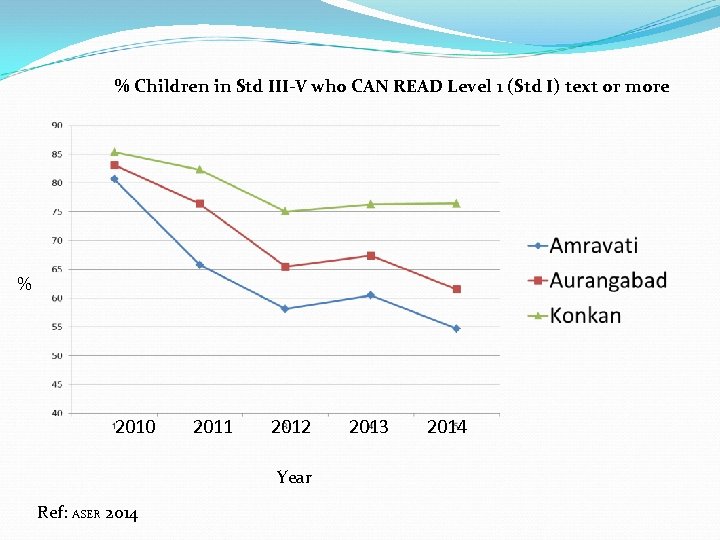 % Children in Std III-V who CAN READ Level 1 (Std I) text or more % 2010 2011 2012 Year Ref: ASER 2014 2013 2014
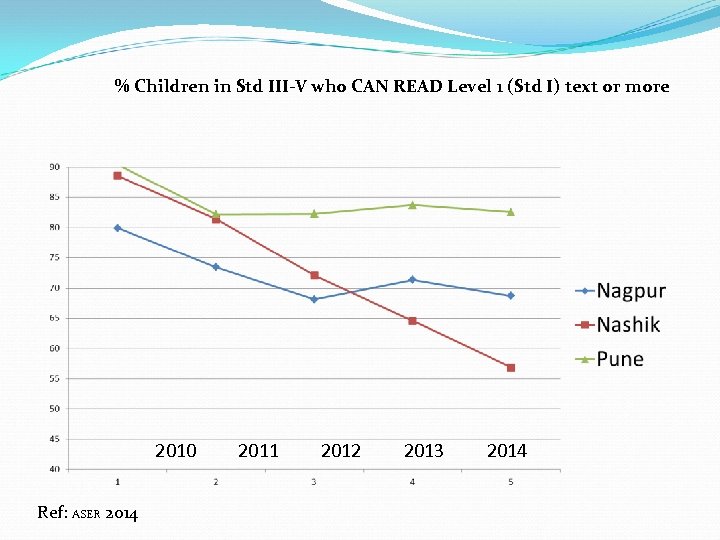 % Children in Std III-V who CAN READ Level 1 (Std I) text or more 2010 Ref: ASER 2014 2011 2012 2013 2014
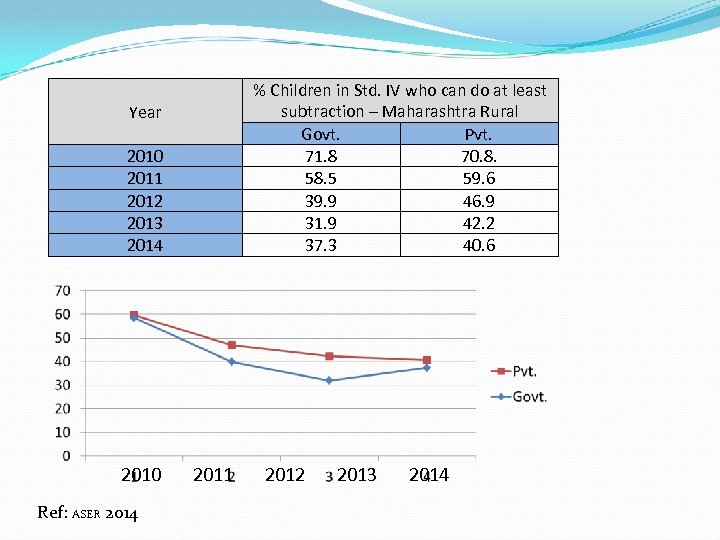 % Children in Std. IV who can do at least subtraction – Maharashtra Rural Govt. Pvt. 71. 8 70. 8. 5 59. 6 39. 9 46. 9 31. 9 42. 2 37. 3 40. 6 Year 2010 2011 2012 2013 2014 2010 Ref: ASER 2014 2011 2012 2013 2014
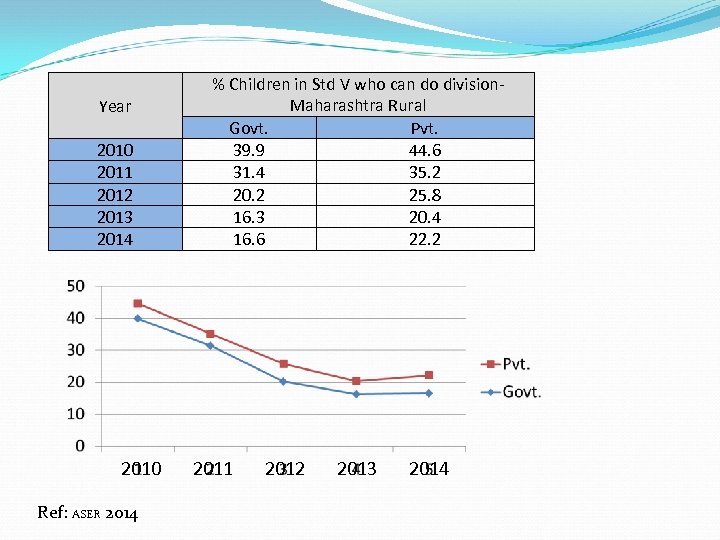 Year 2010 2011 2012 2013 2014 2010 Ref: ASER 2014 % Children in Std V who can do division. Maharashtra Rural Govt. Pvt. 39. 9 44. 6 31. 4 35. 2 20. 2 25. 8 16. 3 20. 4 16. 6 22. 2 2011 2012 2013 2014
 Thanks