


 Скачать презентацию Y 6 Curriculu m Meeting Mr Hunt
274bae46d868969e10febe96f757a1d6.ppt
- Количество слайдов: 65
 Y 6 Curriculu m Meeting Mr Hunt
 Our Aims: • To provide a calm, caring learning atmosphere, where all children grow in confidence and develop a real desire to learn and improve. • To develop the children’s social, emotional and academic abilities in preparation for their transition to secondary school. • To produce some very happy and special memories from their final year in primary school.
 What we expect… Reflective learners- Listen to others and make the right decisions. Resilient learners- Keep trying and become independent when solving problems. Respectful learners- Care for other people and property.
 Article 28: (Right to education): All children have the right to a primary education.
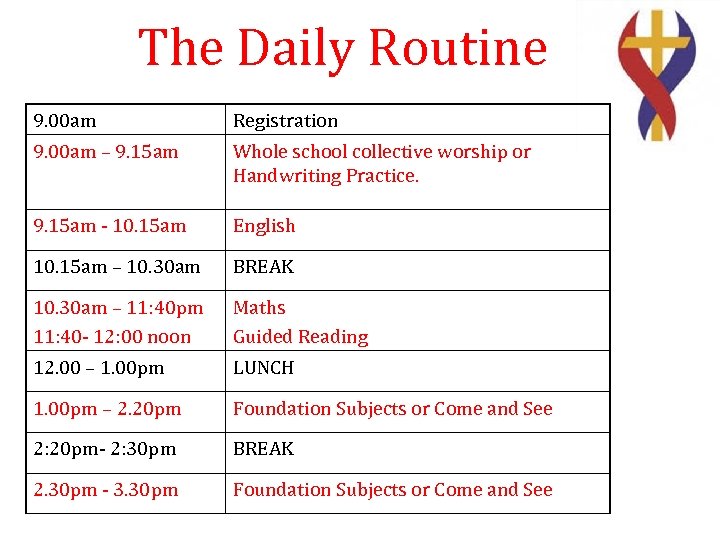 The Daily Routine 9. 00 am Registration 9. 00 am – 9. 15 am Whole school collective worship or Handwriting Practice. 9. 15 am - 10. 15 am English 10. 15 am – 10. 30 am BREAK 10. 30 am – 11: 40 pm 11: 40 - 12: 00 noon Maths Guided Reading 12. 00 – 1. 00 pm LUNCH 1. 00 pm – 2. 20 pm Foundation Subjects or Come and See 2: 20 pm- 2: 30 pm BREAK 2. 30 pm - 3. 30 pm Foundation Subjects or Come and See
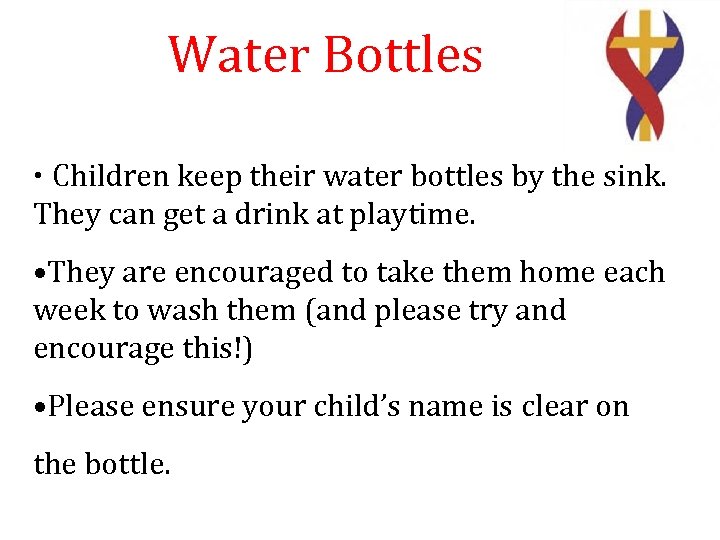 Water Bottles • Children keep their water bottles by the sink. They can get a drink at playtime. • They are encouraged to take them home each week to wash them (and please try and encourage this!) • Please ensure your child’s name is clear on the bottle.
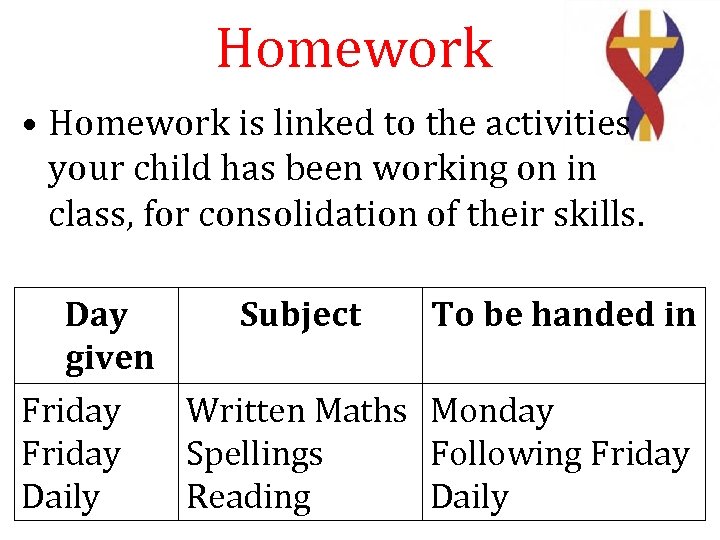 Homework • Homework is linked to the activities your child has been working on in class, for consolidation of their skills. Day Subject To be handed in given Friday Written Maths Monday Friday Spellings Following Friday Daily Reading Daily
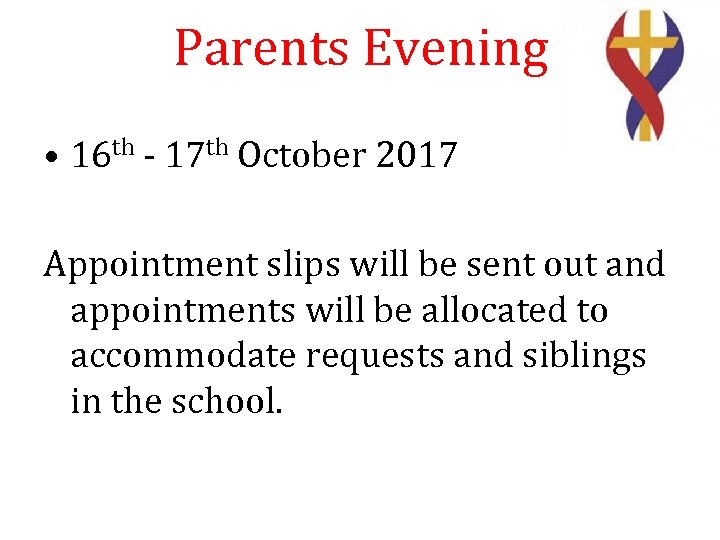 Parents Evening • 16 th - 17 th October 2017 Appointment slips will be sent out and appointments will be allocated to accommodate requests and siblings in the school.
 Rewards Leaves Certificates: English award, Maths award, presentation award. Mathletics and Spellodrome awards Spellodrome trophy.
 Year 6 Curriculum Core Subjects English Maths Science RE Foundation Subjects Computing History Geography Art Design & Technology Music French PE
 Lessons in Year 6 Children are taught in structured lessons, which consists of 4 main parts: - Sharing of LO (Learning Objective) and Success Criteria – Whole class teaching (Whiteboard / powerpoints / practical and interactive) - Differentiated Independent work (individual / paired / small group) - Plenary (summary of lesson)
 Assessment is continuous and tracked to ensure that each child’s unique needs are catered for. There will also be an assessment at the end of each half term.
 English Curriculum Autumn Term Narrative, Balanced argument, Explanation and Letter Writing Spring Term Informal writing, Newspapers, Classic literature and Recount Summer Term Chronological/Non-chronological reports,
 A typical week Monday- Reading Comprehension Tuesday- SPa. G skills Wednesday- SPa. G skills Thursday- SPa. G skills Friday- Long piece of writing At the beginning of each unit- Cold Write At the end of each unit- Hot Write
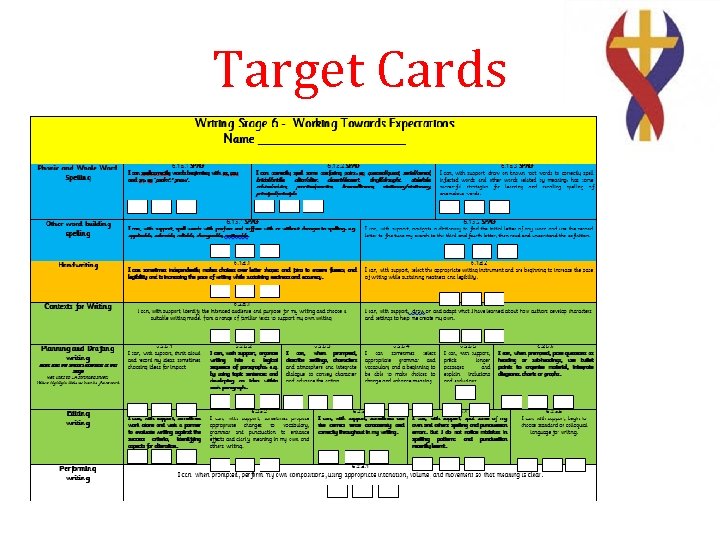 Target Cards
 Target Cards 4 individual targets. (Dotted) Changed when achieved. Use across the curriculum. 6. 3. b. 2 SPAG I can, when prompted, use modal verbs or adverbs to show possibility.
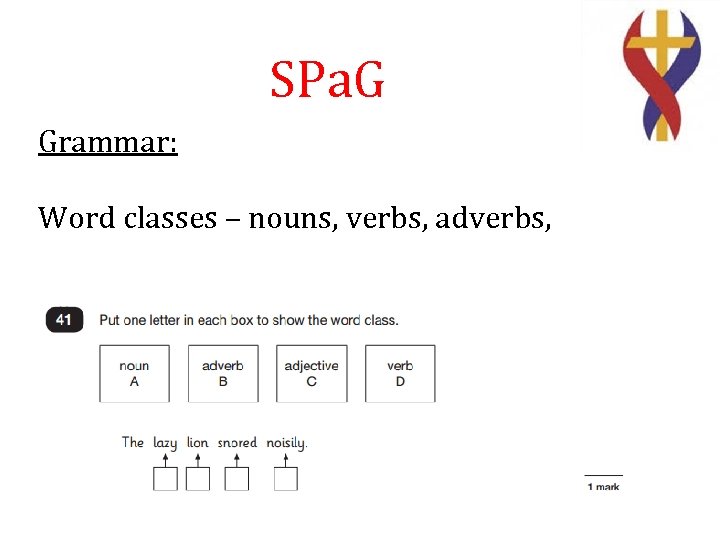 SPa. G Grammar: Word classes – nouns, verbs, adverbs, adjectives
 Grammar continued • Tenses • Connectives • Types of sentences- statements, commands, questions • Phrases and clauses- main and subordinate • Articles • Prepositions • Pronouns • Punctuation • Choosing words with similar meanings. • Prefixes/Suffixes • Using I or me.
 Grammatical Terms A proper noun identifies a particular person, place, or thing (for example, James or Brazil or Monday or Glasgow). Proper nouns always start with a capital letter. These can be found in your booklet.
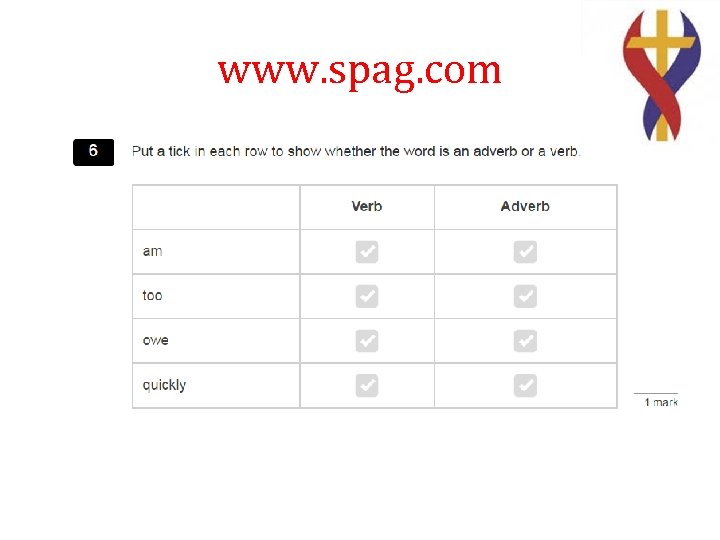 www. spag. com
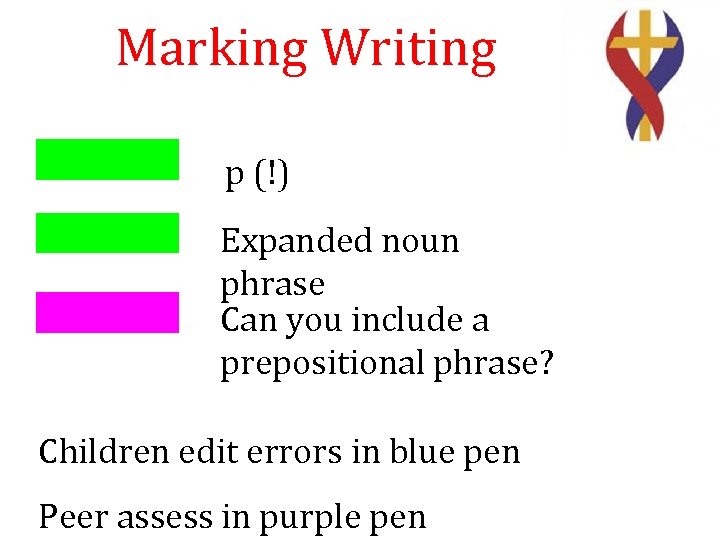 Marking Writing p (!) Expanded noun phrase Can you include a prepositional phrase? Children edit errors in blue pen Peer assess in purple pen
 Spelling Children will investigate and explore spelling patterns daily within the English lesson for approximately 10 - 15 min. A word list will be sent home weekly and tested on a Friday. www. spellodrome. com
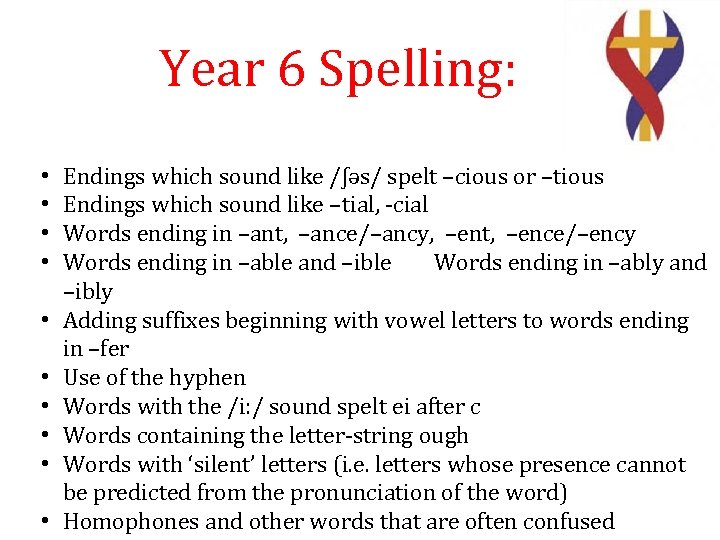 Year 6 Spelling: • • • Endings which sound like /ʃəs/ spelt –cious or –tious Endings which sound like –tial, -cial Words ending in –ant, –ance/–ancy, –ent, –ence/–ency Words ending in –able and –ible Words ending in –ably and –ibly Adding suffixes beginning with vowel letters to words ending in –fer Use of the hyphen Words with the /i: / sound spelt ei after c Words containing the letter-string ough Words with ‘silent’ letters (i. e. letters whose presence cannot be predicted from the pronunciation of the word) Homophones and other words that are often confused
 Guided Reading Guided reading sessions last 20 minutes daily. Sessions will focus on different targets each week: Text retrieval; Deduce, refer, interpret information, events or ideas. Identify and comment on text structure and organisation. Look at the writer’s use of language. Look at the purpose of the text and the impact it has on the reader. Read out loud with confidence and fluidity.
 Independent Reading Children choose a reading book, and are encouraged to pick a range of fiction and non-fiction texts. They should be aiming to be able to read this fluently but with some challenging words. EVERY NIGHT (10 minutes!!) Not necessary to hear every word but please encourage children to talk about what they have read. Comment in reading record book.
 Handwriting Children will have regular 15 minute handwriting sessions on Tuesday, Wednesday and Thursday. Aim is for ‘Gold Standard’ (neat, joined, consistent style of handwriting) Pride in their presentation
 Adam Bushnell st and 8 th 1 November 2017
 Maths Throughout the year the children will cover the following strands: • Number • Measurement • Geometry • Statistics • Ratio • Algebra
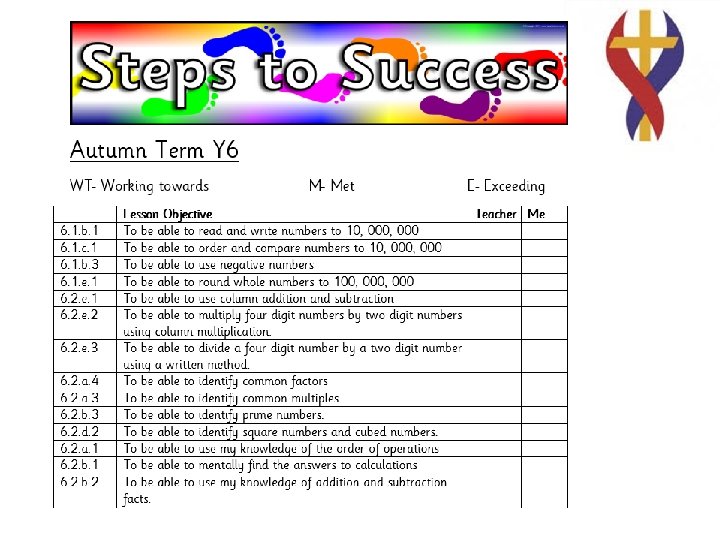
 Maths Curriculum • Greater emphasis on arithmetic/mental skills • The promotion of efficient written methods of long multiplication and division. • More demanding
 Key Maths Skills • Tables facts and division facts to 12 x 12 • Knowledge of place value (numbers to 1, 000) • Multiply and divide by 10, 100, 1000 • Written methods of calculation for all four operations • Problem solving and application of skills
 Lessons in Y 6 • Monday- Cool Counting • Tuesday- Talking Tuesday • Wednesday- Fabulous Five • Thursday- Fabulous Five • Friday- Nifty Fifty
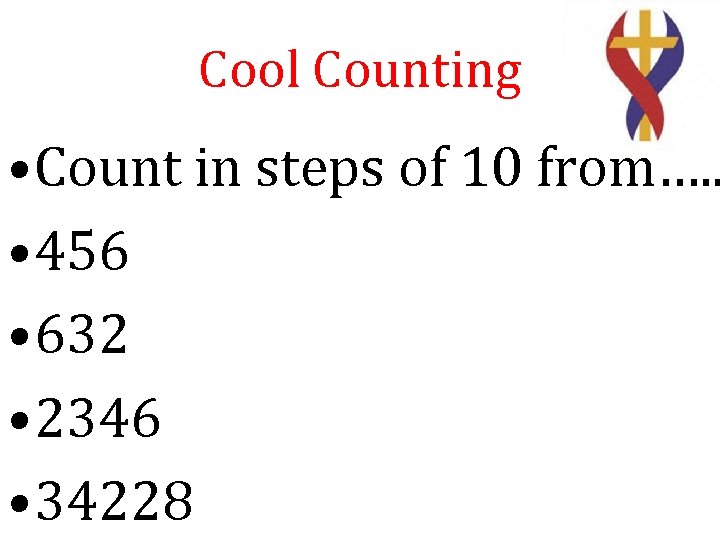 Cool Counting • Count in steps of 10 from…. . • 456 • 632 • 2346 • 34228
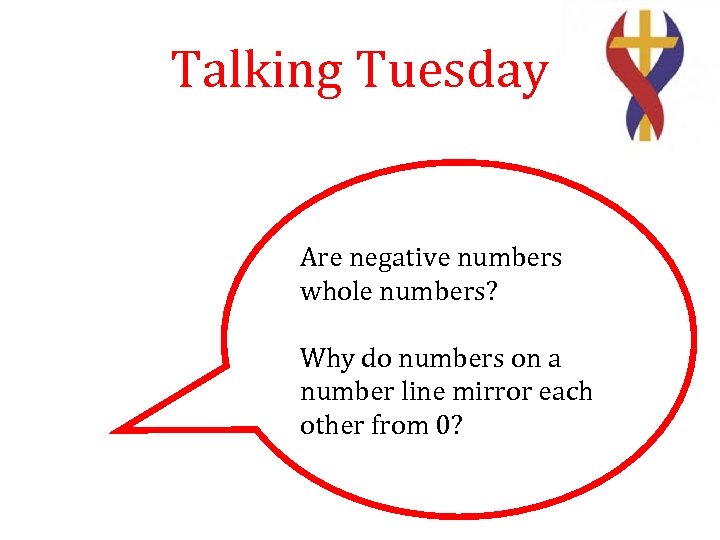 Talking Tuesday Are negative numbers whole numbers? Why do numbers on a number line mirror each other from 0?
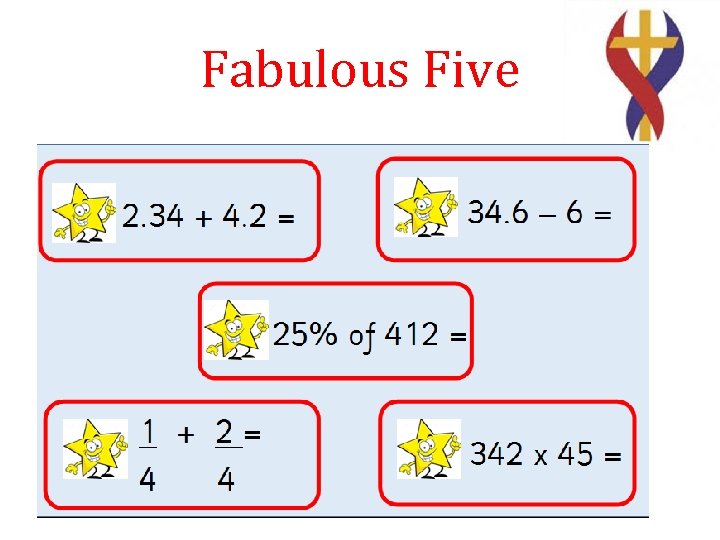 Fabulous Five
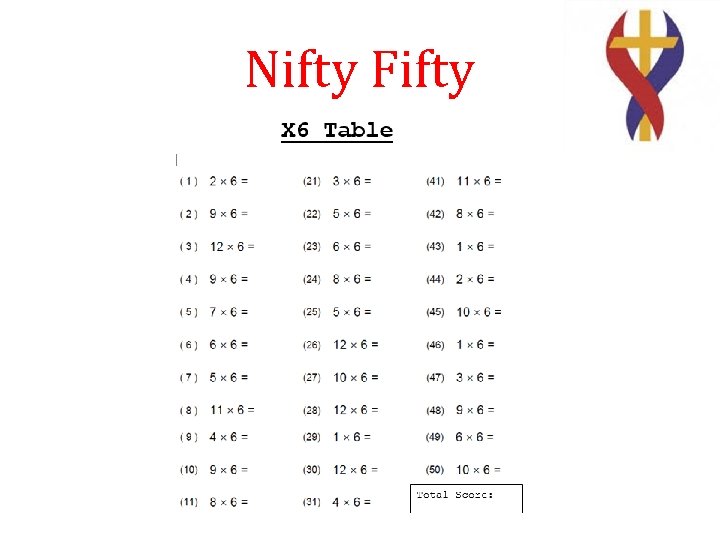 Nifty Fifty
 Times Tables • 2 minutes to complete 50 calculations • Timed • Certificate for each table achieved. • Each child to have a pocket size tables chart to help learn their tables.
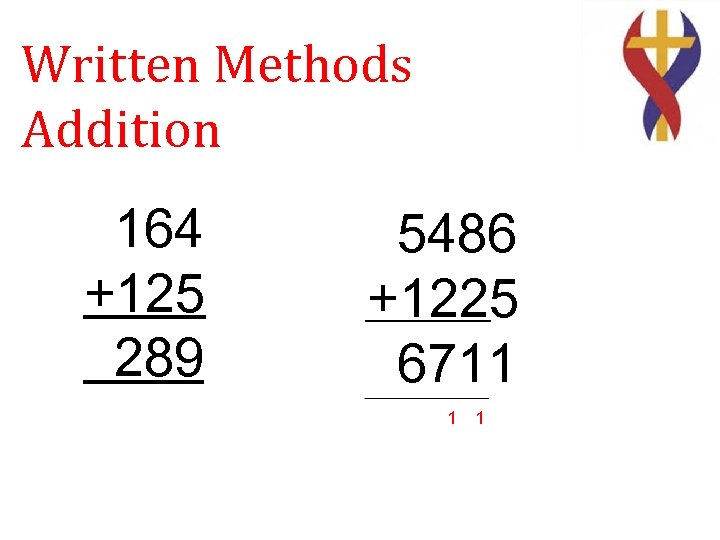 Written Methods Addition 164 +125 289 5486 +1225 6711 1 1
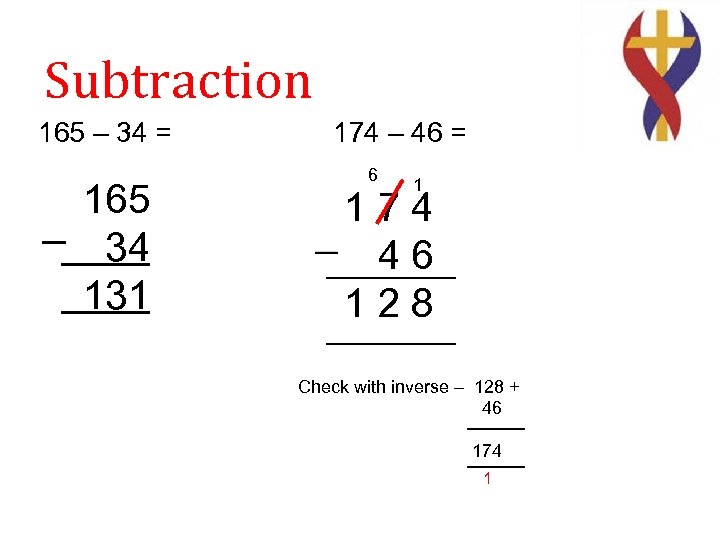 Subtraction 165 – 34 = 165 _ 34 131 174 – 46 = 6 1 174 46 128 Check with inverse – 128 + 46 174 1
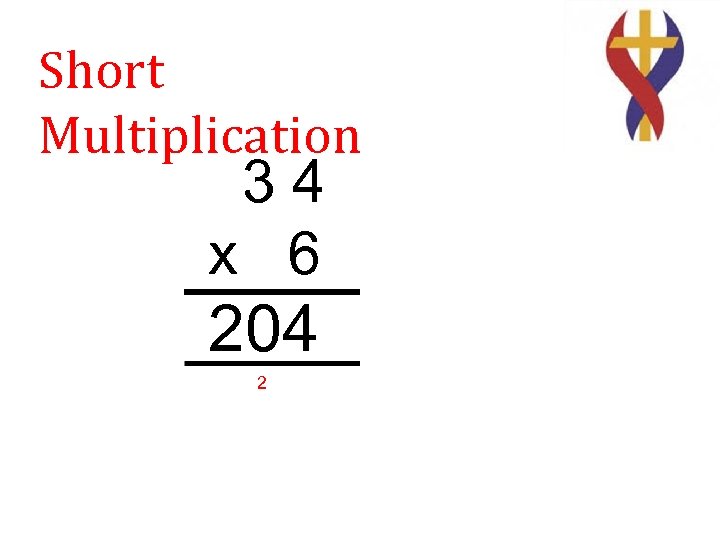 Short Multiplication 34 x 6 204 2
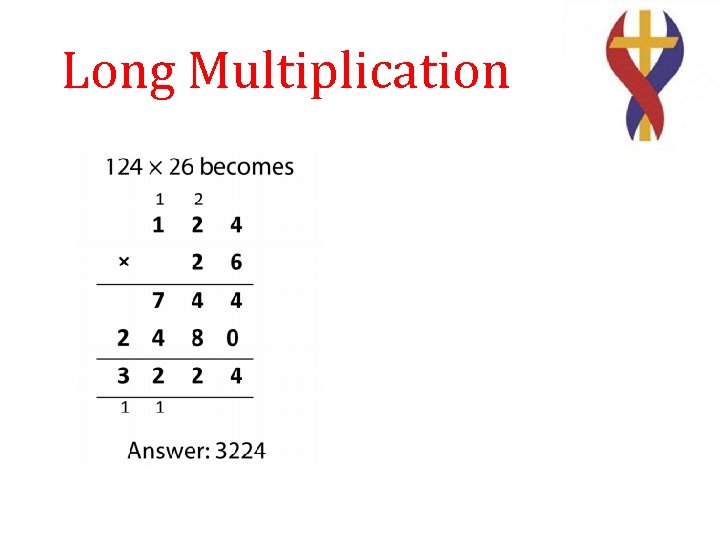 Long Multiplication
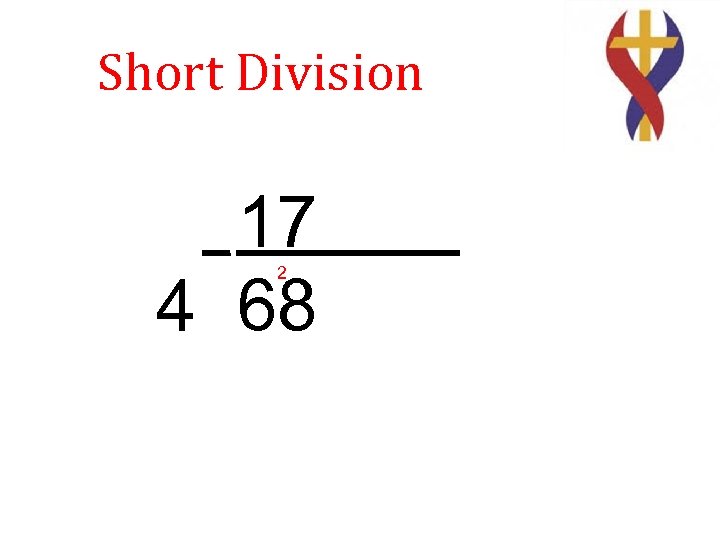 Short Division 17 4 68 2
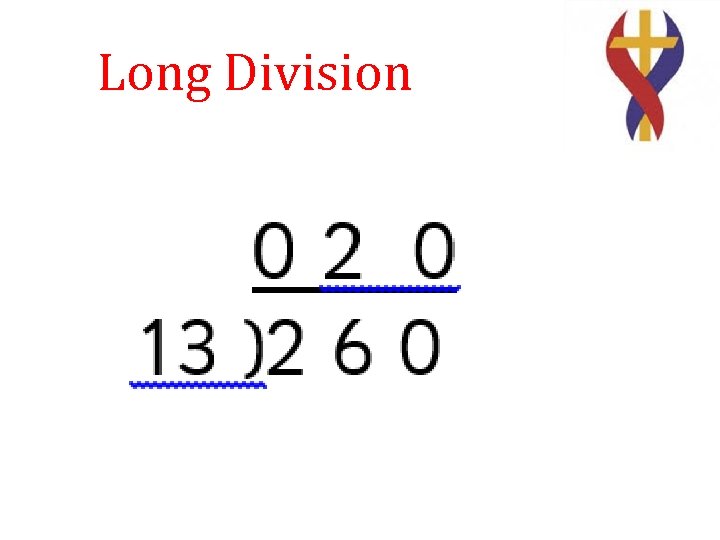 Long Division
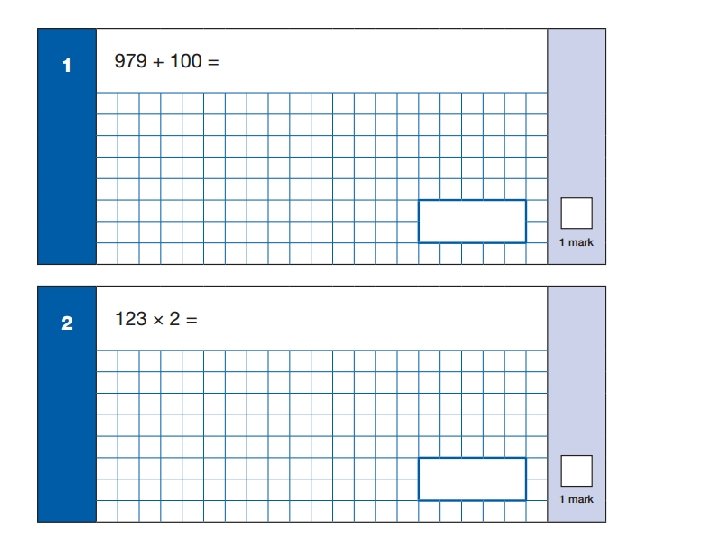
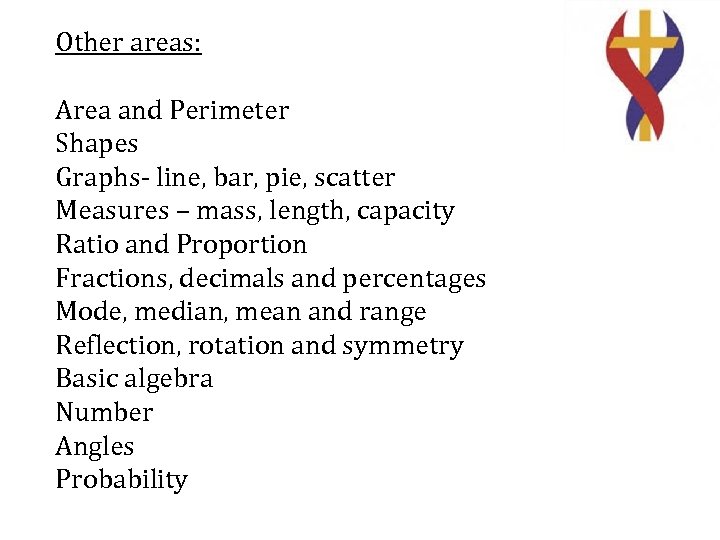 Other areas: Area and Perimeter Shapes Graphs- line, bar, pie, scatter Measures – mass, length, capacity Ratio and Proportion Fractions, decimals and percentages Mode, median, mean and range Reflection, rotation and symmetry Basic algebra Number Angles Probability
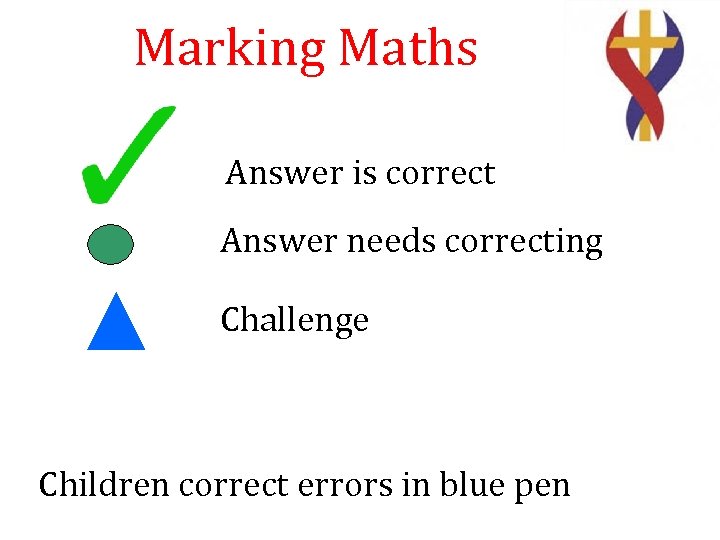 Marking Maths Answer is correct Answer needs correcting Challenge Children correct errors in blue pen
 Booster Work All children will be monitored closely throughout the year. Spring Term Wednesday - Maths Thursday- English (Reading and SPa. G) 3: 30 pm- 4: 30 pm
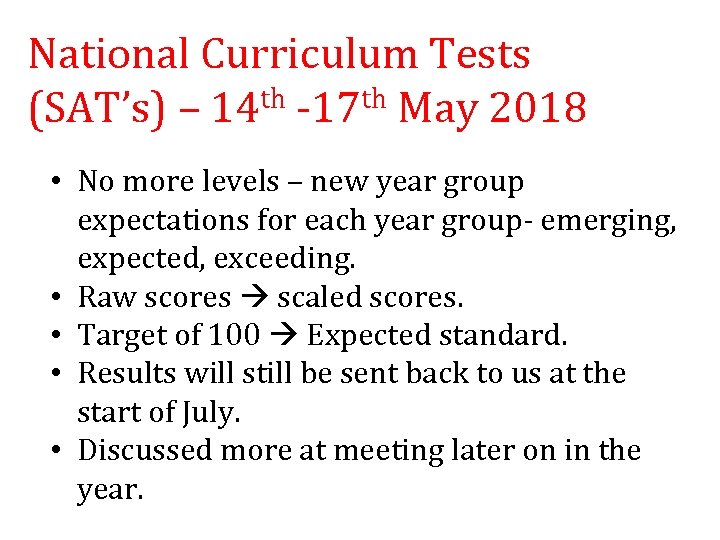 National Curriculum Tests (SAT’s) – 14 th -17 th May 2018 • No more levels – new year group expectations for each year group- emerging, expected, exceeding. • Raw scores scaled scores. • Target of 100 Expected standard. • Results will still be sent back to us at the start of July. • Discussed more at meeting later on in the year.
 Science • Living things • Human Body • Light and Sound • Electricity
 Sam- Outdoor Learning th October 2017 4
 Computing The children have one computing lesson a week. • • E-safety We are app planners We are project managers We are market researchers We are interface designers We are app developers We are marketers.
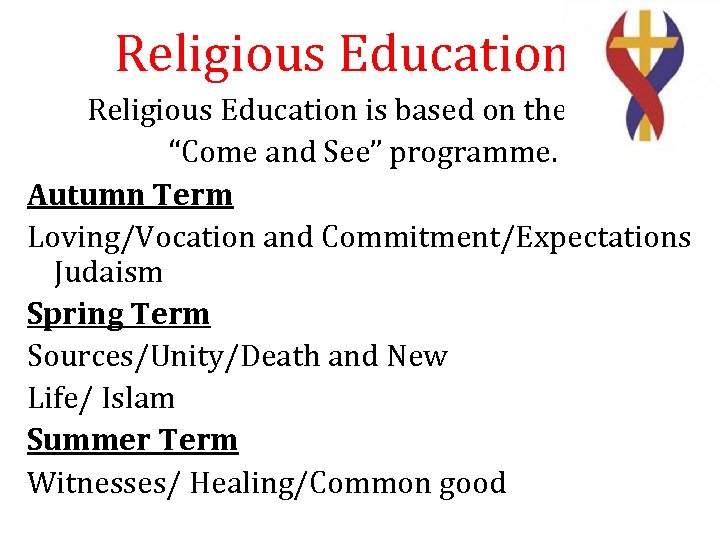 Religious Education is based on the new “Come and See” programme. Autumn Term Loving/Vocation and Commitment/Expectations Judaism Spring Term Sources/Unity/Death and New Life/ Islam Summer Term Witnesses/ Healing/Common good
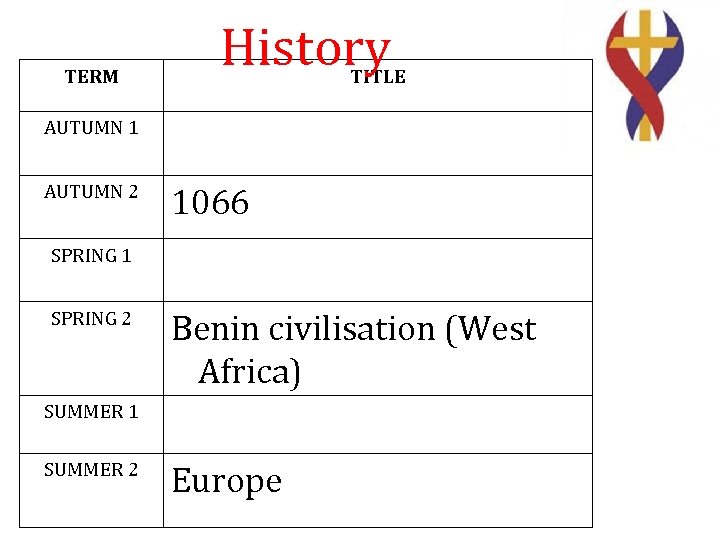 TERM History TITLE AUTUMN 1 AUTUMN 2 1066 SPRING 1 SPRING 2 Benin civilisation (West Africa) SUMMER 1 SUMMER 2 Europe
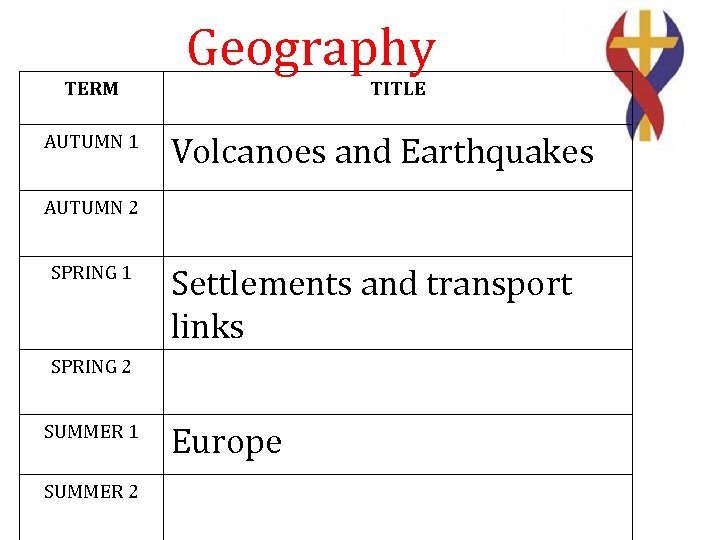 TERM AUTUMN 1 Geography TITLE Volcanoes and Earthquakes AUTUMN 2 SPRING 1 Settlements and transport links SPRING 2 SUMMER 1 SUMMER 2 Europe
 Oriental Museum Students use maps and other documents from the archives to gain an understanding of how and why an area changes over time. They then choose a period and plan a guided tour of the locality for a visitor.
 PE • P. E kit is needed for all PE lessons. Please ensure that all items, including plimsolls, are labelled with your child’s name. • It is your childs’ responsibility to remember their own PE kit • Note required if your child can’t take part.
 • Autumn Term • Games- Hockey • Gymnastics • Spring Term • Dance Summer Term • Games- Tag Rugby • Athletics
 French Vocabulary Songs Games Stories
 Music • Year 6 will be taught music using a scheme of work called ‘Music Express’. Some of the skills that children will develop are: • skills and confidence in internalising and keeping a beat and accurately performing on given beats while keeping in time; • skills and confidence in responding to rhythm, developing rhythmic memory and performing rhythms accurately against a beat; • skills and confidence in responding to pitch, developing pitch memory and performing pitch with accuracy while keeping in time.
 Pantomime 12 th December 2017
 Art and DT will link to your child’s topic work. These are some of the skills they will develop: Drawing Design Painting Make Sculpture Evaluate Artist research Food
 Aycliffe Angels Beginnin g this week!
 Wild about Adventure Every Week: -Junior First Aid Award. -Young Star Navigation Award. -Beach School Programmes
 Year 6 – “An open door” • Please come and see me about anything that is concerning or worrying you. • Contact the office to make an appointment.