 Скачать презентацию XML s Role as a Standard for Building Automation
d604ead72c01e0f215e2a08cde35046f.ppt
- Количество слайдов: 38



XML’s Role as a Standard for Building Automation n n Patrick Gannon President & CEO CABA XML Symposium Orlando, 9 February 2005
Open Standards for Building Automation n Future Shock – “De-perimiterization” n Information Technology Trends n Service Oriented Architecture n n Key Directions in XML & Web Services Standards What your company can do
Businesses have to deal with “Future Shock” daily!
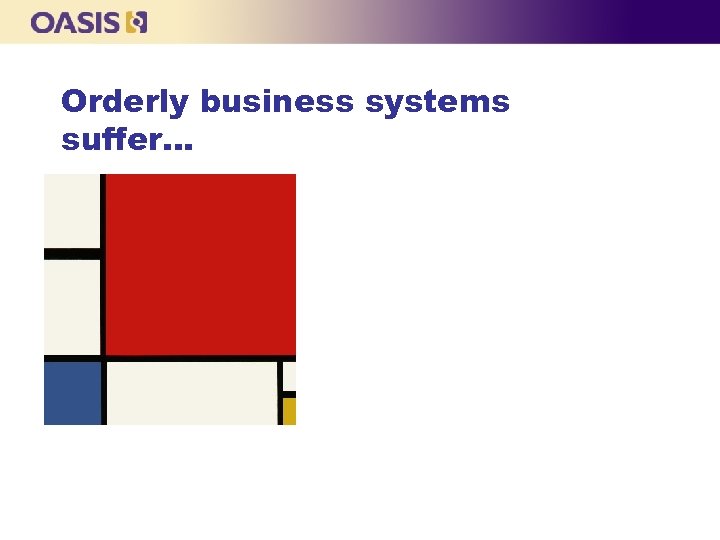
Orderly business systems suffer…
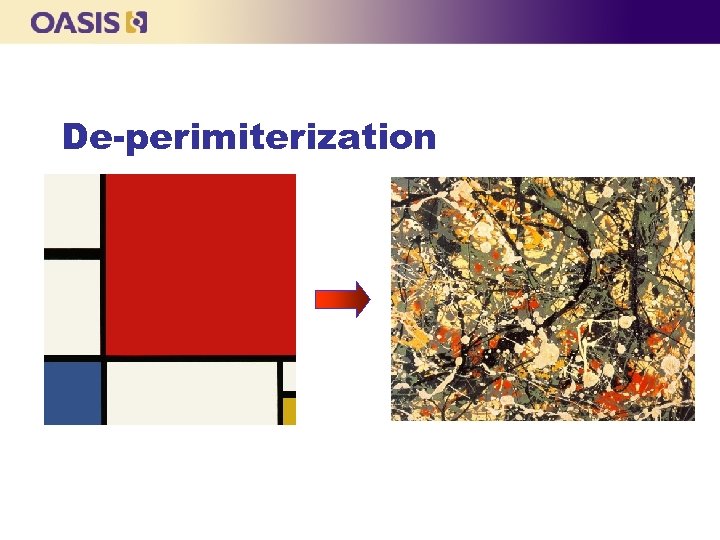
De-perimiterization
A smooth sailing business environment is transformed…
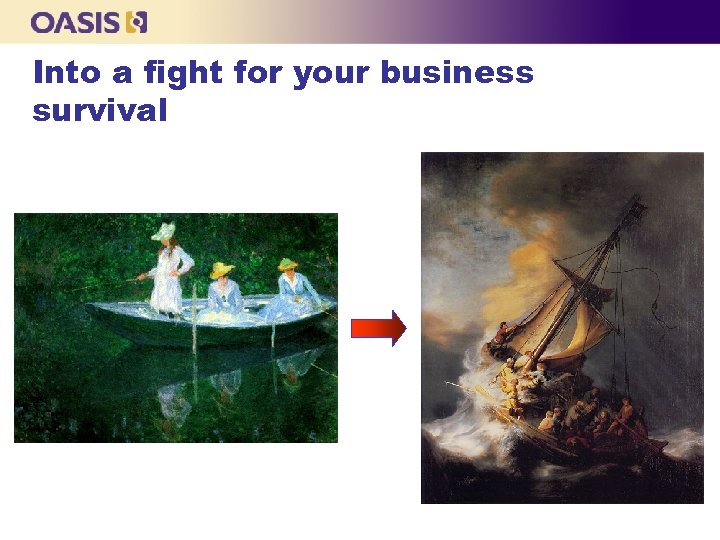
Into a fight for your business survival
It’s enough to make you want to…
Information Technology Trends n Technology & Business Economic Trends
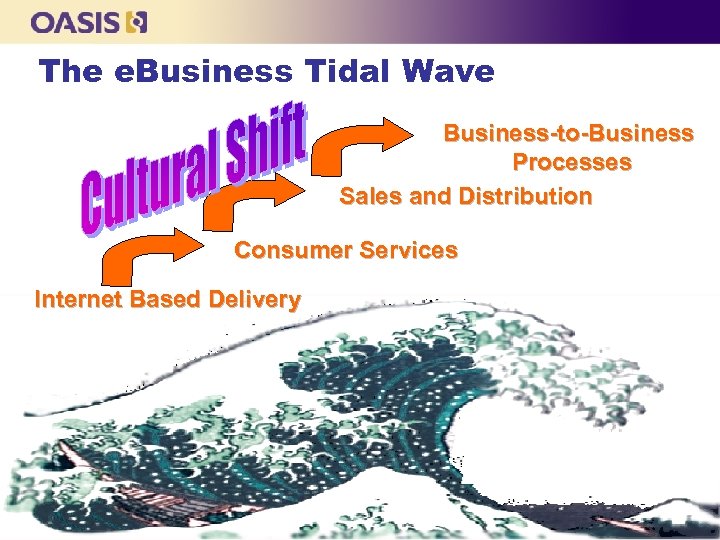
The e. Business Tidal Wave Business-to-Business Processes Sales and Distribution Consumer Services Internet Based Delivery
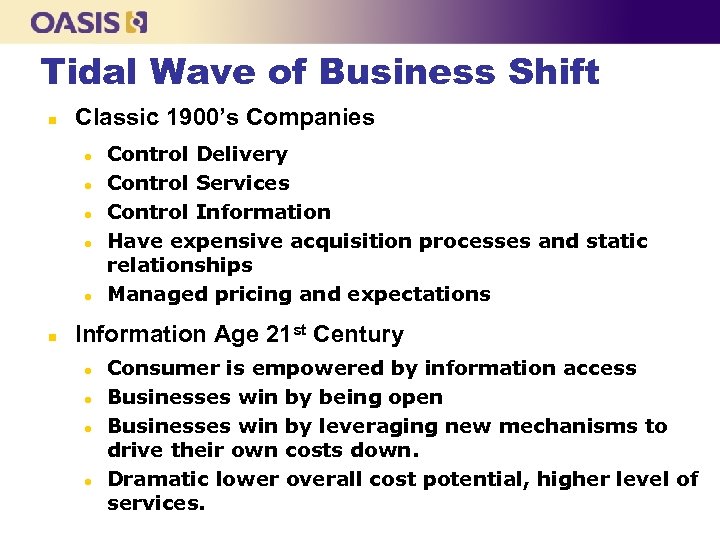
Tidal Wave of Business Shift n Classic 1900’s Companies l l l n Control Delivery Control Services Control Information Have expensive acquisition processes and static relationships Managed pricing and expectations Information Age 21 st Century l l Consumer is empowered by information access Businesses win by being open Businesses win by leveraging new mechanisms to drive their own costs down. Dramatic lower overall cost potential, higher level of services.
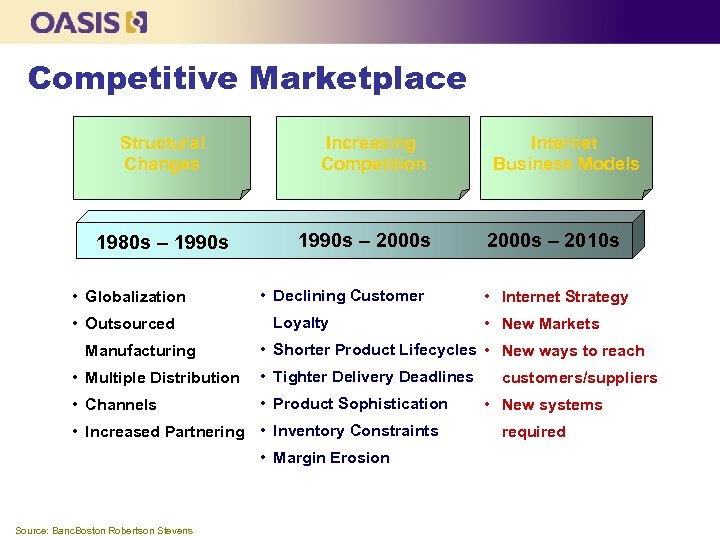
Competitive Marketplace Structural Changes 1980 s – 1990 s • Globalization • Outsourced Manufacturing Increasing Competition 1990 s – 2000 s • Declining Customer Loyalty 2000 s – 2010 s • Internet Strategy • New Markets • Shorter Product Lifecycles • New ways to reach • Multiple Distribution • Tighter Delivery Deadlines • Channels • Product Sophistication • Increased Partnering • Inventory Constraints • Margin Erosion Source: Banc. Boston Robertson Stevens Internet Business Models customers/suppliers • New systems required
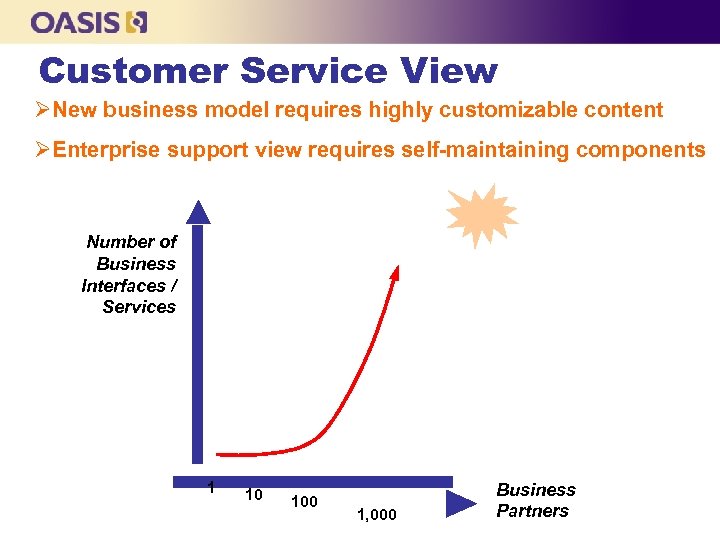
Customer Service View ØNew business model requires highly customizable content ØEnterprise support view requires self-maintaining components Number of Business Interfaces / Services Complexity 1 10 100 1, 000 Business Partners
Business Needs n n n Link traditional data exchanges (EDI or new XML) to business applications Create business processes based on smart documents Provide means for trading partners to quickly and easily locate re-usable components Provide means for trading partners to customize methods to their own internal systems Implement low cost server and client based solutions
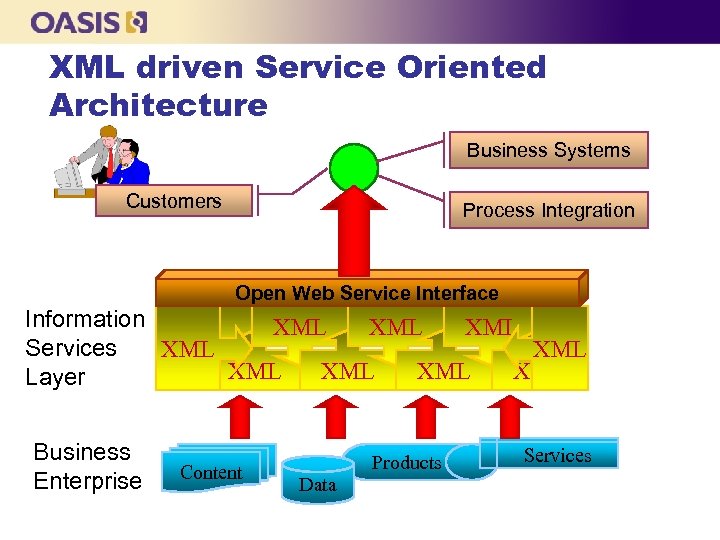
XML driven Service Oriented Architecture Business Systems Customers Process Integration Open Web Service Interface Information XML XML Services XML XML XML Layer Business Enterprise Content Data Products Services
Future Vision for a Service Oriented Architecture
The Dawn of a New Era Built on Service Oriented Architecture
Vision of a Service-Oriented Architecture n n n A place where services are ubiquitous and organically integrated into the way we think and work. A place where both users and providers of information interact through a common focus on services. A world where technology is implemented within industry frameworks that operate on a global scale, enabled by open, interoperable standards.
A Common Web Service Framework Is Essential n n n To provide a sustainable foundation, That will allow end-user companies to achieve the payback they require, To invest widely in the service-oriented architecture.
Achieving Sustainable Business Benefits through a Open Standards for Web Services In this post-dot-com era, end user companies are expecting more liquidity and longevity of their assets. To achieve the ROI, Cost Reduction and Service Expansion benefits expected; the widespread deployment of standards-based Web services is essential.
Leading the Adoption of Web Services Standards
OASIS Mission OASIS drives the development, convergence and adoption of e-business standards.
Current Members n n n n Software vendors User companies Industry organisations Governments Universities and Research centres Individuals And co-operation with other standards bodies
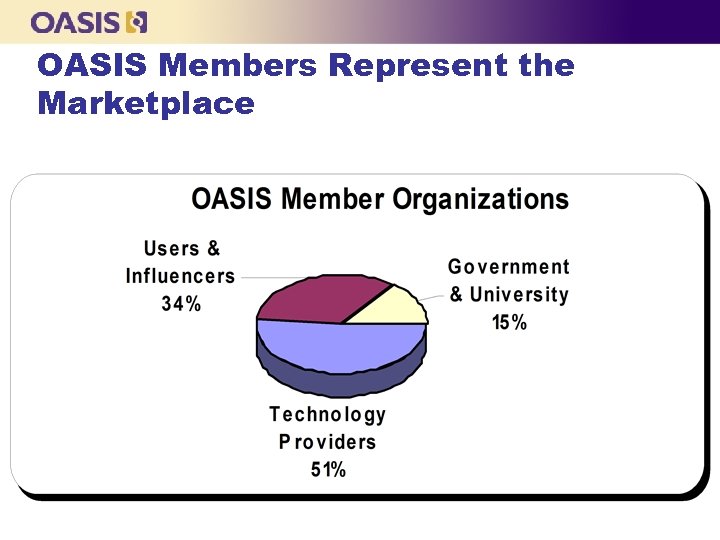
OASIS Members Represent the Marketplace
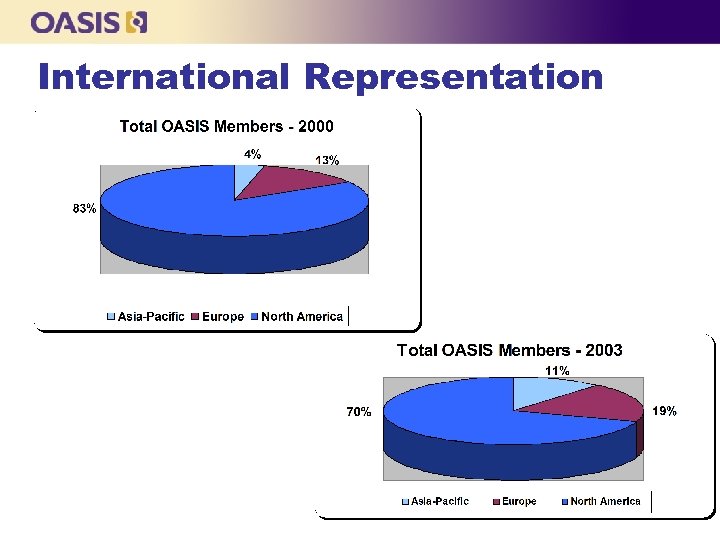
International Representation
n n OASIS is a member-led, international non-profit standards consortium concentrating on structured information and global e-business standards. Over 650 Members of OASIS are: l Vendors, users, academics and governments l Organizations, individuals and industry groups Best known for web services, e-business, security and document format standards. Supports over 65 committees producing royaltyfree and RAND standards in an open process.
Key Directions in OASIS Standards for Web Services
Approved OASIS Standards for Web Services n UDDI: Universal Description, Discovery & Integration l n WSRP: Web Services for Remote Portlets l n Standardizing the consumption of Web services in portal front ends. WS-Reliability l n Defining a standard method for enterprises to dynamically discover and invoke Web services. Establishing a standard, interoperable way to guarantee message delivery to applications or Web services. WSS: Web Services Security l Delivering a technical foundation for implementing integrity and confidentiality in higher-level Web services applications.
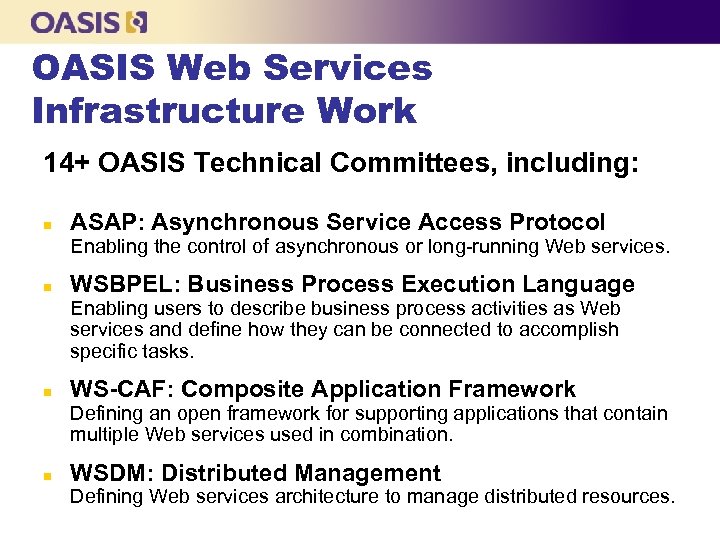
OASIS Web Services Infrastructure Work 14+ OASIS Technical Committees, including: n ASAP: Asynchronous Service Access Protocol Enabling the control of asynchronous or long-running Web services. n WSBPEL: Business Process Execution Language Enabling users to describe business process activities as Web services and define how they can be connected to accomplish specific tasks. n WS-CAF: Composite Application Framework Defining an open framework for supporting applications that contain multiple Web services used in combination. n WSDM: Distributed Management Defining Web services architecture to manage distributed resources.
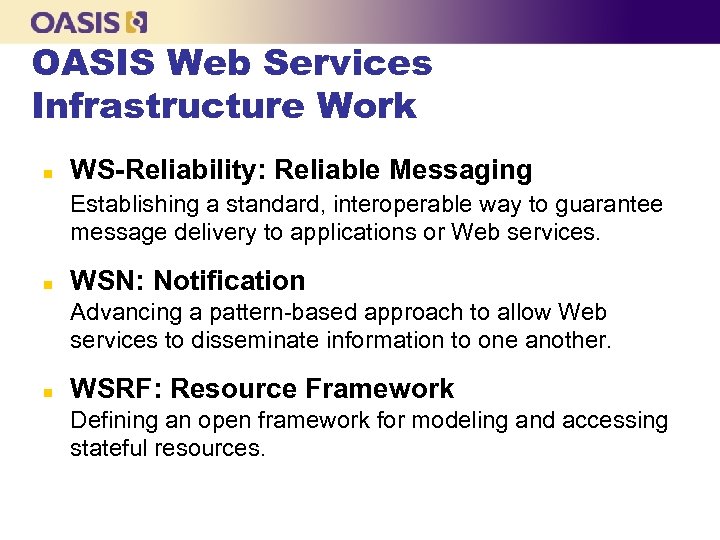
OASIS Web Services Infrastructure Work n WS-Reliability: Reliable Messaging Establishing a standard, interoperable way to guarantee message delivery to applications or Web services. n WSN: Notification Advancing a pattern-based approach to allow Web services to disseminate information to one another. n WSRF: Resource Framework Defining an open framework for modeling and accessing stateful resources.
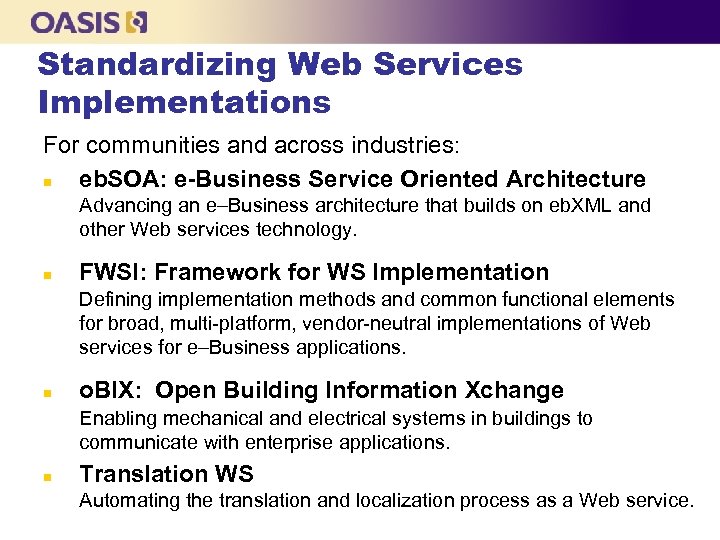
Standardizing Web Services Implementations For communities and across industries: n eb. SOA: e-Business Service Oriented Architecture Advancing an e Business architecture that builds on eb. XML and other Web services technology. n FWSI: Framework for WS Implementation Defining implementation methods and common functional elements for broad, multi-platform, vendor-neutral implementations of Web services for e Business applications. n o. BIX: Open Building Information Xchange Enabling mechanical and electrical systems in buildings to communicate with enterprise applications. n Translation WS Automating the translation and localization process as a Web service.
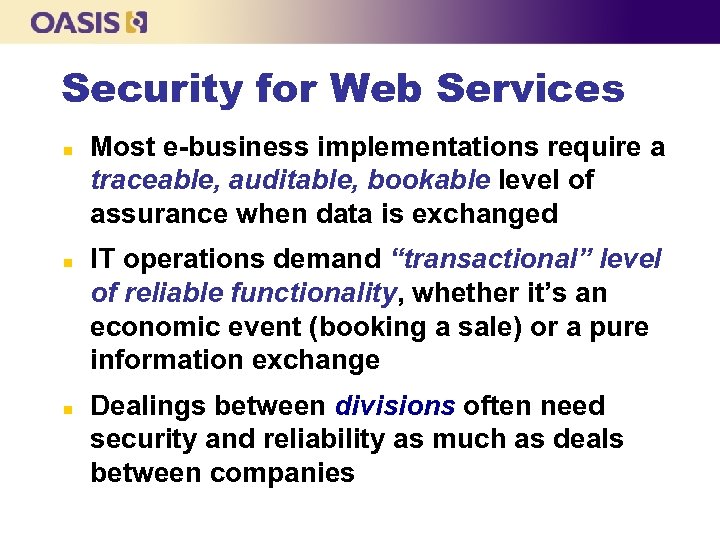
Security for Web Services n n n Most e-business implementations require a traceable, auditable, bookable level of assurance when data is exchanged IT operations demand “transactional” level of reliable functionality, whether it’s an economic event (booking a sale) or a pure information exchange Dealings between divisions often need security and reliability as much as deals between companies
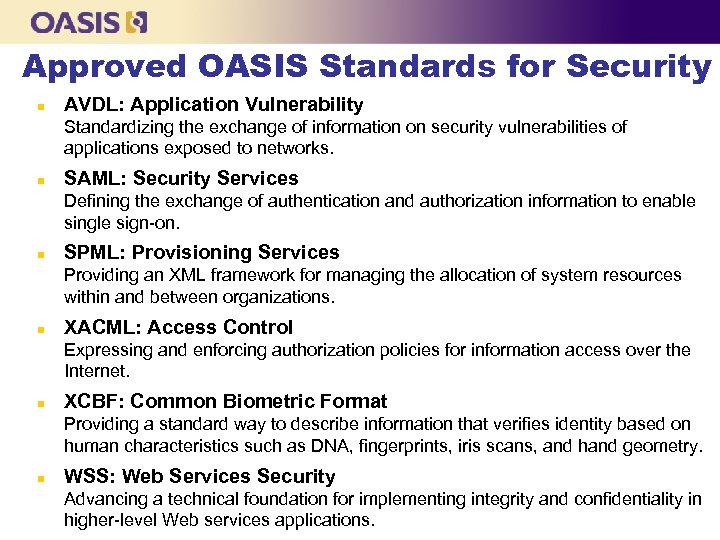
Approved OASIS Standards for Security n AVDL: Application Vulnerability Standardizing the exchange of information on security vulnerabilities of applications exposed to networks. n SAML: Security Services Defining the exchange of authentication and authorization information to enable single sign-on. n SPML: Provisioning Services Providing an XML framework for managing the allocation of system resources within and between organizations. n XACML: Access Control Expressing and enforcing authorization policies for information access over the Internet. n XCBF: Common Biometric Format Providing a standard way to describe information that verifies identity based on human characteristics such as DNA, fingerprints, iris scans, and hand geometry. n WSS: Web Services Security Advancing a technical foundation for implementing integrity and confidentiality in higher-level Web services applications.
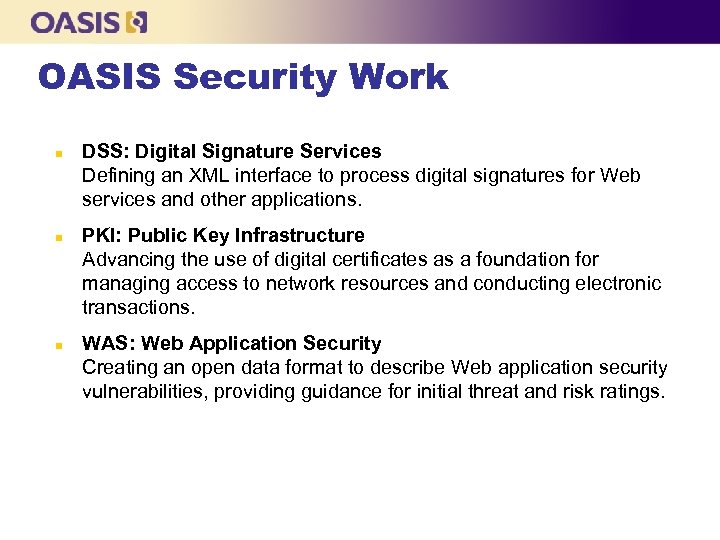
OASIS Security Work n n n DSS: Digital Signature Services Defining an XML interface to process digital signatures for Web services and other applications. PKI: Public Key Infrastructure Advancing the use of digital certificates as a foundation for managing access to network resources and conducting electronic transactions. WAS: Web Application Security Creating an open data format to describe Web application security vulnerabilities, providing guidance for initial threat and risk ratings.
What should your company be doing?
Reducing Risk in new e-business technologies n Avoid reinventing the wheel l n Influence industry direction l n n Stay current with emerging technologies Ensure consideration of own needs Realize impact of interoperability and network effects Reduce development cost & time l l save development on new technologies share cost/time with other participants
What can your company do? n Participate l l Understand the ground rules Contribute actively Or… n Be a good observer In any case… n Make your needs known l n Use cases, functions, platforms, IPR, priorities, availability, tooling Be pragmatic: standardization is a voluntary process
Contact Information: Patrick Gannon President & CEO patrick. gannon@oasis-open. org +1. 978. 761. 3546 n n www. oasis-open. org www. xml. org n www. xml. coverpages. org
Скачать презентацию XML s Role as a Standard for Building Automation
d604ead72c01e0f215e2a08cde35046f.ppt