 Скачать презентацию WPF Bio-Gen Mark Thompson Murray Ernst Ehren Hermanson
dbd9752dd7a690df71aefb57d22c9e68.ppt
- Количество слайдов: 39



WPF Bio-Gen Mark Thompson Murray Ernst Ehren Hermanson Ryan Treble
Mission Statement n n Economically effective heat and energy source Improve environmental conditions Decrease overhead costs Increase contribution to rural community
WPF Background n n n Owned and operated by Ted and Shannon Baas Built in 1962 and produces 1. 5 million broilers per year Mr. Baas also manages a co-op broiler operation Barns currently heated with natural gas Wastes currently disposed of at cost to the farm
Short-term Goals n n n Cut down natural gas costs to WPF Produce electricity with excess methane Reduce costs of paying local farmers to spread manure on their land
Long-term Goals n n n Integrated holistic farming (Shih, 1993) Processing plant to use energy Greenhouses to use water and by-product Create a carbon-sink Become self-sustaining
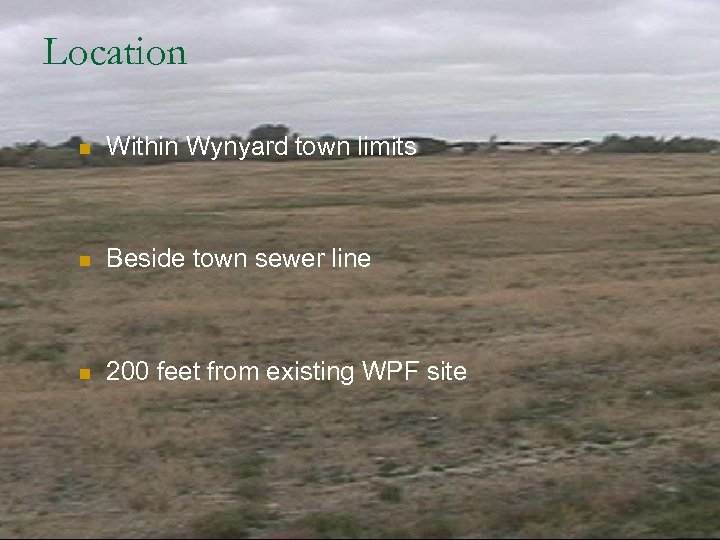
Location n Within Wynyard town limits n Beside town sewer line n 200 feet from existing WPF site
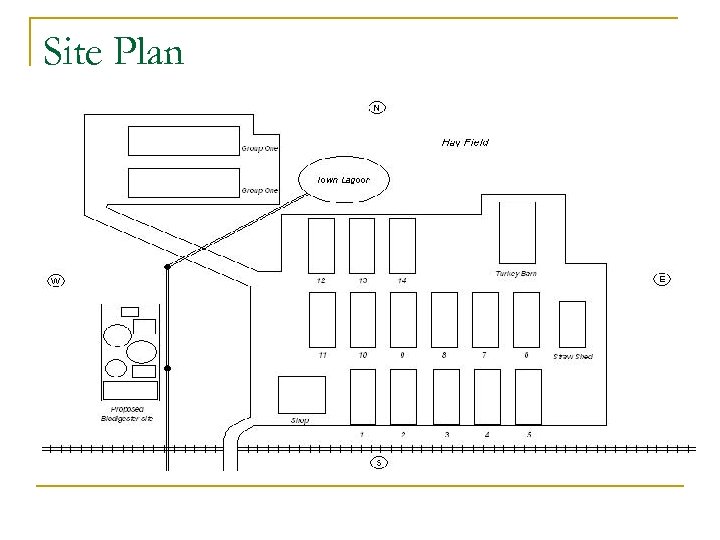
Site Plan
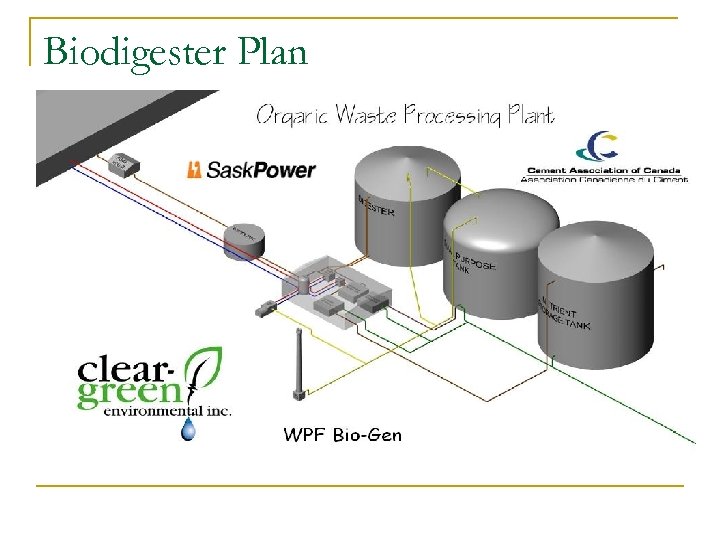
Biodigester Plan
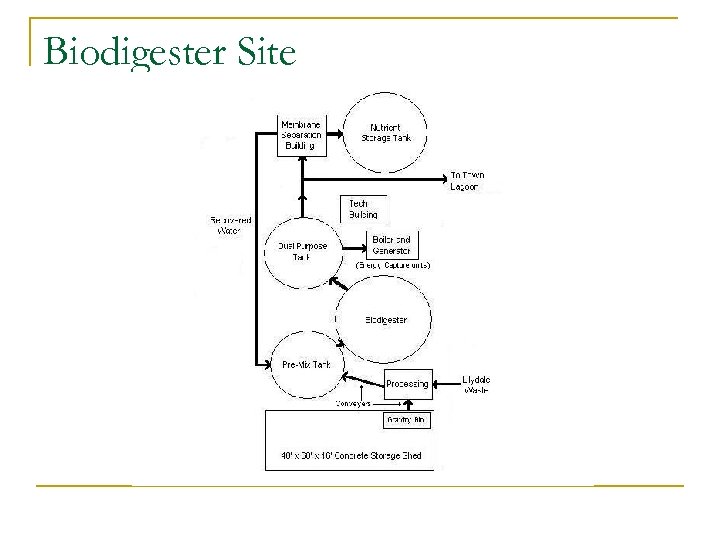
Biodigester Site
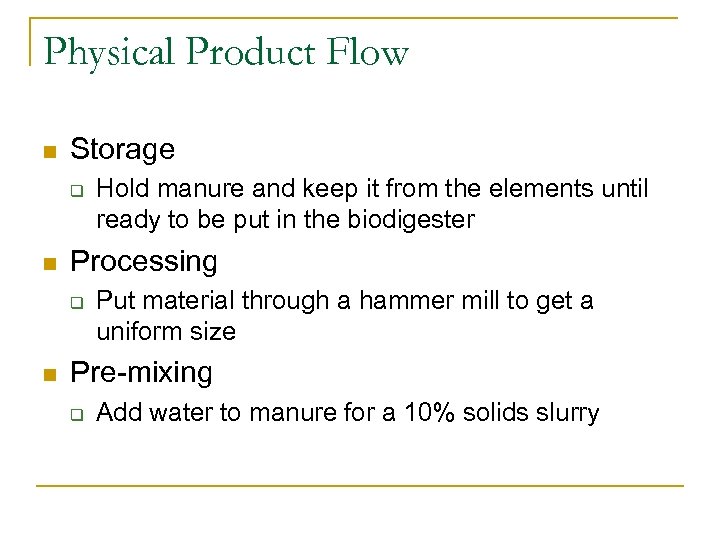
Physical Product Flow n Storage q n Processing q n Hold manure and keep it from the elements until ready to be put in the biodigester Put material through a hammer mill to get a uniform size Pre-mixing q Add water to manure for a 10% solids slurry
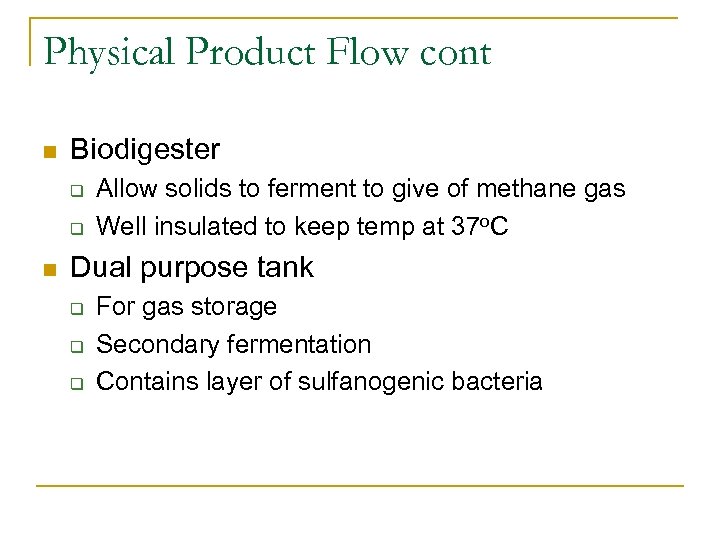
Physical Product Flow cont n Biodigester q q n Allow solids to ferment to give of methane gas Well insulated to keep temp at 37 o. C Dual purpose tank q q q For gas storage Secondary fermentation Contains layer of sulfanogenic bacteria
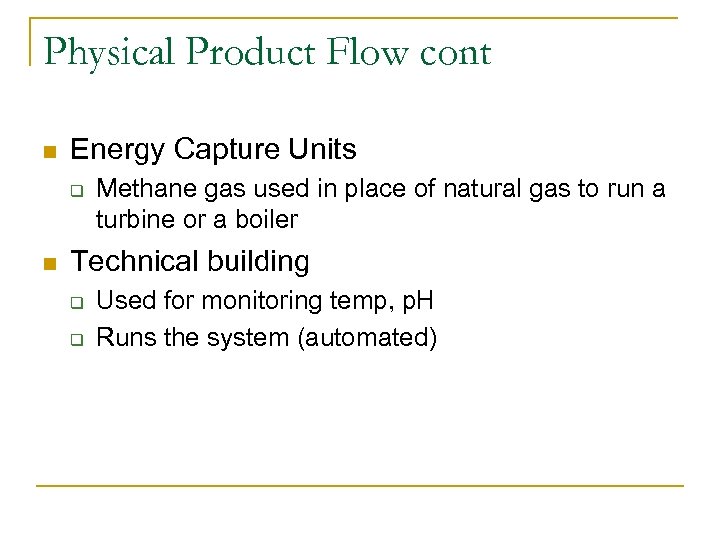
Physical Product Flow cont n Energy Capture Units q n Methane gas used in place of natural gas to run a turbine or a boiler Technical building q q Used for monitoring temp, p. H Runs the system (automated)
Physical Product Flow cont n Membrane separation, nutrient separation q Used to separate manure from water and to separate individual molecules to produce N, P, and K product
An Average Business Cycle n n n Every 56 days the barns must be cleaned out Manure and straw is stored in the storage shed Manure supply is digested during the next 57 days
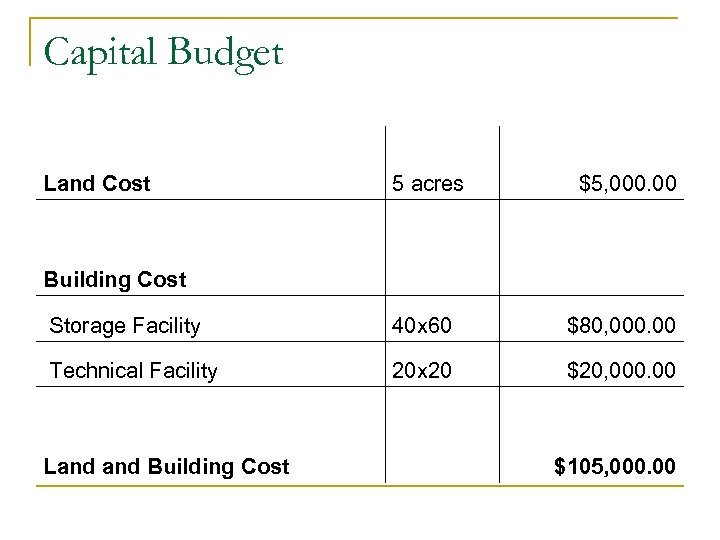
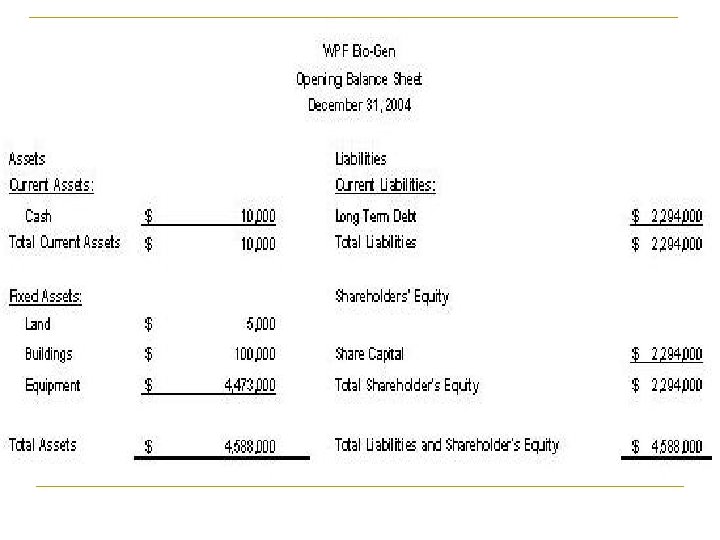
Capital Budget Land Cost 5 acres $5, 000. 00 Storage Facility 40 x 60 $80, 000. 00 Technical Facility 20 x 20 $20, 000. 00 Building Cost Land Building Cost $105, 000. 00
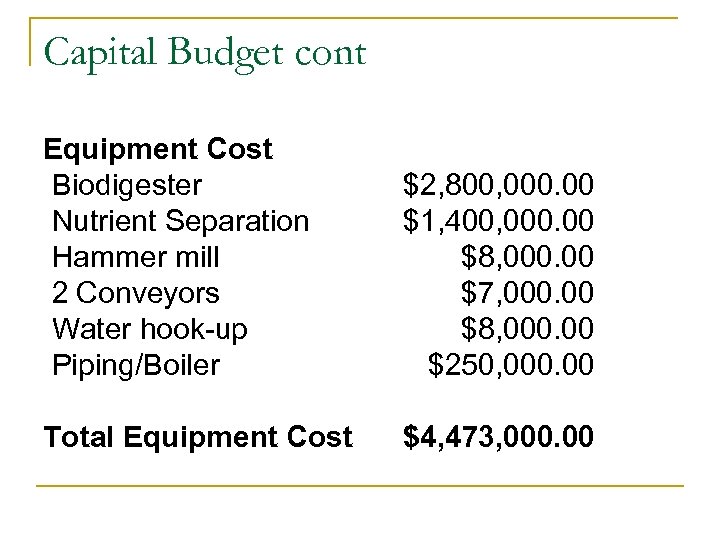
Capital Budget cont Equipment Cost Biodigester Nutrient Separation Hammer mill 2 Conveyors Water hook-up Piping/Boiler $2, 800, 000. 00 $1, 400, 000. 00 $8, 000. 00 $7, 000. 00 $8, 000. 00 $250, 000. 00 Total Equipment Cost $4, 473, 000. 00
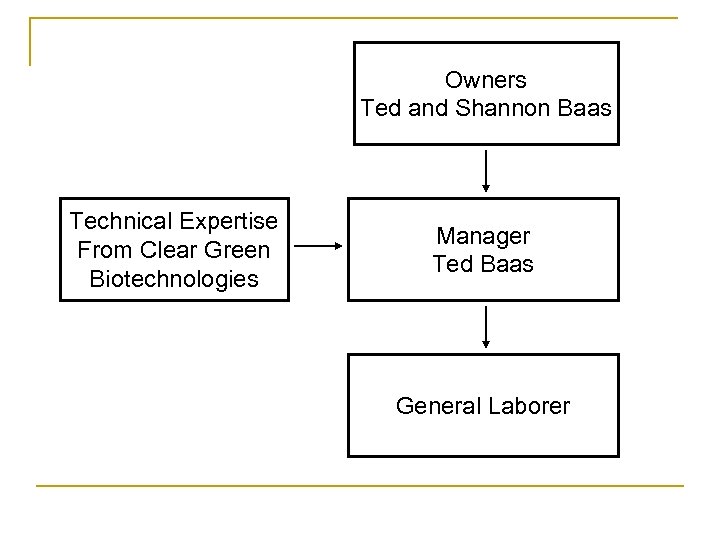
Owners Ted and Shannon Baas Technical Expertise From Clear Green Biotechnologies Manager Ted Baas General Laborer
Electricity n n n Biogas used to create electricity in a micro turbine generator Electricity will be sold at Sask Power rates to WPF Excess electricity in warm months will be sold to Sask Power in their Green Power Program
Heat n n n Steam from generation captured as heat Sold at a competitive rate Biodigester must be profitable
Fertilizer n n n Separate liquid fertilizers will be produced from membrane separation N, P, and K will be produced Can be sold separately or blended Can be marketed as organic Marketed to golf courses or urban centers
Water n Sent to town lagoon q n n Value added to treated water (tertiary) Recycled in biodigester Used in an additional enterprise
Carbon Credits n n Possible world wide market No central trading desk q n Transactions in market place Pricing in early transactions ~$3. 00
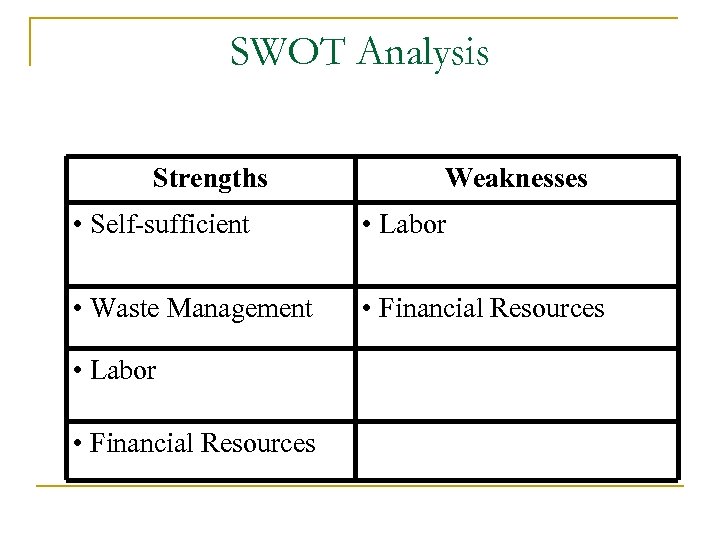
SWOT Analysis Strengths Weaknesses • Self-sufficient • Labor • Waste Management • Financial Resources • Labor • Financial Resources
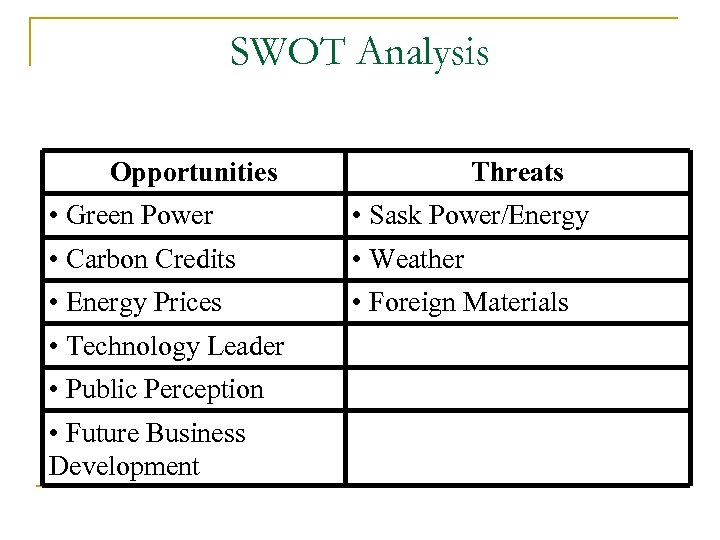
SWOT Analysis Opportunities Threats • Green Power • Sask Power/Energy • Carbon Credits • Weather • Energy Prices • Foreign Materials • Technology Leader • Public Perception • Future Business Development
Competition n Utility companies (Sask Power and Sask Energy) Government regulations could change industry allowing in more competitors Fertilizer companies
Objectives and Pricing n n Energy sold at Sask Power and Sask Energy prices Fertilizer to be determined by the market q n Premium to be paid for organic fertilizer Carbon credits pricing determined by market
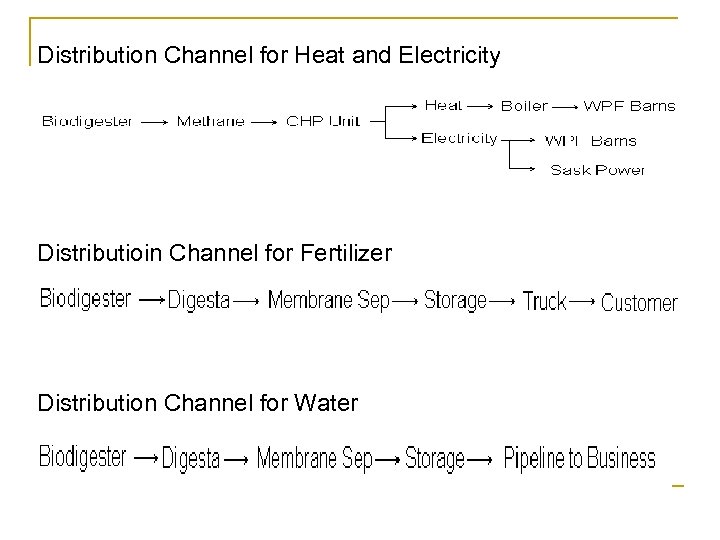
Distribution Channel for Heat and Electricity Distributioin Channel for Fertilizer Distribution Channel for Water
Financing for the project Project will be 50% equity and 50% debt Investment of $2, 294, 000 required from both financing and equity Alternative to equity finance by Clear Green
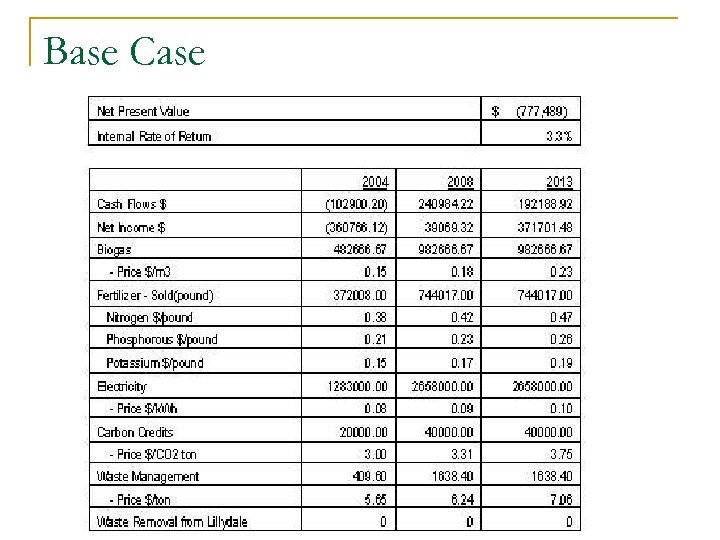
Base Case
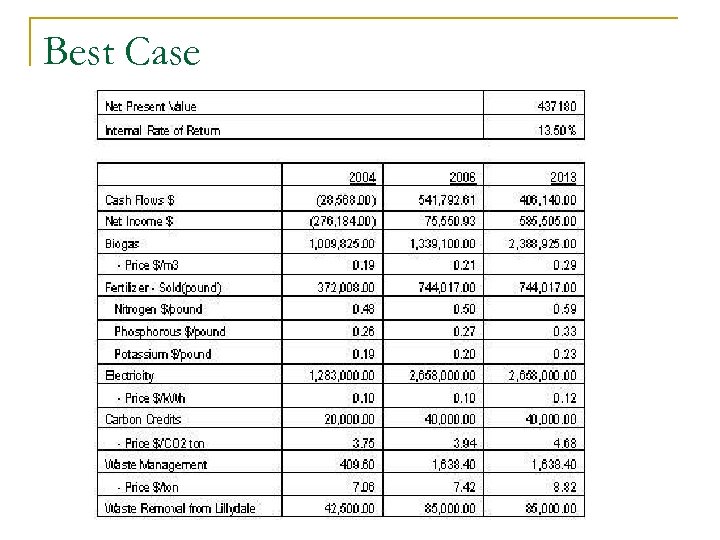
Best Case
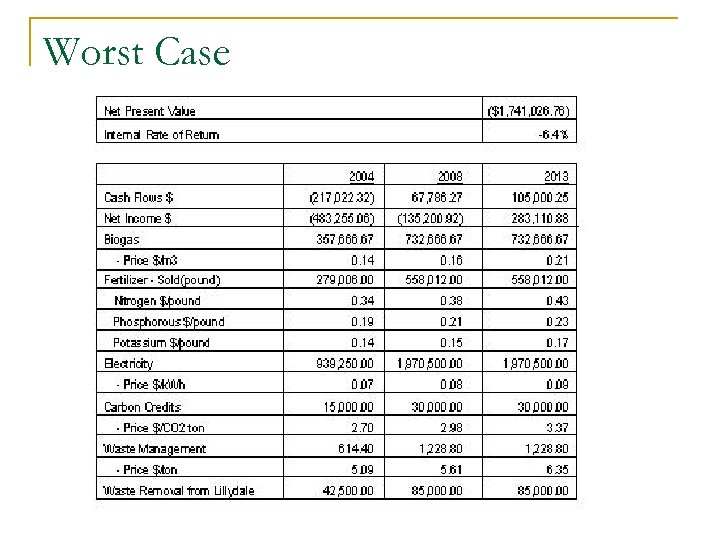
Worst Case
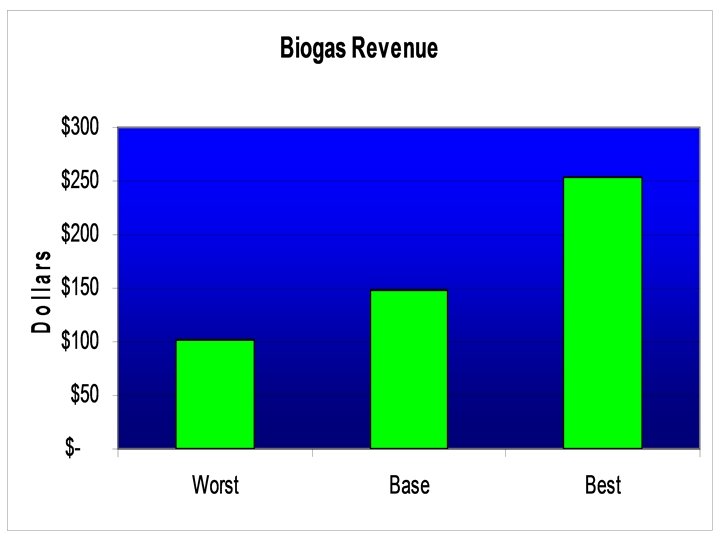
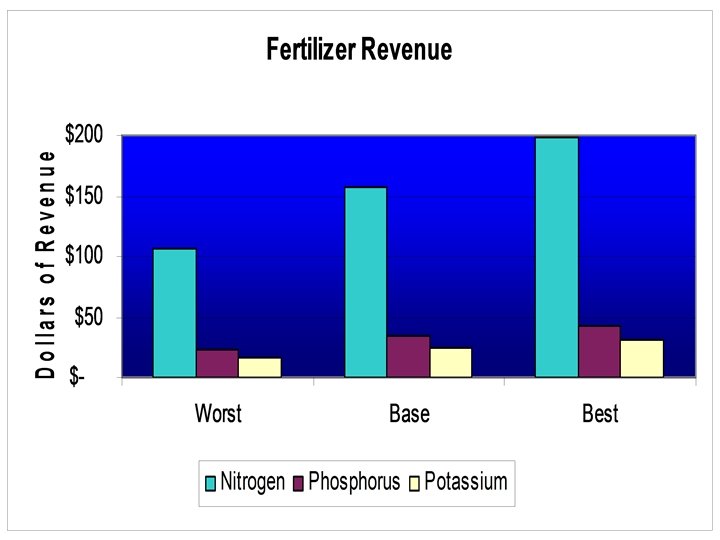
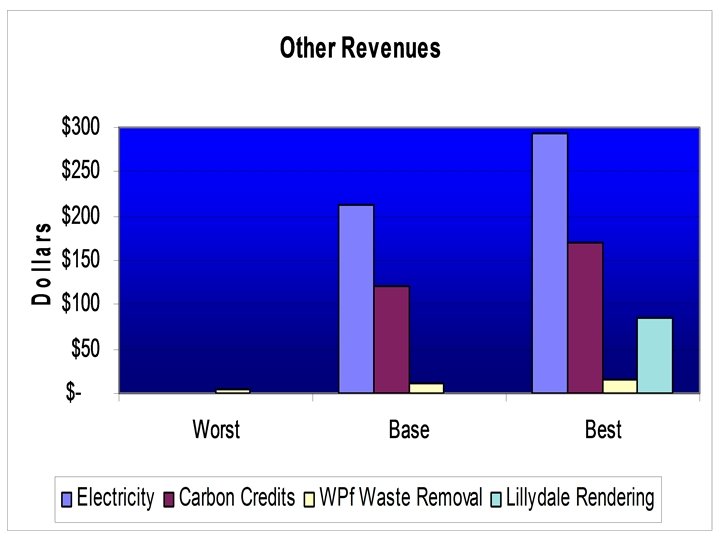
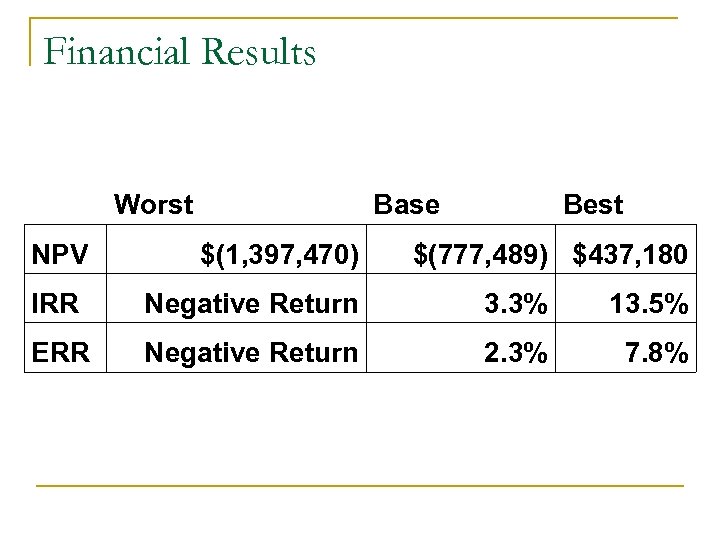
Financial Results Worst NPV Base $(1, 397, 470) Best $(777, 489) $437, 180 IRR Negative Return 3. 3% 13. 5% ERR Negative Return 2. 3% 7. 8%
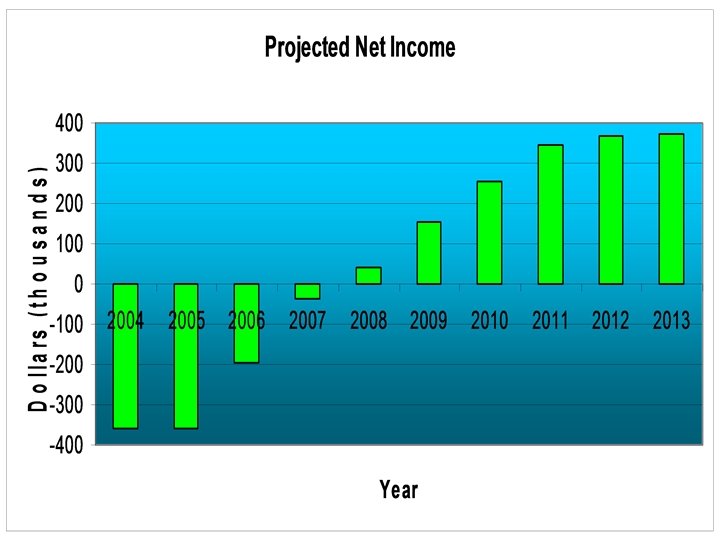
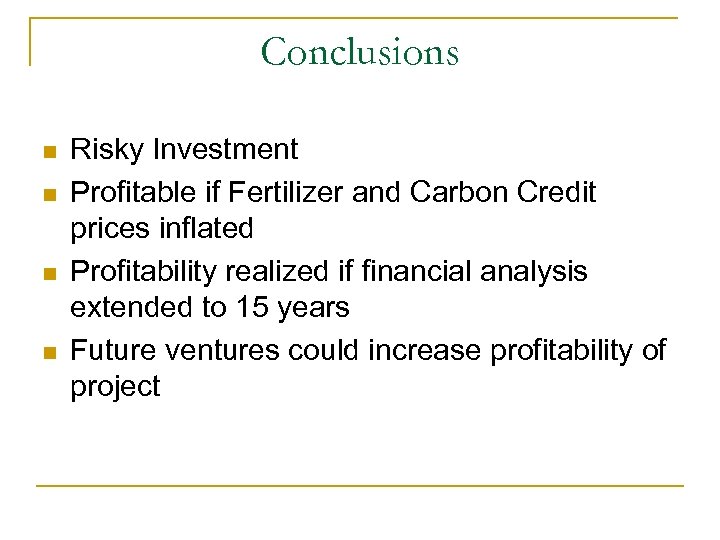
Conclusions n n Risky Investment Profitable if Fertilizer and Carbon Credit prices inflated Profitability realized if financial analysis extended to 15 years Future ventures could increase profitability of project

Questions?
Скачать презентацию WPF Bio-Gen Mark Thompson Murray Ernst Ehren Hermanson
dbd9752dd7a690df71aefb57d22c9e68.ppt