Скачать презентацию World War II Was U S entry into
af69e9652f60083f70d85dbadf682d93.ppt
- Количество слайдов: 61
 World War II Was U. S. entry into WWII inevitable?
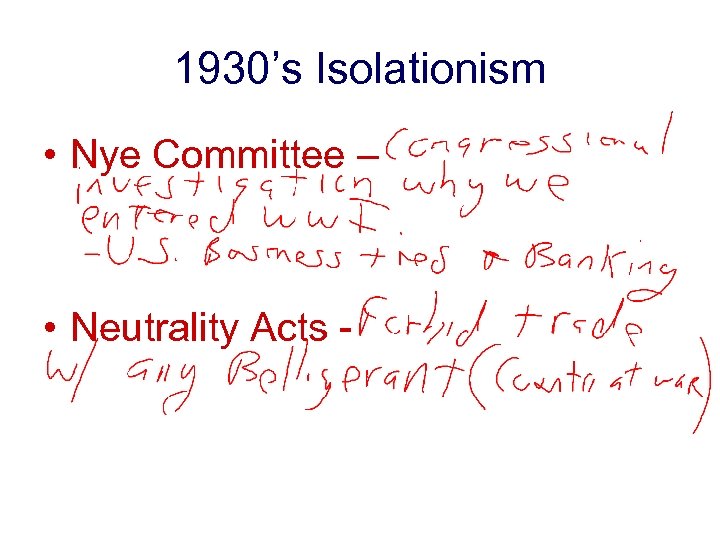 1930’s Isolationism • Nye Committee – • Neutrality Acts -
 American Neutrality The Road to War • September 1, 1939 – War begins with German invasion of Poland after policy of appeasement • Most support allies, but remain isolationist • U. S. set to begin “thousand-step road to war”
 American Neutrality The Road to War • “This nation will remain a neutral nation, but I cannot ask that every American remain neutral in thought as well” FDR • April, 1940 – Nazi Blitzkrieg (lightning war) • By June 22, Denmark, Norway, Netherlands, Belgium, Luxembourg, France fall to Nazis
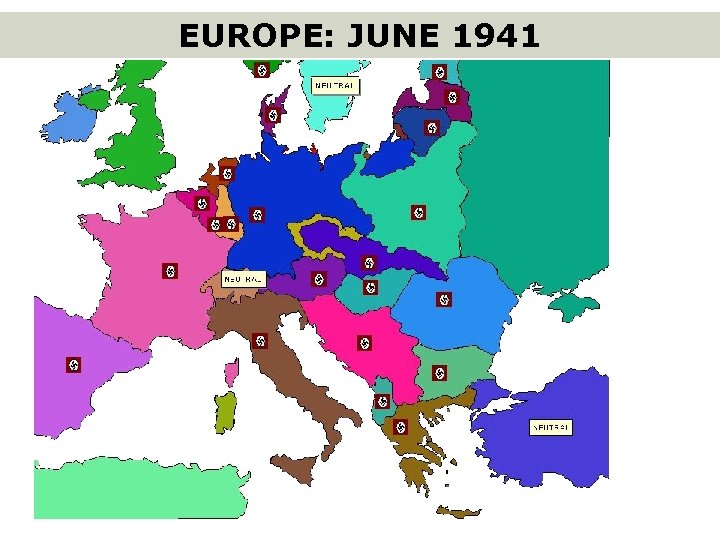 EUROPE: JUNE 1941
 American Neutrality The Road to War • Fall 1940 – Battle of Britain – Brutal air bombardment of Britain. • Committee to Defend America (interventionist) vs. America First Committee (isolationist) • U. S. moves closer to war – Committees assembled to organize economy/government for defense
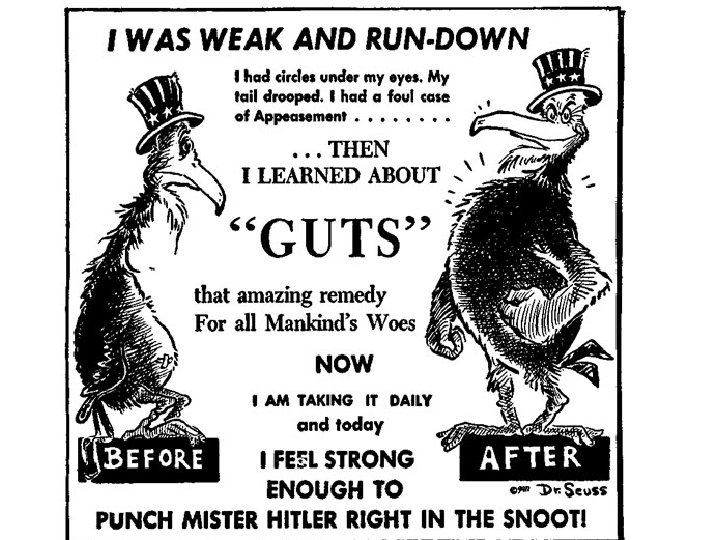
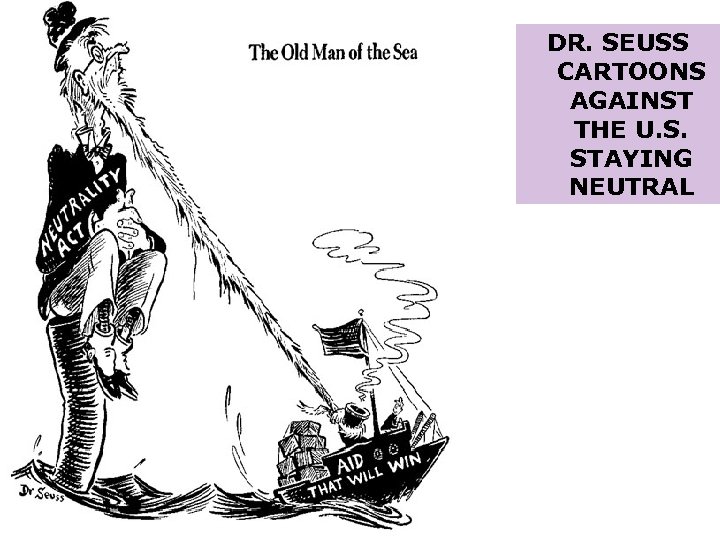 DR. SEUSS CARTOONS AGAINST THE U. S. STAYING NEUTRAL
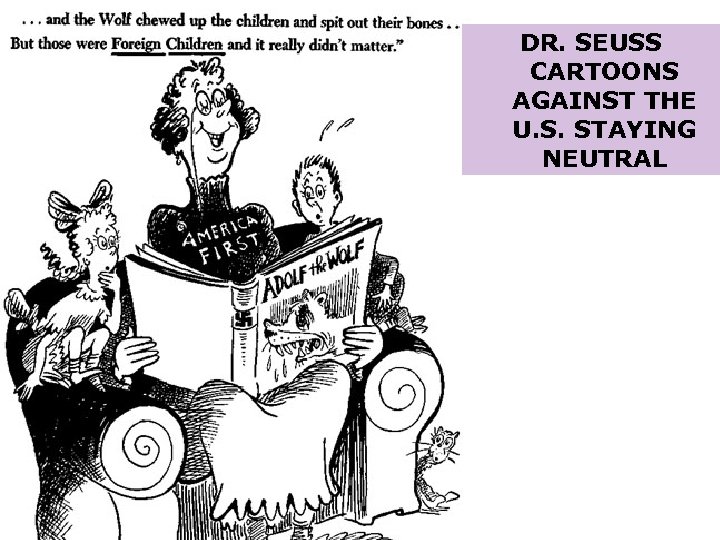 DR. SEUSS CARTOONS AGAINST THE U. S. STAYING NEUTRAL
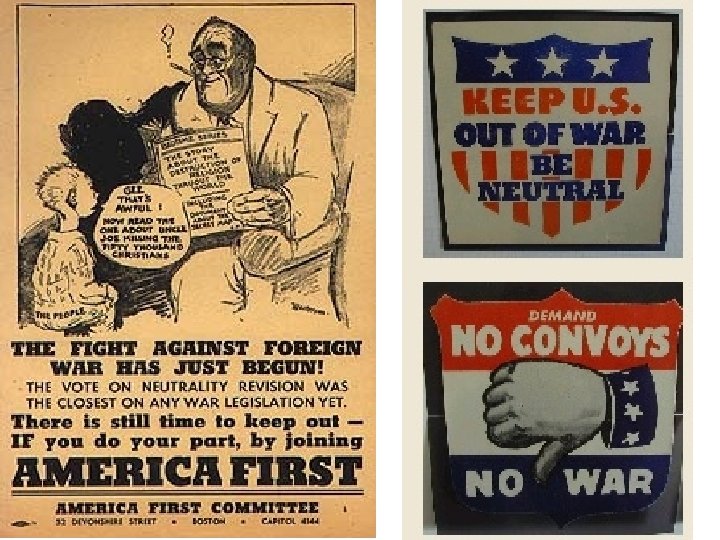
 American Neutrality The Road to War • 1940 – FDR appoints 2 prominent Republicans Henry Stimson (Sect of War) and Frank Knox (Sect of Navy) • Executive order – Trades 50 destroyers for right to build bases on British islands • Runs for re-election! – 3 rd term!
 American Neutrality The Road to War • Election of 1940 • “Your boys are not going to be sent into foreign wars” – FDR • Democratic “coalition” won handily!
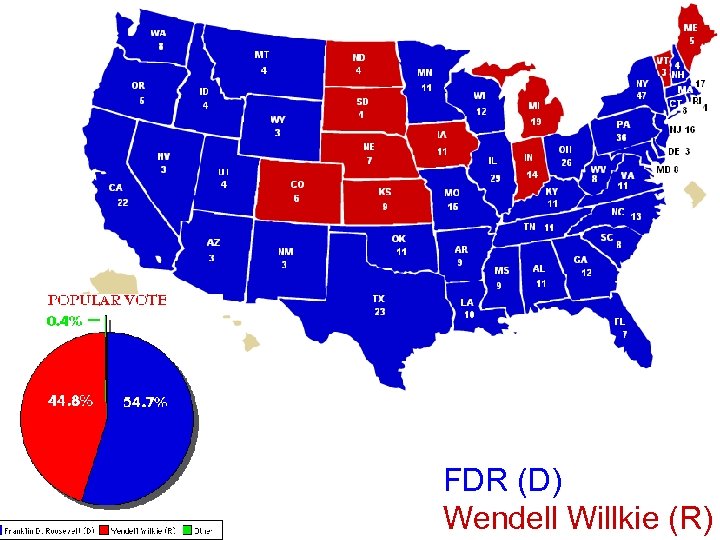 FDR (D) Wendell Willkie (R)
 American Neutrality The Road to War • Lend-Lease Act – • With British short on cash and German U-boats hampering English shipping, Congress authorized President to supply any nation whose defense was vital to defense of U. S.
 American Neutrality The Road to War • Land Lease (cont. ) • FDR compares it to lending a neighbor a garden hose when his house is on fire • June 1941 – Extended to Soviet Union (Hitler abandoned Nazi-Soviet Pact)
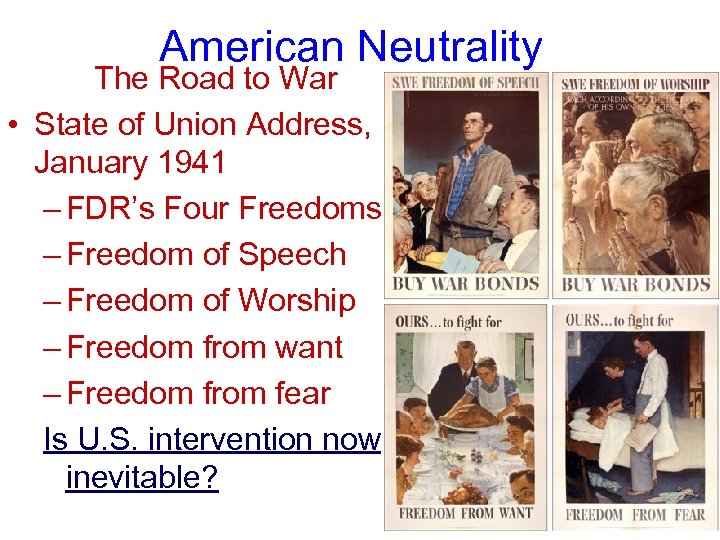 American Neutrality The Road to War • State of Union Address, January 1941 – FDR’s Four Freedoms – Freedom of Speech – Freedom of Worship – Freedom from want – Freedom from fear Is U. S. intervention now inevitable?
 American Neutrality The Road to War • The Atlantic Charter • August 1941 – FDR and Winston Churchill meet secretly to discuss goals and military strategy • Calls for postwar economic collaboration, political stability, free trade, self-determination, and collective security
 American Neutrality The Road to War • September 1941 – U. S. supplying allies and in a virtual undeclared naval war with Germany • FDR will not ask for a declaration of war without an enemy attack
 American Neutrality The Road to War Pearl Harbor • Japan and U. S. on shaky relations since 1930’s due to Japanese aggression in Pacific, particularly China • Panay incident (1937) • 1940 – Tri-Partite Pact (Japan, Germany, Italy)
 American Neutrality The Road to War Pearl Harbor • As Japan expands (French Indochina) U. S. cuts of exports (Oil) to Japan • September 1941 – Tojo begins plans to attack U. S. despite continuation of talks • December 7, 1941 – Attack on Pealt Harbor
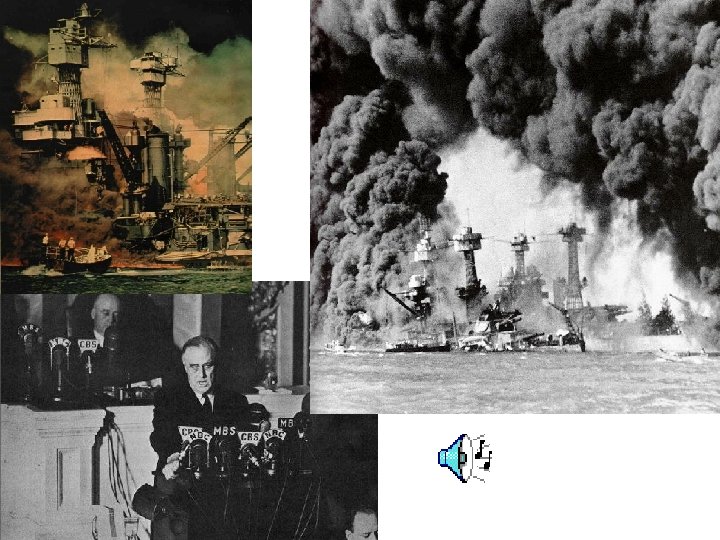
 American Neutrality • • The Road to War Pearl Harbor December 7, 1941 – Attack on Pealt Harbor, Hawaii Over 2400 Americans Killed United Americans in determination to fight! December 8 –FDR appears before congress to ask for a declaration of war
 Organizing for Victory Financing the War • Dramatic expansion of federal power, particularly executive branch (War Powers Act) • Mobilization required cooperation between business and politics (like WWI) • 1945 Federal budget ($95 billion)10 times greater than in 1939
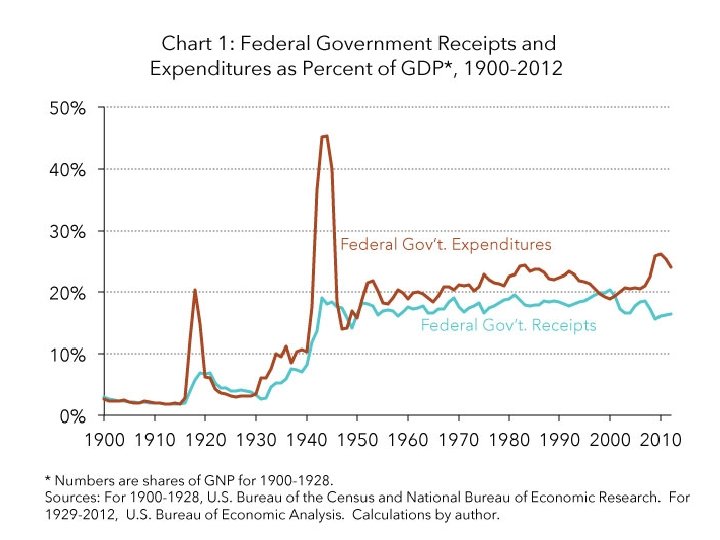
 Organizing for Victory • • Financing the War Revenue Act of 1942 – Average American also taxed – Tax revenues rise from $2. 2 to $35. 1 billion Payroll deductions and tax withholding sold to public as patriotic Govt. employees increase fourfold – far beyond New Deal expansion “Dollar-a-year-men” – agencies staffed by active business leaders
 Financing the War • Office of Price Administration (OPA) – supervised domestic economy (inflation, allocation of resources etc) • Anti-Inflation Act – stabilized prices, wages and salaries – Goods + Wages = Inflation
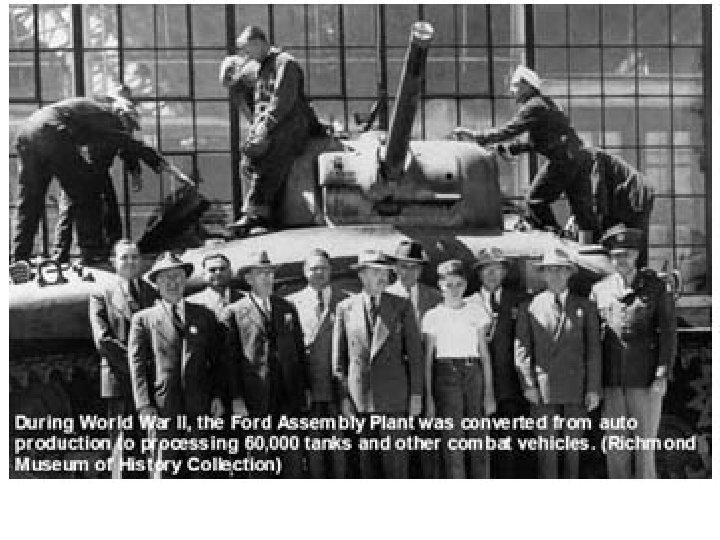
 I. B Organizing for Victory Financing the War • War Production Board (WPB) – oversaw defense contracts, conversion of industry to military production, evaluated requests for scarce resources – Used generous tax write offs and costplus provisions (profit guarantees) to entice business cooperation – Preferred dealing with major corporations than small business
 I. B Organizing for Victory Financing the War • War Production Board (cont) – Suspension od anti-trust prosecution – Become the core of the militaryindustrial complex which links the federal government, military and corporate America together in an interdependent partnership
 I. B Organizing for Victory Financing the War Gr • Successes (by 1945) e at • “Arsenal of Democracy” Dep re ss • Mass Production io n no – 86, 000 tanks w ov – 296, 000 airplanes er – 15, 000 guns – 64, 000 landing crafts – 6, 5000 ships
 I. B Organizing for Victory Mobilizing the Fighting Force • 15 million mobilized • Blacks still Segregated (A Jim Crow army cannot fight for a free world), Hispanics not • Navajo Code Talkers – used native language to send military messages
 I. B • • • Organizing for Victory Mobilizing the Fighting Force Women – both opportunity and discrimination 350, 000 served – 1/3 of all nurses nationwide volunteer Military limited duties of women – similar to civilian life (health care, clerical work) Social lives restricted to avoid “improprieties”
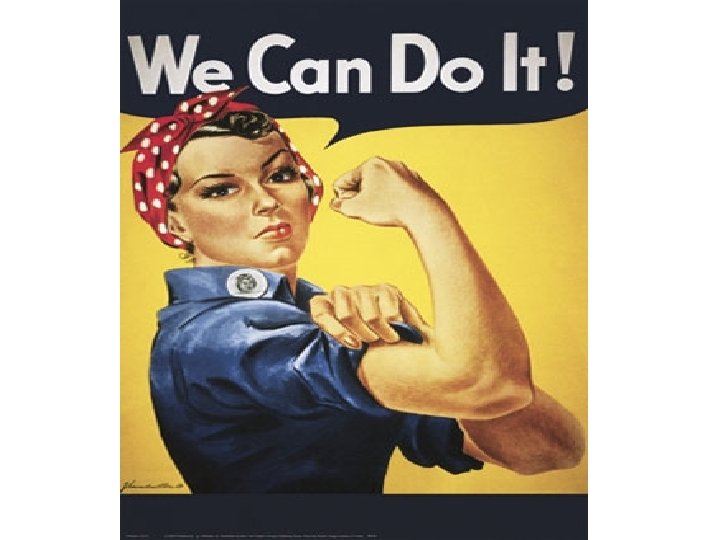
 I. B • • Organizing for Victory Workers and the War Effort Critical labor shortage – Well organized government propaganda urged women into the labor force Rosie the Riveter 36% labor force – was expected they would go back to home after the war
 I. B Organizing for Victory Workers and the War Effort • Organized Labor
 iv. Fighting and Winning the Wartime Aims and Strategies • 2 Theatres • 1942 = Bad • Winter 1942 -43 – Stalingrad • Tehran -
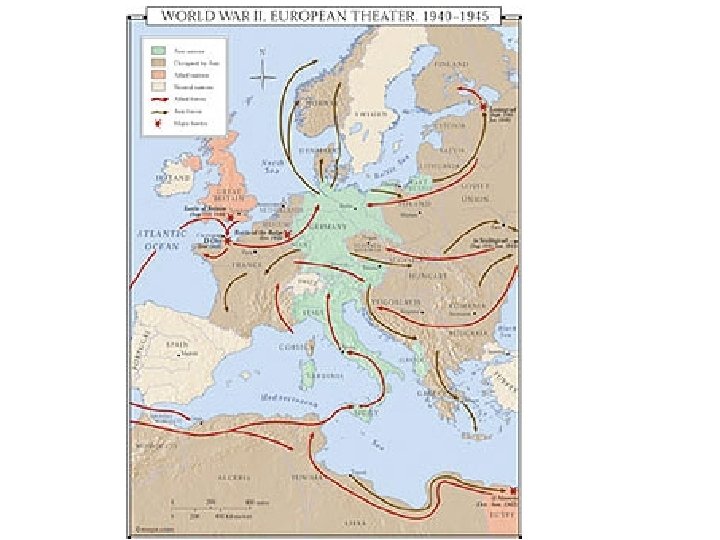
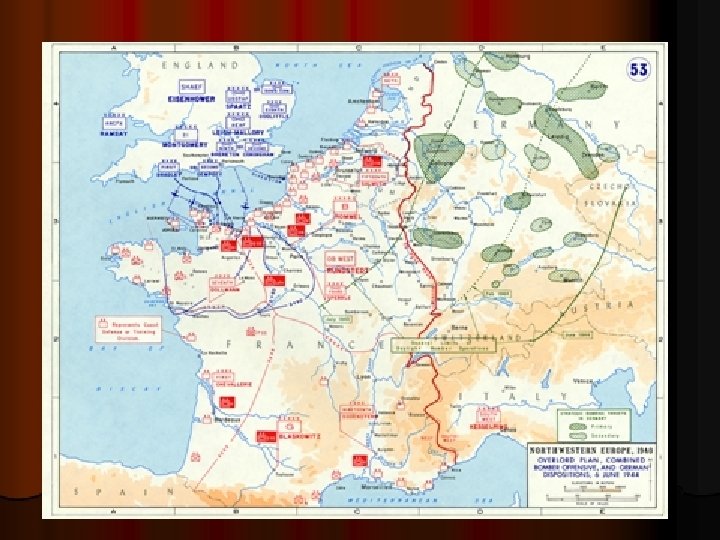
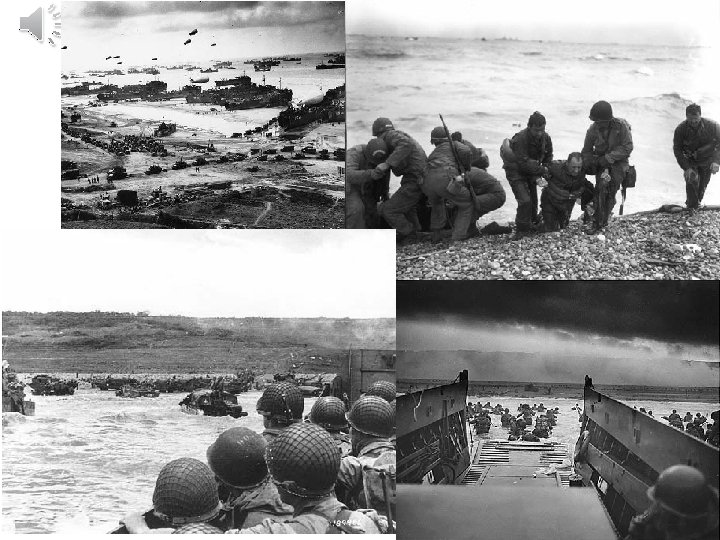
 iv. Fighting and Winning the War in Europe • 1 st Turning Point – Stalingrad • Africa and to “THE SOFT UNDERBELLY” Italy – Falls June/July 1943 • D-Day – June, 6 1944
 iv. Fighting and Winning the War in The Pacific • Turning Points – Battle of Coral Sea • Battle of Midway • Island hopping
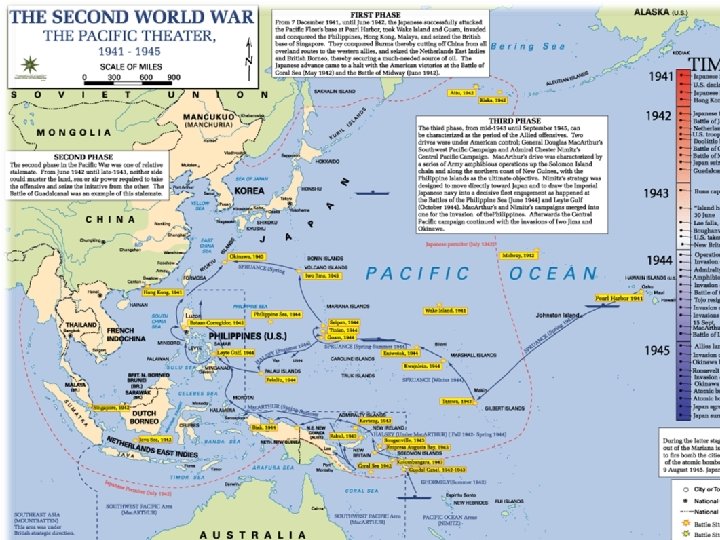
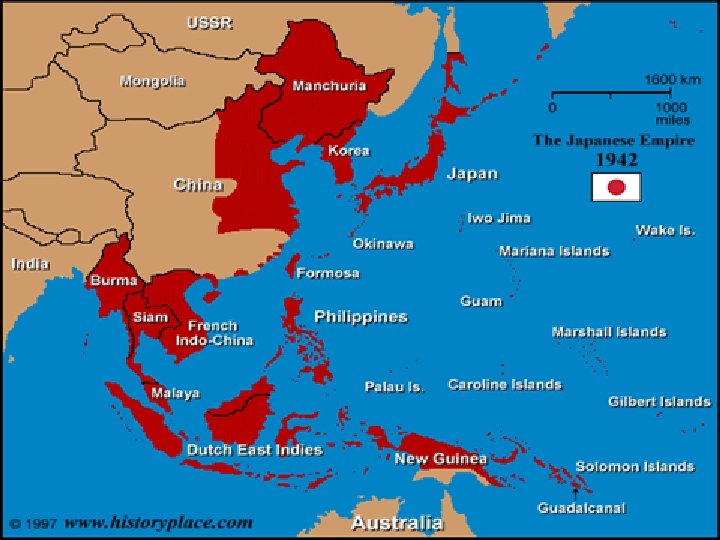
 iv. Fighting and Winning the War in The Pacific • Iwo Jima and Okinawa
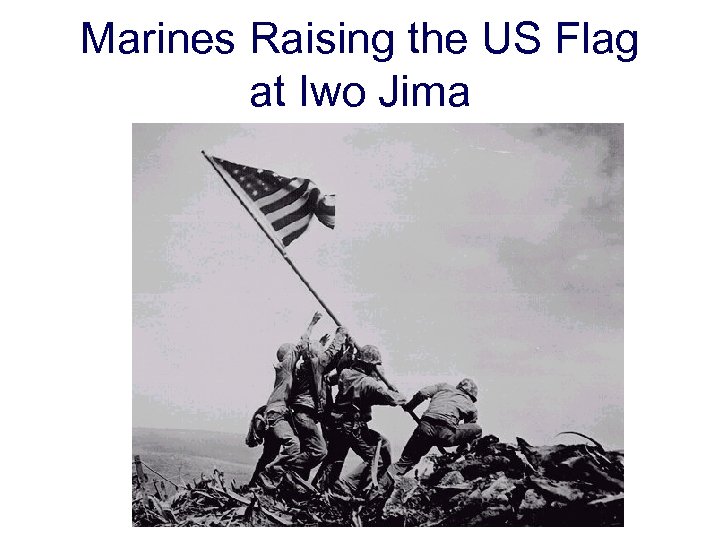 Marines Raising the US Flag at Iwo Jima
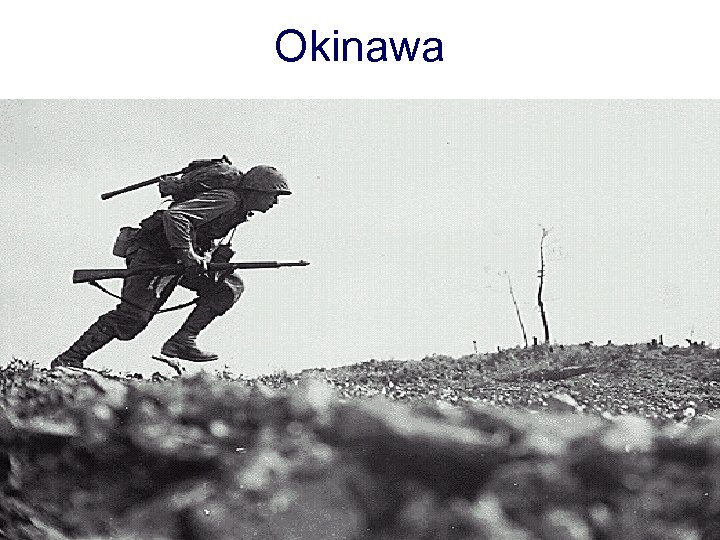 Okinawa
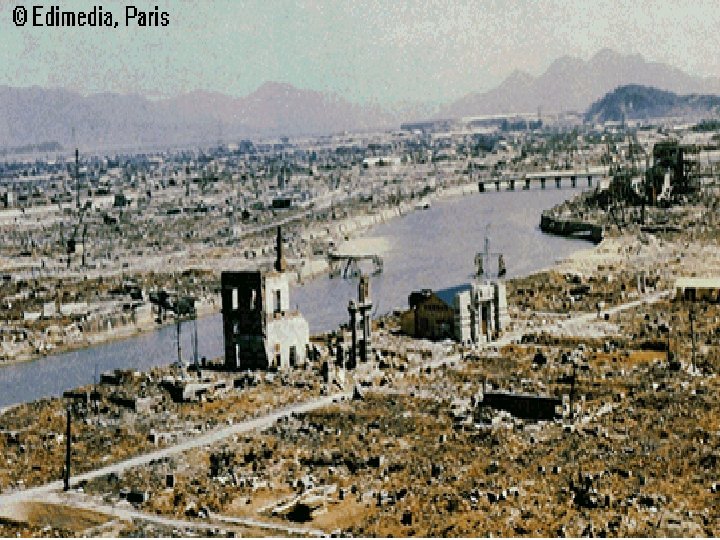
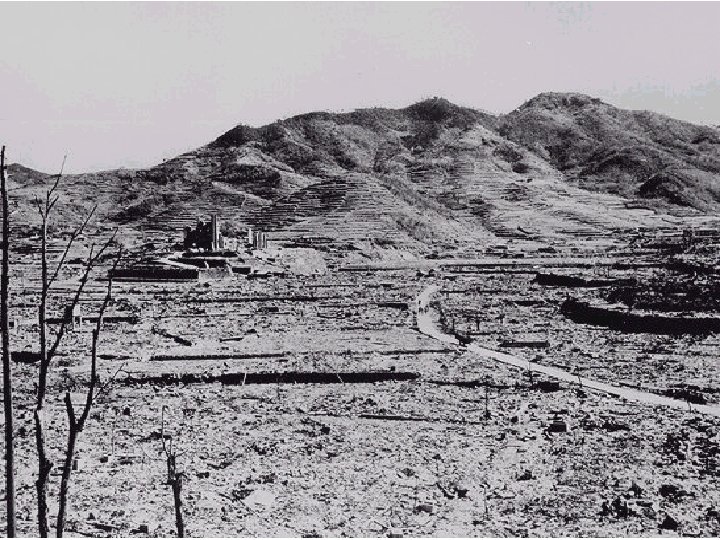
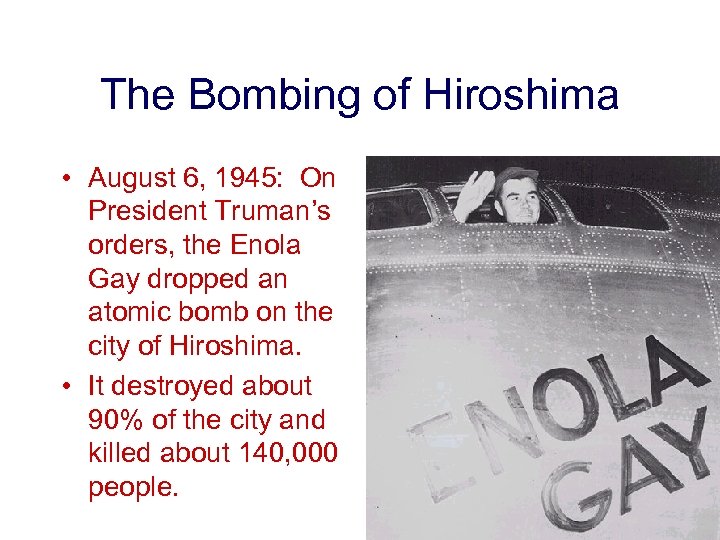 The Bombing of Hiroshima • August 6, 1945: On President Truman’s orders, the Enola Gay dropped an atomic bomb on the city of Hiroshima. • It destroyed about 90% of the city and killed about 140, 000 people.
 Nagasaki • When the bombing of Hiroshima did not elicit a surrender from the Japanese government, a 2 nd atomic bomb was dropped on Nagasaki on August 9, 1945. • The bomb on Nagasaki was equally destructive and led to a Japanese surrender.
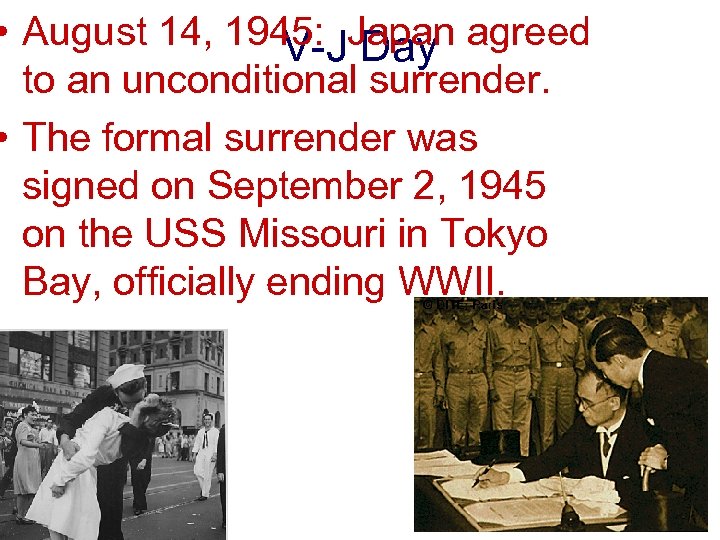 • August 14, 1945: Japan agreed V-J Day to an unconditional surrender. • The formal surrender was signed on September 2, 1945 on the USS Missouri in Tokyo Bay, officially ending WWII.
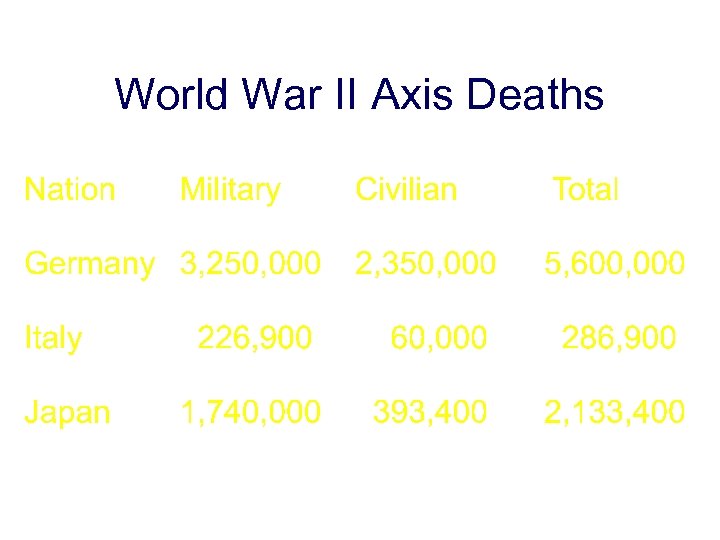 World War II Axis Deaths
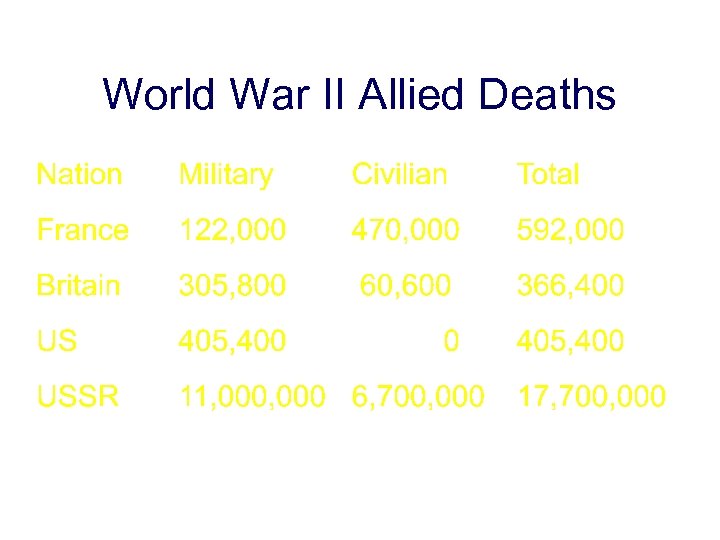 World War II Allied Deaths
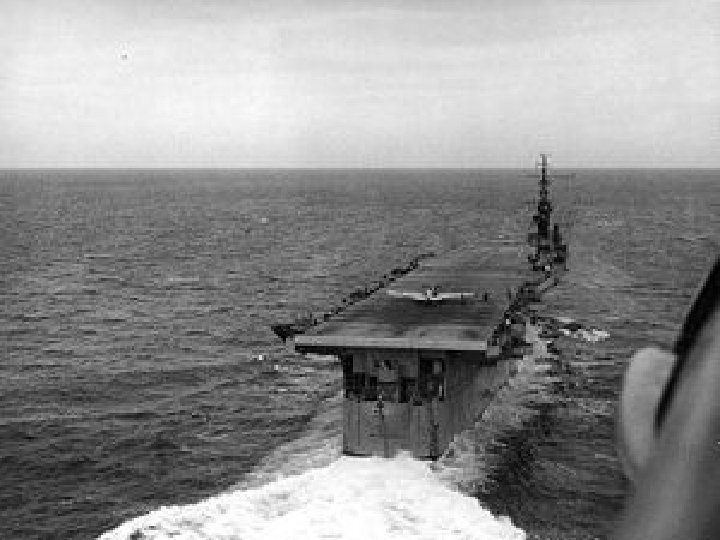
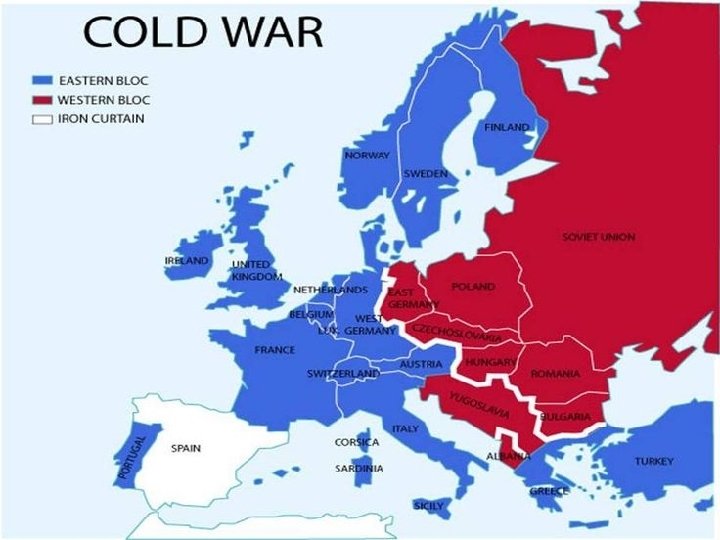
 Results • New Technology • How to rebuild Europe Yalta Conference -
 Results • Israel • Nuremberg Trials
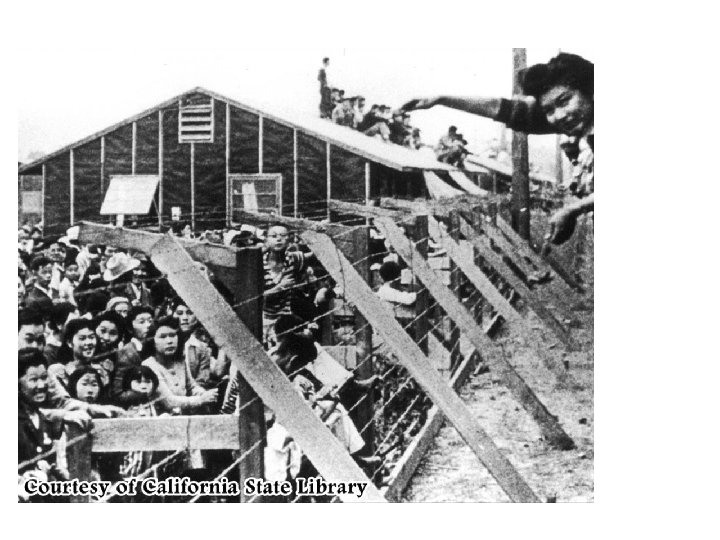
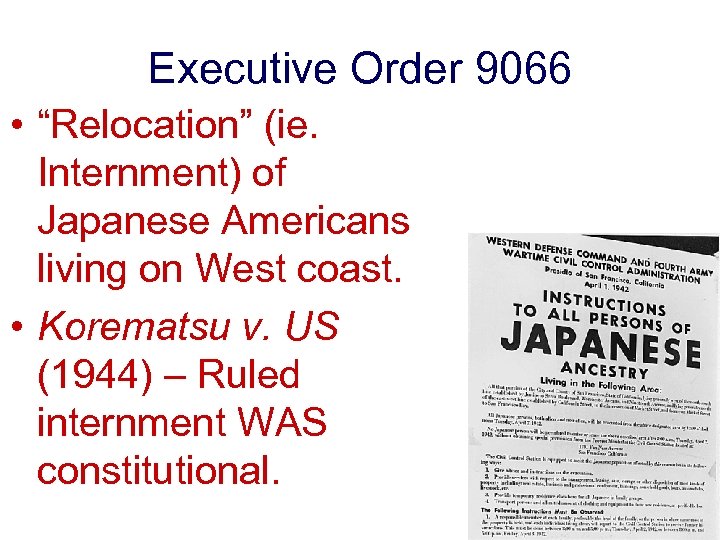 Executive Order 9066 • “Relocation” (ie. Internment) of Japanese Americans living on West coast. • Korematsu v. US (1944) – Ruled internment WAS constitutional.