


 Скачать презентацию World History WWI to Modern Day Roots
636bdcca3bf88553cb0da26c50e6c9a3.ppt
- Количество слайдов: 44
 World History: WWI to Modern Day
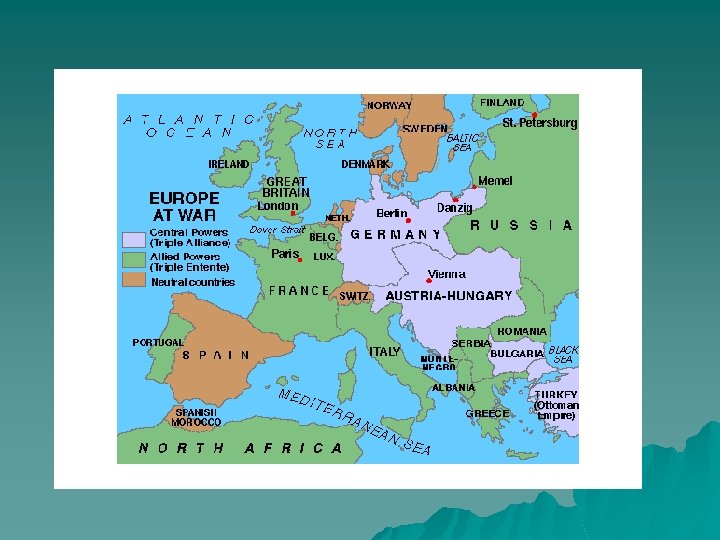
 Roots of WWI u World War I – “The Great War” u Nationalismu The loyalty to one’s country Balkans – Ethnic groups launching revolutions against the Ottoman Empire – Some annexed by Austria-Hungary – Poland v. Russia – Ireland v. Britain
 Roots of WWI u Militarism – Countries began building up their militaries to intimidate others u Alliances – Agreements between nations to help each other in case of war
 The War Begins u June 28, 1914 - Archduke Francis Ferdinand, heir to Austria-Hungary, was assassinated by a Serbian nationalist – Austria-Hungarian/German alliance – Serbian/Russian alliance u Triple Entente – Great Britain, France, Russia u Central Powers – Germany, Austria-Hungary, Ottoman Empire
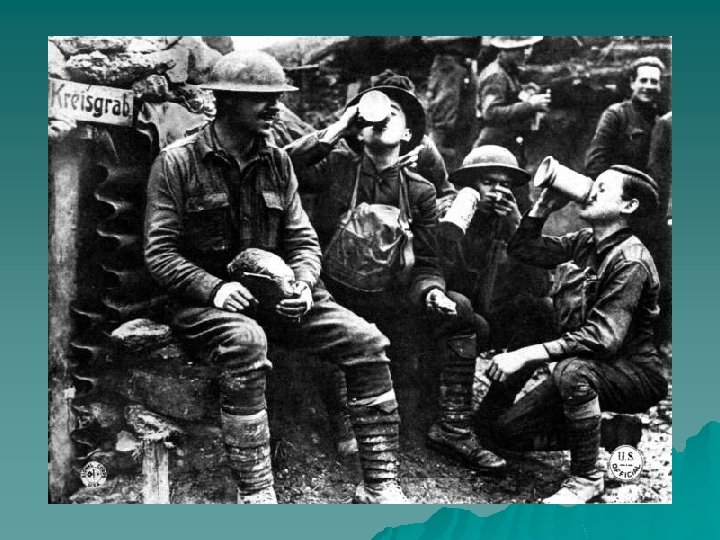
 The War Front u Weapons – Machine guns – Poison gasses – Tanks and airplanes u Stalemate develops u Trench warfare – Dirty ditches – “no man’s land” in between
 The End and Aftermath 1917 - the US enters the war u 1918 - the war ends when Germany is defeated – 20 million Europeans dead u President Wilson wanted peace but the allies wanted to punish Germany u Treaty of Versailles – Forced Germany to accept blame – Germany to pay reparations ($) u Hapsburg Dynasty (ruling European family) fell u Ottoman Empire- no longer existed u
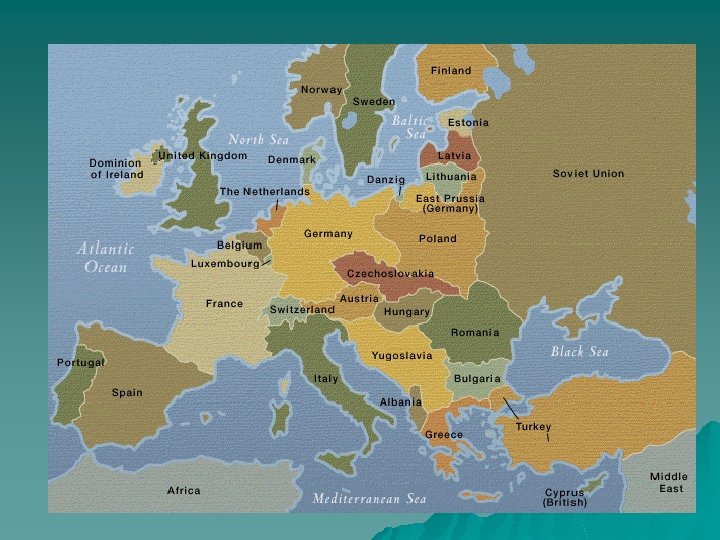
 The Aftermath u Allies redrew national borders to benefit themselves u New countries created causing conflict u Promised independence to Arab nations but went back on their word – Mandate system u Germans left resentful u Laid the path for WWII
 League of Nations u President Wilson proposed it u Was meant to provide a place where countries could peacefully discuss solutions u Many countries joined but no the USA u Could not enforce anything
 Russian Revolution u Czar Nicholas II- lead Russia in WWI but was overthrown in 1917 u Lenin – Marxist/Communist – Bolsheviks- socialist party – Gained control of the Russian government u Western nations sided with the non-communist u Soviet Union= Communist Russia
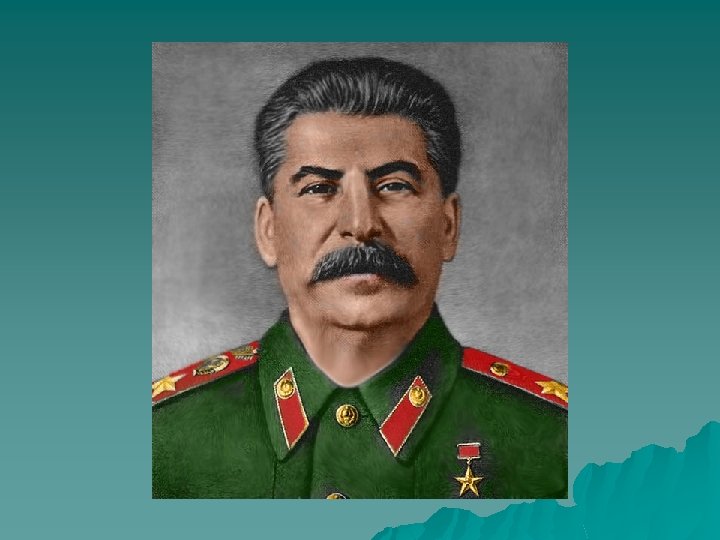
 Joseph Stalin u Became communist dictator of Russia u Five Year Plan – Sought to increase industrialization in the USSR – State owned farms and starvation u Purge – Stalin eliminated those he saw as a threat; some killed some sent to prisons – Murdered millions of his own people
 Effects of the Revolution u End of the Romanov Dynasty transferring power to the lower classes u Urbanization and technology u Mistrust between the Russia and the west u Later led to the Cold War after WWII
 Totalitarian v. Authoritarian Governments Democracy does not exist in either u Authoritarian u – Only interested in political power – Conservatives who want to preserve traditional way of life – Expects people to accept government policies and carry on with their lives u Totalitarian – Government seeks to control politics, economy, culture, and social life – Terror and fear used to force citizens
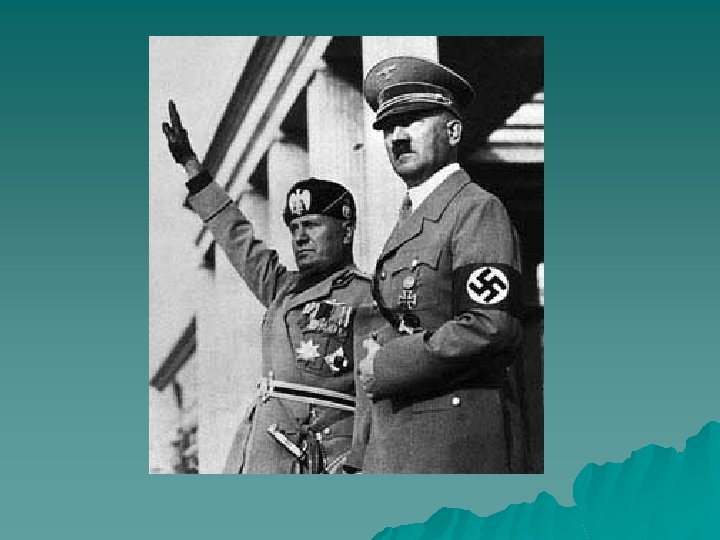
 Italy u Fascism – Nationalistic movement that is antidemocratic and anti-communist – Rules by intimidation u Benito Mussolini – Used violence to settle unrest – Became dictator of Italy after gaining support from the middle class – Repressive government
 Adolf Hitler Took control of Germany with the Nazi Party u Rose in power through Nationalism and promised of rebuilding u “Third Reich” u Began militarily expanding u – Empire building – Appeasement u Anti-Semitism-hatred of the Jewish people – “Final Solution”-called for the total elimination of the Jewish people – The Holocaust
 Japan u Emperor Hirohito – Did not have complete control of Japanese government – Militarily controlled u Hideki Tojo – Japan’s premier and led Japan through WWII
 Leading to War u Hitler’s invasion on the Rhineland, Austria, and the Sudetenland u Japan expanding in the Pacific and into China u Axis Powers – Germany – Italy – Japan
 WWII u Hitler invades Poland u Britain and France enter the war u Hitler takes over France u Battle of Britain – Thousands of German planes bomb Britain – Winston Churchill- British prime minister – Britain holds on
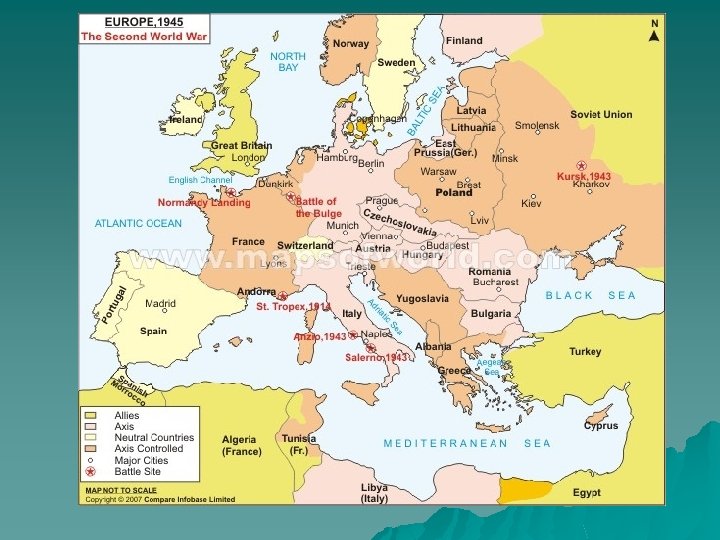
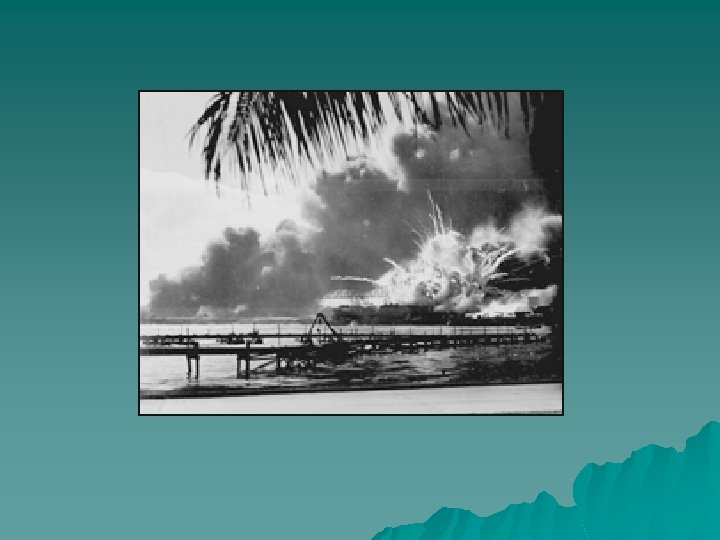
 US Involvement u US had remain neutral until December 7, 1941 attack on Pearl Harbor – US declares war u Allies – United States – Britain – Soviet Union/Russia u Hitler invades Soviet Union
 Strategy u Stalin wanted US and Britain to open the western front of Europe to help him out u Churchill and Roosevelt decided to attack Germany in Africa, Italy, and then the Western European Front u Tehran Conference – Allies agree to invade Europe – D-day – Significance: Paved way for Western European invasion that would end the war u France is won back
 Yalta Conference u u u “Big Three” – Roosevelt/Truman (US) – Churchill (Britain) – Stalin (USSR) Yalta Conference – After German defeat USSR would help with Japan – Eastern European countries to get elections – USSR gets land in Poland some in China – USSR gets most reparations because they were the hardest hit – Germany divided into four zones after the war (US, Britain, France, USSR) Significance: Laid out post-WWII Europe between the west and the communist
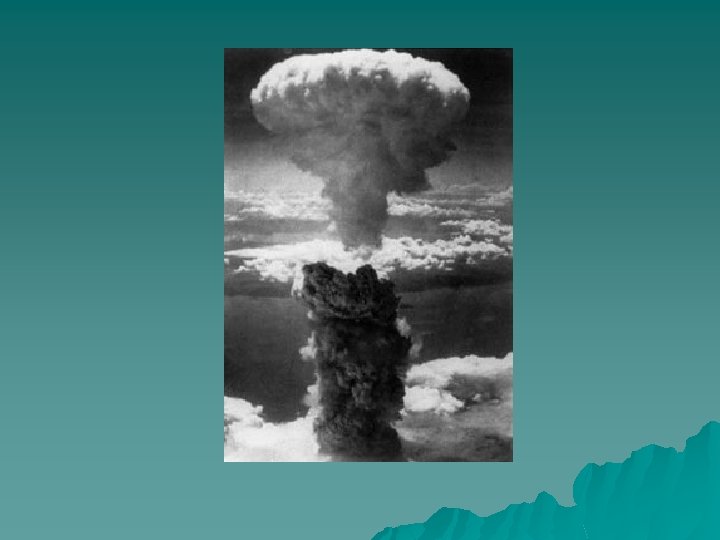
 Potsdam Conference War in Europe ended May 1945 u Potsdam u – Truman meets with Stalin and Churchill – Unconditional Surrender of Japan – Significance: led to the decision of the atomic bombs at Hiroshima and Nagasaki War on both fronts were finally ended u Use of the atomic bombs led to the nuclear arms race between the US and the USSR u – Hydrogen bomb created
 Post WWII u u Cold War – Tension b/w the US and USSR that many feared would lead to nuclear war Marshall Plan – Money given to help Western Europe’s economy and help rebuild countries Post War Japan – Created democratic government ad helped rebuild – Today a modern, industrial, and wealthy nation United Nations – Organization of different countries to find peaceful solutions to problems – Permanent Members: US, Britain, France, Russia, China
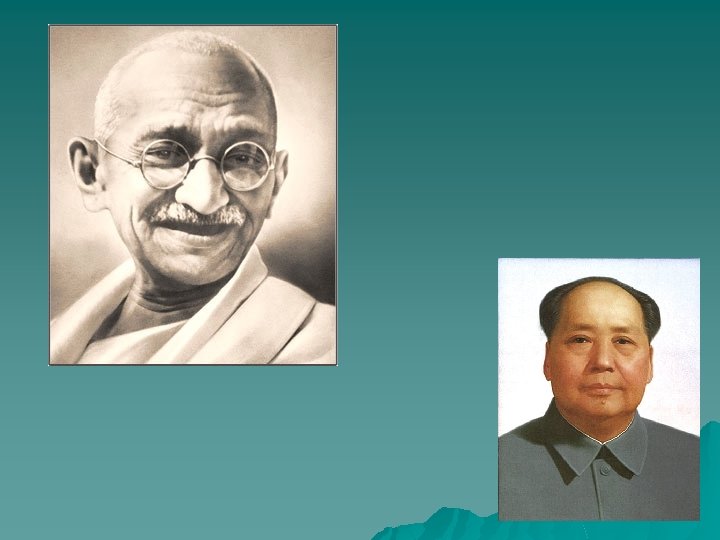
 Indian Independence Decolonization u India was under control of Britain u Mohandas Gandhi – Leader of the Indian Independence Movement – Supported non-violent protests even through beatings by the British – Unity b/w Hindus and Muslim Indians u Gained independence but not religious peace u Pakistan created as a Muslim state u Gandhi was assassinated but inspired many u
 China’s Communist Revolution u Nationalists v. Communists u Mao Zedong – Communist leader who gained control of China – USSR supported
 Israel u Zionism- Jewish nationalism increased after the Holocaust u 1948 Israel created for Jewish people u Arabs upset because part of Palistine was taken u Wars have broken out and still tension
 Latin America US was backing governments in Latin America that nationalists did not support u Latin American nationalism associated itself more with the Soviet Union u Cuba (Castro), Chile (Salvador Allende), Nicaragua (Sandinistas), Mexican attempt (Zapatistas) u US backed anti-communist takeovers u Today’s anti-US Latin American governments u – Venezuela and Hugo Chavez – Bolivia and Juan Evo Morales Ayma
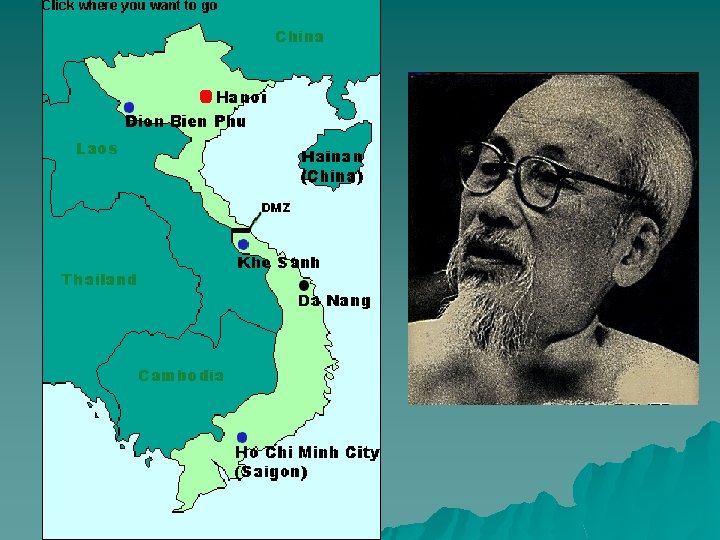
 Southeast Asia u Decolonizing after WWII u Many of the countries experienced unrest u Vietnamese Nationalist led by Ho Chi Minh fought the French and the US – Communist nationalist won in the end
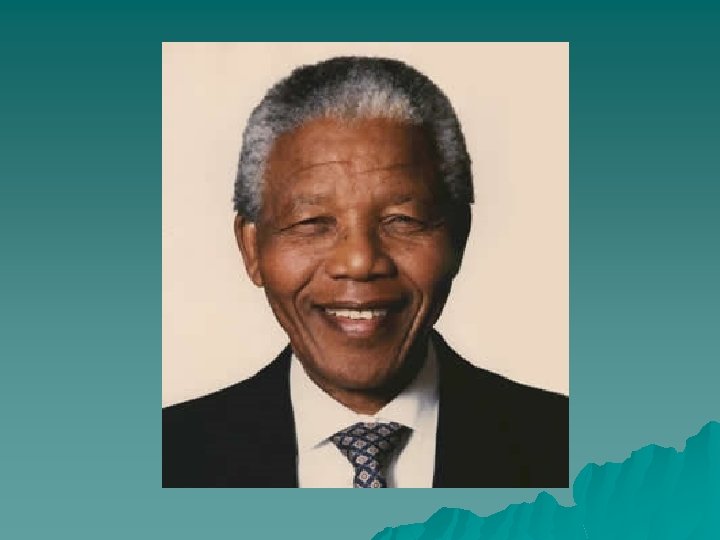
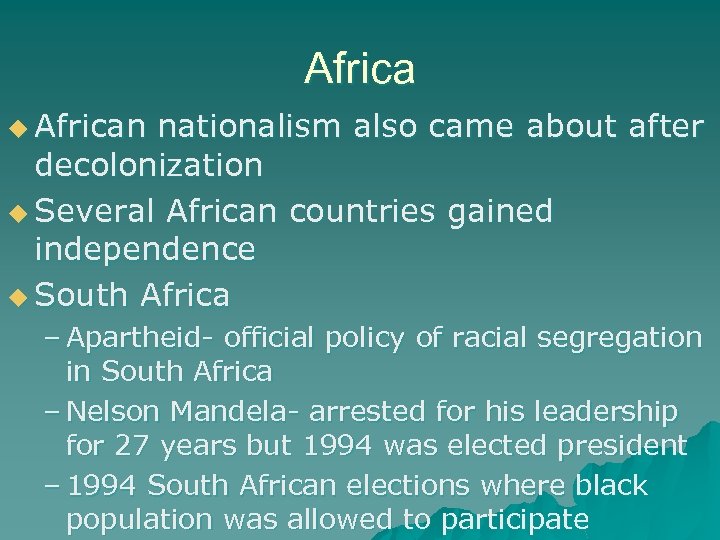 Africa u African nationalism also came about after decolonization u Several African countries gained independence u South Africa – Apartheid- official policy of racial segregation in South Africa – Nelson Mandela- arrested for his leadership for 27 years but 1994 was elected president – 1994 South African elections where black population was allowed to participate
 Middle East u Arab National arose after the founding of Israel u Abdul Nassar became president of Egypt and united Arabs in standing against the west and supporting Palestine
 Ethnic Conflicts u African tribes fighting one another u Kurds, Persians, Arabs, and Jews fighting in the Middle East u Eastern Europe – Serbs, Bosnians, and Croats fighting – Serbians conquered Bosnia and began ethnic cleansing killing many Bosnians – NATO helped to maintain peace
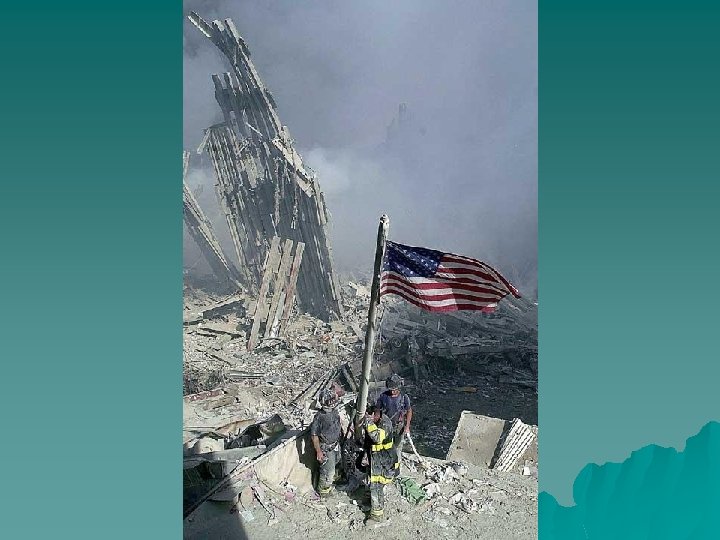
 Terrorism u Terrorism – Use of violence against innocent people in the name of a cause u Al-Qaeda – Largest and most active terrorist group – Led by Osama bin Laden – Sept. 11, 2001 – War on Terror- invasion into Afghanistan u How does this affect us today?
 Globalization u Globalization- worldwide interdependence u United Nations – Allows representatives to negotiate peacefully, provide aid, and back military forces to maintain stability u World Trade Organization – Monitors countries making sure they stick to international trade agreements u OPEC (Organization of Petroleum Exporting Countries) – Several oil producing nations that control the cost and supply of oil