 Скачать презентацию WORLD EXPOs International exhibitions Trends and tendencies UFI
sent_08.03.pptx
- Количество слайдов: 96



WORLD EXPOs International exhibitions Trends and tendencies, UFI Economic significance Types of visitors at exhibitions

1851 The ‘Great Exhibition’ Queen Victoria decided to create an exhibition symbolising the industrial, military and economic superiority of Great Britain. In addition to this she felt it important to parade her achievements alongside the ‘less civilised’ countries
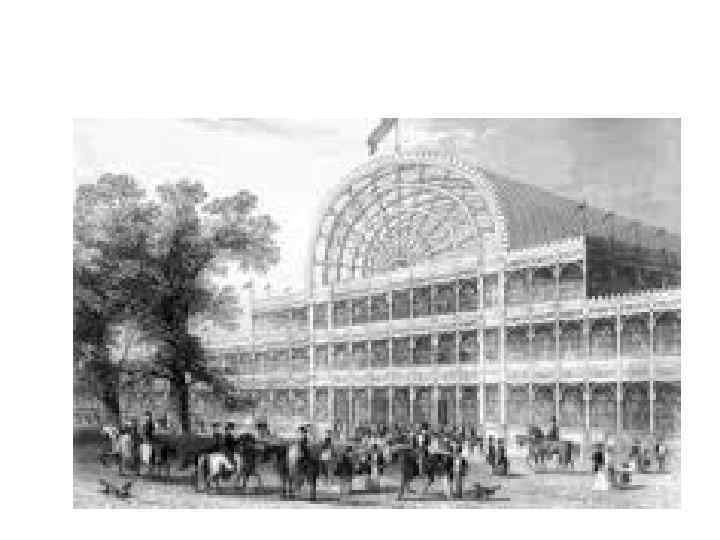
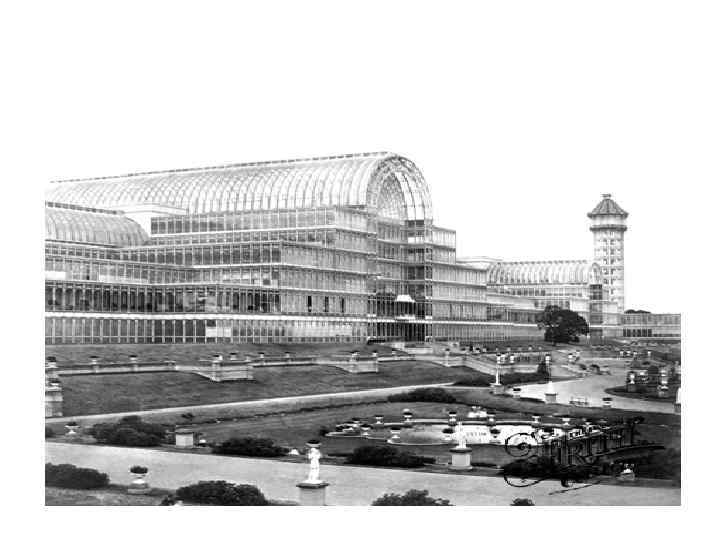
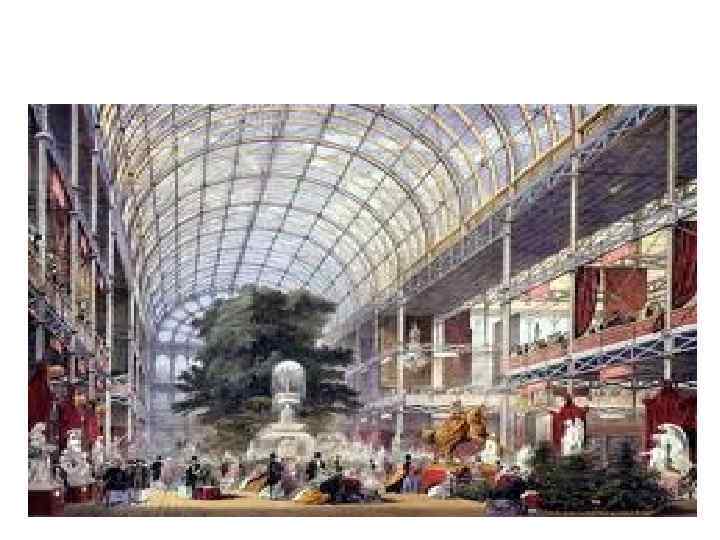
The ‘Great Exhibition’ was the first international exhibition of manufactured products. This influenced several aspects of society, including art, international trade and relations and tourism. And was the beginning for many international exhibitions in the future, attracting 6, 200, 000 visitors to view the 13, 000 exhibits. It is considered the first WORLD EXPO.
World Expo Another very significant World Expo in the 19 th century was in 1889 – World Expo in Paris - which hosted over 61, 722 exhibitors (55% were French). It was a symbol for the 100 th anniversary of the French Revolution, the Eiffel Tower was built especially for the exhibition and was kept because of its success.

World’s Fairs – EXPO: a special type of exhibition Nowadays World Expo is the generic name for various large expositions held since the mid 19 th century. (The first international exposition took place in London in 1851 – the Great Exhibition as it is mentioned above). Universal expositions encompass universal themes that reflect the full range of human experience. More than displaying major technological novelties the Expo’s role is oriented towards interpreting the collective challenges to which mankind is asked to respond. For example, theme for the Expo 2010 in Shanghai, China, was ― Better City, Better Life". Another example is the slogan of the Expo 2005 in Japan: "Nature‘s Wisdom’’.
The Expo is a non-commercial Universal Exposition (not a trade fair) organized by the nation which wins the candidature, with other countries participating through the diplomatic channels of the hosting nation. The international organization which regulates the frequency, quality and progress of the event is the Bureau International des Expositions (BIE) set up under an international convention which was signed in Paris in 1928. Currently some 157 nations are BIE members.
World Expos Universal Expositions are held every 5 years on a site with no area limitations. They last 6 months. To distinguish them from other fairs, Expos require the total design of pavilion buildings from the ground up. As a result, nations compete for the most outstanding or memorable architectural structure.
The next is EXPO 2015

Feeding the Planet, Energy for Life
On show at Expo 2015: the great issues of sustainable development. Expo 2015 will be an extraordinary universal event displaying tradition, creativity and innovation in the business of food. It will bring together many themes that have already been handled by this event in the past, and set them out anew in light of new global possibilities whose common core is the idea that everyone on the planet should have access to food that is healthy, safe and sufficient. Workshop and debate themes include:

• Improving food quality and security: the security of having enough food to live on, and an assurance that the food is healthy and the water drinkable; • Ensuring healthy and high-quality nutrition for all human beings, doing away with the hunger, drought, infantile mortality, and malnutrition that still afflict 850 million people on this planet, and extirpating famine and pandemic disease; • Preventing the new epidemics and diseases of our time, including obesity, cardiovascular disease, and cancer, by championing practices that have proven to be effective;

• Promoting innovation in research, technology, and business practices along the entire food supply chain to improve the nutritional value, conservation, and distribution of foods; • Providing education in proper nutrition and encouraging more healthy lifestyles, especially among children, adolescents, the disabled, and the elderly; • Enhancing the value of cultural and ethnic heritage as expressed in culinary traditions.

Expo Subthemes A. Scientific and technological sub-themes • Science and technology for food safety, security and quality • Science and technology for agriculture and biodiversity • Innovation in the agro-food supply chain
B. Social/cultural sub-themes • Dietary education • Food for better lifestyles • Food and culture

C. Cooperation and development on food.
Expo Milano 2015 achieves 71 official participants (15 feb 2012). During 2012, Expo plans to gather 110 countries, which will become 150 as overarching target. The flags of the participating countries are waving in Via Dante, in Milan city centre.
International Expositions, such as the one in Zaragoza 2008, are held over 3 months on a site of no more than 25 hectares. They address a specific theme, which in this case, was "Water and Sustainable Development".
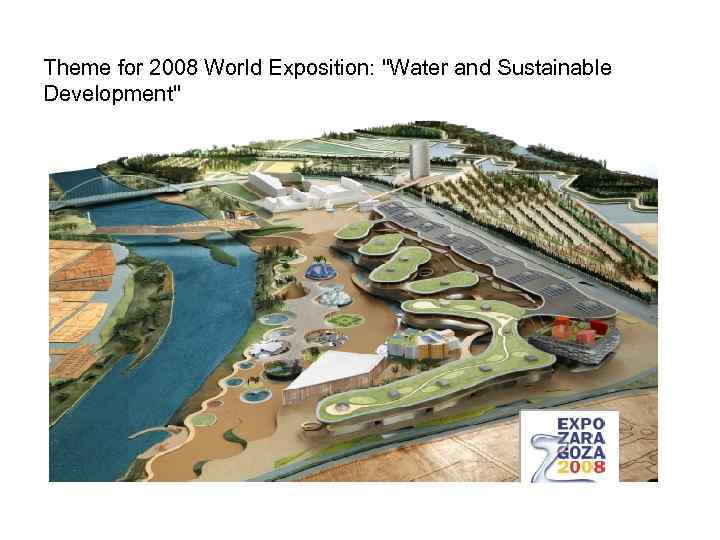
Theme for 2008 World Exposition: "Water and Sustainable Development"
The 2008 World Exposition, Zaragoza, Spain The 2008 Zaragoza International Exhibition was the first ever to deal with Water and Sustainable Development. The 2008 Expo was a great international event held on the banks of the River Ebro in which 104 countries, three international organizations, and all of Spain‘s autonomous communities and cities took part.
Since the 1960 s, Trade shows and exhibitions are extensively used as prominent part of marketing strategy. Their relative importance is reflected in their promotional expenditures. Larger amounts are spent each year on trade exhibitions than on magazine, radio, and out-door advertising.
The 20 th century: Trade fairs and trade shows become the dominant type of exhibitions During the 20 th century the market segments evolve more and more. Work division increases. The industrial sector and the service sector grow to a large extent. In parallel, international trade expands, corresponding to a rapid increase of new enterprises.
The exhibition industry meets these challenges by developing industry-specific exhibition concepts. They are characterized by the following: §The nomenclature of the trade show, i. e. the range of products and services authorized for the show, is determined by the products and services offered within a special market segment. §The exhibitors and visitors of the trade show belong to a special target group of the market segment. Associations representing the market segment initiate the trade show or are invited to become partners of the exhibition organizer for the special event.
§ Trade journals offer their services as media partners. §The industry-specific concepts require specialists on the side of the organizers as well. The project management of the organizer needs adapted skills and know-how of the market segment
Corresponding to these new trade show concepts, the functions and tasks of exhibitions expand. From the exhibitor's point of view the exhibitions have always been important distribution channels to sell products directly Now new objectives are developed: improvement of the company's publicity and image the public relations advertising
Trade shows become platforms of communication and customer relationship management (CRM) tools. Advanced marketing strategies show that a competitive market presence is only possible if the participation is embedded in the integrated marketing concept of the company
The 21 st century: Globalisation of the exhibition industry New and large exhibition sites are built or are under construction in China, Korea, Singapore and the Near East. The fast-developing nations in these regions place their expectations of economic growth and prosperity on the exhibition industry. Some Asian organizers start to place their own exhibitions in Europe or are cooperating with worldwide acting exhibition organizers. In Eastern Europe numerous exhibition organizers expand their trade show programme.
European exhibition organizers meet these challenges in different ways: - domestic trade show concepts are exported to the growth markets - they follow a branding concept to hedge their market positions Example: Three German trade show organizers cooperate in a joint venture with a Chinese organization. They have invested in facilities in Shanghai. Other organizers cooperate with local partners to export their shows and to benefit from exhibitors and visitors brought to their sites in return.
Virtual fairs They appeared in the 90 s when internet use became widespread. The demise of traditional fairs was considered "inevitable". Possible advantages: - elimination of usual trade show time constraints, - space factors and exhausting, long-distance travel. ―
Productpilot – an example of Internet usage ‘Productpilot’ was initiated by Messe Frankfurt. It is a trade fair between trade fairs. During the whole year Messe Frankfurt offers a platform where visitors can research exhibitors and products from the trade show portfolio of the organizer. Thousands of manufacturers, traders and service providers from many different industries are registered in ‘productpilot’. All product and business information is updated regularly. It is possible to find business partners, to exchange information and to discuss topics of shared in-terest.
However, it is now clearly accepted that traditional fairs cannot be replaced by virtual ones. Face-to-face contact remains a significant privilege of traditional fairs. Applying customer relationship management (CRM) and building up the loyalty of clients remain the advantages of exhibitions. Nevertheless, the World Wide Web has very much affected the organization of exhibitions. Exhibitors and visitors take their information from the net and decide whether to participate in the exhibition or not. Organizers try to communicate with their customers via the internet to save money and to accelerate the communication process.
UFI One of the biggest international organisations is UFI. The organisation produces reports with statistics showing the situation in the industry.
UFI – the Global Association of the Exhibition Industry
Code of ethics As many other respectful organisations it has its own Code of Ethics

Code of E t h i c s As a Member of UFI, The Global Association of the Exhibition Industry, • • • We agree to uphold the principles of respect, integrity, responsibility and professional behaviour in the conduct of our business and in our relations with our clients and colleagues. We believe that a commitment to ethical conduct is a constructive approach to successfully achieving our professional goals. We will conduct professional activities in accordance with accepted standards, laws and regulations. We will respect UFI's Statutes, Internal Rules and all obligations arising from membership. We will provide accurate, reliable information concerning our activities and commitments. We will write contracts in such a fashion that they are clear and fair and honour them accordingly. We will recommend service suppliers who are professionally sound and who are in compliance with recognised standards of health, safety and the environment. We agree to respect the intellectual property of others and to protect the confidentiality of privileged information provided to us during business activities. We will strive to continually improve the level of our professional competence and ability. We will support the organization's activities as it promotes, serves and represents the trade fair and exhibition industry.
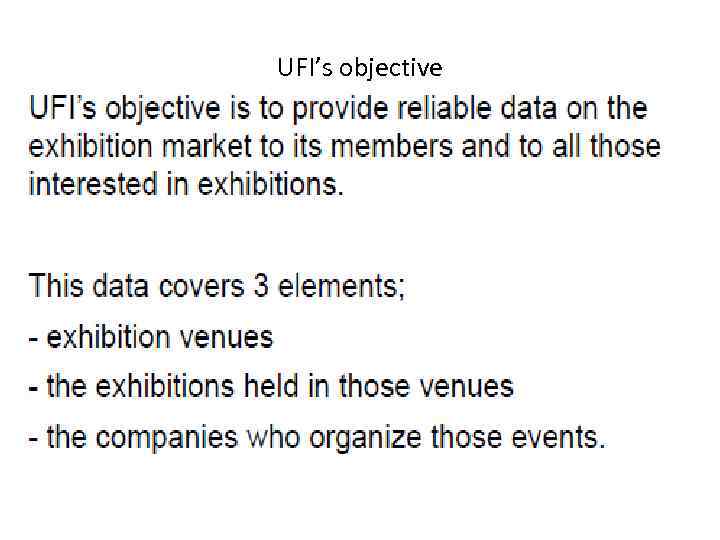
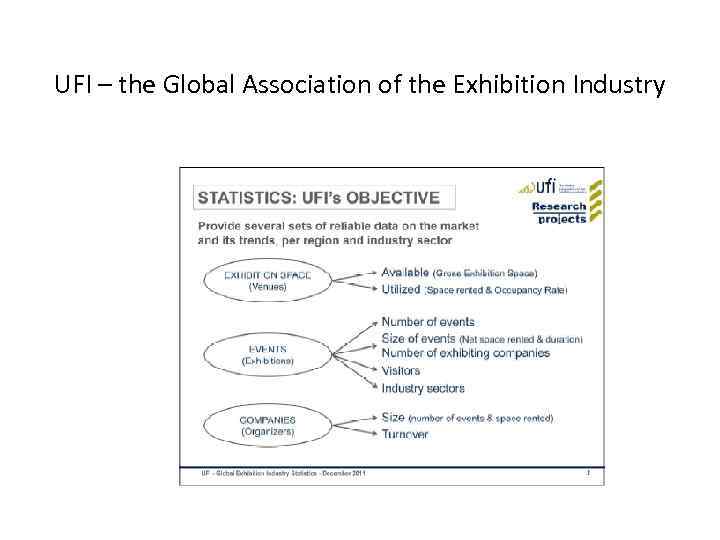
UFI’s objective
Key indicators For each of these elements, UFI has defined the key indicators to provide on a regular basis
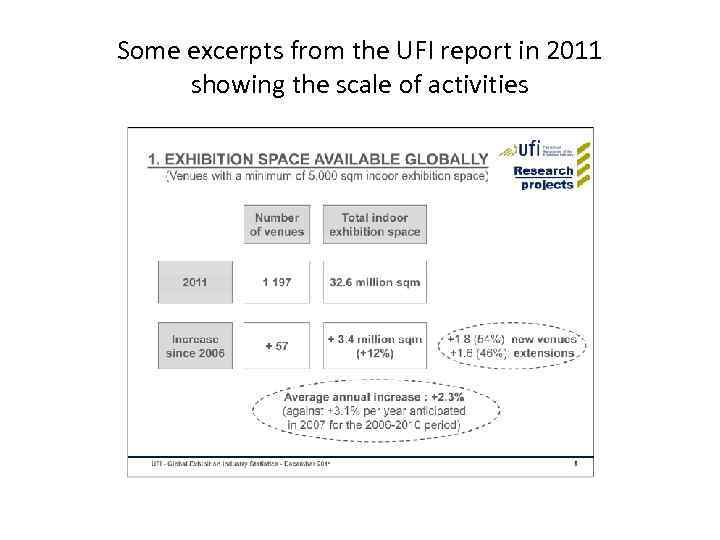
Some excerpts from the UFI report in 2011 showing the scale of activities
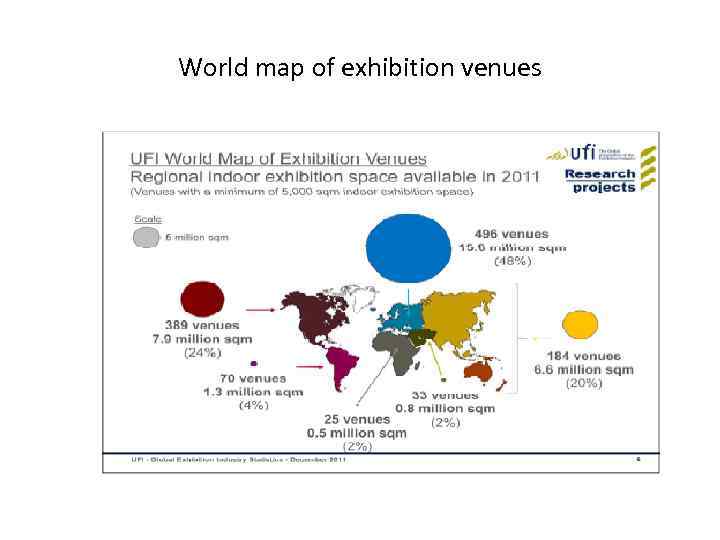
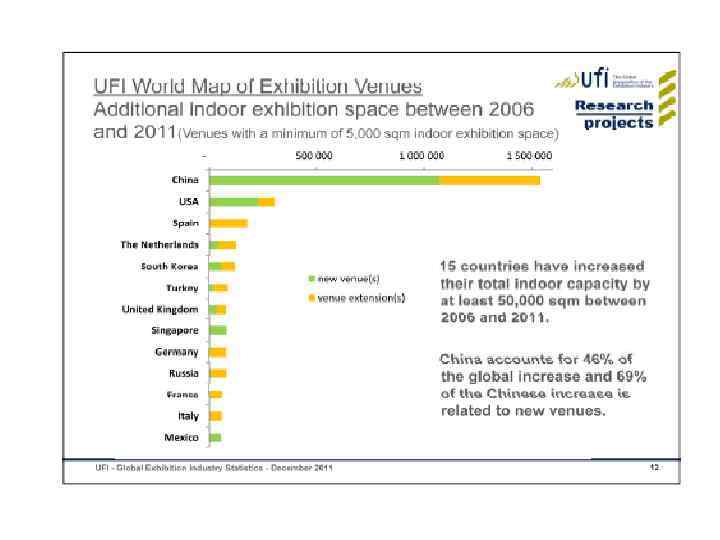
World map of exhibition venues
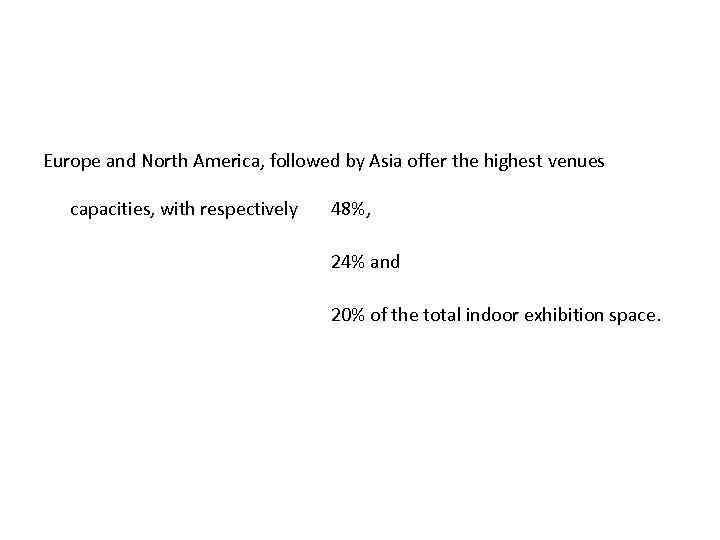
Europe and North America, followed by Asia offer the highest venues capacities, with respectively 48%, 24% and 20% of the total indoor exhibition space.
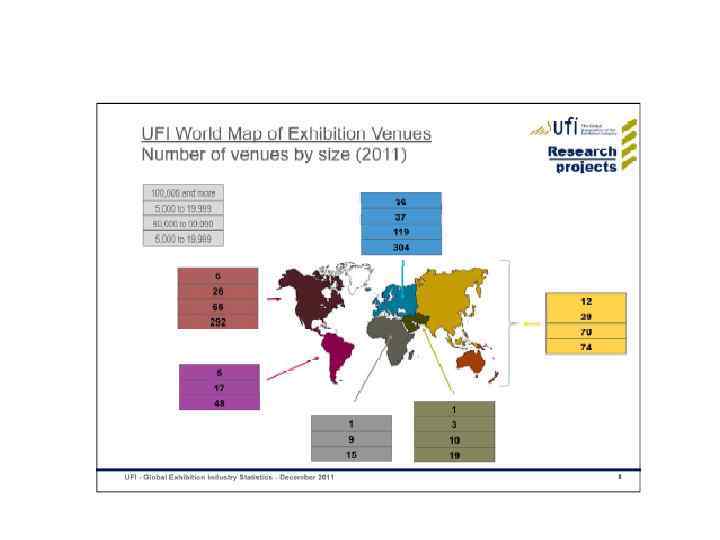
The size of venues also varies from one region to another. 55 venues – 36 of them being in Europe and 12 in Asia – have an indoor exhibition space of 100, 000 sqm and more.
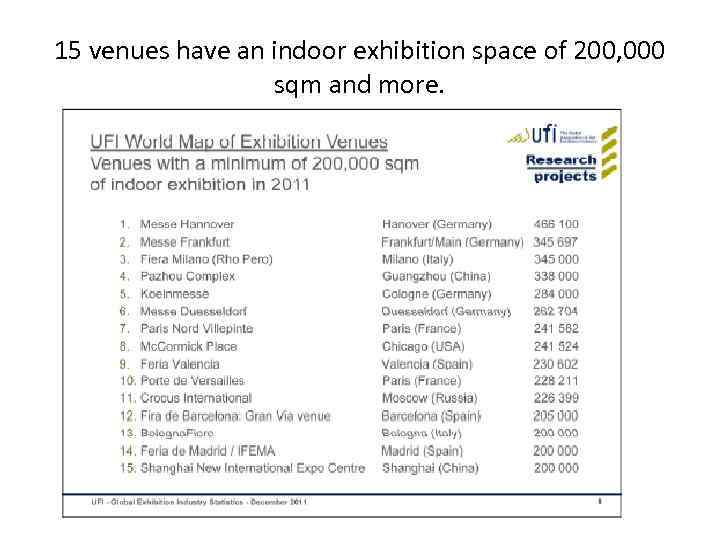
15 venues have an indoor exhibition space of 200, 000 sqm and more.
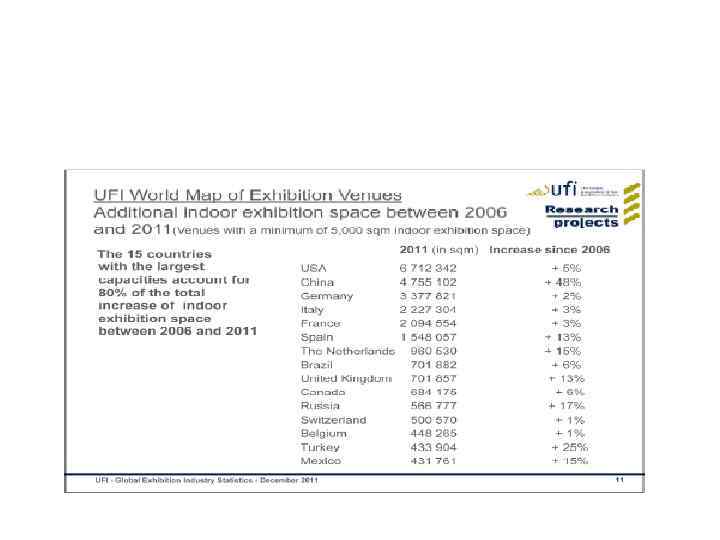
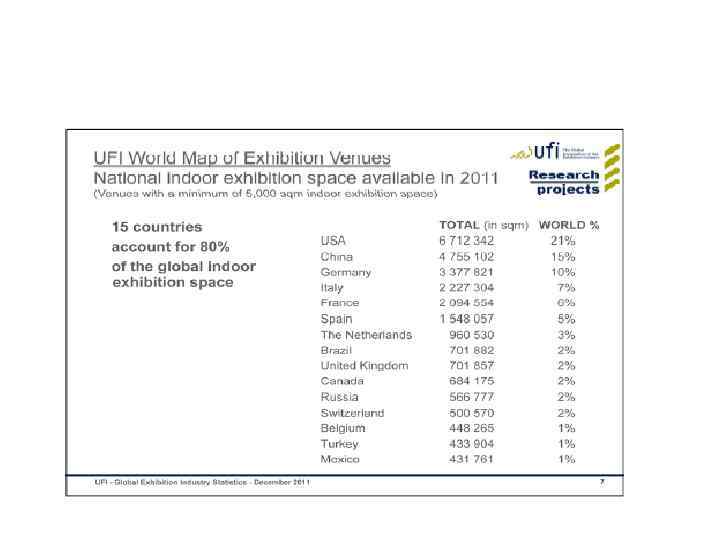
• In terms of countries, 5 of them (USA, China, Germany, Italy and France) account for 59% of the total world indoor exhibition space. • 34 countries have a minimum of 100, 000 sqm of indoor exhibition space.
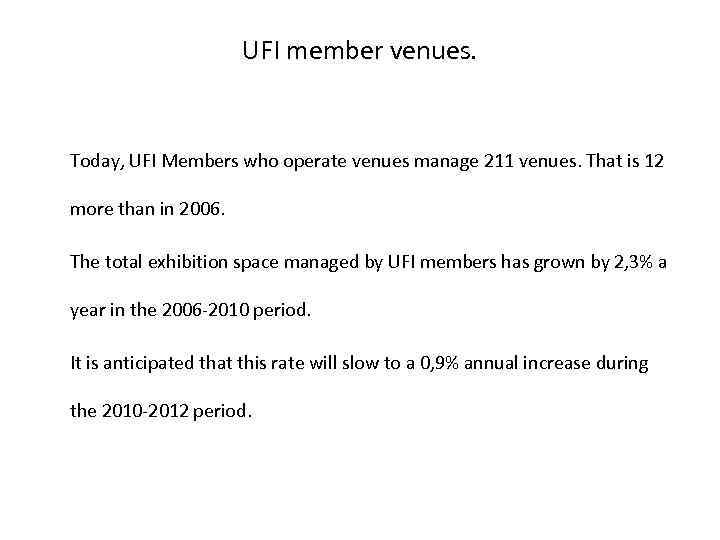
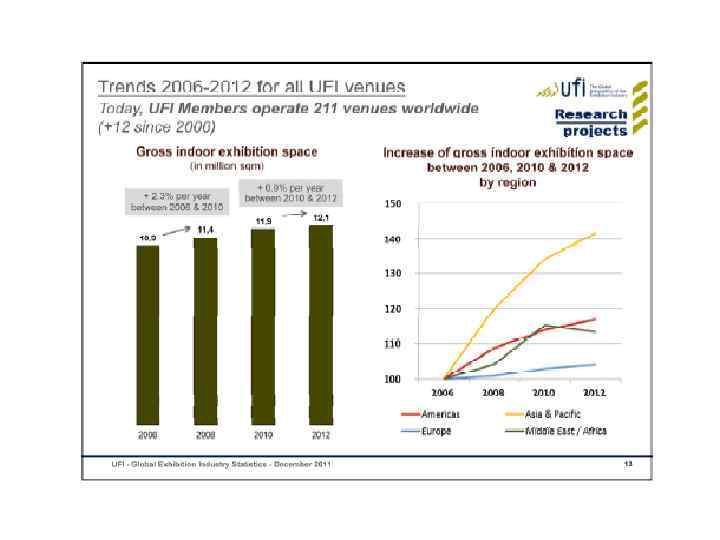
UFI member venues. Today, UFI Members who operate venues manage 211 venues. That is 12 more than in 2006. The total exhibition space managed by UFI members has grown by 2, 3% a year in the 2006 -2010 period. It is anticipated that this rate will slow to a 0, 9% annual increase during the 2010 -2012 period.
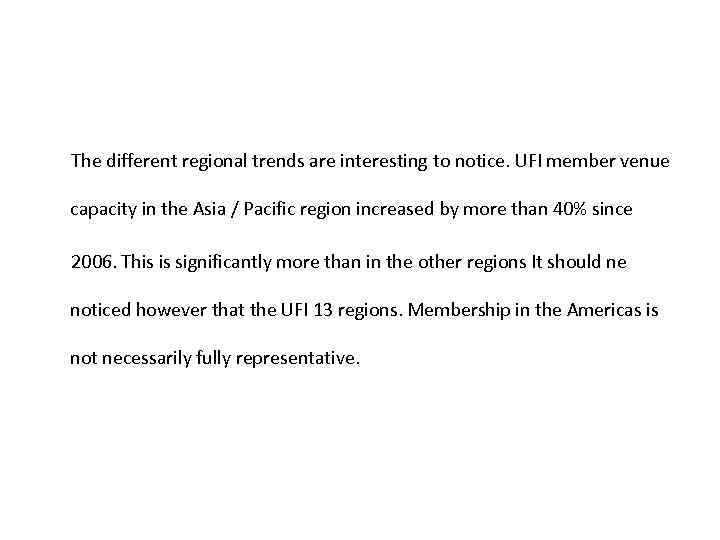
The different regional trends are interesting to notice. UFI member venue capacity in the Asia / Pacific region increased by more than 40% since 2006. This is significantly more than in the other regions It should ne noticed however that the UFI 13 regions. Membership in the Americas is not necessarily fully representative.
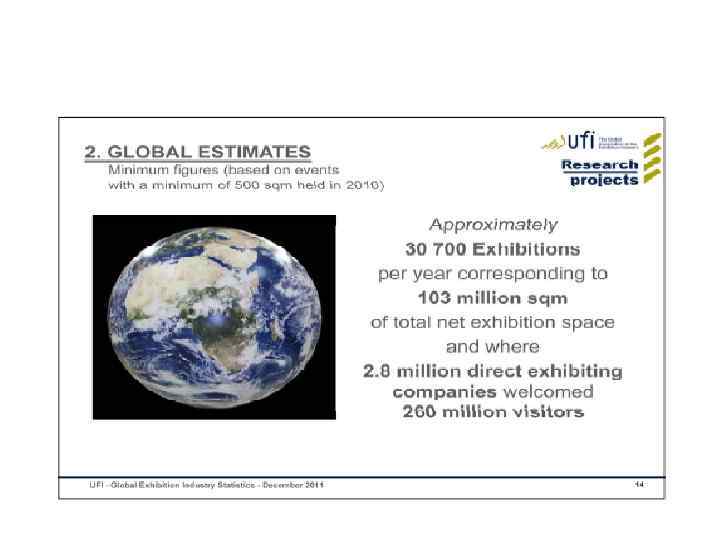
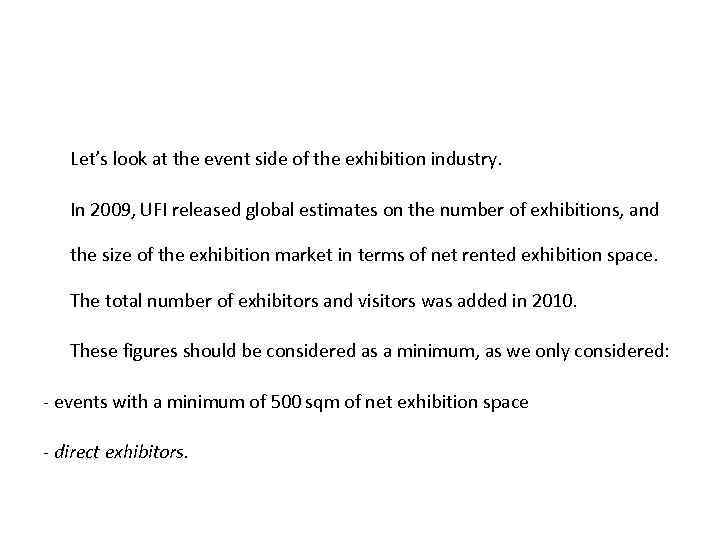
Let’s look at the event side of the exhibition industry. In 2009, UFI released global estimates on the number of exhibitions, and the size of the exhibition market in terms of net rented exhibition space. The total number of exhibitors and visitors was added in 2010. These figures should be considered as a minimum, as we only considered: - events with a minimum of 500 sqm of net exhibition space - direct exhibitors.
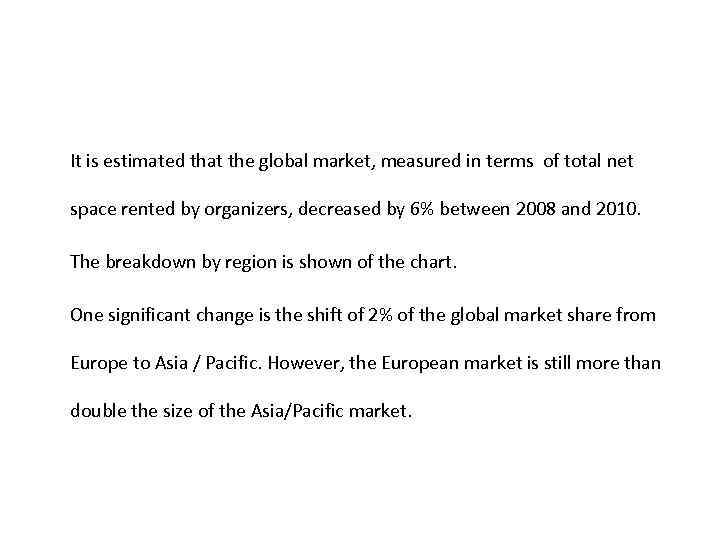
It is estimated that the global market, measured in terms of total net space rented by organizers, decreased by 6% between 2008 and 2010. The breakdown by region is shown of the chart. One significant change is the shift of 2% of the global market share from Europe to Asia / Pacific. However, the European market is still more than double the size of the Asia/Pacific market.
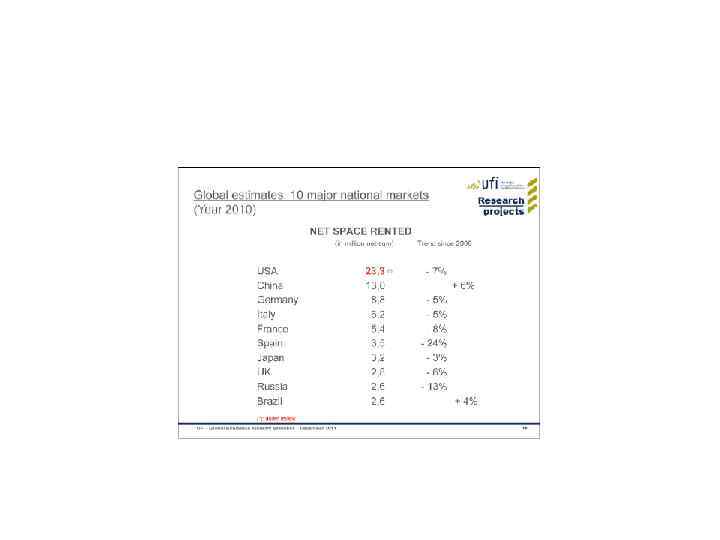
• The “top 10” national markets, in terms of exhibition space rented, remain the same. • However, most of them have suffered from a decrease between 2008 and 2010. • Only 2 countries saw an increase of the size of their market: China and Brazil.
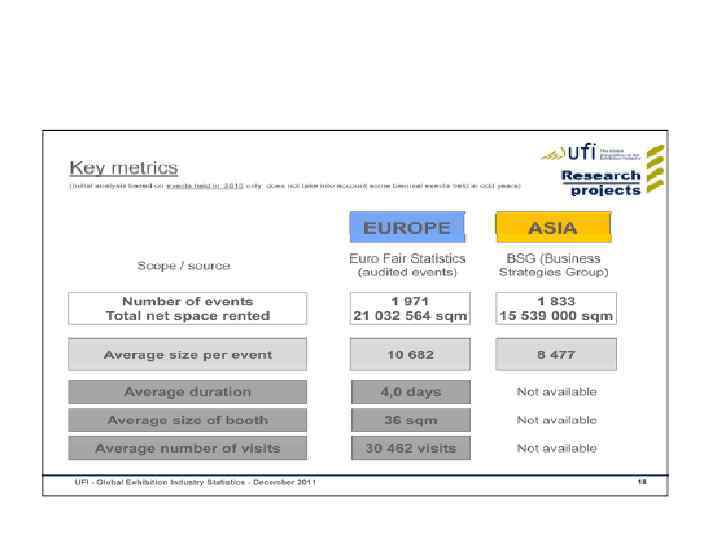
UFI also provides some metrics on characteristics and trends of the different regional exhibition markets. This first analysis is based on 2 large databases: the one related to Euro Fair Statistics for Europe (related to most audited events / accounts for 40 to 45% of the European market) and the BSG database, which identifies most B to B events in Asia and accounts for around ¾ of that market. Average duration, size of booth and number of visits could be calculated for Europe and the average size of exhibitions for both regions. The average exhibition size was, in 2010, 25% higher in Europe than it is in Asia.
UFI also provides metrics by exhibition industry sector. This first analysis is based on the events of 2010 only. It shall be enriched in 2012 with data from 2011 in order to take into account the biennial events held in odd years. This will significantly impact these results for some industries. It is planned to also include data from North America. It shall also be remembered that neither of the databases used for this analysis represent the complete regional market. Nevertheless, it provides a first look at the top 10 industries represented and it is interesting to notice that the top 6 industries represented are the same, and in the same order, in both regions.
Economic Significance of Exhibitions Economic functions The exhibition industry takes over important economic functions. In the exhibition centre supply and demand are brought together. Exhibitions offer an inter-active platform to the market participants. They contribute to the development and revival of markets and market segments
Additional economic functions are: • Trade function: Transactions of goods, services and information • Transparency function: Market overview • Development function: Support of the commercial development of nations, regions and cities.
The reasons why these functions can be successfully fulfilled : Exhibitions are lowering transaction costs The main reason for the existence of trade fairs can be found in the lowering of costs per transaction. Such costs can arise from factors such as search for information, contracting, legal advice, insurance, and competition monitoring. A cost reduction is gained by the concentration of providers and attendees in one location at one time.
Exhibitions represent a neutral sales area Trade shows are held at a location which is neither the home territory of the exhibitor nor of the visitor. The venue is a neutral area that makes it easier for the visitor to freely select from a pool of information offers, with no commitment. Both visitor and exhibitor are freed from interferences by daily company duties.
However, there is also a so called ― conditional location pull In many cases, a prerequisite for the usage of demanded services is that they can only be consumed at the place of their production. Due to this, the customer is forced by a conditional location pull, meaning that he is drawn to the place of manufacture. During the time of globalization, nowadays the discussion again arises of whether trade shows should be held where the industry manufacturing takes place or where the demand is located. A third opinion declares neither as relevant. The future development will show which option the exhibition industry will follow.
Disadvantages of exhibitions A distinguishing feature of trade fairs is their limited availability. Four dimensions can be identified: The date and the place is fixed by the organizer and cannot be moved at the demand of an individual participant; Some fairs have appointed times by tradition. They often have been fixed according to industry innovation cycles. Other organizers date their exhibitions following the buying season of the industry;
Sometimes important exhibitor groups are able to apply considerable pressure on the organizers because of the importance of their attendance; Due to this, other marketing activities must be adapted to the fixed trade fair participation, whose dates have to be considered, especially for advertising campaigns connected with the trade shows. The limited availability also applies to other marketing instruments: e. g. advertising, TV or radio campaigns take place at fixed dates and have a limited circulation.
The following charts demonstrate how the economic network produces benefits for different players in the exhibition industry.
Network – trade fair organizing company
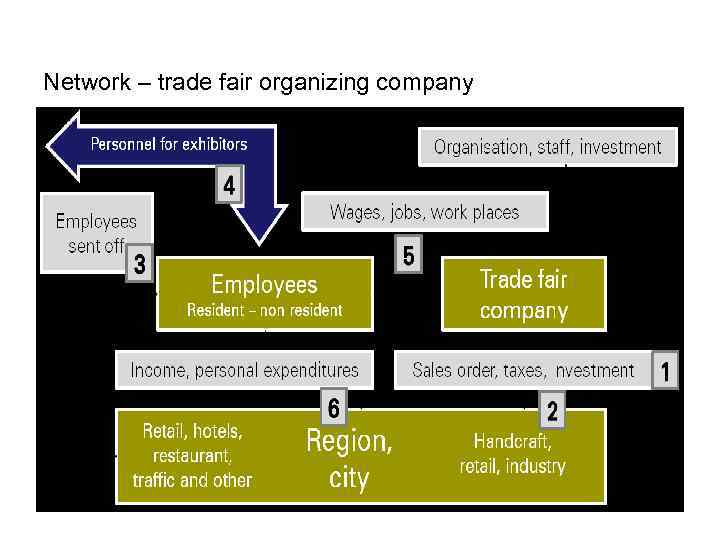
Network – trade fair organizing company An exhibition organizer places orders, pays taxes and invests in the infrastructure of exhibitions (1). Beneficiaries are the regional businesses, the local government, and trade companies (2). To organize and support trade shows employees are needed (3). Exhibitors are also provided with personnel from the region (4). Wages, jobs and work places are established (5). These efforts lead to income in the region and/or the city (6). Personal expenditures multiply the beneficial impact.
Network - exhibitors
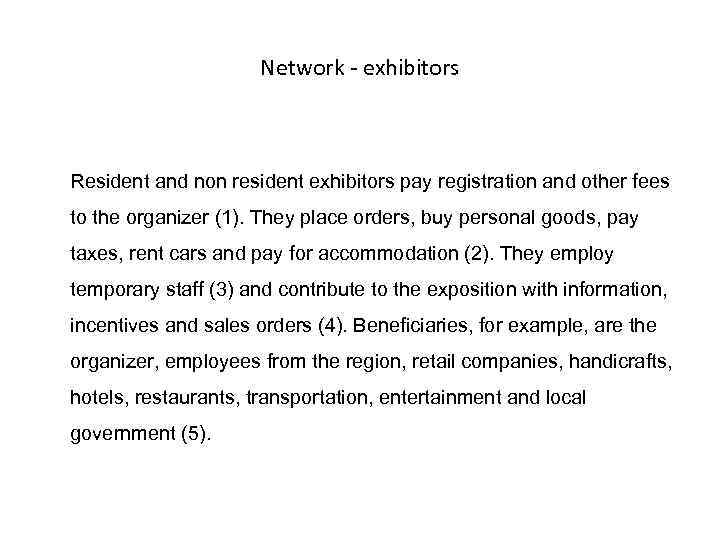
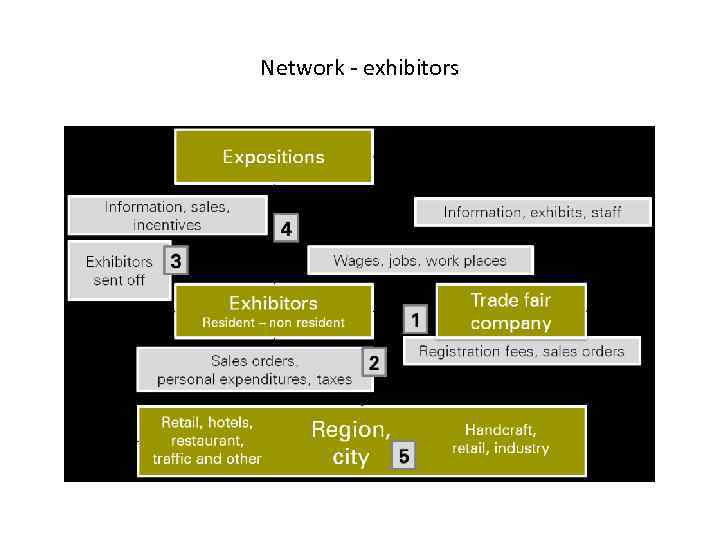
Network - exhibitors Resident and non resident exhibitors pay registration and other fees to the organizer (1). They place orders, buy personal goods, pay taxes, rent cars and pay for accommodation (2). They employ temporary staff (3) and contribute to the exposition with information, incentives and sales orders (4). Beneficiaries, for example, are the organizer, employees from the region, retail companies, handicrafts, hotels, restaurants, transportation, entertainment and local government (5).
Network - visitors
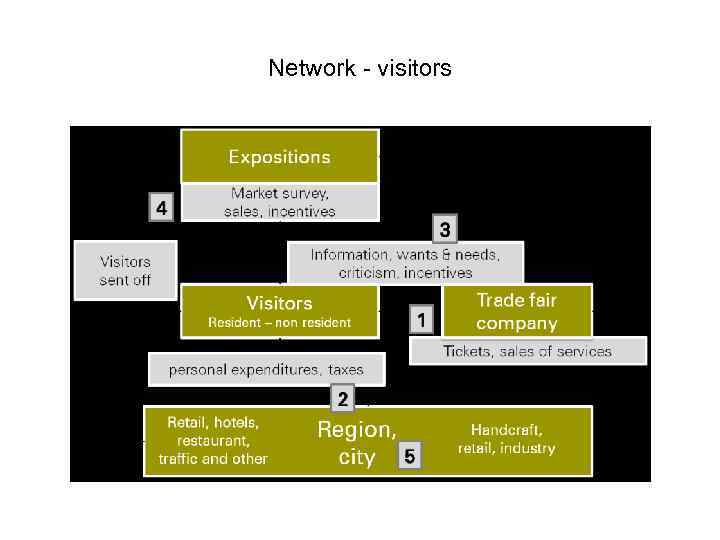
Network - visitors Resident and non resident visitors pay admission fees to the organizer (1). They acquire services, buy personal goods, pay taxes, rent cars and pay for accommodation and restaurants (2). They contribute to the exposition with information, incentives and sales orders (3). In return they get a market survey, information about products and services (4). Beneficiaries, for example, are the organizer, retail companies, hotels, restaurants, transportation companies, entertainment and local government (5)
Network - region
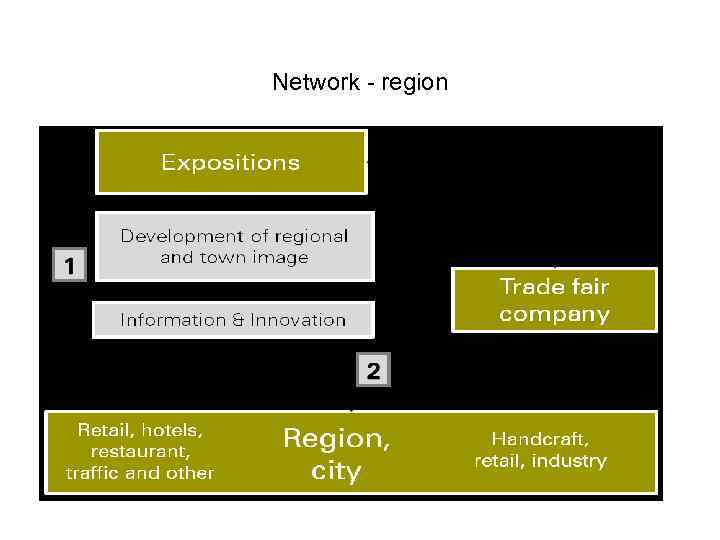
Network - region Exhibitions, trade shows and consumer shows help to develop the town's image (1). The exhibition venue/region becomes well known. The region and its businesses profit from information and incentives (2).
Spin-off Effect—Multiplier Effects The spin-off effects also include the indirectly related players. firstly, the authorities profit from taxes paid on economic activities related to trade fairs secondly, all hospitality service providers profit from an exponential rise in demand, especially the accommodation industry, transportation companies, restaurants and other purveyors of food and beverage
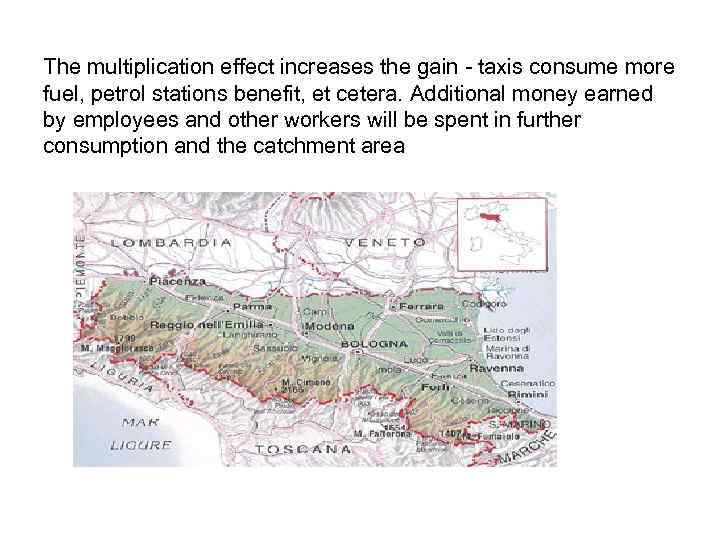
The multiplication effect increases the gain - taxis consume more fuel, petrol stations benefit, et cetera. Additional money earned by employees and other workers will be spent in further consumption and the catchment area
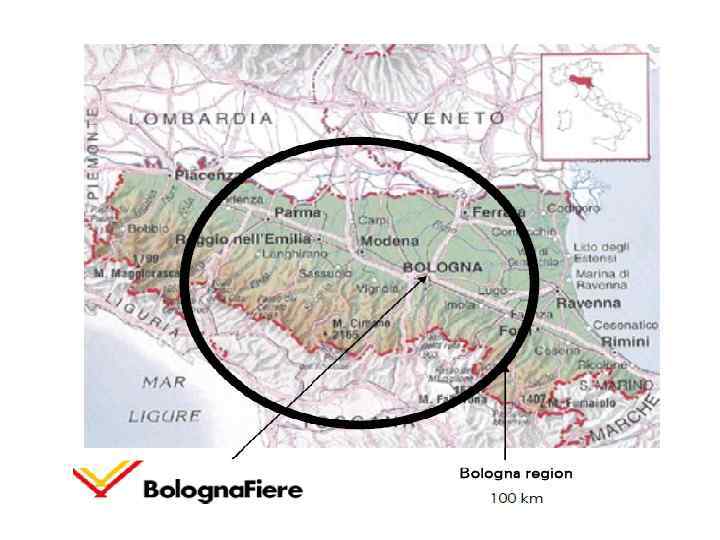
Linkages and multiplier effects are used to explain the relationships between an industry and the creation of wealth in an area. Linkages describe the relationships between industries, and the sales multiplier effect measures the direct, indirect, and induced effects of an extra unit of visitor spending on economic activity within a host community. It relates visitor expenditures to the increase in business turnover that it creates. As a result more jobs are created and the overall image and wealth in area improved. The following rough figures are calculated to estimate the monetary effects of exhibitions
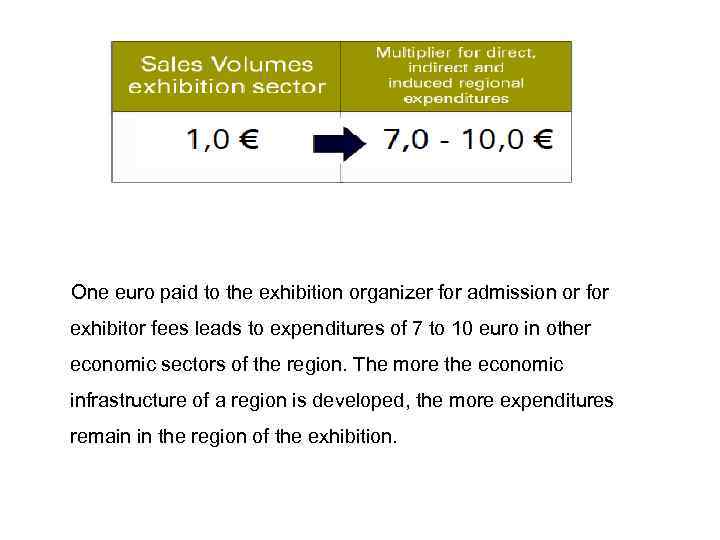
One euro paid to the exhibition organizer for admission or for exhibitor fees leads to expenditures of 7 to 10 euro in other economic sectors of the region. The more the economic infrastructure of a region is developed, the more expenditures remain in the region of the exhibition.
Exhibition and marketing
trade shows - are a selling medium; - serve as vehicles for advertising and publicity; The primary role in the marketing strategy is that of a selling medium. Depending on the type of product being exhibited, selling activities can involve booking orders or developing leads for future sales. If show regulations permit, they can even involve selling products directly at the exhibit.
Trade shows also serve as vehicles for advertising and publicity. Exhibits can be very effective three-dimensional ads as well as collection points for names for direct-mail lists. They can also command the attention of the news media, which regularly cover shows in search of stories on new products and new approaches
Media comparison: Advantages of the marketing tool "participation in exhibitions” Managers from industrial enterprises in Germany were asked to evaluate which communication instrument worked best to reach certain targets. They could grade their answers between 1=excellent and 6=very poor. Below the results of the comparison between "Participation in exhibitions" and "Classic advertisement" are shown
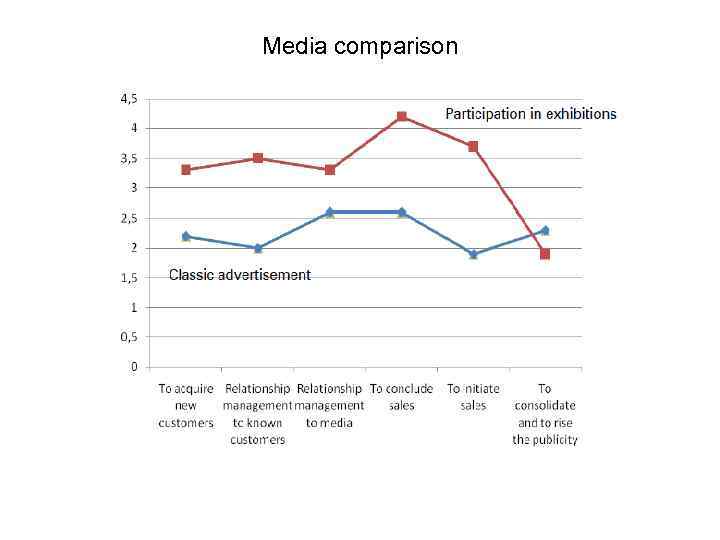
Media comparison
Trade Show Statistics - Benefits of Attending Trade Shows As you can understand Trade Shows are often hyped as the ultimate b 2 b marketing component and sales mechanism. . Here a few key statistics and facts :
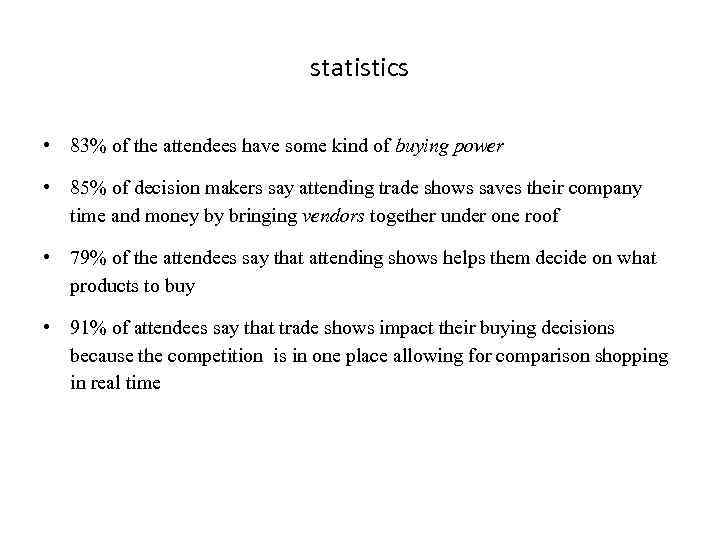
statistics • 83% of the attendees have some kind of buying power • 85% of decision makers say attending trade shows saves their company time and money by bringing vendors together under one roof • 79% of the attendees say that attending shows helps them decide on what products to buy • 91% of attendees say that trade shows impact their buying decisions because the competition is in one place allowing for comparison shopping in real time
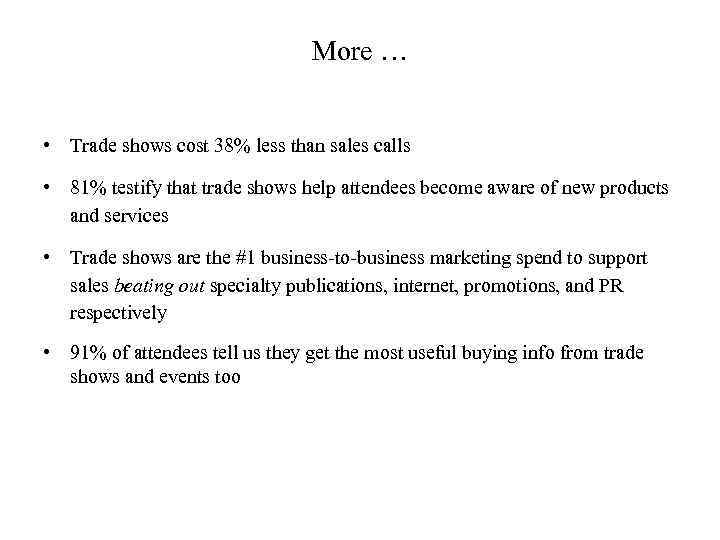
More … • Trade shows cost 38% less than sales calls • 81% testify that trade shows help attendees become aware of new products and services • Trade shows are the #1 business-to-business marketing spend to support sales beating out specialty publications, internet, promotions, and PR respectively • 91% of attendees tell us they get the most useful buying info from trade shows and events too
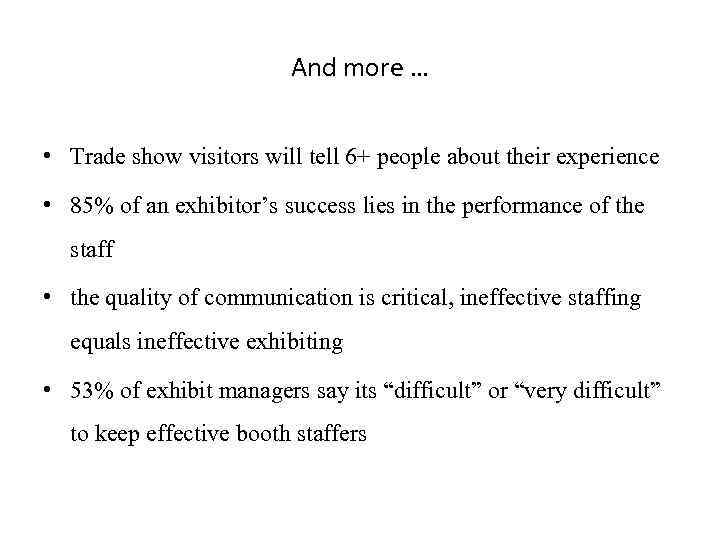
And more … • Trade show visitors will tell 6+ people about their experience • 85% of an exhibitor’s success lies in the performance of the staff • the quality of communication is critical, ineffective staffing equals ineffective exhibiting • 53% of exhibit managers say its “difficult” or “very difficult” to keep effective booth staffers
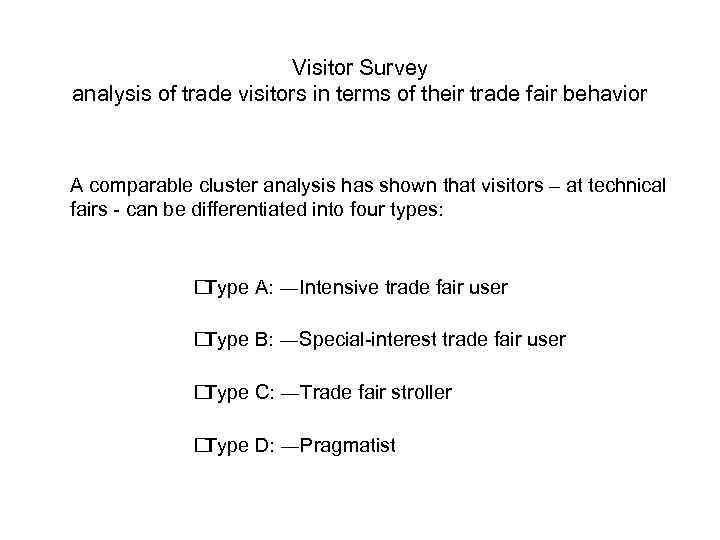
Visitor Survey analysis of trade visitors in terms of their trade fair behavior A comparable cluster analysis has shown that visitors – at technical fairs - can be differentiated into four types: Type A: ―Intensive trade fair user Type B: ―Special-interest trade fair user Type C: ―Trade fair stroller Type D: ―Pragmatist
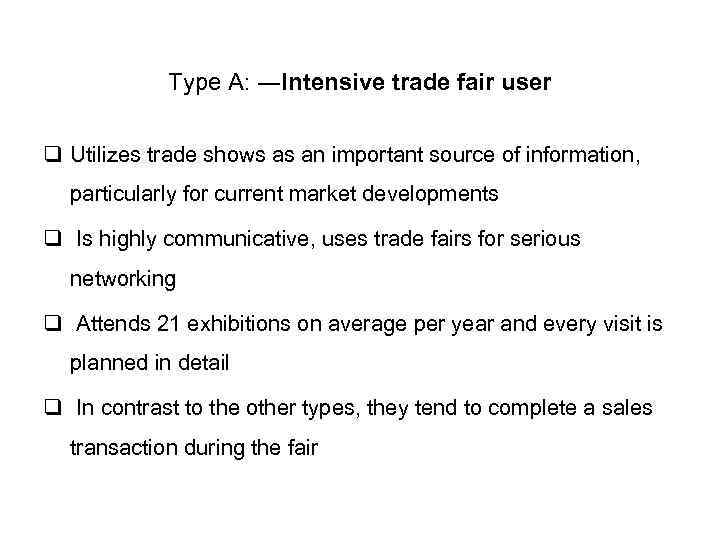
Type A: ―Intensive trade fair user q Utilizes trade shows as an important source of information, particularly for current market developments q Is highly communicative, uses trade fairs for serious networking q Attends 21 exhibitions on average per year and every visit is planned in detail q In contrast to the other types, they tend to complete a sales transaction during the fair
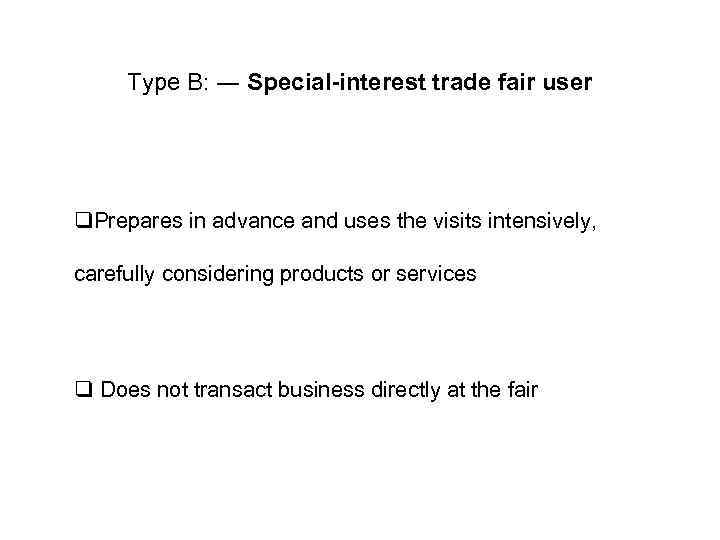
Type B: ― Special-interest trade fair user q. Prepares in advance and uses the visits intensively, carefully considering products or services q Does not transact business directly at the fair
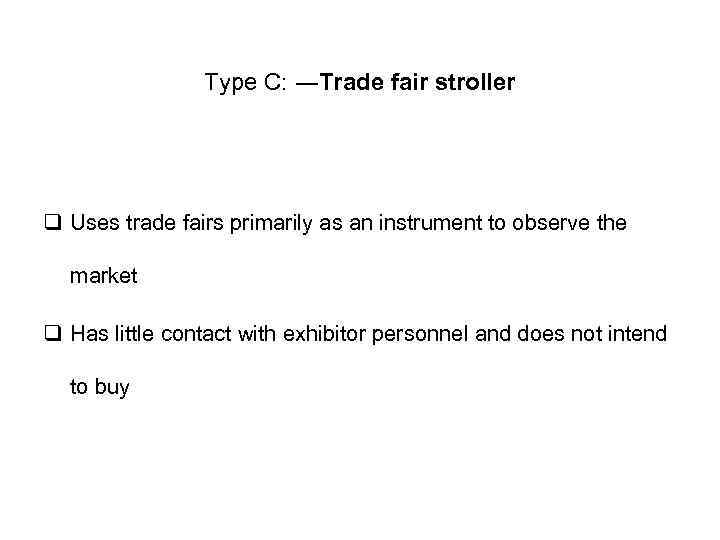
Type C: ―Trade fair stroller q Uses trade fairs primarily as an instrument to observe the market q Has little contact with exhibitor personnel and does not intend to buy
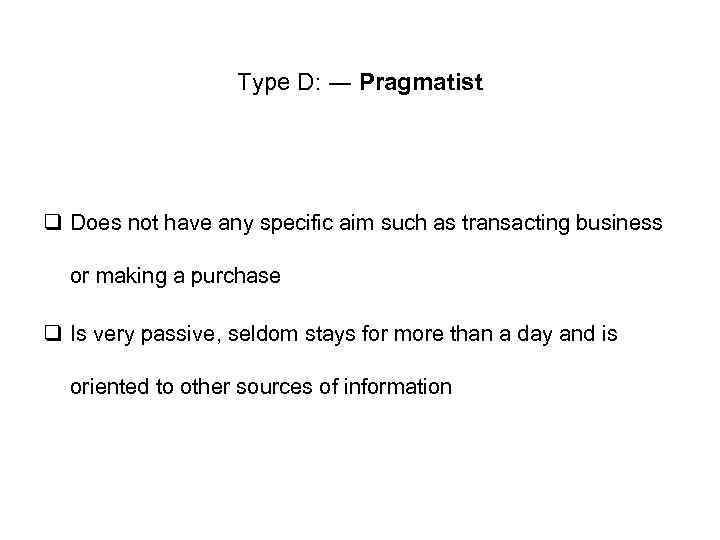
Type D: ― Pragmatist q Does not have any specific aim such as transacting business or making a purchase q Is very passive, seldom stays for more than a day and is oriented to other sources of information
Скачать презентацию WORLD EXPOs International exhibitions Trends and tendencies UFI
sent_08.03.pptx