 Скачать презентацию World energy economy at a glance Uri Barenholz
be57d0bd3bb6f740854091c28f1ffc3d.ppt
- Количество слайдов: 31



World energy economy at a glance Uri Barenholz Weizmann institute of science December, 2011
What do we mean when we talk about Energy?
![Energy Units a. Joule [J] a. 1[Newton]*1[meter] b. Example - lifting a chocolate bar](https://present5.com/presentation/be57d0bd3bb6f740854091c28f1ffc3d/image-3.jpg "Energy Units a. Joule [J] a. 1[Newton]*1[meter] b. Example - lifting a chocolate bar")
Energy Units a. Joule [J] a. 1[Newton]*1[meter] b. Example - lifting a chocolate bar to a height of 1[m] b. (Kilo) Calorie [Cal] a. Heating 1 Liter of water by 1 degree Centigrade b. equals 4, 185 [J] c. Human at rest consumes 1[Cal] per kg per hour
So, how many calories do you burn (resting) per day?
![So, how many calories do you burn (resting) per day? 70[kg]*1[Cal/kgh]*24[h/d]~=1700[Cal/d]](https://present5.com/presentation/be57d0bd3bb6f740854091c28f1ffc3d/image-5.jpg "So, how many calories do you burn (resting) per day? 70[kg]*1[Cal/kgh]*24[h/d]~=1700[Cal/d]")
So, how many calories do you burn (resting) per day? 70[kg]*1[Cal/kgh]*24[h/d]~=1700[Cal/d]
![Power - Energy flux a. Watt [W] = 1[J/Sec] b. Horse power [HP] ~=](https://present5.com/presentation/be57d0bd3bb6f740854091c28f1ffc3d/image-6.jpg "Power - Energy flux a. Watt [W] = 1[J/Sec] b. Horse power [HP] ~=")
Power - Energy flux a. Watt [W] = 1[J/Sec] b. Horse power [HP] ~= 740 [W] a. Average car has ~ 100[HP] = 74[k. W] c. k. Wh = the energy when providing 1[k. W] for 1[Hour] a. 3, 600, 000 [J]
So, what is your power consumption?
![So, what is your power consumption? 70[kg]*1[Cal/h]*4185[J/Cal]*1/3600[h/Sec]~=80[W]](https://present5.com/presentation/be57d0bd3bb6f740854091c28f1ffc3d/image-8.jpg "So, what is your power consumption? 70[kg]*1[Cal/h]*4185[J/Cal]*1/3600[h/Sec]~=80[W]")
So, what is your power consumption? 70[kg]*1[Cal/h]*4185[J/Cal]*1/3600[h/Sec]~=80[W]
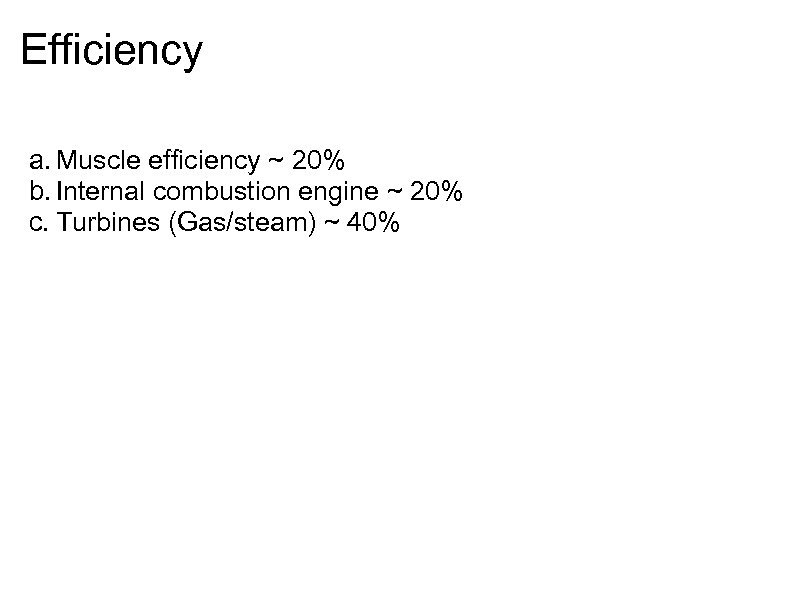
Efficiency a. Muscle efficiency ~ 20% b. Internal combustion engine ~ 20% c. Turbines (Gas/steam) ~ 40%
How many calories you burn when climbing one floor?
![How many calories you burn when climbing one floor? 70[kg]*10[N/kg]*3[m]*5*1/4185[Cal/J]~=2. 5[Cal]](https://present5.com/presentation/be57d0bd3bb6f740854091c28f1ffc3d/image-11.jpg "How many calories you burn when climbing one floor? 70[kg]*10[N/kg]*3[m]*5*1/4185[Cal/J]~=2. 5[Cal]")
How many calories you burn when climbing one floor? 70[kg]*10[N/kg]*3[m]*5*1/4185[Cal/J]~=2. 5[Cal]
![Content and Cost a. Fuel ~ 9000[Cal/L] -> 0. 1$ per k. Wh b.](https://present5.com/presentation/be57d0bd3bb6f740854091c28f1ffc3d/image-12.jpg "Content and Cost a. Fuel ~ 9000[Cal/L] -> 0. 1$ per k. Wh b.")
Content and Cost a. Fuel ~ 9000[Cal/L] -> 0. 1$ per k. Wh b. Canola oil ~ 8000[Cal/L] -> 0. 1$ per k. Wh c. Electricity - 0. 15$ per k. Wh
![World energy consumption a. Consumed resources: a. 474*1018[J] (As of 2008) b. 15[TW] c.](https://present5.com/presentation/be57d0bd3bb6f740854091c28f1ffc3d/image-13.jpg "World energy consumption a. Consumed resources: a. 474*1018[J] (As of 2008) b. 15[TW] c.")
World energy consumption a. Consumed resources: a. 474*1018[J] (As of 2008) b. 15[TW] c. 2200[W] (Per person)
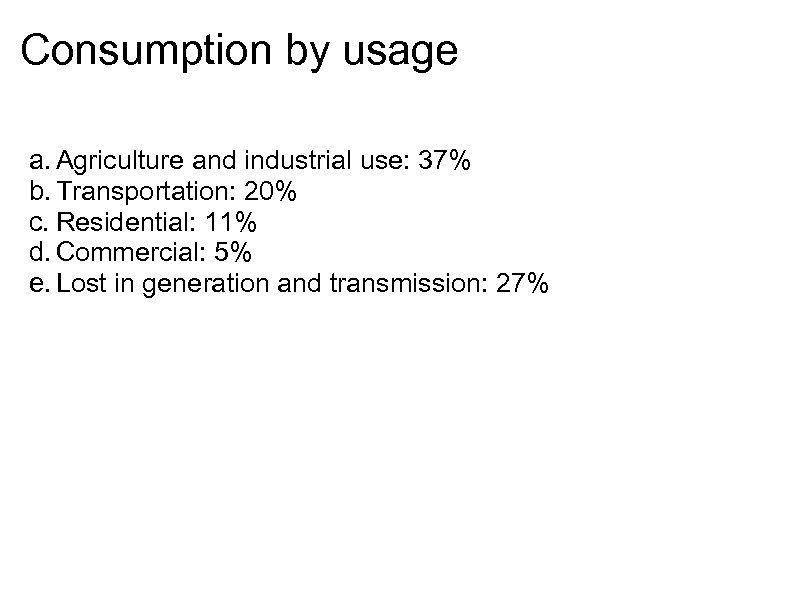
Consumption by usage a. Agriculture and industrial use: 37% b. Transportation: 20% c. Residential: 11% d. Commercial: 5% e. Lost in generation and transmission: 27%
![How much does an average car account for? Assuming 20, 000 [km/year]](https://present5.com/presentation/be57d0bd3bb6f740854091c28f1ffc3d/image-15.jpg "How much does an average car account for? Assuming 20, 000 [km/year]")
How much does an average car account for? Assuming 20, 000 [km/year]
How much does your electricity bill account for? Assuming 600 ILS bill
Side note - use air conditioning for heating a. Air conditioning transfers heat energy from outside indoors. b. Has "efficiency" of more than 100%! a. modern air conditioners have ~ 350% efficiency.
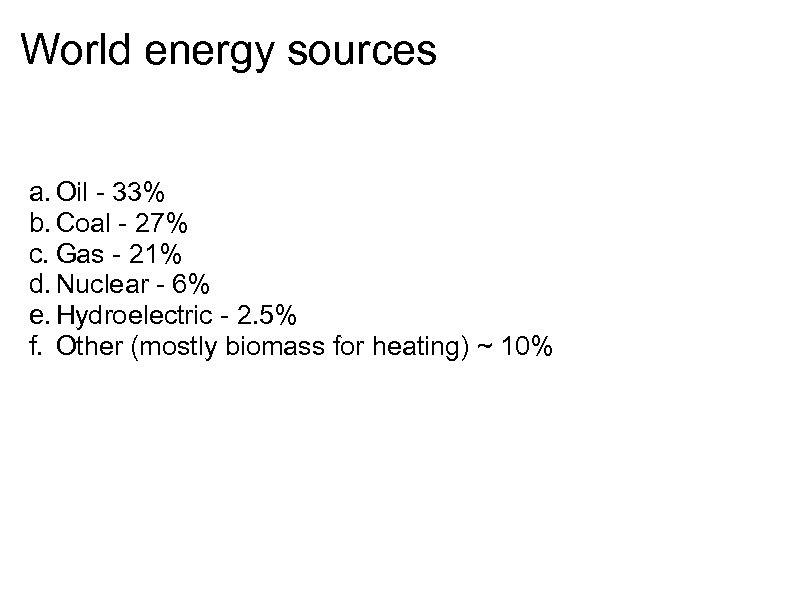
World energy sources a. Oil - 33% b. Coal - 27% c. Gas - 21% d. Nuclear - 6% e. Hydroelectric - 2. 5% f. Other (mostly biomass for heating) ~ 10%
![Fossil and non-renewable fuels a. Oil reservoirs - 200 Billion [m 3] a. Assuming](https://present5.com/presentation/be57d0bd3bb6f740854091c28f1ffc3d/image-19.jpg "Fossil and non-renewable fuels a. Oil reservoirs - 200 Billion [m 3] a. Assuming")
Fossil and non-renewable fuels a. Oil reservoirs - 200 Billion [m 3] a. Assuming constant consumption will suffice till 2050 b. Coal - 900 Billion [m 3] a. Assuming constant consumption will suffice till 2150 c. Gas/Uranium - we have enough.
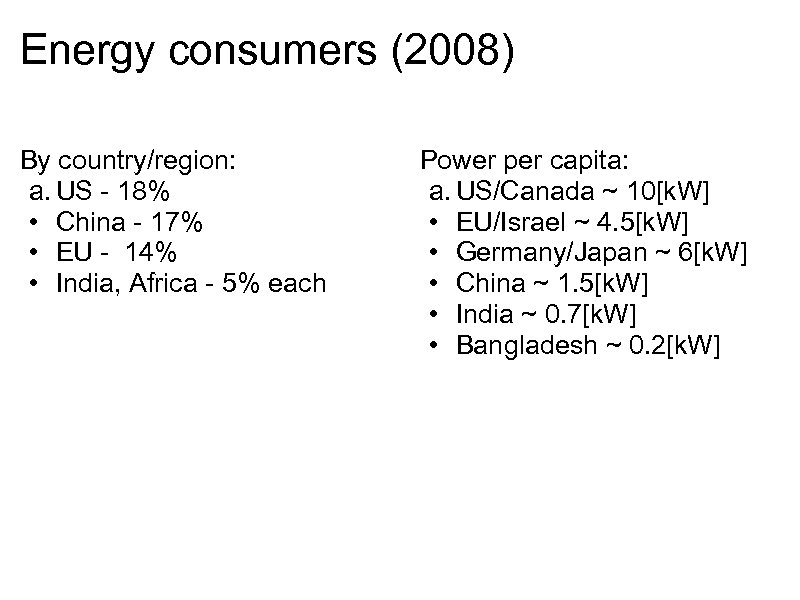
Energy consumers (2008) By country/region: a. US - 18% • China - 17% • EU - 14% • India, Africa - 5% each Power per capita: a. US/Canada ~ 10[k. W] • EU/Israel ~ 4. 5[k. W] • Germany/Japan ~ 6[k. W] • China ~ 1. 5[k. W] • India ~ 0. 7[k. W] • Bangladesh ~ 0. 2[k. W]
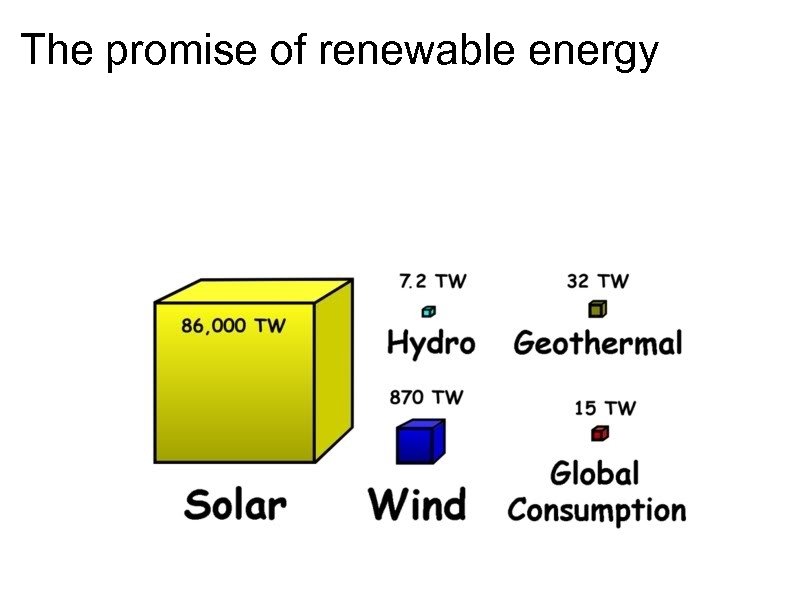
The promise of renewable energy
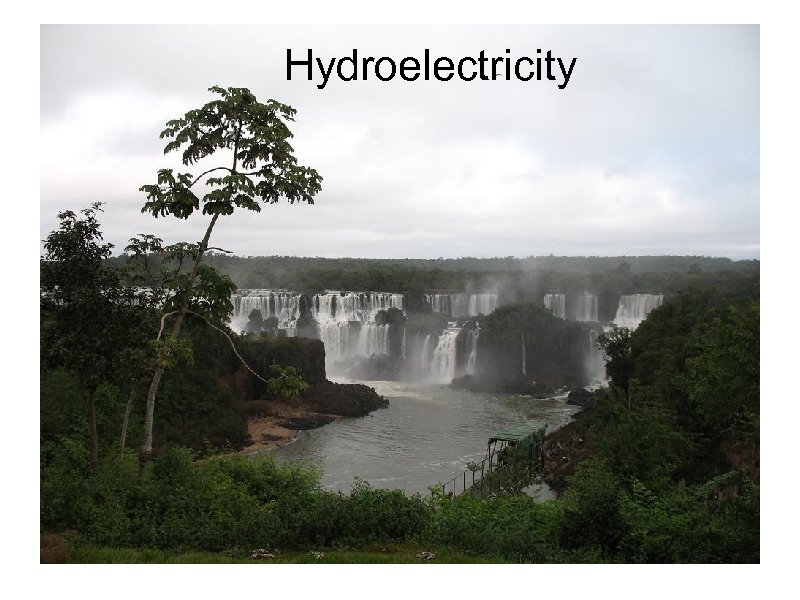
Hydroelectricity
The dead sea canal potential
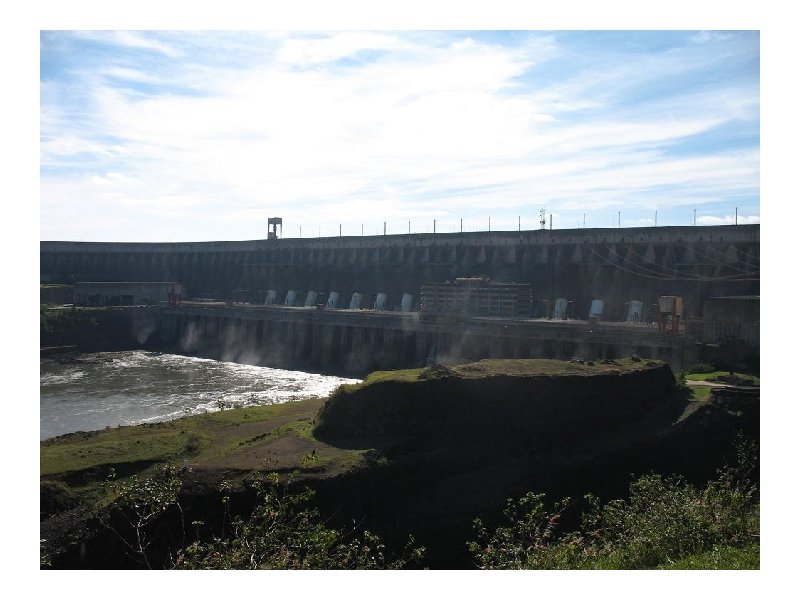
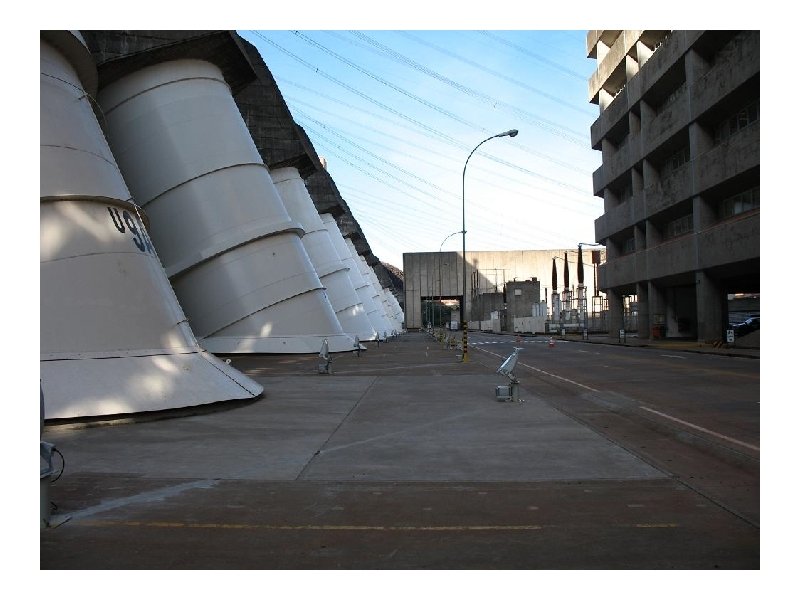
![World hydroelectricity a. Installed capacity: 770[GW] a. 90% of renewable energy electricity production. b.](https://present5.com/presentation/be57d0bd3bb6f740854091c28f1ffc3d/image-24.jpg "World hydroelectricity a. Installed capacity: 770[GW] a. 90% of renewable energy electricity production. b.")
World hydroelectricity a. Installed capacity: 770[GW] a. 90% of renewable energy electricity production. b. 20% of world electricity production.
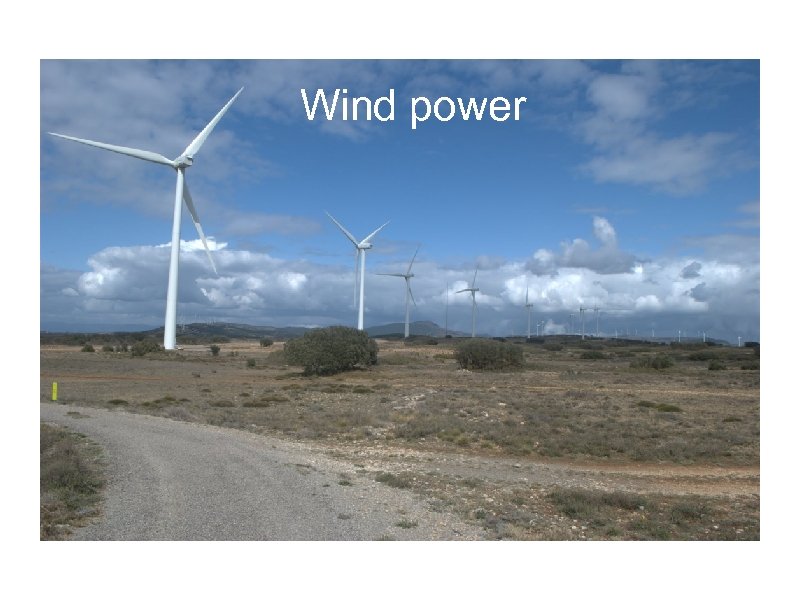
Wind power
![World wind power a. Installed capacity - 200[GW] a. Actual production is ~ 20%](https://present5.com/presentation/be57d0bd3bb6f740854091c28f1ffc3d/image-28.jpg "World wind power a. Installed capacity - 200[GW] a. Actual production is ~ 20%")
World wind power a. Installed capacity - 200[GW] a. Actual production is ~ 20% due to intermittency. b. 2. 5% of world electricity production.
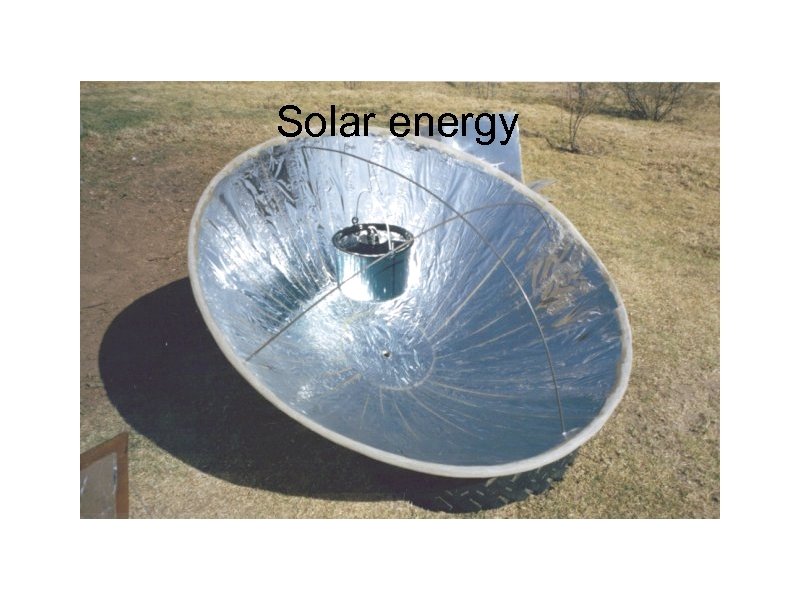
Solar energy
Geothermal installed capacity of 10 GW for electricity. about 28 GW used for heating. considered sustainable. US Philippines and Indonesia are largest.

Thank you
Скачать презентацию World energy economy at a glance Uri Barenholz
be57d0bd3bb6f740854091c28f1ffc3d.ppt