 Скачать презентацию Wood-fibre for future products from pulp Paul Kibblewhite
2c39ce534634a3f358269ab3c46fd2f2.ppt
- Количество слайдов: 26



Wood-fibre for future products from pulp Paul Kibblewhite
Wood-fibre for papermaking The next 10 – 20 years
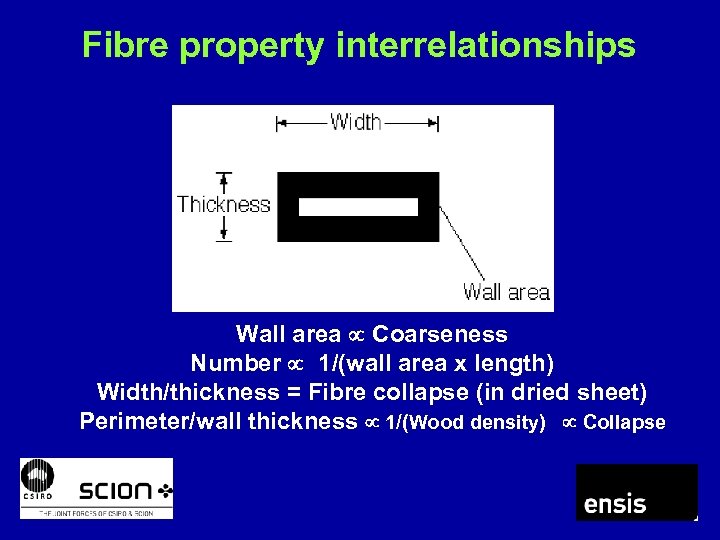
Fibre property interrelationships Wall area Coarseness Number 1/(wall area x length) Width/thickness = Fibre collapse (in dried sheet) Perimeter/wall thickness 1/(Wood density) Collapse
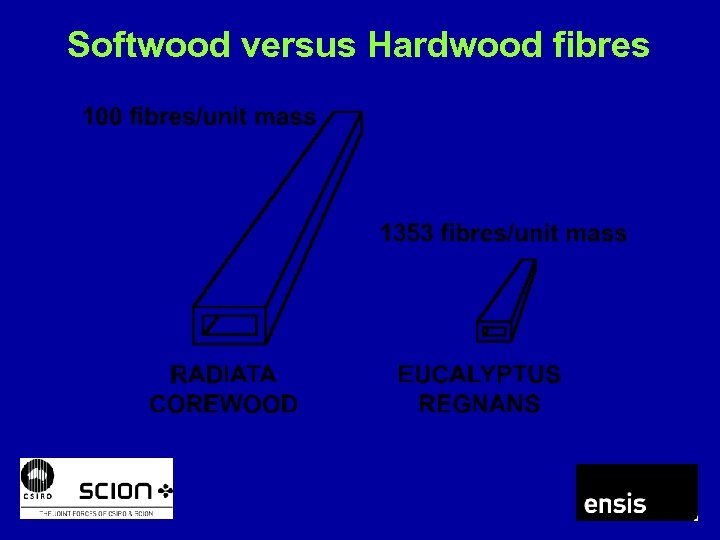
Softwood versus Hardwood fibres
Furnish mix components • Softwood fibres for reinforcement, runnability and robustness • Hardwood fibres for bulk, surface & optical properties, and formation
Eucalypt fibre selection for papermaking • Plantation-grown species, hybrids and • • • clones Short crop rotations at 5+ years Chip density about 550 kg/m³ High kraft pulp yield Target fibre coarseness, length and collapse resistance Target sheet bulk and tensile strength
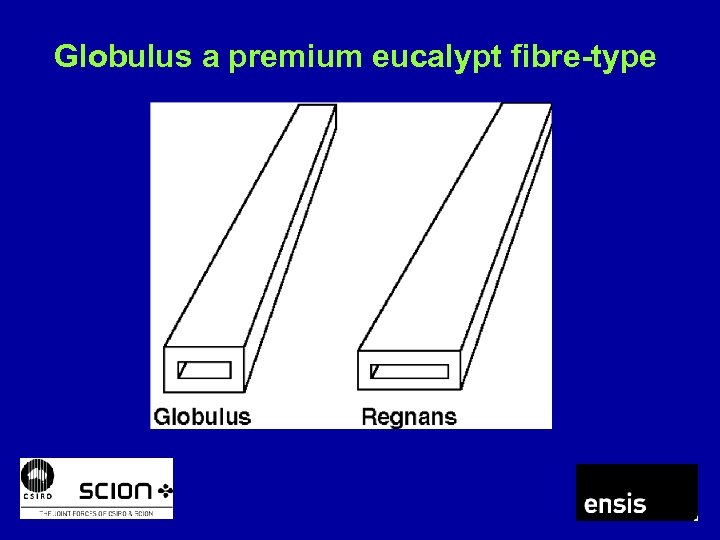
Globulus a premium eucalypt fibre-type
Where to in short-term? • Conventional breeding and propagation • • technologies Short crop rotations High forest productivity and disease resistance Emphasis on low cost, rapid propagation procedures, and screening tools Genetic modification of lower priority
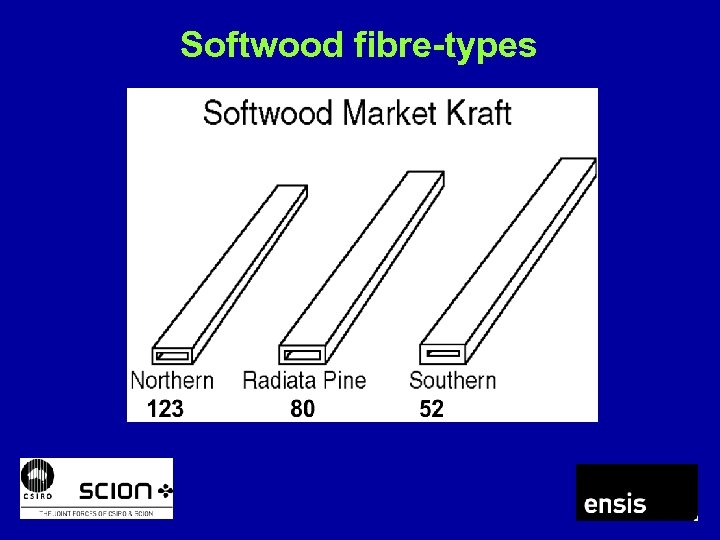
Softwood fibre-types
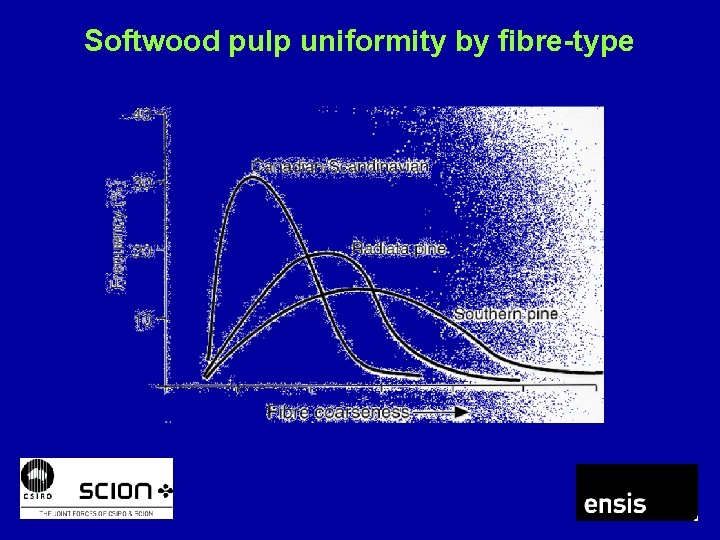
Softwood pulp uniformity by fibre-type
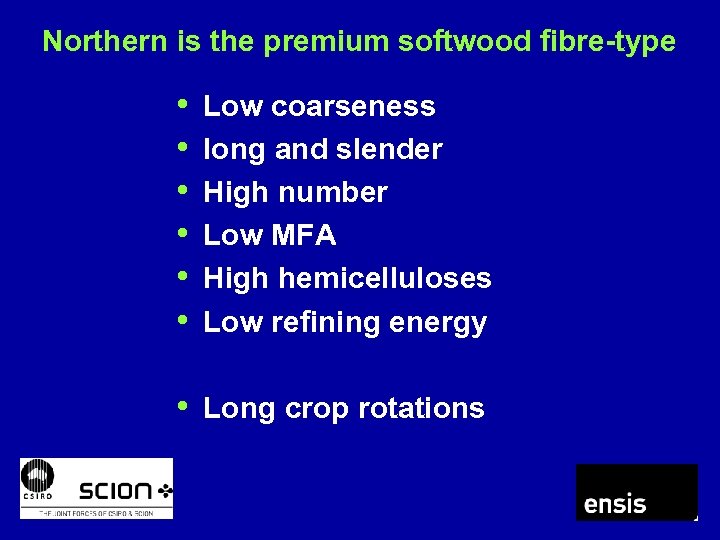
Northern is the premium softwood fibre-type • • • Low coarseness long and slender High number Low MFA High hemicelluloses Low refining energy • Long crop rotations
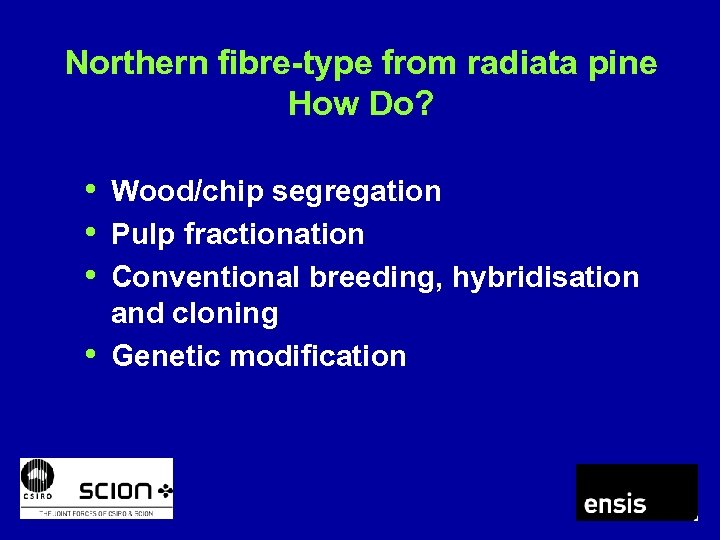
Northern fibre-type from radiata pine How Do? • Wood/chip segregation • Pulp fractionation • Conventional breeding, hybridisation • and cloning Genetic modification
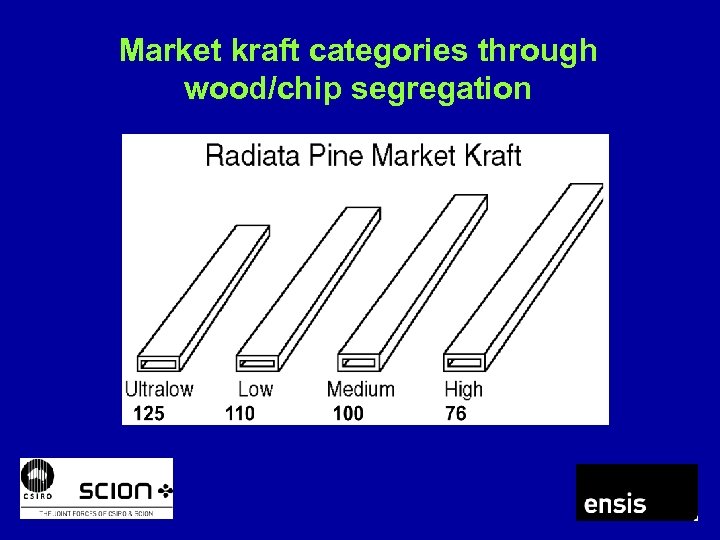
Market kraft categories through wood/chip segregation
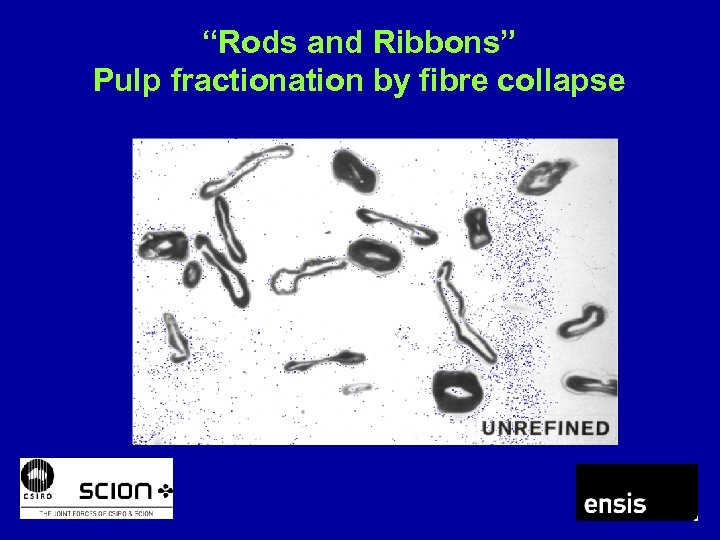
“Rods and Ribbons” Pulp fractionation by fibre collapse
Breeding for fibre quality Select for Low Fibre Coarseness while retaining or increasing Density and Length
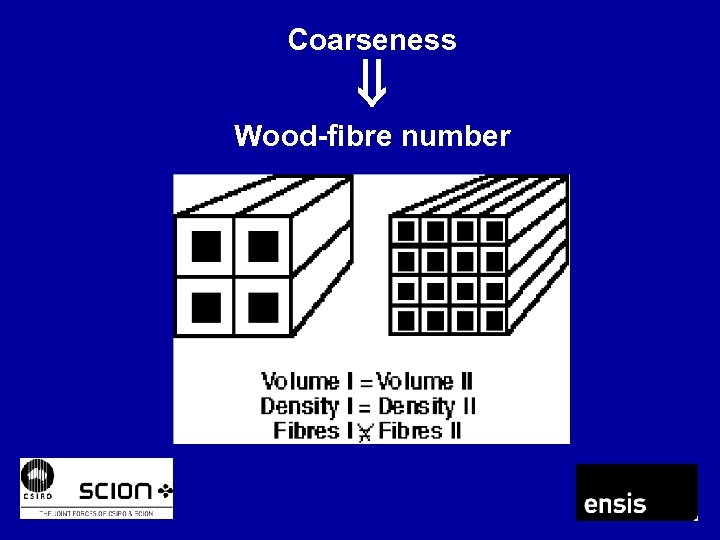
Coarseness Wood-fibre number
Radiata pine fibre improvements in the short-term Wood/chip segregation • Further advances limited Pulp fractionation by fibre collapse • Yet to be achieved Genetic modification, and breeding for low coarseness • Pulp mill is a residue user • “Change” required for pulpwood regimes and fibre quality improvement
Pulp-fibre for papermaking 50 years on! Who Knows? Today’s commodities • Tissue, sanitary and packaging products, possibly OK • Junk-mail, newsprint, communication and hard-copy, probably limited? Today’s specialty cement reinforcement pulp?
Wood-fibre for future bio-products from pulp: A 50 -year horizon
Softwood and Eucalypt-type pulpfibre 50 years on • • Short rotation pulpwood regimes (5 – 10 years) Highly uniform fibre property populations Earlywood- and latewood-type pulps Wide range of chemical and physical fibreproperty combinations
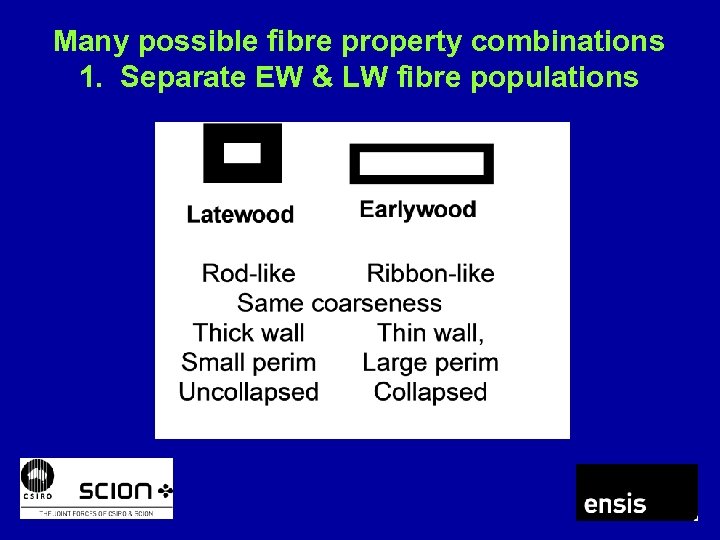
Many possible fibre property combinations 1. Separate EW & LW fibre populations
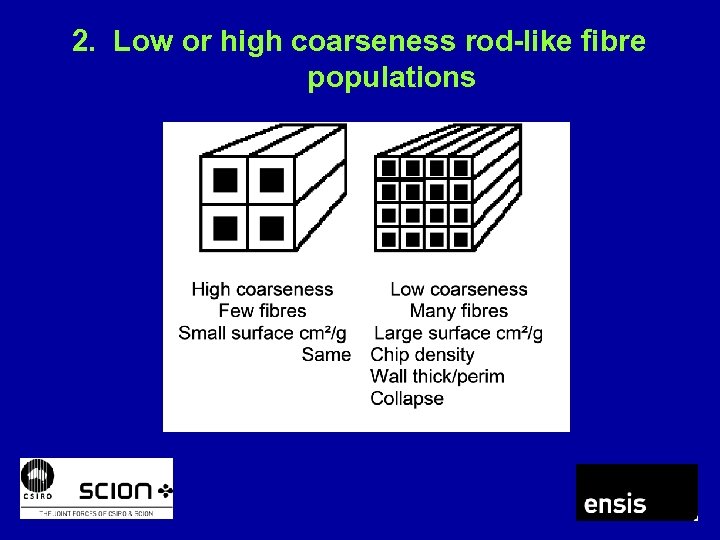
2. Low or high coarseness rod-like fibre populations
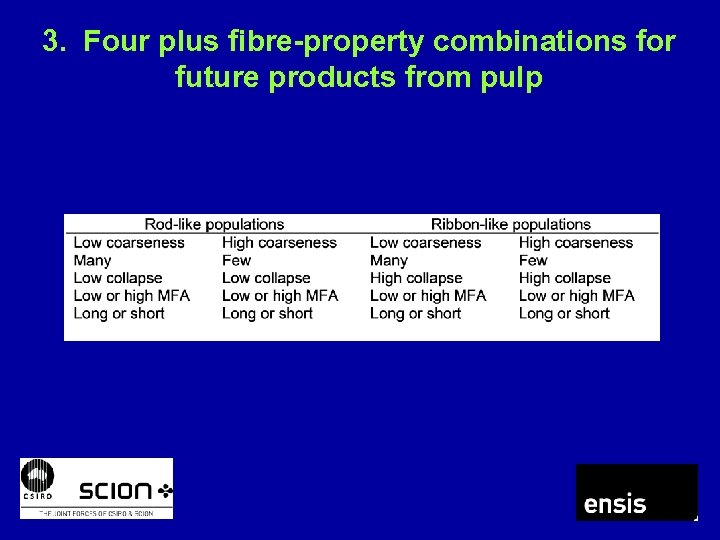
3. Four plus fibre-property combinations for future products from pulp
Fibre property combinations Designer fibres through Purpose-grown, short-rotation crops for Sustainable designer products
Fibre-property-combination research Genetic modification A critical success requirement • Assay procedures to screen genotypes at the plantlet stage (3 months? )
Back to Reality! Who pays? • Fibre-property-combination research and development • Product identification processes • Fibre property combination selection and supply • Product development Constraints • Costs • Sustainability, and product- and market-driven • Green-house effect
Скачать презентацию Wood-fibre for future products from pulp Paul Kibblewhite
2c39ce534634a3f358269ab3c46fd2f2.ppt