 Скачать презентацию WOMEN S HEALTH ISSUES July 6 2015 BIOPSYCHOSOCIAL MODEL
13aafc1ac481aaa41696395942d4550c.ppt
- Количество слайдов: 17



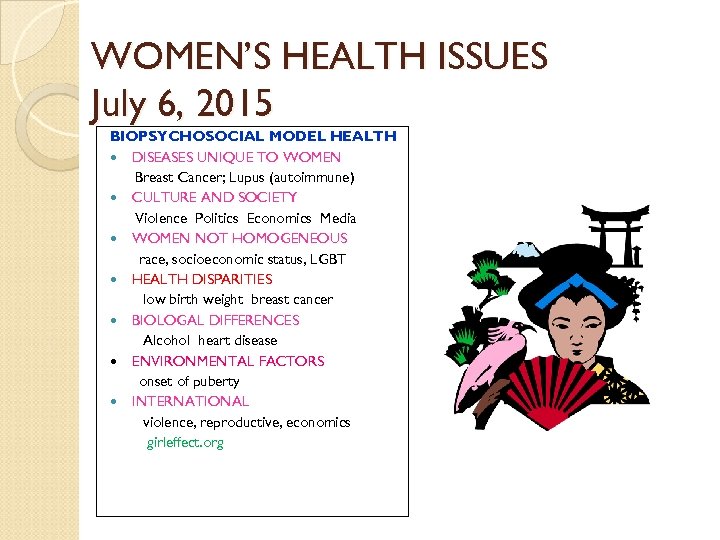
WOMEN’S HEALTH ISSUES July 6, 2015 BIOPSYCHOSOCIAL MODEL HEALTH DISEASES UNIQUE TO WOMEN Breast Cancer; Lupus (autoimmune) CULTURE AND SOCIETY Violence Politics Economics Media WOMEN NOT HOMOGENEOUS race, socioeconomic status, LGBT HEALTH DISPARITIES low birth weight breast cancer BIOLOGAL DIFFERENCES Alcohol heart disease ENVIRONMENTAL FACTORS onset of puberty INTERNATIONAL violence, reproductive, economics girleffect. org
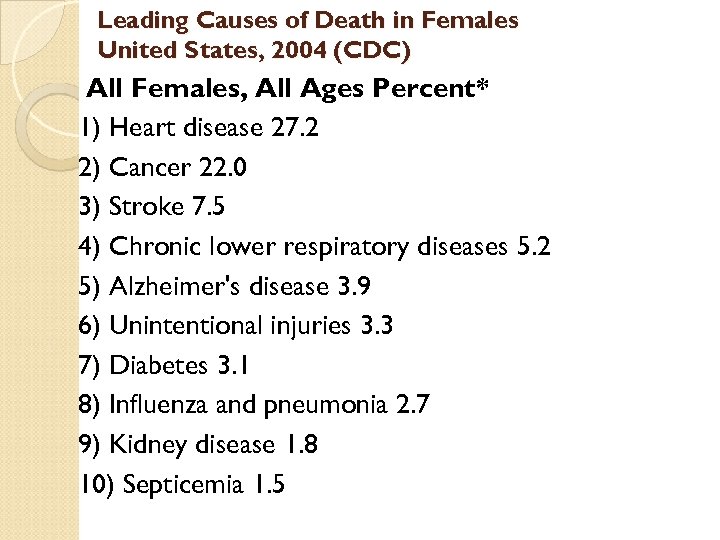
Leading Causes of Death in Females United States, 2004 (CDC) All Females, All Ages Percent* 1) Heart disease 27. 2 2) Cancer 22. 0 3) Stroke 7. 5 4) Chronic lower respiratory diseases 5. 2 5) Alzheimer's disease 3. 9 6) Unintentional injuries 3. 3 7) Diabetes 3. 1 8) Influenza and pneumonia 2. 7 9) Kidney disease 1. 8 10) Septicemia 1. 5
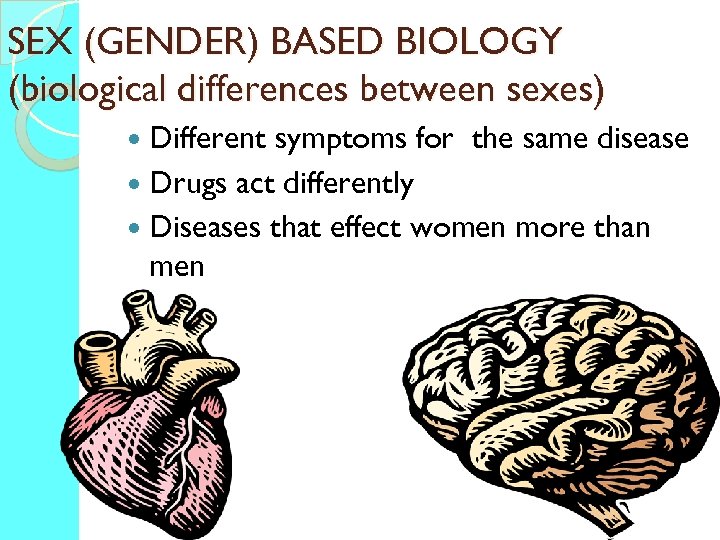
SEX (GENDER) BASED BIOLOGY (biological differences between sexes) Different symptoms for the same disease Drugs act differently Diseases that effect women more than men
GENDER BASED BIOLOGY MIGRAINE BRAIN: concussions AUTOIMMUNE DISEASES HEART DISEASE OSTEOPOROSIS ACL INJURIES STIs DEPRESSION MEDICATION ALCOHOL IRRITABLE BOWEL CELIAC
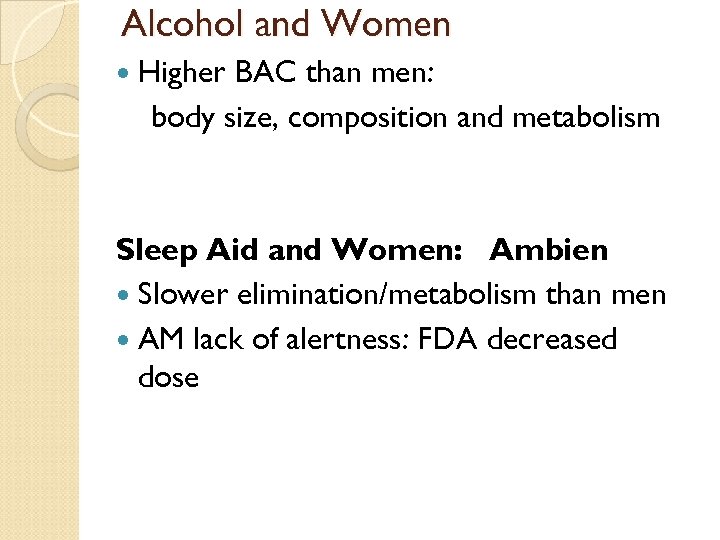
Alcohol and Women Higher BAC than men: body size, composition and metabolism Sleep Aid and Women: Ambien Slower elimination/metabolism than men AM lack of alertness: FDA decreased dose
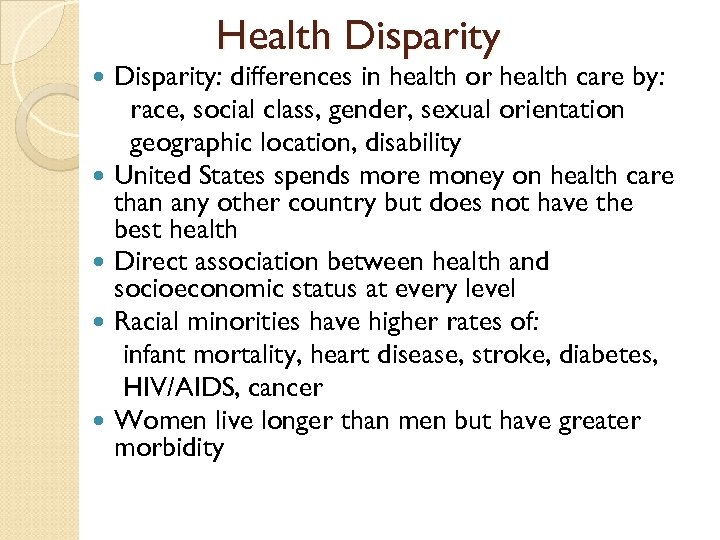
Health Disparity Disparity: differences in health or health care by: race, social class, gender, sexual orientation geographic location, disability United States spends more money on health care than any other country but does not have the best health Direct association between health and socioeconomic status at every level Racial minorities have higher rates of: infant mortality, heart disease, stroke, diabetes, HIV/AIDS, cancer Women live longer than men but have greater morbidity
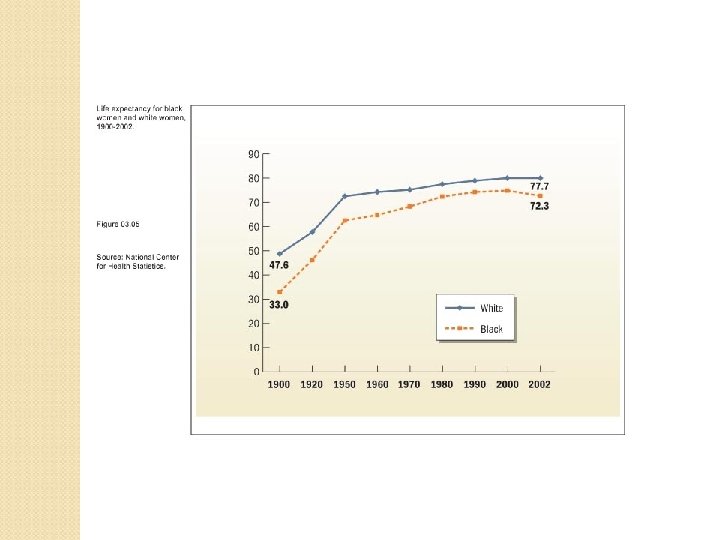
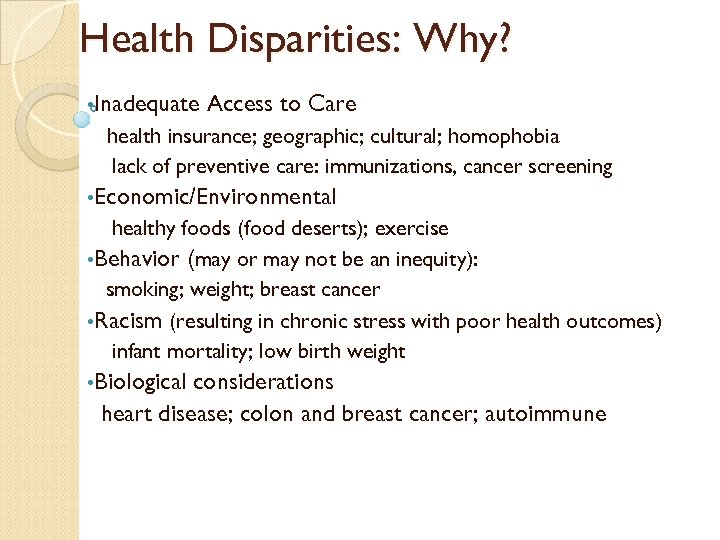
Health Disparities: Why? • Inadequate Access to Care health insurance; geographic; cultural; homophobia lack of preventive care: immunizations, cancer screening • Economic/Environmental healthy foods (food deserts); exercise • Behavior (may or may not be an inequity): smoking; weight; breast cancer • Racism (resulting in chronic stress with poor health outcomes) infant mortality; low birth weight • Biological considerations heart disease; colon and breast cancer; autoimmune
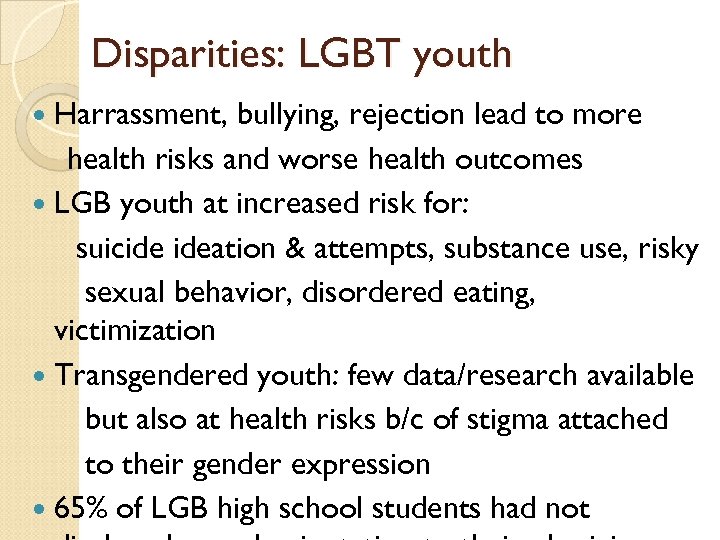
Disparities: LGBT youth Harrassment, bullying, rejection lead to more health risks and worse health outcomes LGB youth at increased risk for: suicide ideation & attempts, substance use, risky sexual behavior, disordered eating, victimization Transgendered youth: few data/research available but also at health risks b/c of stigma attached to their gender expression 65% of LGB high school students had not
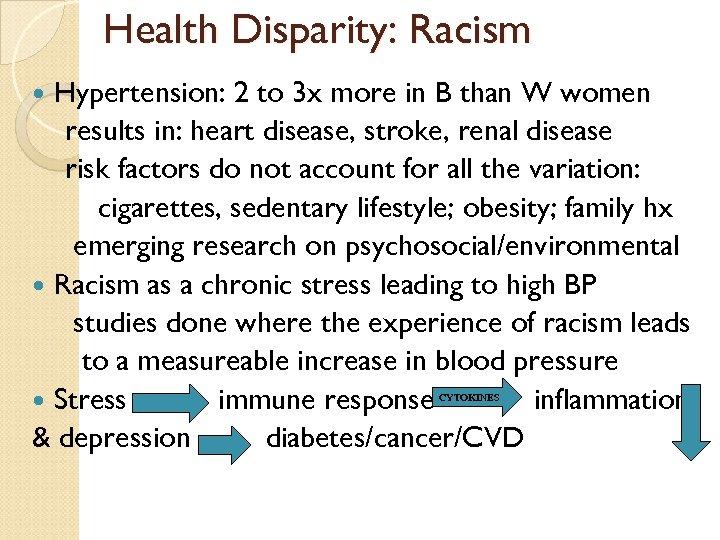
Health Disparity: Racism Hypertension: 2 to 3 x more in B than W women results in: heart disease, stroke, renal disease risk factors do not account for all the variation: cigarettes, sedentary lifestyle; obesity; family hx emerging research on psychosocial/environmental Racism as a chronic stress leading to high BP studies done where the experience of racism leads to a measureable increase in blood pressure Stress immune response inflammation & depression diabetes/cancer/CVD CYTOKINES
Racism: Infant Mortality Infant mortality: 13/1, 000 B; 6/1, 000 W due to a high rate of very premature births Theory: well-being of mothers from the time they were in womb, physical & mental health; exposure to stress; and social ties
Disparity: Breast Cancer Black women have higher mortality rates access to care for screening and treatment plays role Additional factor includes biology: a. ‘triple negative’ breast cancer disproportionately affects African and African-American women: overall: 10 to 15% of breast cancers are triple negative but it accounts for 39% of premenopausal diagnosis in black women compared to 16% white & 14% post menopausal black b. ‘triple negative’: cells without estrogen, progesterone or human epidermal growth factor receptors; limiting treatment; e. g tamoxifen
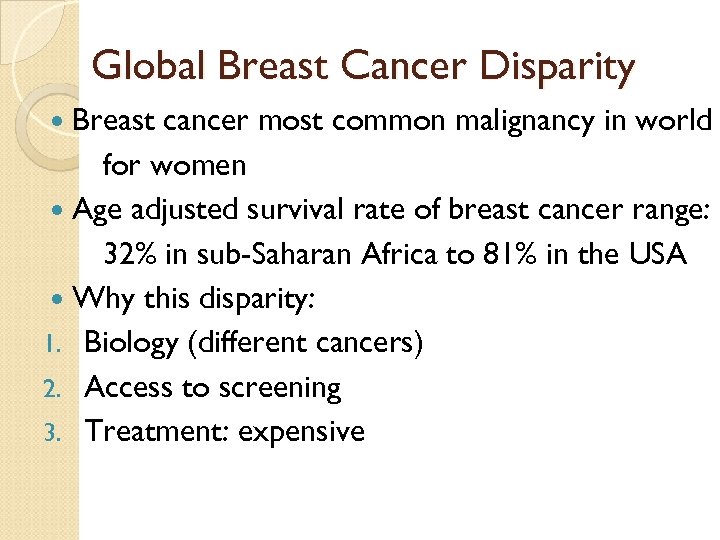
Global Breast Cancer Disparity Breast cancer most common malignancy in world for women Age adjusted survival rate of breast cancer range: 32% in sub-Saharan Africa to 81% in the USA Why this disparity: 1. Biology (different cancers) 2. Access to screening 3. Treatment: expensive
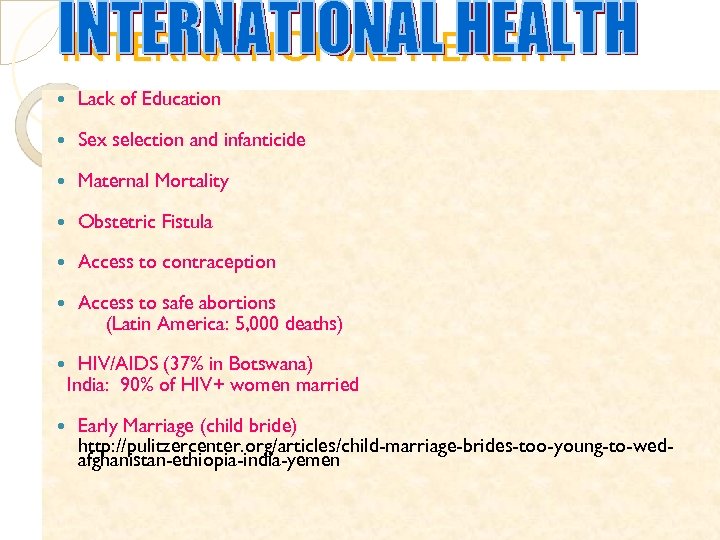
INTERNATIONAL HEALTH Lack of Education Sex selection and infanticide Maternal Mortality Obstetric Fistula Access to contraception Access to safe abortions (Latin America: 5, 000 deaths) HIV/AIDS (37% in Botswana) India: 90% of HIV+ women married Early Marriage (child bride) http: //pulitzercenter. org/articles/child-marriage-brides-too-young-to-wedafghanistan-ethiopia-india-yemen
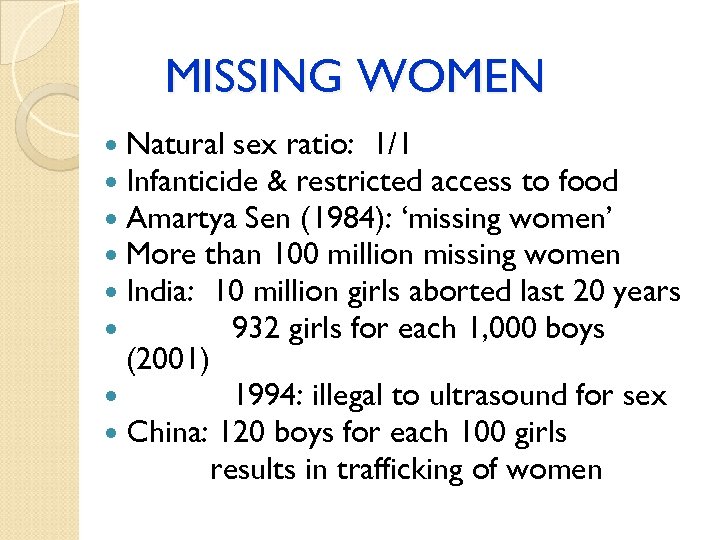
MISSING WOMEN Natural sex ratio: 1/1 Infanticide & restricted access to food Amartya Sen (1984): ‘missing women’ More than 100 million missing women India: 10 million girls aborted last 20 years 932 girls for each 1, 000 boys (2001) 1994: illegal to ultrasound for sex China: 120 boys for each 100 girls results in trafficking of women
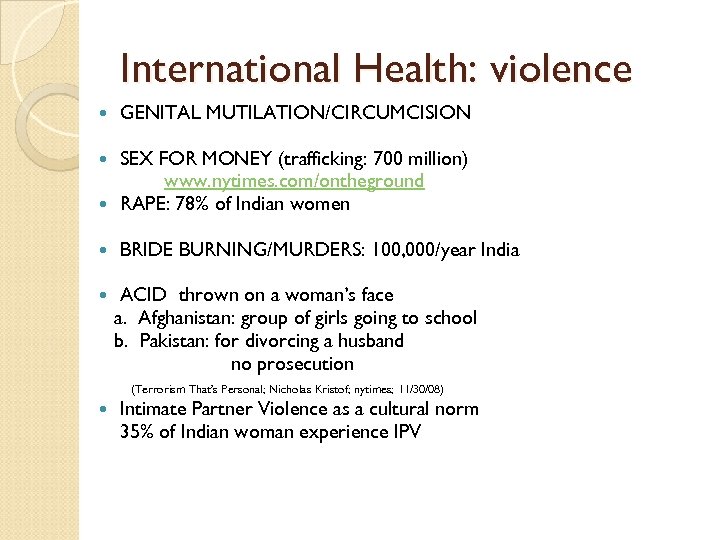
International Health: violence GENITAL MUTILATION/CIRCUMCISION SEX FOR MONEY (trafficking: 700 million) www. nytimes. com/ontheground RAPE: 78% of Indian women BRIDE BURNING/MURDERS: 100, 000/year India ACID thrown on a woman’s face a. Afghanistan: group of girls going to school b. Pakistan: for divorcing a husband no prosecution (Terrorism That’s Personal; Nicholas Kristof; nytimes; 11/30/08) Intimate Partner Violence as a cultural norm 35% of Indian woman experience IPV
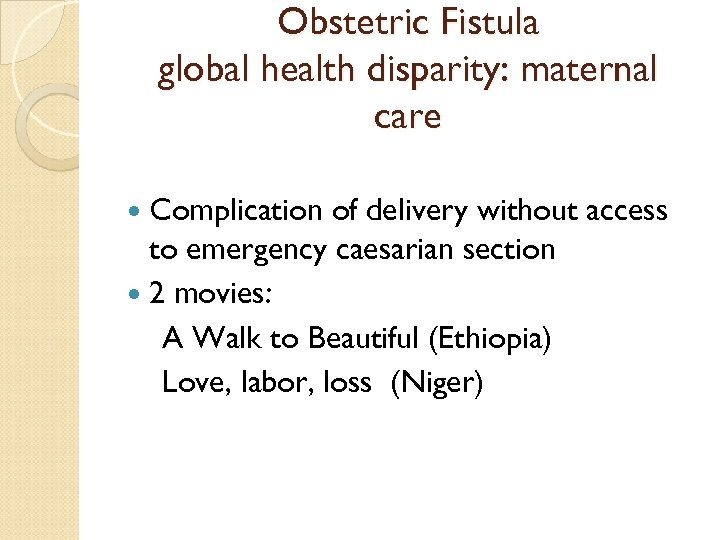
Obstetric Fistula global health disparity: maternal care Complication of delivery without access to emergency caesarian section 2 movies: A Walk to Beautiful (Ethiopia) Love, labor, loss (Niger)
Скачать презентацию WOMEN S HEALTH ISSUES July 6 2015 BIOPSYCHOSOCIAL MODEL
13aafc1ac481aaa41696395942d4550c.ppt