


 Скачать презентацию Will China Fall into a Middle Income Trap
e325476720a1450f5090c8563d4a5669.ppt
- Количество слайдов: 34
 Will China Fall into a Middle Income Trap? Growth, Inequality and Future Instability Introductory thoughts Scott Rozelle Stanford University (FSE, APARC, SCID) Director, Rural Education Action Project (REAP)
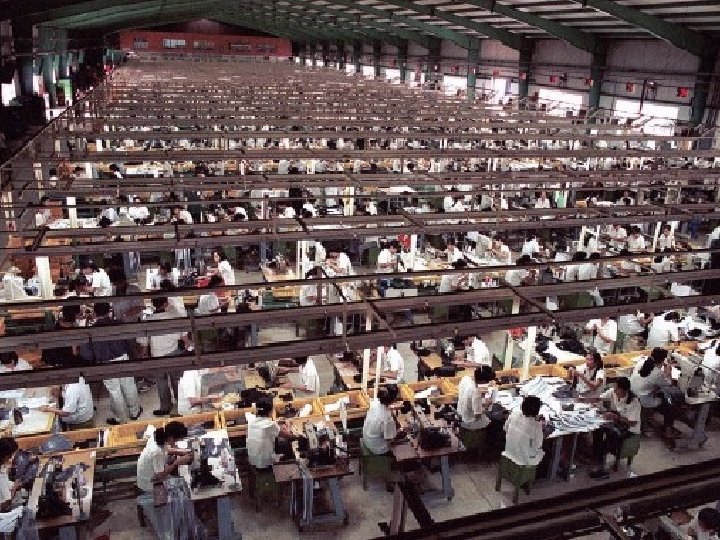
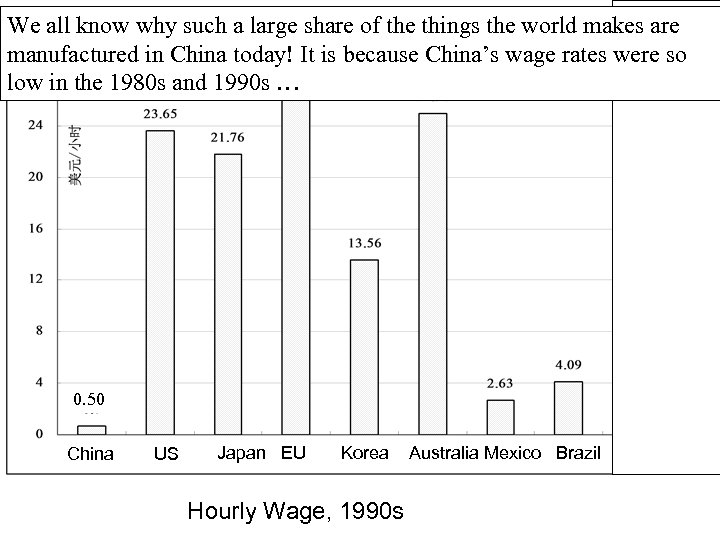 We all know why such a large share of the things the world makes are manufactured in China today! It is because China’s wage rates were so low in the 1980 s and 1990 s … 0. 50 China US Japan EU Korea Hourly Wage, 1990 s Australia Mexico Brazil Sri Lan.
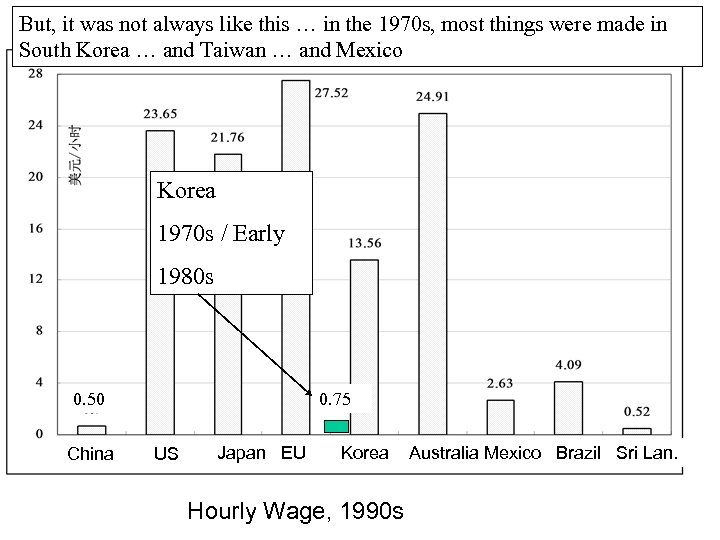 But, it was not always like this … in the 1970 s, most things were made in South Korea … and Taiwan … and Mexico Korea 1970 s / Early 1980 s 0. 50 China 0. 75 US Japan EU Korea Hourly Wage, 1990 s Australia Mexico Brazil Sri Lan.
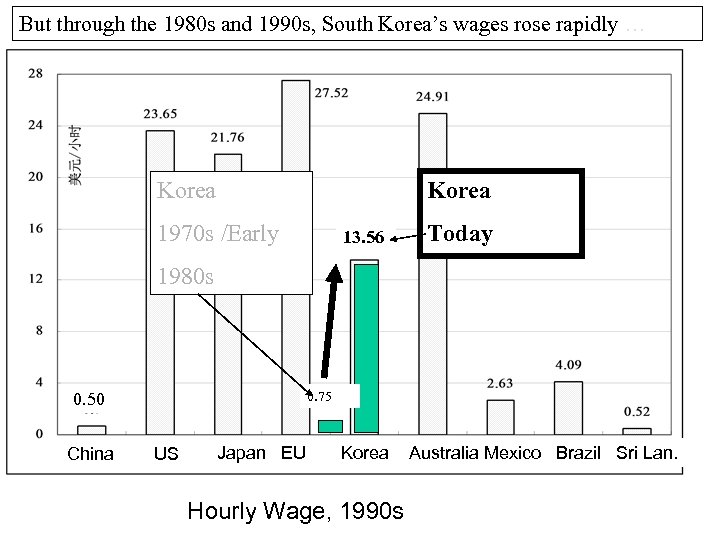 But through the 1980 s and 1990 s, South Korea’s wages rose rapidly … Korea 1970 s /Early 13. 56 Today 1980 s 0. 75 0. 50 China US Japan EU Korea Hourly Wage, 2005 1990 s Australia Mexico Brazil Sri Lan.
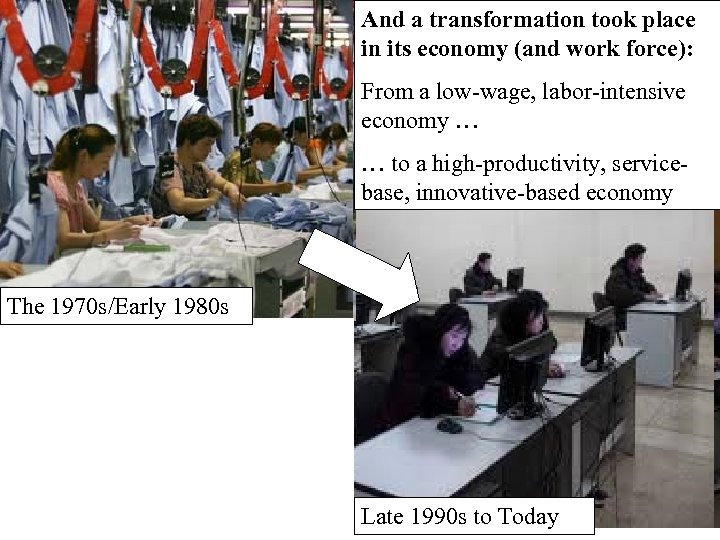 And a transformation took place in its economy (and work force): From a low-wage, labor-intensive economy … … to a high-productivity, servicebase, innovative-based economy The 1970 s/Early 1980 s Late 1990 s to Today
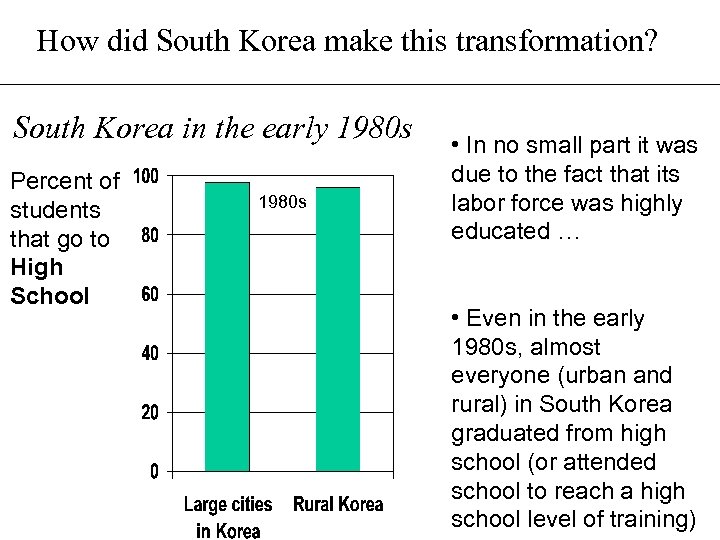 How did South Korea make this transformation? South Korea in the early 1980 s Percent of students that go to High School Today 1980 s • In no small part it was due to the fact that its labor force was highly educated … • Even in the early 1980 s, almost everyone (urban and rural) in South Korea graduated from high school (or attended school to reach a high school level of training)
 But, not all countries made this transformation (from middle income to rich) as smoothly in the 1980 s and 1990 s as South Korea
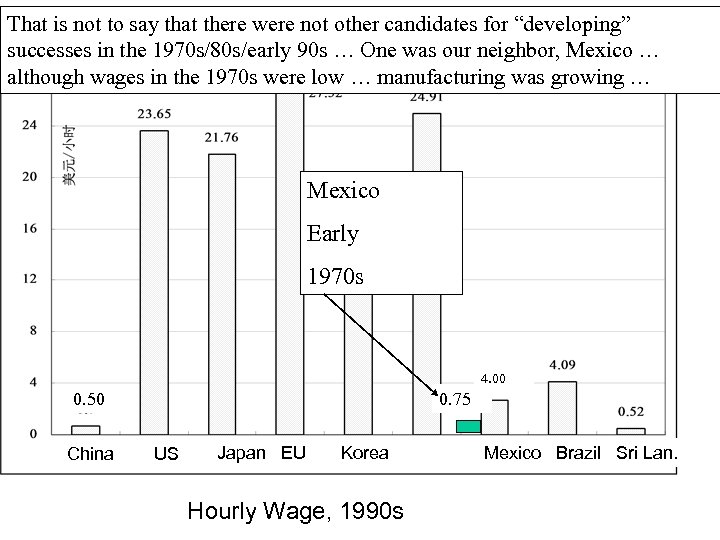 That is not to say that there were not other candidates for “developing” successes in the 1970 s/80 s/early 90 s … One was our neighbor, Mexico … although wages in the 1970 s were low … manufacturing was growing … Mexico Early 1970 s 4. 00 0. 50 China 0. 75 US Japan EU Korea Hourly Wage, 1990 s Australia Mexico Brazil Sri Lan.
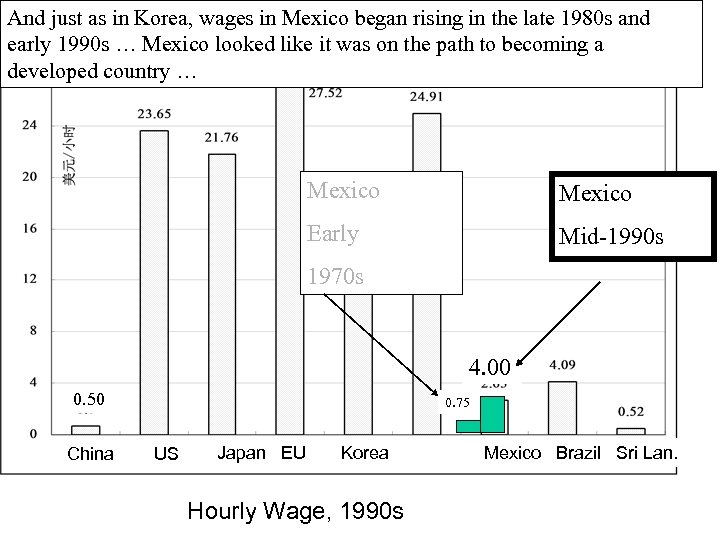 And just as in Korea, wages in Mexico began rising in the late 1980 s and early 1990 s … Mexico looked like it was on the path to becoming a developed country … Mexico Early Mid-1990 s 1970 s 4. 00 0. 50 China 0. 75 US Japan EU Korea Hourly Wage, 1990 s Australia Mexico Brazil Sri Lan.
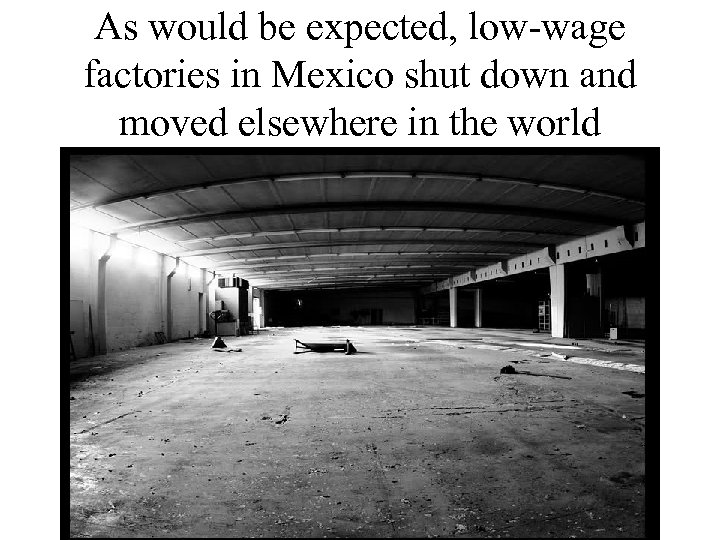 As would be expected, low-wage factories in Mexico shut down and moved elsewhere in the world
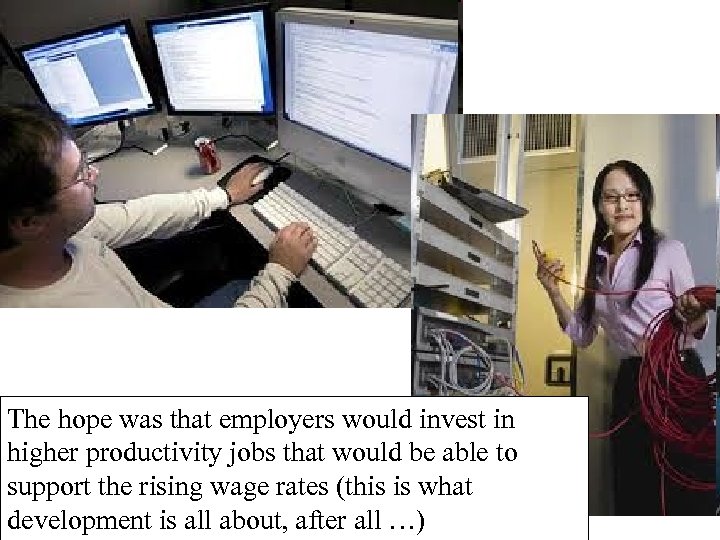 The hope was that employers would invest in higher productivity jobs that would be able to support the rising wage rates (this is what development is all about, after all …)
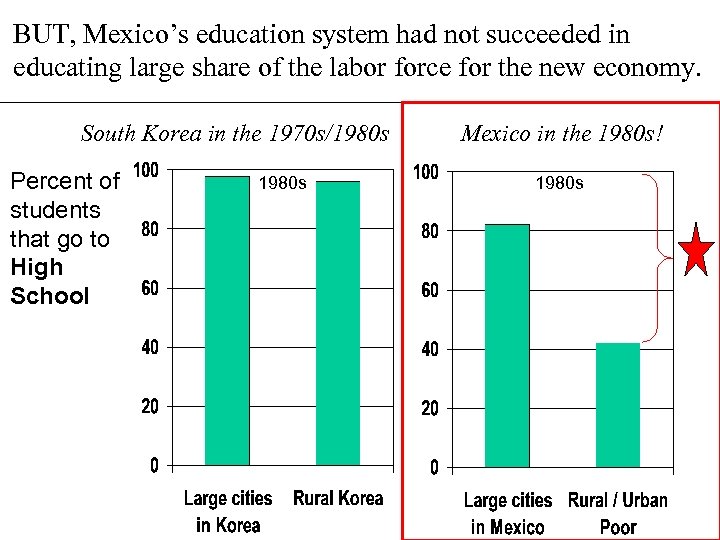 BUT, Mexico’s education system had not succeeded in educating large share of the labor force for the new economy. South Korea in the 1970 s/1980 s Percent of students that go to High School 1980 s Today Mexico in the 1980 s! 1980 s
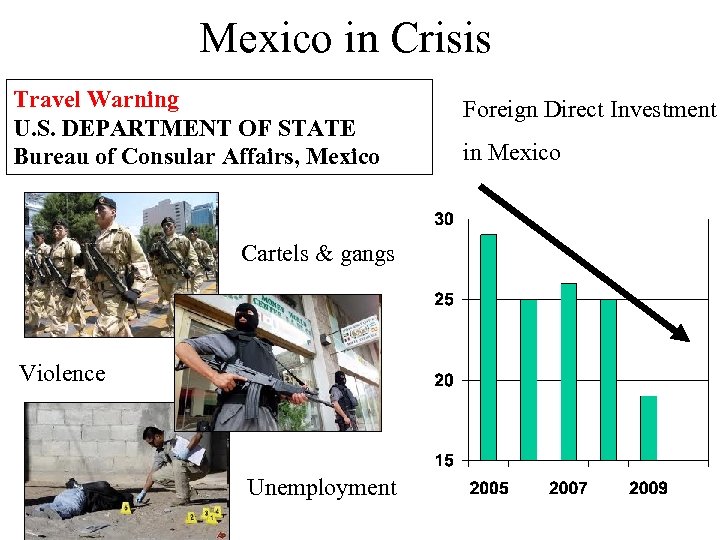 Mexico in Crisis Travel Warning U. S. DEPARTMENT OF STATE Bureau of Consular Affairs, Mexico Cartels & gangs Violence Unemployment Foreign Direct Investment in Mexico
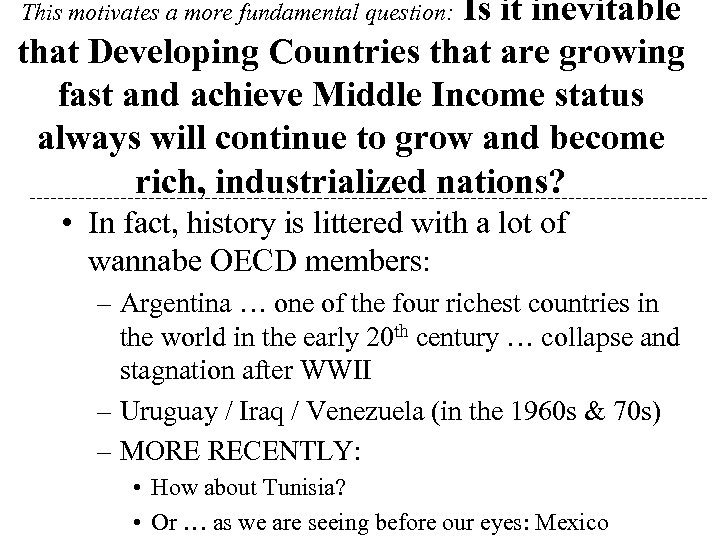 Is it inevitable that Developing Countries that are growing fast and achieve Middle Income status always will continue to grow and become rich, industrialized nations? This motivates a more fundamental question: • In fact, history is littered with a lot of wannabe OECD members: – Argentina … one of the four richest countries in the world in the early 20 th century … collapse and stagnation after WWII – Uruguay / Iraq / Venezuela (in the 1960 s & 70 s) – MORE RECENTLY: • How about Tunisia? • Or … as we are seeing before our eyes: Mexico
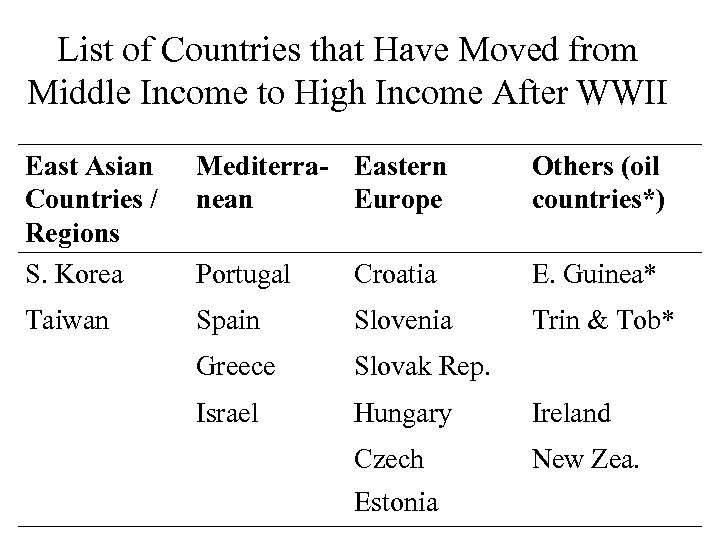 List of Countries that Have Moved from Middle Income to High Income After WWII East Asian Countries / Regions S. Korea Mediterra- Eastern nean Europe Others (oil countries*) Portugal Croatia E. Guinea* Taiwan Spain Slovenia Trin & Tob* Greece Slovak Rep. Israel Hungary Ireland Czech New Zea. Estonia
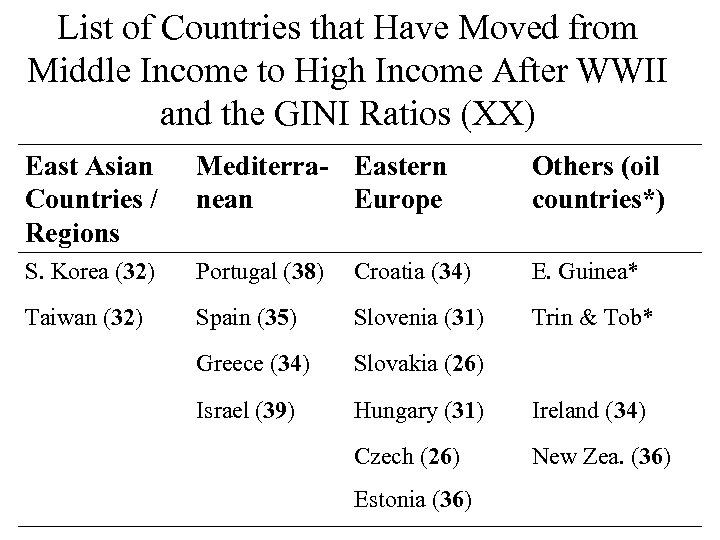 List of Countries that Have Moved from Middle Income to High Income After WWII and the GINI Ratios (XX) East Asian Countries / Regions Mediterra- Eastern nean Europe Others (oil countries*) S. Korea (32) Portugal (38) Croatia (34) E. Guinea* Taiwan (32) Spain (35) Slovenia (31) Trin & Tob* Greece (34) Slovakia (26) Israel (39) Hungary (31) Ireland (34) Czech (26) New Zea. (36) Estonia (36)
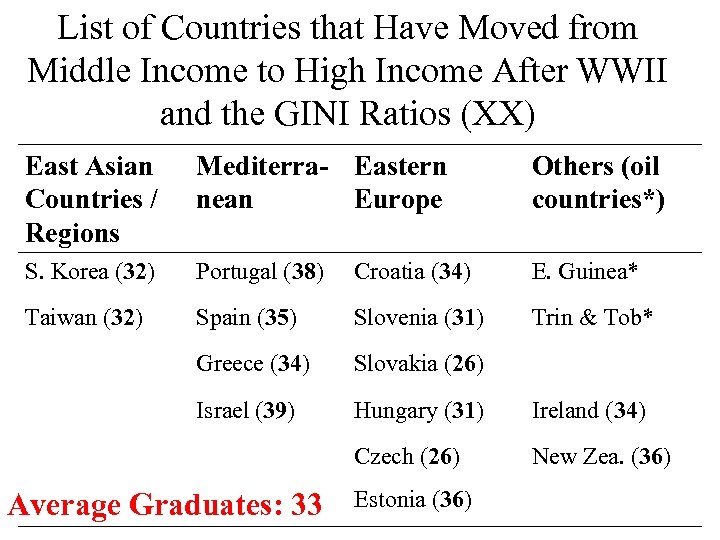 List of Countries that Have Moved from Middle Income to High Income After WWII and the GINI Ratios (XX) East Asian Countries / Regions Mediterra- Eastern nean Europe Others (oil countries*) S. Korea (32) Portugal (38) Croatia (34) E. Guinea* Taiwan (32) Spain (35) Slovenia (31) Trin & Tob* Greece (34) Slovakia (26) Israel (39) Hungary (31) Ireland (34) Czech (26) New Zea. (36) Average Graduates: 33 Estonia (36)
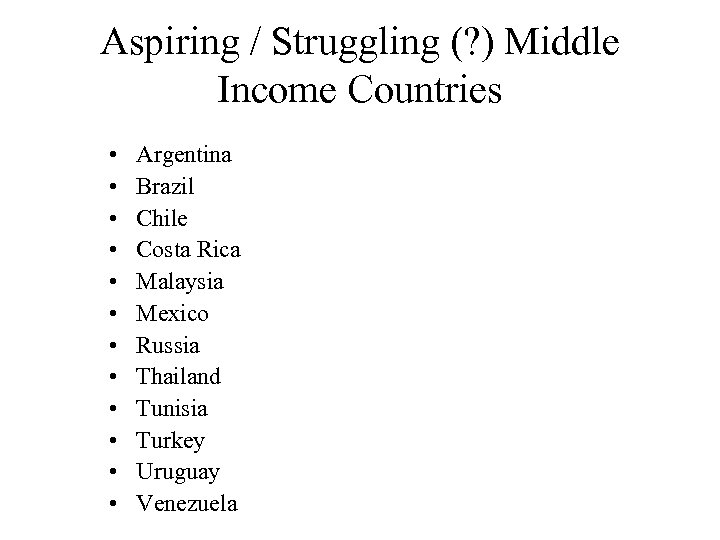 Aspiring / Struggling (? ) Middle Income Countries • • • Argentina Brazil Chile Costa Rica Malaysia Mexico Russia Thailand Tunisia Turkey Uruguay Venezuela
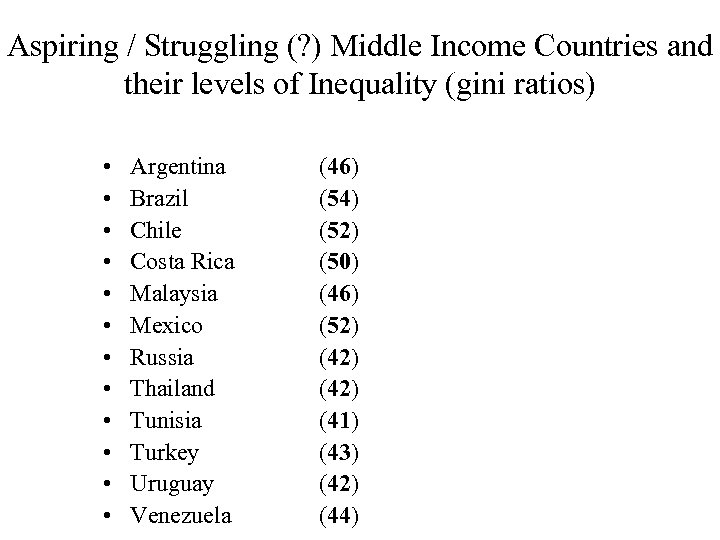 Aspiring / Struggling (? ) Middle Income Countries and their levels of Inequality (gini ratios) • • • Argentina Brazil Chile Costa Rica Malaysia Mexico Russia Thailand Tunisia Turkey Uruguay Venezuela (46) (54) (52) (50) (46) (52) (42) (41) (43) (42) (44)
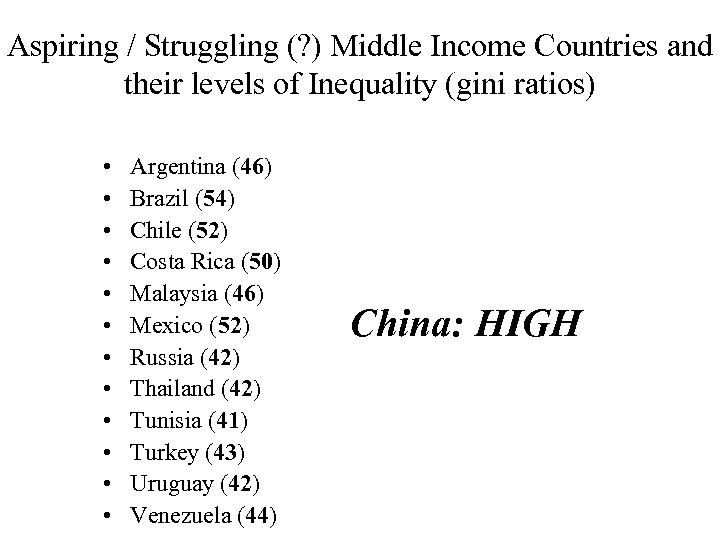 Aspiring / Struggling (? ) Middle Income Countries and their levels of Inequality (gini ratios) • • • Argentina (46) Brazil (54) Chile (52) Costa Rica (50) Malaysia (46) Mexico (52) Russia (42) Thailand (42) Tunisia (41) Turkey (43) Uruguay (42) Venezuela (44) China: HIGH
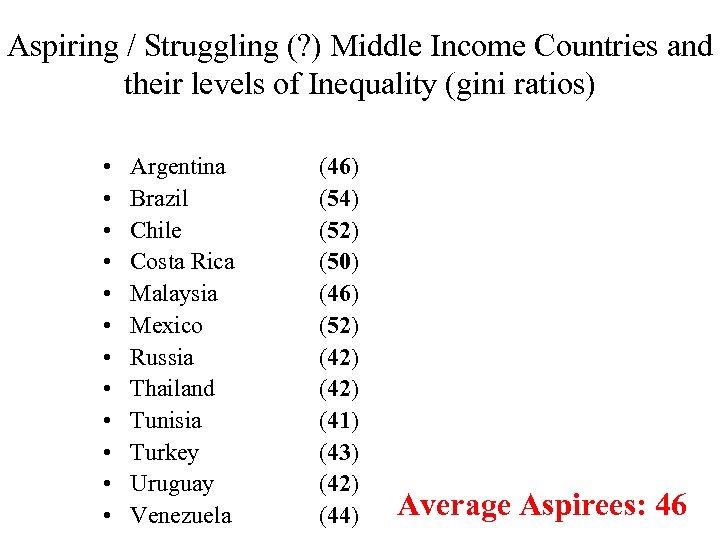 Aspiring / Struggling (? ) Middle Income Countries and their levels of Inequality (gini ratios) • • • Argentina Brazil Chile Costa Rica Malaysia Mexico Russia Thailand Tunisia Turkey Uruguay Venezuela (46) (54) (52) (50) (46) (52) (42) (41) (43) (42) (44) Average Aspirees: 46
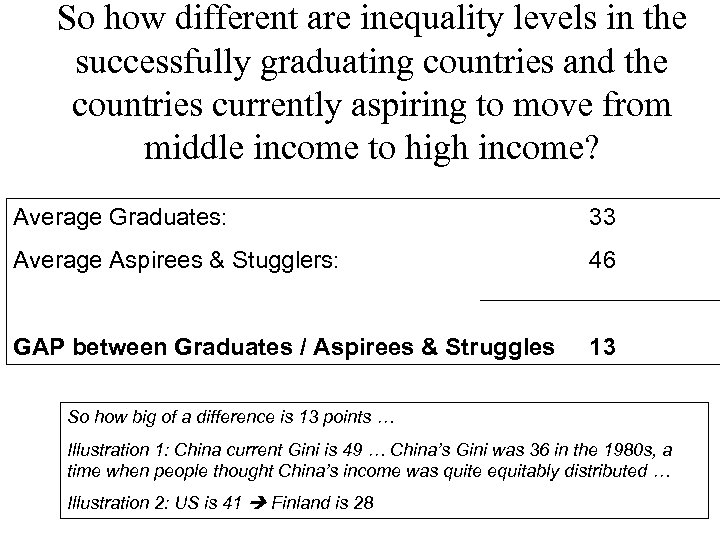 So how different are inequality levels in the successfully graduating countries and the countries currently aspiring to move from middle income to high income? Average Graduates: 33 Average Aspirees & Stugglers: 46 GAP between Graduates / Aspirees & Struggles 13 So how big of a difference is 13 points … Illustration 1: China current Gini is 49 … China’s Gini was 36 in the 1980 s, a time when people thought China’s income was quite equitably distributed … Illustration 2: US is 41 Finland is 28
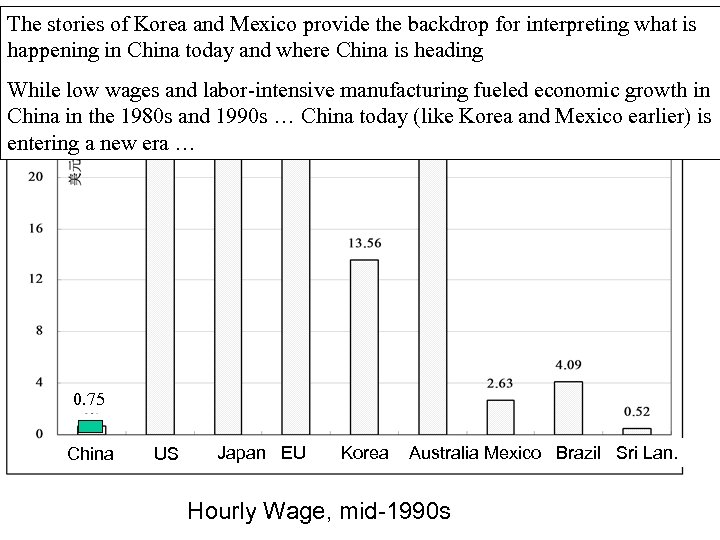 The stories of Korea and Mexico provide the backdrop for interpreting what is happening in China today and where China is heading While low wages and labor-intensive manufacturing fueled economic growth in China in the 1980 s and 1990 s … China today (like Korea and Mexico earlier) is entering a new era … 0. 75 0. 50 China US Japan EU Korea Australia Mexico Brazil Sri Lan. Hourly Wage, mid-1990 s
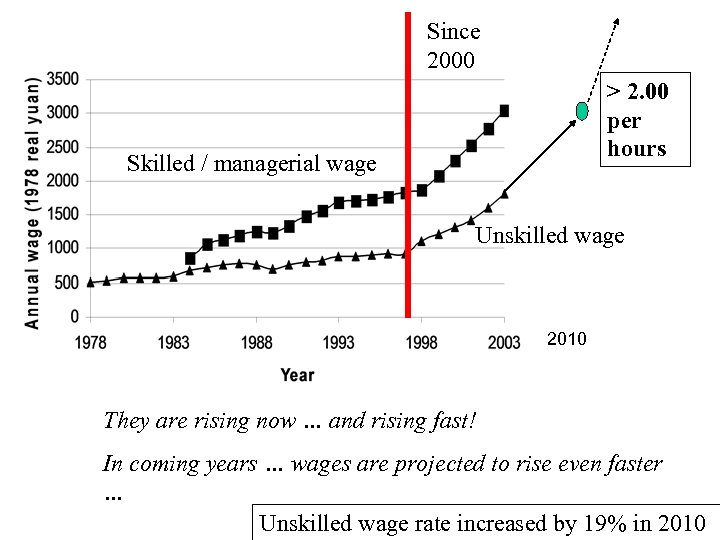 Since 2000 > 2. 00 per hours Skilled / managerial wage Unskilled wage 2010 They are rising now … and rising fast! In coming years … wages are projected to rise even faster … Unskilled wage rate increased by 19% in 2010
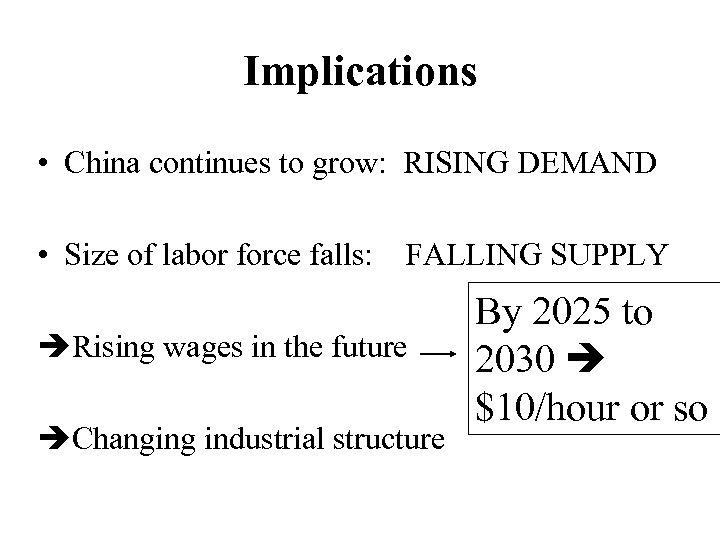 Implications • China continues to grow: RISING DEMAND • Size of labor force falls: FALLING SUPPLY Rising wages in the future Changing industrial structure By 2025 to 2030 $10/hour or so
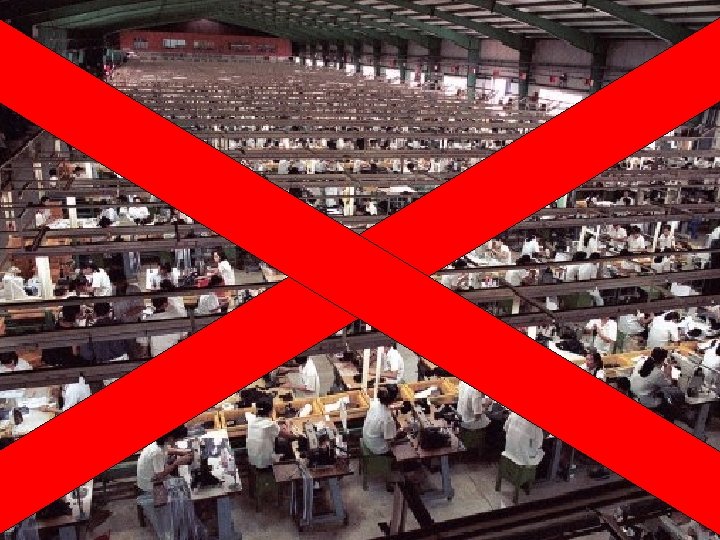
 But, with higher wages, China will have to move itself up the productivity ladder Can it?
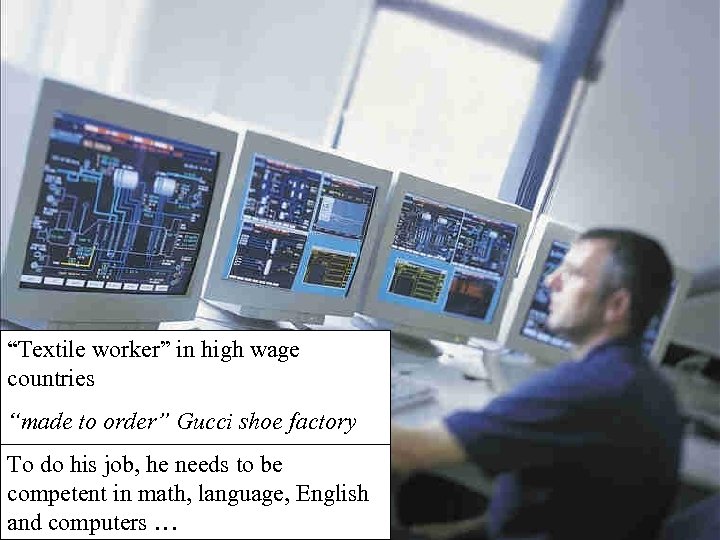 “Textile worker” in high wage countries “made to order” Gucci shoe factory To do his job, he needs to be competent in math, language, English and computers …
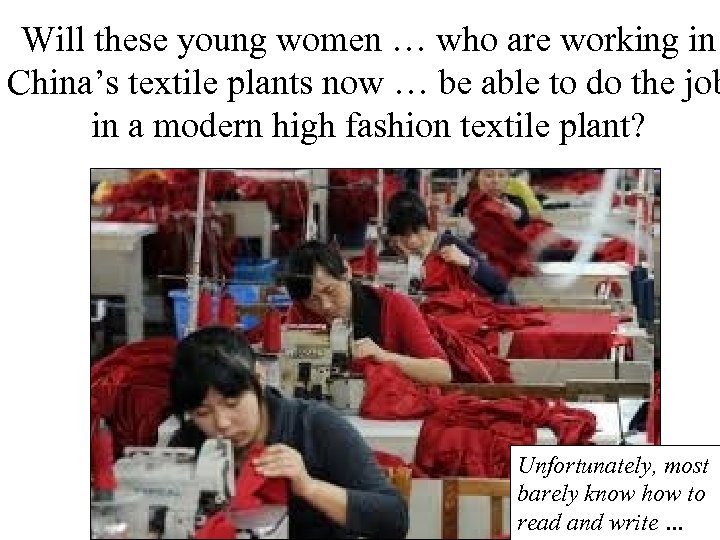 Will these young women … who are working in China’s textile plants now … be able to do the job in a modern high fashion textile plant? Unfortunately, most barely know how to read and write …
 This is my auto mechanic … in Palo Alto …
 Question: “Will these boys be able to do the jobs that need to be done in the future economy? ” None of these students have ever touched a computer or surfed the web
 So: China’s real challenge is coming … and there are fundamental questions: – Can China transform itself like: • Taiwan / South Korea / Spain / Slovenia – Or will China become a: • Mexico / Argentina / Tunisia
 Today’s Agenda • Session 1: Inequality in China Today • Session 2: Inequality Tomorrow and the Forces that Shape / Affect Tomorrow’s Economy • Session 3: Countries that are Flailing (Mexico) / Fixing it (Brazil) / Free and Clear (South Korea) [Can we draw lessons for China? ]