Скачать презентацию Why Surface Weather Maps First Surface Weather
702fe8949af13fcf4e3749fc08bd48c2.ppt
- Количество слайдов: 65

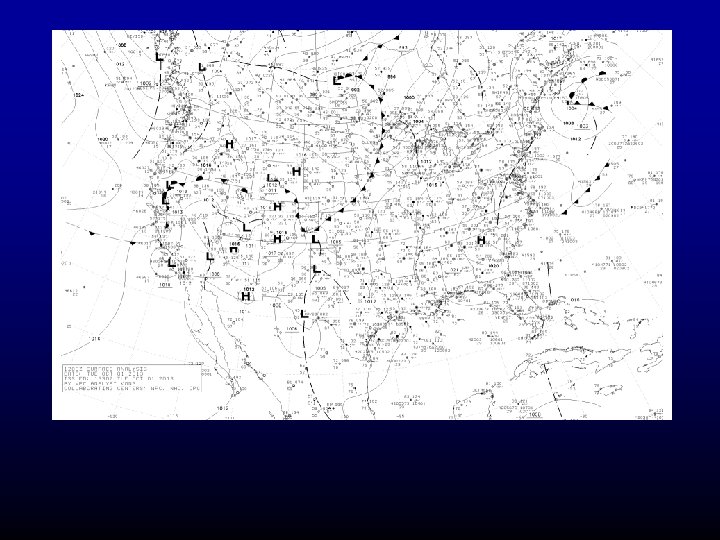
 Why Surface Weather Maps?
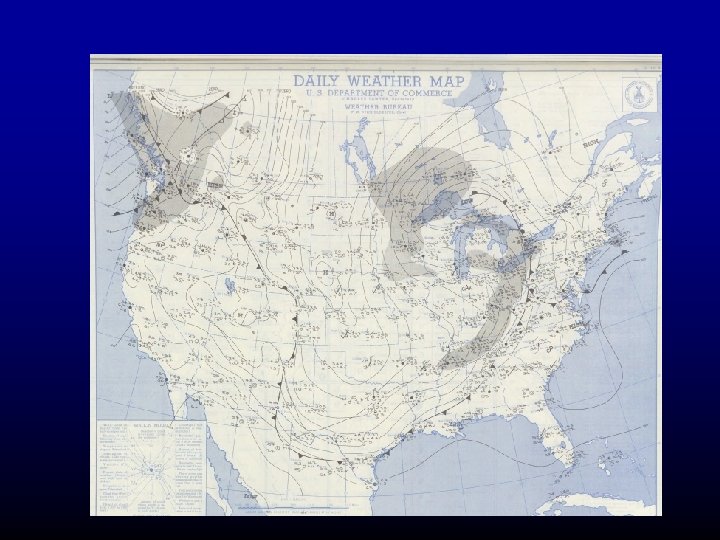
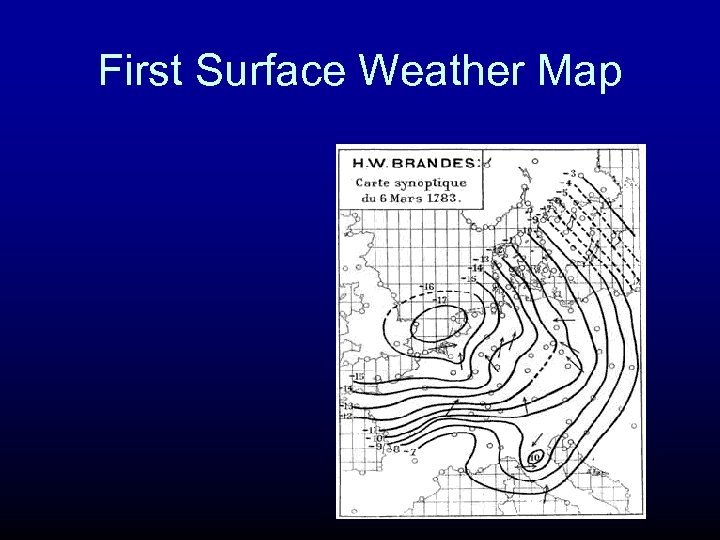 First Surface Weather Map
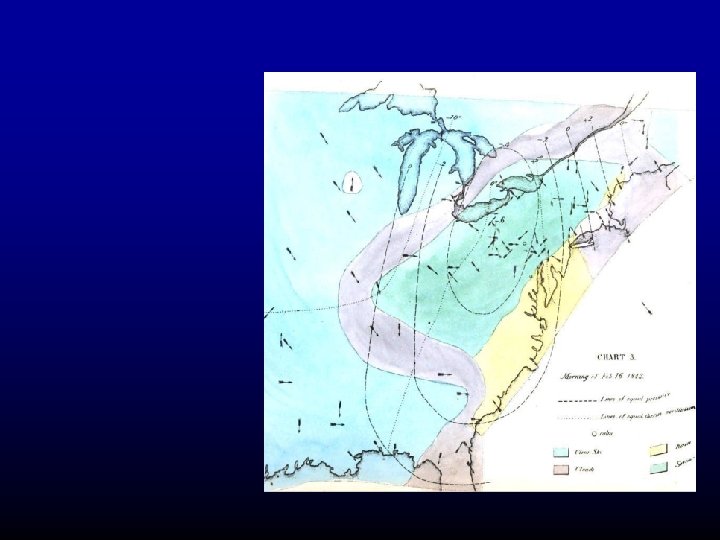
 The Telegraphic Communication Revolution
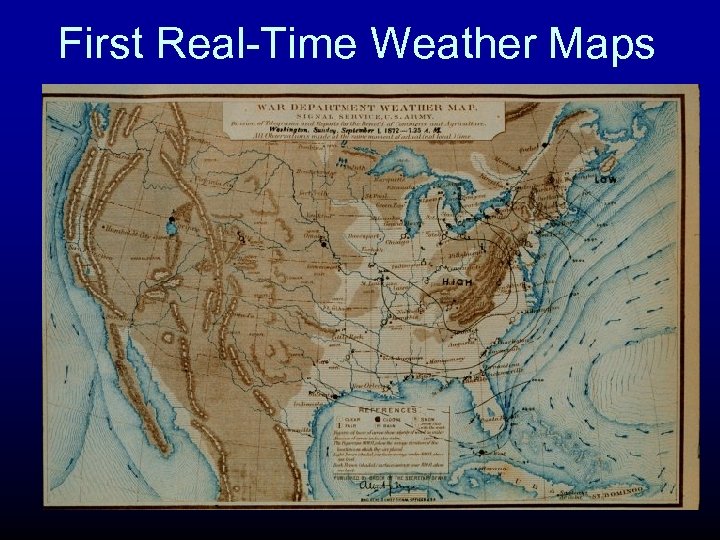 First Real-Time Weather Maps
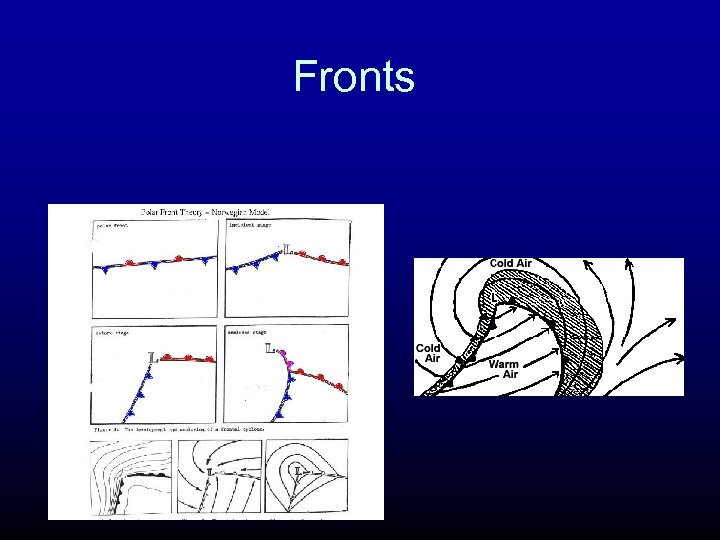 Fronts
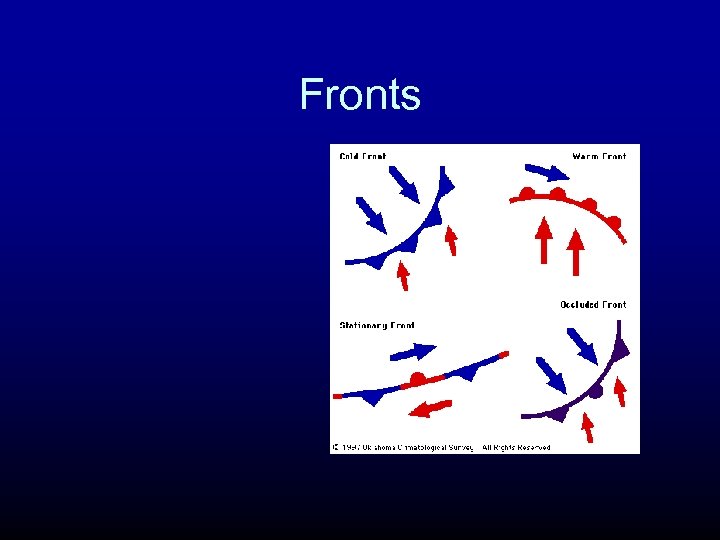 Fronts
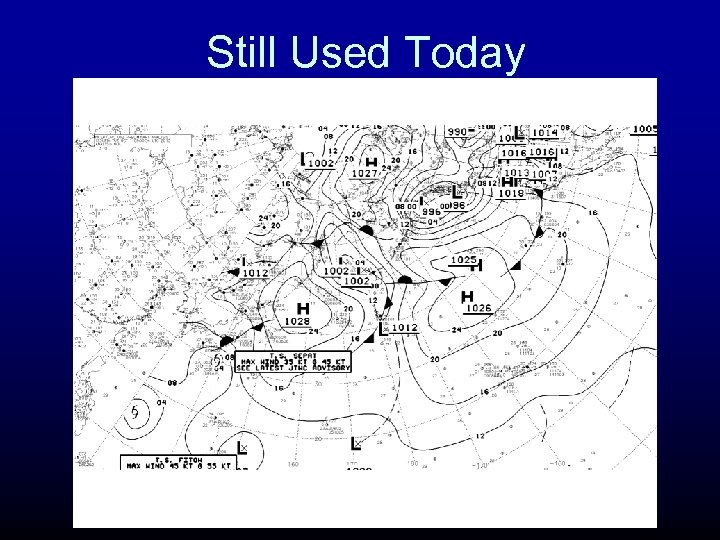 Still Used Today
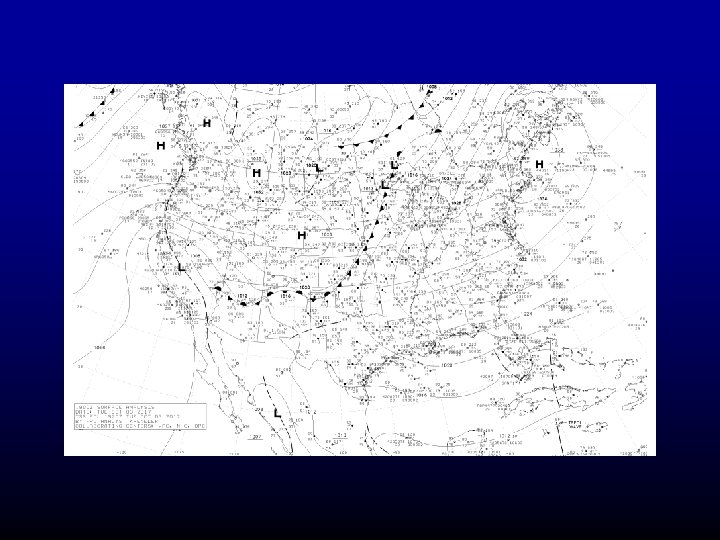
 What is on surface charts?
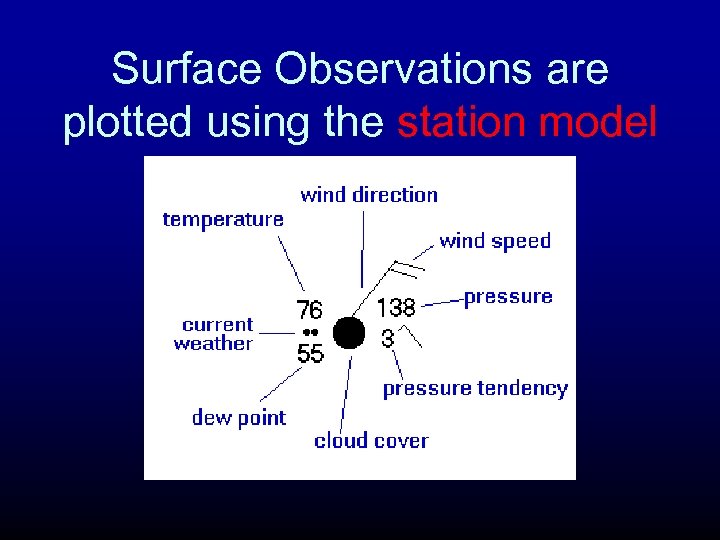 Surface Observations are plotted using the station model
 Station Model
 Practice
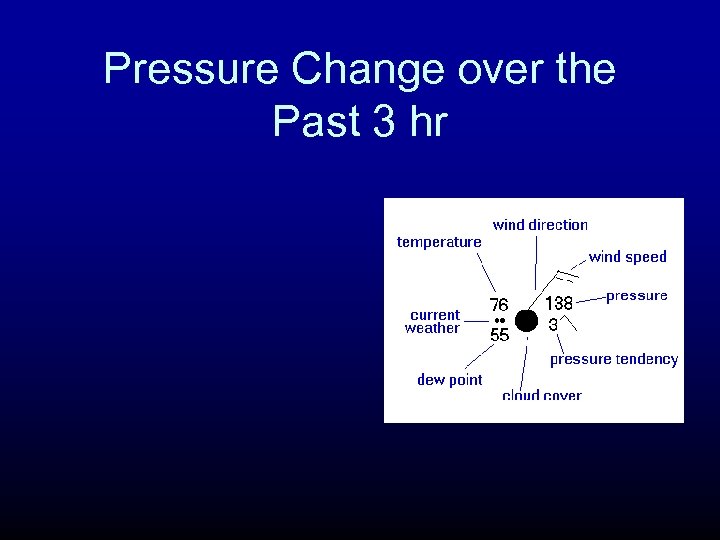 Pressure Change over the Past 3 hr
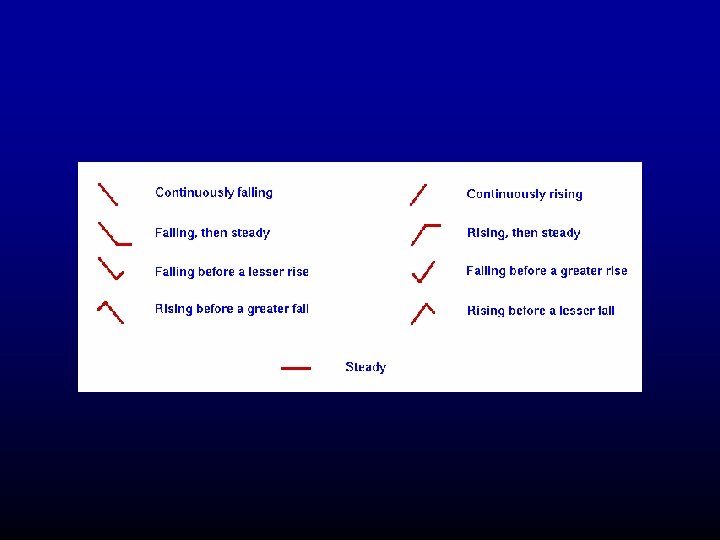
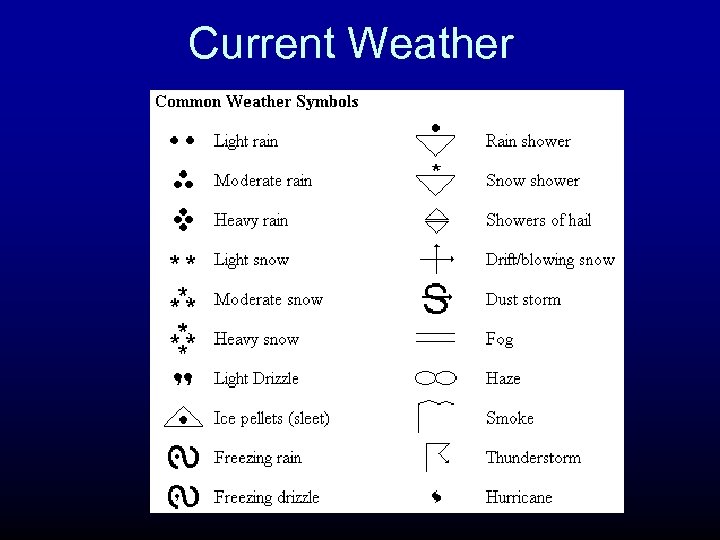 Current Weather
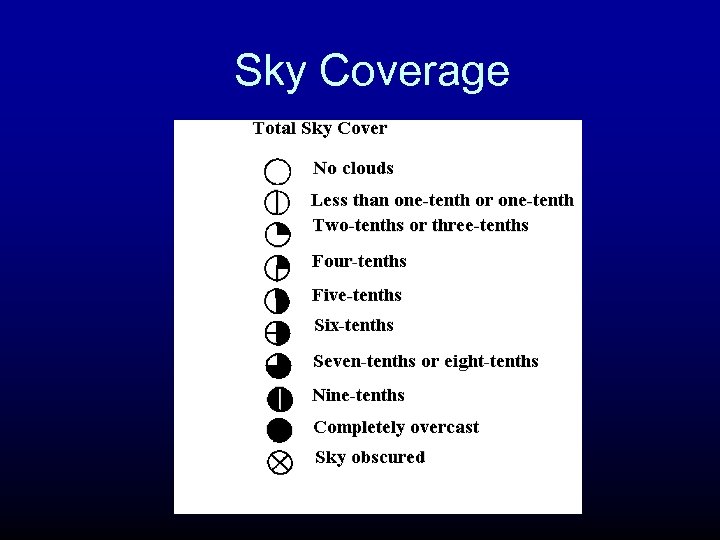 Sky Coverage
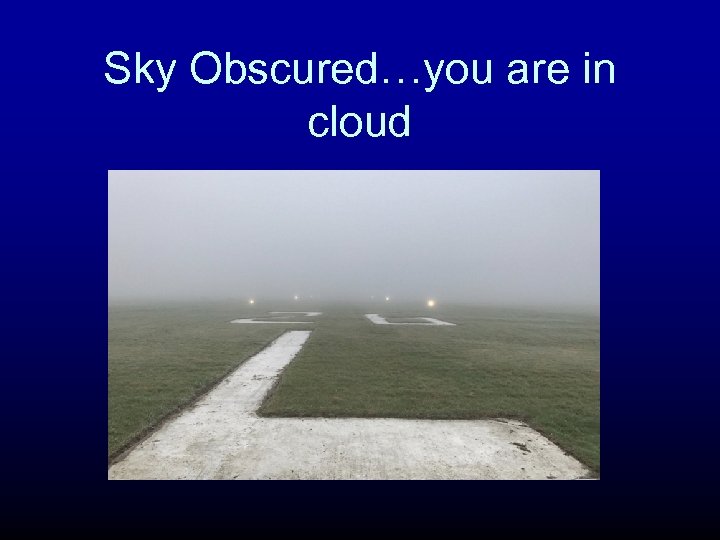 Sky Obscured…you are in cloud
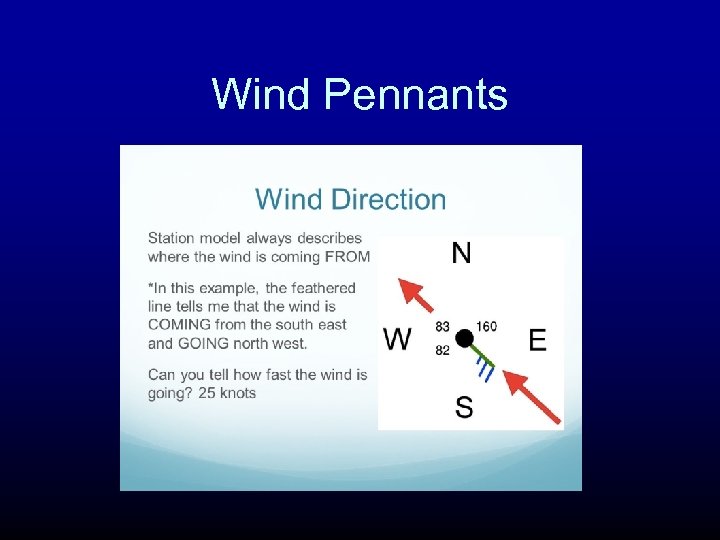 Wind Pennants
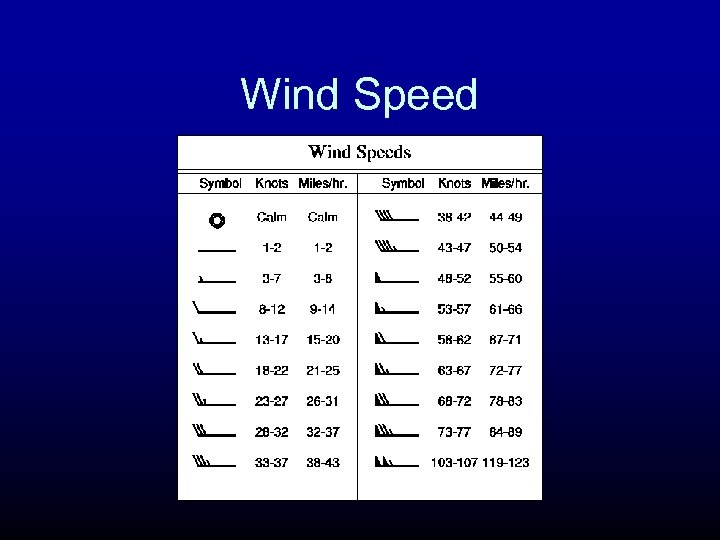 Wind Speed
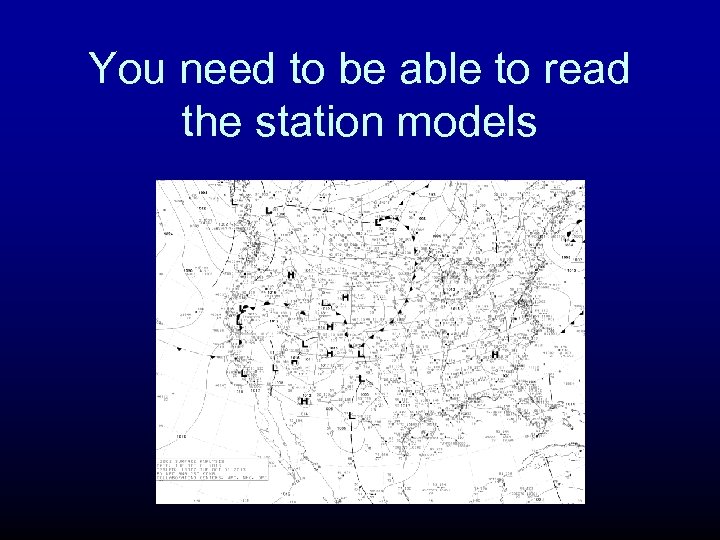 You need to be able to read the station models
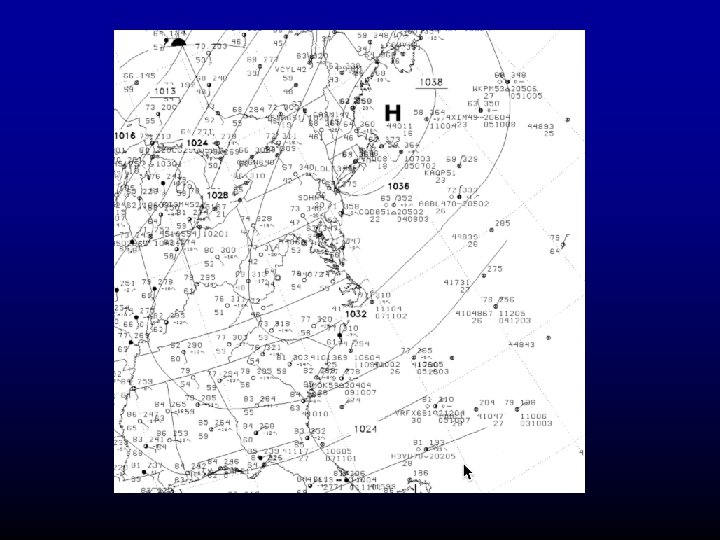
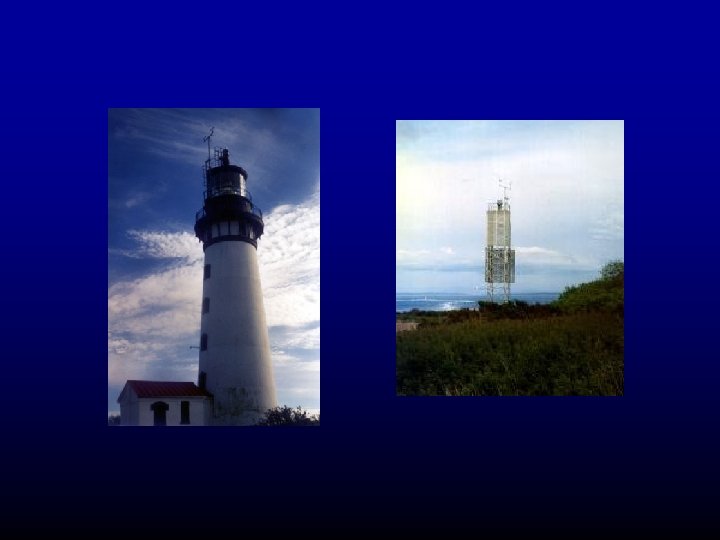
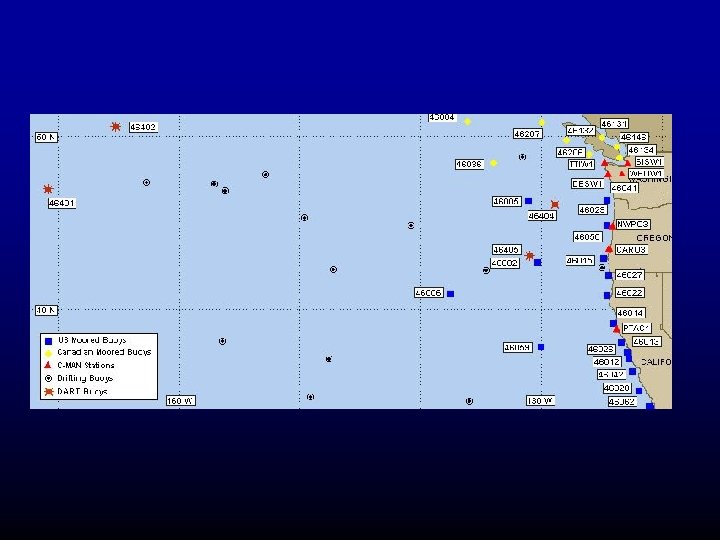
 What kind of observations are plotted on surface charts?
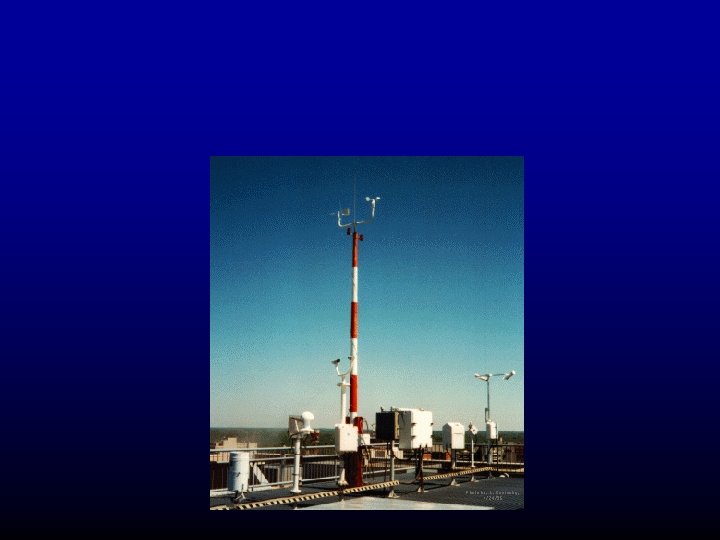
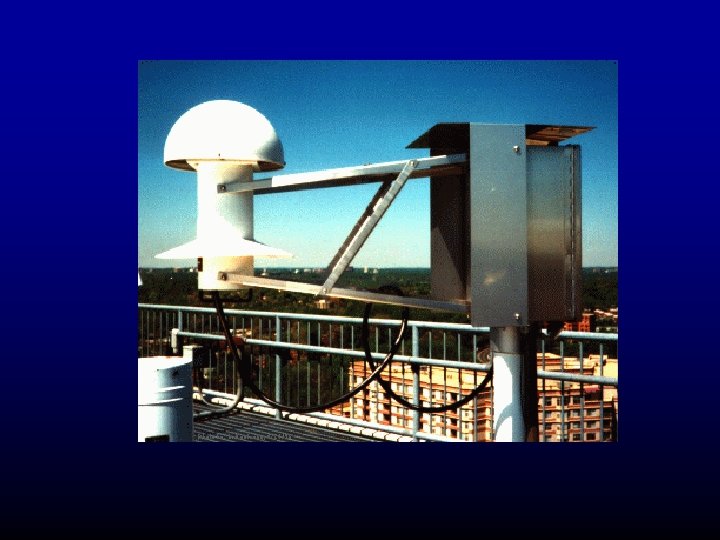
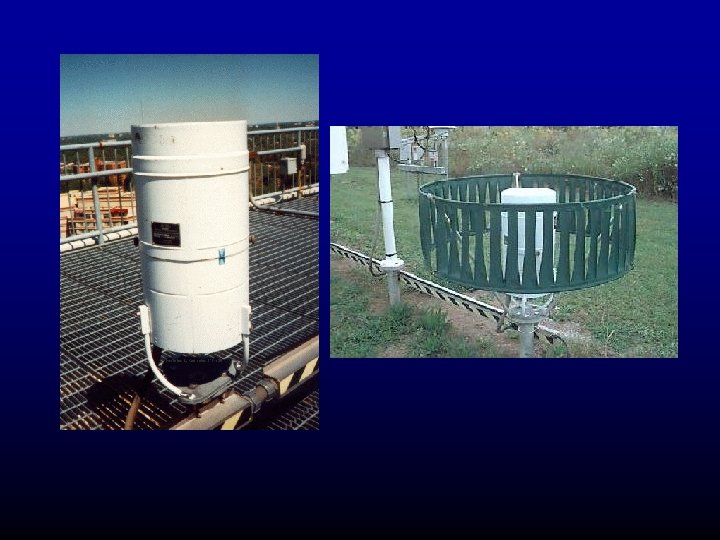
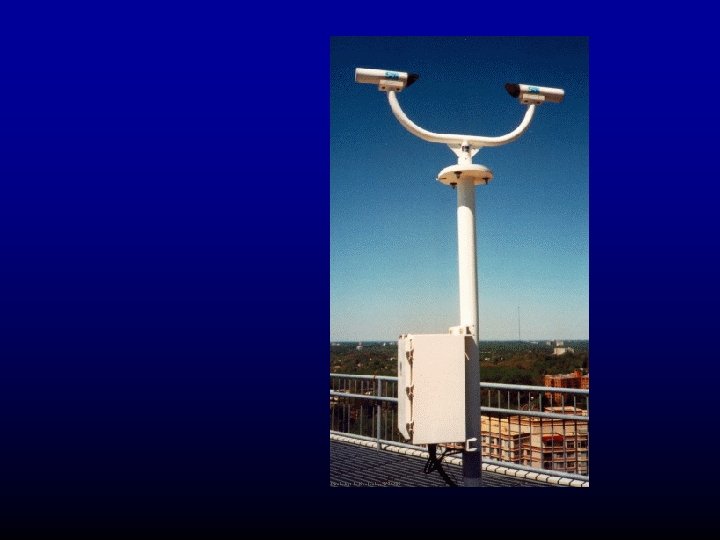
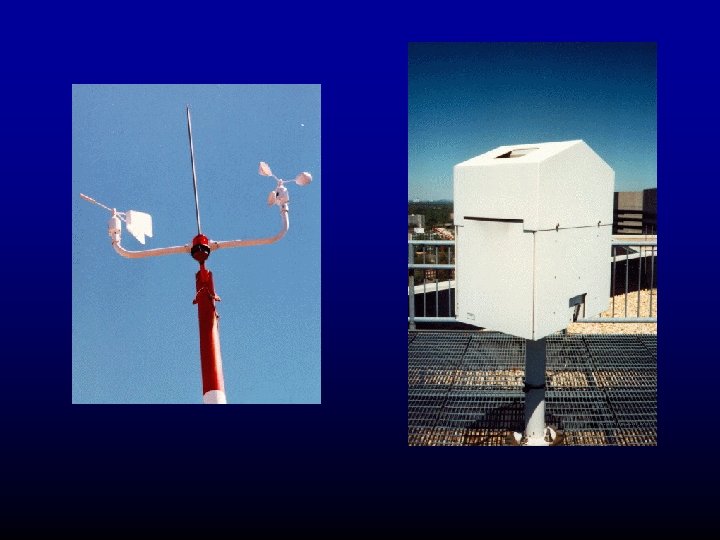
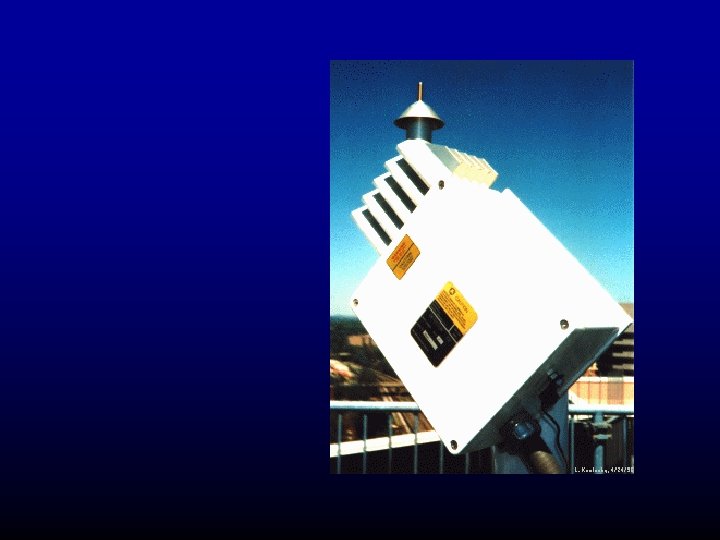
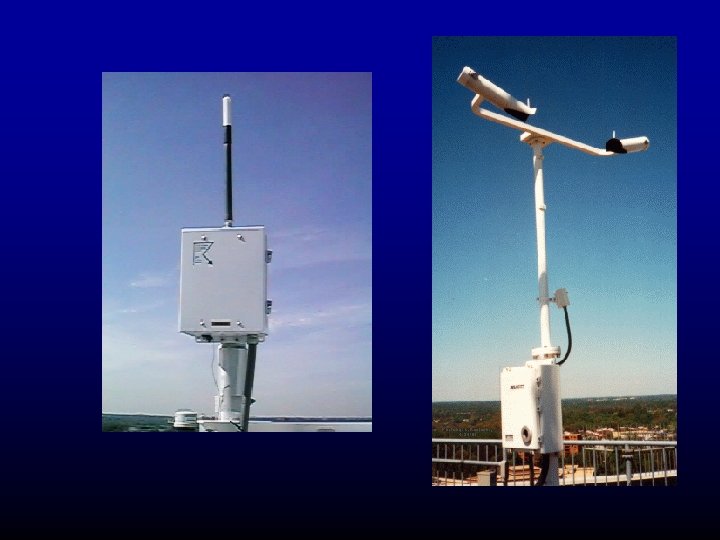
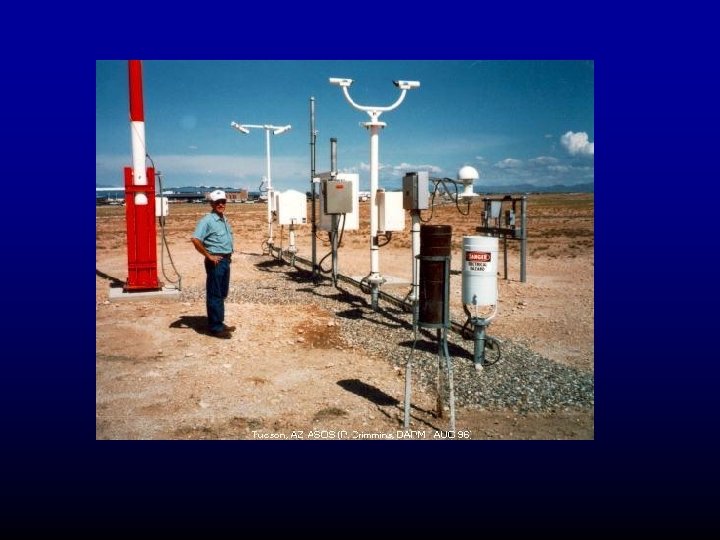

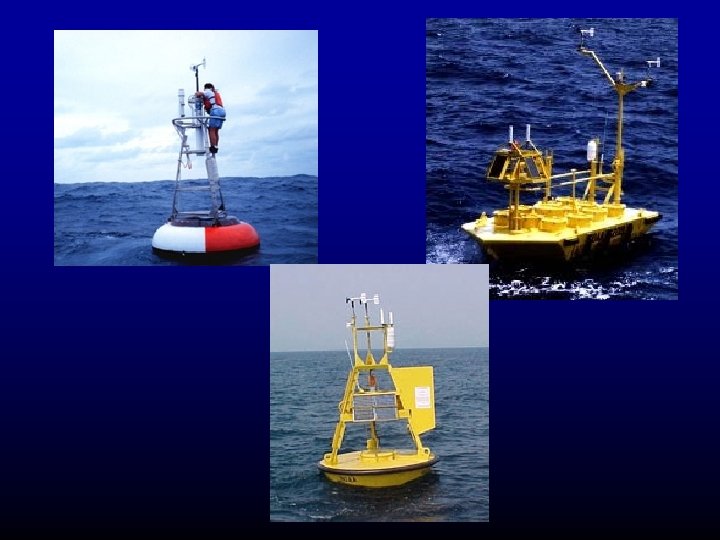
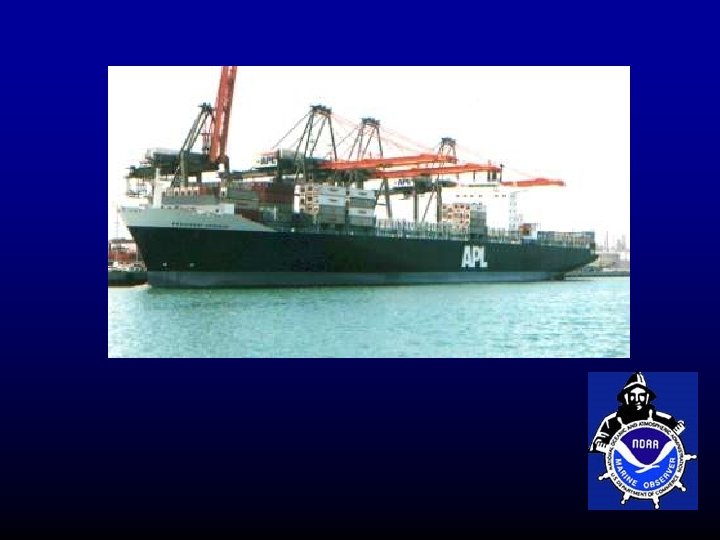
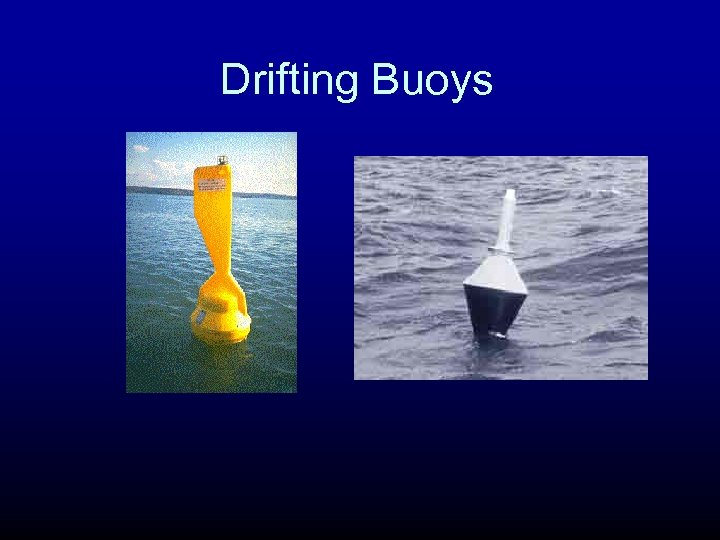 Drifting Buoys
 Isobars of sea level pressure are found on station map
 Why use sea level pressure rather than station pressure— the pressure at the elevation of the barometer?
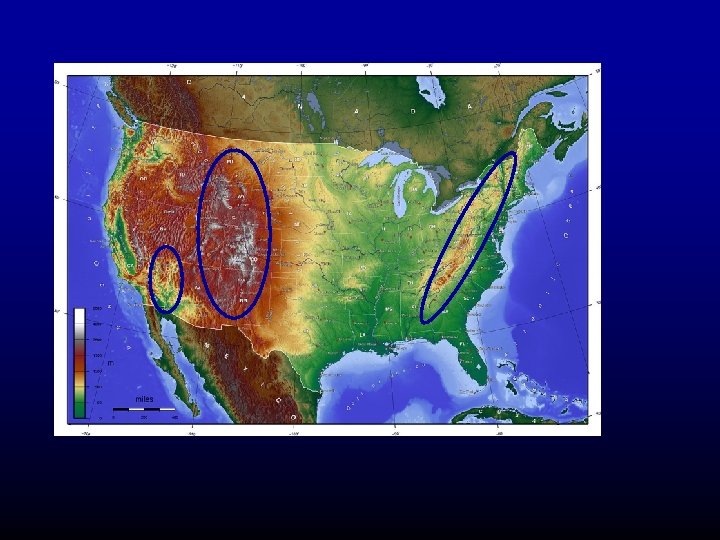
 Terrain effects on pressure would swamp the meteorological signal
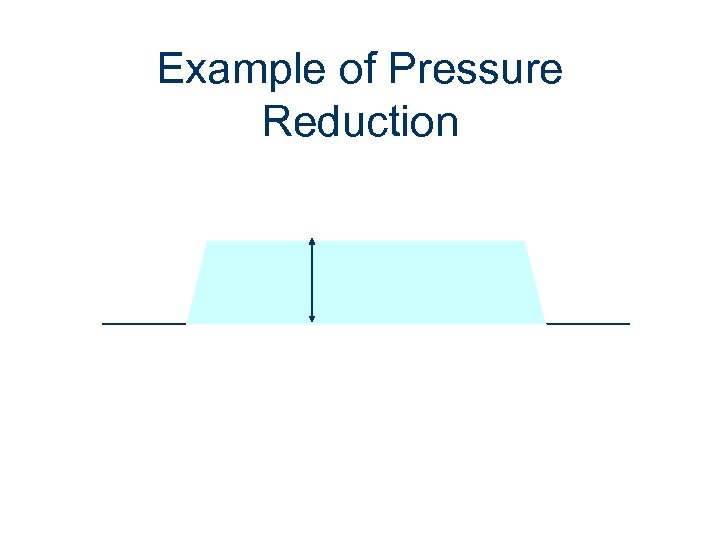 Example of Pressure Reduction
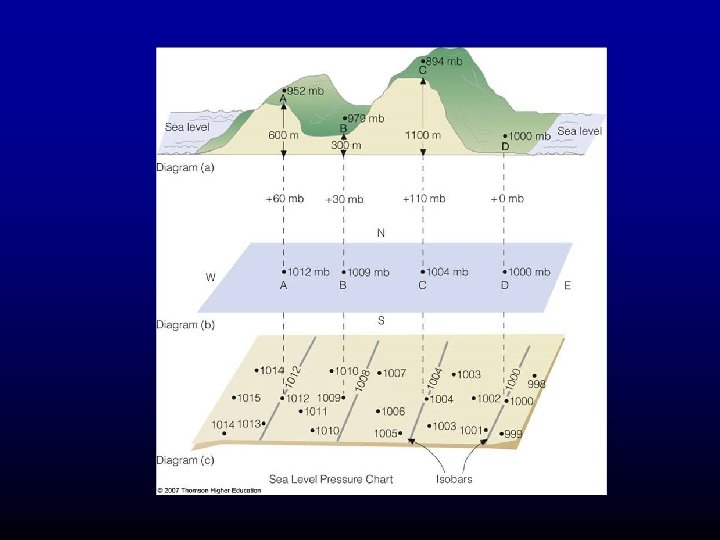
 Pressure Reduction
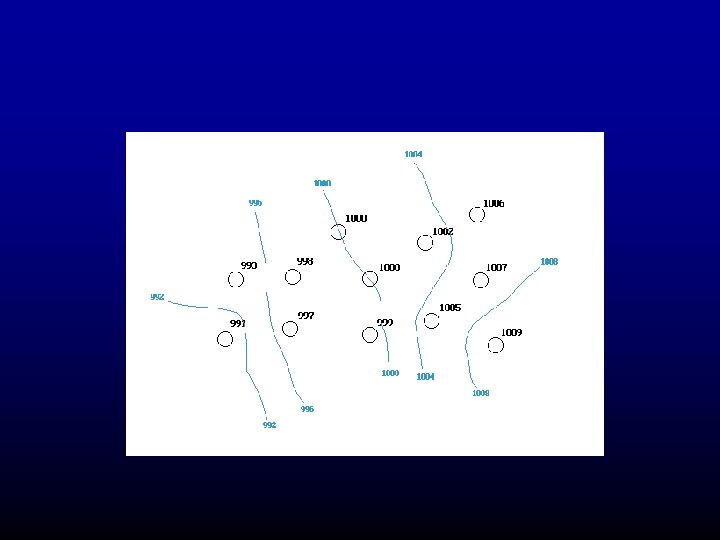
 Once the analysis is done, put on H’s and L’s
 Winds and pressure
 Will explain why in a few weeks
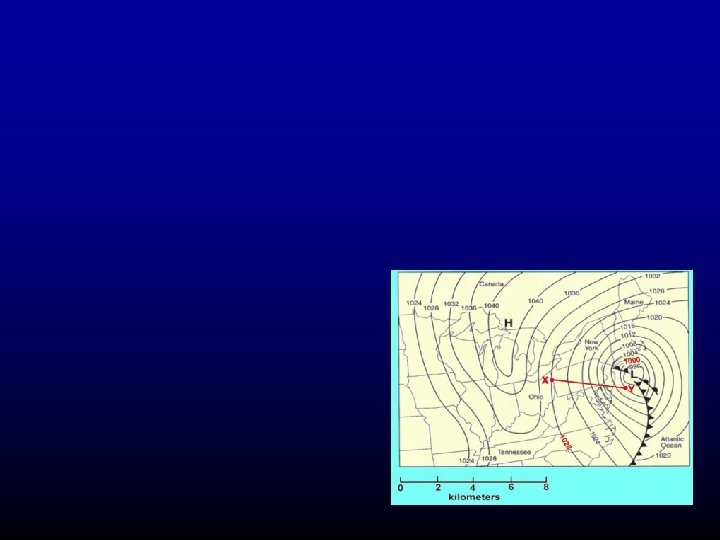
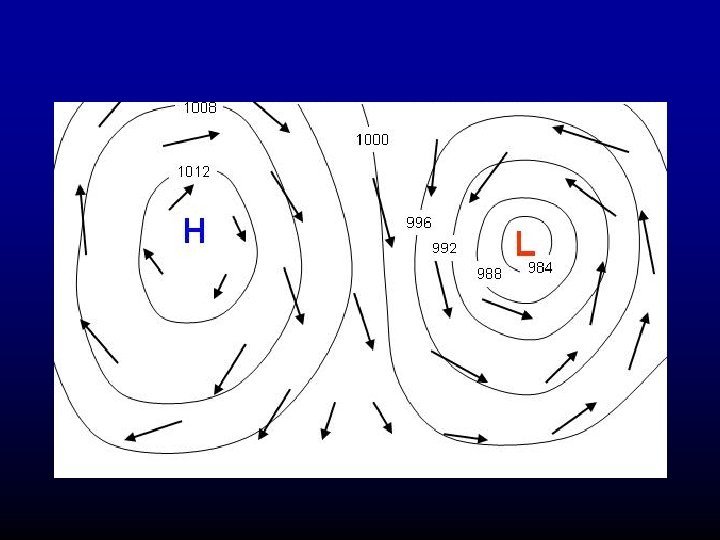
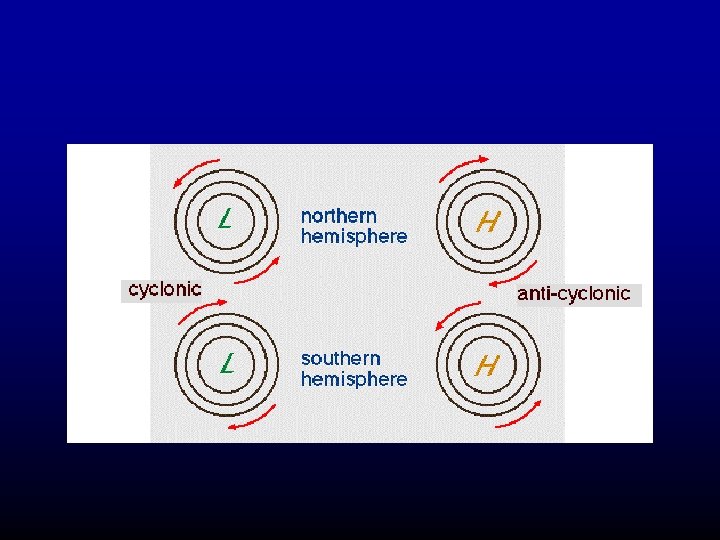
 In the northern hemisphere winds tend to blow countclockwise around lows and clockwise around highs (opposite in the southern hemisphere)
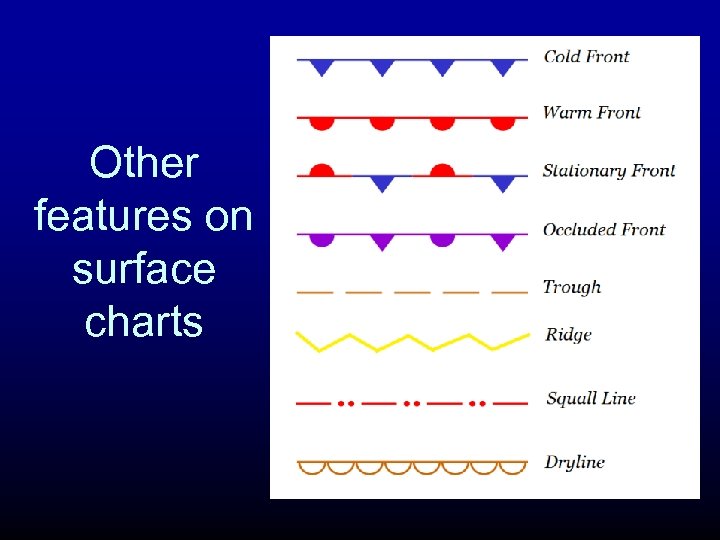 Other features on surface charts
 What are fronts?
 Definition A front is a boundary between air of relatively uniform warm air and a zone in which temperatures cools rapidly
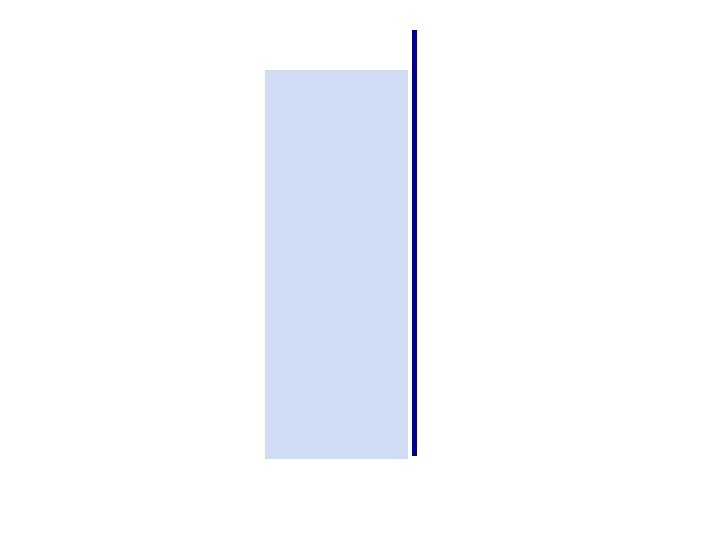
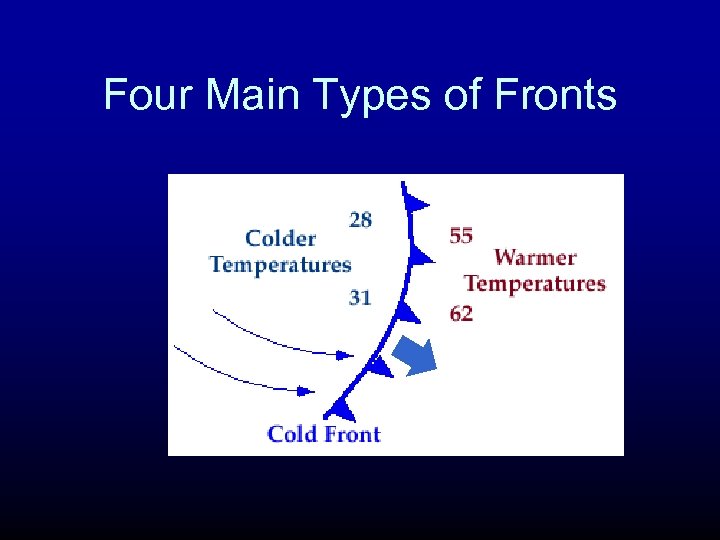 Four Main Types of Fronts
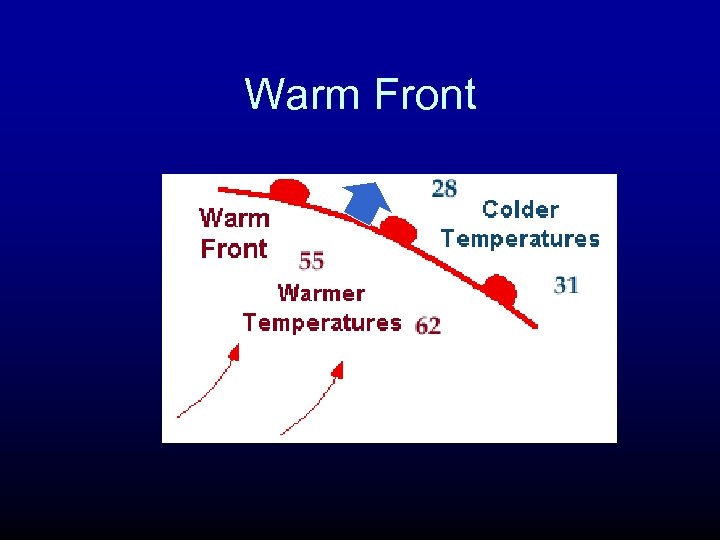 Warm Front
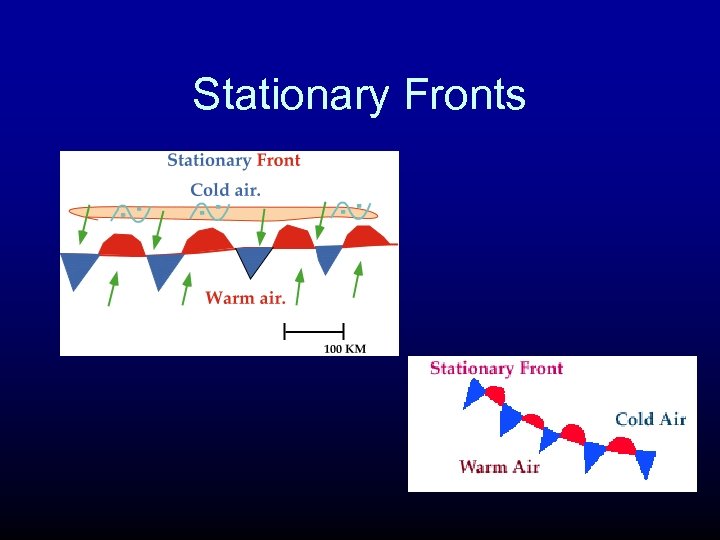 Stationary Fronts
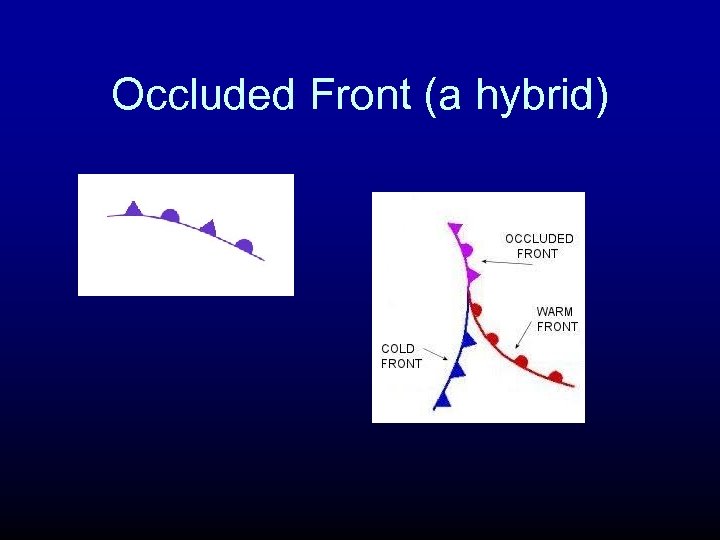 Occluded Front (a hybrid)