Скачать презентацию Why Mainly — JIT compilation — dynamic optimization
e003938b1fe0e735fca9c798324d491f.ppt
- Количество слайдов: 63










 Why? Mainly: - JIT compilation - dynamic optimization









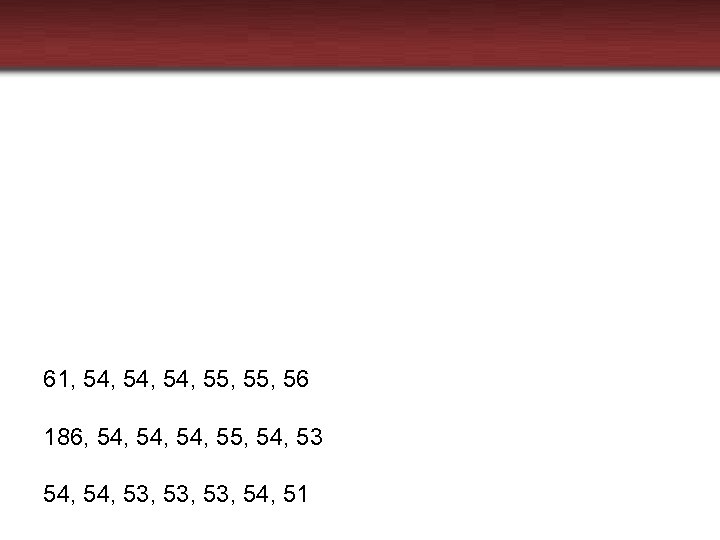 61, 54, 54, 55, 56 186, 54, 54, 55, 54, 53, 53, 54, 51
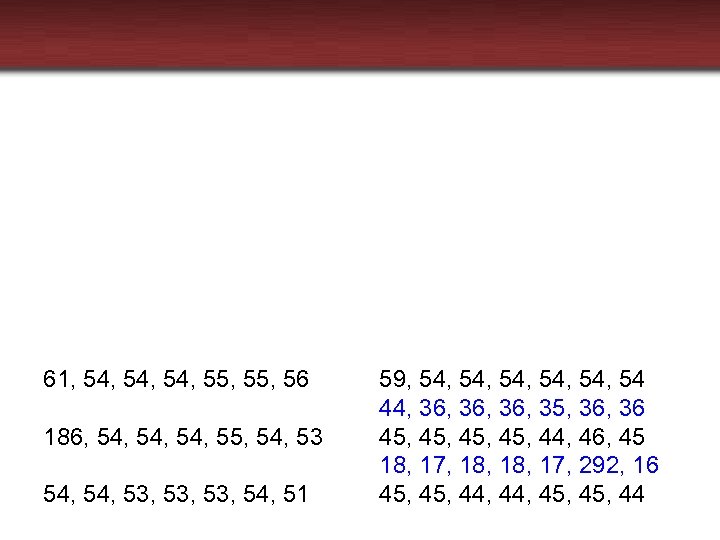 61, 54, 54, 55, 56 186, 54, 54, 55, 54, 53, 53, 54, 51 59, 54, 54, 54 44, 36, 36, 35, 36 45, 45, 44, 46, 45 18, 17, 292, 16 45, 44, 45, 44
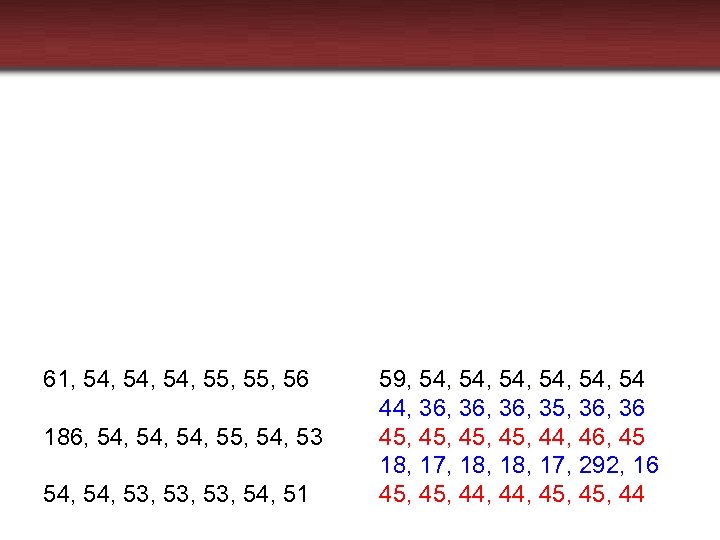 61, 54, 54, 55, 56 186, 54, 54, 55, 54, 53, 53, 54, 51 59, 54, 54, 54 44, 36, 36, 35, 36 45, 45, 44, 46, 45 18, 17, 292, 16 45, 44, 45, 44














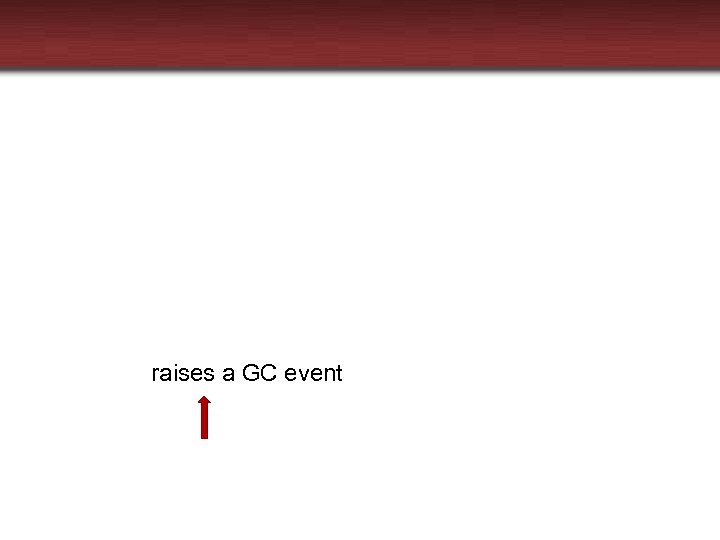 raises a GC event


 (allocation intensive)
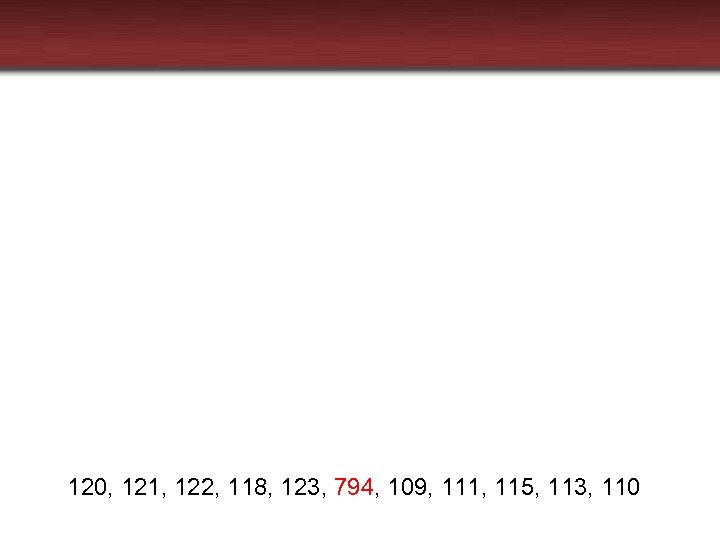 120, 121, 122, 118, 123, 794, 109, 111, 115, 113, 110
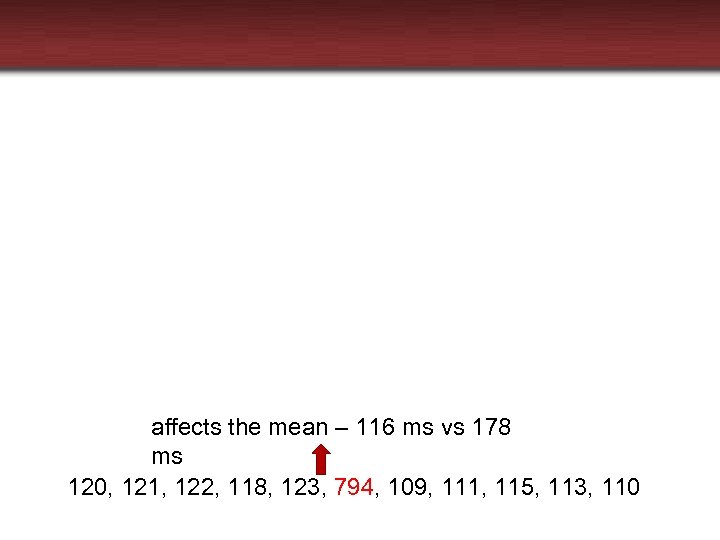 affects the mean – 116 ms vs 178 ms 120, 121, 122, 118, 123, 794, 109, 111, 115, 113, 110
 120, 121, 122, 118, 123, 794, 109, 111, 115, 113, 110
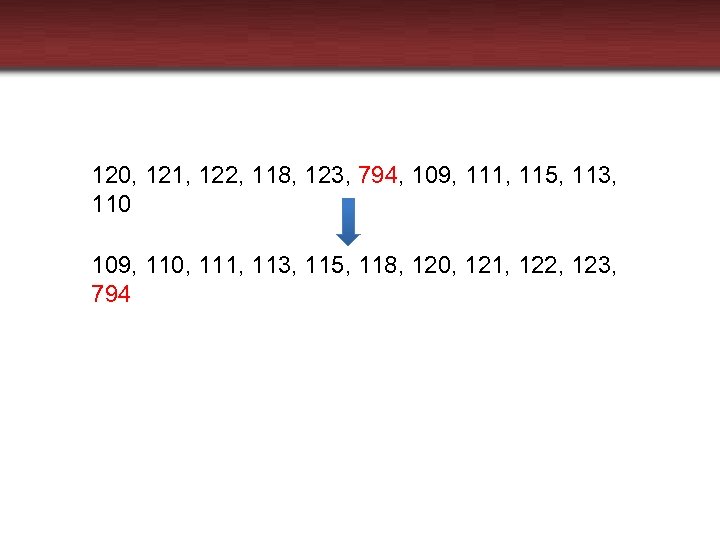 120, 121, 122, 118, 123, 794, 109, 111, 115, 113, 110 109, 110, 111, 113, 115, 118, 120, 121, 122, 123, 794
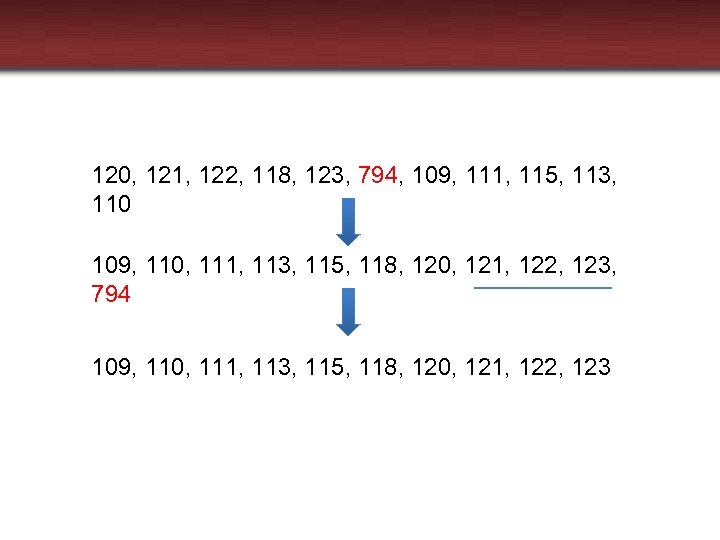 120, 121, 122, 118, 123, 794, 109, 111, 115, 113, 110 109, 110, 111, 113, 115, 118, 120, 121, 122, 123, 794 109, 110, 111, 113, 115, 118, 120, 121, 122, 123
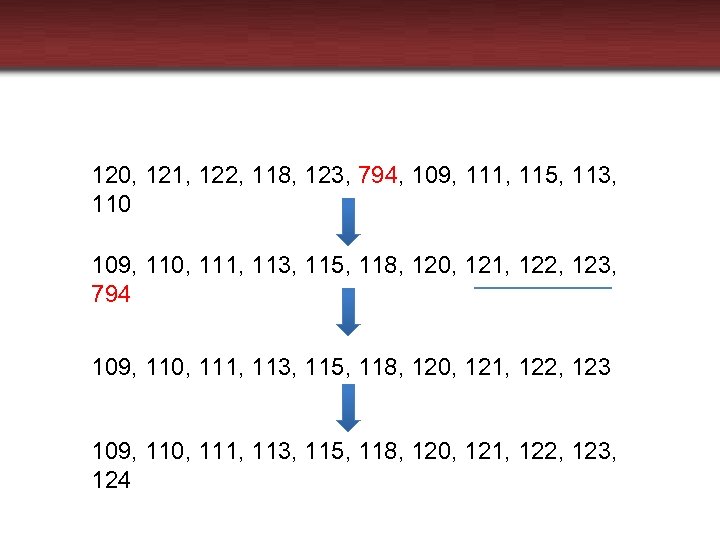 120, 121, 122, 118, 123, 794, 109, 111, 115, 113, 110 109, 110, 111, 113, 115, 118, 120, 121, 122, 123, 794 109, 110, 111, 113, 115, 118, 120, 121, 122, 123, 124

 Does all this analysis automatically, highly configurable. Plus, it detects performance regressions. And generates reports.
 A range of predefined benchmark types
 Generators provide input data for tests
 Generators can be composed a la Scala. Check
 Concise syntax to specify and group tests


![[info] Test group: foreach [info] - foreach. Test-0 measurements: [info] - at size ->](https://present5.com/presentation/e003938b1fe0e735fca9c798324d491f/image-58.jpg "[info] Test group: foreach [info] - foreach. Test-0 measurements: [info] - at size ->") [info] Test group: foreach [info] - foreach. Test-0 measurements: [info] - at size -> 2000000, 1 alternatives: passed [info] (ci = <7. 28, 8. 22>, significance = 1. 0 E-10)
[info] Test group: foreach [info] - foreach. Test-0 measurements: [info] - at size -> 2000000, 1 alternatives: passed [info] (ci = <7. 28, 8. 22>, significance = 1. 0 E-10)

![[info] Test group: foreach [info] - foreach. Test-0 measurements: [info] - at size ->](https://present5.com/presentation/e003938b1fe0e735fca9c798324d491f/image-60.jpg "[info] Test group: foreach [info] - foreach. Test-0 measurements: [info] - at size ->") [info] Test group: foreach [info] - foreach. Test-0 measurements: [info] - at size -> 2000000, 2 alternatives: failed [info] (ci = <14. 57, 15. 38>, significance = 1. 0 E-10) [error] Failed confidence interval test: <-7. 85, -6. 60> [error] Previous (mean = 7. 75, stdev = 0. 44, ci = <7. 28, 8. 22>) [error] Latest (mean = 14. 97, stdev = 0. 38, ci = <14. 57, 15. 38>)
[info] Test group: foreach [info] - foreach. Test-0 measurements: [info] - at size -> 2000000, 2 alternatives: failed [info] (ci = <14. 57, 15. 38>, significance = 1. 0 E-10) [error] Failed confidence interval test: <-7. 85, -6. 60> [error] Previous (mean = 7. 75, stdev = 0. 44, ci = <7. 28, 8. 22>) [error] Latest (mean = 14. 97, stdev = 0. 38, ci = <14. 57, 15. 38>)