 • Who is your favorite singer or group? • Which do you prefer, songs in English or songs in your own language? • Where do you listen to them?
 • Who is the most famous musician from your country? • What are some special or traditional musical instruments in your country?
 • What are your favorite music TV shows or podcasts, if any? • What was the last CD you bought? • What was the last concert you went to?
 • Do you mind singing in front of people? What are your favorite things to sing? Why? • Do you play any instruments or would like to learn to play?
 • What musicians did you like when you were in junior high school? How about high school? • How have your musical tastes changed?
 • Why do you think music is important and how does it affect different people? • Do you think music can heal sick people? • Do you think that music can help make world peace? How?
 • Do you think the use of drugs by some musicians increases their artistic creativity? • If you could invent a new instrument, what would it sound like?
 • What’s more important in a song – lyrics, style or melody?
 • When was the last time you went dancing? • When was the last time you went to a concert?
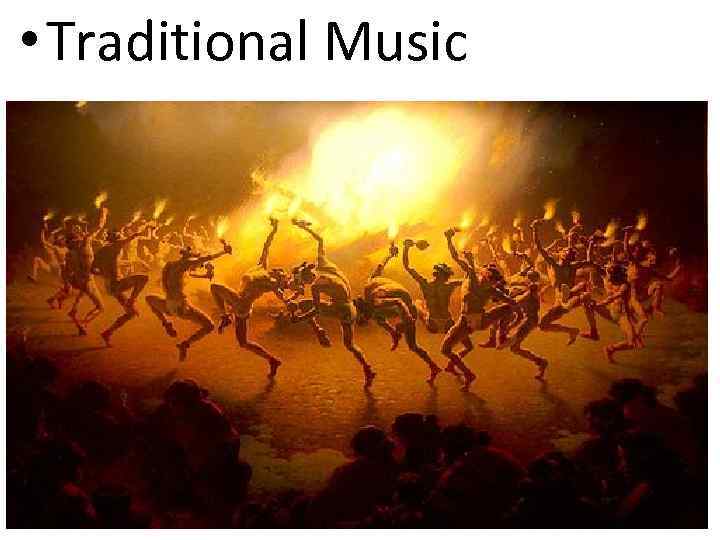 • Traditional Music
 • When and why has traditional music appeared? • What were first songs and instruments? • How were first songs kept for future generations?
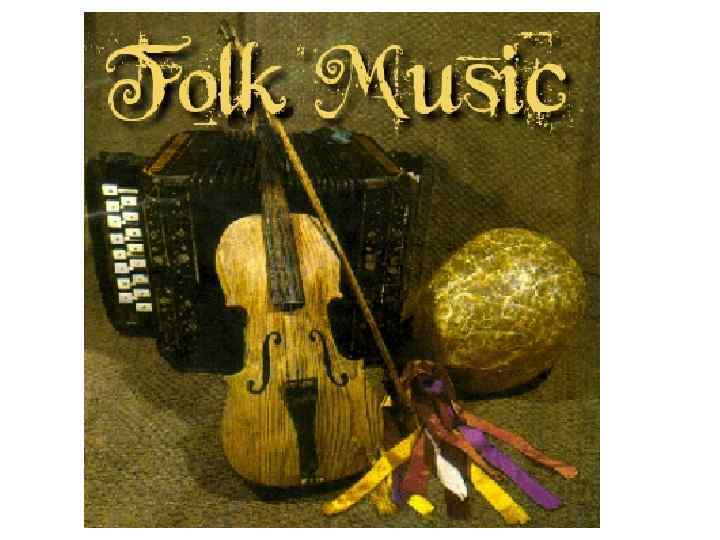
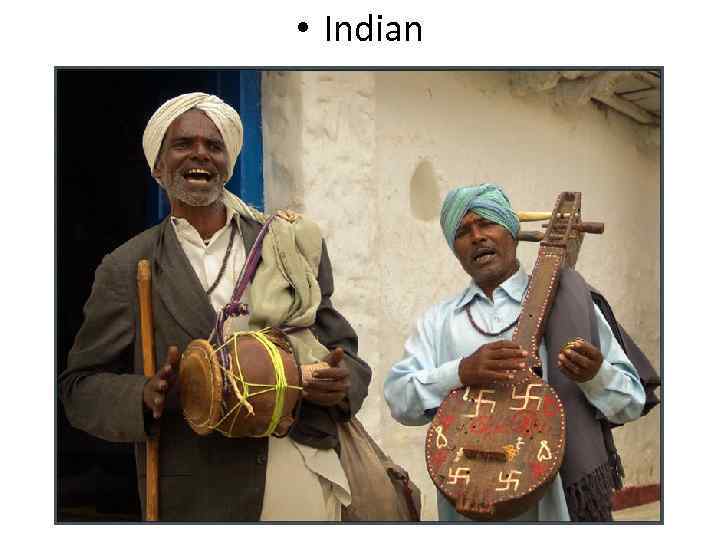 • Indian
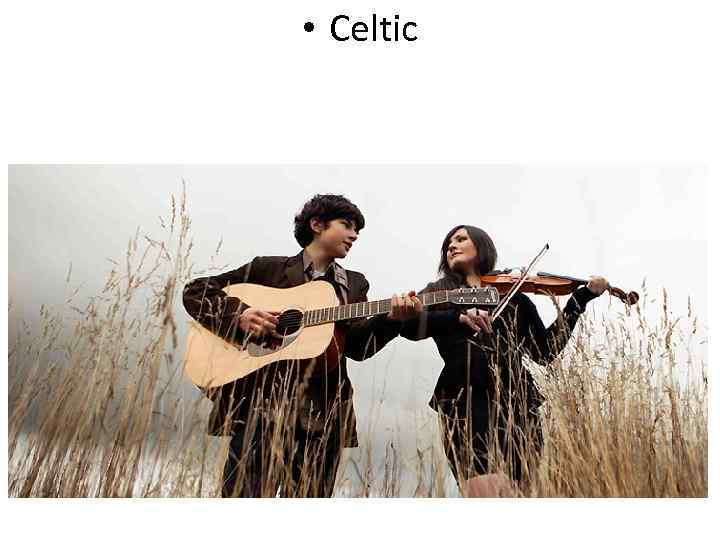 • Celtic
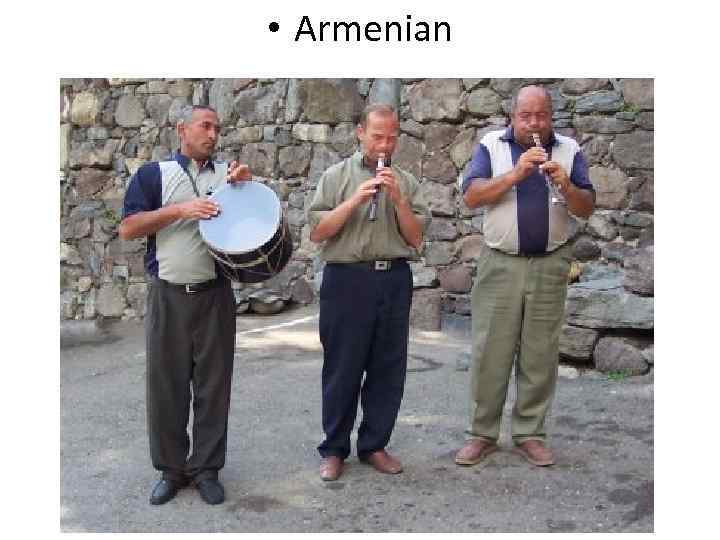 • Armenian
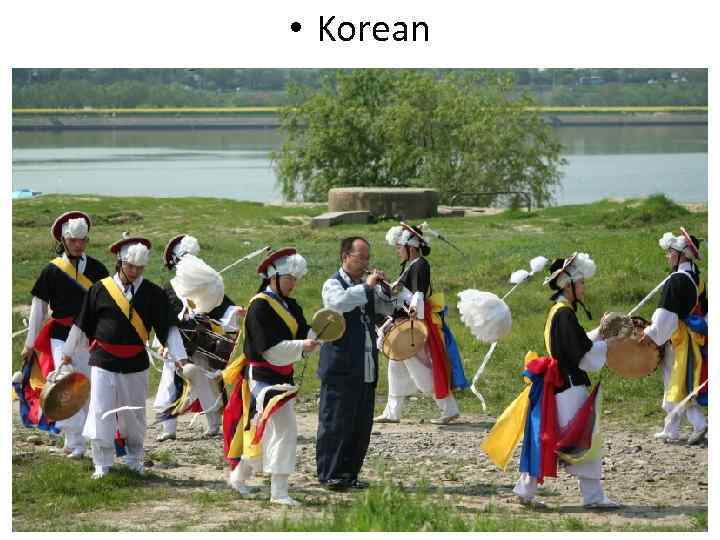 • Korean
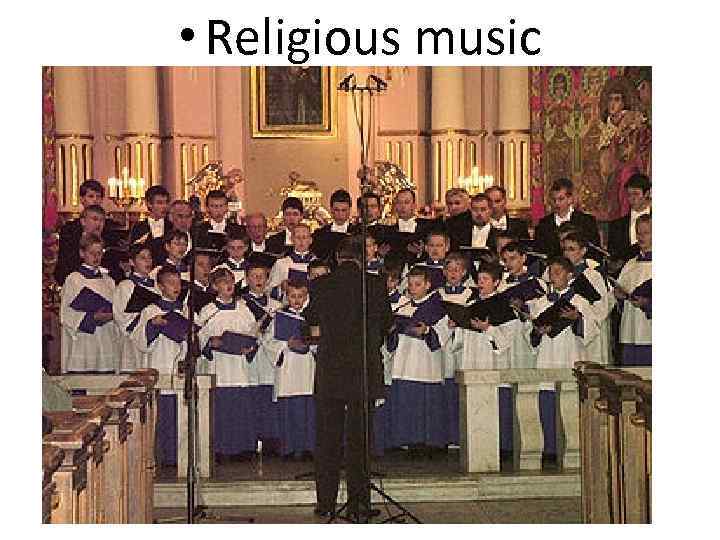 • Religious music
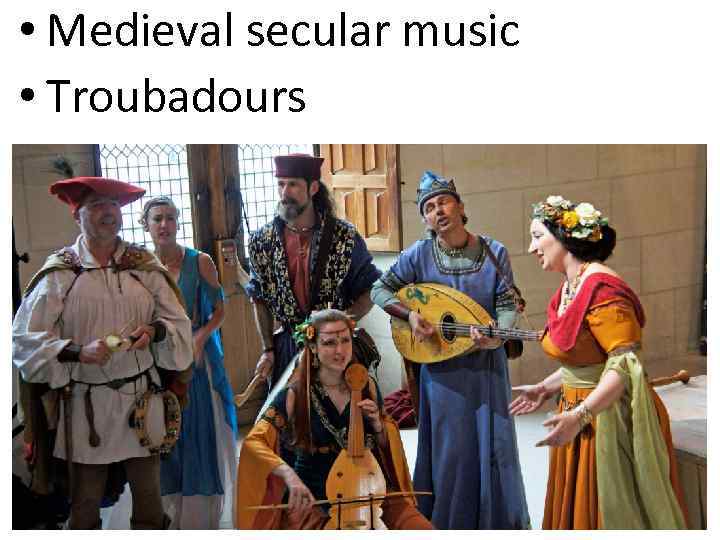 • Medieval secular music • Troubadours
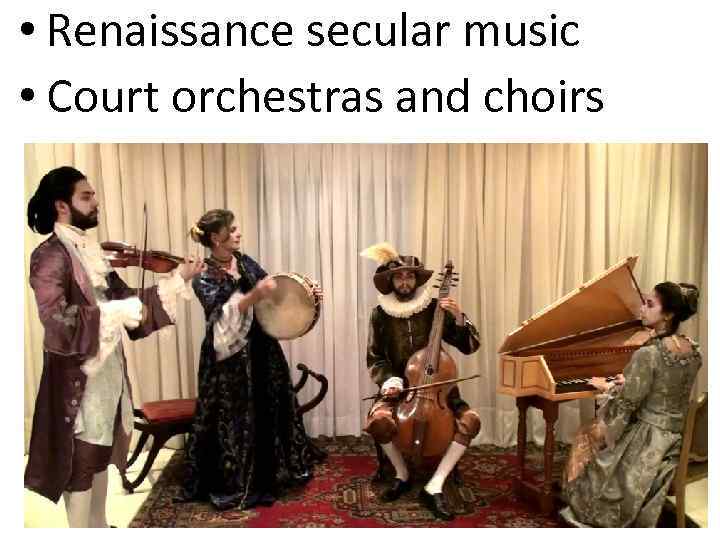 • Renaissance secular music • Court orchestras and choirs
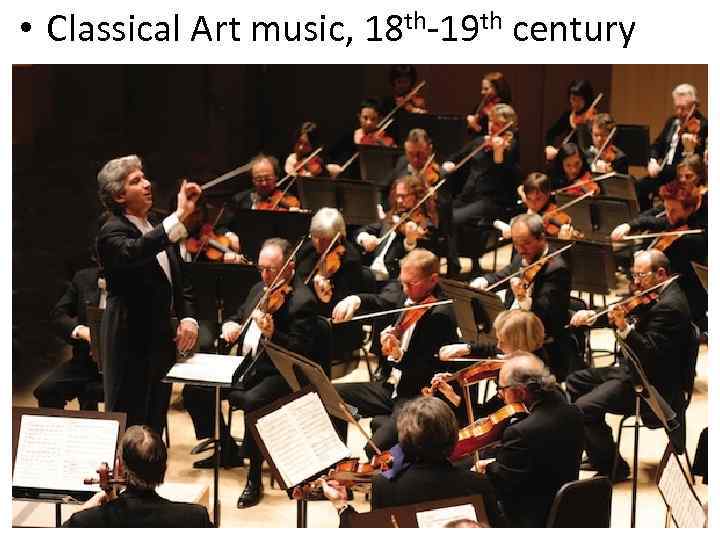 • Classical Art music, 18 th-19 th century
 th 19 • Started up in Southern USA century in • Was influenced by religious African music traditions – spirituals.
 • Originated from African American communities of New Orleans in the United States during the late 19 th century. • Improvisation is a huge part of Jazz composition because it is based on work hollers with their quick call-and-response style
 • Appeared in Southern United States in the 1920 s • Music has 6 generations (now being 6 th) • Country rock, Truck driving country, Neocountry, Cowpunk are all styles of country music • Country is mainly played in USA, Canada, Australia and UK
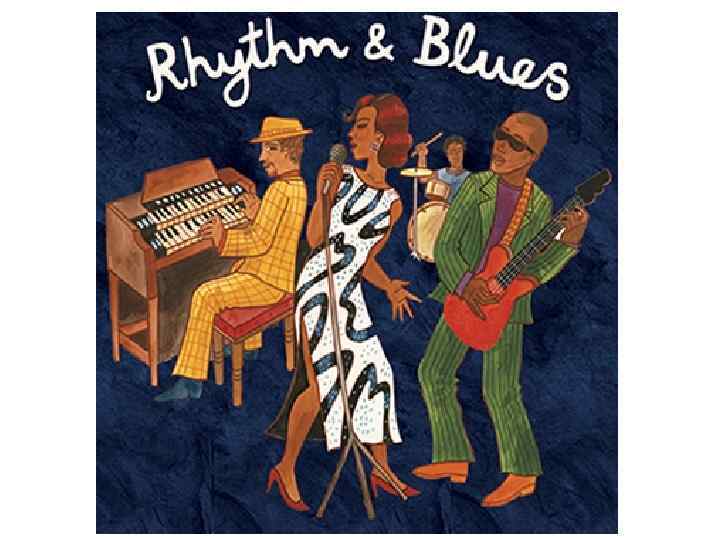
 • R&B originated in the 1940 s • Record companies used the term to describe recordings marketed mostly to urban African Americans • In 1950 s this style has greatly contributed to the development of rock and roll
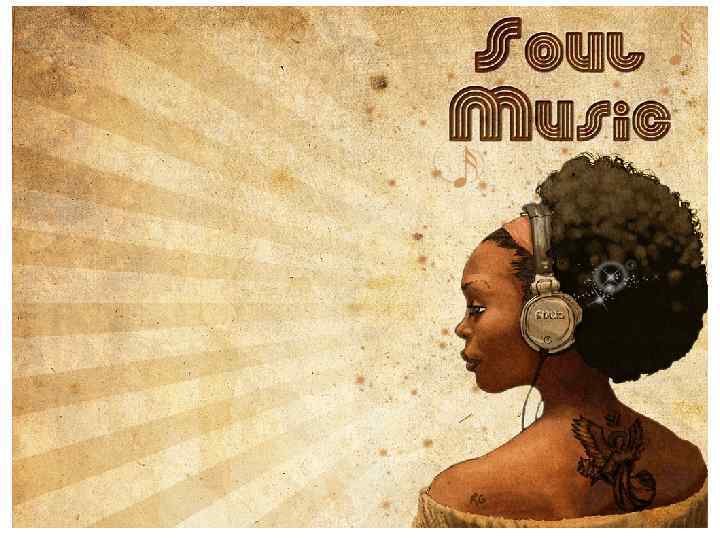
 • Soul originated in the United States in the late 1950 s and early 1960 s among black communities • It is described as transmutation of gospel and R&B
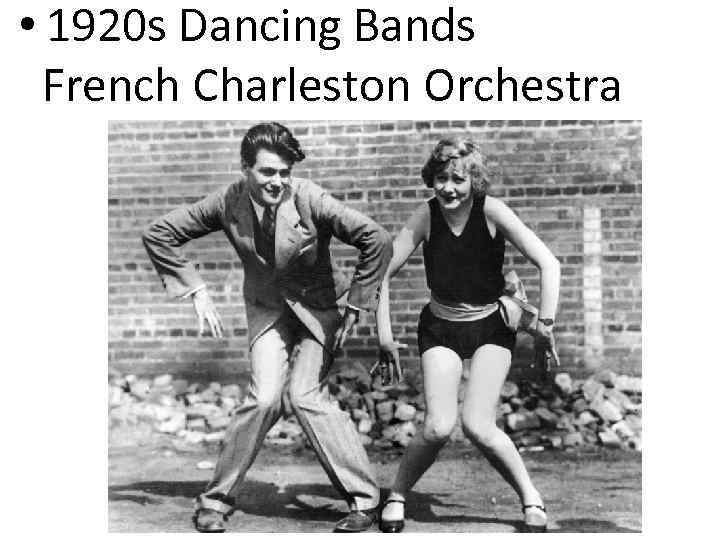 • 1920 s Dancing Bands French Charleston Orchestra
 • Prohibition of alcohol began in 1920, this lead to an underground market for much sought after drinks and the creation of places like speakeasies. • Speakeasies started out small, but as the Roaring Twenties came into its prime, speakeasies followed and expanded into clubs that featured musicians and dancers.
 • Speakeasies weren't the only places that offered a party during the Jazz Age, there were private clubs, dance clubs, jazz clubs, and roadhouses. All were places where people could gather, listen to new music, and try out the latest dance crazes together. • Dancing was a large part of popular culture and music during this decade and there were a number of iconic dances to emerge from these scenes. Dancing represented the carefree and excessive leisurely lifestyles that many had and tried to emulate during one of the first huge boom periods of American History.
 • Nearly every town in the country had some form of dance band a place to gather, making dance music some of the most widely heard and accepted music to come out of the 1920 s. Dance music laid the foundation for what would become classic pop standards.
 • Most dance music resembled what we would call Big Band today, but at the time it was considered Jazz and it had elements of the formerly popular Ragtime music. • Late 20 s were much more influenced by Jazz music
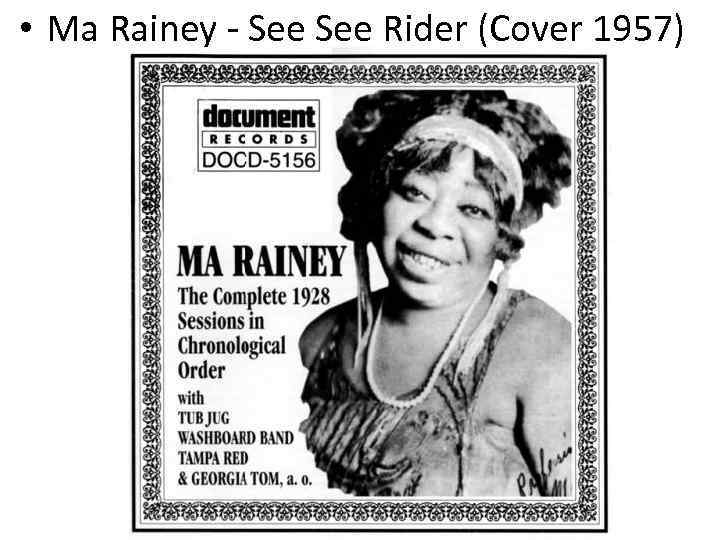 • Ma Rainey - See Rider (Cover 1957)
 • Ma Rainey was one of the first professional blues recording artists and was known for having a powerful voice. • Many of her songs openly referenced lesbianism.
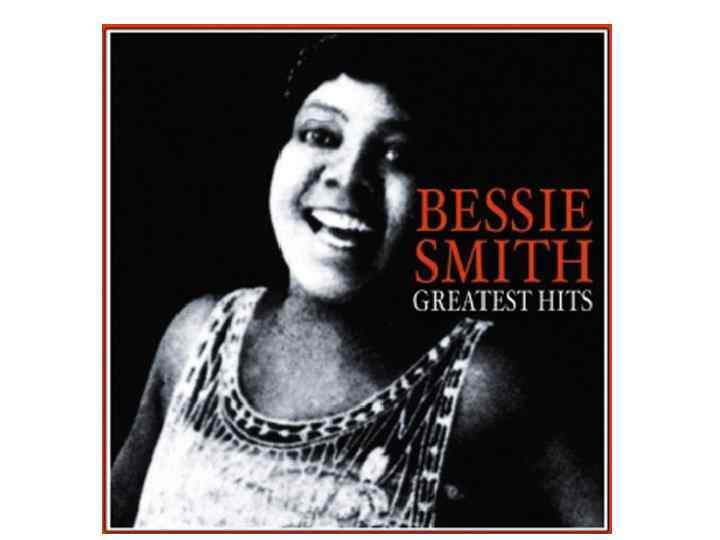
 • Bessie Smith, was considered the "Empress of Blues" in the 1920 s. • She was one of the highest paid African American performers of the decade
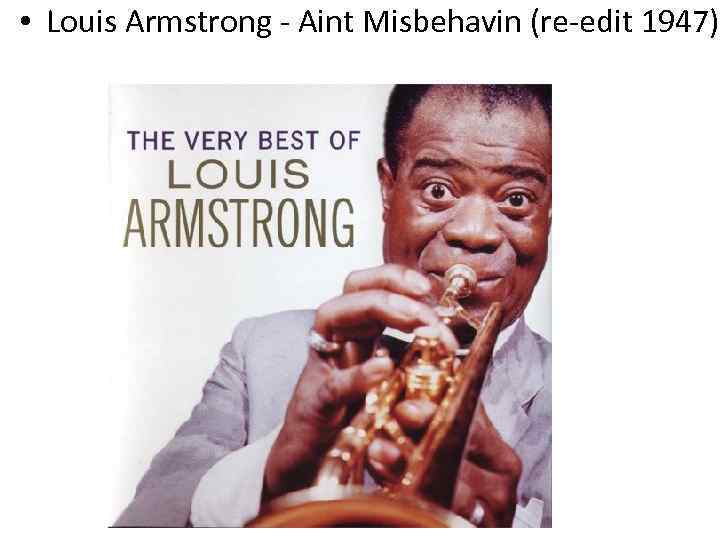 • Louis Armstrong - Aint Misbehavin (re-edit 1947)
 • Armstrong was a popular African American jazz musician who played the trumpet and cornet and was known for his distinct and gravelly singing voice. • Armstrong's talent helped him break down some of the racial barriers of the time as he played in several mixed race bands and was invited to play in white only clubs
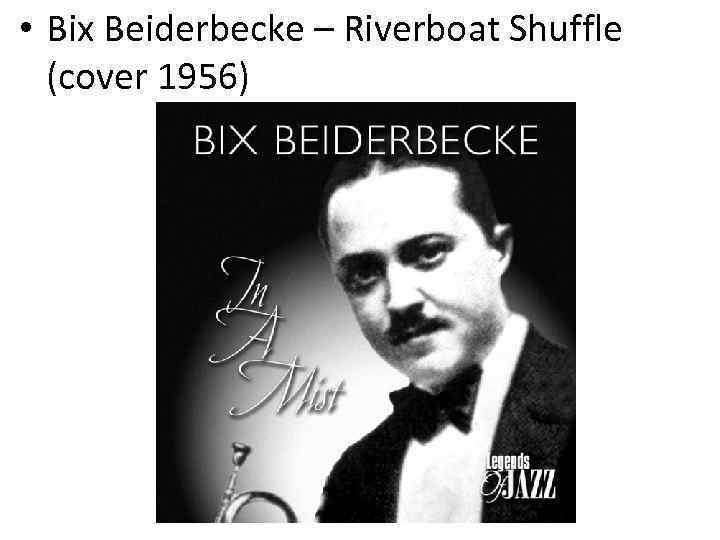 • Bix Beiderbecke – Riverboat Shuffle (cover 1956)
 • A third influential jazz musician of the decade was a white cornetist and pianist named Bix Beiderbecke. • Beiderbecke's style contrasted with Armstrong and he is thought to have had an equal influence on the early jazz scene like Armstrong.
 • Art Gillham–Tonight You Belong To Me
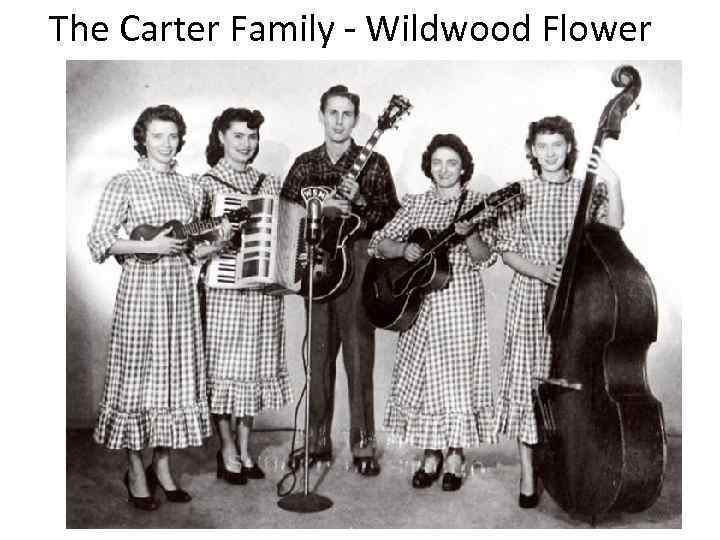 The Carter Family - Wildwood Flower
 • The Carter Family was a traditional American folk music group that recorded between 1927 and 1956. • There were three generations of Carters, and their generations are often used to define the changes of the Country style
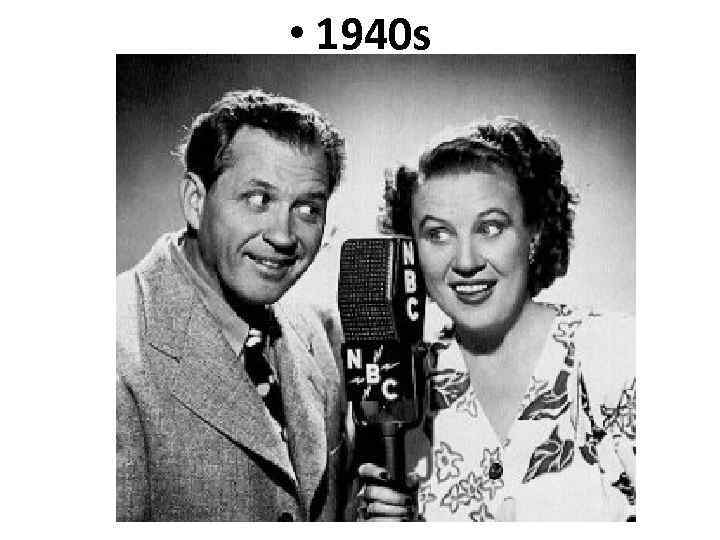 • 1940 s
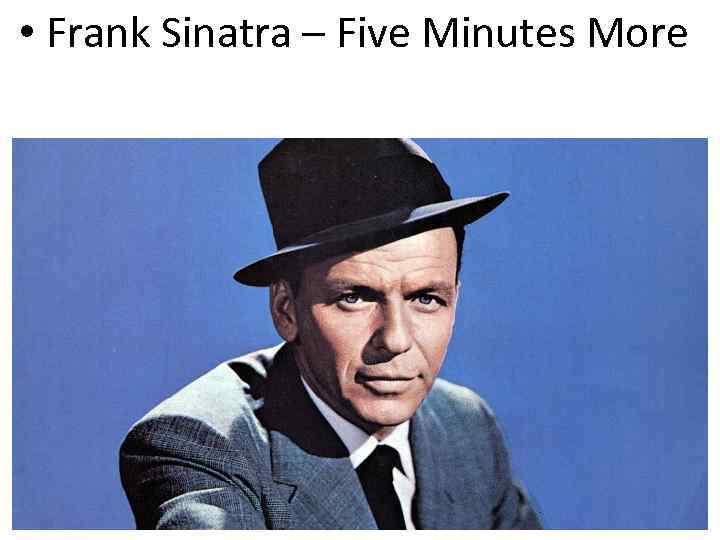 • Frank Sinatra – Five Minutes More
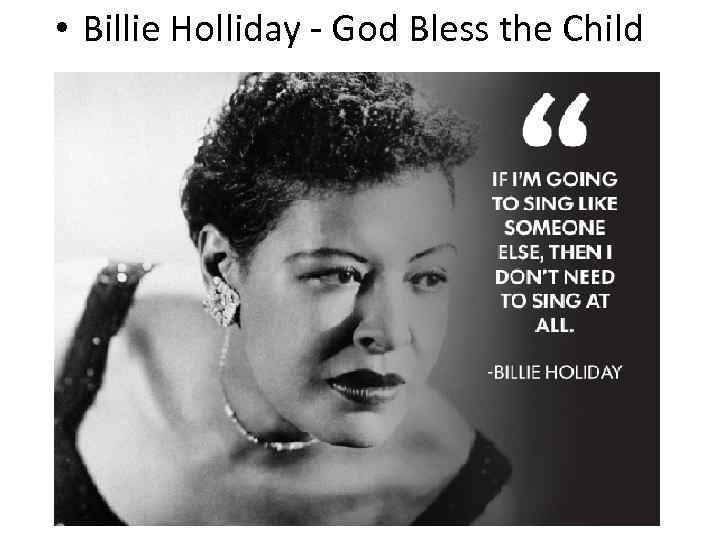 • Billie Holliday - God Bless the Child
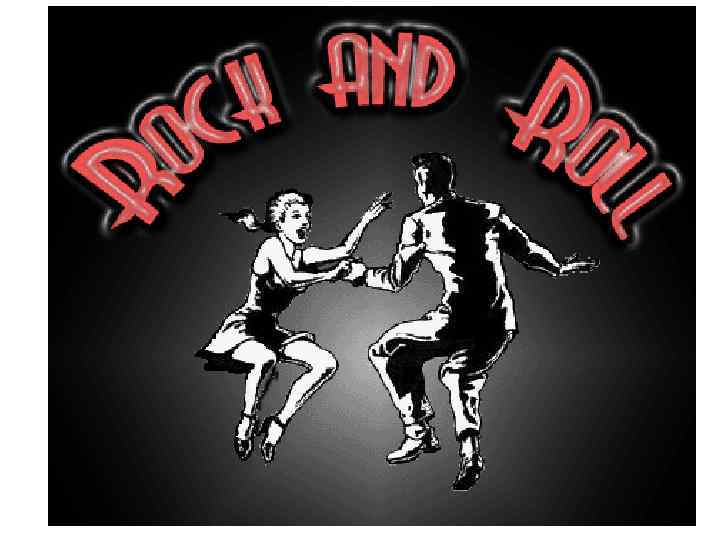
 • R&R is a style that originated and evolved in the United States during the late 1940 s and early 1950 s • “Rocking and rolling" originally described the movement of a ship on the ocean • R&R has the blues backbeat and its dancing style is hugely influenced by Twist
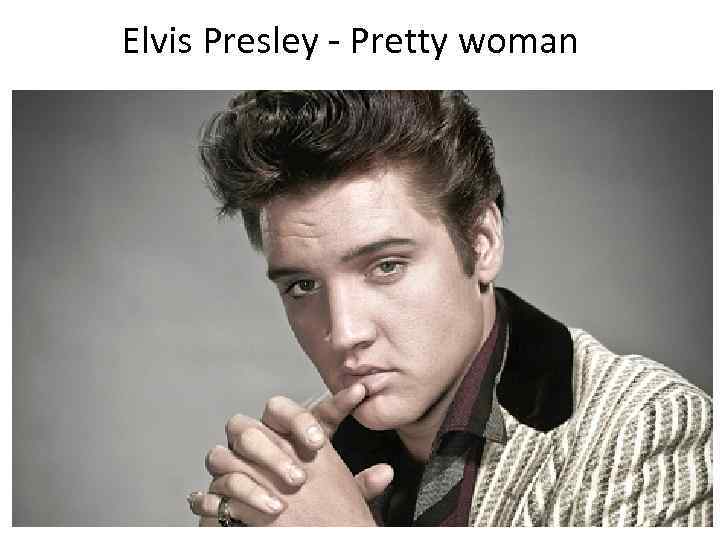 Elvis Presley - Pretty woman
 • Elvis Presley is thought to be the "King of Rock 'n' Roll" by many and rose to fame after beginning a professional relationship with Sam Phillips - a studio owner who wanted to market "black music" to white audiences.
 • Elvis was more successful in this endeavor than any other artist of the time and he epitomized the Rock 'n' Roll style and teenage rebellion of the 1950's.
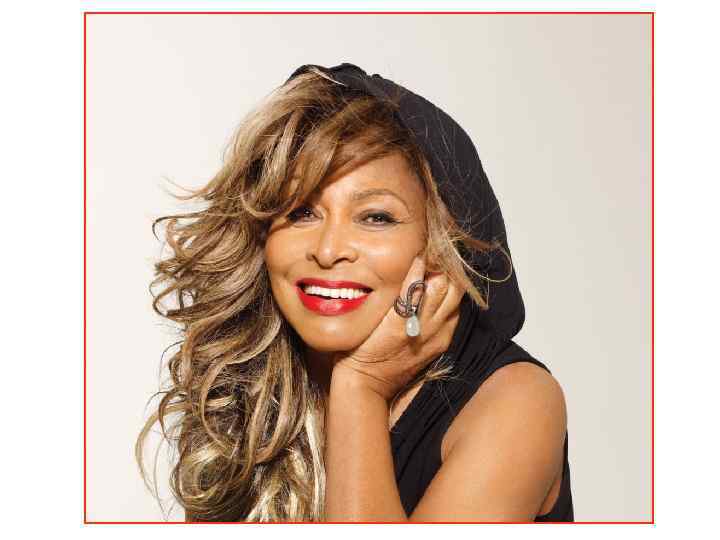
 • While Elvis is largely responsible for the popularization of rock music, it is important to remember the original African-American artists who created the genre and were pushed out of the rock scene like Little Richard, Chuck Berry, The Coasters, Chubby Checker, Fats Domino and the many others who were not afforded the opportunity to even record their music.
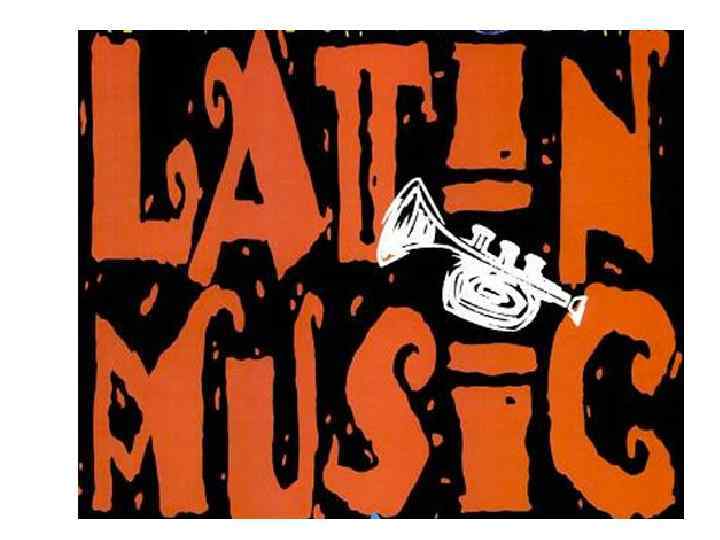
 • Latin Music first appeared on US market in early 40 s, representing the Spanish-speaking population of the States • It became popular only in 1980 s
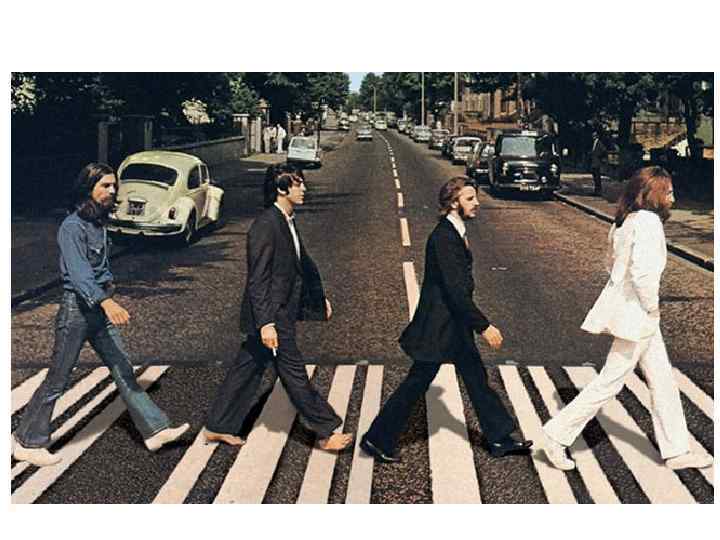
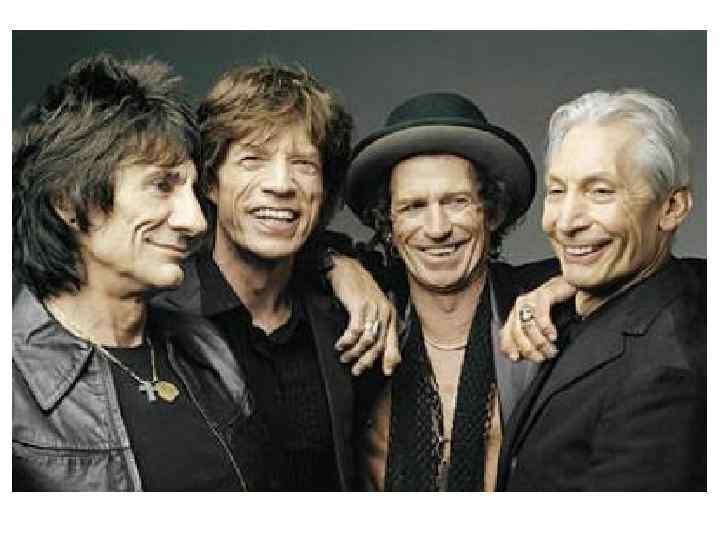
 • Originated in UK in 1950 s to describe Rock and Roll and youth music styles. • From about 1967, the term was increasingly used in opposition to the term rock music
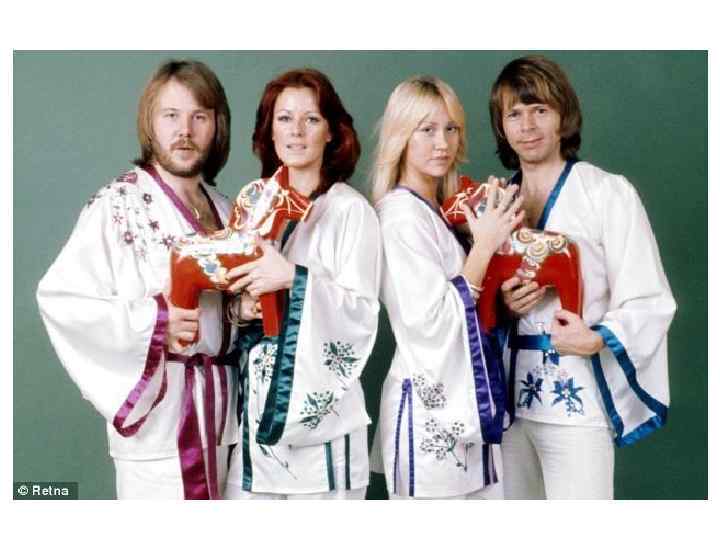
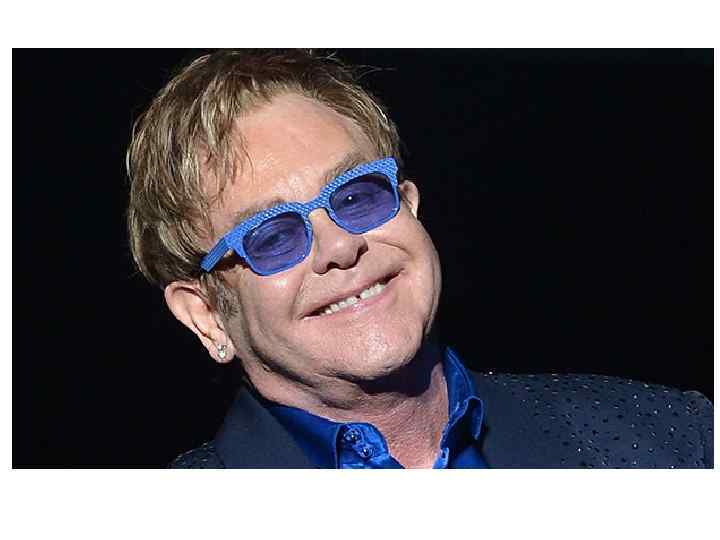
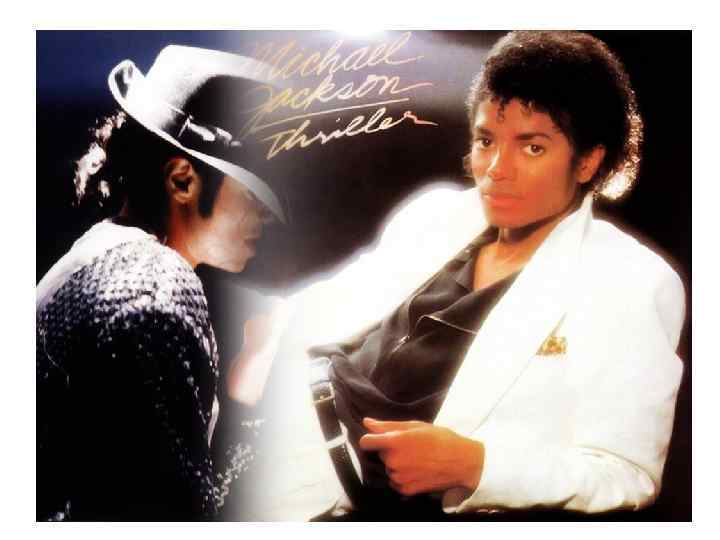
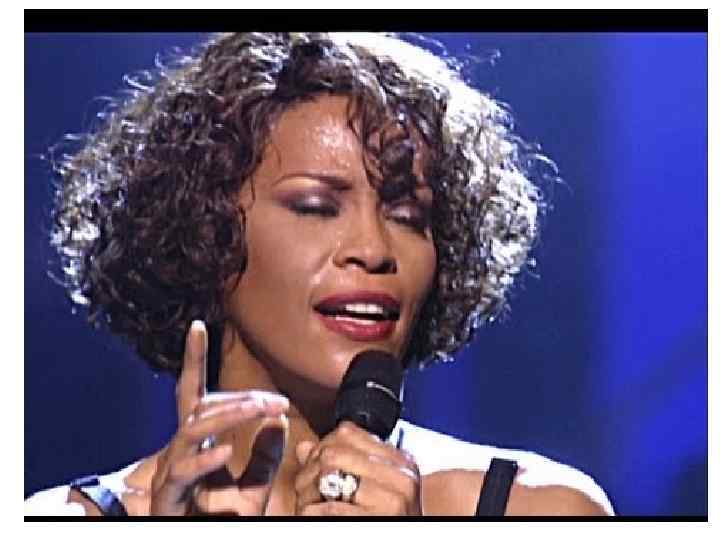
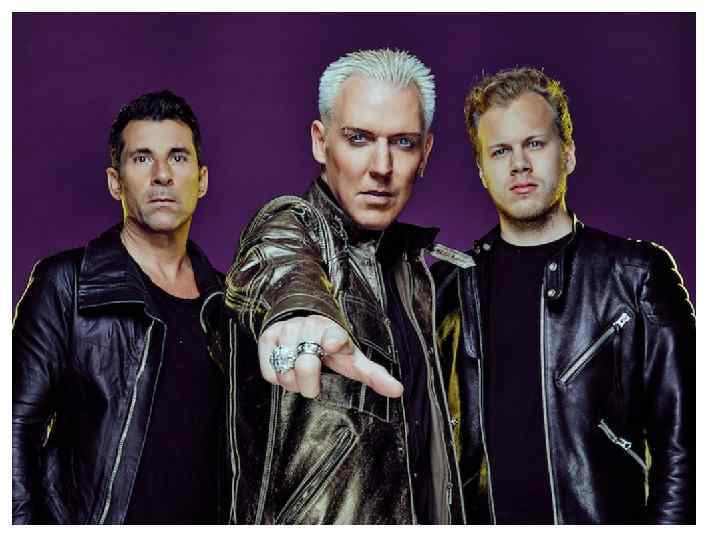
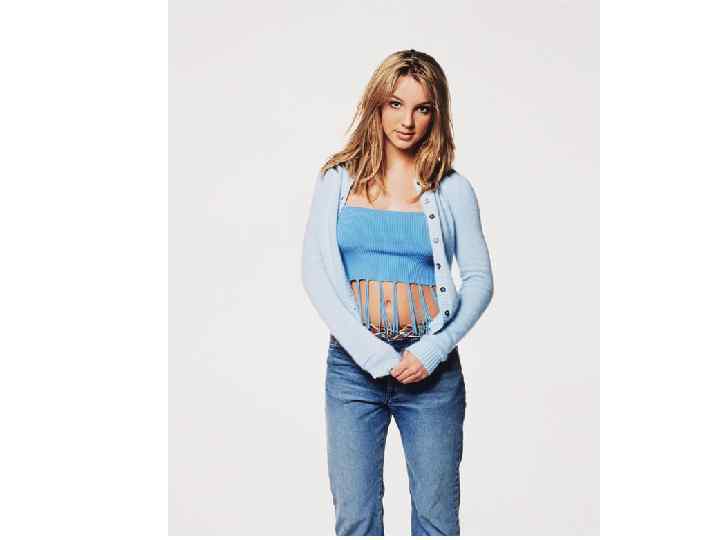
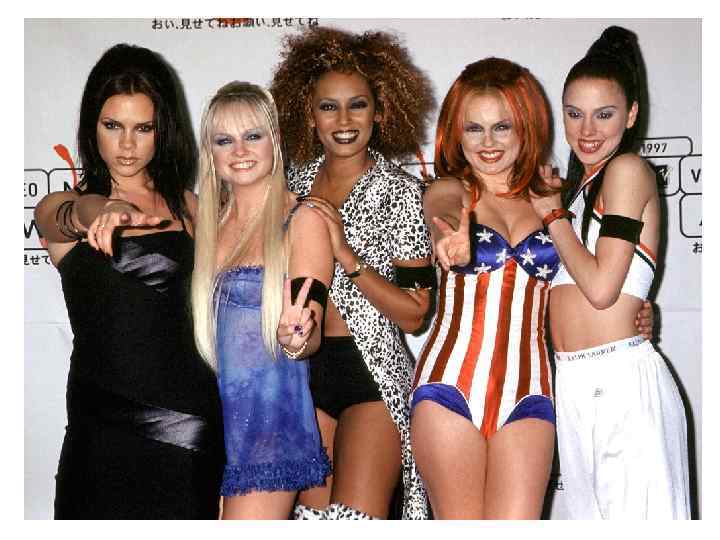
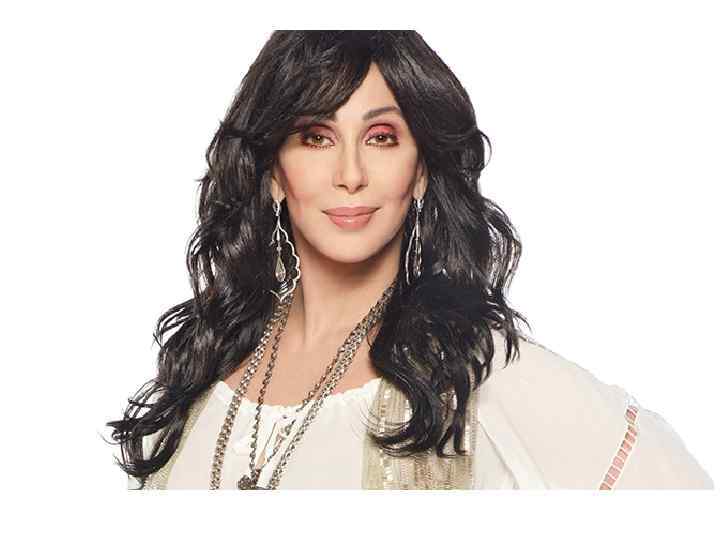
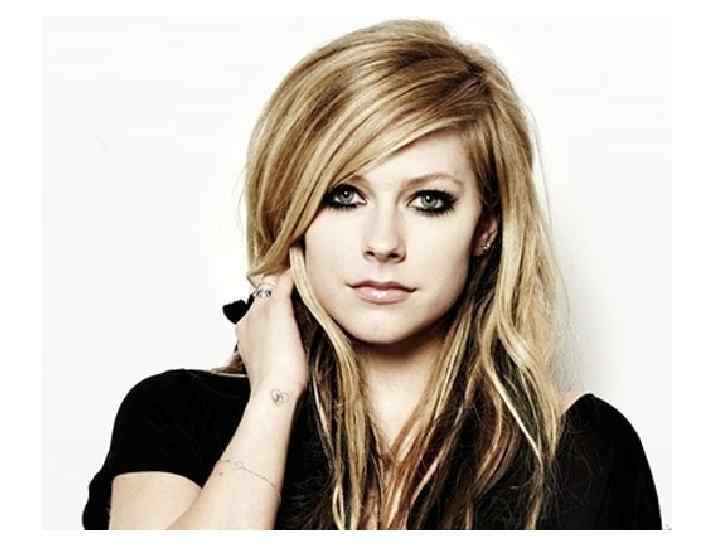

 • Became widely popular in mid 7080 s as a reaction top popularization of Rock culture • Inspired by Latin, Italian and African themes initially • Disco introduces DJs for seamless connection of tracks
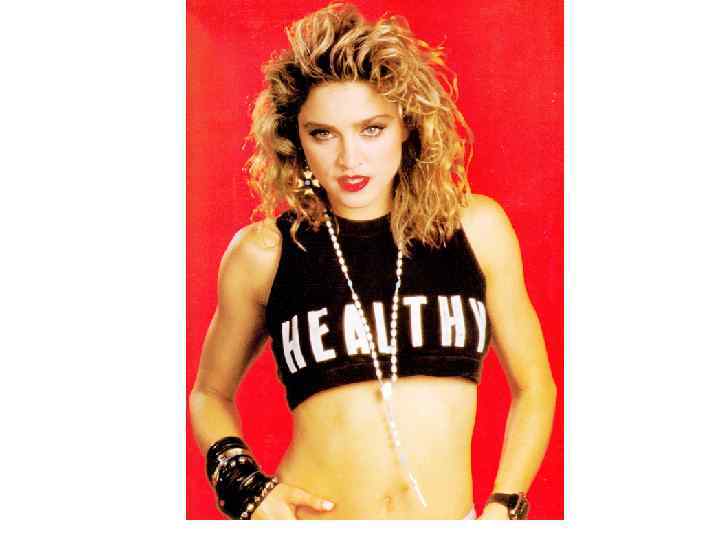
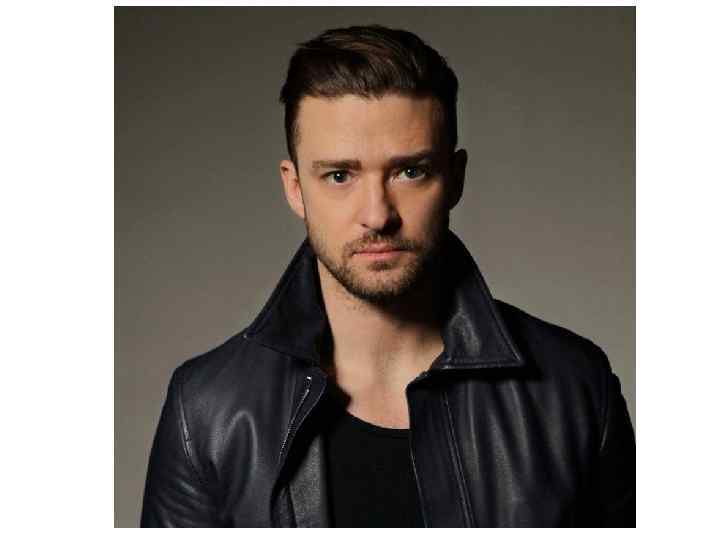

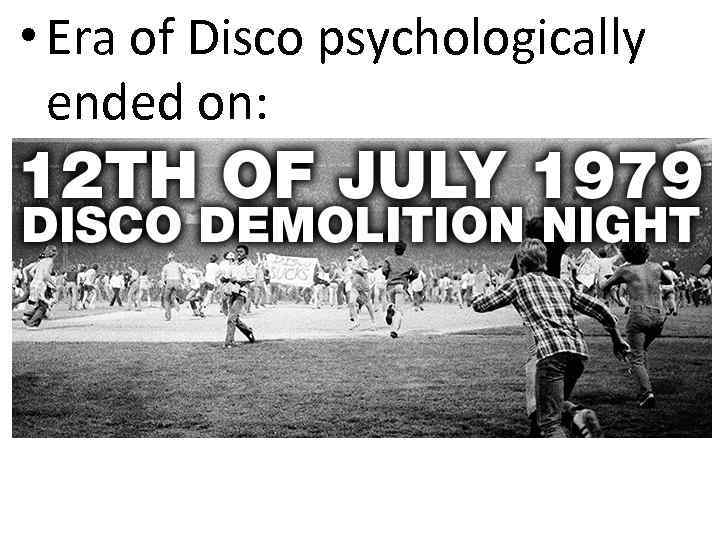 • Era of Disco psychologically ended on:
 • Funk originated in mid 60’s among African American musicians, tapping with soul, jazz and R&B • Funk means something stinky, literally.
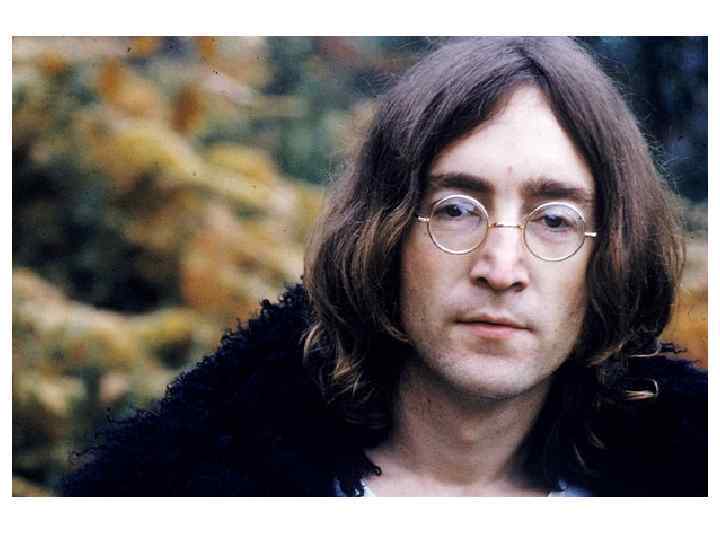
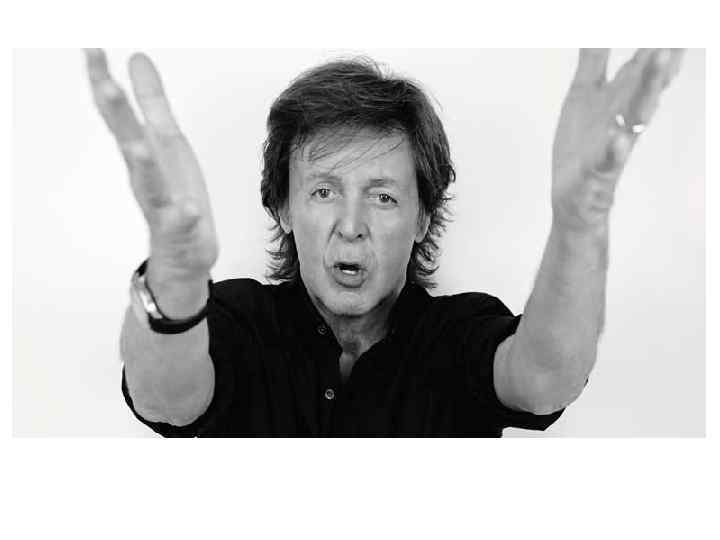
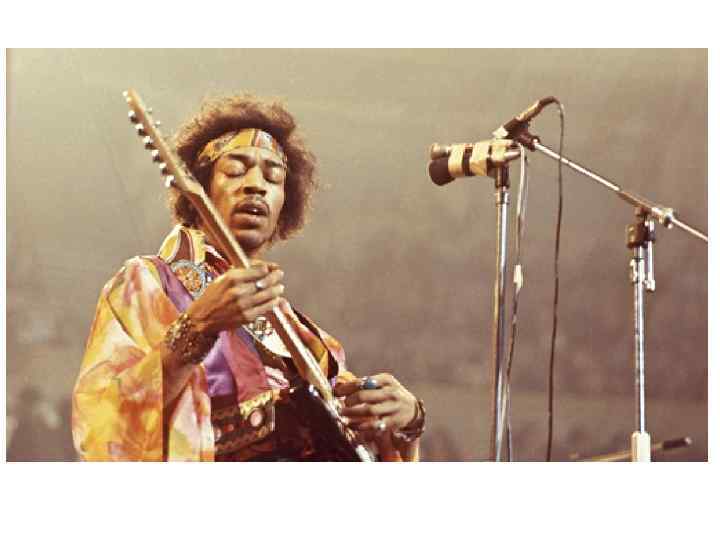
 • Taking its origin in R&R culture, Rock originated in early 60 s, first of all, because of the “British invasion” of new alternative groups on the song market • Rock as a music style was greatly influenced by a long period of Garage Rock of 1960 s
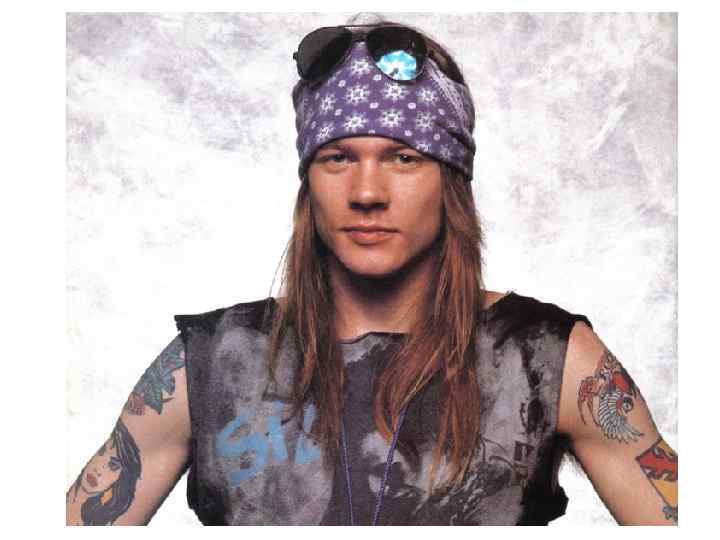
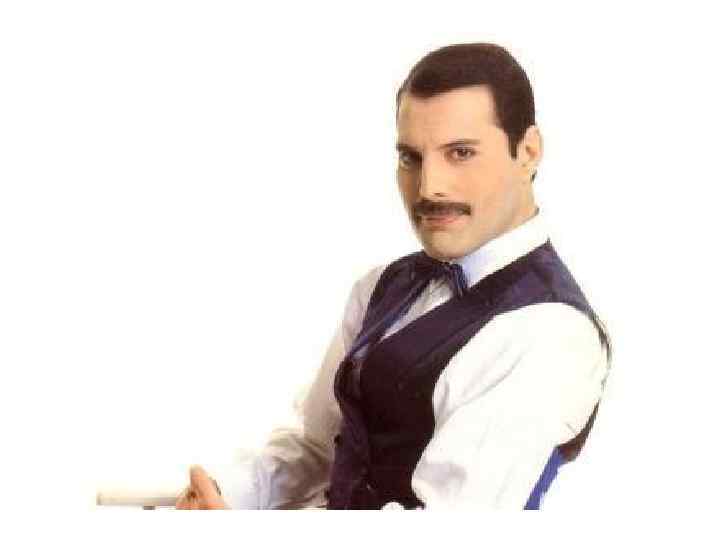
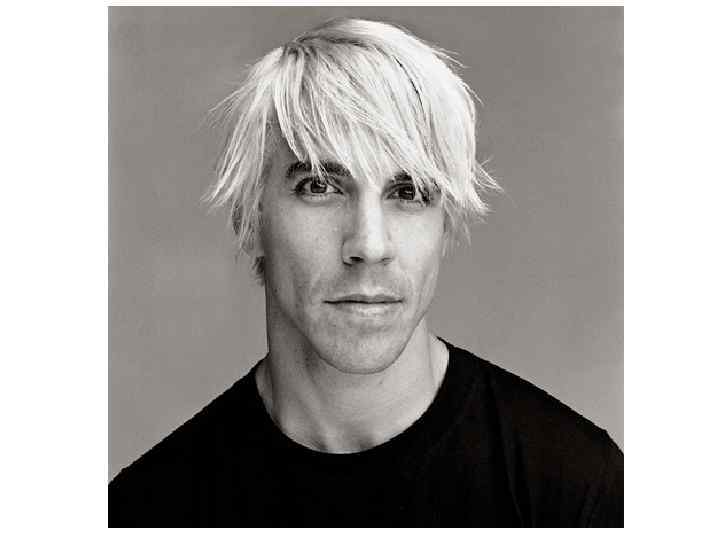
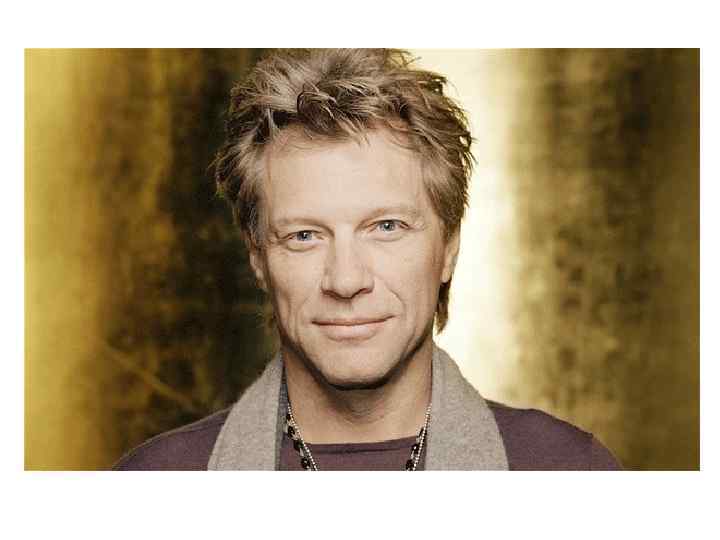
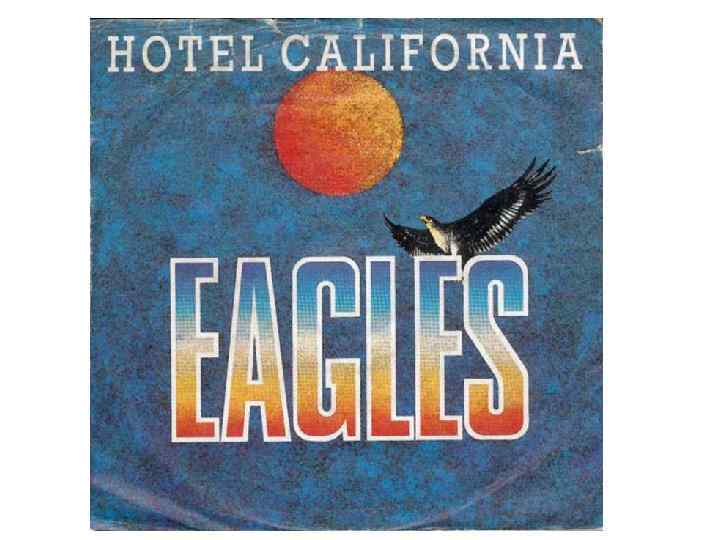
 • Also called Country Rock • Incorporates a lot of original, national motives and music into rock-style performance
 • Formed during mid-60 s crisis from Art Rock, Prog. Rock has introduced a lot of new features to the scene, such as: • -Alternative to popular music • -Fantasy and sci-fi topics • -Orchestra and symphonic play
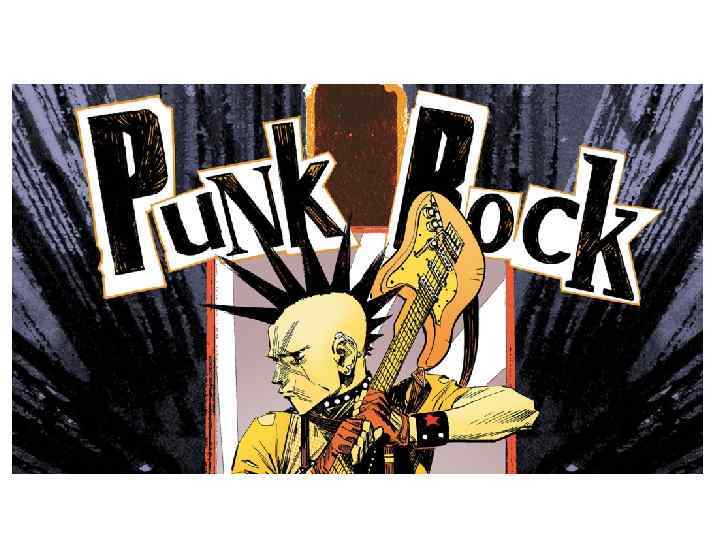
 • Appeared in 1970 as a reaction to rock scene being over-flooded with mainstream. • Appreciates any violation of basic stage rules • Gave birth to core, grindcore and alternative rock movements
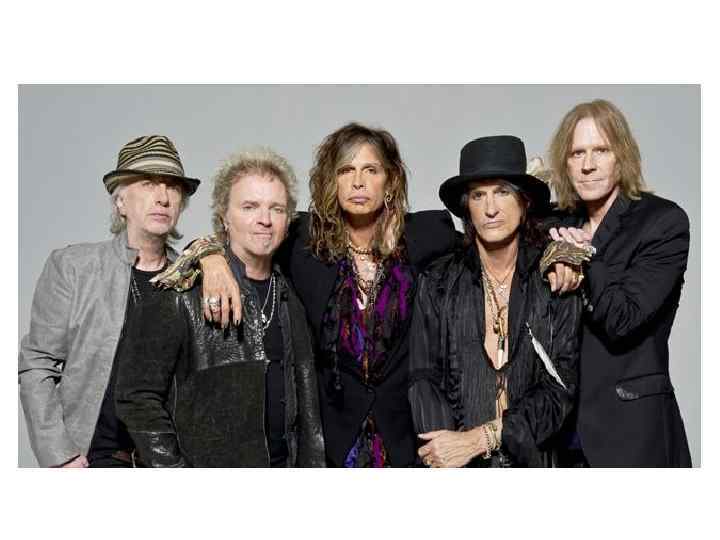
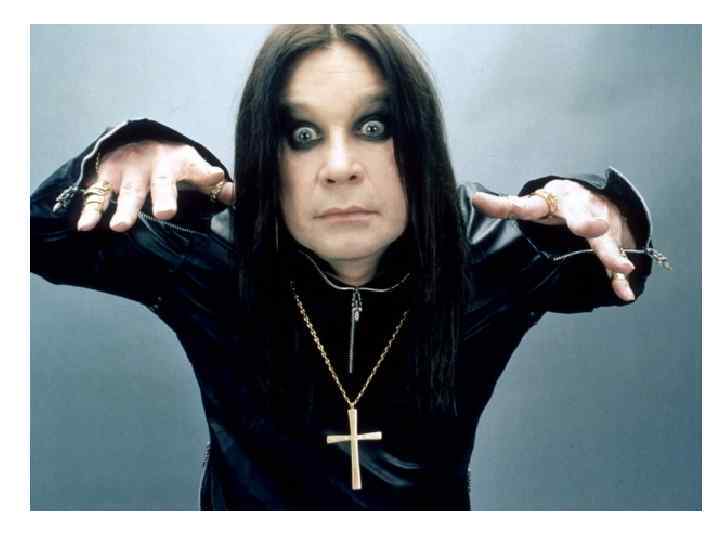
 • Appeared in mid-60 s as an aggressive version of Hard Rock • Broke into Glam, Thrash in 1980 s • Groove and Nu-metal in 1990 s • Also Power, Black, Doom, Industrial etc
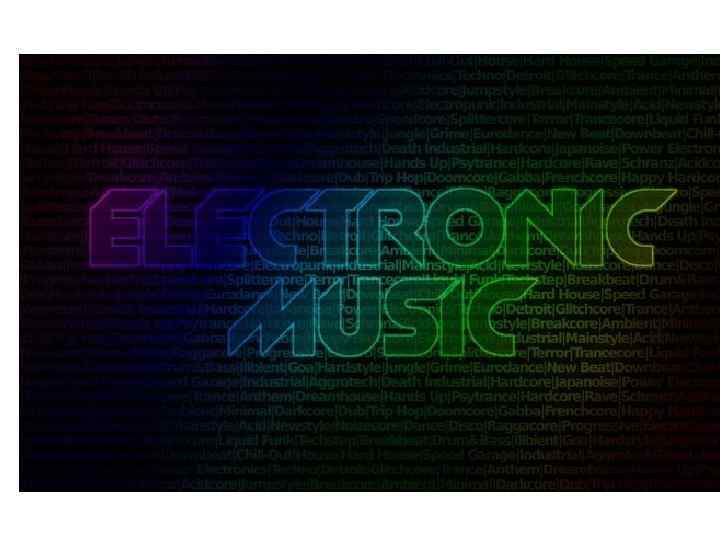
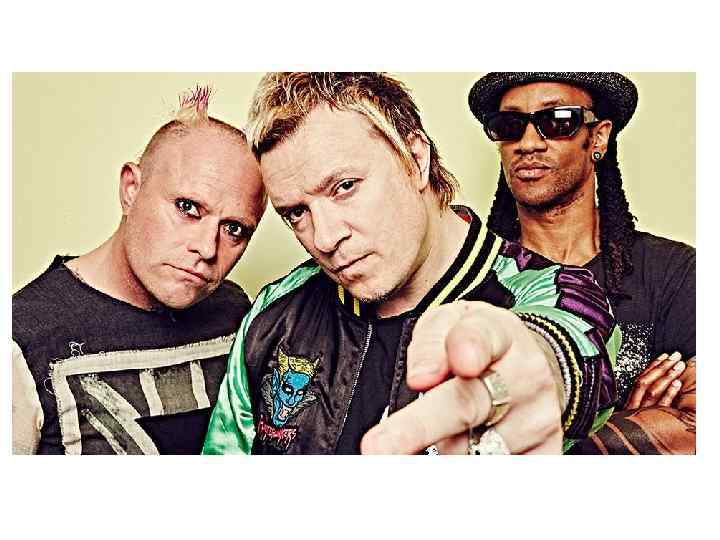
 • Coming up since 1970 s, electronic music became more affordable and popular with the year, hitting its peak in 1990 s • Synthpop, House, Ambient, Acid, Drum&Bass, Dubstep, Jungle, Funk, Techno are all styles of Electro
 • formed in the United States in the 1970 s because of the “block parties”, who invited over DJs to play popular music • Includes particular beat, rap-style vocals and specific dancing cultures such as break dancing