 Скачать презентацию Who is this guide for Organic business Smallholder
7f8fa04d02c8f29f0cf5239d2b5bad20.ppt
- Количество слайдов: 21



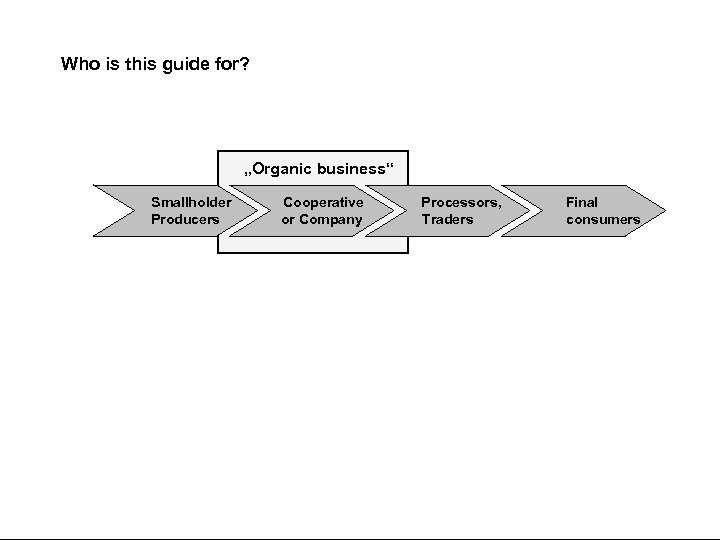
Who is this guide for? „Organic business“ Smallholder Producers Cooperative or Company Processors, Traders Final consumers
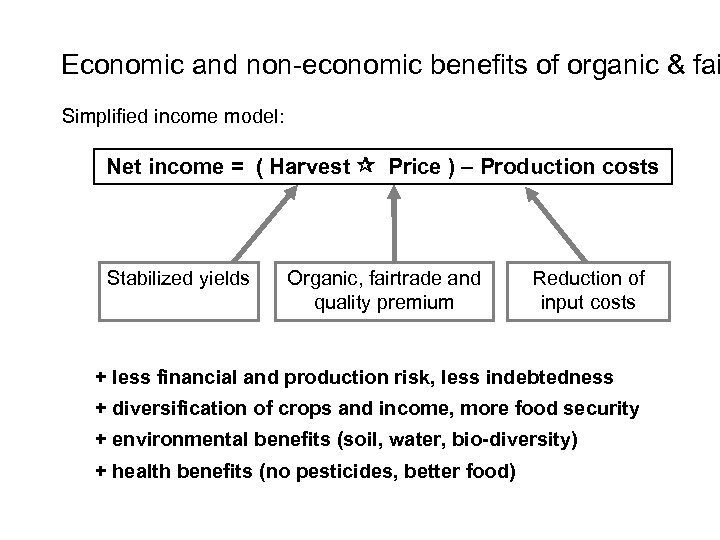
Economic and non-economic benefits of organic & fai Simplified income model: Net income = ( Harvest Price ) – Production costs Stabilized yields Organic, fairtrade and quality premium Reduction of input costs + less financial and production risk, less indebtedness + diversification of crops and income, more food security + environmental benefits (soil, water, bio-diversity) + health benefits (no pesticides, better food)
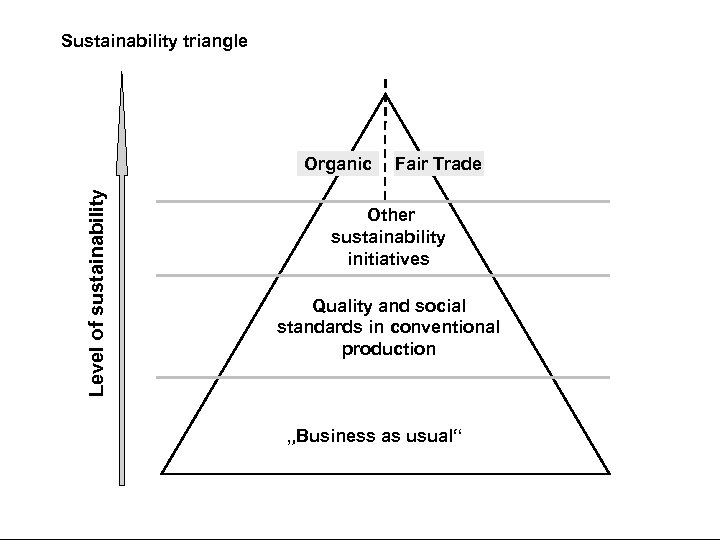
Sustainability triangle Level of sustainability Organic Fair Trade Other sustainability initiatives Quality and social standards in conventional production „Business as usual“
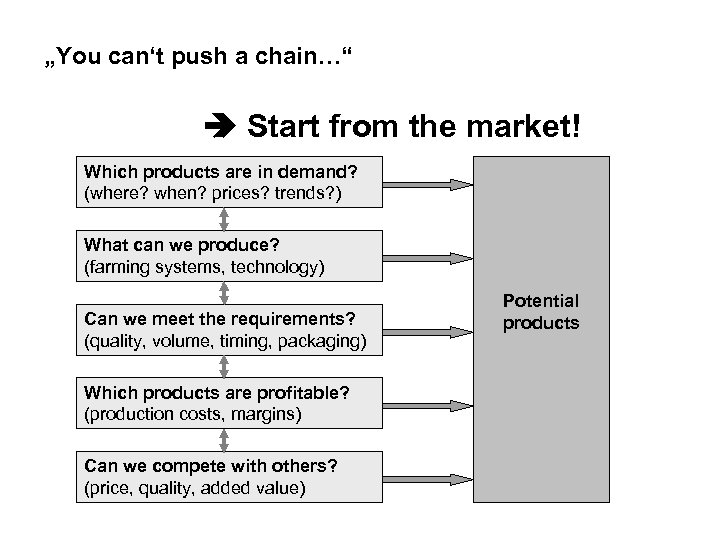
„You can‘t push a chain…“ Start from the market! Which products are in demand? (where? when? prices? trends? ) What can we produce? (farming systems, technology) Can we meet the requirements? (quality, volume, timing, packaging) Which products are profitable? (production costs, margins) Can we compete with others? (price, quality, added value) Potential products
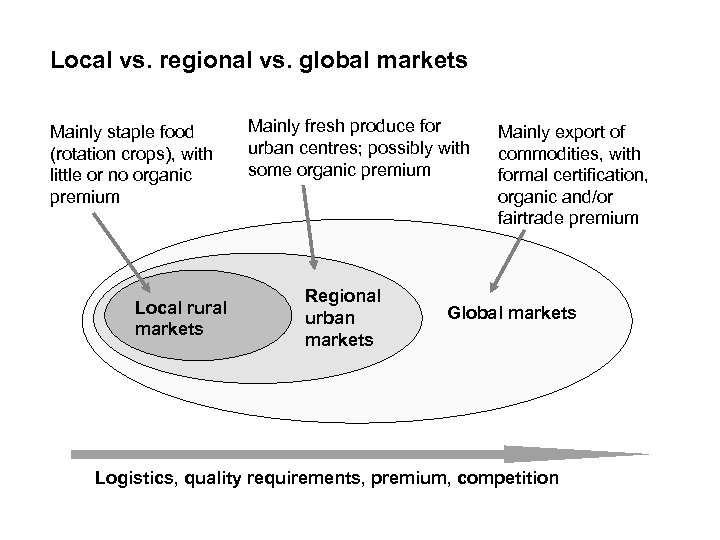
Local vs. regional vs. global markets Mainly staple food (rotation crops), with little or no organic premium Local rural markets Mainly fresh produce for urban centres; possibly with some organic premium Regional urban markets Mainly export of commodities, with formal certification, organic and/or fairtrade premium Global markets Logistics, quality requirements, premium, competition
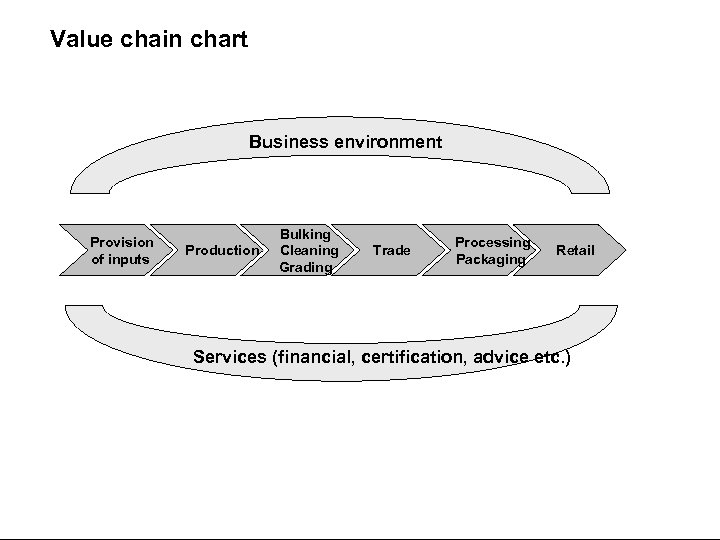
Value chain chart Business environment Provision of inputs Production Bulking Cleaning Grading Trade Processing Packaging Retail Services (financial, certification, advice etc. )
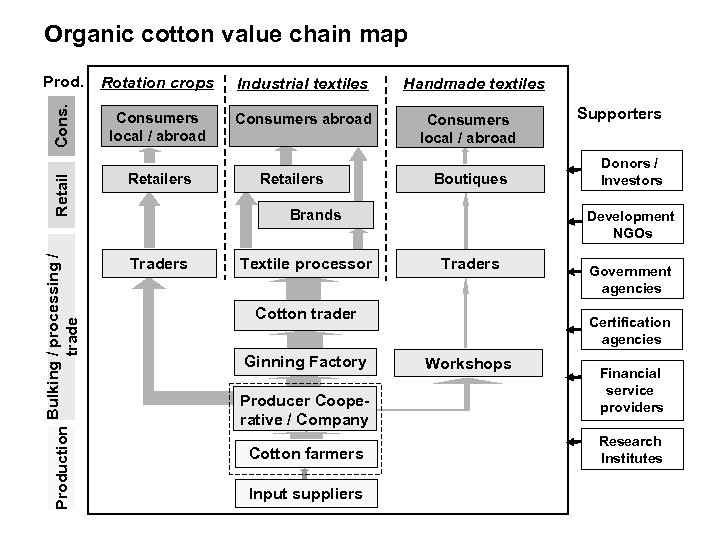
Organic cotton value chain map Consumers abroad Consumers local / abroad Retailers Traders Production Cons. Industrial textiles Retail Rotation crops Bulking / processing / trade Prod. Retailers Handmade textiles Consumers local / abroad Boutiques Brands Textile processor Producer Cooperative / Company Cotton farmers Input suppliers Donors / Investors Development NGOs Traders Cotton trader Ginning Factory Supporters Government agencies Certification agencies Workshops Financial service providers Research Institutes
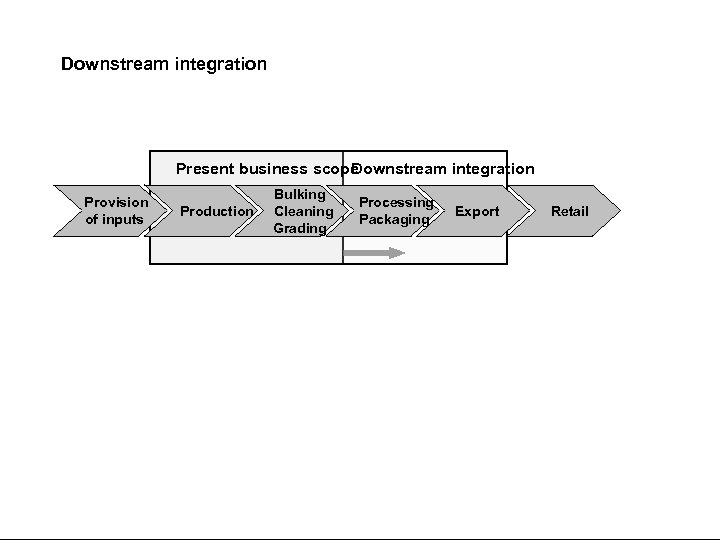
Downstream integration Present business scope ownstream integration D Provision of inputs Production Bulking Cleaning Grading Processing Packaging Export Retail
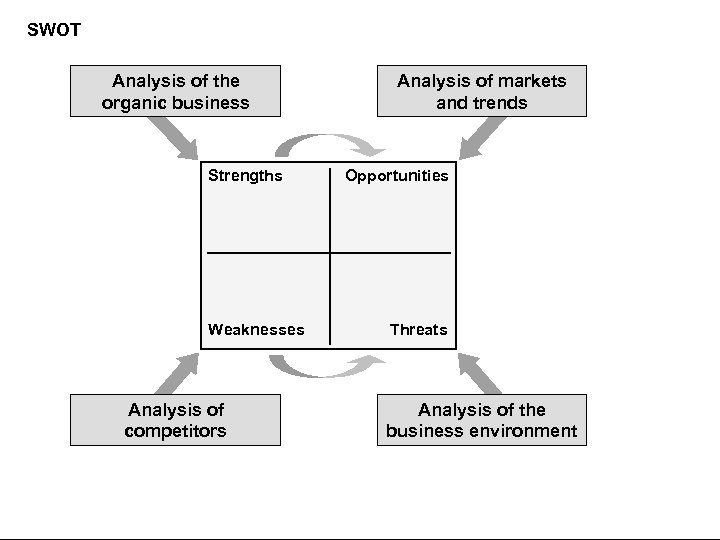
SWOT Analysis of the organic business Strengths Weaknesses Analysis of competitors Analysis of markets and trends Opportunities Threats Analysis of the business environment
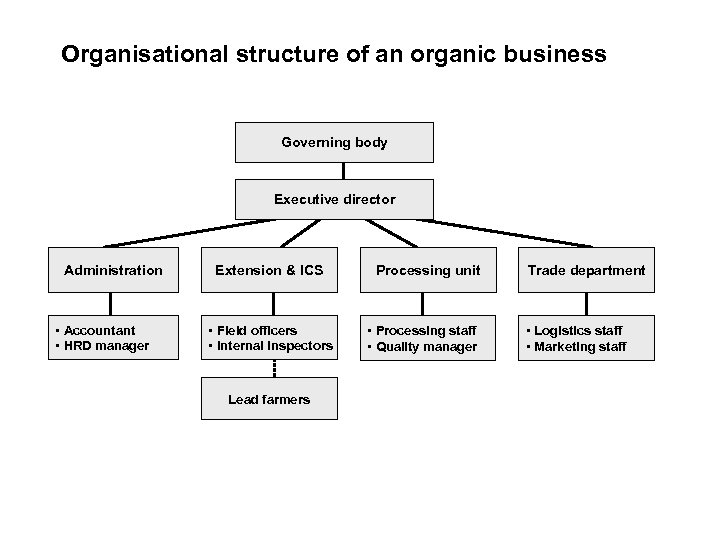
Organisational structure of an organic business Governing body Executive director Administration • Accountant • HRD manager Extension & ICS • Field officers • Internal inspectors Lead farmers Processing unit • Processing staff • Quality manager Trade department • Logistics staff • Marketing staff
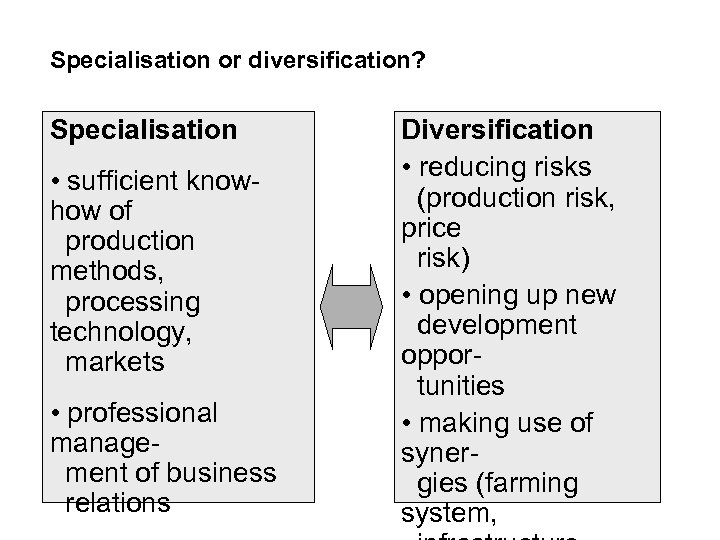
Specialisation or diversification? Specialisation • sufficient knowhow of production methods, processing technology, markets • professional management of business relations Diversification • reducing risks (production risk, price risk) • opening up new development opportunities • making use of synergies (farming system,
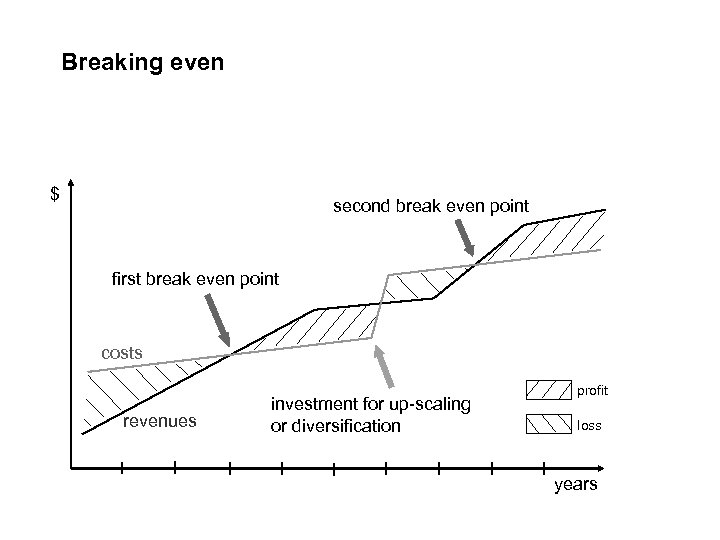
Breaking even $ second break even point first break even point costs revenues investment for up-scaling or diversification profit loss years
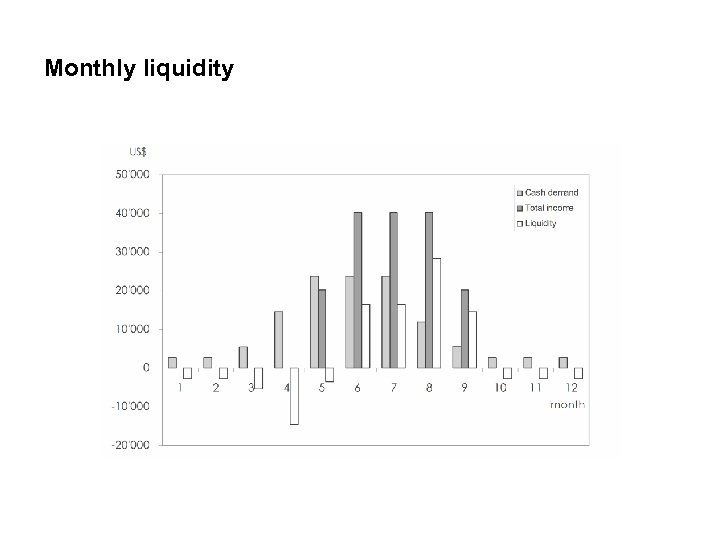
Monthly liquidity
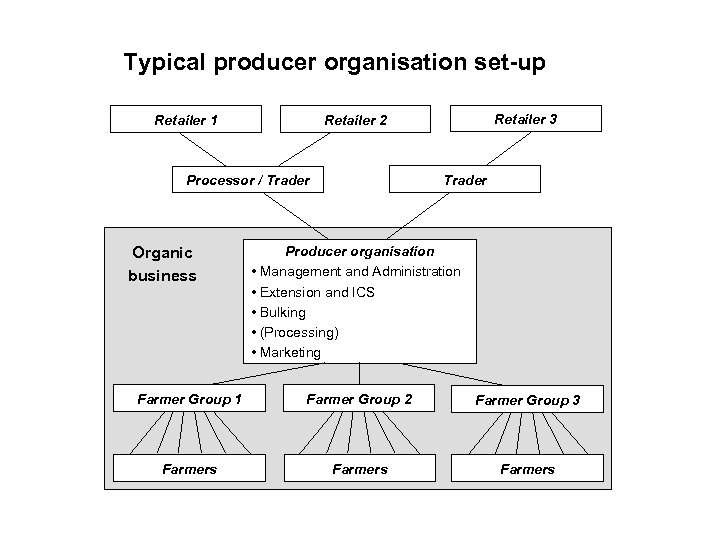
Typical producer organisation set-up Retailer 1 Trader Processor / Trader Organic business Retailer 3 Retailer 2 Producer organisation • Management and Administration • Extension and ICS • Bulking • (Processing) • Marketing Farmer Group 1 Farmer Group 2 Farmer Group 3 Farmers
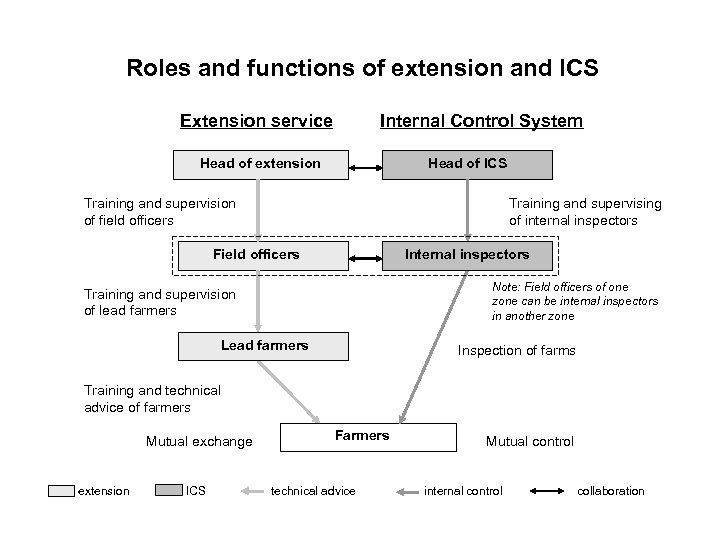
Roles and functions of extension and ICS Extension service Internal Control System Head of extension Head of ICS Training and supervision of field officers Training and supervising of internal inspectors Field officers Internal inspectors Note: Field officers of one zone can be internal inspectors in another zone Training and supervision of lead farmers Lead farmers Inspection of farms Training and technical advice of farmers Mutual exchange extension ICS Farmers technical advice Mutual control internal control collaboration
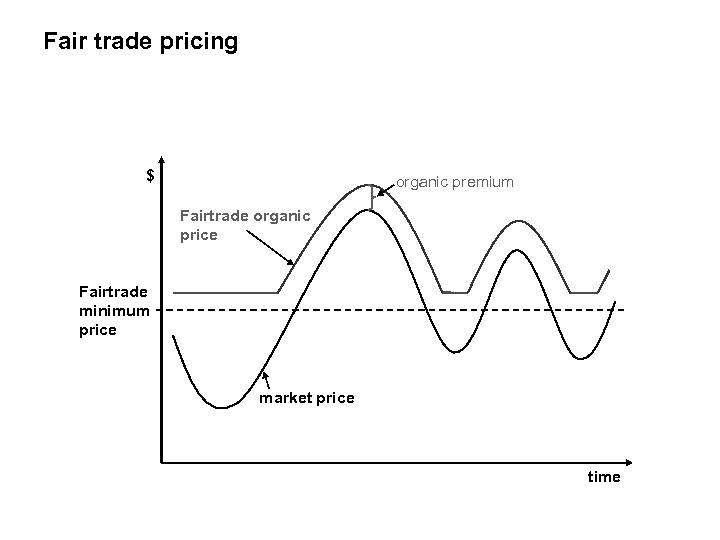
Fair trade pricing $ organic premium Fairtrade organic price Fairtrade minimum price market price time
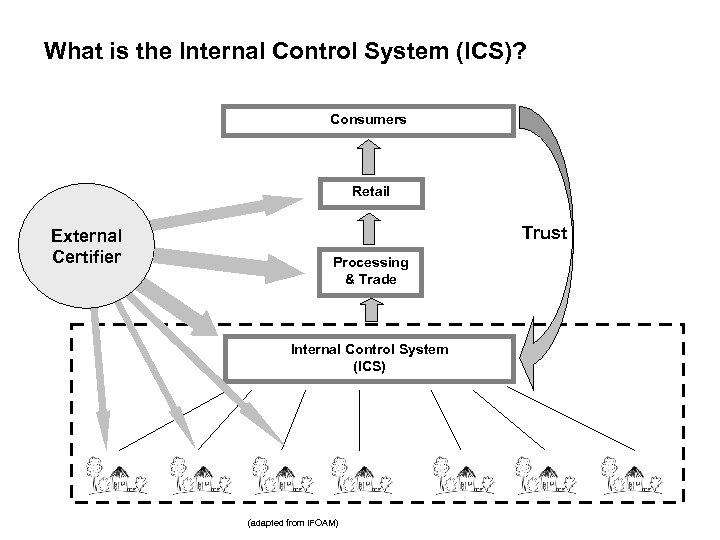
What is the Internal Control System (ICS)? Consumers Retail External Certifier Trust Processing & Trade Internal Control System (ICS) (adapted from IFOAM)
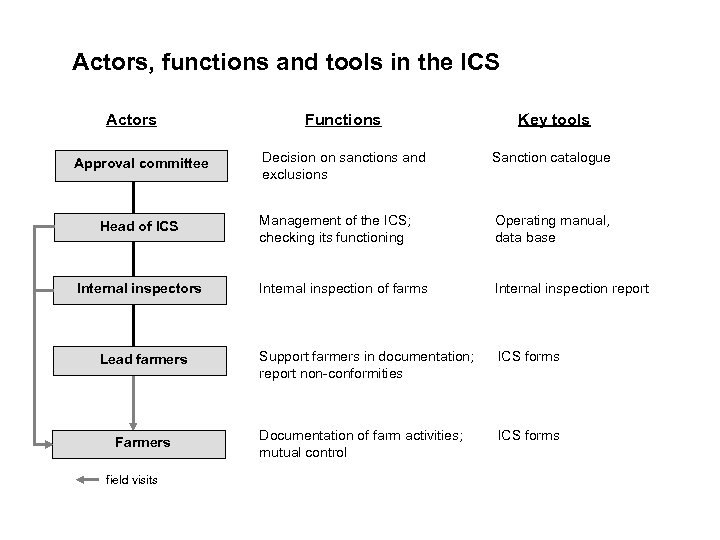
Actors, functions and tools in the ICS Actors Approval committee Head of ICS Internal inspectors Lead farmers Farmers field visits Functions Key tools Decision on sanctions and exclusions Sanction catalogue Management of the ICS; checking its functioning Operating manual, data base Internal inspection of farms Internal inspection report Support farmers in documentation; report non-conformities ICS forms Documentation of farm activities; mutual control ICS forms
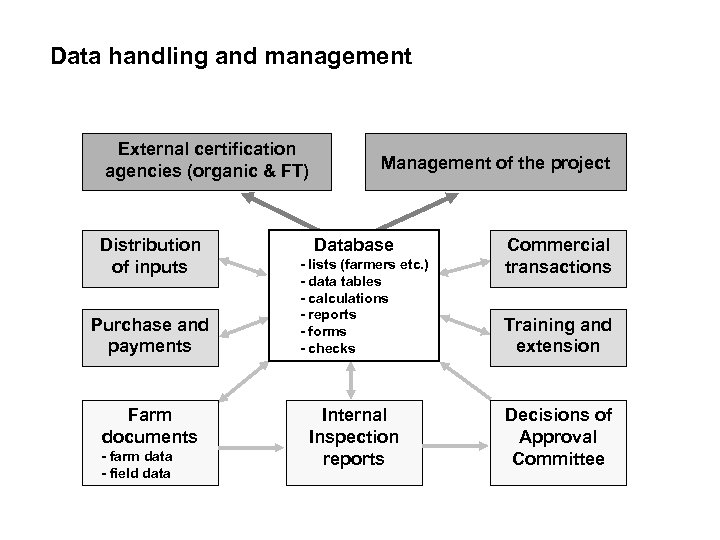
Data handling and management External certification agencies (organic & FT) Distribution of inputs Purchase and payments Farm documents - farm data - field data Management of the project Database - lists (farmers etc. ) - data tables - calculations - reports - forms - checks Internal Inspection reports Commercial transactions Training and extension Decisions of Approval Committee
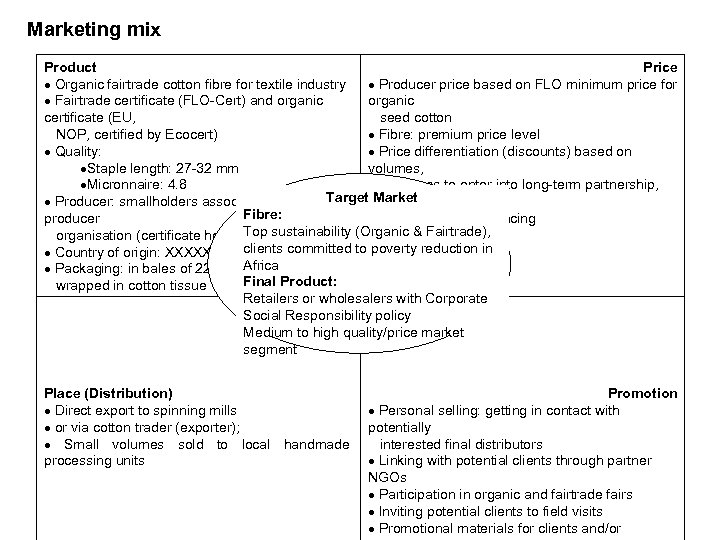
Marketing mix Product Price Organic fairtrade cotton fibre for textile industry Producer price based on FLO minimum price for Fairtrade certificate (FLO-Cert) and organic certificate (EU, seed cotton NOP, certified by Ecocert) Fibre: premium price level Quality: Price differentiation (discounts) based on Staple length: 27 -32 mm volumes, Micronnaire: 4. 8 readiness to enter into long-term partnership, Targetand Market Producer: smallholders associated with Fibre: producer provision of pre-financing Top sustainability (Organic & Fairtrade), organisation (certificate holder) clients committed to poverty reduction in Country of origin: XXXXX Packaging: in bales of 220 kg, Africa Final Product: wrapped in cotton tissue Retailers or wholesalers with Corporate Social Responsibility policy Medium to high quality/price market segment Place (Distribution) Direct export to spinning mills or via cotton trader (exporter); Small volumes sold to local handmade processing units Promotion Personal selling: getting in contact with potentially interested final distributors Linking with potential clients through partner NGOs Participation in organic and fairtrade fairs Inviting potential clients to field visits Promotional materials for clients and/or
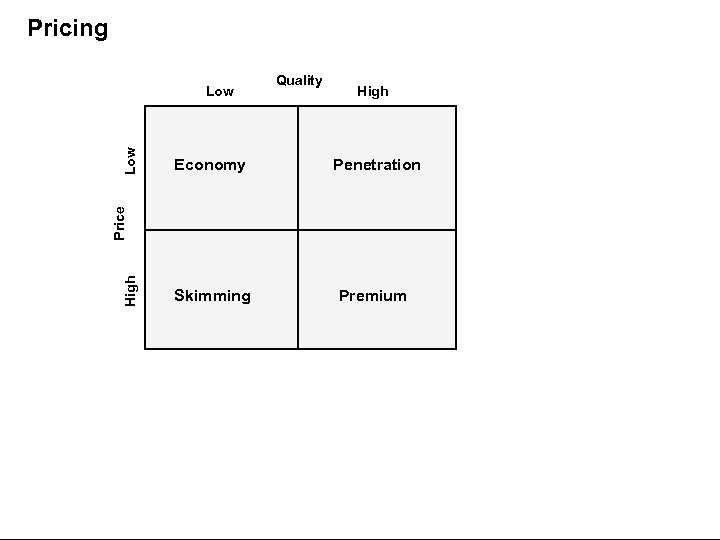
Pricing Quality High Economy Penetration Skimming Premium High Price Low
Скачать презентацию Who is this guide for Organic business Smallholder
7f8fa04d02c8f29f0cf5239d2b5bad20.ppt