

Where to go and What to see in



![1496 March 5th: King Henry VII of England grants Giovanni Caboto [John Cabot] the](https://present5.com/presentacii-2/20171213\38326-canada.ppt\38326-canada_53.jpg "1496 March 5th: King Henry VII of England grants Giovanni Caboto [John Cabot] the")





![Sault n. A waterfall or rapids. [Obsolete French, from Old French, leap]](https://present5.com/presentacii-2/20171213\38326-canada.ppt\38326-canada_194.jpg "Sault n. A waterfall or rapids. [Obsolete French, from Old French, leap]")
![Muskeg muskeg [ˈmʌsˌkɛg] n Chiefly Canadian 1. (Earth Sciences / Physical Geography) undrained boggy](https://present5.com/presentacii-2/20171213\38326-canada.ppt\38326-canada_196.jpg "Muskeg muskeg [ˈmʌsˌkɛg] n Chiefly Canadian 1. (Earth Sciences / Physical Geography) undrained boggy")
![Butte Butte /byut/ [byoot] n. (Western U.S. and](https://present5.com/presentacii-2/20171213\38326-canada.ppt\38326-canada_197.jpg "Butte Butte /byut/ [byoot] n. (Western U.S. and")
![acclamation [ˌækləˈmeɪʃən] 1. an enthusiastic reception or exhibition of welcome, approval, etc. 2. an](https://present5.com/presentacii-2/20171213\38326-canada.ppt\38326-canada_212.jpg "acclamation [ˌækləˈmeɪʃən] 1. an enthusiastic reception or exhibition of welcome, approval, etc. 2. an")



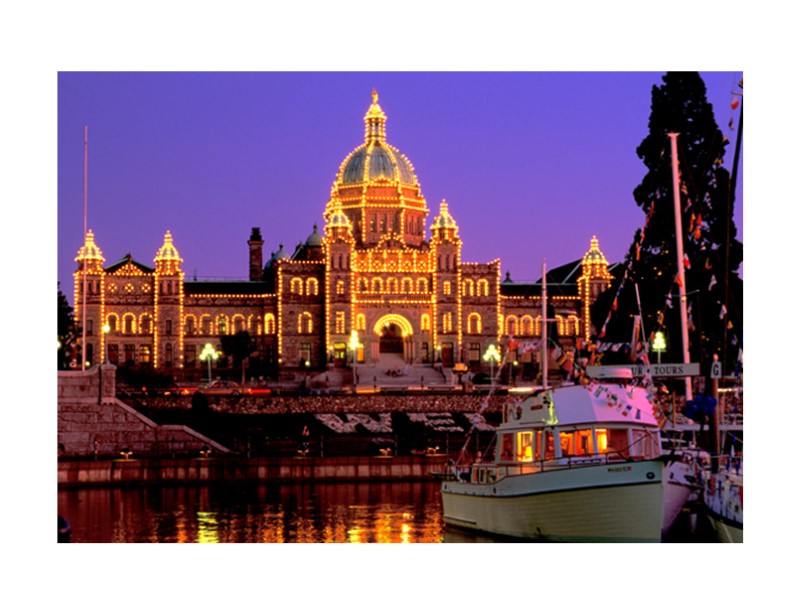
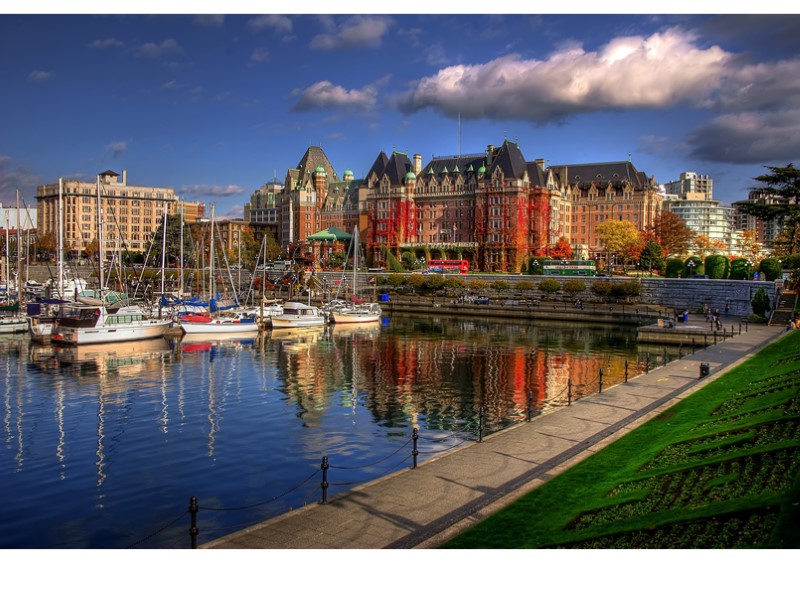
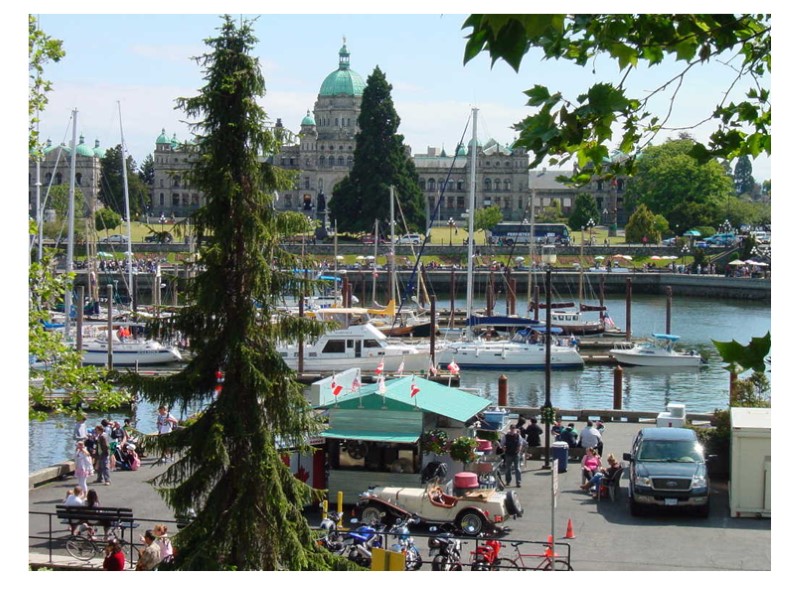
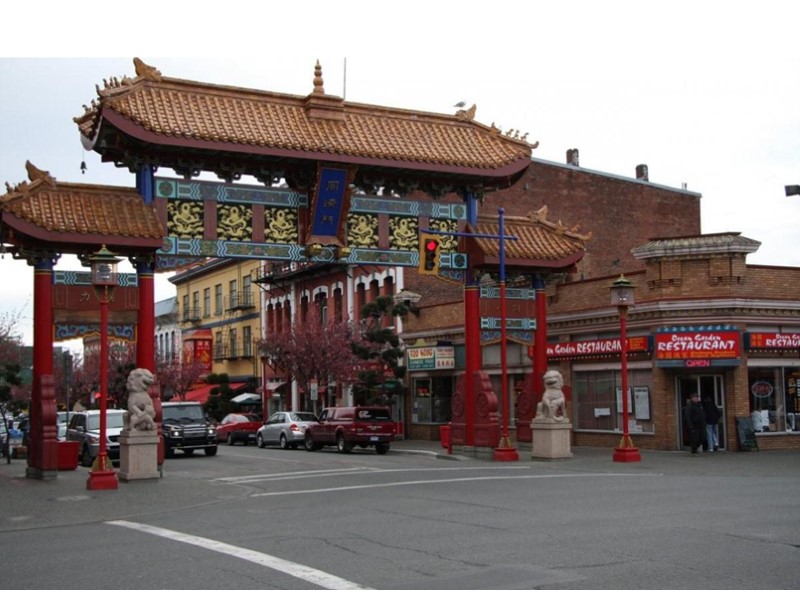
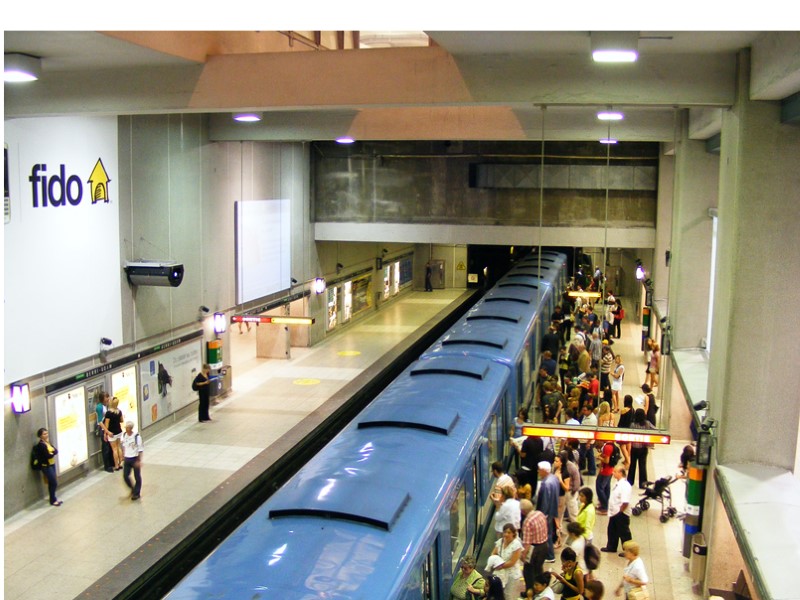
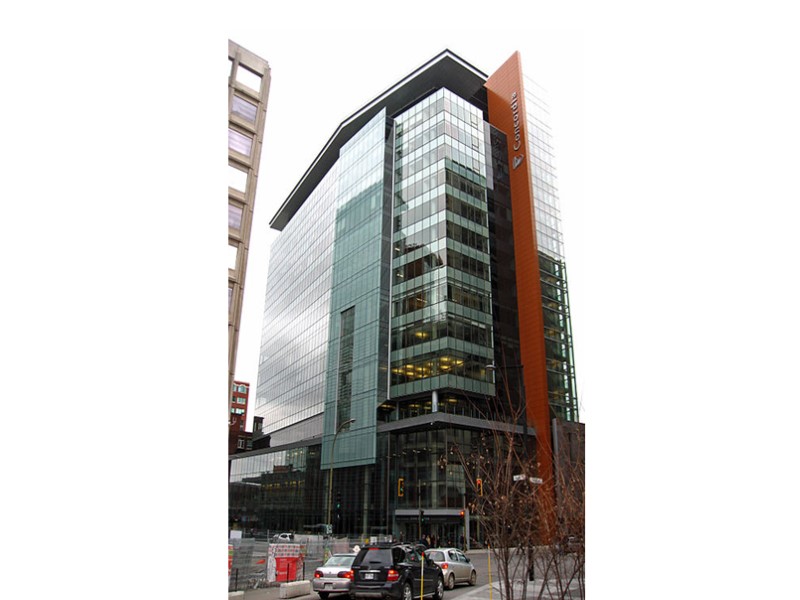
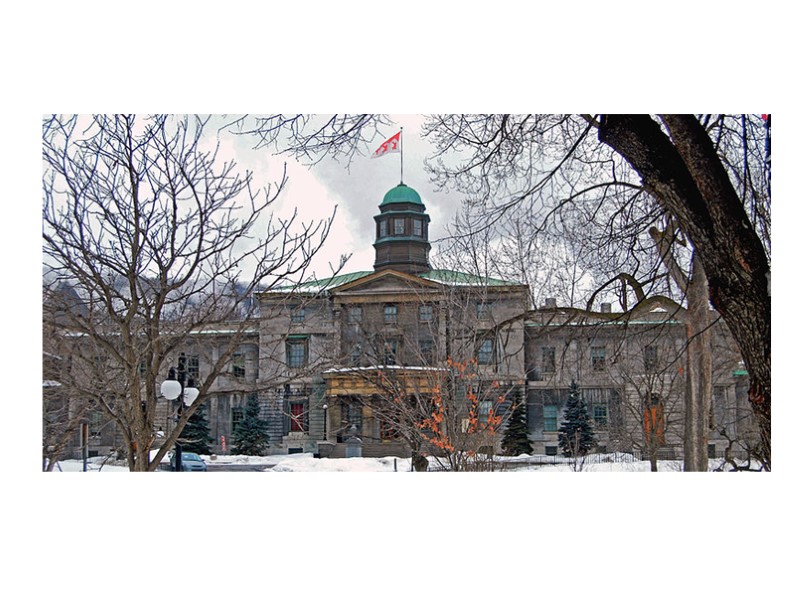
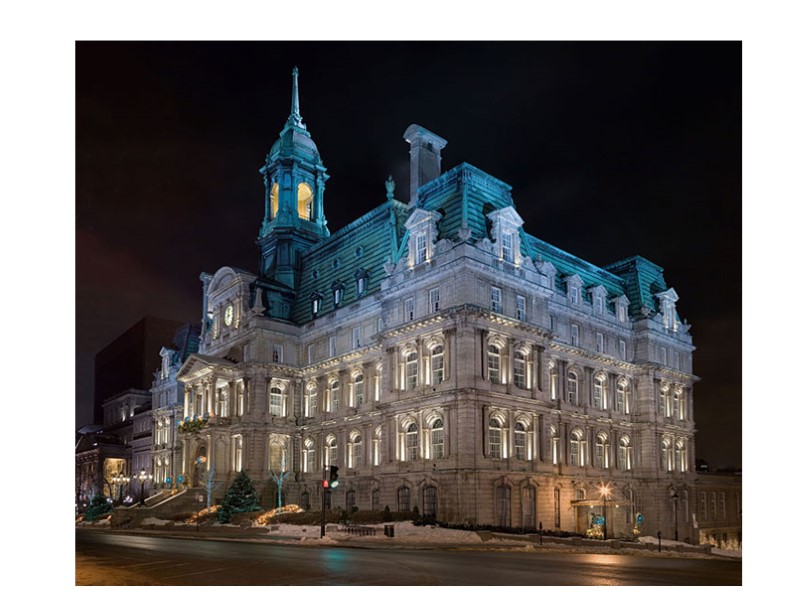
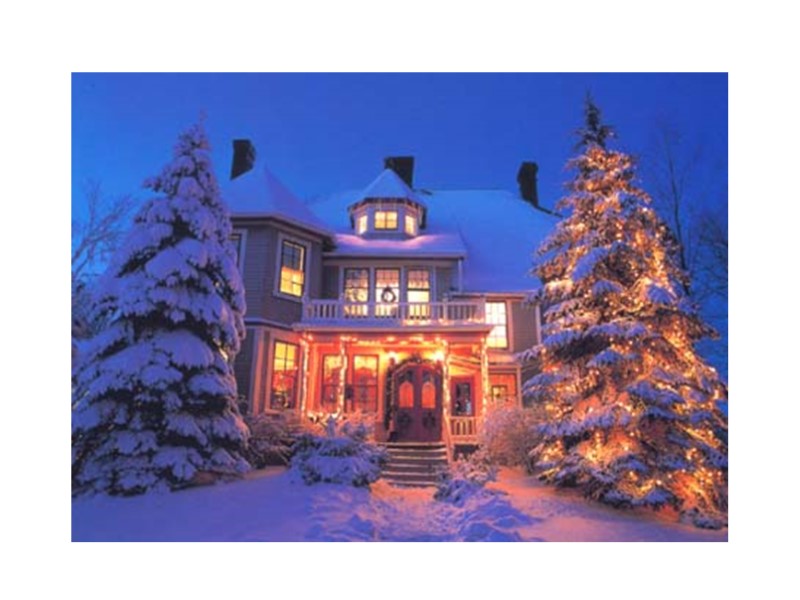
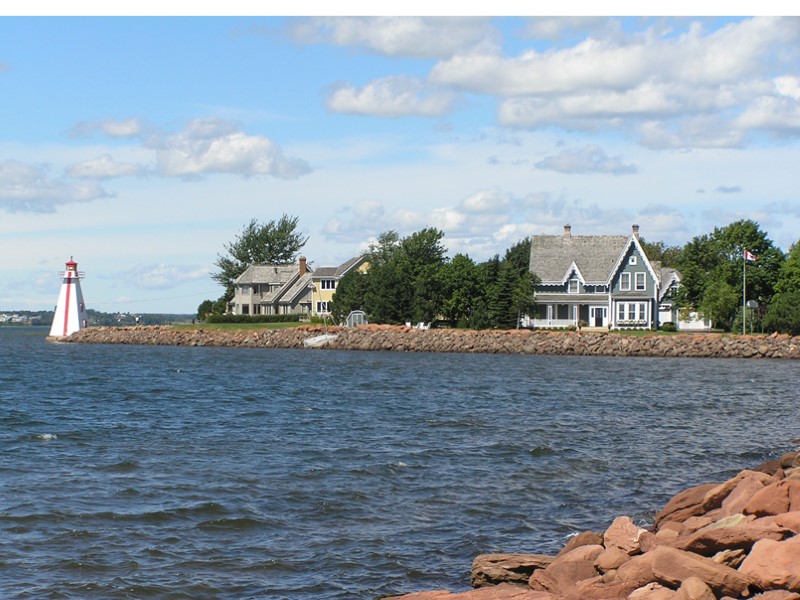
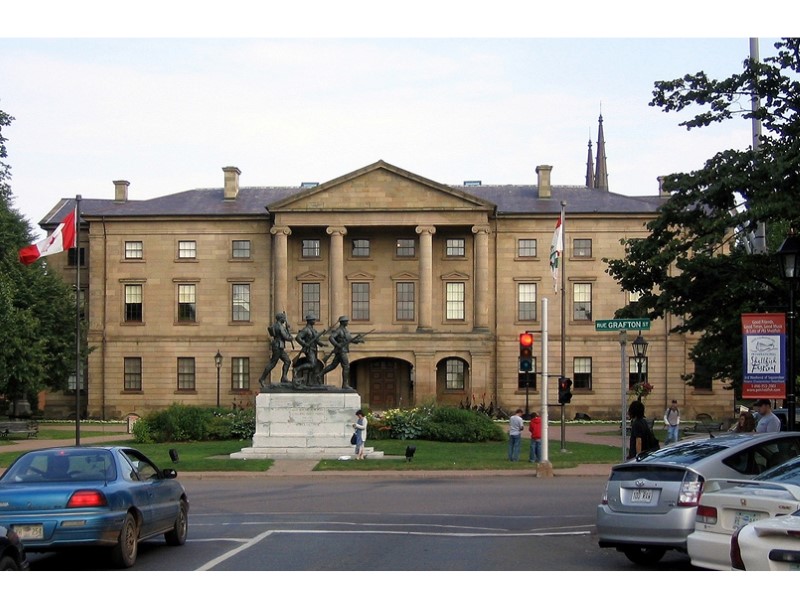
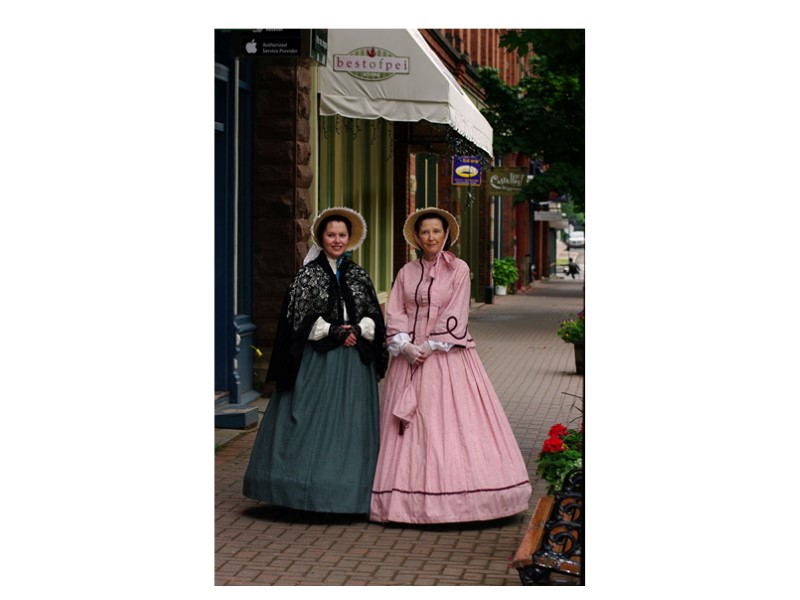

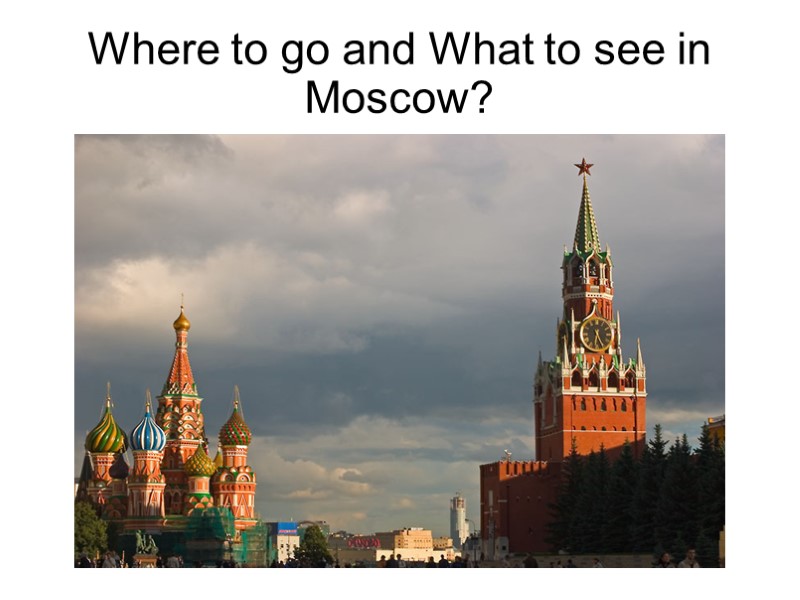
Where to go and What to see in Moscow?
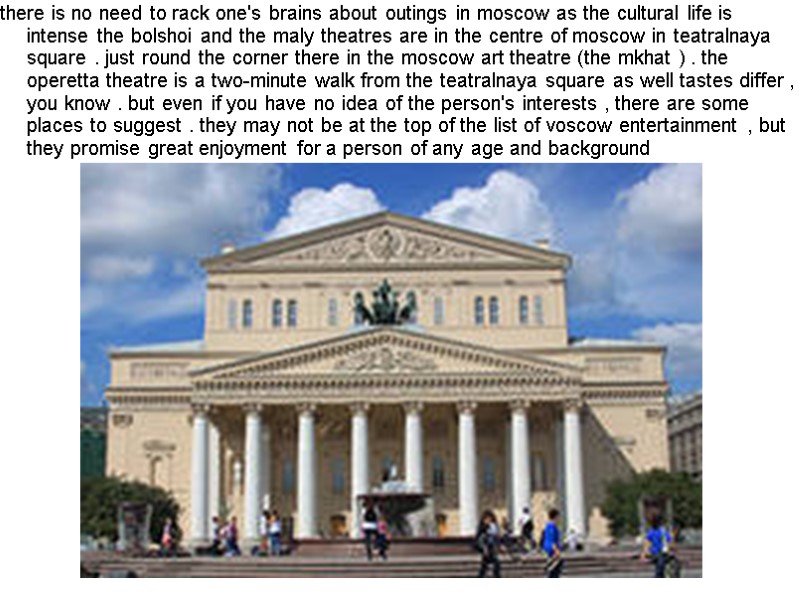
there is no need to rack one's brains about outings in moscow as the cultural life is intense the bolshoi and the maly theatres are in the centre of moscow in teatralnaya square . just round the corner there in the moscow art theatre (the mkhat ) . the operetta theatre is a two-minute walk from the teatralnaya square as well tastes differ , you know . but even if you have no idea of the person's interests , there are some places to suggest . they may not be at the top of the list of voscow entertainment , but they promise great enjoyment for a person of any age and background
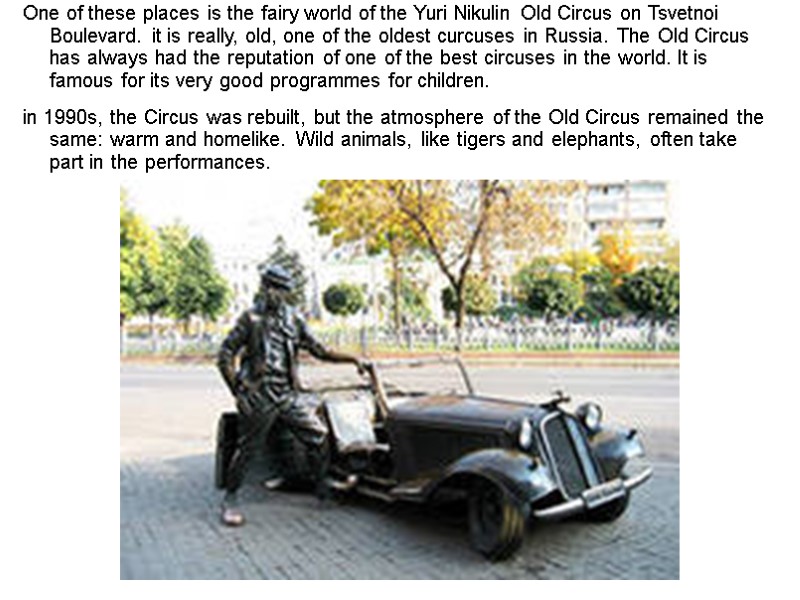
One of these places is the fairy world of the Yuri Nikulin Old Circus on Tsvetnoi Boulevard. it is really, old, one of the oldest curcuses in Russia. The Old Circus has always had the reputation of one of the best circuses in the world. It is famous for its very good programmes for children. in 1990s, the Circus was rebuilt, but the atmosphere of the Old Circus remained the same: warm and homelike. Wild animals, like tigers and elephants, often take part in the performances.
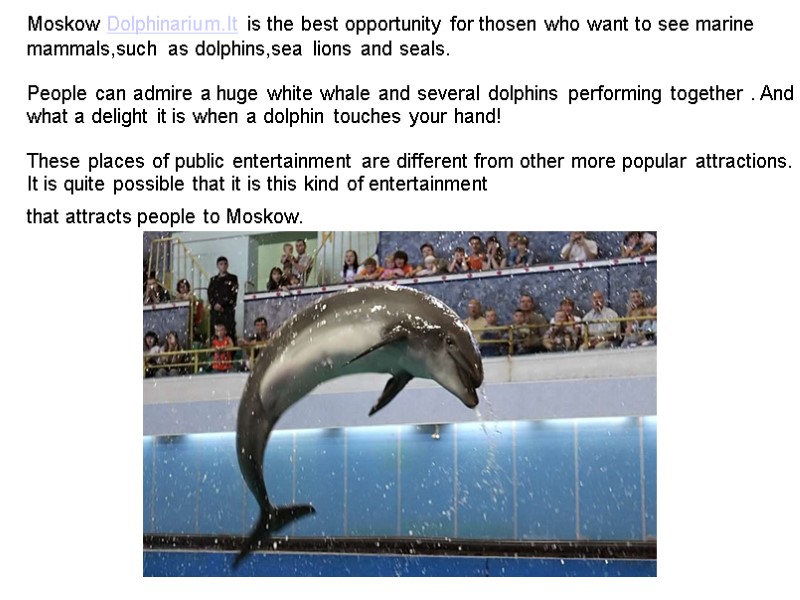
Moskow Dolphinarium.It is the best opportunity for thosen who want to see marine mammals,such as dolphins,sea lions and seals. People can admire a huge white whale and several dolphins performing together . And what a delight it is when a dolphin touches your hand! These places of public entertainment are different from other more popular attractions. It is quite possible that it is this kind of entertainment that attracts people to Moskow.
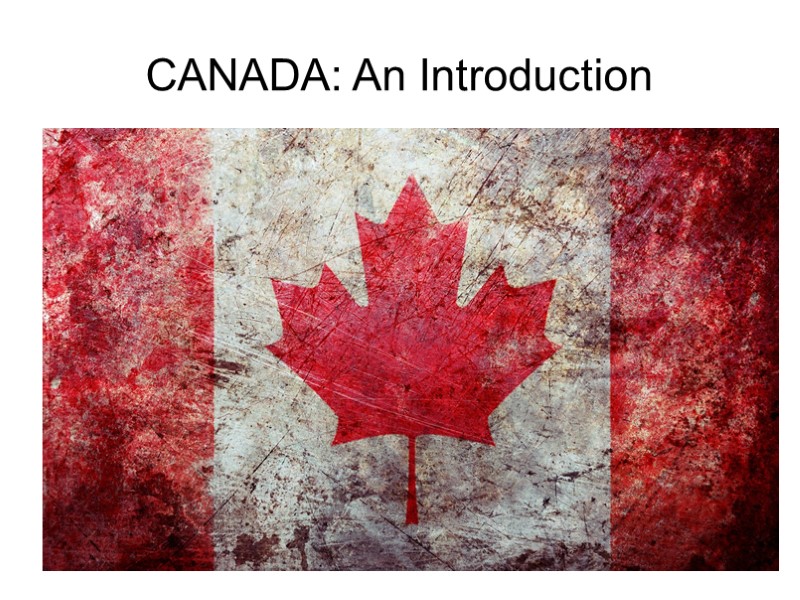
CANADA: An Introduction
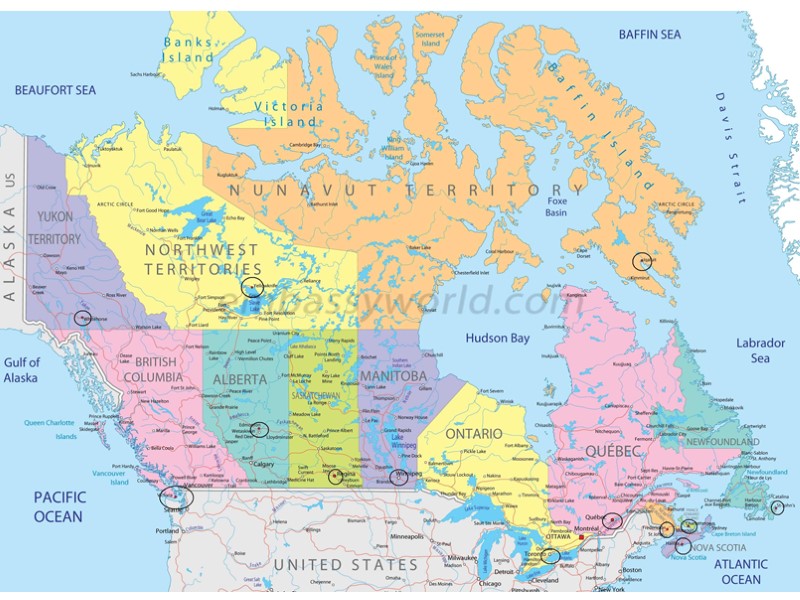
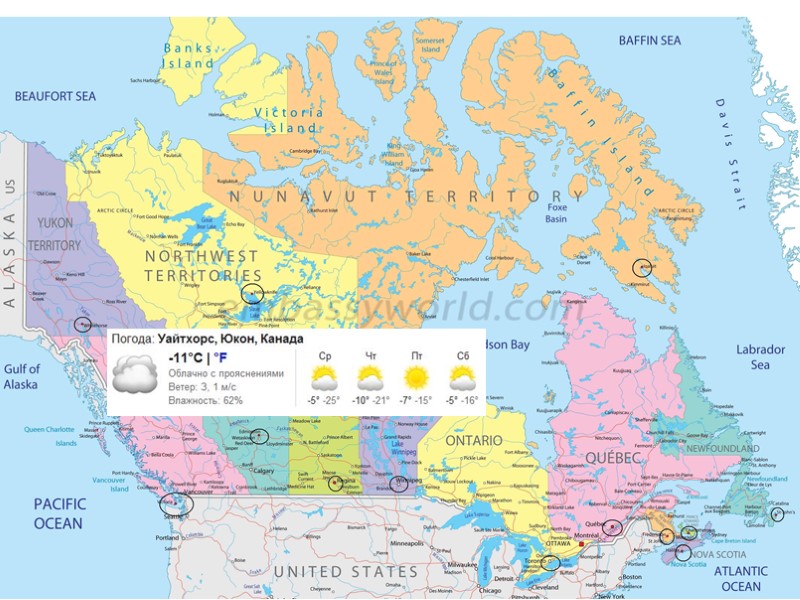
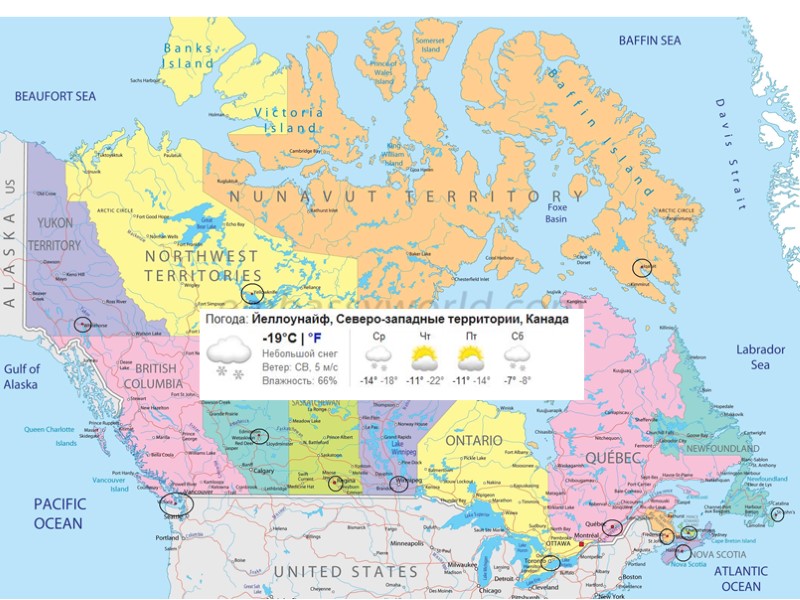
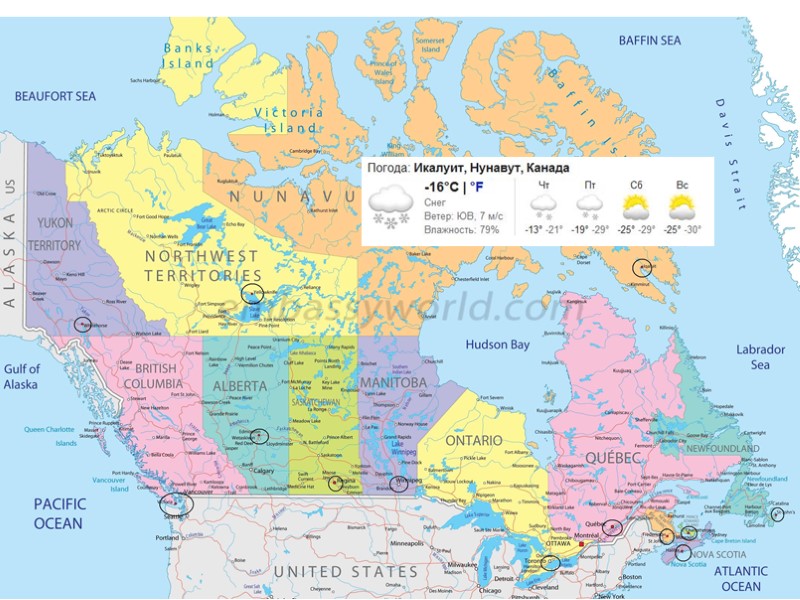
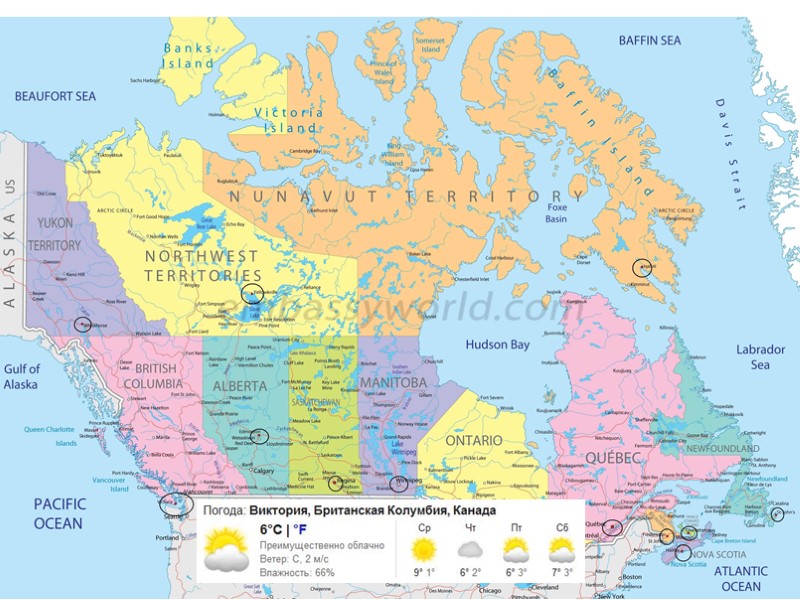
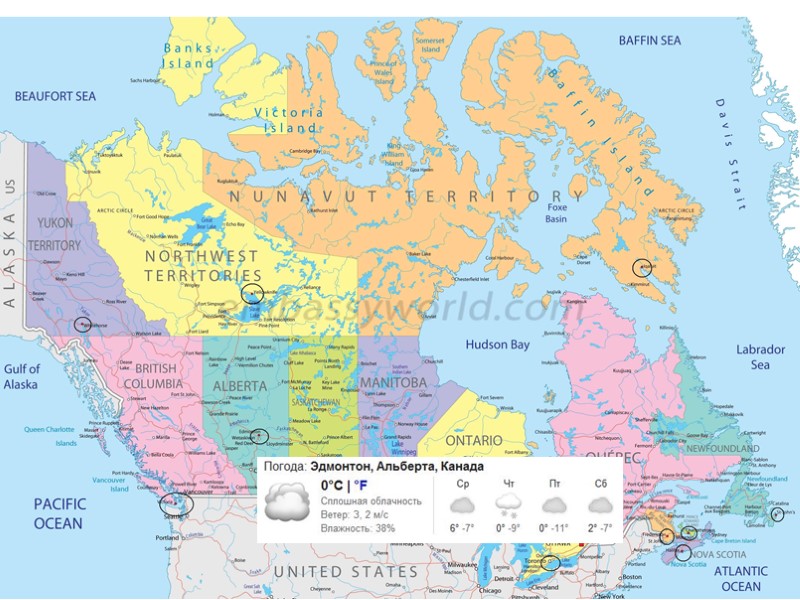
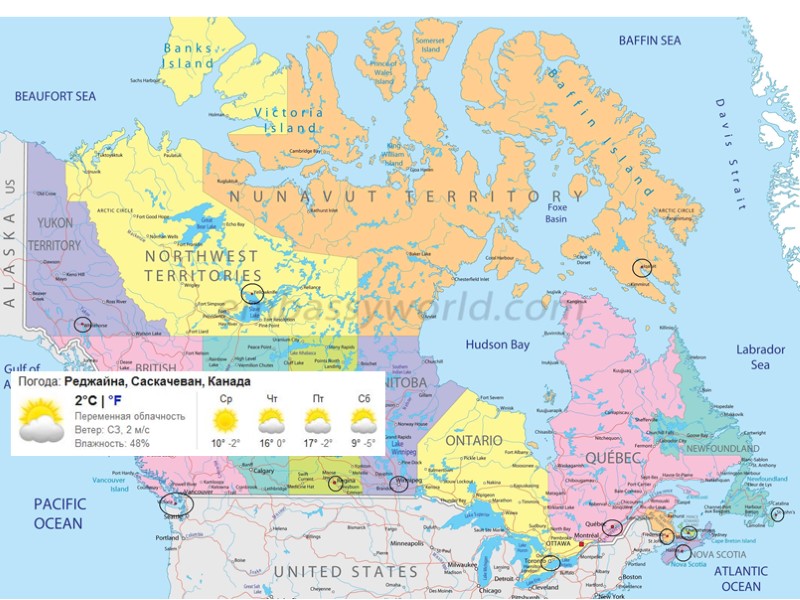
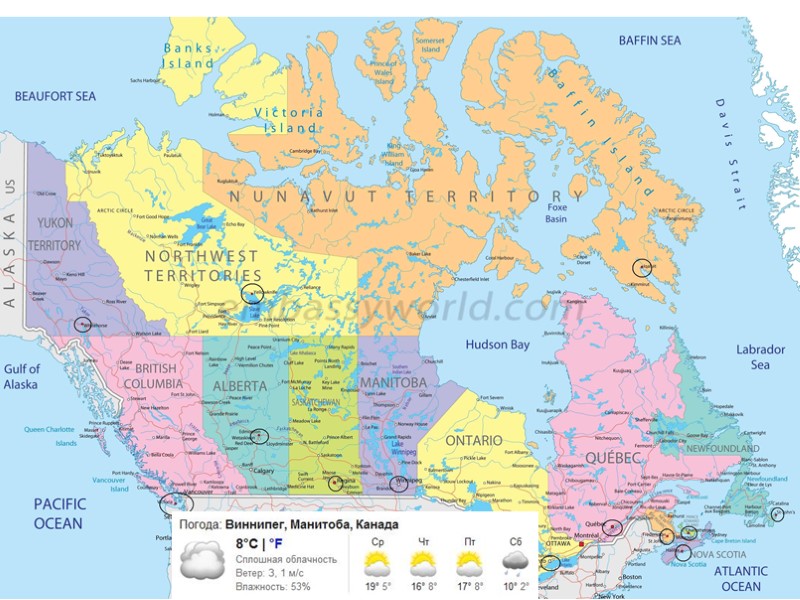
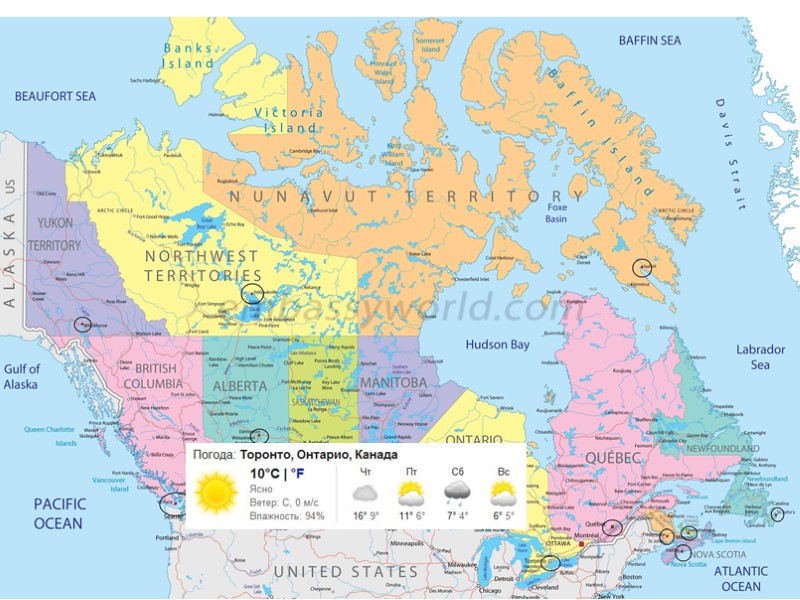
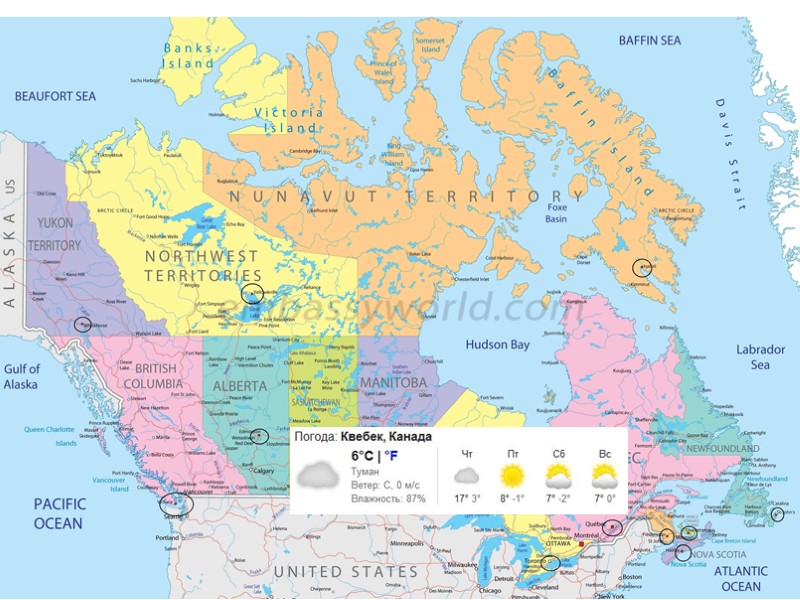
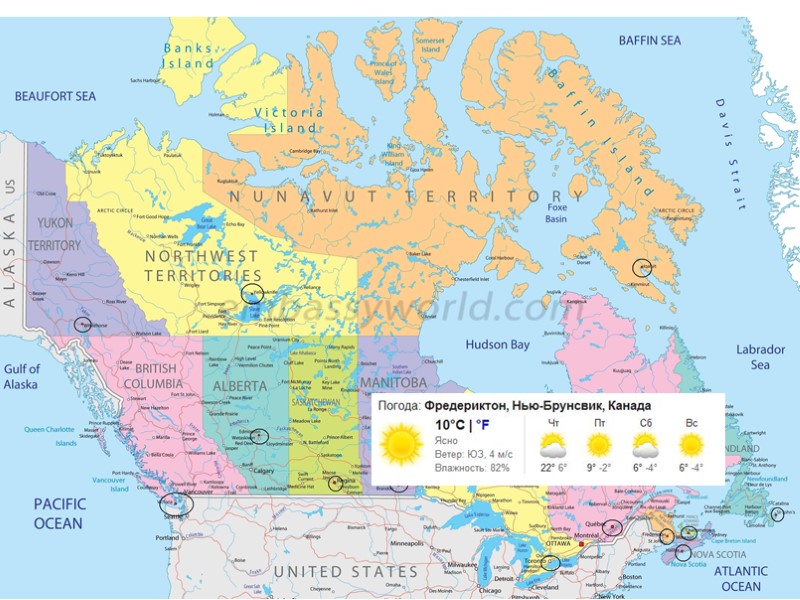
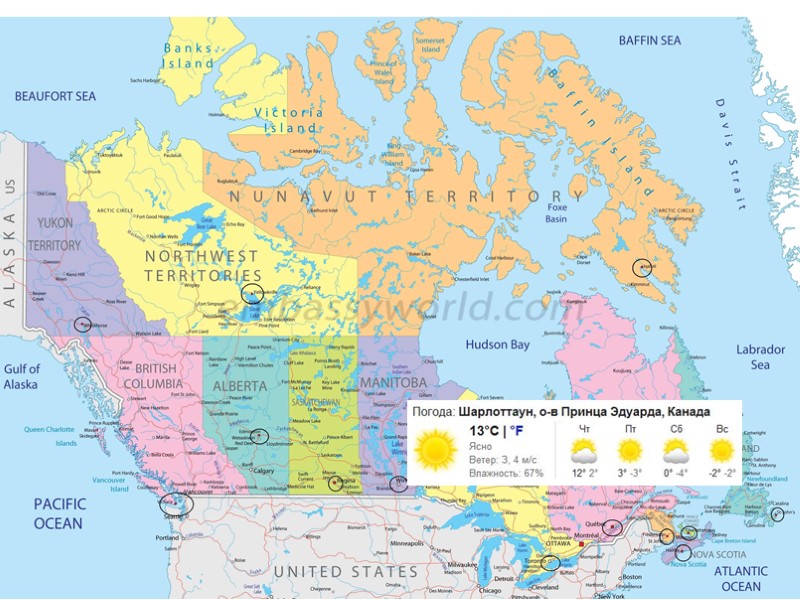
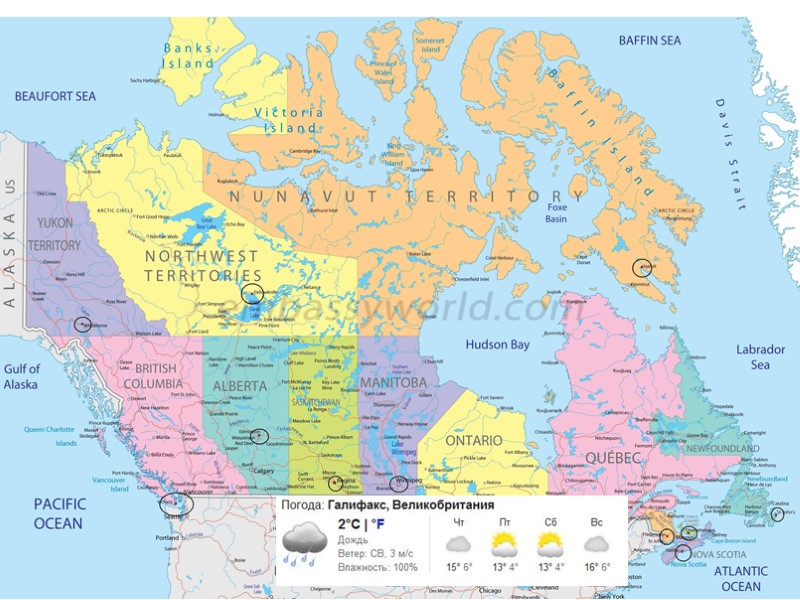
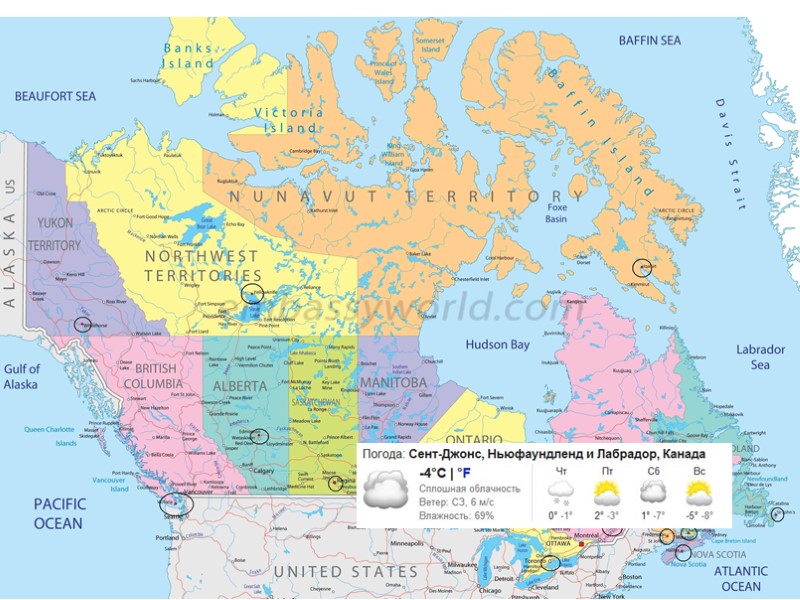
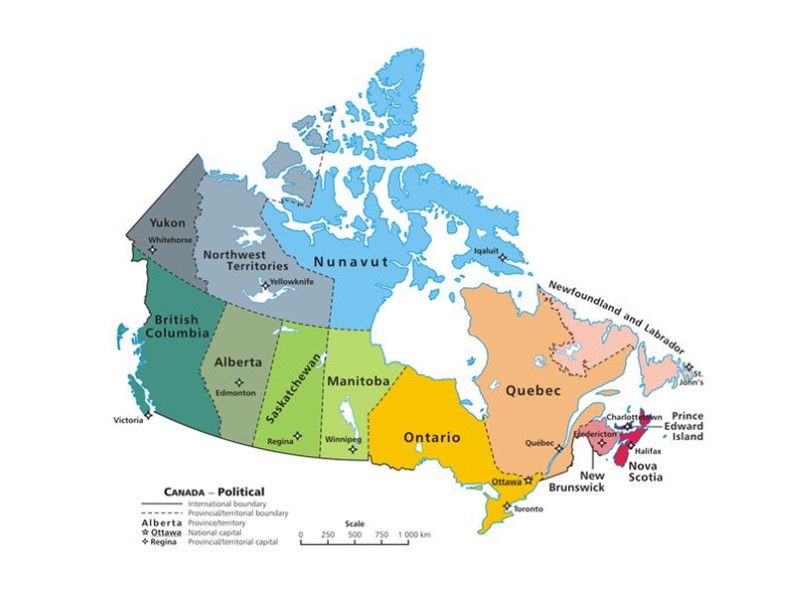
Warm-up: Old Weather Plus, the provinces and their capitals.
Part 1: One Canadian's Life
Part 2: What is Canada?
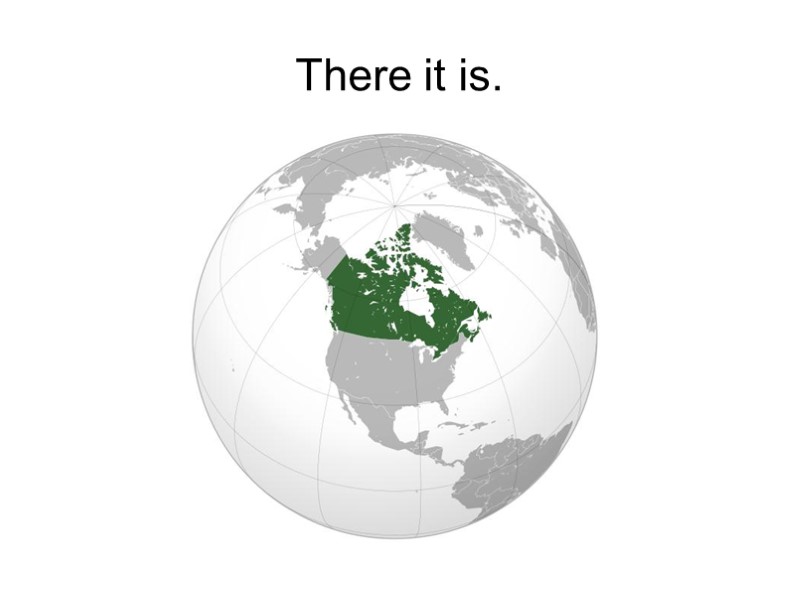
Canada? It's a country in North America. It's the second-largest country in the world. It borders three oceans. It is home to approx. 35 million people. It has two official languages. It has many different cultures. It has a very diverse geography and climate.
There it is.
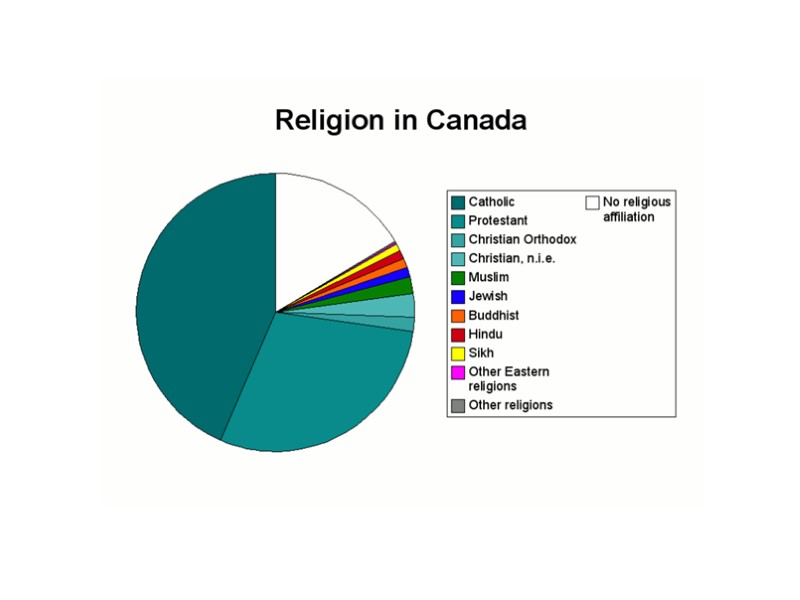
Canada is often characterised as being "very progressive, diverse, and multicultural". Canadian Government policies such as; publicly-funded health care, higher and more progressive taxation, outlawing capital punishment, strong efforts to eliminate poverty, an emphasis on cultural diversity, imposing stricter gun control, and most recently legalizing same-sex marriage – are social indicators of how Canada's political and cultural identities differ from that of the United States. Canadian Culture
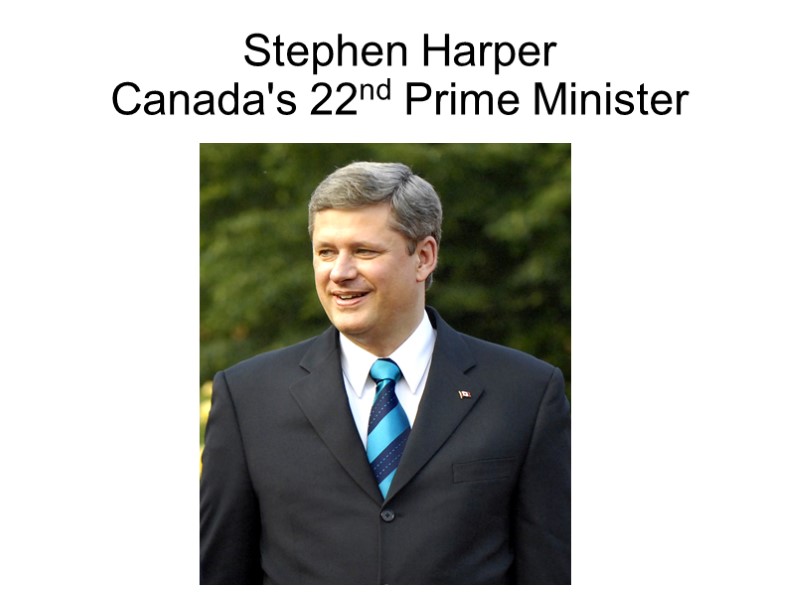
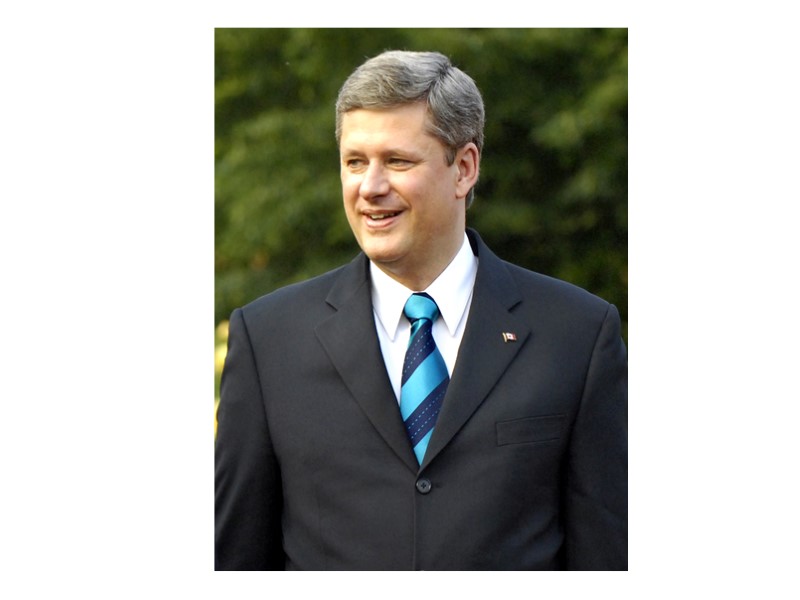
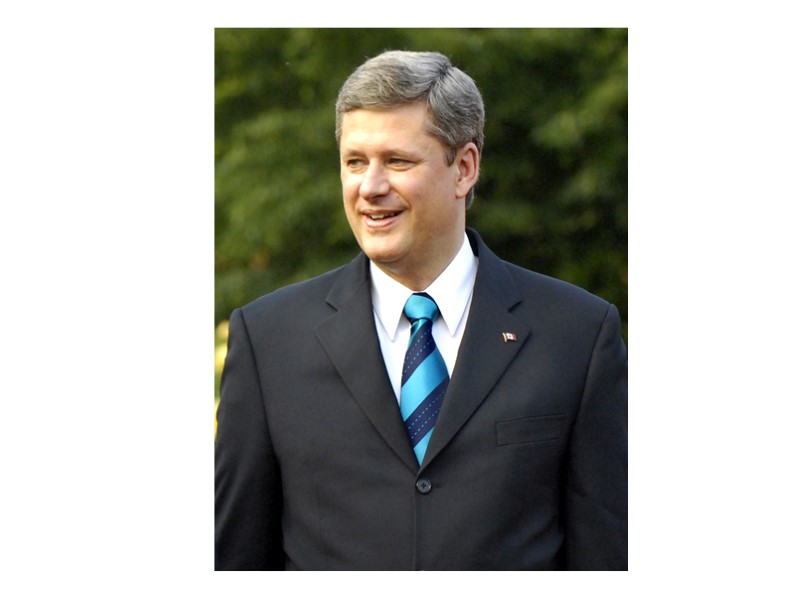
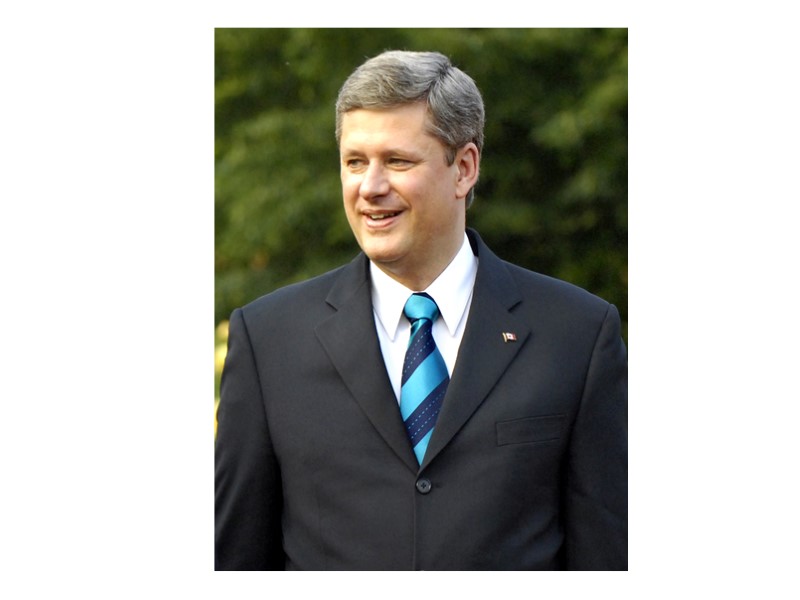
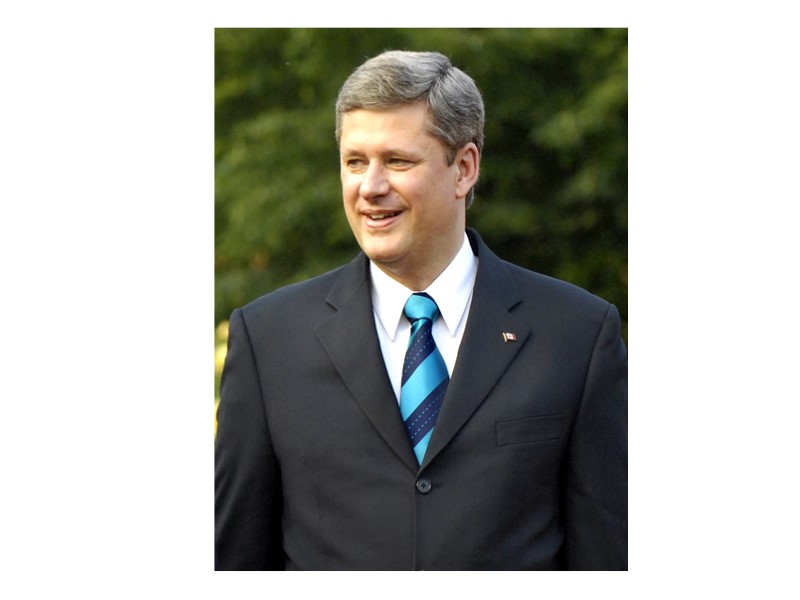
Stephen Harper Canada's 22nd Prime Minister
Part 3: Exploration and Settlement
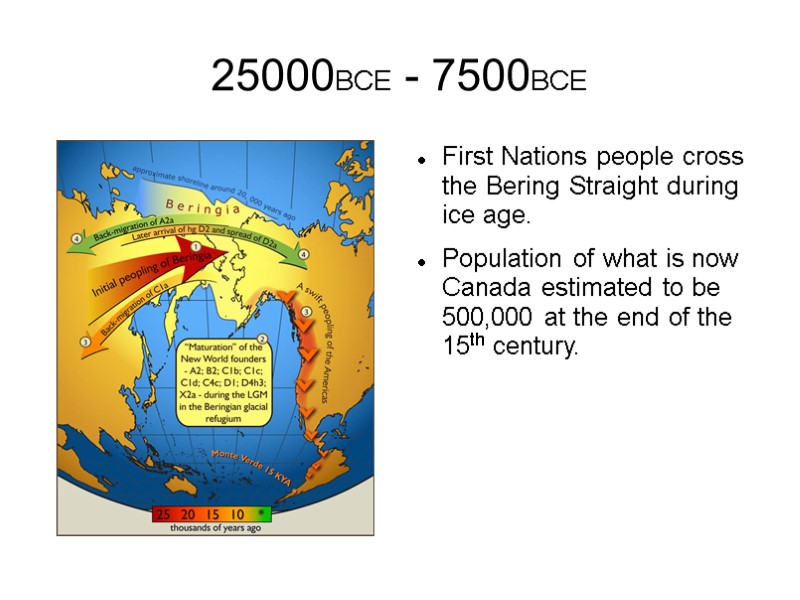
25000BCE - 7500BCE First Nations people cross the Bering Straight during ice age. Population of what is now Canada estimated to be 500,000 at the end of the 15th century.
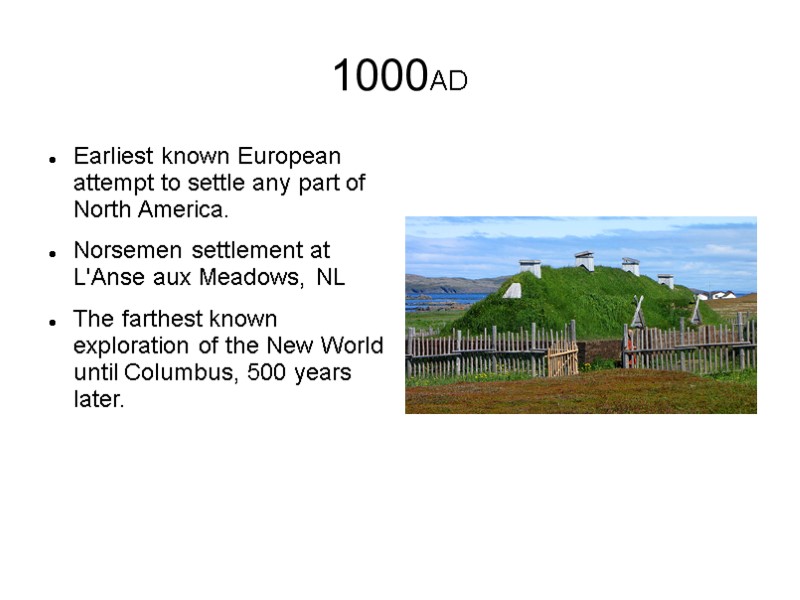
1000AD Earliest known European attempt to settle any part of North America. Norsemen settlement at L'Anse aux Meadows, NL The farthest known exploration of the New World until Columbus, 500 years later.
1496 March 5th: King Henry VII of England grants Giovanni Caboto [John Cabot] the right to “seek islands and countries of the heathen towards the west, east, and north” sailing under the English flag. Heathen: 1: an unconverted member of a people or nation that does not acknowledge the God of the Bible 2: an uncivilized or irreligious person
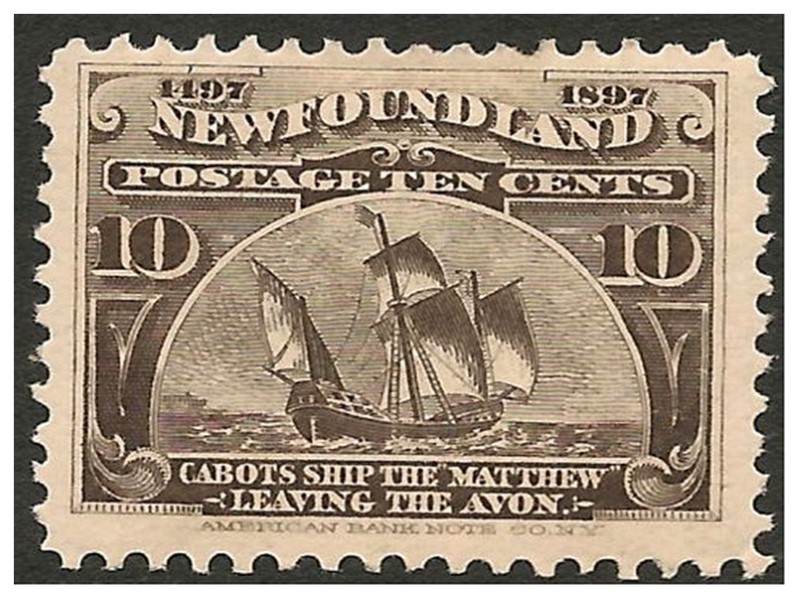
1497 May 2: John Cabot embarked on his ship, the Matthew, to explore the lands across the Atlantic, hoping to find a north west passage to the Indies and China. John Cabot and his son Sebastian were the first Europeans to discover Canada, landing on the coast of Newfoundland
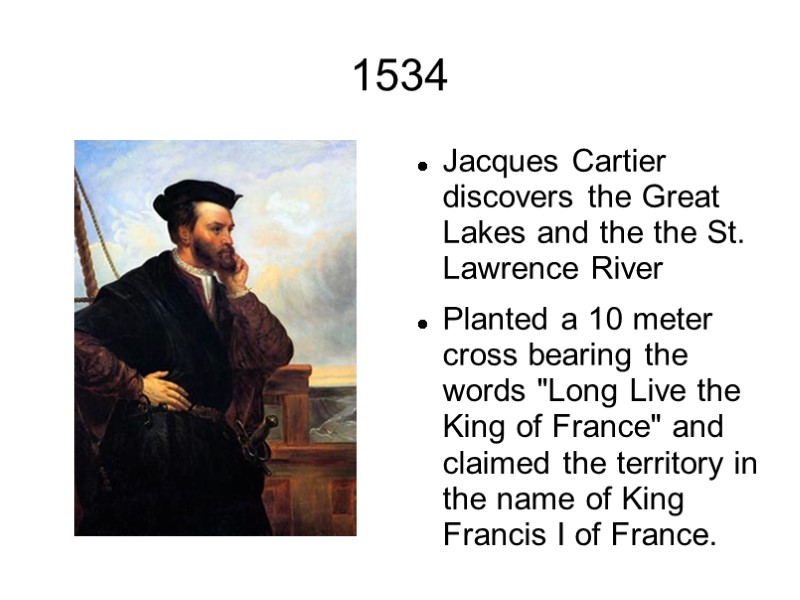
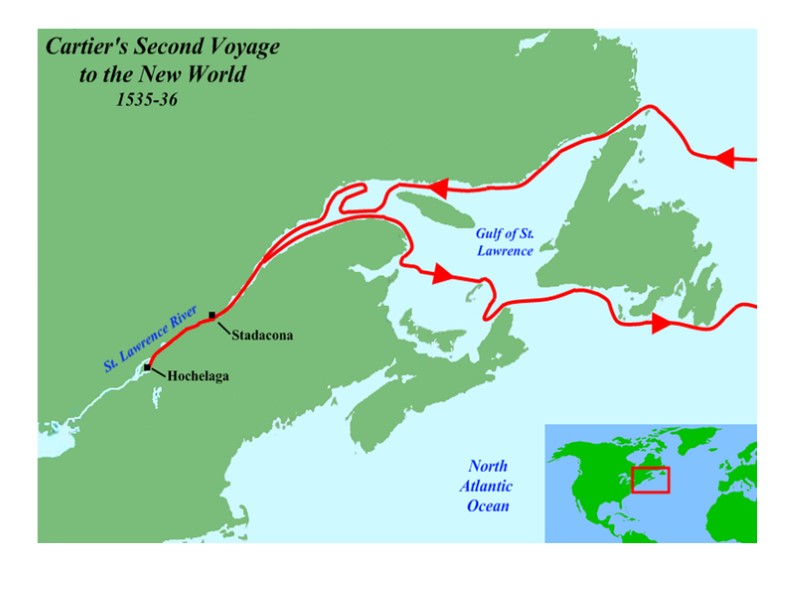
1534 Jacques Cartier discovers the Great Lakes and the the St. Lawrence River Planted a 10 meter cross bearing the words "Long Live the King of France" and claimed the territory in the name of King Francis I of France.
The First Colonies! 1583: St. John's, Newfoundland – English 1605: Port Royal, New France – French 1608: Quebec City, New France - French
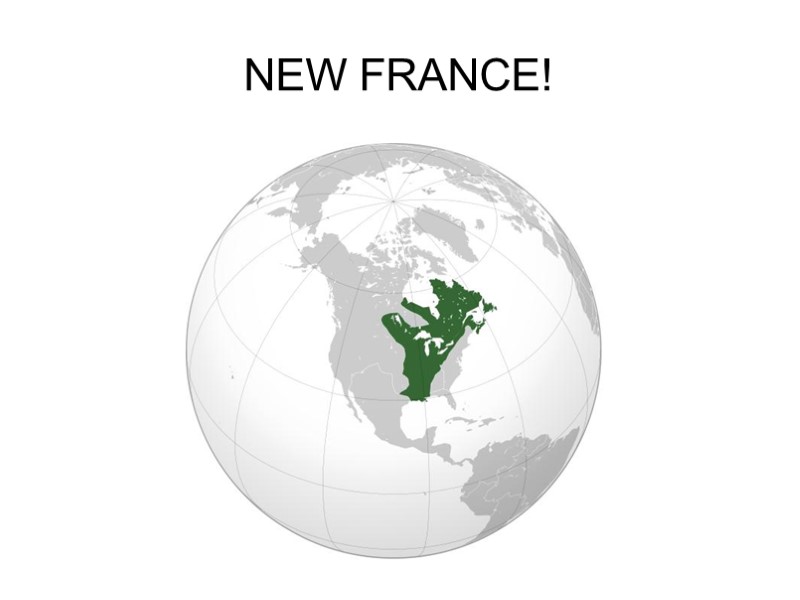
NEW FRANCE!
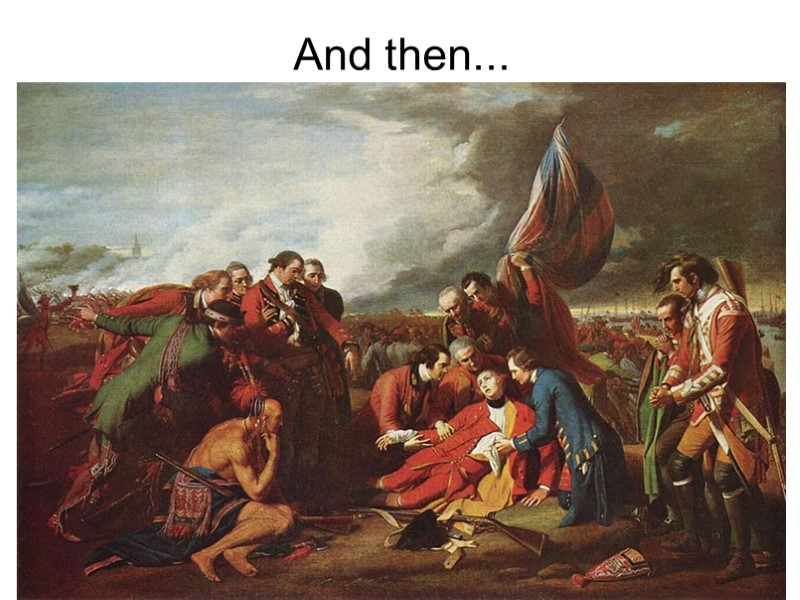
And then...
13 September 1759 The Battle of the Plains of Abraham Between French and British Forces 15-minute battle after a three-month siege The British took Quebec city and held it Within four years, most of France's possesions in North America would be British [Treaty of Paris 1763]
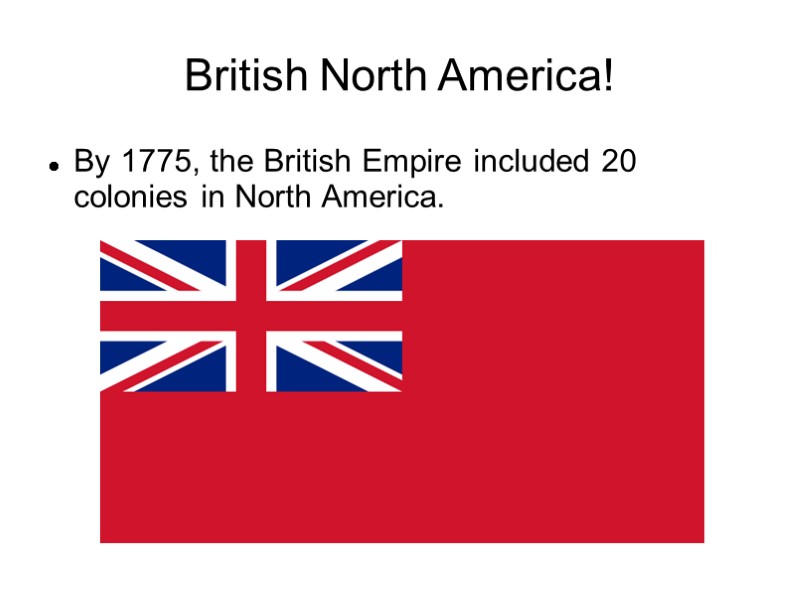
British North America! By 1775, the British Empire included 20 colonies in North America.
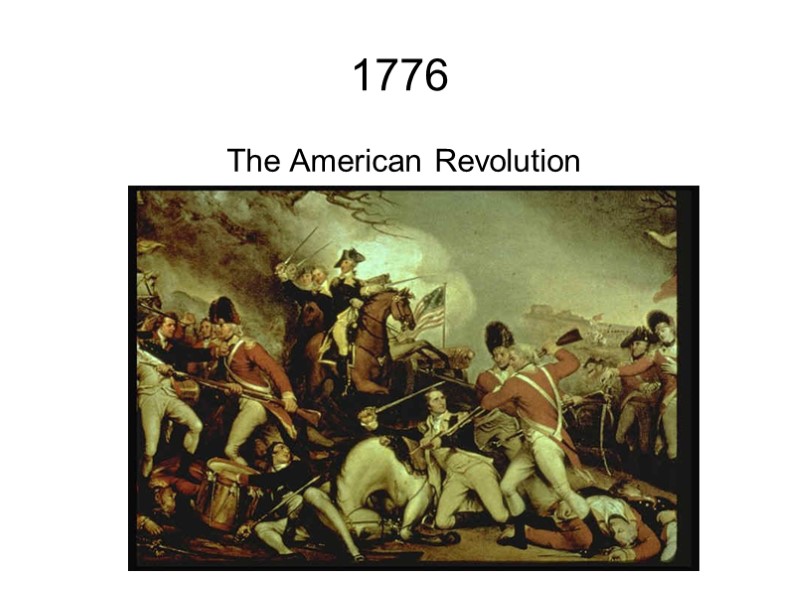
1776 The American Revolution
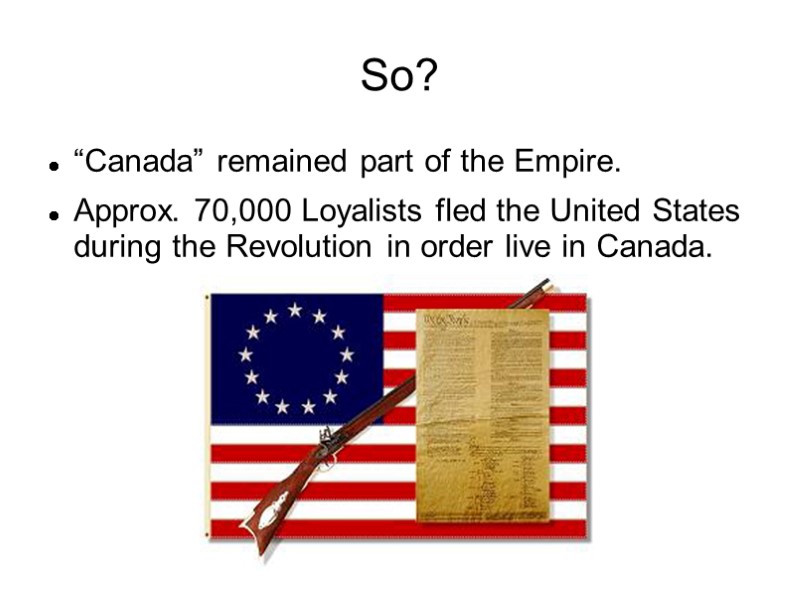
So? “Canada” remained part of the Empire. Approx. 70,000 Loyalists fled the United States during the Revolution in order live in Canada.
Another Invasion of Canada The War of 1812 was fought between the Americans and the British (Canadians). Americans thought Canadians would want to be part of the United States. For the Americans, it was a “Second War of Independence.” For Canada, well...
1837 - Rebellions The desire for government reform, and general disagreement with the colonial government, led to two rebellions in 1837.
Part 4: Confederation
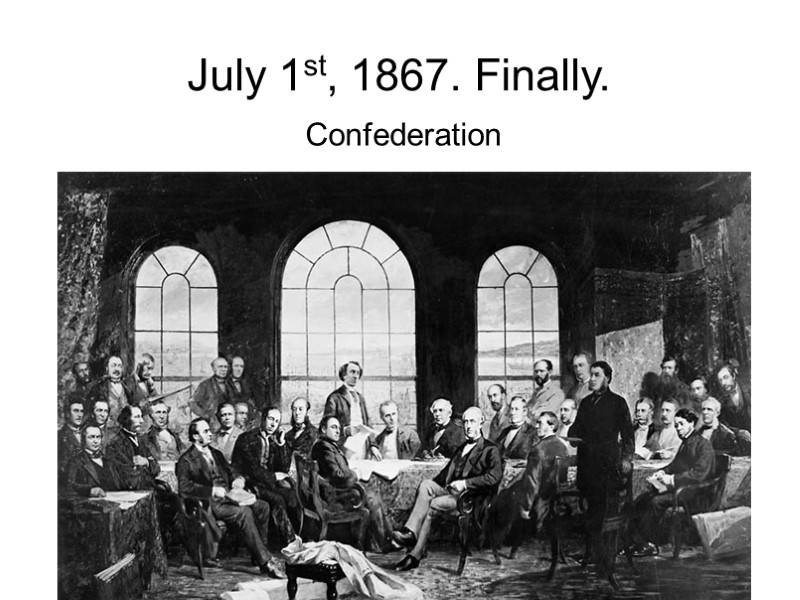
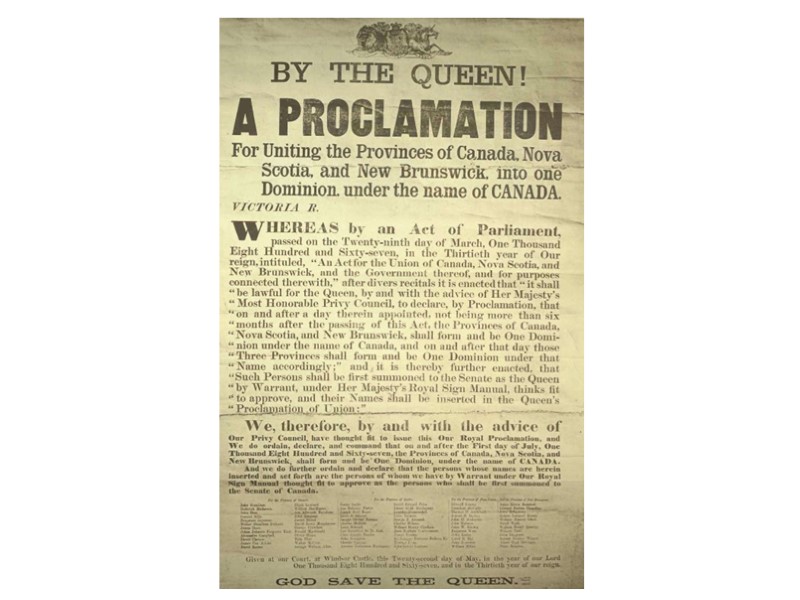
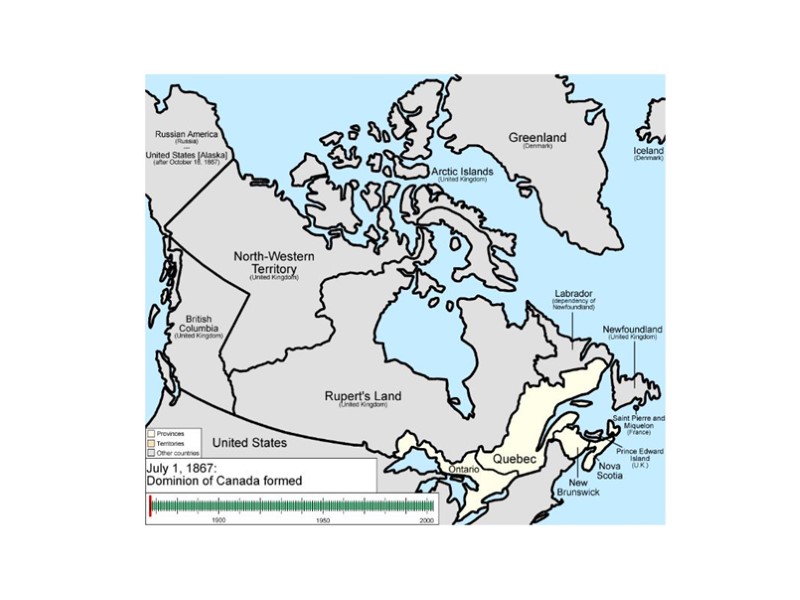
July 1st, 1867. Finally. Confederation
What happened? Canada is a federal state and not a confederate association of sovereign states, the usual meaning of confederation; but is often considered to be among the world's more decentralized federations. In this Canadian context, confederation generally describes the political process that united the colonies in the 1860s and related events, and the subsequent incorporation of other colonies and territories. The term confederation is now often used to describe Canada in an abstract way, "the Fathers of Confederation" itself being one such usage. Provinces and territories that became part of Canada after 1867 are also said to have joined, or entered into, confederation (but not the Confederation). Confederation is, loosely translated, a confederation of colonies.. The term is also used to divide Canadian history into pre-Confederation (i.e. pre-1867) and post-Confederation (i.e. post-1867) periods.
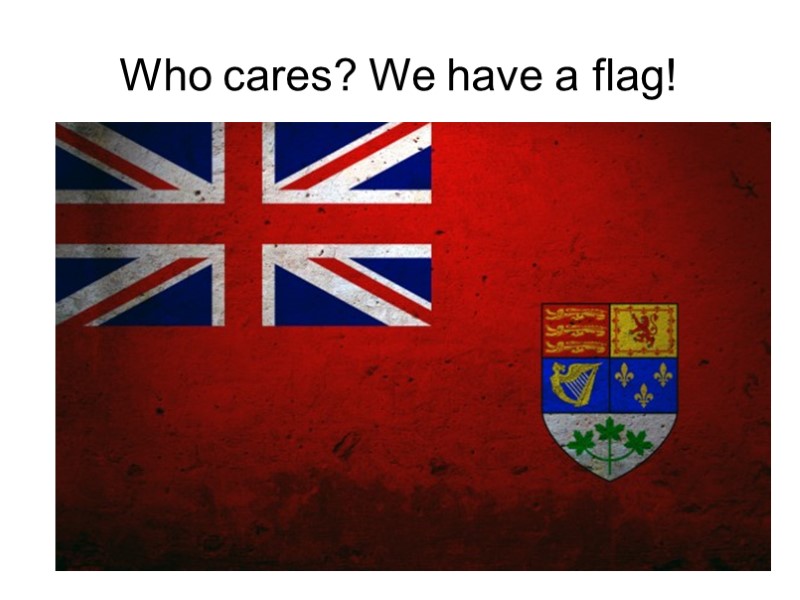
Who cares? We have a flag!
Pre-confederation history, again, briefly:
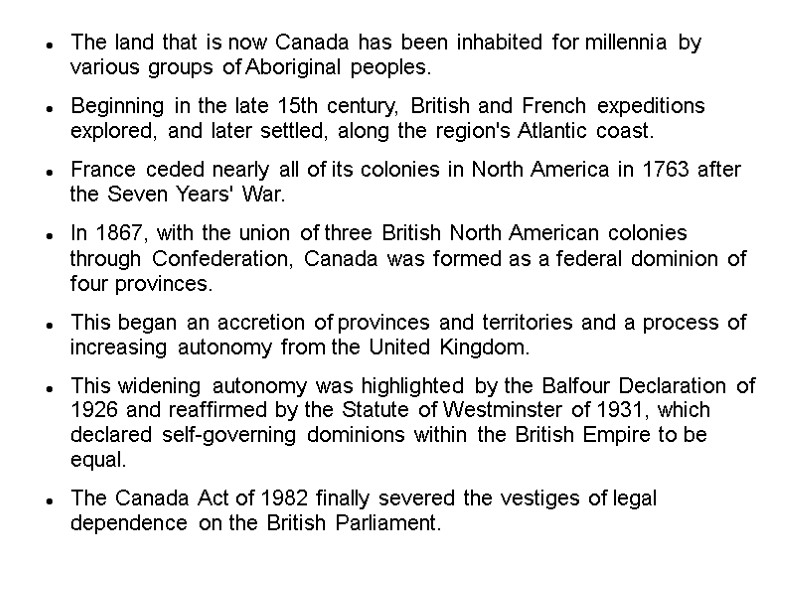
The land that is now Canada has been inhabited for millennia by various groups of Aboriginal peoples. Beginning in the late 15th century, British and French expeditions explored, and later settled, along the region's Atlantic coast. France ceded nearly all of its colonies in North America in 1763 after the Seven Years' War. In 1867, with the union of three British North American colonies through Confederation, Canada was formed as a federal dominion of four provinces. This began an accretion of provinces and territories and a process of increasing autonomy from the United Kingdom. This widening autonomy was highlighted by the Balfour Declaration of 1926 and reaffirmed by the Statute of Westminster of 1931, which declared self-governing dominions within the British Empire to be equal. The Canada Act of 1982 finally severed the vestiges of legal dependence on the British Parliament.
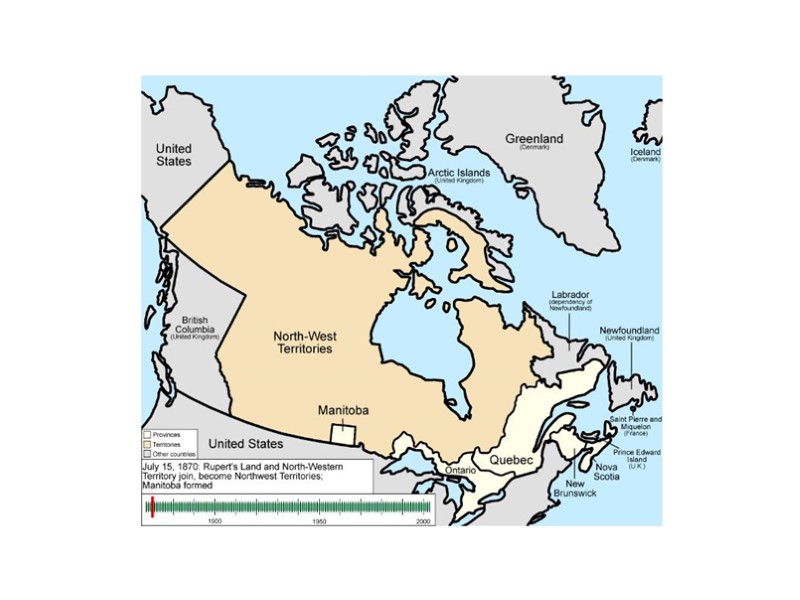
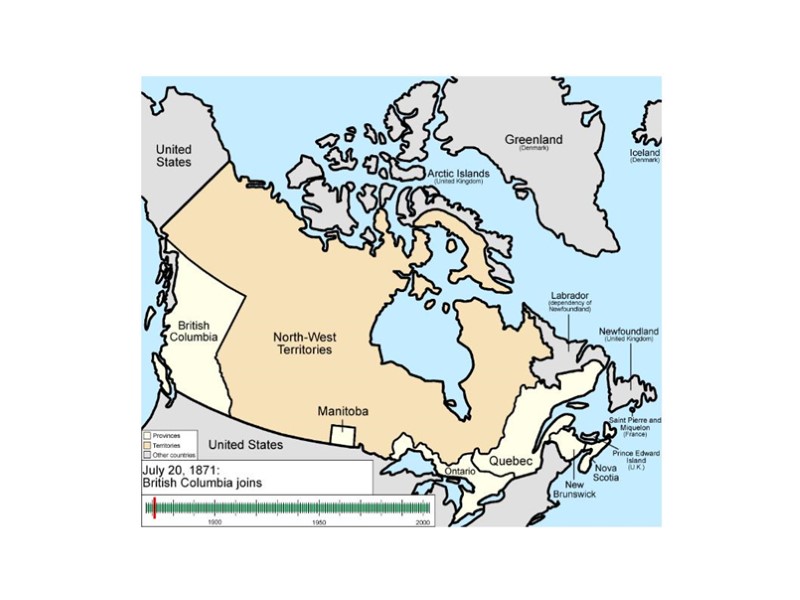
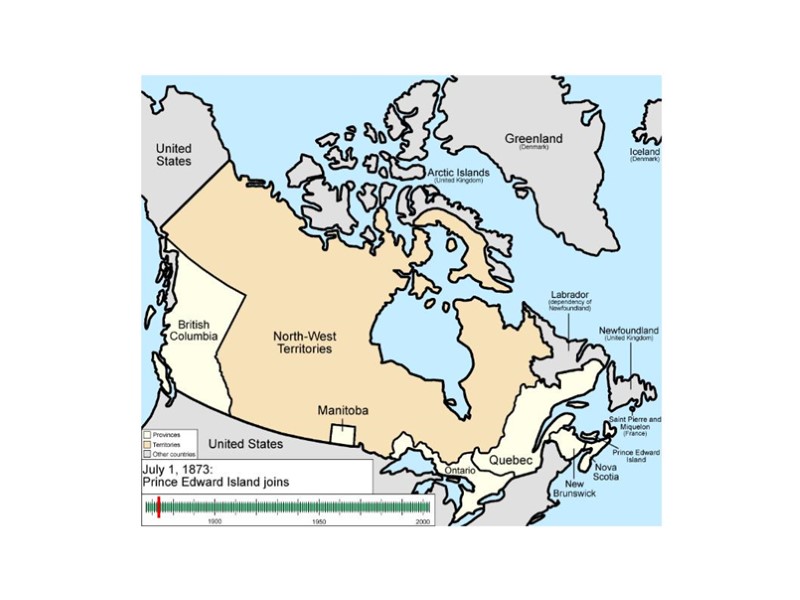
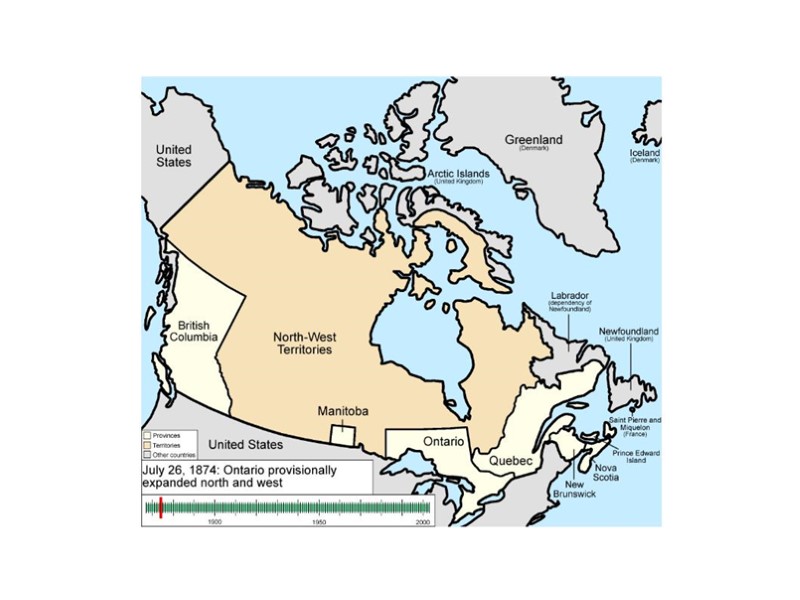
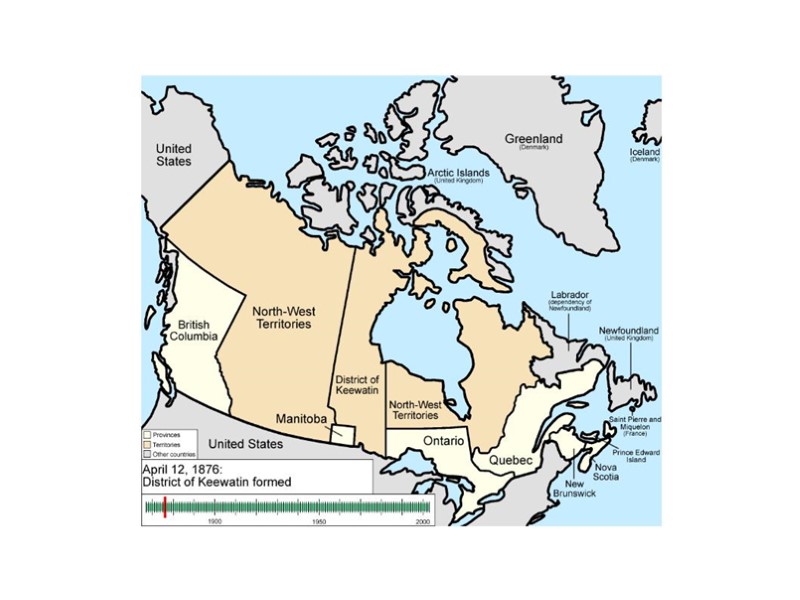
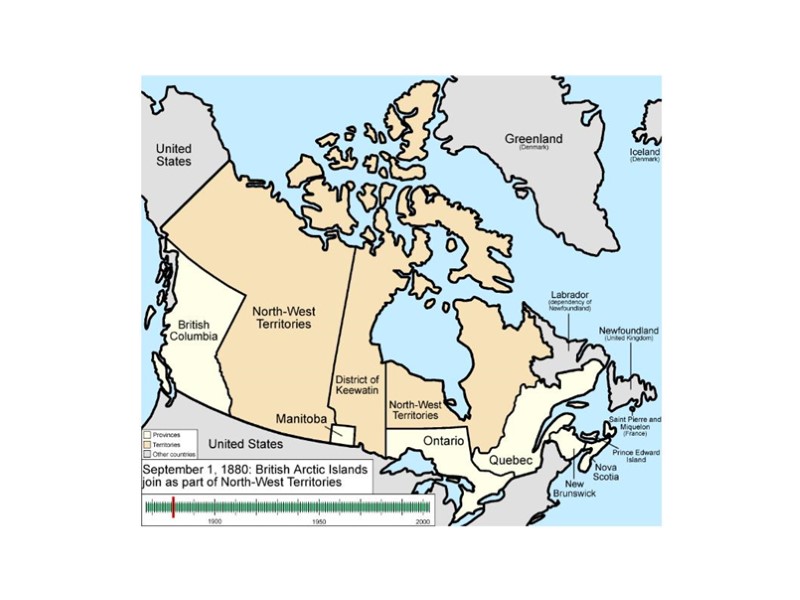
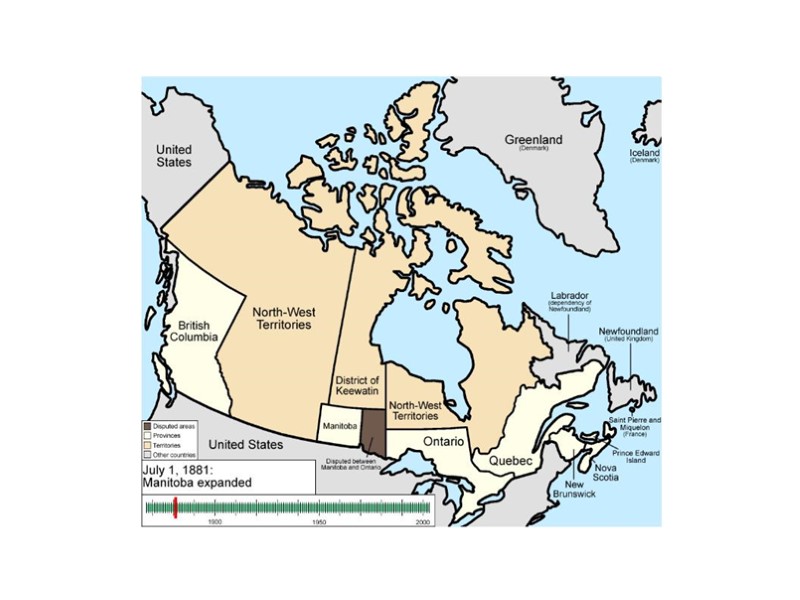
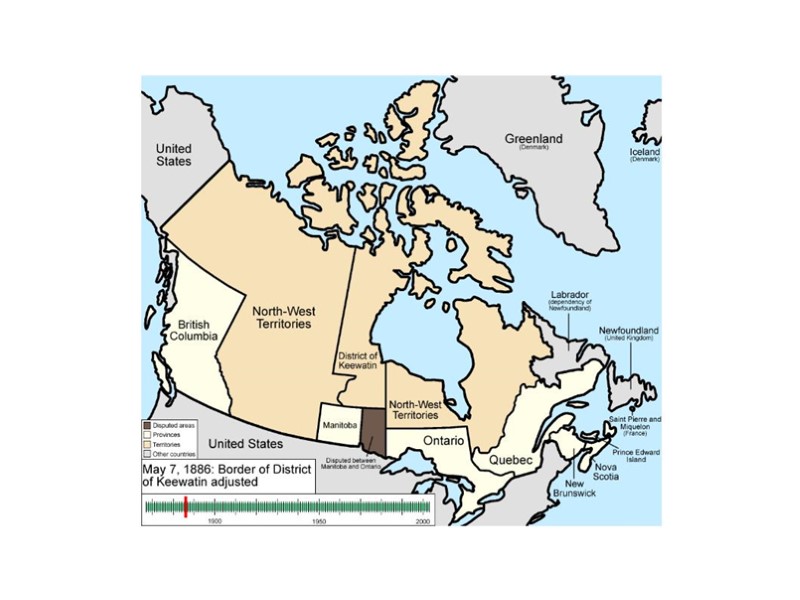
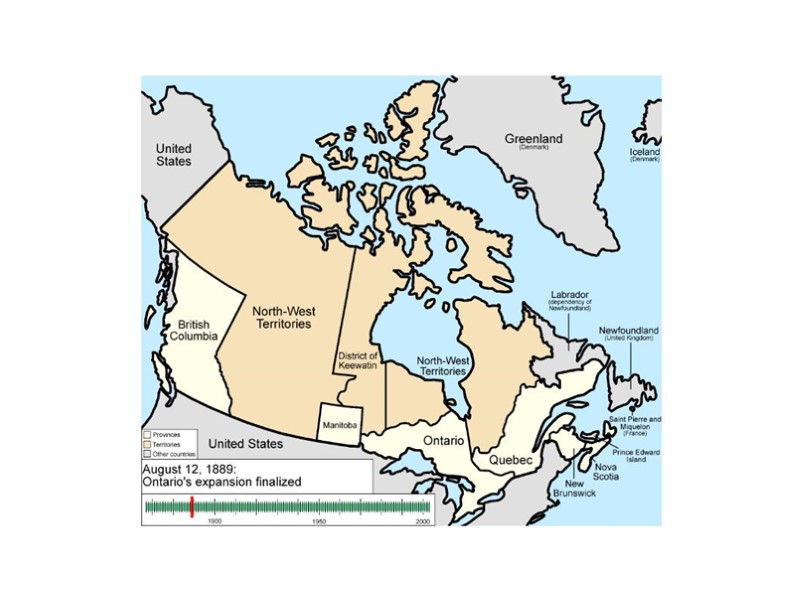
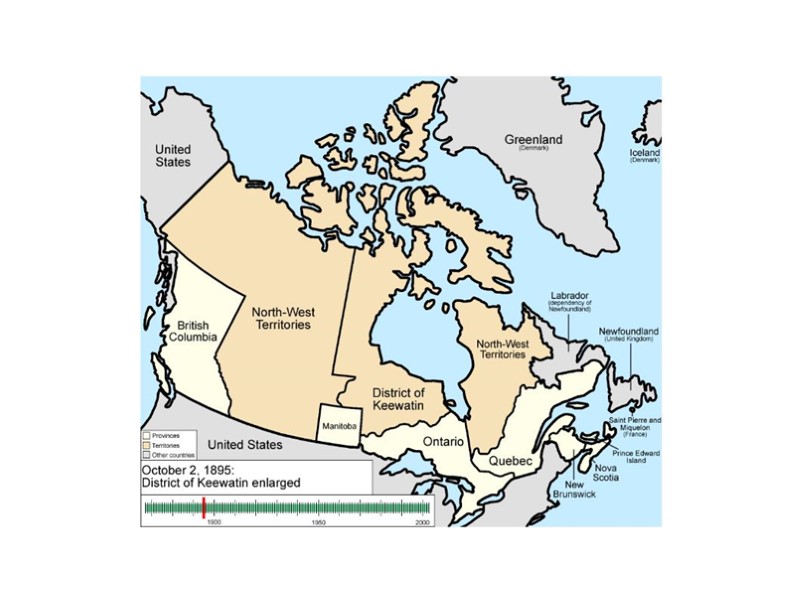
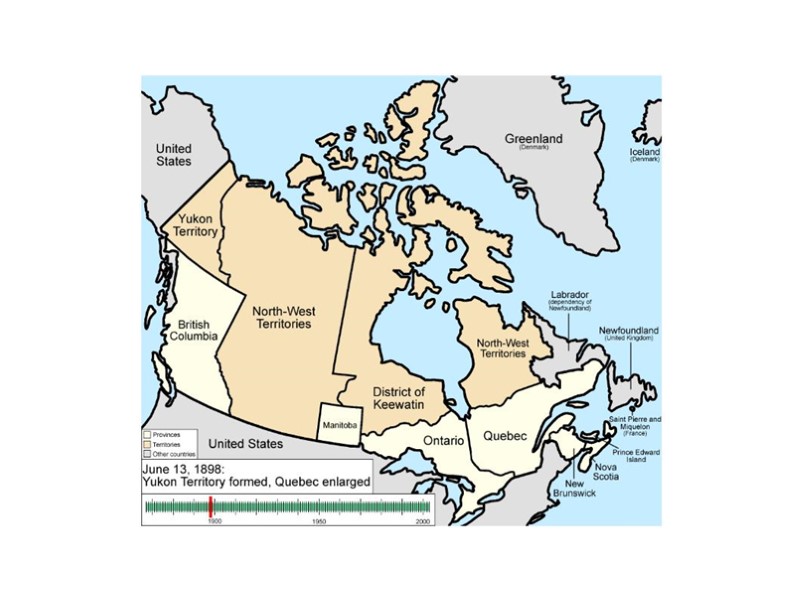
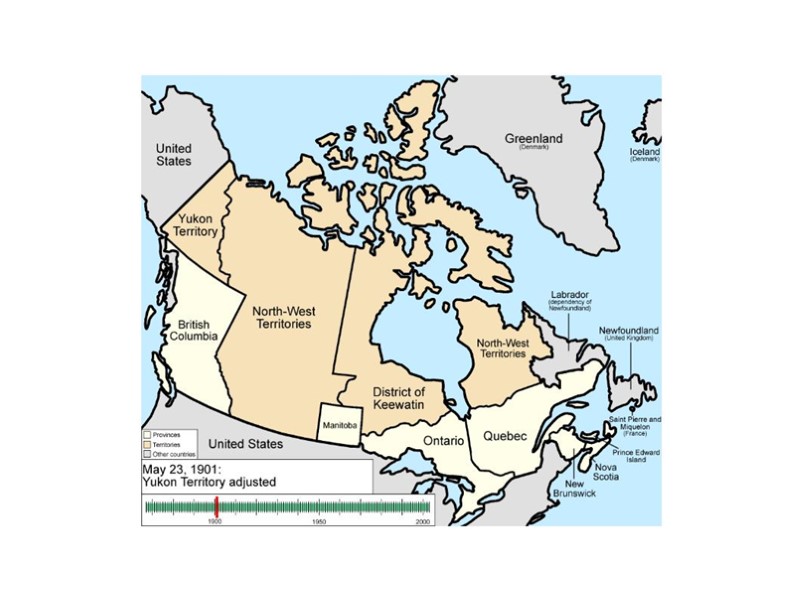
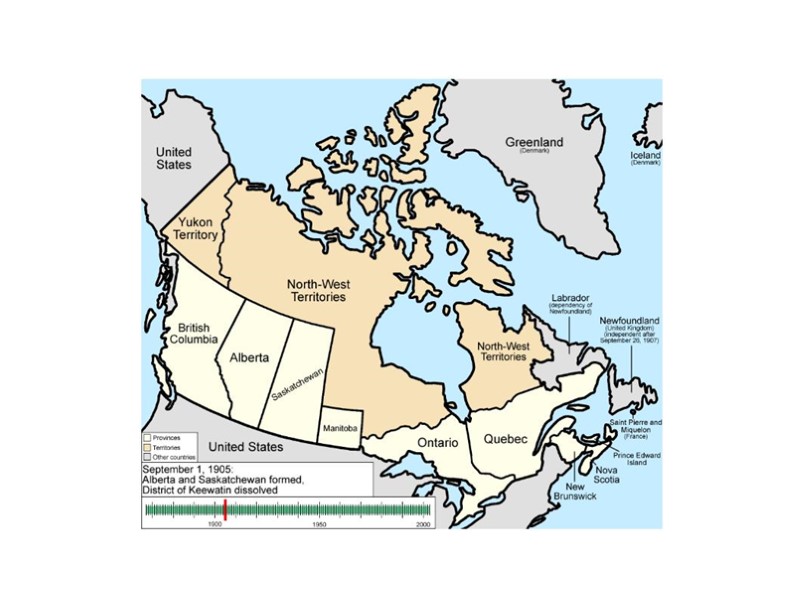
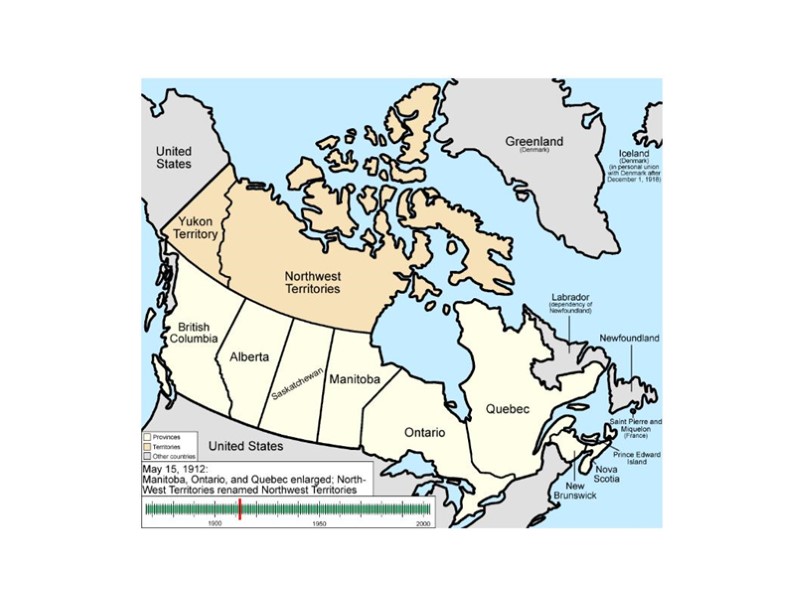
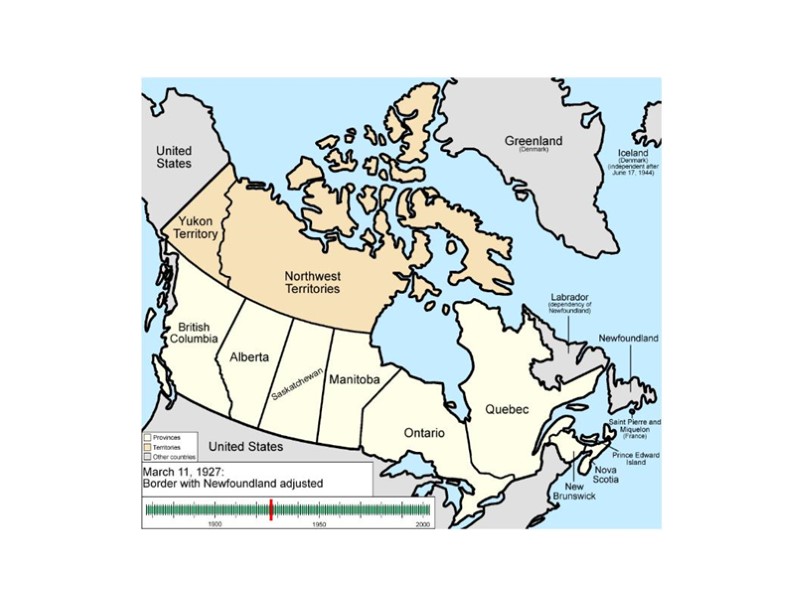
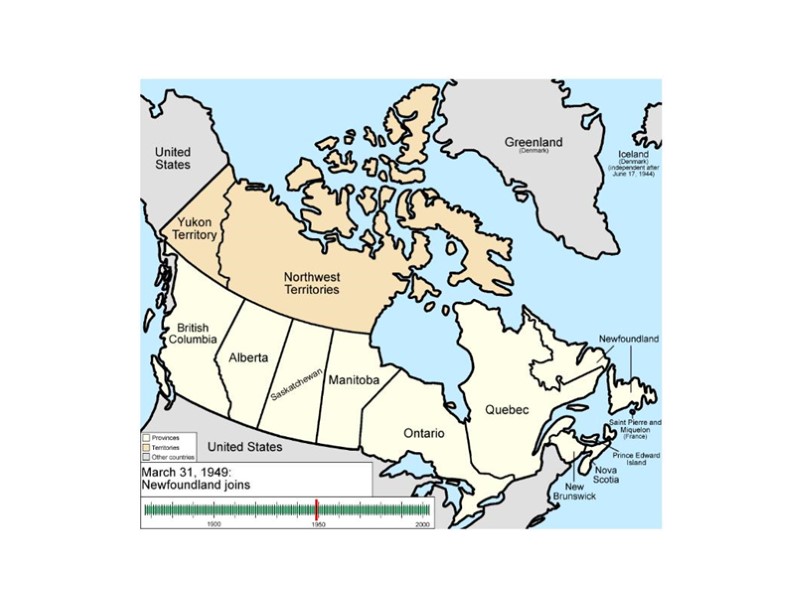
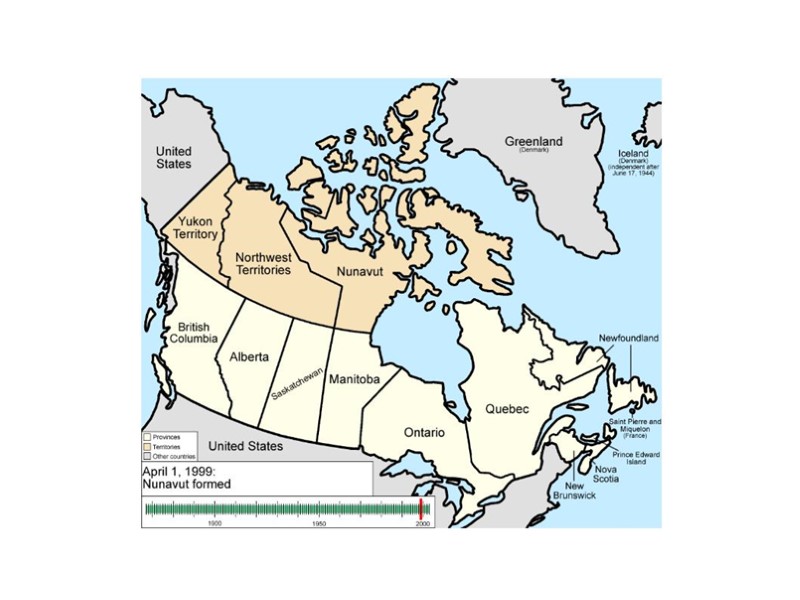
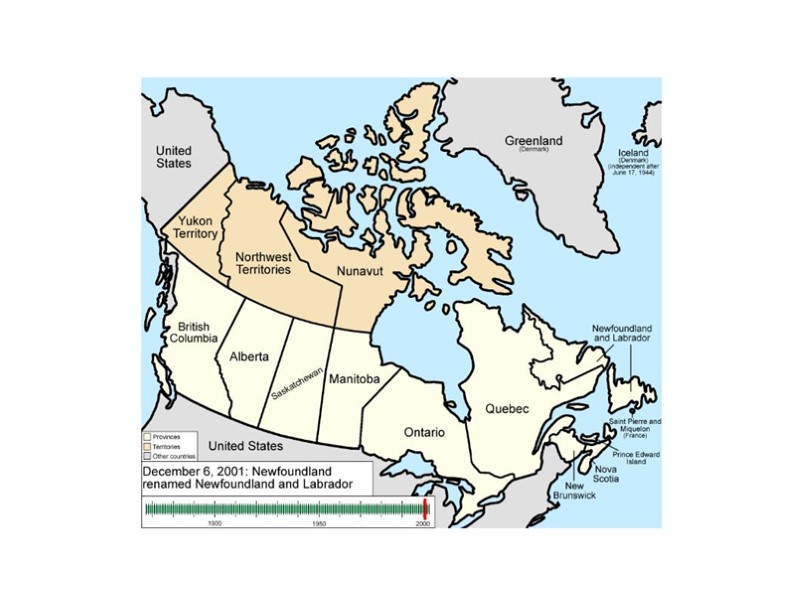
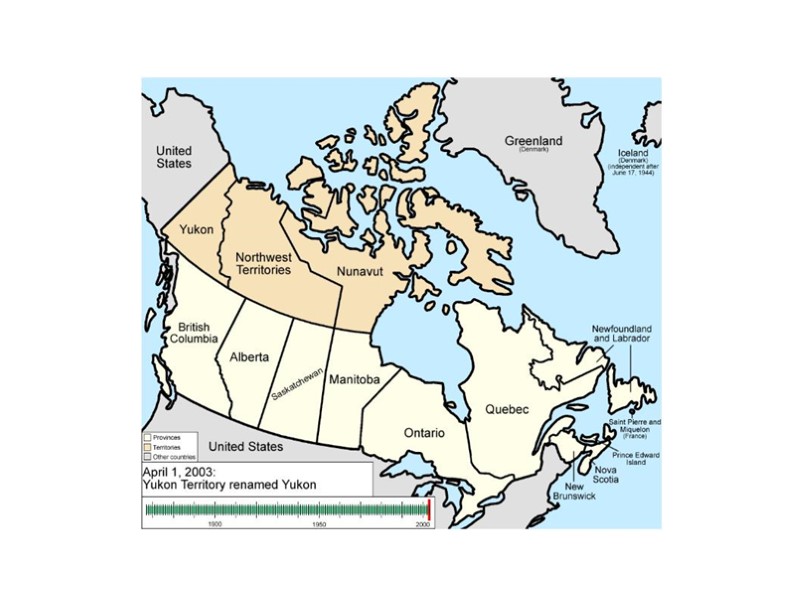
Part 5: The Changing Map of Canada
ONWARDS!
Part 6: Highlights of Canadian History (Pre-WW I)
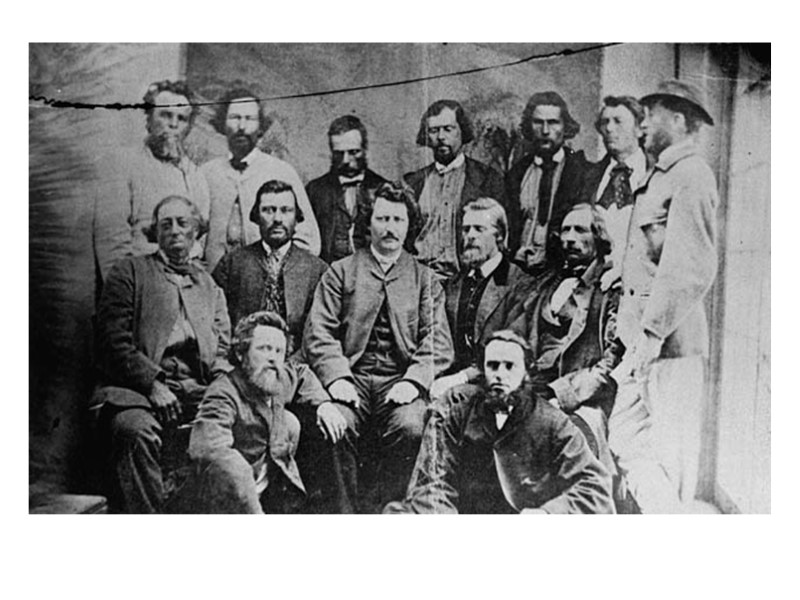
The Red River Rebellion Westward settlement was encouraged. However, the people who already lived there, natives and Métis, descendants of the children of natives and French Canadian fur traders, were opposed to waves of English-speaking settlers buying their lands. The Métis of the Red River settlement (near present-day Winnipeg, Manitoba), led by Louis Riel, formed a provisional government to negotiate with the Canadian government, although these negotiations quickly fell apart. Riel led the Red River Rebellion in 1869 and 1870, during which he executed an Orangeman, causing an uproar among Protestant English Canadians. Macdonald sent a militia to put down the rebellion, which they quickly did, and Riel fled to the United States. The Rebellion led to the creation of the province of Manitoba in 1870, with laws protecting the rights of the natives, Métis, French-speakers and English-speakers, Catholics and Protestants.
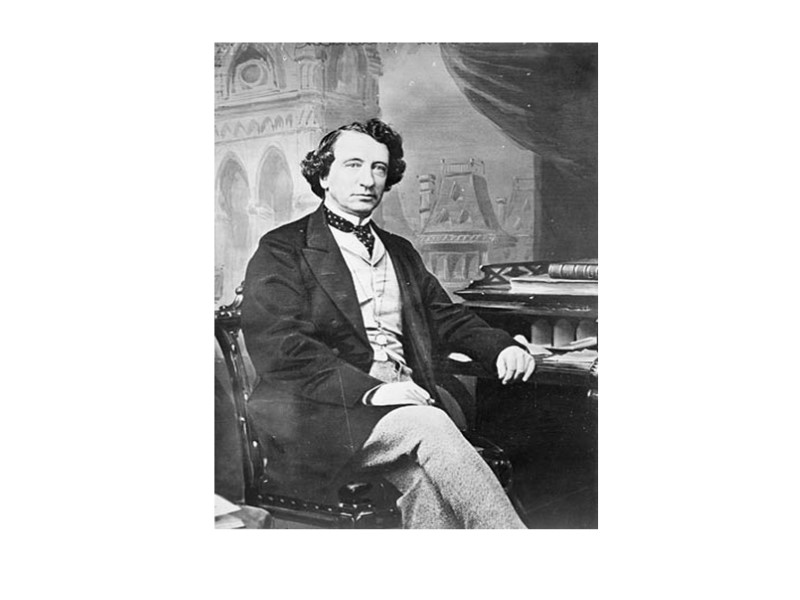
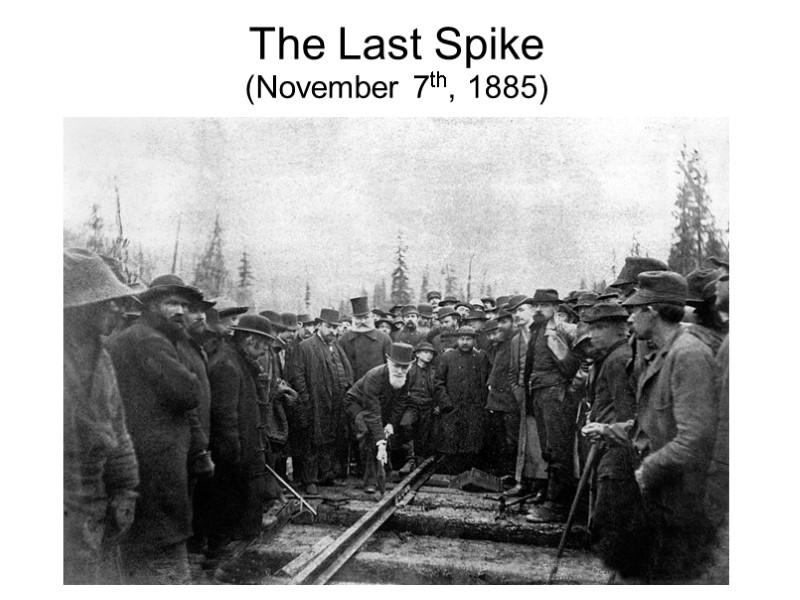
Expansion British Columbia joined Canada in 1871 after prime minister MacDonald promised to build a transcontinental railroad. In 1873, Prince Edward Island joined Canada. Also in 1873, the North-West Mounted Police were created to police the vast Western regions and assert Canadian sovereignty.
The Last Spike (November 7th, 1885)
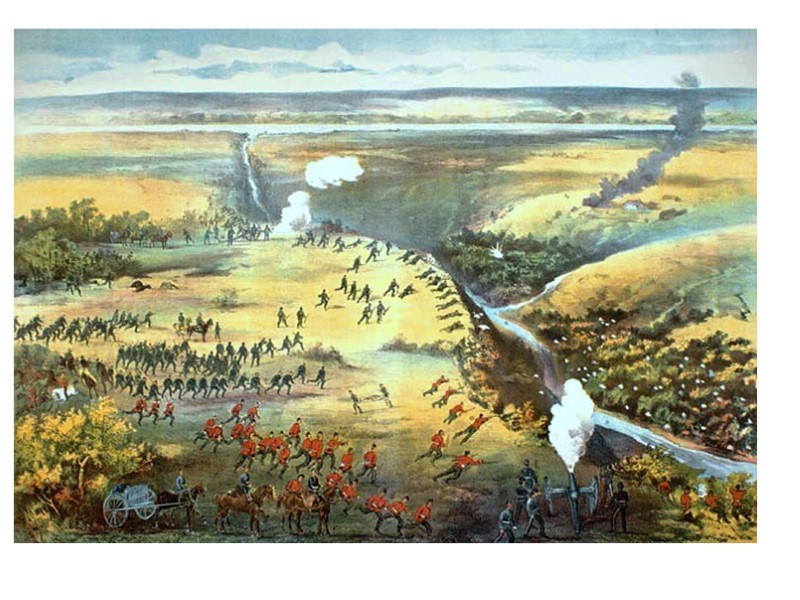
The North-West Rebellion The second rebellion led by Louis Riel This time in what is now Saskatchewan The newly formed North-West Mounted Police Riel tried and Hanged
Manitoba Schools Question Manitoba joined Canada in 1870 1890: French abolished as an official language and abolished government funding for Catholic schools 1891: John A. MacDonald dies 1896: Wilfred Laurier becomes first French-Canadian prime minister Compromise
Settlement of the West From 1896 to 1911, Canada had the world's fastest growing economy. Immigration from Eastern Europe and the eastern parts of the former Austro-Hungarian empire.
Духоборцы Духобо́ры (духобо́рцы) — особая этноконфессиональная группа русских. Исторически русская религиозная группа, приверженцами Русской православной церкви и некоторыми социологами часто квалифицирующаяся как конфессия христианского направления, отвергающая внешнюю обрядность церкви. Идейно близка к английским квакерам. Одно из ряда учений, получивших общее название «духовных христиан».
Эмиграция в Канаду Несмотря на широкий общественный и международный резонанс событий 1895, компромисса с властями в вопросе защиты духоборов достигнуто не было. С инициативным и финансовым участием Льва Толстого и зарубежных квакеров было принято решение об эмиграции духоборов. В качестве возможных мест нового поселения рассматривались Маньчжурия, Китайский Туркестан (план одного из инициаторов идеи эмиграции, дипломата, отвечавшего за восточное направление, Э. Э. Ухтомского), Кипр, Гавайи и т. д. Исходно обследованный духоборами Кипр не был одобрен из-за того, что новопоселенцам выделялось недостаточно земли, а также из-за неподходящего климата.
Лев Толстой обратился через сына Сергея к своему сподвижнику Владимиру Черткову (в это время высланному за границу и проживающему в Великобритании) за помощью. В свою очередь, Чертков обратился к знаменитому анархисту князю Петру Кропоткину, а тот — с просьбой о содействии в переселении в Канаду, к профессору политэкономии из Университета Торонто, Джеймсу Мейвору. В 1898—1899 годах примерно 8.000 духоборов эмигрировали в Канаду, в неосвоенные районы провинции Саскачеван. Чтобы использовать гонорар для финансирования переселения, Лев Толстой специально закончил ранее отложенный роман «Воскресение».
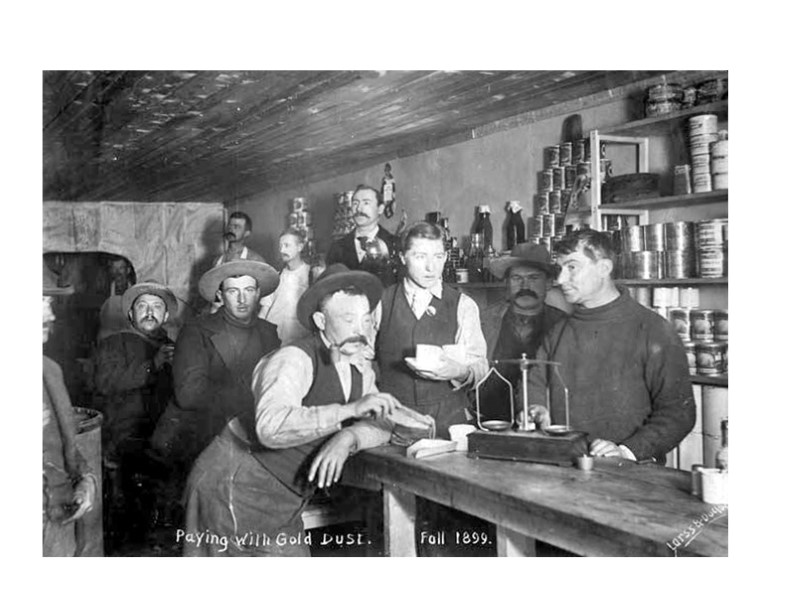
Klondike Gold Rush 1896, a party led by Skookum Jim Mason discovered gold. The discovery was publicised in 1897. 30,000 to 40,000 people in the winter and spring of 1897-98. On June 13, 1898, the Yukon became a separate territory. 1901, after many had gone back, the population of the territory was 27,219, a figure that was not reached again until 1991.
The Boer War 1899 – 1902 British Empire vs. The Transvaal Republic, and The Orange Free State
Part 7: Demographics
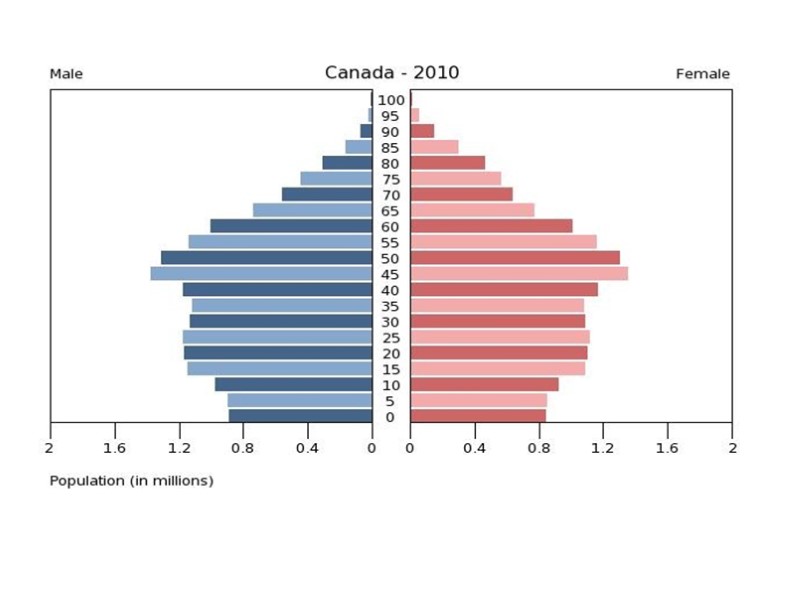
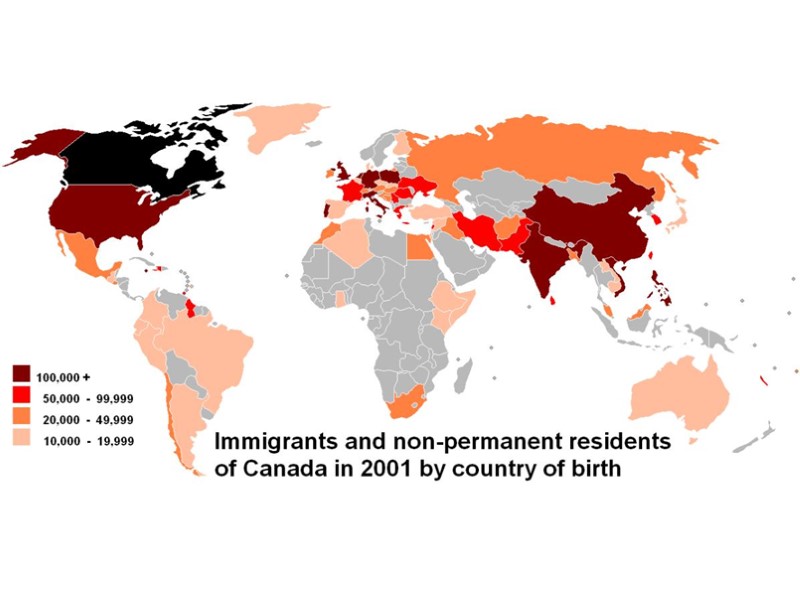
The People of Canada (In General) There are approx. 35,000,000 people in Canada Approximately 41% of current Canadians are first or second generation immigrants, meaning one out of every five Canadians currently living in Canada was not born in the country. Statistics Canada projects that, by 2031, nearly one-half of Canadians above the age of 15 will be foreign-born or have one foreign-born parent
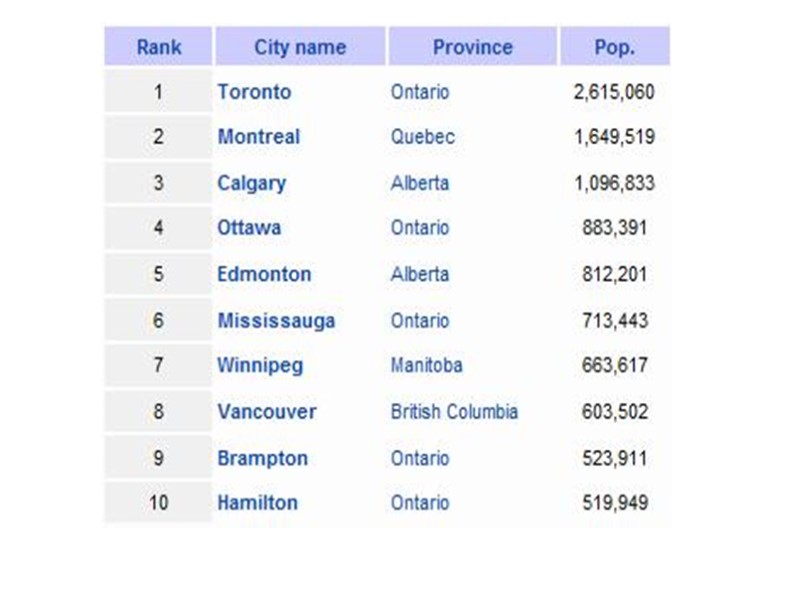
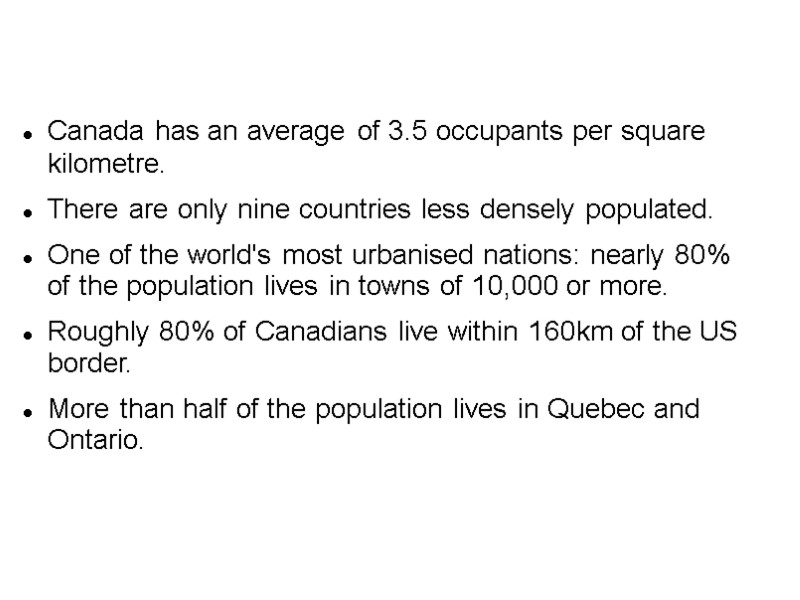
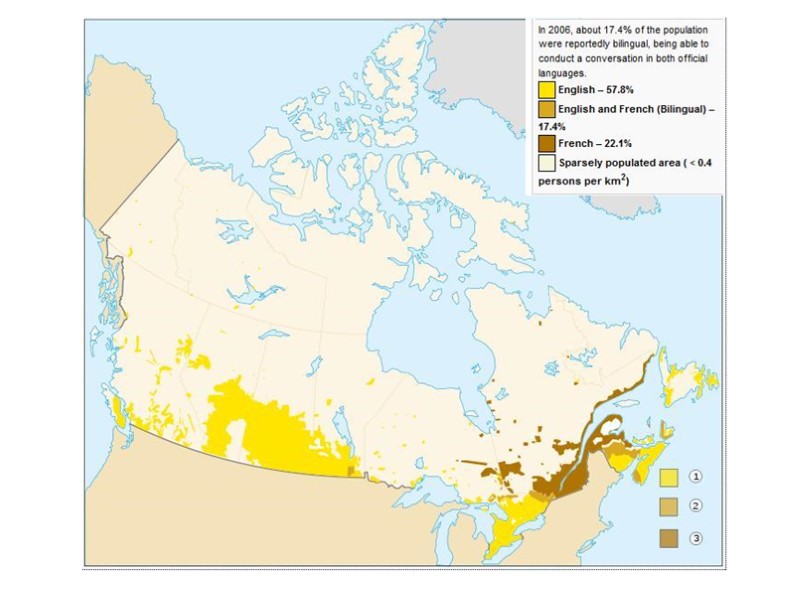
Canada has an average of 3.5 occupants per square kilometre. There are only nine countries less densely populated. One of the world's most urbanised nations: nearly 80% of the population lives in towns of 10,000 or more. Roughly 80% of Canadians live within 160km of the US border. More than half of the population lives in Quebec and Ontario.
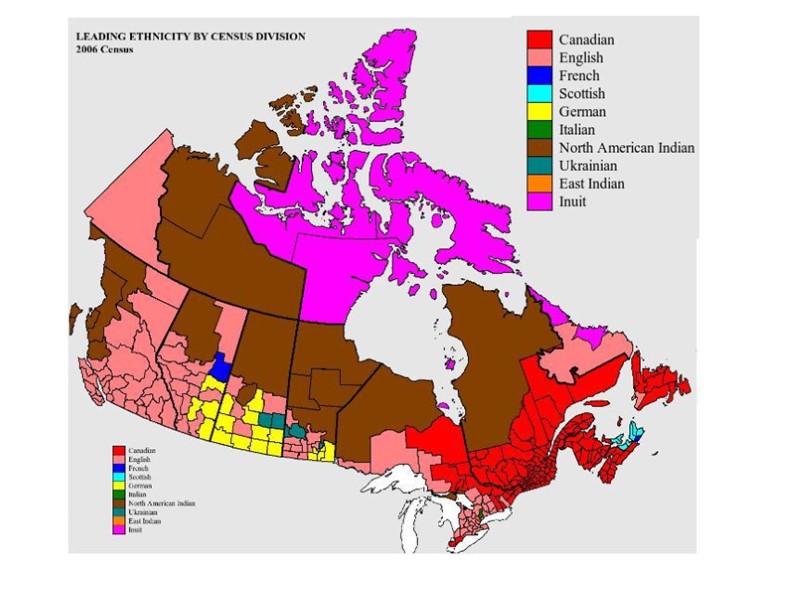
Canada's First Nations, Metis, and Inuit make up over 3% of the population (1.5 million), are second in density only to New Zealand's Maoris in terms of Aboriginal makeup of a national population. The average age in among the aboriginal population is 24.7, 13 years younger than for non-aboriginals. The suicide rate is six times as high among the aboriginal population.
First country in the world to establish a federal department of multiculturalism. Unlike the USA whose 'melting pot' of immigrants blends into the existing American fabric, nearly every major Canadian city has a Greektown, Little Italy, Chinatown, or Little Punjab. Foreign-born Canadians comprise 18% of the population. Only Australia is higher. The United States is about 10%
Part 8: Economy
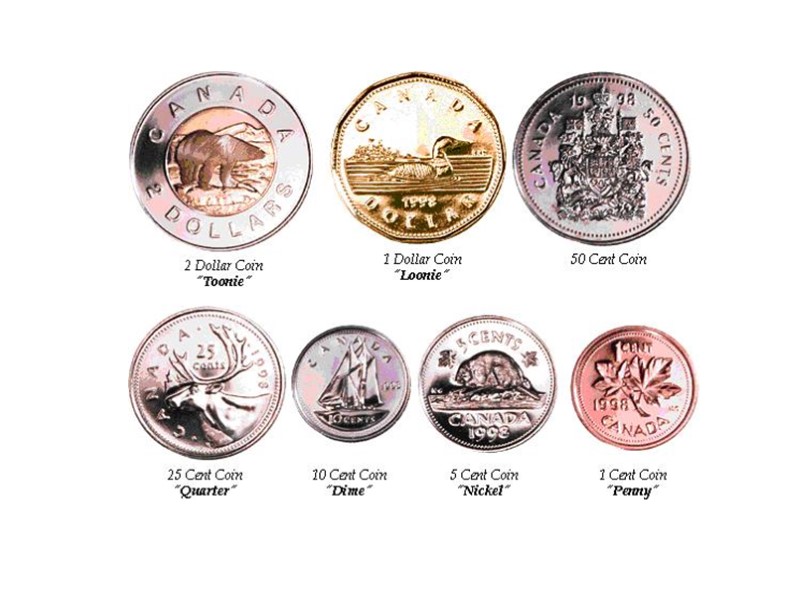
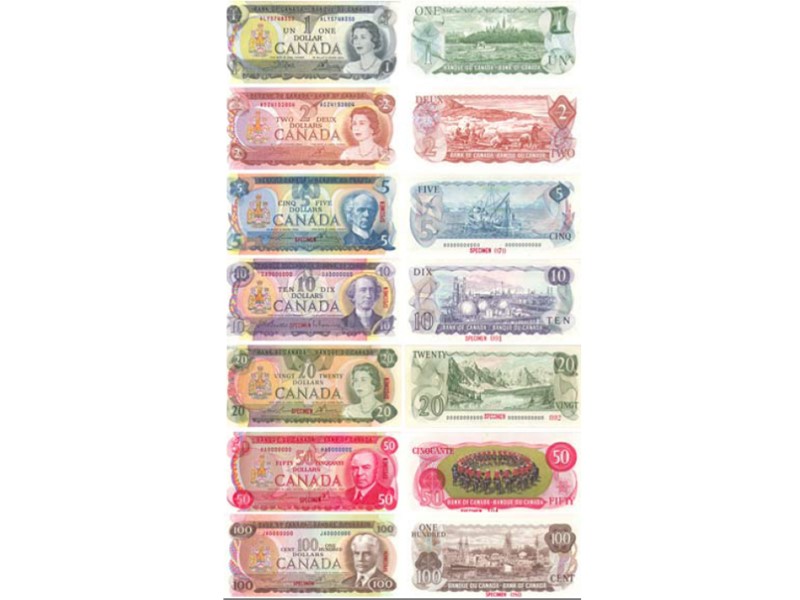
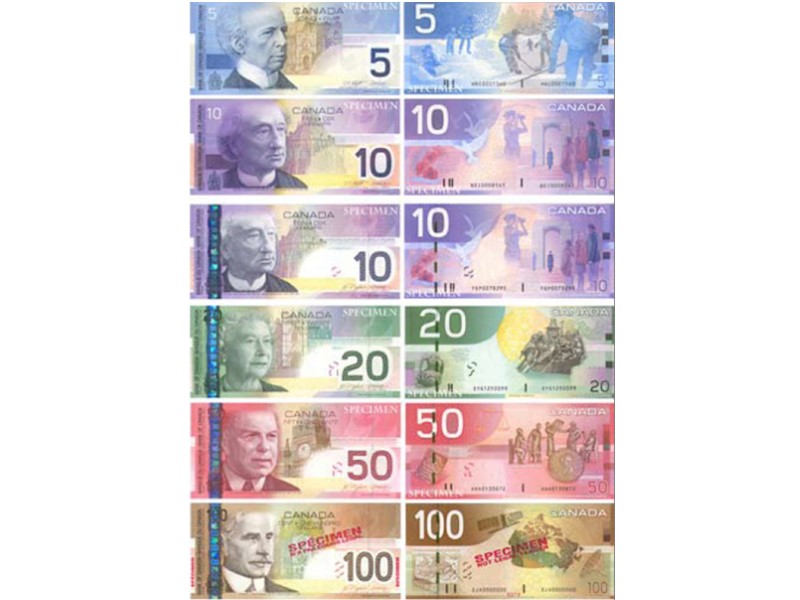
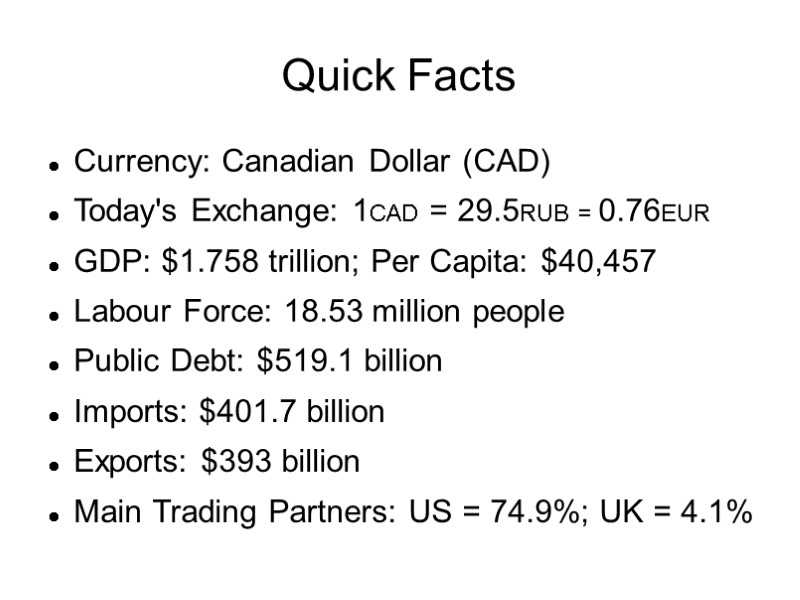
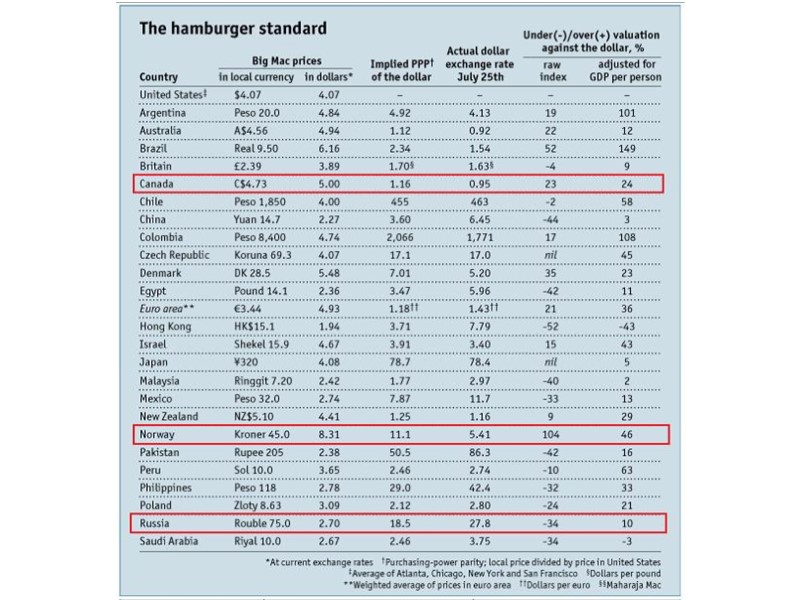
Quick Facts Currency: Canadian Dollar (CAD) Today's Exchange: 1CAD = 29.5RUB = 0.76EUR GDP: $1.758 trillion; Per Capita: $40,457 Labour Force: 18.53 million people Public Debt: $519.1 billion Imports: $401.7 billion Exports: $393 billion Main Trading Partners: US = 74.9%; UK = 4.1%
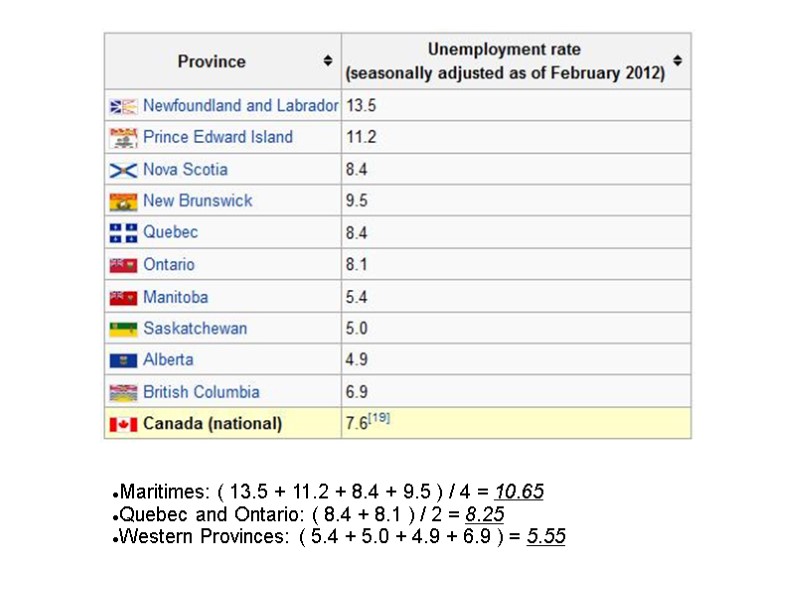
Maritimes: ( 13.5 + 11.2 + 8.4 + 9.5 ) / 4 = 10.65 Quebec and Ontario: ( 8.4 + 8.1 ) / 2 = 8.25 Western Provinces: ( 5.4 + 5.0 + 4.9 + 6.9 ) = 5.55
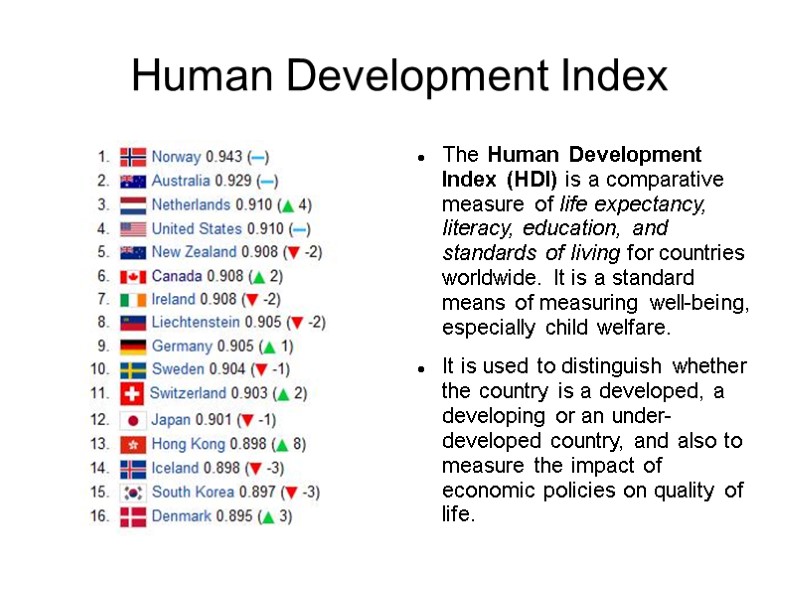
Human Development Index The Human Development Index (HDI) is a comparative measure of life expectancy, literacy, education, and standards of living for countries worldwide. It is a standard means of measuring well-being, especially child welfare. It is used to distinguish whether the country is a developed, a developing or an under-developed country, and also to measure the impact of economic policies on quality of life.
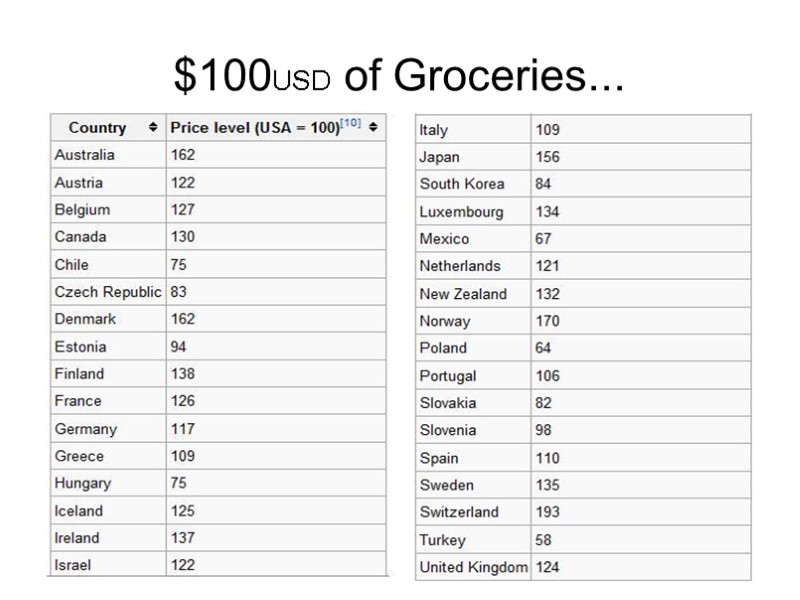
$100USD of Groceries...
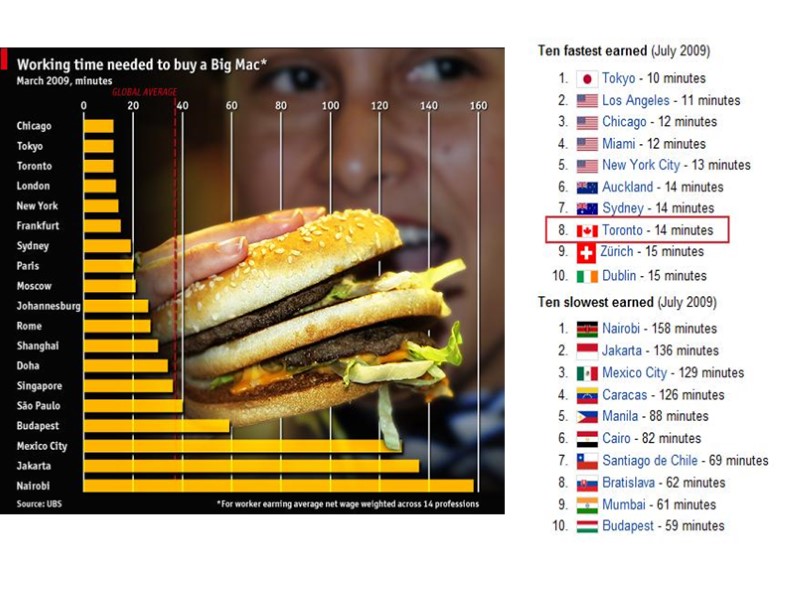
Big Mac Index
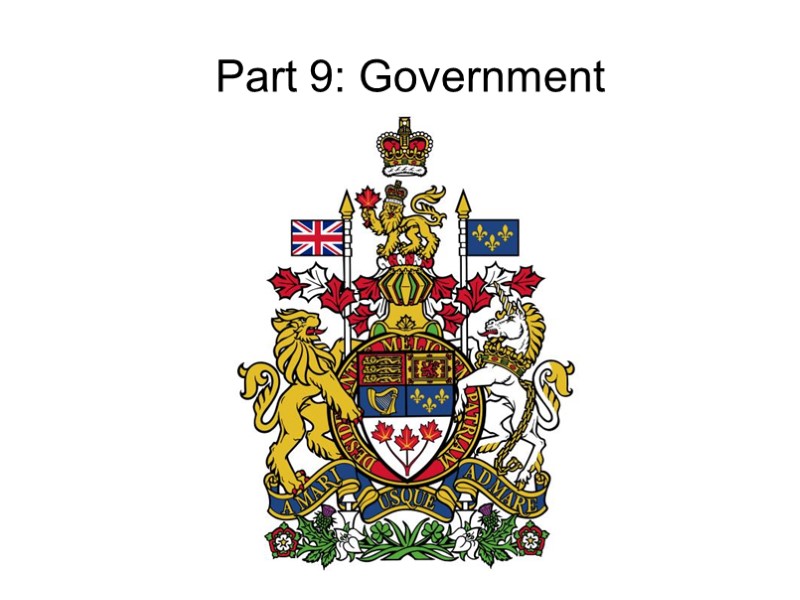
Part 9: Government
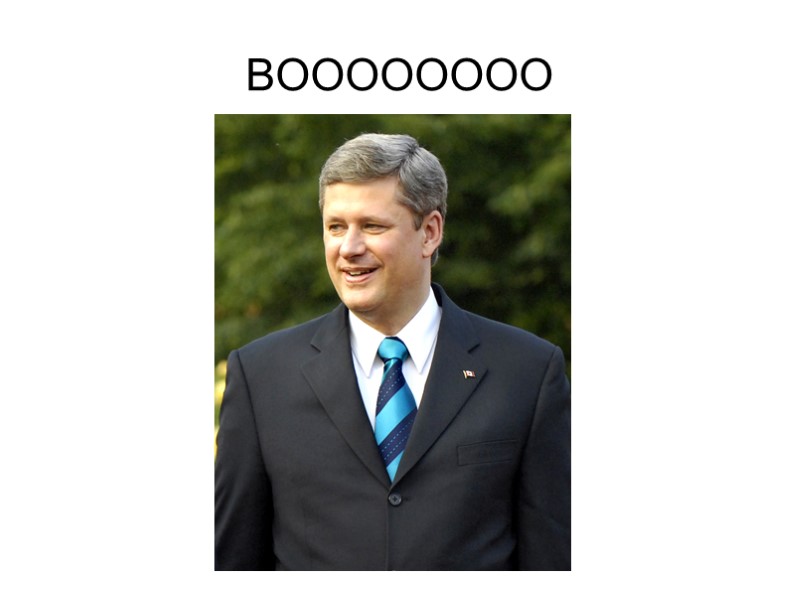
BOOOOOOOO
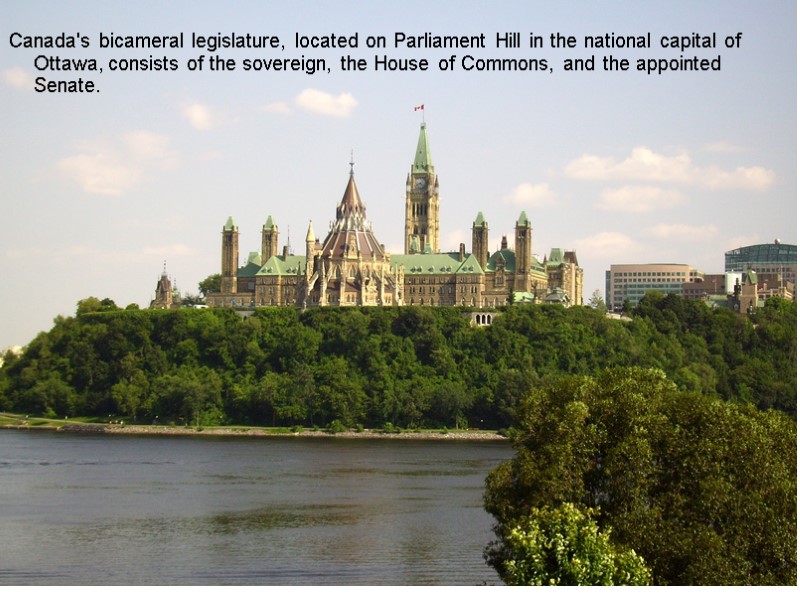
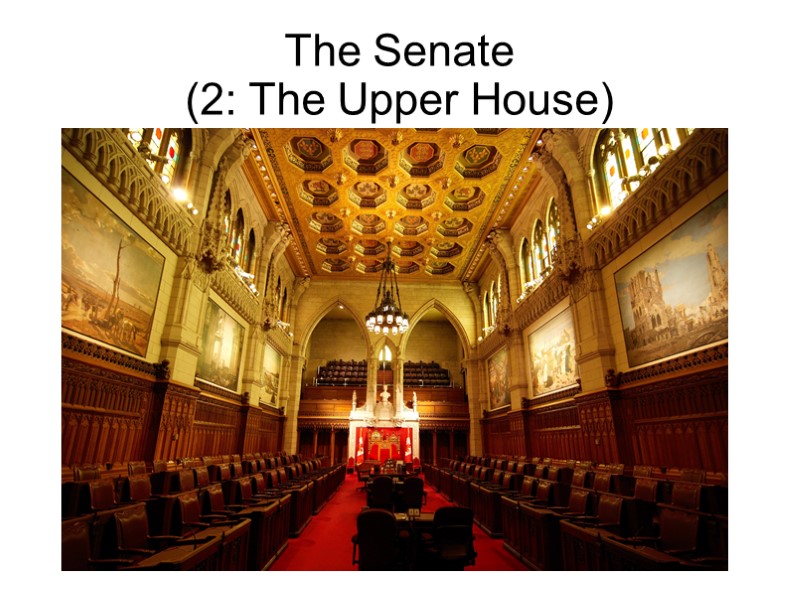
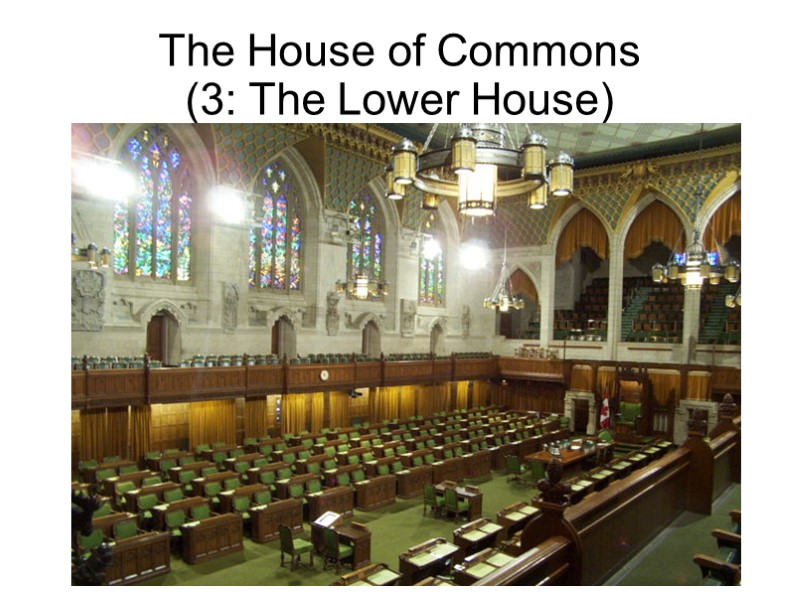
Canada's bicameral legislature, located on Parliament Hill in the national capital of Ottawa, consists of the sovereign, the House of Commons, and the appointed Senate.
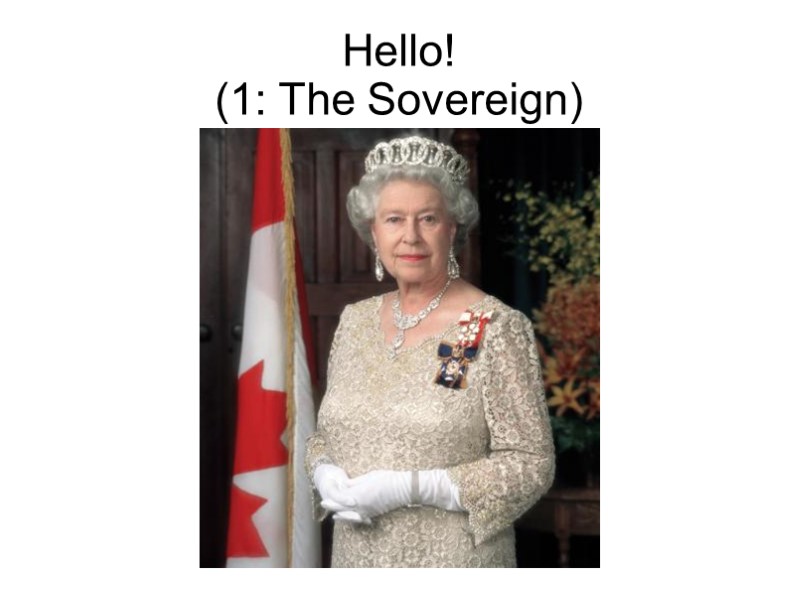
Hello! (1: The Sovereign)
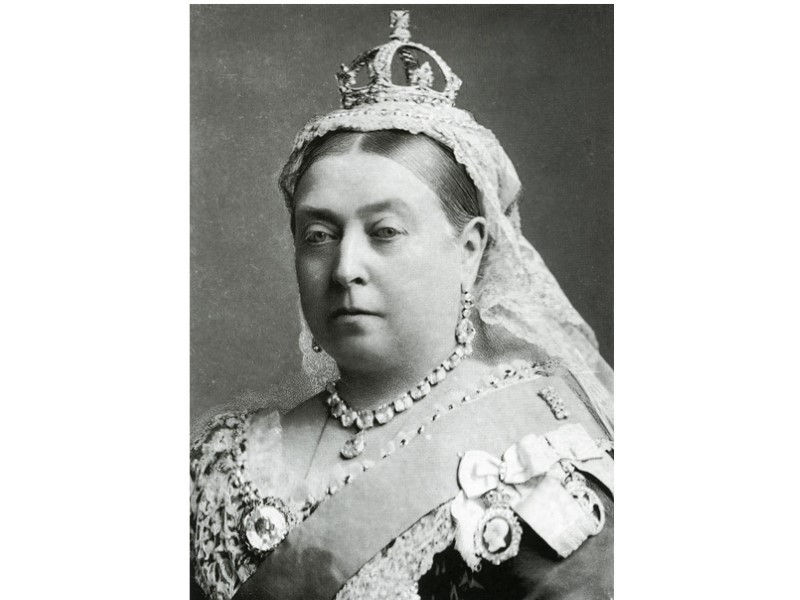
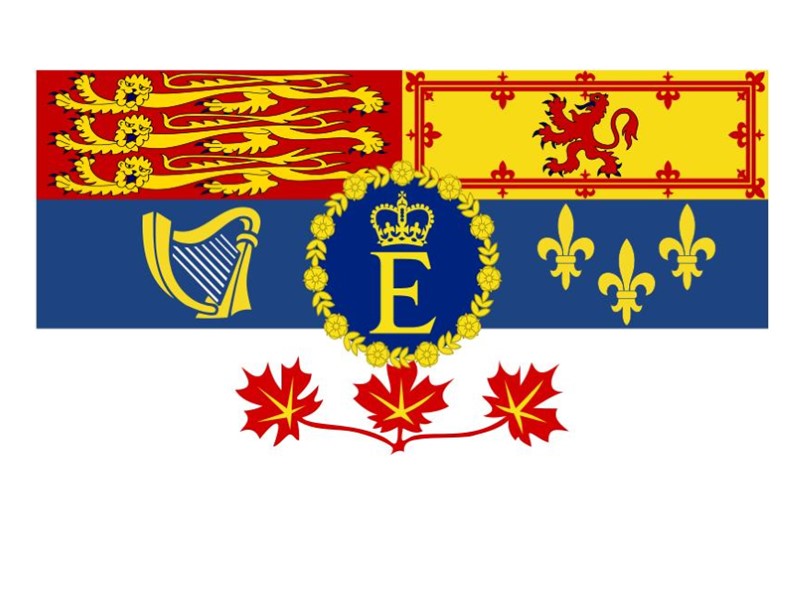
Royal Assent and the Royal Sign-Manual are required to enact laws, letters patent, and orders in council, though the authority for these acts stems from the Canadian populace and, within the conventional stipulations of constitutional monarchy, the sovereign's direct participation in any of these areas of governance is limited. While Elizabeth II is Queen of Canada, as an individual she is also the head of state of 15 other countries in the Commonwealth of Nations. It should be noted however that as Canada's Sovereign, the Queen of Canada is "truly Canadian," and is "totally independent from that of the Queen of the United Kingdon and the other Commonwealth realms." As Queen of Canada, Her Majesty appoints a viceregal representative (the Governor-General) who is currently David Lloyd Johnston. The Governor General acts in Her Majesty's stead while she is not in Canada. Since 1947, the Governor General of Canada has been permitted to exercise almost all of the sovereign's Royal Prerogative, though some powers do remain the Queen's alone. Further, the monarch and governor general typically follow the near-binding advice of their ministers of the Crown in cabinet, who rule "in trust" for the monarch. It is important to note, however, that the Royal Prerogative belongs to the Crown and not to any of the ministers, and the royal and viceroyal figures may unilaterally use these powers in exceptional constitutional crisis situations. Politicians can sometimes try to use to their advantage the complexity of the relationship between the monarch, viceroy, ministers, and parliament, and the public's general unfamiliarity with it.
One of the main duties of the Crown is to "ensure that a democratically elected government is always in place," which means appointing a prime minister to head the Cabinet. (Currently Stephen Harper.) The governor general must appoint as prime minister the person who holds the confidence of the House of Commons; This is the leader of the political party that holds more seats than any other party in that chamber. (Currently the Conservative Party.) Should no party hold a majority in the Commons, the leader of one party will be called by the governor general to form a minority government. This will be either the one with the most seats or one supported by other parties.
The Senate (2: The Upper House)
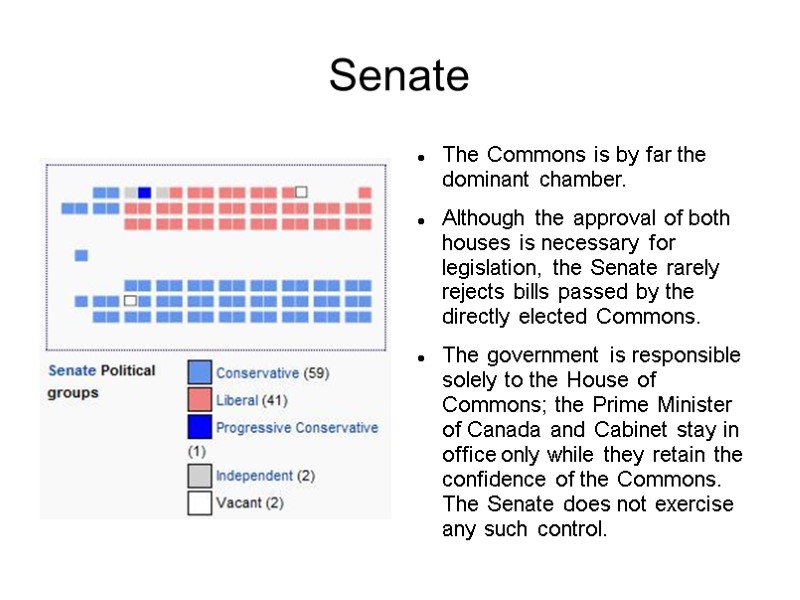
Senate The Commons is by far the dominant chamber. Although the approval of both houses is necessary for legislation, the Senate rarely rejects bills passed by the directly elected Commons. The government is responsible solely to the House of Commons; the Prime Minister of Canada and Cabinet stay in office only while they retain the confidence of the Commons. The Senate does not exercise any such control.
The House of Commons (3: The Lower House)
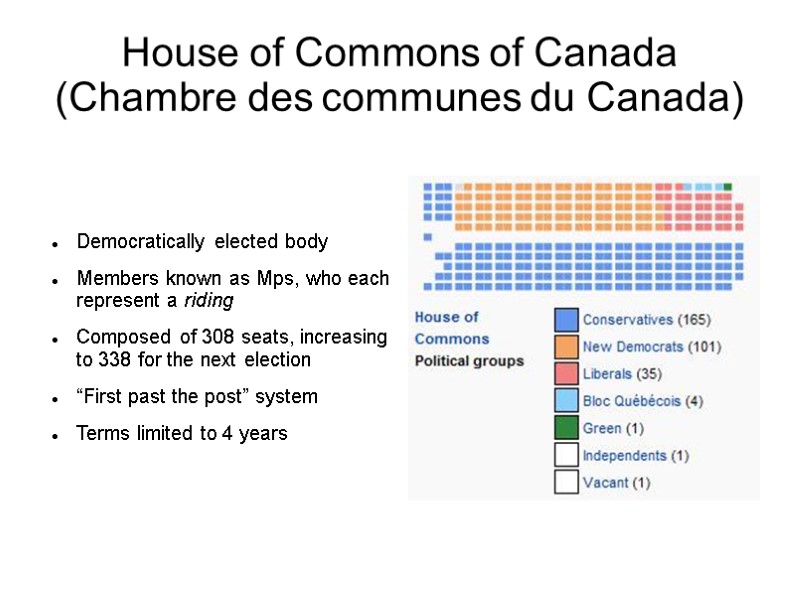
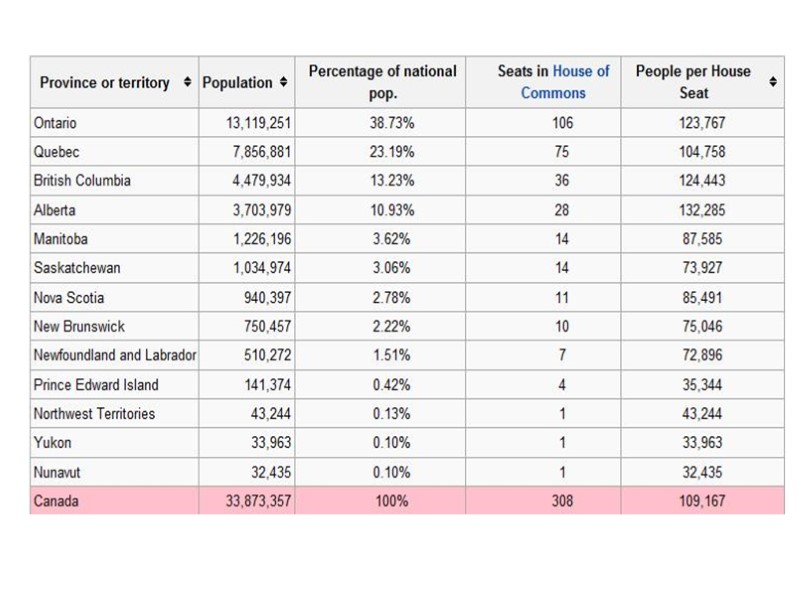
House of Commons of Canada (Chambre des communes du Canada) Democratically elected body Members known as Mps, who each represent a riding Composed of 308 seats, increasing to 338 for the next election “First past the post” system Terms limited to 4 years
Per democratic tradition, the House of Commons is the dominant branch of parliament, the Senate and Crown rarely opposing its will. The Senate, thus, reviews legislation from a less partisan standpoint, and the monarch and viceroy provide the necessary Royal Assent to make bills into law and summon, prorogue, and dissolve parliament in order to call an election, as well as reading the Throne Speech. Land the plane, Hull.
Part 10: Symbols et cetera
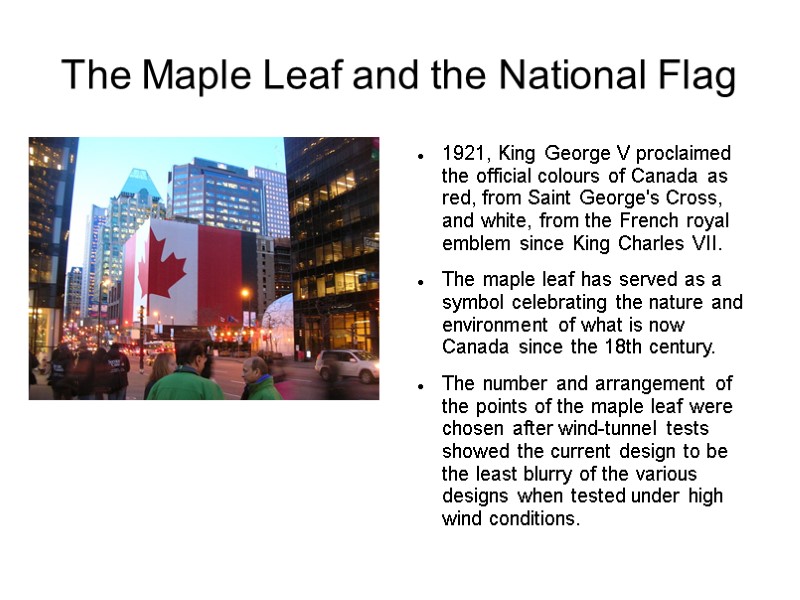
The Maple Leaf and the National Flag 1921, King George V proclaimed the official colours of Canada as red, from Saint George's Cross, and white, from the French royal emblem since King Charles VII. The maple leaf has served as a symbol celebrating the nature and environment of what is now Canada since the 18th century. The number and arrangement of the points of the maple leaf were chosen after wind-tunnel tests showed the current design to be the least blurry of the various designs when tested under high wind conditions.
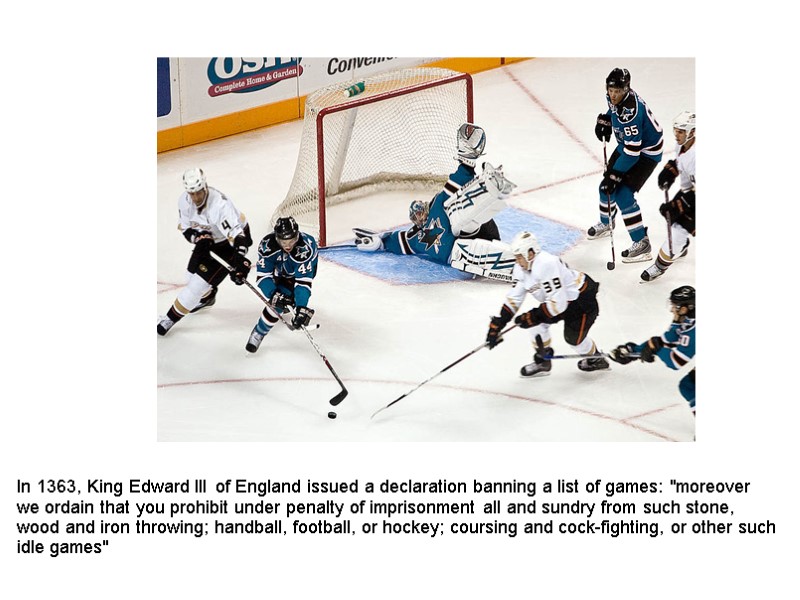
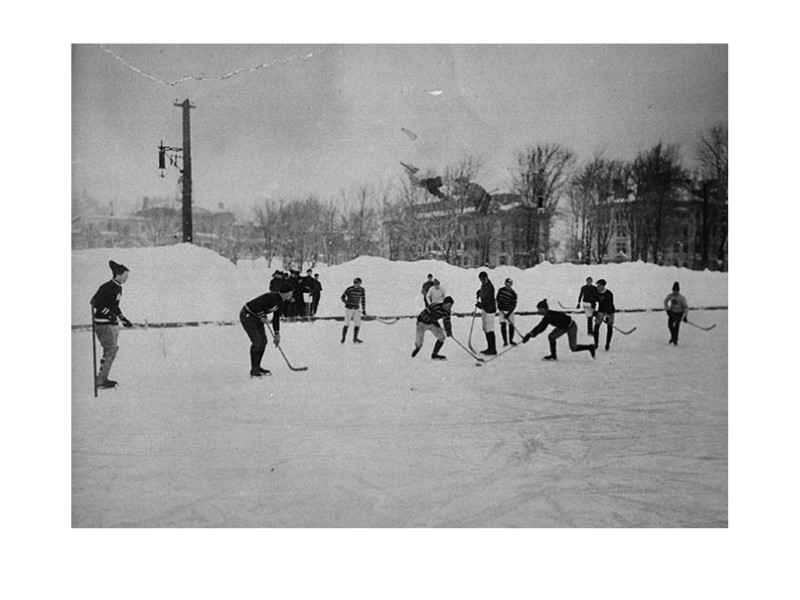
In 1363, King Edward III of England issued a declaration banning a list of games: "moreover we ordain that you prohibit under penalty of imprisonment all and sundry from such stone, wood and iron throwing; handball, football, or hockey; coursing and cock-fighting, or other such idle games"
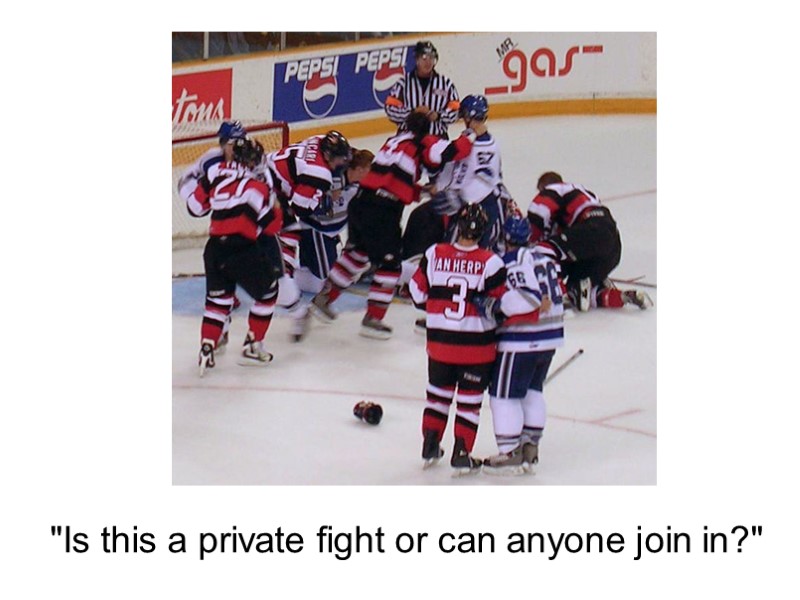
"Is this a private fight or can anyone join in?"
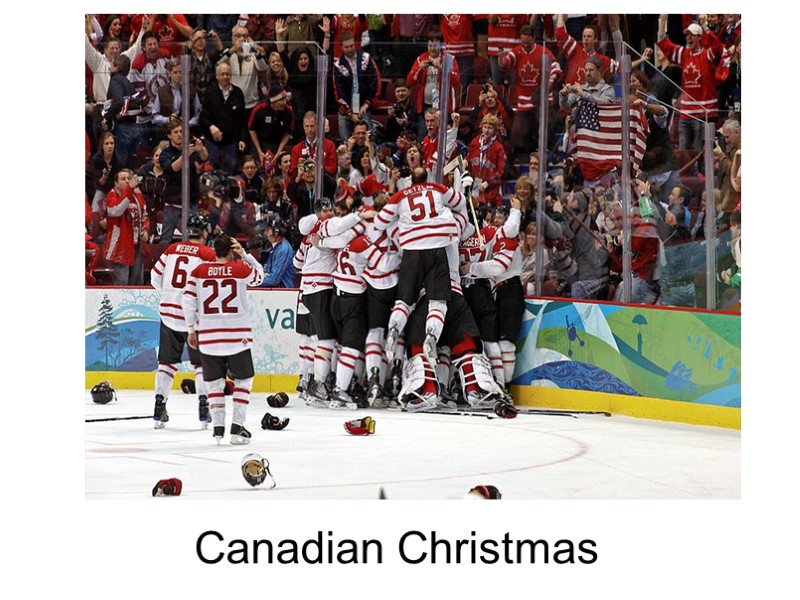
Canadian Christmas
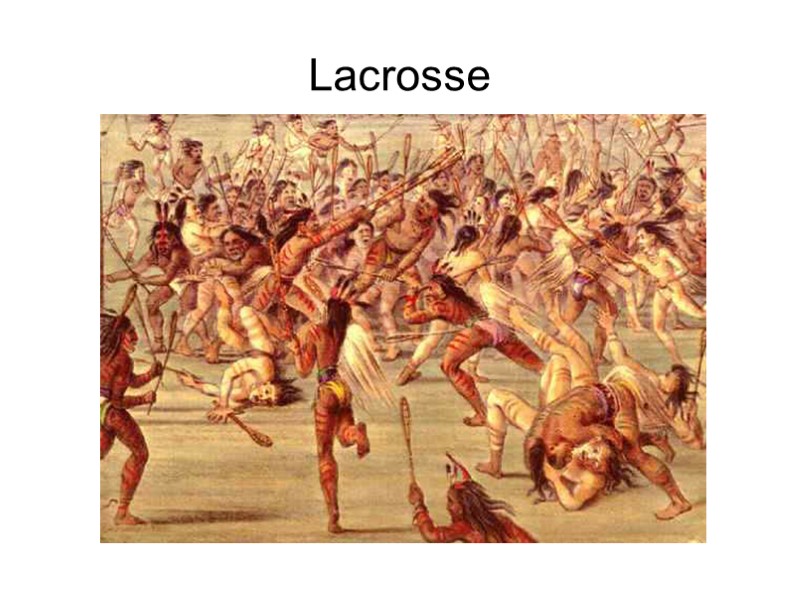
Lacrosse
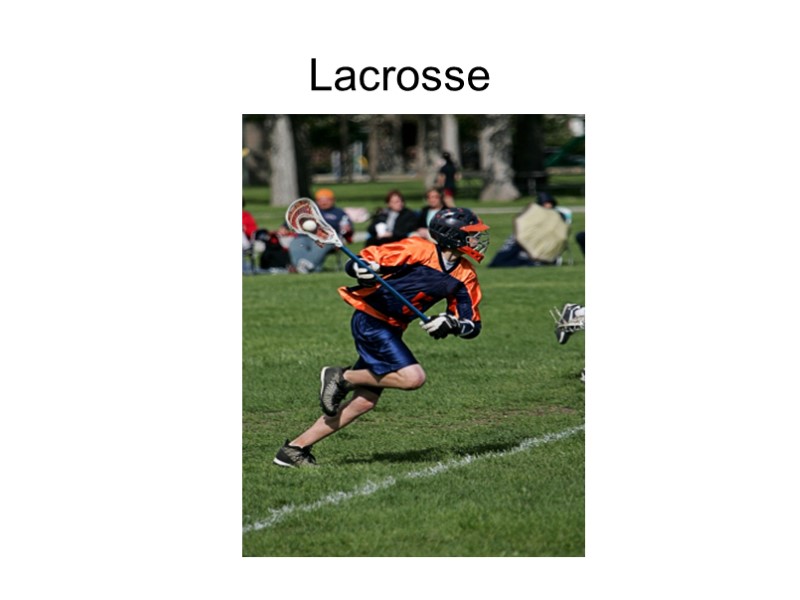
Lacrosse
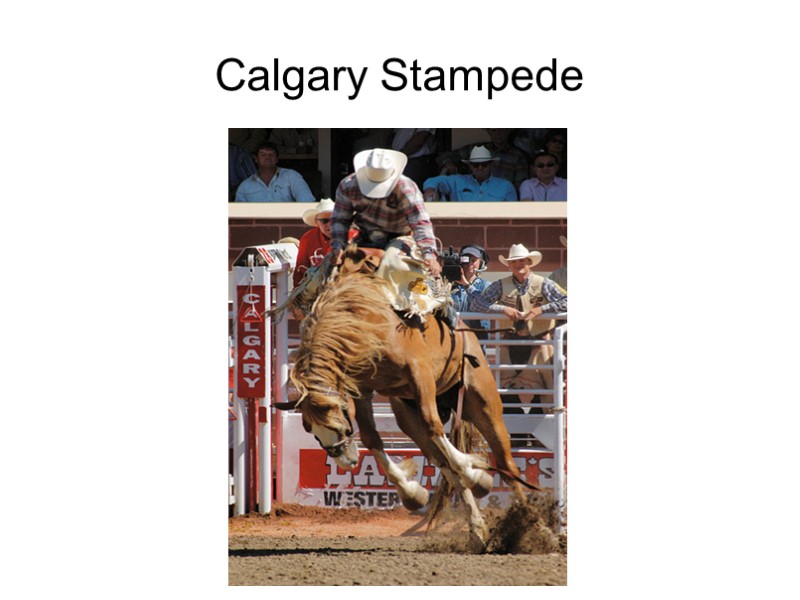
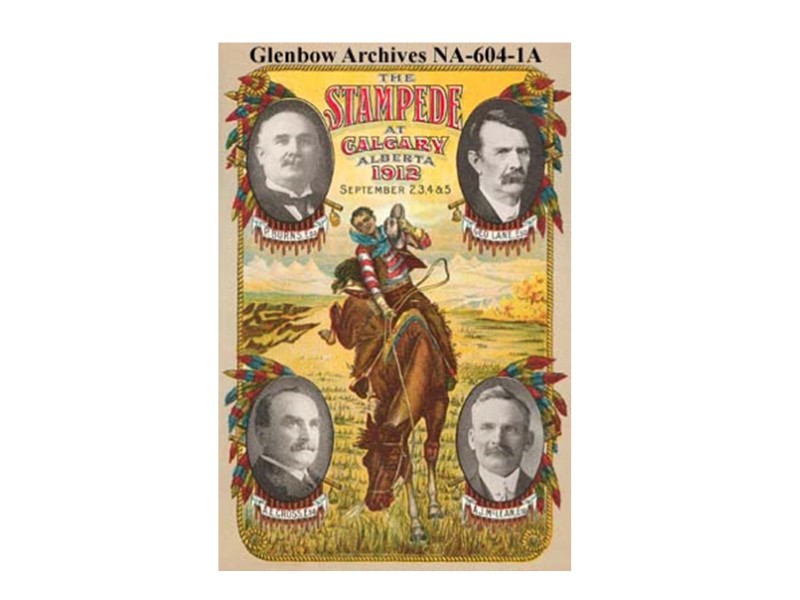
Calgary Stampede
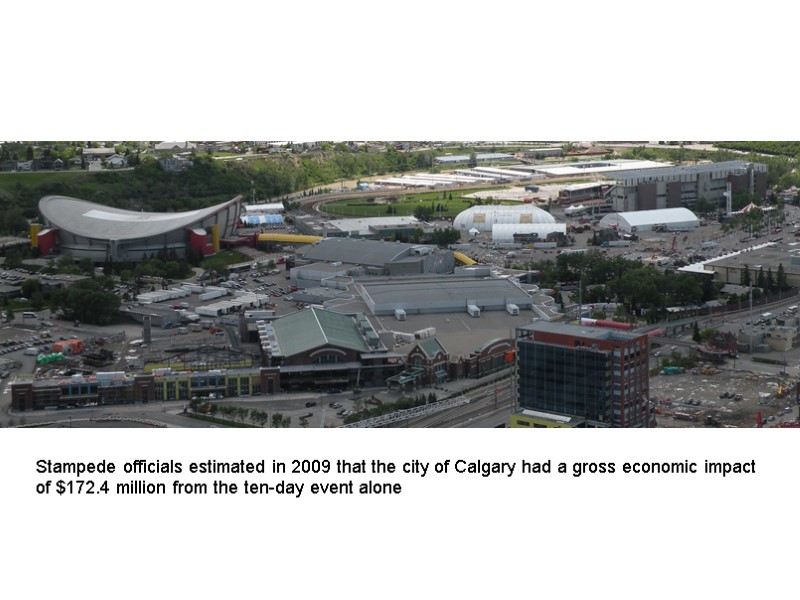
Stampede officials estimated in 2009 that the city of Calgary had a gross economic impact of $172.4 million from the ten-day event alone
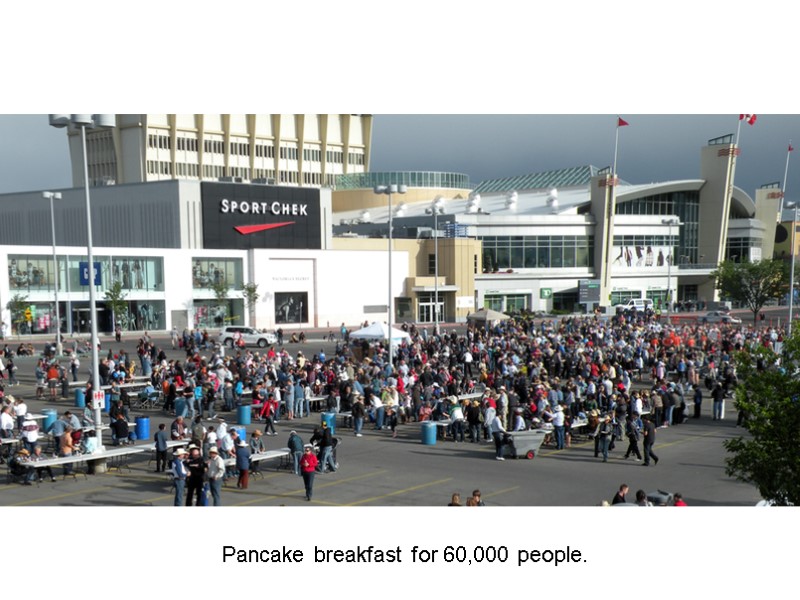
Pancake breakfast for 60,000 people.
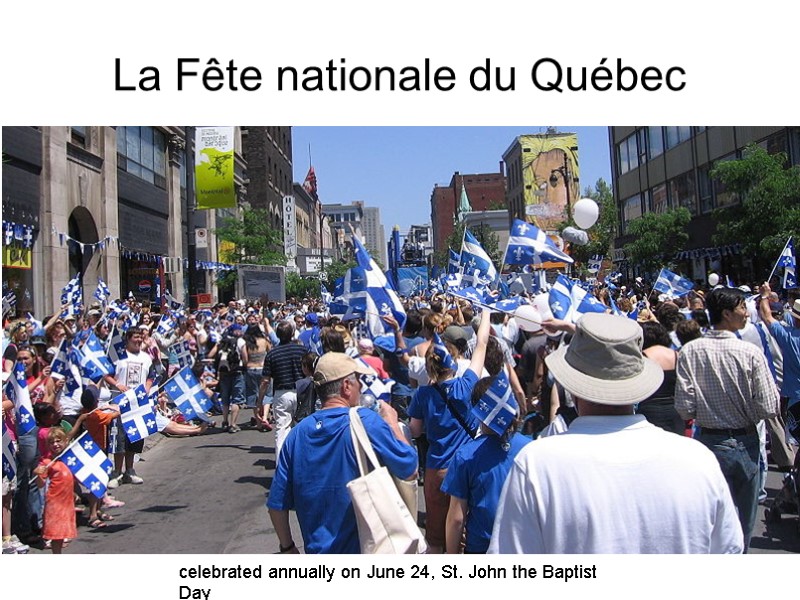
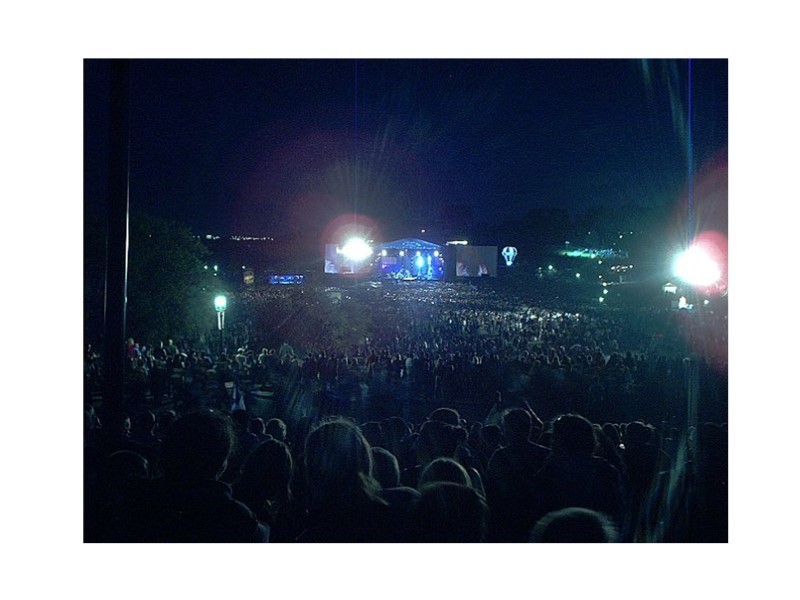
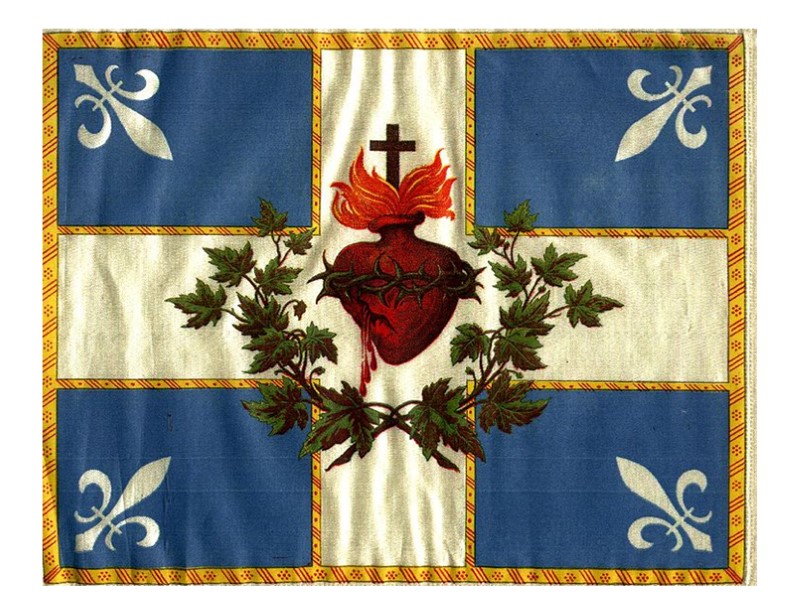
La Fête nationale du Québec celebrated annually on June 24, St. John the Baptist Day
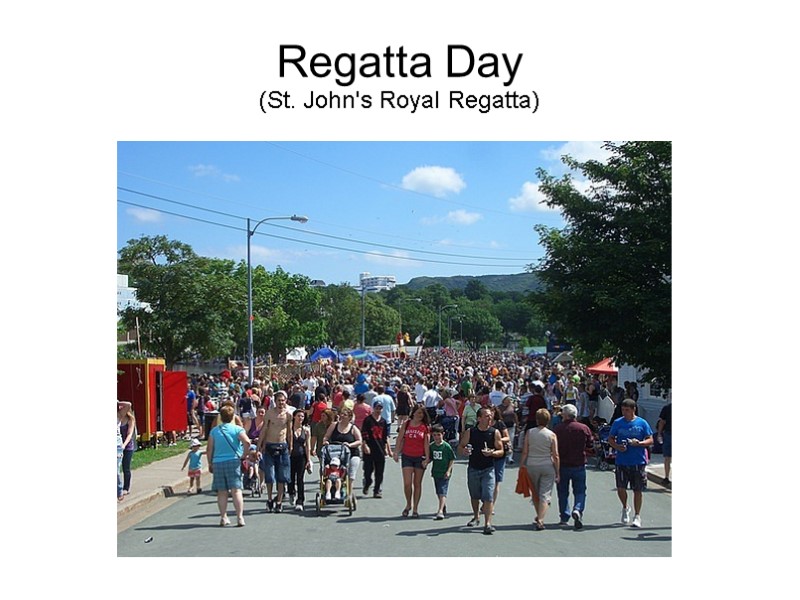
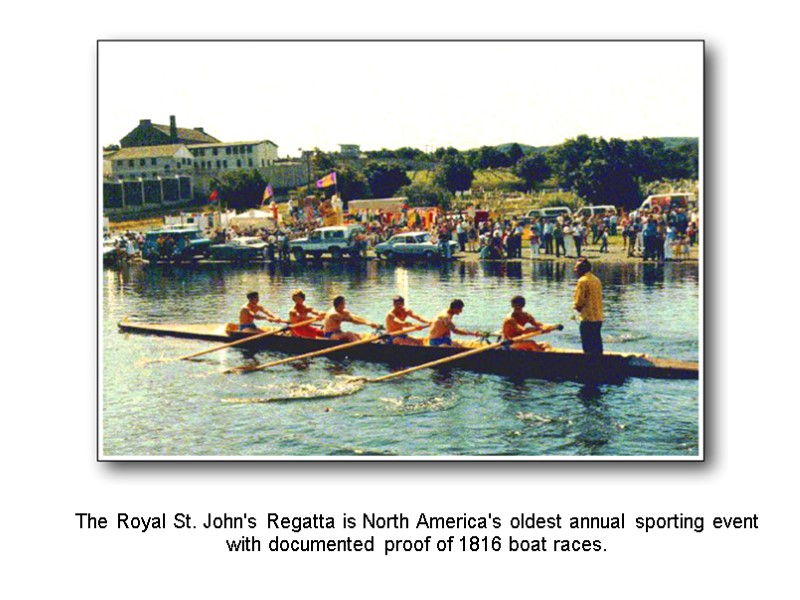
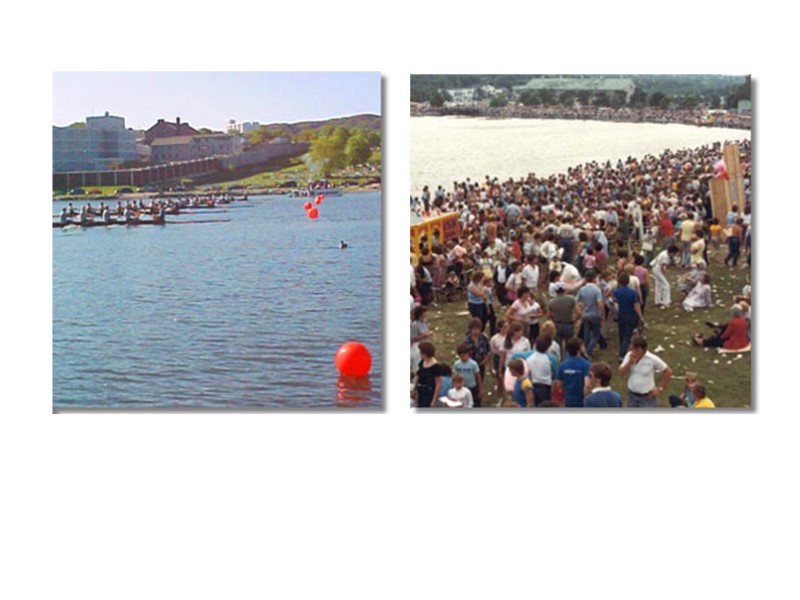
Regatta Day (St. John's Royal Regatta)
The Royal St. John's Regatta is North America's oldest annual sporting event with documented proof of 1816 boat races.
Part 11: Canadian English
Homogeneity and autonomy One of the most interesting questions about Canadian English is why it is at all different from US English dialects. Generally speaking, the linguistic features in the west are less diversified than in the east, which has been settled for a century or more longer. The island of Newfoundland, which joined Canada only in 1949 after hundreds of years as a separate British colony, is the most distinctive linguistic community as compared to Standard Canadian English.
Pronunciation ‘Canadian raising’, the most-widely known Canadian pronunciation feature. Canadian raising affects the diphthongs in words such as “wife,” “price” or “life” and “house,” “about” or “shout.” Canadian pronunciations, are often perceived as “weef” instead of “wife” and “a boot” instead of “about” by outsiders.
Pronunciation cont. There are also other, less well-known Canadian differences, such as the Canadian integration pattern of foreign sounds represented by . In words like “pasta,” “lava,” “plaza,” and “drama” the foreign sound acquires the vowel in “father” in American English and British English, but the vowel of “cat” in Canadian English.
Grammar (to give just one example): the placing of “as well” sentence-initially. Thus, in a sentence such as “The Canucks had good forwards that day. As well, their blue-liners were better than last time,” other standard dialects would usually accept as well only after ‘last time’, i.e. sentence-finally.
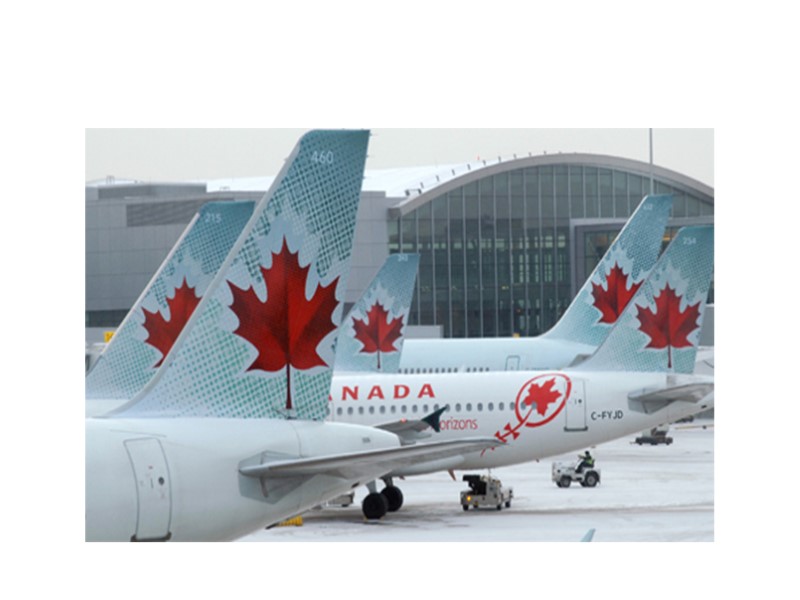
Syntax A particular syntactic feature of Canadian English is the post-adjectival position of the word “Canada” after certain proper names. This development reflects French syntax and owes its origin to the federal government’s policy of promoting bilingualism nationally: Air Canada, Environment Canada, Parks Canada, Statistics Canada, Unity Canada, and even amongst businesses: Bell Canada, Shell Canada. “Canadian hockey players get support from Sport Canada when playing for Team Canada in the Canada Cup series”
Orthography Canadians can often choose to spell words either the American or British way: center/centre, practice/practise, analyze/analyse, color/colour.
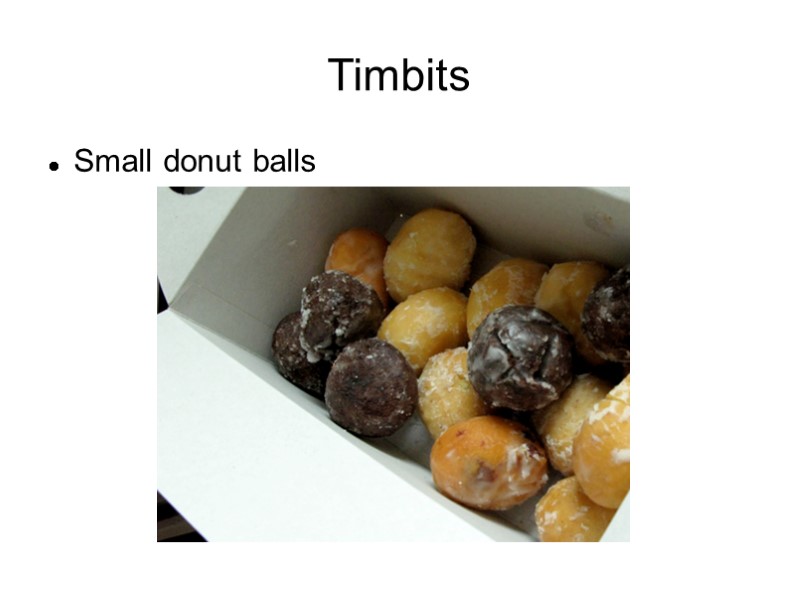
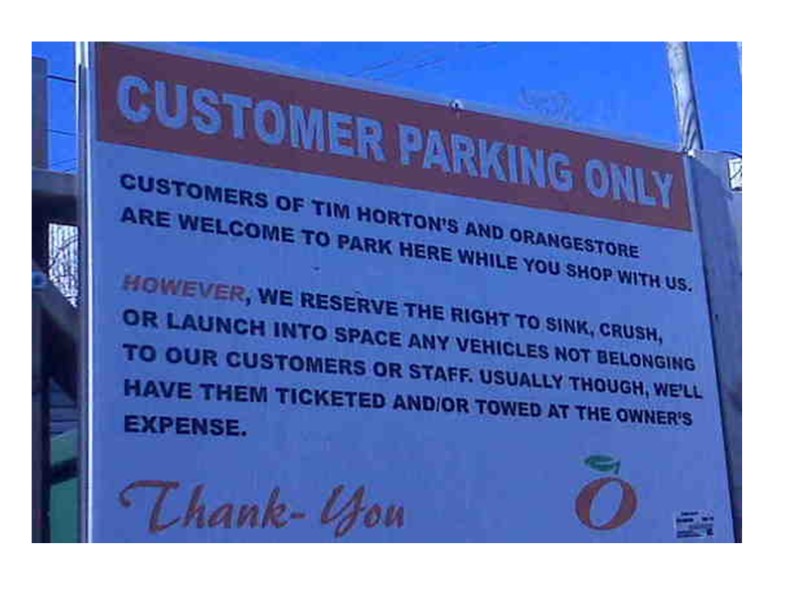
Part 11-B: Canadianisms All of the Canadianisms listed can be found in the Canadian Oxford English Dictionary save timbits, which are little round donuts one can buy at Tim Hortons, a Canadian coffee shop
Types of Canadianisms type 1: form origins in Canada; type 2: preserved in Canada; type 3: having undergone semantic change in Canada and; type 4: culturally significant terms.
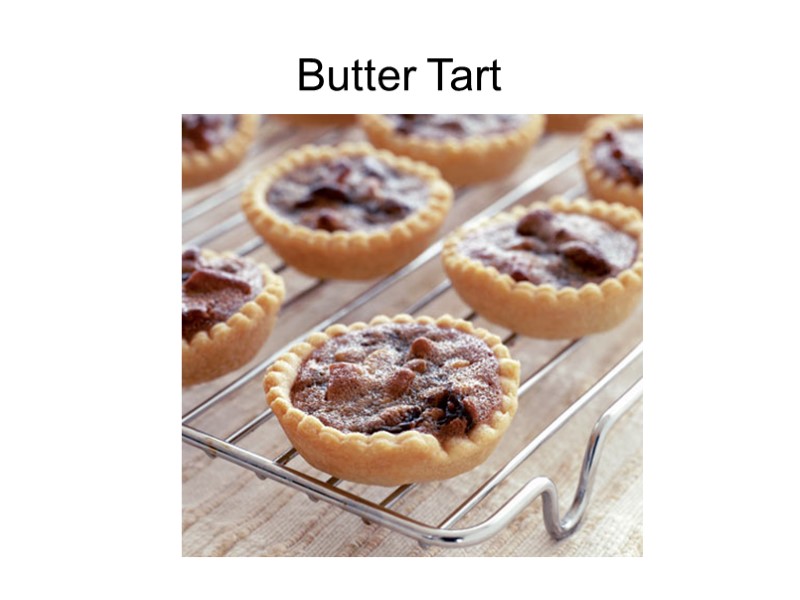
Historically speaking, about 70 percent of Canadianisms, which are defined as terms ‘native or of characteristic usage in Canada’, are comprised by noun compounds that are especially difficult to spot: for instance, butter and tart are ‘ordinary’ words, but butter tart ‘pastry shell with a filling of butter, eggs, sugar and raisins’ is a ‘type 1’ Canadianism.
Butter Tart
The Dictionary of Canadiansims on Historical Principles, first edition, lists about 10,000 Canadianisms from 1498 to 1965/6. The revision project, DCHP-2, includes terms until the present day, such as: grow-op ‘grow operation of marijuana plants’, small packet ‘special rate mail item’, or the prototypical tag marker “eh,” with its many functions—for example, ‘eliciting opinion’ or ‘emphatic stress’.
“eh” “so entrenched has this become in Canadian speechways that border officials have come to regard it as pretty good way to spot a Canadian”
Canadians drive a car but also an automobile; live in a flat or an apartment; do odd jobs and chores; receive a parcel or package from a postman or letter-carrier, sit on chesterfield or a sofa or couch; play with both a pack and a deck of cards; and finally take a holiday or a vacation.
The word bum can refer either to the buttocks (as in Britain), or, derogatorily, to a homeless person (as in the U.S.). Similarly the word pissed can refer either to being drunk (as in Britain), or being angry (as in the U.S.)
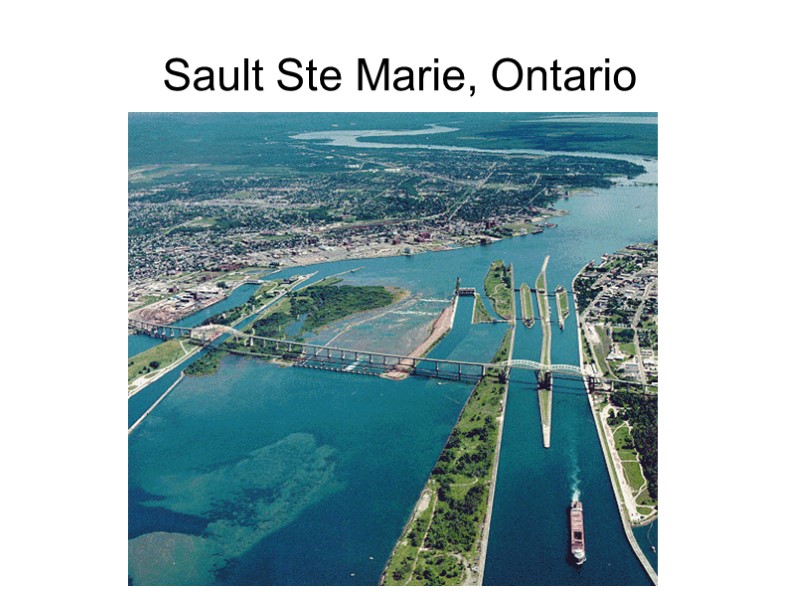
Sault n. A waterfall or rapids. [Obsolete French, from Old French, leap]
Sault Ste Marie, Ontario
Muskeg muskeg [ˈmʌsˌkɛg] n Chiefly Canadian 1. (Earth Sciences / Physical Geography) undrained boggy land characterized by sphagnum moss vegetation vast areas of muskeg 2. (Earth Sciences / Physical Geography) a bog or swamp of this nature [from Algonquian: grassy swamp]
Butte Butte /byut/ [byoot] n. (Western U.S. and Canada) an isolated hill or mountain rising abruptly above the surrounding land. Origin:1650–60; < North American French; French: low hill, mound, Old French: landmark, target
Bluff n. North Dakota, Wisconsin, and the Canadian Prairie Provinces: a clump or grove of trees on a prairie or other generally treeless area.
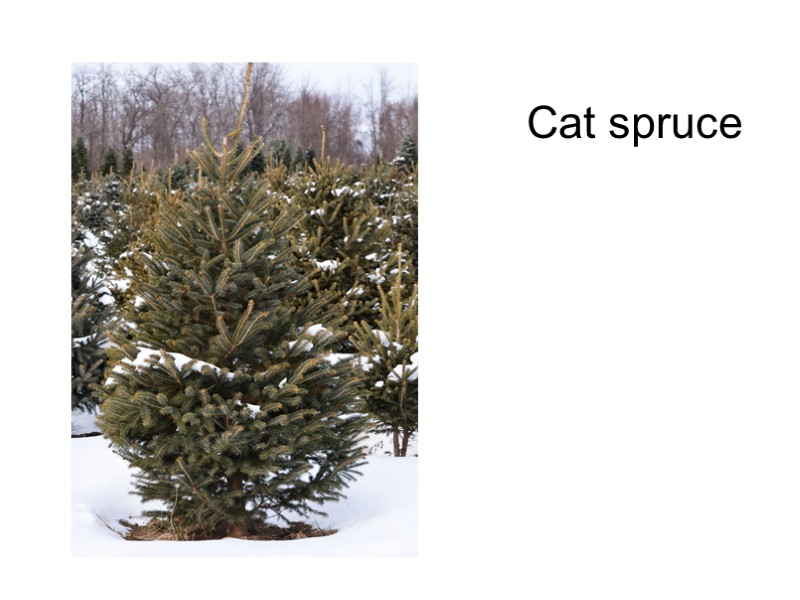
Cat spruce
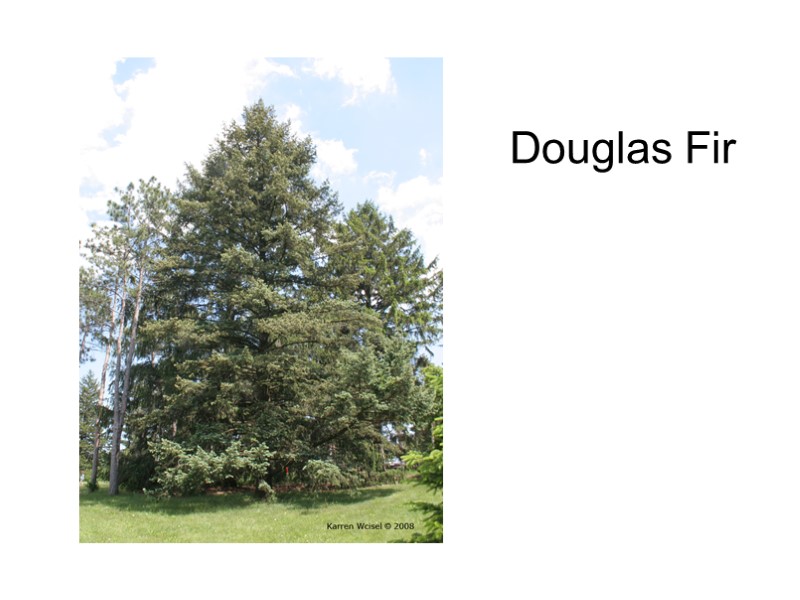
Douglas Fir
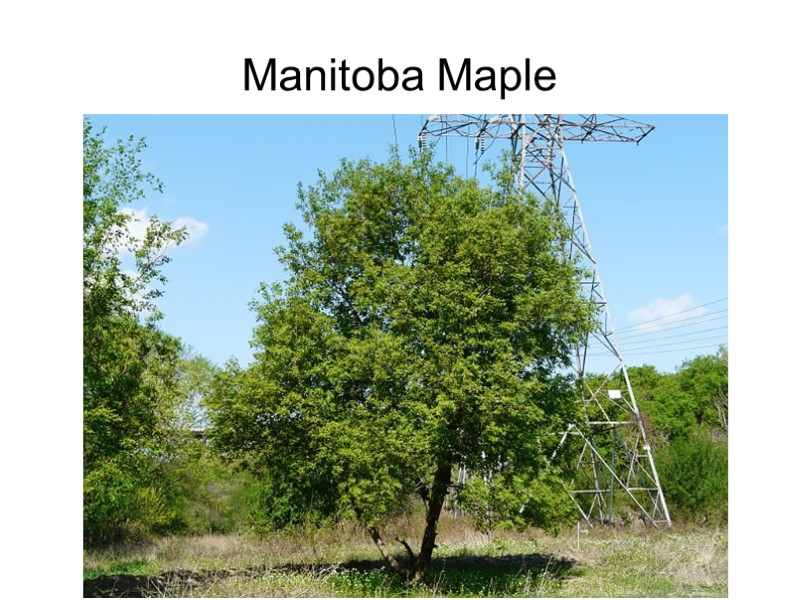
Manitoba Maple
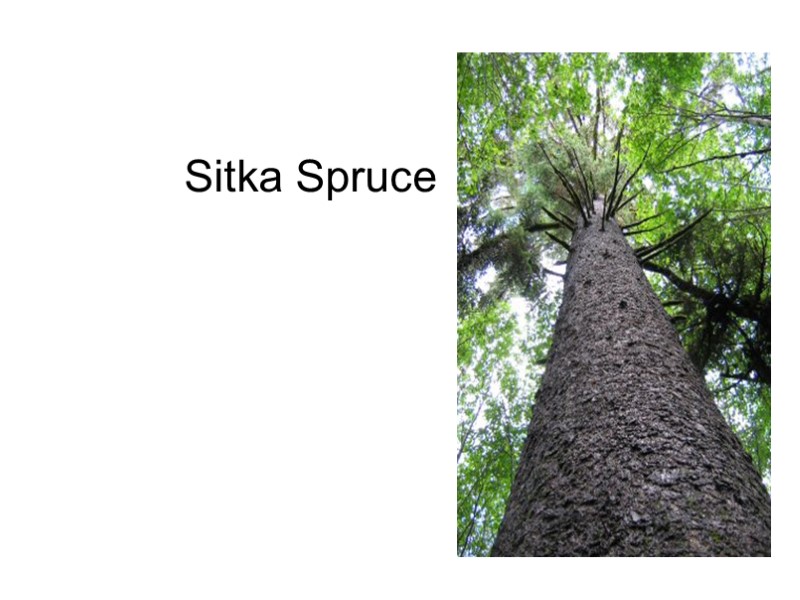
Sitka Spruce
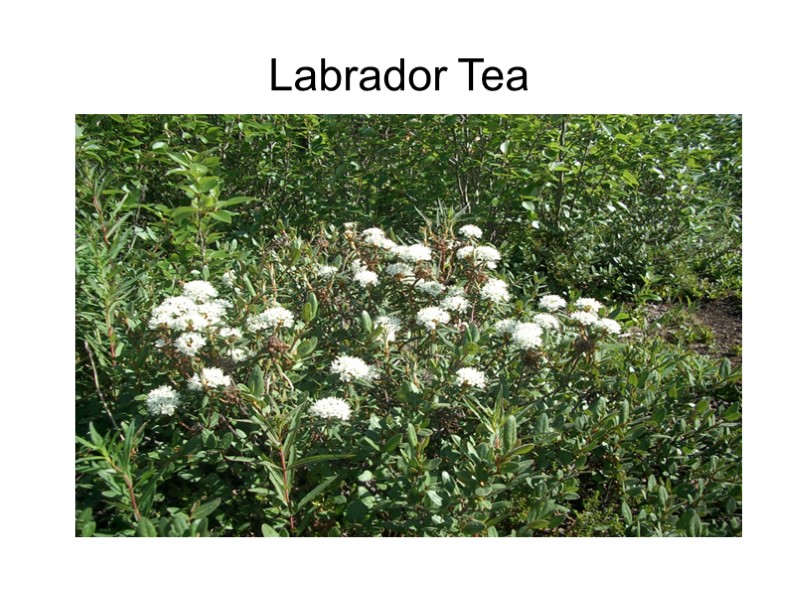
Labrador Tea
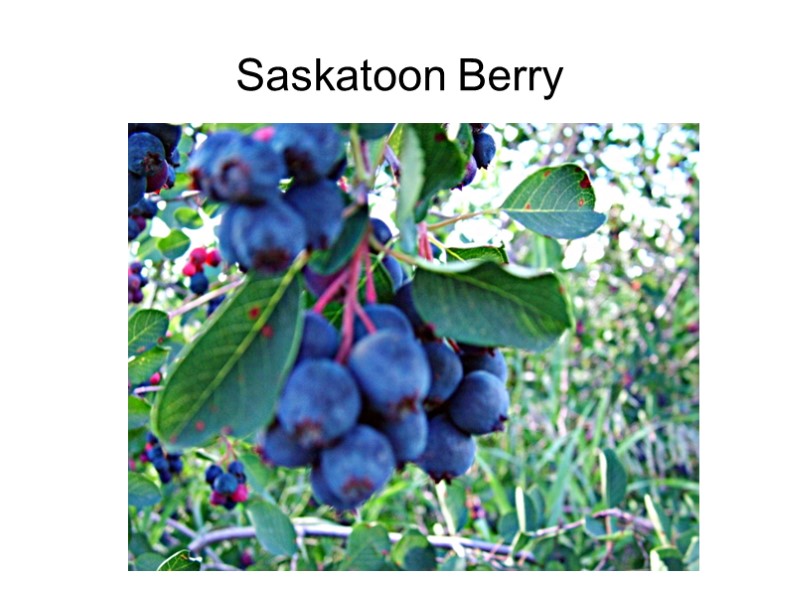
Saskatoon Berry
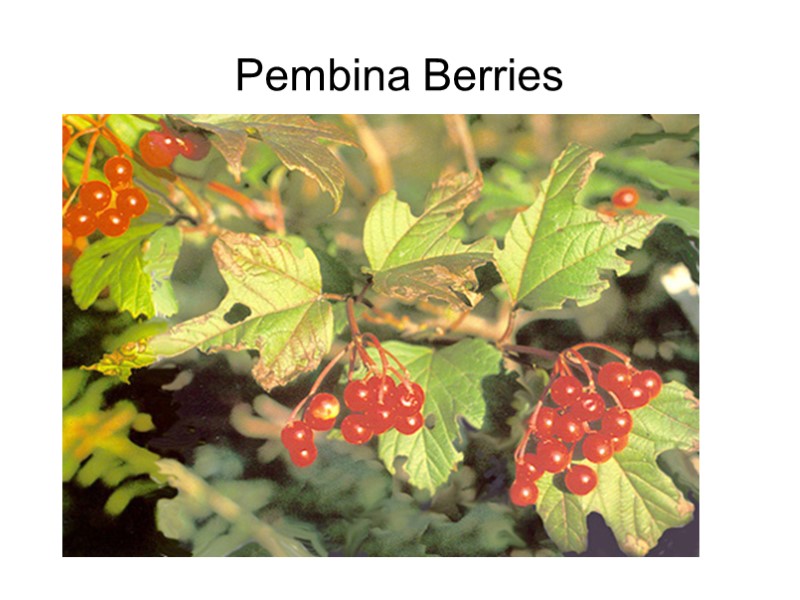
Pembina Berries
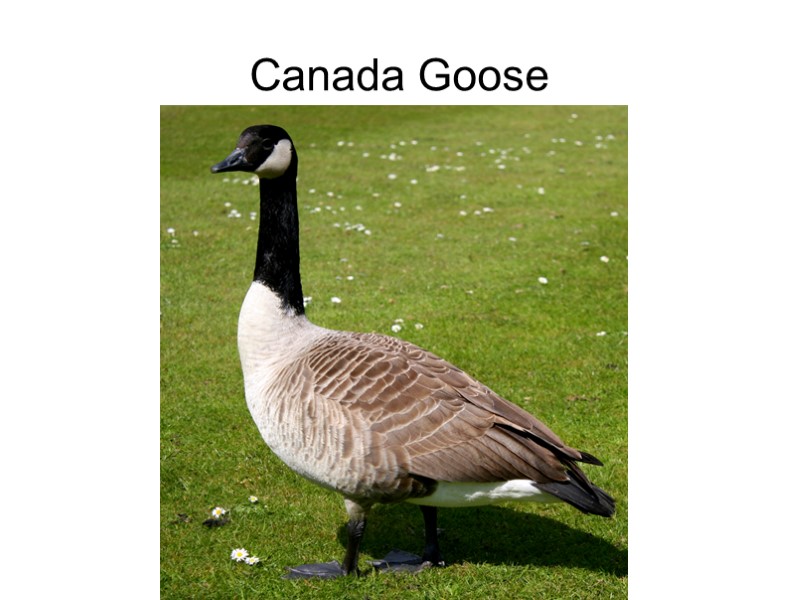
Canada Goose
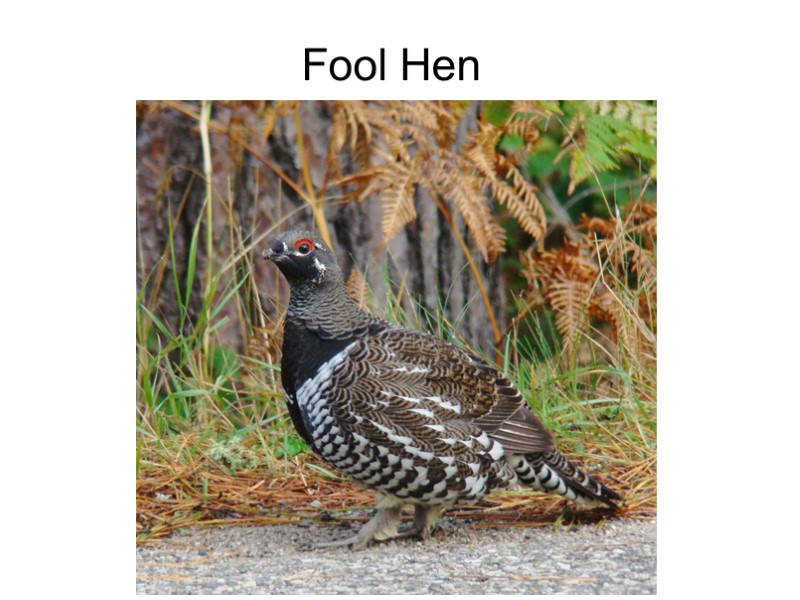
Fool Hen
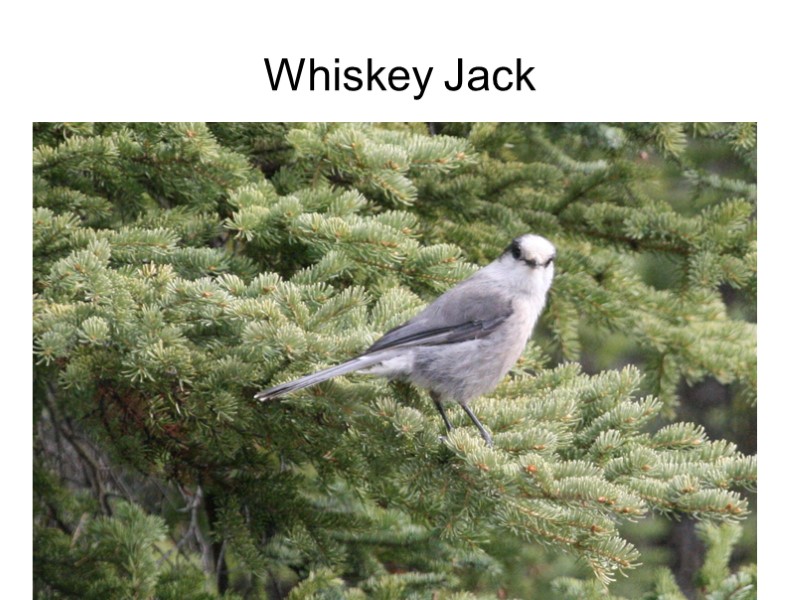
Whiskey Jack
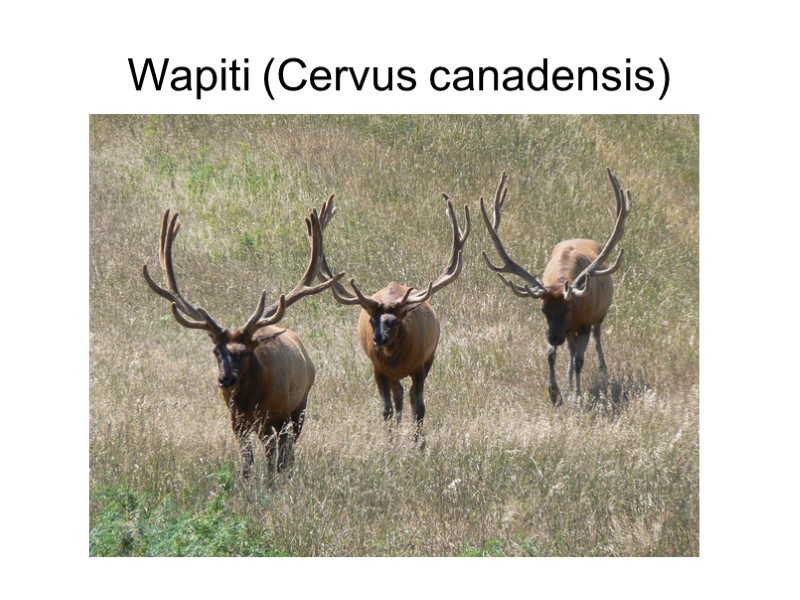
Wapiti (Cervus canadensis)
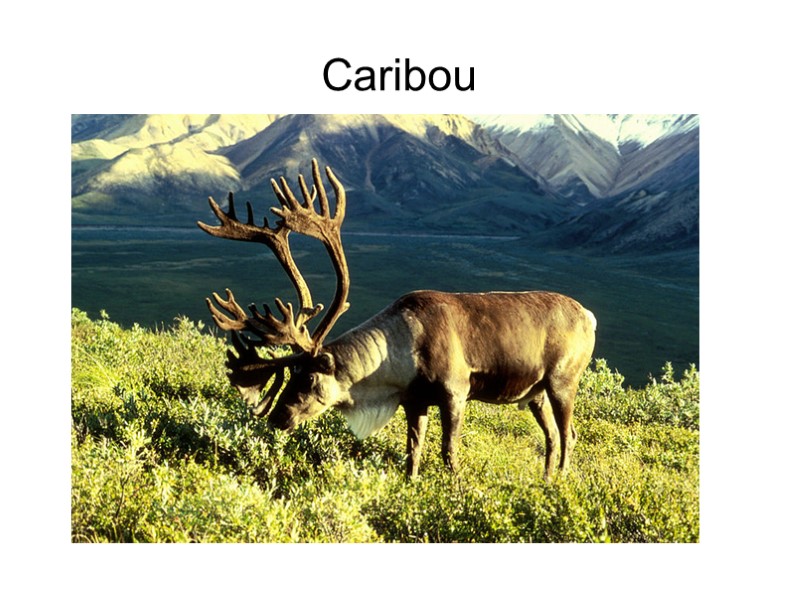
Caribou
M.P.P. an elected member of the Legislative Assembly of the Province of Ontario, Canada.
acclamation [ˌækləˈmeɪʃən] 1. an enthusiastic reception or exhibition of welcome, approval, etc. 2. an expression of approval by a meeting or gathering through shouts or applause 3. Canadian an instance of electing or being elected without opposition there were two acclamations in the 1985 election (Government, Politics & Diplomacy) by acclamation a. by an overwhelming majority without a ballot b. Canadian (of an election or electoral victory) without opposition he won by acclamation
Endorsation...
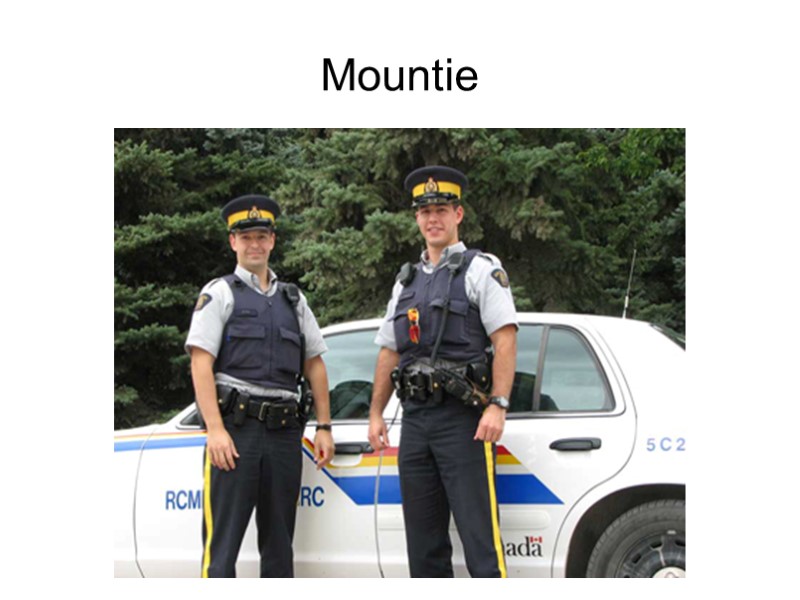
Mountie
Hydro Electricity
Timbits Small donut balls
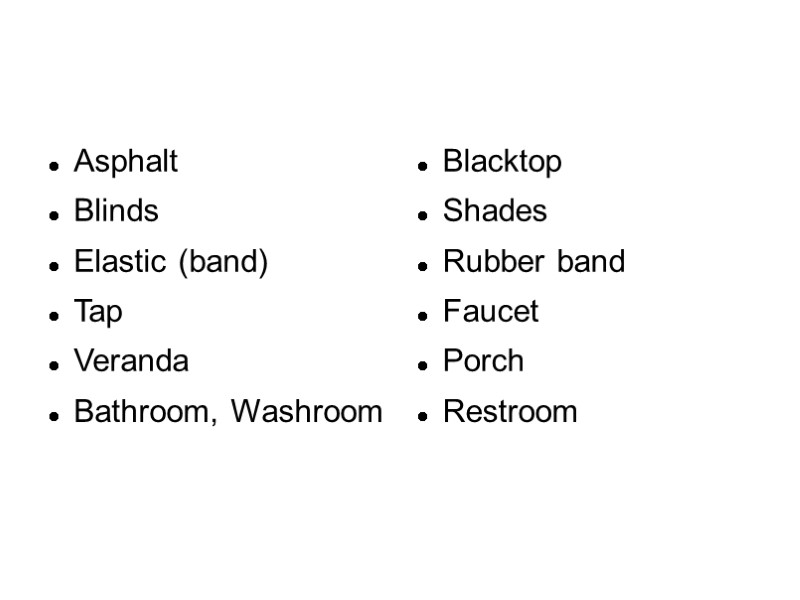
Asphalt Blinds Elastic (band) Tap Veranda Bathroom, Washroom Blacktop Shades Rubber band Faucet Porch Restroom
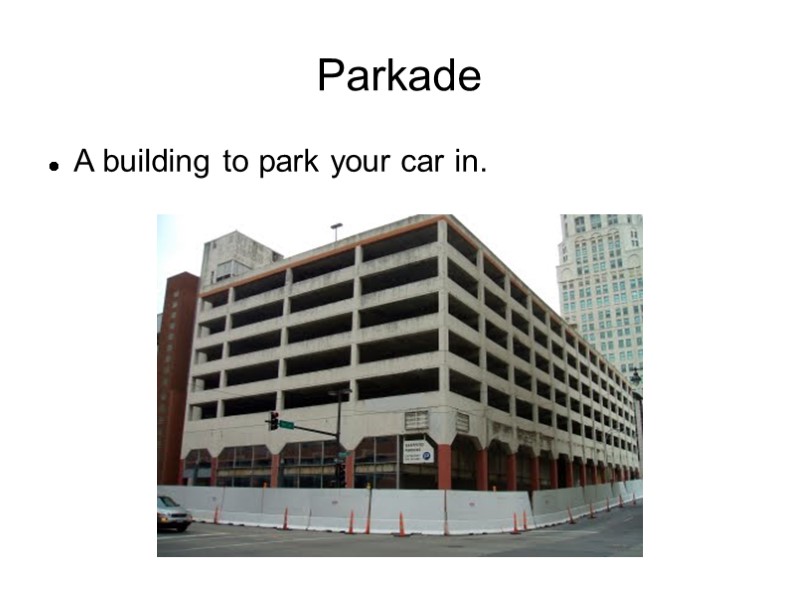
Parkade A building to park your car in.
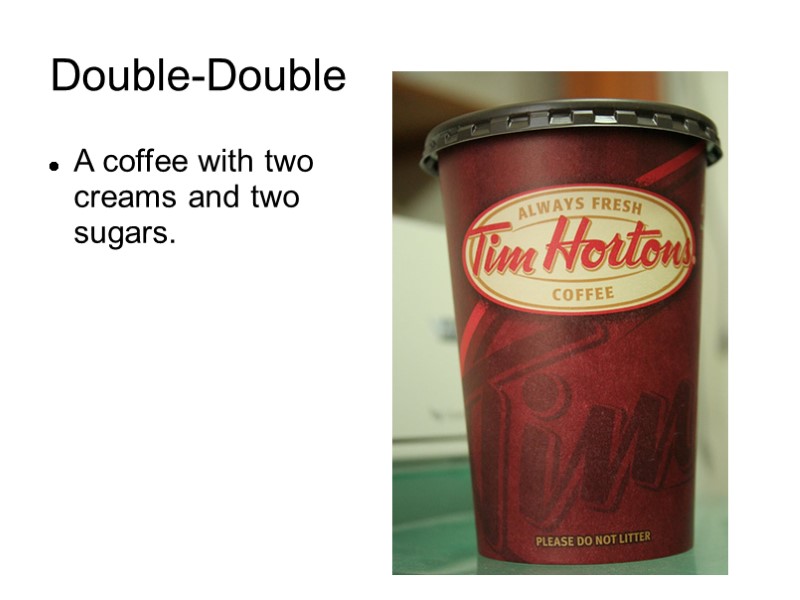
Double-Double A coffee with two creams and two sugars.
375ml Bottle of Alcohol “Mickey” in most of Canada “Pint” in the maritimes “Flask” in Newfoundland
Two-Four A case of twenty-four beer.
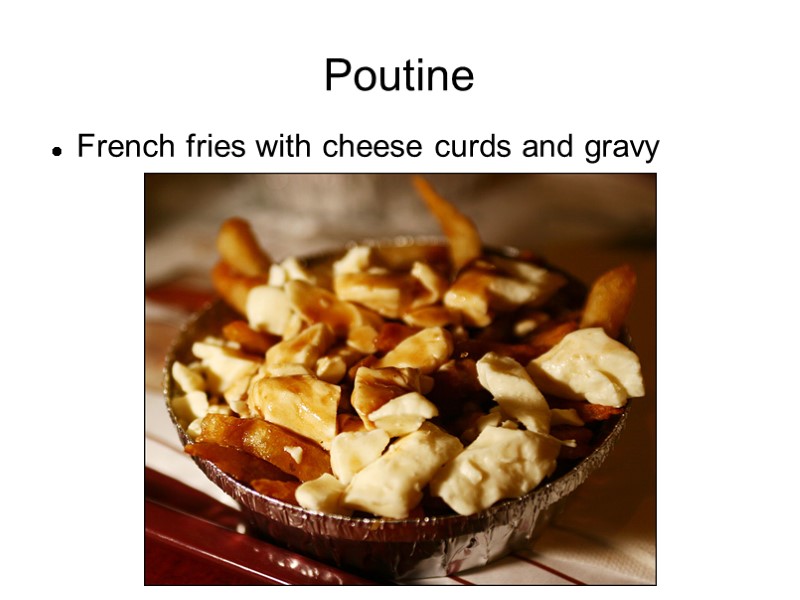
Poutine French fries with cheese curds and gravy
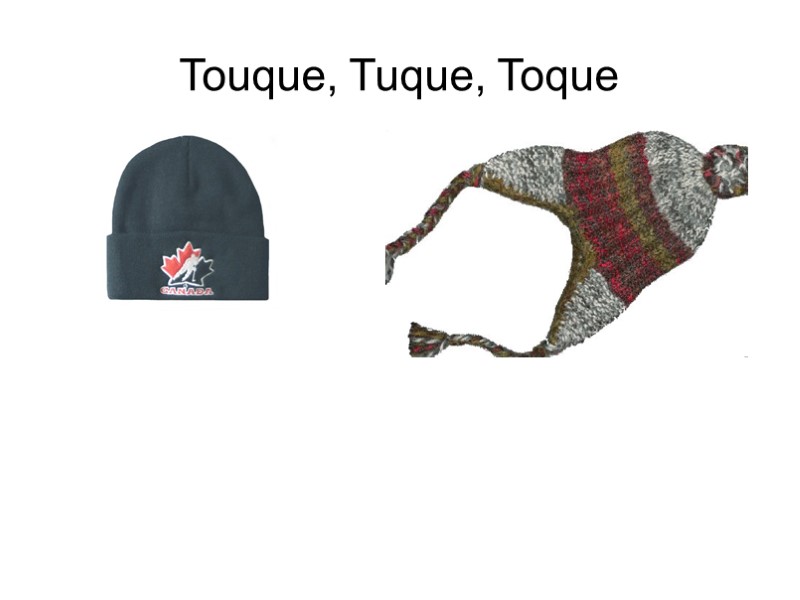
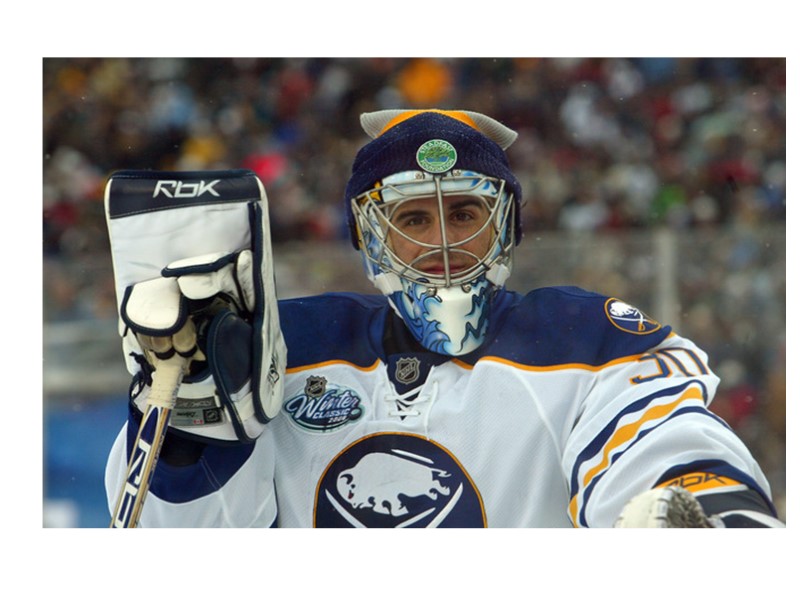
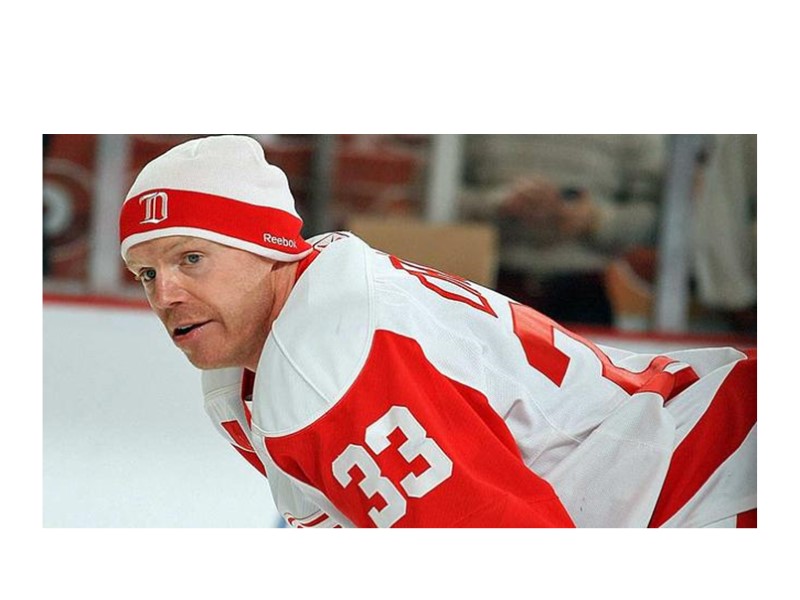
Touque, Tuque, Toque
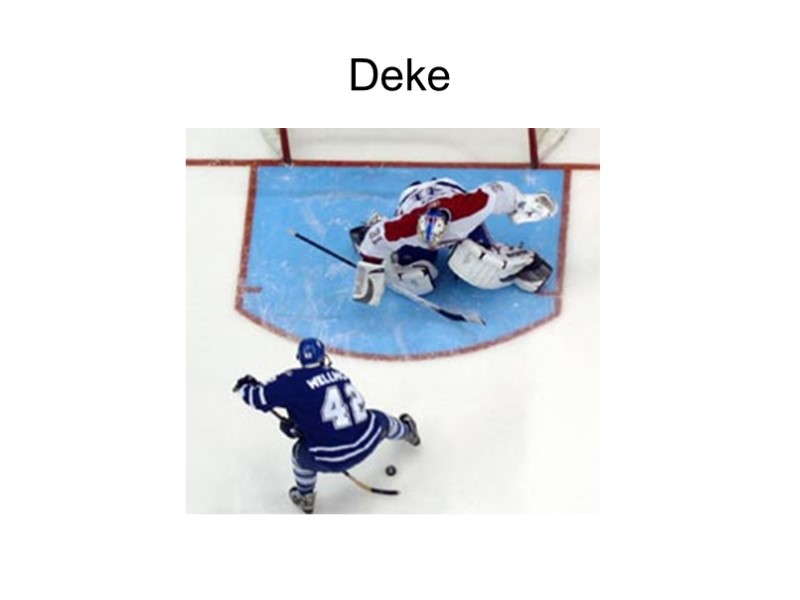
Deke
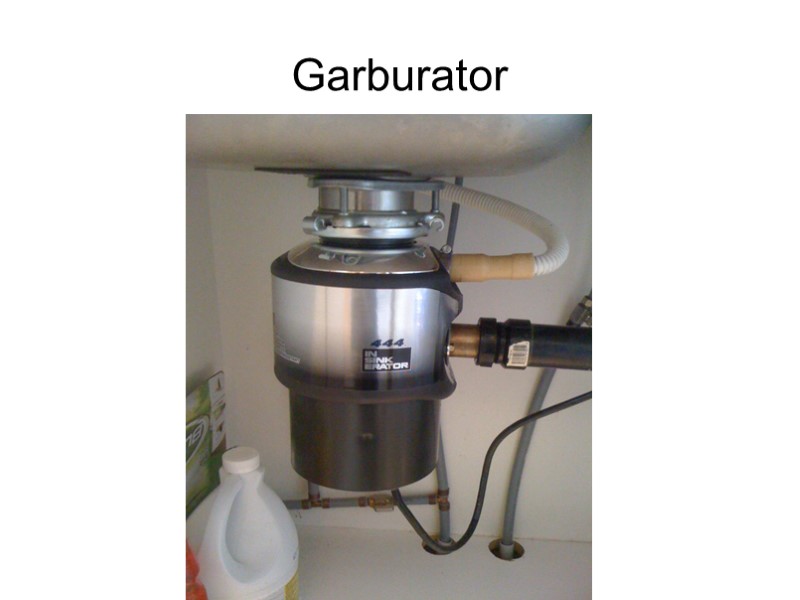
Garburator
Garburator cont.
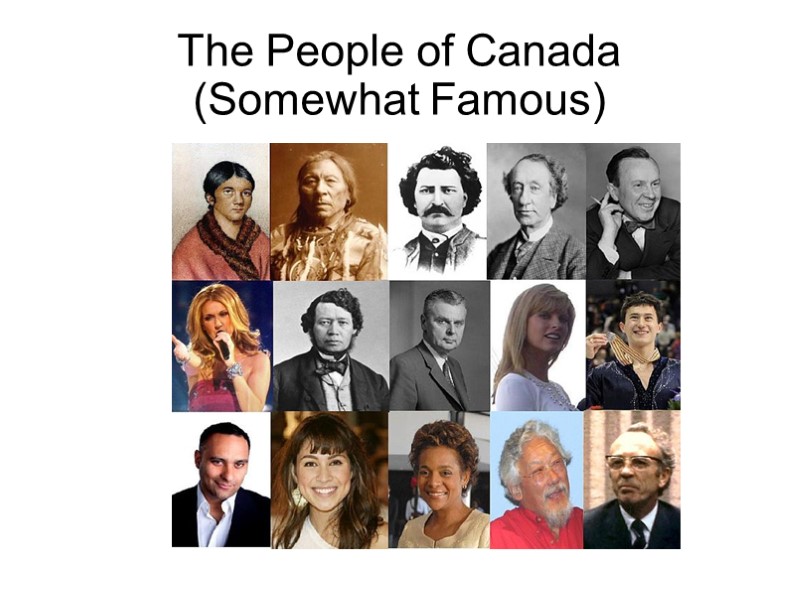
The People of Canada (Somewhat Famous)
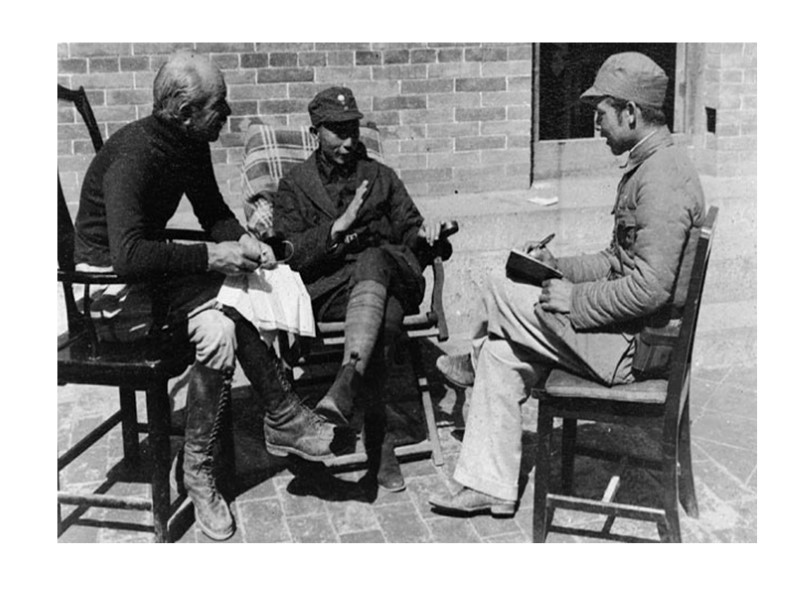
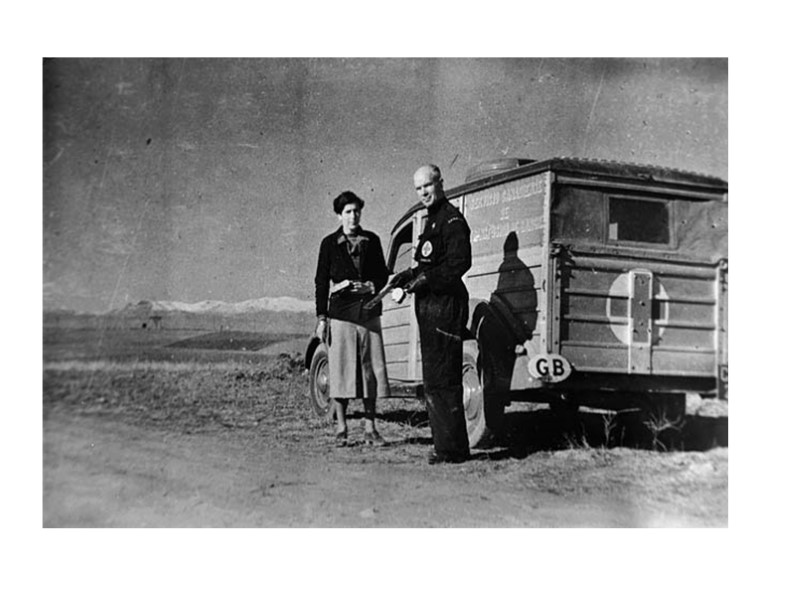
Dr. Norman Bethune 1890-1939 Head of Canadian medical services in the Spanish Civil War Joined the Chinese communists during the Sino-Japanese War Unknown in Canada during his own lifetime Mao wrote a book about him after he died. This was required reading in Chinese schools by the 1960s and is still in the textbook today.
Bethune cont. " Comrade Bethune’s spirit, his utter devotion to others without any thought of self, was shown in his great sense of responsibility in his work and his great warm-heartedness towards all comrades and the people ... We must all learn the spirit of absolute selflessness from him. With this spirit everyone can be very useful to the people. A man’s ability may be great or small, but if he has this spirit, he is already noble-minded and pure, a man of moral integrity and above vulgar interests, a man who is of value to the people.”
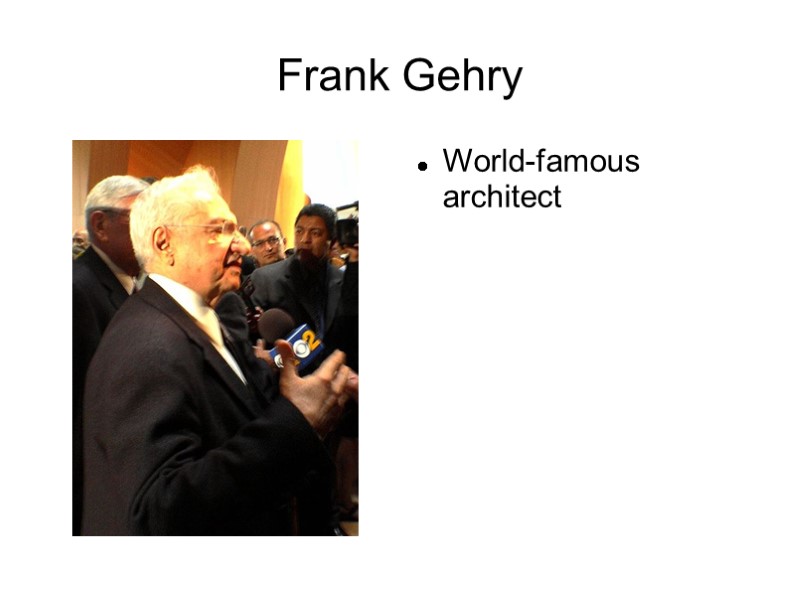
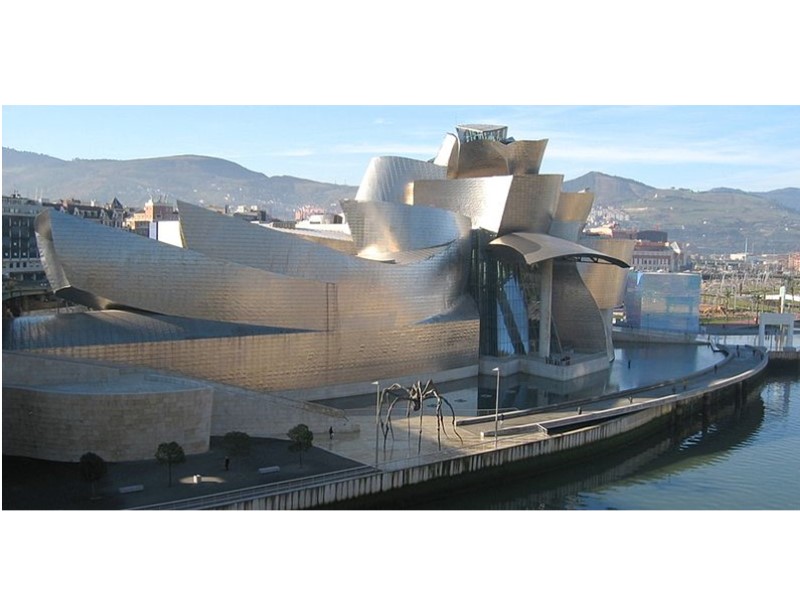
Frank Gehry World-famous architect
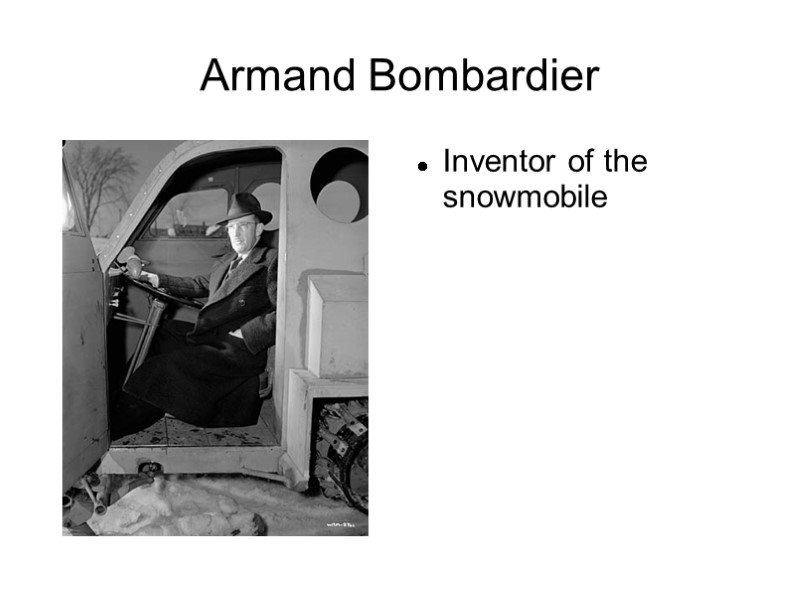
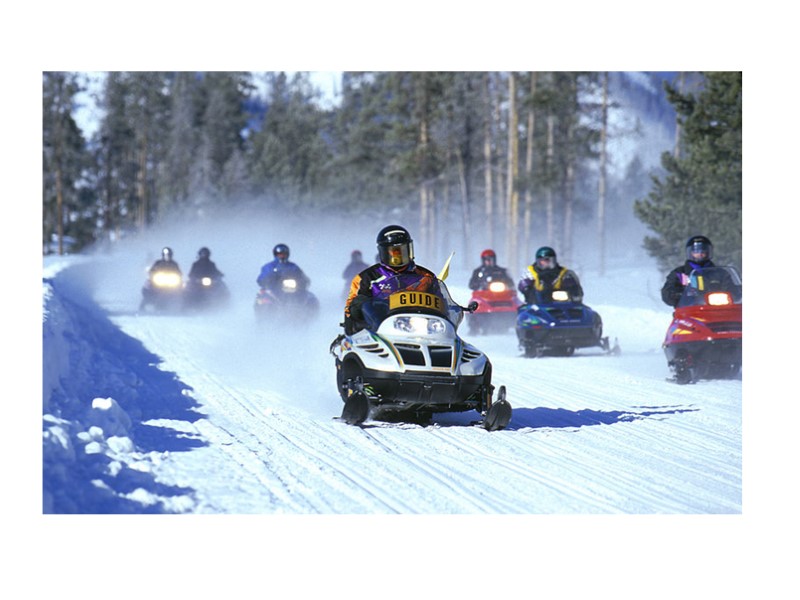
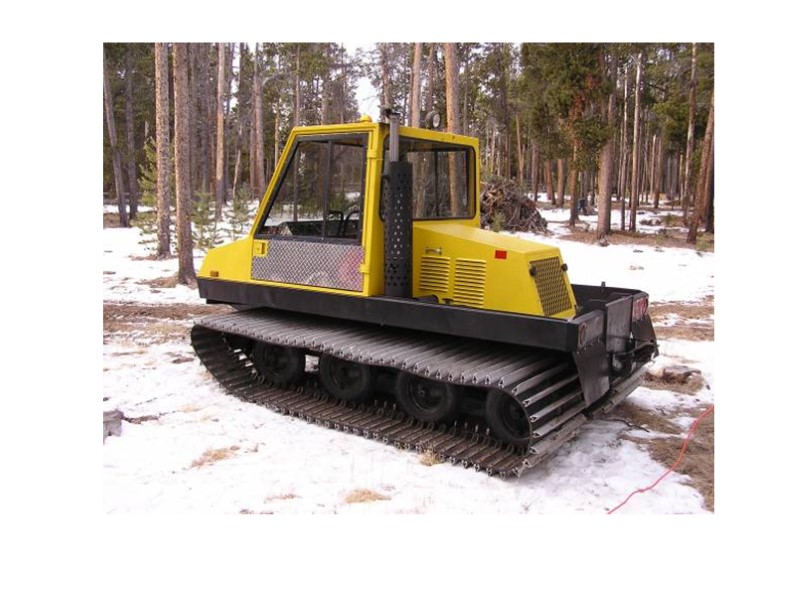
Armand Bombardier Inventor of the snowmobile
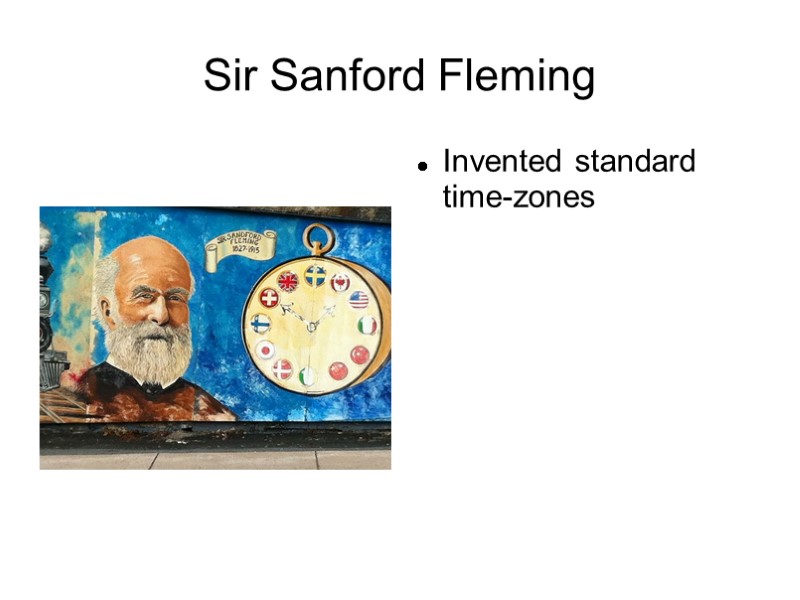
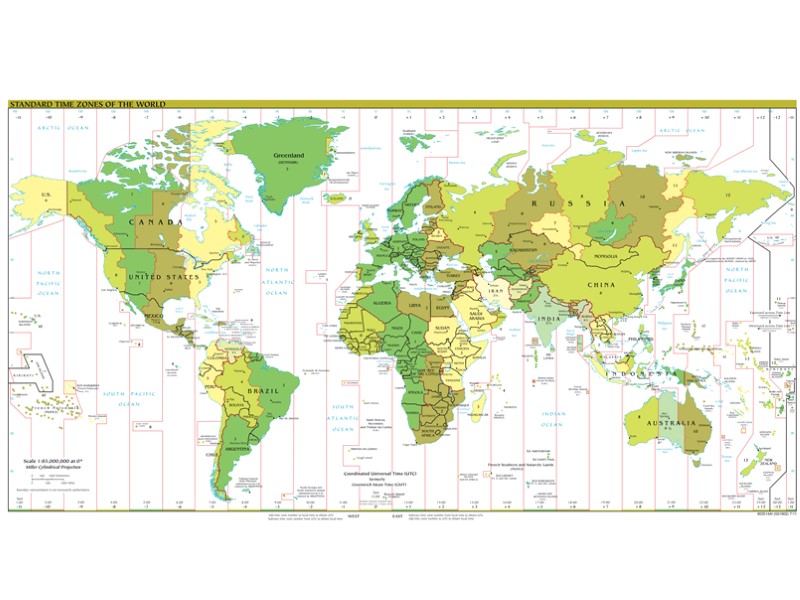
Sir Sanford Fleming Invented standard time-zones
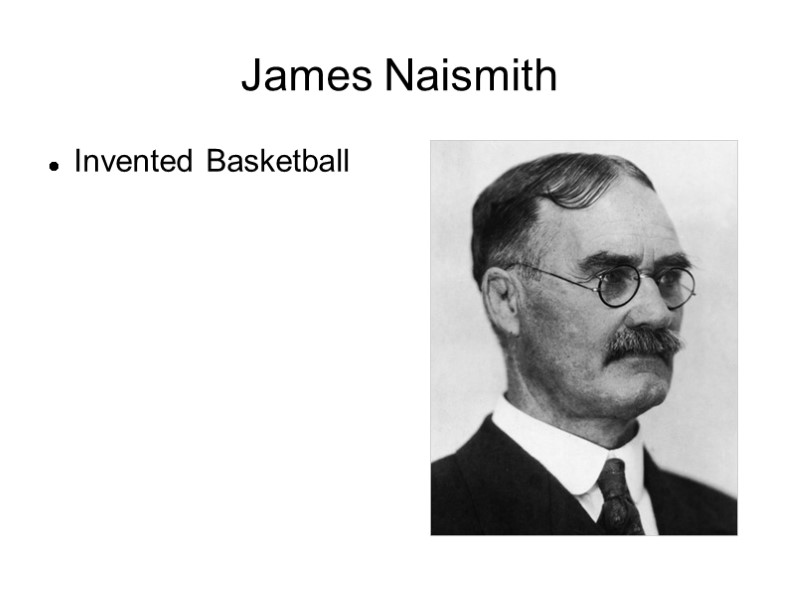
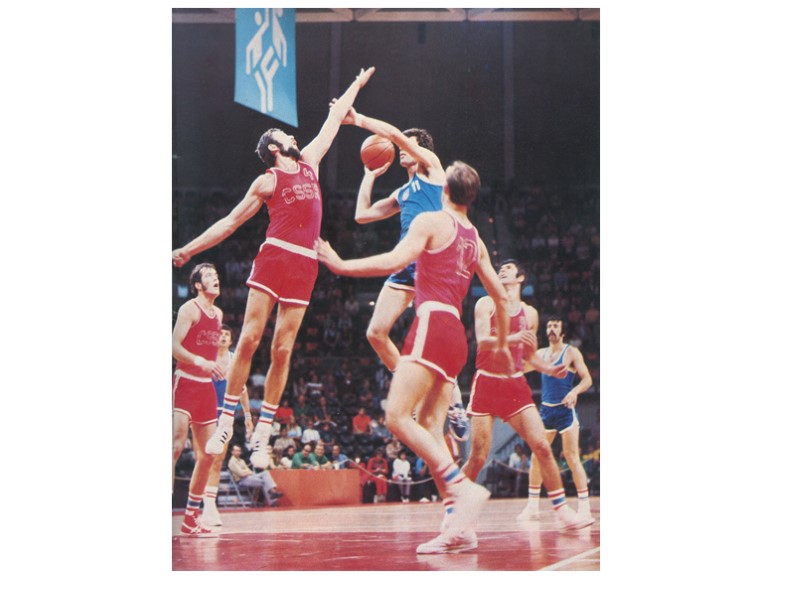
James Naismith Invented Basketball
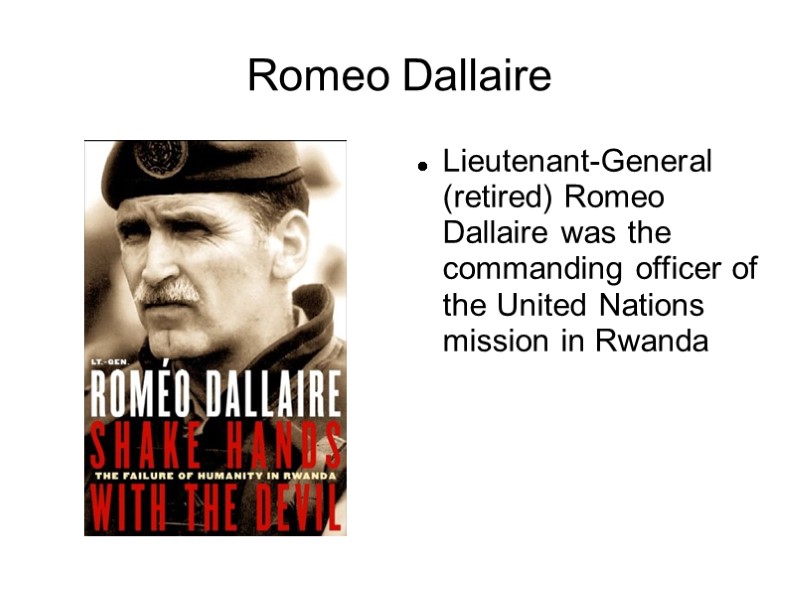
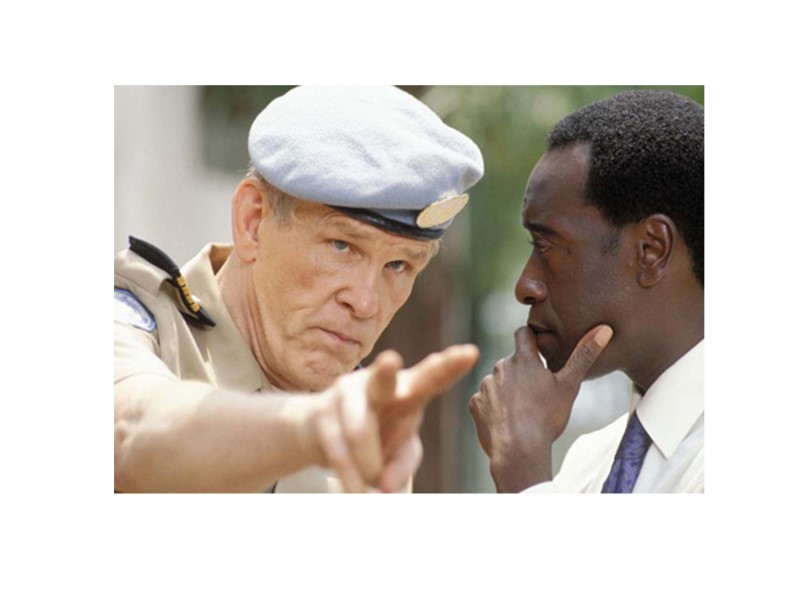
Romeo Dallaire Lieutenant-General (retired) Romeo Dallaire was the commanding officer of the United Nations mission in Rwanda
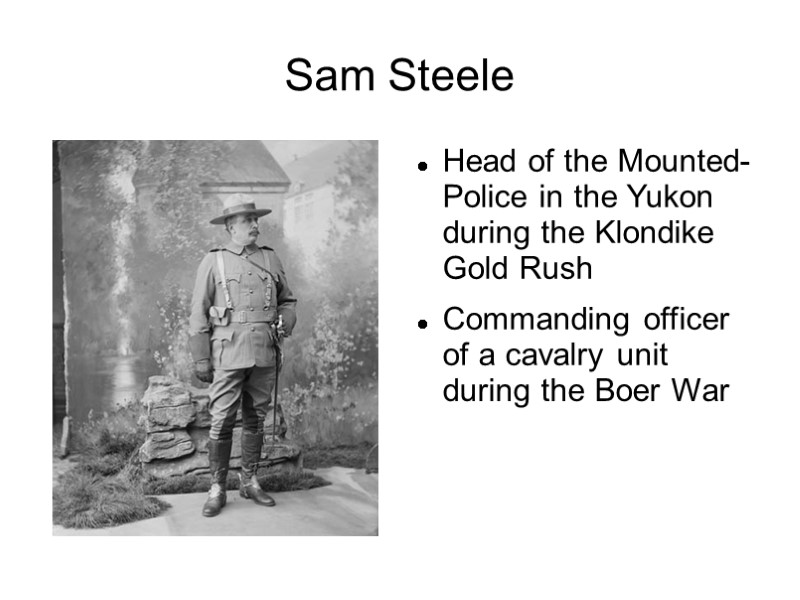
Sam Steele Head of the Mounted-Police in the Yukon during the Klondike Gold Rush Commanding officer of a cavalry unit during the Boer War
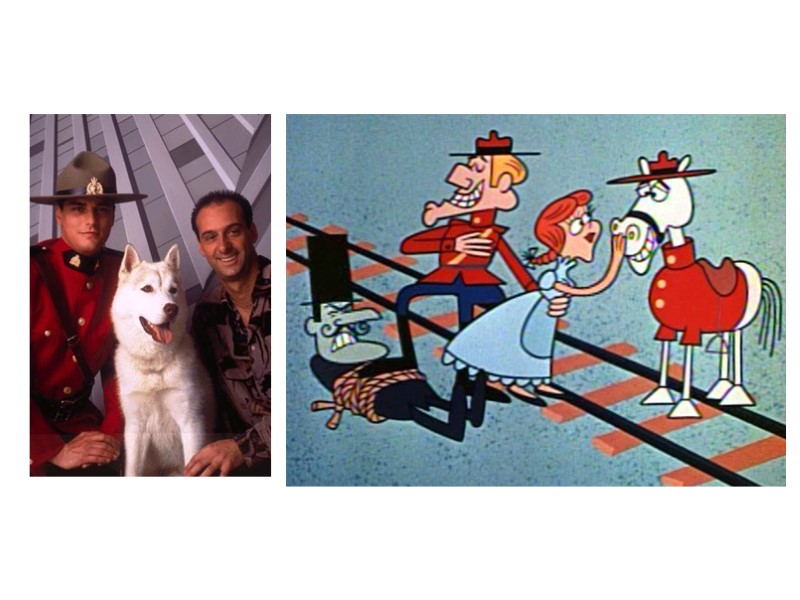
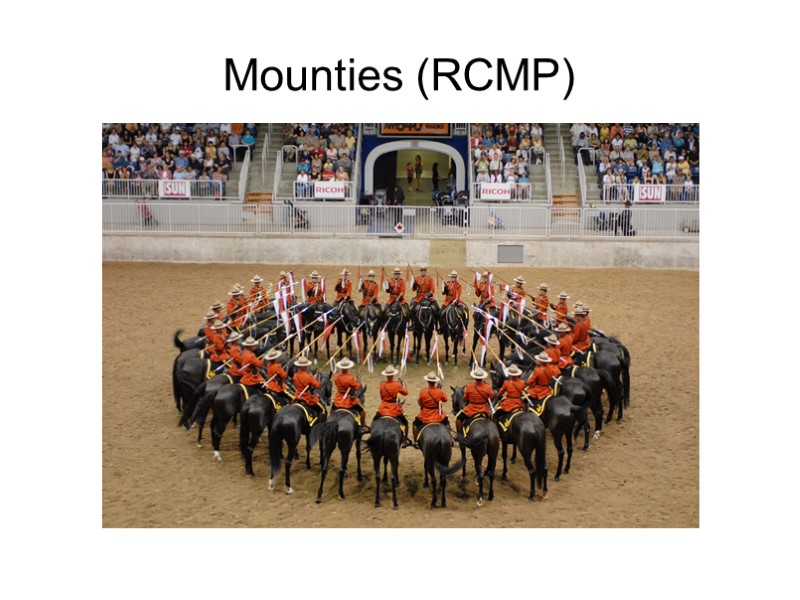
Mounties (RCMP)
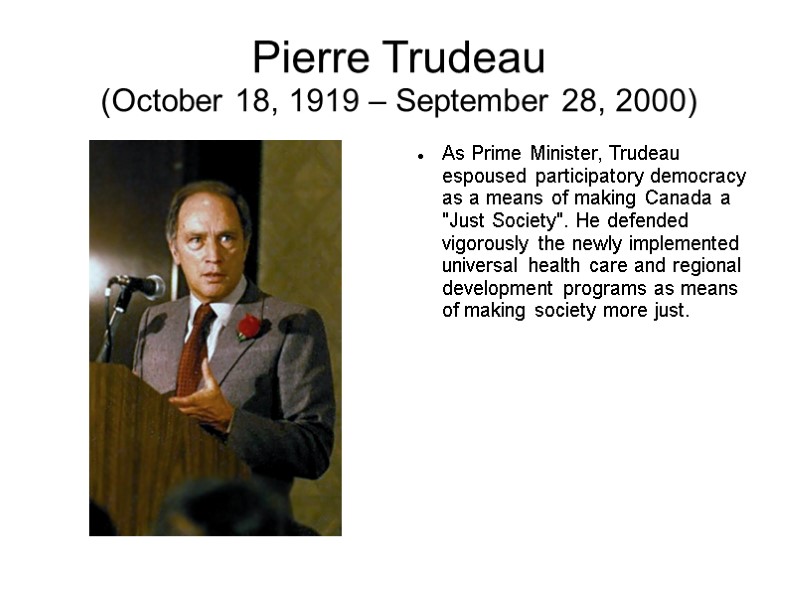
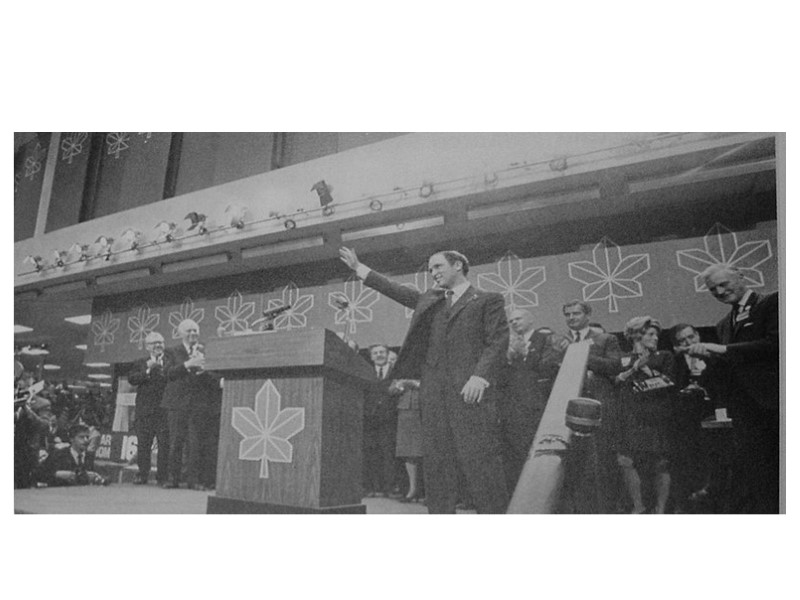
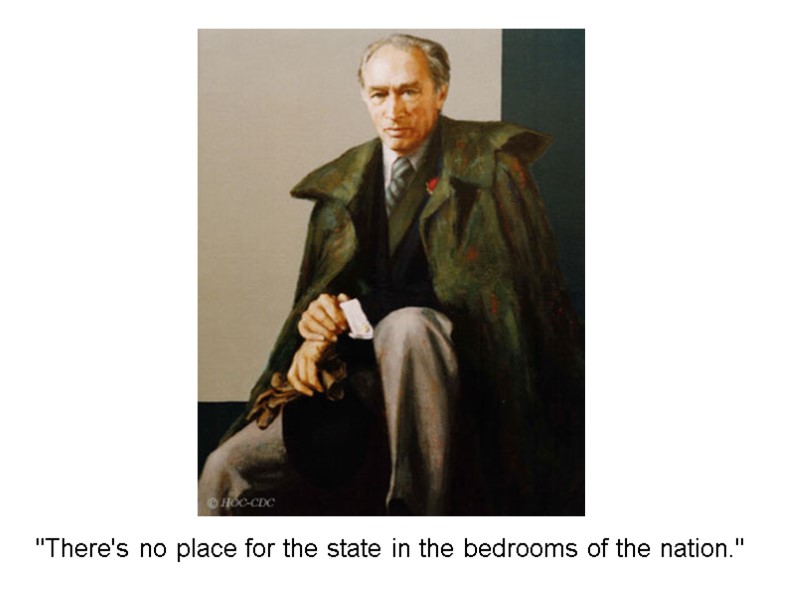
Pierre Trudeau (October 18, 1919 – September 28, 2000) As Prime Minister, Trudeau espoused participatory democracy as a means of making Canada a "Just Society". He defended vigorously the newly implemented universal health care and regional development programs as means of making society more just.
An iconic moment that influenced the election occurred on its eve, during the annual Saint-Jean-Baptiste Day parade in Montreal, when rioting Quebec separatists threw rocks and bottles at the grandstand where Trudeau was seated. Rejecting the pleas of his aides that he take cover, Trudeau stayed in his seat, facing the rioters, without any sign of fear. The image of the young politician showing such courage impressed the Canadian people, and he handily won the election the next day.
The October Crisis During the October Crisis of 1970, the Front de libération du Québec (FLQ) kidnapped British Trade Consul James Cross at his residence on the fifth of October. Five days later, Quebec Labour Minister Pierre Laporte was also kidnapped (and was later murdered, on October 17). Trudeau responded by invoking the War Measures Act, which gave the government sweeping powers of arrest and detention without trial. Although this response is still controversial and was opposed as excessive by figures like Tommy Douglas, it was met with only limited objections from the public. Trudeau presented a determined public stance during the crisis, answering the question of how far he would go to stop the terrorists with "Just watch me". Five of the FLQ terrorists were flown to Cuba in 1970 as part of a deal in exchange for James Cross' life, but all members were eventually arrested. The five flown to Cuba were jailed after they returned to Canada years later.
Bilingualism Trudeau's first years would be most remembered for the passage of his implementation of official bilingualism. Long a goal of Trudeau, this legislation requires all Federal services to be offered in French and English. The measures were very controversial at the time in English Canada, but would be successfully passed and implemented. Leading after his endorsement of Lester Pearson's Royal Commission on Bilingualism and Biculturalism, the Official Languages Act was passed by parliament in 1969.
Foreign Affairs Trudeau was the first world leader to meet John Lennon and his wife Yoko Ono on their 'tour for world peace'. Lennon said, after talking with Trudeau for 50 minutes, that Trudeau was "a beautiful person" and that "if all politicians were like Pierre Trudeau, there would be world peace." In foreign affairs, Trudeau kept Canada firmly in the North Atlantic Treaty Organization (NATO), but often pursued an independent path in international relations. He established Canadian diplomatic relations with the People's Republic of China, before the United States did, and went on an official visit to Beijing. He was known as a friend of Fidel Castro, the leader of Cuba. A mobster said that in 1974 he was hired by New York State mafia members to kill Trudeau, hoping to lure Castro to a funeral, where they would kill him. The plan was apparently later rejected.
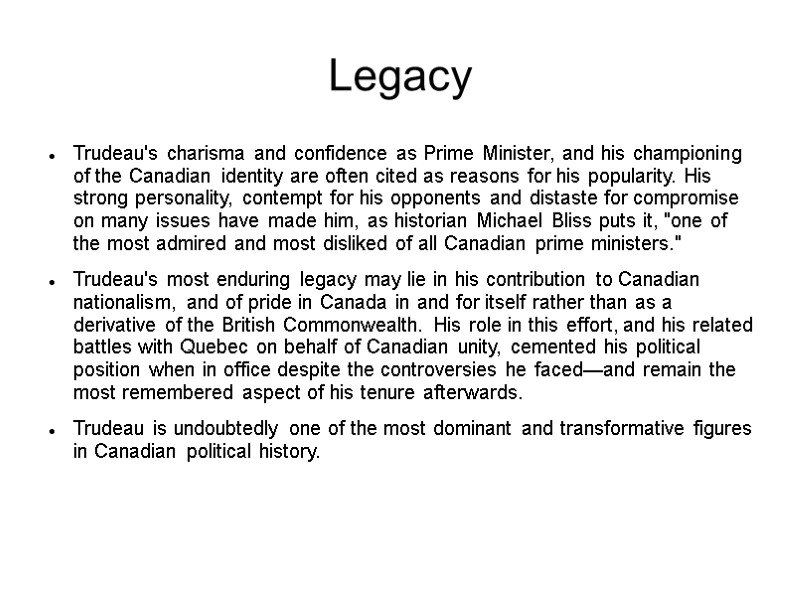
Trudeau's charisma and confidence as Prime Minister, and his championing of the Canadian identity are often cited as reasons for his popularity. His strong personality, contempt for his opponents and distaste for compromise on many issues have made him, as historian Michael Bliss puts it, "one of the most admired and most disliked of all Canadian prime ministers." Trudeau's most enduring legacy may lie in his contribution to Canadian nationalism, and of pride in Canada in and for itself rather than as a derivative of the British Commonwealth. His role in this effort, and his related battles with Quebec on behalf of Canadian unity, cemented his political position when in office despite the controversies he faced—and remain the most remembered aspect of his tenure afterwards. Trudeau is undoubtedly one of the most dominant and transformative figures in Canadian political history. Legacy
"There's no place for the state in the bedrooms of the nation."
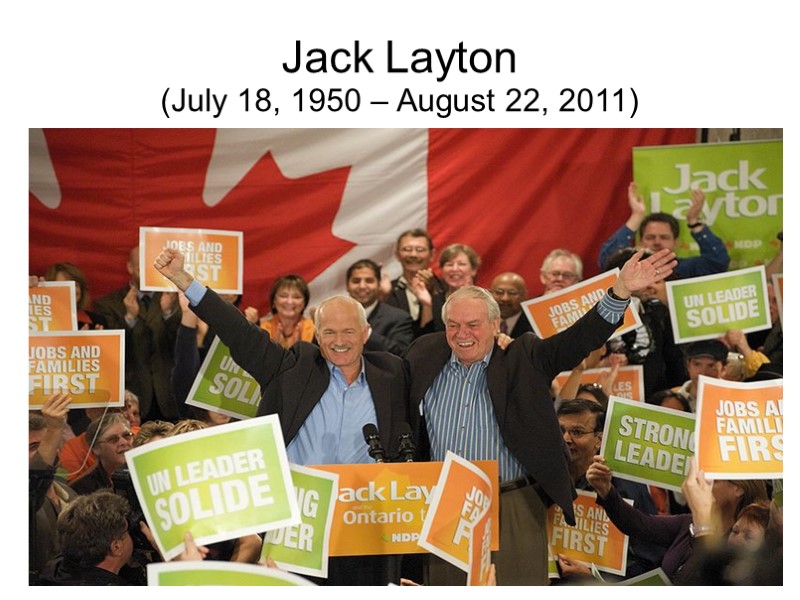
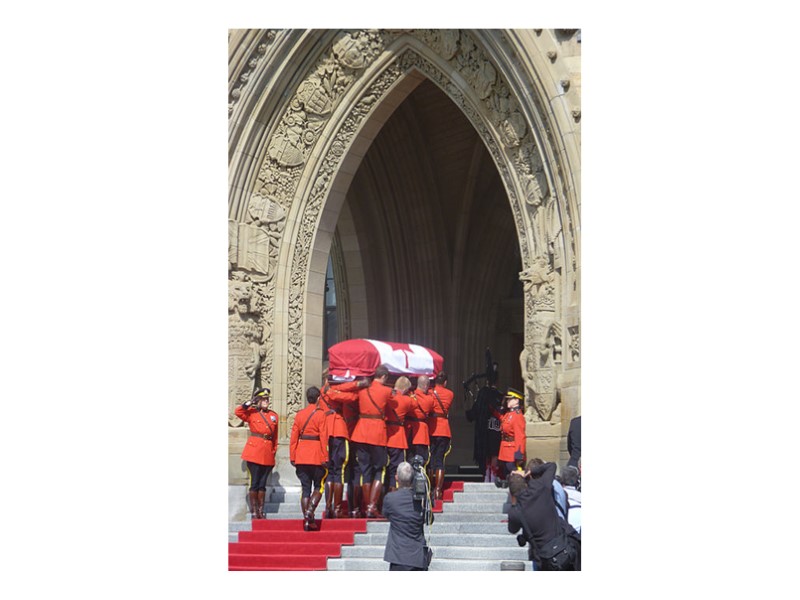
Jack Layton (July 18, 1950 – August 22, 2011)
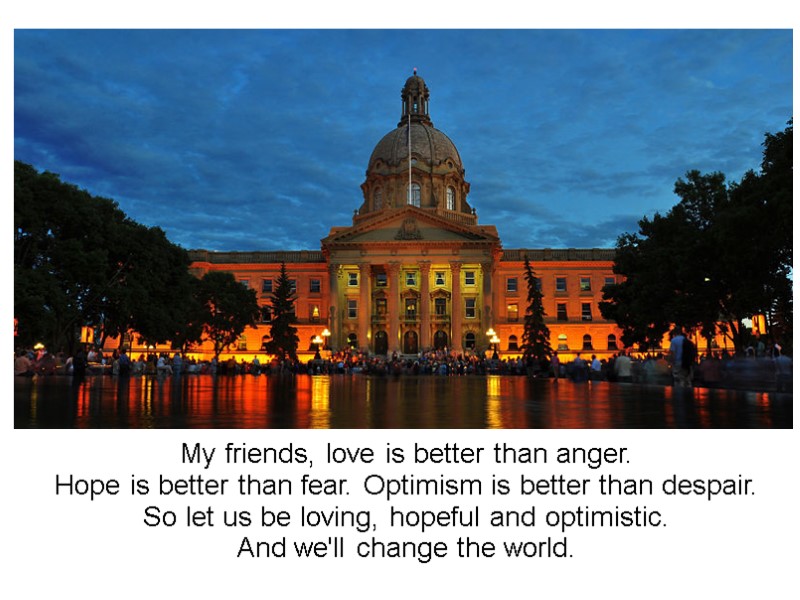
My friends, love is better than anger. Hope is better than fear. Optimism is better than despair. So let us be loving, hopeful and optimistic. And we'll change the world.
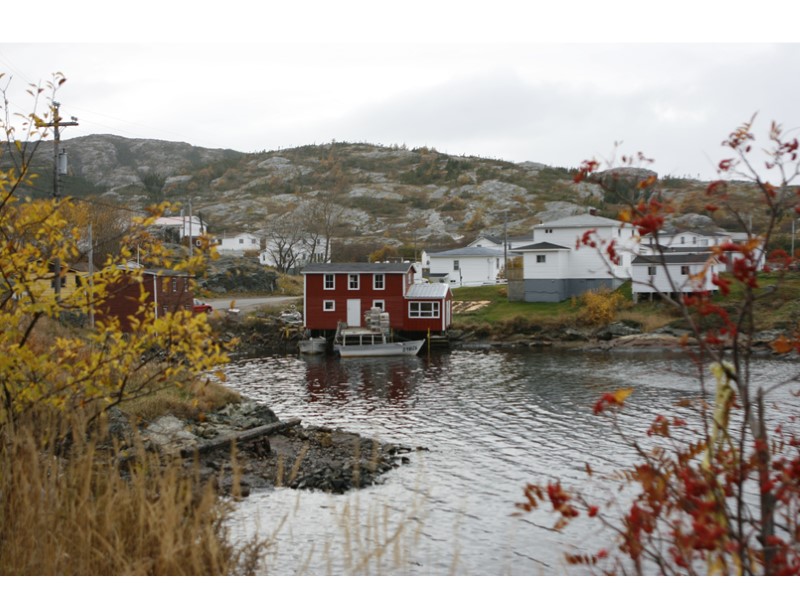
Places I have lived:
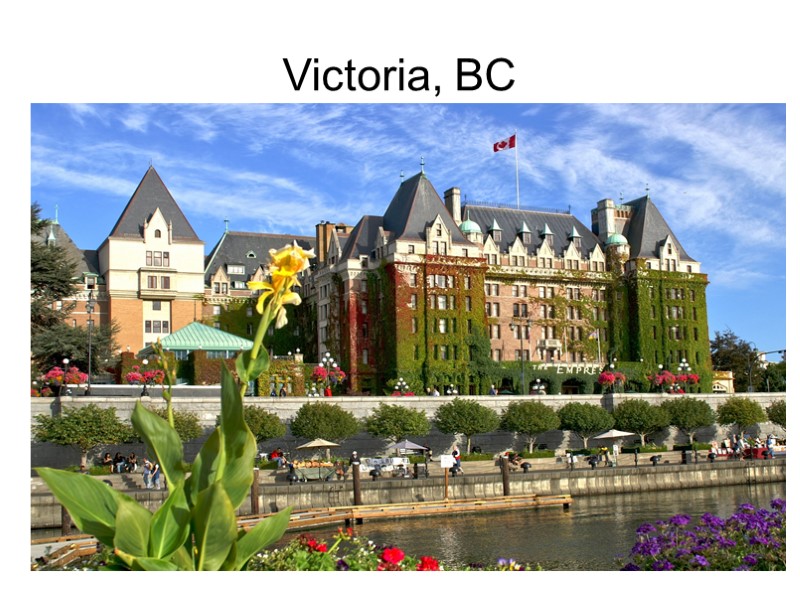
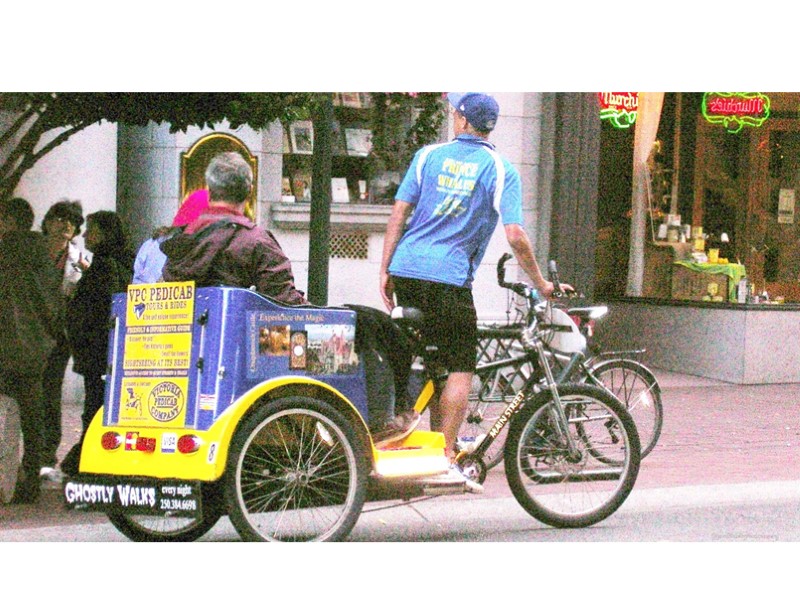
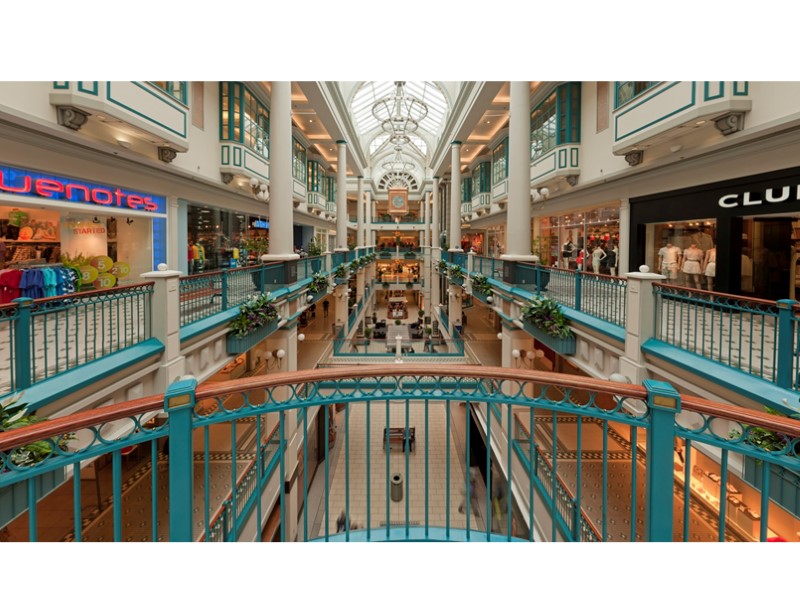
Victoria, BC
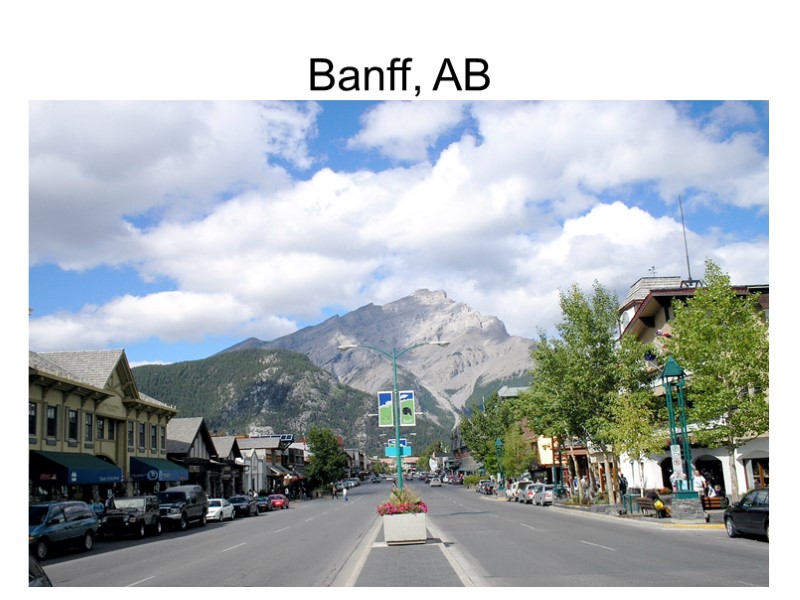
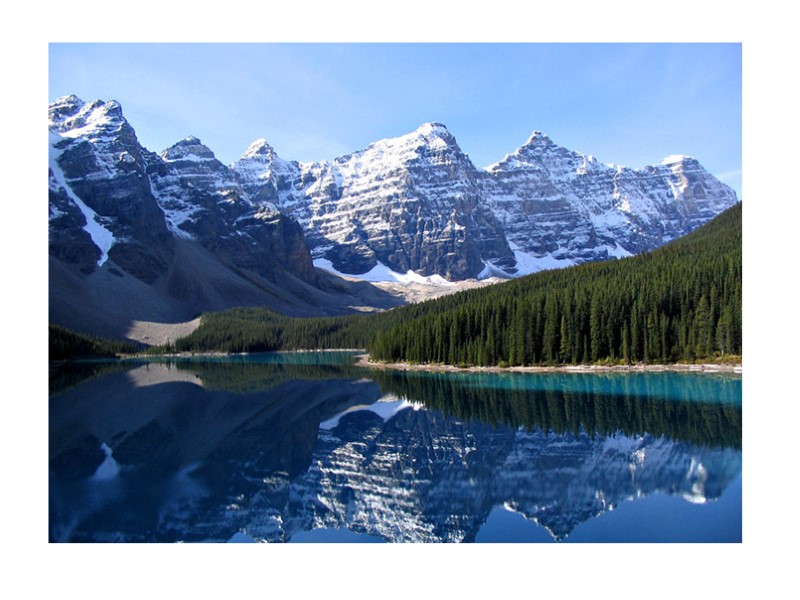
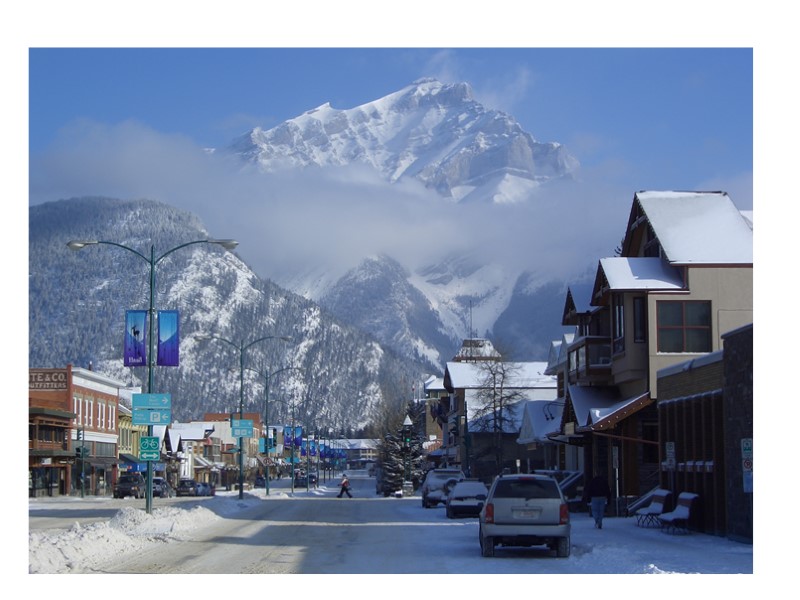
Banff, AB
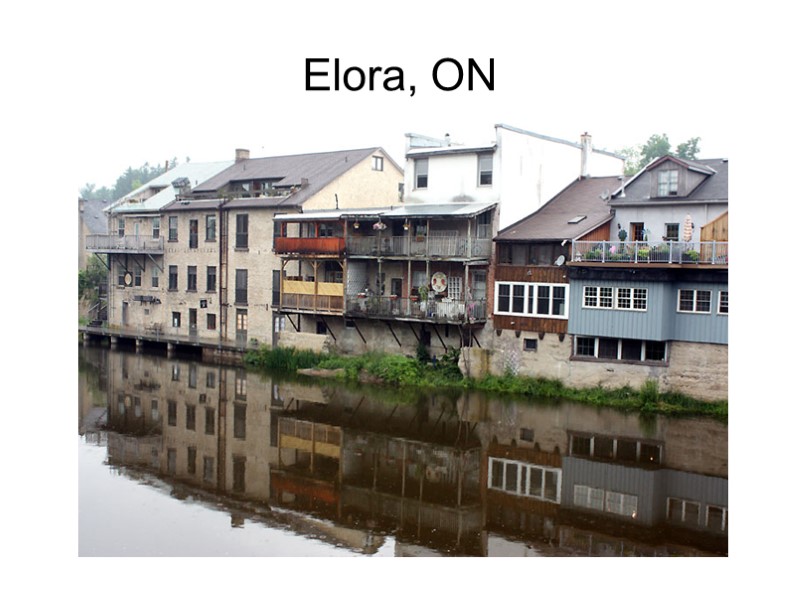
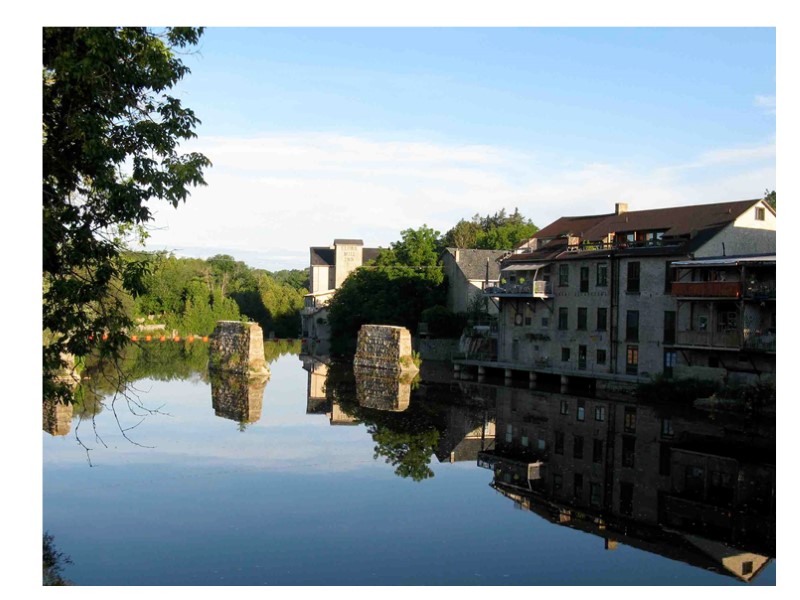
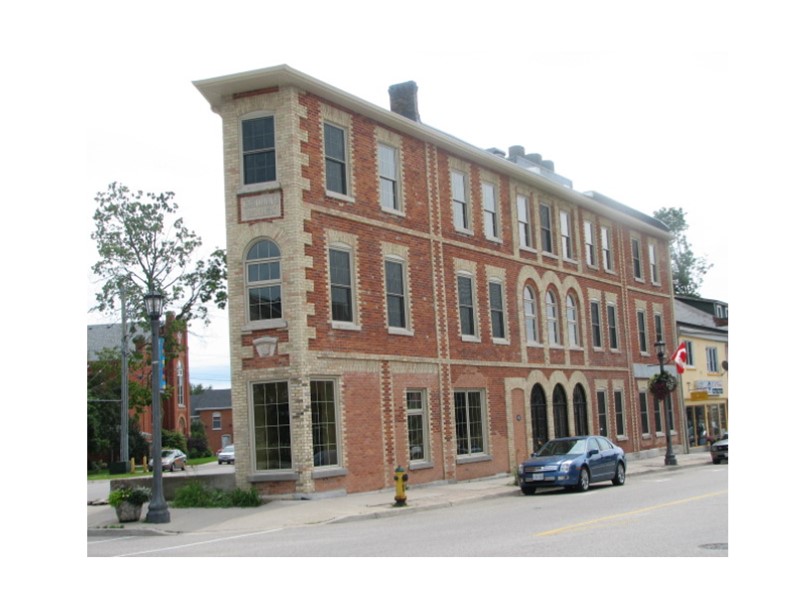
Elora, ON
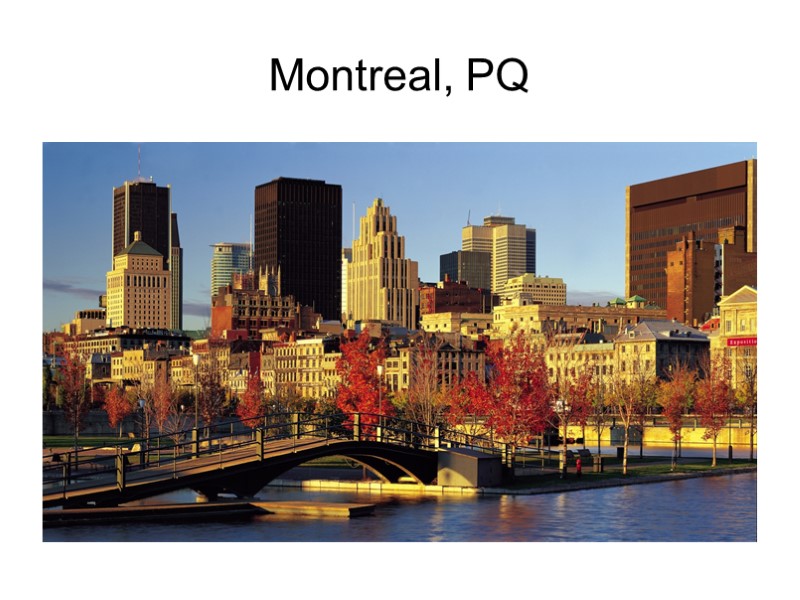
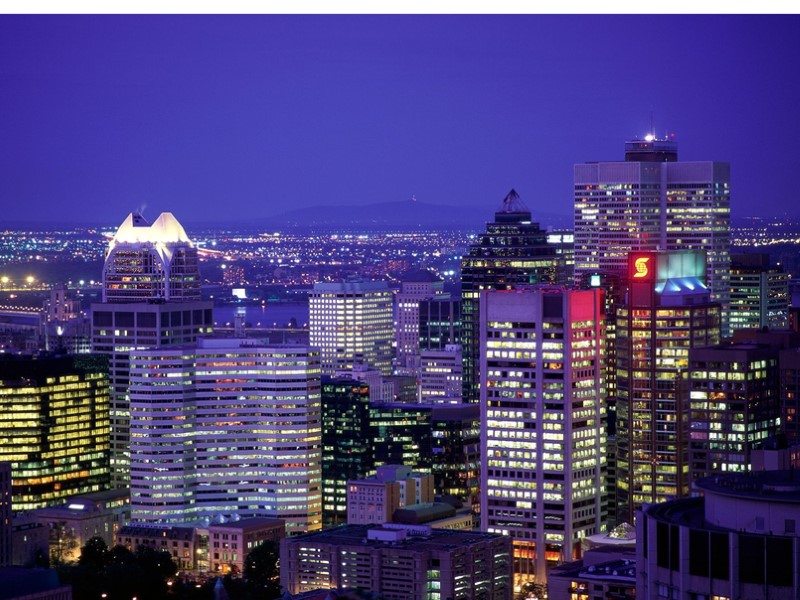
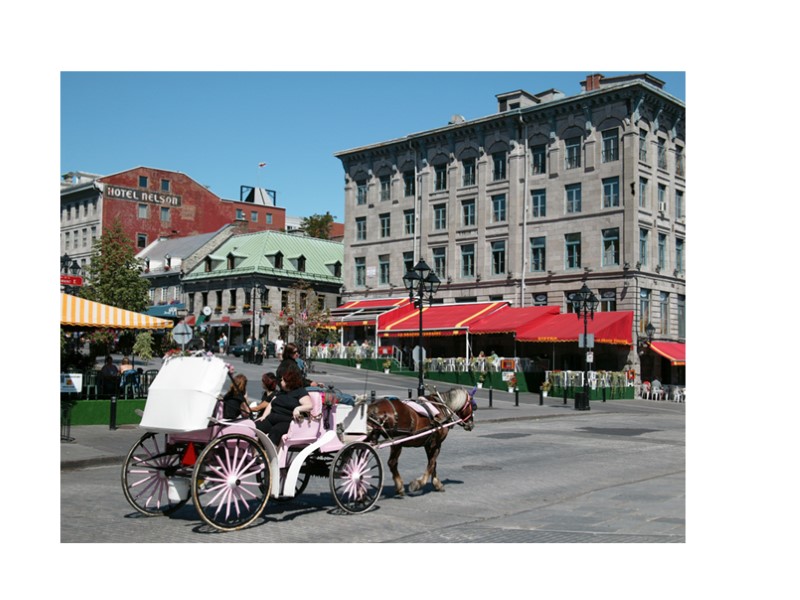
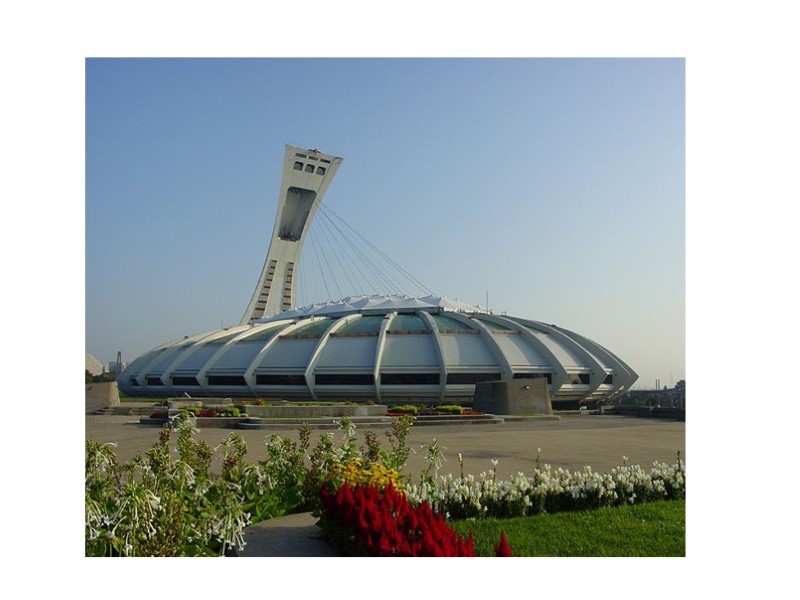
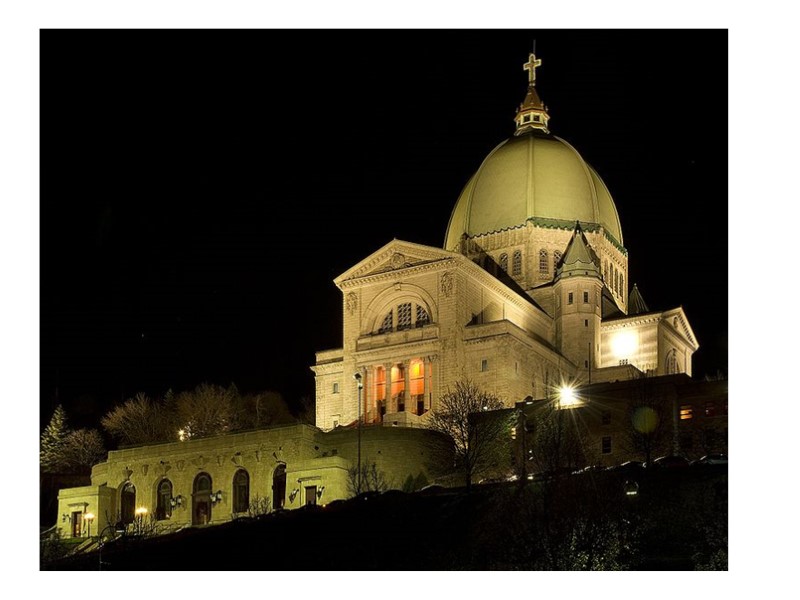
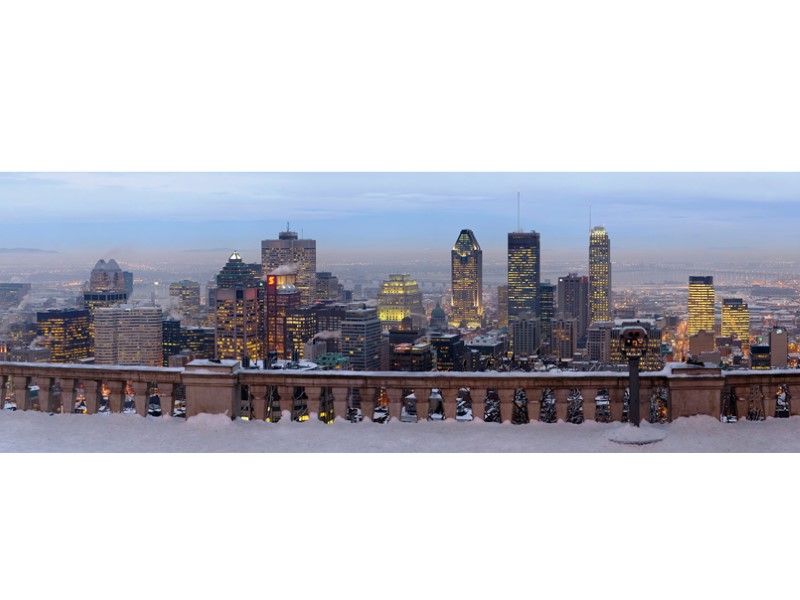
Montreal, PQ
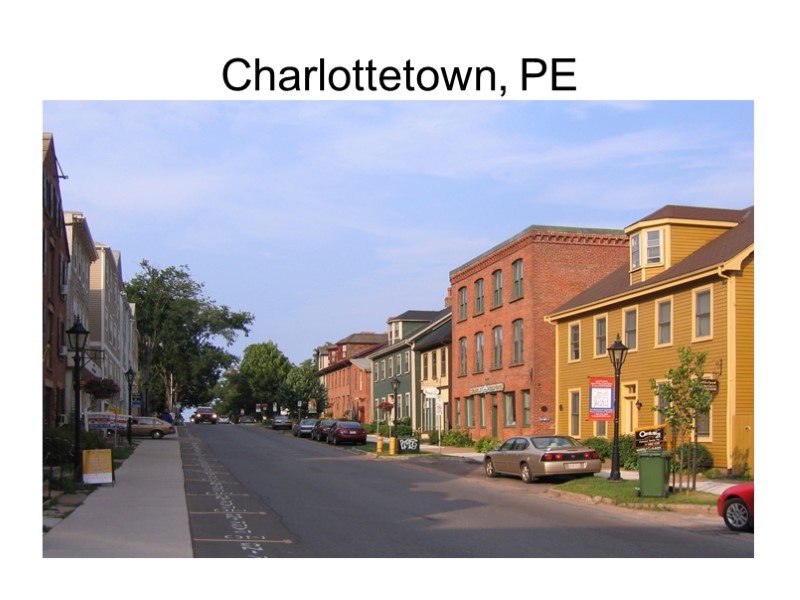
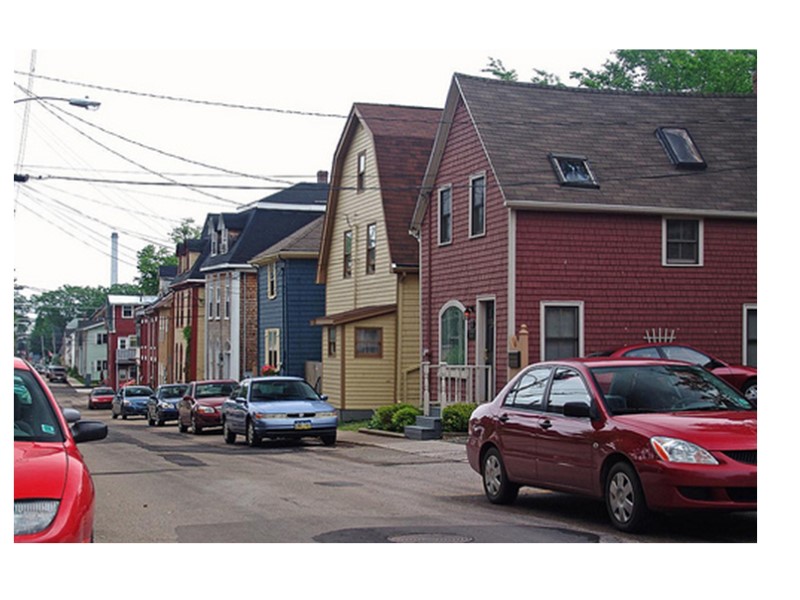
Charlottetown, PE
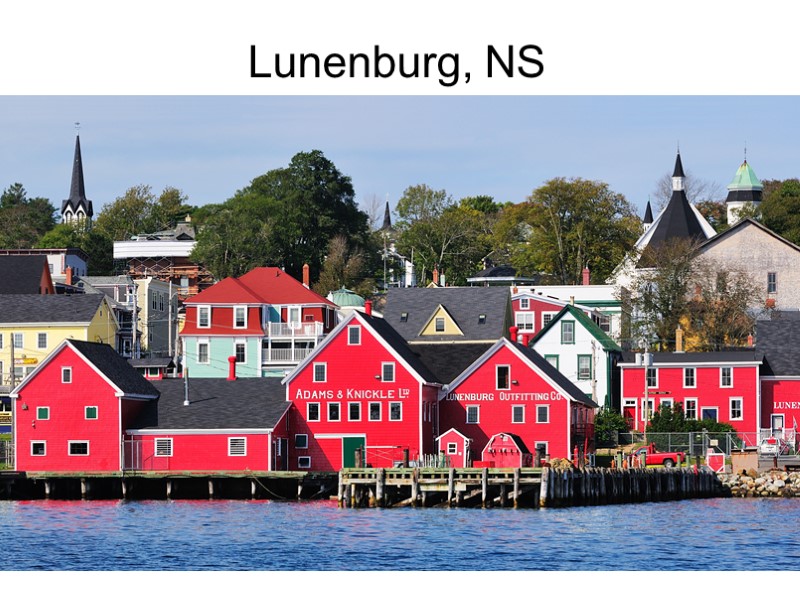
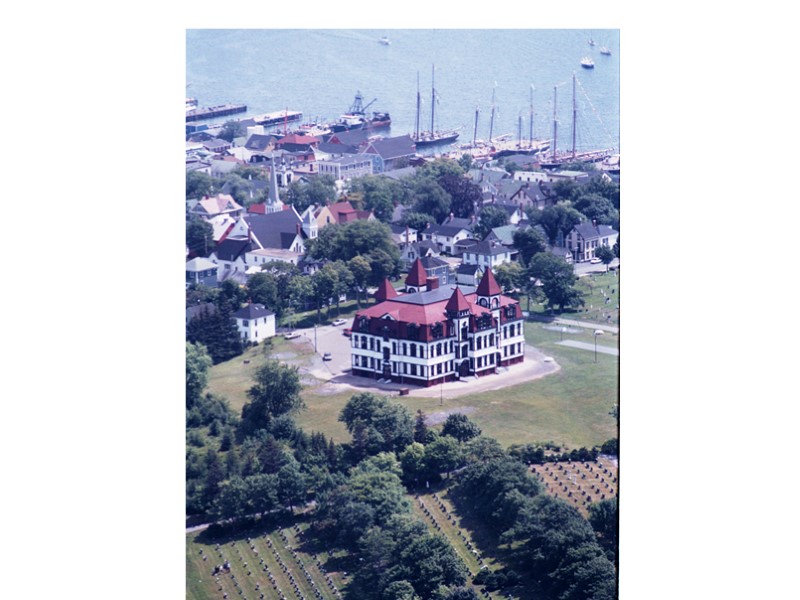
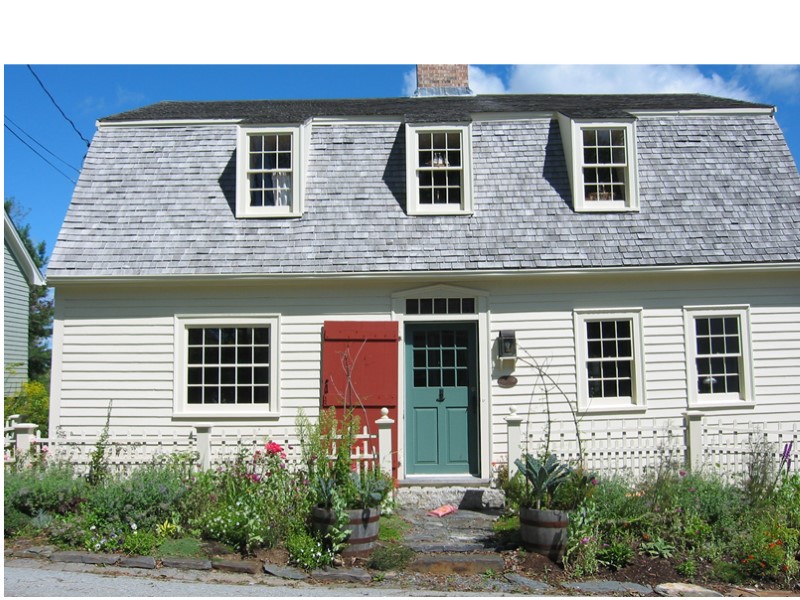
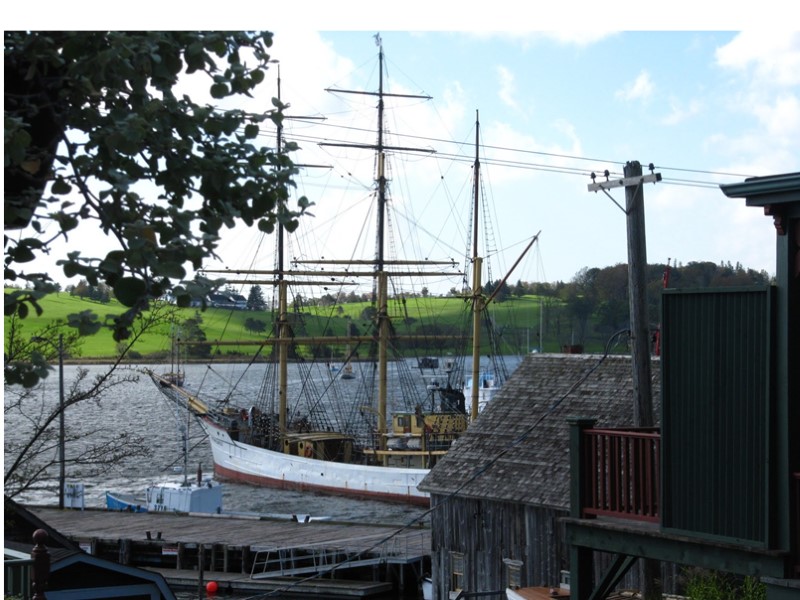
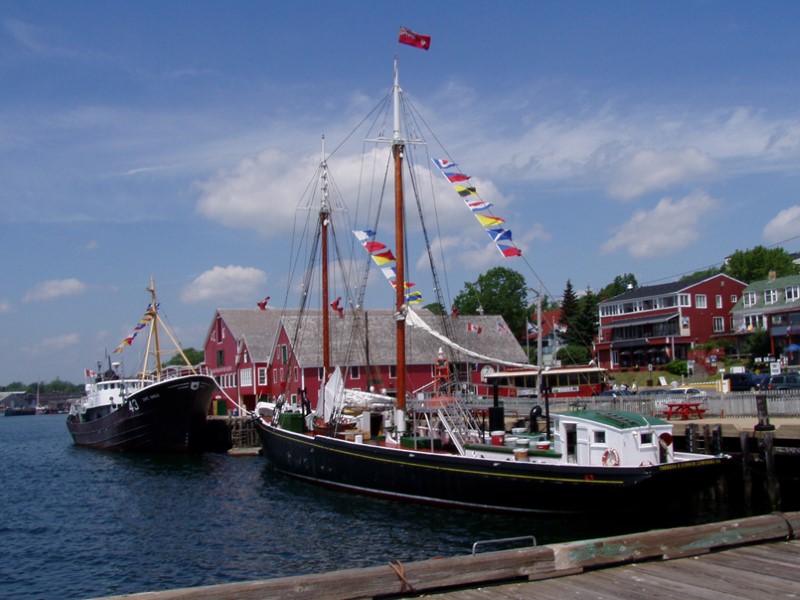
Lunenburg, NS
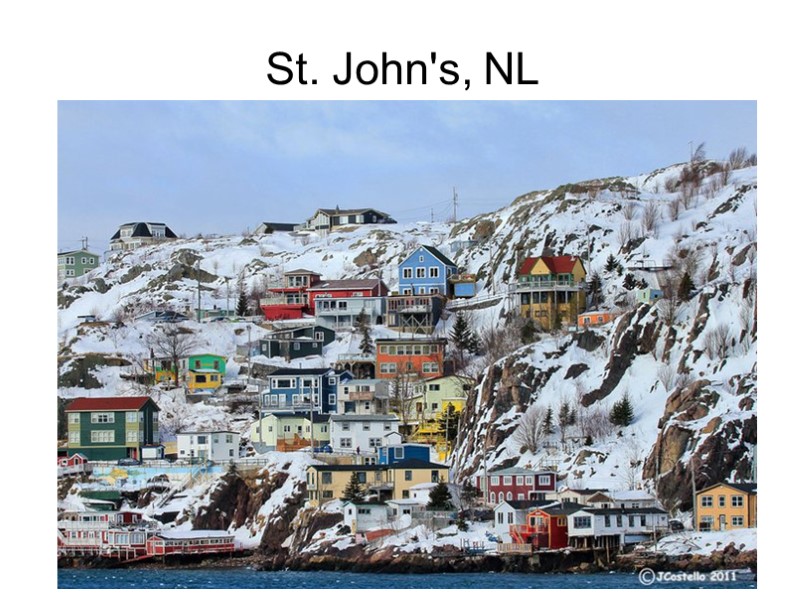
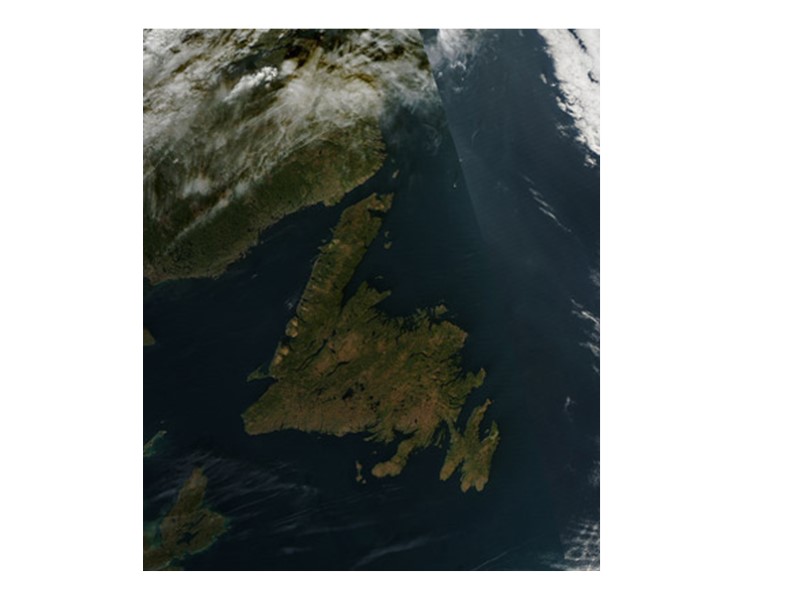
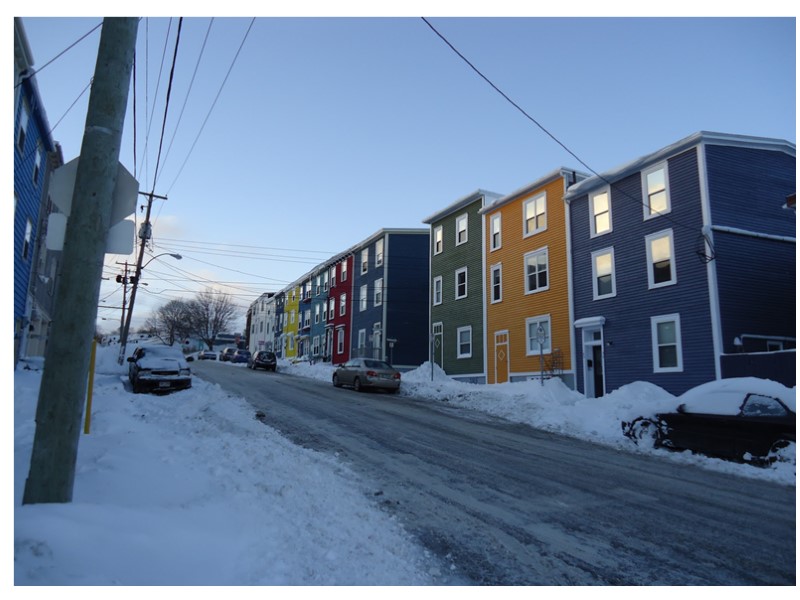
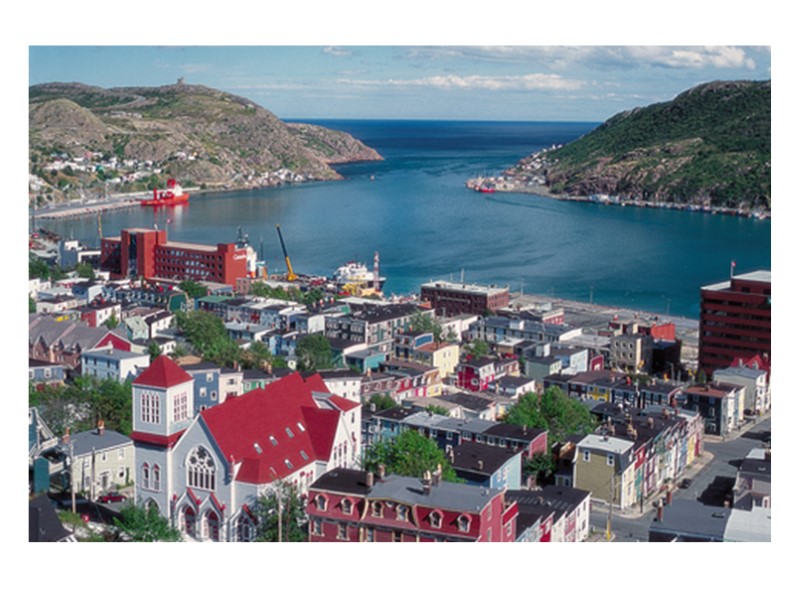
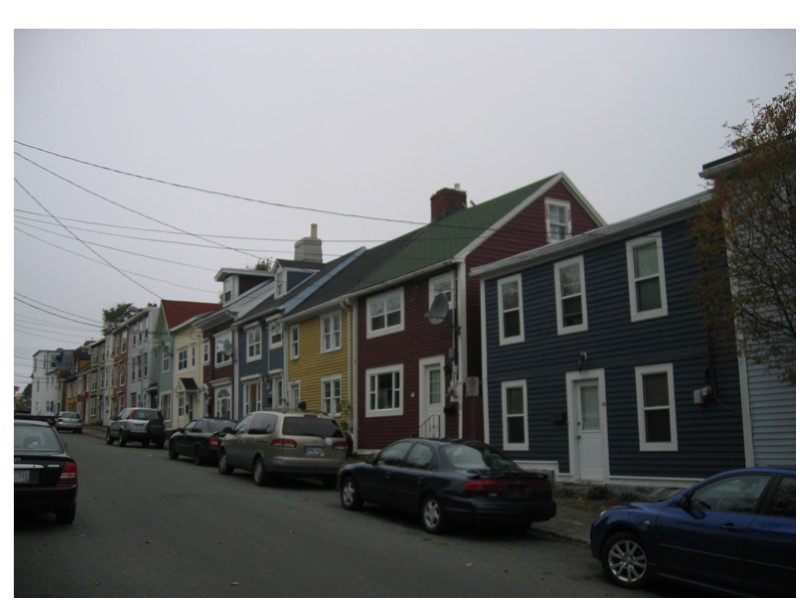
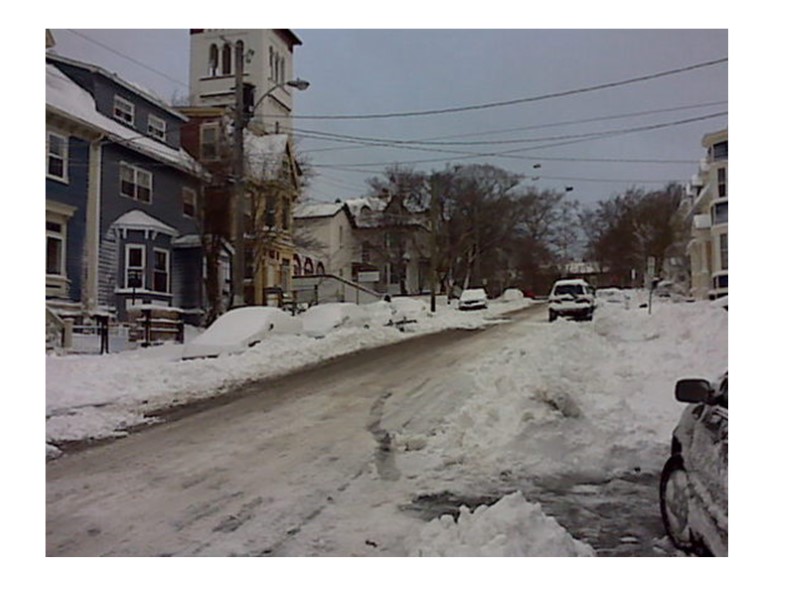
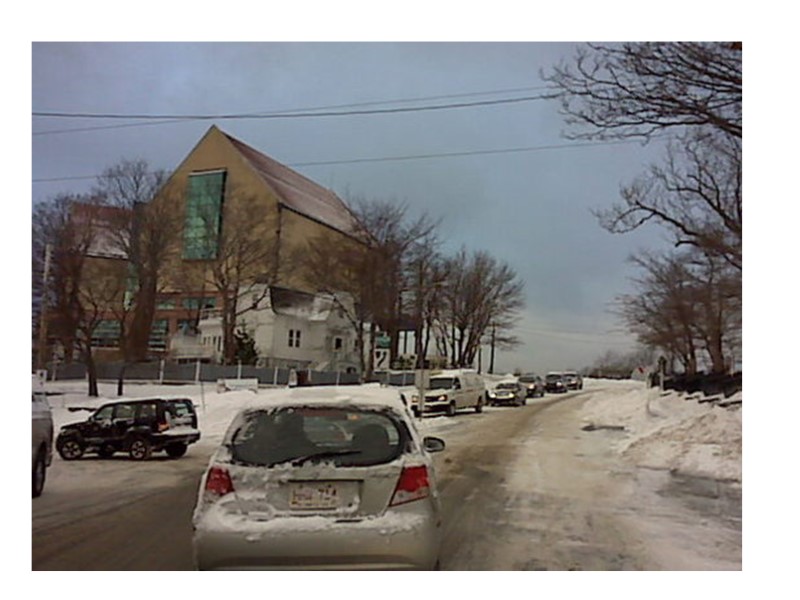
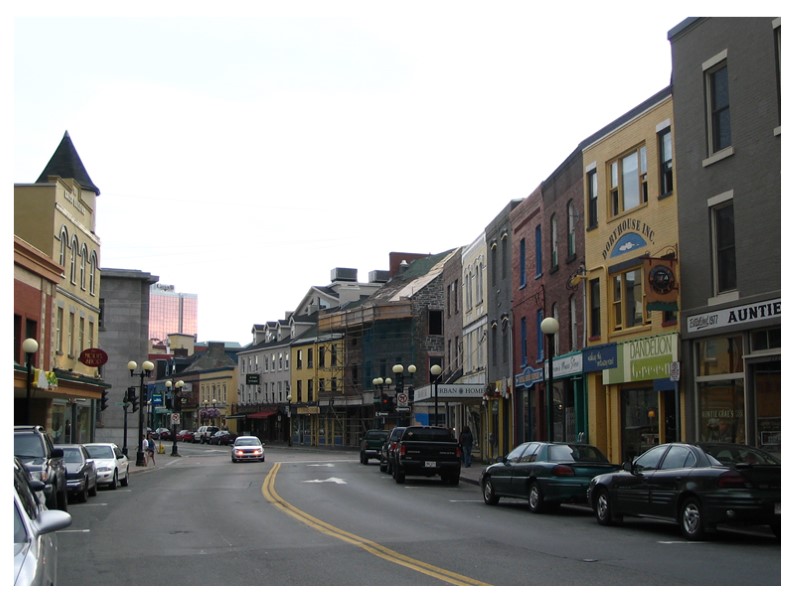
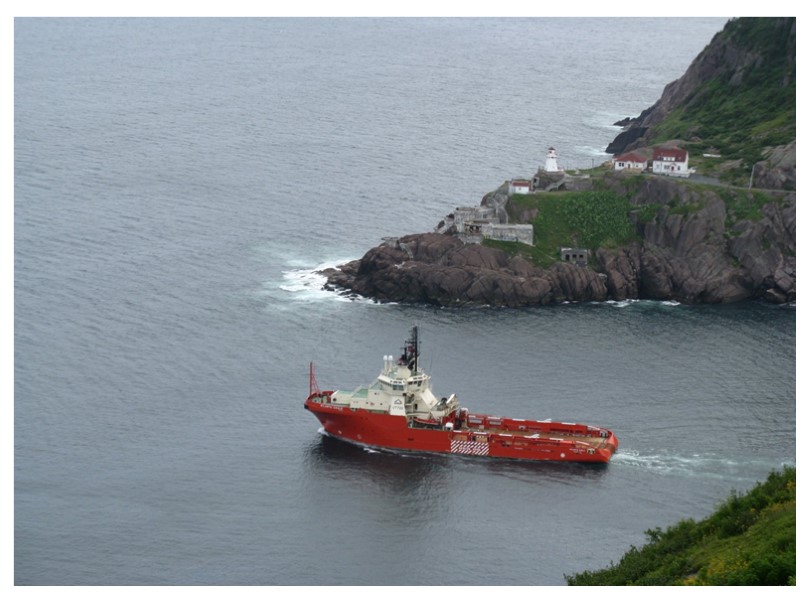
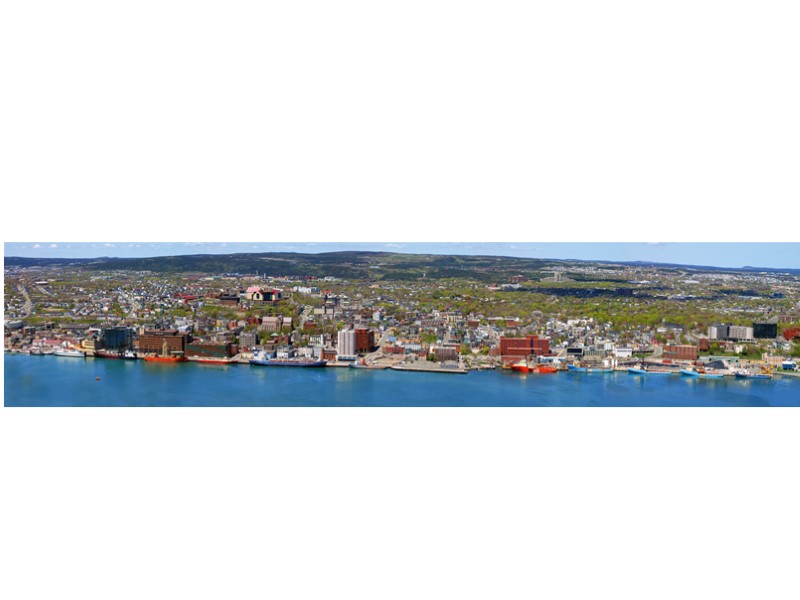
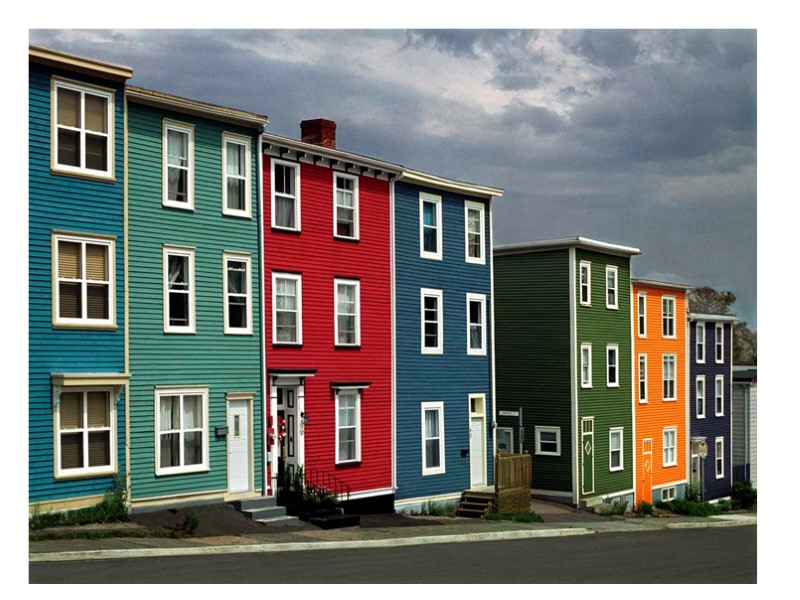
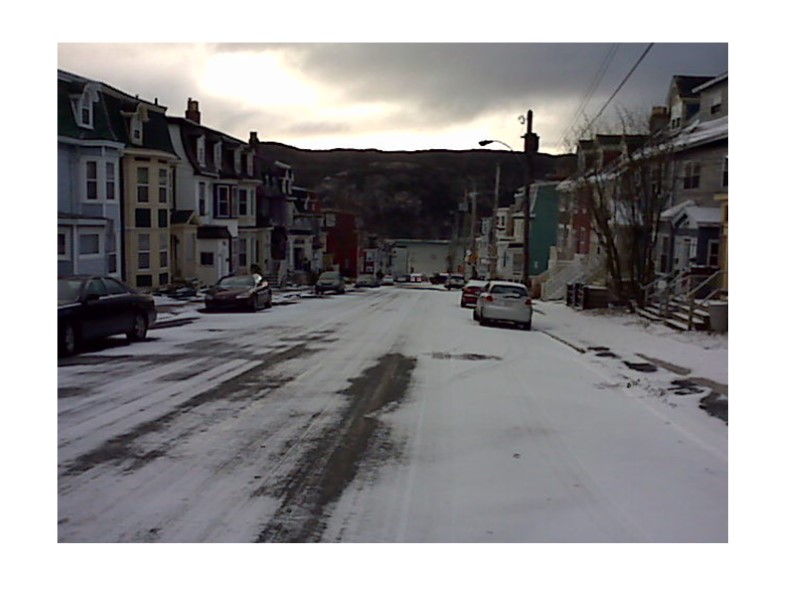
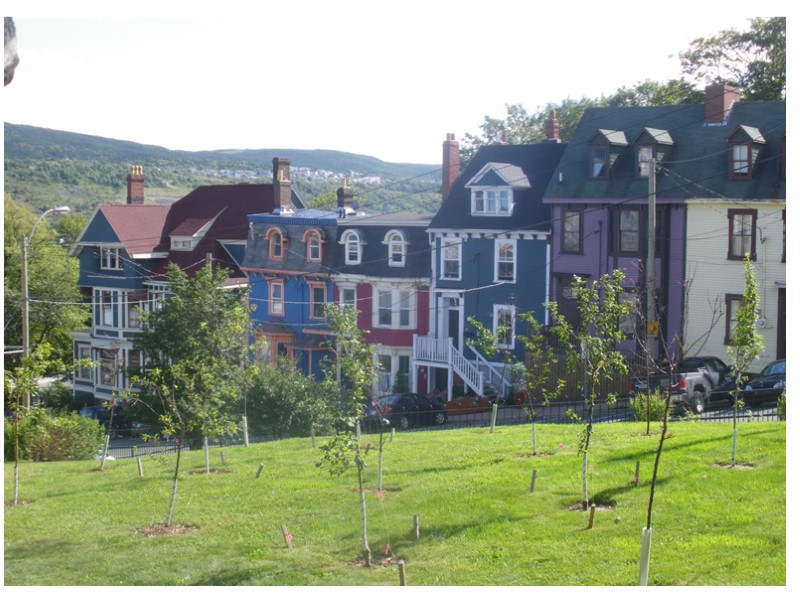
St. John's, NL