 Скачать презентацию When touching a hot burner we learn from
e68e96214c8b5aee41d4ea5ec06ebc48.ppt
- Количество слайдов: 39




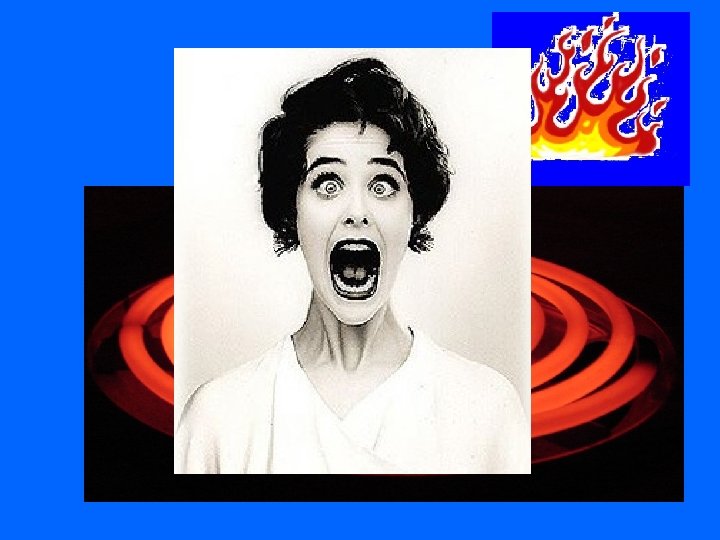
When touching a hot burner, we learn from personal – or direct – experience! = write this down!




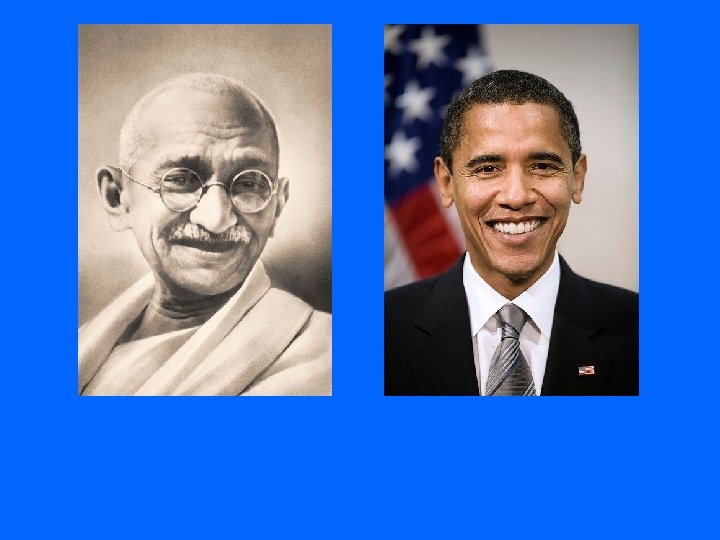


(If we don’t trust, we don’t take it seriously. )
But what if a person or organization tries to influence us, to make us believe something specifically to hurt or help another person or organization? For example, what if the Mayor of Seattle tried to convince us that the people of Tacoma secretly want to steal the Space Needle and move it right next to the Tacoma Dome?
But what if the Mayor of Seattle used radio, television and newspaper ads to get us to boycott Tacoma because, he claimed, they were stealing our business?
Propaganda is: From: http: //www. merriam-webster. com/dictionary/propaganda
For now, let’s stick with the middle definition: the spreading of ideas, information, or rumor for the purpose of helping or injuring an institution, a cause, or a person
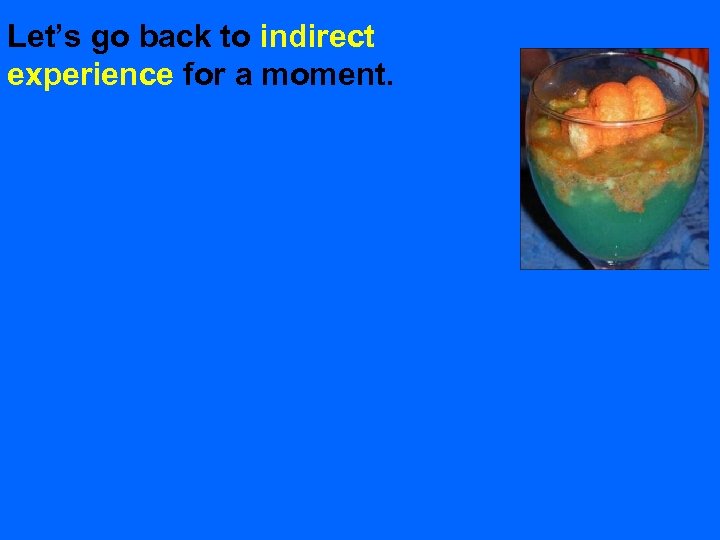
Let’s go back to indirect experience for a moment.
It sounds like Yummy Smoothies is trying to harm Tasty Smoothies’ business, doesn’t it?



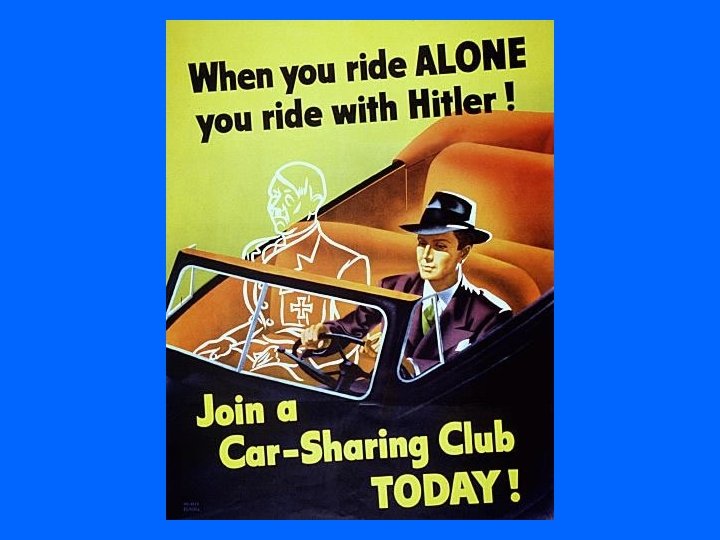
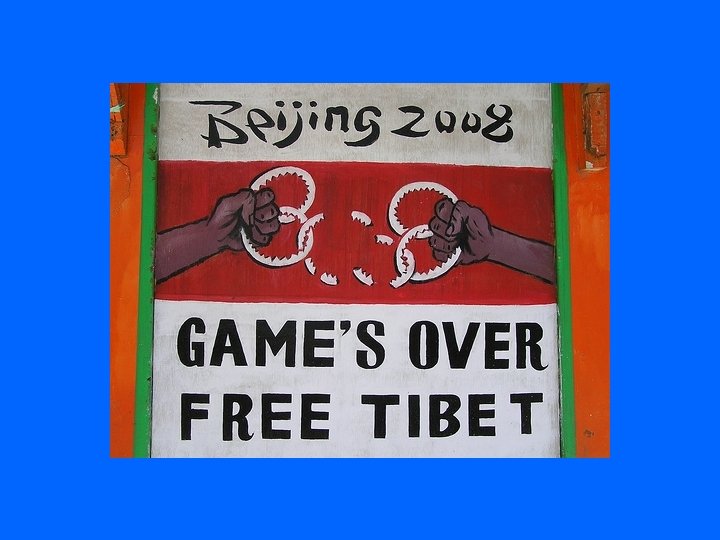


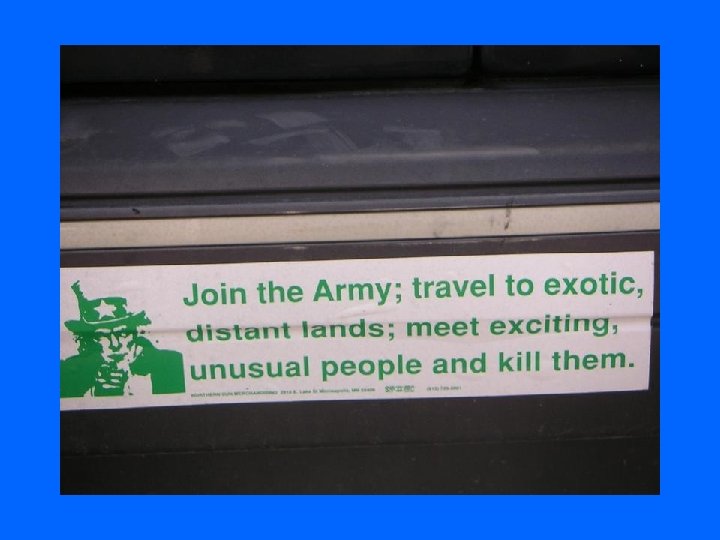
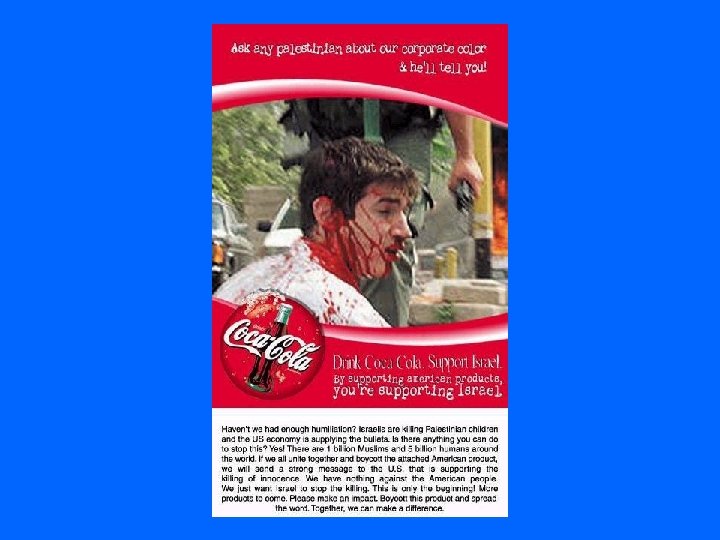





6. Is advertising propaganda? 7. What’s the difference between news and propaganda? 8. How can you tell if something you’re hearing, reading or seeing is propaganda? 9. How can we counter – or fight – propaganda?

Your thoughts? Remember the first question at the beginning of this slide show – how do we know what we know? Here’s another question for you…
What if much of what we think we know is actually the result of propaganda? And what if we’re making decisions in the world based on “knowledge” that isn’t necessarily accurate?

What’s next? During this unit, you will… *Explore more propaganda *Learn how to identify it *Learn its techniques *Learn its history *Understand how it shapes world history *Create your own propaganda *Argue for or against propaganda
Please hand in your notes for today’s lesson. I will collect them as I come around to give your exit ticket…which I am about to explain!
 Скачать презентацию When touching a hot burner we learn from
e68e96214c8b5aee41d4ea5ec06ebc48.ppt