 Скачать презентацию When The Beast in the OR Isn t Your
c66e531ae42d40777c8dfbf96172fd2e.ppt
- Количество слайдов: 53



When The Beast in the OR Isn’t Your Surgeon Susan Clouser RN MSN CRNO
Patient History n n 47 year old female 300+ pounds Thyroid problems Difficulties with activities of daily living n n n Unable to find food Not socializing with new neighbors Ophthalmic exam showed bilateral cataracts and geographic atrophy OS
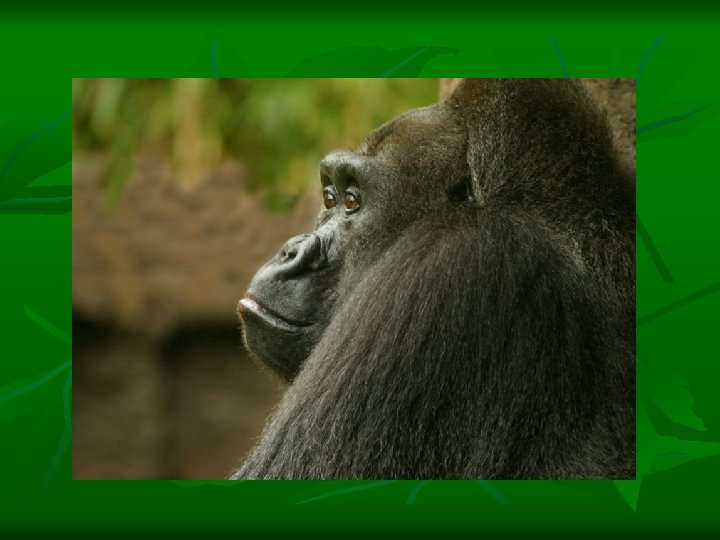
Cataract Surgery on Gorillas in the United States n Salt Lake City, UT n n Dr. Alan Crandall on Gorgeous Dallas, TX n n 1990 January 2009 Dr. Wayne Bowman on Timbo Miami, FL n October 2009 Dr. Frank Spektor on Josephine
n Why a “people” ophthalmologist instead of a veterinary ophthalmologist?
Medical School/Zoo Collaboration n Ophthalmic Examination of the Captive Western Lowland Gorilla n n Journal of Zoo and Wildlife Medicine 2005 All gorillas at the Dallas Zoo examined to determine the norms for gorilla eyes.
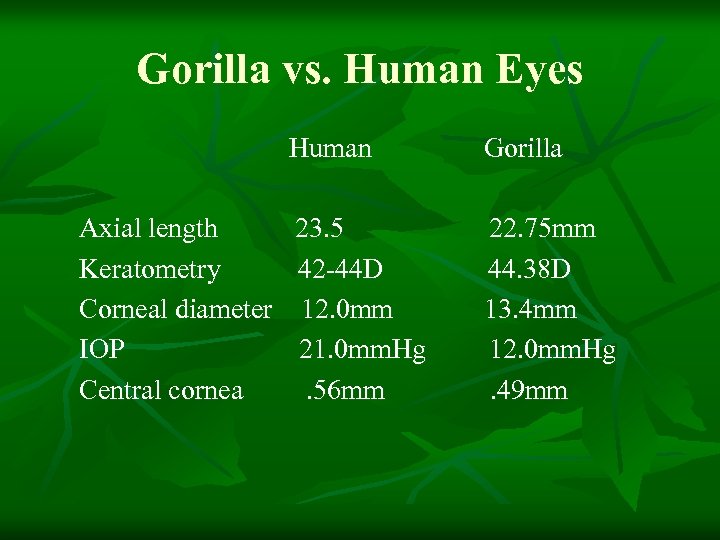
Gorilla vs. Human Eyes Human Axial length Keratometry Corneal diameter IOP Central cornea Gorilla 23. 5 42 -44 D 12. 0 mm 21. 0 mm. Hg. 56 mm 22. 75 mm 44. 38 D 13. 4 mm 12. 0 mm. Hg. 49 mm
Medical School/Zoo Collaboration n Ophthalmic Examination of the Captive Western Lowland Gorilla n n Journal of Zoo and Wildlife Medicine 2005 “ These similarities may allow diagnostics, techniques and equipment for human eye surgery, such as those used for cataract extraction and IOL implantation to be successfully utilized for gorillas. ”
Critical Factors n Surgery location n n n Hospital vs. Zoo Surgery Team Surgery Date Equipment/Supplies Which eye first or both eyes at the same time? Postoperative Care
Location n Hospital vs. Zoo n n n Transport Equipment/Supplies Medications
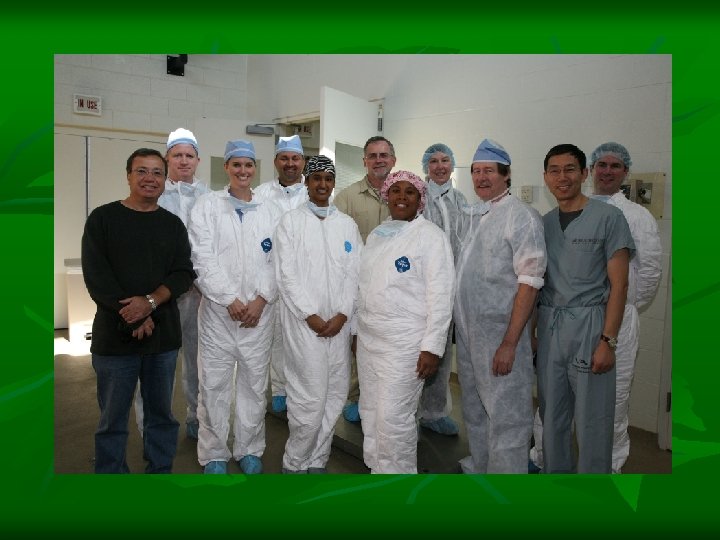
Assembling the Team n n Surgeon Assistant Circulator Scrub person
Assembling the Team n Geographic atrophy = Retina specialist n n n New retina camera = camera rep + assistant IOL measurements = Ultrasonographer Phaco machine = Alcon rep Microscope = Zeiss rep Interested resident + additional cornea fellow
Surgery Date n How about a Tuesday? n How about a Sunday?
Critical Factors n Equipment (shipped in) n n n Microscope: Zeiss Phaco machine: Alcon Equipment (transported from hospital) n A scan, Retinal camera, Indirect ophthalmoscope, hand held keratometer
Critical Factors n Supplies n n Custom pack Medications Suture Gloves
Which IOL? n n Larger optic for a larger eye Foldable Lower incidence of posterior capsule opacification MC 50 BM
Which eye first? n Left eye n n n Geographic atrophy/less visual potential Practice Observe postoperative behaviors
Postoperative considerations n n Unable to instill eye drops Rubbing
Veterinarian Concerns n n n Safety of the animal Safety of the surgical team Privacy n No photos except those taken by the official Dallas Zoo photographer, Cathy Burkey
Rules for the Zoo n Respectful of the inhabitants of that setting n n n Wear required personal protective equipment Don’t touch the gorilla without permission Limit conversation to that pertinent to the surgery
Rules for the Zoo n n Flexibility Ability to innovate n n n Back table Chairs Wrist rest
Preop n n n Tranquilizing dart Placed on “OR table” Dilating drops n n Tropicamide Cyclopentolate 2. 5% Phenylephrine Moved to the OR
In the OR n n n Positioned at the top edge of the table Endotracheal tube and tubing positioned and secured out of the surgical field Bair-hugger warming unit Monitors Head positioned and secured with tape
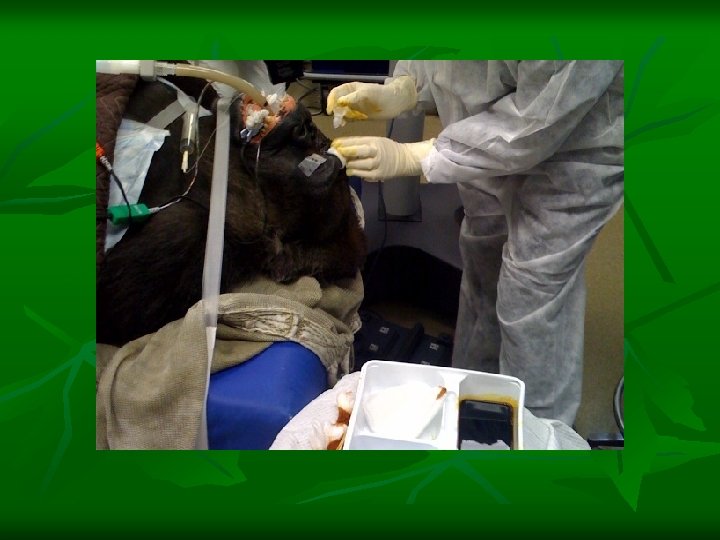
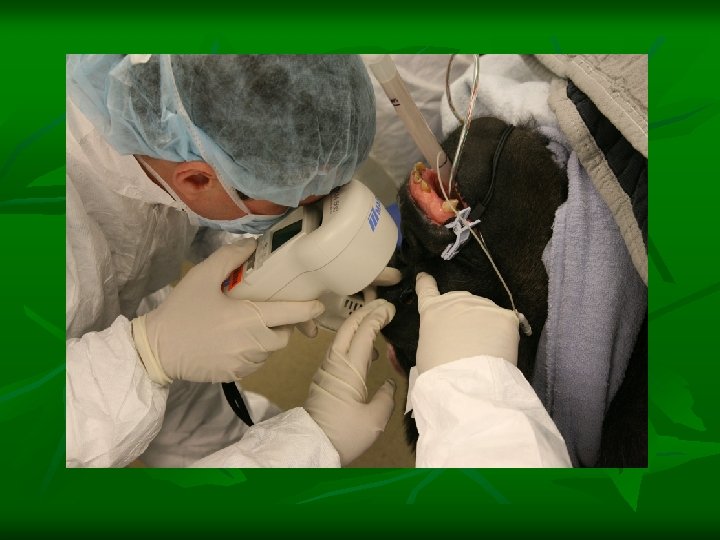
Preop exam and test n Retinal exam n n Indirect Photos Ascan Keratometry
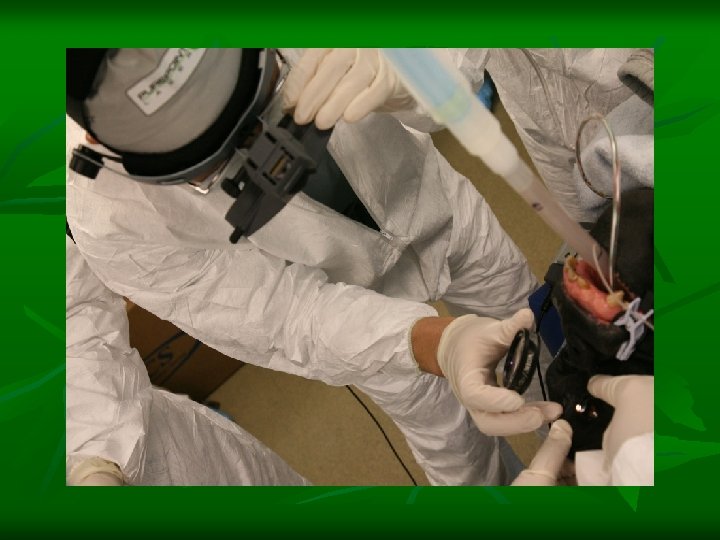
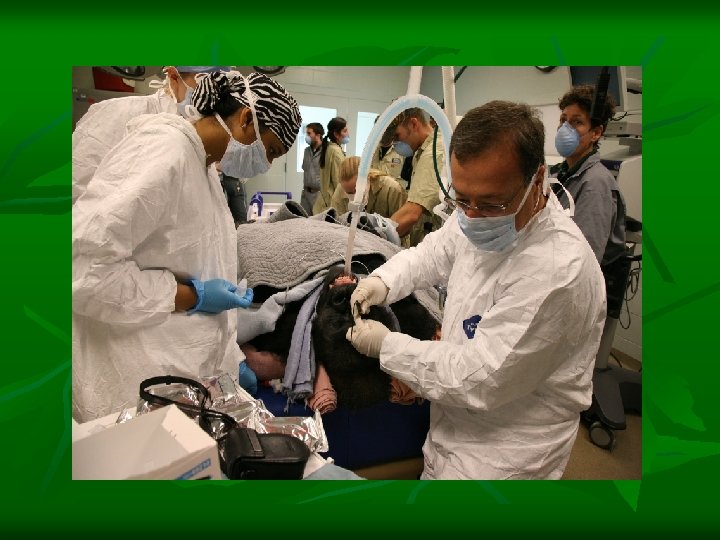
IOL Calculations n n Axial length = 27. 5 mm K readings = ? ? ?
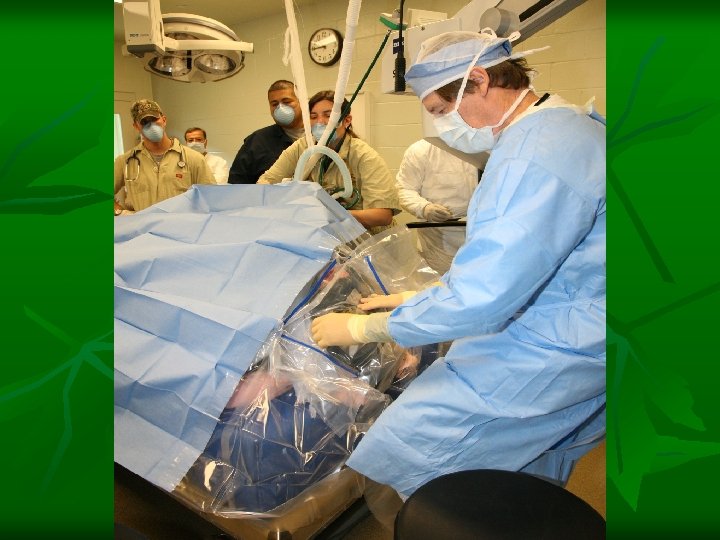
Getting in position n OR table configuration n Dimensions n n 3 feet wide 6 feet long Solid sides Surgeon normally operates temporally but chose to position himself superiorly because he could not reach the eye if he was at the side.
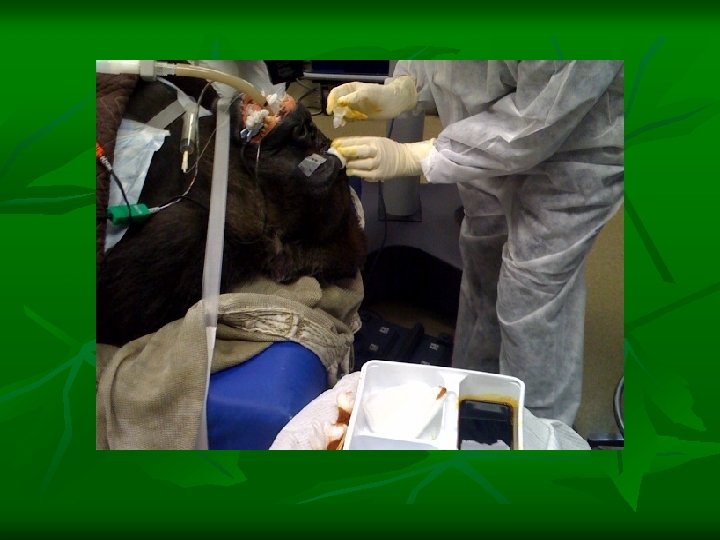
Getting in position n Can he sit? n n OR table doesn’t go very low Available chairs don’t go very high Must be able to reach foot pedals Uh-oh n Where can we put the foot pedals?
Getting in position n OR table configuration n n Thick mattress and base Straight down, no head rest Surgeon’s legs cannot be under patient’s head No room for foot pedals Sat on edge of chair with legs at wide angles
Surgical Prep n Betadine 10% n n n In the cul de sac Periocular with 4 x 4 gauze sponges Lid margins with cotton tip applicators 5 minutes BSS rinse
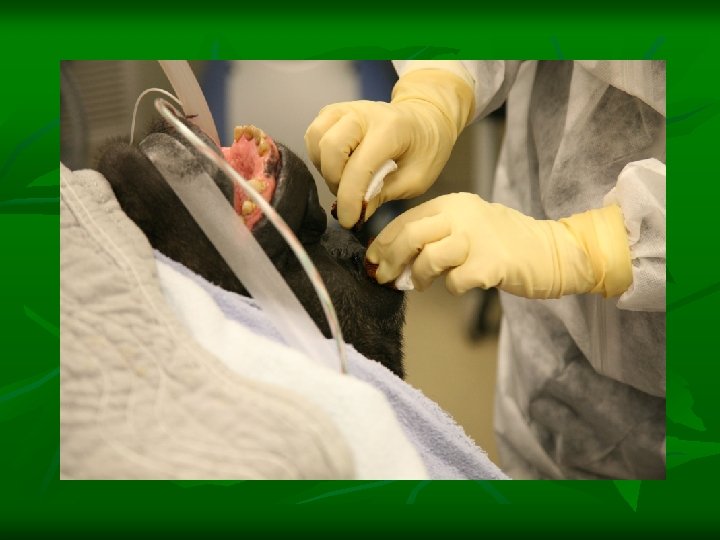
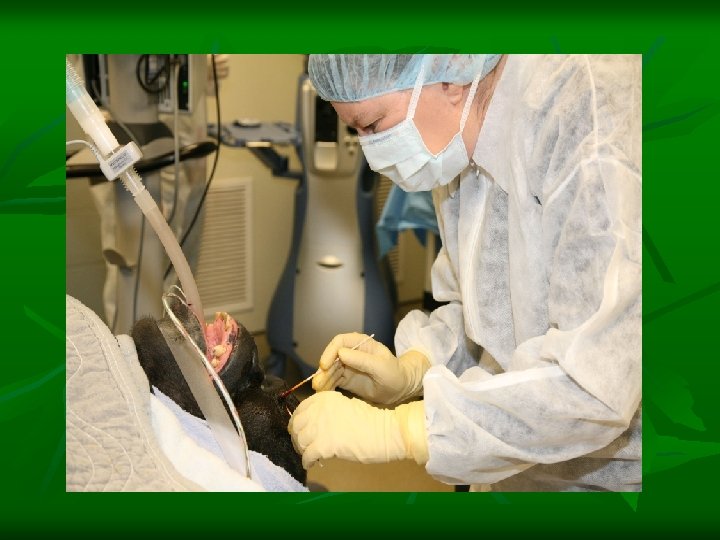
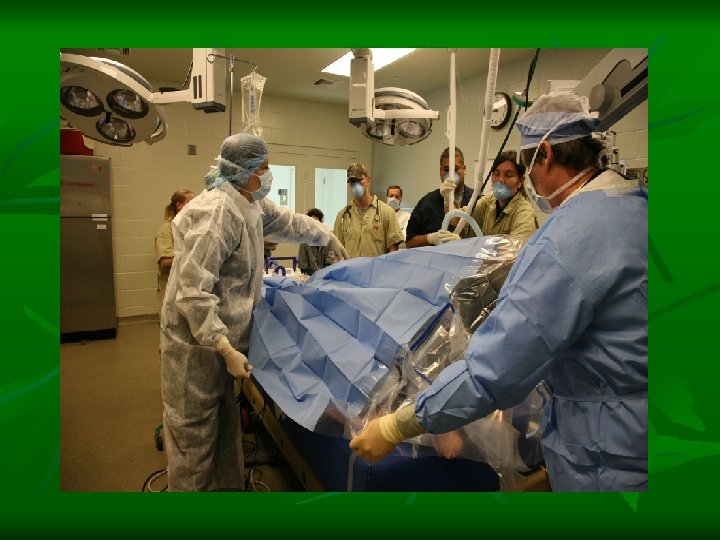
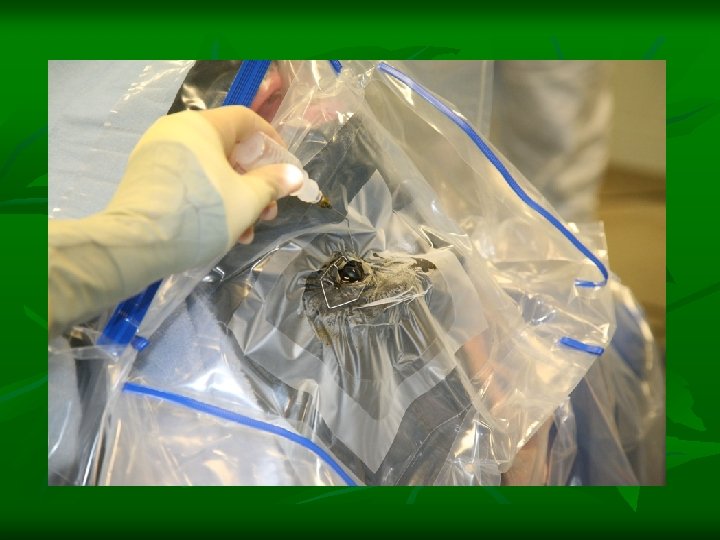
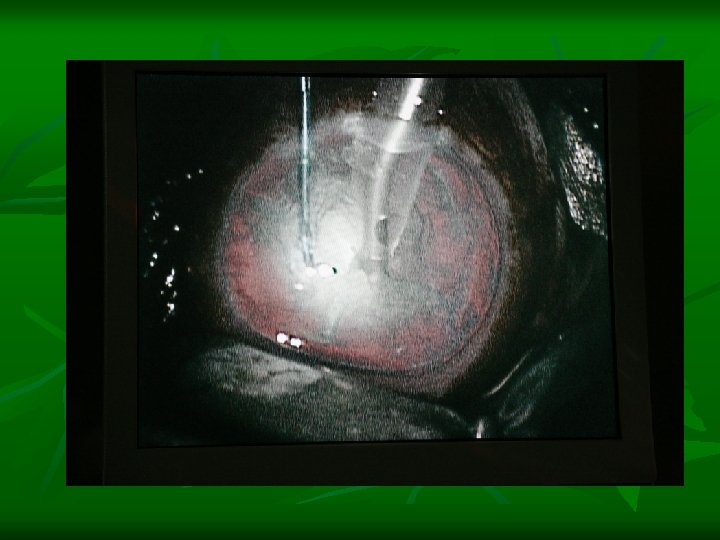
Learn and Teach n n Learn from the veterinarians and zoo staff about what is required to care for these animals Teach them about cataract surgery, intraocular lenses n n Narrate surgery as it was shown on the monitor Answer questions about procedure and different types of IOLs
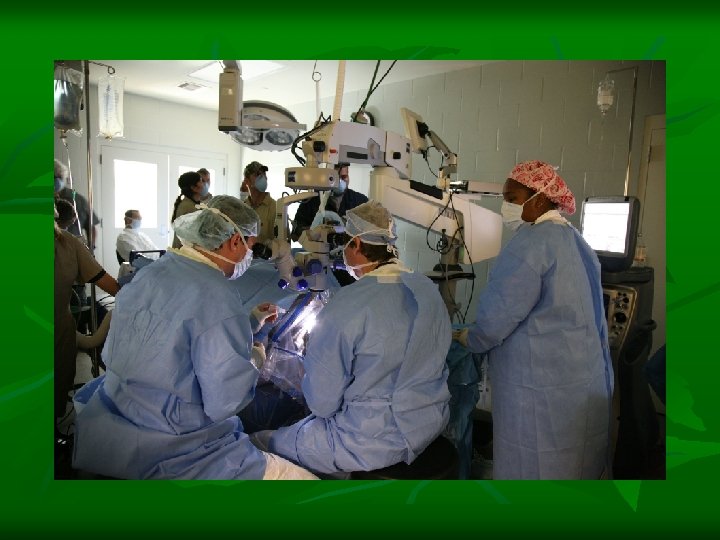
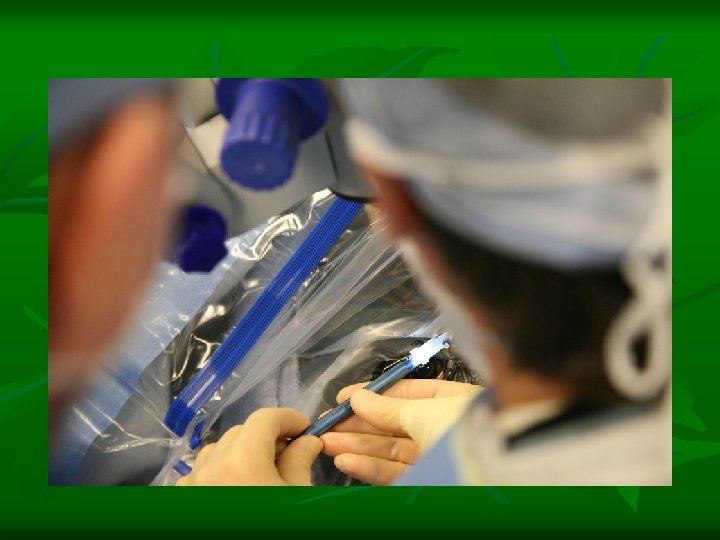
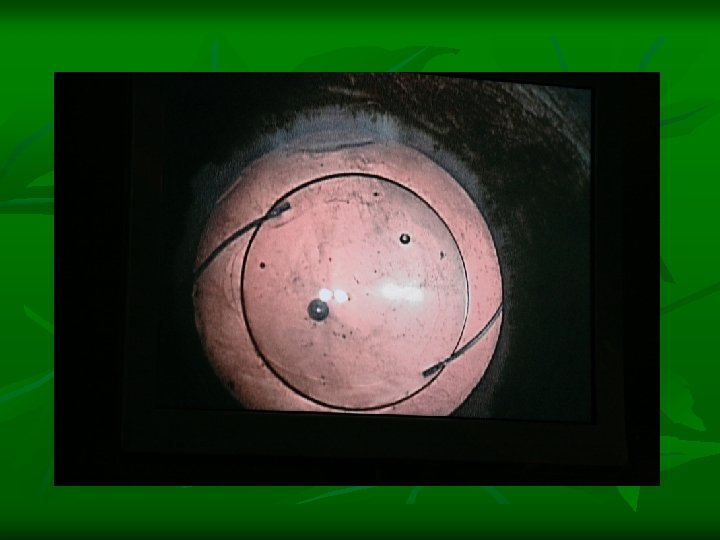
Variations in the Surgical Procedure n n Anterior capsule tougher and thicker Larger eye changed the angles some and made some things slightly more difficult to reach Posterior pressure 10 -0 vicryl stitch in both incision and paracentesis
End of Procedure Medications n Subconjunctival injections n n Cefazolin Gentamicin Kenalog Polysporin ointment n Both eyes to prevent exposure keratitis during the wake up period
Post op first eye n n n Moved to her gorilla “condo” Woke up about 1 hour later No analgesics Snack and juice in the afternoon Did not rub eye
Post op day #1 n n Area kept dim to allow acclimation to new vision Some problems with depth perception n n Bumped into mesh that is the wall of her habitat Difficulty passing items through the mesh
One week post op n Surgeon did face to face exam n n n Appeared clear No redness or discharge noted Second eye scheduled for one week later
Second eye surgery n n n Two weeks after first First eye looked quiet, vicryl stitches still in place Uneventful post op
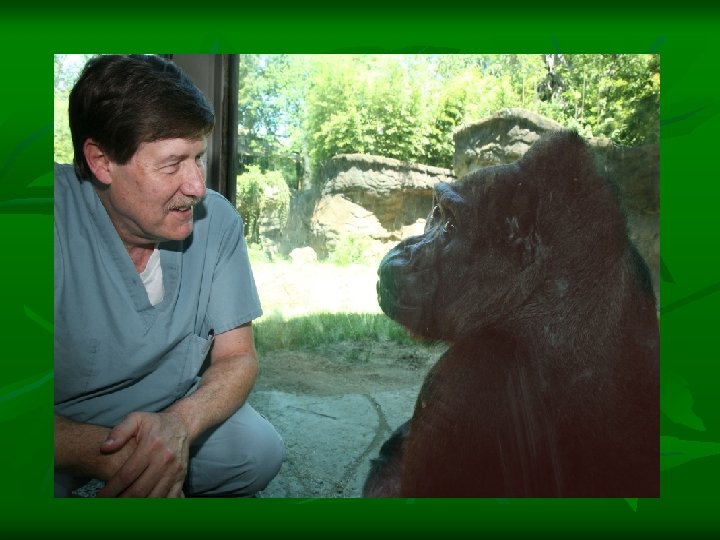
One month post second surgery n n n Face to face exam in gorilla house Came to mesh and took peanuts Vision test Ate other food: carrots, lettuce Purred More active, looking into research station
 Скачать презентацию When The Beast in the OR Isn t Your
c66e531ae42d40777c8dfbf96172fd2e.ppt