


 Скачать презентацию What will happen to this stretch of land
01f46fd24513978eed3c7a52be5df21c.ppt
- Количество слайдов: 30
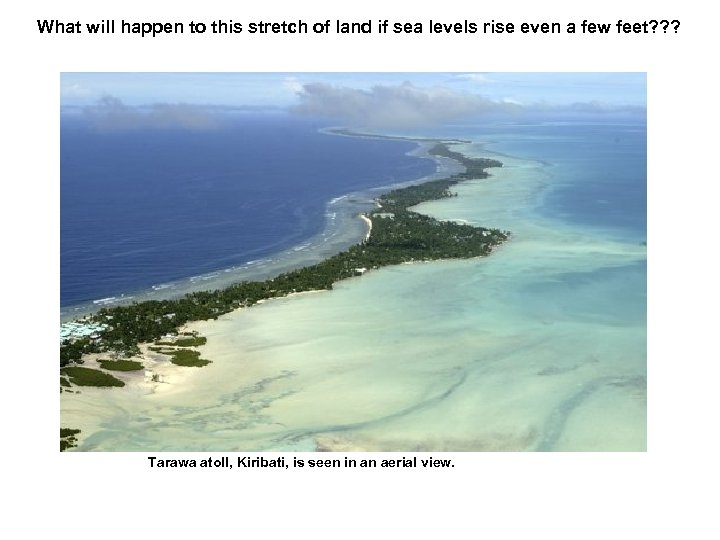 What will happen to this stretch of land if sea levels rise even a few feet? ? ? Tarawa atoll, Kiribati, is seen in an aerial view.
 • Fearing that climate change could wipe out their entire Pacific archipelago, the leaders of Kiribati are considering an unusual backup plan: moving the populace to Fiji. • Tong said some villages have already moved and there have been increasing instances of sea water contaminating the island's underground fresh water, which remains vital for trees and crops. He said changing rainfall, tidal and storm patterns pose as least as much threat as ocean levels, which so far have risen only slightly. • Oceans levels are rising about 1 -2 mm each year.
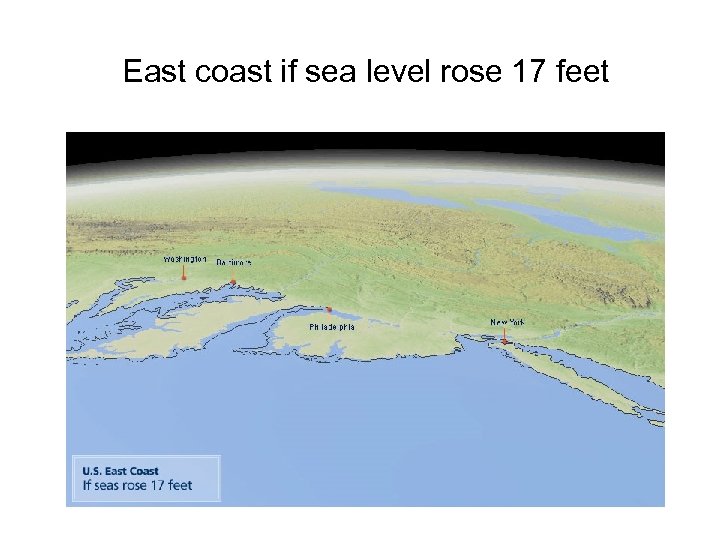 East coast if sea level rose 17 feet
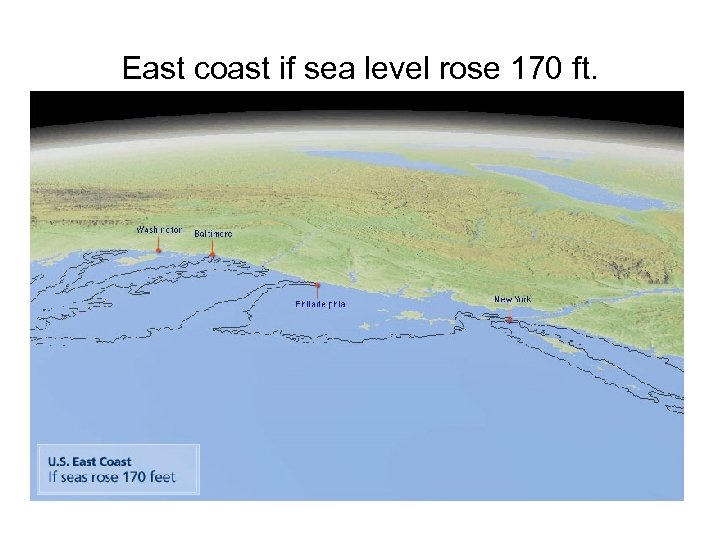 East coast if sea level rose 170 ft.
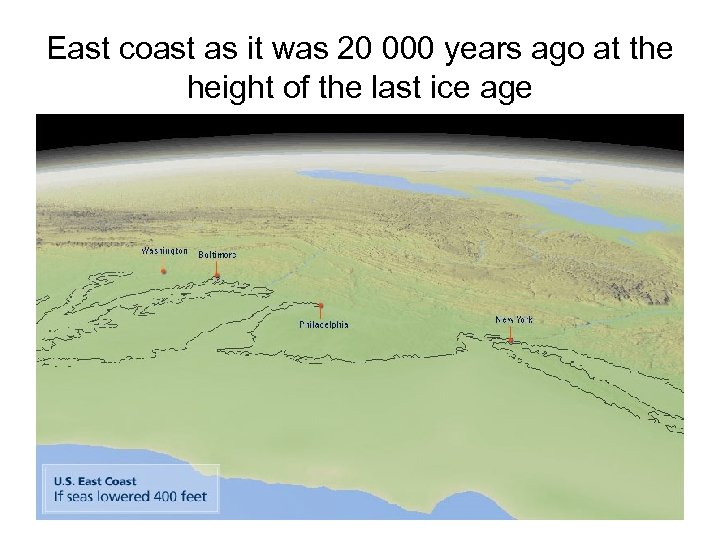 East coast as it was 20 000 years ago at the height of the last ice age
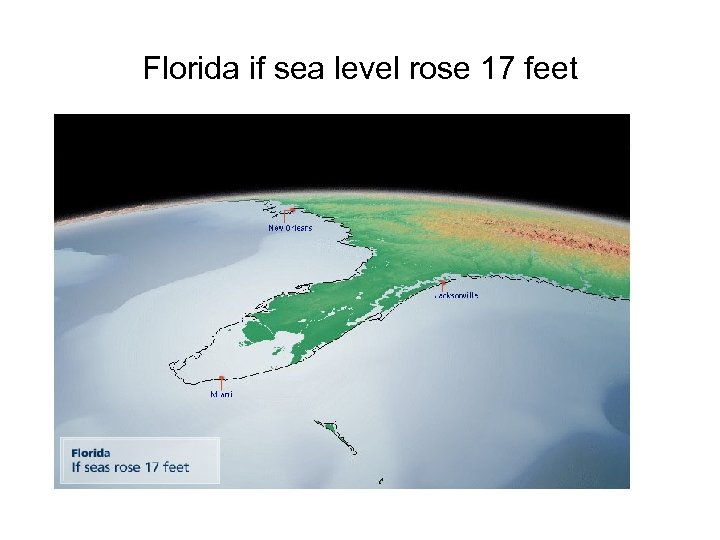 Florida if sea level rose 17 feet
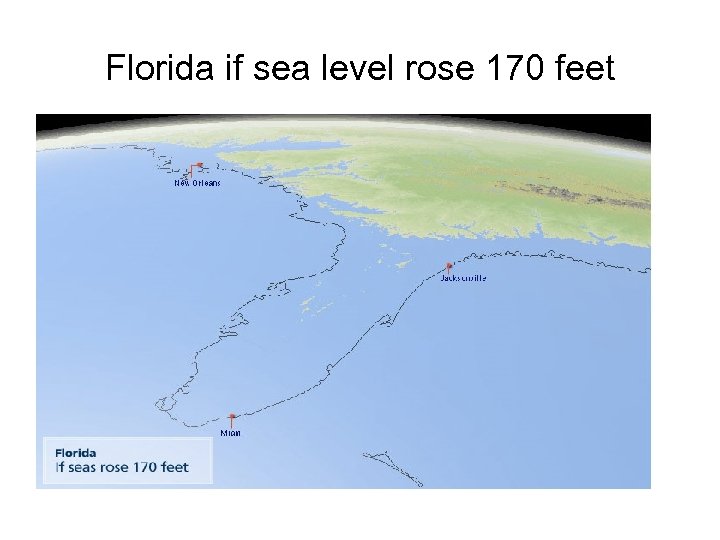 Florida if sea level rose 170 feet
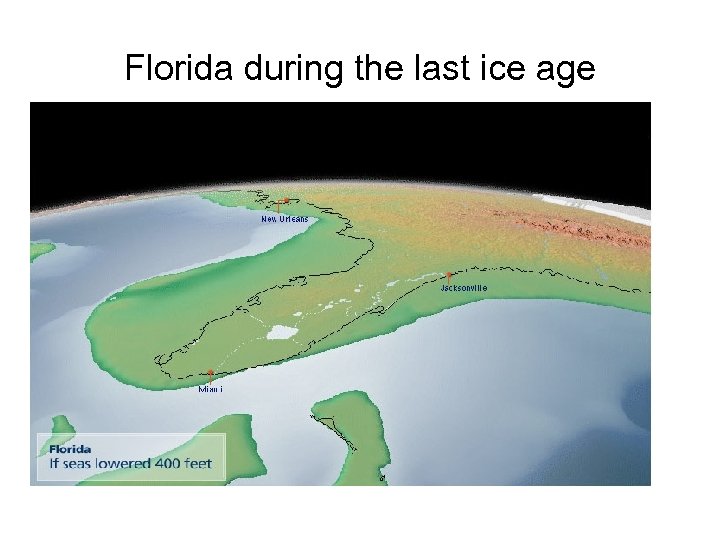 Florida during the last ice age
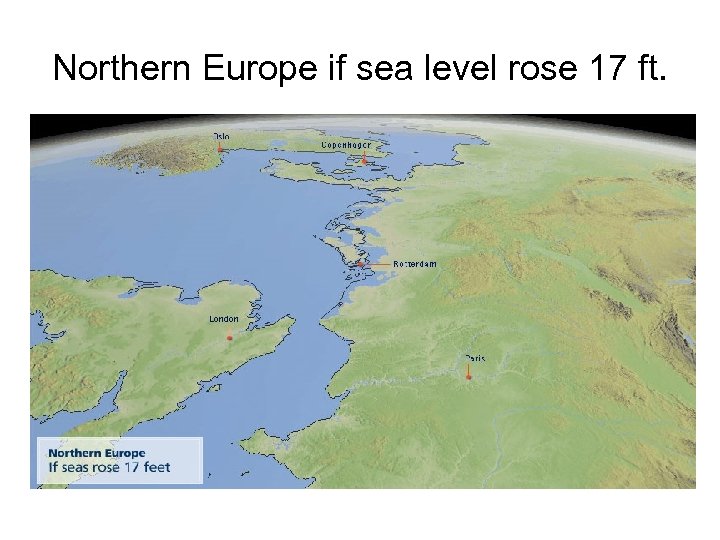 Northern Europe if sea level rose 17 ft.
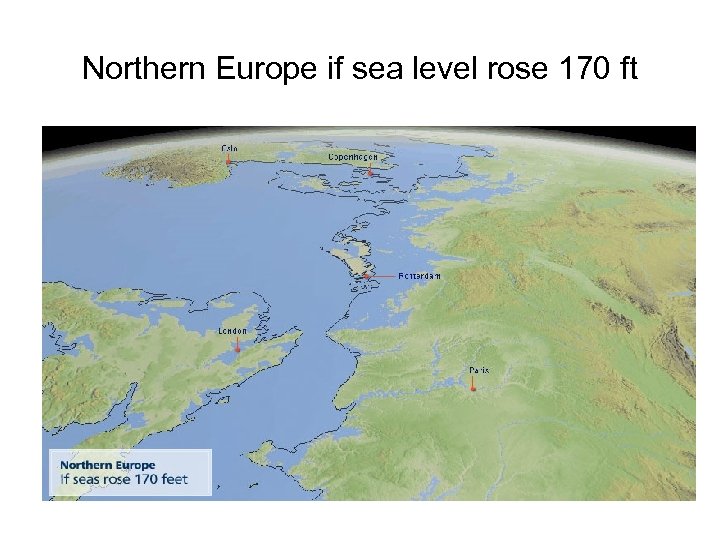 Northern Europe if sea level rose 170 ft
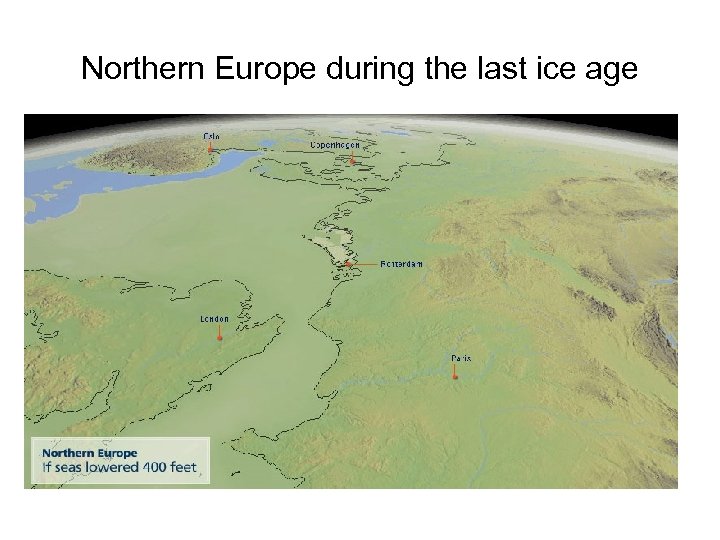 Northern Europe during the last ice age
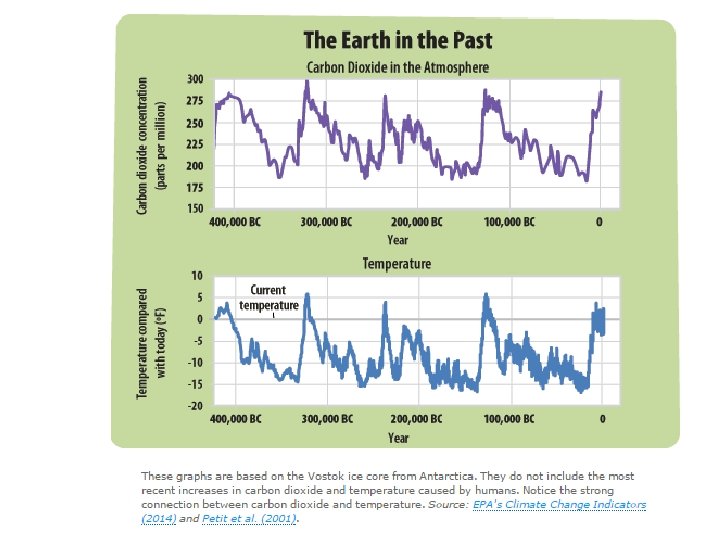
 Climate change: http: //www 3. epa. gov/climatechange/kids/basics/past. html • What does this mean? • What is the greenhouse effect? • • What are the main gases involved in the greenhouse effect? http: //www 3. epa. gov/climatechange/kids/basics/today/greenhouse-effect. html
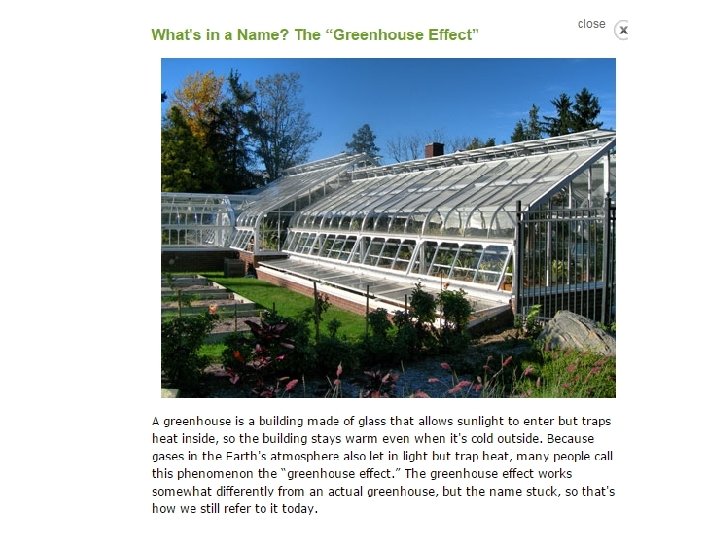
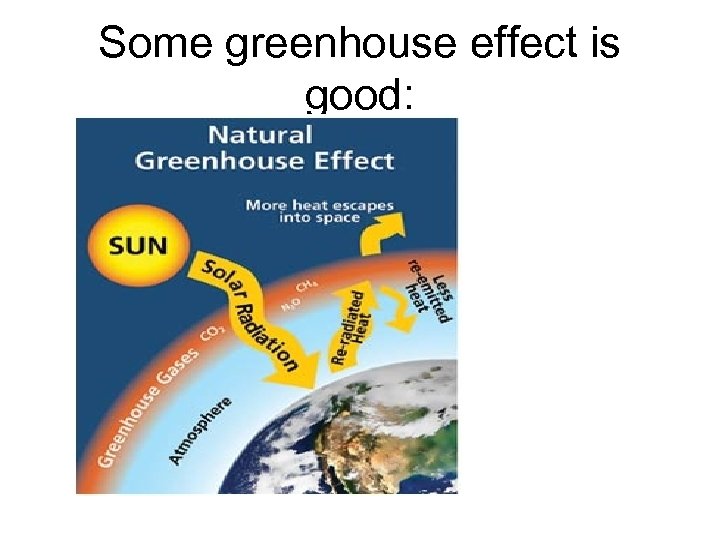 Some greenhouse effect is good:
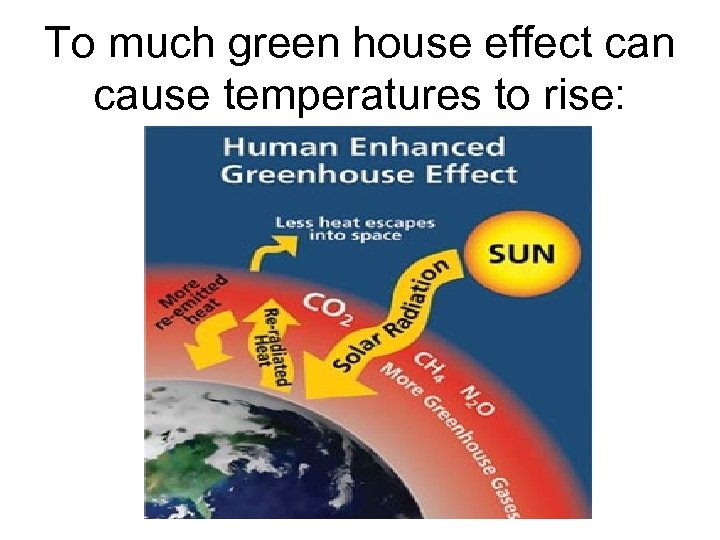 To much green house effect can cause temperatures to rise:
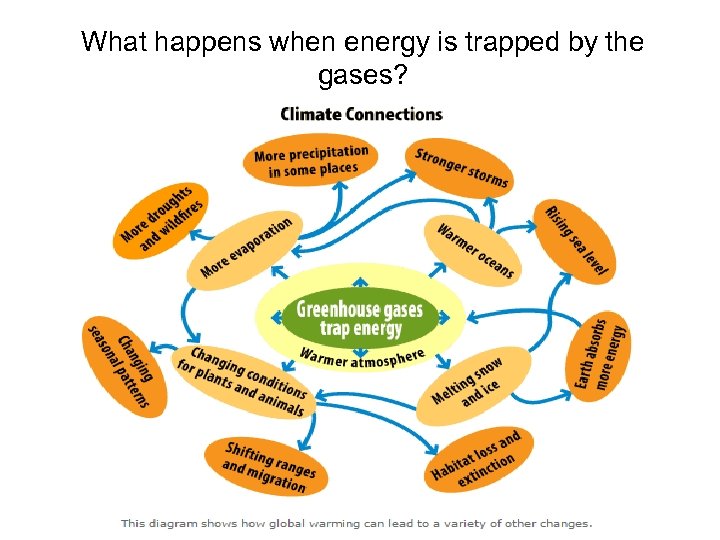 What happens when energy is trapped by the gases?
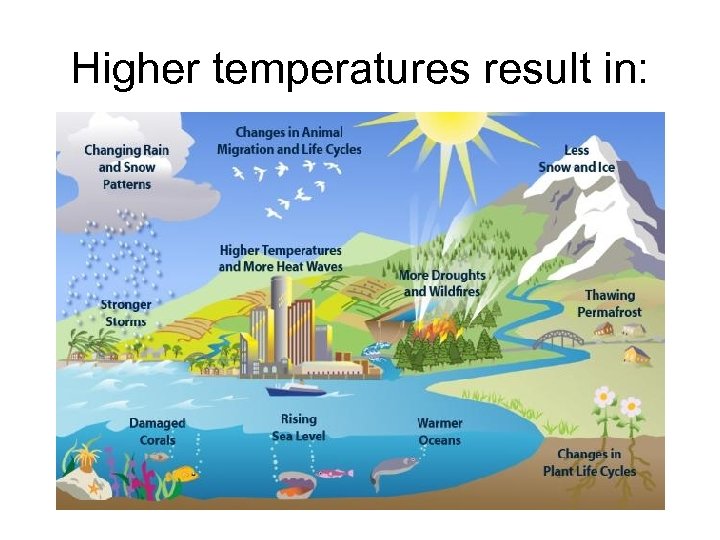 Higher temperatures result in:
 • Yes, CO 2 levels and methane levels have fluctuated in the past. • BUT these levels seem to be rising at an even faster rate…. WHY? • How are human activities contributing to the increased levels of greenhouse gases?
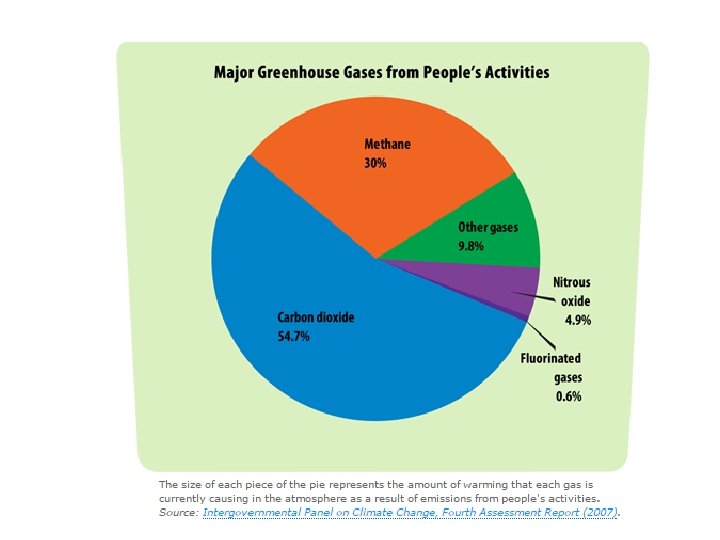
 Where does the CO 2 come from? • Burning of fossil fuels for – Transportation – Generating electricity – Heating – Agriculture • Deforestation
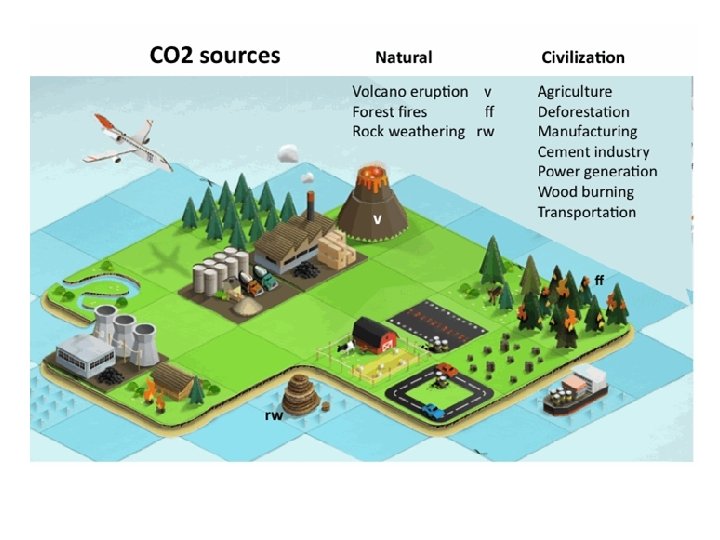
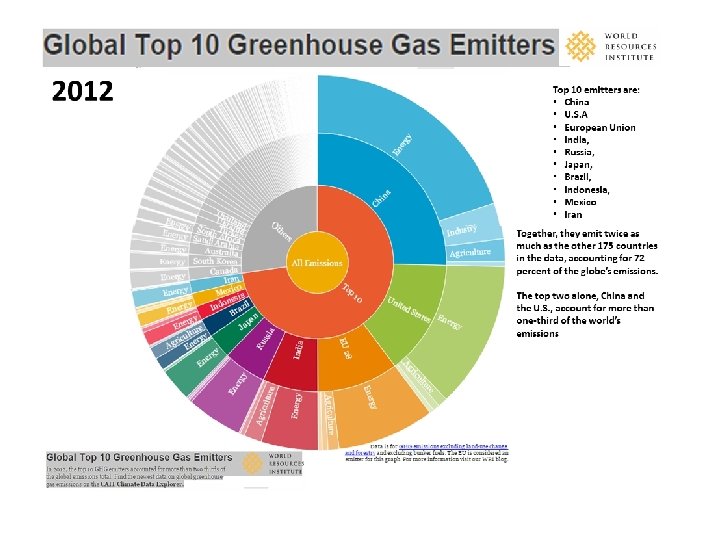
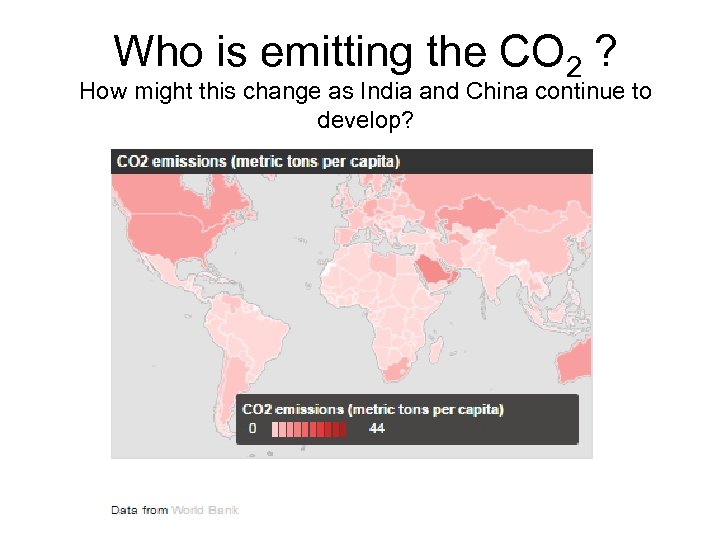 Who is emitting the CO 2 ? How might this change as India and China continue to develop?
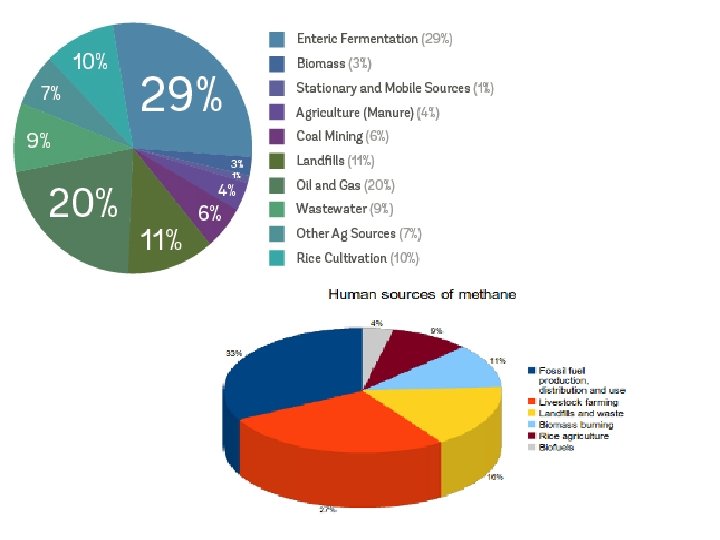
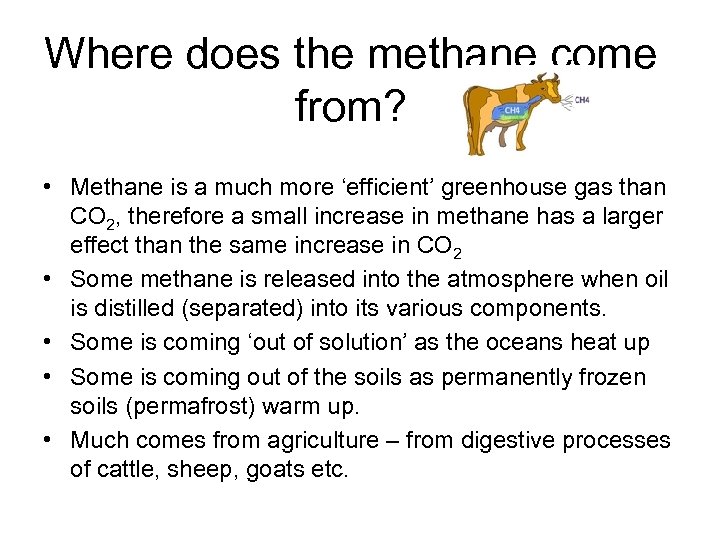 Where does the methane come from? • Methane is a much more ‘efficient’ greenhouse gas than CO 2, therefore a small increase in methane has a larger effect than the same increase in CO 2 • Some methane is released into the atmosphere when oil is distilled (separated) into its various components. • Some is coming ‘out of solution’ as the oceans heat up • Some is coming out of the soils as permanently frozen soils (permafrost) warm up. • Much comes from agriculture – from digestive processes of cattle, sheep, goats etc.
 IS THE CURRENT WARMING …. 1. A natural part of earth’s cycle? 2. Agriculture – too many cows 3. Man made causes as a result of increased CO 2 levels from: 1. 2. 3. 4. Industrial revolution Transportation Deforestation Overpopulation
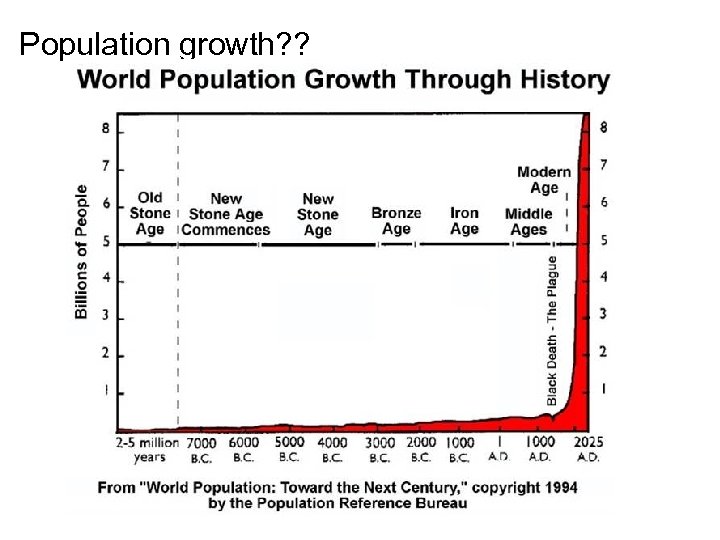 Population growth? ?
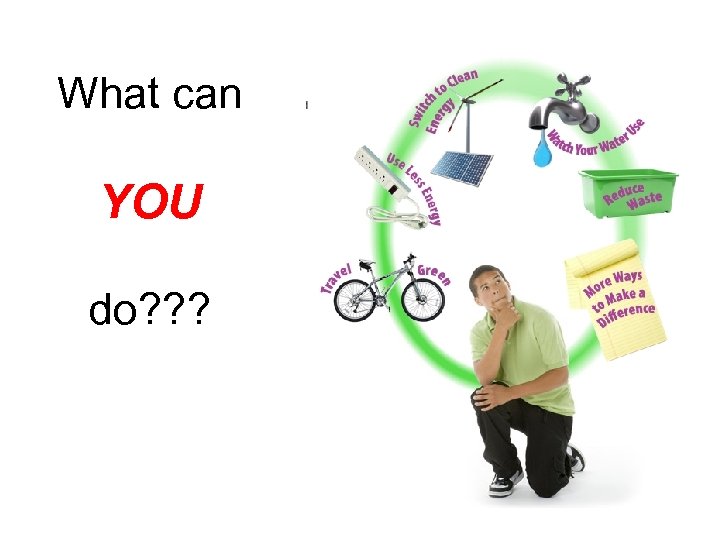 What can YOU do? ? ?
 You must know: • What the term ‘climate change’ means • What gases are considered greenhouse gases • How those gases cause earth’s temperature to rise • Consequences of rising earth temperatures • How humans are contributing to this change