 Скачать презентацию What Opportunity is Best For Your Business Dr
1ae164a1c960545a3b16f7ba89e164dd.ppt
- Количество слайдов: 35



What Opportunity is Best For Your Business? Dr Peter Kelly School of Science, Aalto University
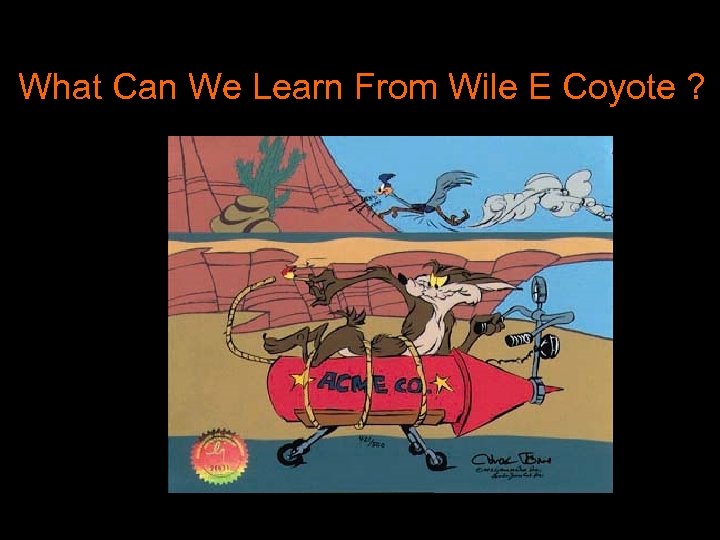
What Can We Learn From Wile E Coyote ?
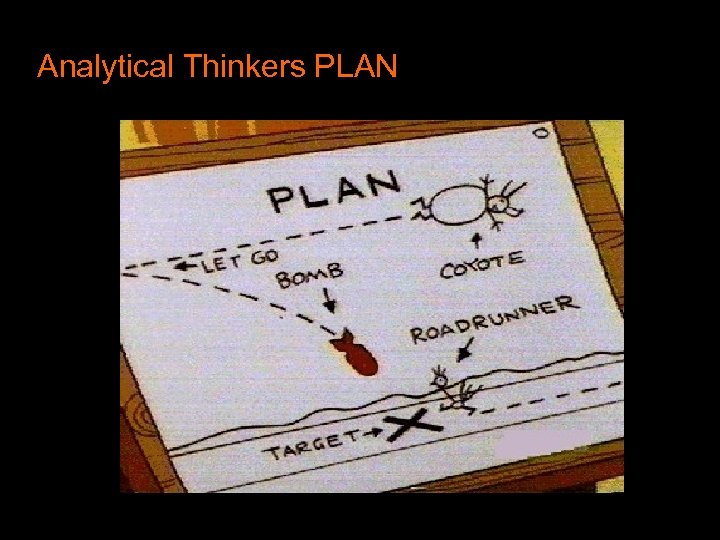
Analytical Thinkers PLAN
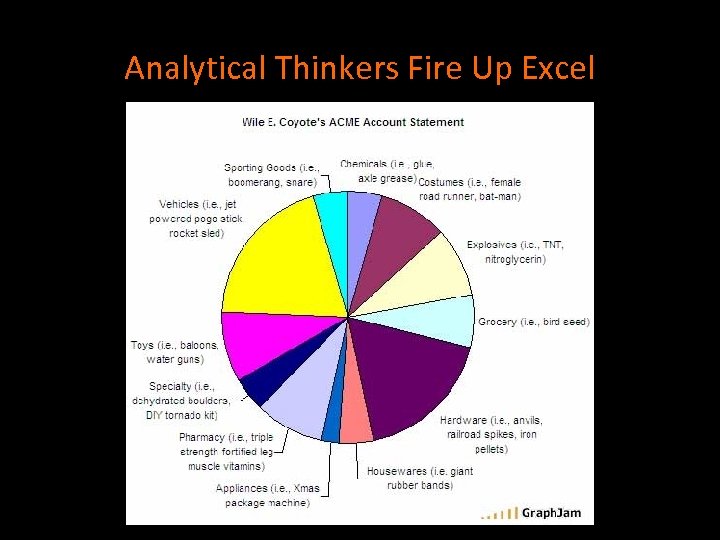
Analytical Thinkers Fire Up Excel
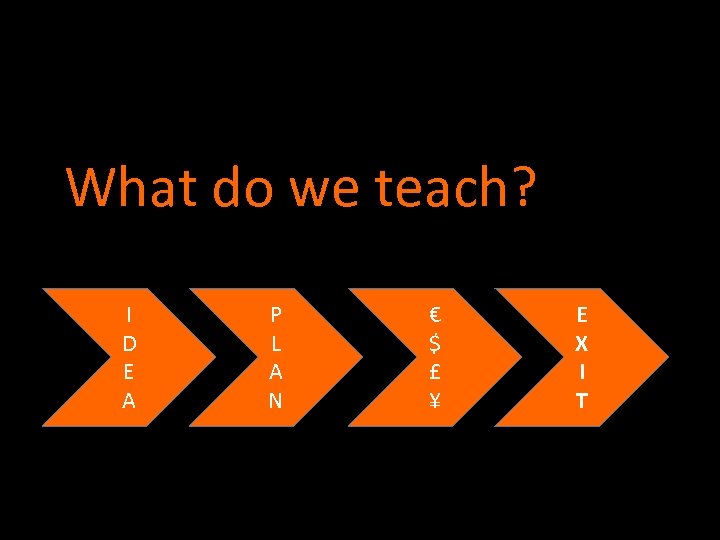
What do we teach? I D E A P L A N € $ £ ¥ E X I T
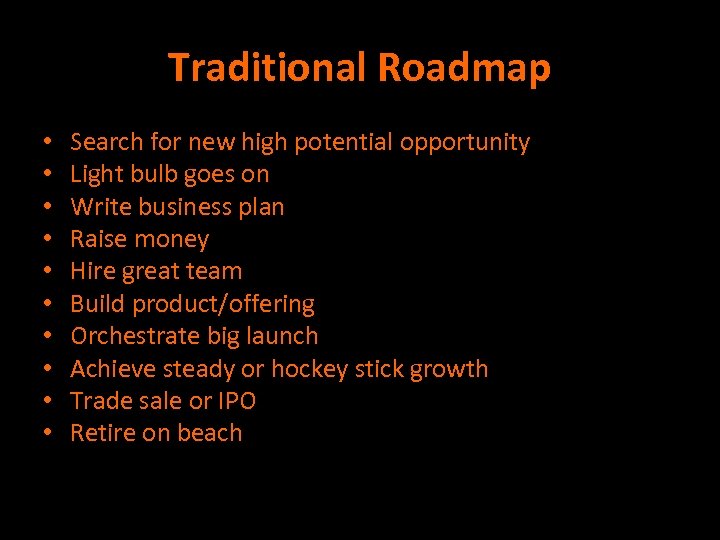
Traditional Roadmap • • • Search for new high potential opportunity Light bulb goes on Write business plan Raise money Hire great team Build product/offering Orchestrate big launch Achieve steady or hockey stick growth Trade sale or IPO Retire on beach
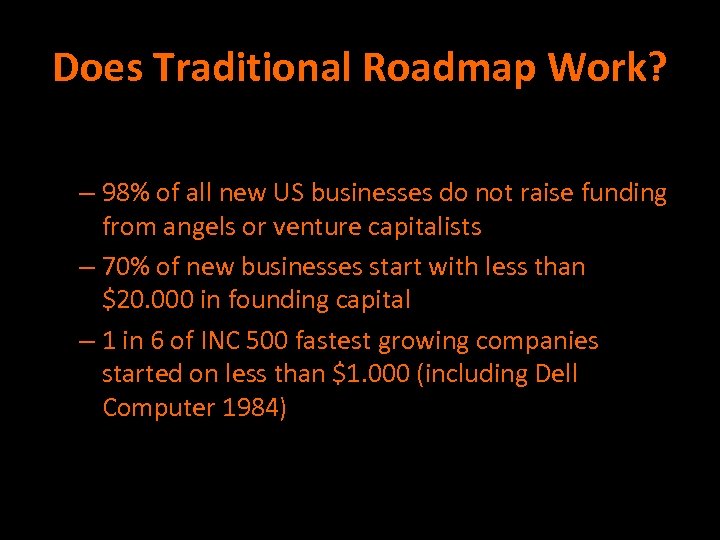
Does Traditional Roadmap Work? – 98% of all new US businesses do not raise funding from angels or venture capitalists – 70% of new businesses start with less than $20. 000 in founding capital – 1 in 6 of INC 500 fastest growing companies started on less than $1. 000 (including Dell Computer 1984)
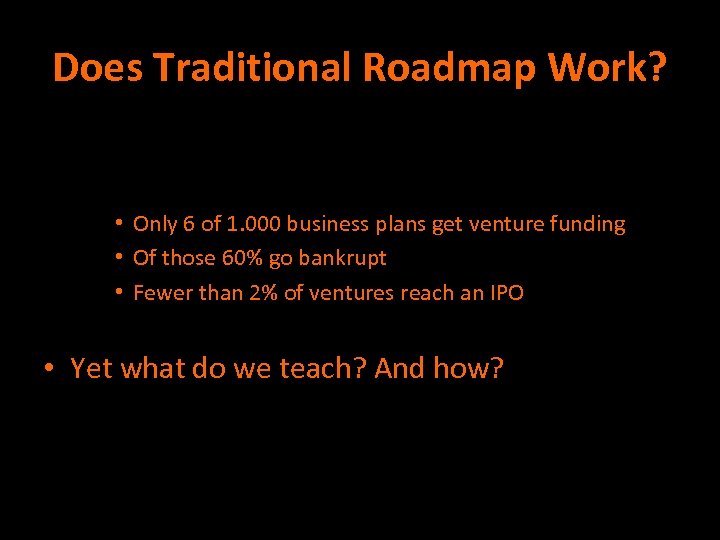
Does Traditional Roadmap Work? • Only 6 of 1. 000 business plans get venture funding • Of those 60% go bankrupt • Fewer than 2% of ventures reach an IPO • Yet what do we teach? And how?
Search and Select Strategy • Market already exists in some form • Undertake detailed analysis to identify opportunities • Assess market potential on basis of segmentation and past demand • Assemble resources to exploit the opportunity
How Could You Predict? • • • Budget airlines (Southwest 1971) Microlending (Grameen Bank 1976) Online book sales (Amazon 1995) Internet search (Google 1998) Social networking (Facebook 2004)
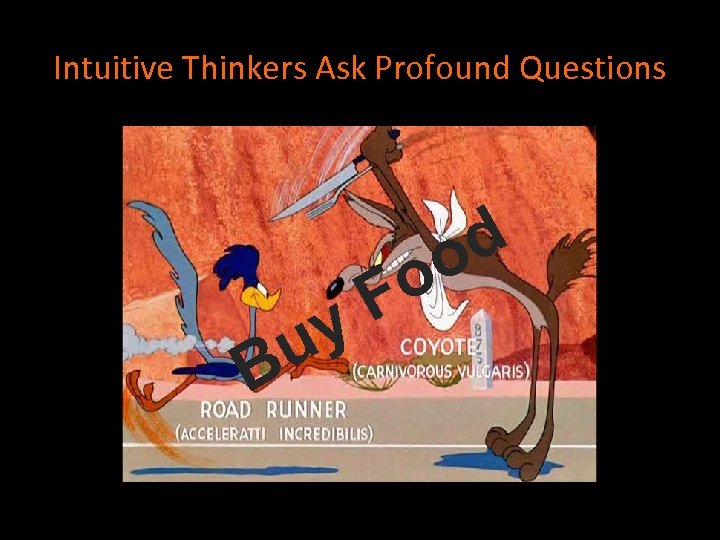
Intuitive Thinkers Ask Profound Questions B y u o F d o
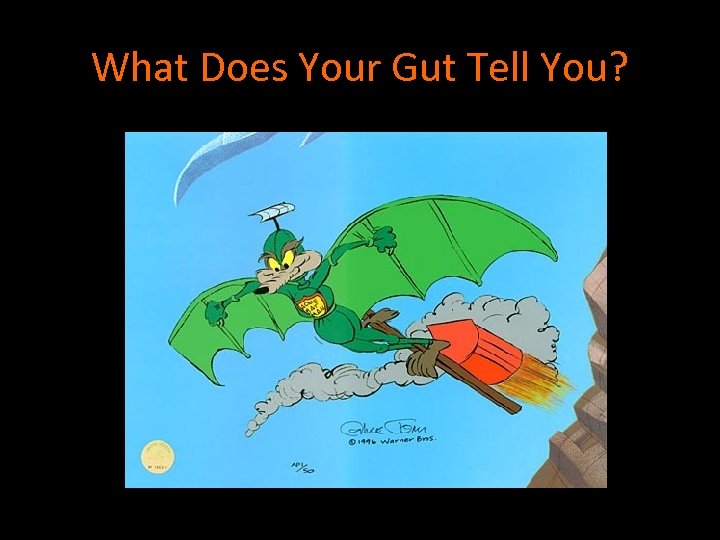
What Does Your Gut Tell You?
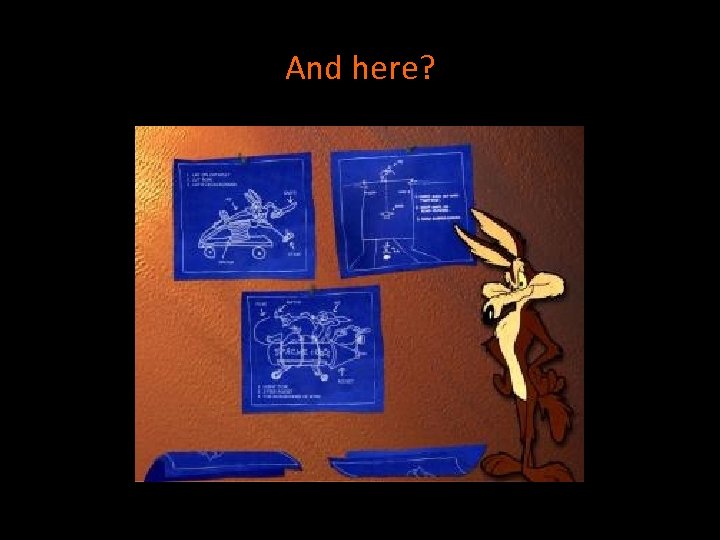
And here?
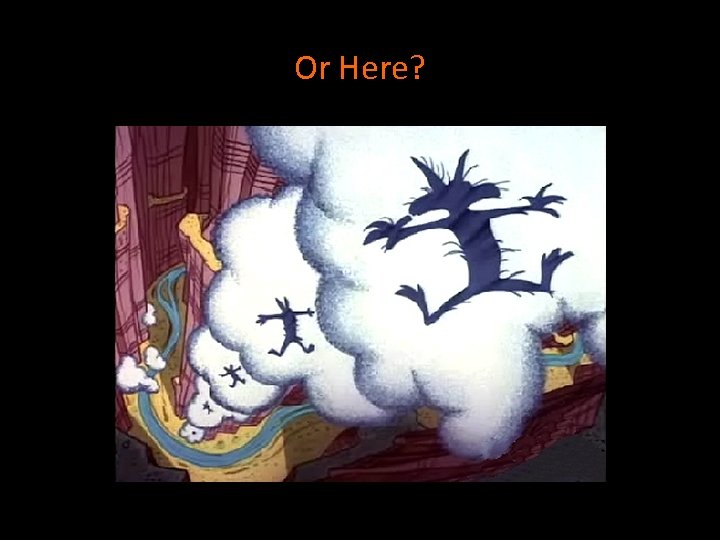
Or Here?
IDEA = ANYTHING + YOU
What is your motivation or passion?
• I want to start a business • I want to be CEO • This is a “hot” sector • Investors like this space • I want to be rich • I am unemployed • My boss says I should
I want to invest my time doing this because. . .
OPPORTUNITY = IDEA + ACTION
Opportunities Can Be Made • Incomplete information • Market that defies definition • Consumers are not aware of their needs or wants • Confusing and conflicting signals abound
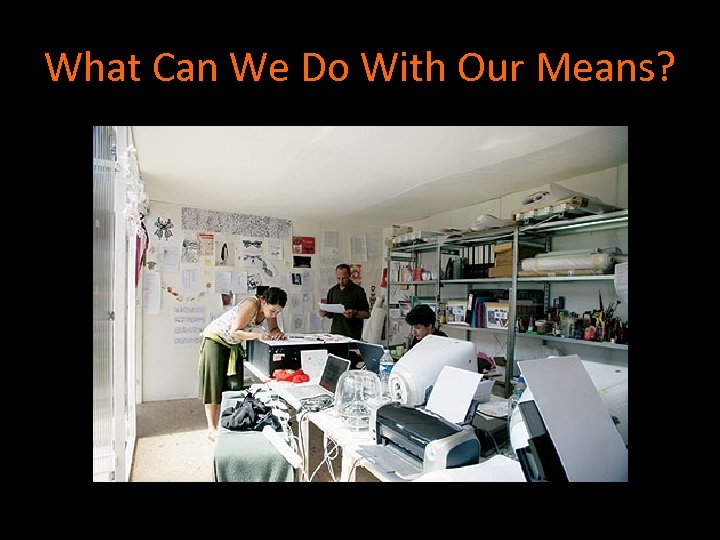
What Can We Do With Our Means?
What Are My Means? • Who I am? • Traits, abilities and attributes of entrepreneur/team • What I know? • Education, experience and expertise • Who I know? • Social networks
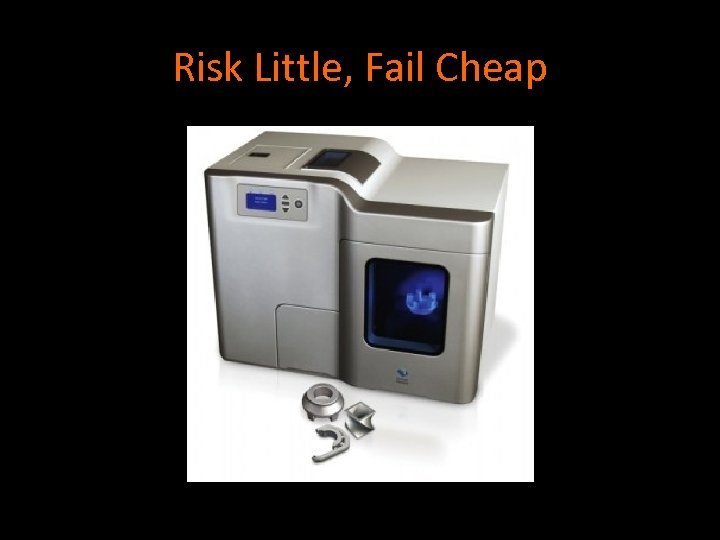
Risk Little, Fail Cheap
Affordable Loss • Risking little implies thinking creatively about how to bring cost of discovery down while … • Determining your walkaway cost in terms of time and money • Time seems to be more expendable than money • Depends on which type of money (earned income versus found money) • Returns are not solely monetary in nature
VIABLE VENTURE = OPPORTUNITY + COMMITMENT
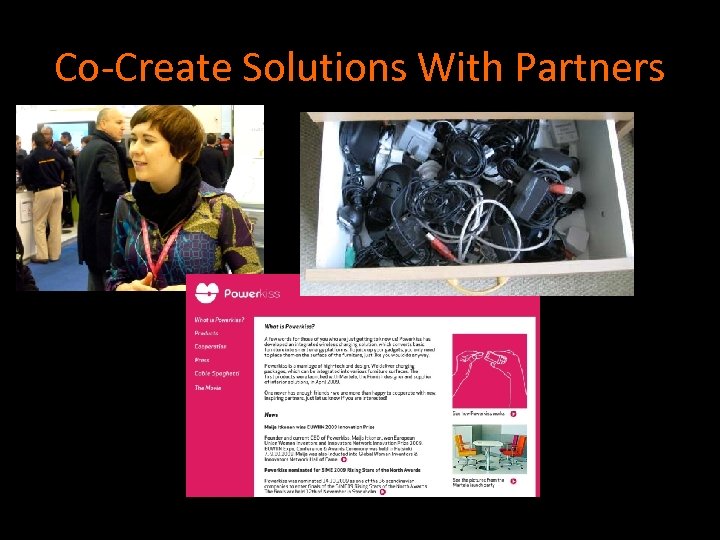
Co-Create Solutions With Partners
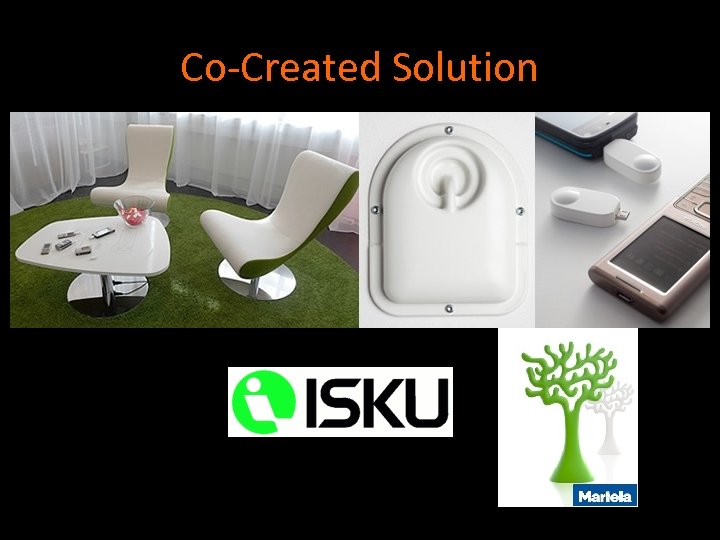
Co-Created Solution
Co-Creation: Securing Partners • Stakeholders bring new means to table • Stakeholders invest what they can afford to lose • Open minded approach to the opportunity • Buy-in as opposed to selling • Look for partners with a “win-win” (reciprocation) • Who deliver on their promises • Who you like dealing with
The Element of Surprise
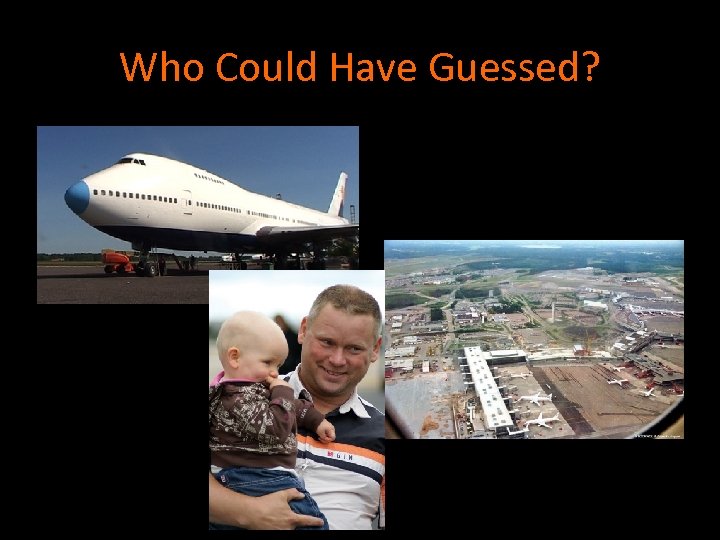
Who Could Have Guessed?
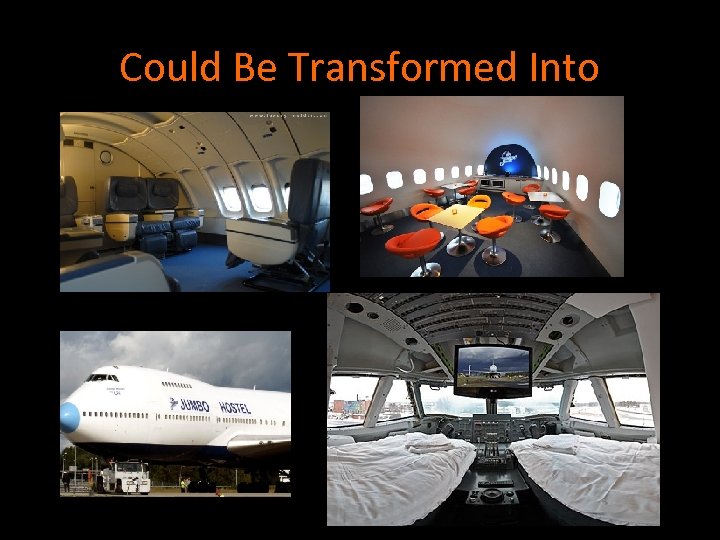
Could Be Transformed Into
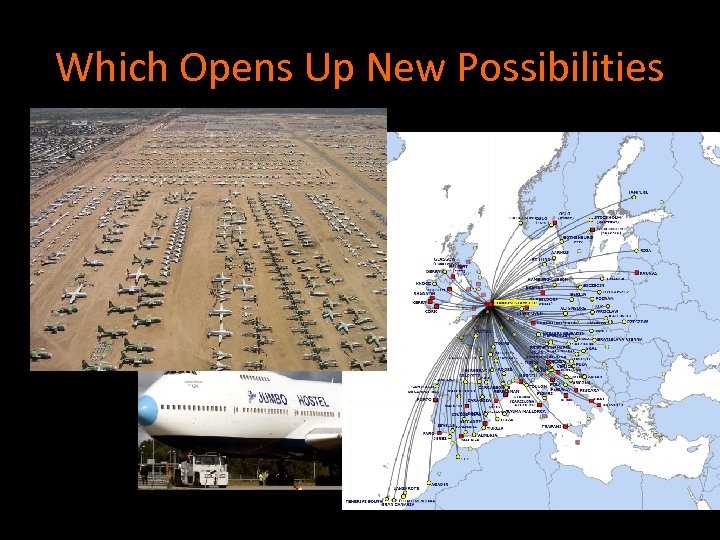
Which Opens Up New Possibilities
Effectual Entrepreneurship Holds Great Promise • Why do we spend our time (means) • What do we spend our time doing (affordable loss) • Who do we work with (co-creation) • Open to and seeking out new perspectives (surprise)
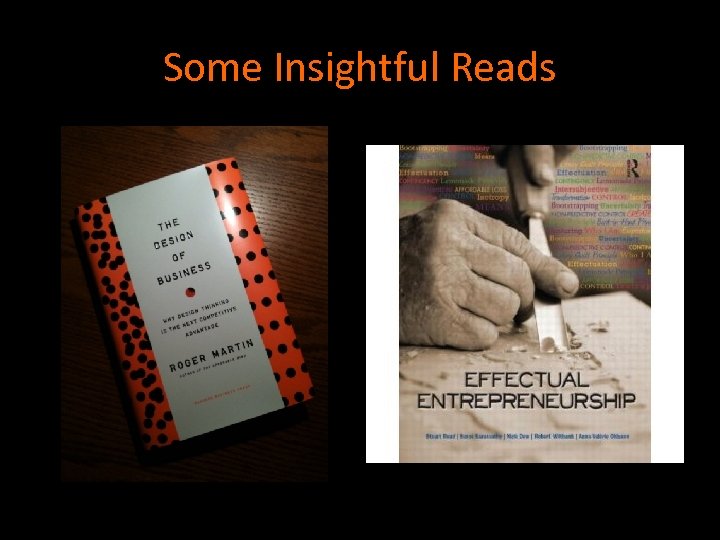
Some Insightful Reads
peter. kelly@aalto. fi +358 41 503 4508
Скачать презентацию What Opportunity is Best For Your Business Dr
1ae164a1c960545a3b16f7ba89e164dd.ppt