 Скачать презентацию What Lies Beneath A Practical Approach to Mosquito
eda6771bf9452cdd5a6af5c3deff51ca.ppt
- Количество слайдов: 12



What Lies Beneath: A Practical Approach to Mosquito Suppression in Underground Storm Drains Kevin T. Vargas Greater L. A. County Vector Control District Presented by Mark Daniel
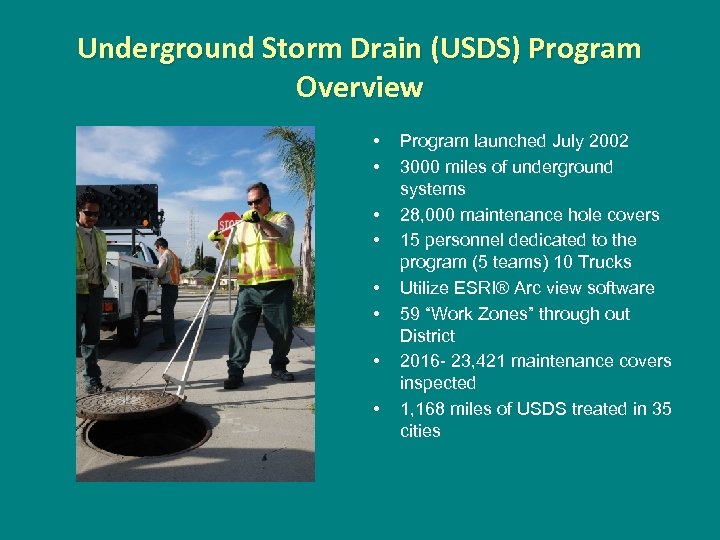
Underground Storm Drain (USDS) Program Overview • • Program launched July 2002 3000 miles of underground systems 28, 000 maintenance hole covers 15 personnel dedicated to the program (5 teams) 10 Trucks Utilize ESRI® Arc view software 59 “Work Zones” through out District 2016 - 23, 421 maintenance covers inspected 1, 168 miles of USDS treated in 35 cities
Brief History 1999 – “Strategic Plan” Objective to minimize or prevent breeding in the USDS Implement a proactive program 1999 – AHB arrive take priority West Nile Virus hits East Coast 2002 – USD team (4 man) Late 2003 – West Nile hits West Coast 2004 – USD team (9 man) 1 team in Sylmar office 2008 – USD team (15 man) 2 teams in Sylmar 3 teams in Santa Fe Springs
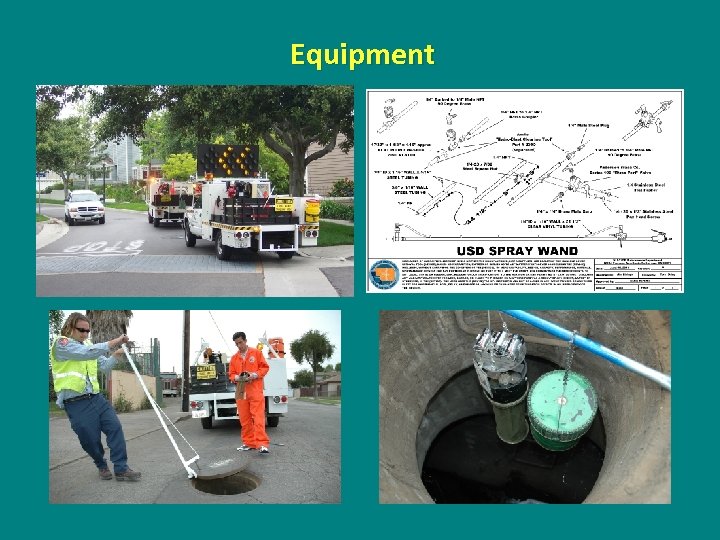
Equipment
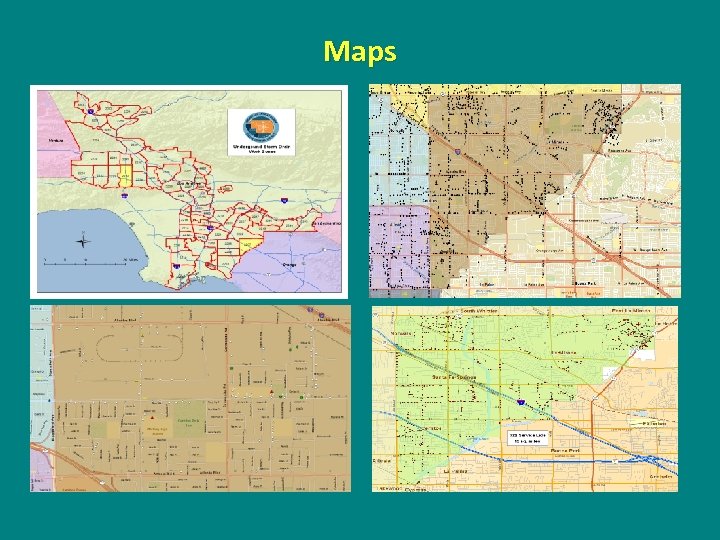
Maps
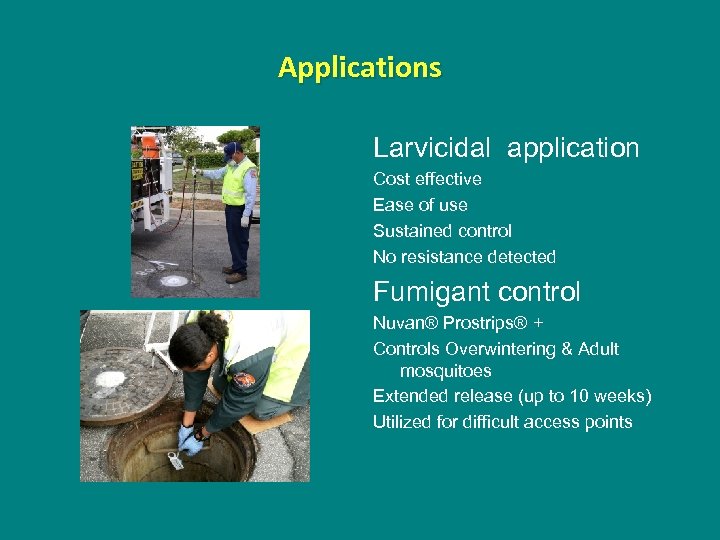
Applications Larvicidal application Cost effective Ease of use Sustained control No resistance detected Fumigant control Nuvan® Prostrips® + Controls Overwintering & Adult mosquitoes Extended release (up to 10 weeks) Utilized for difficult access points
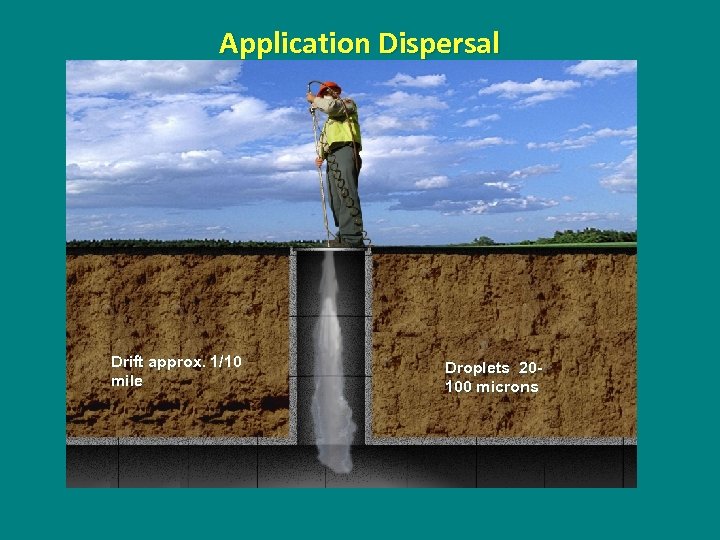
Application Dispersal Drift approx. 1/10 mile Droplets 20100 microns
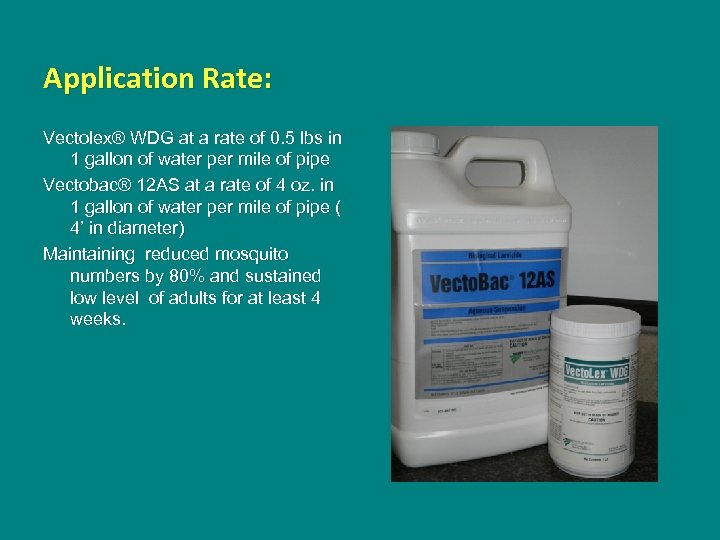
Application Rate: Vectolex® WDG at a rate of 0. 5 lbs in 1 gallon of water per mile of pipe Vectobac® 12 AS at a rate of 4 oz. in 1 gallon of water per mile of pipe ( 4’ in diameter) Maintaining reduced mosquito numbers by 80% and sustained low level of adults for at least 4 weeks.
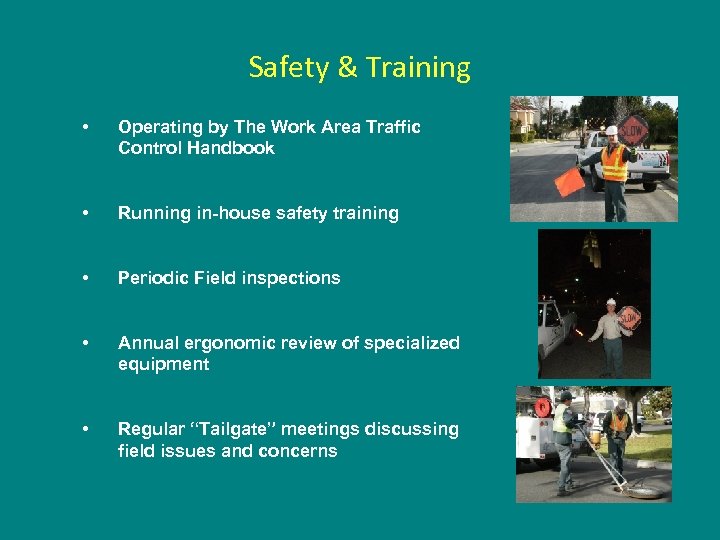
Safety & Training • Operating by The Work Area Traffic Control Handbook • Running in-house safety training • Periodic Field inspections • Annual ergonomic review of specialized equipment • Regular “Tailgate” meetings discussing field issues and concerns
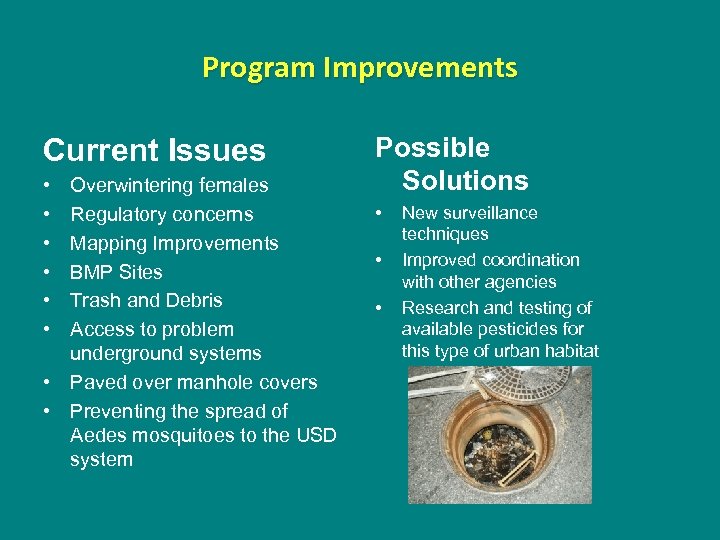
Program Improvements Current Issues • • • Overwintering females Regulatory concerns Mapping Improvements BMP Sites Trash and Debris Access to problem underground systems • Paved over manhole covers • Preventing the spread of Aedes mosquitoes to the USD system Possible Solutions • • • New surveillance techniques Improved coordination with other agencies Research and testing of available pesticides for this type of urban habitat
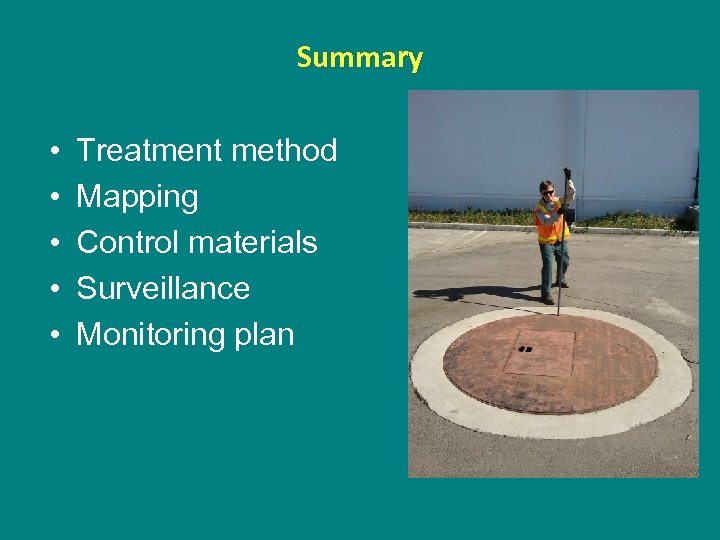
Summary • • • Treatment method Mapping Control materials Surveillance Monitoring plan
Acknowledgements GLACVCD Ross Hobson Tom Greip Susanne Kluh Warren Eberhardt Al Durazo Peter Mortley Kyle Pett Keith Dittmer David Lopez Entire USDS Crew Peter H. Connelly (AMVAC) Sandra Torry (Univar) Valent Biosciences Corp.
Скачать презентацию What Lies Beneath A Practical Approach to Mosquito
eda6771bf9452cdd5a6af5c3deff51ca.ppt