Скачать презентацию What is Time Management Greater
Презентация Microsoft Office PowerPoint.pptx
- Количество слайдов: 9
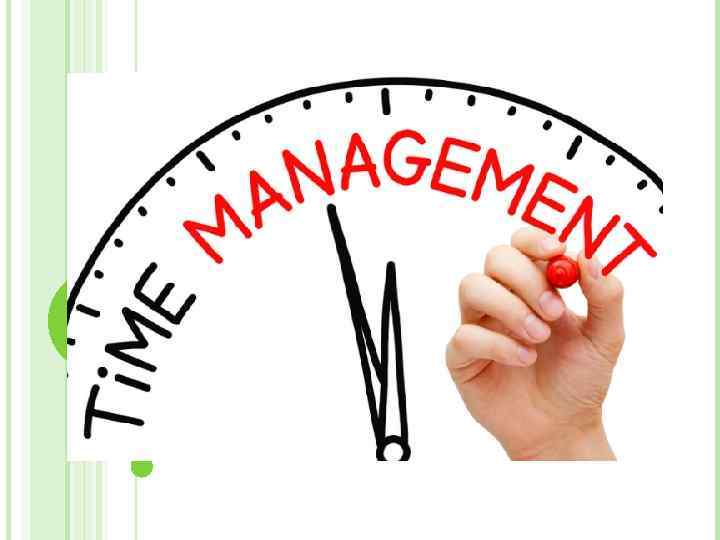
 What is “Time Management? ” • Greater productivity and efficiency. • A better professional reputation. • Less stress. • Increased opportunities for advancement. • Greater opportunities to achieve important life and career goals. Failing to manage your time effectively can have some very undesirable consequences: • Missed deadlines. • Inefficient work flow. • Poor work quality. • A poor professional reputation and a stalled career. • Higher stress levels.

 SWITZERLAND Swiss get is your own punctuality and efficiency. Stereotypes exist for many countries, but in Switzerland they correspond to reality. All residents of the alpine country is really very effective. And scrupulously punctual. And yet incredibly cleanly. In chronically late and hopelessly inefficient (and even more grubby) people like me visiting Switzerland is a kaleidoscope of emotions: a kind of a mixture of awe with relief and a hint of irritation. The Swiss are very good at managing their time

 CHINA The chinese, like most Easterners «not in a hurry to jump into the water» , avoid hasty decisions, but have a keen sense of value of time.
 WAKE-UP AT 07: 00 REAKFAST AT 08: 00 B LUNCH AT 12: 00 DINER AT 20: 00 The Swiss woul probobly arrive 5 minutes early. They often try to get to the point as quickly as possible The Japanese promptly on time The Japanese on the other hand howe a much more flexible and elastic perception of time