 Скачать презентацию What is the aim Mobilisable Strength Design
551862255c4bf6b7e69ae526707f482b.ppt
- Количество слайдов: 52




What is the aim?
Mobilisable Strength Design (MSD)
Example 1: circular (square) footing on clay
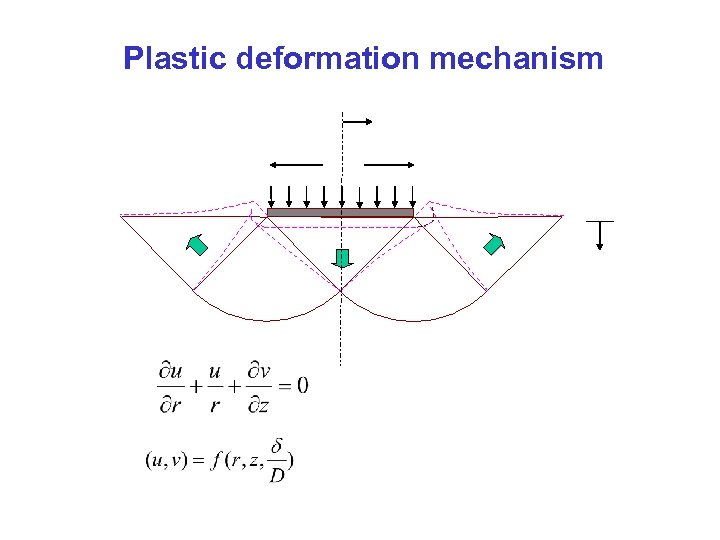
Plastic deformation mechanism
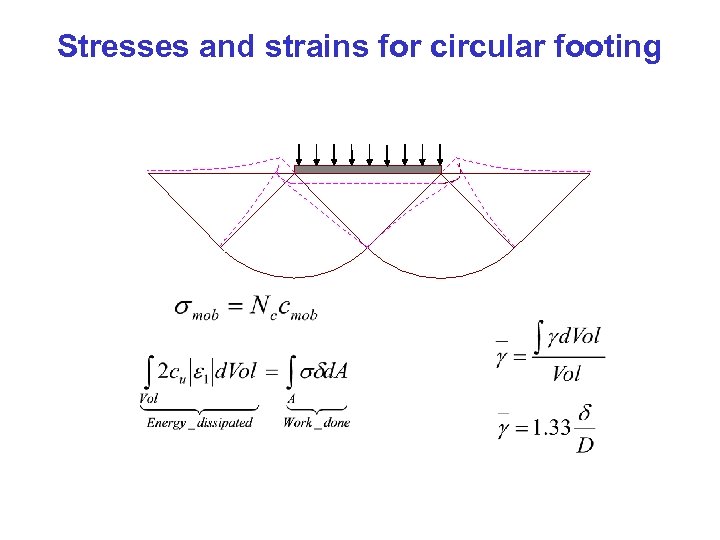
Stresses and strains for circular footing
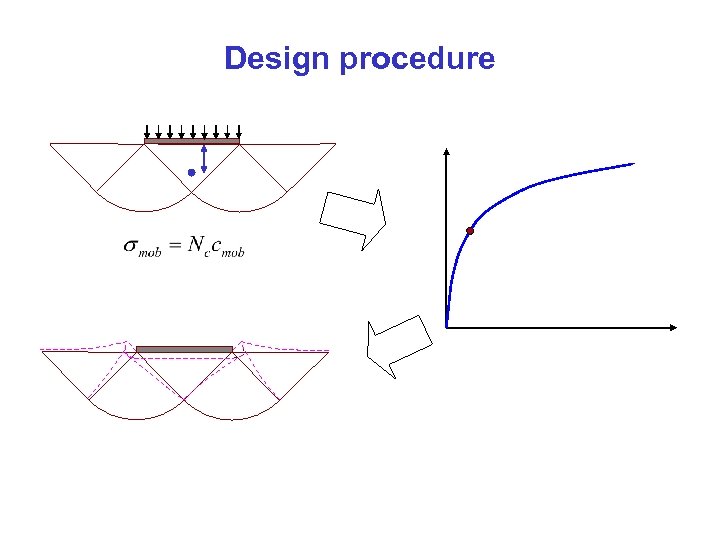
Design procedure
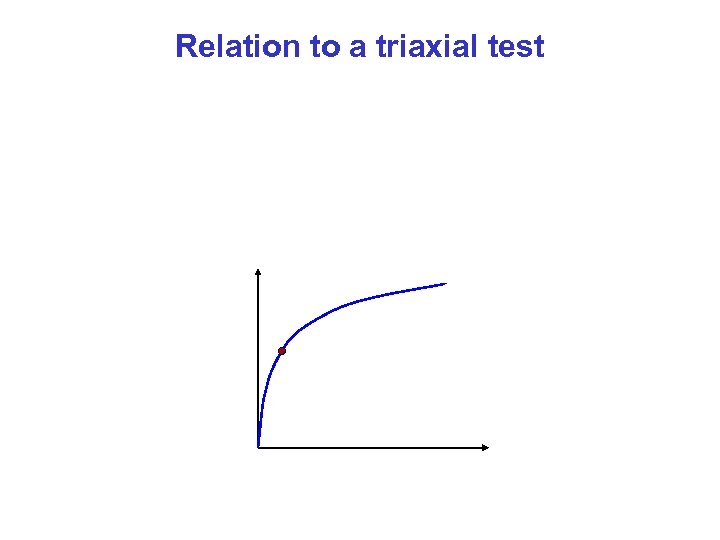
Relation to a triaxial test
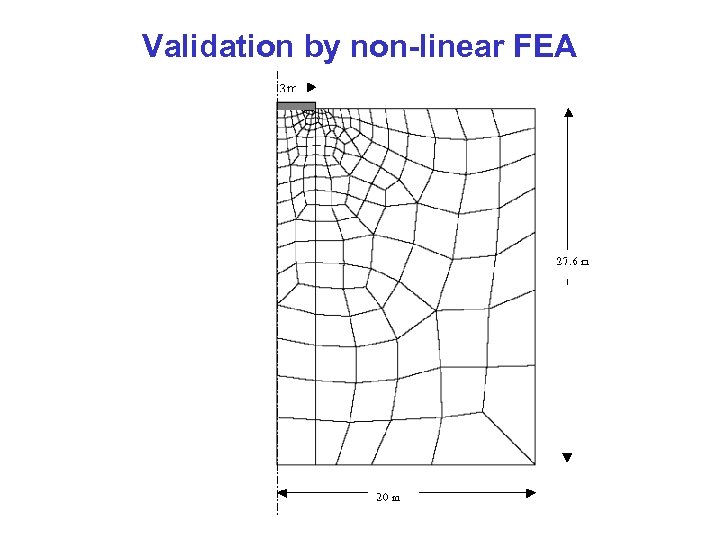
Validation by non-linear FEA
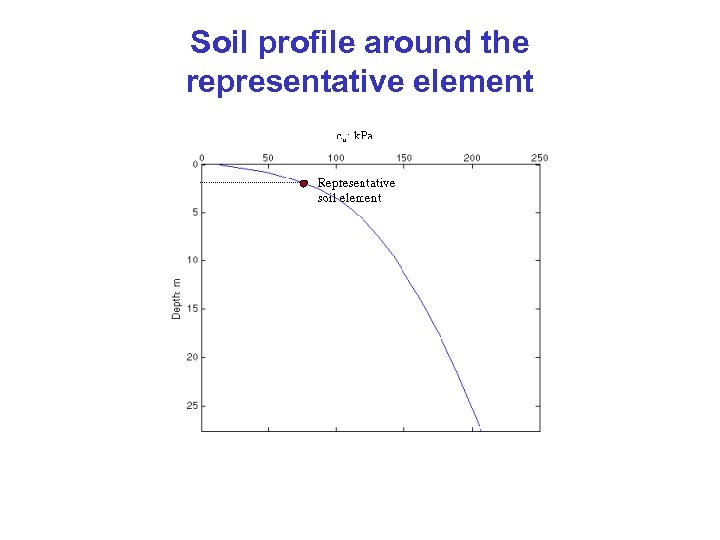
Soil profile around the representative element
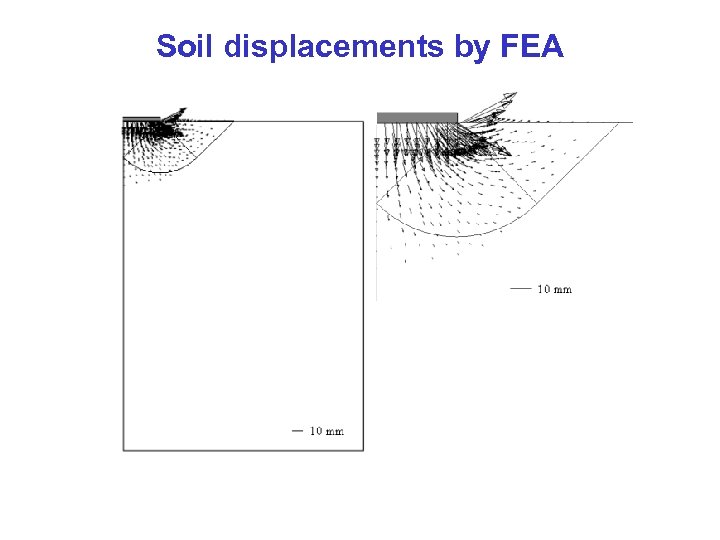
Soil displacements by FEA
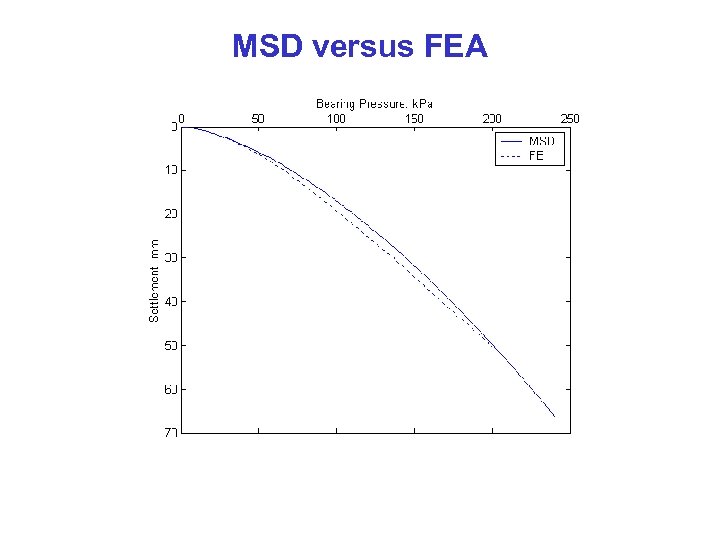
MSD versus FEA
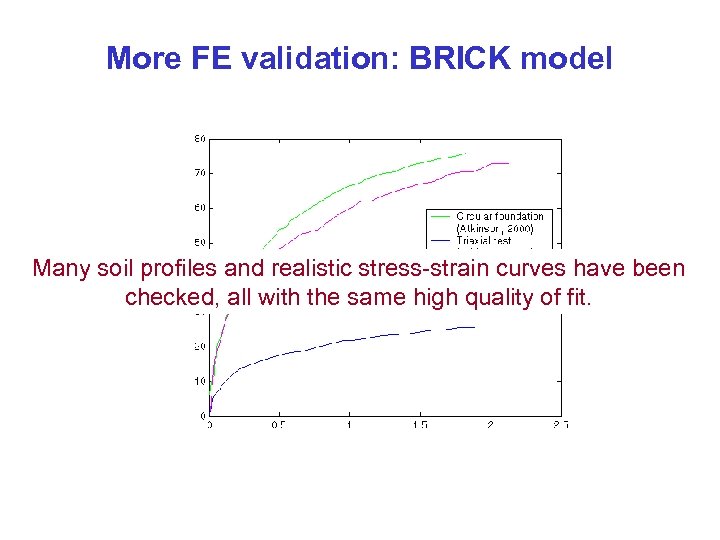
More FE validation: BRICK model Many soil profiles and realistic stress-strain curves have been checked, all with the same high quality of fit.
Why does it work so well?
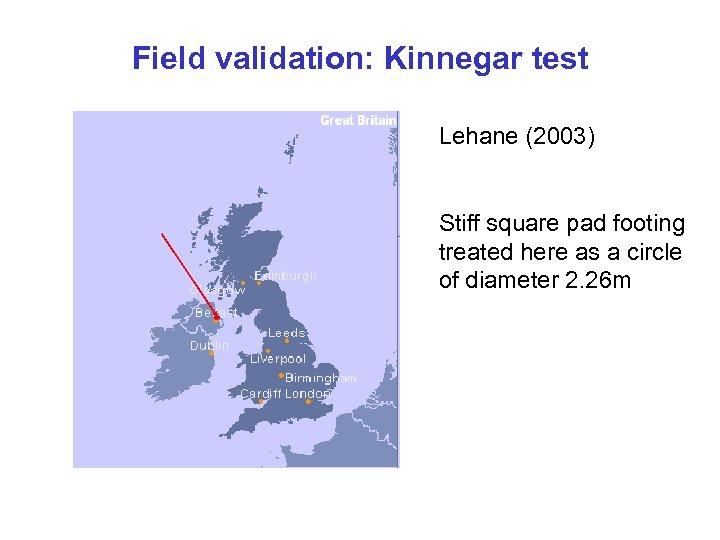
Field validation: Kinnegar test Lehane (2003) Stiff square pad footing treated here as a circle of diameter 2. 26 m
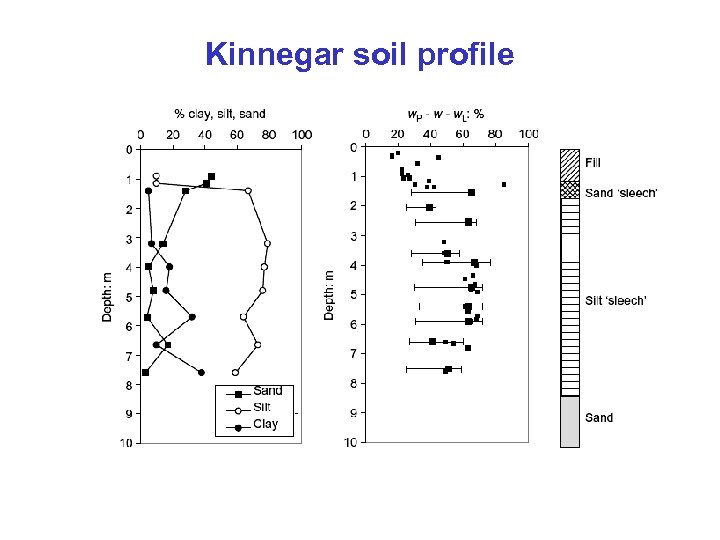
Kinnegar soil profile
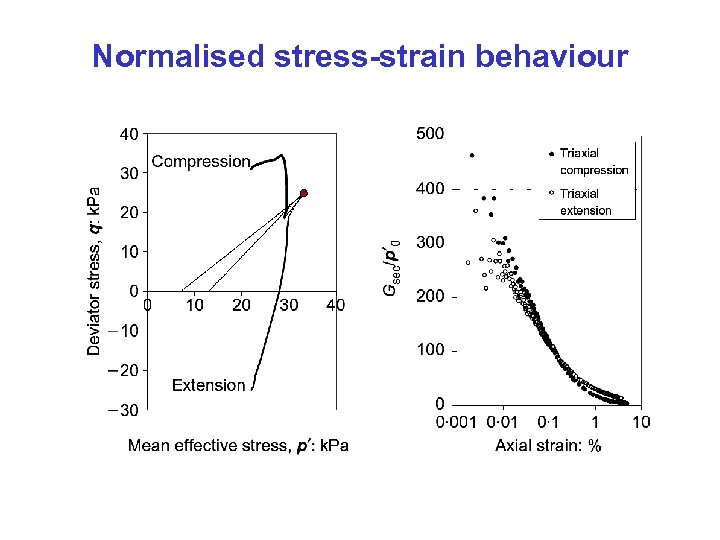
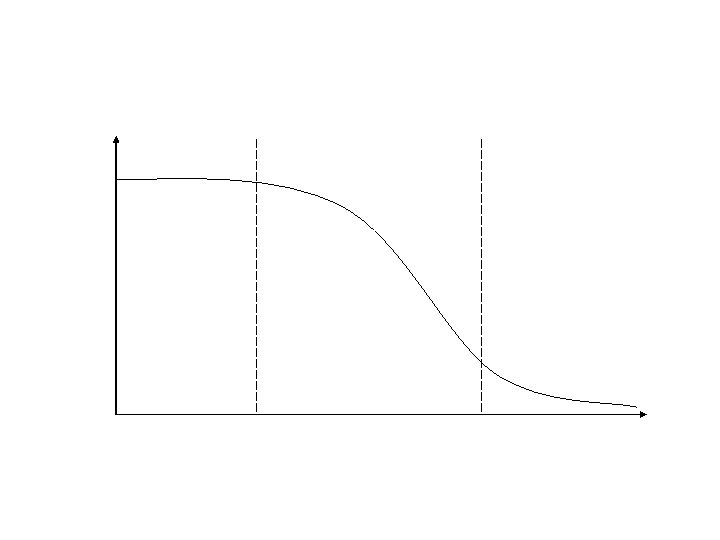
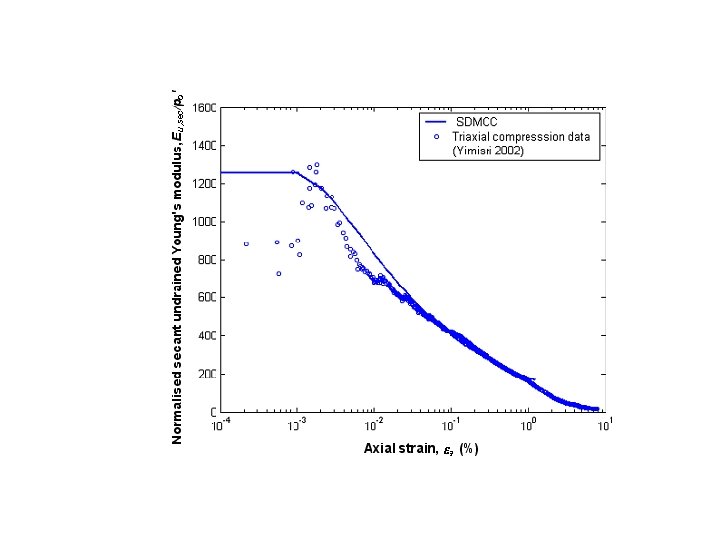
Normalised stress-strain behaviour
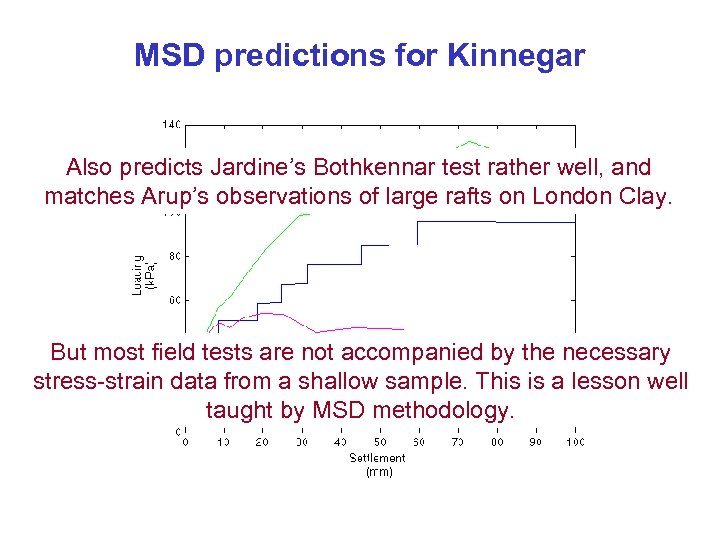
MSD predictions for Kinnegar Also predicts Jardine’s Bothkennar test rather well, and matches Arup’s observations of large rafts on London Clay. But most field tests are not accompanied by the necessary stress-strain data from a shallow sample. This is a lesson well taught by MSD methodology.
Example 2: ground movements around braced excavations
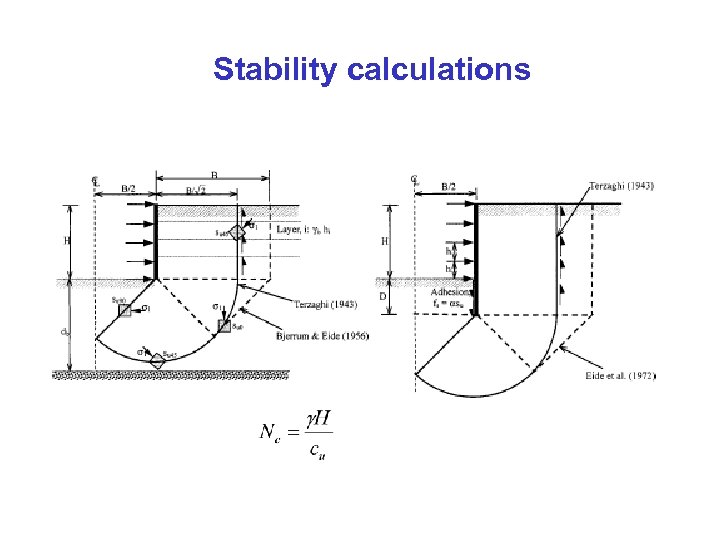
Stability calculations
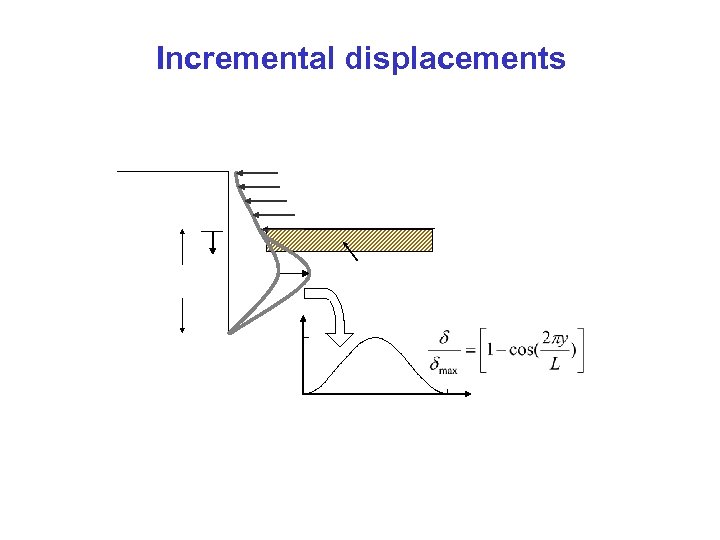
Incremental displacements
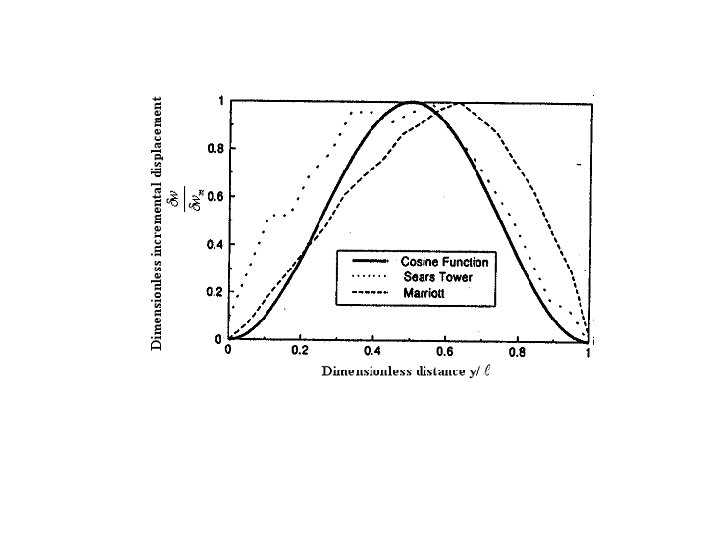
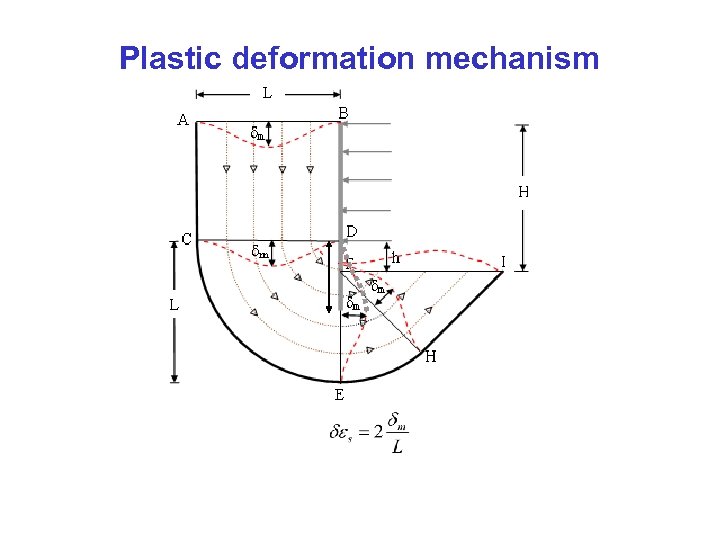
Plastic deformation mechanism
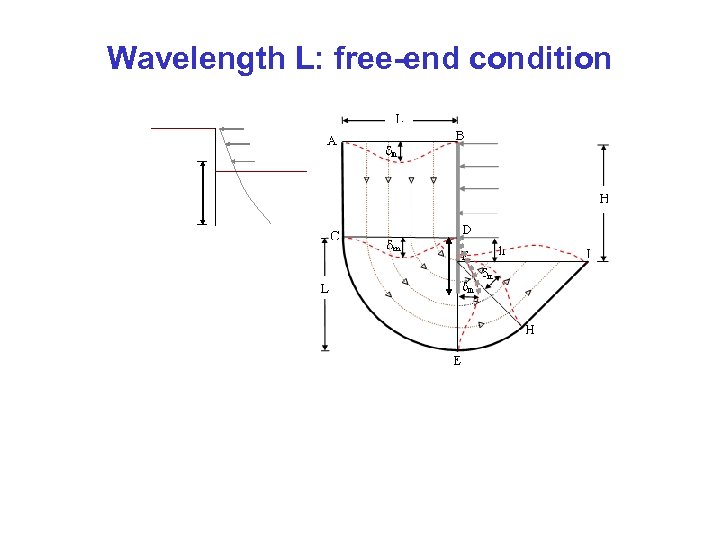
Wavelength L: free-end condition
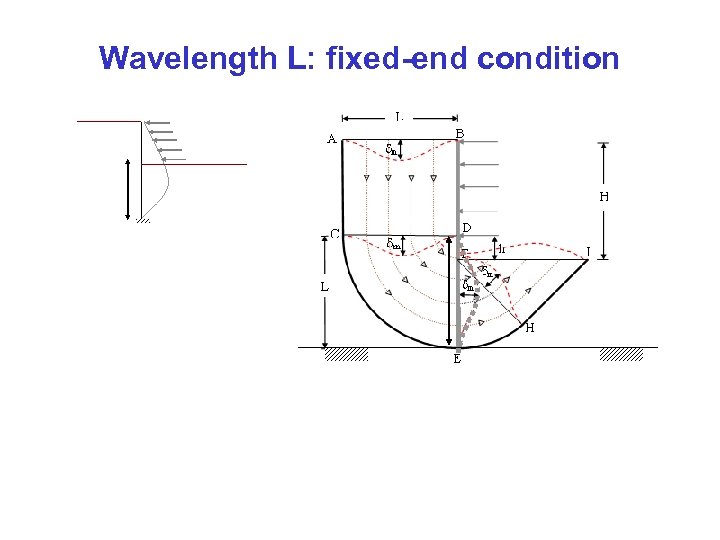
Wavelength L: fixed-end condition
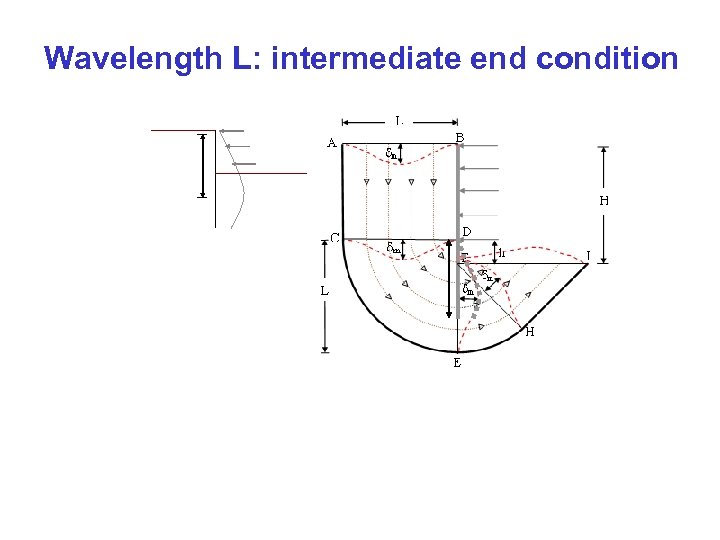
Wavelength L: intermediate end condition
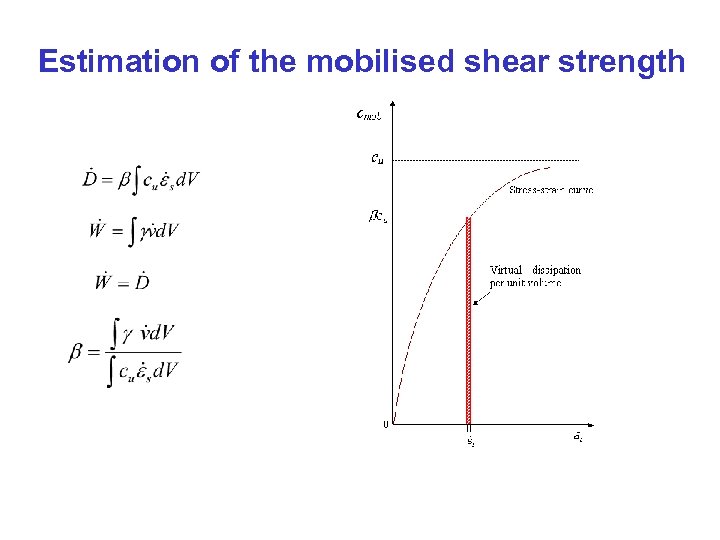
Estimation of the mobilised shear strength
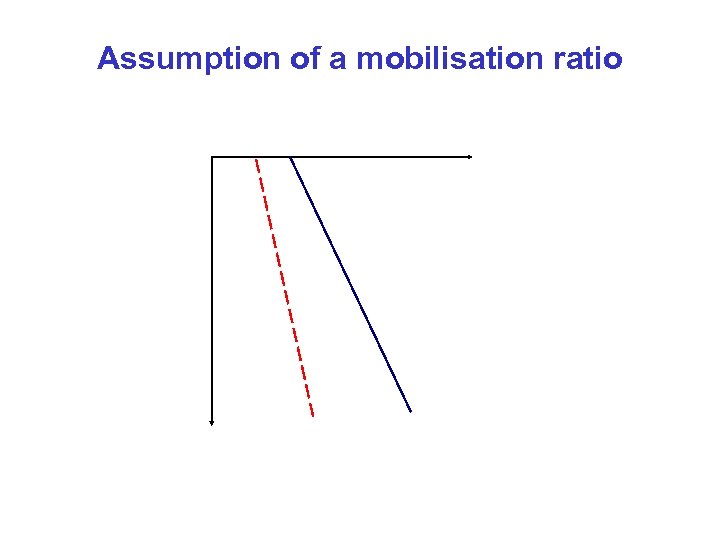
Assumption of a mobilisation ratio
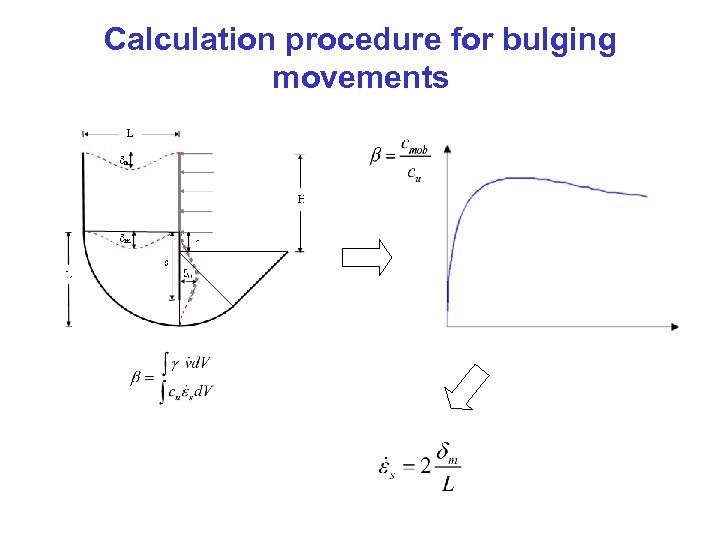
Calculation procedure for bulging movements
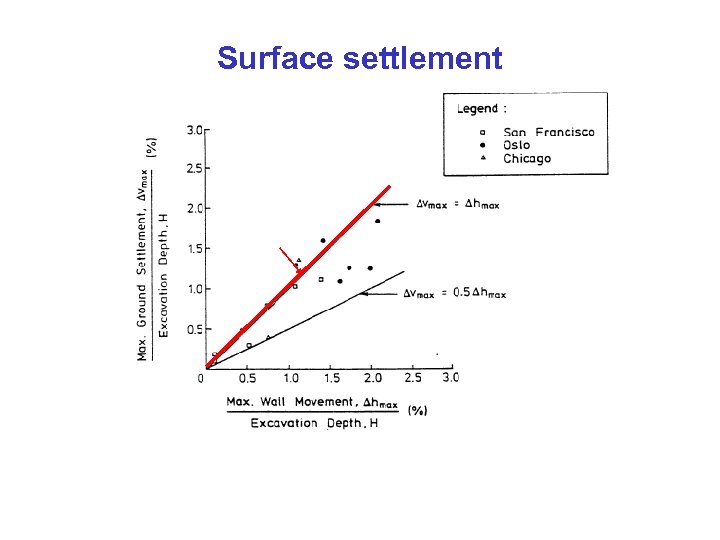
Surface settlement
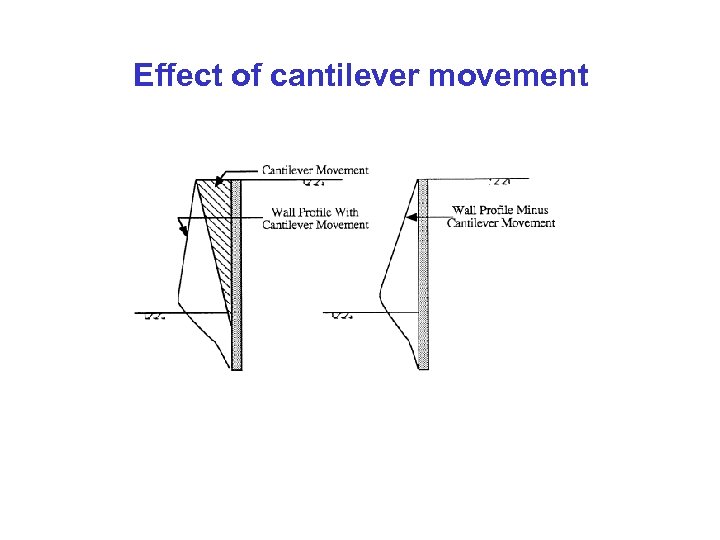
Effect of cantilever movement
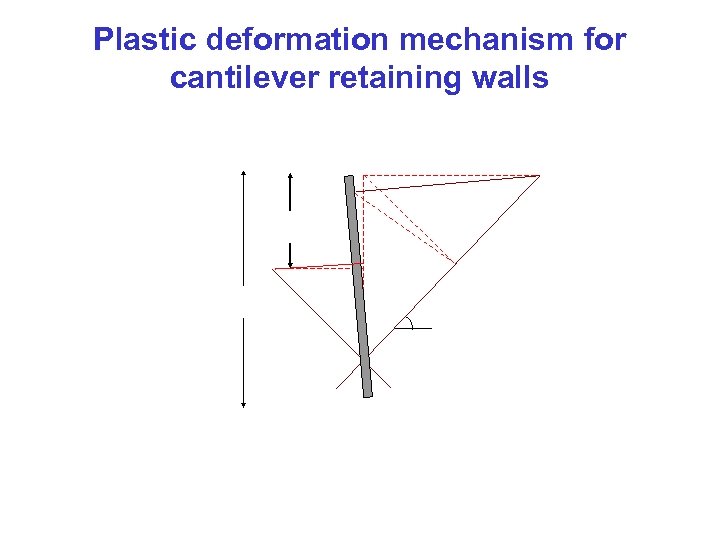
Plastic deformation mechanism for cantilever retaining walls
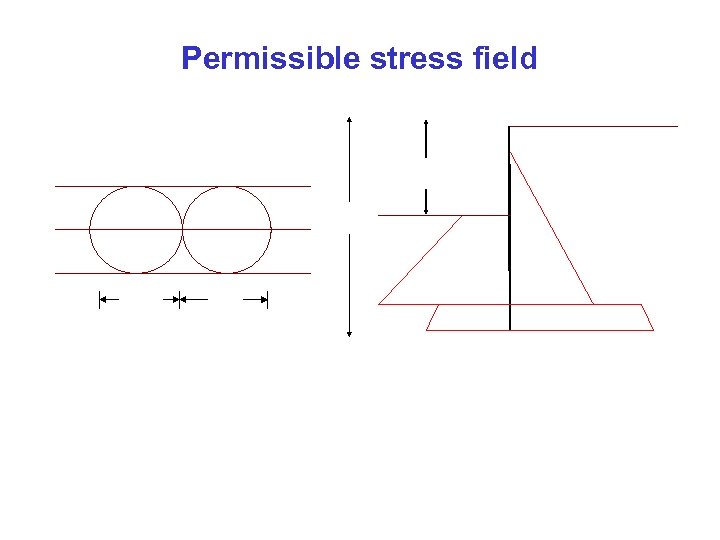
Permissible stress field
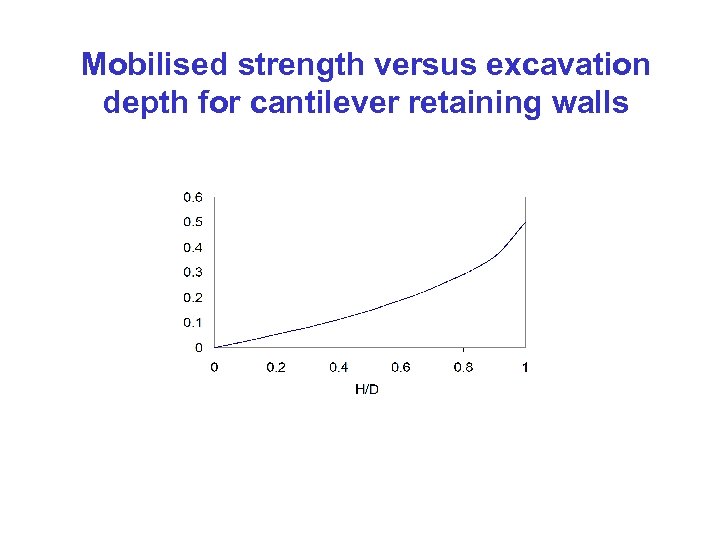
Mobilised strength versus excavation depth for cantilever retaining walls
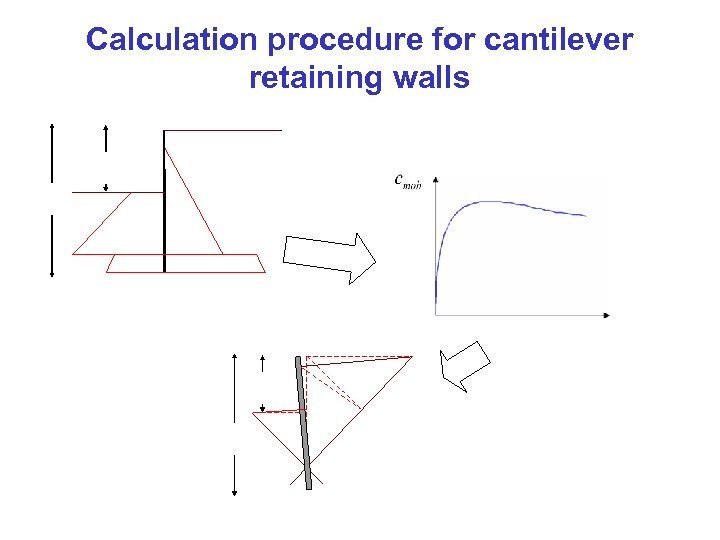
Calculation procedure for cantilever retaining walls
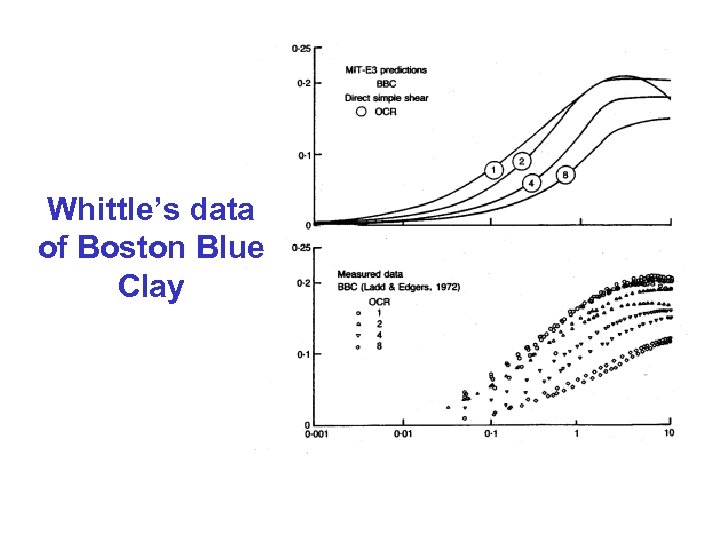
Whittle’s data of Boston Blue Clay
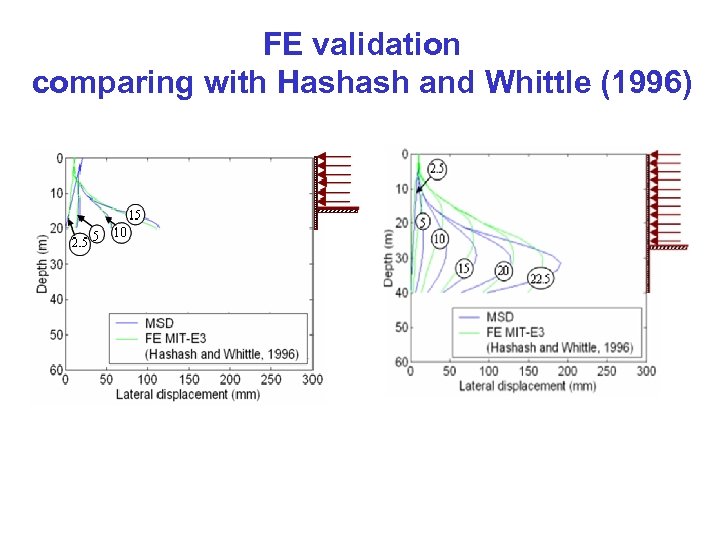
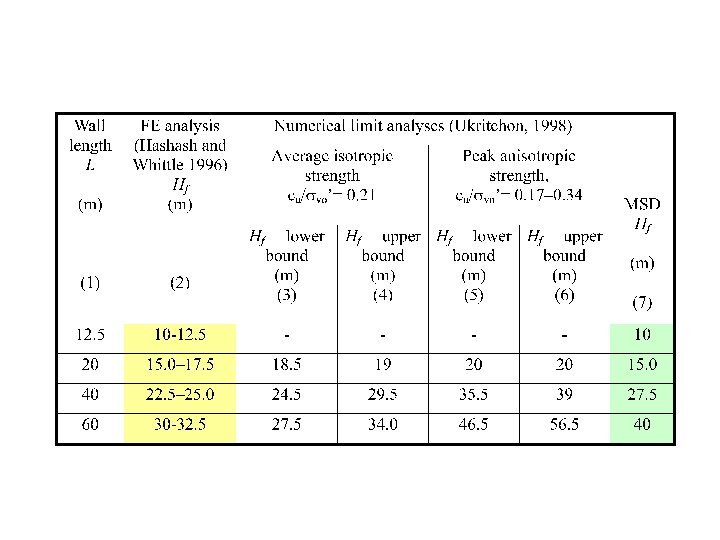
FE validation comparing with Hashash and Whittle (1996)
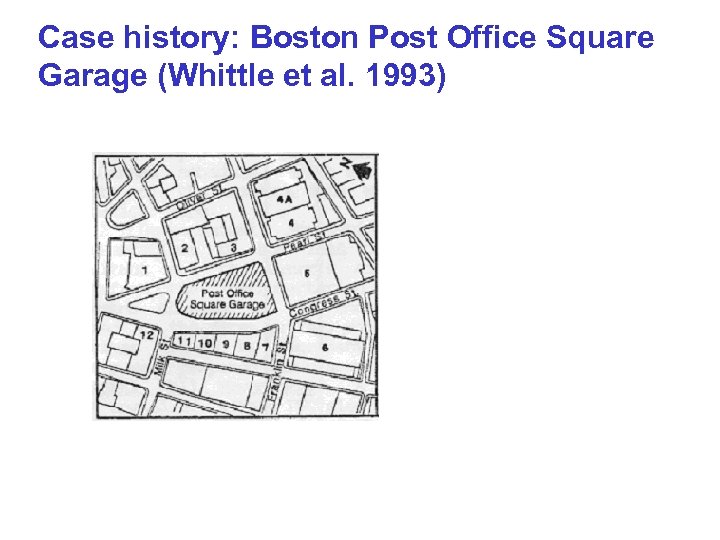
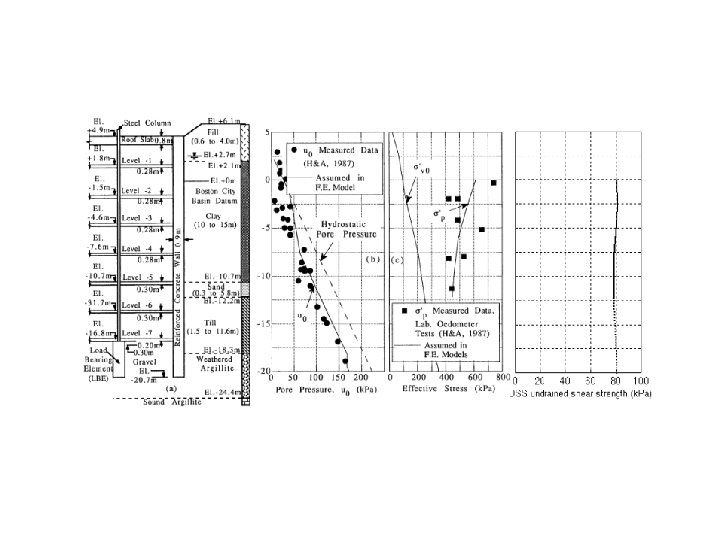
Case history: Boston Post Office Square Garage (Whittle et al. 1993)
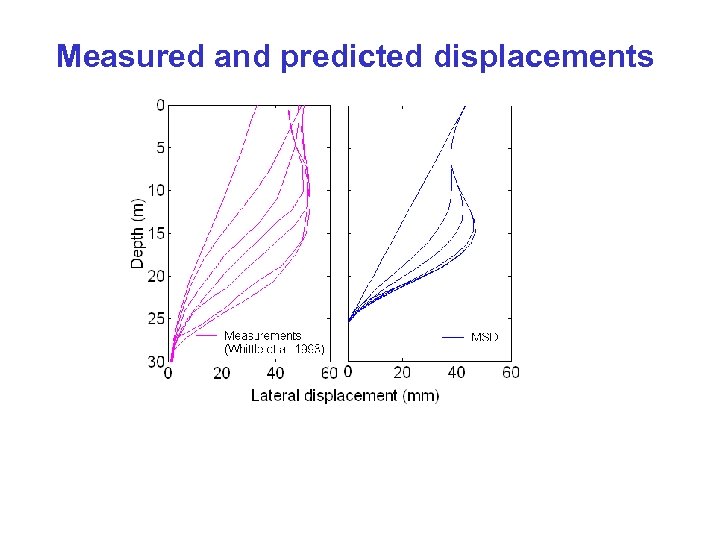
Measured and predicted displacements
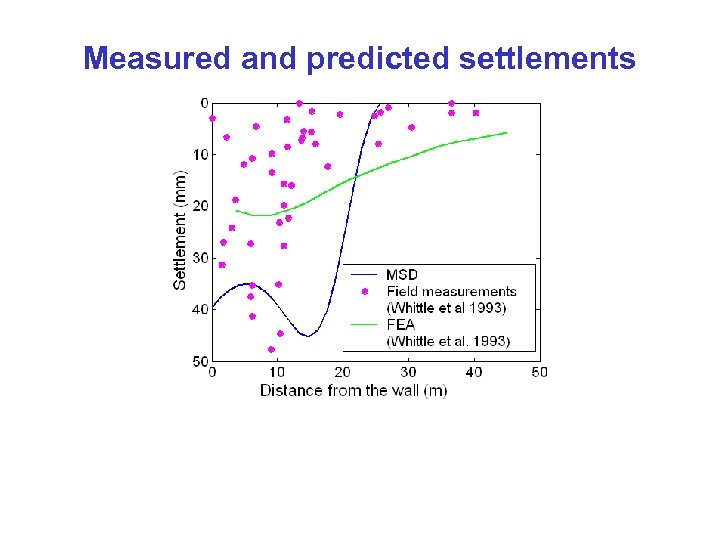
Measured and predicted settlements
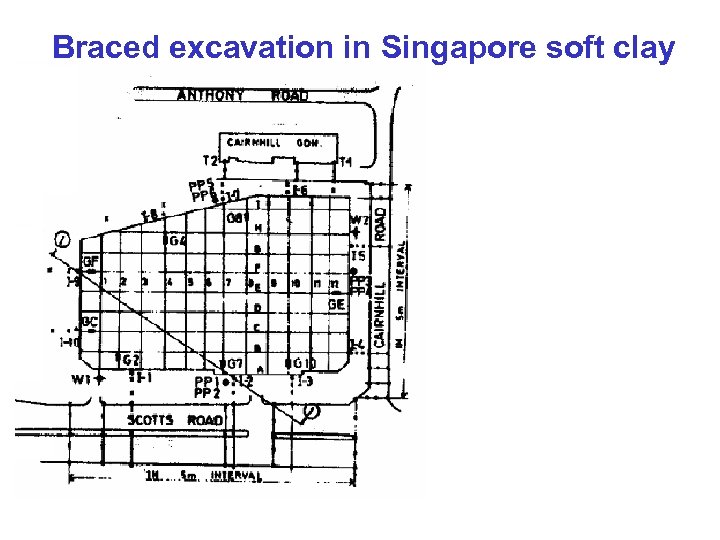
Braced excavation in Singapore soft clay
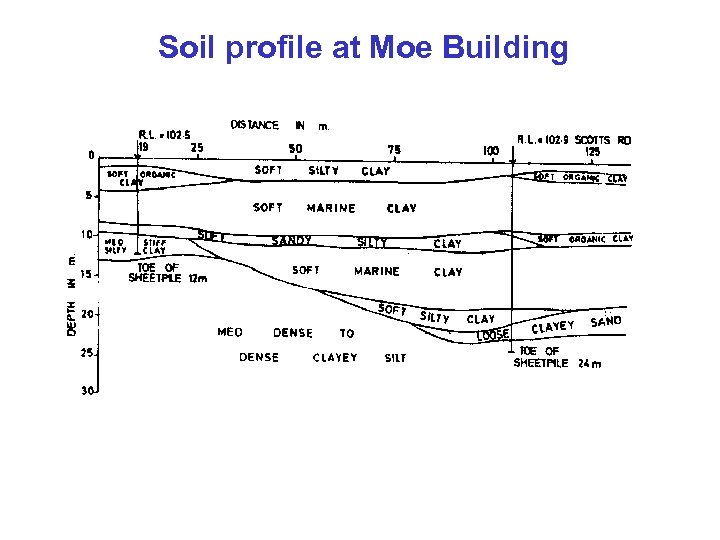
Soil profile at Moe Building
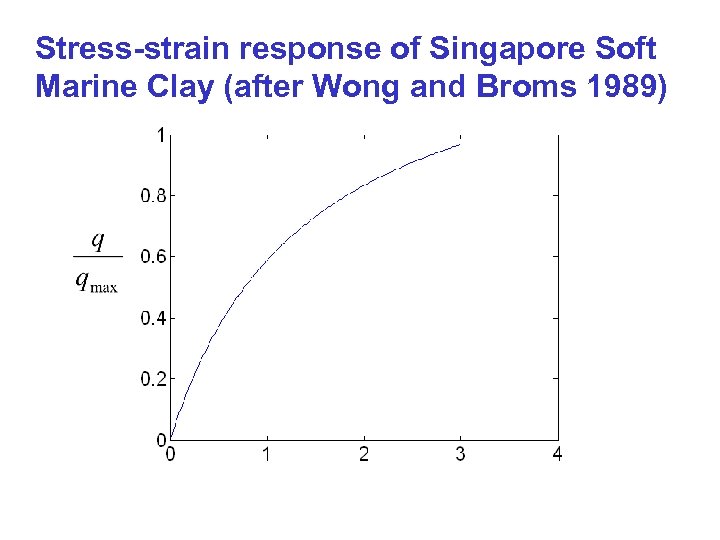
Stress-strain response of Singapore Soft Marine Clay (after Wong and Broms 1989)
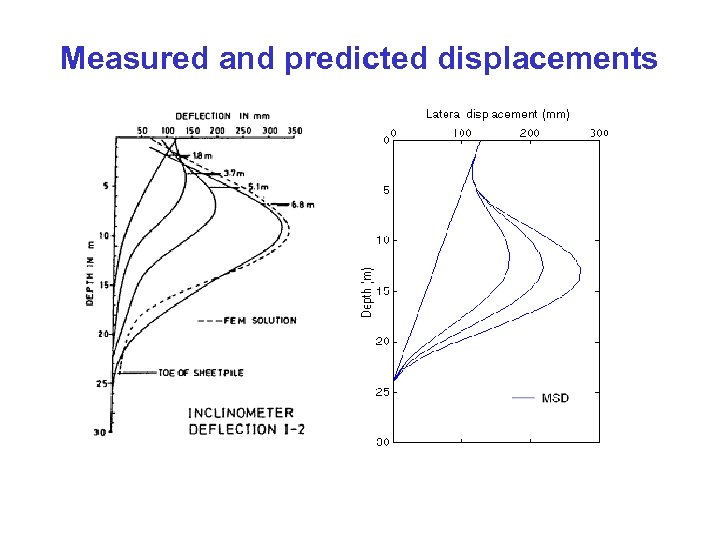
Measured and predicted displacements
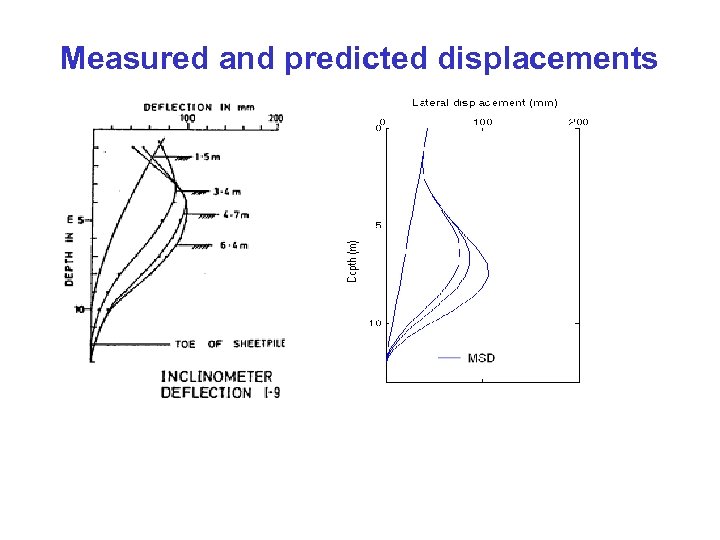
Measured and predicted displacements
Conclusions

The future

Thank you for inviting me!
Скачать презентацию What is the aim Mobilisable Strength Design
551862255c4bf6b7e69ae526707f482b.ppt