 Скачать презентацию What generalizations can you make about demand based
6a7dc01bb892dabaae3b8dc9ee05b14c.ppt
- Количество слайдов: 32







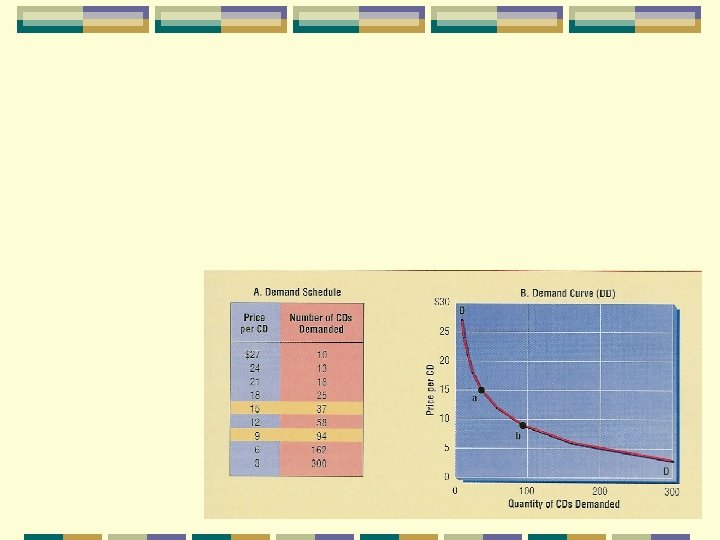
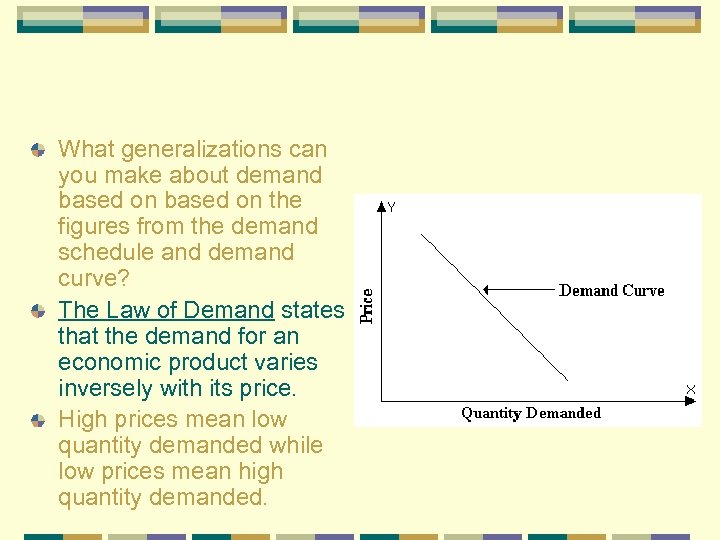
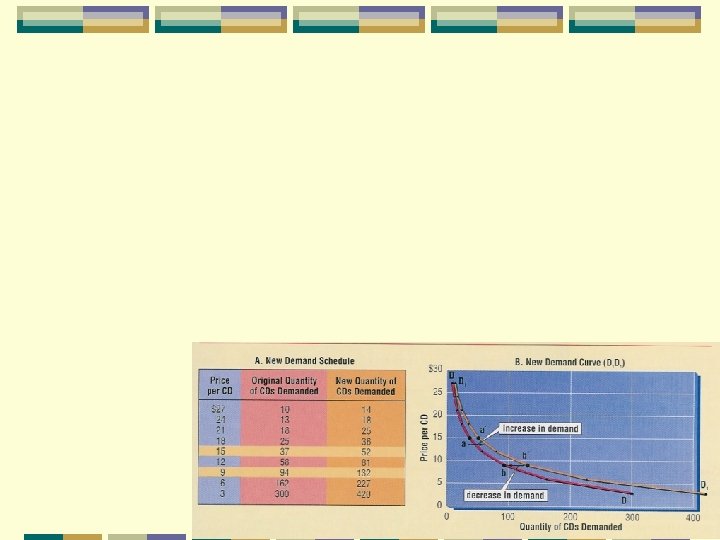
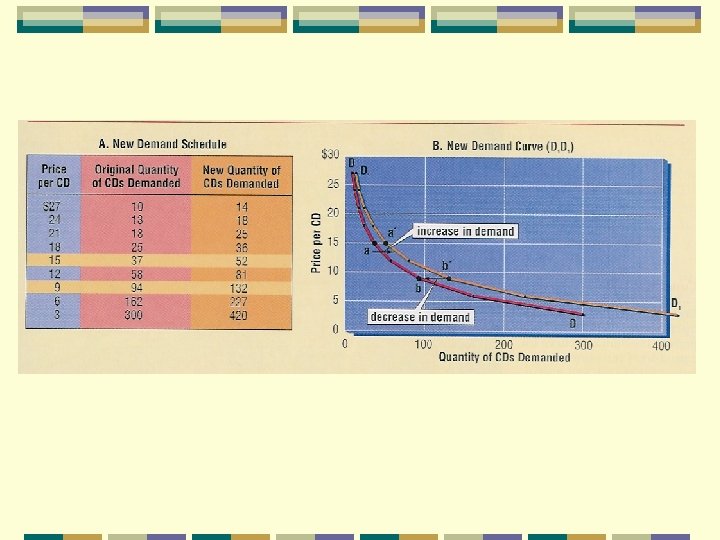
What generalizations can you make about demand based on the figures from the demand schedule and demand curve? The Law of Demand states that the demand for an economic product varies inversely with its price. High prices mean low quantity demanded while low prices mean high quantity demanded.
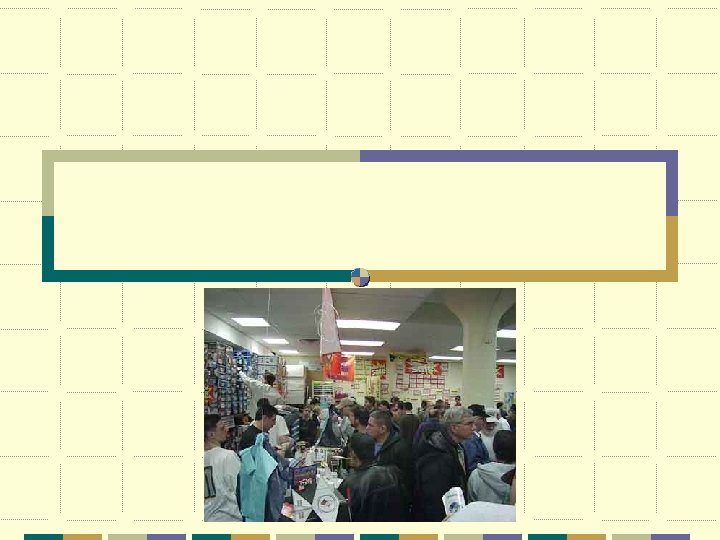













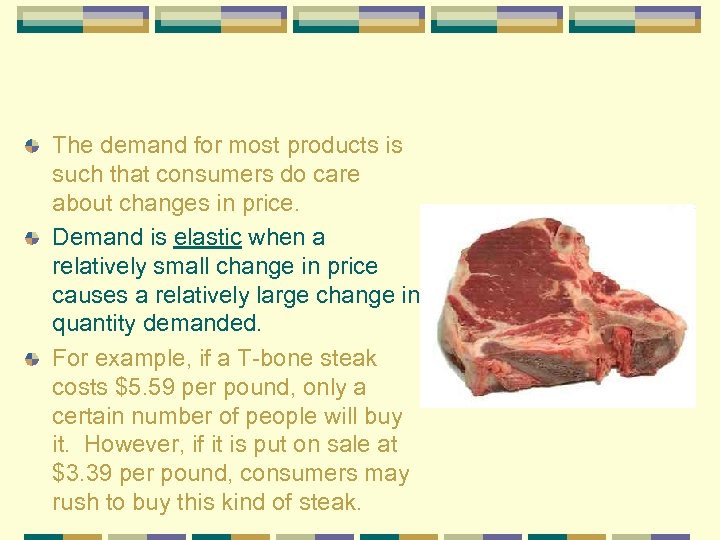
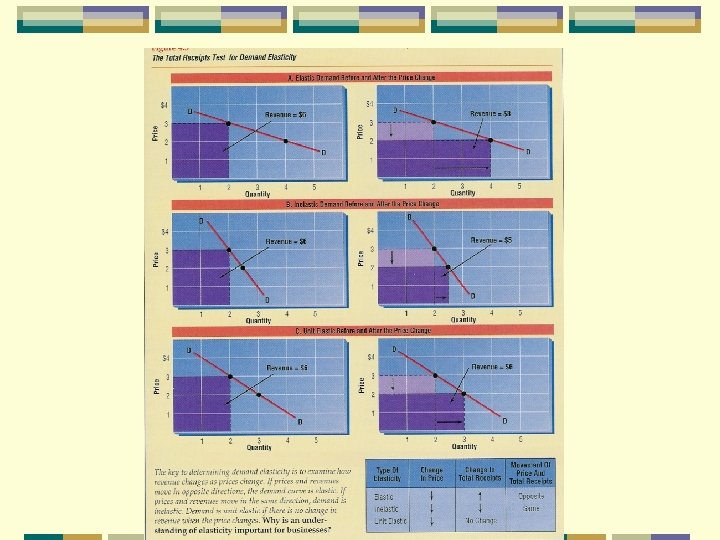
The demand for most products is such that consumers do care about changes in price. Demand is elastic when a relatively small change in price causes a relatively large change in quantity demanded. For example, if a T-bone steak costs $5. 59 per pound, only a certain number of people will buy it. However, if it is put on sale at $3. 39 per pound, consumers may rush to buy this kind of steak.
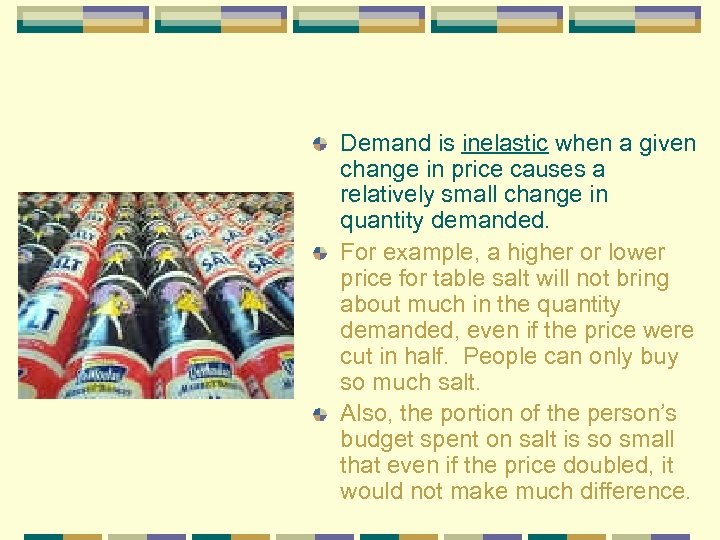
Demand is inelastic when a given change in price causes a relatively small change in quantity demanded. For example, a higher or lower price for table salt will not bring about much in the quantity demanded, even if the price were cut in half. People can only buy so much salt. Also, the portion of the person’s budget spent on salt is so small that even if the price doubled, it would not make much difference.
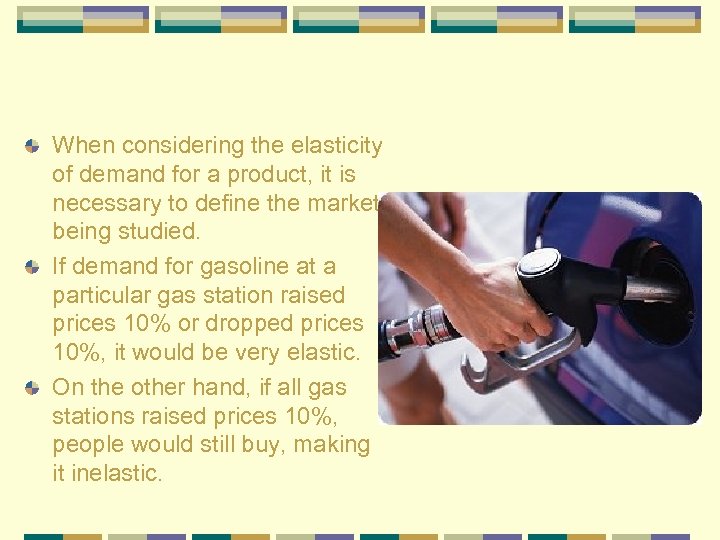
When considering the elasticity of demand for a product, it is necessary to define the market being studied. If demand for gasoline at a particular gas station raised prices 10% or dropped prices 10%, it would be very elastic. On the other hand, if all gas stations raised prices 10%, people would still buy, making it inelastic.

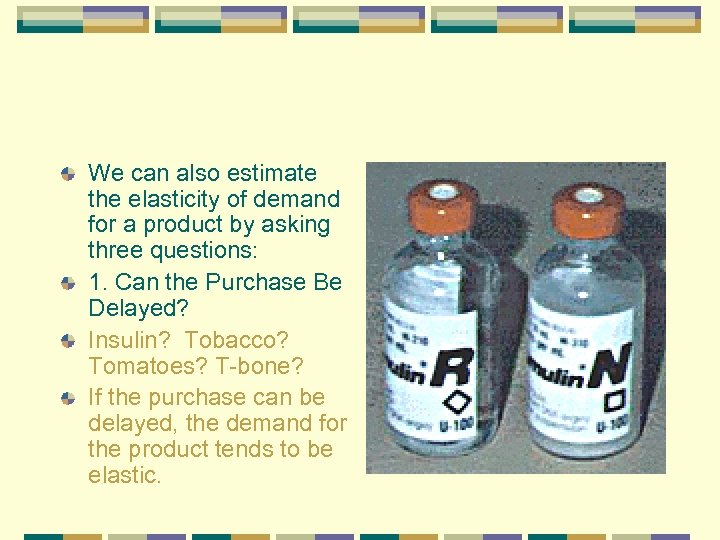
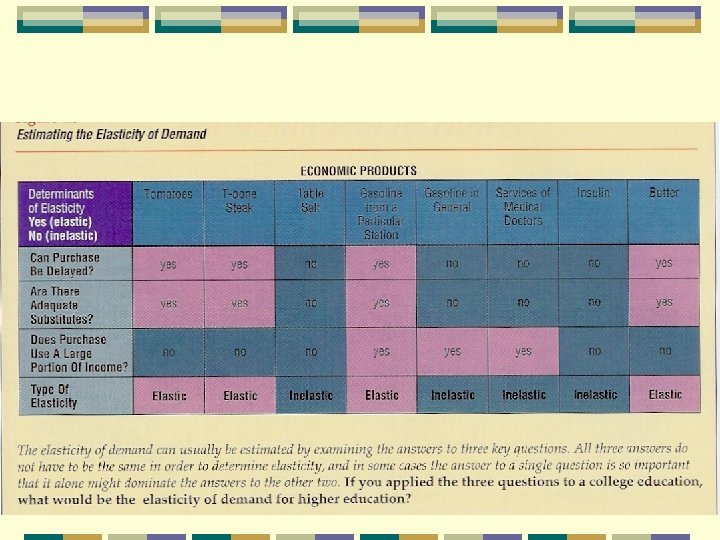
We can also estimate the elasticity of demand for a product by asking three questions: 1. Can the Purchase Be Delayed? Insulin? Tobacco? Tomatoes? T-bone? If the purchase can be delayed, the demand for the product tends to be elastic.


 Скачать презентацию What generalizations can you make about demand based
6a7dc01bb892dabaae3b8dc9ee05b14c.ppt