 Скачать презентацию Western Economic Theories and Schools Group Members Jenny
be3fb234f6262757ae8de220c5c6d8e3.ppt
- Количество слайдов: 30



Western Economic Theories and Schools Group Members: Jenny Kelly Etta Eutene
Content • Introduction Jenny • Basic Economic Concepts Jenny • Development Kelly Etta • Conclusion Eutene

I. Basic Economic Concepts v. Definitions of economics v 3 basic economic questions v. Goals of economic theories
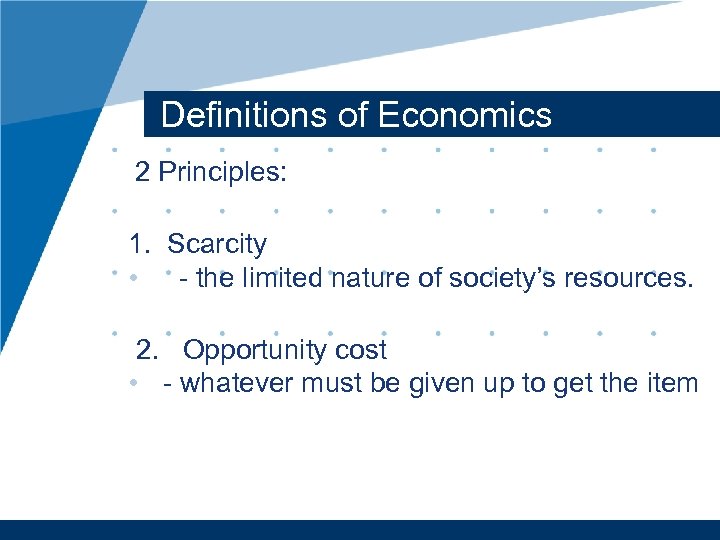
Definitions of Economics 2 Principles: 1. Scarcity • - the limited nature of society’s resources. 2. Opportunity cost • - whatever must be given up to get the item
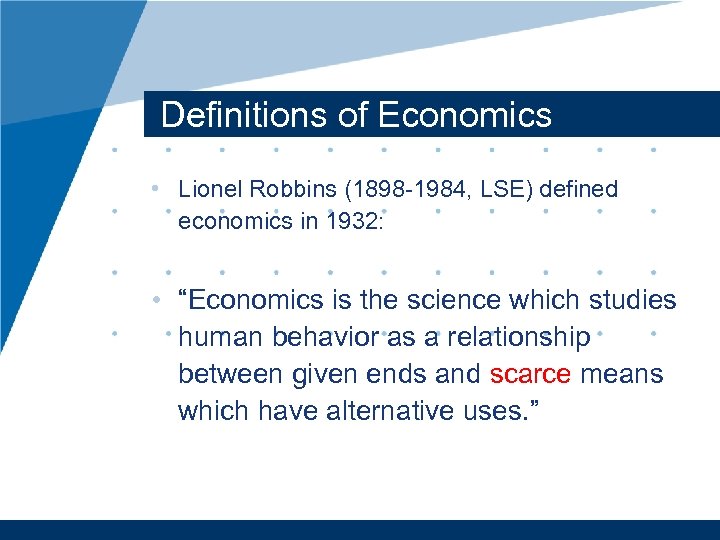
Definitions of Economics • Lionel Robbins (1898 -1984, LSE) defined economics in 1932: • “Economics is the science which studies human behavior as a relationship between given ends and scarce means which have alternative uses. ”
Three Basic Economic Questions l What to produce l How to produce l For whom to produce.
Goals of Economic Theory v Help society find better answers to the 3 basic questions. v Predict how changes in government policy or market institutions will affect economic outcomes.
2. The Development of Economics • • (1). Mercantilism (重商主义) (2). Classical Economics (古典经济学) (3). Neo-Classical Economics (新古典经济学) (4). Contemporary economics (当代经济学)
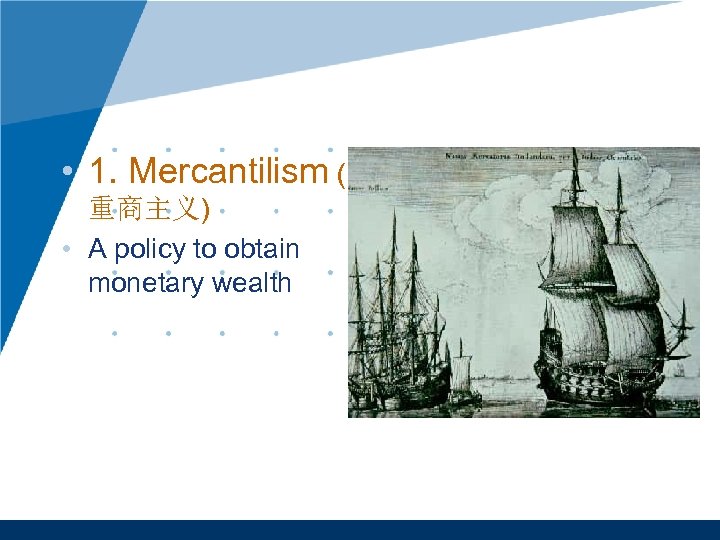
• 1. Mercantilism ( 重商主义) • A policy to obtain monetary wealth
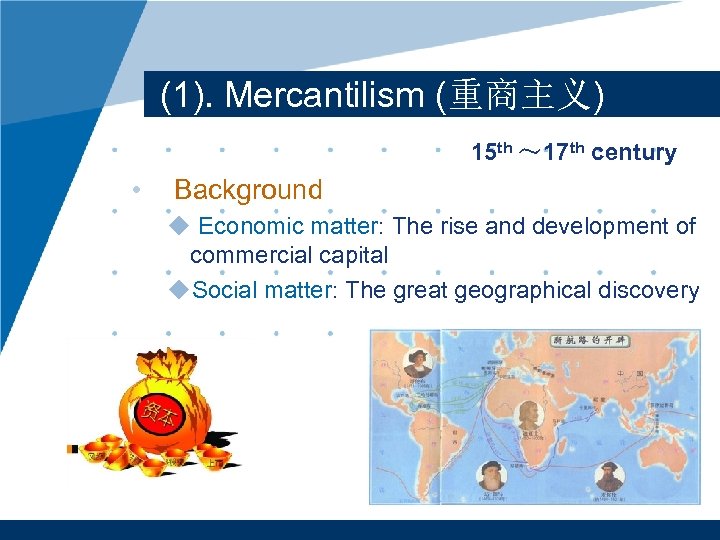
(1). Mercantilism (重商主义) 15 th ~ 17 th century • Background u Economic matter: The rise and development of commercial capital u. Social matter: The great geographical discovery
(1). Mercantilism (重商主义) • Background u. Political matter: Centralized country started Need more currency
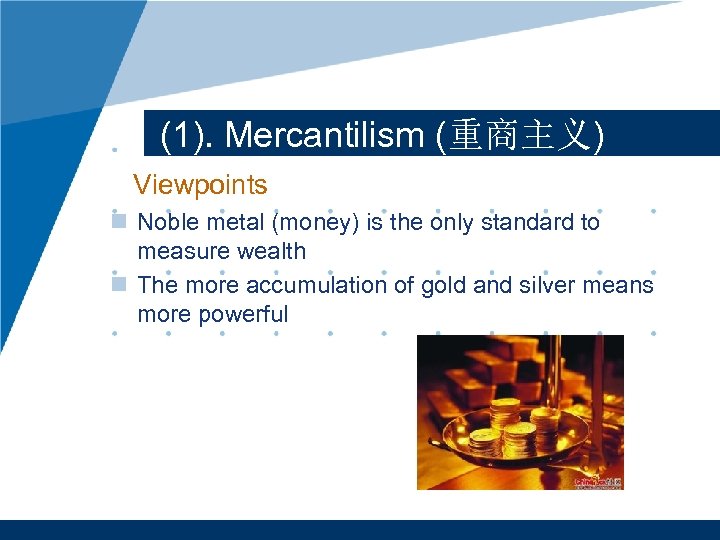
(1). Mercantilism (重商主义) Viewpoints n Noble metal (money) is the only standard to measure wealth n The more accumulation of gold and silver means more powerful
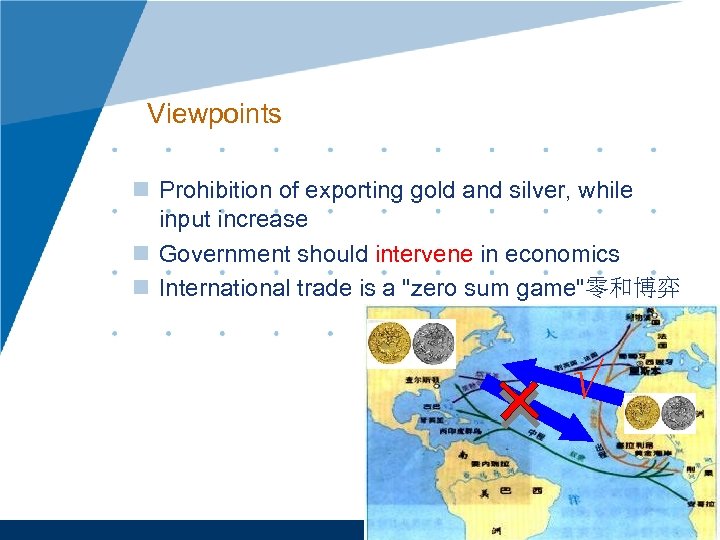
Viewpoints n Prohibition of exporting gold and silver, while input increase n Government should intervene in economics n International trade is a "zero sum game"零和博弈 √
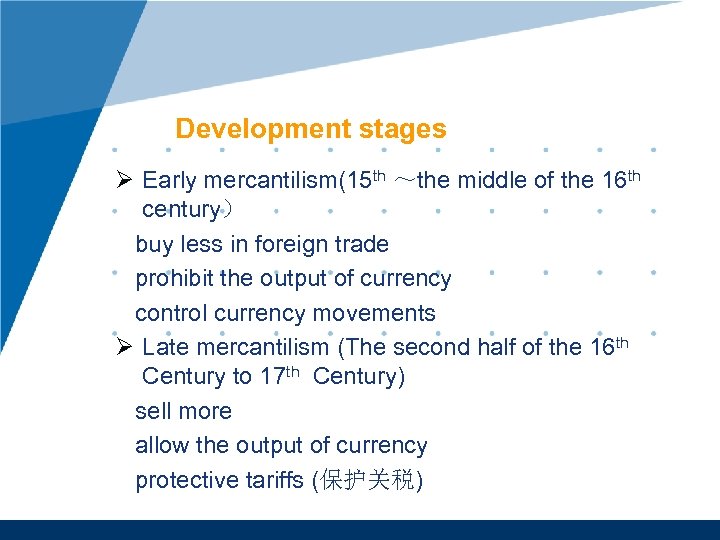
Development stages Ø Early mercantilism(15 th ~the middle of the 16 th century) buy less in foreign trade prohibit the output of currency control currency movements Ø Late mercantilism (The second half of the 16 th Century to 17 th Century) sell more allow the output of currency protective tariffs (保护关税)
• Representative • --Thomas Monn 托马斯·孟 • Output value of commodity must be larger than the input value to increase the currency input
(2). Classical economics (古典经济学) Background Viewpoint Representatives
(2). Classical economics • Background about 1750 -1875 u Workshop handicraft industry(手 业) has gradually become the main form u The feudal system(封建制度) has seriously hindered the capitalism
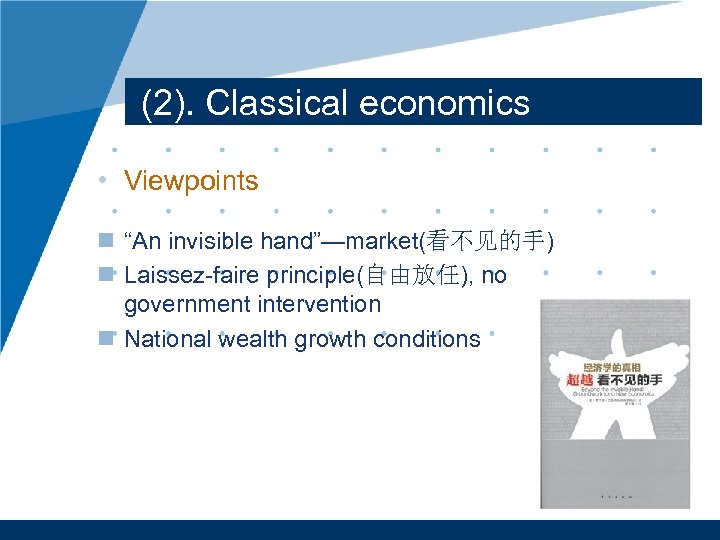
(2). Classical economics • Viewpoints n “An invisible hand”—market(看不见的手) n Laissez-faire principle(自由放任), no government intervention n National wealth growth conditions
(2). Classical economics • Representatives ü --Adam Smith(亚当.斯密) <The Wealth of Nations> The economic system to put laissez-faire thought as the center, and the research from the circulation field transfer to the production field
• Representatives ü --David Ricardo(大卫.李嘉图) <The principles of political economy and taxation>《政治经济学及赋税原理》 Success in the labor theory of value and distribution of the enrichment and perfection of theory.
(3). New. Classical Economics ( 新古典经济学) The refinement of Neo-Classical Economics
(3). New. Classical Economics (新古典经济学) 1870 s~1930 s • Background u Inheritance of Classical Economics and economic liberalism(经济自由主义) u The beginning of the marginal revolution (边际革命) u After Industrial Revolution, the unfair distribution of wealth led to social discontent.
(3). New. Classical Economics (新古典经济学) • Viewpoints n Market economy can solve the problem of unemployment, slump, while the stable policy of government have no effect on it. n The dilemma of unemployment and inflation not only exist in the long term, but also in the short term.
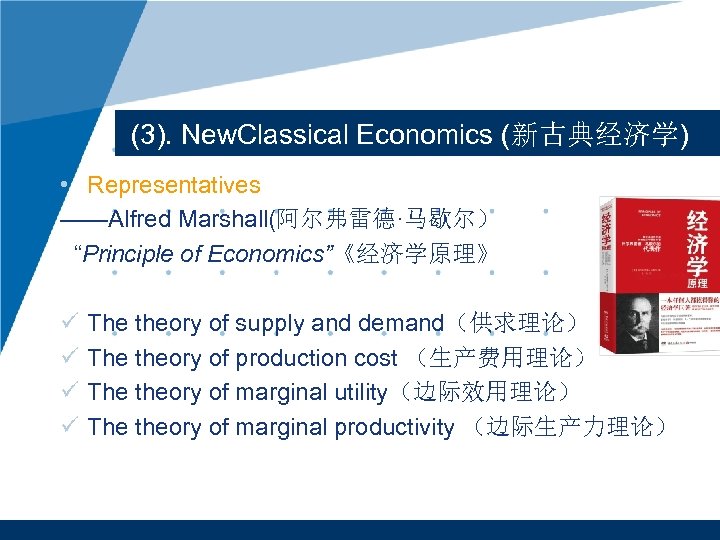
(3). New. Classical Economics (新古典经济学) • Representatives ——Alfred Marshall(阿尔弗雷德·马歇尔) “Principle of Economics”《经济学原理》 ü The theory of supply and demand(供求理论) ü The theory of production cost (生产费用理论) ü The theory of marginal utility(边际效用理论) ü The theory of marginal productivity (边际生产力理论)
(4). Contemporary economics (当代经济学) since 1930 s • Background —The putting forward of Keynesianism marks the birth of modern economics — The establishment and development of Macroeconomics
(4). Contemporary economics (当代经济学) • Stages of development Ø The Keynes revolution (凯恩斯革命) —putting forward the modern macroeconomics system, in which national revenue decision is theory center and government intervention the policy adjustment. Ø The period of macroeconomics Ø The revival of Laissez-faire thought (自由放任)
3. Conclusion • Basic economic concepts Definition 3 basic questions The goals of economic theory
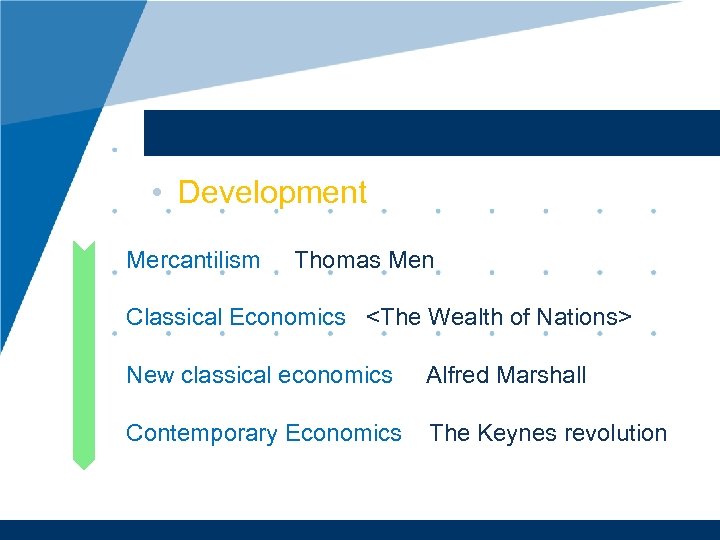
• Development Mercantilism Thomas Men Classical Economics <The Wealth of Nations> New classical economics Alfred Marshall Contemporary Economics The Keynes revolution
• The Nobel Prize for Economics Not much in common Even conflict Fama People’s rational calculation Shiller Psychological factors

• Thank you!
Скачать презентацию Western Economic Theories and Schools Group Members Jenny
be3fb234f6262757ae8de220c5c6d8e3.ppt