


 Скачать презентацию Welcome to the Sprowston Junior SEN Information Report
ebf4edd600663720611e1905cfb83410.ppt
- Количество слайдов: 36
 Welcome to the Sprowston Junior SEN Information Report 2016 -2017 At Sprowston Junior School we believe in achievement for all, we are committed to working together with all members of our school community. We want all adults and children to participate in learning and we celebrate all members of our community. We want to create an inclusive culture in our school and we aim to be more responsive to the diversity of children’s backgrounds, interests, experience, knowledge and skills, so that all pupils regardless of individual need make the best possible progress. We value high quality teaching for all learners and actively monitor teaching and learning in the school. We aim to create a learning environment which is flexible enough to meet the needs of all members of our school community. We monitor progress of all learners; staff continually assess, plan, do and review ensuring that progress and learning is taking place. Our whole school system for monitoring progress includes regular pupil progress meetings.
 Report contents • • • How do we identify when a child needs additional support? What is our approach to teaching learners with SEN-D? How do we identify the Special Educational Needs of pupils? What are the definitions of SEND? What is our SEN profile for 2016 -2017? How do we support SEN-D learners? What are our roles and responsibilities? What opportunities do we provide for enrichment? How do we help children move to and from our school? Useful Links Contacts
 How we identify SEND • • Some of our pupils may require additional support so that they can access the curriculum and make progress at their own level. At different times in their school career, a child or young person may have a special educational need. The Code of Practice defines SEN as: “A child or young person has SEN if they have a learning difficulty or disability which calls for special educational provision to be made for them. A child of compulsory school age or a young person has a learning difficulty or disability if they: • have a significantly greater difficulty in learning than the majority of others of the same age: or • have a disability which prevents or hinders them from making use of educational facilities of a kind generally provided for others of the same age in mainstream schools or mainstream post-16 institutions. ” • If a learner is identified as having SEN-D, we will work closely with the pupil and their parents to provide provision that is ‘additional to or different from’ the normal differentiated curriculum, intended to overcome the barrier to their learning.
 Our Approach to Teaching Learners with SEN-D • • At Sprowston Junior School we ensure that all pupils in our school are equally valued by having equal access to a broad and balanced curriculum which is differentiated to meet individual needs and abilities. We have effective management systems and procedures for SEN-D, taking into account the current Code of Practice (2014). We strive for effective communication between staff, children with SEN-D, parents of SEN-D children, and outside agencies. We acknowledge and draw on parents’ knowledge and expertise in relation to their own child. Parents are invited to complete a parent passport. We encourage children to take an increasingly active role in their termly review cycle, and all complete a pupil passport some children may have an extended passport We work within the Sprowston Cluster to develop provision and practice. Our Cluster Handbook/ SEND policy is available on our website. We are committed to developing the knowledge and skills of all staff to manage the challenges of the range of needs in the school, and to ensure that all support is of high quality see details of recent staff training. We ensure that consideration of SEN-D crosses all curriculum areas and all aspects of teaching and learning.
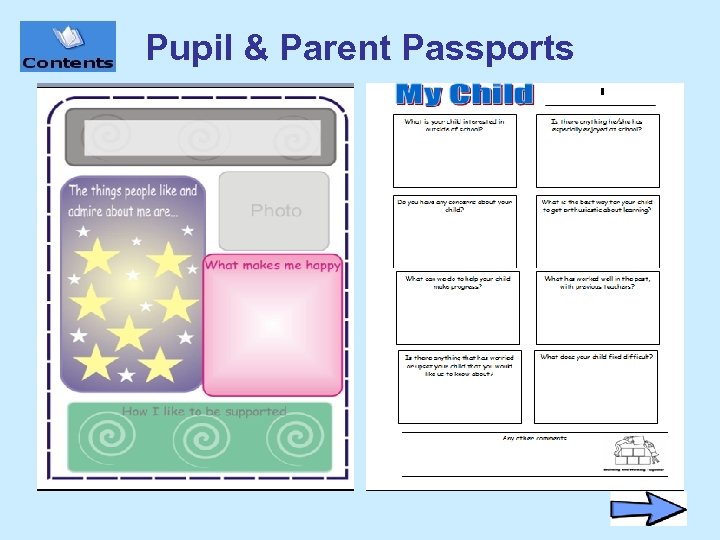 Pupil & Parent Passports
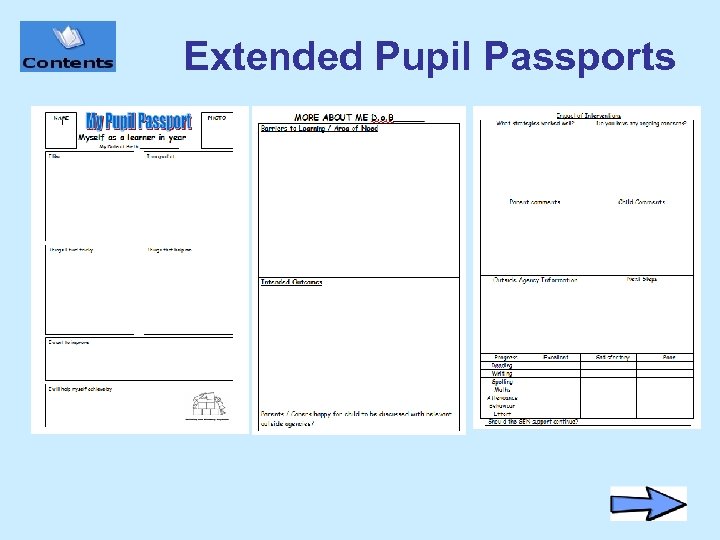 Extended Pupil Passports
 Identifying the Special Educational Needs of pupils • Where pupils’ progress is significantly slower than that of their peers, or fails to match their previous rate of progress, despite high quality first teaching targeted at specific areas of difficulty, it may be that the child has SEN-D. Information will be gathered, including seeking the views of parents and the pupil, as well as from teachers and assessments. • There can be a many reasons for learners ‘falling behind. ’ These may include absences, attending lots of different schools, difficulties with speaking English, or worries that distract them from learning. Children who experience such barriers to learning are vulnerable, but this does not mean that all vulnerable learners have SEN-D. Only those with a learning difficulty that requires special educational provision ‘additional to’ or ‘different from’ the usual differentiated curricular will be identified as having SEN-D. • Once a child is identified as having SEN-D we follow an ASSESSPLAN-DO & REVIEW cycle. This involves regular meetings with child and parent to monitor and review progress.
 Definitions Cognition and Learning Children might • Learn at a slower pace • Find the curriculum difficult • Struggle with organisation and memory • Have a specific difficulty in literacy or numeracy Communication and Interaction Children might • Struggle to talk or say what they want to • Find it hard to understand what others are saying • Find conversations and play confusing and challenging • Have a diagnosis of ASD Social, Emotional & Mental Health Difficulties Children might • Find relationships difficult • Appear withdrawn or isolated • Behave in ways that affect their learning – eg being disruptive • Do things that impact on their health and wellbeing Sensory and / or Physical Children might have a disability such as • A visual or hearing impairment • A physical difficulty Some pupils may have SEN that covers more than one of these areas
 Our SEN profile for 2016 -2017 • We have 15% (Nationally 14. 4%) of children identified as having SEN-D. This percentage is made up of the following groups: • 31% (5%of school) are identified as having SEN-D linked to Cognition and Learning (including maths, reading, writing and spelling etc. ) • 29% (4%of school) are identified as having SEN-D linked to Communication and Interaction (including speech and language difficulties and problems with social interaction) • 29% (4%of school) are identified as having SEN-D linked to Social, Emotional and Mental Health (including ADHD, ADD, Attachment Disorder, Eating Disorder, anxiety, depression and behavioural difficulties) • 11% (2%of school) are identified as having SEN-D are linked to Physical and Sensory (including disabilities such as those affecting mobility, sight and hearing) • 5% (Nationally 2. 8%)of our school population have a Statement or Educational and Health Care Plan. (31% of total children identified as having SEN-D. )10% (Nationally 11. 6%) of our school population are classified as receiving SEN Support We receive funding to support the needs of learners with SEN-D. The Sprowston Cluster also receives funding from the Local Authority which is distributed as Top up funding for learners who require support that exceeds that available to the school. (Nationally as at July 16)
 How we support SEN-D learners • • • Quality first teaching by class teacher (Wave 1) Targeted interventions (Wave 2) Specified Individual support (Wave 3) Specialist sessions run by outside agencies Cognition and Learning Support Communication and Interaction Support Social Emotional and Mental Health Support Sensory and Physical Support Assess – Plan – Do – Review EHCPs
 Quality first teaching by class teacher (Wave 1) • For your child this would mean: • That the teacher has the highest possible expectations for your child and all pupils in their class • That all teaching is built on what your child already knows, can do and can understand, your child will complete a pupil passport to show they best learn. • Different ways of teaching are in place so that your child is fully involved in learning in class, through challenge and differentiation. • Specific strategies (which may be suggested by the SENCo or outside agencies) are in place to support children to learn • That staff will let you know what your child is learning and use the Home-School Journal to make comments about successes and concerns. • Your child’s progress is constantly assessed and reviewed any gap or gaps in their understanding/learning will be identified and addressed through targets and interventions.
 Targeted interventions (Wave 2) • These may be run in the classroom or in sessions outside of whole class learning • They may be delivered by a teacher or teaching assistant • These are usually group sessions with specific targets to help them to make progress, targets are used in both group and class work • Interventions will be assessed and monitored by the school leadership team • Parents are informed when their child is in intervention groups and targets and progress are shared • Parents invited to attend sessions to share the aims and work of these groups • Pupils evaluate their work in groups after each session and as part of end of unit reviews
 Specified Individual support (Wave 3) • Some pupils will follow 1 -1 work; such as if the learner has a Statement of SEN or an Education Health and Care Plan or if they have been assessed by outside agencies • Children with Social and Emotional and Mental health needs are support by Strength to Strength programmes alongside the school’s team of pastoral TAs
 Specialist sessions run by outside agencies • This may be from services such as: – – – – – Access Through Technology Alpha Inclusion East Community Health Care Speech and Language Team Locksley Short Stay School Norfolk Early Help Norfolk Educational Psychology Service Parent Support Advisor Paediatricians Physiotherapists Point 1 Occupational Therapists School 2 School Support School Nursing Team Sprowston Cluster Social, Emotional & Mental Health Support Team Sprowston Cluster Speaking & Understanding Speech Therapy Support Strength to Strength Counsellor Virtual School Sensory Support (VSSS)
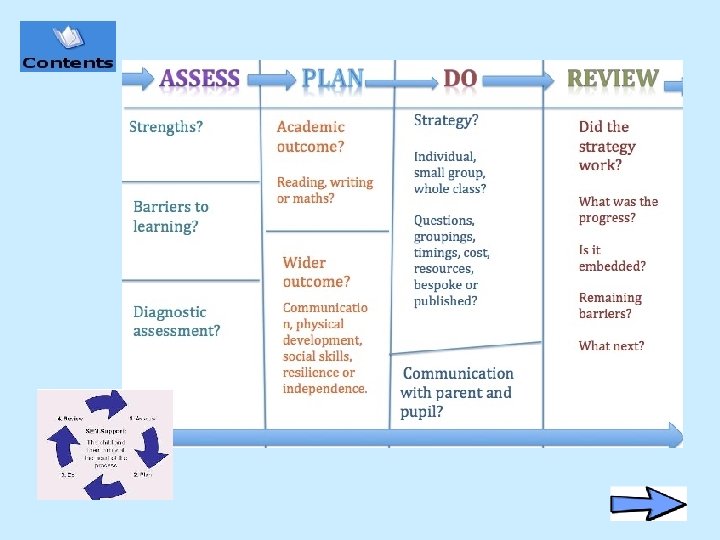
 ASSESS, PLAN, DO and REVIEW • When providing support that is additional to or different from we engage in a four stage process: ASSESS, PLAN, DO and REVIEW. • Assess – this involves taking into consideration all the information from discussions from parents or carers, the child, the teacher, support staff and a variety of assessments. • Plan – this stage identifies the barriers to learning, intended outcomes and details what additional support will be provided to help overcome the barriers. Decisions will be recorded and will form part of the parent/ teacher consultations. • Do – providing the support as set out in the plan. • Review – measuring the impact and deciding whether changes to the support will be made. We will evaluate the effectiveness of any additional support. This will be ongoing • Specific details of each level of support are given in our Provision Map - Cognition & Learning, Communication & Interaction, Social Emotional & Mental Health Difficulties and Physical & Sensory • A list of our Assessment tools is given here. Continued
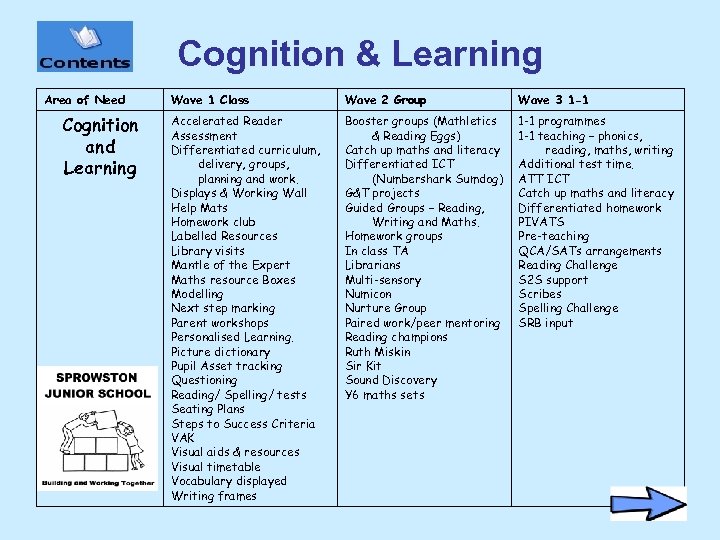 Cognition & Learning Area of Need Cognition and Learning Wave 1 Class Wave 2 Group Wave 3 1 -1 Accelerated Reader Assessment Differentiated curriculum, delivery, groups, planning and work. Displays & Working Wall Help Mats Homework club Labelled Resources Library visits Mantle of the Expert Maths resource Boxes Modelling Next step marking Parent workshops Personalised Learning. Picture dictionary Pupil Asset tracking Questioning Reading/ Spelling/ tests Seating Plans Steps to Success Criteria VAK Visual aids & resources Visual timetable Vocabulary displayed Writing frames Booster groups (Mathletics & Reading Eggs) Catch up maths and literacy Differentiated ICT (Numbershark Sumdog) G&T projects Guided Groups – Reading, Writing and Maths. Homework groups In class TA Librarians Multi-sensory Numicon Nurture Group Paired work/peer mentoring Reading champions Ruth Miskin Sir Kit Sound Discovery Y 6 maths sets 1 -1 programmes 1 -1 teaching – phonics, reading, maths, writing Additional test time. ATT ICT Catch up maths and literacy Differentiated homework PIVATS Pre-teaching QCA/SATs arrangements Reading Challenge S 2 S support Scribes Spelling Challenge SRB input
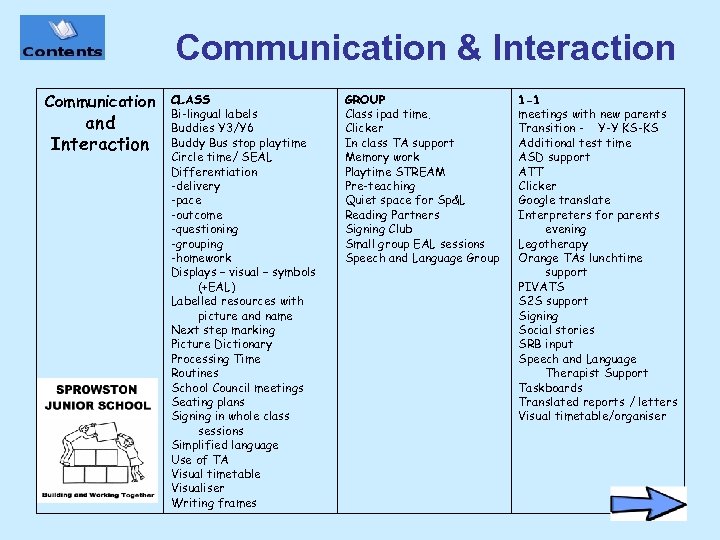 Communication & Interaction Communication and Interaction CLASS Bi-lingual labels Buddies Y 3/Y 6 Buddy Bus stop playtime Circle time/ SEAL Differentiation -delivery -pace -outcome -questioning -grouping -homework Displays – visual – symbols (+EAL) Labelled resources with picture and name Next step marking Picture Dictionary Processing Time Routines School Council meetings Seating plans Signing in whole class sessions Simplified language Use of TA Visual timetable Visualiser Writing frames GROUP Class ipad time. Clicker In class TA support Memory work Playtime STREAM Pre-teaching Quiet space for Sp&L Reading Partners Signing Club Small group EAL sessions Speech and Language Group 1 -1 meetings with new parents Transition - Y-Y KS-KS Additional test time ASD support ATT Clicker Google translate Interpreters for parents evening Legotherapy Orange TAs lunchtime support PIVATS S 2 S support Signing Social stories SRB input Speech and Language Therapist Support Taskboards Translated reports / letters Visual timetable/organiser
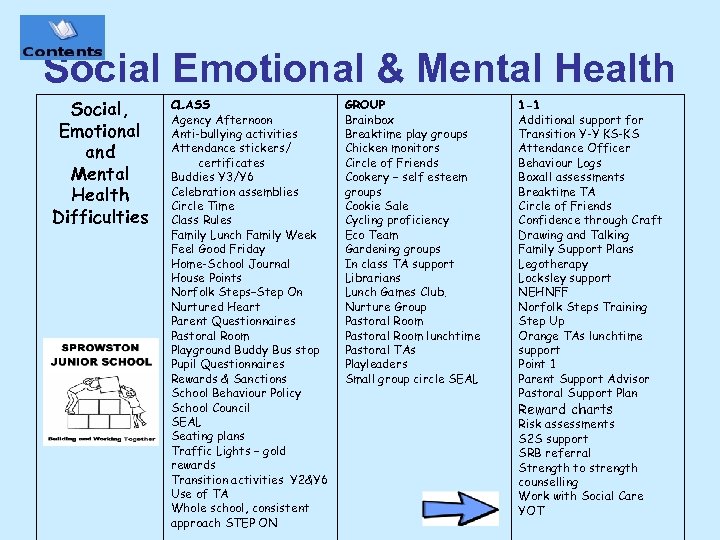 Social Emotional & Mental Health Social, Emotional and Mental Health Difficulties CLASS Agency Afternoon Anti-bullying activities Attendance stickers/ certificates Buddies Y 3/Y 6 Celebration assemblies Circle Time Class Rules Family Lunch Family Week Feel Good Friday Home-School Journal House Points Norfolk Steps–Step On Nurtured Heart Parent Questionnaires Pastoral Room Playground Buddy Bus stop Pupil Questionnaires Rewards & Sanctions School Behaviour Policy School Council SEAL Seating plans Traffic Lights – gold rewards Transition activities Y 2&Y 6 Use of TA Whole school, consistent approach STEP ON GROUP Brainbox Breaktime play groups Chicken monitors Circle of Friends Cookery – self esteem groups Cookie Sale Cycling proficiency Eco Team Gardening groups In class TA support Librarians Lunch Games Club. Nurture Group Pastoral Room lunchtime Pastoral TAs Playleaders Small group circle SEAL 1 -1 Additional support for Transition Y-Y KS-KS Attendance Officer Behaviour Logs Boxall assessments Breaktime TA Circle of Friends Confidence through Craft Drawing and Talking Family Support Plans Legotherapy Locksley support NEHNFF Norfolk Steps Training Step Up Orange TAs lunchtime support Point 1 Parent Support Advisor Pastoral Support Plan Reward charts Risk assessments S 2 S support SRB referral Strength to strength counselling Work with Social Care YOT
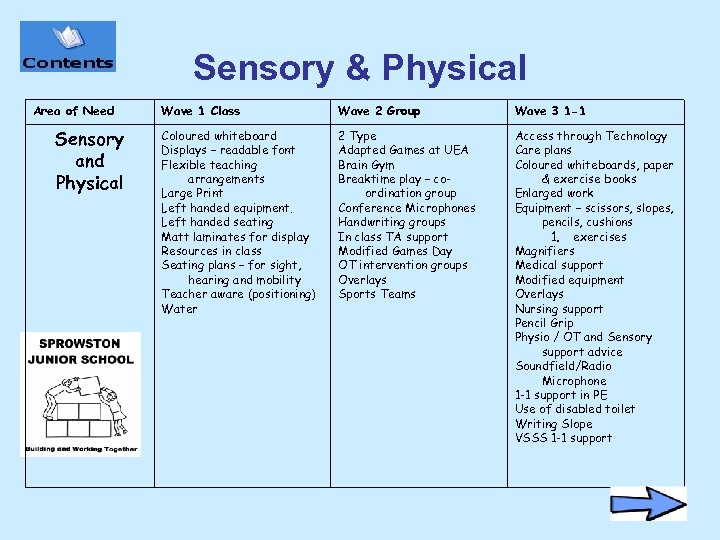 Sensory & Physical Area of Need Sensory and Physical Wave 1 Class Wave 2 Group Wave 3 1 -1 Coloured whiteboard Displays – readable font Flexible teaching arrangements Large Print Left handed equipment. Left handed seating Matt laminates for display Resources in class Seating plans – for sight, hearing and mobility Teacher aware (positioning) Water 2 Type Adapted Games at UEA Brain Gym Breaktime play – coordination group Conference Microphones Handwriting groups In class TA support Modified Games Day OT intervention groups Overlays Sports Teams Access through Technology Care plans Coloured whiteboards, paper & exercise books Enlarged work Equipment – scissors, slopes, pencils, cushions 1. exercises Magnifiers Medical support Modified equipment Overlays Nursing support Pencil Grip Physio / OT and Sensory support advice Soundfield/Radio Microphone 1 -1 support in PE Use of disabled toilet Writing Slope VSSS 1 -1 support
 Assessment used at Sprowston Junior • • • British Picture Vocabulary Scale (BPVS) PITA –Point in Time Assessment Ravens Coloured Matrices Salford Reading Sandwell Maths SWRT Single Word Reading Test SWRT Single Word Level Spelling Test Tomal Memory Test Ph. AB (Phonological Assessment Battery) Puma Maths
 EHCPs • While the majority of learners with SEN-D will have their needs met in this way, some may require an Education, Health and Care needs assessment to determine whether it is necessary for the Local Authority to make provision with an Education, Health and Care Plan (EHCP). • Where a child has an Education, Health and Care Plan (EHCP), there will be an annual review held in addition to the termly review meetings, taking into account the views of the child, their parent or carer, and all other professionals involved with the child.
 Roles and Responsibilities • • • The Class teacher Teaching Assistants The SENCo The Headteacher The SEN-D Governor
 The Class teacher • Responsible for: • Checking on the progress of your child and identifying, planning any additional help your child may need (this could be things like targeted work, additional support); adapting the curriculum to meet the needs of pupils with SEN-D • Writing and reviewing Pupil Progress targets with parents each term and planning for the next term. • Working with pastoral staff, SENCo and outside agencies to support your child’s individual needs • Attending reviews and meetings as requested • Ensuring that the school’s SEN-D Policy, Anti Bullying Policy, Accessibility Policy, Behaviour Policy and Single Equality Policy are followed in their classroom and for all the pupils they teach with any SEN-D.
 Teaching Assistants • Teaching Assistants work with the class teacher to identify areas of support for students with SEN-D. They attend all in school training opportunities related to SEN-D. They plan with the classteacher Their main priorities are to: • Support students to access the curriculum. • Empower students to develop effective strategies that enable them to become independent learners. • Support the implementation of differentiation and specialist support strategies in the classroom. • Observe and record achievements and concerns • Attend reviews and meetings as requested • Keep students focused on learning activities during lessons. • Deliver small group interventions.
 The SENCo • • • Responsible for: Ensuring that all members of staff working with your child in school are aware of your child’s individual needs and/or conditions and what specific adjustments need to be made to enable them to be included and make progress. Coordinating all the support for children with special educational needs or disabilities (SEN-D) Ensuring that families are – involved in supporting your child’s learning – kept informed about the support your child is getting – involved in reviewing how they are doing. Liaising with all the other people who may be coming into to school to help support your child’s learning Liaising with other schools about transition to and from the school. Providing specialist support and training for teachers and support staff so that they can help children with SEN-D in the school to achieve the best progress possible. Developing and reviewing the school’s SEN-D policy in line with Cluster Policy Writing a termly SEN-D report for governors Updating the school’s SEN-D records, ensuring that all the SEN-D needs of pupils in this school are known and making sure that records of you child’s progress and needs are kept.
 The Headteacher • Responsible for: • The day to day management of all aspects of the school, this includes the support for children with SEN-D. • The Headteacher will give responsibility to the SENCo and class teachers, but is still responsible for ensuring that your child’s needs are met. • The Headteacher must make sure that the Governing Body is kept up to date about issues relating to SEN-D.
 The SEN-D Governor • Responsible for: • Making sure that the necessary support is given for any child who attends the school, who has SEN-D. • Meeting regularly with the SENCo to evaluate the effectiveness of the School’s work with SEN-D pupils and their families.
 Recent Training 1 To Support Cognition and Learning • Accelerated Reader • Catch Up Maths • Catch Up Reading • Clicker 6 • Dyslexia Level 2 • Food Hygiene – for cooking within DT curriculum • Grammar • OCR Level 4 -Certificate for Teachers of Learners with Specific Learning Difficulties (Dyslexia) • Questioning • Ruth Miskin • Sound Discovery • Springboard Maths • Working Memory Training • • To Support Communication and Interaction Speech and Language in the Classroom Supporting EAL in Literacy Supporting Learners with ASC Understanding Speech and Language difficulties Access Through Technology laptop training Autism Champions CONTINUED
 Recent Training 2 To Support Physical and Sensory • BSL Level 1 • BSL Level 2 • BSL Intermediate • BTEC Supporting Sensory Impaired Children • First Aid • Access Through Technology laptop training • • • To Support Social and Emotional and Mental Health Attachment Theory Behaviours for Learning Certificate Course in the Theory and Practice of Nurture Groups Lego Therapy Norfolk Steps – Step Up and Step On Nurtured Heart
 Opportunities for Enrichment • At Sprowston Junior School we believe all learners are entitled to the same access to extracurricular activities, and are committed to making reasonable adjustments to ensure participation for all. • Club details are available from the school office or on the school website. • A list of clubs and activities available in the Broadland area can be found at http: //www. broadland. gov. uk/leisure_and_touris m/3551. asp#sprowston
 Preparing for Next Steps • • • Transition is a part of life for all learners, whether that involves moving to a new class or moving to a new school. We recognise that transition is an important time for all children, but especially so for a child with SEN-D Consequently, we work closely with parents, children and staff of our Infant and High Schools to ensure these transitions run as smoothly as possible. Planning for transitions will take place in the Summer Term; arrangements for transition to our school and from Sprowston Junior School to Secondary School for pupils with SEN-D will be planned according to individual need, after consultation with parents and their schools. Our cluster high school is Sprowston High, details of their local offer can be accessed here. http: //www. sprowstonhigh. school/attachments/article/189/SEN%20 Informati on%20 Report. pdf During Year 2 and Year 6, information – previously agreed with parents – will be shared with the SENCo at their previous or next school. This information will outline needs and support that has proven effective. Where possible, children will visit their new school on several occasions and, in some cases, staff from the old/new school will accompany the child on visits into our school or to their next school. Children new to the school are given a welcome pack including information about their new class. Some children moving to a new school year are also given an information sheet about their new class as needed.
 Useful Links • The Norfolk Local Offer Web site https: //www. norfolk. gov. uk/children-and-families/send-local-offer contains full information of the services available to children, young people and their families. • Regular SEN-D newsletters are available https: //www. norfolk. gov. uk/children-and-families/send-local-offer/newsviews-and-reviews/newsletters • Families can also receive support from Norfolk SEN-D Partnership http: //www. norfolksendpartnershipiass. org. uk/index. html • Sprowston Cluster SEN-D Policy / Handbook http: //www. sprowstonjunior. norfolk. sch. uk/website/special_educational_nee ds/22039
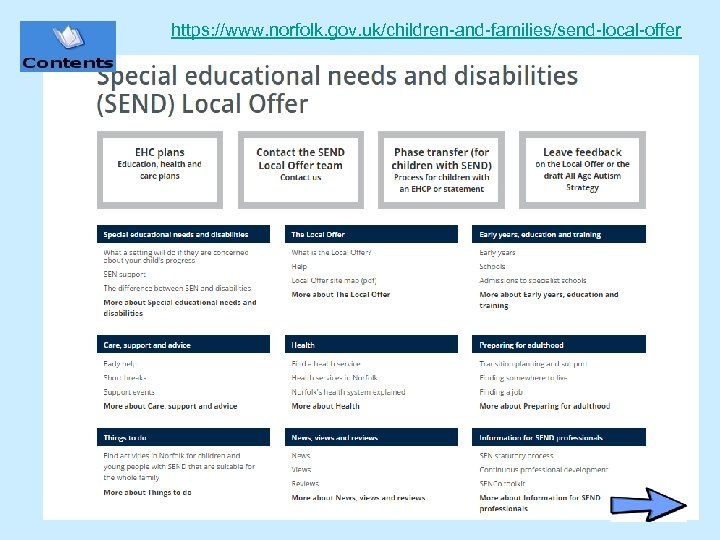 https: //www. norfolk. gov. uk/children-and-families/send-local-offer
 Contacts If you wish to discuss our SEND provision further please contact us: • SENCO - Liz Clark senco@sprowstonjunior. norfolk. sch. uk • Head - Matt Walton office@sprowstonjunior. norfolk. sch. uk • SEND Governor - Hayley Stockwell office@sprowstonjunior. norfolk. sch. uk • Cluster SEND Host - Amanda Roper aroper 7 vrq@nsix. org. uk • If you wish to make a complaint please see our Complaints Policy
 Sprowston Junior School SEN Information Report for 2016 -2017 Part of the Norfolk Local Offer for learners with Special Educational Needs (SEN-D) October 2016 - to be reviewed September 2017 written after consultation with teachers, teaching assistants, parents and governors.