


 Скачать презентацию WELCOME CPP FPC Study Group Please
3215e522629d938a2bd4ab192b0b8098.ppt
- Количество слайдов: 50
 WELCOME ! CPP / FPC Study Group Please sign in
 Questions ?
 THE EXAM ? Any Questions ? Concerns ?
 Payroll Systems & Technology
 Overview • • • Objectives of a Payroll System Integration vs. Interfacing Hardware and Software Selecting a System Implementing a System Evaluation, Security and Controls Disaster Recovery Automated Time and Attendance Self Service and the Internet
 Objectives of a Computerized Payroll System • Who are the Customers? – – The employees it pays Other departments in the company The company’s upper management The federal, state, and local government agencies to whom withheld income and employment taxes, child support payments, etc. , are paid and /or reported. • What are the needs? – – – Compliance Timely & accurate paychecks, direct deposits and other disbursements Maintain accurate records Prepare internal reports Guarantee the security of the system
 Interface or Integration? • What is an Interface? – Place where two systems meet • What is Integration? – Shared data base • What are some common interfaces? – HR/Payroll/Benefits/Time & Attendance/Banking/ – SS administration/Unemployment/Budgets/Accounting • Why have interfaces or integration? How do they improve the process? – Streamlines processes – Provides a secure database for an implementation of an employee and or manager self service application – Integration can make information more accessible and accurate.
 Hardware Choices • Service Providers – Advantages/Disadvantages – ASP – Saa. S • In-House Operations – Advantages/Disadvantages
 Selecting a System • • • Decisions to be made Building a project team Analyze system needs Define Objectives Define Requirements
 Selecting a System • Prepare an RFP/RFQ – What is an RFP? – What’s in an RFP? • Demo the system – Be thorough • Things to avoid
 Implementing • • • Preparations Training Gap Analysis Converting old data to new Testing the system Conversion
 Steps After Go-Live • • • Evaluating system performance Controls Documentation Security Disaster recovery
 The Future is Here • Automated Time & Attendance • The New Wave – ESS & MSS
 Implementing Internet Technology • Client Software • Server Software • Type of TCIP (Transmission Control Protocol/Internet Protocol)
 The End • Remember – Study hard – And if you don’t - take the test anyway • Use a study buddy – And if you don’t – take the test anyway • Practice testing over and over – And if you don’t – take the test anyway • Practice the calculations – Just do it • Try to understand the concepts.
 Managing a Payroll Department Section 13
 OVERVIEW • Basic Management Theory • Team Building • Performance Evaluations
 Basic Management Theory • Payroll Manager’s Duties – Vastly different from previous position • No longer hands on processing – Responsible for: • Planning, Staffing, Training, Evaluating, Counseling, Delegating, Recognizing, Reporting Plan Budgets, Guarantee Compliance, etc…
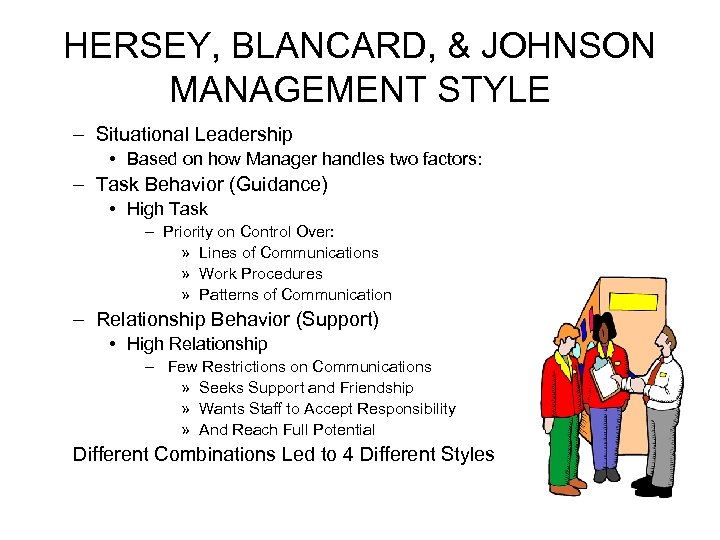 HERSEY, BLANCARD, & JOHNSON MANAGEMENT STYLE – Situational Leadership • Based on how Manager handles two factors: – Task Behavior (Guidance) • High Task – Priority on Control Over: » Lines of Communications » Work Procedures » Patterns of Communication – Relationship Behavior (Support) • High Relationship – Few Restrictions on Communications » Seeks Support and Friendship » Wants Staff to Accept Responsibility » And Reach Full Potential Different Combinations Led to 4 Different Styles
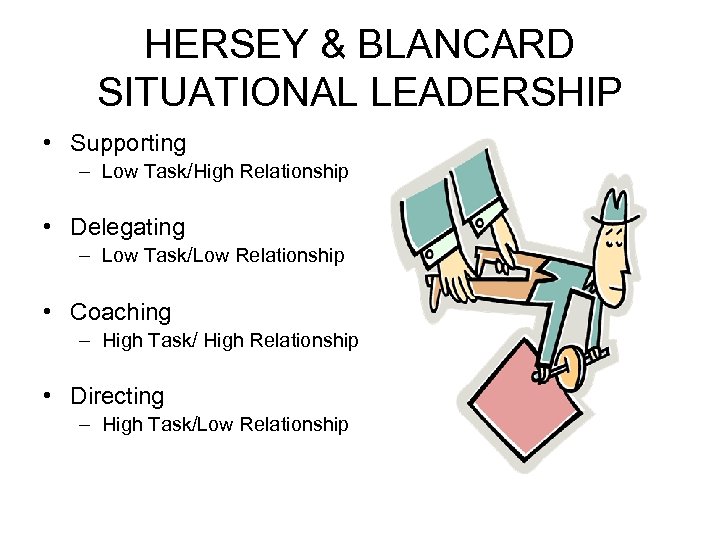 HERSEY & BLANCARD SITUATIONAL LEADERSHIP • Supporting – Low Task/High Relationship • Delegating – Low Task/Low Relationship • Coaching – High Task/ High Relationship • Directing – High Task/Low Relationship
 STEPHEN COVEY MANAGEMENT STYLE Principle -Centered Leadership - Integrity - Justice - Golden Rule
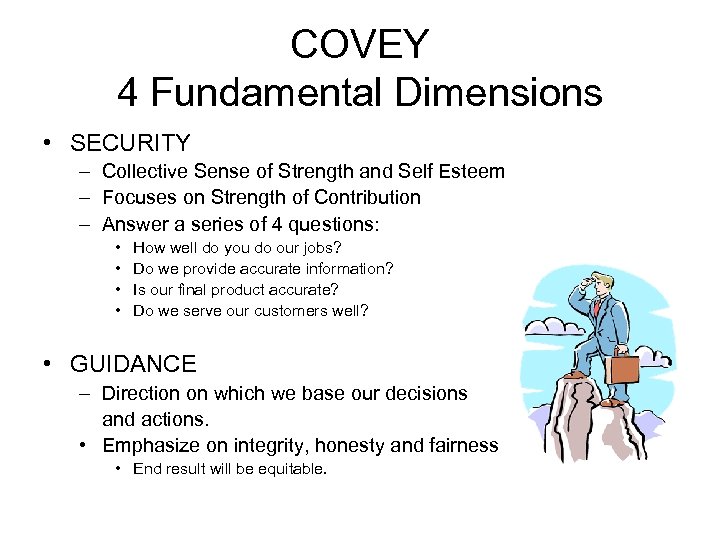 COVEY 4 Fundamental Dimensions • SECURITY – Collective Sense of Strength and Self Esteem – Focuses on Strength of Contribution – Answer a series of 4 questions: • • How well do you do our jobs? Do we provide accurate information? Is our final product accurate? Do we serve our customers well? • GUIDANCE – Direction on which we base our decisions and actions. • Emphasize on integrity, honesty and fairness • End result will be equitable.
 COVEY 4 Fundamental Dimensions Continued • WISDOM – Ability to maintain balance and perspective among diverse internal and external forces that influence the organization’s reality. – Manager must have the ability to: • Acquire, sort, filter and provide information • Maintain a high level of competence and effectiveness within department • POWER – Energy to decide, act and change – Power = To accomplish the task at hand regardless of external conditions.
 COVEY • Summary of Principle-Centered Leadership • Treat People The Way You Want To Be Treated!
 EMPOWERMENT • Empower Employees – 5 Steps to Empowerment • • • Establish Desired Result Provide Guidelines Identify Resources available Hold People Accountable Identify Consequences
 Management Skills • • • Strategic Planning/Organizing Staffing Giving Directions Controlling Progress Reporting
 Strategic Planning and Organizing • Define Goals and Objectives – Not the same as tasks • Define Timeframe – Time to complete or achieve goal • Define Subtasks – Break into subtasks with own deadlines • Analyzing Available Resources – What resources are available to achieve goal • Evaluate Costs – Budget Constraints
 STAFFING • HIRE THE RIGHT EMPLOYEE – Pre-hiring Analysis – JOB DESCRIPTION • • • Lists Duties and Responsibilities Technical and Performance Skills Educational/On Job Experience Training Opportunities Level of Supervision Required Communication and Interaction with Others – Recruiting – Interviewing – Testing - KAC
 STAFFING • Delegating… – Assign Responsibility – Assign Authority – Hold Staff Accountable – Strike a Balance • Training – Improves Skills NOT Attitudes
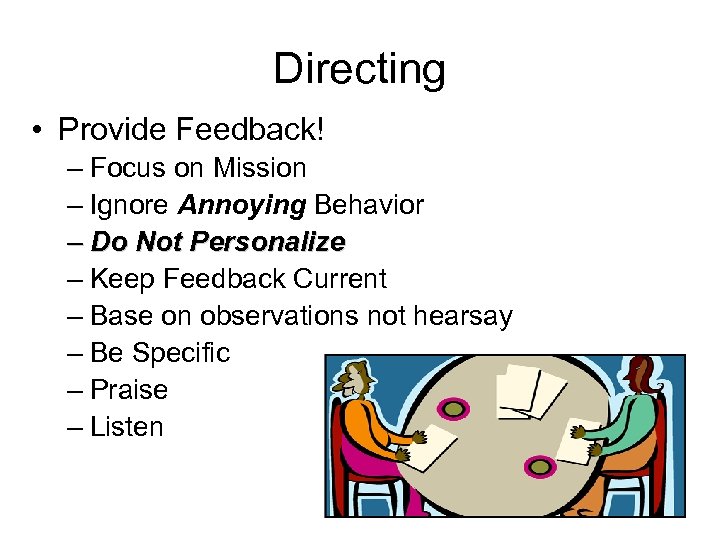 Directing • Provide Feedback! – Focus on Mission – Ignore Annoying Behavior – Do Not Personalize – Keep Feedback Current – Base on observations not hearsay – Be Specific – Praise – Listen
 Directing Continued • Coaching – Helps improve knowledge and skills – One on One Meetings – Deals with Performance • Counseling – Personal or Attitude Problems affecting job • Leadership – Provided to the Group – Vision, Support, Building Partnerships – Accepting Responsibility, Decision, Example
 Controlling Performance • CONTROLLING – – Set Standards Monitoring Actual Progress Compare Progress with Standards Taking Corrective Actions • MOTIVATING – – – Money Achievement Leadership Affiliation Recognition
 REPORTING • Types – Legislative, Labor Costs, Annual Wages – Variances, Departmental • Important Points in Reporting – Give information needed to make decision – Timely – Write Cleary and Brief – Leave out payroll jargon – Tools
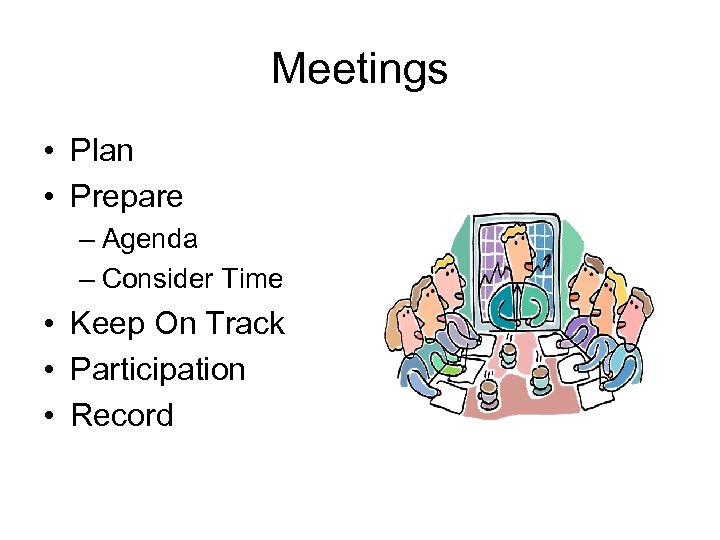 Meetings • Plan • Prepare – Agenda – Consider Time • Keep On Track • Participation • Record
 MEETINGS • TYPES – Informational • Emphasis on Presentation – Opinion Seeking • Emphasis on Questions and Opinions – Problem Solving • Agreement on best course of action – New Ideas • Brainstorming
 Written Policies and Procedure • Proper Documentation Ensures • Uniformity • Simplifies Training • Provides Reference
 CRISIS • Prevent – Proactive • Manage – Remain Calm • Lessons Learned – Successful/ Not Successful Results – Prevention for Future • Positives From Crisis – Share with your supervisor – Assess your staff under pressure – Use to build team spirit
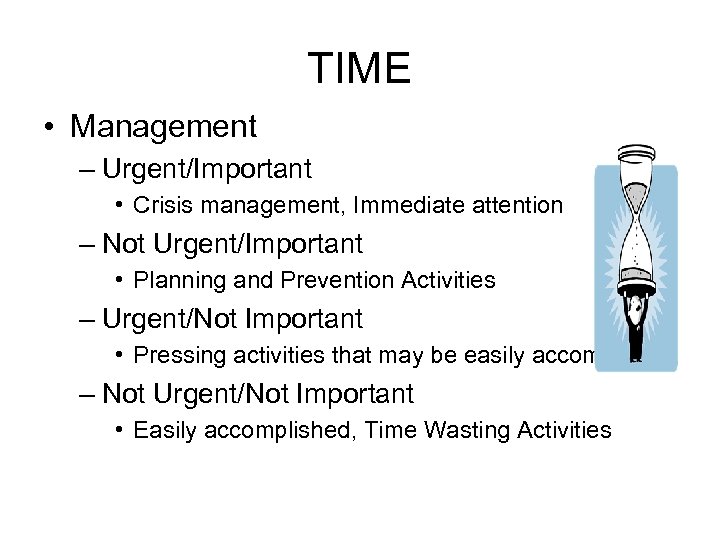 TIME • Management – Urgent/Important • Crisis management, Immediate attention – Not Urgent/Important • Planning and Prevention Activities – Urgent/Not Important • Pressing activities that may be easily accomplished – Not Urgent/Not Important • Easily accomplished, Time Wasting Activities
 Team Building • Characteristics of a Successful Team – Clear specific goals – Relaxed and Open atmosphere – Listening without Judging – All are responsible – Networks that can be shared – Diversity
 TEAMS • 4 STAGES OF DEVELOPMENT 13 -24 – – Forming Storming Norming Performing • NEEDED DIVERSITY – – Contributors Collaborators Communicators Challengers
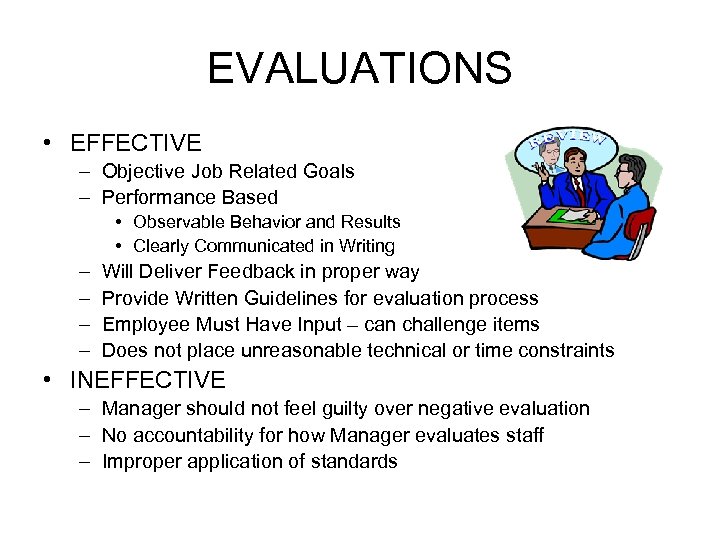 EVALUATIONS • EFFECTIVE – Objective Job Related Goals – Performance Based • Observable Behavior and Results • Clearly Communicated in Writing – – Will Deliver Feedback in proper way Provide Written Guidelines for evaluation process Employee Must Have Input – can challenge items Does not place unreasonable technical or time constraints • INEFFECTIVE – Manager should not feel guilty over negative evaluation – No accountability for how Manager evaluates staff – Improper application of standards
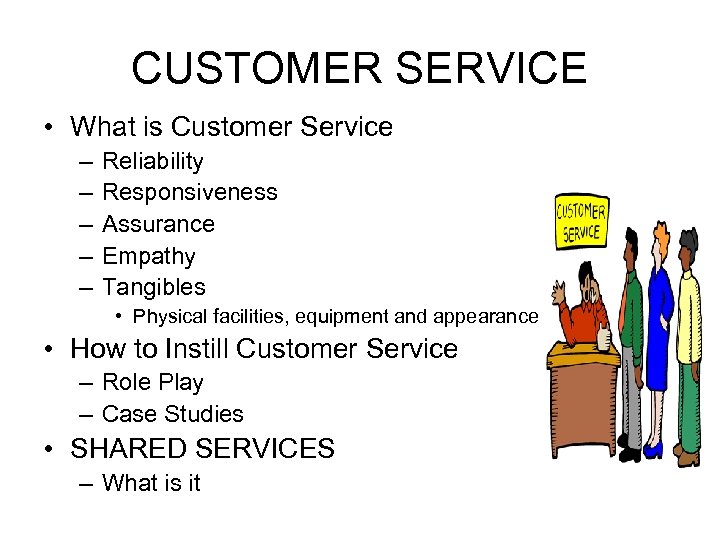 CUSTOMER SERVICE • What is Customer Service – – – Reliability Responsiveness Assurance Empathy Tangibles • Physical facilities, equipment and appearance • How to Instill Customer Service – Role Play – Case Studies • SHARED SERVICES – What is it
 Laws/Regulations/Policies • • Internal Revenue Code American Payroll Association Congressional Record SSA Web Site State Government Newsletters Employment Law and Regs – FLSA Issues, Garnishments, FMLA • Payroll Websites – http: //www. westmichiganapa. org/ • Company Policy and Procedures
 UNION • Contracts – – – Dues Fringe Benefits Layoffs Wage Increases Probationary Employees Overtime/Premium Pay • Maintain Copy • Read • Establish – Procedures – Schedules
 Questions ?
 It’s Test Time !
 BREAK TIME
 Discussion Time Any questions on: q Prior Topics q Topic this week
 Next Class September 8 th Section 14 and Roundtable Bring your questions and concerns
 Final Class • Last class will be held on September 15 th • 100 Question Exam – Different from Pretest