 Скачать презентацию We know little about Austen She was known
lecture 8- 2014.ppt
- Количество слайдов: 83




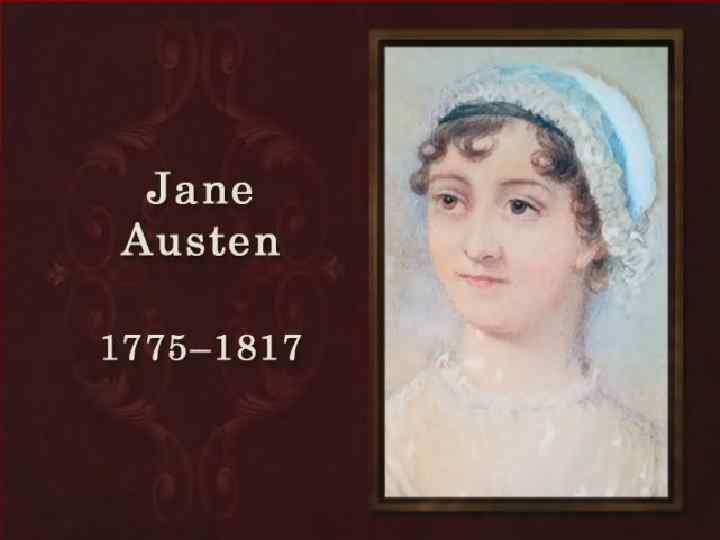
We know little about Austen. She was known only as “a Lady. ” n n n grew up in a house wealthy enough to not be poor, but poor enough not to be wealthy was raised in a respectable clergyman’s family and never really left home. started out writing to amuse her friends and family composed her narratives and read aloud early drafts to her family, whose responses, particularly those of her brothers, mattered to her. Austen seems not to have held fierce views on the rights of women. She accepted the world into which she had been born and the status of women within it.
The themes n How to get married? n Should a woman marry for love or for interest, prudently, that is, with an eye toward finances? But also n What is it to be grown up? n What is it to be morally mature? n How does one become the kind of person who can deal with the complicated issues of life?
n Sense and Sensibility (1811) n Pride and Prejudice (1813) n Mansfield Park (1814) n Emma (1815) n Northanger Abbey (1818, posthumous) n Persuasion (1818, posthumous) (
n Austen believed that the novel could help readers mature; it could serve as a moral instructor, with a similar role as the weekly sermons the author would have heard in church.
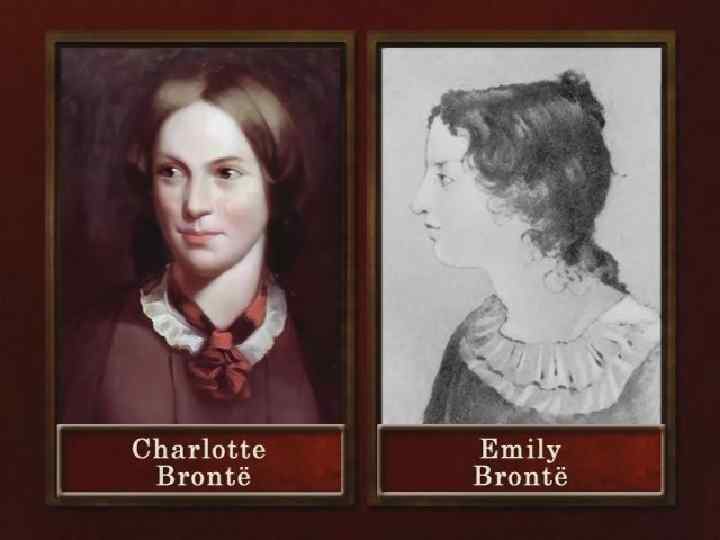
n Patrick Prunty - in Northern Ireland n was born into a poor farming family, but he showed remarkable intellectual abilities and, in 1802, began attending Cambridge University n 1798 - bloody uprisal in Ireland - the English viewed the Irish with mistrust Patrick prudently changed his name to Brontë n 1820 - the Reverend Patrick Brontë – Haworth, Yorkshire
n Charlotte, Emily, Anne and their brother Branwell n sent to a boarding school (Elizabeth and Maria died) n a good library - composed long sagas around various superheroes, including Nelson, Wellington, Byron, and Napoleon n Emily and Charlotte - held various teaching jobs
Poems n Currer (Charlotte) Bell n Ellis (Emily) Bell n Acton (Anne) Bell
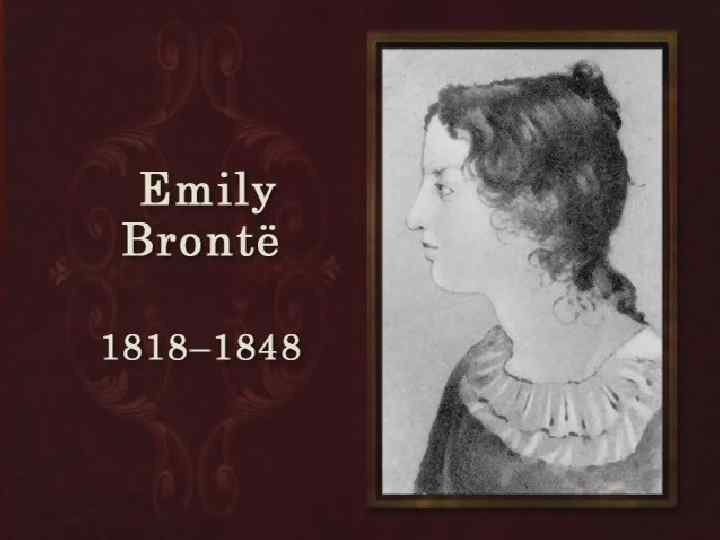
Prose n Charlotte / Currer Bell – Jane Eyre: An Autobiography (1847) Shirley, Villette, The Professor n Emily Brontë – Wuthering Heights (1847) – disaster!! n Anne Brontë - The Tenant of Wildfell Hall
Jane Eyre n Jane's poor treatment in the Reed household (Gateshead) n school in Lowood (typhus), teacher n tutor for a young French girl named Adele, who has no parents and a mysteriously absent guardian named Mr. Rochester (Bertha) n clergyman St. John ('Sinjin) and his two sisters, Mary and Diana n 'Reader, I married him. '
Jane Eyre n A female version of the Buildungroman n “to develop myself as I am” – to take all that is potential in me and bring it to the full maturation, to actualize my potential n 19 th century offered no advancement for women – social horizons are limited n The heroine becomes a cultural hero, a transformer of wild nature into smth humane. n Ghost, elements of fairy-tale
Wuthering Heights -1 half – full of Romantic values Passion Intuition Subjectivity Natural world – an attempt to merge with the powers of nature Love – so strong that it can destroy the person and continue on beyond death Gothic elements – suspense, mystery and supernatural
Nature vs Civilization n Catherine – Heathcliff n Thrushcross Grange – Edgar & Isabella Linton
n Heathcliff – Byronic hero – moody, passionate, superior, absolutely autonomous and isolated from other people

The Victorian Period 1837 -1901
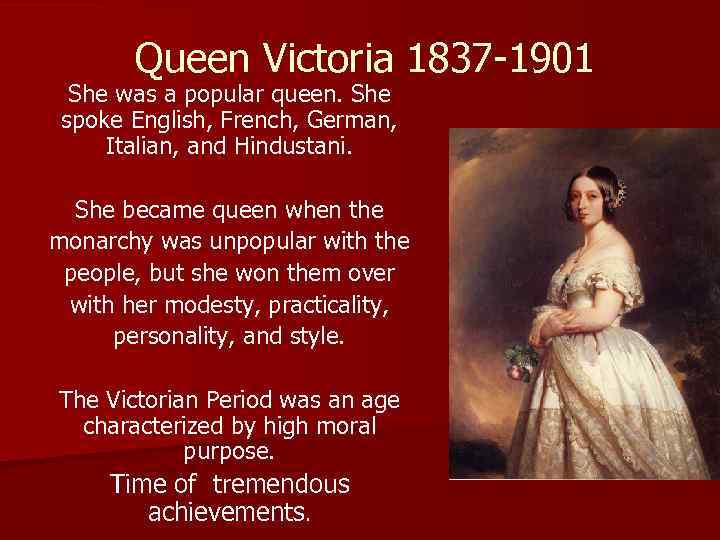
Queen Victoria 1837 -1901 She was a popular queen. She spoke English, French, German, Italian, and Hindustani. She became queen when the monarchy was unpopular with the people, but she won them over with her modesty, practicality, personality, and style. The Victorian Period was an age characterized by high moral purpose. Time of tremendous achievements.
England during her reign n Industrial Revolution was at its height, a period of social, economic and technological change. Population doubled creating a demand for housing, food and clothing.
n “The sun never sets on the British Empire. ” n England was a imperial nation gaining control of countries around the world. n During Victoria’s reign, 25% of the world’s population, was part of the British Empire. Imperialism: policy of extending a nation’s authority by acquiring territory or by dominating their politics and economy.
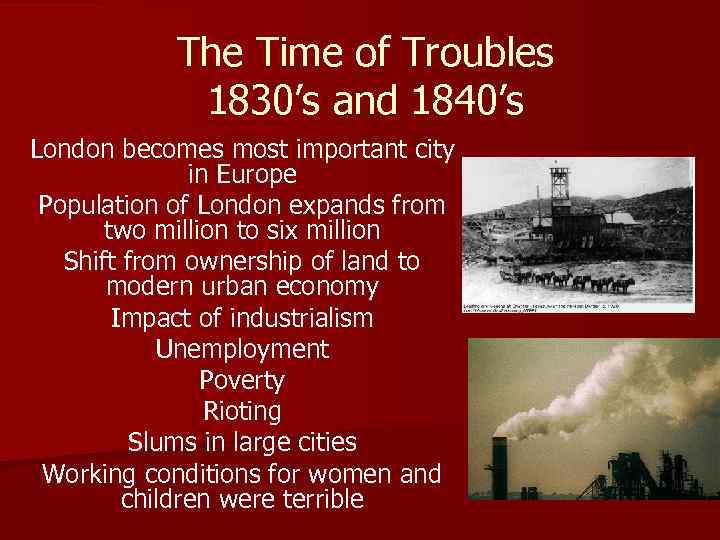
The Time of Troubles 1830’s and 1840’s London becomes most important city in Europe Population of London expands from two million to six million Shift from ownership of land to modern urban economy Impact of industrialism Unemployment Poverty Rioting Slums in large cities Working conditions for women and children were terrible
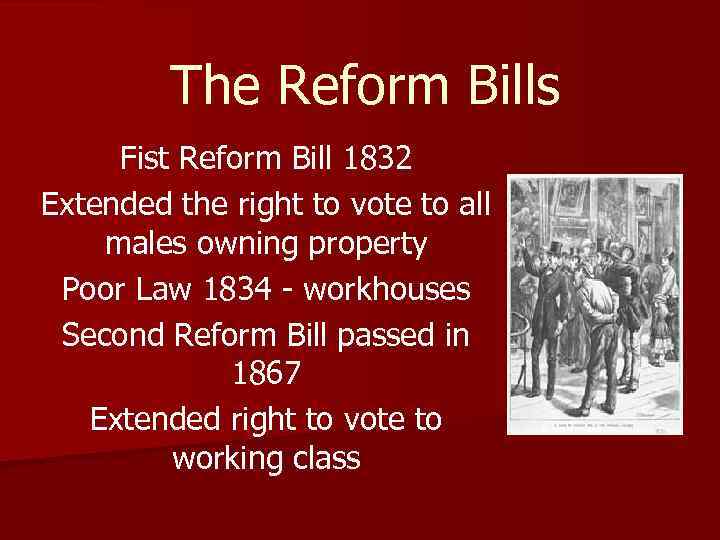
The Reform Bills Fist Reform Bill 1832 Extended the right to vote to all males owning property Poor Law 1834 - workhouses Second Reform Bill passed in 1867 Extended right to vote to working class
The Mid-Victorian Period 1848 -1870 A time of prosperity A time of improvement A time of stability A time of optimism
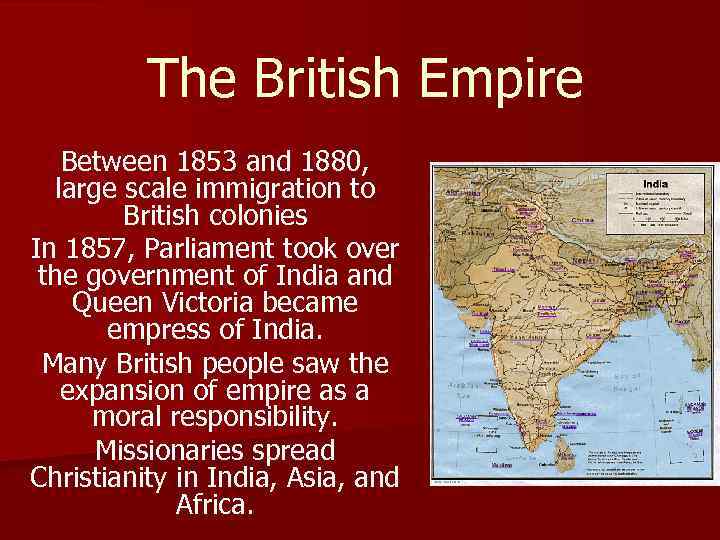
The British Empire Between 1853 and 1880, large scale immigration to British colonies In 1857, Parliament took over the government of India and Queen Victoria became empress of India. Many British people saw the expansion of empire as a moral responsibility. Missionaries spread Christianity in India, Asia, and Africa.
The Late Victorian Period 1870 -1901 Decay of Victorian values British imperialism – the Boer War in South Africa Bismarck's Germany became a rival power United States became a rival power Economic depression led to mass immigration Irish question – Home Rule Bill
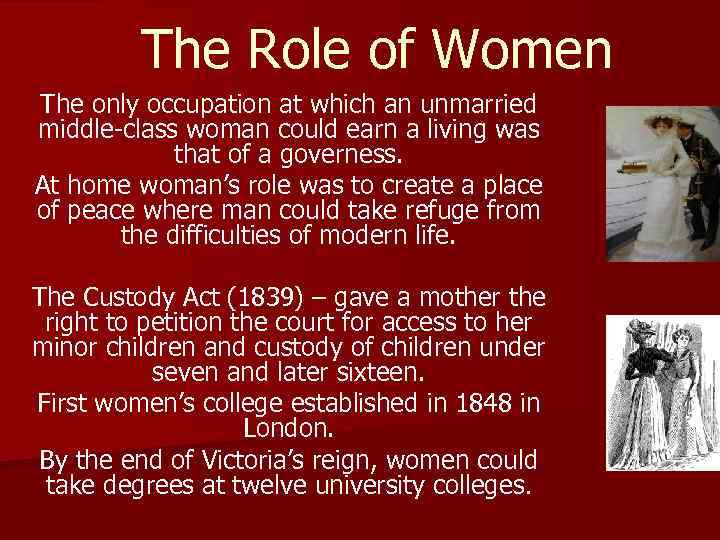
The Role of Women The only occupation at which an unmarried middle-class woman could earn a living was that of a governess. At home woman’s role was to create a place of peace where man could take refuge from the difficulties of modern life. The Custody Act (1839) – gave a mother the right to petition the court for access to her minor children and custody of children under seven and later sixteen. First women’s college established in 1848 in London. By the end of Victoria’s reign, women could take degrees at twelve university colleges.
Literacy, Publication, and Reading By the end of the century, literacy was almost universal. Compulsory national education required to the age of ten. Growth of the periodical, + cheap newspapers aimed at a popular market Novels and short fiction were published in serial form. The reading public expected literature to illuminate social problems.
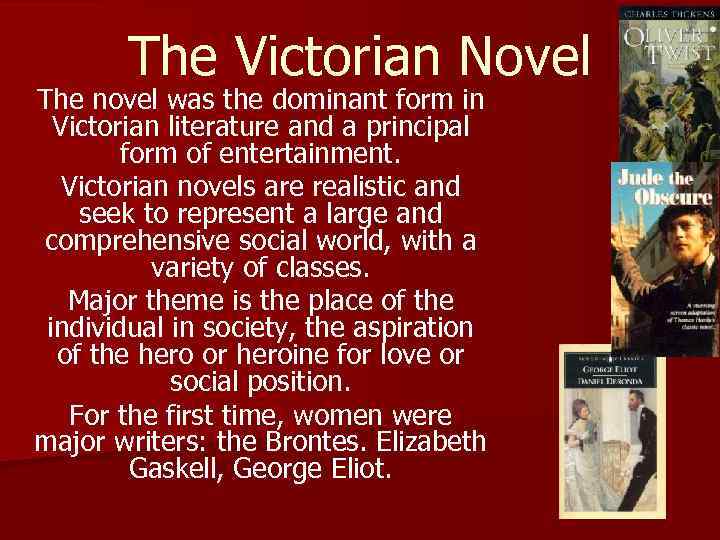
The Victorian Novel The novel was the dominant form in Victorian literature and a principal form of entertainment. Victorian novels are realistic and seek to represent a large and comprehensive social world, with a variety of classes. Major theme is the place of the individual in society, the aspiration of the hero or heroine for love or social position. For the first time, women were major writers: the Brontes. Elizabeth Gaskell, George Eliot.
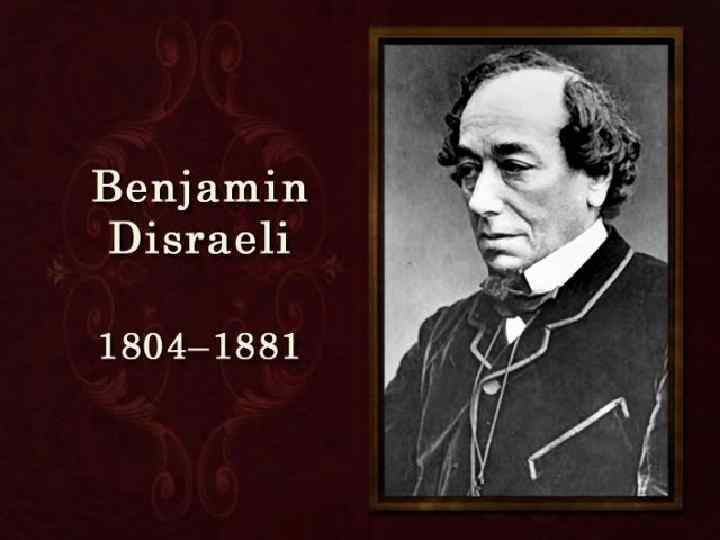
1830 -1840 s social-problem novels: Elizabeth Gaskell - “Manchester” novels - harsh portrait of industrial life Benjamin Disraeli – the Young England trilogy (two Britains: the rich & the poor) Bronte sisters (Charlotte, Emily, Ann) – blend of the Gothic & psychological insight Charles Dickens - comic, social conscience, humanity George Eliot – portrays small-town England, its values and social system Thomas Hardy – poet & novelist William Thackeray – satire on fashionable society Antony Trollope – comic novels Wilkie Collins - mystery
Literature of the 1840 s Europe - a second wave of revolution In England - trade depression threw millions into unemployment a spectacular growth of one branch of English literature, the realistic, or as the Victorians called it, the matter-of-fact novel. What direction was the country taking? Benjamin Disraeli used the novel to define a political program.
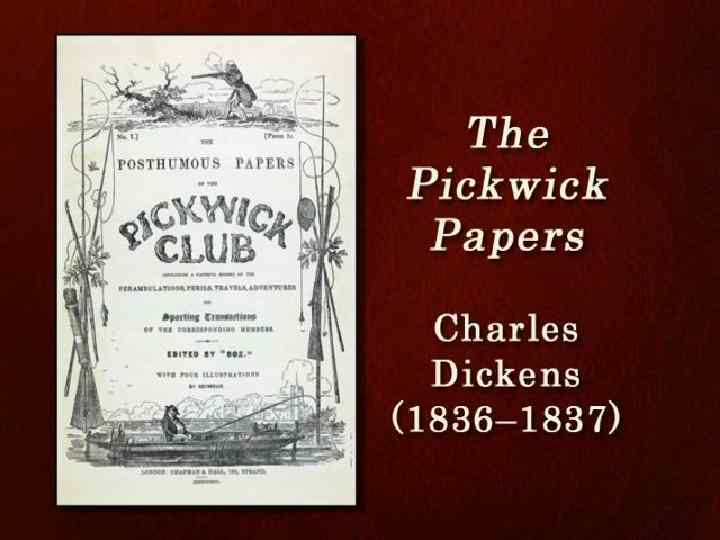
The main factors in the remarkable flowering of the novel in the 1840 s the reading public was greatly enlarged the great circulating libraries were founded cheap reprints, which made fiction accessible for relatively small amounts of money the railway & the age of steam transport !!!!! ‘Boz’
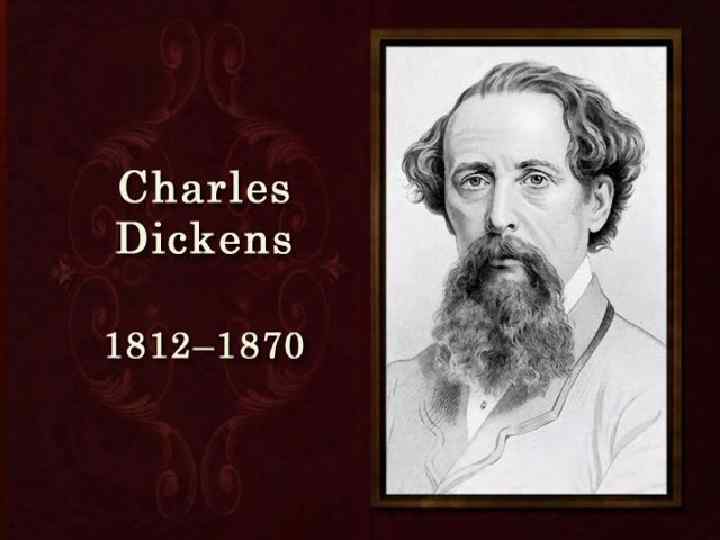
Dickens’ Biography Born February 7, 1812 1824 - Dickens worked at Warren’s Blacking Warehouse 1824 - Mr. Dickens (Charles’ father) taken to debtors’ prison; family joins him Imprisoned from February – May Charles, 15, becomes law clerk and freelance writer
Dickens’ mission, “the Great Inimitable” the novel as an instrument of political and social reform - to make England a better England: to cast light on current abuses, hardheartedness, and the epidemic malaise of the time (focus particularly
1836 -- Sketches by Boz 1837 -- The Pickwick Papers 1837 -- Oliver Twist 1843 -- A Christmas Carol 1844 -- Martin Chuzzlewit 1844 -- The Chimes 1845 -- The Cricket on the Hearth 1846 -- The Battle of Life 1846 -- Dombey and Son 1850 -- David Copperfield 1853 -- Bleak House 1853 -- A Child’s History of England 1854 -- Hard Times 1857 -- Little Dorrit 1859 -- A Tale of Two Cities 1861 -- Great Expectations 1865 -- Our Mutual Friends 1869 -- The Mystery of Edwin Drood (unfinished)
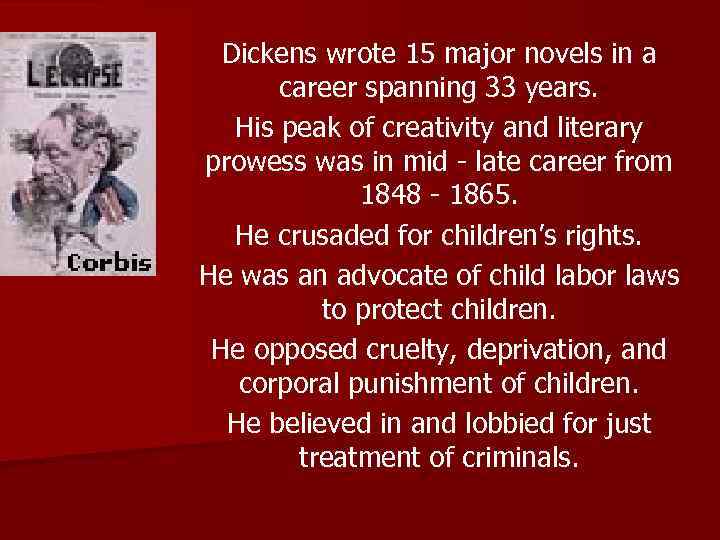
Dickens wrote 15 major novels in a career spanning 33 years. His peak of creativity and literary prowess was in mid - late career from 1848 - 1865. He crusaded for children’s rights. He was an advocate of child labor laws to protect children. He opposed cruelty, deprivation, and corporal punishment of children. He believed in and lobbied for just treatment of criminals.
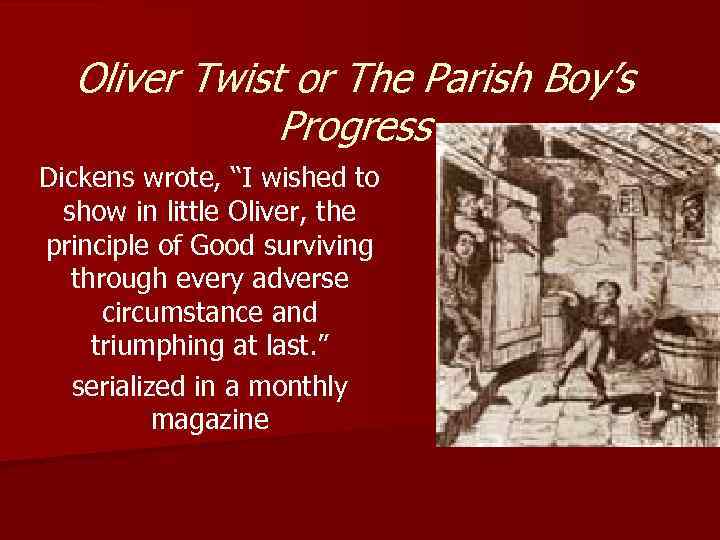
Oliver Twist or The Parish Boy’s Progress Dickens wrote, “I wished to show in little Oliver, the principle of Good surviving through every adverse circumstance and triumphing at last. ” serialized in a monthly magazine
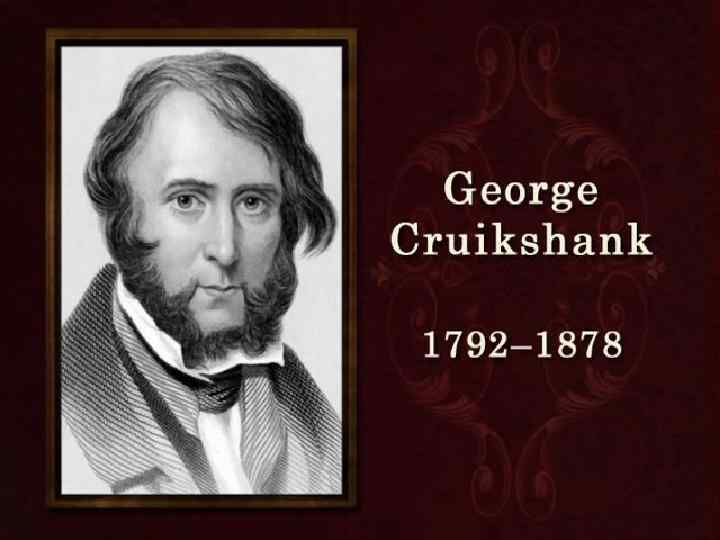
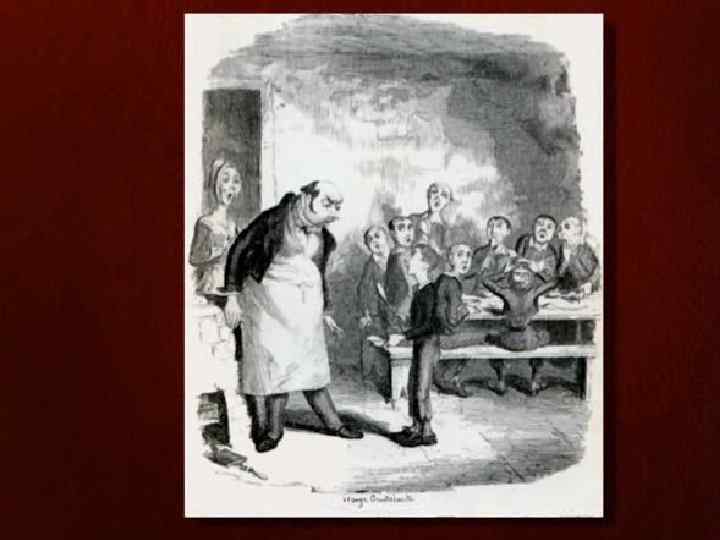
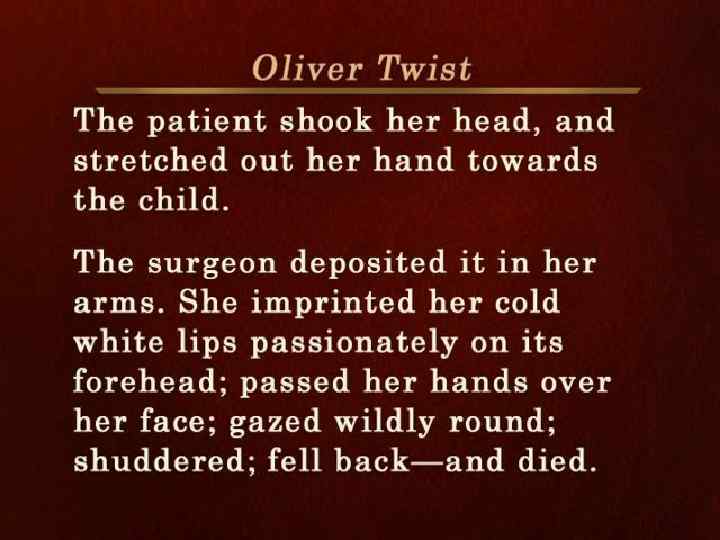
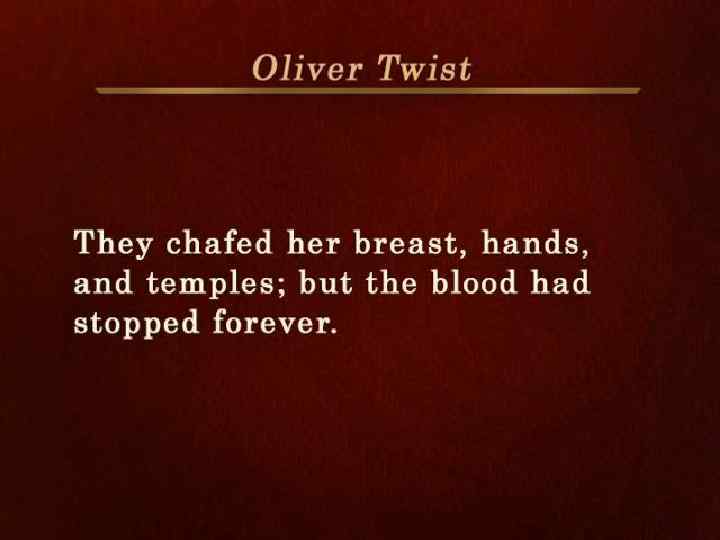
Oliver Twist The hero of his novel is a child (suffering child). The Victorians were unaccustomed to fiction that inhabited the child’s universe or showed the world from the child’s perspective. pure melodrama, (Victorians loved it!! particularly melodramatic death scenes)
In addition, He protested a greedy, uncaring, materialistic society through such works as A Christmas Carol, which Dickens called “a sledgehammer” he used figuratively to wake up the reading public He repeatedly used satire to highlight problems in his society
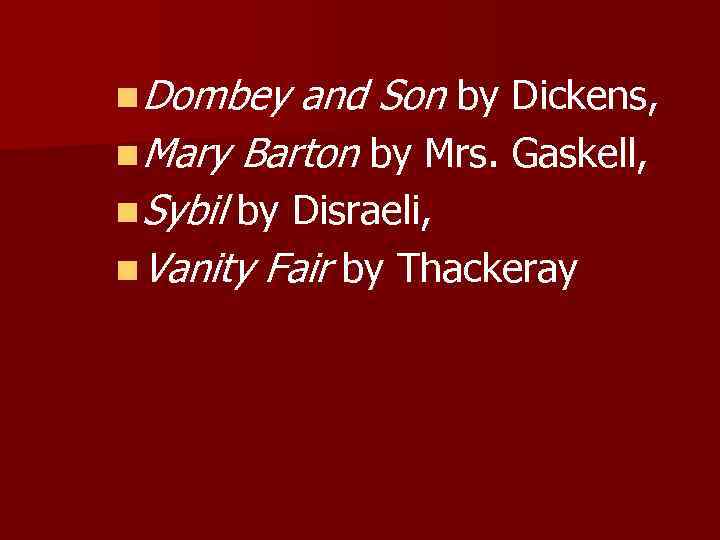
n Dombey and Son by Dickens, n Mary Barton by Mrs. Gaskell, n Sybil by Disraeli, n Vanity Fair by Thackeray
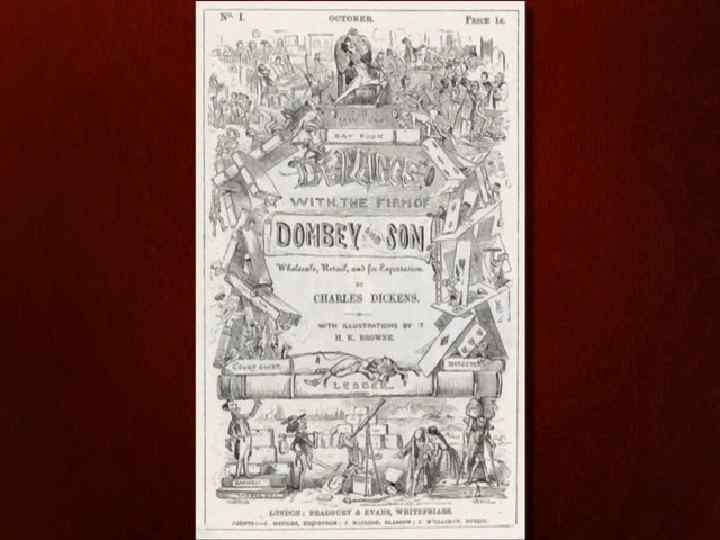
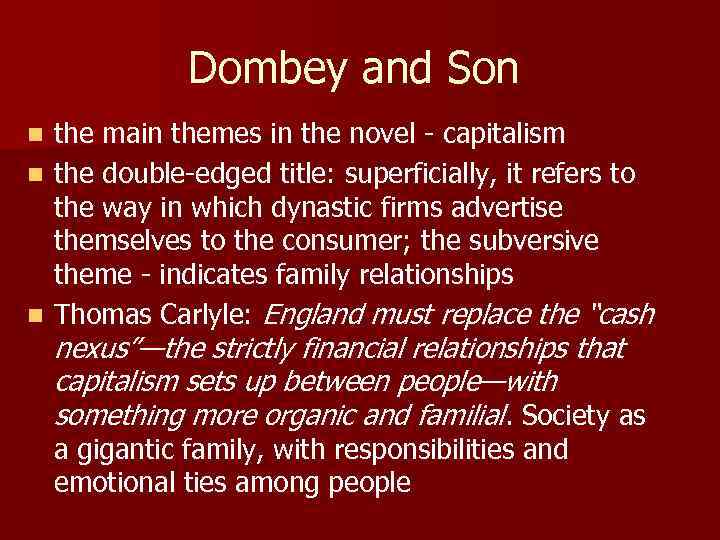
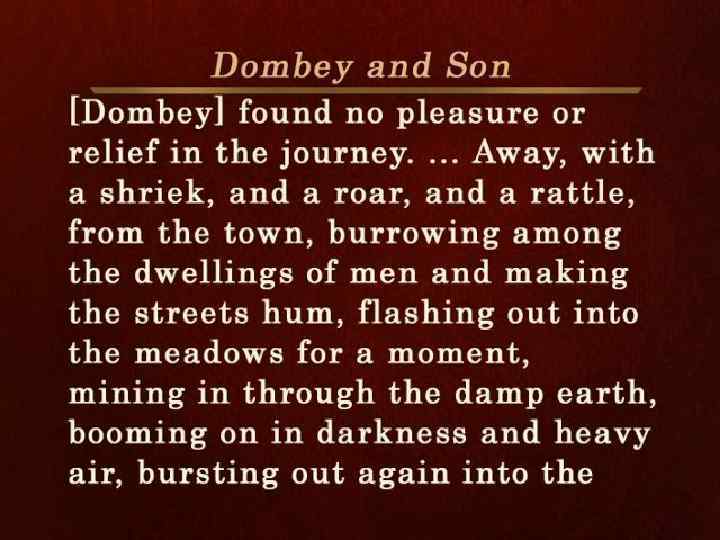
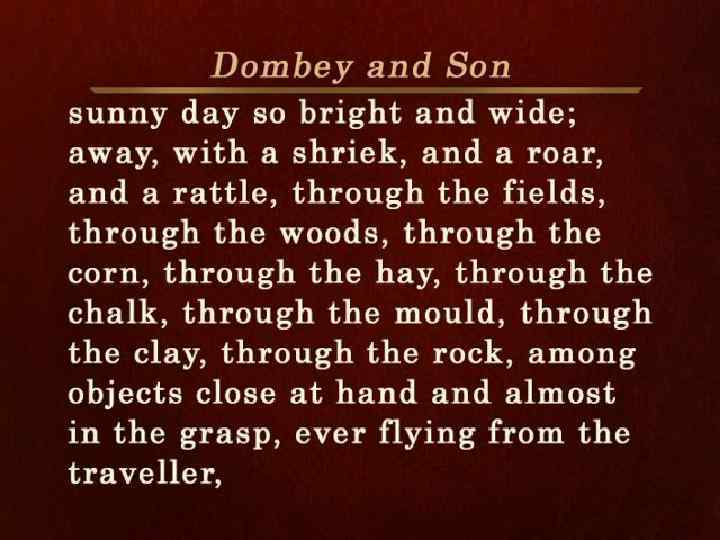
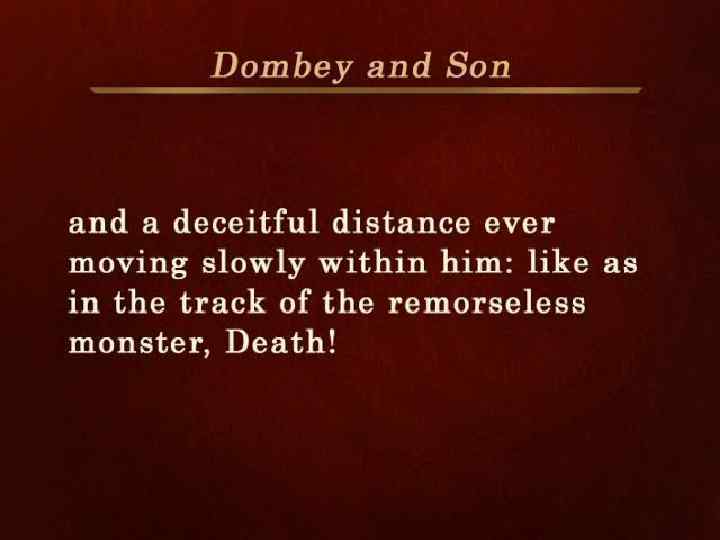
Dombey and Son the main themes in the novel - capitalism n the double-edged title: superficially, it refers to the way in which dynastic firms advertise themselves to the consumer; the subversive theme - indicates family relationships n Thomas Carlyle: England must replace the “cash n nexus”—the strictly financial relationships that capitalism sets up between people—with something more organic and familial. Society as a gigantic family, with responsibilities and emotional ties among people
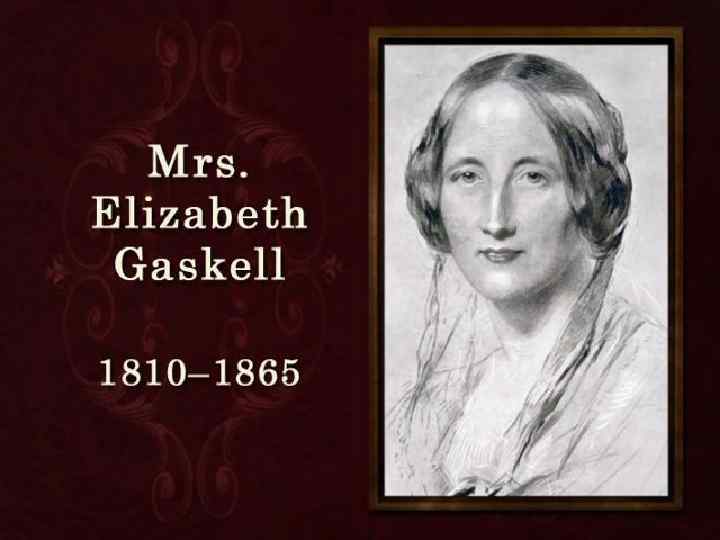
Mary Barton: A Manchester Story n n n deals with the events of 1840 s (trade depression hits) from the working class point of view: John Barton is a mill worker thrown out of work and his wife dies. joins a trade union and goes on the Chartist demonstration to London. returns to Manchester embittered. He takes to opium and, finally, murders the son of a factory owner, an act of class revenge. Melodramatic, powerful depictions of poverty.
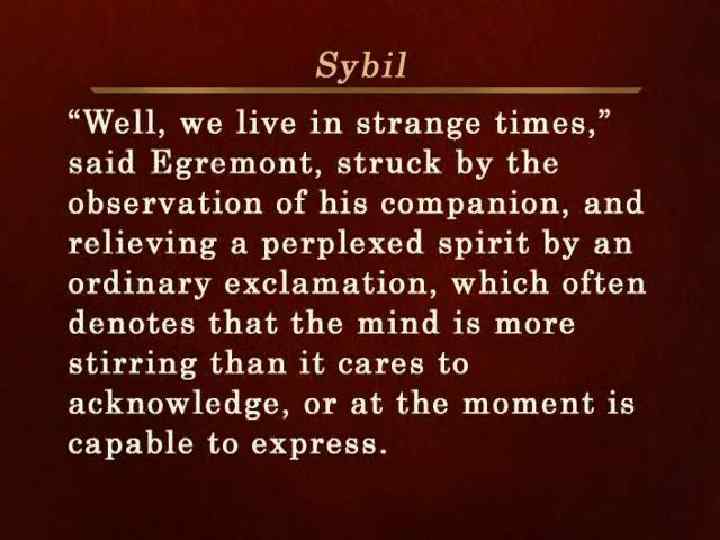
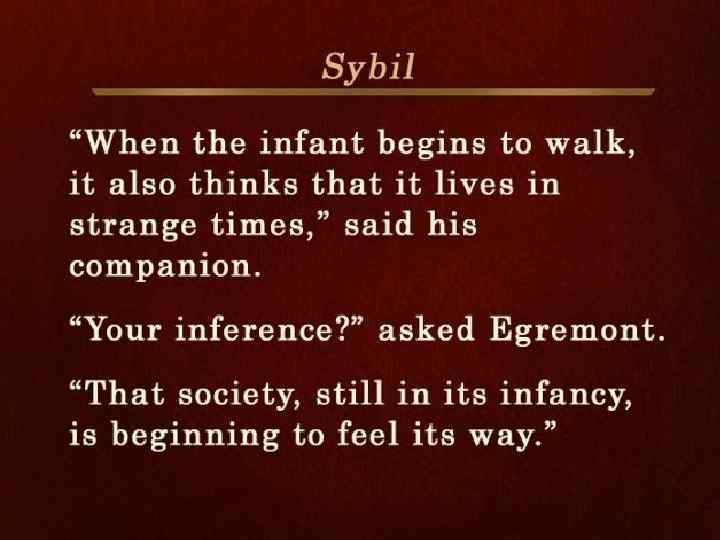
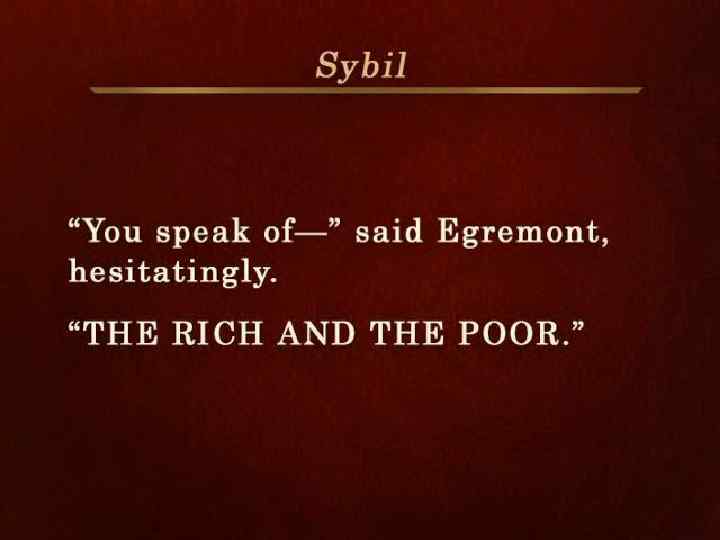
Sybil, or the Two Nations n social problem novel n the middle segment in the Young England trilogy, in which Disraeli outlined his political philosophy n the industrial north, the great Chartist rebellion n the need for radical change in the British class structure
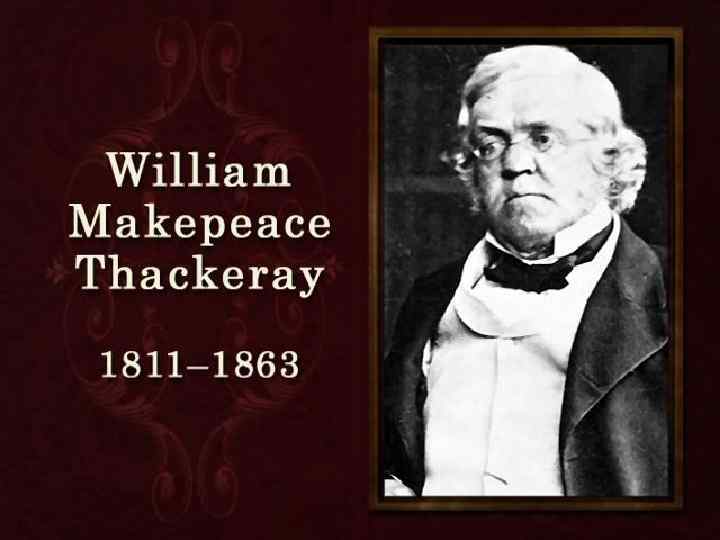
Vanity Fair the title refers to all of England the century up to the mid-1840 s n two heroines: Becky Sharp, clever, astute, and criminal & Amelia Sedley, not clever, but a good woman. n a satirical portrait of an England permeated with snobbery: “Ours is a ready money society. ” But it is also one that is distorted by the class system. n n The novel is not merely entertaining; it instructs us in how to live our lives well.

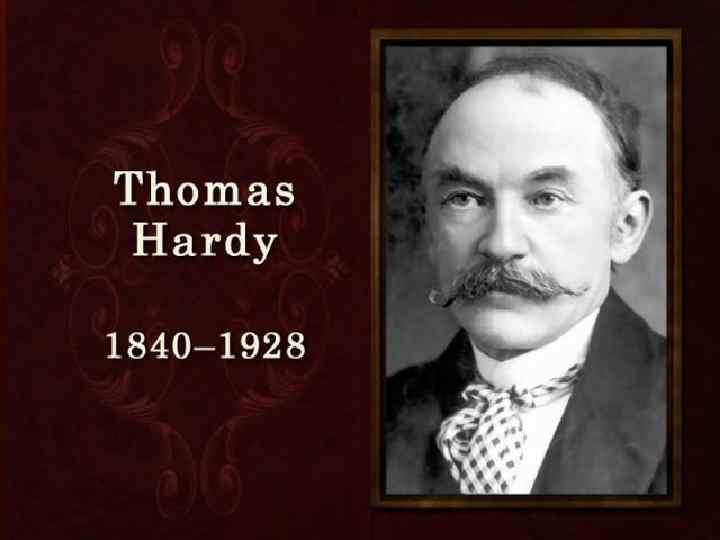
“Grand Old Man of English literature, towering over his fellow writers” n a great national writer as well as a regional writer n born in a village called Little Bockhampton in the county of Dorset, the heart of what he would later call Wessex (the West Saxon region, known as the breadbasket of England, the Corn Laws 1846 ) n n n n a great novelist and a great poet 1860 s - late 1890 s – fiction (are quintessentially of the 19 th century, not Victorian though, not in pursuit of the standards of morality) The Return of the Native Tess of the d’Urbervilles Jude the Obscure From the turn of the century until his death, he was principally a poet (poetry properly belongs in the Modern period )

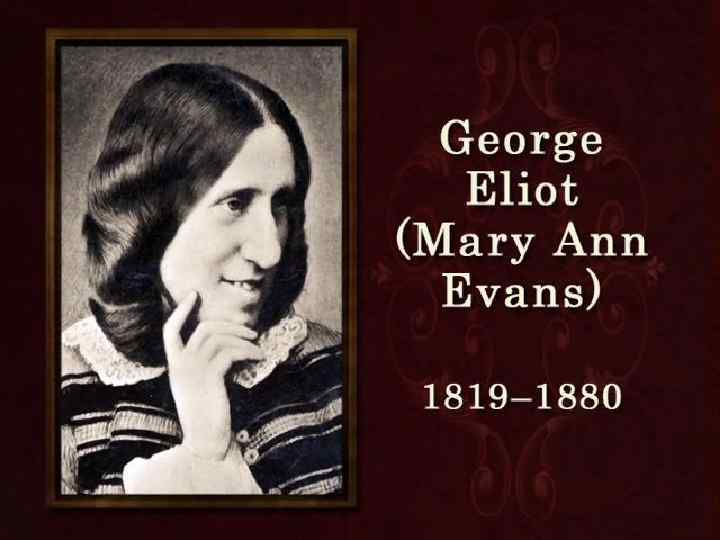
George Eliot n n n n born and brought up in the environs of Coventry, Warwickshire Eliot’s father was an estate manager access to a good library self-taught, became the leading woman intellectual of her time taught herself foreign languages and entered theological disputes of the time, notably what was called “higher criticism, ” theory that the Bible was metaphorically rather than literally true first major literary effort - the translation from the German of David Strauss’s Life of Jesus Eliot moved to London and became a leading journalist
George Eliot n n n 1857 - short stories, published in Blackwood’s Magazine under the title Scenes of Clerical Life Novel Adam Bede - 1859 in three volumes. The novel is set at the turn of the 19 century during the Methodist revival Middlemarch; Felix Holt, the Radical - a study of early trade unionism and proletarian revolt; Romola - a historical novel, set in the Florence of the time of the fierce moralist Savonorala; Daniel Deronda - a complex study of marriage, morality
n Eliot: novels could, like religion, make us better people, and for this reason, they were necessary. Fiction has the power to dissolve egotism and make us more sympathetic to our fellow human beings. n mission of fiction - higher than mere entertainment - to engage in moral reflection
Middlemarch: A Study of Provincial Life published initially in eight bimonthly parts over the years 1871 to 1872 and, subsequently, as four massive volumes n Middlemarch is the name of an imaginary town, based on Coventry, in the period of the late 1820 s to early 1830 s n two main plotlines: medical scientist’s - called Lydgate, Dorothea Brooke’s - a young idealist who dreams of being a helpmeet to genius n Eliot asks: How can society be made better? n And her answer is: not by passing bills to allow people to vote but by making people better. n Virginia Woolf - Middlemarch was the first novel in English for “grown-ups, ” meaning for morally mature adults n
Скачать презентацию We know little about Austen She was known
lecture 8- 2014.ppt