 Скачать презентацию We bring it all together integrating experiment theory
L1.pptx
- Количество слайдов: 12



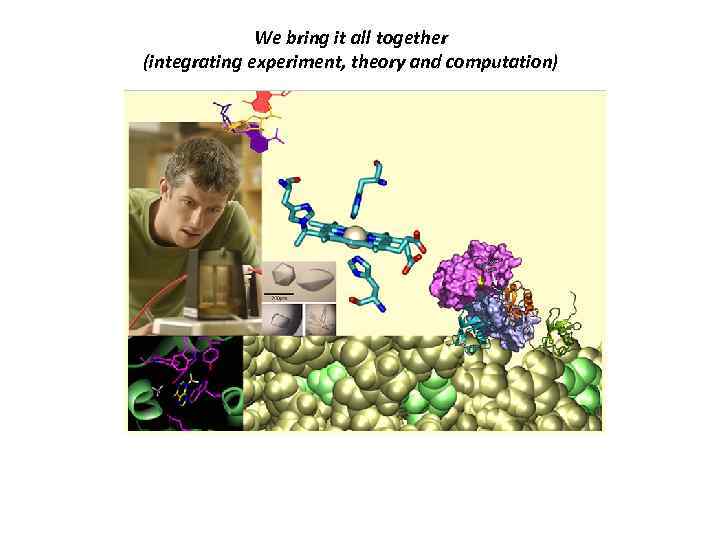
We bring it all together (integrating experiment, theory and computation)
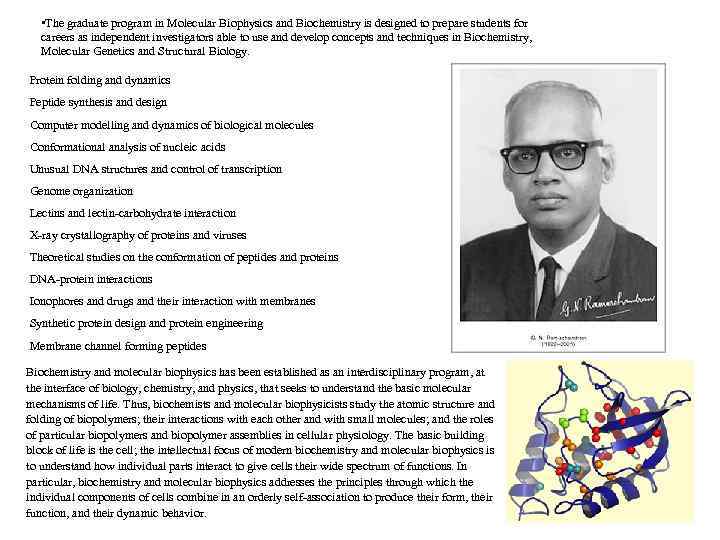
• The graduate program in Molecular Biophysics and Biochemistry is designed to prepare students for careers as independent investigators able to use and develop concepts and techniques in Biochemistry, Molecular Genetics and Structural Biology. Protein folding and dynamics Peptide synthesis and design Computer modelling and dynamics of biological molecules Conformational analysis of nucleic acids Unusual DNA structures and control of transcription Genome organization Lectins and lectin-carbohydrate interaction X-ray crystallography of proteins and viruses Theoretical studies on the conformation of peptides and proteins DNA-protein interactions Ionophores and drugs and their interaction with membranes Synthetic protein design and protein engineering Membrane channel forming peptides Biochemistry and molecular biophysics has been established as an interdisciplinary program, at the interface of biology, chemistry, and physics, that seeks to understand the basic molecular mechanisms of life. Thus, biochemists and molecular biophysicists study the atomic structure and folding of biopolymers; their interactions with each other and with small molecules; and the roles of particular biopolymers and biopolymer assemblies in cellular physiology. The basic building block of life is the cell; the intellectual focus of modern biochemistry and molecular biophysics is to understand how individual parts interact to give cells their wide spectrum of functions. In particular, biochemistry and molecular biophysics addresses the principles through which the individual components of cells combine in an orderly self-association to produce their form, their function, and their dynamic behavior.
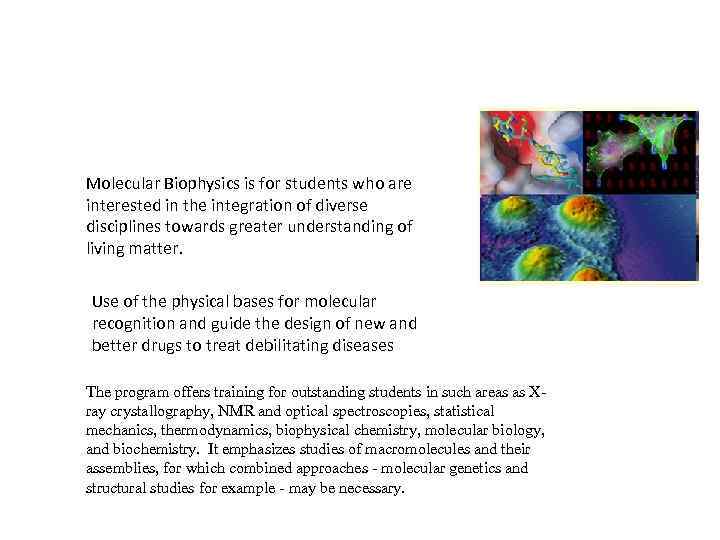
Molecular Biophysics is for students who are interested in the integration of diverse disciplines towards greater understanding of living matter. Use of the physical bases for molecular recognition and guide the design of new and better drugs to treat debilitating diseases The program offers training for outstanding students in such areas as Xray crystallography, NMR and optical spectroscopies, statistical mechanics, thermodynamics, biophysical chemistry, molecular biology, and biochemistry. It emphasizes studies of macromolecules and their assemblies, for which combined approaches - molecular genetics and structural studies for example - may be necessary.
Елементарний хімічний склад живих організмів: • Органогенні елементи O, C, H, N (98 % хімічного вмісту клітини) • Макроелементи K, S, Cl, P, Ca, Mg, Na, Fe, • Мікроелементи I, Co, Mn, Cu, Zn • Ультрамікроелементи Pb, Br, Ag, Au

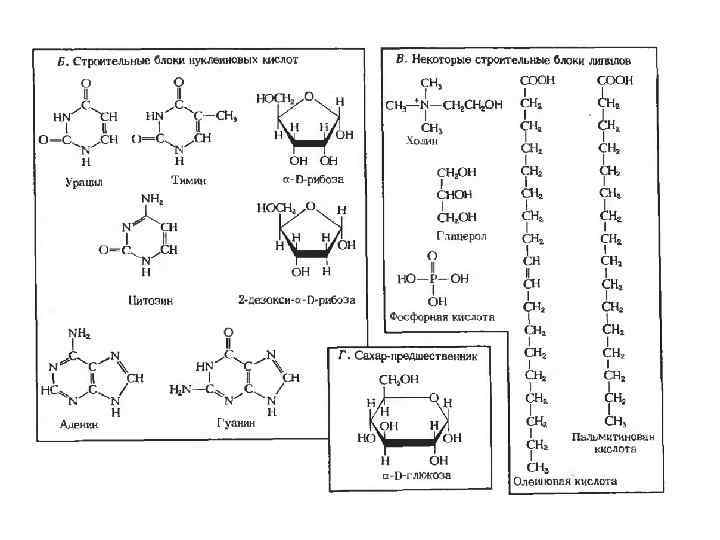
Органічні сполуки – речовини, скелети яких представляють собою ковалентно-звя’зані атомами вуглецю

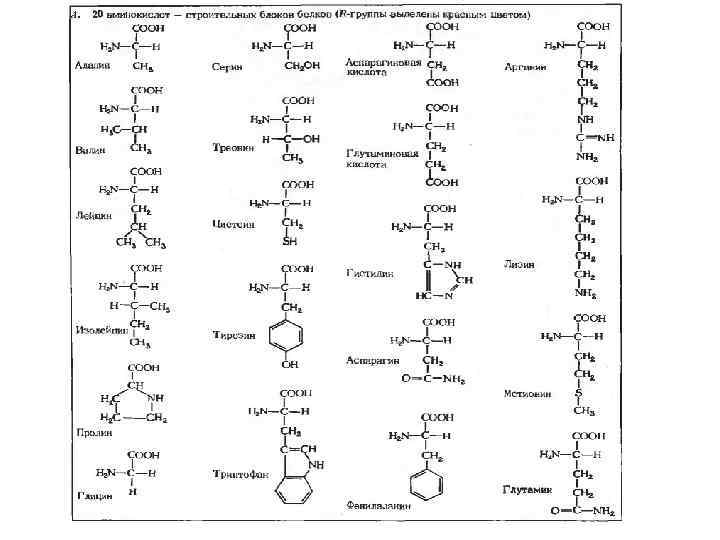
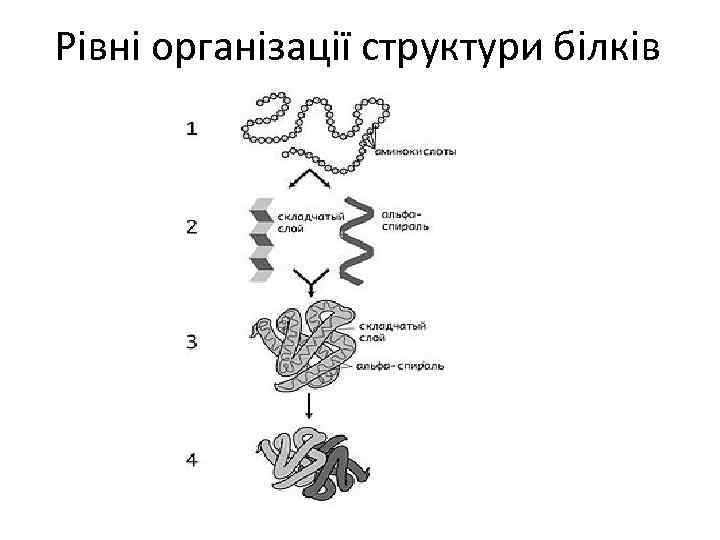
Рівні організації структури білків
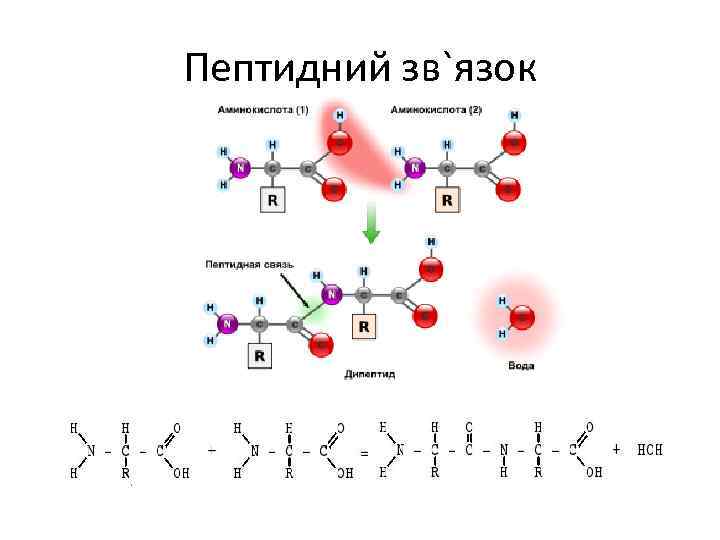
Пептидний зв`язок
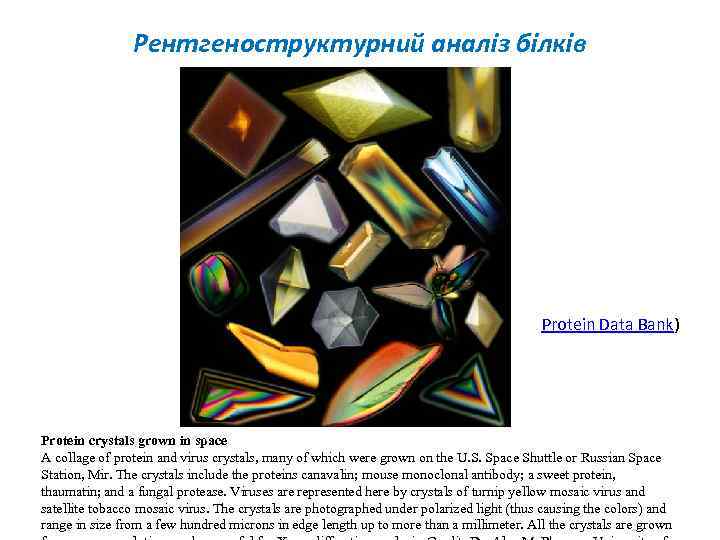
Рентгеноструктурний аналіз білків Protein Data Bank) Protein crystals grown in space A collage of protein and virus crystals, many of which were grown on the U. S. Space Shuttle or Russian Space Station, Mir. The crystals include the proteins canavalin; mouse monoclonal antibody; a sweet protein, thaumatin; and a fungal protease. Viruses are represented here by crystals of turnip yellow mosaic virus and satellite tobacco mosaic virus. The crystals are photographed under polarized light (thus causing the colors) and range in size from a few hundred microns in edge length up to more than a millimeter. All the crystals are grown
• Процедура расшифровки структуры этим методом является сложным и дорогостоящим процессом, включающим в себя: а) выделение и очистку белка; б) кристаллизацию очищенного белка; в) рентгеноструктурный эксперимент; г) компьютерную расшифровку структуры белка.
Скачать презентацию We bring it all together integrating experiment theory
L1.pptx