


 Скачать презентацию Waxing of Horticultural Produce Dr Ron Porat Dept
caf6b585508b839746555fe81dad36c9.ppt
- Количество слайдов: 58
 Waxing of Horticultural Produce Dr. Ron Porat Dept. of Postharvest Science of Fresh Produce ARO, The Volcani Center, Bet Dagan, Israel
 Waxing (coating) fruits and vegetables is used to: 1) Enhance shine 2) Reduce water loss and shrinkage 3) Retard ripening 4) Provide a carrier for application of chemicals (fungicides, plant growth regulators, etc. ).
 The term “wax” once referred only to beewax, but now is used for any substance with wax-like properties. Waxes may consist solids derived from plant materials (carnauba, candelilla, and wood rosin), insect excretions (shellac, beewax), or petroleum products (paraffin, polyethylene, mineral oil).
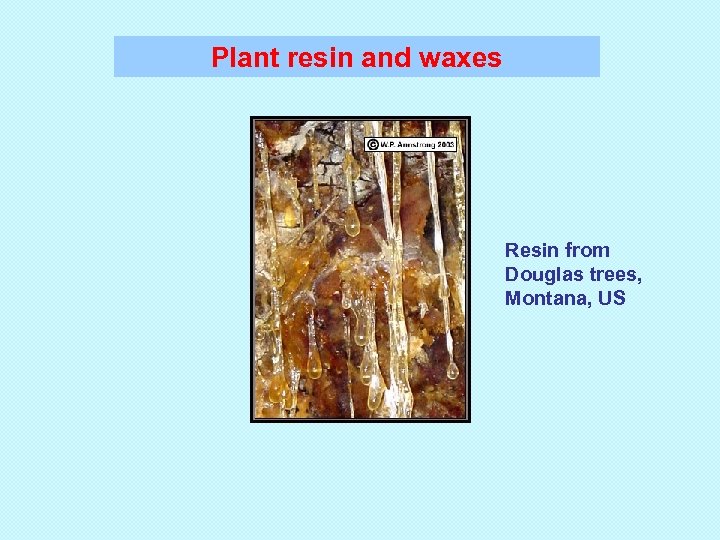 Plant resin and waxes Resin from Douglas trees, Montana, US
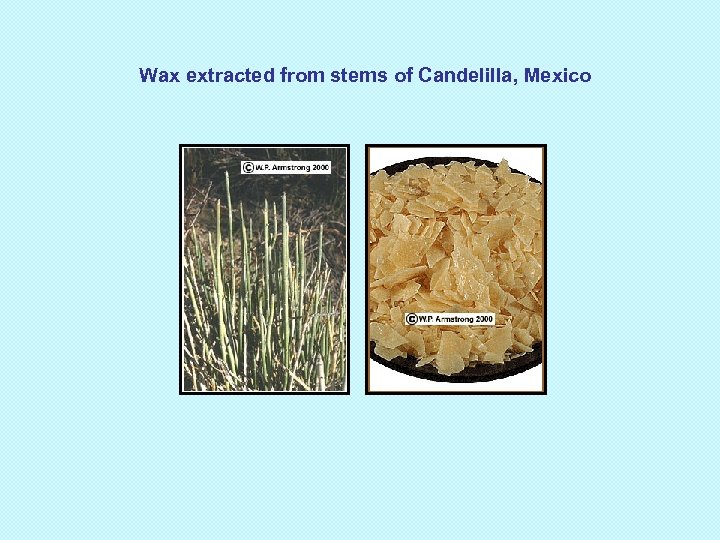 Wax extracted from stems of Candelilla, Mexico
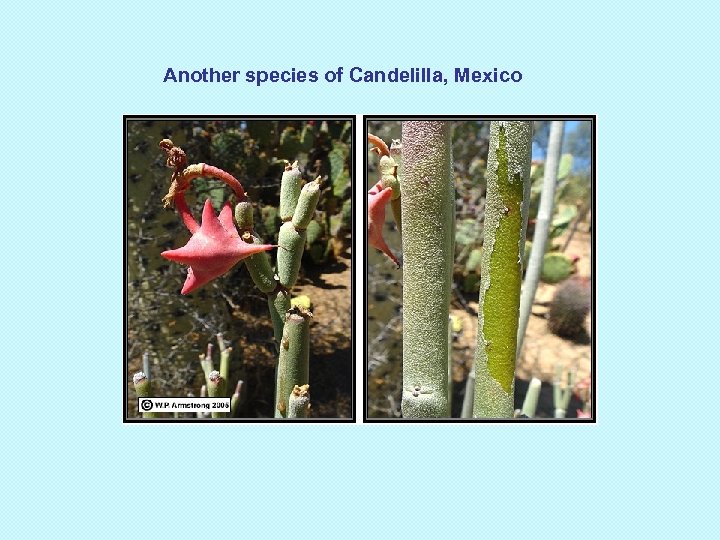 Another species of Candelilla, Mexico
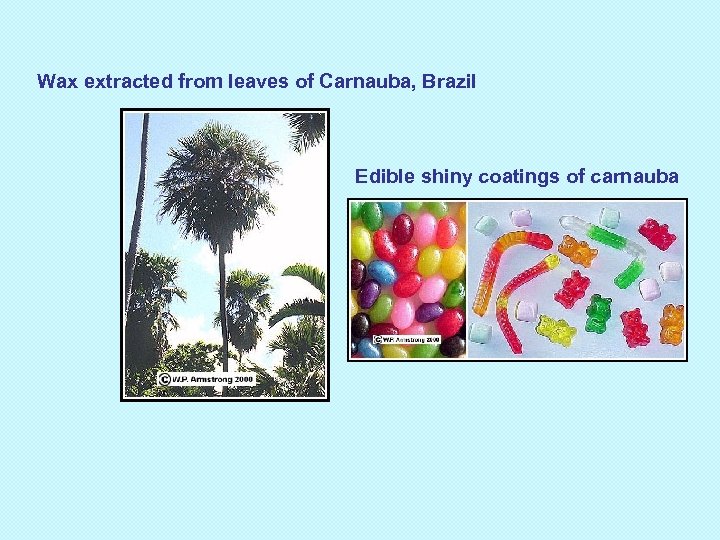 Wax extracted from leaves of Carnauba, Brazil Edible shiny coatings of carnauba
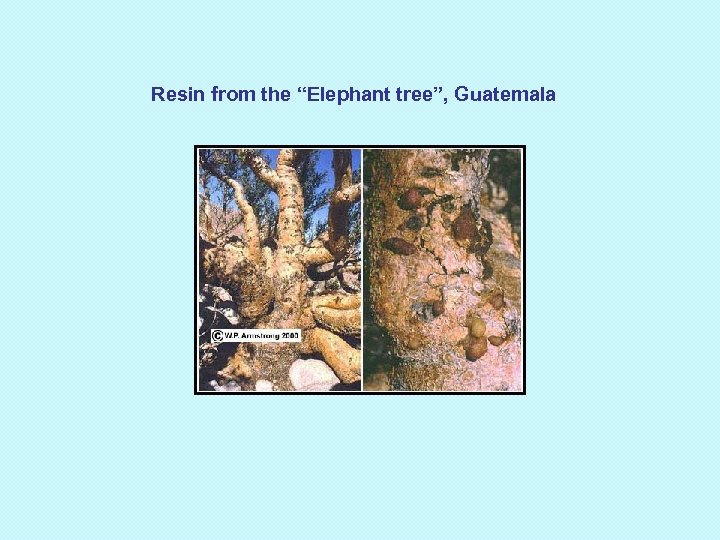 Resin from the “Elephant tree”, Guatemala
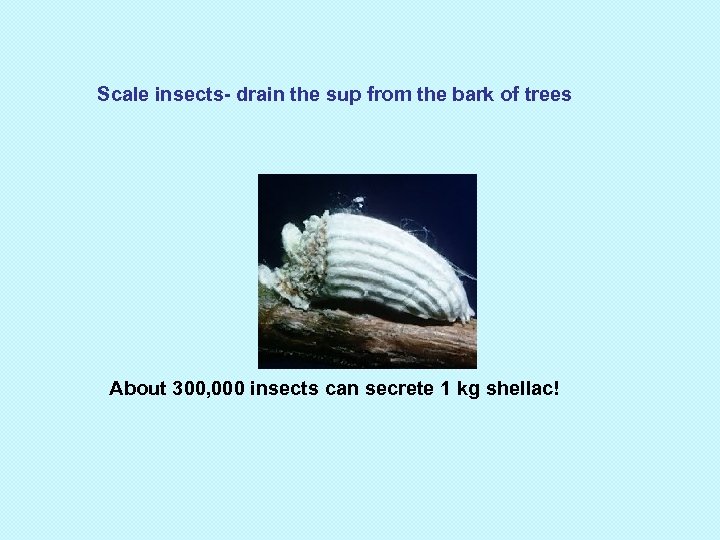 Scale insects- drain the sup from the bark of trees About 300, 000 insects can secrete 1 kg shellac!
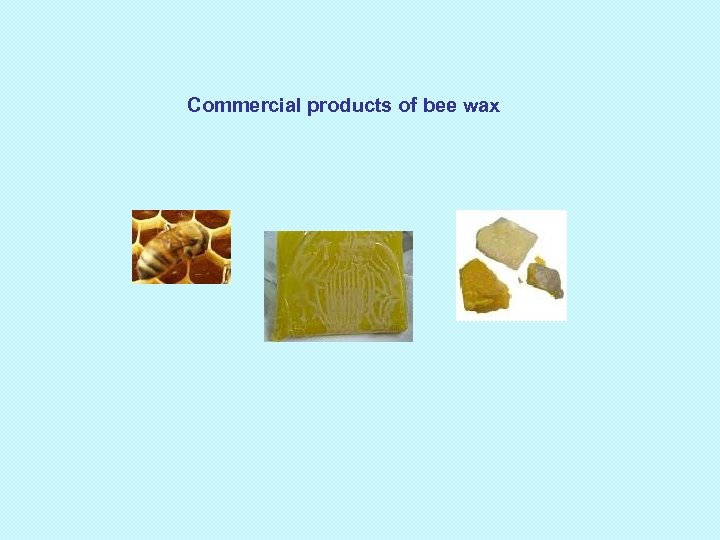 Commercial products of bee wax
 Waxes are usually classified according to their main solid constituent. For example, shellac-based wax, polyethylene-based wax, carnauba-based wax, etc. In other cases, waxes may be classified by the solvent in which they were dissolved. For example, petroleum-based waxes or water-based waxes.
 The petroleum-based materials (paraffin, polyethylene, mineral oils) are generally restricted to use in coatings for fruits and nuts where their peel or shell is not normally ingested, including avocado, banana, citrus, coconut, mango, melon, papaya, pineapple, pumpkin, and different nuts. Water soluble shellac waxes are commonly used in coatings of apple fruit. Natural edible coatings, mainly based on polysaccharides, are developed for use in fruit and vegetables that are digested with their peel,
 History of wax development The practice of waxing began in China already in the 12 th and 13 th centuries in order to ferment and preserve food. However, the development of modern days waxes began in the US in the 1930’s as followed:
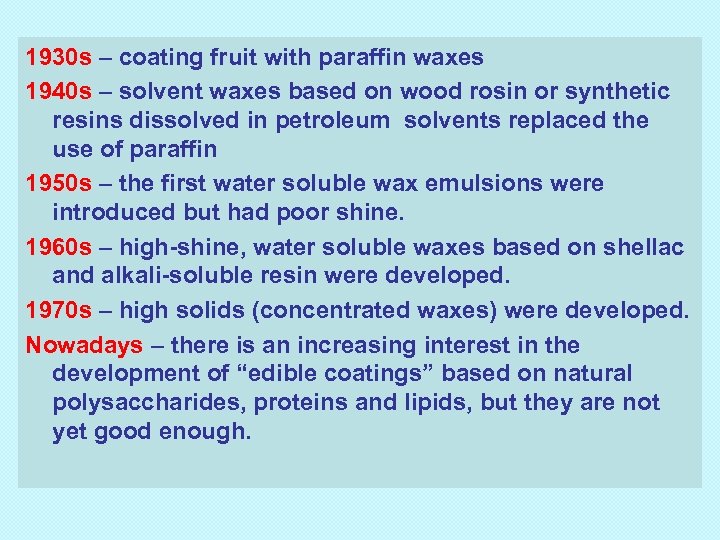 1930 s – coating fruit with paraffin waxes 1940 s – solvent waxes based on wood rosin or synthetic resins dissolved in petroleum solvents replaced the use of paraffin 1950 s – the first water soluble wax emulsions were introduced but had poor shine. 1960 s – high-shine, water soluble waxes based on shellac and alkali-soluble resin were developed. 1970 s – high solids (concentrated waxes) were developed. Nowadays – there is an increasing interest in the development of “edible coatings” based on natural polysaccharides, proteins and lipids, but they are not yet good enough.
 In addition to wax lipid components, coatings can include other materials, such as resins, proteins, carbohydrate compounds, bases, surfactants, buffers, plasticizers and emulsifiers.
 Resins – are a group of acidic substances, many of which are wound-response products secreted by specialized plant cells of trees and shrubs. Wood rosin is manufactured from pine and other trees. Synthetic resins are petroleum-based products like coumarone indene. Shellac resin is secreted by the insect Laccifer lacca (found in India). These compounds provide shine, but have low permeability to gases and provide moderate barriers to water vapor.
 Proteins – film-forming proteins my be derived from plant or animal sources. Plant proteins include zein from corn, wheat gluten, soy protein, peanut protein and cottonseed protein. Animal proteins include casein from milk, keratin, collagen, and gelatin. Almost all of these proteins are considered GRAS! Proteins are moderately permeable to gases but offer little resistance to water vapor.
 Polysaccharides – provide an abundant resource of hydrophilic film-forming agents with a wide range of viscosities. Polysaccharide materials include cellulose, pectins, starches, chitosan and various gums. Polysaccharides have low permeability to gases but offer little resistance to water vapor. Commercial coatings developed from carbohydrate polymers include ‘Pro-long’ (England), ‘Semperfresh’ (US), ‘Nature Seal’ (US) and ‘Nutri-Save’ (Canada).
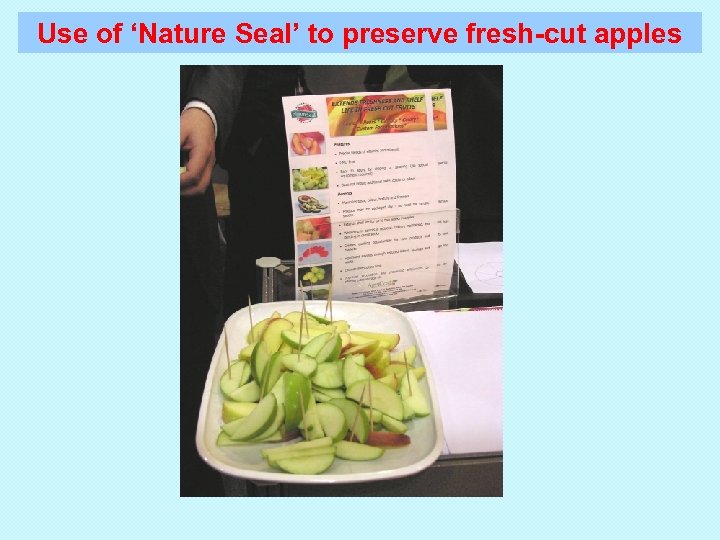 Use of ‘Nature Seal’ to preserve fresh-cut apples
 Plasticizers – are low molecular weight compounds that increase the strength and flexibility of coatings. Common plasticizers include glycerol, sorbitol, and propylene glycol. Sucrose fatty-acid esters and acetylated monoglycerides can also be used as plasticizers. Addition of plasticizers to the coating, however, also increases permeability to gases and water vapor exchange.
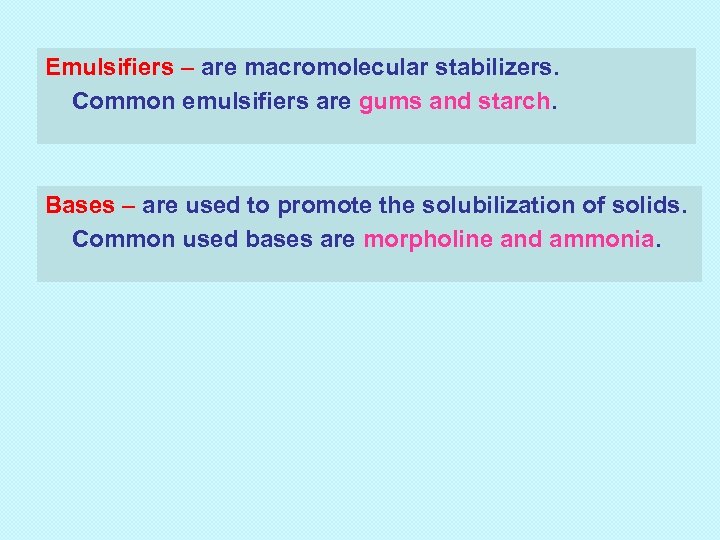 Emulsifiers – are macromolecular stabilizers. Common emulsifiers are gums and starch. Bases – are used to promote the solubilization of solids. Common used bases are morpholine and ammonia.
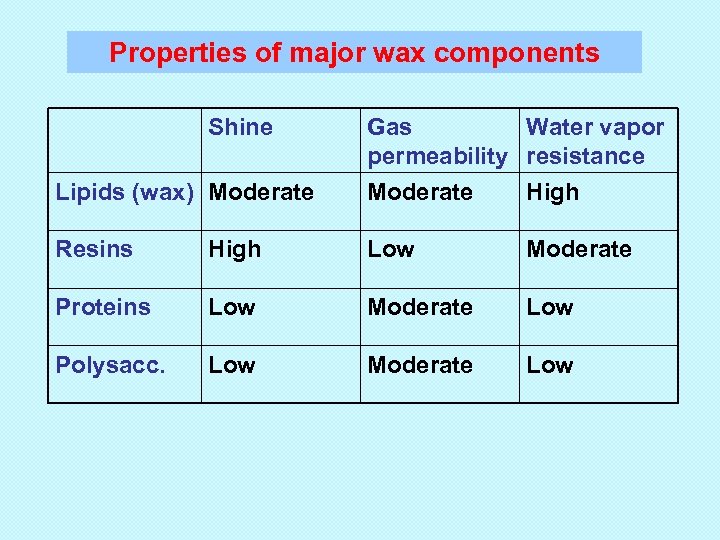 Properties of major wax components Shine Lipids (wax) Moderate Gas Water vapor permeability resistance Moderate High Resins High Low Moderate Proteins Low Moderate Low Polysacc. Low Moderate Low
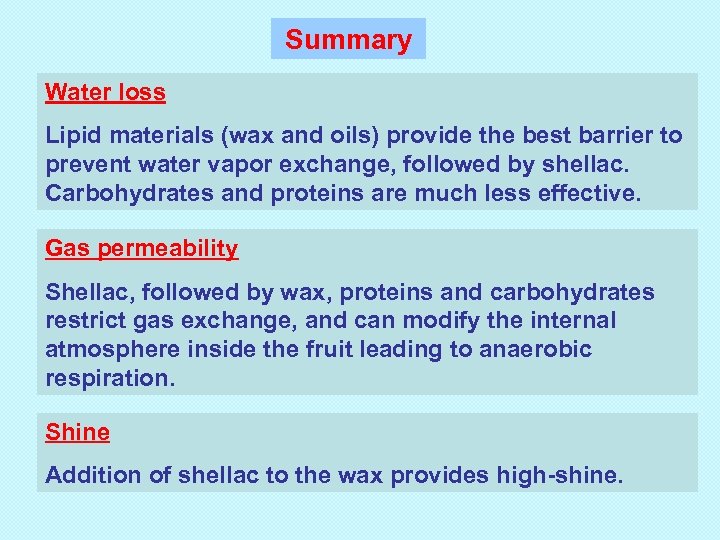 Summary Water loss Lipid materials (wax and oils) provide the best barrier to prevent water vapor exchange, followed by shellac. Carbohydrates and proteins are much less effective. Gas permeability Shellac, followed by wax, proteins and carbohydrates restrict gas exchange, and can modify the internal atmosphere inside the fruit leading to anaerobic respiration. Shine Addition of shellac to the wax provides high-shine.
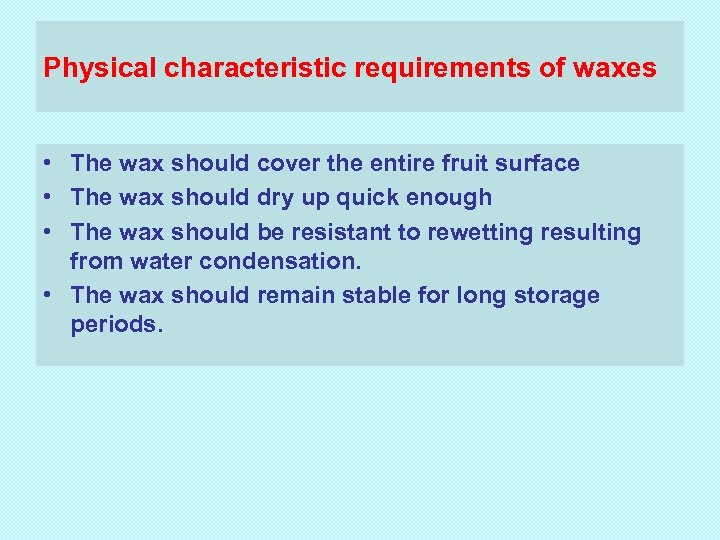 Physical characteristic requirements of waxes • The wax should cover the entire fruit surface • The wax should dry up quick enough • The wax should be resistant to rewetting resulting from water condensation. • The wax should remain stable for long storage periods.
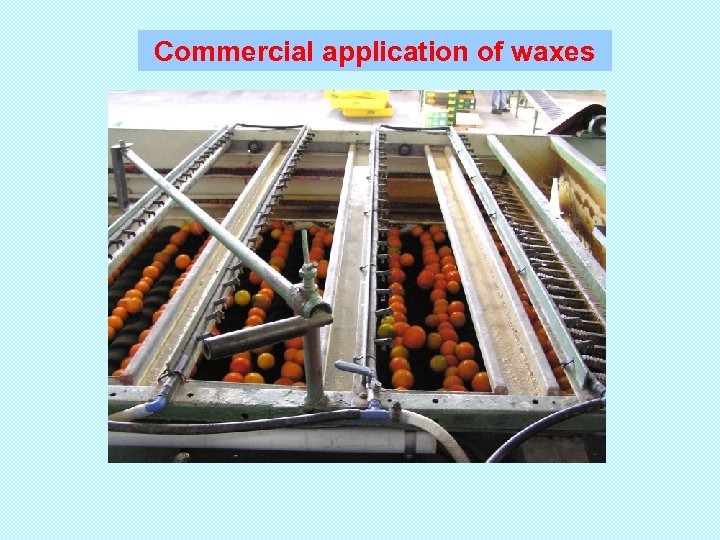 Commercial application of waxes
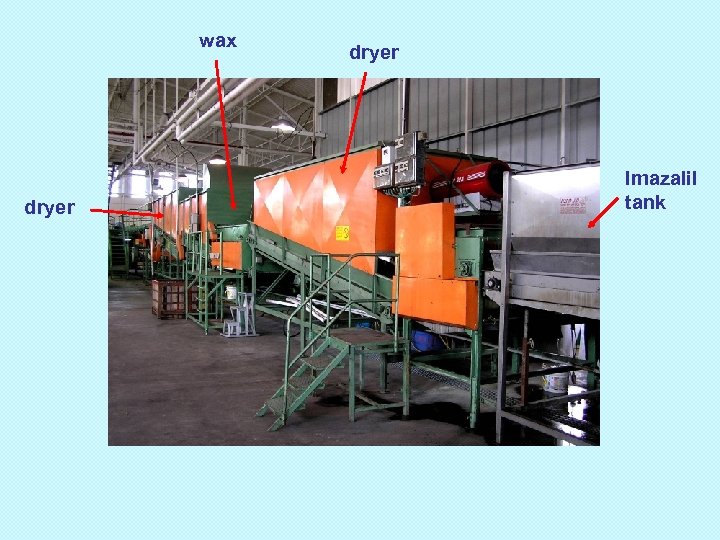 wax dryer Imazalil tank
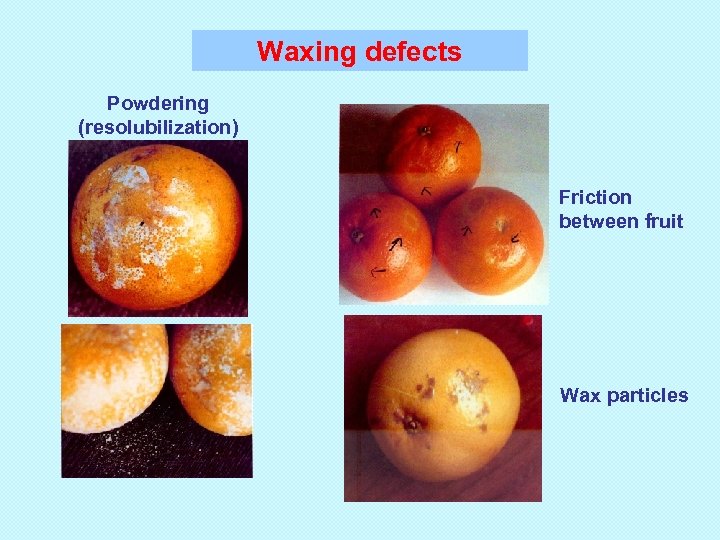 Waxing defects Powdering (resolubilization) Friction between fruit Wax particles
 The exact formulations of commercial waxes that were designed to address these requirements are ‘trade secrets’ and were not released to the public domain!!! Moreover, the companies often perform all kind of changes in their own products without the knowledge of the consumer. It is necessary to fit a specific wax formulation for each commodity. For example, with citrus, we use different waxes for oranges and grapefruits, mandarins and pummelo fruit.
 Effects of waxes on gas exchange and water vapor loss Gas and water vapor movement through the peel may occur: 1) Through holes, such as stomata pores, the stem scar and wounds. 2) Through the cuticle layer. Gas exchange through holes is rapid, but is very slow through the cuticle. For example, O 2 diffusion coefficient are 1. 8 10 -5 m 2 s-1 through air but just 2. 5 10 -14 m 2 s-1 through tomato cuticle. Most gas and water vapor movement occurs through pores in the cuticle layer!!!
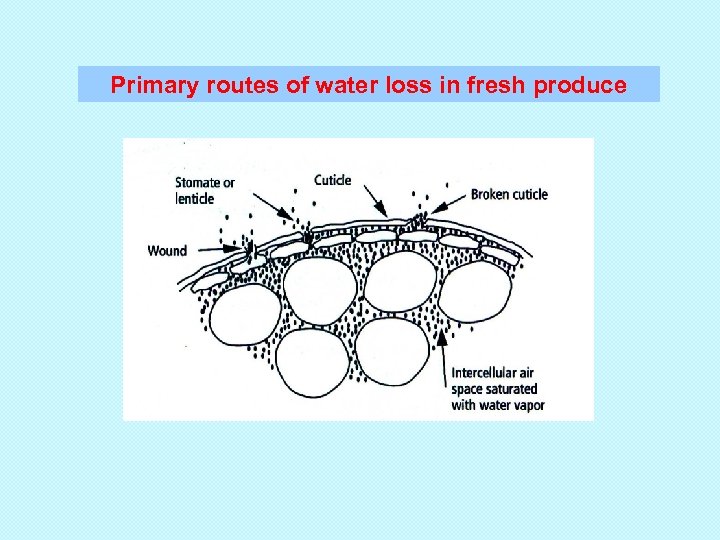 Primary routes of water loss in fresh produce
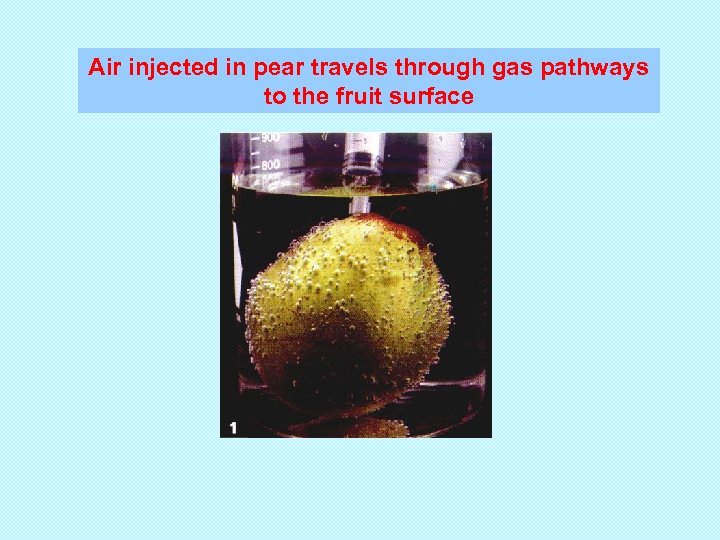 Air injected in pear travels through gas pathways to the fruit surface
 Gas and water vapor movement through polymers depend on: 1) The difference in the concentration of the gas or water vapor inside and outside the peel. 2) The diffusivity of the barrier. 3) The thickness of the barrier. For most polymer barriers, the permeability of CO 2 is several times higher than that of O 2!
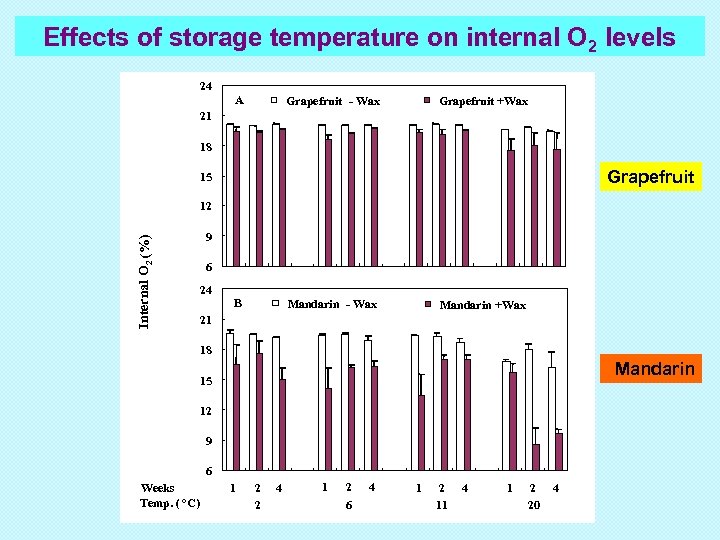
 Waxes may influence internal gas levels in several ways: 1) Waxing reduces peel permeability by adding a barrier to gas exchange. 2) Waxing reduces perforations (holes) on the peel surface by blacking them. 3) Waxing may indirectly affect fruit respiration rates (waxes usually reduce internal O 2 levels and, therefore, reduce respiration by 20 -45%).
 Storage temperatures greatly affect respiration and gas exchange rates. However, since respiration (O 2 uptake and CO 2 production) are influenced much more than the exchange of these gases through the peel, the O 2 levels decrease and CO 2 levels increase with increasing storage temperature.
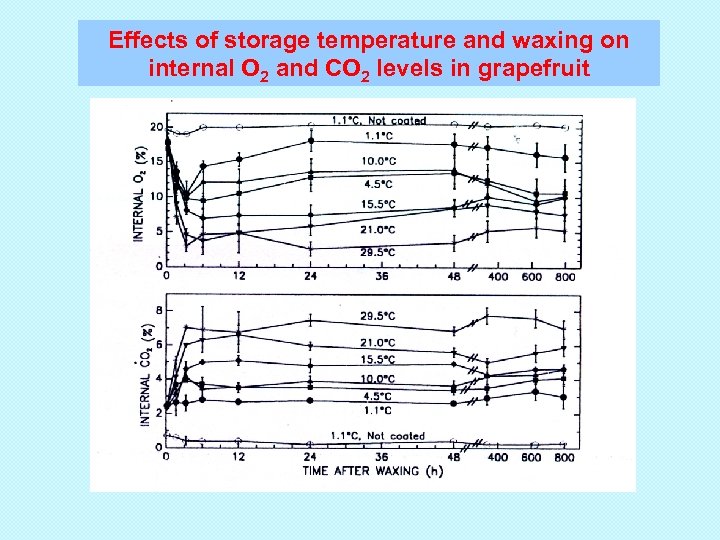 Effects of storage temperature and waxing on internal O 2 and CO 2 levels in grapefruit
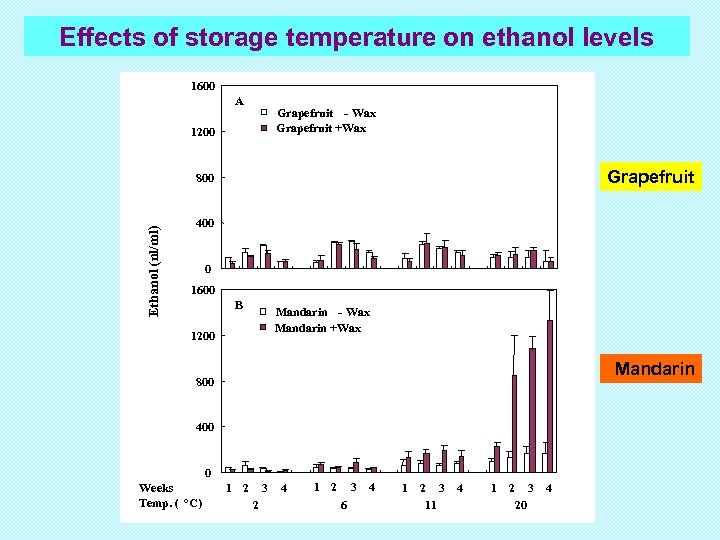
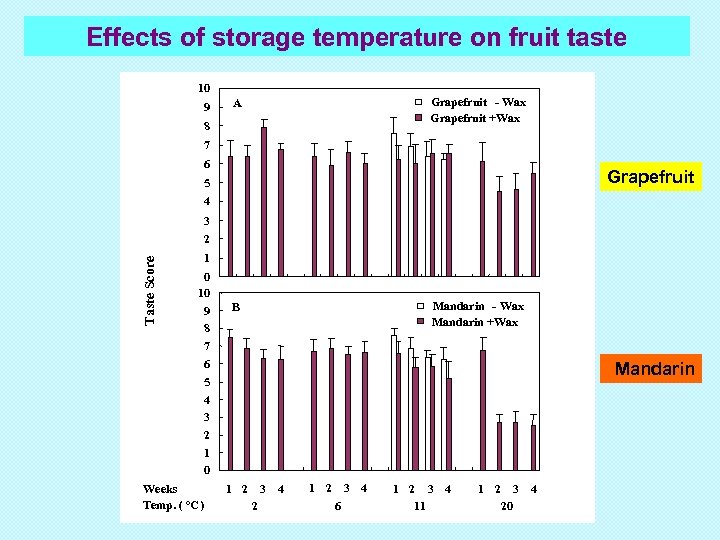
 Anaerobic respiration Application of waxes may block gas exchange and cause O 2 concentrations to fall to a value below the so-called extinction point, where aerobic respiration is replaced at least by part by anaerobic fermentation, resulting in the production of ethanol and off-flavors.
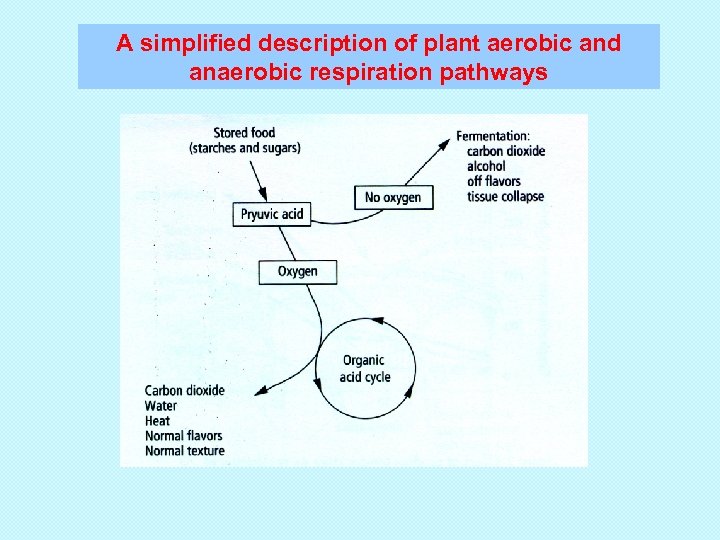 A simplified description of plant aerobic and anaerobic respiration pathways
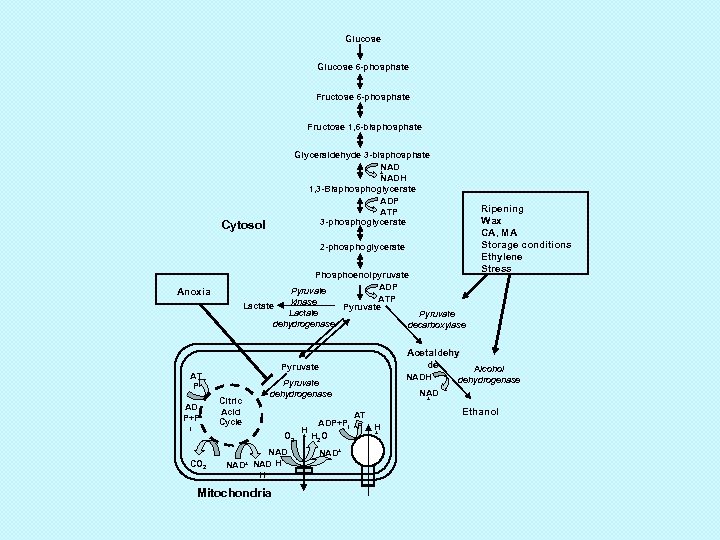 Glucose 6 -phosphate Fructose 1, 6 -bisphosphate Glyceraldehyde 3 -bisphosphate NAD + NADH 1, 3 -Bisphoglycerate ADP ATP 3 -phosphoglycerate Cytosol 2 -phosphoglycerate Phosphoenolpyruvate ADP Pyruvate ATP kinase Lactate Pyruvate dehydrogenase decarboxylase Anoxia Pyruvate AT P AD P+P i Citric Acid Cycle Pyruvate dehydrogenase O 2 CO 2 NAD+ NAD H H Mitochondria AT ADP+Pi P H H + + H O 2 NAD+ Ripening Wax CA, MA Storage conditions Ethylene Stress Acetaldehy de NADH Alcohol dehydrogenase NAD + Ethanol
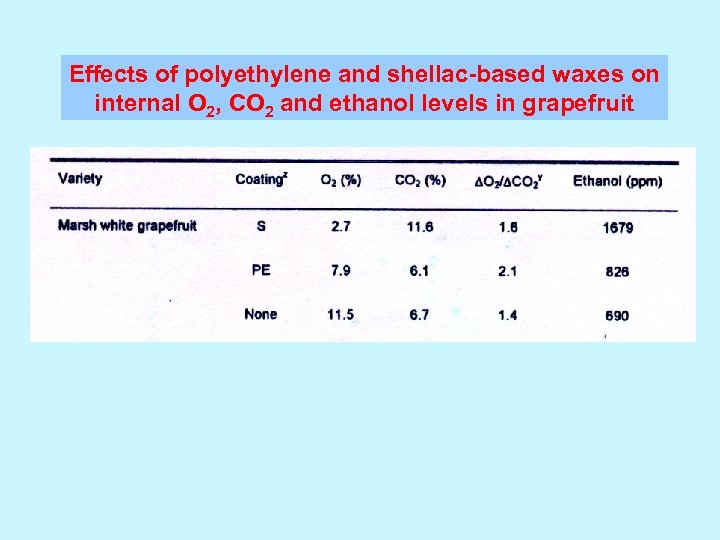 Effects of polyethylene and shellac-based waxes on internal O 2, CO 2 and ethanol levels in grapefruit
 Effects of storage temperature on respiration rates Grapefruit Mandarin
 Effects of storage temperature on internal CO 2 levels Grapefruit Mandarin
 Effects of storage temperature on internal O 2 levels 24 A Grapefruit - Wax Grapefruit +Wax 21 18 Grapefruit 15 Internal O 2 (%) 12 9 6 24 B Mandarin - Wax Mandarin +Wax 21 18 Mandarin 15 12 9 6 Weeks Temp. ( o C) 1 2 2 4 1 2 6 4 1 2 11 4 1 2 20 4
 Effects of storage temperature on ethanol levels 1600 A Grapefruit - Wax Grapefruit +Wax 1200 Grapefruit Ethanol (nl/ml) 800 400 0 1600 B Mandarin - Wax Mandarin +Wax 1200 Mandarin 800 400 0 Weeks Temp. ( o C ) 1 2 3 2 4 1 2 3 6 4 1 2 3 11 4 1 2 3 20 4
 Effects of storage temperature on fruit taste 10 9 Grapefruit - Wax Grapefruit +Wax A 8 7 6 Grapefruit 5 4 3 Taste Score 2 1 0 10 9 8 7 6 Mandarin - Wax Mandarin +Wax B Mandarin 5 4 3 2 1 0 Weeks Temp. ( o C) 1 2 3 4 2 1 2 3 4 6 1 2 3 4 11 1 2 3 4 20
 Conclusions 1) Waxing greatly affects internal gas levels. 2) Shellac-based waxes restricts gas exchange much more then polyethylene-based waxes, and may lead to anaerobic respiration and development of off-flavors.
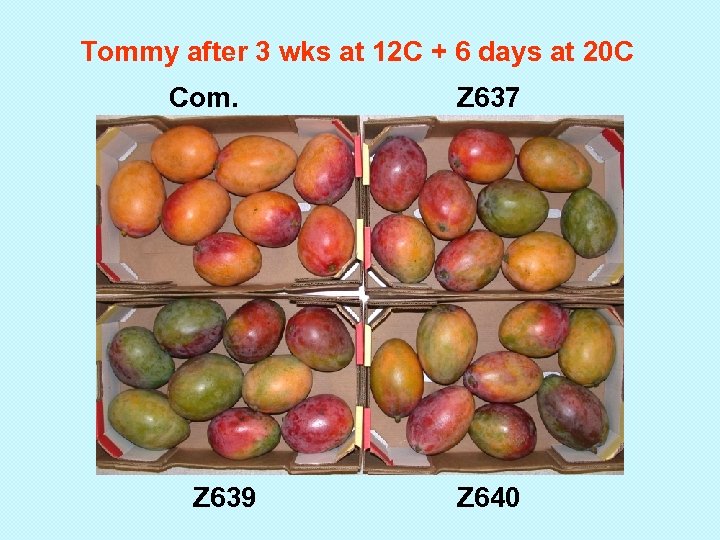
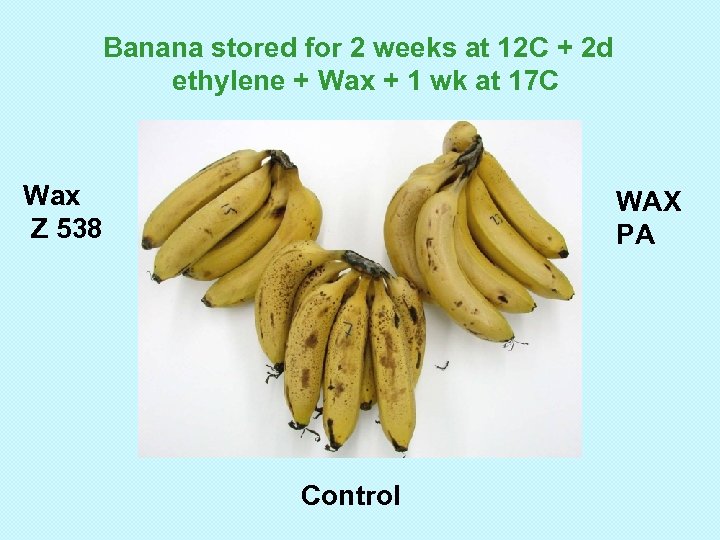
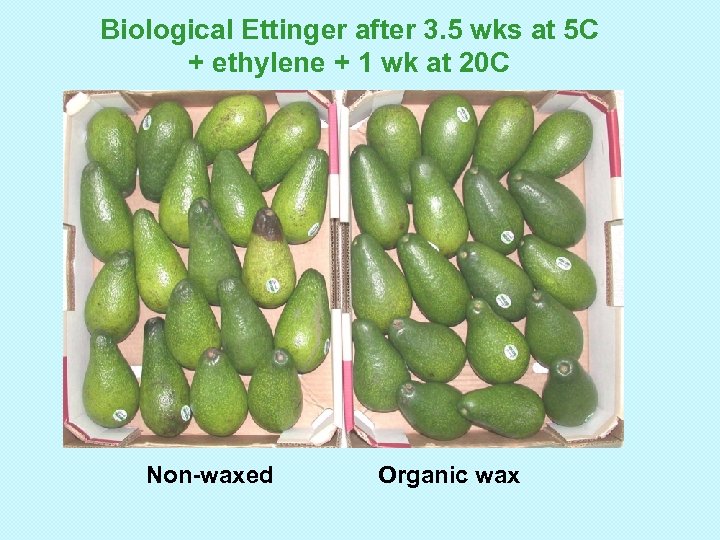
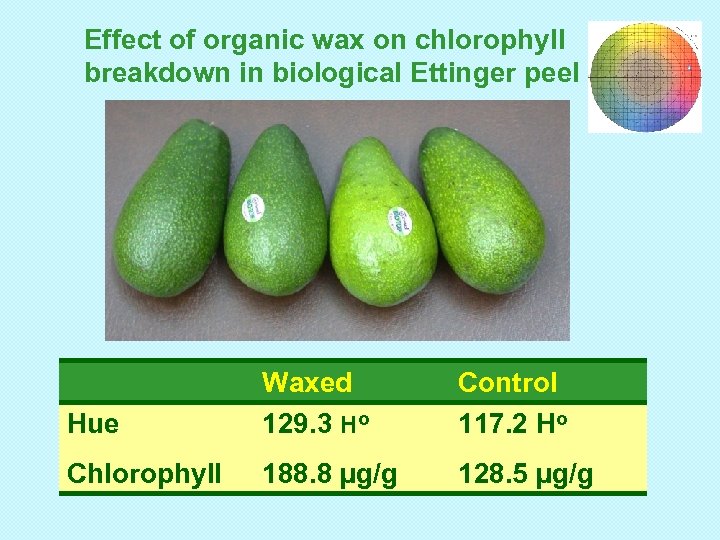
 Effects of waxes on fruit ripening Ripening processes, especially in climacteric fruit, involve increases in respiration and ethylene production rates, and requires oxygen. Modification of the fruits internal atmosphere by application of waxes, decreases oxygen levels and thus retards ripening.
 Low gas-permeable coatings, such as resins (shellac) greatly modify the internal atmosphere and effectively retard ripening but may create anaerobic conditions. High gas-permeable coatings, such as polyethylenebased waxes, have less effect on the modification of the internal atmosphere, and create less risk of development of anaerobic conditions.
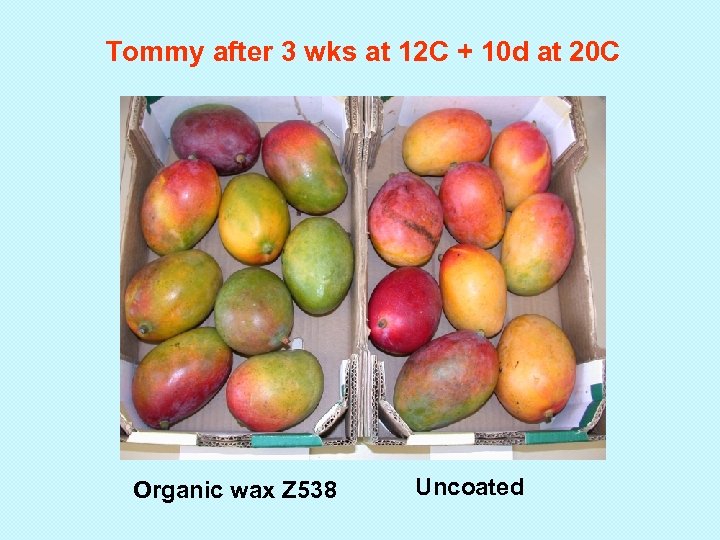 Tommy after 3 wks at 12 C + 10 d at 20 C Organic wax Z 538 Uncoated
 Tommy after 3 wks at 12 C + 6 days at 20 C Com. Z 639 Z 637 Z 640
 Banana stored for 2 weeks at 12 C + 2 d ethylene + Wax + 1 wk at 17 C Wax Z 538 WAX PA Control
 Biological Ettinger after 3. 5 wks at 5 C + ethylene + 1 wk at 20 C Non-waxed Organic wax
 Effect of organic wax on chlorophyll breakdown in biological Ettinger peel Hue Waxed 129. 3 Ho Control 117. 2 Ho Chlorophyll 188. 8 µg/g 128. 5 µg/g
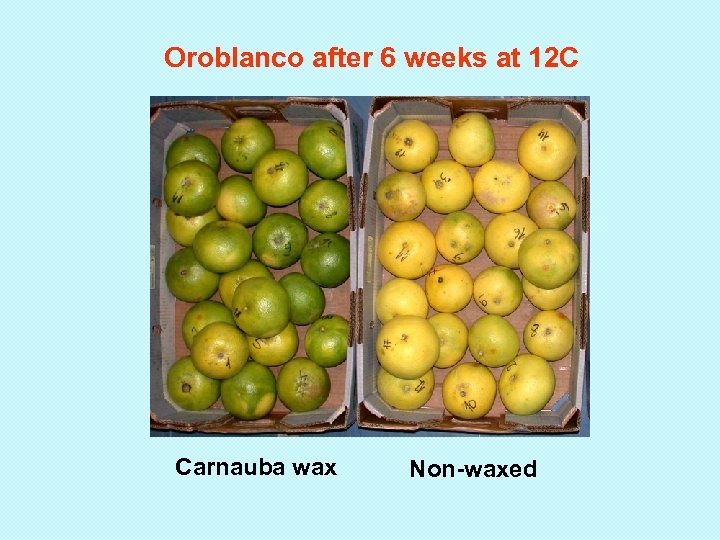 Oroblanco after 6 weeks at 12 C Carnauba wax Non-waxed
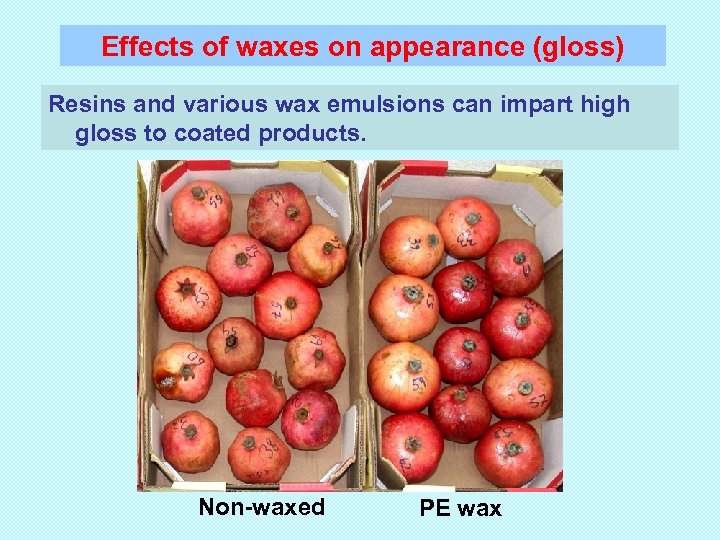 Effects of waxes on appearance (gloss) Resins and various wax emulsions can impart high gloss to coated products. Non-waxed PE wax
 Effects of waxes on nutrition value Waxing may decrease internal oxygen levels and, thus, generally decrease metabolism. For example, in carrots and peppers, it was reported that coatings resulted in higher carotenoids (vitamin A precursors) and ascorbic acid levels.
 Effects of waxes on decay Waxes on fruits and vegetables can also act as lubricants to reduce surface injury and seal wounds. Therefore, with less wounding of the fruit, decay caused by wound pathogens usually decreases on waxed fruit. In addition, in commercial practice, waxes also provide a carrier for the application of fungicides, food preservatives, biocontrol agents, etc. , which reduce decay development.
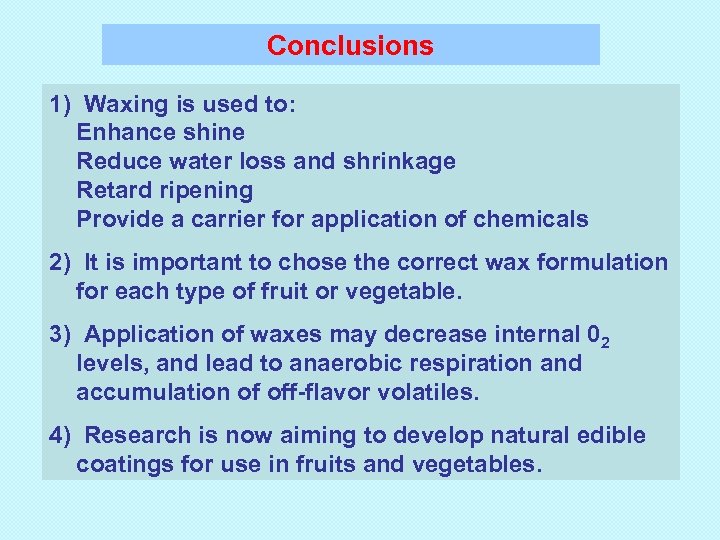 Conclusions 1) Waxing is used to: Enhance shine Reduce water loss and shrinkage Retard ripening Provide a carrier for application of chemicals 2) It is important to chose the correct wax formulation for each type of fruit or vegetable. 3) Application of waxes may decrease internal 02 levels, and lead to anaerobic respiration and accumulation of off-flavor volatiles. 4) Research is now aiming to develop natural edible coatings for use in fruits and vegetables.
 Thank you for your attention!