



 Warm-Up 1. 2. 3. 4. (Ch. 41) List the locations where each of the 4 macromolecules are chemically digested. (Ch. 41) Where do vertebrates store excess calories? (Ch. 42) Draw and label the structure of a human heart. (Ch. 42) List the pathway of a single red blood cell through the heart.
 Circulation Chapter 42 – Part I
 What you need to know: Circulatory vessels, heart chambers, route of mammalian circulation Evolution of the heart from 2 4 chambers How RBC’s demonstrate structure/function Blood pressure Cardiovascular disease (Roles of diet, BP, genetics)
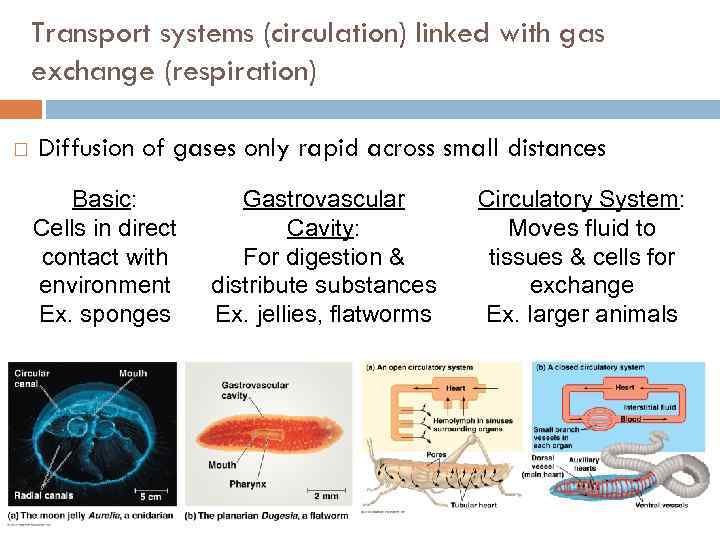 Transport systems (circulation) linked with gas exchange (respiration) Diffusion of gases only rapid across small distances Basic: Cells in direct contact with environment Ex. sponges Gastrovascular Cavity: For digestion & distribute substances Ex. jellies, flatworms Circulatory System: Moves fluid to tissues & cells for exchange Ex. larger animals
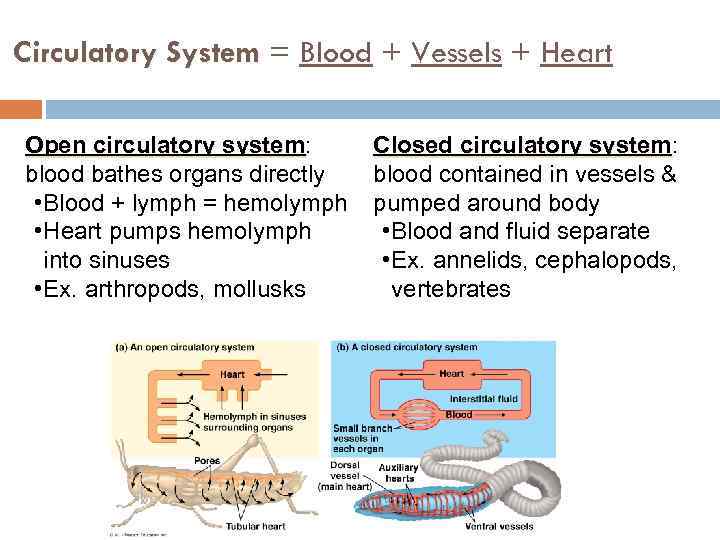 Circulatory System = Blood + Vessels + Heart Open circulatory system: system blood bathes organs directly • Blood + lymph = hemolymph • Heart pumps hemolymph into sinuses • Ex. arthropods, mollusks Closed circulatory system: system blood contained in vessels & pumped around body • Blood and fluid separate • Ex. annelids, cephalopods, vertebrates
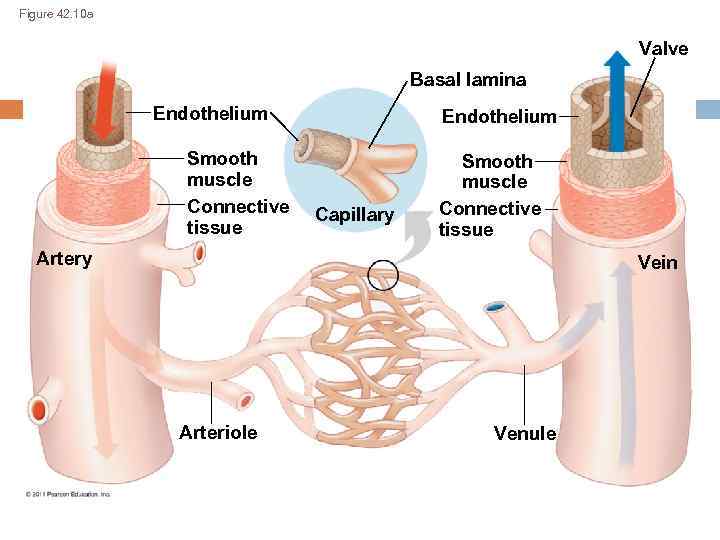 Figure 42. 10 a Valve Basal lamina Endothelium Smooth muscle Connective tissue Endothelium Capillary Smooth muscle Connective tissue Artery Vein Arteriole Venule
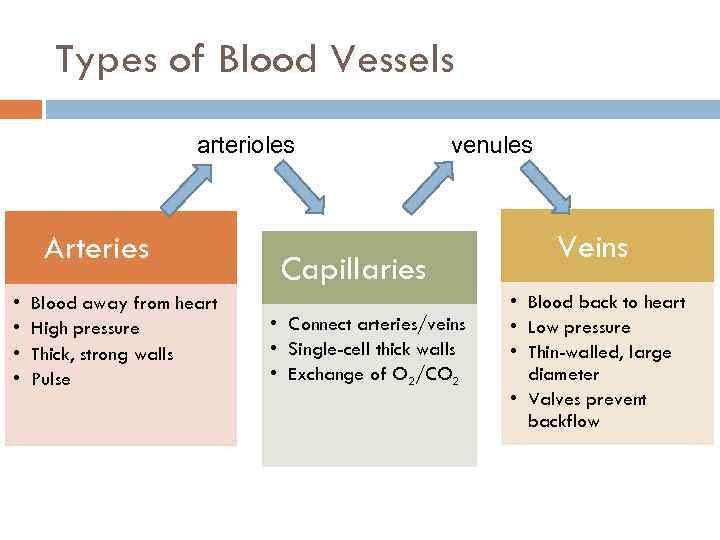 Types of Blood Vessels arterioles Arteries • • Blood away from heart High pressure Thick, strong walls Pulse venules Capillaries • Connect arteries/veins • Single-cell thick walls • Exchange of O 2/CO 2 Veins • Blood back to heart • Low pressure • Thin-walled, large diameter • Valves prevent backflow
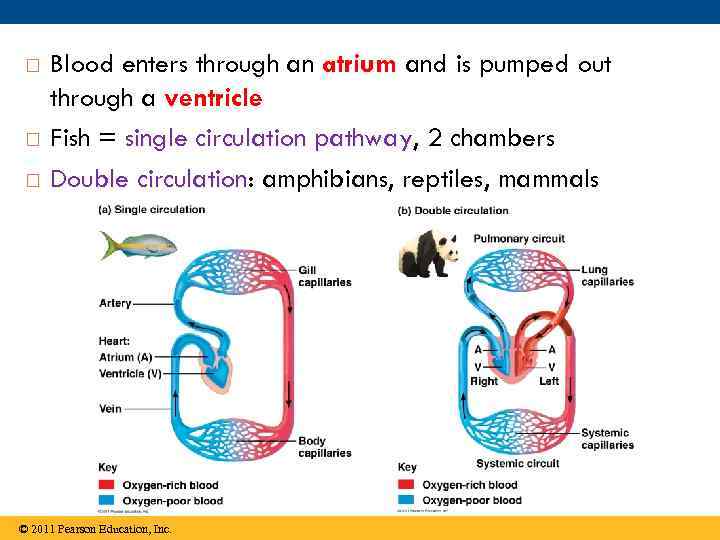 Blood enters through an atrium and is pumped out through a ventricle Fish = single circulation pathway, 2 chambers pathway Double circulation: amphibians, reptiles, mammals circulation © 2011 Pearson Education, Inc.
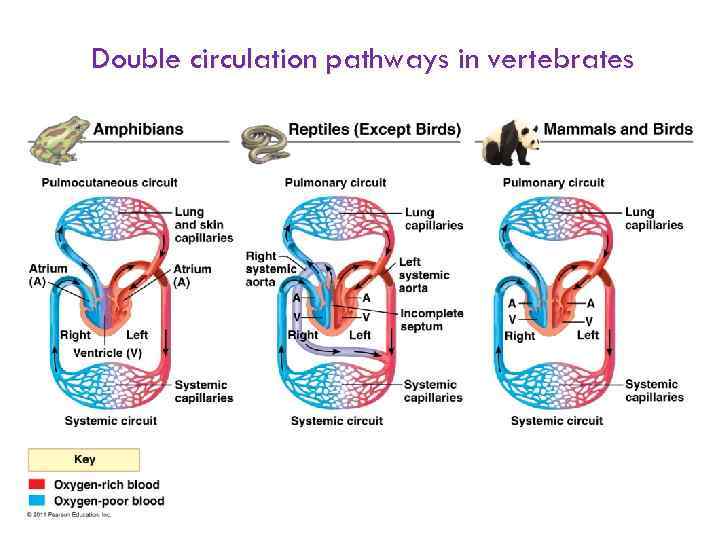 Double circulation pathways in vertebrates
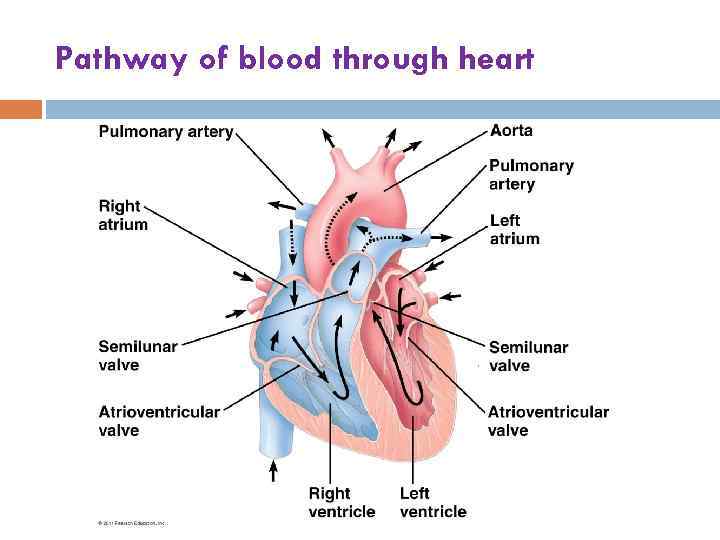 Pathway of blood through heart
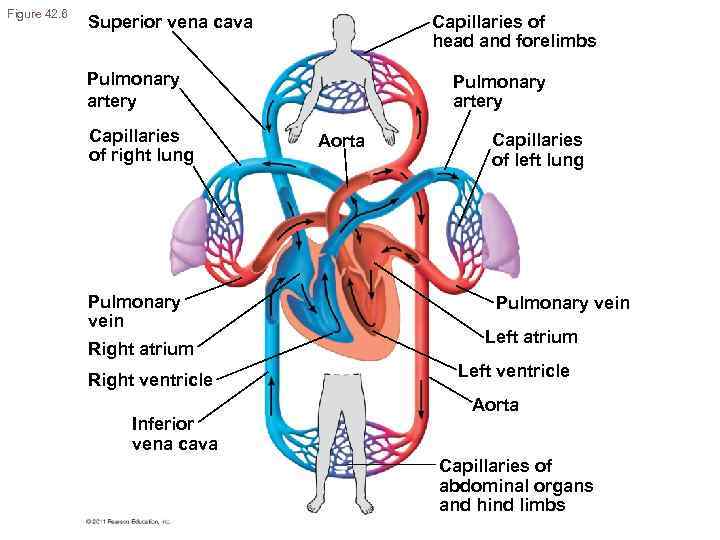 Figure 42. 6 Superior vena cava Capillaries of head and forelimbs Pulmonary artery Capillaries of right lung Pulmonary vein Right atrium Right ventricle Inferior vena cava Pulmonary artery Aorta Capillaries of left lung Pulmonary vein Left atrium Left ventricle Aorta Capillaries of abdominal organs and hind limbs
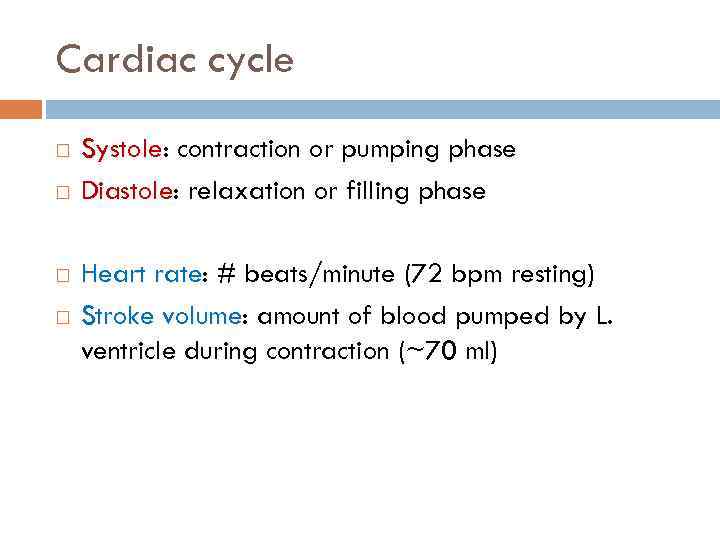 Cardiac cycle Systole: contraction or pumping phase Systole Diastole: relaxation or filling phase Diastole Heart rate: # beats/minute (72 bpm resting) rate Stroke volume: amount of blood pumped by L. volume ventricle during contraction (~70 ml)
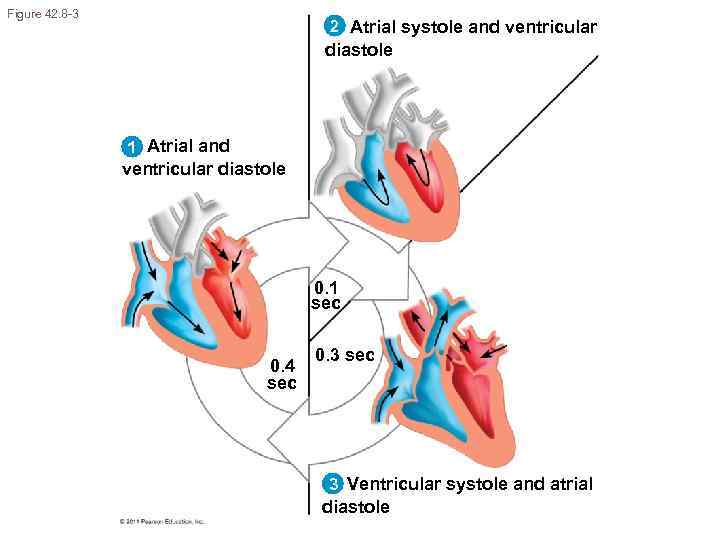 Figure 42. 8 -3 2 Atrial systole and ventricular diastole 1 Atrial and ventricular diastole 0. 1 sec 0. 4 sec 0. 3 sec 3 Ventricular systole and atrial diastole
 Valves: prevent backflow of blood Valves The atrioventricular (AV) valves (tricuspid, bicuspid) separate each atrium and ventricle The semilunar valves control blood flow to the aorta and the pulmonary artery “Lub-dup” sound = blood against closed AV valves (lub) / the semilunar (dup) valves Heart murmur: backflow of blood through a defective valve © 2011 Pearson Education, Inc.
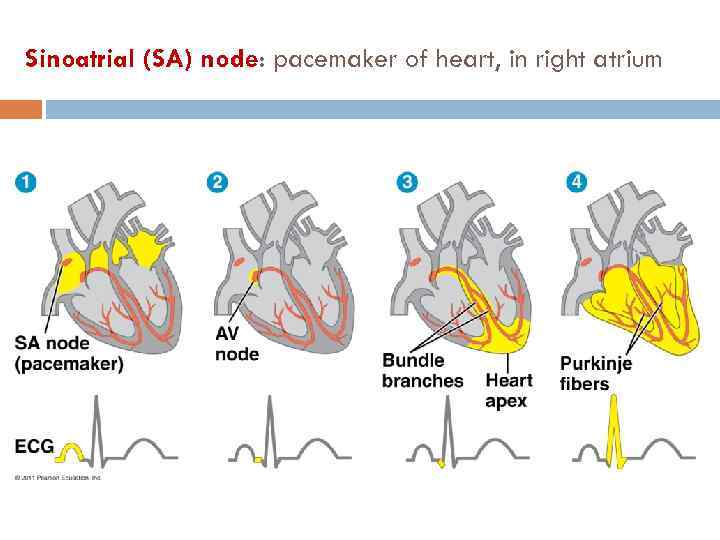 Sinoatrial (SA) node: pacemaker of heart, in right atrium
 The pacemaker is regulated by two portions of the nervous system: the sympathetic and parasympathetic divisions The sympathetic division speeds up the pacemaker The parasympathetic division slows down the pacemaker The pacemaker is also regulated by hormones (epinephrine) and temperature © 2011 Pearson Education, Inc.
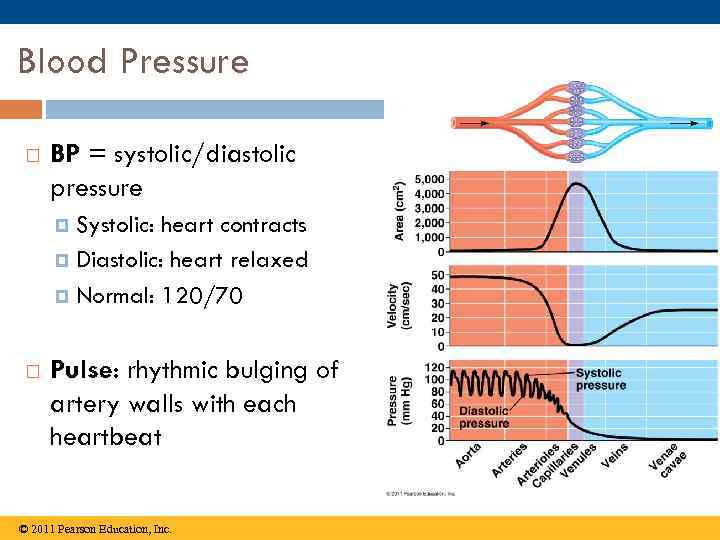 Blood Pressure BP = systolic/diastolic pressure Systolic: heart contracts Diastolic: heart relaxed Normal: 120/70 Pulse: rhythmic bulging of Pulse artery walls with each heartbeat © 2011 Pearson Education, Inc.
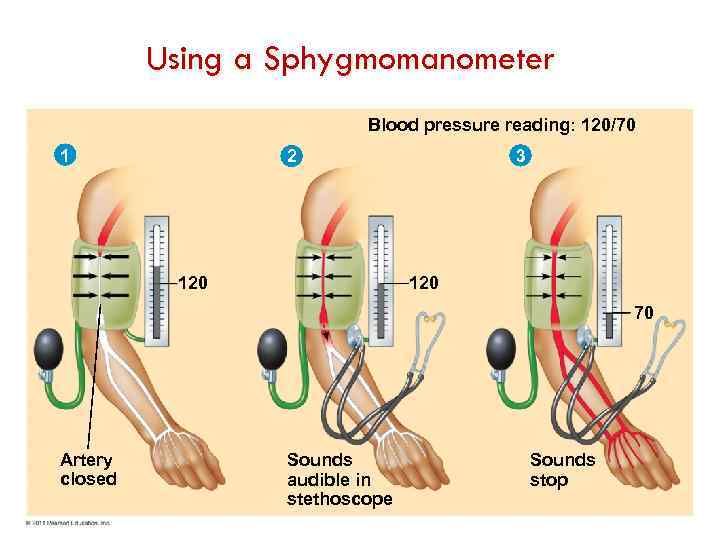 Using a Sphygmomanometer Blood pressure reading: 120/70 1 3 2 120 70 Artery closed Sounds audible in stethoscope Sounds stop
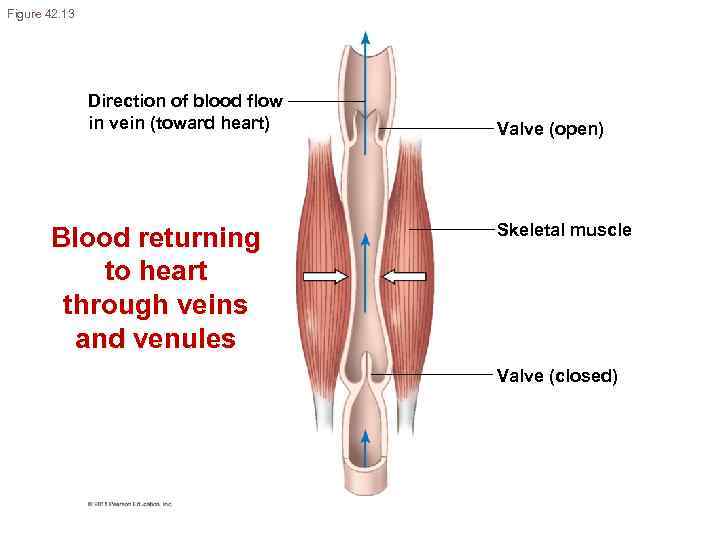 Figure 42. 13 Direction of blood flow in vein (toward heart) Blood returning to heart through veins and venules Valve (open) Skeletal muscle Valve (closed)
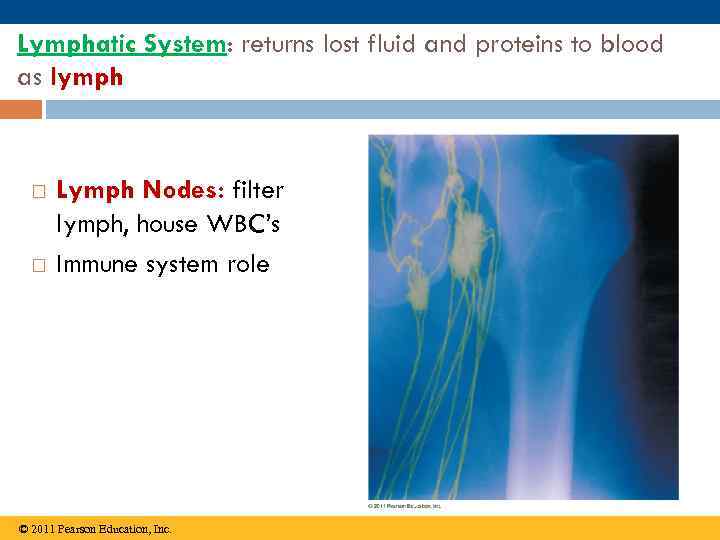 Lymphatic System: returns lost fluid and proteins to blood as lymph Lymph Nodes: filter lymph, house WBC’s Immune system role © 2011 Pearson Education, Inc.
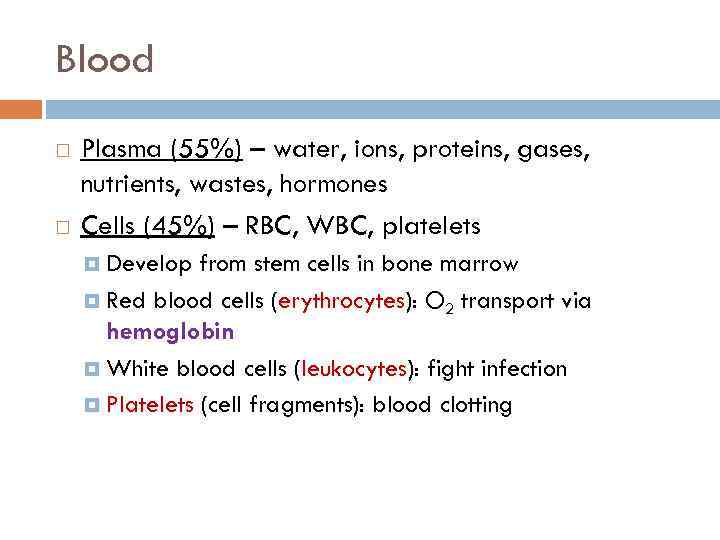 Blood Plasma (55%) – water, ions, proteins, gases, nutrients, wastes, hormones Cells (45%) – RBC, WBC, platelets Develop from stem cells in bone marrow Red blood cells (erythrocytes): O 2 transport via erythrocytes hemoglobin White blood cells (leukocytes): fight infection leukocytes Platelets (cell fragments): blood clotting
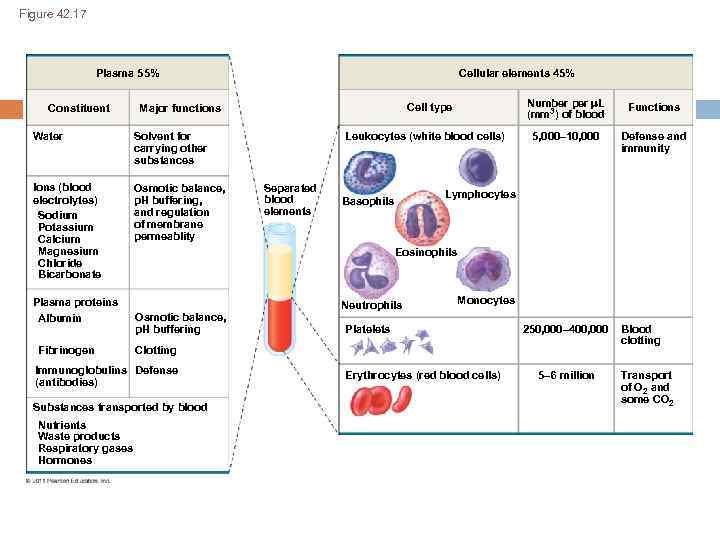 Figure 42. 17 Cellular elements 45% Plasma 55% Constituent Water Solvent for carrying other substances Ions (blood electrolytes) Sodium Potassium Calcium Magnesium Chloride Bicarbonate Osmotic balance, p. H buffering, and regulation of membrane permeablity Plasma proteins Albumin Fibrinogen Leukocytes (white blood cells) Separated blood elements 5, 000– 10, 000 Functions Defense and immunity Lymphocytes Basophils Eosinophils Osmotic balance, p. H buffering Neutrophils Monocytes Platelets 250, 000– 400, 000 Clotting Immunoglobulins Defense (antibodies) Substances transported by blood Nutrients Waste products Respiratory gases Hormones Number per L (mm 3) of blood Cell type Major functions Erythrocytes (red blood cells) 5– 6 million Blood clotting Transport of O 2 and some CO 2
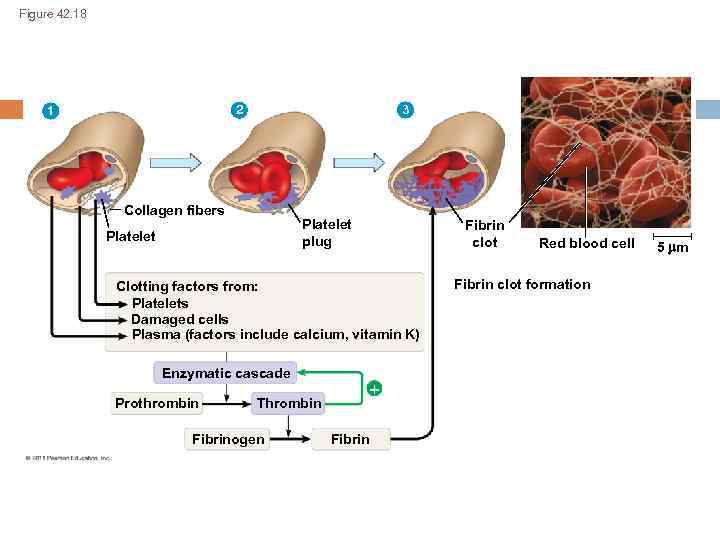 Figure 42. 18 2 1 3 Collagen fibers Platelet plug Platelet Fibrin clot Clotting factors from: Platelets Damaged cells Plasma (factors include calcium, vitamin K) Enzymatic cascade Prothrombin Thrombin Fibrinogen Fibrin Red blood cell Fibrin clot formation 5 m
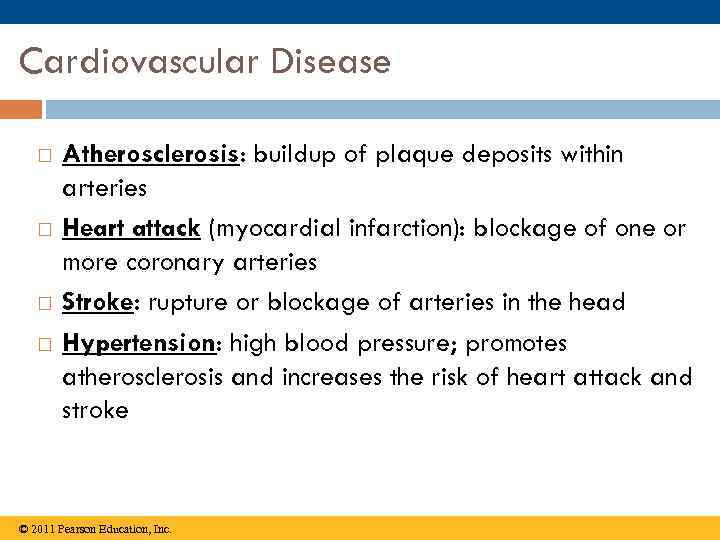 Cardiovascular Disease Atherosclerosis: buildup of plaque deposits within arteries Heart attack (myocardial infarction): blockage of one or more coronary arteries Stroke: rupture or blockage of arteries in the head Hypertension: high blood pressure; promotes atherosclerosis and increases the risk of heart attack and stroke © 2011 Pearson Education, Inc.
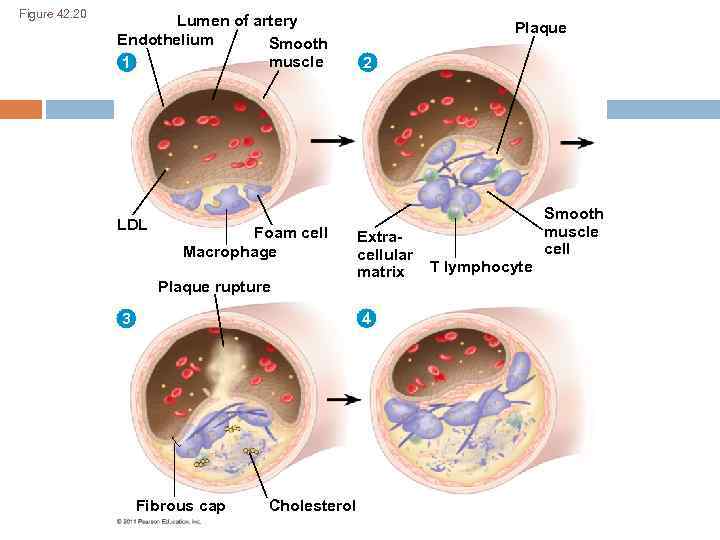 Figure 42. 20 Lumen of artery Endothelium Smooth muscle 1 LDL Foam cell Macrophage Plaque rupture Plaque 2 Extracellular matrix 4 3 Fibrous cap Cholesterol Smooth muscle cell T lymphocyte