 Скачать презентацию WARM-FRESHWATER AQUACROPS objectives Describe general environmental requirements
fd967be01e02164b2d7a2f2718ac509e.ppt
- Количество слайдов: 40



![WARM-FRESHWATER AQUACROPS [objectives] • Describe general environmental requirements for warm-freshwater species • Discuss the](https://present5.com/presentation/fd967be01e02164b2d7a2f2718ac509e/image-1.jpg "WARM-FRESHWATER AQUACROPS [objectives] • Describe general environmental requirements for warm-freshwater species • Discuss the")
WARM-FRESHWATER AQUACROPS [objectives] • Describe general environmental requirements for warm-freshwater species • Discuss the production of catfish, crawfish, prawns, tilapia, striped bass, and other finfish species
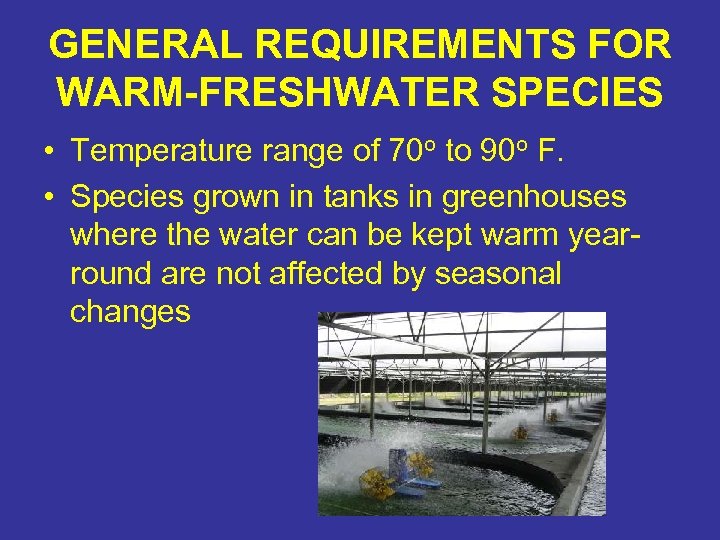
GENERAL REQUIREMENTS FOR WARM-FRESHWATER SPECIES • Temperature range of 70 o to 90 o F. • Species grown in tanks in greenhouses where the water can be kept warm yearround are not affected by seasonal changes
PRINCIPLES OF SPECIES SELECTION • Select only a species adapted to the production system to be used. • Bryant HS already had greenhouses before we decided to grow redclaw crawfish • Therefore we could control both the air and water temperatures to grow this tropical species year-round
CATFISH • Catfish production leads all freshwater aquacrop production in the U. S. • Predominant species are the channel catfish, blue catfish, and white catfish • Genetically improved and hybrid catfish are increasingly being grown
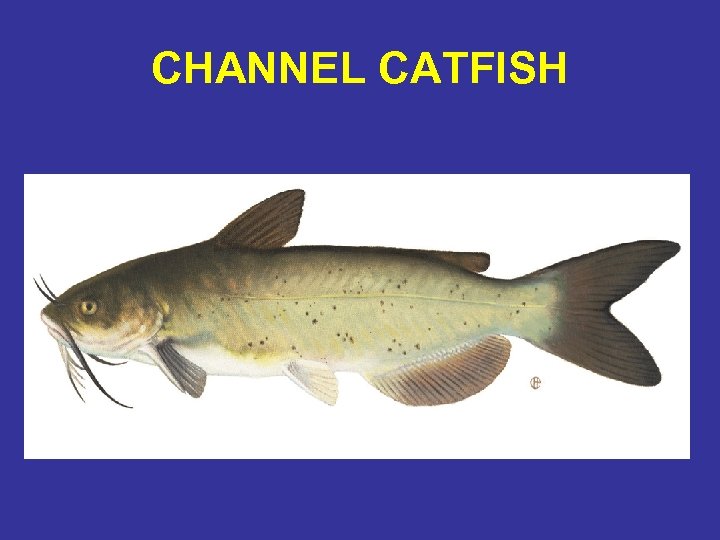
CHANNEL CATFISH
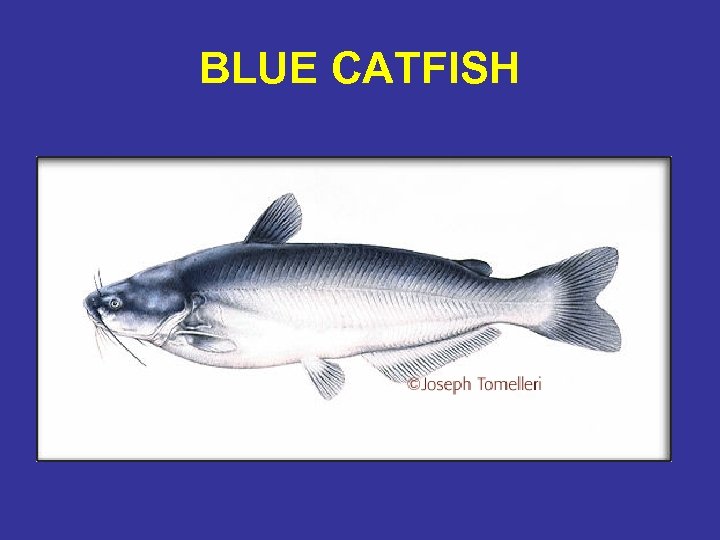
BLUE CATFISH
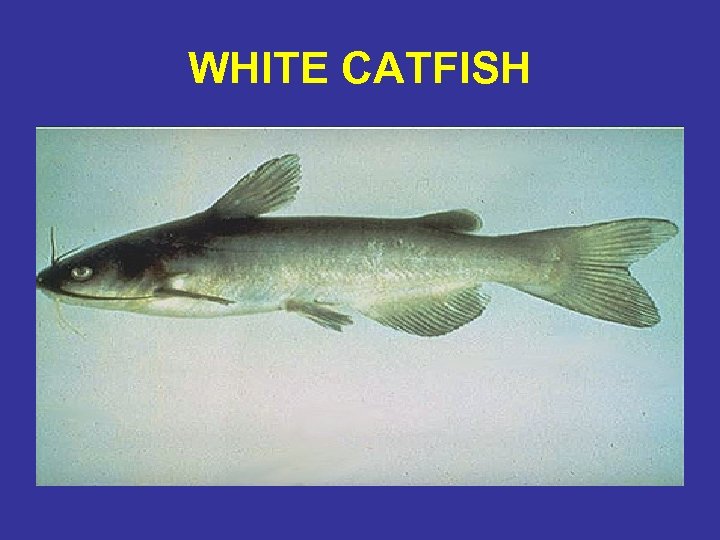
WHITE CATFISH
HYBRID CATFISH
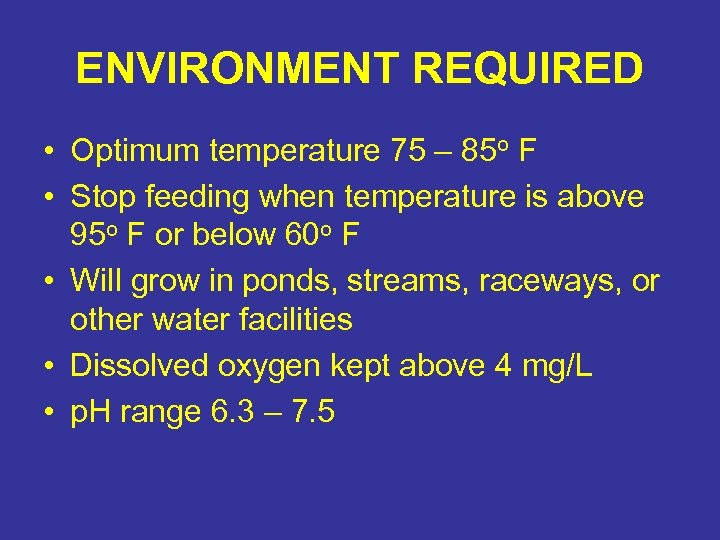
ENVIRONMENT REQUIRED • Optimum temperature 75 – 85 o F • Stop feeding when temperature is above 95 o F or below 60 o F • Will grow in ponds, streams, raceways, or other water facilities • Dissolved oxygen kept above 4 mg/L • p. H range 6. 3 – 7. 5
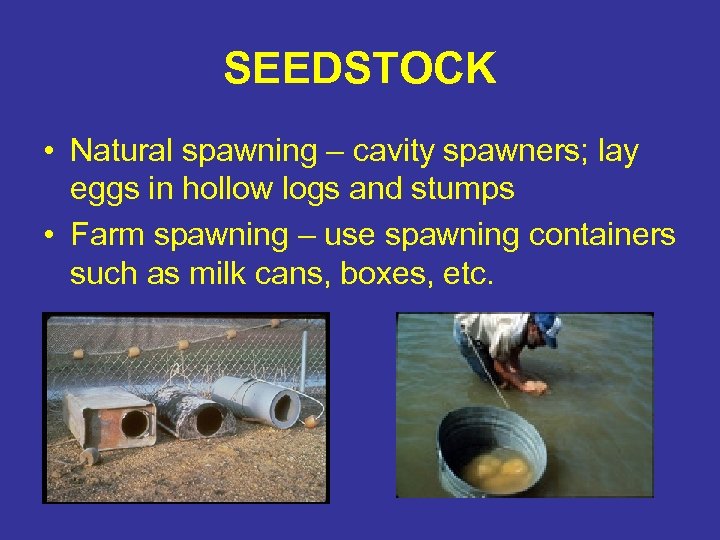
SEEDSTOCK • Natural spawning – cavity spawners; lay eggs in hollow logs and stumps • Farm spawning – use spawning containers such as milk cans, boxes, etc.
SEEDSTOCK • Hatching – either hatch naturally or in hatchery • Needs moving water (not flowing) at temperature of 75 – 85 o F • Hatching occurs in 6 – 10 days • Newly-hatched fry live off egg sac for several days • Fine meal feed is used for next several weeks
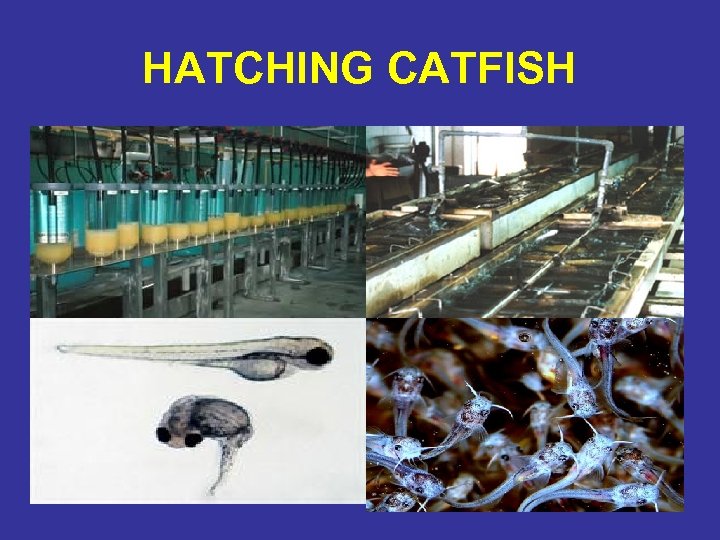
HATCHING CATFISH
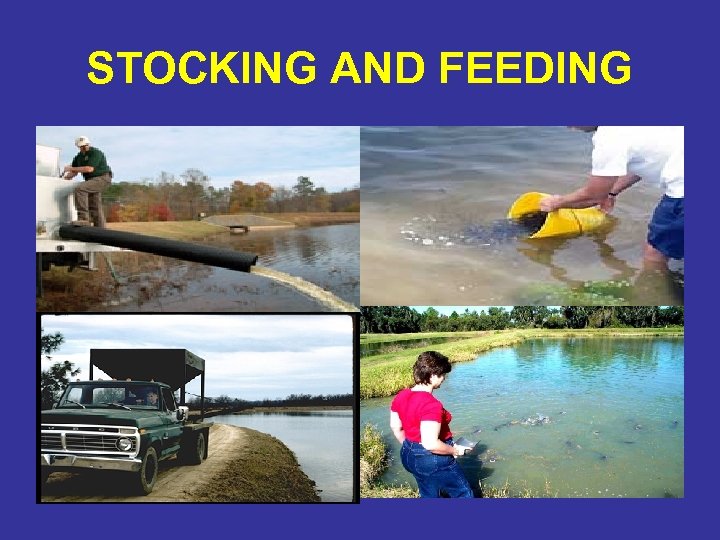
CULTURE, STOCKING, AND FEEDING CATFISH • Stocked as 5 – 8 -inch fingerlings • Stocking rates vary from 2000 – 5000 per acre • Typically fed floating feed that is 28 to 32% protein • Should be fed 1 – 2 times daily • Fingerlings are fed 10% of body weight daily, fish under one pound need 3% daily, and fish over one pound need 2% daily
STOCKING AND FEEDING
HARVESTING CATFISH
MARKETING CATFISH • Broodfish may be sold to hatchery operators • Hatcheries produce eggs, fry, and fingerlings • Grow-out farmers stock ponds with fingerlings and grow them as food • Recreational fee-lake operators buy from growers to stock out their ponds
CRAWFISH
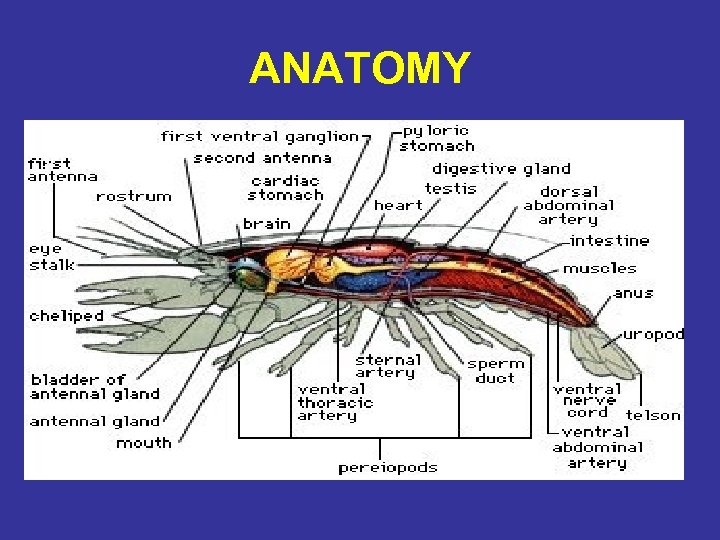
ANATOMY
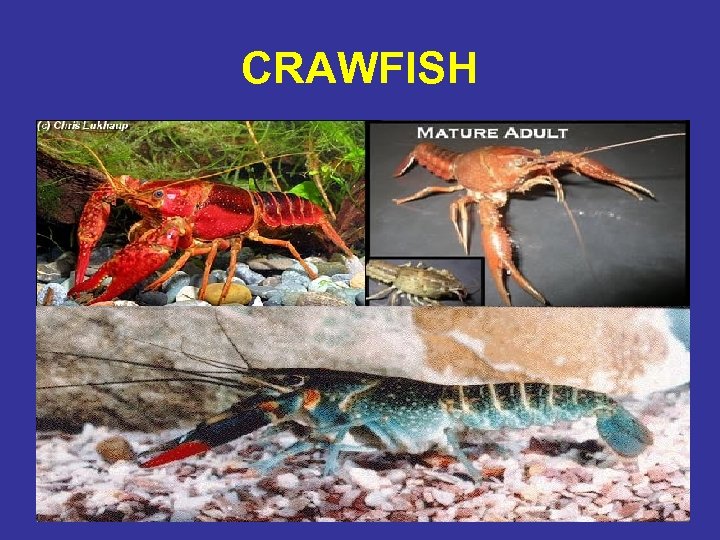
MOLTING (ECDYSIS) • Crawfish have hard shell which must be shed to grow • Calcium is extracted from shell and stored in glands while molting • After shedding old shell, body uptakes water and expands 20% • New shell hardens within 12 hours • Crawfish molts about 12 times before it reaches maturity
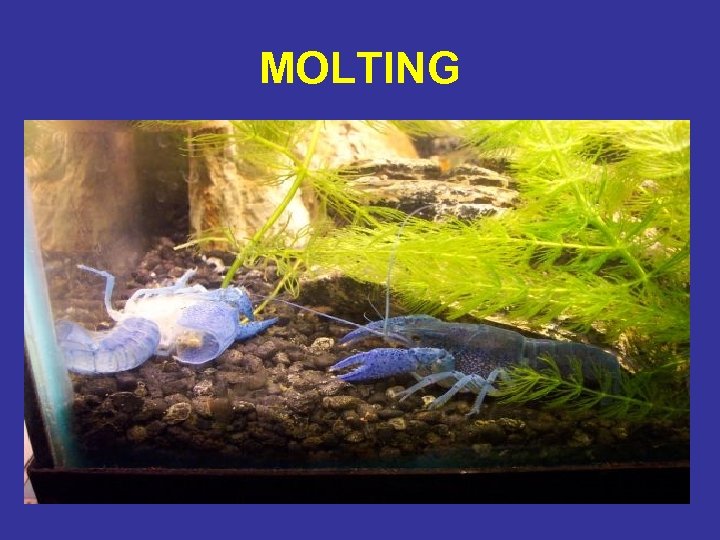
MOLTING
REQUIRED ENVIRONMENT • Naturally found in shallow, weedy swamps and ponds • Prefer water temps between 65 to 85 o. F • Dormant below 45 o. F • Range of p. H 5. 8 to 8. 2 • Redclaw are tropical and die at temps below 50 o. F
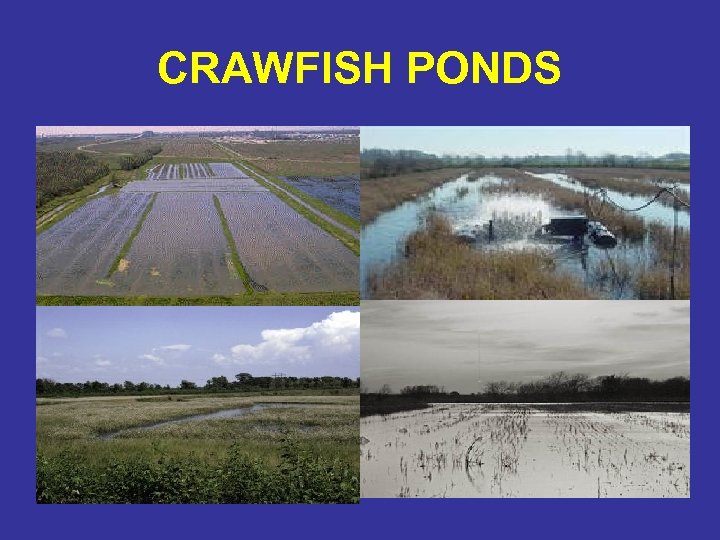
CRAWFISH PONDS
SEEDSTOCK • Burrowing – crawfish dig holes (burrows) for shelter and reproduction • Mating – male deposits sperm packet on female in late spring (redclaws can mate up to 3 times annually) • Hatching – eggs (200 – 800) are attached to underside of abdomen and hatch in 14 – 21 days (30 – 40 days for redclaw)
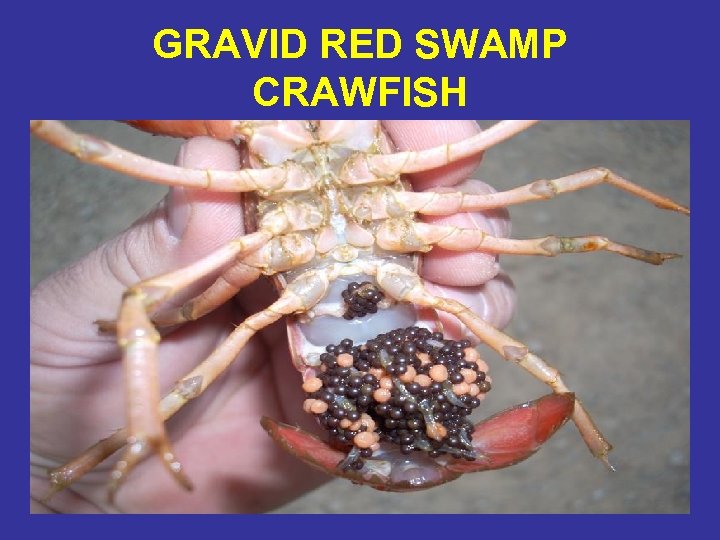
GRAVID RED SWAMP CRAWFISH
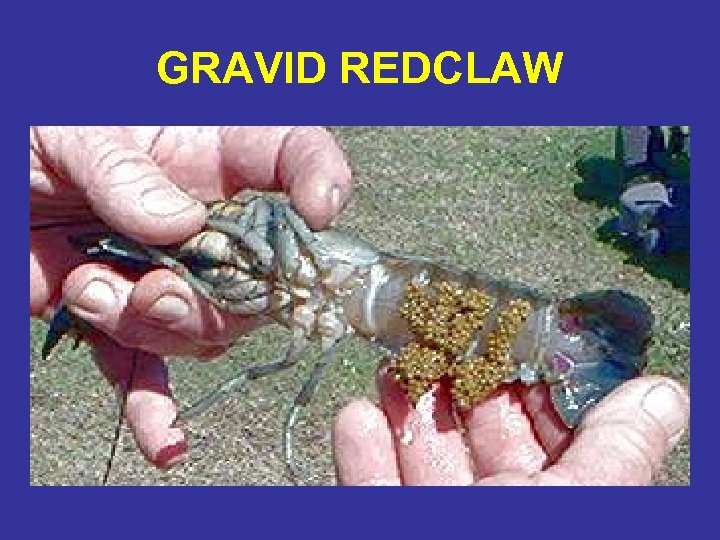
GRAVID REDCLAW
FEEDING • Crawfish are omnivorous and feed mainly on detritus (decaying bits of plants and animals) • Red swamp crawfish forage on rice stubble • Commercial crawfish feeds are often used as supplemental feed
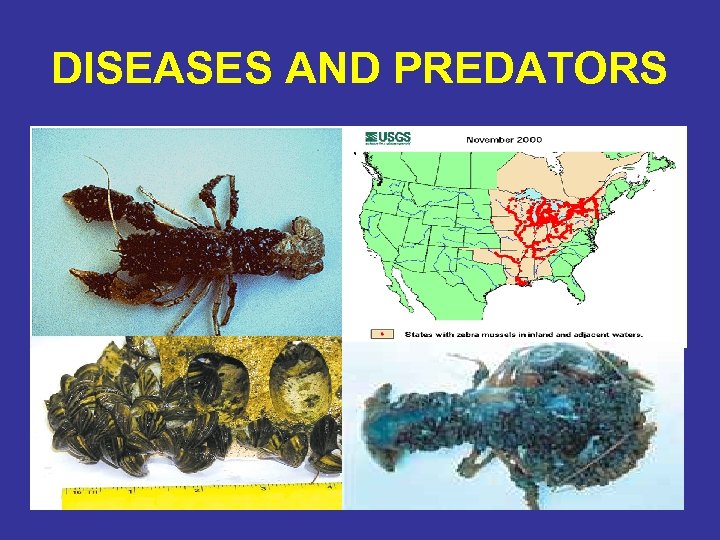
DISEASES AND PREDATORS • Very few diseases cause problems with crawfish (bacterial and fungal) • Crawfish can be infested with zebra mussels • Common predators are trash fish, birds, raccoons, frogs, snakes, turtles, and water beetles
DISEASES AND PREDATORS
HARVESTING AND MARKETING • Red swamps are harvested in winter and spring with baited traps • Crawfish are sold alive for boiling or tails may be peeled and frozen • New market niches are developing for softshell crawfish

HARVESTING AND MARKETING
FRESHWATER PRAWNS • • • River prawn Macrobrachium rosenbergii Tiger prawn Panaeus esculentaus Pacific white shrimp Panaeus vannemai Grown in low salinity water (<5 ppt) Water temps 75 to 85 o. F Grown in earthen ponds outdoors and lined ponds in greenhouses
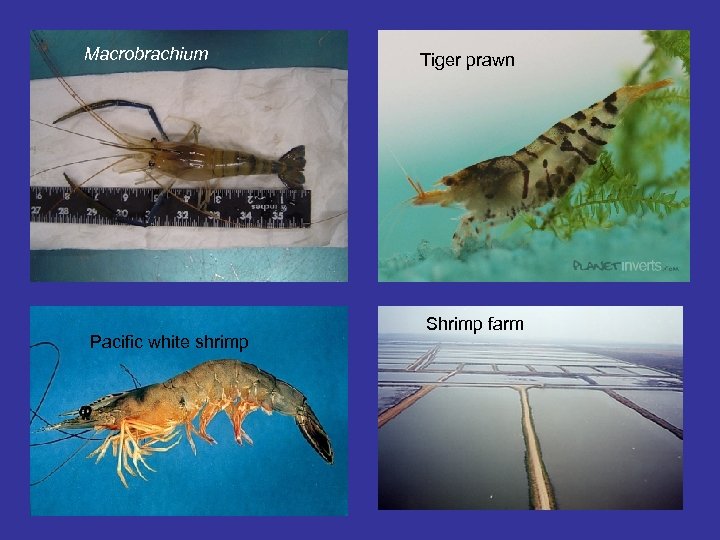
Macrobrachium Pacific white shrimp Tiger prawn Shrimp farm
SEEDSTOCK • Females produce about 28, 000 eggs per ounce • Eggs hatch in 20 -21 days and must be fed plankton • Larvae swim upside down and backwards • Reach postlarvae stage (stocking size) in 15 to 45 days
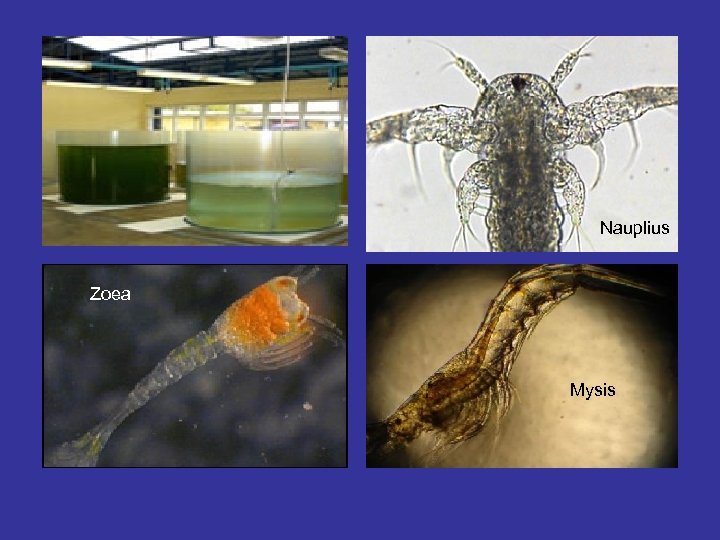
Nauplius Zoea Mysis
TILAPIA • Most widely raised warm-freshwater fish in the world • Tilapia first cultured 4000 years ago in Africa • Most common species cultured include Java, Zanzibar, blue, and Nile tilapia (all four are mouth-brooders)
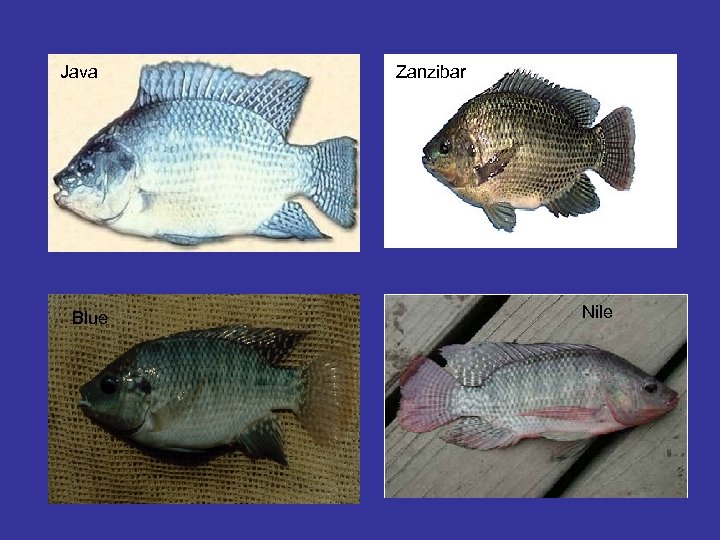
Java Blue Zanzibar Nile
CULTURE • Tilapia are tropical and must be kept above 50 o. F (80 to 90 o. F is ideal) • Tolerate low oxygen, high ammonia, and other conditions that would be lethal to many species of fish. • Spawning is easy; the problem is usually overpopulation • Tilapia naturally feed on plants, insects, detritus, and plankton
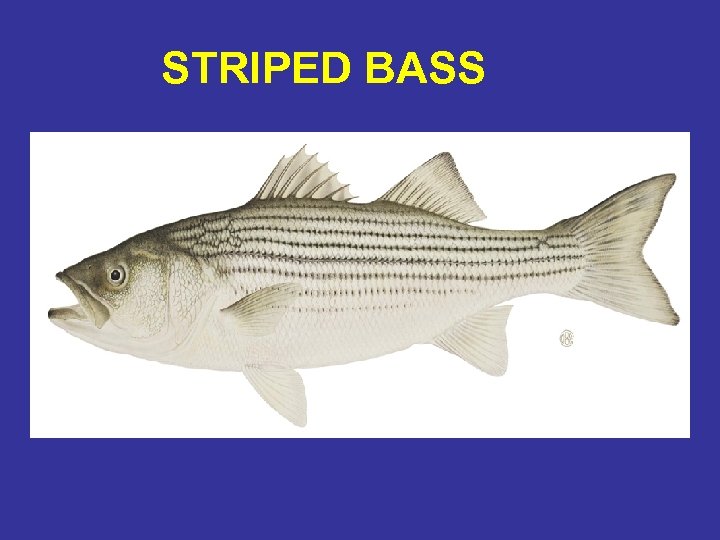
STRIPED BASS
CULTURE • Can grow in freshwater, brackish water, or saltwater (most commercial production in freshwater) • Grow best at 77 to 88 o. F (survive down to 40 o. F) • Specialized hatcheries needed for seedstock production • Stocked 1000 to 4000 per acre • Need feed 35 to 45% protein
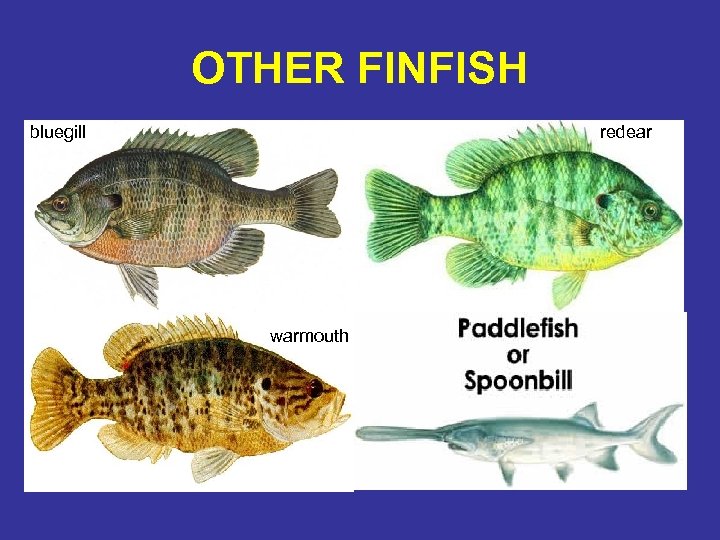
OTHER FINFISH bluegill redear warmouth
Скачать презентацию WARM-FRESHWATER AQUACROPS objectives Describe general environmental requirements
fd967be01e02164b2d7a2f2718ac509e.ppt