


Wales
Where is Wales Facts about Wales Climate National Symbols Government Language Food Sport Music, Film and TV Wales Arts and Culture Landscape of Wales Castles
Where is Wales is part of Britain and the United Kingdom. It's situated to the west of England is around 170 miles (256 km) long and 60 miles (96 km) wide. It covers just over 8, 000 square miles (20, 720 km²) - that's about the same size as Massachusetts in the USA or half the size of Switzerland.
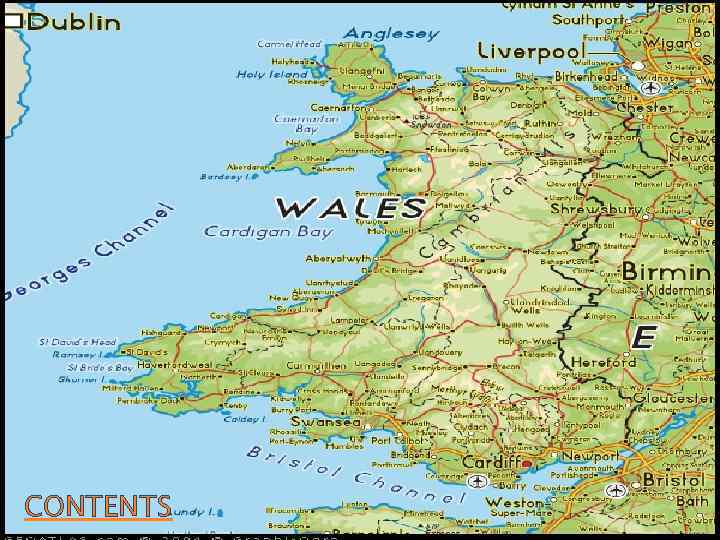
CONTENTS
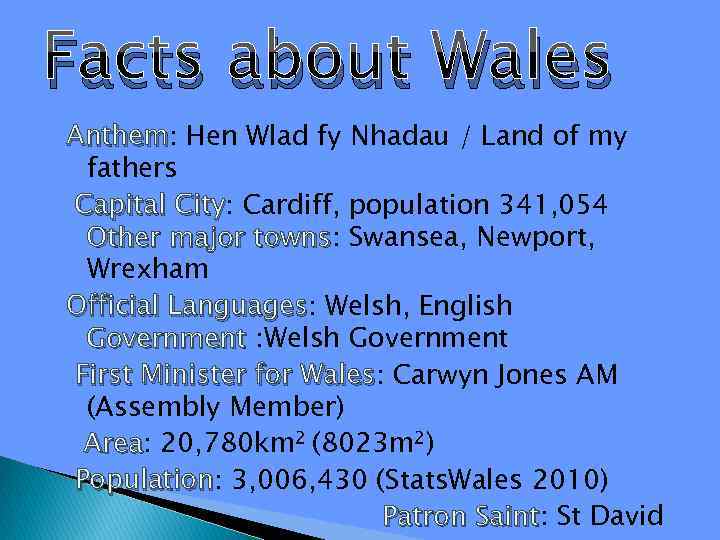
Facts about Wales Anthem: Hen Wlad fy Nhadau / Land of my Anthem fathers Capital City: Cardiff, population 341, 054 City Other major towns: Swansea, Newport, towns Wrexham Official Languages: Welsh, English Languages Government : Welsh Government First Minister for Wales: Carwyn Jones AM Wales (Assembly Member) Area: 20, 780 km 2 (8023 m 2) Area Population: 3, 006, 430 (Stats. Wales 2010) Population Patron Saint: St David Saint
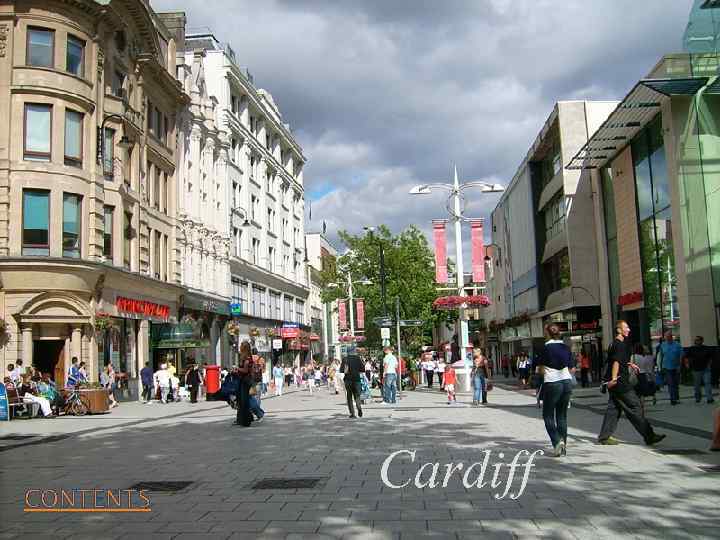
CONTENTS Cardiff
Climate Wales has a moderate climate, very similar to the rest of the UK, but it can also be slightly unpredictable! The mountainous nature of our landscape and the shape of our coast mean that the weather can differ quite dramatically within a very short distance. Weather also changes quite quickly here- it could be raining in the morning and gloriously sunny by the afternoon. Although it’s not all rain and clouds in Wales - the summer months of June to August are the hottest here and a great time to take advantage of some of our beautiful beaches and coastline. April, May and September also offer some warm days to explore our landscape. The temperature in winter months averages around 6°C with summer months climbing up to 20°C. However, conditions in the upland areas can be changeable throughout the entire year.
CONTEST
National Symbols 1. The Leek 2. The Daffodil 3. The Harp 4. The Welsh Flag 5. The national dress of Wales. CONTENTS
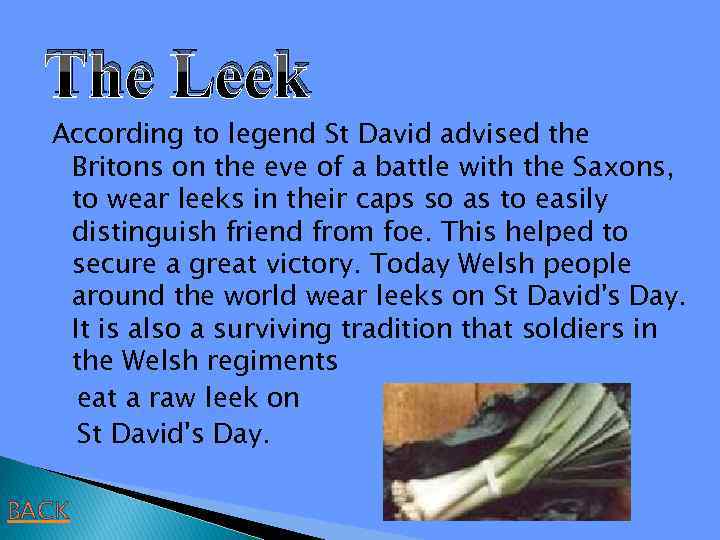
The Leek According to legend St David advised the Britons on the eve of a battle with the Saxons, to wear leeks in their caps so as to easily distinguish friend from foe. This helped to secure a great victory. Today Welsh people around the world wear leeks on St David's Day. It is also a surviving tradition that soldiers in the Welsh regiments eat a raw leek on St David's Day. BACK
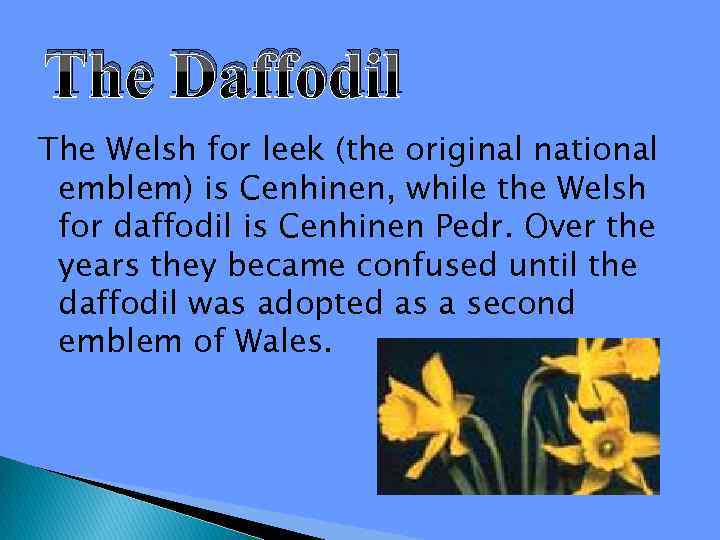
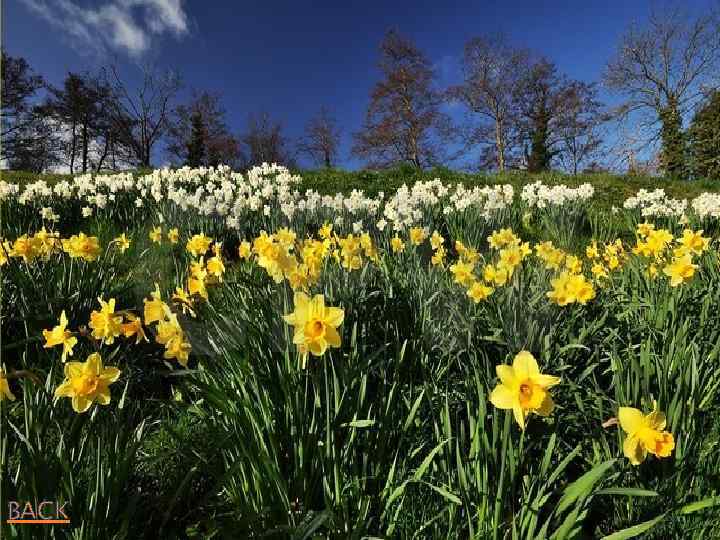
The Daffodil The Welsh for leek (the original national emblem) is Cenhinen, while the Welsh for daffodil is Cenhinen Pedr. Over the years they became confused until the daffodil was adopted as a second emblem of Wales.
BACK
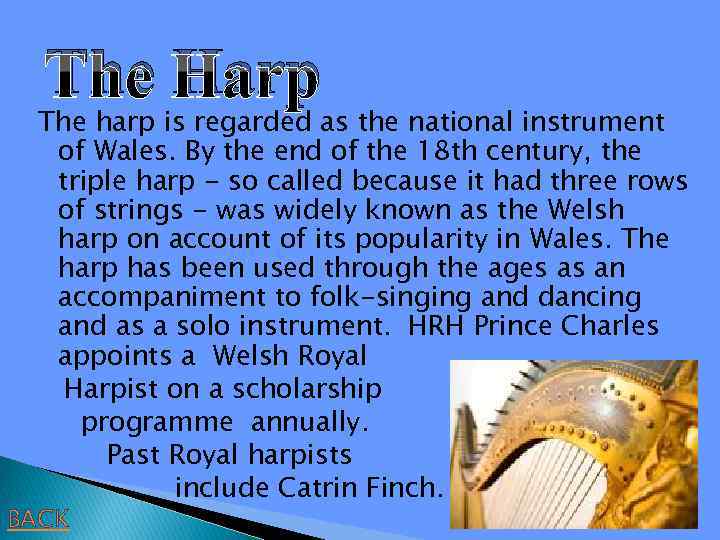
The Harp The harp is regarded as the national instrument of Wales. By the end of the 18 th century, the triple harp - so called because it had three rows of strings - was widely known as the Welsh harp on account of its popularity in Wales. The harp has been used through the ages as an accompaniment to folk-singing and dancing and as a solo instrument. HRH Prince Charles appoints a Welsh Royal Harpist on a scholarship programme annually. Past Royal harpists include Catrin Finch. BACK
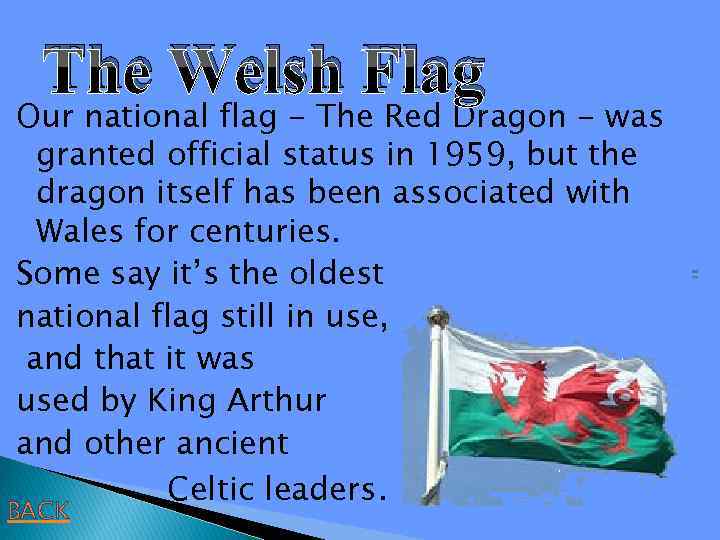
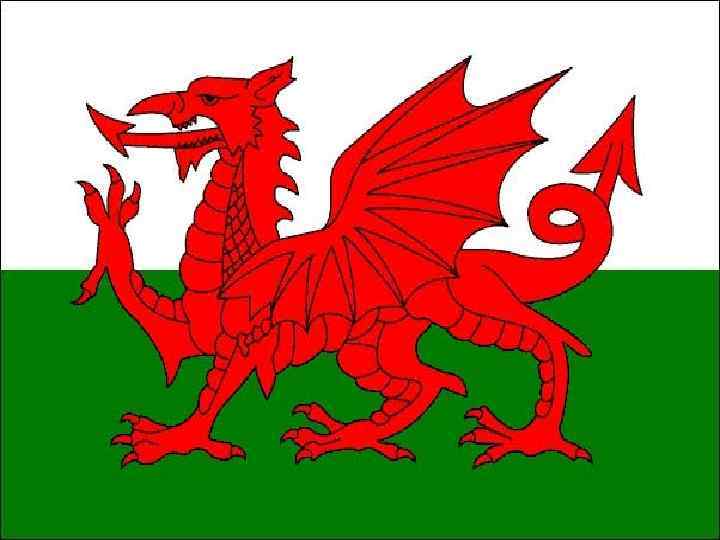
The Welsh Flag Our national flag - The Red Dragon - was granted official status in 1959, but the dragon itself has been associated with Wales for centuries. Some say it’s the oldest national flag still in use, and that it was used by King Arthur and other ancient Celtic leaders. BACK
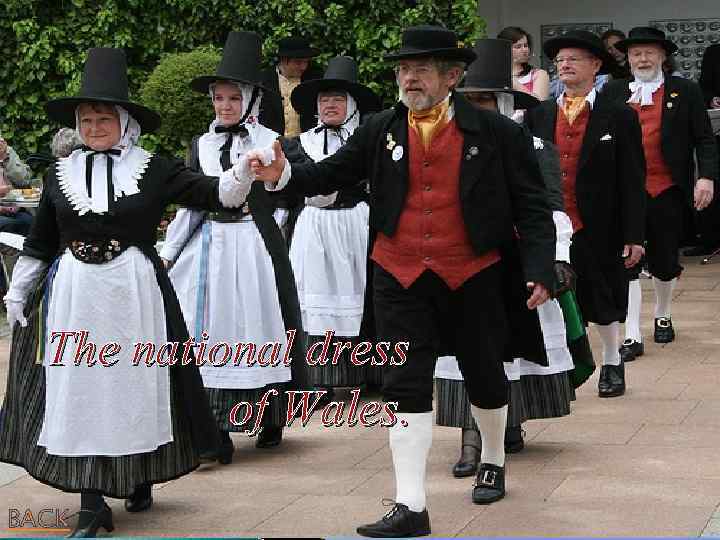
The national dress of Wales. BACK
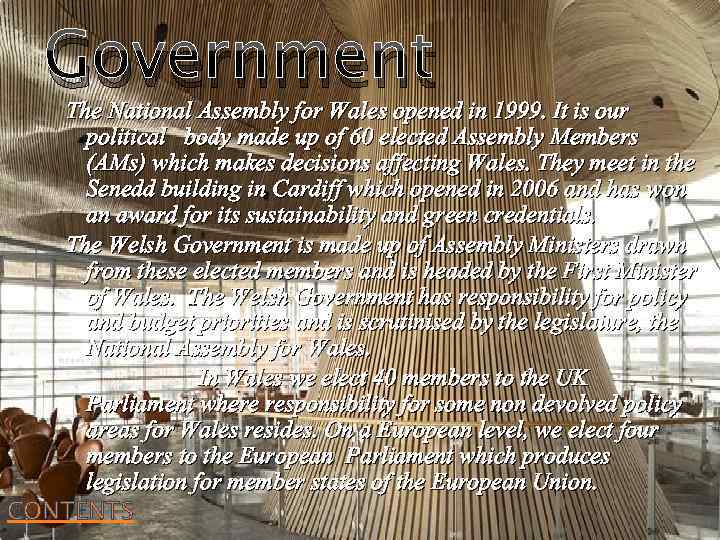
Government The National Assembly for Wales opened in 1999. It is our political body made up of 60 elected Assembly Members (AMs) which makes decisions affecting Wales. They meet in the Senedd building in Cardiff which opened in 2006 and has won an award for its sustainability and green credentials. The Welsh Government is made up of Assembly Ministers drawn from these elected members and is headed by the First Minister of Wales. The Welsh Government has responsibility for policy and budget priorities and is scrutinised by the legislature, the National Assembly for Wales. In Wales we elect 40 members to the UK Parliament where responsibility for some non devolved policy areas for Wales resides. On a European level, we elect four members to the European Parliament which produces legislation for member states of the European Union. CONTENTS
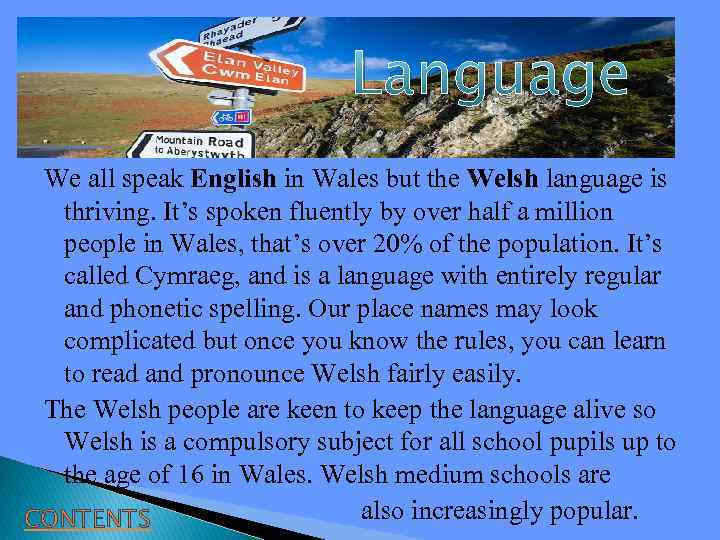
Language We all speak English in Wales but the Welsh language is thriving. It’s spoken fluently by over half a million people in Wales, that’s over 20% of the population. It’s called Cymraeg, and is a language with entirely regular and phonetic spelling. Our place names may look complicated but once you know the rules, you can learn to read and pronounce Welsh fairly easily. The Welsh people are keen to keep the language alive so Welsh is a compulsory subject for all school pupils up to the age of 16 in Wales. Welsh medium schools are also increasingly popular. CONTENTS
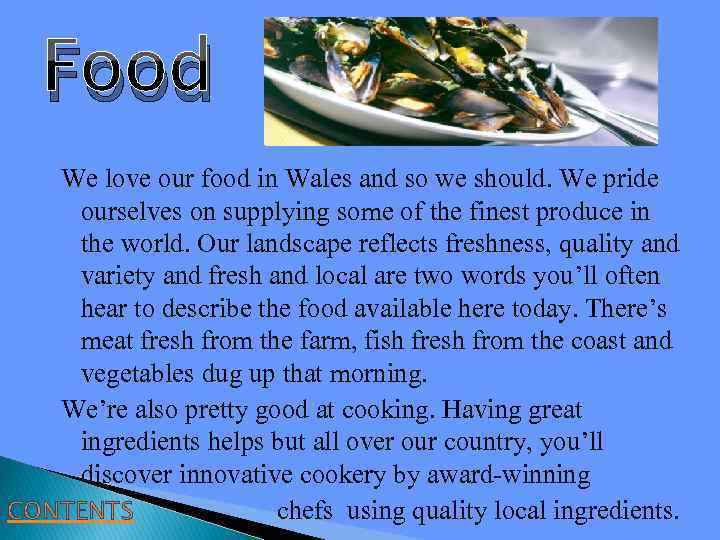
Food We love our food in Wales and so we should. We pride ourselves on supplying some of the finest produce in the world. Our landscape reflects freshness, quality and variety and fresh and local are two words you’ll often hear to describe the food available here today. There’s meat fresh from the farm, fish fresh from the coast and vegetables dug up that morning. We’re also pretty good at cooking. Having great ingredients helps but all over our country, you’ll discover innovative cookery by award-winning CONTENTS chefs using quality local ingredients.
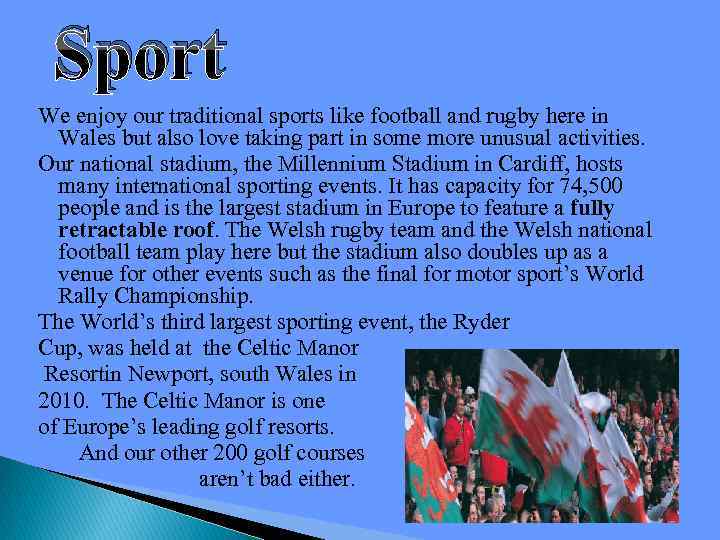
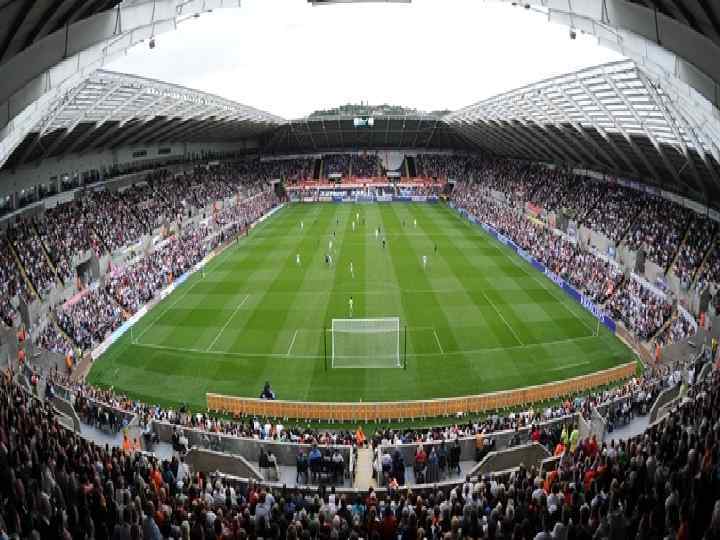
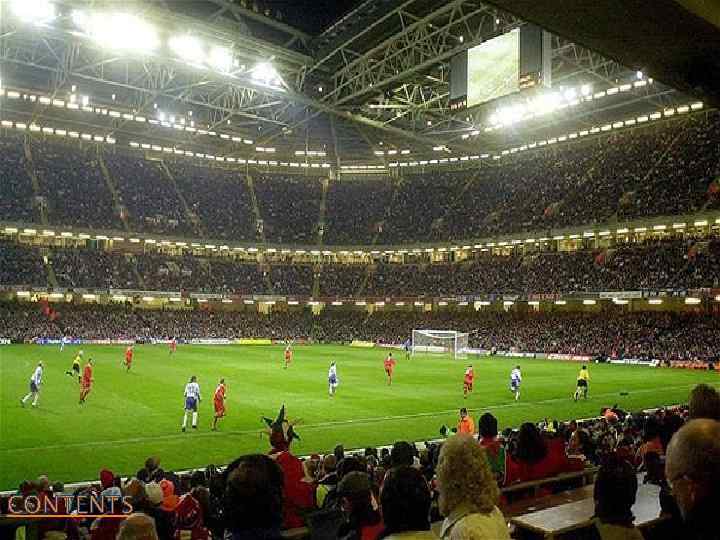
Sport We enjoy our traditional sports like football and rugby here in Wales but also love taking part in some more unusual activities. Our national stadium, the Millennium Stadium in Cardiff, hosts many international sporting events. It has capacity for 74, 500 people and is the largest stadium in Europe to feature a fully retractable roof. The Welsh rugby team and the Welsh national football team play here but the stadium also doubles up as a venue for other events such as the final for motor sport’s World Rally Championship. The World’s third largest sporting event, the Ryder Cup, was held at the Celtic Manor Resortin Newport, south Wales in 2010. The Celtic Manor is one of Europe’s leading golf resorts. And our other 200 golf courses aren’t bad either.
CONTENTS
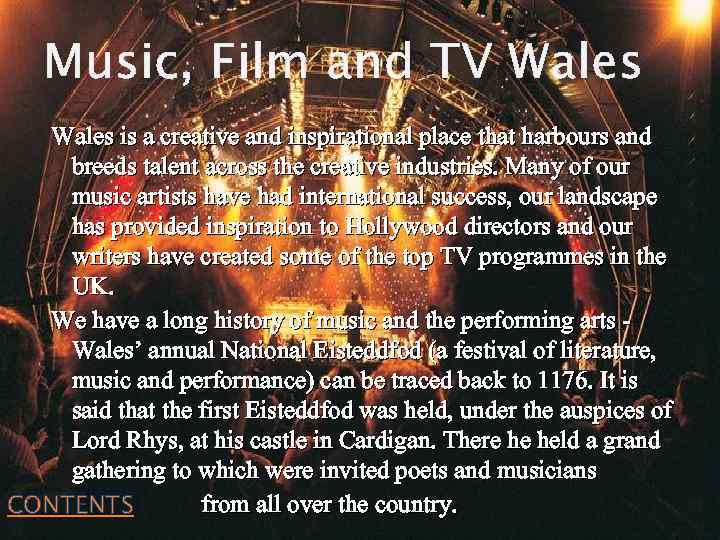
Music, Film and TV Wales is a creative and inspirational place that harbours and breeds talent across the creative industries. Many of our music artists have had international success, our landscape has provided inspiration to Hollywood directors and our writers have created some of the top TV programmes in the UK. We have a long history of music and the performing arts - Wales’ annual National Eisteddfod (a festival of literature, music and performance) can be traced back to 1176. It is said that the first Eisteddfod was held, under the auspices of Lord Rhys, at his castle in Cardigan. There he held a grand gathering to which were invited poets and musicians from all over the country. CONTENTS
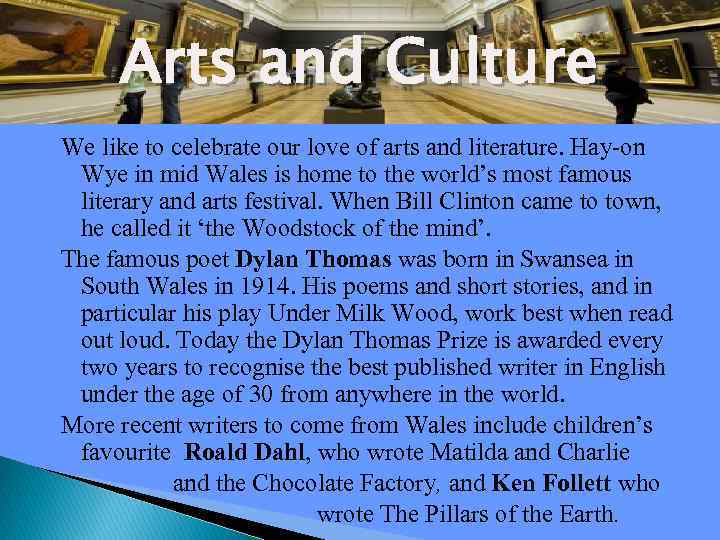
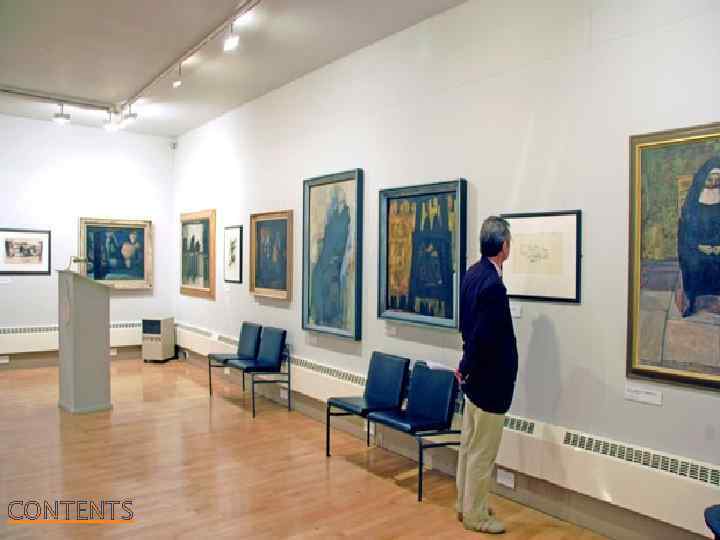
Arts and Culture We like to celebrate our love of arts and literature. Hay-on Wye in mid Wales is home to the world’s most famous literary and arts festival. When Bill Clinton came to town, he called it ‘the Woodstock of the mind’. The famous poet Dylan Thomas was born in Swansea in South Wales in 1914. His poems and short stories, and in particular his play Under Milk Wood, work best when read out loud. Today the Dylan Thomas Prize is awarded every two years to recognise the best published writer in English under the age of 30 from anywhere in the world. More recent writers to come from Wales include children’s favourite Roald Dahl, who wrote Matilda and Charlie and the Chocolate Factory, and Ken Follett who wrote The Pillars of the Earth.
CONTENTS
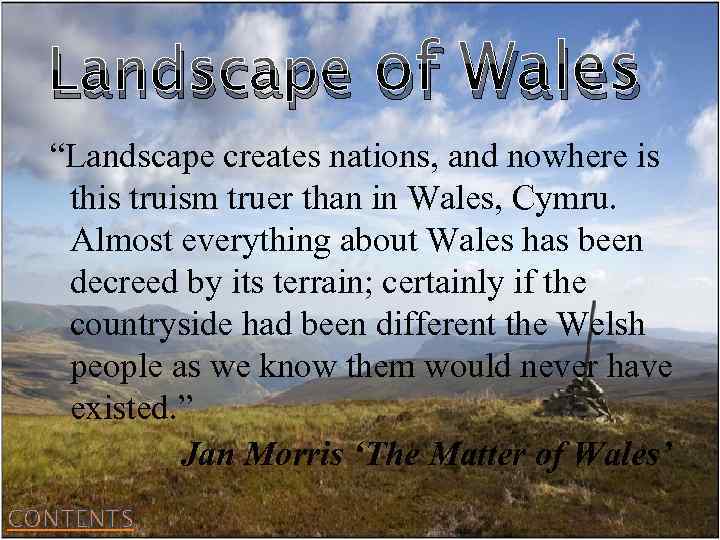
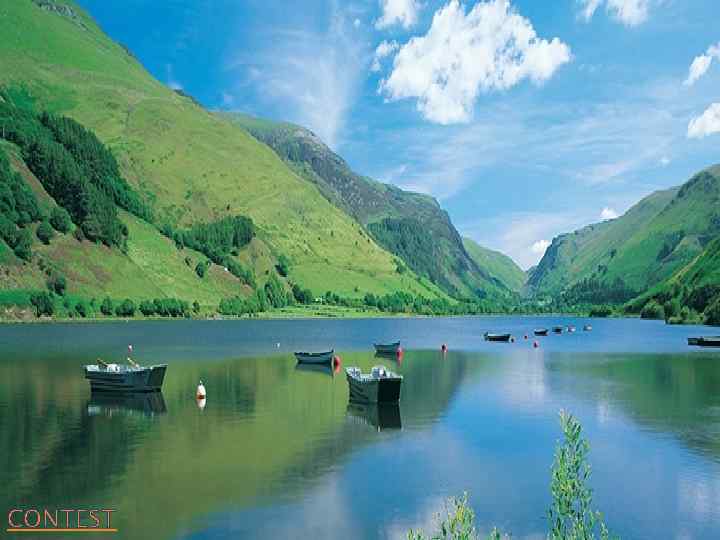
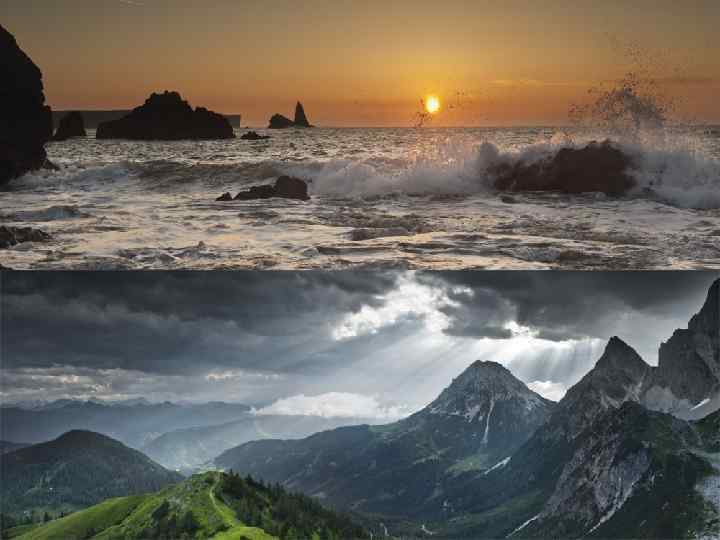
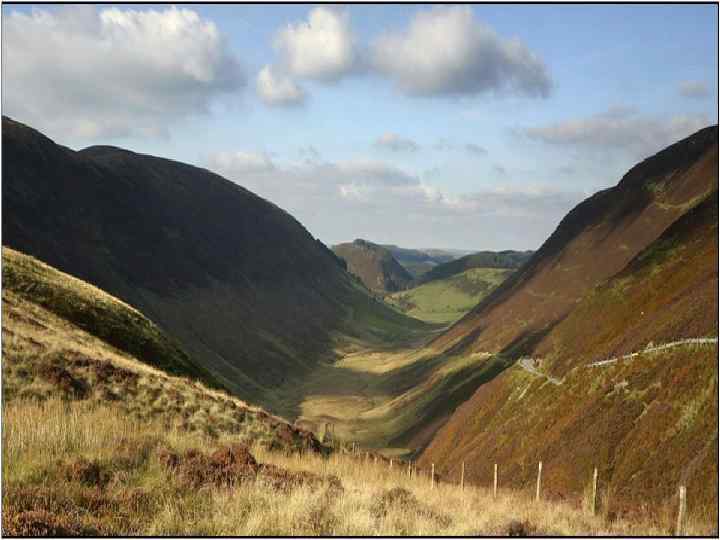
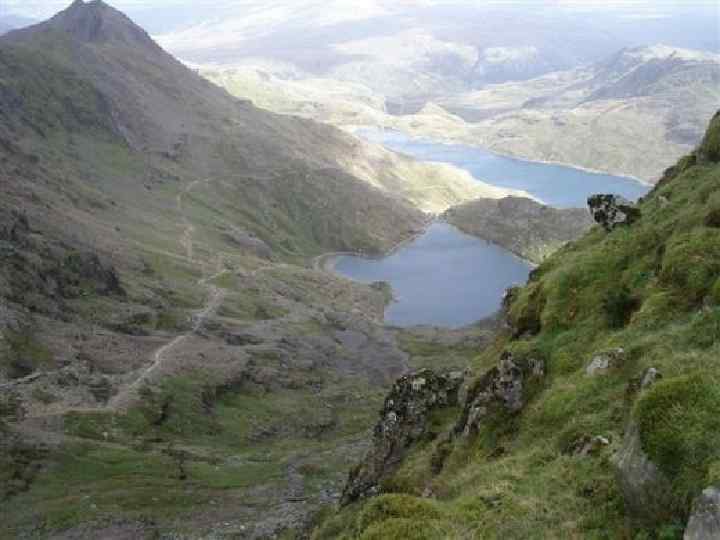
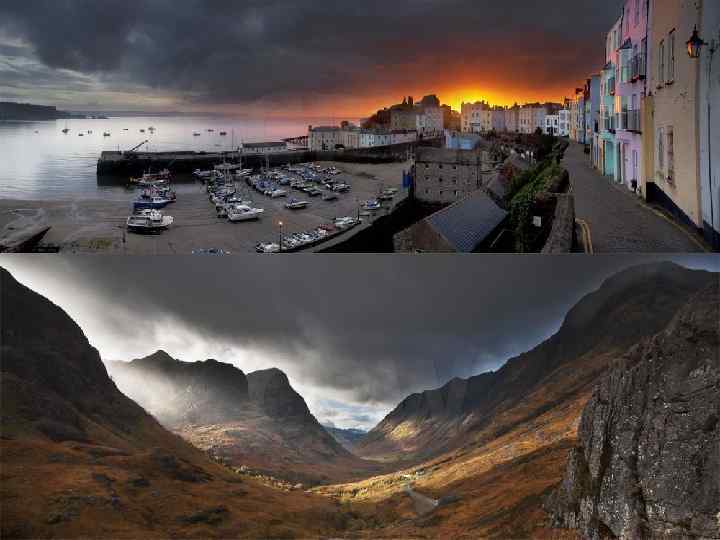
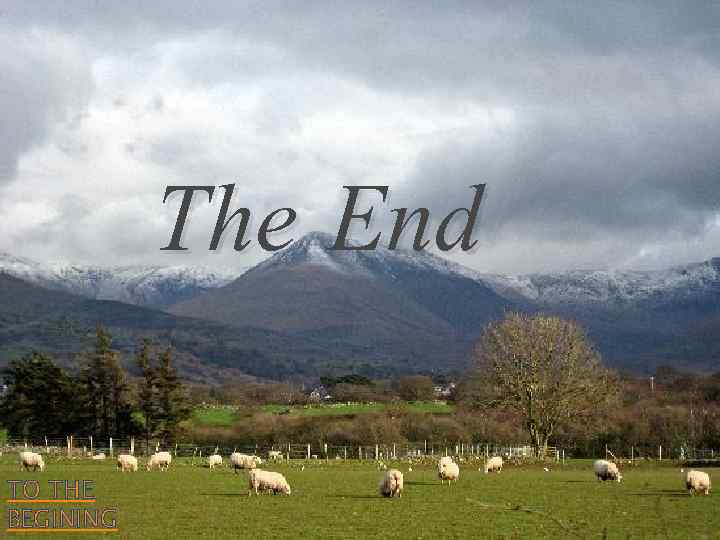
Landscape of Wales “Landscape creates nations, and nowhere is this truism truer than in Wales, Cymru. Almost everything about Wales has been decreed by its terrain; certainly if the countryside had been different the Welsh people as we know them would never have existed. ” Jan Morris ‘The Matter of Wales’ CONTENTS
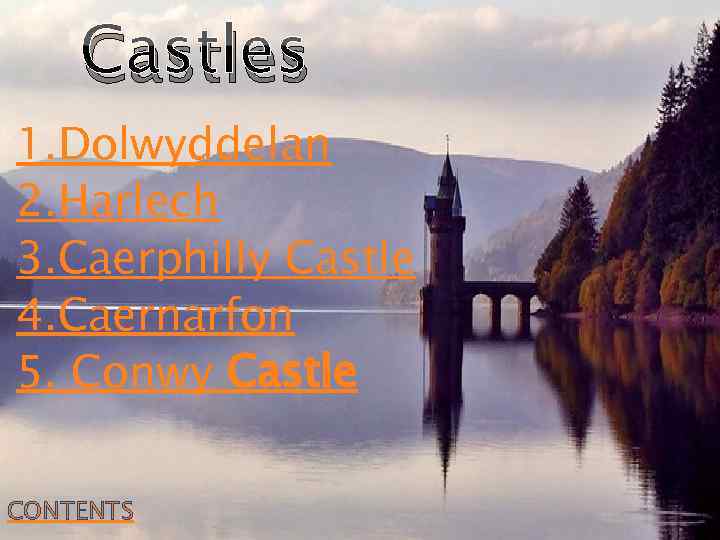
Castles 1. Dolwyddelan 2. Harlech 3. Caerphilly Castle 4. Caernarfon 5. Conwy Castle CONTENTS
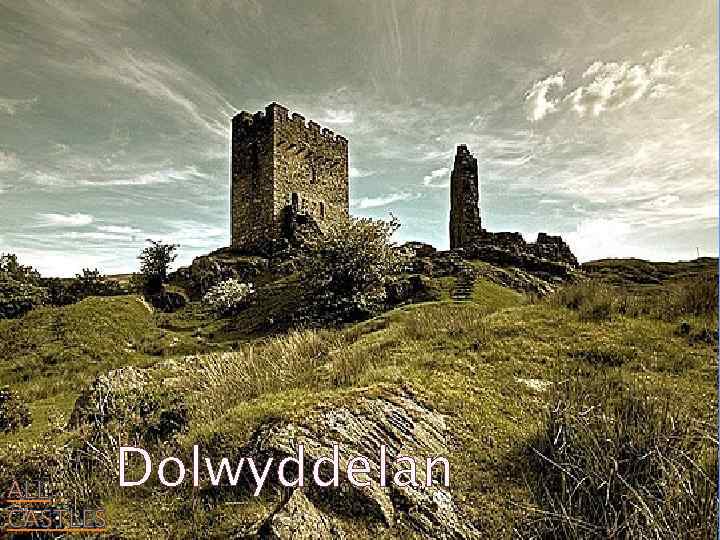
ALL CASTLES Dolwyddelan
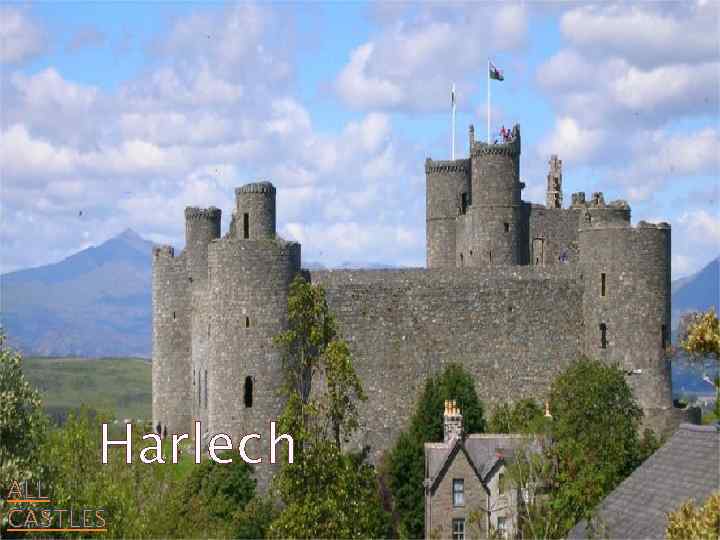
Harlech ALL CASTLES
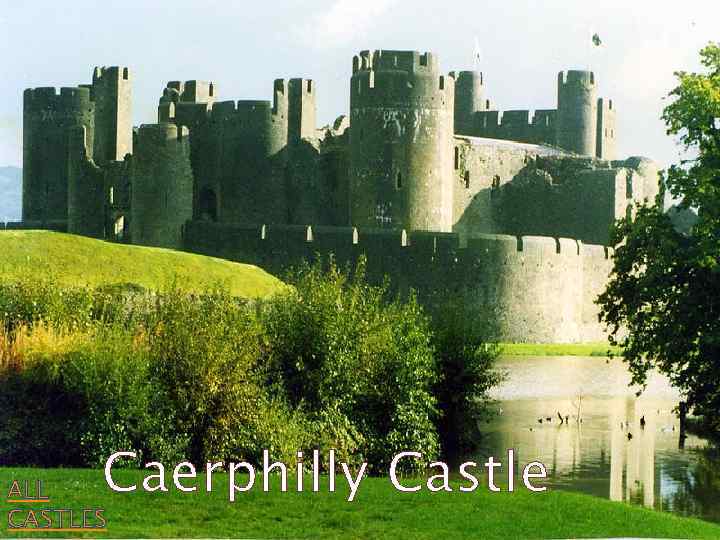
Caerphilly Castle ALL CASTLES
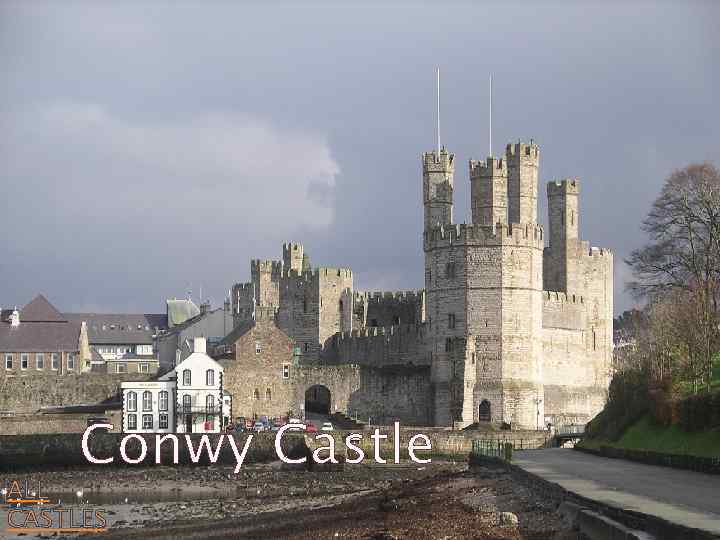
Conwy Castle ALL CASTLES
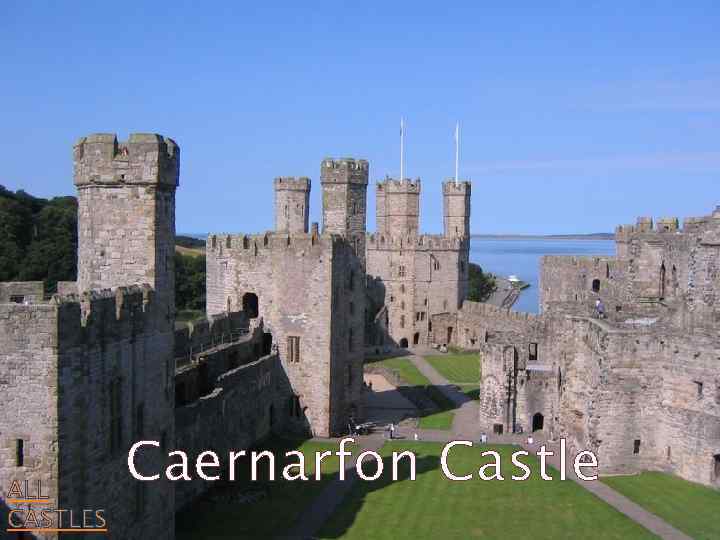
ALL CASTLES Caernarfon Castle
The End TO THE BEGINING
