


 Скачать презентацию Volume Optimization in Surgical Patients Philippe Van der
b55f795b09a8f177d970f7be0ce44c3b.ppt
- Количество слайдов: 58
 Volume Optimization in Surgical Patients Philippe Van der Linden MD, Ph. D CHU Brugmann-HUDERF, Free University of Brussels
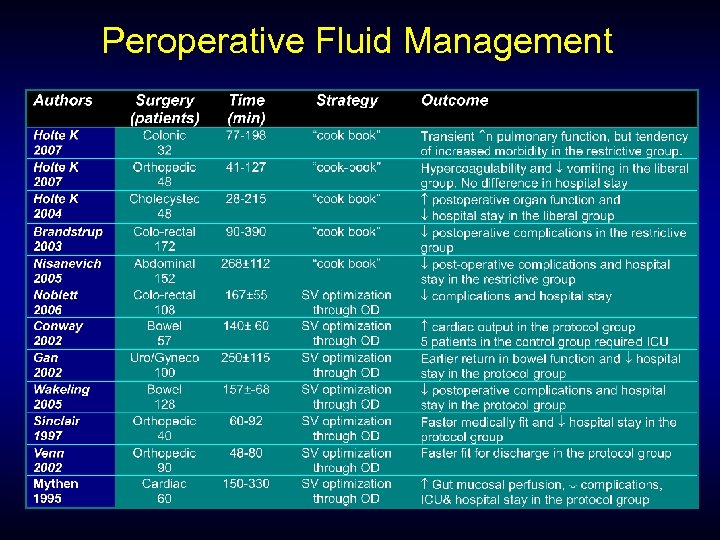
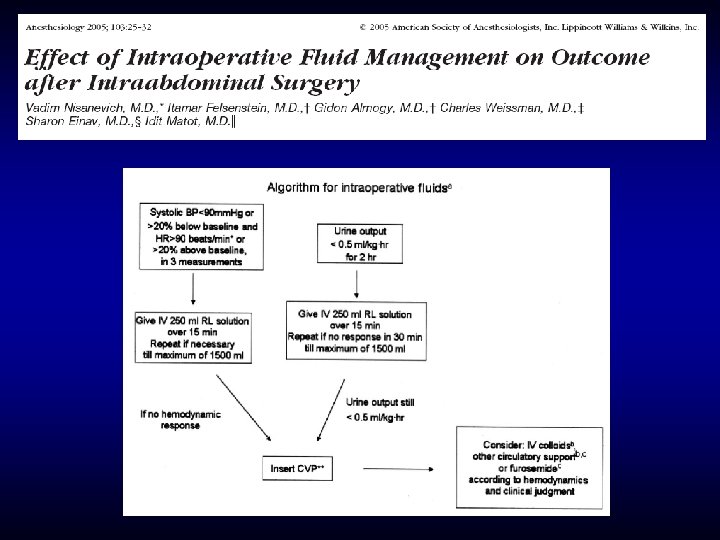
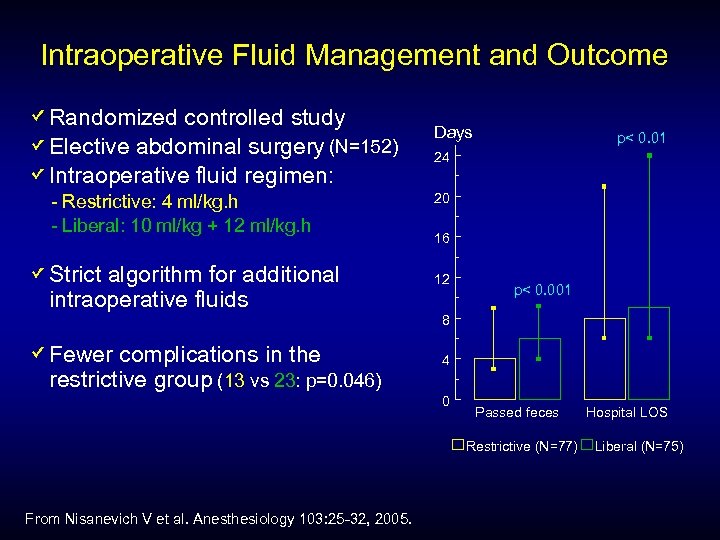 Intraoperative Fluid Management and Outcome Randomized controlled study Elective abdominal surgery (N=152) Intraoperative fluid regimen: - Restrictive: 4 ml/kg. h - Liberal: 10 ml/kg + 12 ml/kg. h Strict algorithm for additional intraoperative fluids Fewer complications in the restrictive group (13 vs 23: p=0. 046) Days p< 0. 01 24 20 16 12 p< 0. 001 8 4 0 Passed feces Restrictive (N=77) From Nisanevich V et al. Anesthesiology 103: 25 -32, 2005. Hospital LOS Liberal (N=75)
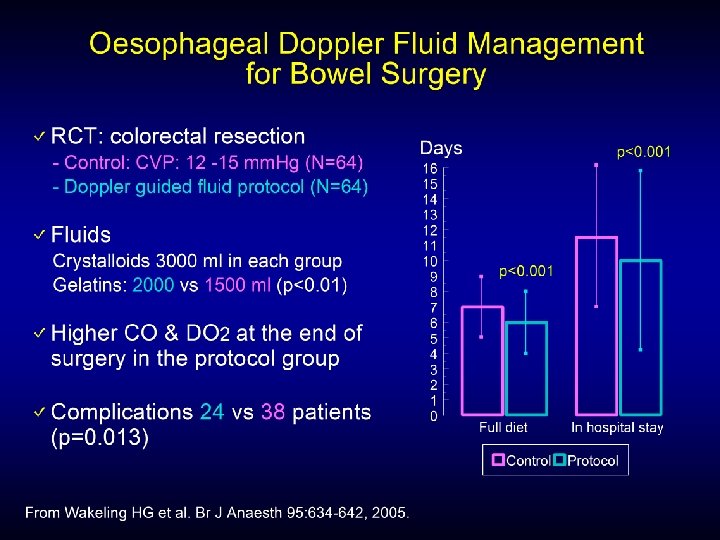
 Perioperative Fluid Strategy • In many cases, fluids are administered without adequate monitoring to guide volume • This may result in adverse outcomes relating to either inadequate or excess fluid administration
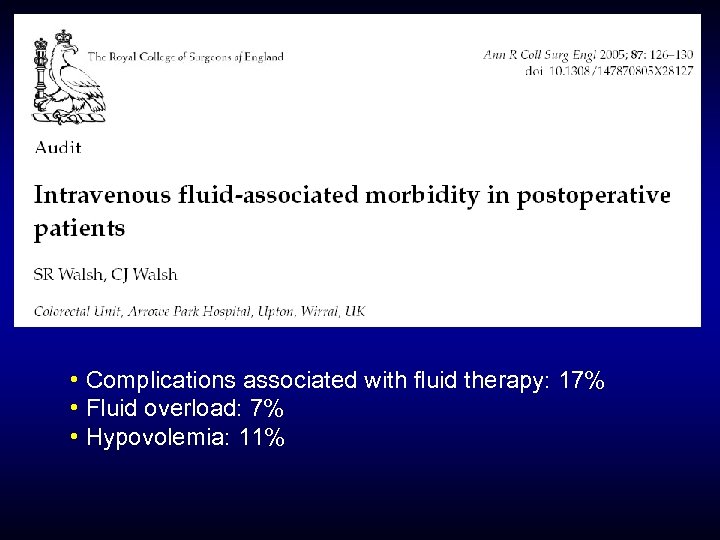 • Complications associated with fluid therapy: 17% • Fluid overload: 7% • Hypovolemia: 11%
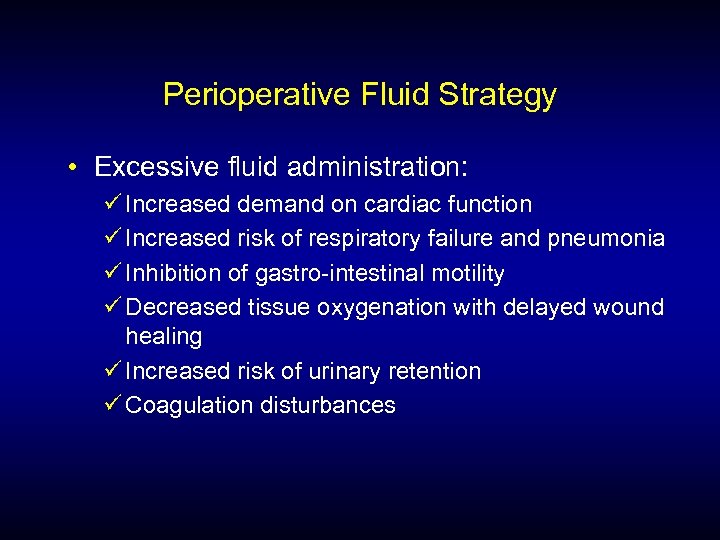 Perioperative Fluid Strategy • Excessive fluid administration: ü Increased demand on cardiac function ü Increased risk of respiratory failure and pneumonia ü Inhibition of gastro-intestinal motility ü Decreased tissue oxygenation with delayed wound healing ü Increased risk of urinary retention ü Coagulation disturbances
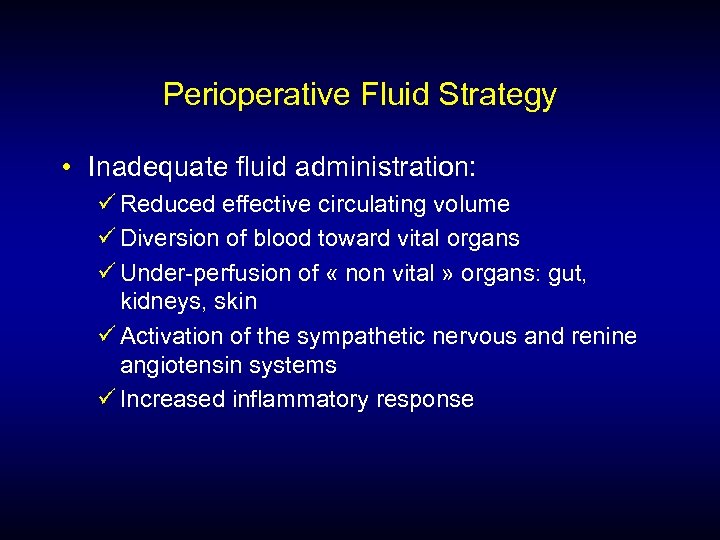 Perioperative Fluid Strategy • Inadequate fluid administration: ü Reduced effective circulating volume ü Diversion of blood toward vital organs ü Under-perfusion of « non vital » organs: gut, kidneys, skin ü Activation of the sympathetic nervous and renine angiotensin systems ü Increased inflammatory response
 Perioperative Fluid Strategy
 Perioperative Fluid Strategy • Volume « optimization » will depend: ü Type of surgery ü Importance of the surgical insult ü Patient’s clinical conditions § § Cardiorespiratory reserve Medical treatment Preoperative volume status Preoperative preparation
 Volume «Optimization » in Surgical Patients • Avoidance of dehydration • Maintenance of an « effective » circulating blood volume • Prevention of « inadequate » tissue perfusion
 Fluid Administration Strategies ü The « recipe » book approach From Grocott MPW et al. Anesth Analg 100: 1093 -106, 2005.
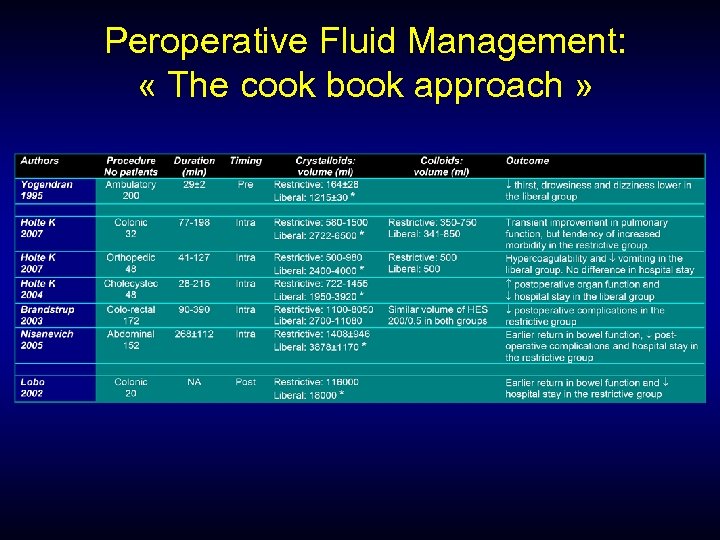 Peroperative Fluid Management: « The cook book approach »
 Fluid Administration Strategies ü The « recipe » book approach ü Intravascular pressure measurements From Grocott MPW et al. Anesth Analg 100: 1093 -106, 2005.
 Fluid Administration Strategies ü The « recipe » book approach ü Intravascular pressure measurement ü Systolic and pulse pressure variation From Grocott MPW et al. Anesth Analg 100: 1093 -106, 2005.
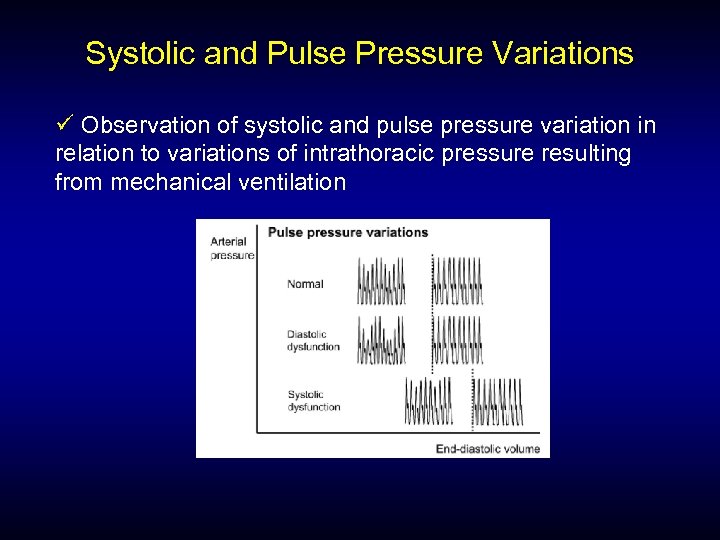 Systolic and Pulse Pressure Variations ü Observation of systolic and pulse pressure variation in relation to variations of intrathoracic pressure resulting from mechanical ventilation
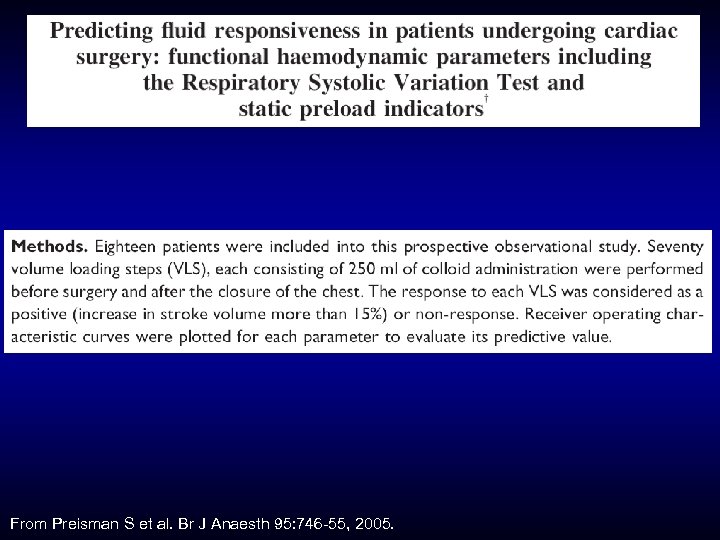 From Preisman S et al. Br J Anaesth 95: 746 -55, 2005.
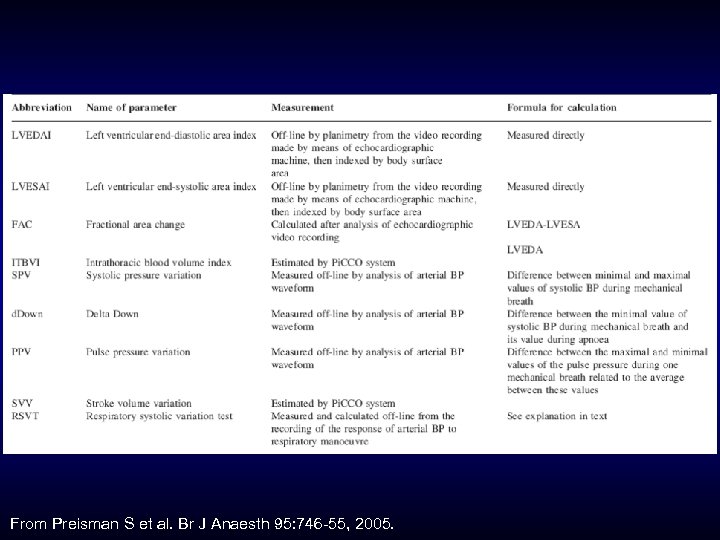 From Preisman S et al. Br J Anaesth 95: 746 -55, 2005.
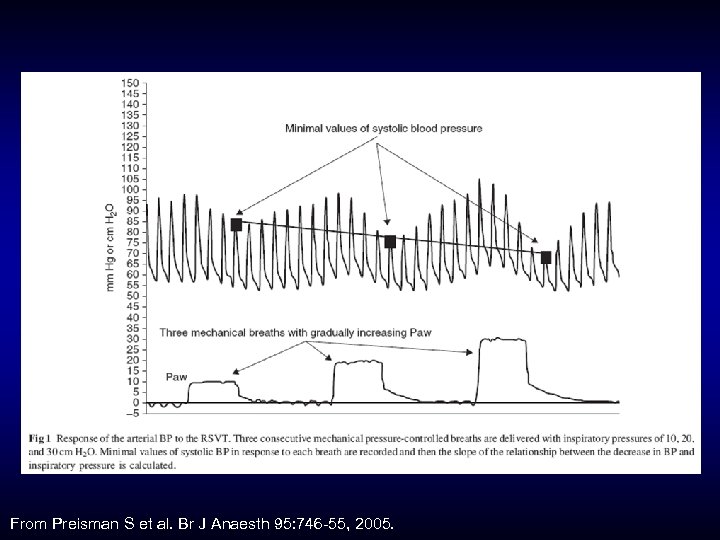 From Preisman S et al. Br J Anaesth 95: 746 -55, 2005.
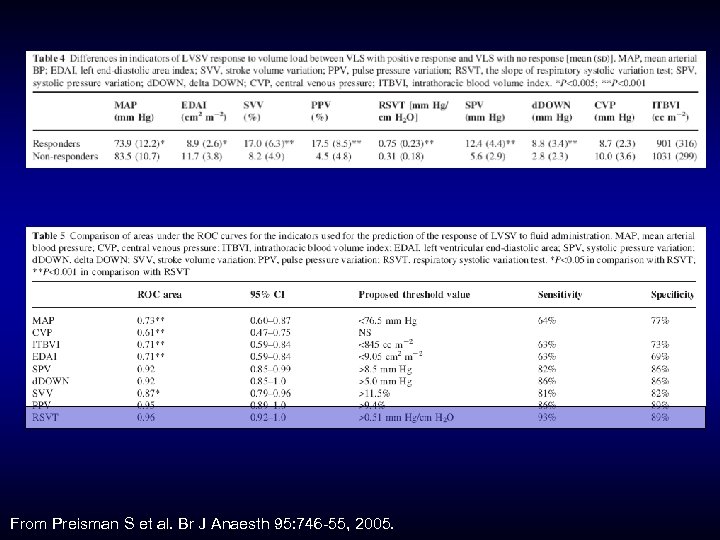 From Preisman S et al. Br J Anaesth 95: 746 -55, 2005.
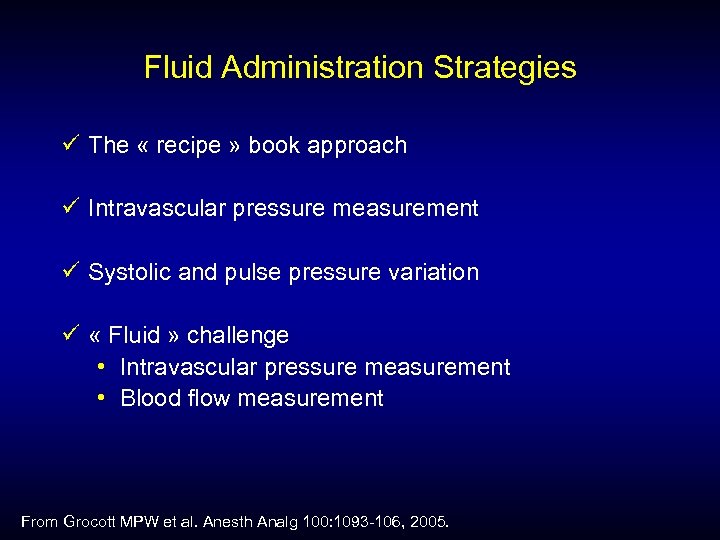 Fluid Administration Strategies ü The « recipe » book approach ü Intravascular pressure measurement ü Systolic and pulse pressure variation ü « Fluid » challenge • Intravascular pressure measurement • Blood flow measurement From Grocott MPW et al. Anesth Analg 100: 1093 -106, 2005.
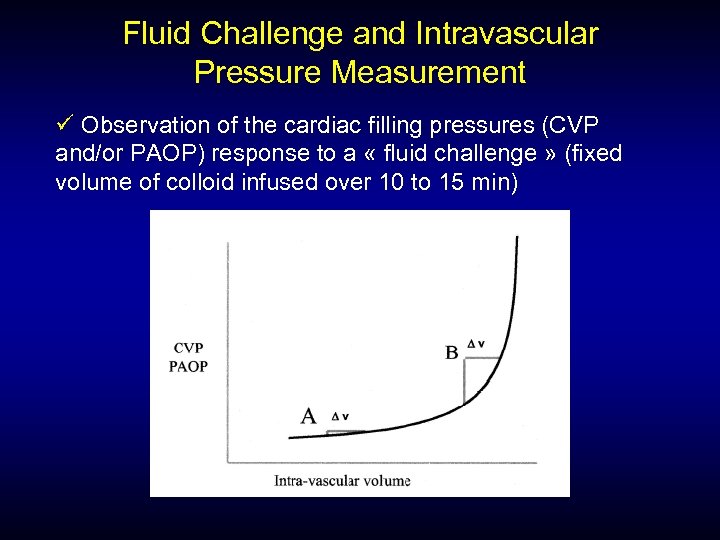 Fluid Challenge and Intravascular Pressure Measurement ü Observation of the cardiac filling pressures (CVP and/or PAOP) response to a « fluid challenge » (fixed volume of colloid infused over 10 to 15 min)
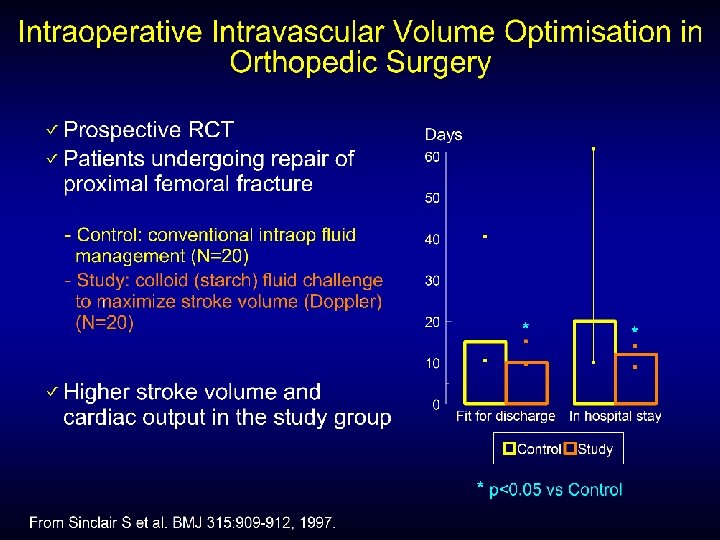
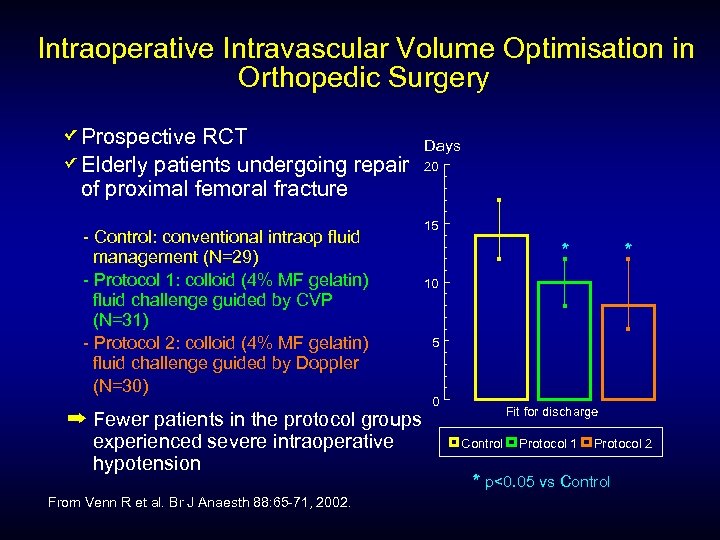 Intraoperative Intravascular Volume Optimisation in Orthopedic Surgery Prospective RCT Elderly patients undergoing repair of proximal femoral fracture - Control: conventional intraop fluid management (N=29) - Protocol 1: colloid (4% MF gelatin) fluid challenge guided by CVP (N=31) - Protocol 2: colloid (4% MF gelatin) fluid challenge guided by Doppler (N=30) Fewer patients in the protocol groups experienced severe intraoperative hypotension From Venn R et al. Br J Anaesth 88: 65 -71, 2002. Days 20 15 * * 10 5 0 Fit for discharge Control Protocol 1 Protocol 2 * p<0. 05 vs Control
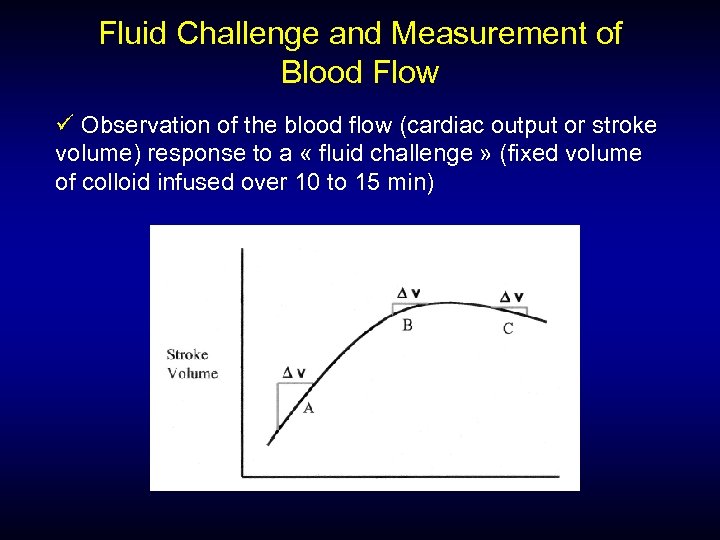 Fluid Challenge and Measurement of Blood Flow ü Observation of the blood flow (cardiac output or stroke volume) response to a « fluid challenge » (fixed volume of colloid infused over 10 to 15 min)
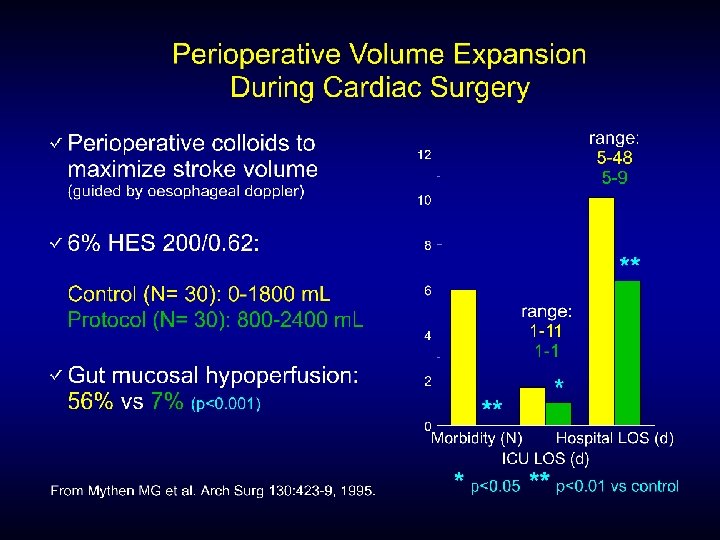
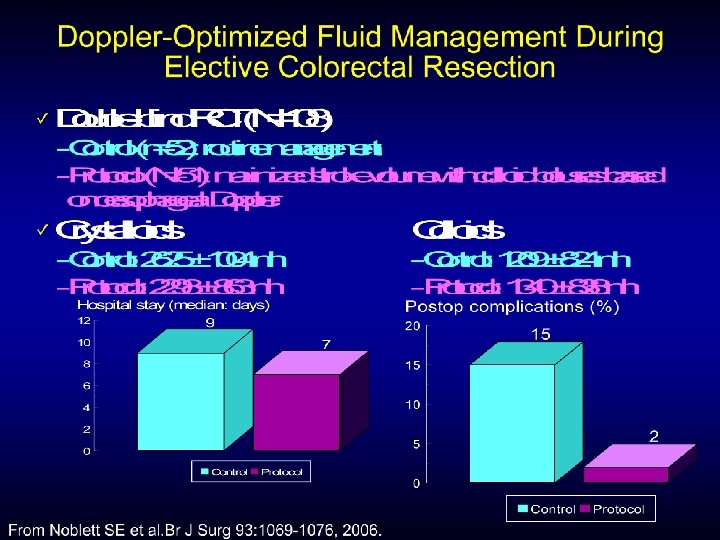
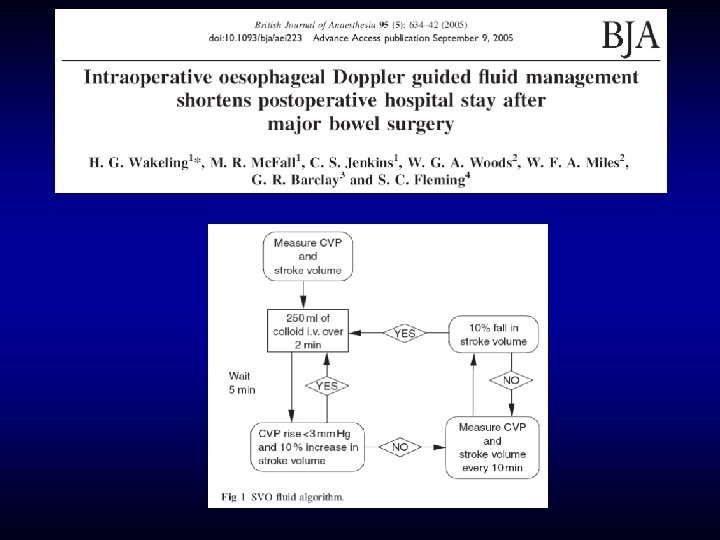
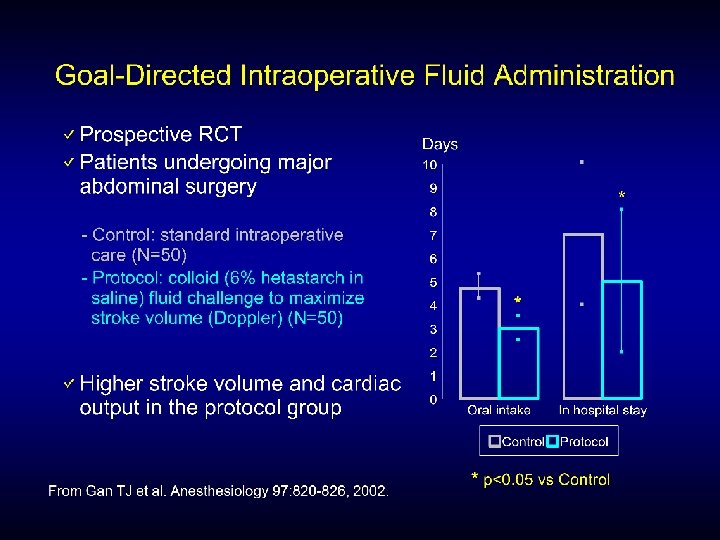
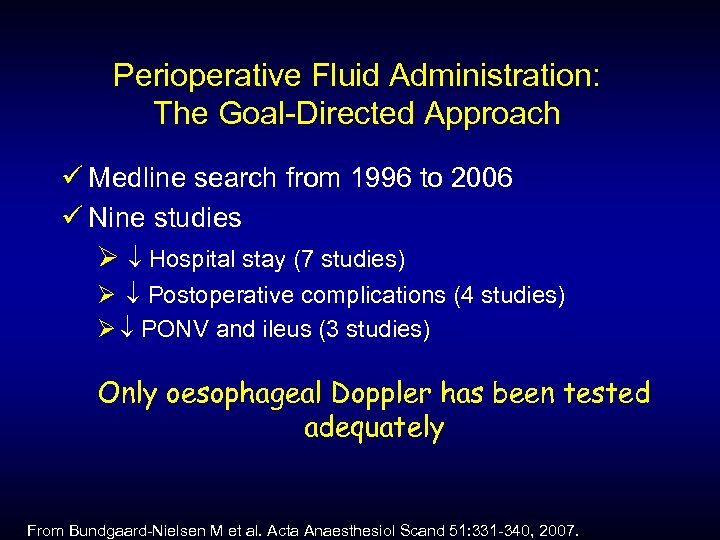 Perioperative Fluid Administration: The Goal-Directed Approach ü Medline search from 1996 to 2006 ü Nine studies Ø Hospital stay (7 studies) Ø Postoperative complications (4 studies) Ø PONV and ileus (3 studies) Only oesophageal Doppler has been tested adequately From Bundgaard-Nielsen M et al. Acta Anaesthesiol Scand 51: 331 -340, 2007.
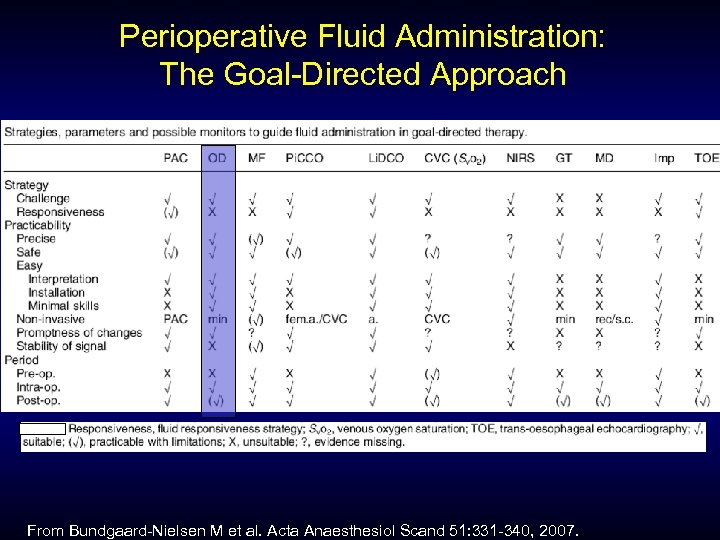 Perioperative Fluid Administration: The Goal-Directed Approach From Bundgaard-Nielsen M et al. Acta Anaesthesiol Scand 51: 331 -340, 2007.
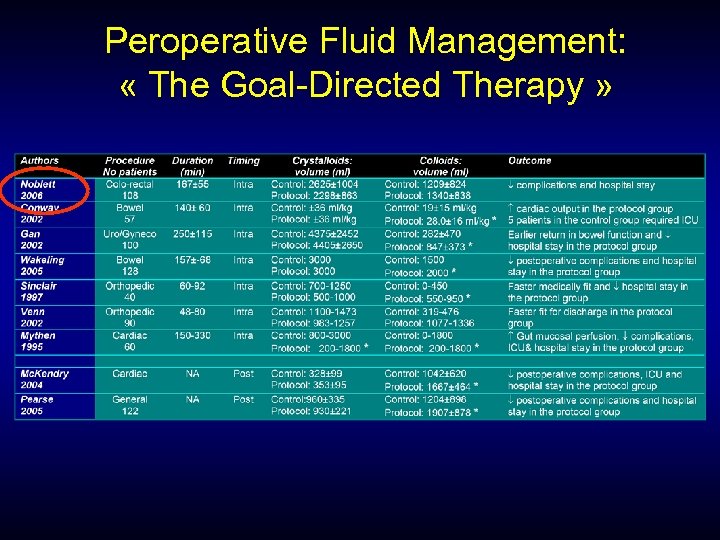 Peroperative Fluid Management: « The Goal-Directed Therapy »
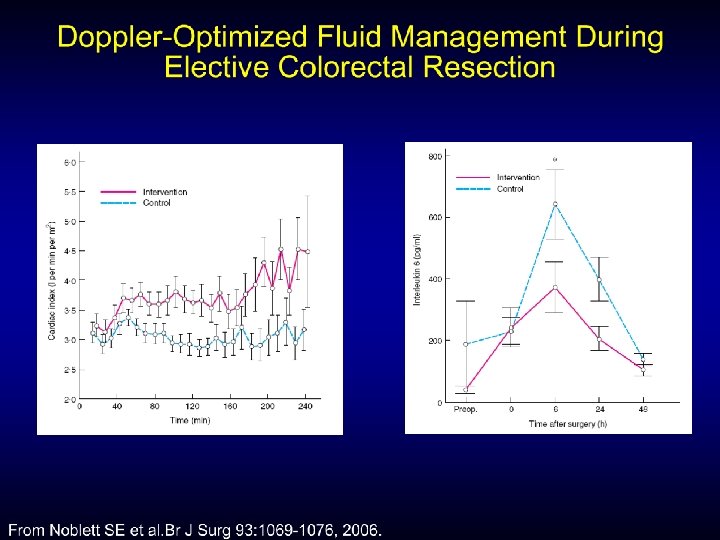
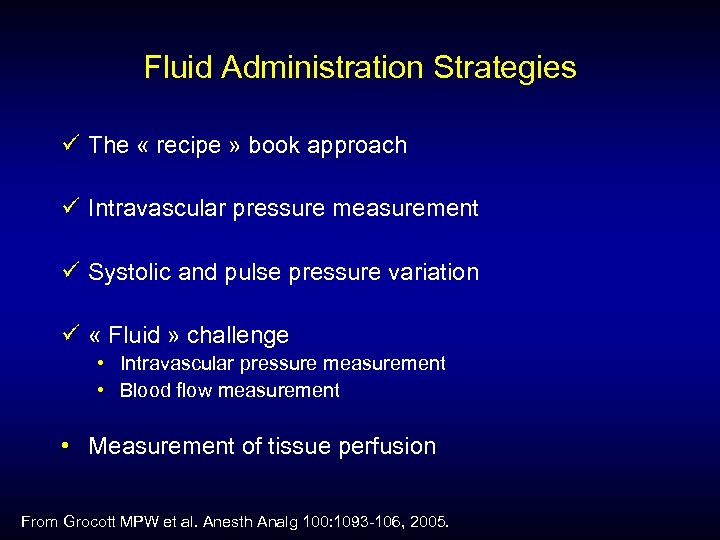 Fluid Administration Strategies ü The « recipe » book approach ü Intravascular pressure measurement ü Systolic and pulse pressure variation ü « Fluid » challenge • Intravascular pressure measurement • Blood flow measurement • Measurement of tissue perfusion From Grocott MPW et al. Anesth Analg 100: 1093 -106, 2005.
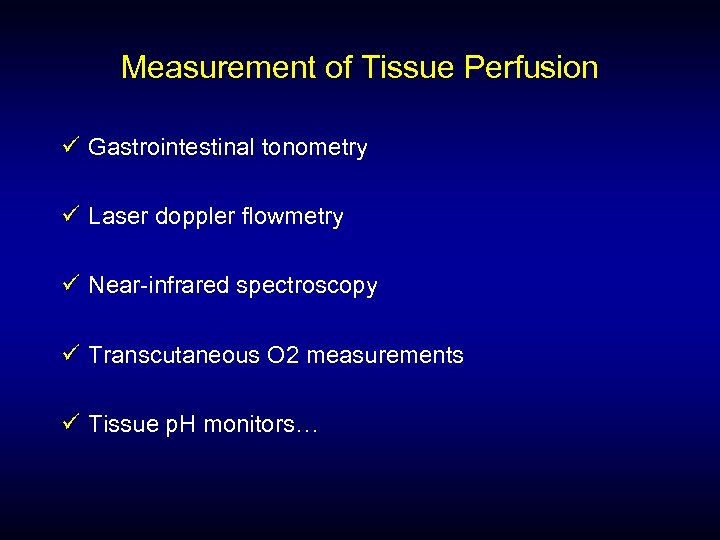 Measurement of Tissue Perfusion ü Gastrointestinal tonometry ü Laser doppler flowmetry ü Near-infrared spectroscopy ü Transcutaneous O 2 measurements ü Tissue p. H monitors…
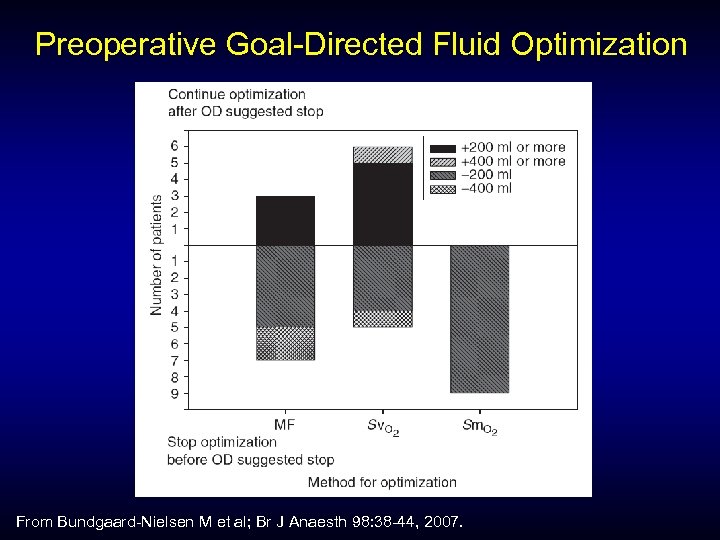
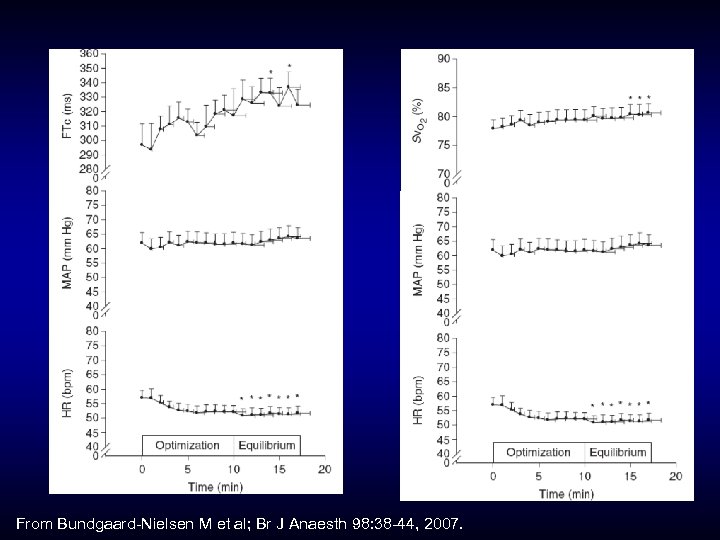
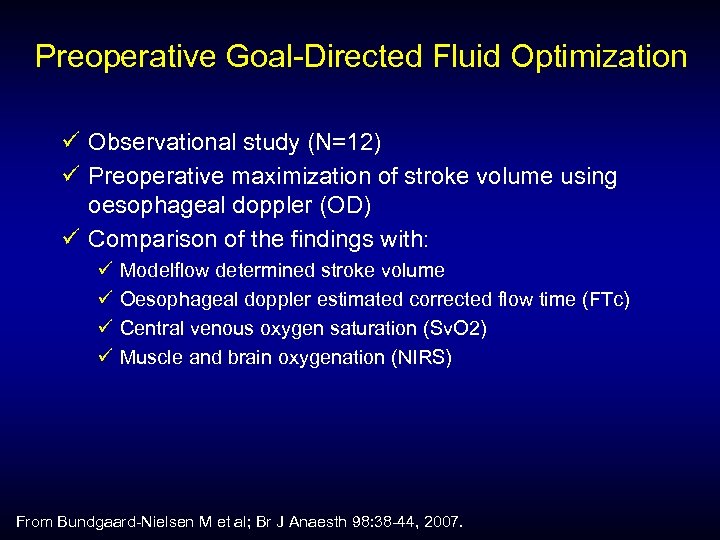 Preoperative Goal-Directed Fluid Optimization ü Observational study (N=12) ü Preoperative maximization of stroke volume using oesophageal doppler (OD) ü Comparison of the findings with: ü ü Modelflow determined stroke volume Oesophageal doppler estimated corrected flow time (FTc) Central venous oxygen saturation (Sv. O 2) Muscle and brain oxygenation (NIRS) From Bundgaard-Nielsen M et al; Br J Anaesth 98: 38 -44, 2007.
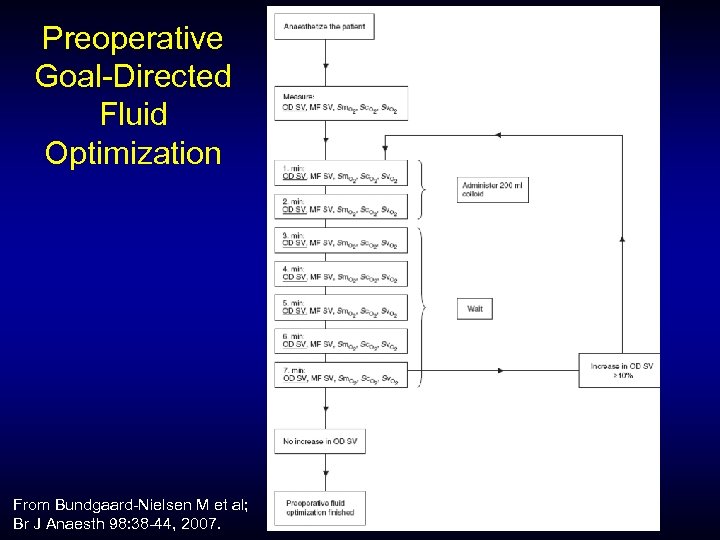 Preoperative Goal-Directed Fluid Optimization From Bundgaard-Nielsen M et al; Br J Anaesth 98: 38 -44, 2007.
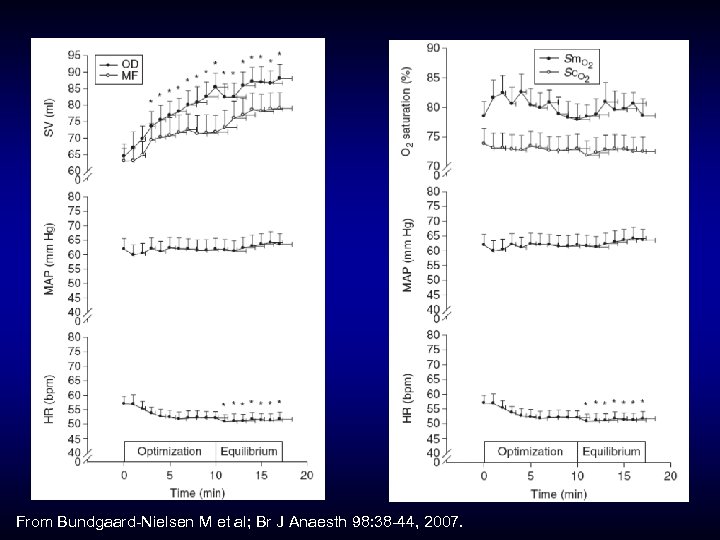 From Bundgaard-Nielsen M et al; Br J Anaesth 98: 38 -44, 2007.
 Preoperative Goal-Directed Fluid Optimization From Bundgaard-Nielsen M et al; Br J Anaesth 98: 38 -44, 2007.
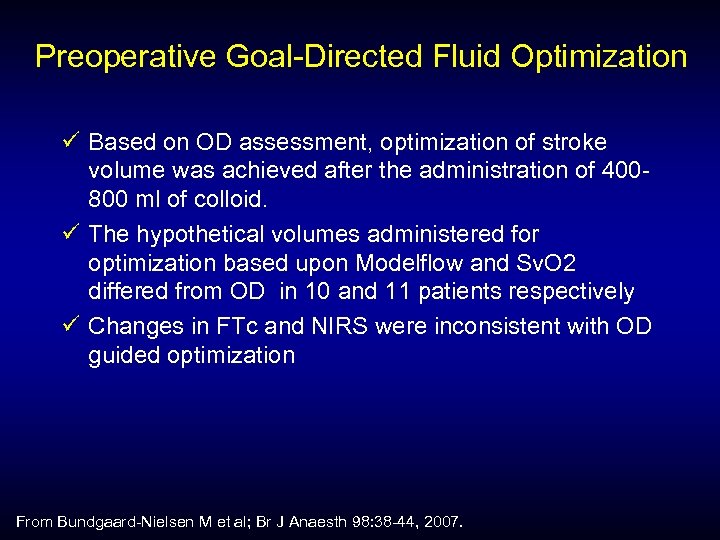 Preoperative Goal-Directed Fluid Optimization ü Based on OD assessment, optimization of stroke volume was achieved after the administration of 400800 ml of colloid. ü The hypothetical volumes administered for optimization based upon Modelflow and Sv. O 2 differed from OD in 10 and 11 patients respectively ü Changes in FTc and NIRS were inconsistent with OD guided optimization From Bundgaard-Nielsen M et al; Br J Anaesth 98: 38 -44, 2007.
 Peroperative Fluid Management
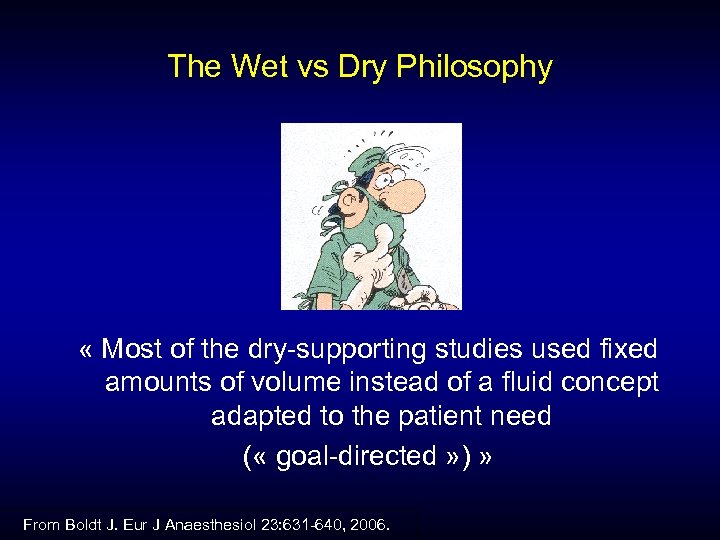 The Wet vs Dry Philosophy « Most of the dry-supporting studies used fixed amounts of volume instead of a fluid concept adapted to the patient need ( « goal-directed » ) » From Boldt J. Eur J Anaesthesiol 23: 631 -640, 2006.
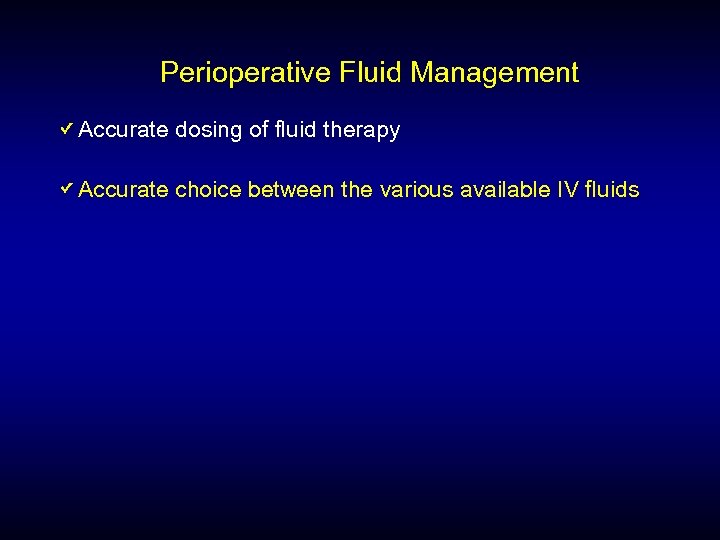 Perioperative Fluid Management Accurate dosing of fluid therapy Accurate choice between the various available IV fluids
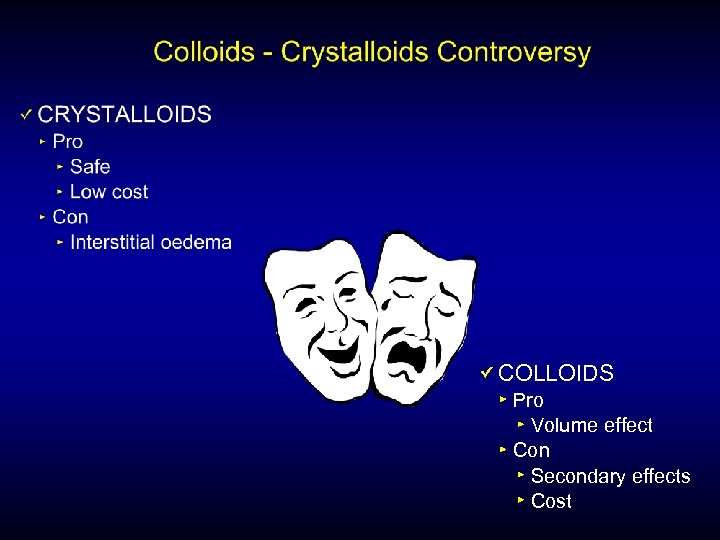 COLLOIDS Pro Volume effect Con Secondary effects Cost

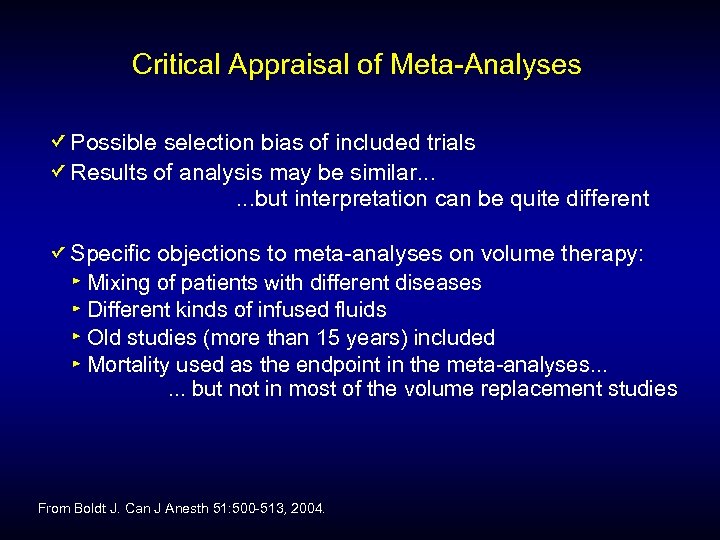 Critical Appraisal of Meta-Analyses Possible selection bias of included trials Results of analysis may be similar. . . . . . but interpretation can be quite different Specific objections to meta-analyses on volume therapy: Mixing of patients with different diseases Different kinds of infused fluids Old studies (more than 15 years) included Mortality used as the endpoint in the meta-analyses. . . but not in most of the volume replacement studies From Boldt J. Can J Anesth 51: 500 -513, 2004.
 Volume «Optimization » in Surgical Patients • Choice between the different solutions ü Physiological compartment that needs to be restored (intravascular, interstitial, intracellular) ü Characteristics of the solutions ü Pharmacokinetic and pharmacodynamic properties ü Side effects ü Costs
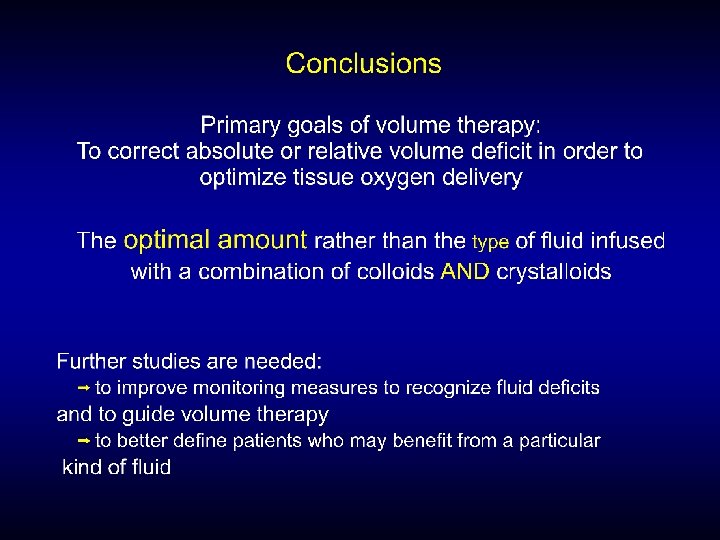
 Perioperative Fluid Strategy Conclusions (1) ü Preoperative fluid deficit must be compensated ü Replace water losses by crystalloids and plasma losses by synthetic colloids ü Hartmann or Plasmalyte instead of Na. Cl 0. 9% ü Neurosurgery: avoid hypotonic solutions ü Fluid strategy must be goal-oriented and adapted: ü To the patient ü To the surgical procedure
 Type of fluids does not influence outcome
 Goal-directed fluid optimization improves outcome
 Some types of fluids allow more efficient goal-directed fluid optimization
 Thank you for your attention ?
 From Bundgaard-Nielsen M et al; Br J Anaesth 98: 38 -44, 2007.