 Скачать презентацию Visual Variable Star Observing Is Fun What I ve
a77ac5c700f79f0055f62e0900390f68.ppt
- Количество слайдов: 67



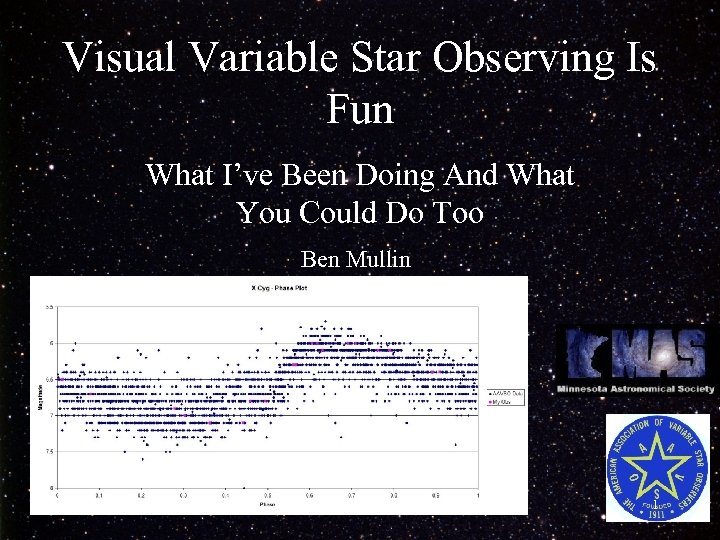
Visual Variable Star Observing Is Fun What I’ve Been Doing And What You Could Do Too Ben Mullin 1
Why Am I Here • Talk about how much fun I’ve been having visual variable star observing (VSO) • Basics of VSO and how you could get involved • What you can observe – including some variables close to objects you probably already observe • How VSO has improved my observing • What the data you collect might mean • Not going to be a technical talk (I’m not an expert) – A little math can add to the fun 2
My Road To VSO • Always known VSO was an option • Deep Space Objects are cool • What could be fun about observing a single star? • Imaging is also fun • Eventually I got interested in the processing, plotting, and analyzing aspects of CCD VSO 3
My Road Continued • Theoretically I have all of the equipment necessary to do CCD VSO • Prime focus imaging with a narrow field of view is really hard • So VSO sat on the back burner while I worked on getting things together • Somehow decided visual observations would be too difficult 4
My First Observation • Realized that it was still going to be a while before I got CCD all sorted out • I knew Algol was a regular eclipsing binary that was pretty easy to observe • Started with the American Association of Variable Star Observers (AAVSO) Manual for Visual Observing of Variable Stars • This gave the basics on how to make an observation. 5
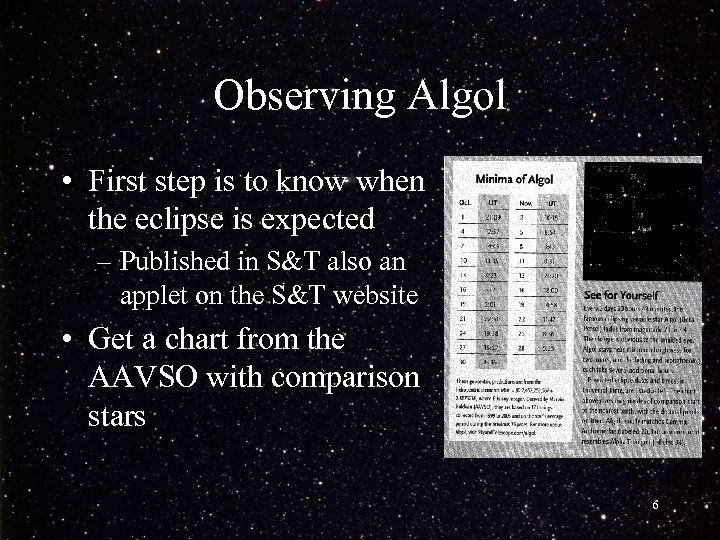
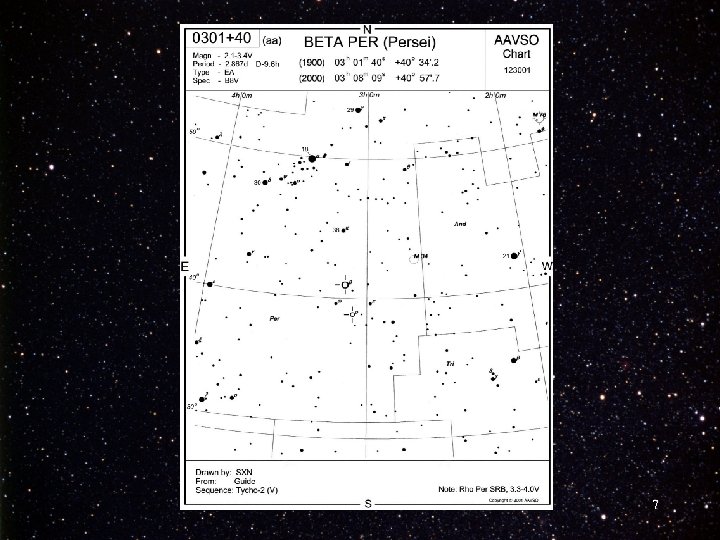
Observing Algol • First step is to know when the eclipse is expected – Published in S&T also an applet on the S&T website • Get a chart from the AAVSO with comparison stars 6
7
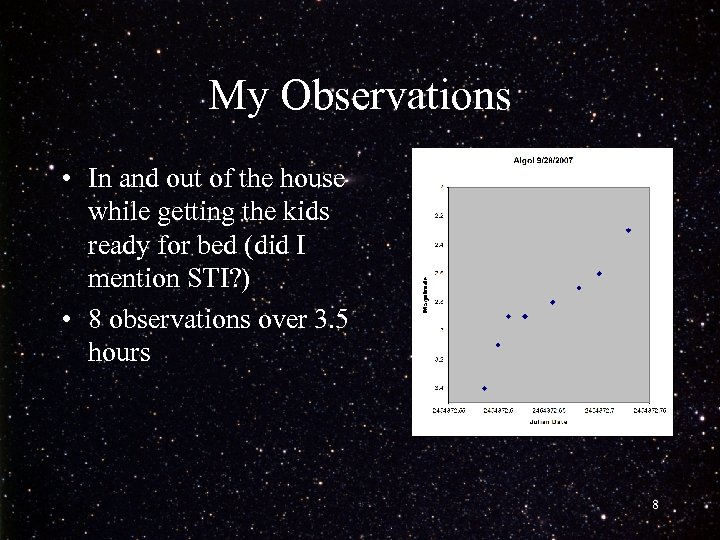
My Observations • In and out of the house while getting the kids ready for bed (did I mention STI? ) • 8 observations over 3. 5 hours 8
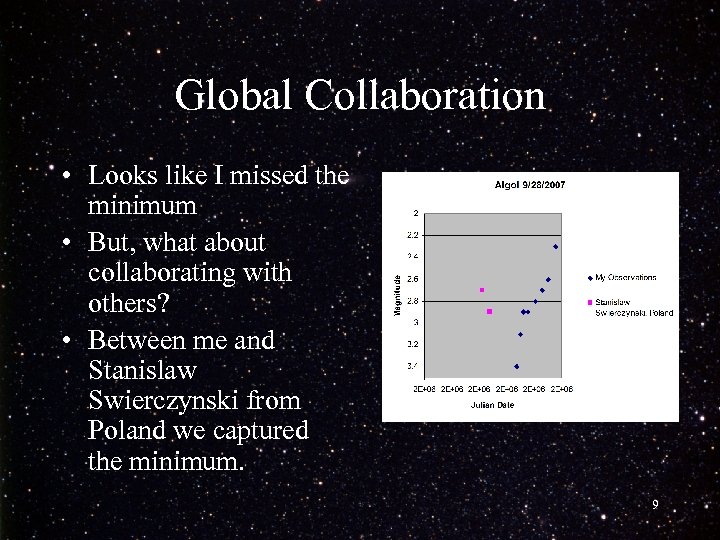
Global Collaboration • Looks like I missed the minimum • But, what about collaborating with others? • Between me and Stanislaw Swierczynski from Poland we captured the minimum. 9
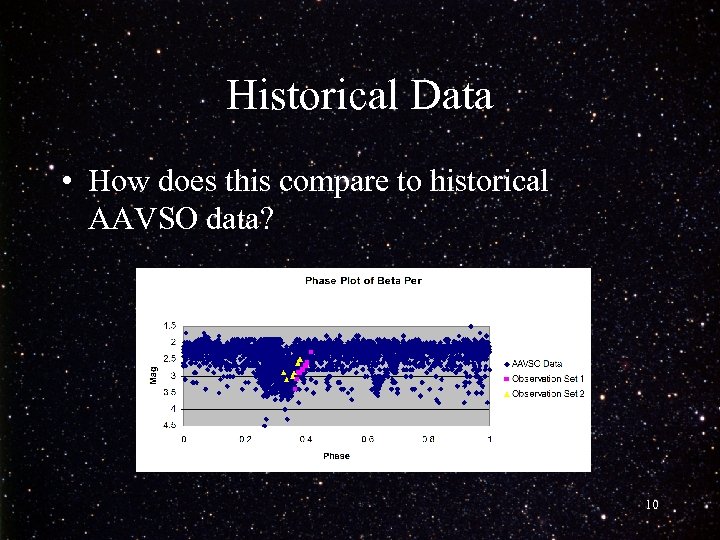
Historical Data • How does this compare to historical AAVSO data? 10
Wasn’t That Fun? • Collected real data on an astronomical event • Collaborated with another observer on another continent • Made cool graphs and had data to play with when it was cloudy • Increased my observing skills • Any excuse to go out and look up is a good one 11
So How Did I Do That? • Already mentioned the Manual for Visual Observing, eclipse predictions, and chart • What about the actual observations? • Is it hard? • It’s easy and you can learn to do it in just a few minutes. 12
Making Estimates • Making estimates 13
Told You So! • Pretty easy isn’t it • Other things to consider – Avoid biasing your estimate – Report what you see – Don’t stare at red stars – Number one source of error is misidentification of the variable 14
Now What? • • Register as an AAVSO observer It’s easy and free Report your estimate Your estimates could be used by professional astronomers doing cutting edge research 15
What You Need To Report An Observation • Your observer initials (free registration with the AAVSO) • Designation or name of the star observed • Your estimate • The chart used • The comparison stars used • Julian date of the observation 16
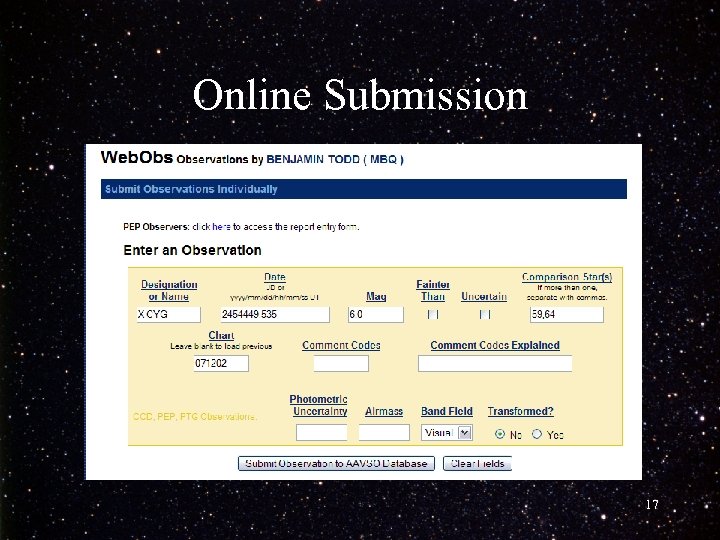
Online Submission 17
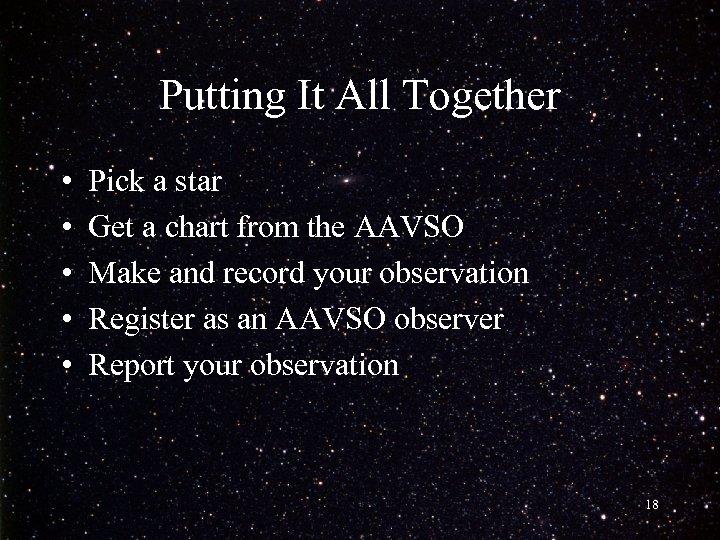
Putting It All Together • • • Pick a star Get a chart from the AAVSO Make and record your observation Register as an AAVSO observer Report your observation 18
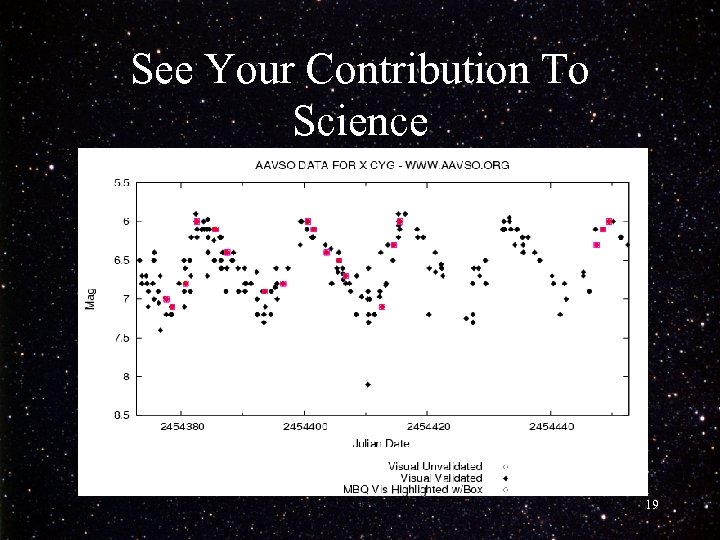
See Your Contribution To Science 19
What Could You Observe? • A very brief overview of variable star types and their representative light curves – Not a strength of mine yet • Interesting/easy variables you could try 20
Broad Categorization • Intrinsic – Pulsating – Cataclysmic • Extrinsic – Eclipsing – Rotating 21
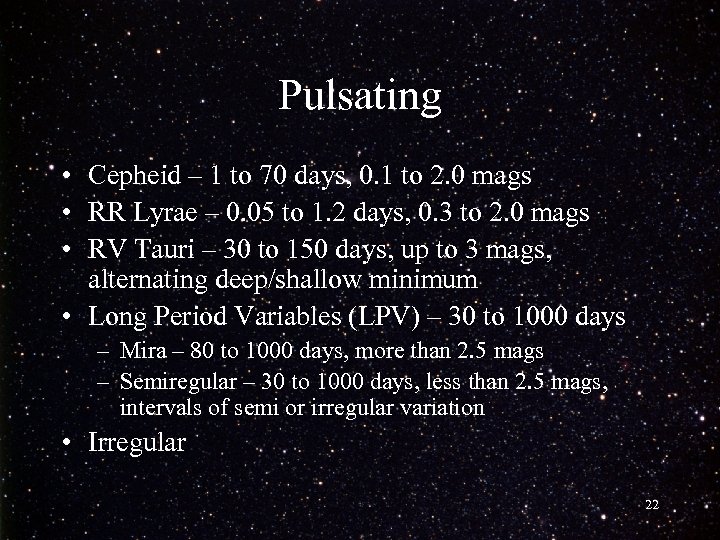
Pulsating • Cepheid – 1 to 70 days, 0. 1 to 2. 0 mags • RR Lyrae – 0. 05 to 1. 2 days, 0. 3 to 2. 0 mags • RV Tauri – 30 to 150 days, up to 3 mags, alternating deep/shallow minimum • Long Period Variables (LPV) – 30 to 1000 days – Mira – 80 to 1000 days, more than 2. 5 mags – Semiregular – 30 to 1000 days, less than 2. 5 mags, intervals of semi or irregular variation • Irregular 22
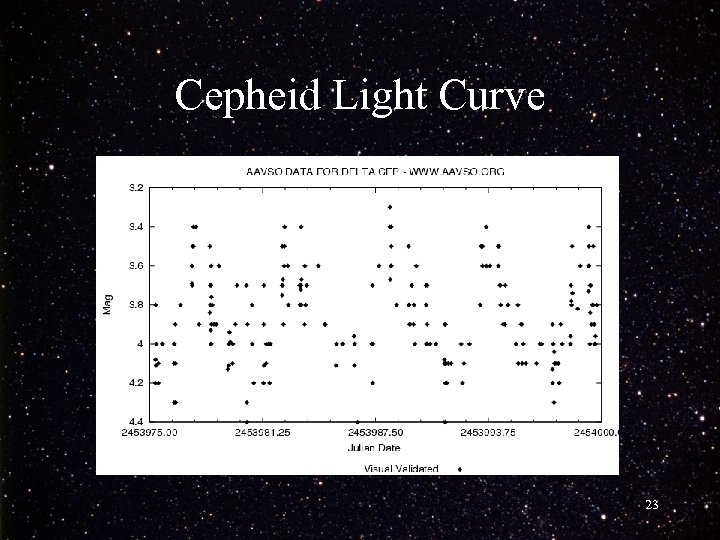
Cepheid Light Curve 23
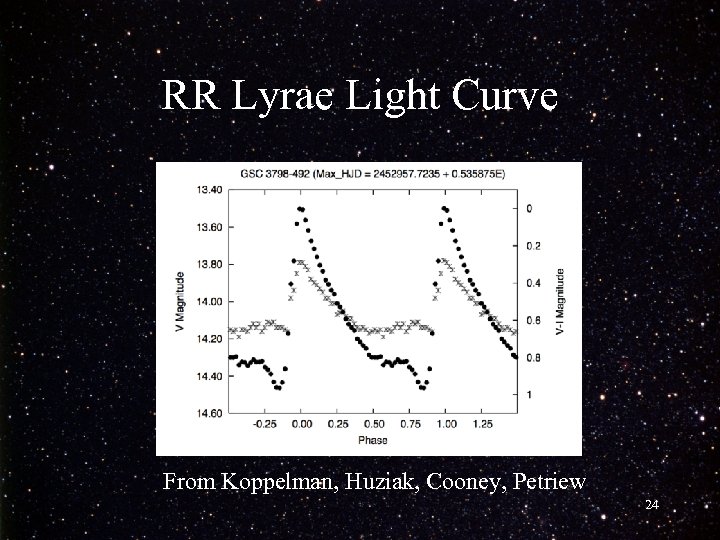
RR Lyrae Light Curve From Koppelman, Huziak, Cooney, Petriew 24
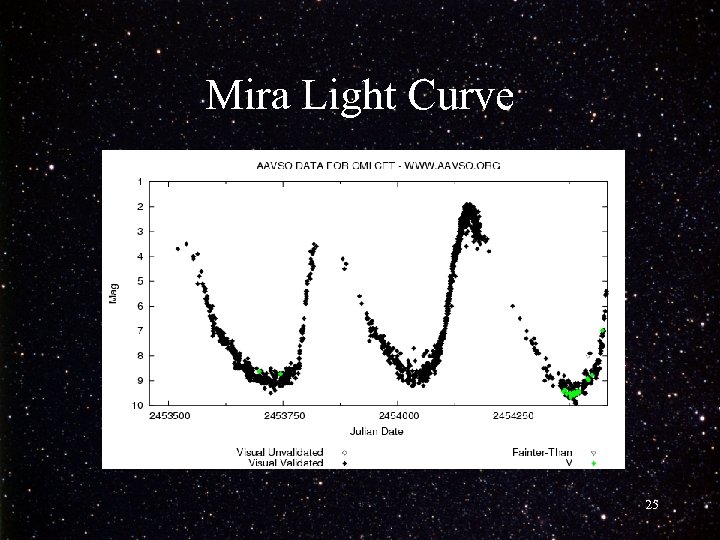
Mira Light Curve 25
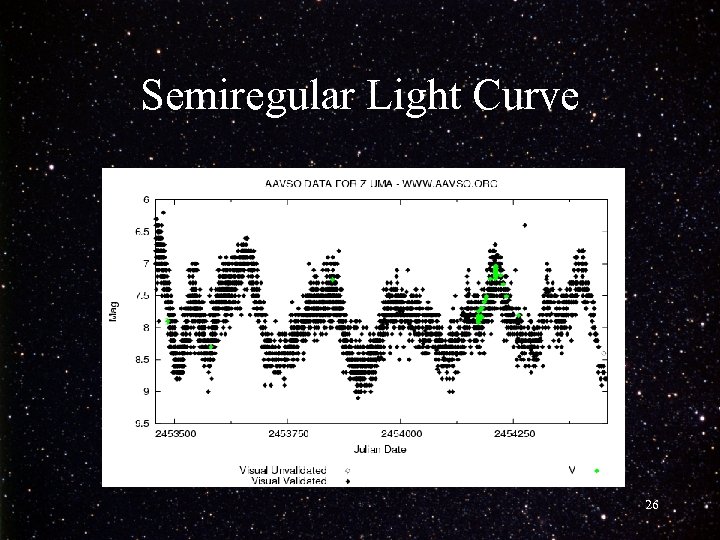
Semiregular Light Curve 26
Cataclysmic • Super Novae – One in Antennae Galaxy announced 12/19/2007, or M 51 a few years ago • Novae – One in Puppis announced in November, one in Vulpecula in December • Recurrent Novae • Dwarf Novae – U Gem – Periods of quiescence then erupt – Z Cam – Like U Gem, but with “standstills” – SU UMa – Like U Gem, but with regular outbursts and super-outbursts • Symbiotic stars – Close binary systems • R Cr. B – Dwarf novae in reverse 27
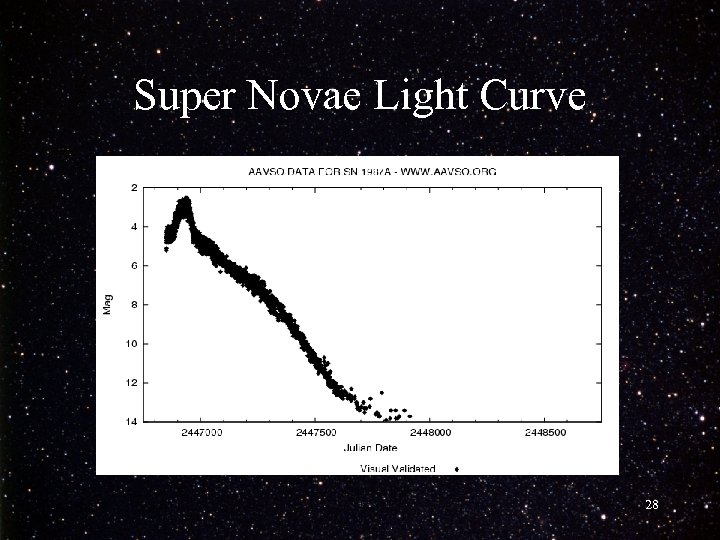
Super Novae Light Curve 28
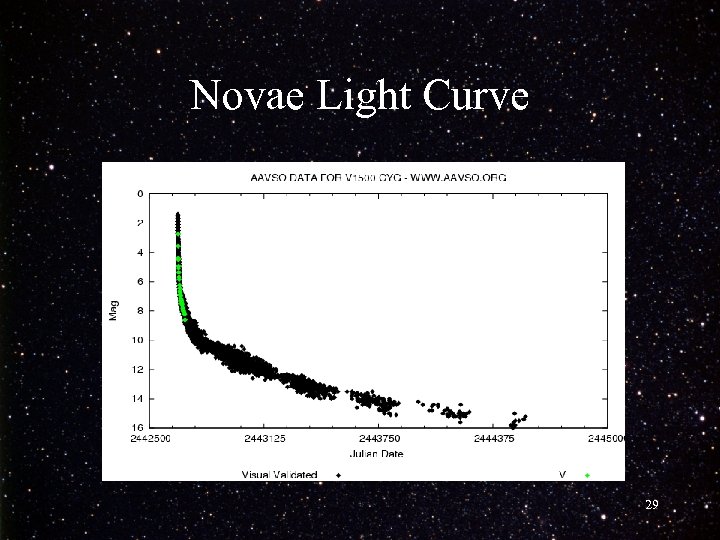
Novae Light Curve 29
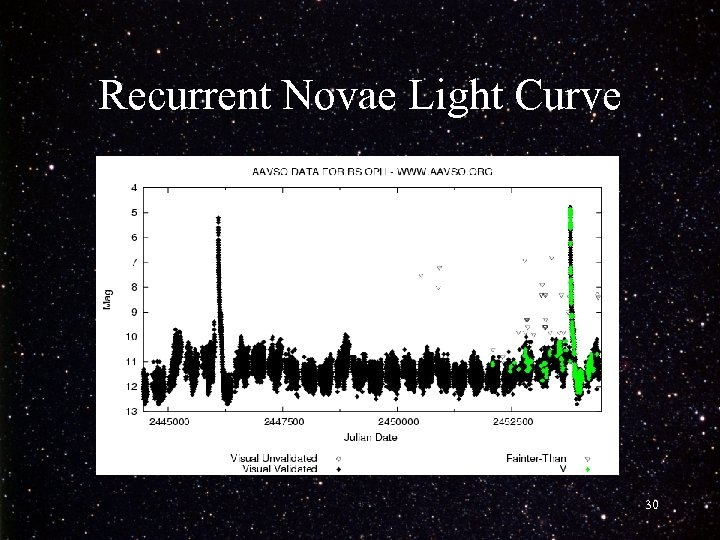
Recurrent Novae Light Curve 30
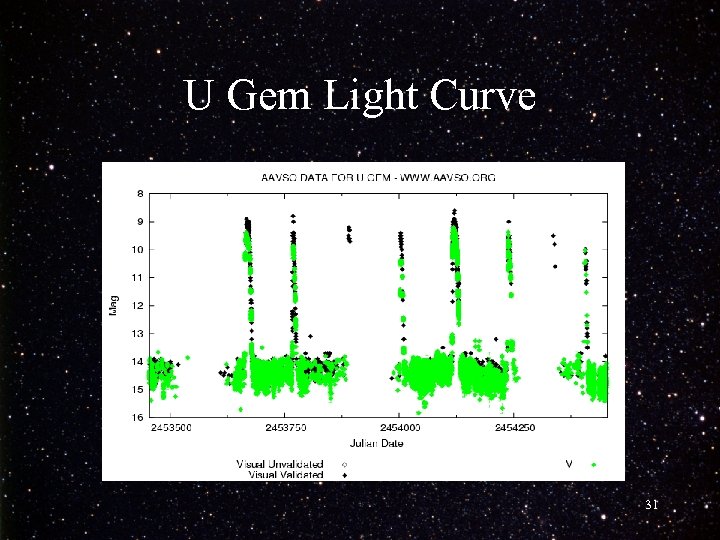
U Gem Light Curve 31
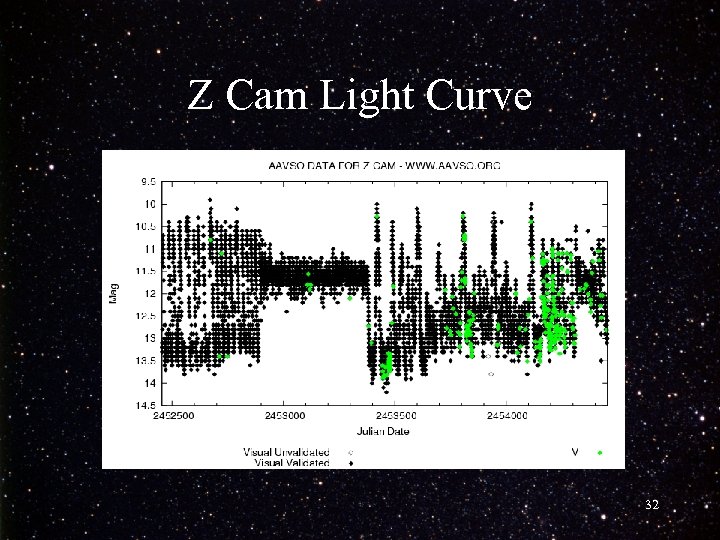
Z Cam Light Curve 32
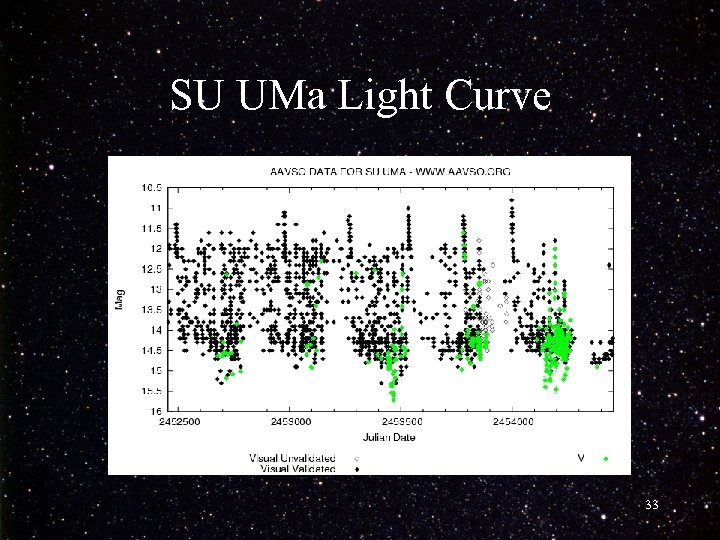
SU UMa Light Curve 33
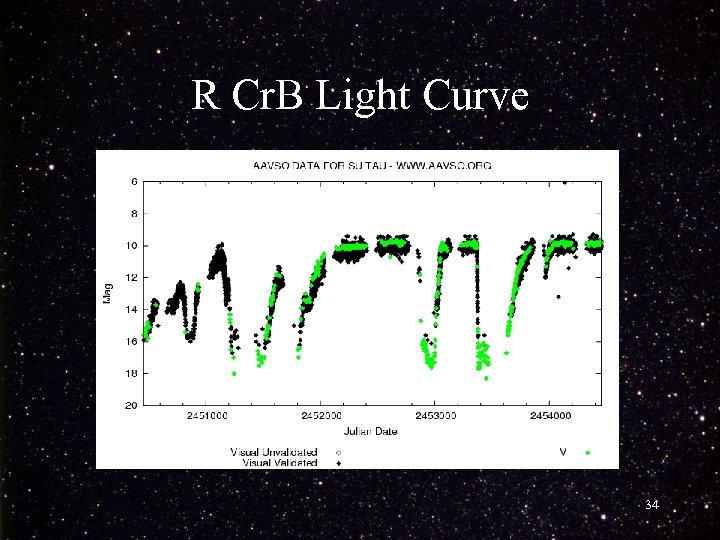
R Cr. B Light Curve 34
Variables You Might Observe • • • Noteworthy Easy Near other commonly observed objects Interesting We already talked about Algol 35
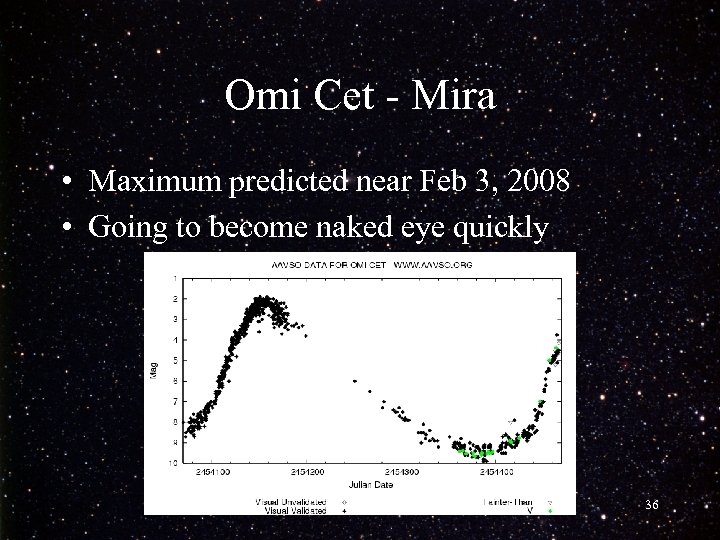
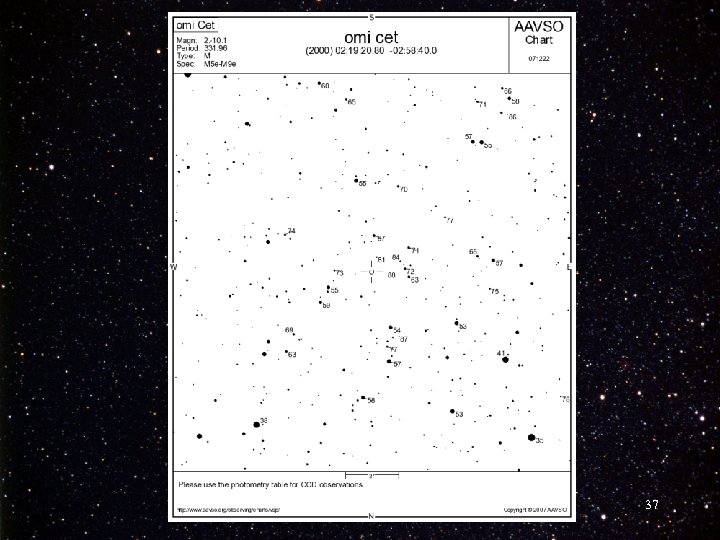
Omi Cet - Mira • Maximum predicted near Feb 3, 2008 • Going to become naked eye quickly 36
37
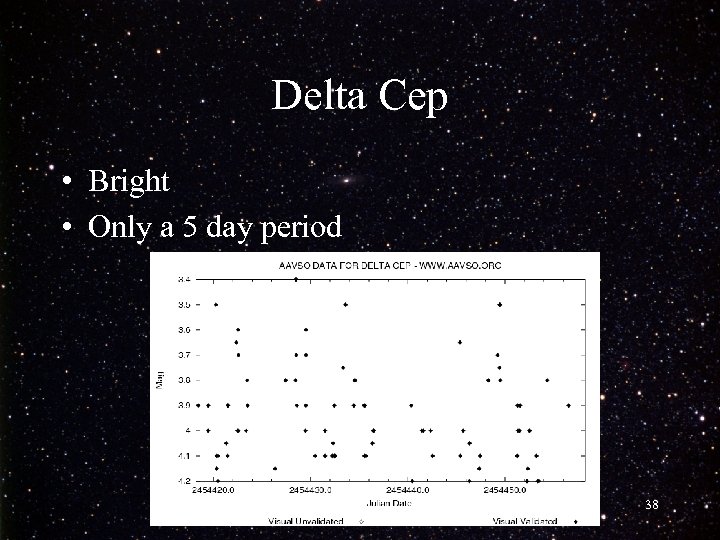
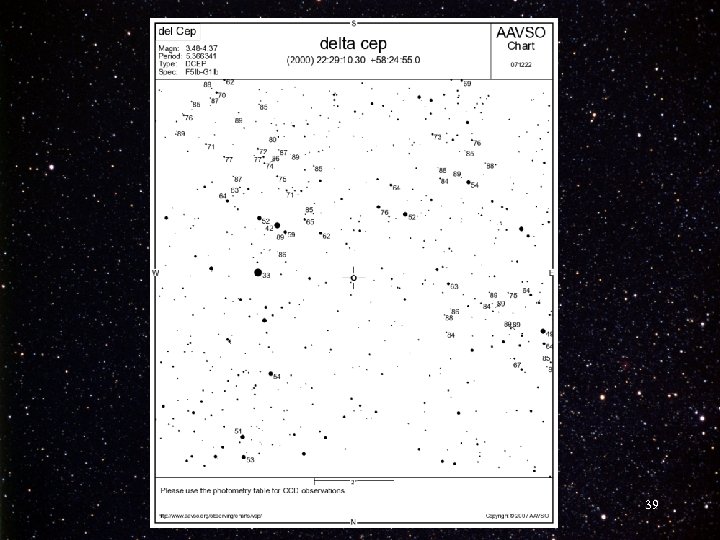
Delta Cep • Bright • Only a 5 day period 38
39
Zeta Gem 40
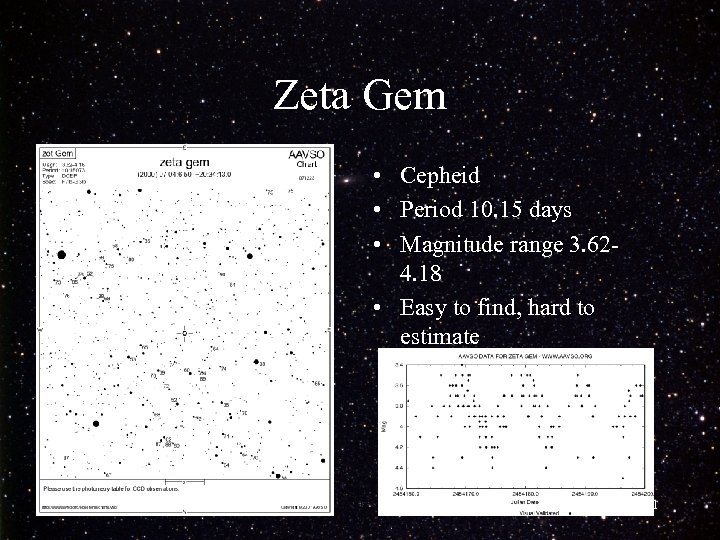
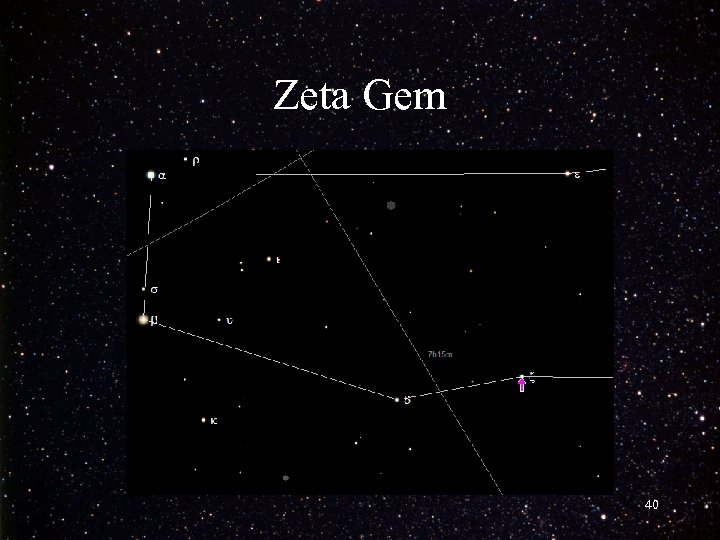
Zeta Gem • Cepheid • Period 10. 15 days • Magnitude range 3. 624. 18 • Easy to find, hard to estimate 41
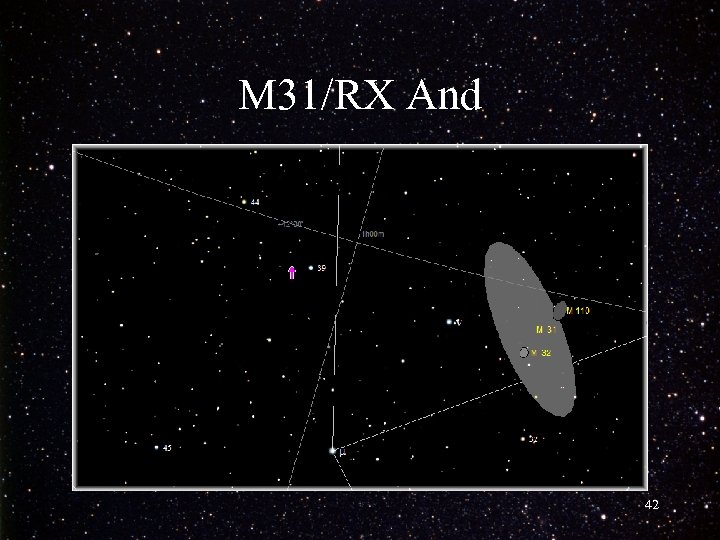
M 31/RX And 42
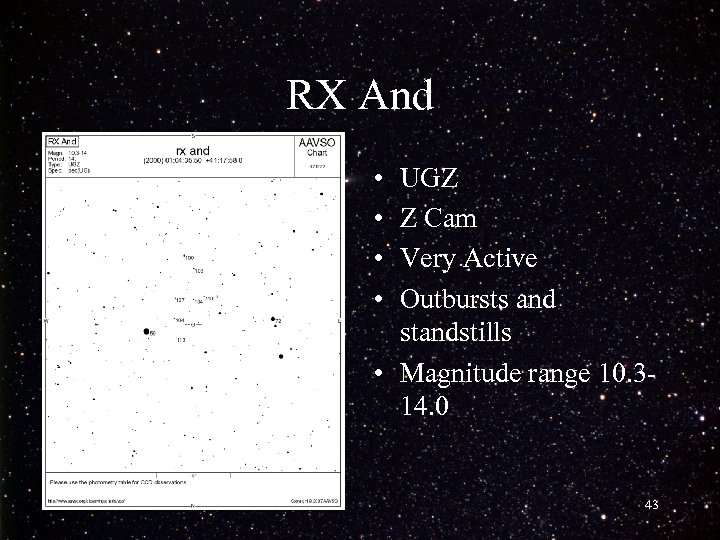
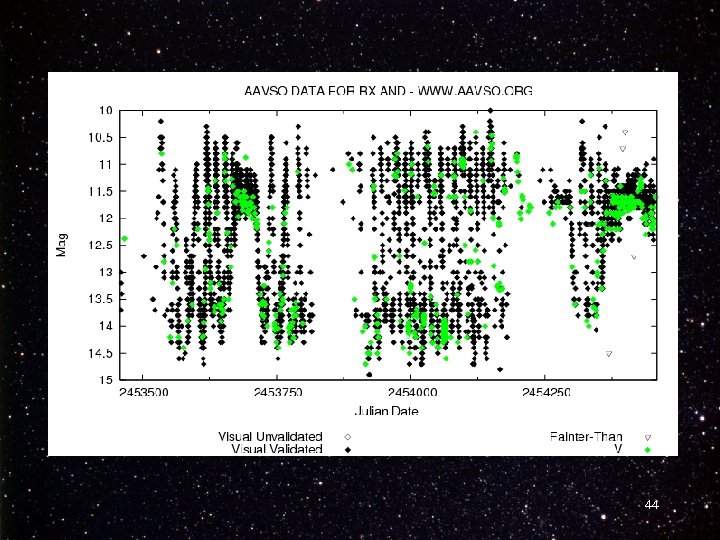
RX And • • UGZ Z Cam Very Active Outbursts and standstills • Magnitude range 10. 314. 0 43
44
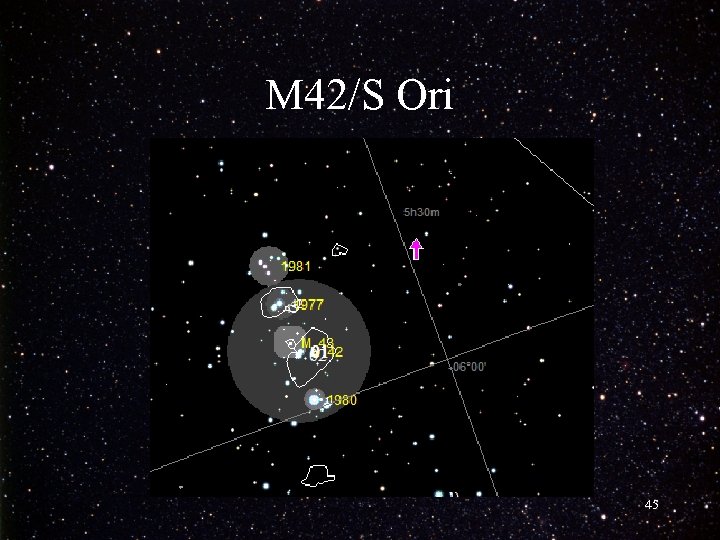
M 42/S Ori 45
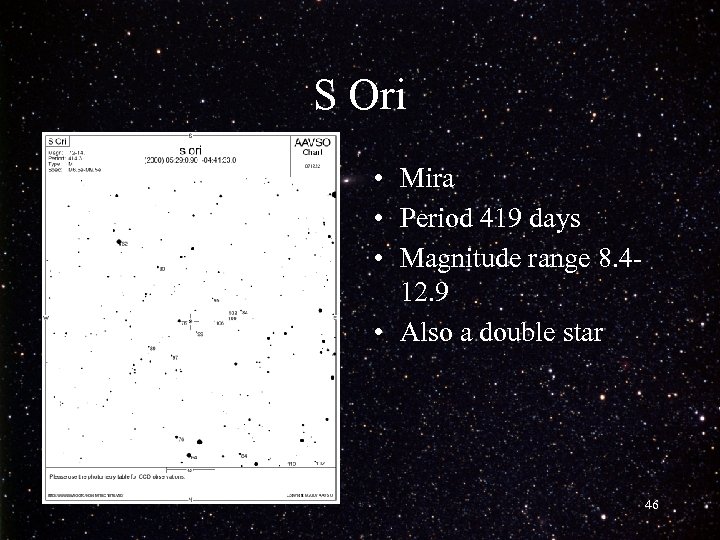
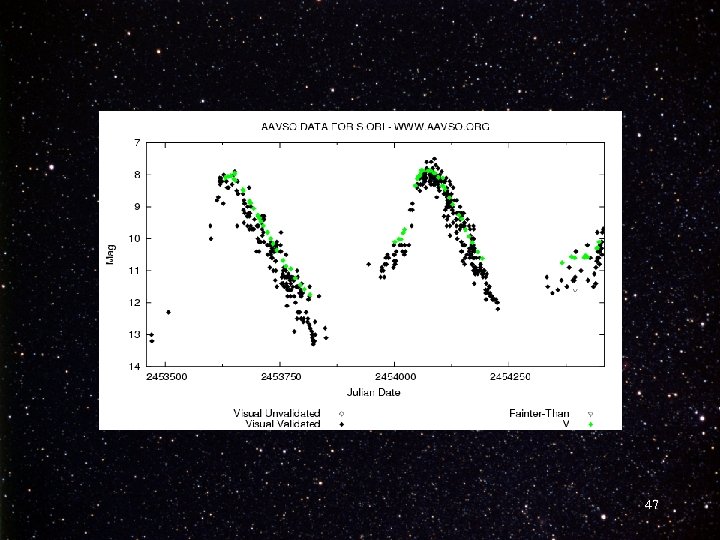
S Ori • Mira • Period 419 days • Magnitude range 8. 412. 9 • Also a double star 46
47
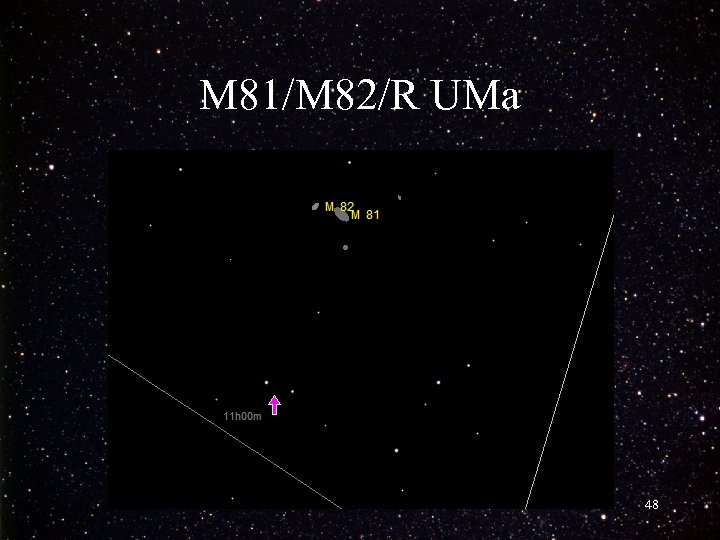
M 81/M 82/R UMa 48
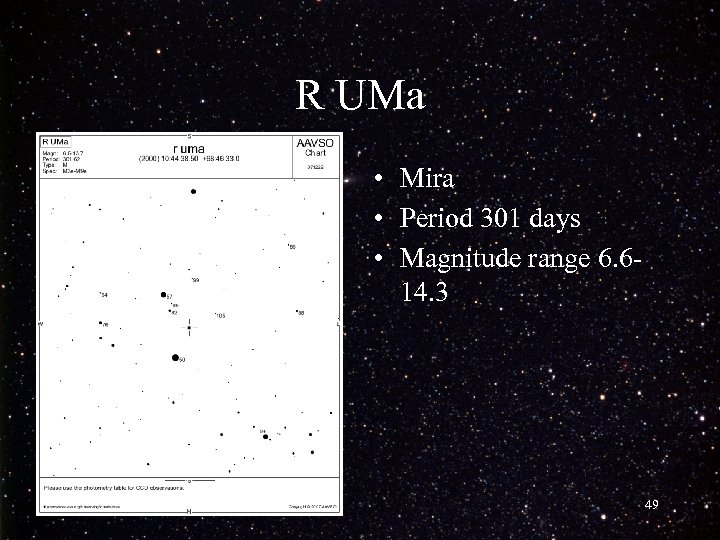
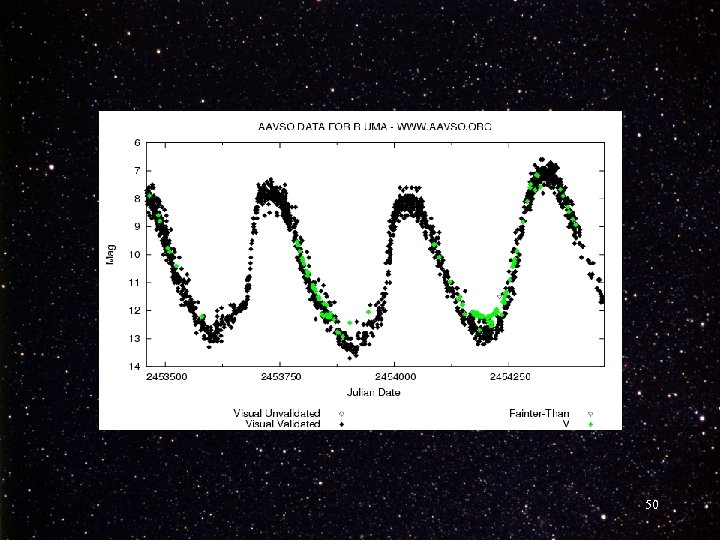
R UMa • Mira • Period 301 days • Magnitude range 6. 614. 3 49
50
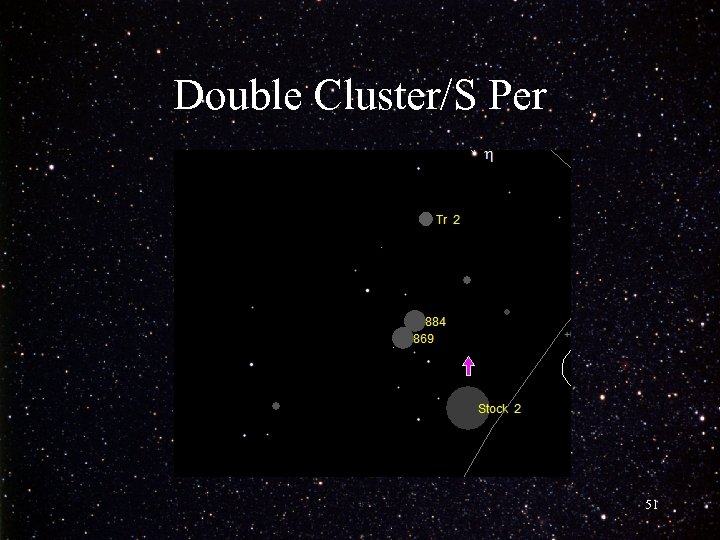
Double Cluster/S Per 51
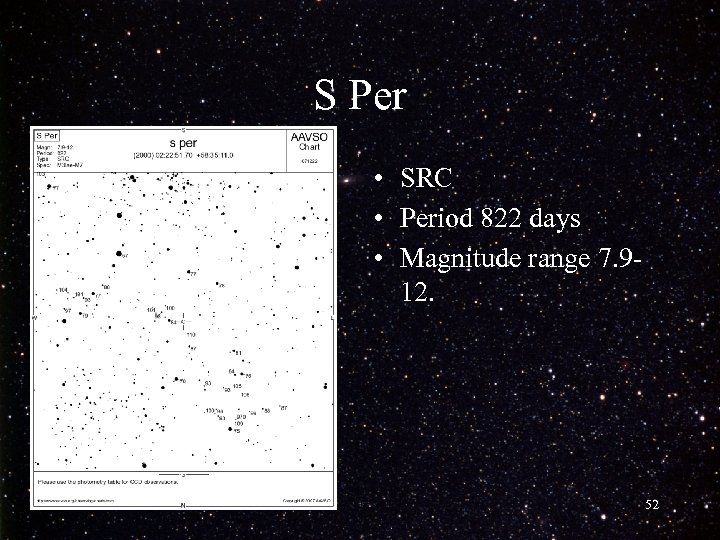
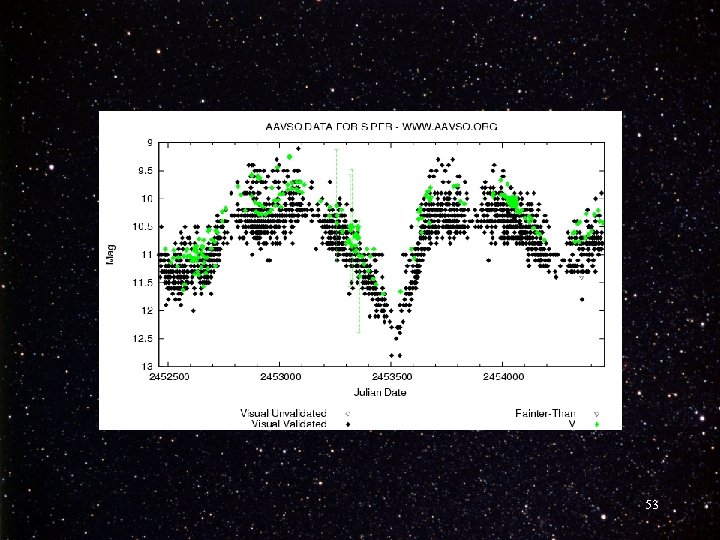
S Per • SRC • Period 822 days • Magnitude range 7. 912. 52
53
RZ Cas 54
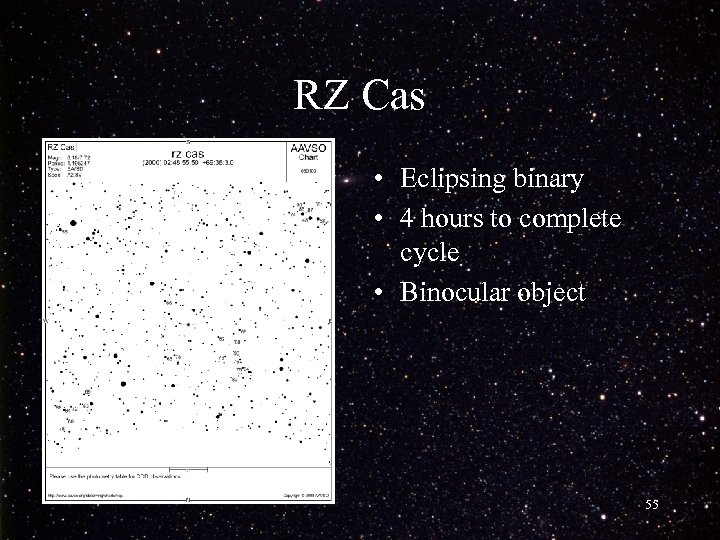
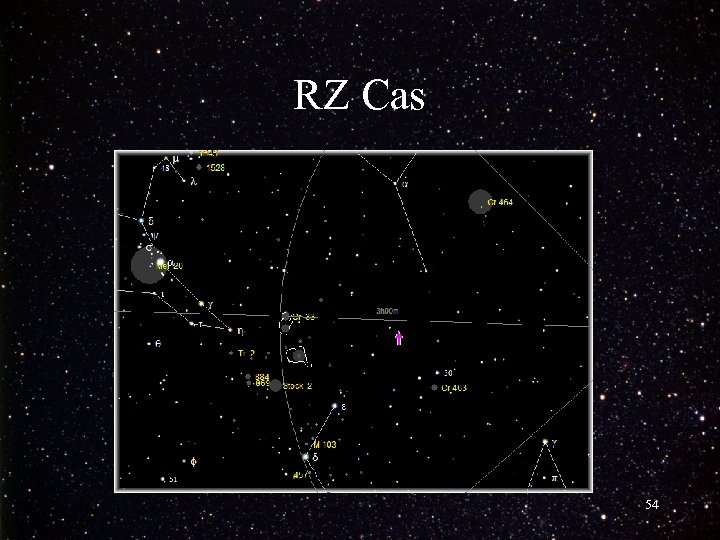
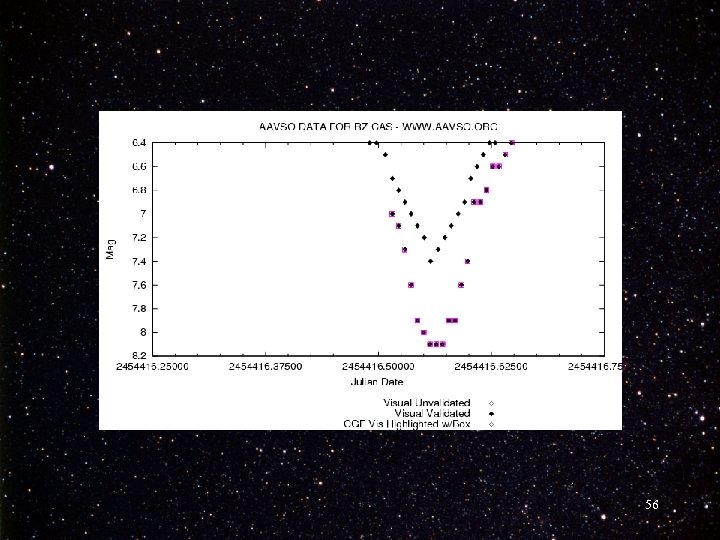
RZ Cas • Eclipsing binary • 4 hours to complete cycle • Binocular object 55
56
How VSO Has Helped My Observing • Admittedly not an advanced observer to begin with • Star hopping • Averted vision • Contrast, magnification, and eyepieces • Concentration • Most importantly it has added a fun purpose to my observing 57
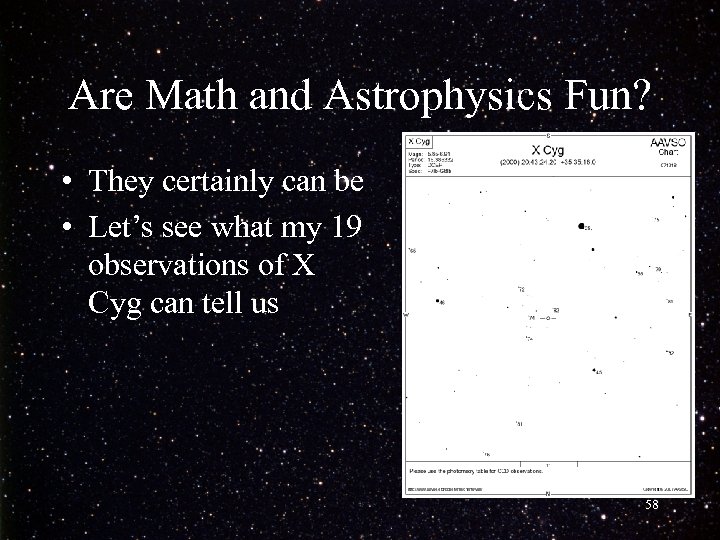
Are Math and Astrophysics Fun? • They certainly can be • Let’s see what my 19 observations of X Cyg can tell us 58
Cepheid Variables • A class of variable stars • Prototype star is Delta Cepheid discovered in 1784 by John Goodricke • Henriette Leavitt discovered that their period is closely correlated to their absolute magnitude • Can be used as a standard candle to measure astronomical distances 59
X Cyg is a Cepheid • So if we can determine the period we can determine the absolute magnitude of the star • Arne Henden, AAVSO director, pointed me to a primer paper, “Time-Series Analysis of Variable Star Data” by Matthew Templeton published in the Journal of the AAVSO • Among other techniques, it described the ANOVA (analysis of variance) method for determining the period 60
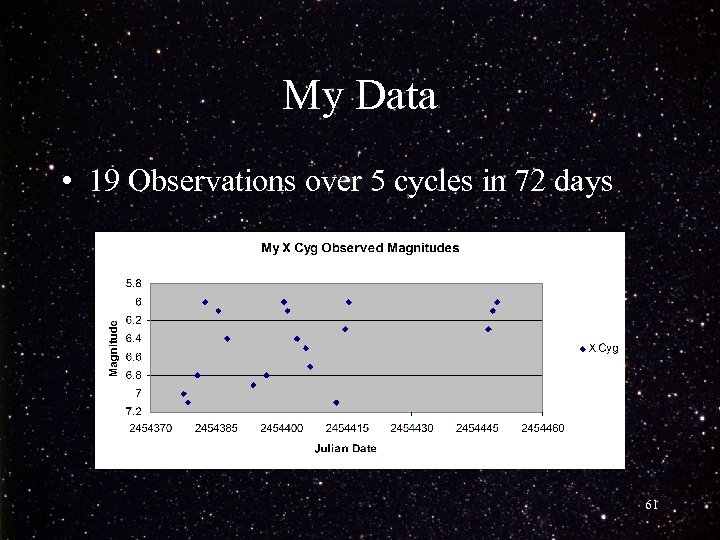
My Data • 19 Observations over 5 cycles in 72 days 61
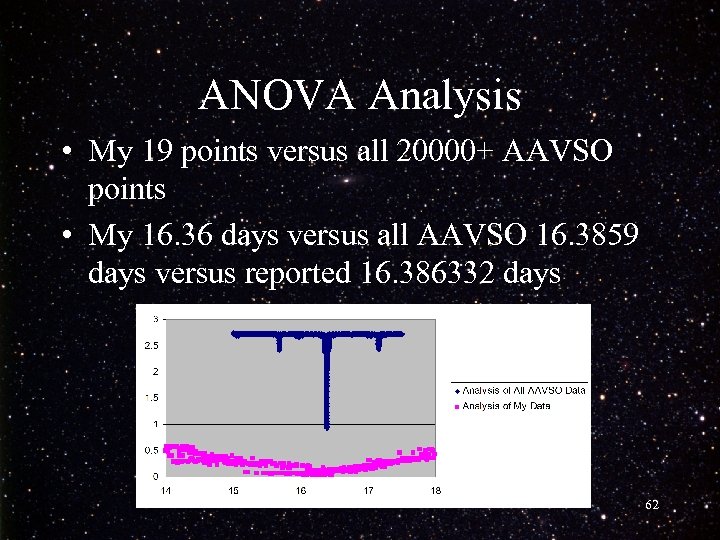
ANOVA Analysis • My 19 points versus all 20000+ AAVSO points • My 16. 36 days versus all AAVSO 16. 3859 days versus reported 16. 386332 days 62
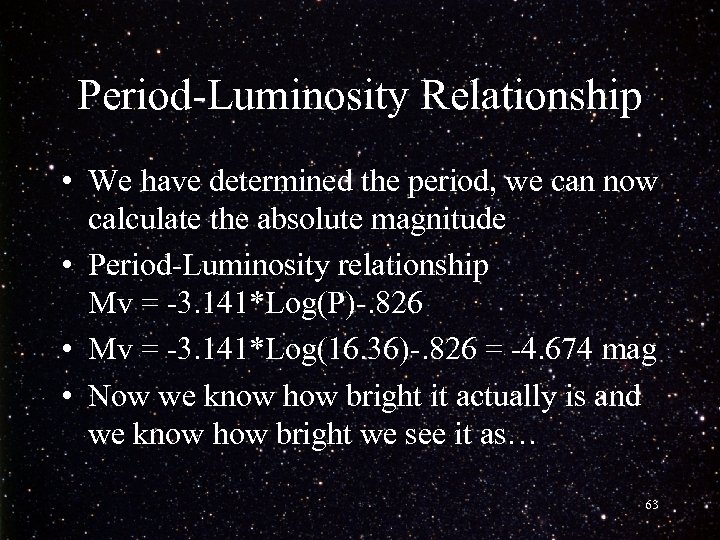
Period-Luminosity Relationship • We have determined the period, we can now calculate the absolute magnitude • Period-Luminosity relationship Mv = -3. 141*Log(P)-. 826 • Mv = -3. 141*Log(16. 36)-. 826 = -4. 674 mag • Now we know how bright it actually is and we know how bright we see it as… 63
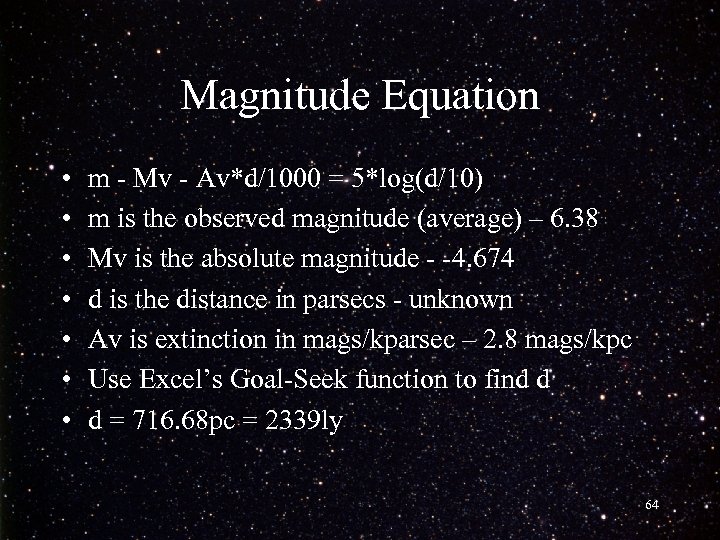
Magnitude Equation • • m - Mv - Av*d/1000 = 5*log(d/10) m is the observed magnitude (average) – 6. 38 Mv is the absolute magnitude - -4. 674 d is the distance in parsecs - unknown Av is extinction in mags/kparsec – 2. 8 mags/kpc Use Excel’s Goal-Seek function to find d d = 716. 68 pc = 2339 ly 64
Compare That To The Professionals • ESA Hipparcos satellite measured the parallax of many stars including X Cyg • 1. 47 +/- 0. 72 milli arcseconds annual parallax for X Cyg • d = 1000/mas • 456 pc-1333 pc “centered” at 680 pc • 680 pc compared to 716 pc, not too shabby for a set of binoculars! 65
Almost Treat Time • I have been having more fun observing than ever • Possibly contributing to science • Improving my observing skills • Adds some fun things to do on cloudy nights 66
Thank You 67
Скачать презентацию Visual Variable Star Observing Is Fun What I ve
a77ac5c700f79f0055f62e0900390f68.ppt