Скачать презентацию Violence against women Health perspectives Hassan N
926733b55d5e61b982c4ea9a51b60aa2.ppt
- Количество слайдов: 101
 Violence against women – Health perspectives Hassan N. Sallam, MD, FRCOG, Ph. D (London) Professor in Obstetrics and Gynaecology The University of Alexandria, and Clinical and Scientific Director, Alexandria Fertility Center, Alexandria, Egypt 3 rd Congress of Society of Reproductive Medicine, 5 – 9 October 2011, Antalya / Turkey
 Alexandria, the greatest emporium of the whole world, (Strabo, Geography, book 17, chapter 13, First century AD)
 Cleopatra Thea Philopator, Queen of Egypt (67 -30 BC)
 Saint Catherine of Alexandria, Caravaggio, c. 1598
 The Last Judgment, Michelangelo, Sistine Chapel
 Hypatia of Alexandria, mathematician, philosopher and scientist (370 -415 AD)
 Violence against women Victimization as part of being female “In all societies, to a greater or lesser degree, women and girls are subjected to physical, sexual and psychological abuse that cuts across lines of income, class and culture” Report of the Fourth World Conference on Women, Beijing, 4 -15 September 1995, paragraph 112
 Violence against women – prevalence A review of studies from 35 countries carried out prior to 1999 indicated that: • Between 10% to 52% of women were physically abused at some point in their lives • Between 10% and 27% of women and girls reported having been sexually abused either as children or adults • Data from developing countries was generally lacking. World Health Report 2004: Changing history, WHO 2004
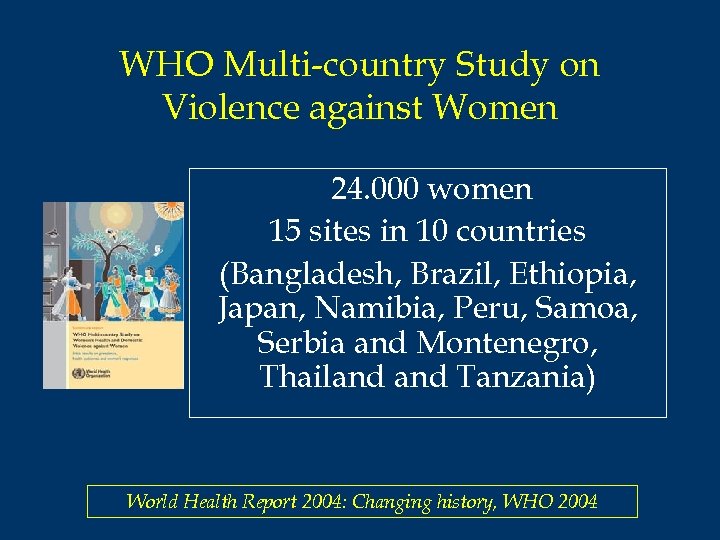 WHO Multi-country Study on Violence against Women 24. 000 women 15 sites in 10 countries (Bangladesh, Brazil, Ethiopia, Japan, Namibia, Peru, Samoa, Serbia and Montenegro, Thailand Tanzania) World Health Report 2004: Changing history, WHO 2004
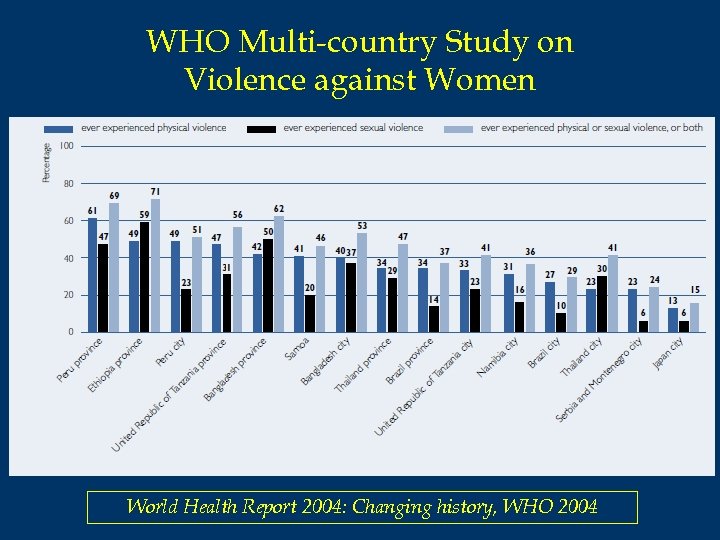 WHO Multi-country Study on Violence against Women World Health Report 2004: Changing history, WHO 2004
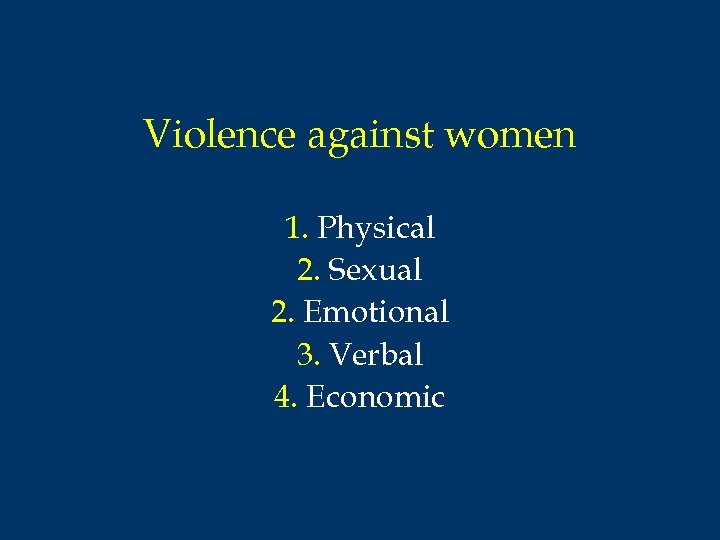 Violence against women 1. Physical 2. Sexual 2. Emotional 3. Verbal 4. Economic
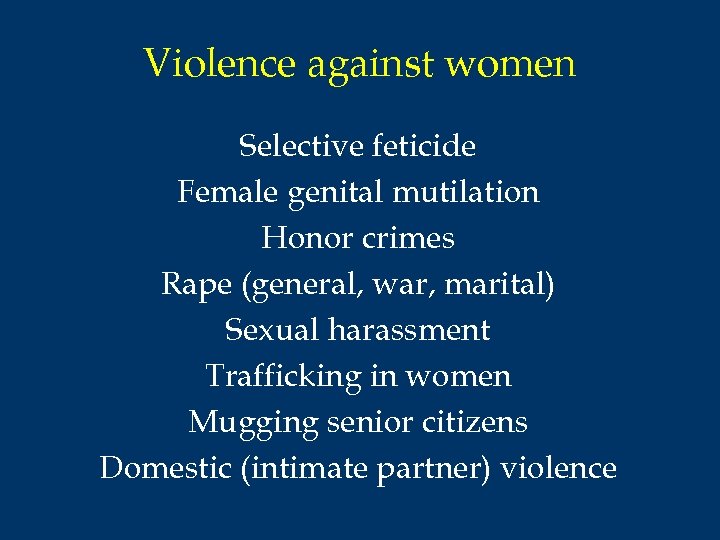 Violence against women Selective feticide Female genital mutilation Honor crimes Rape (general, war, marital) Sexual harassment Trafficking in women Mugging senior citizens Domestic (intimate partner) violence
 Violence against women Selective feticide Female genital mutilation Honor crimes Rape (general, war, marital) Sexual harassment Trafficking in women Mugging senior citizens Domestic (intimate partner) violence
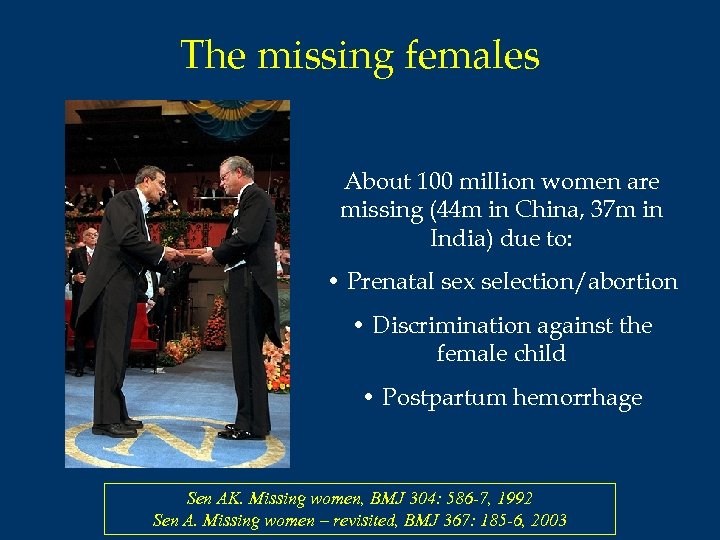 The missing females About 100 million women are missing (44 m in China, 37 m in India) due to: • Prenatal sex selection/abortion • Discrimination against the female child • Postpartum hemorrhage Sen AK. Missing women, BMJ 304: 586 -7, 1992 Sen A. Missing women – revisited, BMJ 367: 185 -6, 2003
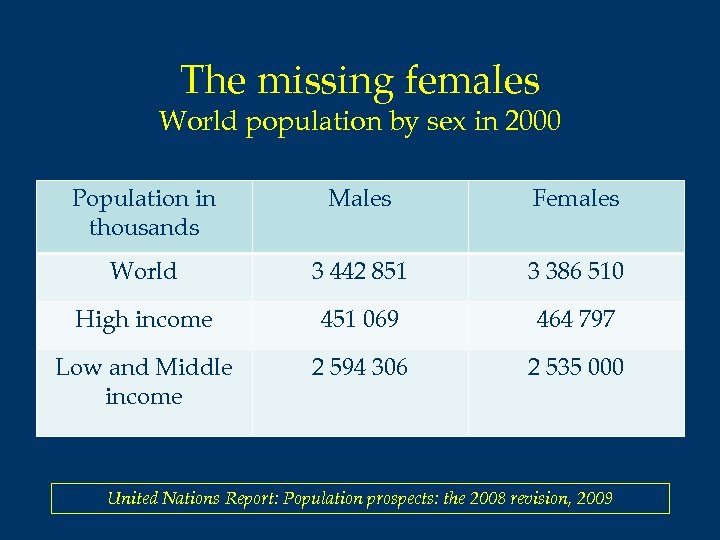 The missing females World population by sex in 2000 Population in thousands Males Females World 3 442 851 3 386 510 High income 451 069 464 797 Low and Middle income 2 594 306 2 535 000 United Nations Report: Population prospects: the 2008 revision, 2009
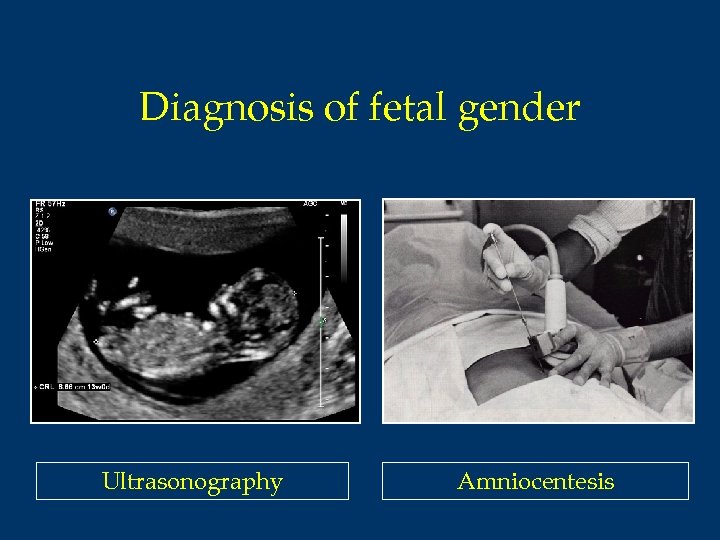 Diagnosis of fetal gender Ultrasonography Amniocentesis
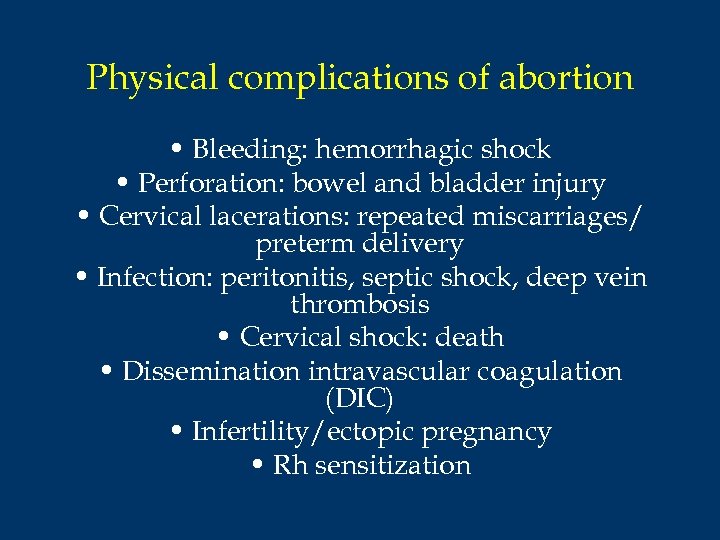 Physical complications of abortion • Bleeding: hemorrhagic shock • Perforation: bowel and bladder injury • Cervical lacerations: repeated miscarriages/ preterm delivery • Infection: peritonitis, septic shock, deep vein thrombosis • Cervical shock: death • Dissemination intravascular coagulation (DIC) • Infertility/ectopic pregnancy • Rh sensitization
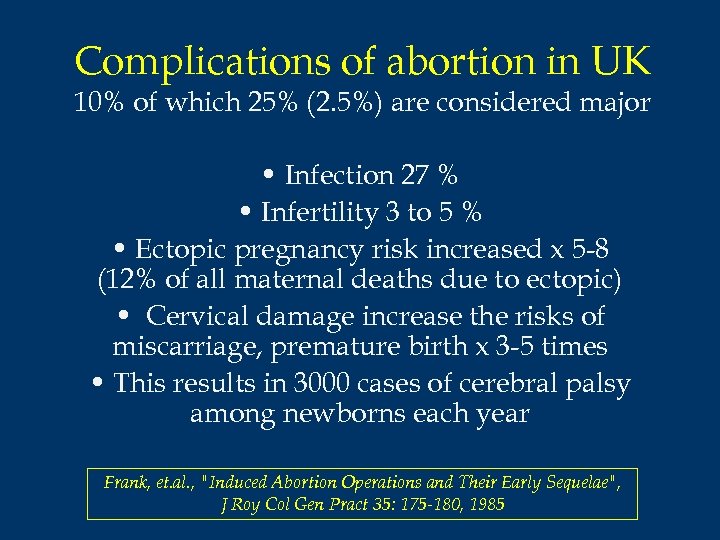 Complications of abortion in UK 10% of which 25% (2. 5%) are considered major • Infection 27 % • Infertility 3 to 5 % • Ectopic pregnancy risk increased x 5 -8 (12% of all maternal deaths due to ectopic) • Cervical damage increase the risks of miscarriage, premature birth x 3 -5 times • This results in 3000 cases of cerebral palsy among newborns each year Frank, et. al. , "Induced Abortion Operations and Their Early Sequelae", J Roy Col Gen Pract 35: 175 -180, 1985
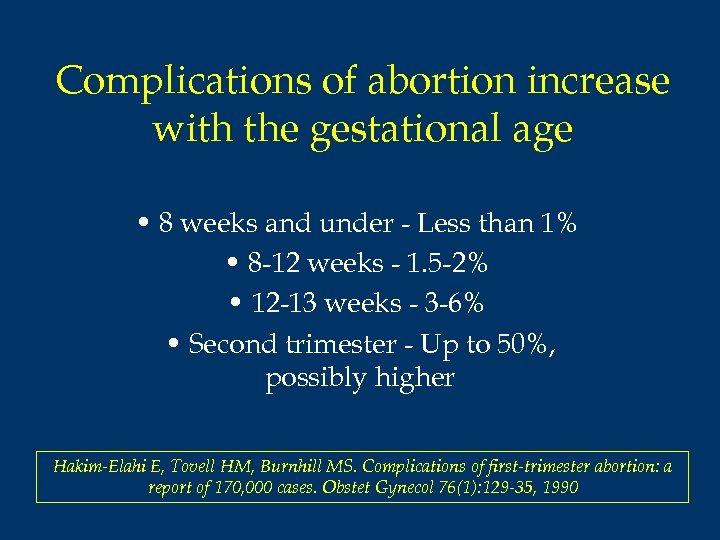 Complications of abortion increase with the gestational age • 8 weeks and under - Less than 1% • 8 -12 weeks - 1. 5 -2% • 12 -13 weeks - 3 -6% • Second trimester - Up to 50%, possibly higher Hakim-Elahi E, Tovell HM, Burnhill MS. Complications of first-trimester abortion: a report of 170, 000 cases. Obstet Gynecol 76(1): 129 -35, 1990
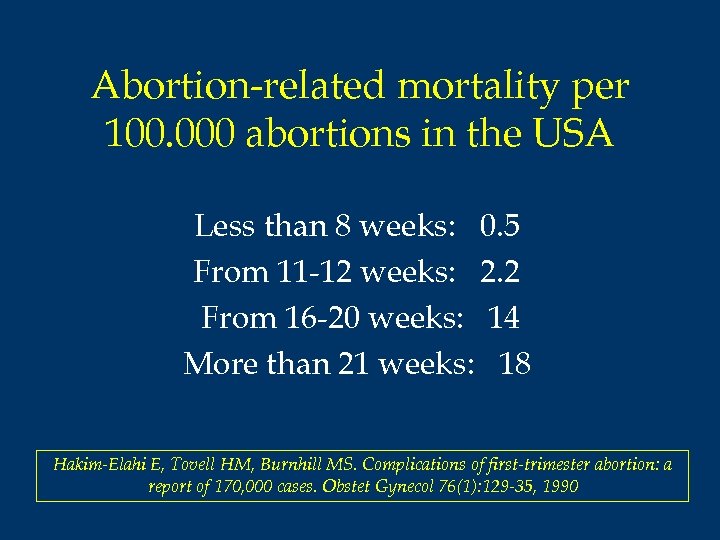 Abortion-related mortality per 100. 000 abortions in the USA Less than 8 weeks: 0. 5 From 11 -12 weeks: 2. 2 From 16 -20 weeks: 14 More than 21 weeks: 18 Hakim-Elahi E, Tovell HM, Burnhill MS. Complications of first-trimester abortion: a report of 170, 000 cases. Obstet Gynecol 76(1): 129 -35, 1990
 Psychological complications of abortion Over 100 major reactions to abortion have been reported Depression Loss of self-esteem Self-destructive behavior Sleep disorders Memory loss Sexual dysfunction Chronic problems with relationships Dramatic personality changes Anxiety attacks Guilt and remorse Difficulty grieving Increased tendency toward violence Chronic crying Difficulty concentrating Flashbacks Loss of interest in previously enjoyed activities and people Difficulty bonding with later children Ashton, The Psychosocial Outcome of Induced Abortion. BJOG 87: 1115 -1122, 1980
 Psychological complications of abortion Increased self-destructive behavior • 80% expressed feelings of "self-hatred" • 49% reported drug abuse • 39% began/increased use of alcohol • 14% described themselves as having become "addicted" or "alcoholic" • 60% reported suicidal ideation • 28% attempted suicide (half of them twice or more) Ashton, The Psychosocial Outcome of Induced Abortion. BJOG 87: 1115 -1122, 1980
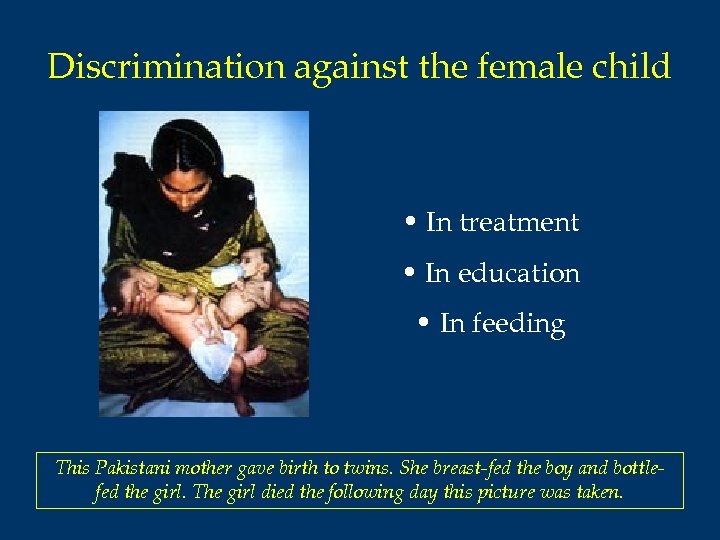 Discrimination against the female child • In treatment • In education • In feeding This Pakistani mother gave birth to twins. She breast-fed the boy and bottlefed the girl. The girl died the following day this picture was taken.
 Violence against women Selective feticide Female genital mutilation Honor crimes Rape (general, war, marital) Sexual harassment Trafficking in women Mugging senior citizens Domestic (intimate partner) violence
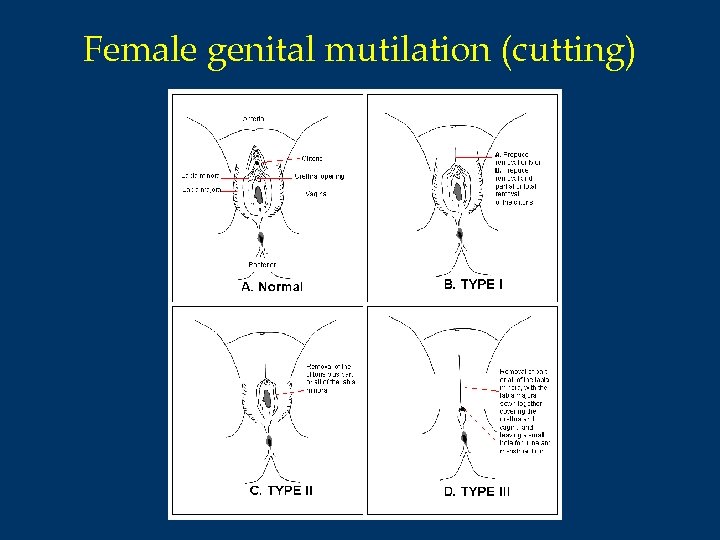 Female genital mutilation (cutting)
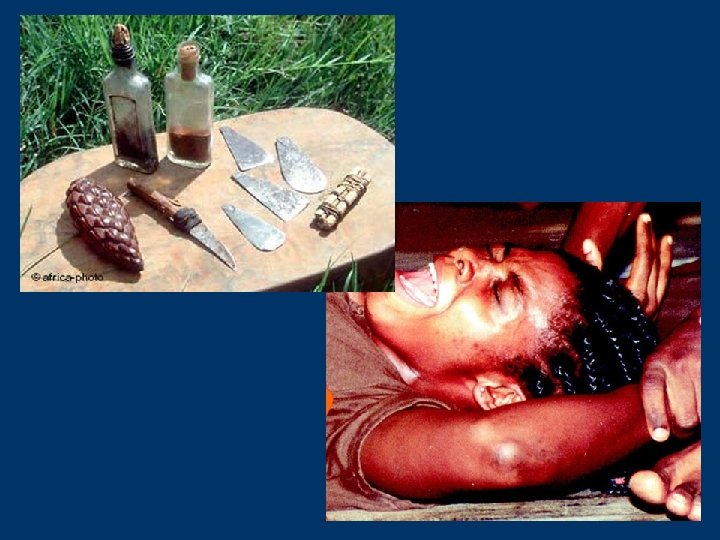
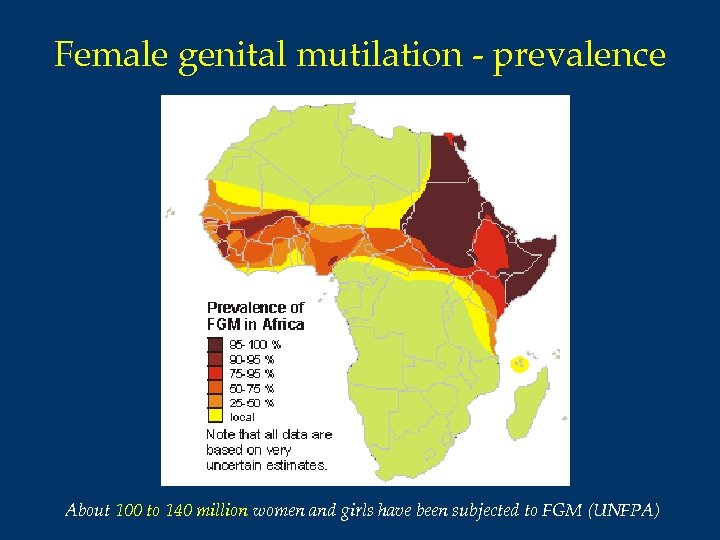 Female genital mutilation - prevalence About 100 to 140 million women and girls have been subjected to FGM (UNFPA)
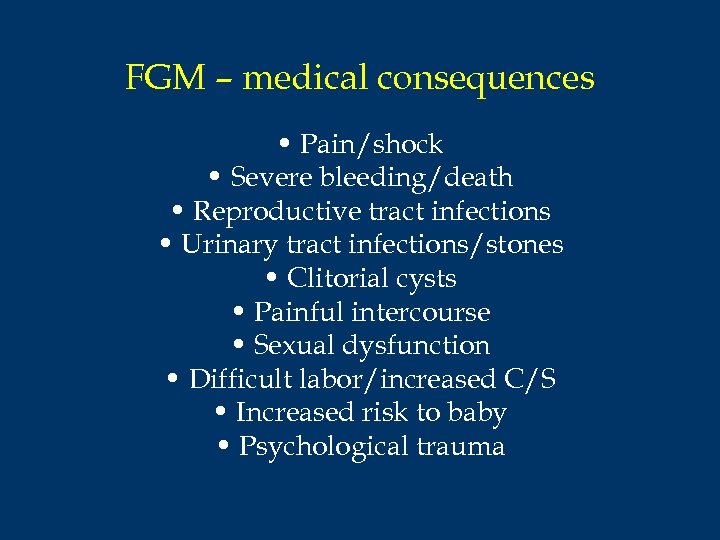 FGM – medical consequences • Pain/shock • Severe bleeding/death • Reproductive tract infections • Urinary tract infections/stones • Clitorial cysts • Painful intercourse • Sexual dysfunction • Difficult labor/increased C/S • Increased risk to baby • Psychological trauma
 FGM – WHO study 2006 • 28, 393 women in labor in 28 obstetric centers (Burkina Faso, Ghana, Nigeria, Kenya, Senegal and Sudan) • Increased risk of death to the baby (15% for Type I, 32% for Type II, and 55% for Type III) • Increased risk of cesarean section (30%) • Increased risk of postpartum hemorrhage (70%)
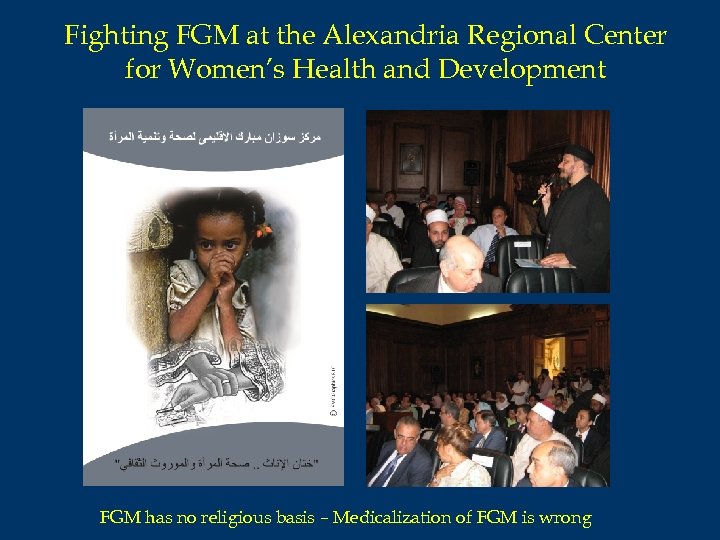 Fighting FGM at the Alexandria Regional Center for Women’s Health and Development FGM has no religious basis – Medicalization of FGM is wrong
 Violence against women Selective feticide Female genital mutilation Honor crimes Rape (general, war, marital) Sexual harassment Trafficking in women Mugging senior citizens Domestic (intimate partner) violence
 Honor crimes According to the UN in 2002, honor killings were reported in Egypt, Jordan, Lebanon, Morocco, Pakistan, Syria, Turkey, Yemen, and other Mediterranean and Gulf countries, as well as in the immigrant communities in France, Germany and the UK. The United Nations Population Fund (UNFPA) estimates that the annual worldwide total of honor-killing victims may be as high as 5, 000 United Nations Reports. Working towards the elimination of crimes against women committed in the name of honor. Report of the Secretary-General, 2 July 2002
 Honor crimes • Refusing to enter into an arranged marriage • Loss of virginity/committing adultery or allegedly committing it • Being the victim of a sexual assault • Seeking a divorce—even from an abusive husband Sometimes, the mere perception that a woman has behaved in a way that "dishonors" her family is sufficient to trigger an attack on her life
 Violence against women Selective feticide Female genital mutilation Honor crimes Rape (general, war, marital) Sexual harassment Trafficking in women Mugging senior citizens Domestic (intimate partner) violence
 The rape of Lucretia by Titian, 1571
 “…and they abused her all night , taking turns in raping her until morning. Finally, just at dawn, they let her go. She fell down at the door of the house and lay there until it was light…found her there, fallen down in front of the door with her hands digging into the threshold… But there was no answer, for she was dead…” Holy Bible: Judges: 19
 Rape - statistics • A UN report from 65 countries showed that more than 250, 000 cases of rape or attempted rape are reported annually • In the USA, it is estimated that only 16% of rapes and sexual assaults are reported to the police • 91% of rape victims are female and 9% are male, with 99% of the offenders being male • The Eighth United Nations Survey on Crime Trends and the Operation of Criminal Justice Systems (2001 -2002) • US Department of Justice. Rape in America: A Report to the Nation, 1992
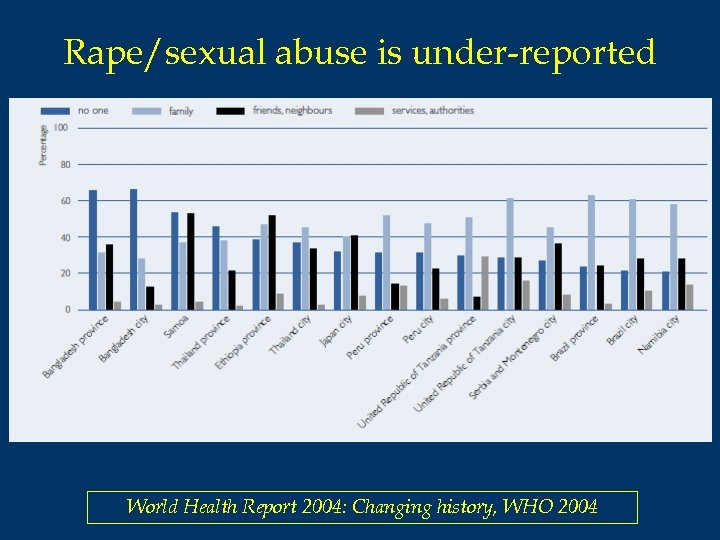 Rape/sexual abuse is under-reported World Health Report 2004: Changing history, WHO 2004
 Rape – medical consequences • Trauma/injury • Bleeding • Unwanted pregnancy/abortion complications • Sexually transmitted diseases/AIDS • Psychological trauma: acute stress disorder and post-traumatic stress disorder • Loss of self esteem/suicide
 Sexually transmitted diseases • In Thailand, researchers found that one in ten victims of rape had contracted a STD • STDs increase a woman’s vulnerability to the HIV/AIDS virus • Violent sexual assault increase the risk because resulting tears to delicate vaginal tissue allow the virus easier entry into the bloodstream • Women with STDs have a higher risk of complications during pregnancy, including sepsis, spontaneous abortion and premature birth Archavanitkul K, Pramualratana A. Factors affecting women’s health in Thailand. Paper presented at the Workshop on Women’s Health in Southeast Asia, Population Council, Jakarta, October 29 -31, 1990
 Acute stress disorder • Depersonalization or dissociation (feeling numb and detached, like being in a daze or a dream, or feeling that the world is strange and unreal) • Difficulty remembering details of the assault • Reliving the assault through repeated thoughts, memories, or nightmares • Avoidance of things, places, thoughts, and/or feelings that remind the victim of the assault • Anxiety or increased arousal (difficulty sleeping, concentrating, etc. . . ) • Avoidance of social life or place of rape • In one third, symptoms continue beyond 6 months (posttraumatic stress disorder) Richard et al. Treating acute stress disorder. Am J Psychiatry 156: 1780, 1999
 Srebrenica Genocide Stone
 Rape as a weapon of war “…from time immemorial, rape has been regarded as spoils of war. Now it will be considered a war crime. We want to send out a strong message that rape is no longer a trophy of war…” Judge Navanethem Pillay International Criminal Tribunal for Rwanda 1998
 In the Name of Honor, Mukhtaran Mai, 2002 Meerwala, Pakistan
 Violence against women Selective feticide Female genital mutilation Honor crimes Rape (general, war, marital) Sexual harassment Trafficking in women Mugging senior citizens Domestic (intimate partner) violence
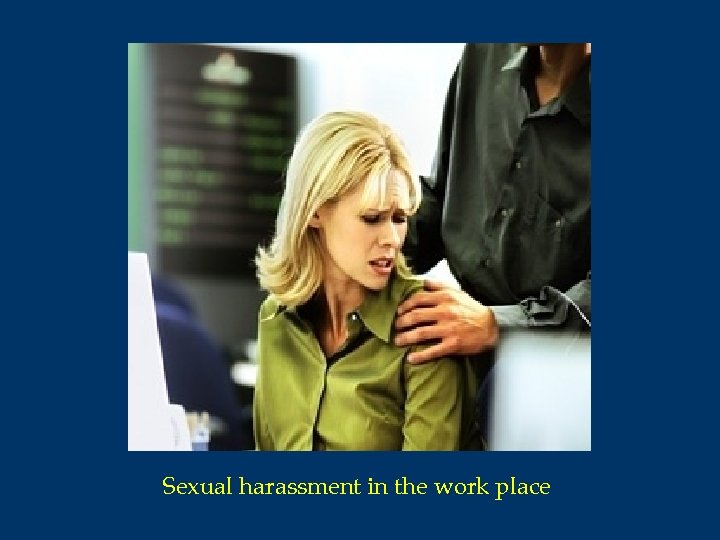 Sexual harassment in the work place
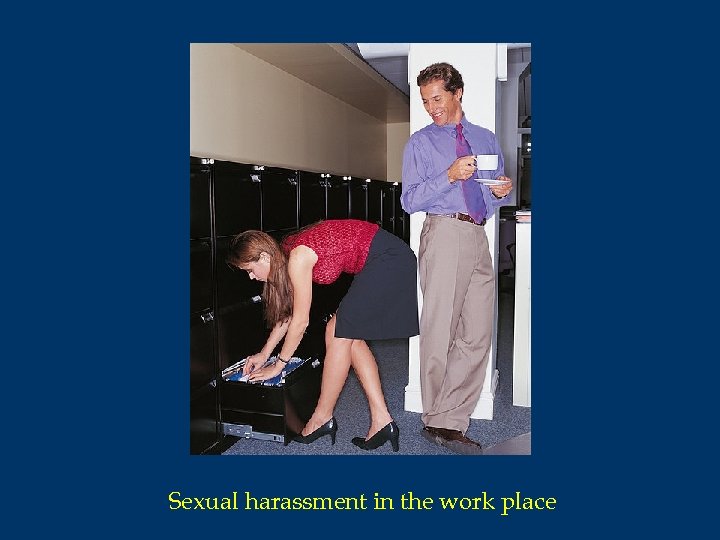 Sexual harassment in the work place
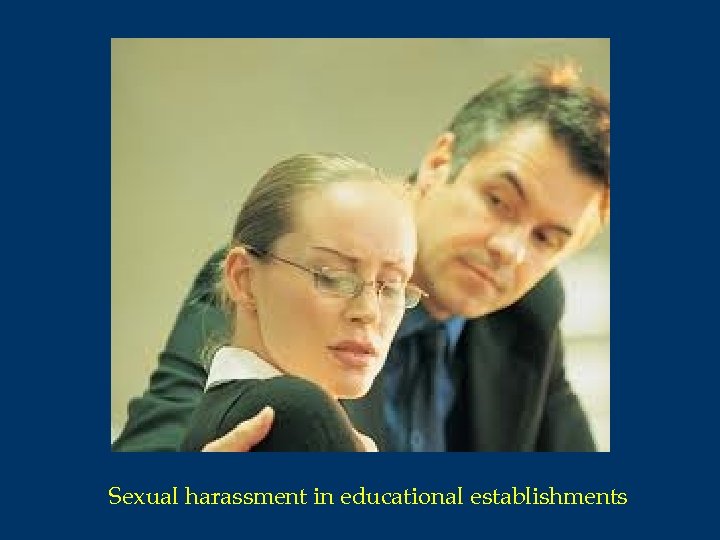 Sexual harassment in educational establishments
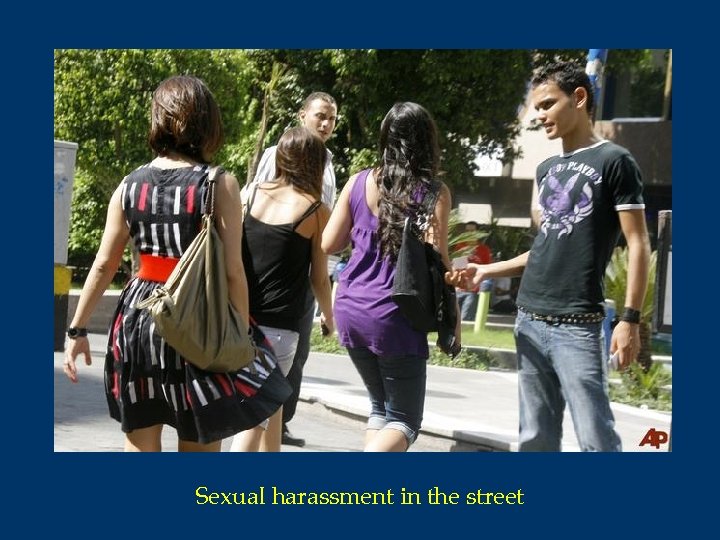 Sexual harassment in the street
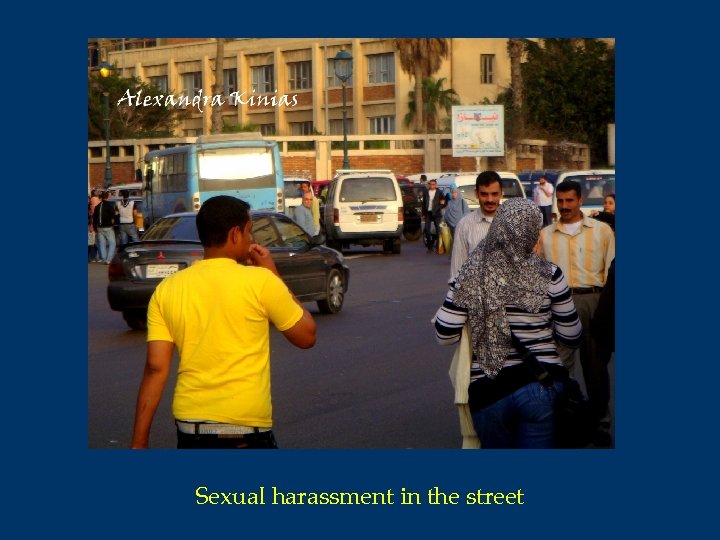 Sexual harassment in the street
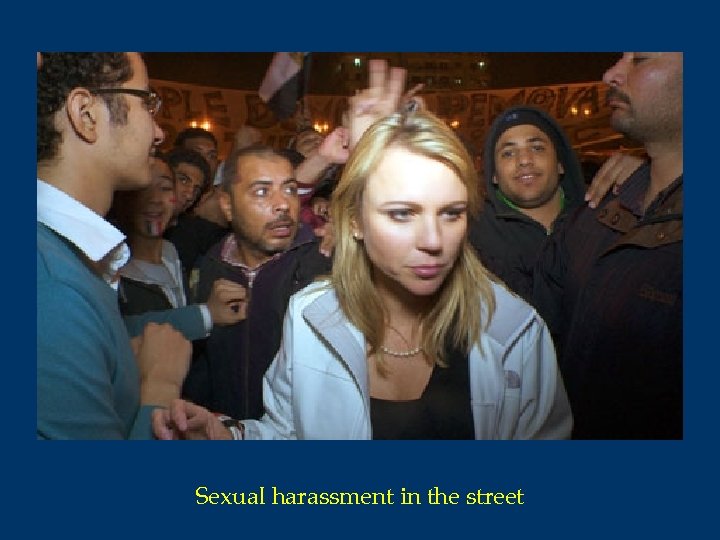 Sexual harassment in the street
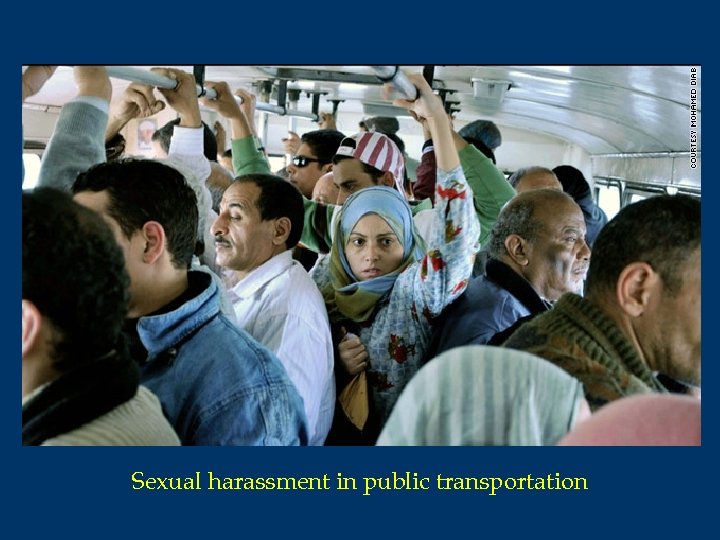 Sexual harassment in public transportation
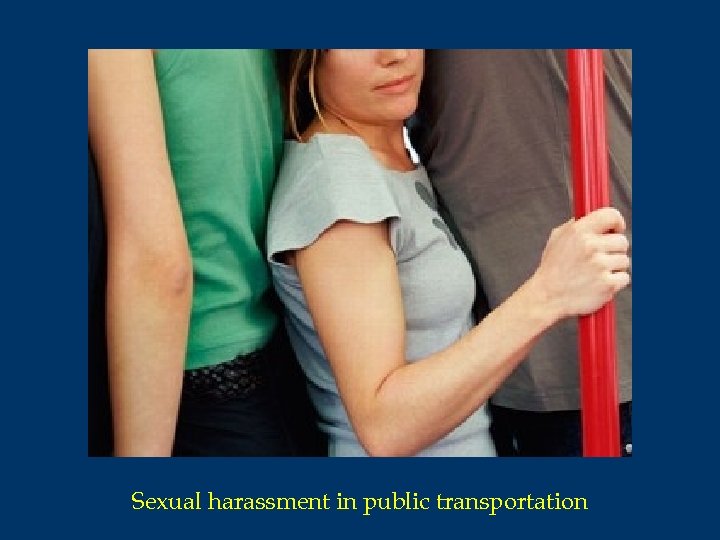 Sexual harassment in public transportation
 Sexual harassment • Sexual harassment has a negative impact on women's physical and emotional health, and the more severe the harassment, the more severe the reaction • The reactions reported by women include anxiety, depression, sleep disturbance, weight loss or gain, loss of appetite, and headaches • There is a link between sexual harassment and post-traumatic stress disorder • Sexual harassment in the workplace in the European Union. European Commission, Directorate-General for Employment, Industrial Relations and Social Affairs, 1998 • Louise F. Fitzgerald, Sexual Harassment: Violence Against Women in the Workplace, American Psychologist 48: 1070 -1072, 1993
 Violence against women Selective feticide Female genital mutilation Honor crimes Rape (general, war, marital) Sexual harassment Trafficking in women Mugging senior citizens Domestic (intimate partner) violence
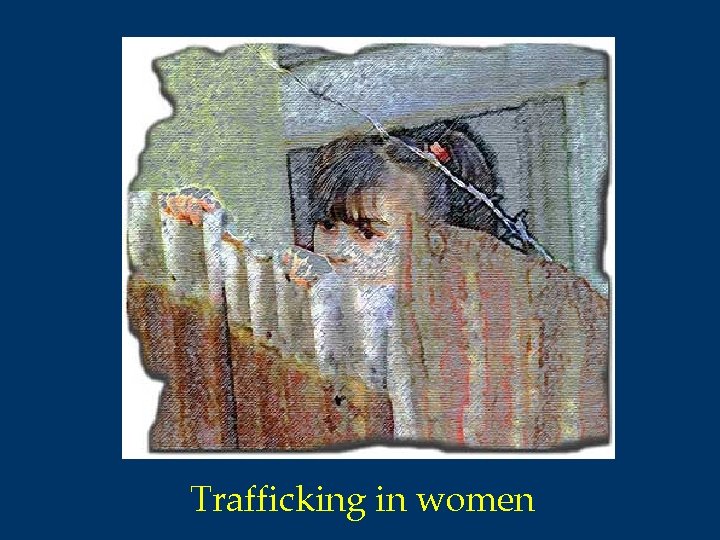 Trafficking in women
 Trafficking in women 1. Selling newborn babies 2. Slave workers 3. Domestic workers 4. Sex industry
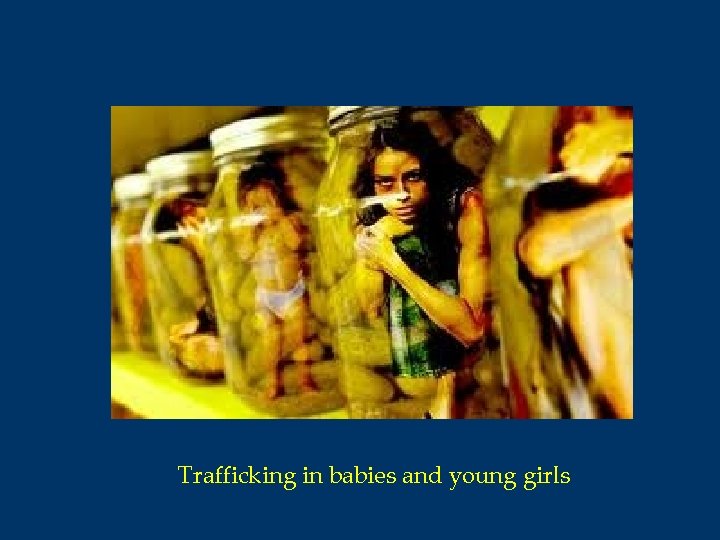 Trafficking in babies and young girls
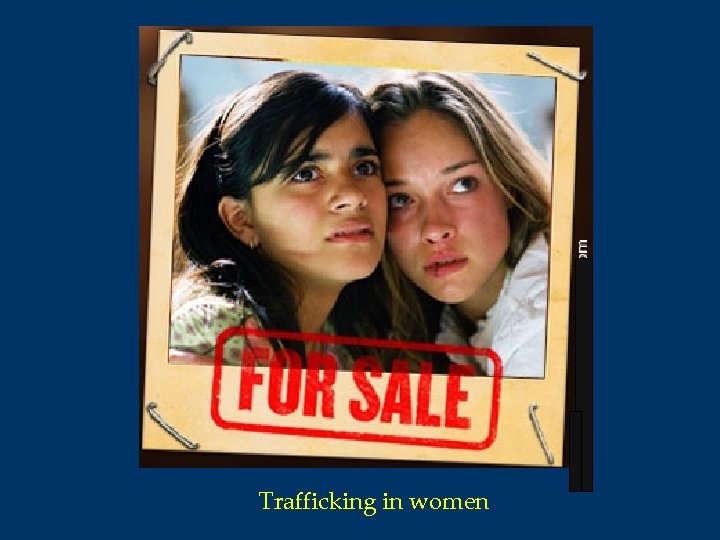 Trafficking in women
 Trafficking in women – physical health • Women were “intentionally hurt” since they left home. The majority of reported injuries and illness were the result of abuse • Broken bones, contusions, pain, loss of consciousness, headaches, high fevers, gastrointestinal problems, undiagnosed pelvic pain, complications from abortions, dermatological problems (e. g. , rashes, scabies, and lice), unhealthy weight loss, and dental and oral health problems • Women were deprived of food, human contact, valued activities and items, and held in solitary confinement London School of Hygiene & Tropical Medicine. The health risks and consequences of trafficking in women and adolescents: findings from a European study, 2003.
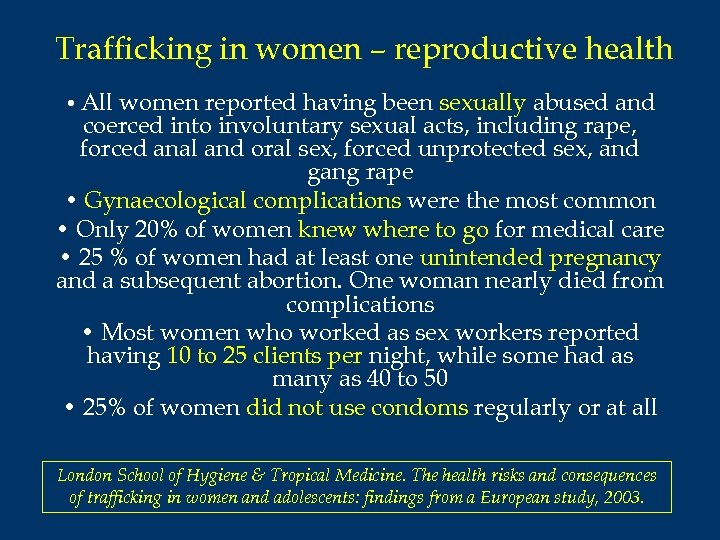 Trafficking in women – reproductive health • All women reported having been sexually abused and coerced into involuntary sexual acts, including rape, forced anal and oral sex, forced unprotected sex, and gang rape • Gynaecological complications were the most common • Only 20% of women knew where to go for medical care • 25 % of women had at least one unintended pregnancy and a subsequent abortion. One woman nearly died from complications • Most women who worked as sex workers reported having 10 to 25 clients per night, while some had as many as 40 to 50 • 25% of women did not use condoms regularly or at all London School of Hygiene & Tropical Medicine. The health risks and consequences of trafficking in women and adolescents: findings from a European study, 2003.
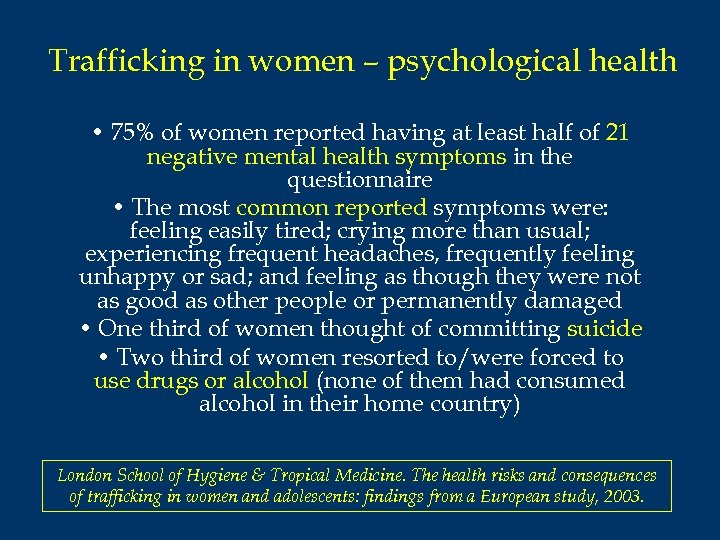 Trafficking in women – psychological health • 75% of women reported having at least half of 21 negative mental health symptoms in the questionnaire • The most common reported symptoms were: feeling easily tired; crying more than usual; experiencing frequent headaches, frequently feeling unhappy or sad; and feeling as though they were not as good as other people or permanently damaged • One third of women thought of committing suicide • Two third of women resorted to/were forced to use drugs or alcohol (none of them had consumed alcohol in their home country) London School of Hygiene & Tropical Medicine. The health risks and consequences of trafficking in women and adolescents: findings from a European study, 2003.
 Violence against women Selective feticide Female genital mutilation Honor crimes Rape (general, war, marital) Sexual harassment Trafficking in women Mugging senior citizens Domestic (intimate partner) violence
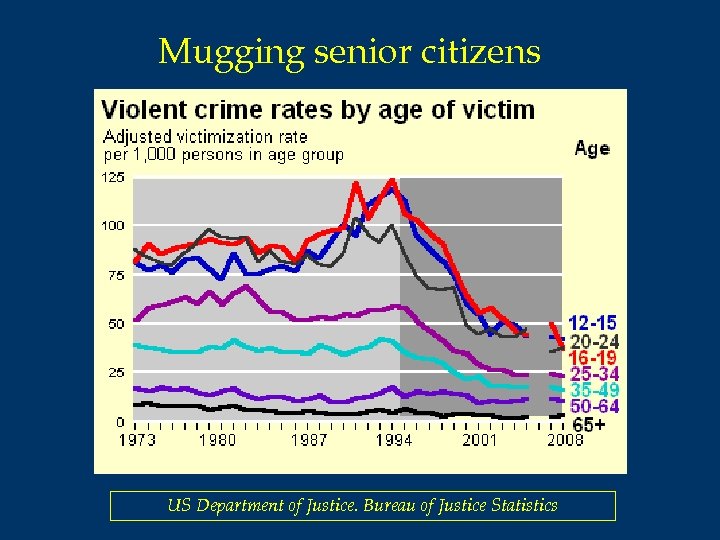 Mugging senior citizens US Department of Justice. Bureau of Justice Statistics
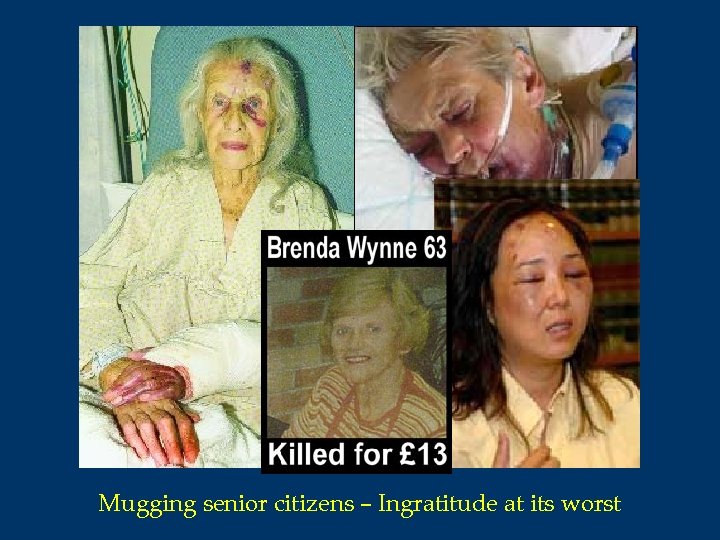 Mugging senior citizens – Ingratitude at its worst
 Violence against women Selective feticide Female genital mutilation Honor crimes Rape (general, war, marital) Sexual harassment Trafficking in women Mugging senior citizens Domestic (intimate partner) violence
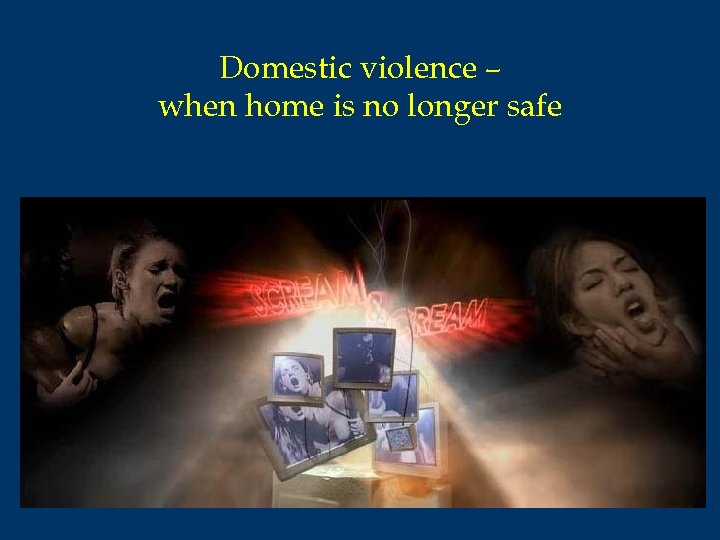 Domestic violence – when home is no longer safe
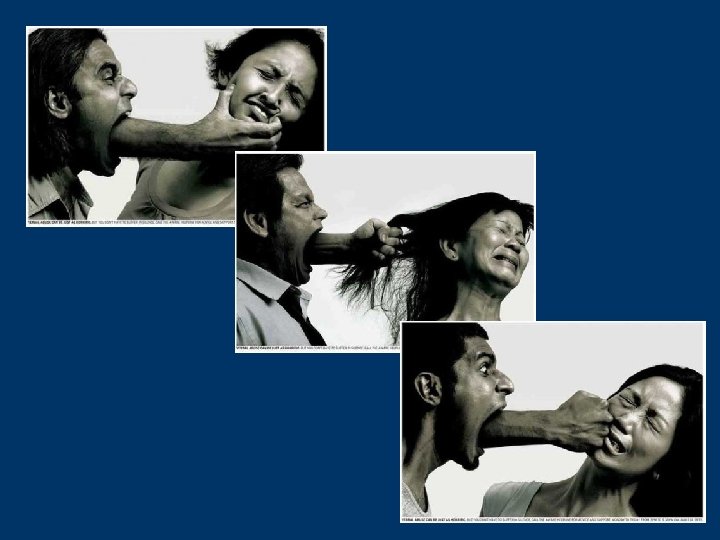
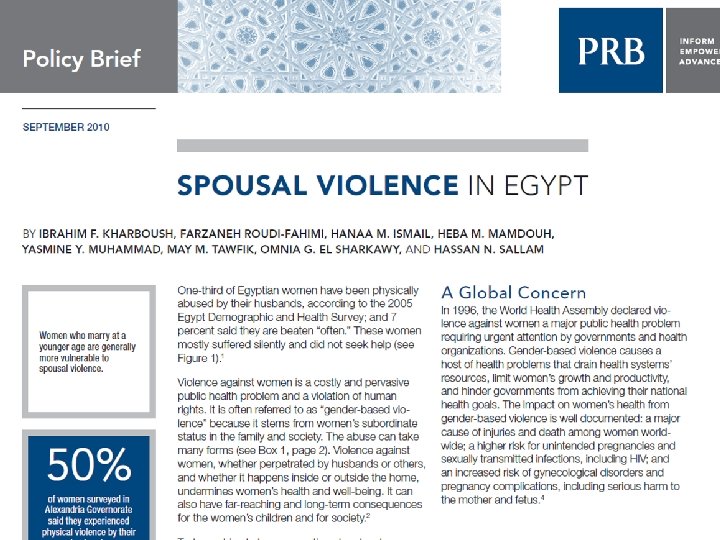
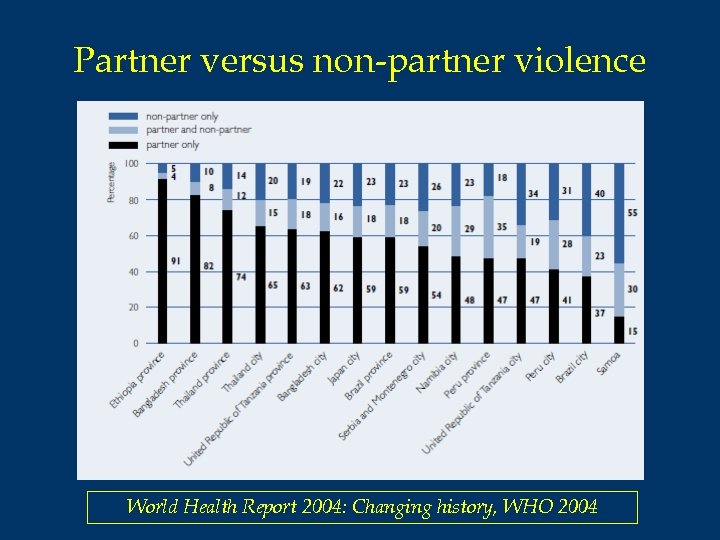 Partner versus non-partner violence World Health Report 2004: Changing history, WHO 2004
 Physical violence • Slapping or throwing something that could hurt • Pushing or shoving • Hitting with a fist or something else that could hurt • Kicking, dragging or beating up • Choking or burning on purpose • Threatening with, or actually using a gun, knife or other weapon World Health Report 2004: Changing history, WHO 2004
 Sexual violence • Being physically forced to have sexual intercourse against her will • Having sexual intercourse because she was afraid of what her partner might do • Being forced to do something sexual she found degrading or humiliating World Health Report 2004: Changing history, WHO 2004
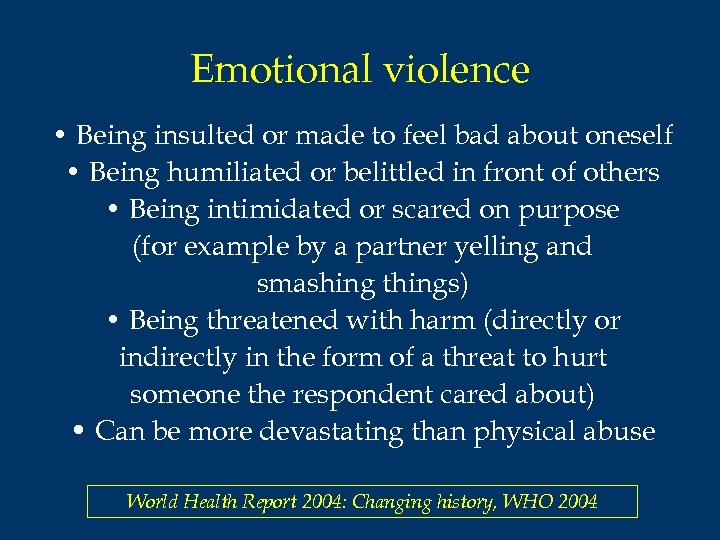 Emotional violence • Being insulted or made to feel bad about oneself • Being humiliated or belittled in front of others • Being intimidated or scared on purpose (for example by a partner yelling and smashing things) • Being threatened with harm (directly or indirectly in the form of a threat to hurt someone the respondent cared about) • Can be more devastating than physical abuse World Health Report 2004: Changing history, WHO 2004
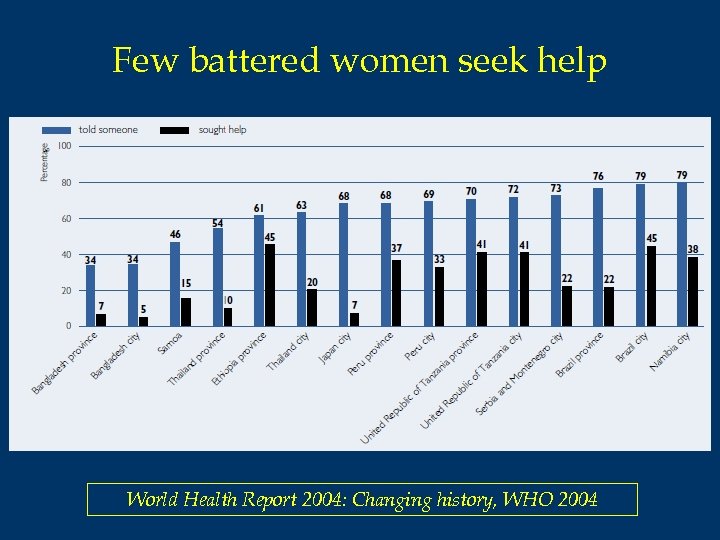 Few battered women seek help World Health Report 2004: Changing history, WHO 2004
 Domestic (intimate partner) violence Health consequences • Physical health consequences • Psychological health consequences • Public health consequences
 Domestic (intimate partner) violence Health consequences • Physical health consequences • Psychological health consequences • Public health consequences
 Serious injuries (Bruises, fractures, chronic disabilities) • Research in Cambodia found that 50% of all women reporting abuse had sustained injuries • Canada’s national survey on violence against women revealed that 45% of wife assault incidents resulted in injuries, and of the injured women, 40% subsequently visited a doctor or a nurse • Nelson E, Zimmerman C. Household survey on domestic violence in Cambodia. Ministry of Women’s Affairs, Project Against Domestic Violence, Cambodia, 1996 • Rodgers K. Wife assault: the findings of a national survey. Juristat service bulletin, Statistics Canada, 1994, 14(9)
 Homicide Most women who die of homicide are killed by their partner or ex-partner A study of 249 court records in Zimbabwe revealed that 59% of homicides of women were committed by the intimate partner of the victim Watts C, Osam S, Win E. The private is public: a study of violence against women in Southern Africa, Zimbabwe, Women in Law and Development in Africa, 1995
 Injuries during pregnancy In a three-year study of 1203 pregnant women in hospitals in Houston and Boston, United States, abuse during pregnancy was a significant risk factor for low birth weight, low maternal weight gain, infections and anemia Parker B, Mc. Farlane J, Soeken K. Abuse during pregnancy: effects on maternal complications and birth weight in adult and teenage women. Obstetrics and gynecology, 1994, 84(3): 323 -328.
 Injuries to children • Children in violent families may also be victims of abuse. Frequently, children are injured while trying to defend their mothers • In one study of abused women in Bogotá, Colombia, 49% reported that their children had also been beaten Berenguer A. Alternativas desde la medicina legal y experiéncias sobre la violencia intrafamiliar. In: Corporación de la Mujer. Violencia en la Intimidad. Bogotá, Corporación de la Mujer, 1984.
 Domestic (intimate partner) violence Health consequences • Physical health consequences • Psychological health consequences • Public health consequences
 Psychological health consequences Domestic violence is a chronic and recurrent type of violence. Wounds of the body heal sooner or later leaving only scars. Wounds of the soul take much longer to heal, and can bleed again any time Fathalla M. Victimization as part of being female. In: Issues in women’s health and rights, p. 251. IPPF Press 2008.
 Mental health problems • Severe depression • Anxiety • Post-traumatic stress disorder • Chronic fatigue • Inability to sleep / nightmares • Eating disorders • Use of alcohol and drugs • Becoming isolated and withdrawn Stark E, Flitcraft A. Spouse abuse. In: Rosenburg M, Fenley M, eds. Violence in America: a public health approach. New York, Oxford University Press, 1991.
 Suicide Research in the United States has shown that battered women, as compared to women not living with violent men, are five times more likely to commit suicide Stark E, Flitcraft A. Spouse abuse. In: Rosenburg M, Fenley M, eds. Violence in America: a public health approach. New York, Oxford University Press, 1991.
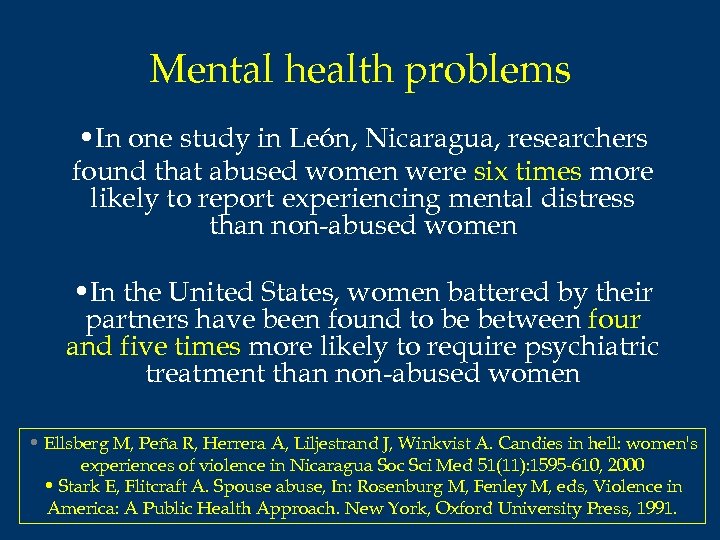 Mental health problems • In one study in León, Nicaragua, researchers found that abused women were six times more likely to report experiencing mental distress than non-abused women • In the United States, women battered by their partners have been found to be between four and five times more likely to require psychiatric treatment than non-abused women • Ellsberg M, Peña R, Herrera A, Liljestrand J, Winkvist A. Candies in hell: women's experiences of violence in Nicaragua Soc Sci Med 51(11): 1595 -610, 2000 • Stark E, Flitcraft A. Spouse abuse, In: Rosenburg M, Fenley M, eds, Violence in America: A Public Health Approach. New York, Oxford University Press, 1991.
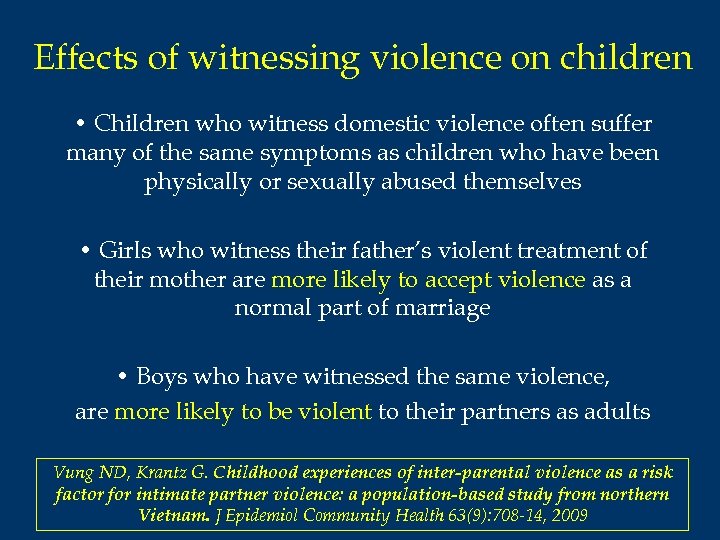 Effects of witnessing violence on children • Children who witness domestic violence often suffer many of the same symptoms as children who have been physically or sexually abused themselves • Girls who witness their father’s violent treatment of their mother are more likely to accept violence as a normal part of marriage • Boys who have witnessed the same violence, are more likely to be violent to their partners as adults Vung ND, Krantz G. Childhood experiences of inter-parental violence as a risk factor for intimate partner violence: a population-based study from northern Vietnam. J Epidemiol Community Health 63(9): 708 -14, 2009
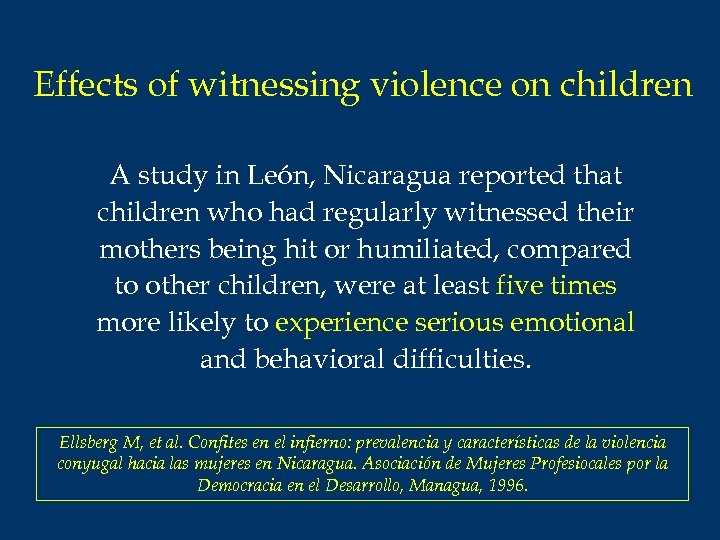 Effects of witnessing violence on children A study in León, Nicaragua reported that children who had regularly witnessed their mothers being hit or humiliated, compared to other children, were at least five times more likely to experience serious emotional and behavioral difficulties. Ellsberg M, et al. Confites en el infierno: prevalencia y características de la violencia conyugal hacia las mujeres en Nicaragua. Asociación de Mujeres Profesiocales por la Democracia en el Desarrollo, Managua, 1996.
 Domestic (intimate partner) violence Health consequences • Physical health consequences • Psychological health consequences • Public health consequences
 VAW is a public health issue Added health costs • Treating serious physical injury • Treating psychological problems • Police, courts and legal services • Treatment programs for offenders • Social service costs • Child protection services
 VAW is a public health issue Added health costs One study in the United States showed that care for women with a history of sexual or physical assault costs two and a half times as much as care for other women Koss M, Koss P, Woodruff J. Deleterious effects of criminal victimization on women’s health and medical utilization. Archives of internal medicine, 1991, 151: 342 -347
 VAW is a public health issue Effects on productivity and employment • Victims of VAW have a reduced contribution to society and to their own potential self-realization • Victims of VAW are more likely to be anxious or depressed, and unable to perform to their best • Because of their bad experience, the world may become a threatening place where they avoid challenges of any kind • If abused by their teachers, girls may stay away from school • Parents, who fear that their daughters will be sexually assaulted, may keep them at home until marriage Day T. The health related costs of violence against women in Canada: the tip of the iceberg. London, Ontario, Centre of Research on Violence Against Women and Children, 1995
 VAW – Burden of disease A World Bank report estimated that rape and domestic violence account for about 5% of the total disease burden among women aged 15 -44 in developing countries World Bank. World development Report. Investing in health. Oxford University Press, p. 50, 1993
 Conclusions Violence against women is a universal phenomenon and takes many forms. Besides being a violation of human rights, it has far reaching medical and psychological effects on battered women and their children and is also a community health issue. By exposing this evil phenomenon and implementing the proper measures, we can curb it further and maybe one day eradicate it all together
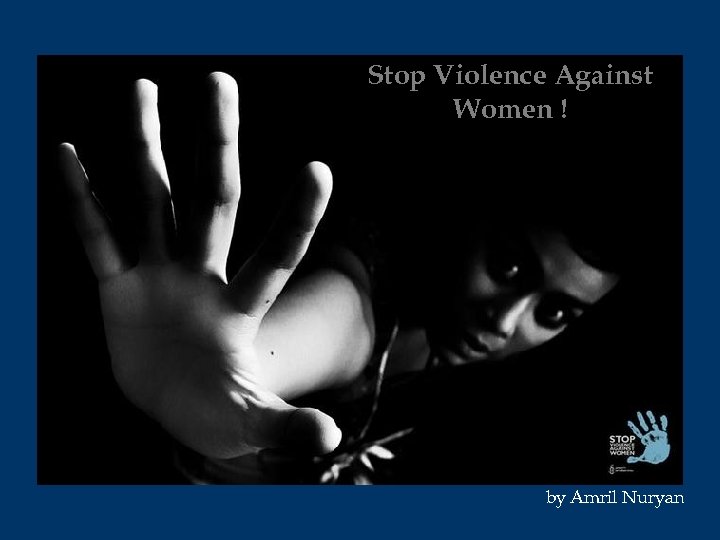 Stop Violence Against Women ! by Amril Nuryan
 Bibliotheca Alexandrina
 Violence against women – Health perspectives Hassan N. Sallam, MD, FRCOG, Ph. D (London) Professor in Obstetrics and Gynaecology The University of Alexandria, and Clinical and Scientific Director, Alexandria Fertility Center, Alexandria, Egypt 3 rd Congress of Society of Reproductive Medicine, 5 – 9 October 2011, Antalya / Turkey

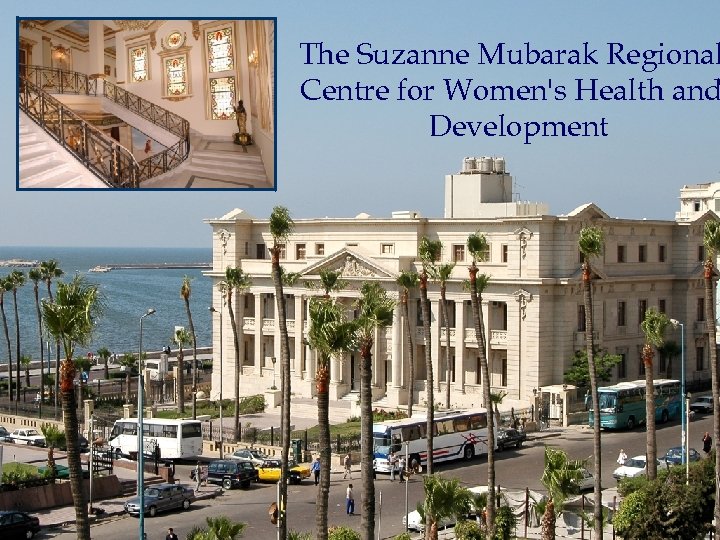 The Suzanne Mubarak Regional Centre for Women's Health and Development
 Rape - Acute stress disorder Injuries of the body can heal quickly but injuries of the soul take longer to heal and can bleed again at any time Professor Mahmoud Fathalla, Issues in women’s health, 2008