 Скачать презентацию Velaglucerase alfa as therapy for Gaucher disease Deborah
c9297fbea2004bb85c86d2b482543851.ppt
- Количество слайдов: 40




Velaglucerase alfa as therapy for Gaucher disease Deborah Elstein, Ph. D Gaucher Clinic Shaare Zedek Medical Center Jerusalem Israel Paris, France 27 -30 June 2012
Disclosure Deborah Elstein has no current conflicts of interest; served as consultant to Shire HGT during seminal trials
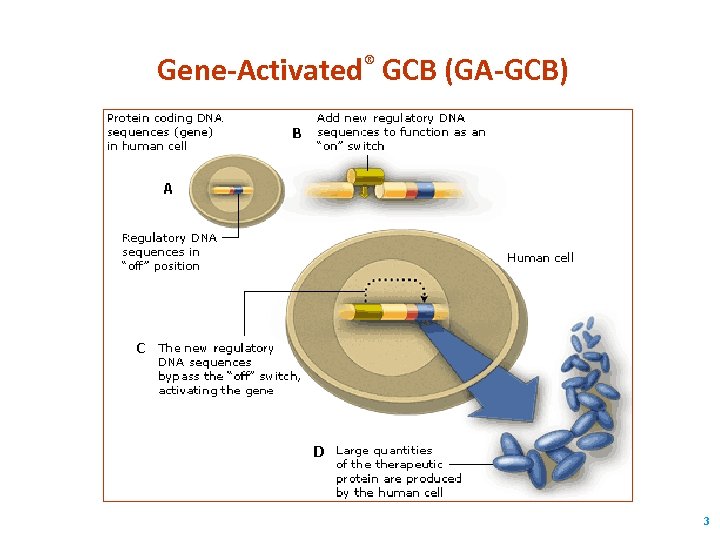
Gene-Activated® GCB (GA-GCB) 3
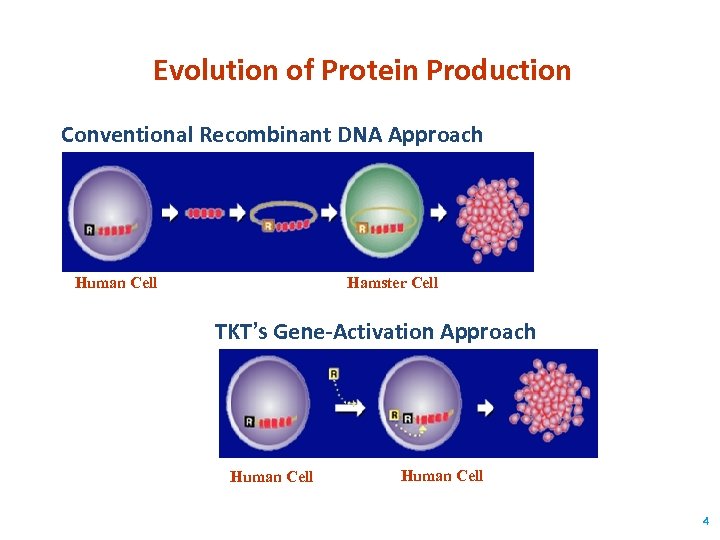
Evolution of Protein Production Conventional Recombinant DNA Approach Human Cell Hamster Cell TKT’s Gene-Activation Approach Human Cell 4
Gene-Activated GCB (velaglucerase alfa) § GA-GCB has terminal mannose residues which target the enzyme to macrophages, the target cells in Gaucher disease § Primary amino acid sequence of GA-GCB is identical to the human enzyme (and hence also to alglucerase) § GA-GCB is produced in a human cell line – Imiglucerase, Taliglucerase alfa and Abcertin (ISU 302) have a 1 amino acid difference relative to wild type sequence – Imiglucerase and Abcertin are produced in CHO cells and taliglucerase alfa in plant cells
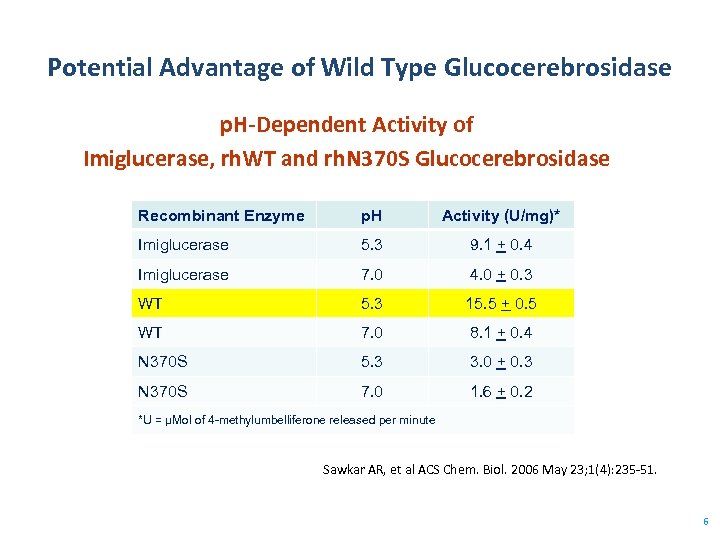
Potential Advantage of Wild Type Glucocerebrosidase p. H-Dependent Activity of Imiglucerase, rh. WT and rh. N 370 S Glucocerebrosidase Recombinant Enzyme p. H Activity (U/mg)* Imiglucerase 5. 3 9. 1 + 0. 4 Imiglucerase 7. 0 4. 0 + 0. 3 WT 5. 3 15. 5 + 0. 5 WT 7. 0 8. 1 + 0. 4 N 370 S 5. 3 3. 0 + 0. 3 N 370 S 7. 0 1. 6 + 0. 2 *U = μMol of 4 -methylumbelliferone released per minute Sawkar AR, et al ACS Chem. Biol. 2006 May 23; 1(4): 235 -51. 6
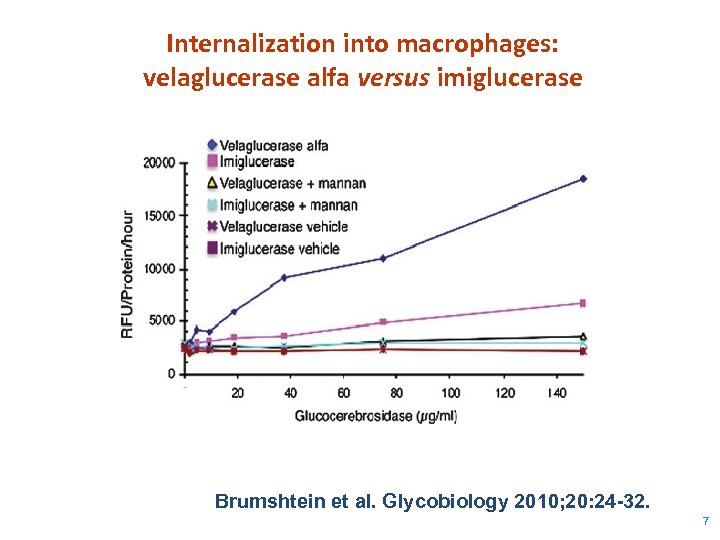
Internalization into macrophages: velaglucerase alfa versus imiglucerase Brumshtein et al. Glycobiology 2010; 20: 24 -32. 7
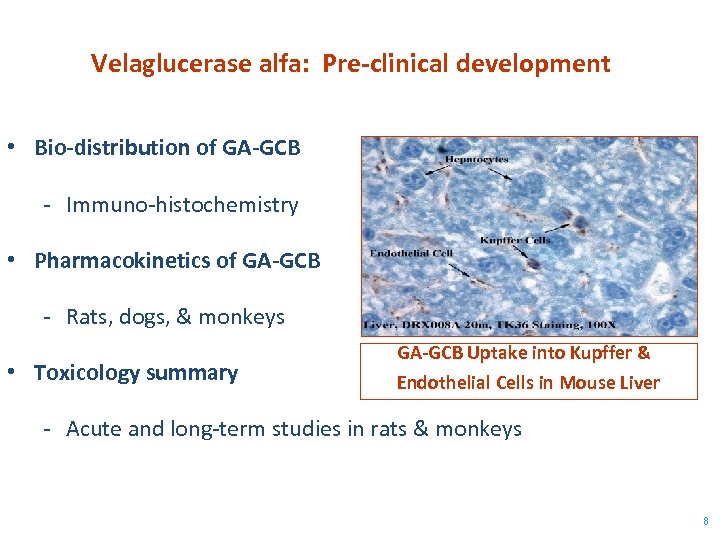
Velaglucerase alfa: Pre-clinical development • Bio-distribution of GA-GCB - Immuno-histochemistry • Pharmacokinetics of GA-GCB - Rats, dogs, & monkeys • Toxicology summary GA-GCB Uptake into Kupffer & Endothelial Cells in Mouse Liver - Acute and long-term studies in rats & monkeys 8
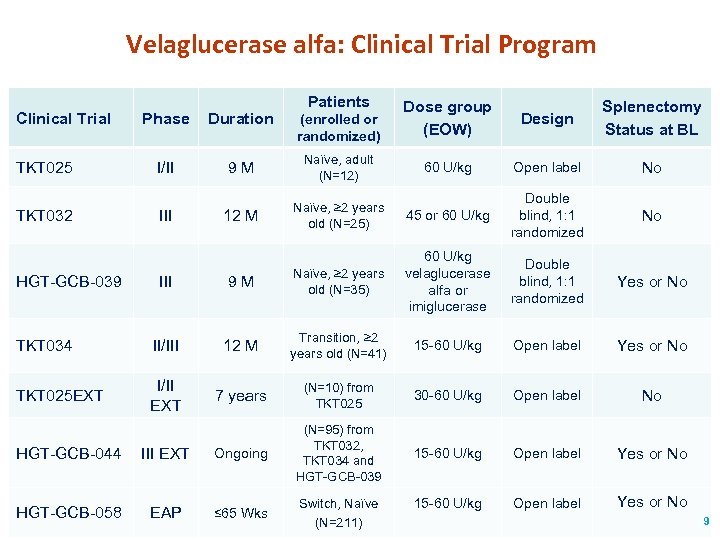
Velaglucerase alfa: Clinical Trial Program Clinical Trial TKT 025 TKT 032 Patients Dose group (EOW) Design Splenectomy Status at BL 60 U/kg Open label No Naïve, ≥ 2 years old (N=25) 45 or 60 U/kg Double blind, 1: 1 randomized No 60 U/kg velaglucerase alfa or imiglucerase Double blind, 1: 1 randomized Yes or No Phase Duration (enrolled or randomized) I/II 9 M Naïve, adult (N=12) 12 M III 9 M Naïve, ≥ 2 years old (N=35) TKT 034 II/III 12 M Transition, ≥ 2 years old (N=41) 15 -60 U/kg Open label Yes or No TKT 025 EXT I/II EXT 7 years (N=10) from TKT 025 30 -60 U/kg Open label No 15 -60 U/kg Open label Yes or No HGT-GCB-039 HGT-GCB-044 III EXT Ongoing (N=95) from TKT 032, TKT 034 and HGT-GCB-039 HGT-GCB-058 EAP ≤ 65 Wks Switch, Naïve (N=211) 9
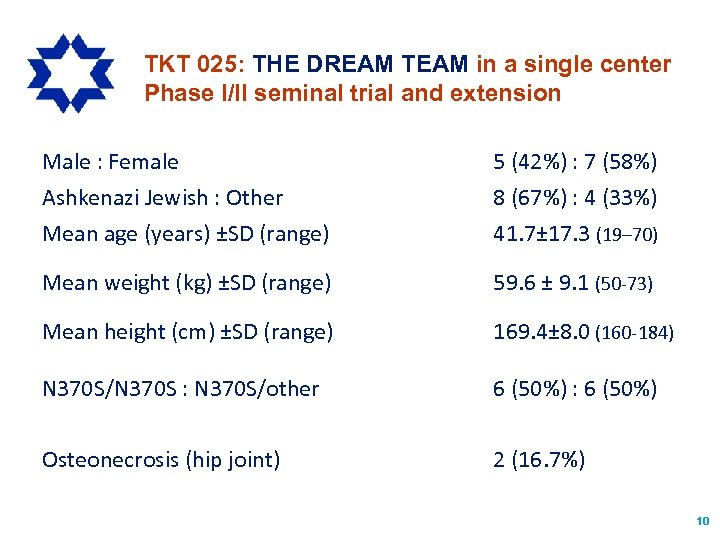
TKT 025: THE DREAM TEAM in a single center Phase I/II seminal trial and extension Male : Female Ashkenazi Jewish : Other Mean age (years) ±SD (range) 5 (42%) : 7 (58%) 8 (67%) : 4 (33%) 41. 7± 17. 3 (19– 70) Mean weight (kg) ±SD (range) 59. 6 ± 9. 1 (50 -73) Mean height (cm) ±SD (range) 169. 4± 8. 0 (160 -184) N 370 S/N 370 S : N 370 S/other 6 (50%) : 6 (50%) Osteonecrosis (hip joint) 2 (16. 7%) 10
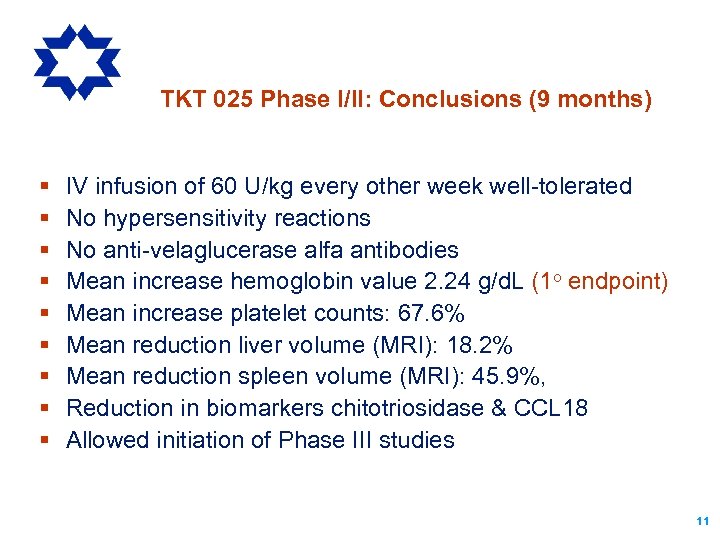
TKT 025 Phase I/II: Conclusions (9 months) § § § § § IV infusion of 60 U/kg every other week well-tolerated No hypersensitivity reactions No anti-velaglucerase alfa antibodies Mean increase hemoglobin value 2. 24 g/d. L (1 o endpoint) Mean increase platelet counts: 67. 6% Mean reduction liver volume (MRI): 18. 2% Mean reduction spleen volume (MRI): 45. 9%, Reduction in biomarkers chitotriosidase & CCL 18 Allowed initiation of Phase III studies 11
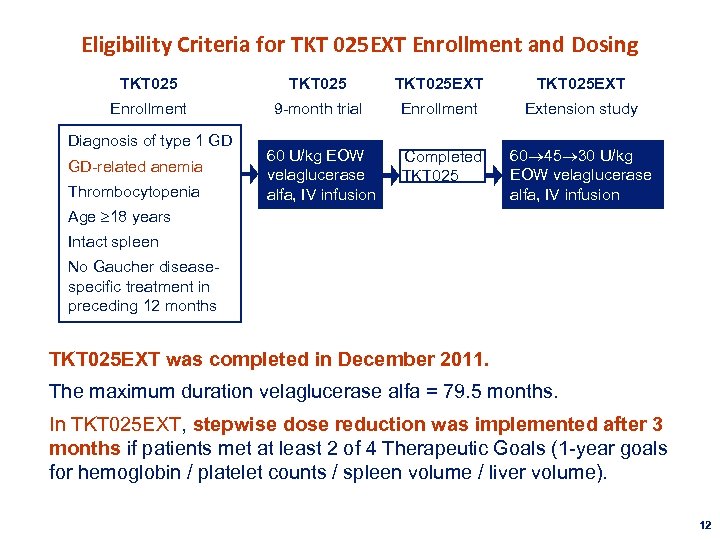
Eligibility Criteria for TKT 025 EXT Enrollment and Dosing TKT 025 EXT Enrollment 9 -month trial Enrollment Extension study 60 U/kg EOW velaglucerase alfa, IV infusion Completed TKT 025 60 45 30 U/kg EOW velaglucerase alfa, IV infusion Diagnosis of type 1 GD GD-related anemia Thrombocytopenia Age 18 years Intact spleen No Gaucher diseasespecific treatment in preceding 12 months TKT 025 EXT was completed in December 2011. The maximum duration velaglucerase alfa = 79. 5 months. In TKT 025 EXT, stepwise dose reduction was implemented after 3 months if patients met at least 2 of 4 Therapeutic Goals (1 -year goals for hemoglobin / platelet counts / spleen volume / liver volume). 12
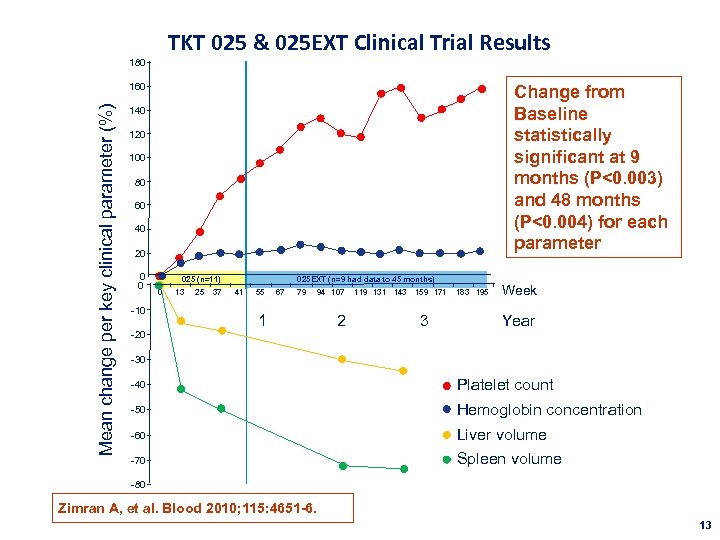
TKT 025 & 025 EXT Clinical Trial Results 180 Mean change per key clinical parameter (%) 160 Change from Baseline statistically significant at 9 months (P<0. 003) and 48 months (P<0. 004) for each parameter 140 120 100 80 60 40 20 0 0 -10 -20 025 (n=11) 0 13 25 37 025 EXT (n=9 had data to 45 months) 41 55 67 79 94 107 1 2 119 131 143 159 171 3 183 195 Week Year -30 -40 Platelet count -50 Hemoglobin concentration -60 Liver volume -70 Spleen volume -80 Zimran A, et al. Blood 2010; 115: 4651 -6. 13
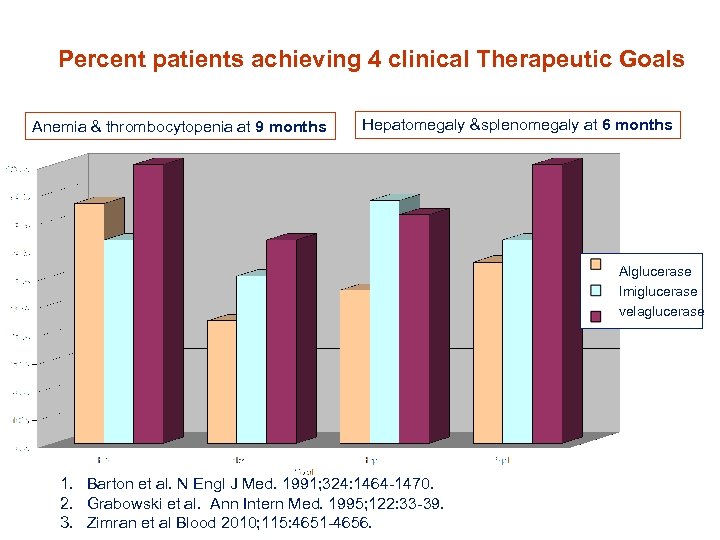
Percent patients achieving 4 clinical Therapeutic Goals Anemia & thrombocytopenia at 9 months Hepatomegaly &splenomegaly at 6 months Alglucerase Imiglucerase velaglucerase 1. Barton et al. N Engl J Med. 1991; 324: 1464 -1470. 2. Grabowski et al. Ann Intern Med. 1995; 122: 33 -39. 3. Zimran et al Blood 2010; 115: 4651 -4656.
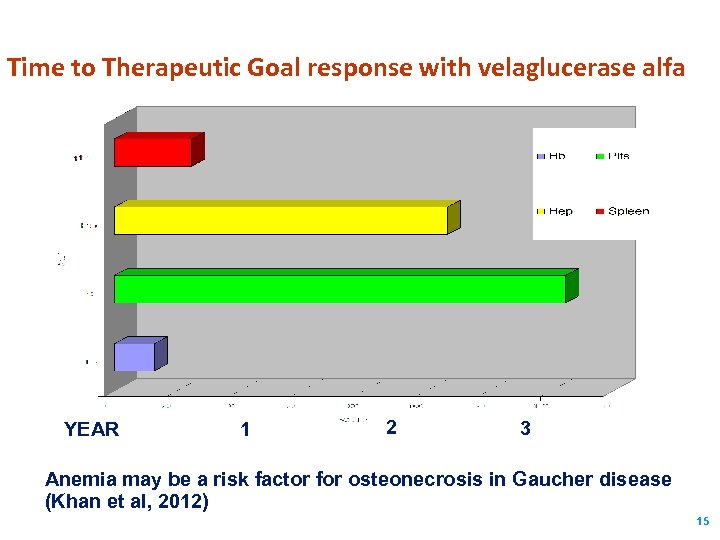
Time to Therapeutic Goal response with velaglucerase alfa YEAR 1 2 3 Anemia may be a risk factor for osteonecrosis in Gaucher disease (Khan et al, 2012) 15
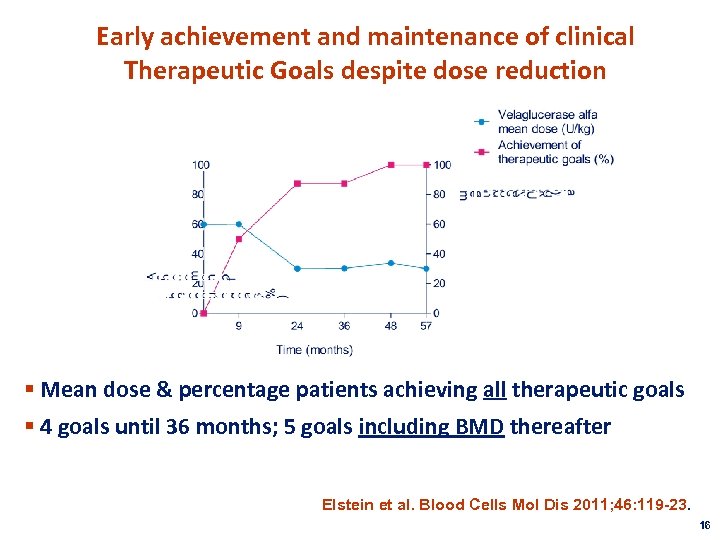
Early achievement and maintenance of clinical Therapeutic Goals despite dose reduction § Mean dose & percentage patients achieving all therapeutic goals § 4 goals until 36 months; 5 goals including BMD thereafter Elstein et al. Blood Cells Mol Dis 2011; 46: 119 -23. 16
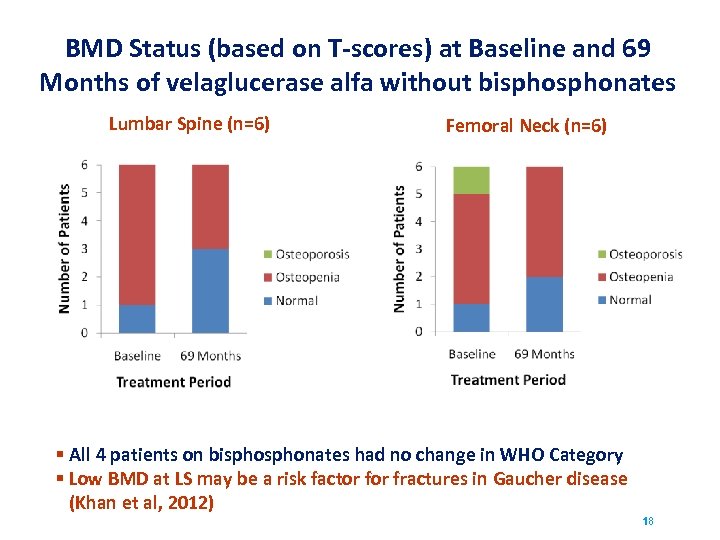
BMD Status (based on T-scores) at Baseline and 69 Months of velaglucerase alfa without bisphonates Lumbar Spine (n=6) Femoral Neck (n=6) § All 4 patients on bisphonates had no change in WHO Category § Low BMD at LS may be a risk factor fractures in Gaucher disease (Khan et al, 2012) 18
Conclusions: Improvement in BMD with velaglucerase § In patients with baseline osteopenia/osteoporosis (and osteonecrosis) treated with velaglucerase alfa, BMD improved in both lumbar spine (Month 24) and femoral neck (Month 36) § Improvement in bone pathology was not dependent upon continuous high-dose therapy (patients were dose-reduced to 30 u/kg/EOW) 19
Impact of velaglucerase alfa on Bone Marrow Burden (BMB) score § Improvements (2 point reductions) began at 9 months in some patients § Continual improvements in BMB scores at LS & FN with most achieving normal values at LS and at least 2 point reduction in others § Improvements in BMB parallel changes in bone density § BMB data was evaluable earlier than other radiological indices (but later than hematology/viscera) 20
TKT 032: Randomized, Double-Blind, Global, Phase III Study of treatment-naïve patients at two doses (45 and 60 units/kg/EOW) 12 months Ari Zimran 1, MD; Derlis Emilio Gonzalez Rodriguez 2 MD; Elena A. Lukina 3, MD; Marie-Françoise Ben Dridi, 4 MD; Isaac Kisinovsky 5, MD; Eric Crombez 6, MD and Kiran Bhirangi 6, MD. 1 Shaare Zedek Medical Center, Jerusalem, Israel; 2 Sanatorio Español, Asunción, Paraguay; 3 National Research Center for Haematology, Moscow, Russia; 4 La Rabta Hospital, Tunisia; 5 Your Health S. A. , Buenos Aires, Argentina; 6 Shire Human Genetic Therapies, Cambridge, USA 21
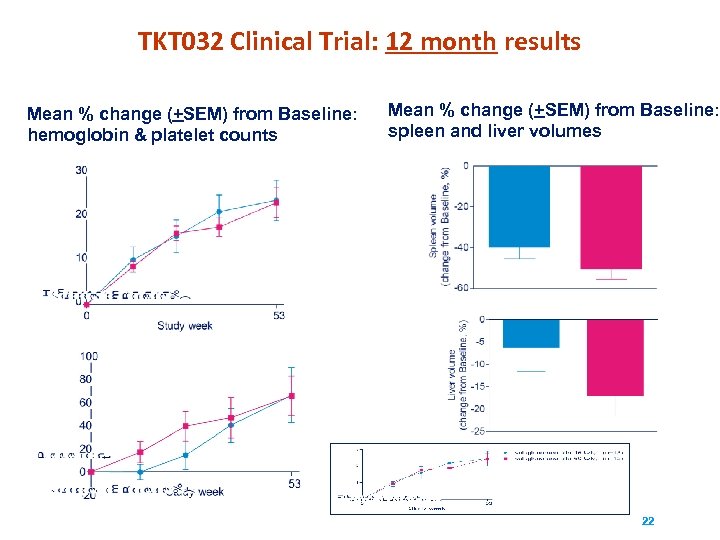
TKT 032 Clinical Trial: 12 month results Mean % change (+SEM) from Baseline: hemoglobin & platelet counts Mean % change (+SEM) from Baseline: spleen and liver volumes 22
TKT 032: Results after 2 years velaglucerase alfa § Clinically significant changes from baseline regardless of dosage in all parameters § Statistically significant changes from baseline in hemoglobin, platelet counts, and spleen volume § Velaglucerase alfa was well tolerated; no drugrelated SAEs § 1 patient developed antibodies to velaglucerase alfa § No patient discontinued the study early 23
Velaglucerase Alfa in Gaucher Disease Type 1 Patients switching from Imiglucerase at same dose: TKT-034 and 2 year extension results Multicenter, 12 month Phase III Clinical Trial A. Zimran, G. Pastores, A. Tylki-Smymanska, D. Hughes, D. Elstein, R. Mardach, C. Eng, L. Smith, M. Heisel-Kurth, J. Charrow, P. Harmatz, P. Fernhoff, W. Rhead, N. Longo, P. Giraldo, D. Zahrieh, E. Crombez, G. Grabowski Cincinnati Children’s Hospital Medical Center, Cincinnati, OH, USA; 2 University College London, UK; 3 Shaare Zedek Medical Center and Hebrew University-Hadassah Medical School, Jerusalem, Israel; 4 Children’s Mercy Hospitals and Clinics, Kansas City, MO, USA; 5 Children’s Memorial Hospital, Chicago, IL, USA; 6 Children’s Hospital Oakland, CA, USA; 7 Children’s Hospital of Wisconsin, Milwaukee, WI, USA; 8 Centro de Investigación Biomédica en Red de Enfermedades Raras (CIBERER) and Hospital Universitario Miguel Servet, Zaragoza, Spain; 9 Children’s Hospitals and Clinics of Minnesota, Minneapolis, MN, USA; 10 Gyeongsang National University Hospital, Jinju, Republic of Korea; 11 Shire Human Genetic Therapies, Inc. , Lexington, MA, USA
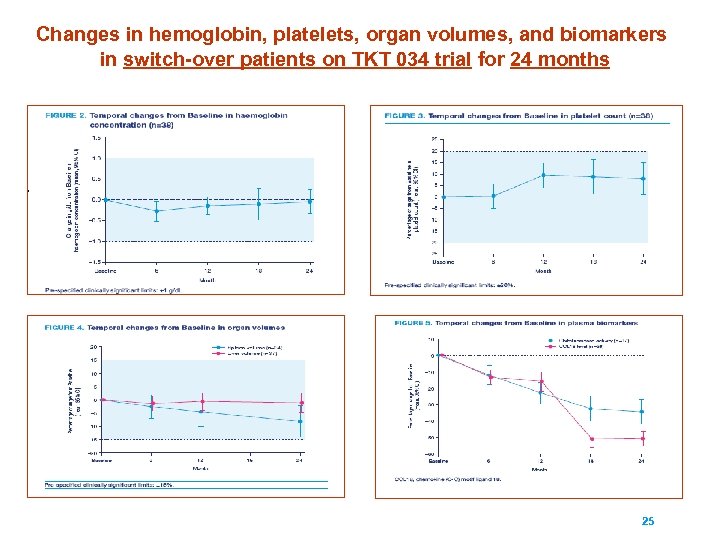
Changes in hemoglobin, platelets, organ volumes, and biomarkers in switch-over patients on TKT 034 trial for 24 months 25
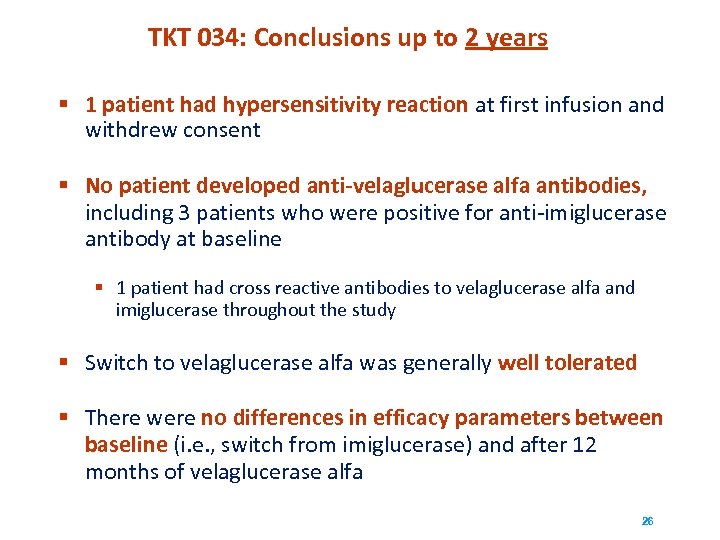
TKT 034: Conclusions up to 2 years § 1 patient had hypersensitivity reaction at first infusion and withdrew consent § No patient developed anti-velaglucerase alfa antibodies, including 3 patients who were positive for anti-imiglucerase antibody at baseline § 1 patient had cross reactive antibodies to velaglucerase alfa and imiglucerase throughout the study § Switch to velaglucerase alfa was generally well tolerated § There were no differences in efficacy parameters between baseline (i. e. , switch from imiglucerase) and after 12 months of velaglucerase alfa 26
A multicenter, randomized, double-blind, parallelgroup, non-inferiority, phase III study of velaglucerase alfa enzyme replacement therapy compared with imiglucerase in patients with type 1 Gaucher disease (HGT-HCG-039). Marie-Françoise Ben Dridi, MD; 1 Derlis E. Gonzalez, MD; 2 Ari Zimran, MD; 3 Madhulika Kabra, MD; 4 Elena A. Lukina, MD; 5 Pilar Giraldo, MD; 6 Isaac Kisinovsky, MD 7 Ashish Bavdekar, MD, 8 Hadhami Ben Turkia, MD; 1 Nan Wang, MS; 9 Eric Crombez, MD; 9 Kiran Bhirangi, MD; 9 and Atul Mehta, MD 10 1 La Rabta Hospital, Tunisia; 2 Sanatorio Español, Asunción, Paraguay; 3 Shaare Zedek Medical Center, Jerusalem, Israel; 4 All India Institute of Medical Sciences, New Delhi, India; 5 National Research Center for Haematology, Moscow, Russia; 6 Hospital Universitario Miguel Servet, Zaragoza, Spain; 7 Your Health S. A. , Buenos Aires, Argentina; 8 KEM Hospital Research Centre, Pune, India; 9 Shire Human Genetic Therapies, Cambridge, MA, USA; 10 Royal Free Hospital, London, UK
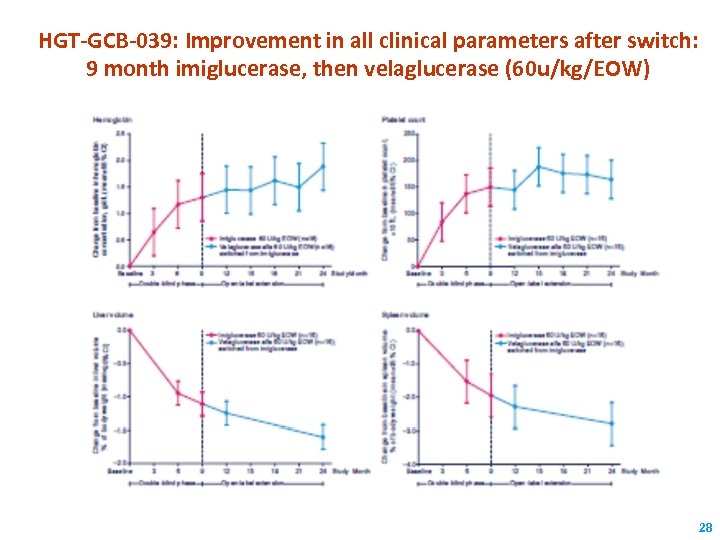
HGT-GCB-039: Improvement in all clinical parameters after switch: 9 month imiglucerase, then velaglucerase (60 u/kg/EOW) 28
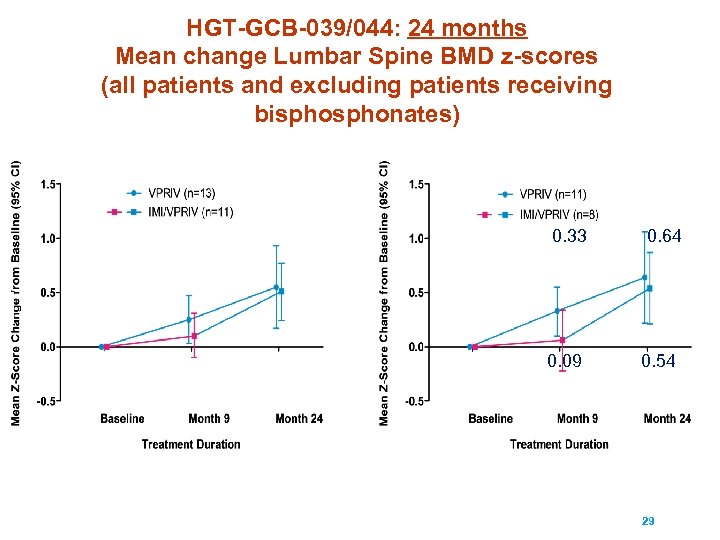
HGT-GCB-039/044: 24 months Mean change Lumbar Spine BMD z-scores (all patients and excluding patients receiving bisphonates) 0. 33 0. 09 0. 64 0. 54 To be as brave as the people we help 29
HGT-GCB-039: Conclusions § After 9 months Cerezyme, the switch to velaglucerase alfa was well-tolerated § Rates of drug- and infusion-related AEs decreased after switch to velaglucerase alfa § No patient developed anti-vela antibodies § Continued clinical and statistical improvements in Gaucher-specific parameters & biomarkers after switch to velaglucerase alfa 30
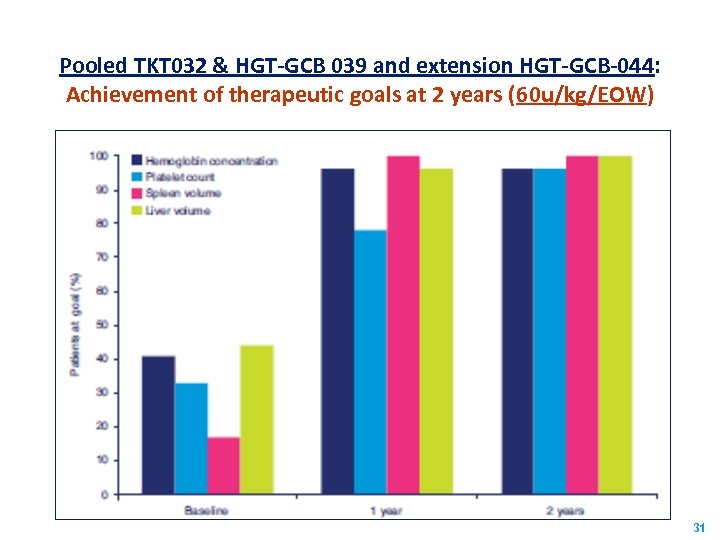
Pooled TKT 032 & HGT-GCB 039 and extension HGT-GCB-044: Achievement of therapeutic goals at 2 years (60 u/kg/EOW) 31
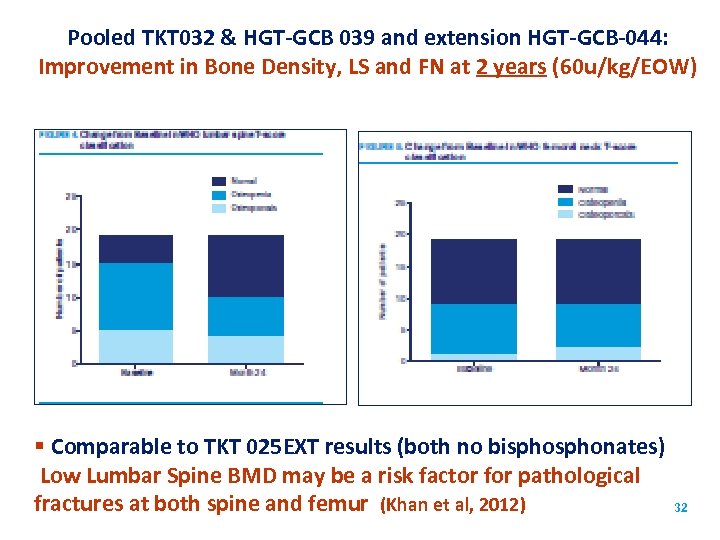
Pooled TKT 032 & HGT-GCB 039 and extension HGT-GCB-044: Improvement in Bone Density, LS and FN at 2 years (60 u/kg/EOW) § Comparable to TKT 025 EXT results (both no bisphonates) Low Lumbar Spine BMD may be a risk factor for pathological fractures at both spine and femur (Khan et al, 2012) 32
33
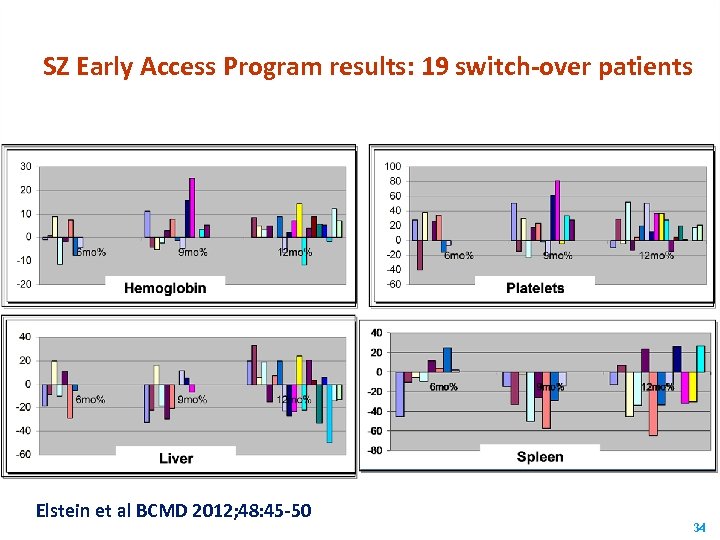
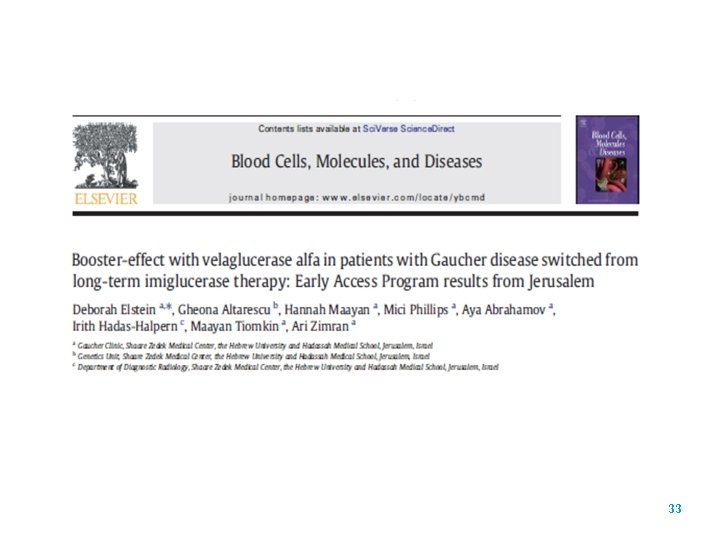
SZ Early Access Program results: 19 switch-over patients Elstein et al BCMD 2012; 48: 45 -50 34
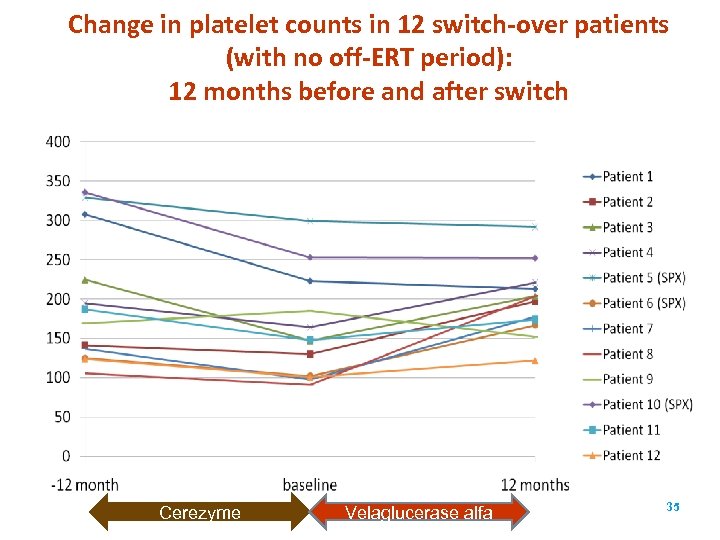
Change in platelet counts in 12 switch-over patients (with no off-ERT period): 12 months before and after switch Cerezyme Velaglucerase alfa 35
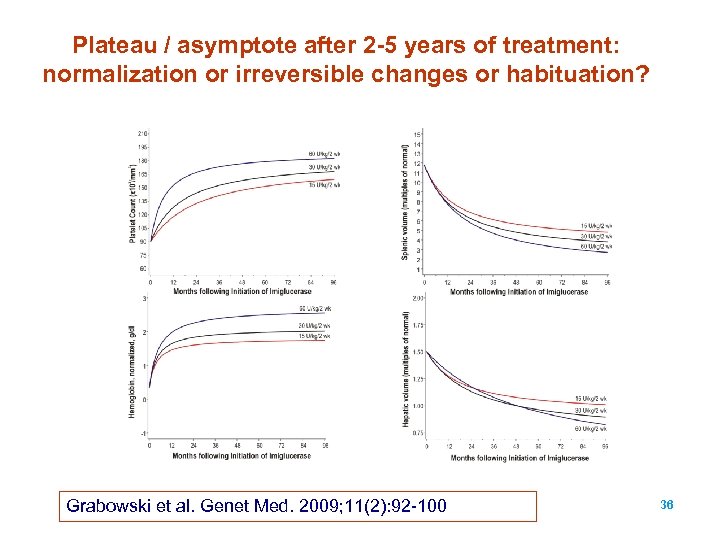
Plateau / asymptote after 2 -5 years of treatment: normalization or irreversible changes or habituation? Grabowski et al. Genet Med. 2009; 11(2): 92 -100 36
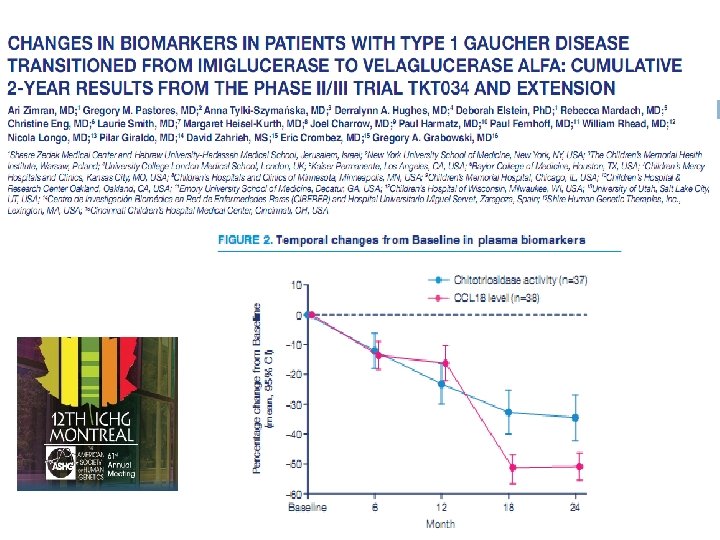
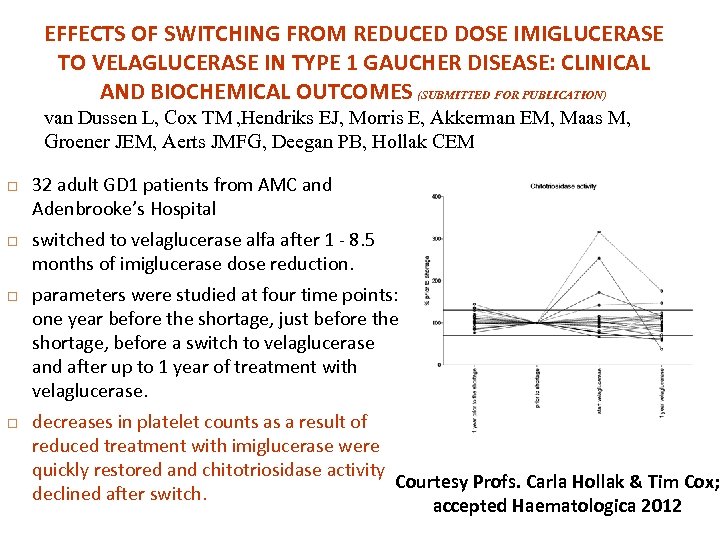
EFFECTS OF SWITCHING FROM REDUCED DOSE IMIGLUCERASE TO VELAGLUCERASE IN TYPE 1 GAUCHER DISEASE: CLINICAL AND BIOCHEMICAL OUTCOMES (SUBMITTED FOR PUBLICATION) van Dussen L, Cox TM , Hendriks EJ, Morris E, Akkerman EM, Maas M, Groener JEM, Aerts JMFG, Deegan PB, Hollak CEM 32 adult GD 1 patients from AMC and Adenbrooke’s Hospital switched to velaglucerase alfa after 1 - 8. 5 months of imiglucerase dose reduction. parameters were studied at four time points: one year before the shortage, just before the shortage, before a switch to velaglucerase and after up to 1 year of treatment with velaglucerase. decreases in platelet counts as a result of reduced treatment with imiglucerase were quickly restored and chitotriosidase activity Courtesy Profs. Carla Hollak & Tim Cox; declined after switch. accepted Haematologica 2012
Velaglucerase alfa: Summary § Velaglucerase alfa may have an innate advantage because of wild type sequence and human cell system § Lessons learned from Phase I/II are being corroborated by Phase III and EAP results § Velaglucerase alfa appears to be less immunogenic § Switching from imiglucerase appears to be welltolerated and may overcome a habituation effect § Response by hemoglobin, platelets, reduction in hepatosplenomegaly and improved bone mineral density as well as bone marrow burden score are robust and appear capable of approaching normal § Therapeutic goals are achieved early and maintained 39

Thank you for giving me this challenging presentation
Скачать презентацию Velaglucerase alfa as therapy for Gaucher disease Deborah
c9297fbea2004bb85c86d2b482543851.ppt