


 Скачать презентацию Validation of OMI and SCIAMACHY tropospheric NO 2
230b6ba3742d7a3816088d01536c403e.ppt
- Количество слайдов: 25
 Validation of OMI and SCIAMACHY tropospheric NO 2 columns using DANDELIONS ground-based data J. Hains 1, H. Volten 2, F. Boersma 1, F. Wittrock 3, A. Richter 3, T. Wagner 4, M. Van Roozendael 5, R. Dirksen 1, M. Kroon 1, and P. Levelt 1 1. KNMI, De Bilt, The Netherlands, contact: hains@knmi 2. RIVM, Bilthoven, The Netherlands 3. University of Bremen, Germany 4. Max-Planck Institute for Chemistry 5. BIRA-IASB, Brussels, Belgium OMI Science Team Meeting June 25, 2008
 Outline • Describe tropospheric NO 2 observations. • Comparisons among ground based instruments. • Compare ground based instruments with satellite. • Investigate influence of measurements on OMI tropospheric NO 2 retrieval. • Introduce possible NO 2 instrument comparison – Summer 2009
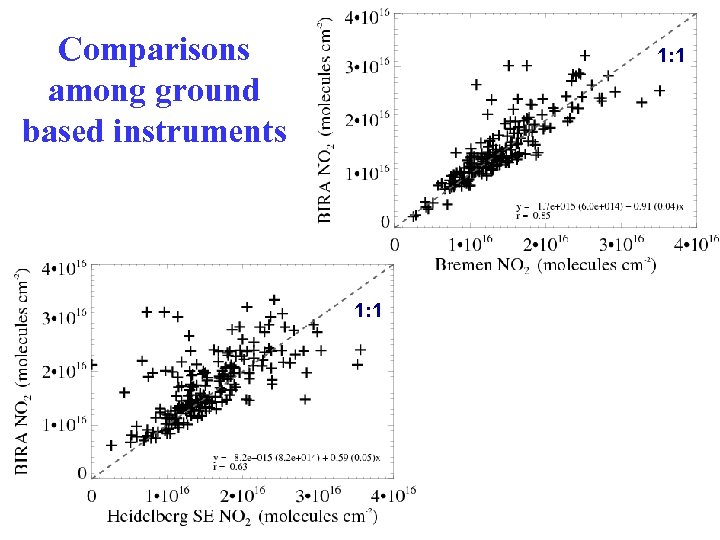
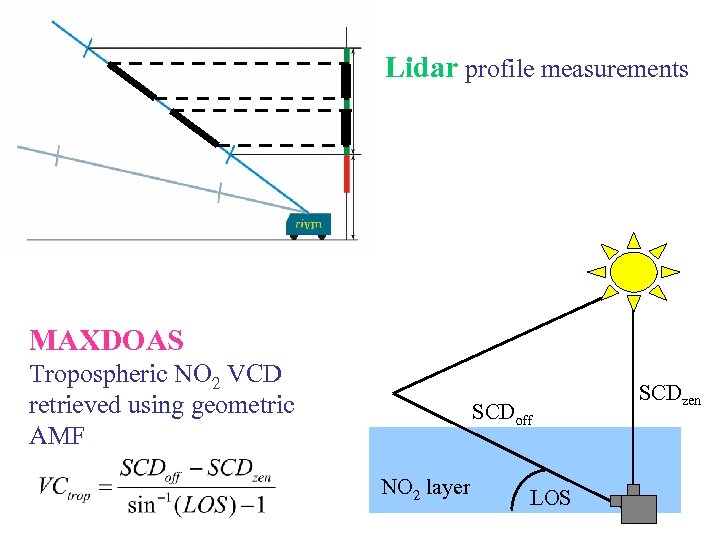
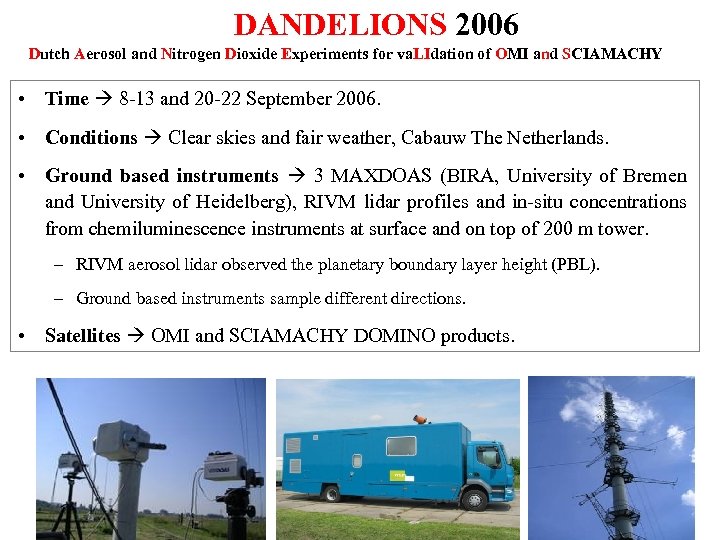 DANDELIONS 2006 Dutch Aerosol and Nitrogen Dioxide Experiments for va. LIdation of OMI and SCIAMACHY • Time 8 -13 and 20 -22 September 2006. • Conditions Clear skies and fair weather, Cabauw The Netherlands. • Ground based instruments 3 MAXDOAS (BIRA, University of Bremen and University of Heidelberg), RIVM lidar profiles and in-situ concentrations from chemiluminescence instruments at surface and on top of 200 m tower. – RIVM aerosol lidar observed the planetary boundary layer height (PBL). – Ground based instruments sample different directions. • Satellites OMI and SCIAMACHY DOMINO products.
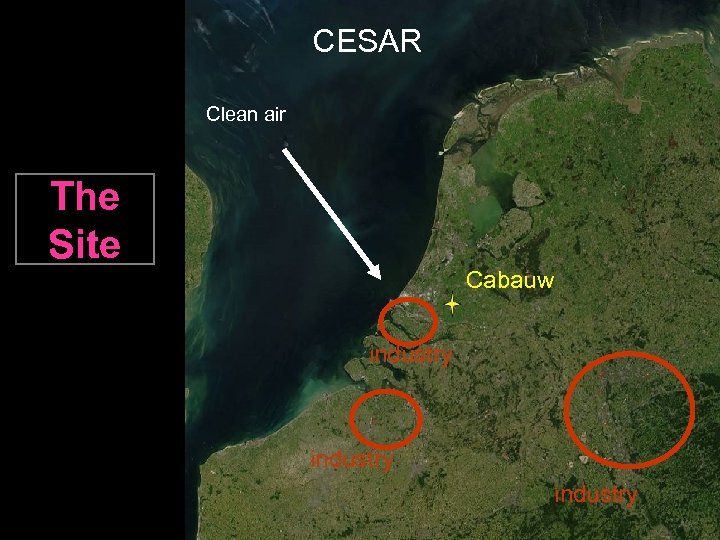 CESAR Clean air The Site Cabauw industry
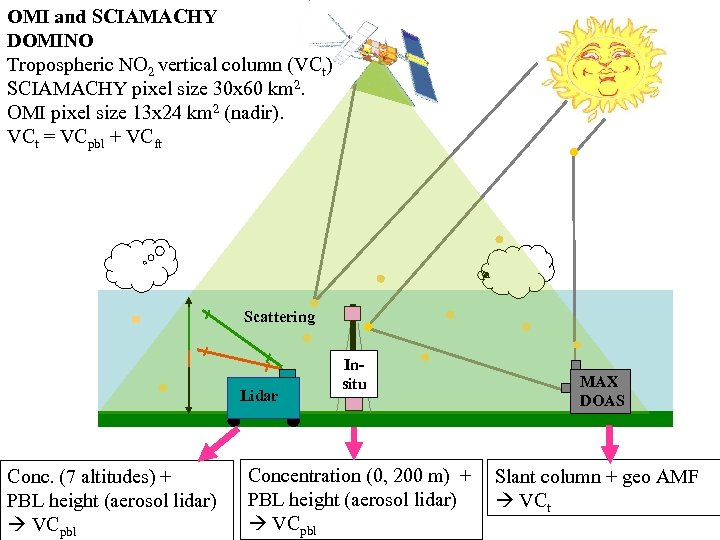 OMI and SCIAMACHY DOMINO Tropospheric NO 2 vertical column (VCt) SCIAMACHY pixel size 30 x 60 km 2. OMI pixel size 13 x 24 km 2 (nadir). VCt = VCpbl + VCft PBL Scattering Lidar Conc. (7 altitudes) + PBL height (aerosol lidar) VCpbl Insitu MAX DOAS Concentration (0, 200 m) + Slant column + geo AMF PBL height (aerosol lidar) VCt VCpbl
 Comparisons among ground based instruments 1: 1
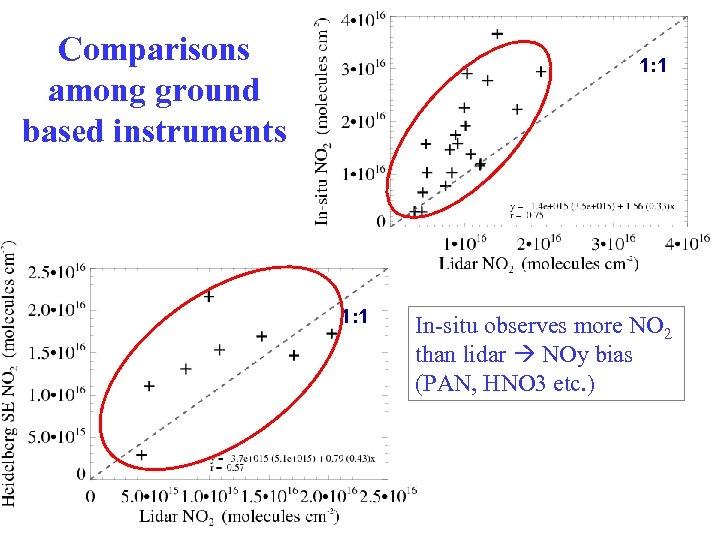 Comparisons among ground based instruments 1: 1 In-situ observes more NO 2 than lidar NOy bias (PAN, HNO 3 etc. )
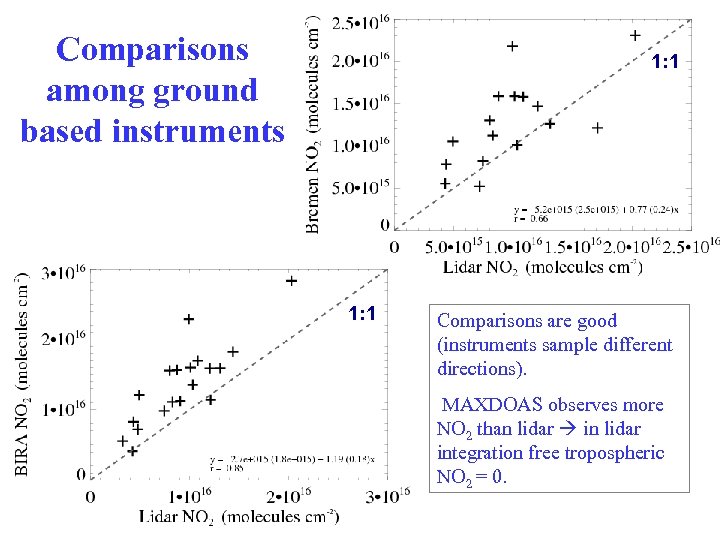 Comparisons among ground based instruments 1: 1 Comparisons are good (instruments sample different directions). MAXDOAS observes more NO 2 than lidar in lidar integration free tropospheric NO 2 = 0.
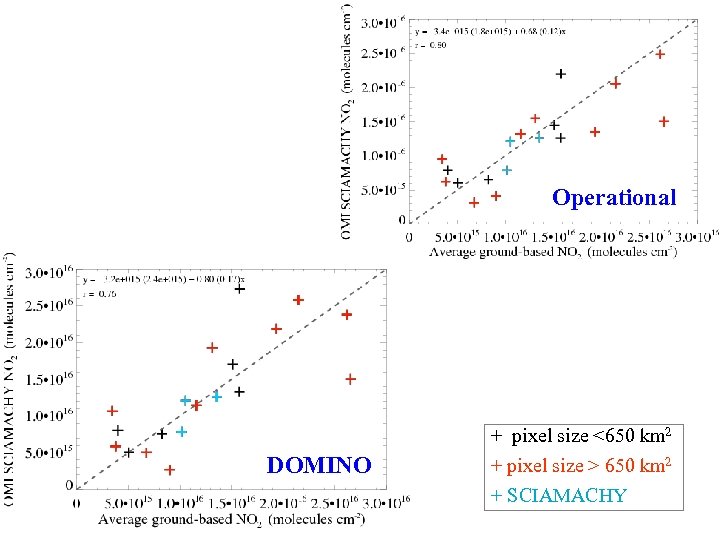
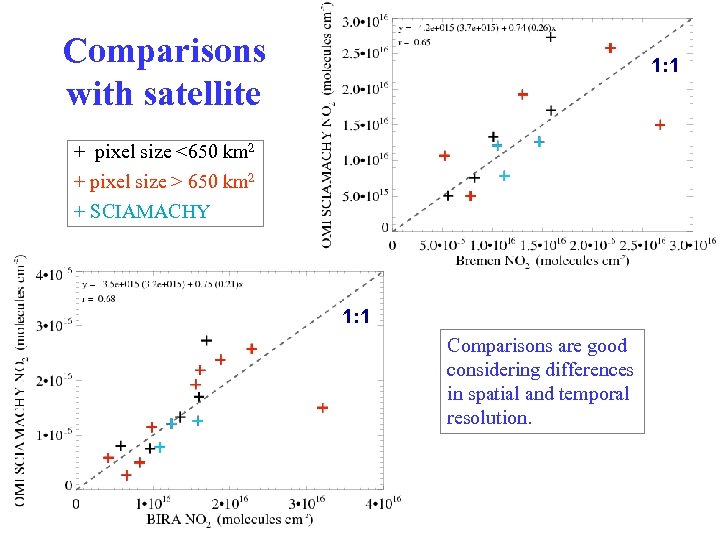 Comparisons with satellite 1: 1 + pixel size <650 km 2 + pixel size > 650 km 2 + SCIAMACHY 1: 1 Comparisons are good considering differences in spatial and temporal resolution.
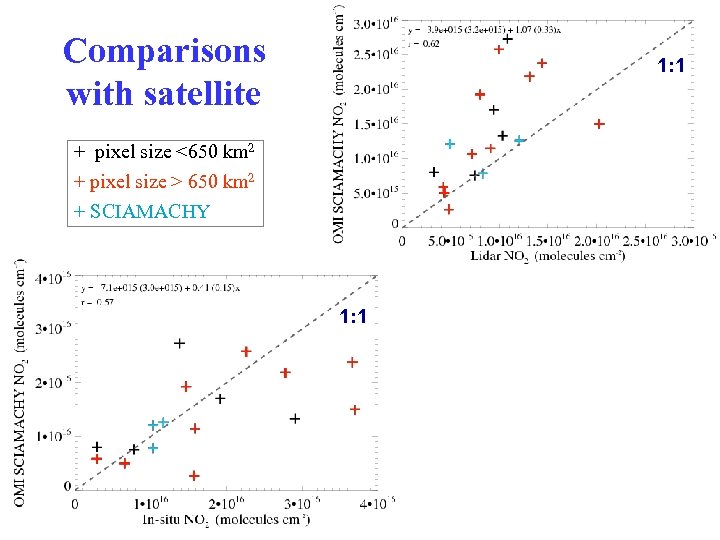 Comparisons with satellite 1: 1 + pixel size <650 km 2 + pixel size > 650 km 2 + SCIAMACHY 1: 1
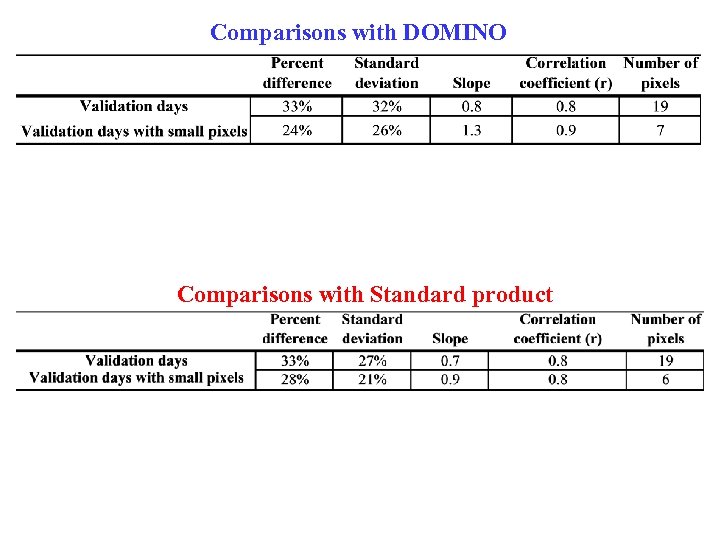
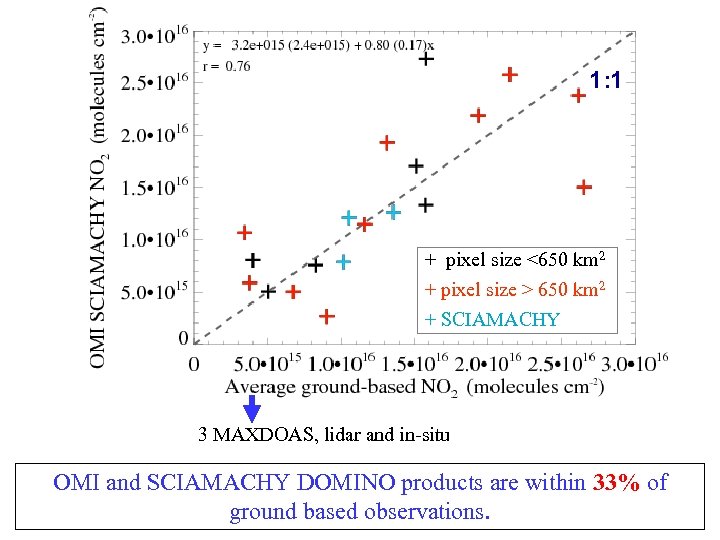 1: 1 + pixel size <650 km 2 + pixel size > 650 km 2 + SCIAMACHY 3 MAXDOAS, lidar and in-situ OMI and SCIAMACHY DOMINO products are within 33% of ground based observations.
 Plausible explanations for the difference • MAXDOAS and satellite use different AMF. • In-situ has positive bias due to NOy interference. • OMI and SCIAMACHY are affected by clouds. • Satellite observations represent a large ground pixel (e. g. OMI nadir pixel is 13 x 24 km 2) while groundbased observations are point measurements. • Ground based instruments have not been thoroughly compared with each other or compared with in-situ aircraft profiles - plan for future campaign.
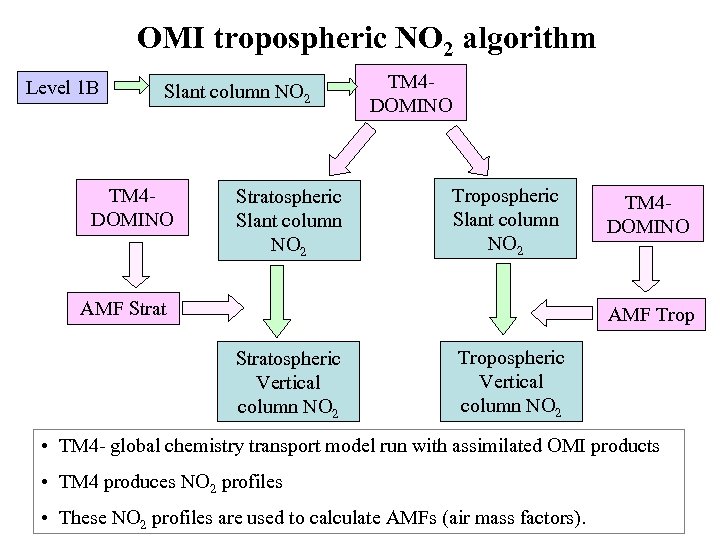 OMI tropospheric NO 2 algorithm Level 1 B Slant column NO 2 TM 4 DOMINO Stratospheric Slant column NO 2 TM 4 DOMINO Tropospheric Slant column NO 2 AMF Strat TM 4 DOMINO AMF Trop Stratospheric Vertical column NO 2 Tropospheric Vertical column NO 2 • TM 4 - global chemistry transport model run with assimilated OMI products • TM 4 produces NO 2 profiles • These NO 2 profiles are used to calculate AMFs (air mass factors).
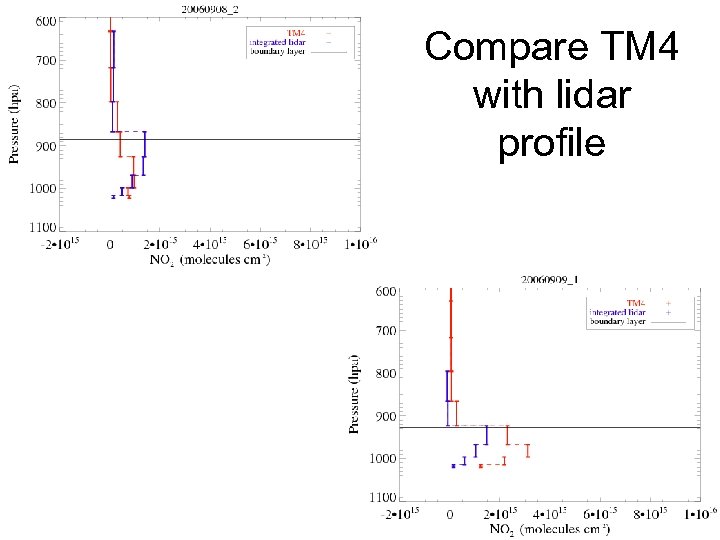
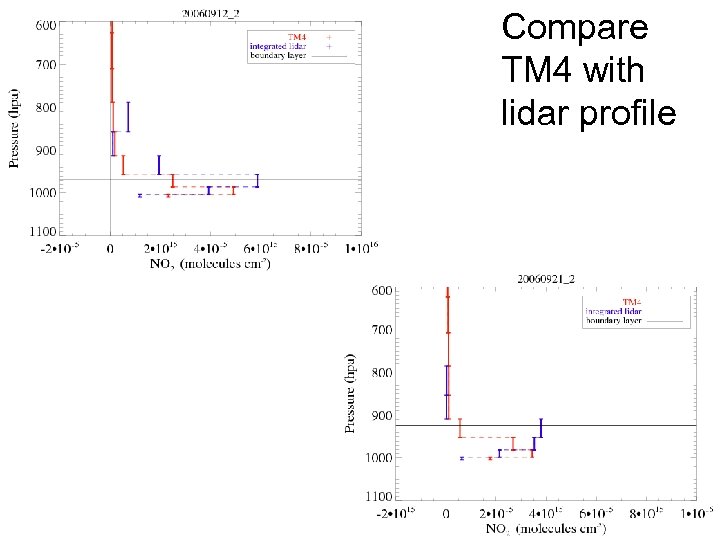
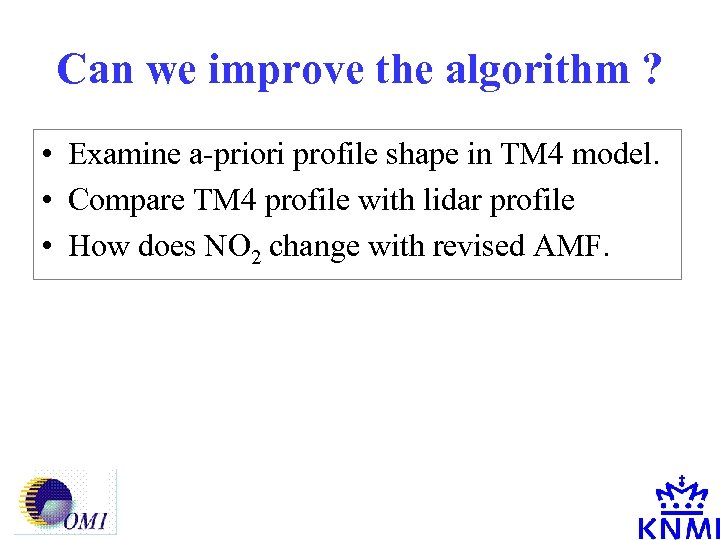 Can we improve the algorithm ? • Examine a-priori profile shape in TM 4 model. • Compare TM 4 profile with lidar profile • How does NO 2 change with revised AMF.
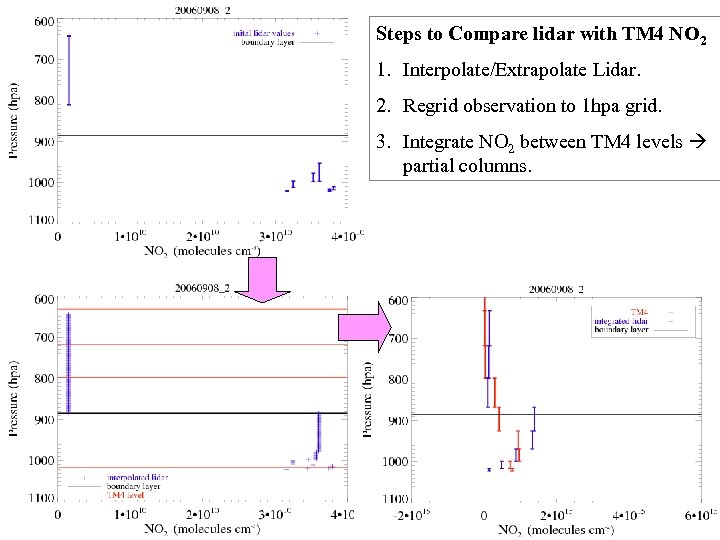 Steps to Compare lidar with TM 4 NO 2 1. Interpolate/Extrapolate Lidar. 2. Regrid observation to 1 hpa grid. 3. Integrate NO 2 between TM 4 levels partial columns.
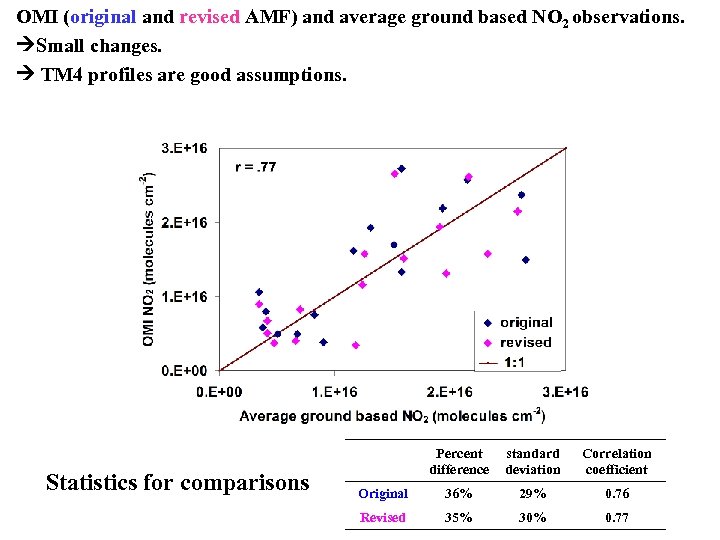 OMI (original and revised AMF) and average ground based NO 2 observations. Small changes. TM 4 profiles are good assumptions. Statistics for comparisons Percent difference standard deviation Correlation coefficient Original 36% 29% 0. 76 Revised 35% 30% 0. 77
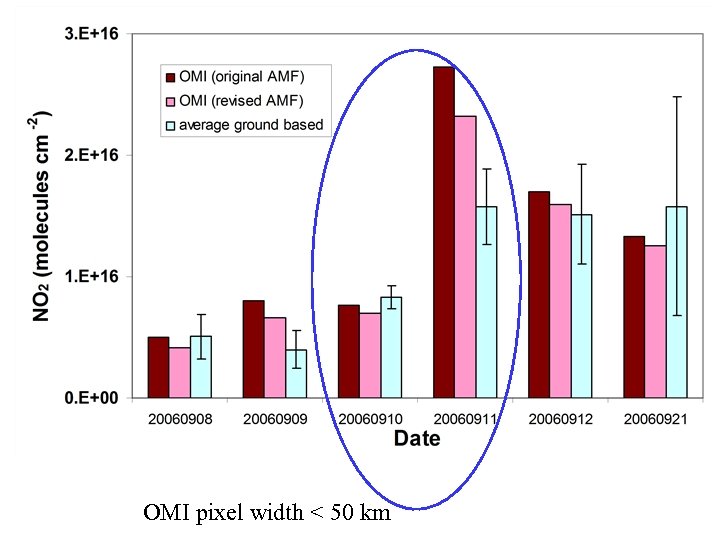 OMI pixel width < 50 km
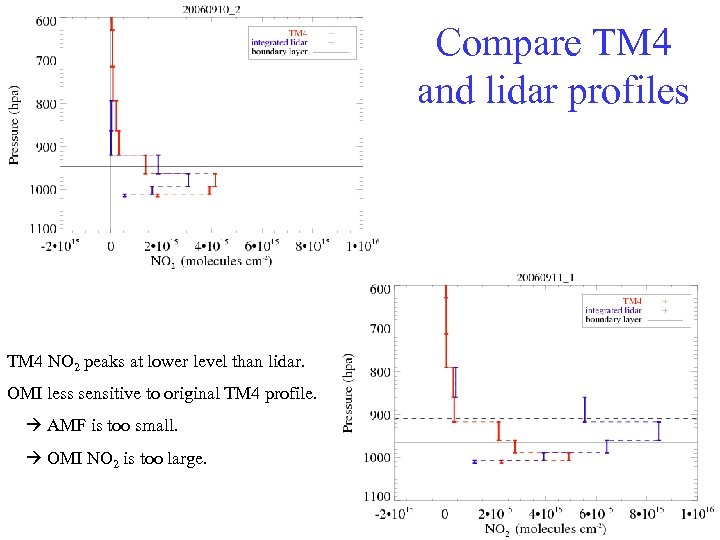 Compare TM 4 and lidar profiles TM 4 NO 2 peaks at lower level than lidar. OMI less sensitive to original TM 4 profile. AMF is too small. OMI NO 2 is too large.
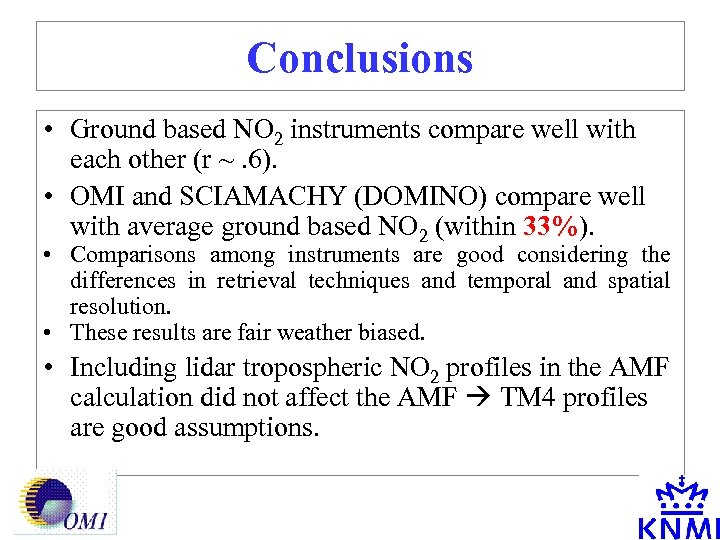 Conclusions • Ground based NO 2 instruments compare well with each other (r ~. 6). • OMI and SCIAMACHY (DOMINO) compare well with average ground based NO 2 (within 33%). • Comparisons among instruments are good considering the differences in retrieval techniques and temporal and spatial resolution. • These results are fair weather biased. • Including lidar tropospheric NO 2 profiles in the AMF calculation did not affect the AMF TM 4 profiles are good assumptions.
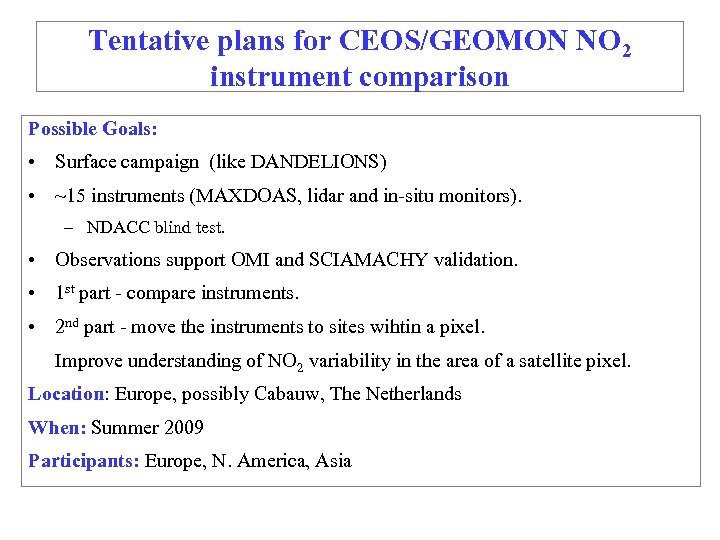 Tentative plans for CEOS/GEOMON NO 2 instrument comparison Possible Goals: • Surface campaign (like DANDELIONS) • ~15 instruments (MAXDOAS, lidar and in-situ monitors). – NDACC blind test. • Observations support OMI and SCIAMACHY validation. • 1 st part - compare instruments. • 2 nd part - move the instruments to sites wihtin a pixel. Improve understanding of NO 2 variability in the area of a satellite pixel. Location: Europe, possibly Cabauw, The Netherlands When: Summer 2009 Participants: Europe, N. America, Asia
 Operational + pixel size <650 km 2 DOMINO + pixel size > 650 km 2 + SCIAMACHY
 Comparisons with DOMINO Comparisons with Standard product
 Compare TM 4 with lidar profile
 Compare TM 4 with lidar profile
 Lidar profile measurements MAXDOAS Tropospheric NO 2 VCD retrieved using geometric AMF SCDoff NO 2 layer LOS SCDzen