


 Скачать презентацию Vaccine Manufacturing and Clinical Trial Services for Diarrheal
d838cb18366fe22501546a546fde44bc.ppt
- Количество слайдов: 36
 Vaccine Manufacturing and Clinical Trial Services for Diarrheal Disease Product Development Rodolfo M. Alarcón, Ph. D Enteric and Hepatic Diseases Branch Division of Microbiology and Infectious Diseases (DMID) Enteric and Hepatic Diseases Branch EHDB, NIAID, NIH, DHHS Vaccines & Vaccination July 27 -29, 2015 Brisbane, Queensland, Australia 1
 Overview • Introduction to NIH/NIAID/DMID/EHDB – Organization and Mission – EHDB pathogen list and area of focus – EHDB PO contacts • DMID grant, preclinical, and clinical support services • DMID clinical services – EHDB Phase IV Rotavirus Vaccine Trial
 NIH Organization 27 IC’s (Institutes and Centers) Each with its own Goals, Programs, Approaches http: //www. nih. gov/icd/ http: //www. nih. gov/about/ National Institute of Allergy and Infectious Diseases (NIAID) — Est. 1948 NIAID research strives to understand, treat, and ultimately prevent the myriad infectious, immunologic, and allergic diseases that threaten millions of human lives.
 How is NIH Organized? • Director’s Office – sets policies, represents NIH to Congress, public, has modest discretionary $, etc. • Institutes and Centers (I/C’s) – Each has focus, e. g. , NCI, NIAID, NHBLI, NIDDK, etc. – Develop Specific Programs and Priorities – Intramural and Extramural • Intramural conducts research • Extramural - Administer funding awards • Center for Scientific Review (CSR) – special function to review grants via study sections (sometimes called Scientific Review Groups or SRG’s) directed by Scientific Review Officers (SRO’s).
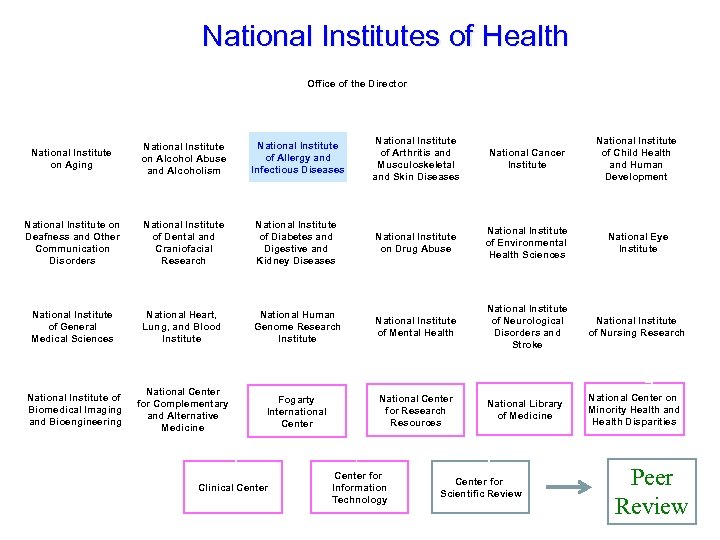 National Institutes of Health Office of the Director National Institute on Aging National Institute on Alcohol Abuse and Alcoholism National Institute of Allergy and Infectious Diseases National Institute of Arthritis and Musculoskeletal and Skin Diseases National Cancer Institute National Institute of Child Health and Human Development National Institute on Deafness and Other Communication Disorders National Institute of Dental and Craniofacial Research National Institute of Diabetes and Digestive and Kidney Diseases National Institute on Drug Abuse National Institute of Environmental Health Sciences National Eye Institute National Institute of General Medical Sciences National Heart, Lung, and Blood Institute National Human Genome Research Institute National Institute of Mental Health National Institute of Neurological Disorders and Stroke National Institute of Nursing Research National Institute of Biomedical Imaging and Bioengineering National Center for Complementary and Alternative Medicine Fogarty International Center National Center for Research Resources National Library of Medicine National Center on Minority Health and Health Disparities Clinical Center for Information Technology Center for Scientific Review Peer Review
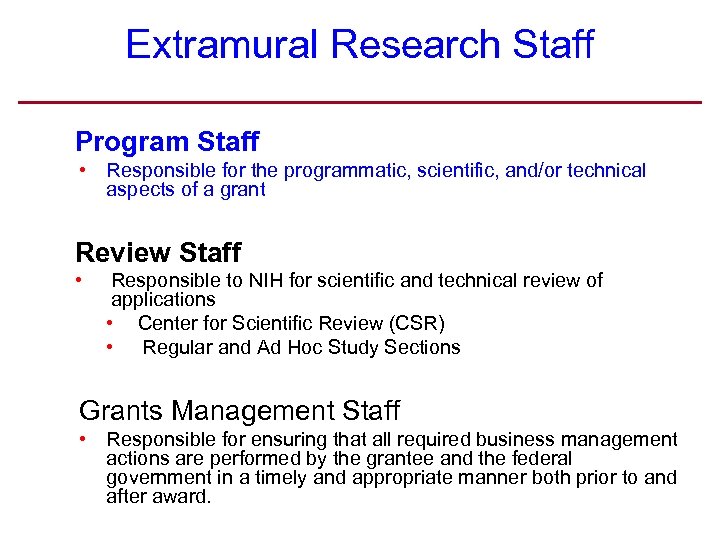 Extramural Research Staff Program Staff • Responsible for the programmatic, scientific, and/or technical aspects of a grant Review Staff • Responsible to NIH for scientific and technical review of applications • Center for Scientific Review (CSR) • Regular and Ad Hoc Study Sections Grants Management Staff • Responsible for ensuring that all required business management actions are performed by the grantee and the federal government in a timely and appropriate manner both prior to and after award.
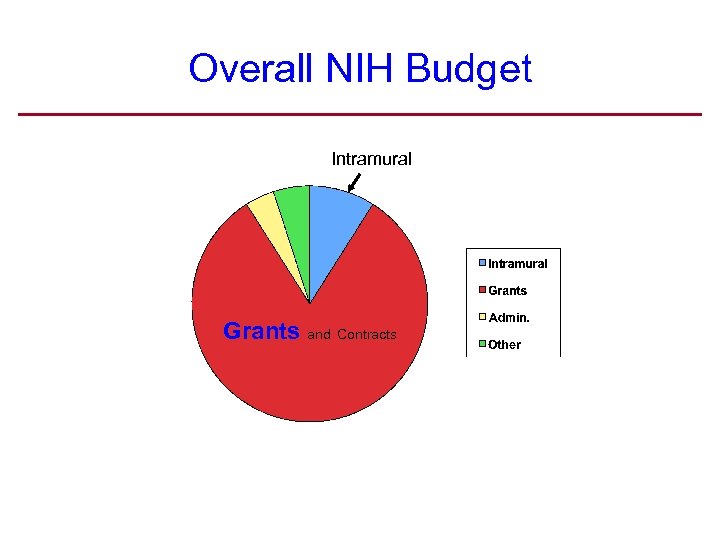 Overall NIH Budget Intramural Grants and Contracts
 NIAID: Find us on the web http: //www. niaid. nih. gov
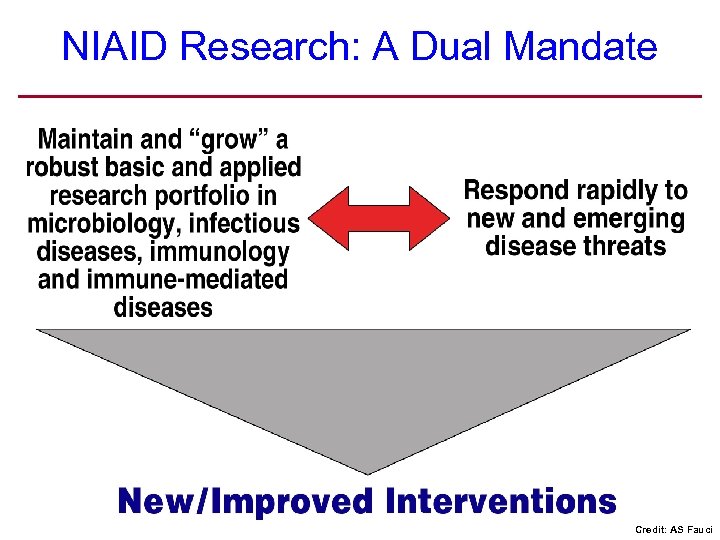 NIAID Research: A Dual Mandate Credit: AS Fauci
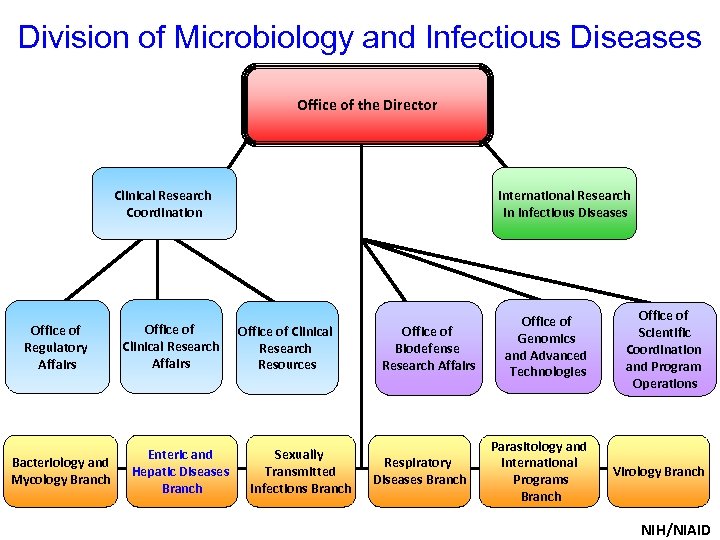 Division of Microbiology and Infectious Diseases Office of the Director Clinical Research Coordination Office of Regulatory Affairs Bacteriology and Mycology Branch Office of Clinical Research Affairs Enteric and Hepatic Diseases Branch International Research in Infectious Diseases Office of Clinical Research Resources Sexually Transmitted Infections Branch Office of Biodefense Research Affairs Respiratory Diseases Branch Office of Genomics and Advanced Technologies Office of Scientific Coordination and Program Operations Parasitology and International Programs Branch Virology Branch NIH/NIAID
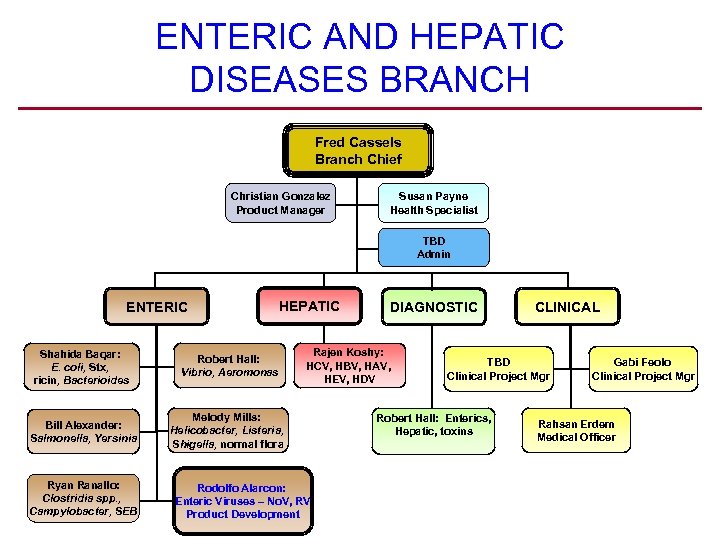 ENTERIC AND HEPATIC DISEASES BRANCH Fred Cassels Branch Chief Christian Gonzalez Product Manager Susan Payne Health Specialist TBD Admin ENTERIC HEPATIC Shahida Baqar: E. coli, Stx, ricin, Bacterioides Robert Hall: Vibrio, Aeromonas Bill Alexander: Salmonella, Yersinia Rajen Koshy: HCV, HBV, HAV, HEV, HDV Melody Mills: Helicobacter, Listeria, Shigella, normal flora Ryan Ranallo: Clostridia spp. , Campylobacter, SEB DIAGNOSTIC Rodolfo Alarcon: Enteric Viruses – No. V, RV Product Development CLINICAL TBD Clinical Project Mgr Robert Hall: Enterics, Hepatic, toxins Gabi Feolo Clinical Project Mgr Rahsan Erdem Medical Officer
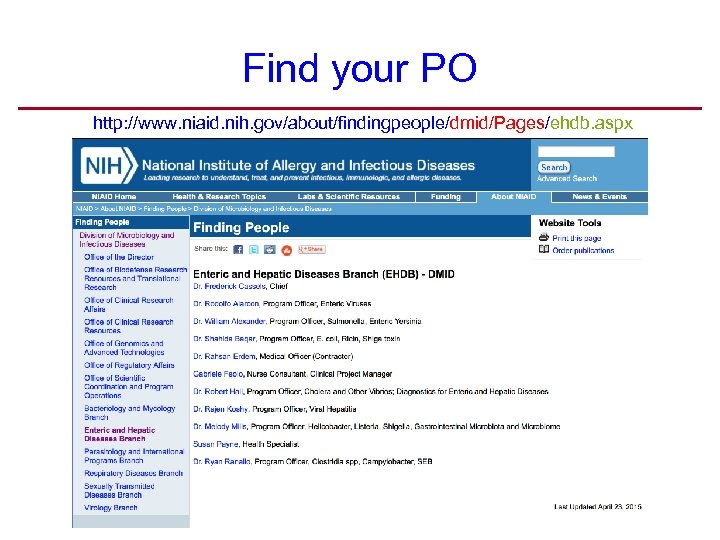 Find your PO http: //www. niaid. nih. gov/about/findingpeople/dmid/Pages/ehdb. aspx
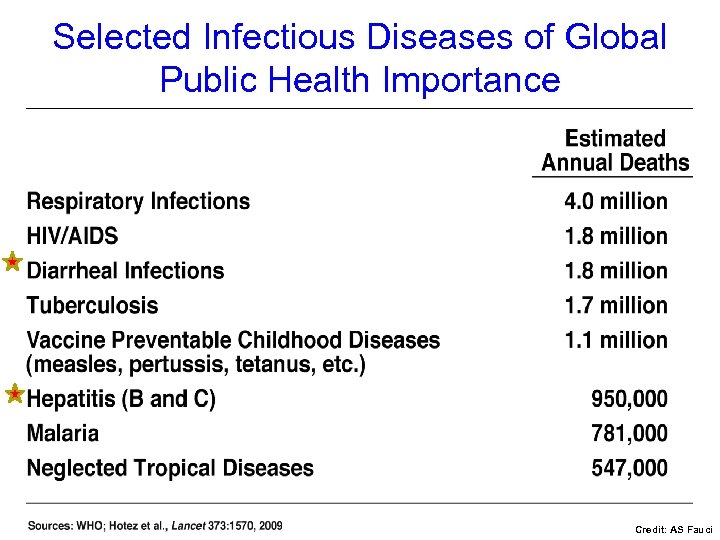
 Diarrheal Disease • Diarrheal disease is the second leading cause of death in children under five years old. • It is both preventable and treatable. • Each year diarrhea kills around 760, 000 children under five. • Diarrhea is a leading cause of malnutrition in children under five years old. • A significant proportion of diarrheal disease can be prevented through safe drinking-water and adequate sanitation and hygiene. • Globally, there are nearly 1. 7 billion cases of diarrheal disease every year. Credit: WHO
 Hepatitis • Hepatitis viruses B and C cause acute and/or chronic infection and inflammation of the liver. • Major causes of severe illness and death. • The global burden of disease due to acute hepatitis B and C and to cancer and cirrhosis of the liver is high (about 2. 7% of all deaths) • Forecast to become a higher ranked cause of death over the next two decades. • 57% of cases of liver cirrhosis and 78% of cases of primary liver cancer result from hepatitis B or C virus infection. Credit: WHO
 Hepatitis • An estimated two billion people worldwide have been infected with hepatitis B virus • 360 million have chronic (long-term) liver infections. • 620 000 people die every year as a result of hepatitis B virus infection. • A vaccine against hepatitis B has been available since 1982. • Some 150 million people are chronically infected with hepatitis C virus • 350, 000 people are estimated to die from hepatitis C-related liver diseases each year. • Vaccination is one of the strategies used to prevent hepatitis infection. • Vaccines exist against hepatitis A and B. • Effective candidate vaccines for hepatitis E prevention exist. • Progress has been shown in developing candidate vaccines against hepatitis C Credit: WHO
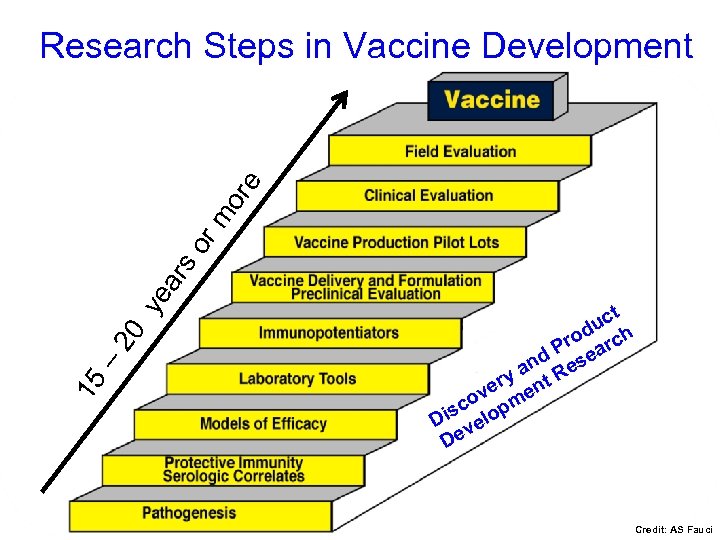 15 – 20 ye ar so rm or e Research Steps in Vaccine Development t uc d ro arch d P se an Re t ry ve men o sc lop Di ve De Credit: AS Fauci
 How does the NIH support Vaccine Development? Credit: AS Fauci
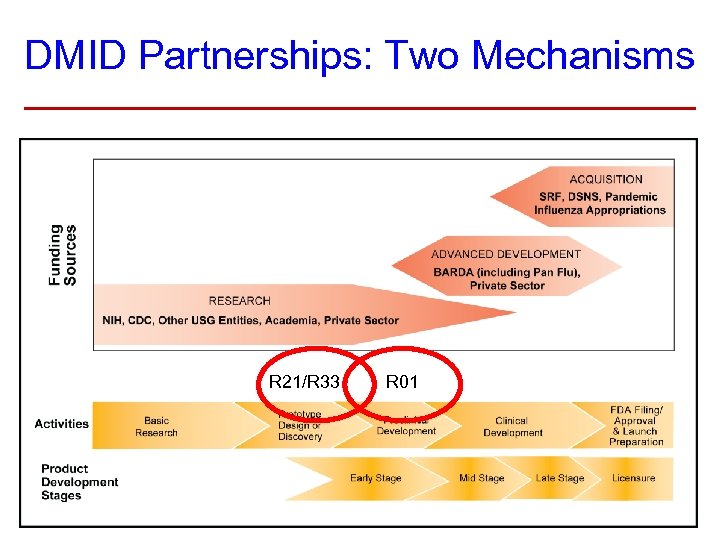
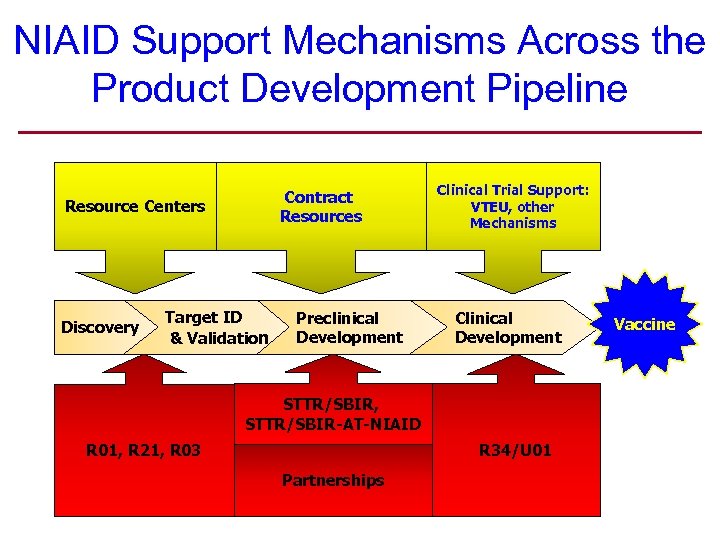 NIAID Support Mechanisms Across the Product Development Pipeline Contract Resources Resource Centers Discovery Target ID & Validation Preclinical Development Clinical Trial Support: VTEU, other Mechanisms Clinical Development STTR/SBIR, STTR/SBIR-AT-NIAID R 34/U 01 R 01, R 21, R 03 Partnerships Vaccine
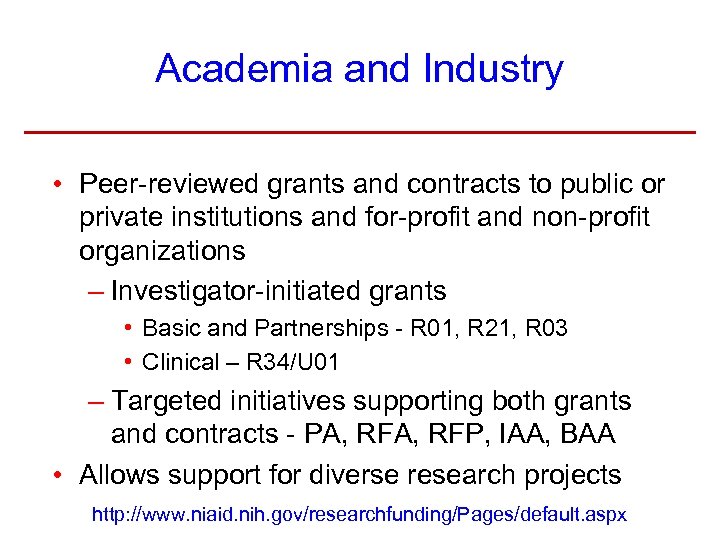 Academia and Industry • Peer-reviewed grants and contracts to public or private institutions and for-profit and non-profit organizations – Investigator-initiated grants • Basic and Partnerships - R 01, R 21, R 03 • Clinical – R 34/U 01 – Targeted initiatives supporting both grants and contracts - PA, RFP, IAA, BAA • Allows support for diverse research projects http: //www. niaid. nih. gov/researchfunding/Pages/default. aspx
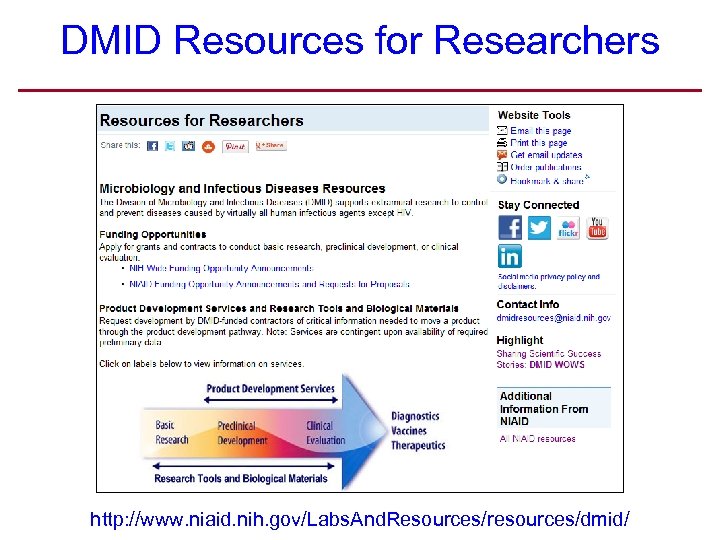 DMID Resources for Researchers http: //www. niaid. nih. gov/Labs. And. Resources/resources/dmid/
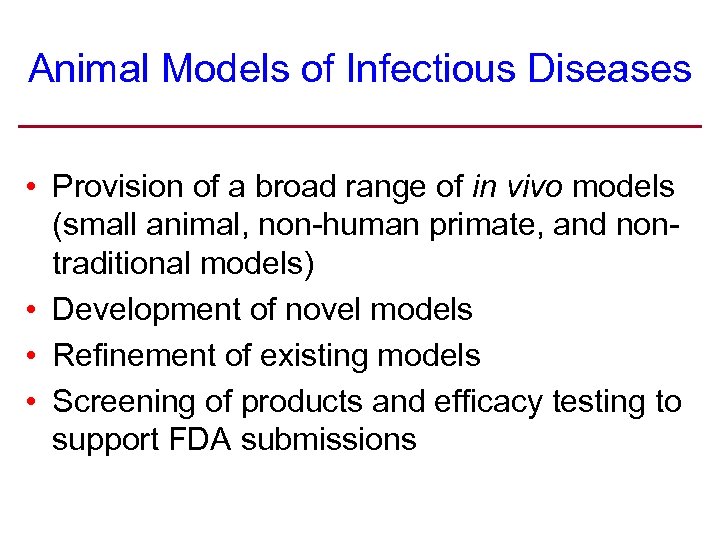 Animal Models of Infectious Diseases • Provision of a broad range of in vivo models (small animal, non-human primate, and nontraditional models) • Development of novel models • Refinement of existing models • Screening of products and efficacy testing to support FDA submissions
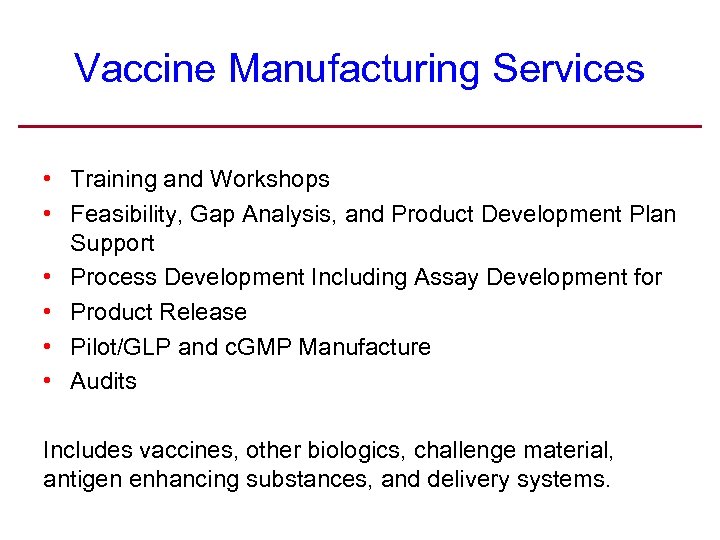 Vaccine Manufacturing Services • Training and Workshops • Feasibility, Gap Analysis, and Product Development Plan Support • Process Development Including Assay Development for • Product Release • Pilot/GLP and c. GMP Manufacture • Audits Includes vaccines, other biologics, challenge material, antigen enhancing substances, and delivery systems.
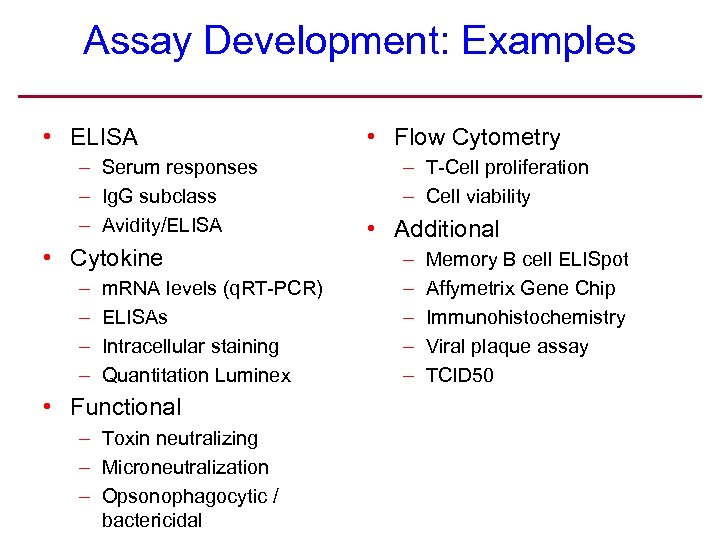 Assay Development: Examples • ELISA – Serum responses – Ig. G subclass – Avidity/ELISA • Cytokine – – m. RNA levels (q. RT-PCR) ELISAs Intracellular staining Quantitation Luminex • Functional – Toxin neutralizing – Microneutralization – Opsonophagocytic / bactericidal • Flow Cytometry – T-Cell proliferation – Cell viability • Additional – – – Memory B cell ELISpot Affymetrix Gene Chip Immunohistochemistry Viral plaque assay TCID 50
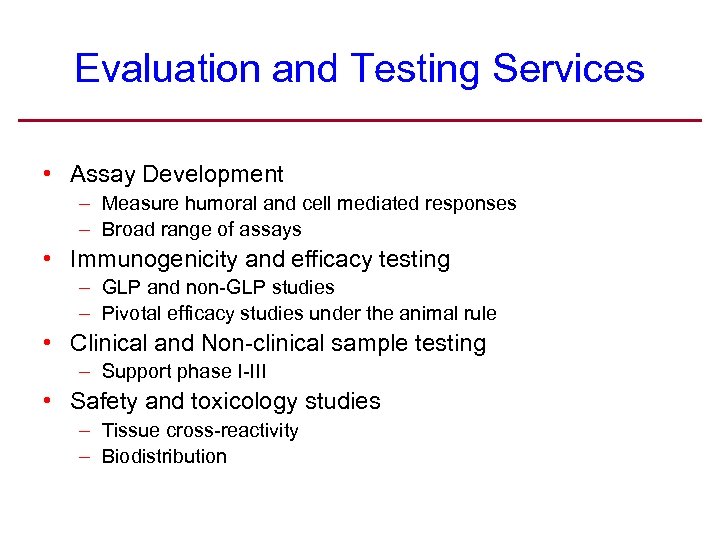 Evaluation and Testing Services • Assay Development – Measure humoral and cell mediated responses – Broad range of assays • Immunogenicity and efficacy testing – GLP and non-GLP studies – Pivotal efficacy studies under the animal rule • Clinical and Non-clinical sample testing – Support phase I-III • Safety and toxicology studies – Tissue cross-reactivity – Biodistribution
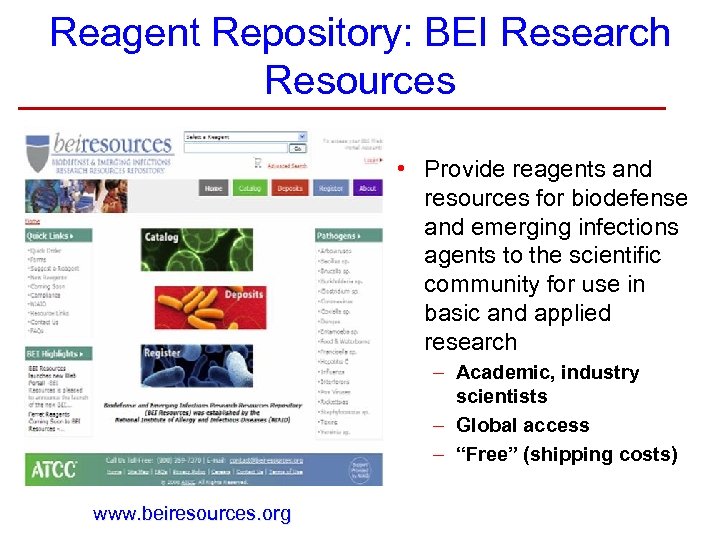 Reagent Repository: BEI Research Resources • Provide reagents and resources for biodefense and emerging infections agents to the scientific community for use in basic and applied research – Academic, industry scientists – Global access – “Free” (shipping costs) www. beiresources. org
 NIAID Resources for Researchers http: //www. niaid. nih. gov
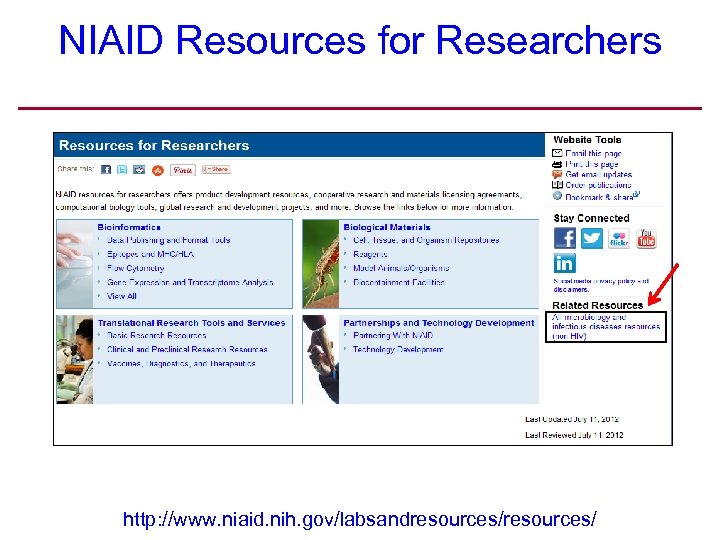 NIAID Resources for Researchers http: //www. niaid. nih. gov/labsandresources/
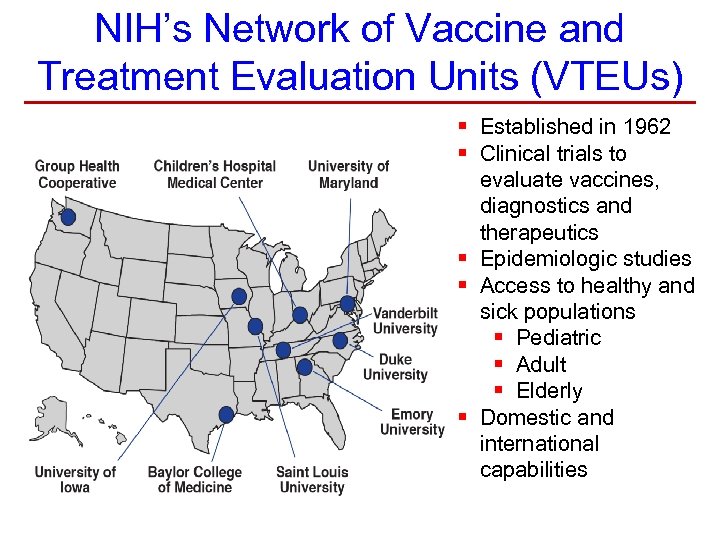 NIH’s Network of Vaccine and Treatment Evaluation Units (VTEUs) § Established in 1962 § Clinical trials to evaluate vaccines, diagnostics and therapeutics § Epidemiologic studies § Access to healthy and sick populations § Pediatric § Adult § Elderly § Domestic and international capabilities
 Summary • NIAID/DMID/EHDB is assisting many investigators through grants and preclinical services • EHDB has conducted preclinical services and multiple clinical trials for multiple investigators • Program Officers are subject matter experts and entry point for services • Get to know your program officer (funded or not) • Website: www. niaid. nih. gov • Contact: rodolfo. alarcon@nih. gov
 Direct NIAID Contributions to Selected FDA-Licensed Vaccines, 1994 - 2015 Credit: AS Fauci
 Selected Infectious Diseases of Global Public Health Importance Credit: AS Fauci
 DMID Partnerships: Two Mechanisms R 21/R 33 R 01
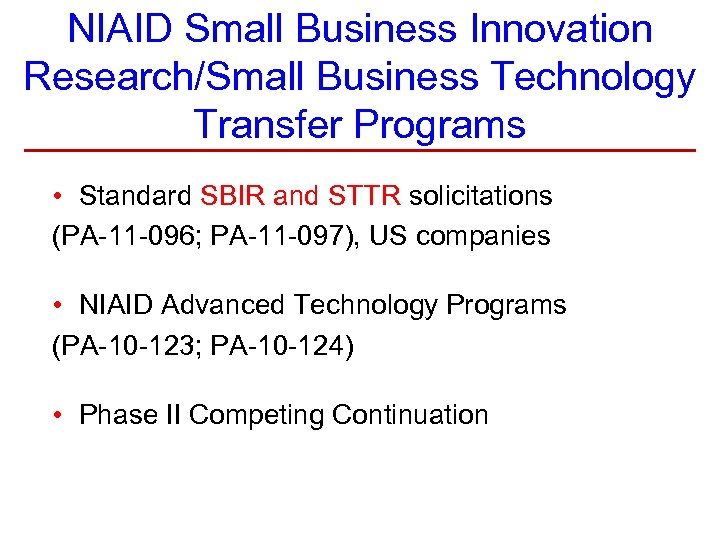 NIAID Small Business Innovation Research/Small Business Technology Transfer Programs • Standard SBIR and STTR solicitations (PA-11 -096; PA-11 -097), US companies • NIAID Advanced Technology Programs (PA-10 -123; PA-10 -124) • Phase II Competing Continuation
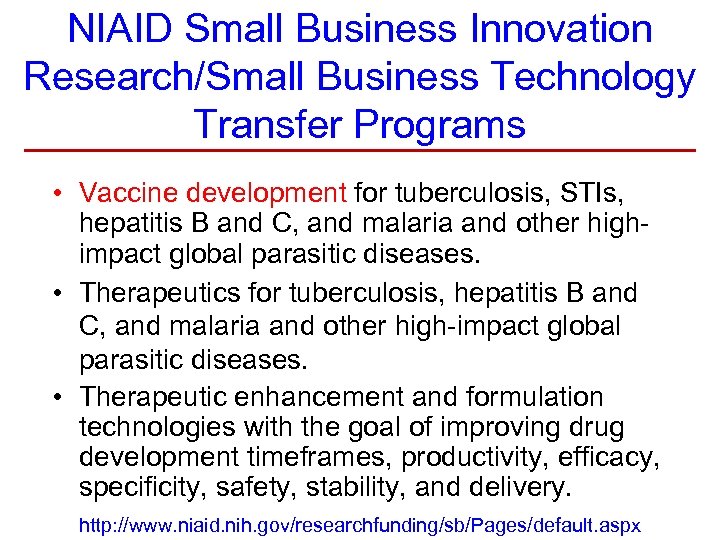 NIAID Small Business Innovation Research/Small Business Technology Transfer Programs • Vaccine development for tuberculosis, STIs, hepatitis B and C, and malaria and other highimpact global parasitic diseases. • Therapeutics for tuberculosis, hepatitis B and C, and malaria and other high-impact global parasitic diseases. • Therapeutic enhancement and formulation technologies with the goal of improving drug development timeframes, productivity, efficacy, specificity, safety, stability, and delivery. http: //www. niaid. nih. gov/researchfunding/sb/Pages/default. aspx
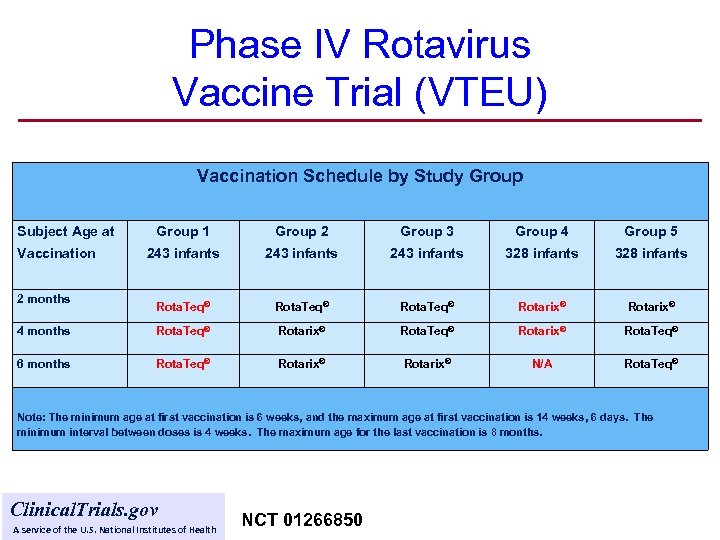 Phase IV Rotavirus Vaccine Trial (VTEU) Vaccination Schedule by Study Group Subject Age at Group 1 Group 2 Group 3 Group 4 Group 5 243 infants 328 infants Rota. Teq® Rotarix® 4 months Rota. Teq® Rotarix® Rota. Teq® 6 months Rota. Teq® Rotarix® N/A Rota. Teq® Vaccination 2 months Note: The minimum age at first vaccination is 6 weeks, and the maximum age at first vaccination is 14 weeks, 6 days. The minimum interval between doses is 4 weeks. The maximum age for the last vaccination is 8 months. Clinical. Trials. gov A service of the U. S. National Institutes of Health NCT 01266850
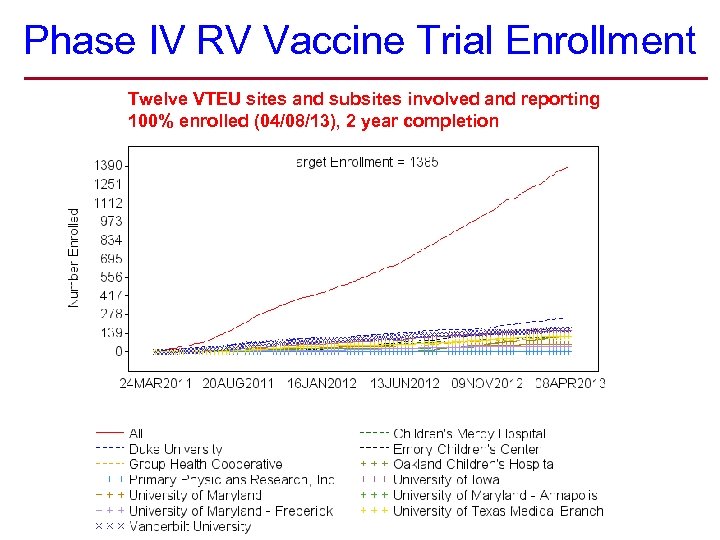 Phase IV RV Vaccine Trial Enrollment Twelve VTEU sites and subsites involved and reporting 100% enrolled (04/08/13), 2 year completion