


 Скачать презентацию Update On Energy Consequences of Filtration Jeffrey Siegel
56dbf9aa06a942fb1d7af8d1e58f7a2d.ppt
- Количество слайдов: 45
 Update On Energy Consequences of Filtration Jeffrey Siegel, jasiegel@mail. utexas. edu The University of Texas at Austin IGERT: Indoor Environmental Science and Engineering
 Goal • Update you on filter energy research (ASHRAE RP-1299) • Thoughts for future filter energy research • General filter-related research update
 Central Question • Does higher pressure drop filter mean more energy in smaller (i. e. , residential) systems? • I told you “maybe not” 3. 5 years ago • Since then, lots of field work and controlled tests • Answer “likely not” • Provide evidence to support this answer
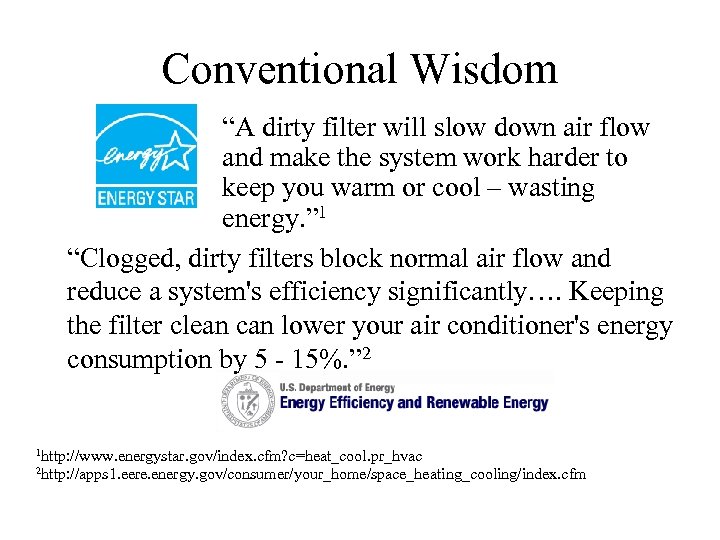 Conventional Wisdom “A dirty filter will slow down air flow and make the system work harder to keep you warm or cool – wasting energy. ” 1 “Clogged, dirty filters block normal air flow and reduce a system's efficiency significantly…. Keeping the filter clean can lower your air conditioner's energy consumption by 5 - 15%. ” 2 1 http: //www. energystar. gov/index. cfm? c=heat_cool. pr_hvac 2 http: //apps 1. eere. energy. gov/consumer/your_home/space_heating_cooling/index. cfm
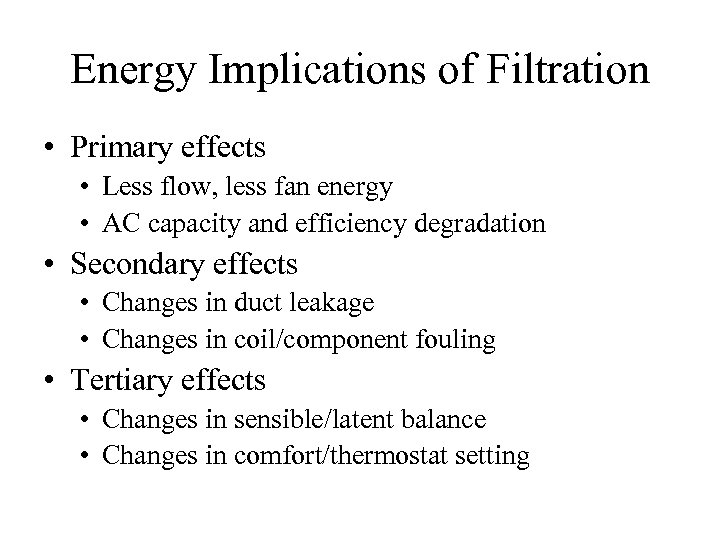 Energy Implications of Filtration • Primary effects • Less flow, less fan energy • AC capacity and efficiency degradation • Secondary effects • Changes in duct leakage • Changes in coil/component fouling • Tertiary effects • Changes in sensible/latent balance • Changes in comfort/thermostat setting
 Physics Part I • As flow ↑, electricity required ↑ • Precise relationship is complicated • Remember “work” • Force over a distance = work • If distance = 0, work = 0
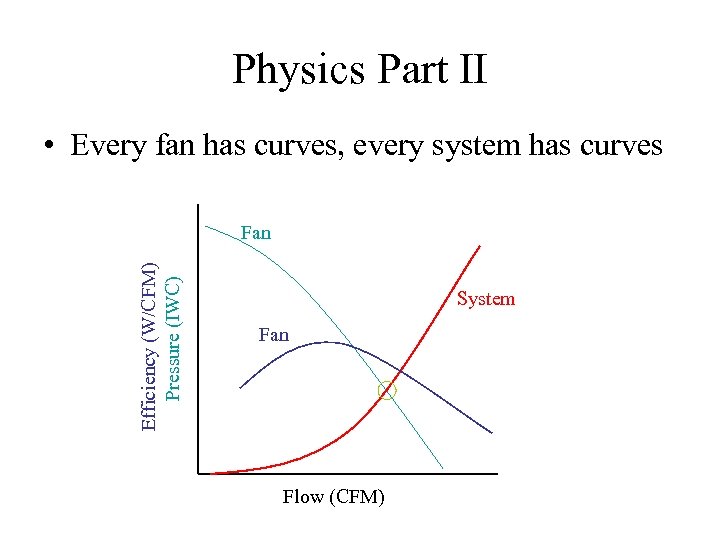 Physics Part II • Every fan has curves, every system has curves Efficiency (W/CFM) Pressure (IWC) Fan System Fan Flow (CFM)
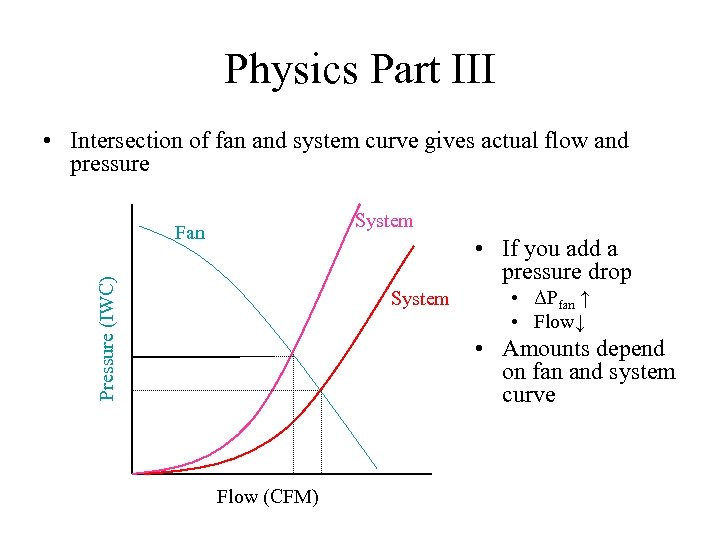 Physics Part III • Intersection of fan and system curve gives actual flow and pressure System Fan Pressure (IWC) • If you add a pressure drop System • ΔPfan ↑ • Flow↓ • Amounts depend on fan and system curve Flow (CFM)
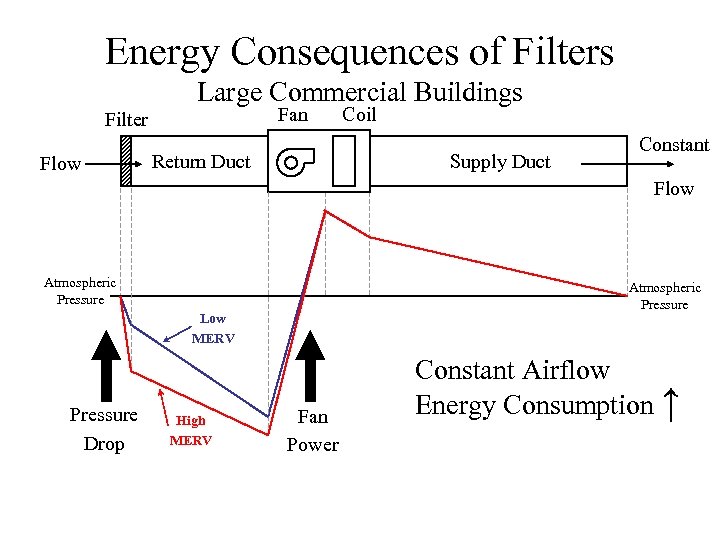 Energy Consequences of Filters Large Commercial Buildings Fan Filter Flow Coil Return Duct Supply Duct Constant Flow Atmospheric Pressure Low MERV Pressure Drop High MERV Fan Power Constant Airflow Energy Consumption ↑
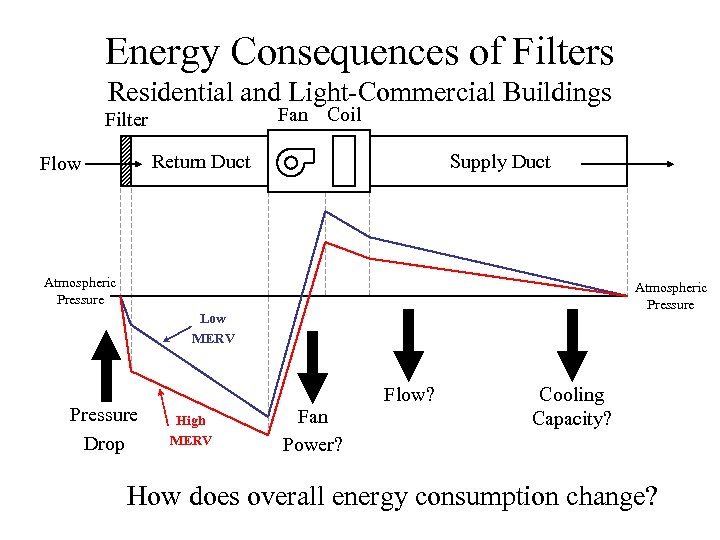 Energy Consequences of Filters Residential and Light-Commercial Buildings Fan Coil Filter Return Duct Flow Supply Duct Atmospheric Pressure Low MERV Pressure Drop High MERV Fan Power? Flow? Cooling Capacity? How does overall energy consumption change?
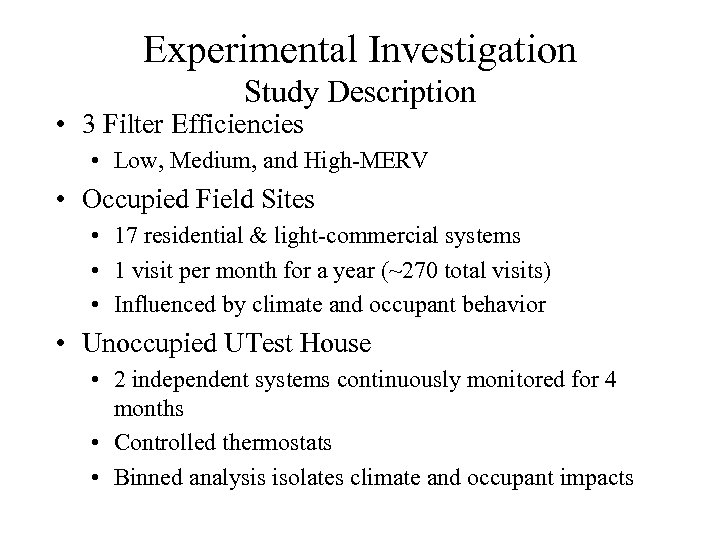 Experimental Investigation Study Description • 3 Filter Efficiencies • Low, Medium, and High-MERV • Occupied Field Sites • 17 residential & light-commercial systems • 1 visit per month for a year (~270 total visits) • Influenced by climate and occupant behavior • Unoccupied UTest House • 2 independent systems continuously monitored for 4 months • Controlled thermostats • Binned analysis isolates climate and occupant impacts
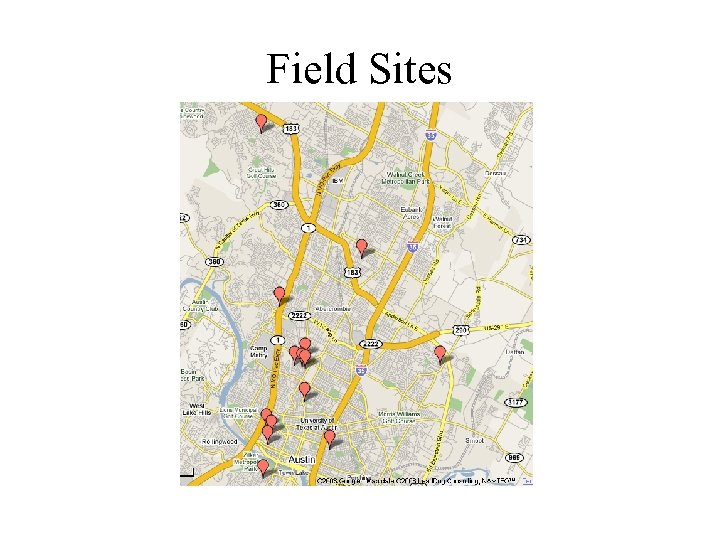 Field Sites
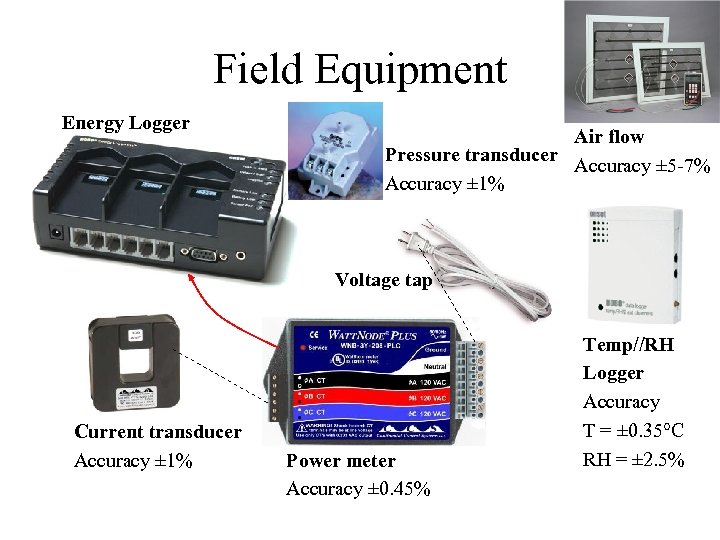
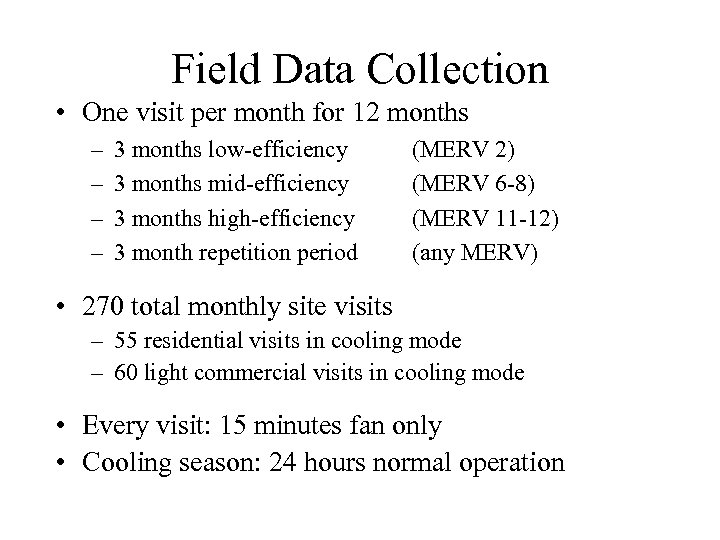 Field Data Collection • One visit per month for 12 months – – 3 months low-efficiency 3 months mid-efficiency 3 months high-efficiency 3 month repetition period (MERV 2) (MERV 6 -8) (MERV 11 -12) (any MERV) • 270 total monthly site visits – 55 residential visits in cooling mode – 60 light commercial visits in cooling mode • Every visit: 15 minutes fan only • Cooling season: 24 hours normal operation
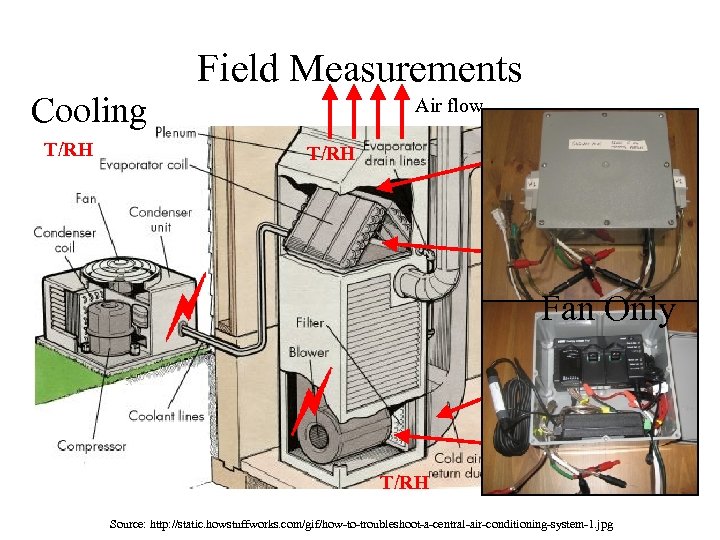 Field Measurements Cooling T/RH Air flow After coil pressure T/RH Before coil pressure Fan Only After filter pressure Before filter pressure T/RH Source: http: //static. howstuffworks. com/gif/how-to-troubleshoot-a-central-air-conditioning-system-1. jpg
 Field Equipment Energy Logger Air flow Pressure transducer Accuracy ± 5 -7% Accuracy ± 1% Voltage tap Current transducer Accuracy ± 1% Power meter Accuracy ± 0. 45% Temp//RH Logger Accuracy T = ± 0. 35°C RH = ± 2. 5%
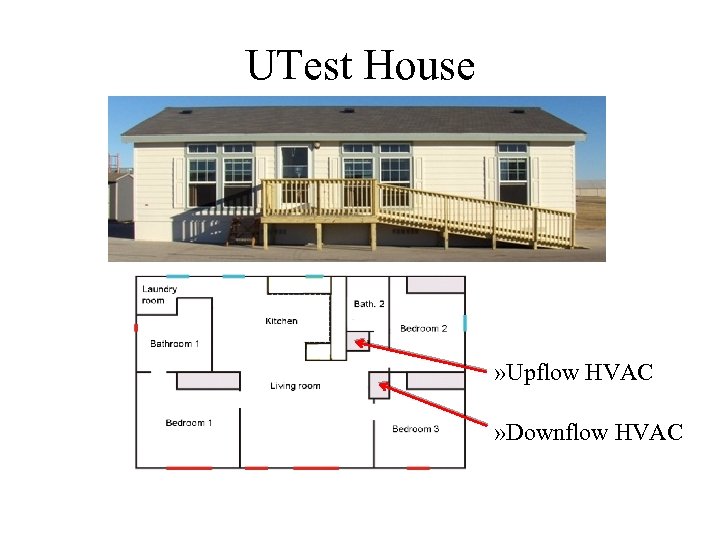
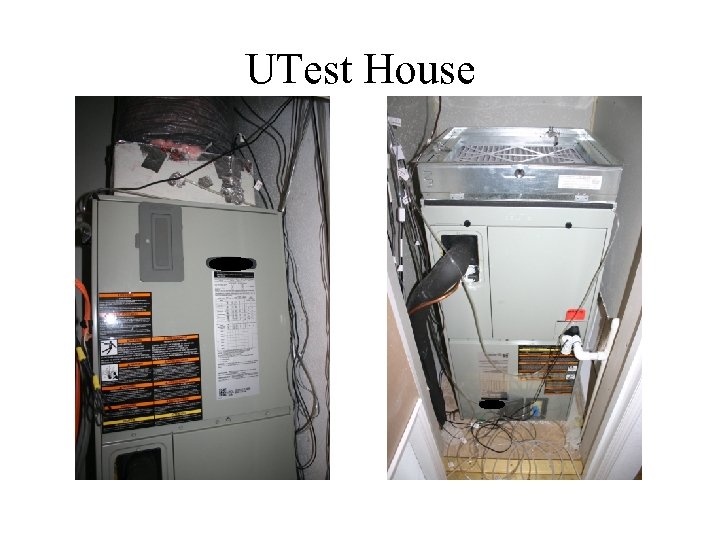
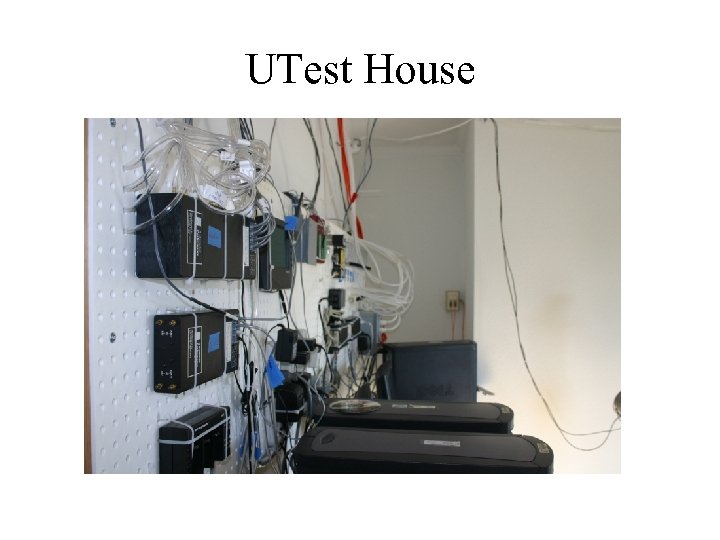
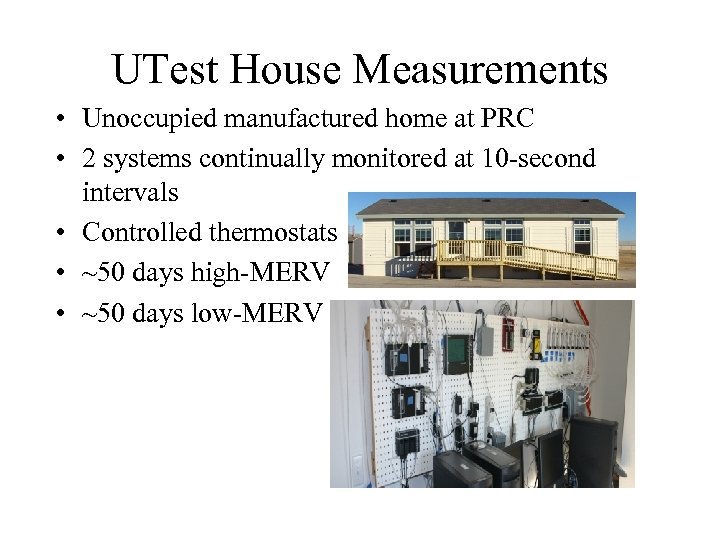 UTest House Measurements • Unoccupied manufactured home at PRC • 2 systems continually monitored at 10 -second intervals • Controlled thermostats • ~50 days high-MERV • ~50 days low-MERV
 3 Research Questions 1. What is the impact of filter MERV? • Captures real filter loading 2. What is the impact of filter pressure drop? • Ignores filter MERV 3. What is the range of energy consequences? • Moving from low-MERV to high-MERV
 Residential: Fan Only Filter pressure drop and airflow rates ΔP ΔP Q Q March 5, 2010 Brent Stephens 18
 Light-Commercial: Fan Only Filter pressure drop and airflow rates ΔP ΔP ΔP Q Q March 5, 2010 Brent Stephens Q
 Median Changes in Airflow Rates Moving from low-MERV to high-MERV Median ≈ 5% ↓ Residential Light Commercial
 Median Change in Fan Power Draw Moving from low-MERV to high-MERV Residential Light Commercial Median ≈ 2% ↓
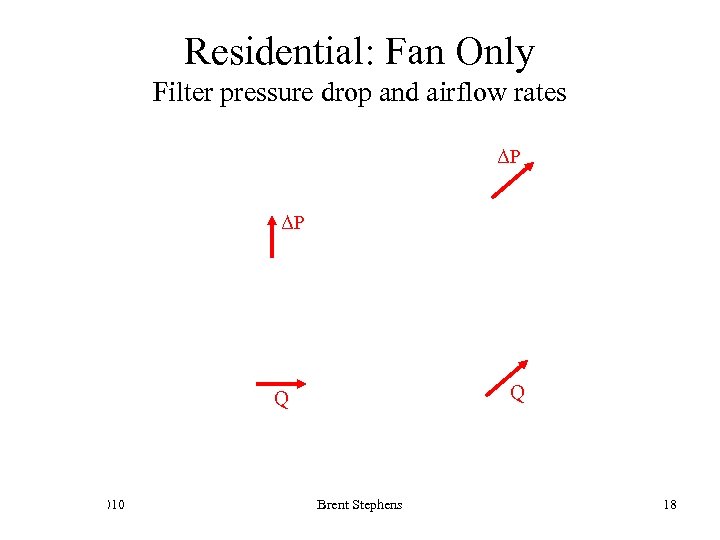
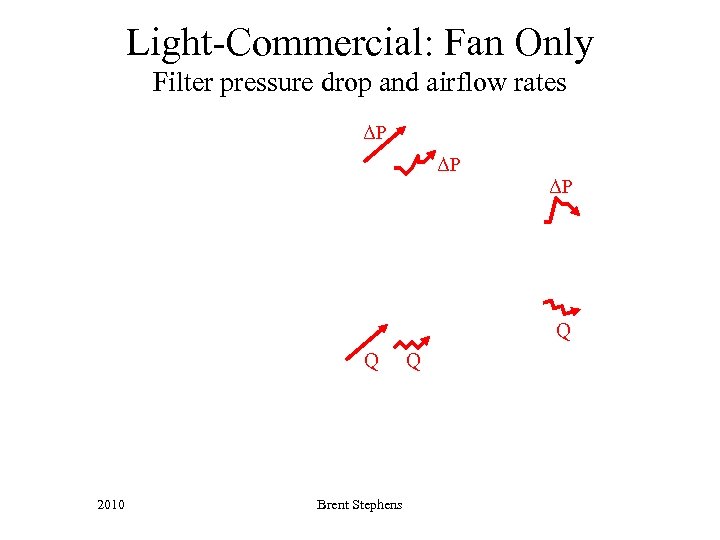
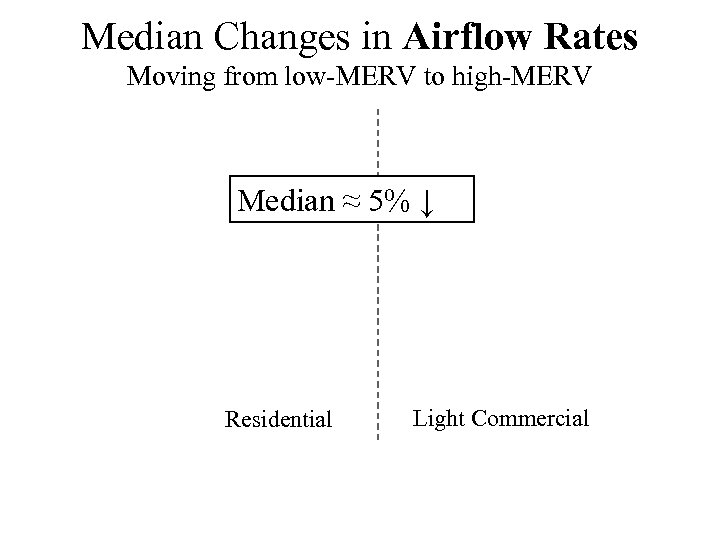
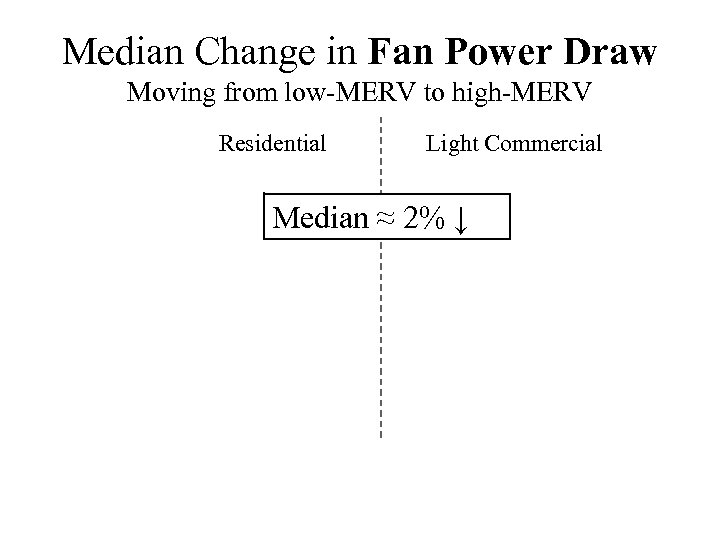
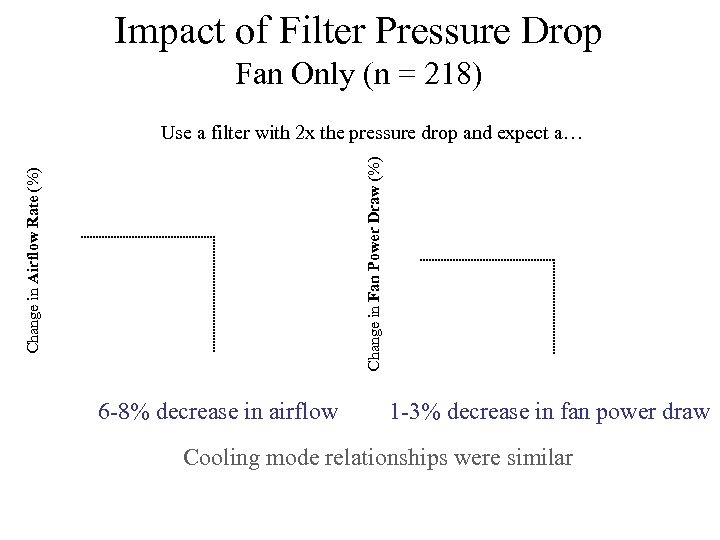 Impact of Filter Pressure Drop Fan Only (n = 218) Change in Airflow Rate (%) Change in Fan Power Draw (%) Use a filter with 2 x the pressure drop and expect a… 6 -8% decrease in airflow 1 -3% decrease in fan power draw Cooling mode relationships were similar
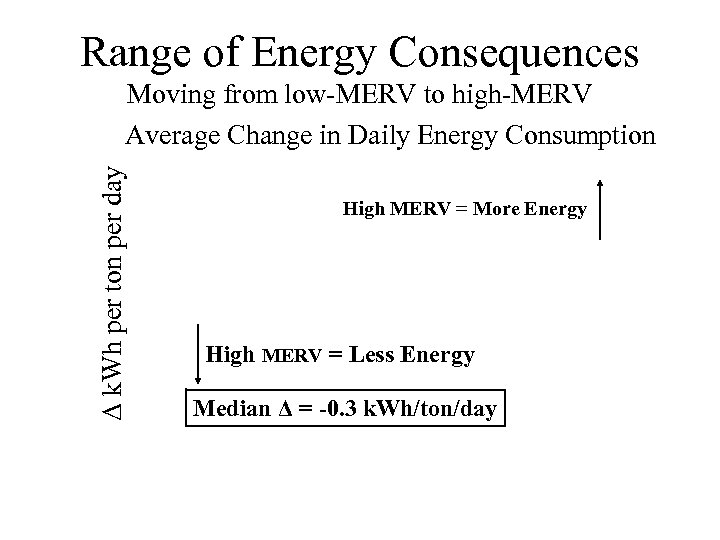 Range of Energy Consequences Δ k. Wh per ton per day Moving from low-MERV to high-MERV Average Change in Daily Energy Consumption High MERV = More Energy High MERV = Less Energy Median Δ = -0. 3 k. Wh/ton/day
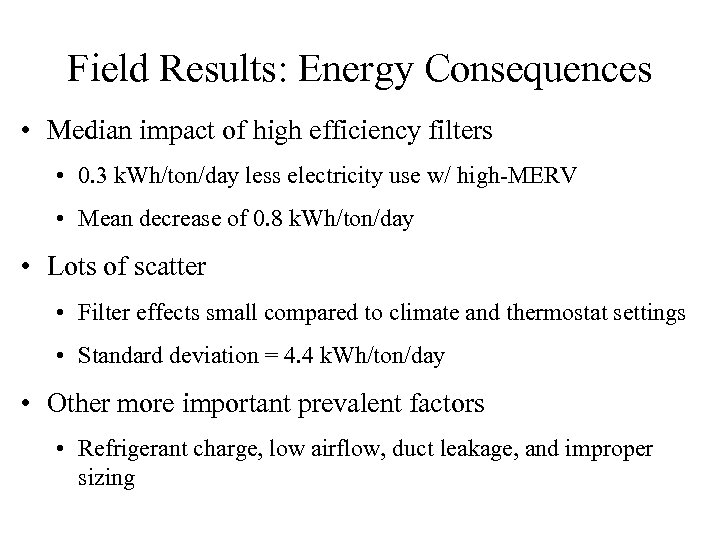 Field Results: Energy Consequences • Median impact of high efficiency filters • 0. 3 k. Wh/ton/day less electricity use w/ high-MERV • Mean decrease of 0. 8 k. Wh/ton/day • Lots of scatter • Filter effects small compared to climate and thermostat settings • Standard deviation = 4. 4 k. Wh/ton/day • Other more important prevalent factors • Refrigerant charge, low airflow, duct leakage, and improper sizing
 UTest House Results » • • • March 5, 2010 2 Systems Fan curves Binned analysis Overall energy consumption Brent Stephens 25
 UTest House » Upflow HVAC » Downflow HVAC
 UTest House
 UTest House
 UTest House Fan Curves Test House System #1 Test House System #2 Upflow Downflow
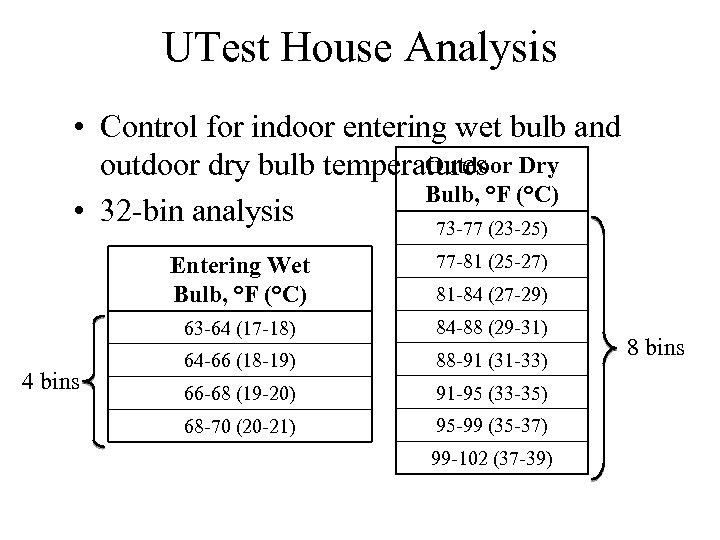 UTest House Analysis • Control for indoor entering wet bulb and Outdoor outdoor dry bulb temperatures Dry Bulb, °F (°C) • 32 -bin analysis 73 -77 (23 -25) Entering Wet Bulb, °F (°C) 63 -64 (17 -18) 4 bins 77 -81 (25 -27) 84 -88 (29 -31) 64 -66 (18 -19) 88 -91 (31 -33) 66 -68 (19 -20) 91 -95 (33 -35) 68 -70 (20 -21) 95 -99 (35 -37) 81 -84 (27 -29) 99 -102 (37 -39) 8 bins
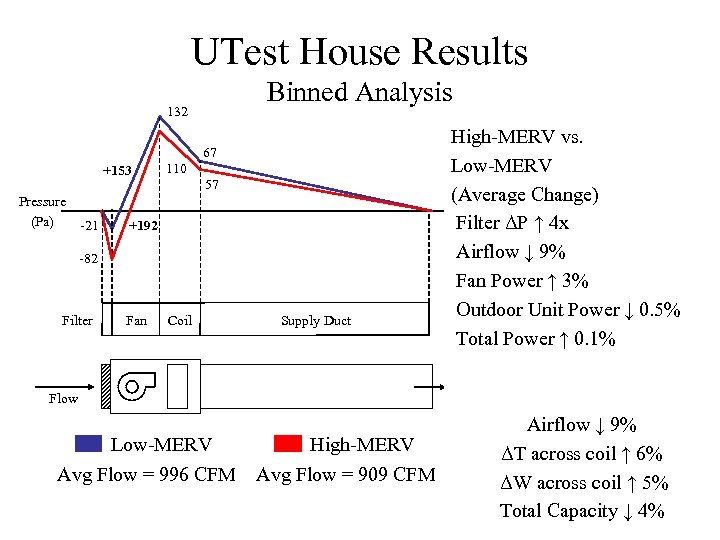 UTest House Results Binned Analysis 132 67 +153 Pressure (Pa) -21 110 57 +192 -82 Filter Fan Coil Supply Duct High-MERV vs. Low-MERV (Average Change) Filter ΔP ↑ 4 x Airflow ↓ 9% Fan Power ↑ 3% Outdoor Unit Power ↓ 0. 5% Total Power ↑ 0. 1% Flow Low-MERV Avg Flow = 996 CFM High-MERV Avg Flow = 909 CFM Airflow ↓ 9% ΔT across coil ↑ 6% ΔW across coil ↑ 5% Total Capacity ↓ 4%31
 UTest House Results Daily Energy Consumption Trends Test House System #1 Test House System #2
 Overall Findings • Weak link between energy and filter pressure drop • Some impacts are positive, some are negative • Impact of filter often lost in the noise • Other prevalent system issues, not filter issues • • Constricted returns Cheap fans Low refrigerant charge Duct leakage
 Conclusions • Field Sites • Lots of scatter • Median energy consequences of filters were small • Less than 1 k. Wh/ton per day • UTest House • No significant difference in HVAC energy consumption due to MERV 11 filters • Enhanced IAQ by better filtration does not appear to have significant energy penalties in smaller HVAC systems
 More Information Questions/Comments: jasiegel@mail. utexas. edu • Stephens, B. , Novoselac, A. , Siegel J. A. 2010. Energy Implications of Filters in Residential and Light-Commercial Buildings. ASHRAE Transactions, 116(1), 346 -357. • Stephens, B. , Novoselac, A. , Siegel J. A. 2010. The Effects of Filtration on Pressure Drop and Energy Consumption in Residential HVAC Systems. HVAC&R Research, 16(3), 273 -294. • Stephens, B. , Novoselac, A. , Siegel J. A. 2009. Energy Implications of Filters in Residential and Light-Commercial Buildings (RP-1299). American Society or Heating, Refrigeration and Air Conditioning Engineers, Atlanta, GA, 387 pp. http: //www. ce. utexas. edu/prof/siegel/
 What about Commercial Systems? • Bigger buildings do not typically have constant speed fans • Fan increases speed (RPM) to deliver correct flow • Energy consequences are much clearer and can be significant Fisk (2002) Indoor Air, Matela (2006) Facilities Engineering Journal • But…
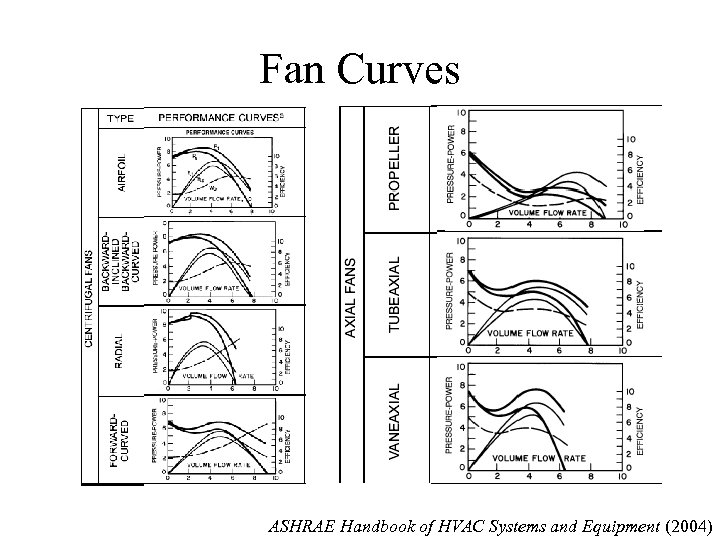 Fan Curves ASHRAE Handbook of HVAC Systems and Equipment (2004)
 Impacts in Commercial Buildings • Shapes of fan and system curves are critical • Efficiency curve • Change in intersection can result in higher or lower efficiency • In steeper portions of fan curve • Change in filter pressure will result in a small change in fan speed (but a big change in pressure) • In flatter portions of fan curve • Change in filter pressure may result in a big change in fan speed (but a small change in pressure) • How important is filter to overall system pressure drop?
 My Request • When you have time to kill: • In single filter systems • Successively tape up filter and measure pressure drop, flow, and fan power • In multiple filter systems • Successively bag filters and same measurements • Make data available!!!! • I’m doing it for 16 big box retail stores
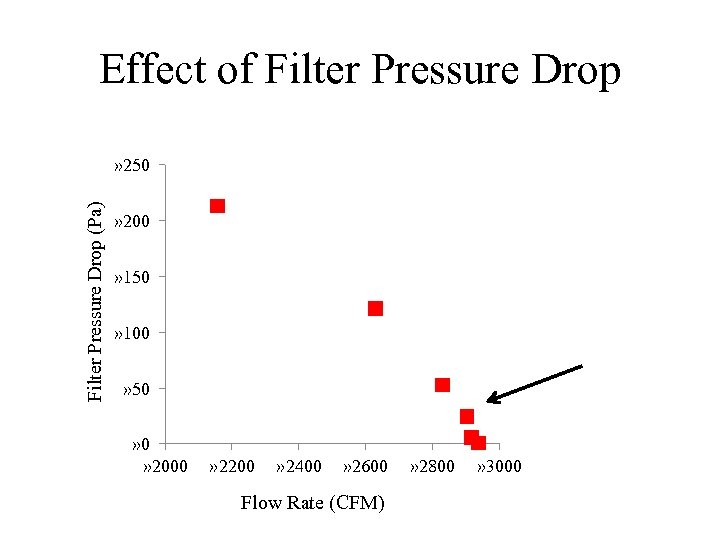 Effect of Filter Pressure Drop (Pa) » 250 » 200 » 150 » 100 » 50 » 2000 » 2200 » 2400 » 2600 Flow Rate (CFM) » 2800 » 3000
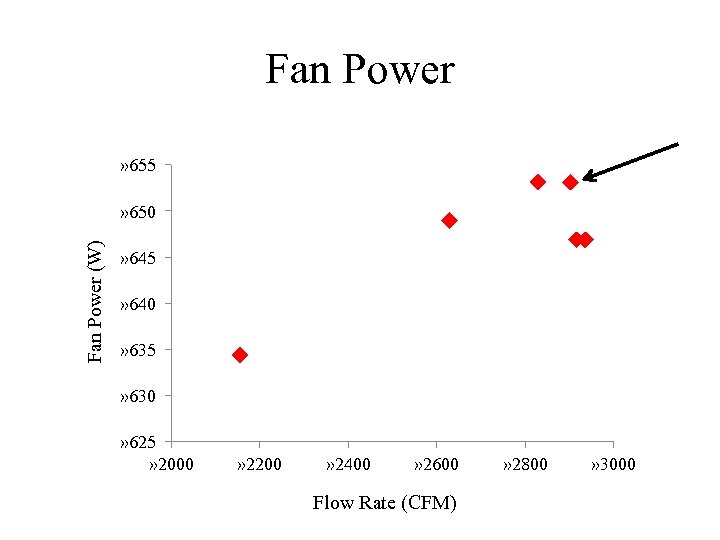 Fan Power » 655 Fan Power (W) » 650 » 645 » 640 » 635 » 630 » 625 » 2000 » 2200 » 2400 » 2600 Flow Rate (CFM) » 2800 » 3000
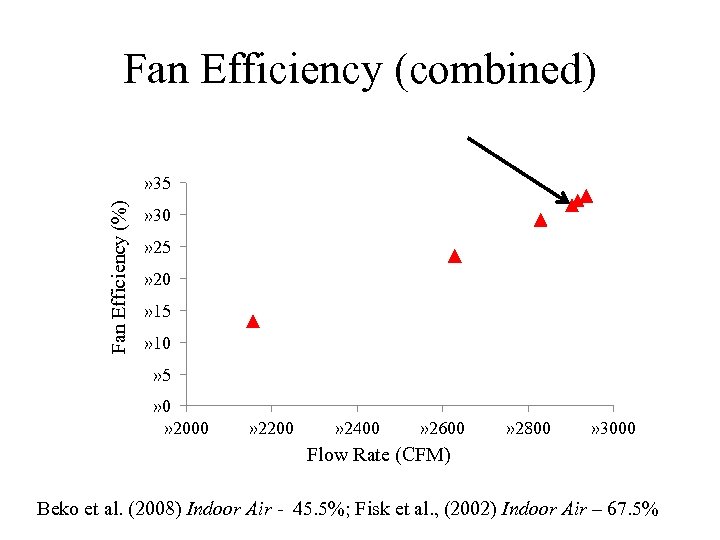 Fan Efficiency (combined) Fan Efficiency (%) » 35 » 30 » 25 » 20 » 15 » 10 » 5 » 0 » 2000 » 2200 » 2400 » 2600 » 2800 » 3000 Flow Rate (CFM) Beko et al. (2008) Indoor Air - 45. 5%; Fisk et al. , (2002) Indoor Air – 67. 5%
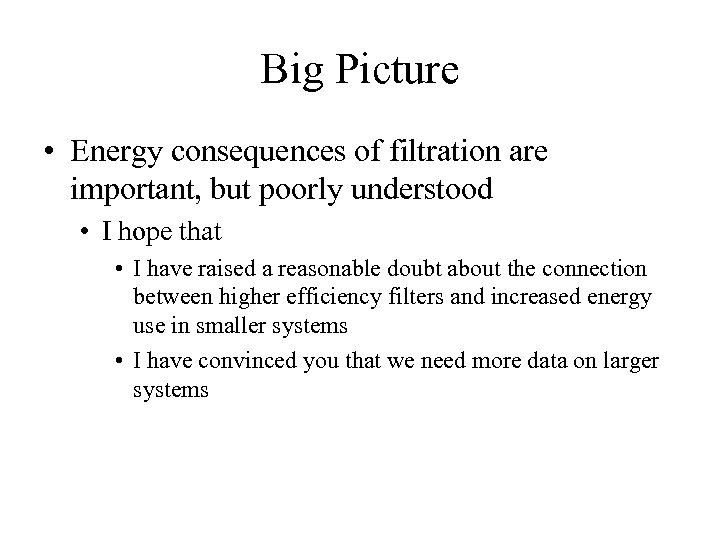 Big Picture • Energy consequences of filtration are important, but poorly understood • I hope that • I have raised a reasonable doubt about the connection between higher efficiency filters and increased energy use in smaller systems • I have convinced you that we need more data on larger systems

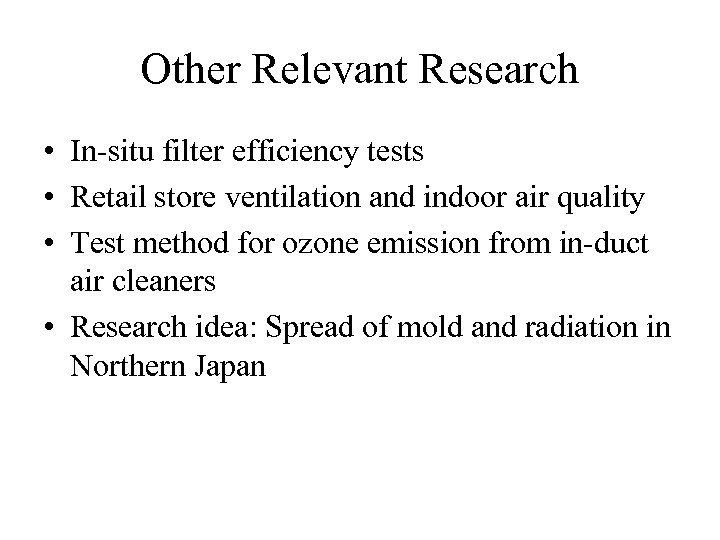 Other Relevant Research • In-situ filter efficiency tests • Retail store ventilation and indoor air quality • Test method for ozone emission from in-duct air cleaners • Research idea: Spread of mold and radiation in Northern Japan