


 Скачать презентацию UPDATE ON EMERGENCY CARDIAC CARE GUIDELINES Mark L
aab7a12c0eb7f854502138234feb642b.ppt
- Количество слайдов: 55
 UPDATE ON EMERGENCY CARDIAC CARE GUIDELINES Mark L. Greenberg, MD Associate Professor of Medicine Director, Clinical Electrophysiology and Pacing
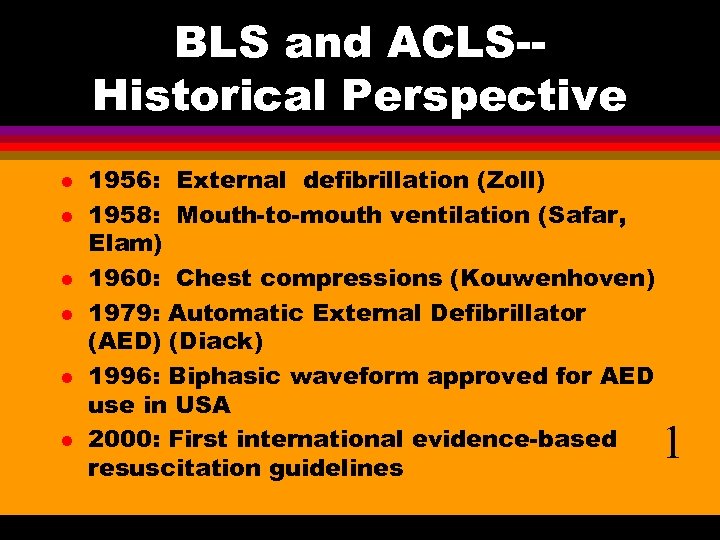 BLS and ACLS-Historical Perspective l l l 1956: External defibrillation (Zoll) 1958: Mouth-to-mouth ventilation (Safar, Elam) 1960: Chest compressions (Kouwenhoven) 1979: Automatic External Defibrillator (AED) (Diack) 1996: Biphasic waveform approved for AED use in USA 2000: First international evidence-based resuscitation guidelines 1
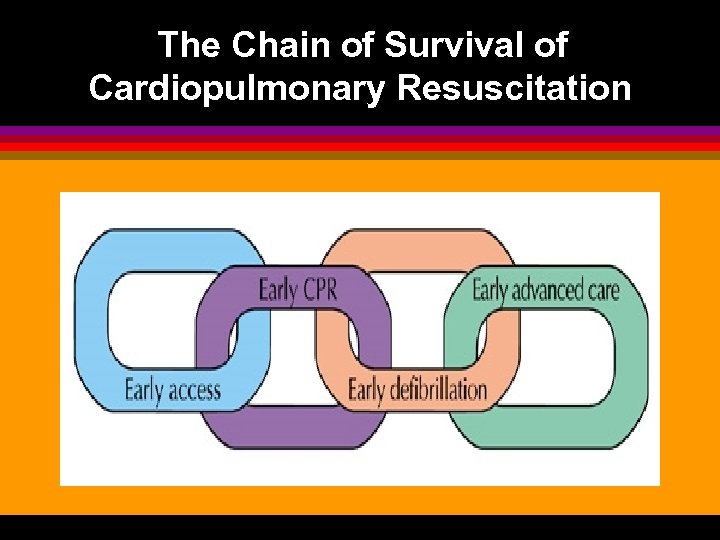 The Chain of Survival of Cardiopulmonary Resuscitation
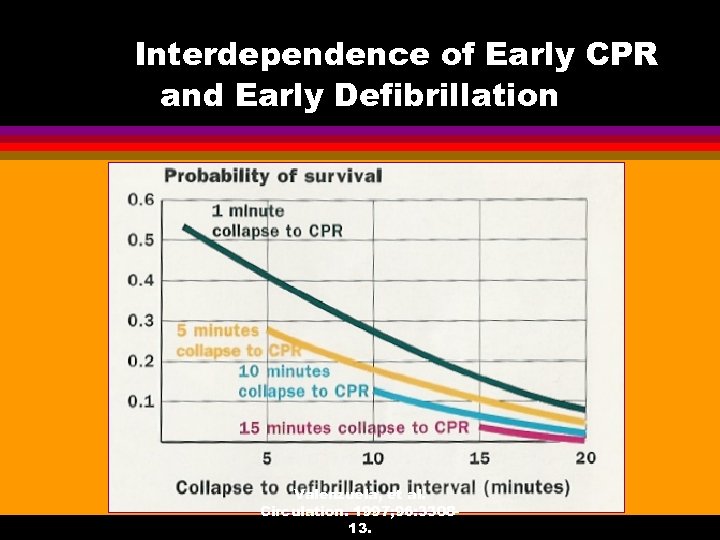 Interdependence of Early CPR and Early Defibrillation Valenzuela, et al. Circulation. 1997; 96: 330813.
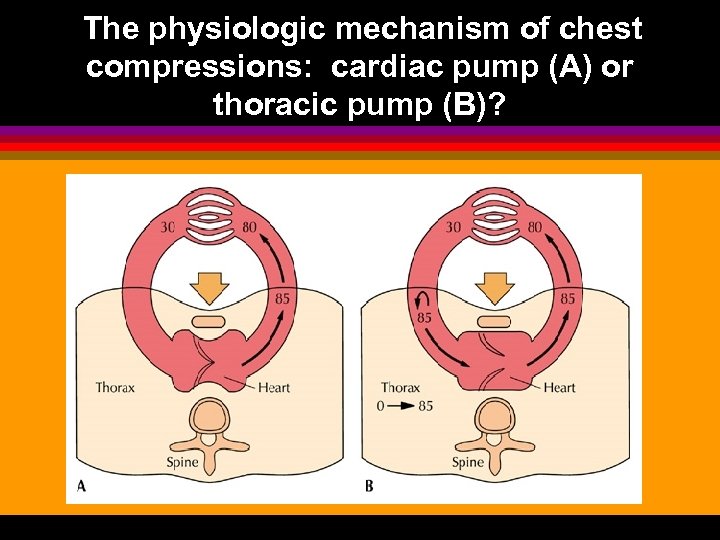 The physiologic mechanism of chest compressions: cardiac pump (A) or thoracic pump (B)?
 What’s New in BLS l New Chest Compression Rate and Compression. Ventilation Ratio for Adults l Interposed Abdominal Compression CPR (IACCPR)
 INTERRUPTIONS IN CHEST COMPRESSIONS ARE DETRIMENTAL l l Lay rescuers: 16 seconds to administer 2 breaths (cf 3 -4 sec. for professionals). Compression: ventilation ratio of 5: 1 yields higher Pa. O 2 but lower oxygen delivery than 15: 2 (64 compressions, 8 ventilations per minute).
 New Chest Compression Rate and Compression-Ventilation Ratio for Adults Compression rate approx. 100/min for adults and children over age one l Compression-ventilation ratio 15: 2 for both one and two-rescuer CPR (5: 1 after trachea intubated) l
 Interposed Abdominal Compression CPR (IACCPR) l l l An alternative for in-hospital resuscitation Abdomen compressed between xiphoid and umbilicus during relaxation phase of chest compression Increases forward blood flow during CPR and appears to improve survival
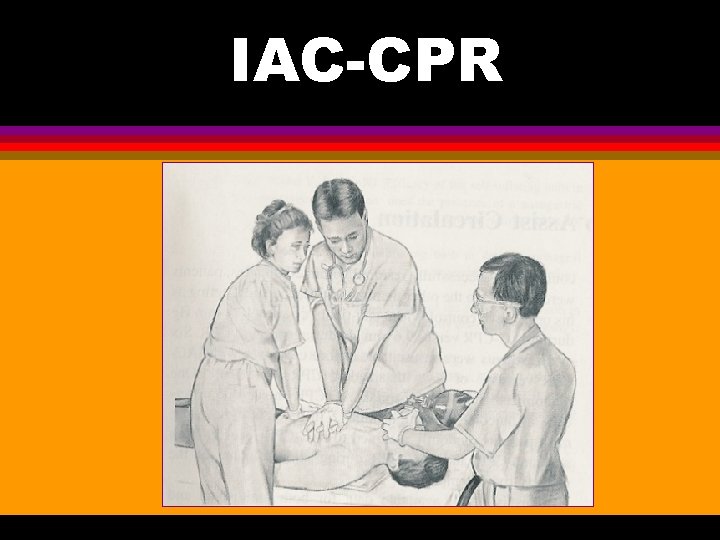 IAC-CPR
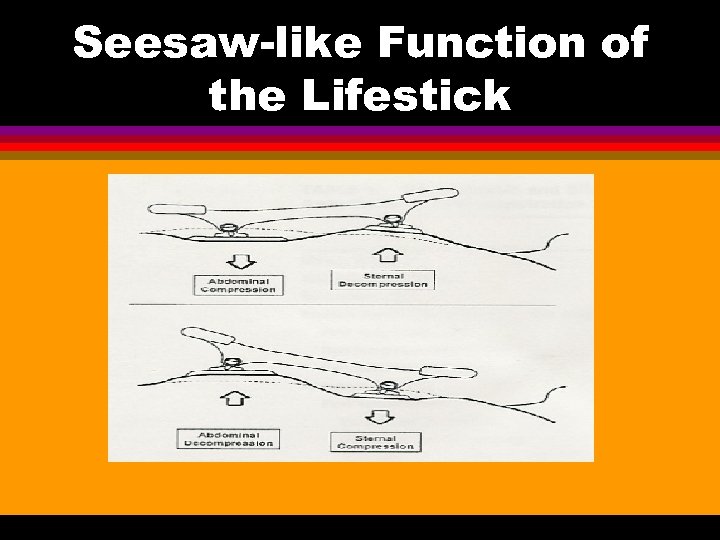 Seesaw-like Function of the Lifestick
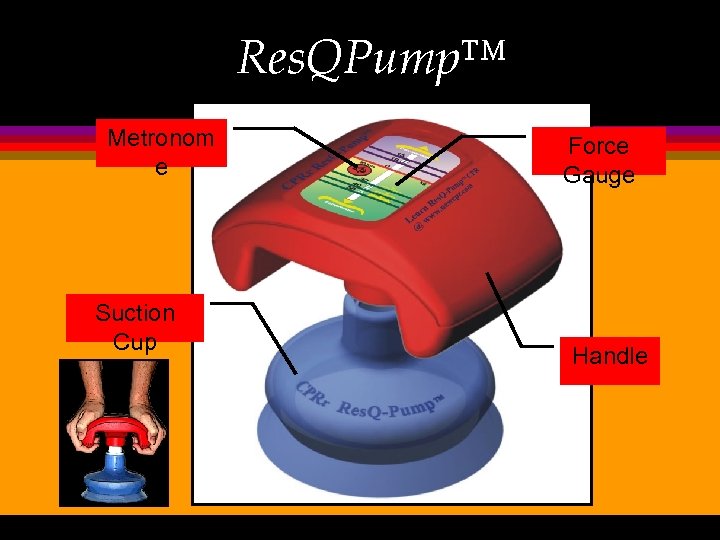 Res. QPump™ Metronom e Suction Cup Force Gauge Handle
 Inspiratory Impedance Threshold Valve (ITV) l l Concept: Lower intrathoracic pressure in the chest during the decompression phase of CPR enhances venous return to the thorax. Design: Each time the chest wall recoils following a compression, the ITV transiently blocks air/oxygen from entering the lungs, creating a small vacuum in the chest.
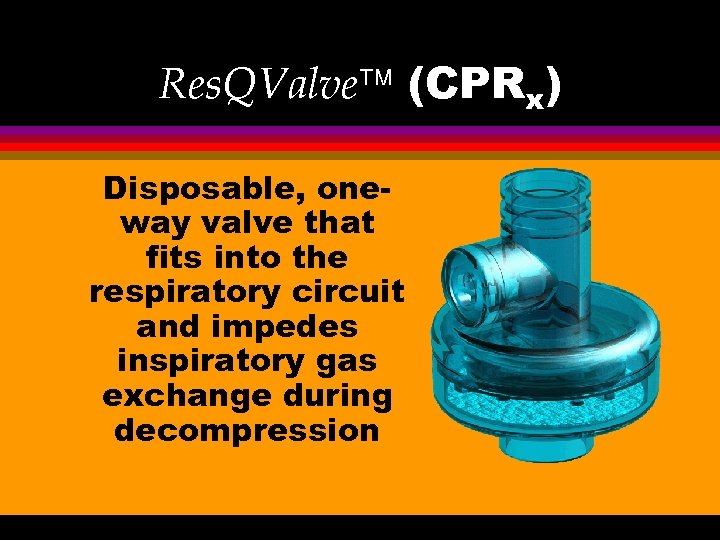 Res. QValveä (CPRx) Disposable, oneway valve that fits into the respiratory circuit and impedes inspiratory gas exchange during decompression
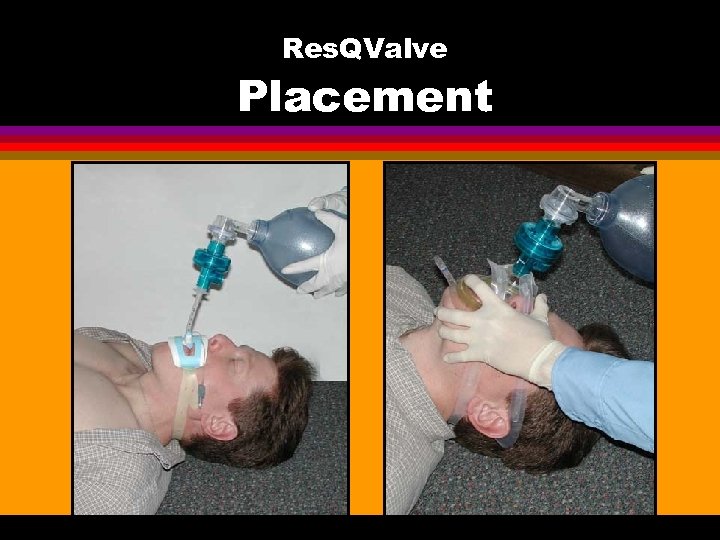 Res. QValve Placement
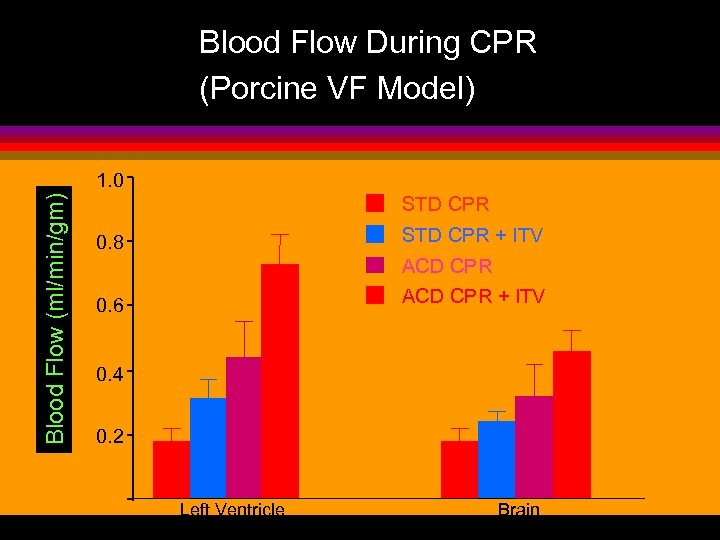 Blood Flow During CPR (Porcine VF Model) Blood Flow (ml/min/gm) 1. 0 STD CPR + ITV 0. 8 ACD CPR + ITV 0. 6 0. 4 0. 2 0. 0 Left Ventricle Brain Lurie et al. Improving ACD CPR with an inspiratory impedance valve. Circulation 1995; 91: 1629 -32.
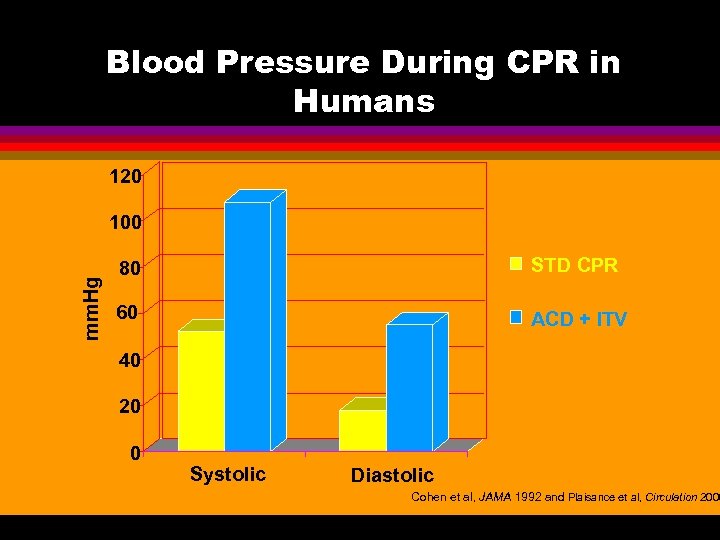 Blood Pressure During CPR in Humans 120 mm. Hg 100 80 STD CPR 60 ACD + ITV 40 20 0 Baseline (Normal) Systolic Diastolic Cohen et al, JAMA 1992 and Plaisance et al, Circulation 2000
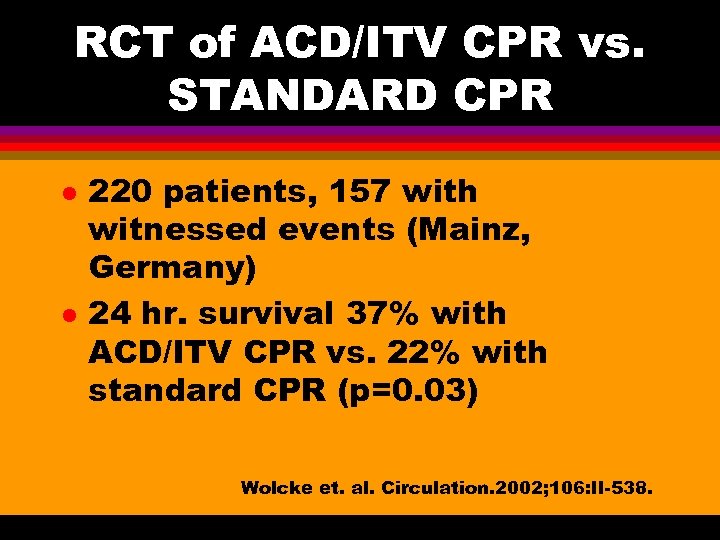 RCT of ACD/ITV CPR vs. STANDARD CPR l l 220 patients, 157 with witnessed events (Mainz, Germany) 24 hr. survival 37% with ACD/ITV CPR vs. 22% with standard CPR (p=0. 03) Wolcke et. al. Circulation. 2002; 106: II-538.
 What’s New in External Defibrillation l l l More emphasis on early defibrillation Automatic External Defibrillation (AED) and Public Access Defibrillation (PAD) Defibrillation with a biphasic waveform
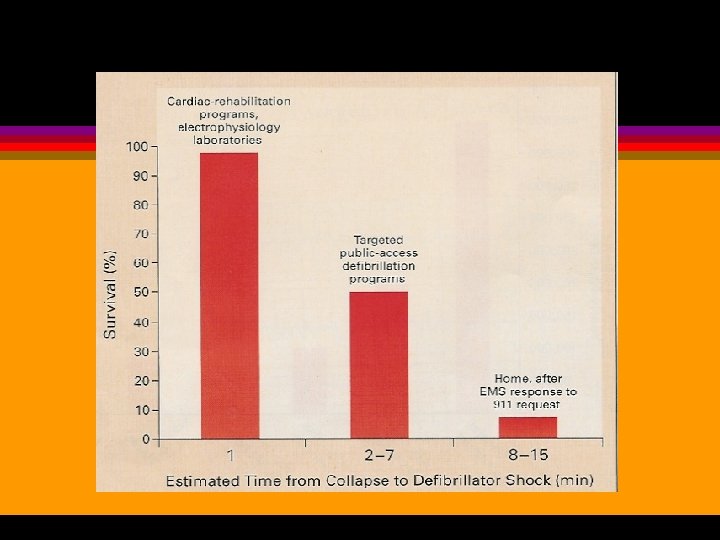
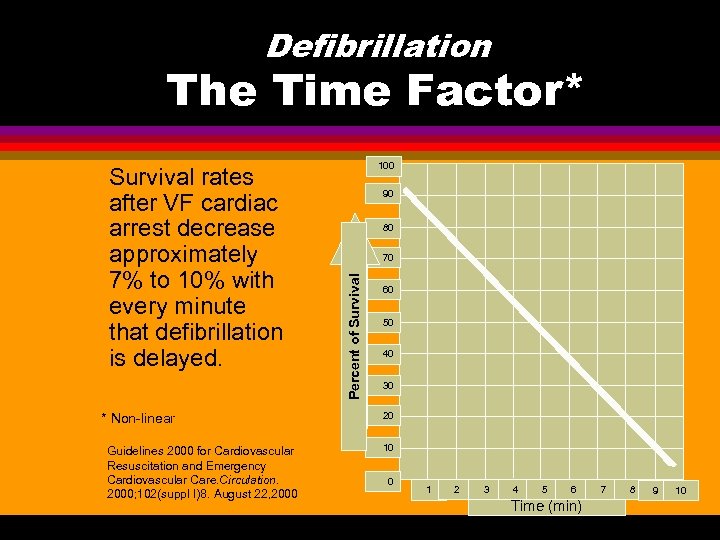 Defibrillation The Time Factor* * Non-linear Guidelines 2000 for Cardiovascular Resuscitation and Emergency Cardiovascular Care. Circulation. 2000; 102(suppl I)8. August 22, 2000 90 80 70 Percent of Survival rates after VF cardiac arrest decrease approximately 7% to 10% with every minute that defibrillation is delayed. 100 60 50 40 30 20 10 0 1 2 3 4 5 6 Time (min) 7 8 9 10
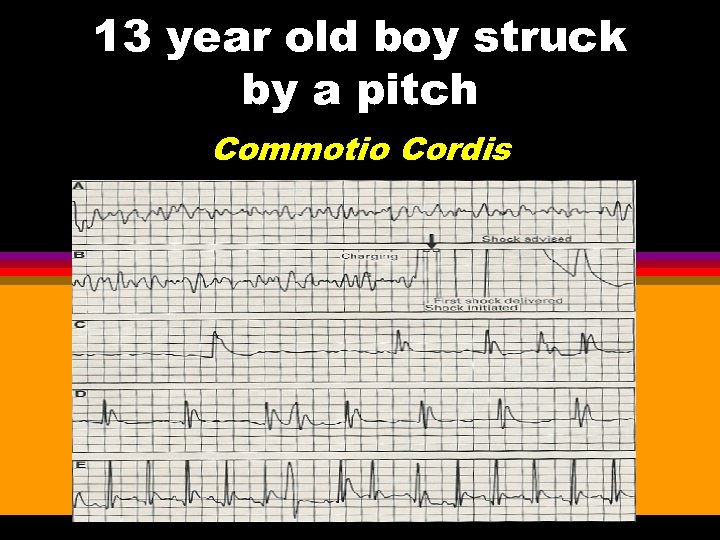 13 year old boy struck by a pitch Commotio Cordis
 Goals For Early Defibrillation l In hospital: defibrillation within 3 minutes l Out of hospital: defibrillation within 5 minutes of activation of the EMS (value of AED and PAD)
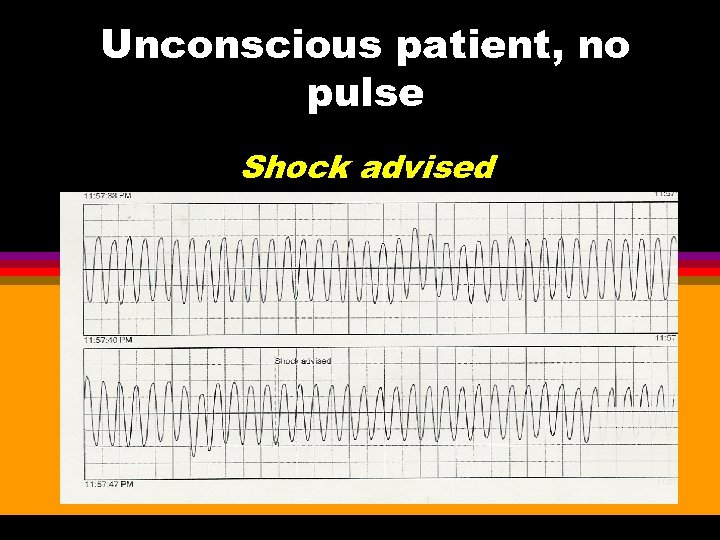 Unconscious patient, no pulse Shock advised
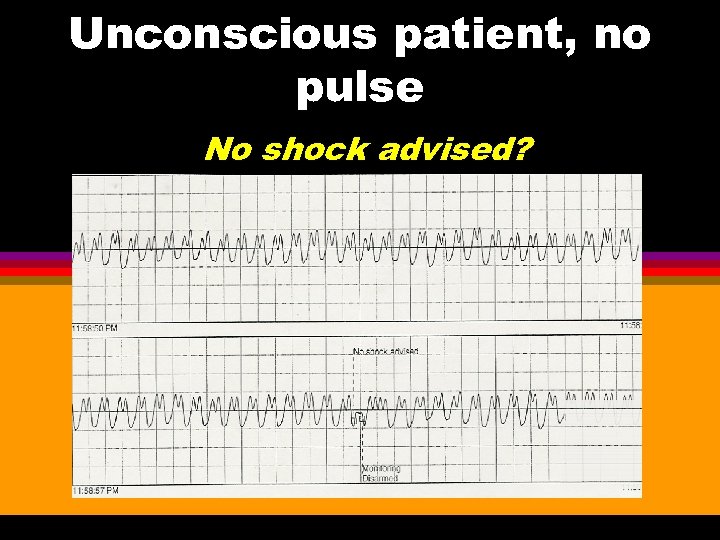 Unconscious patient, no pulse No shock advised?
 “It is time for the national government to help bring AED’s to public places all over America. . . I am working with Congress to complete a vital piece of legislation that would not only encourage the installation of AED’s in federal buildings, but also grant legal immunity to good Samaritans who use them. . . It is now our responsibility to bring this technology , this modern miracle, to every community in America. ” President Bill Clinton, 5/20/00 radio address.
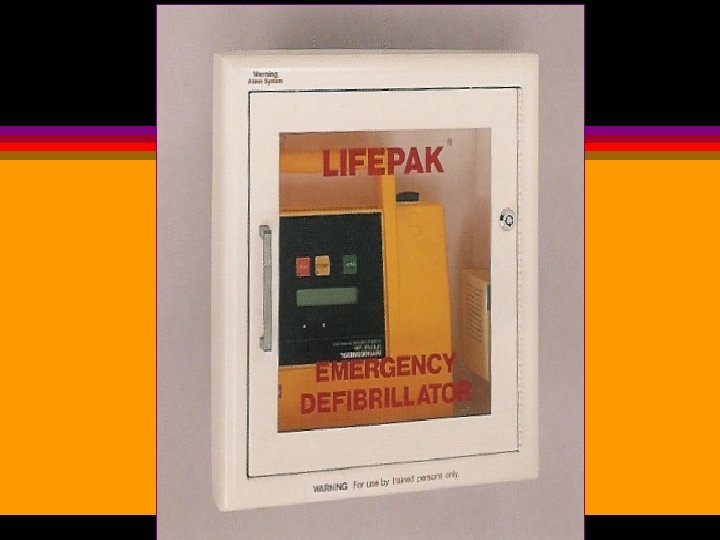
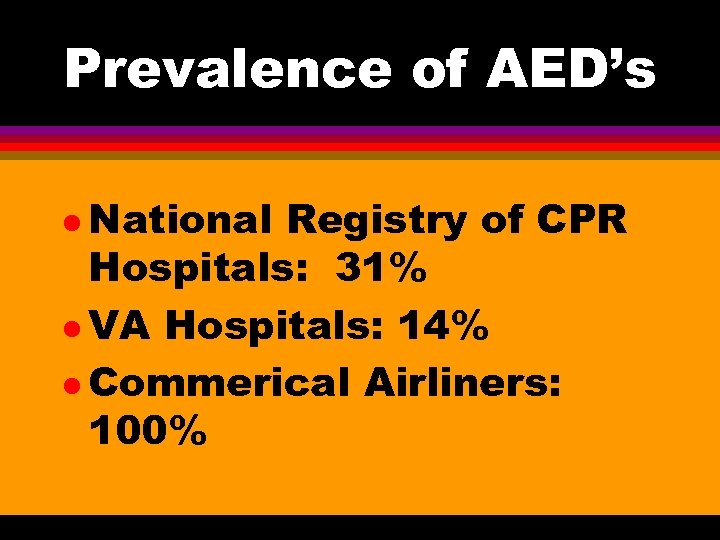 Prevalence of AED’s l National Registry of CPR Hospitals: 31% l VA Hospitals: 14% l Commerical Airliners: 100%
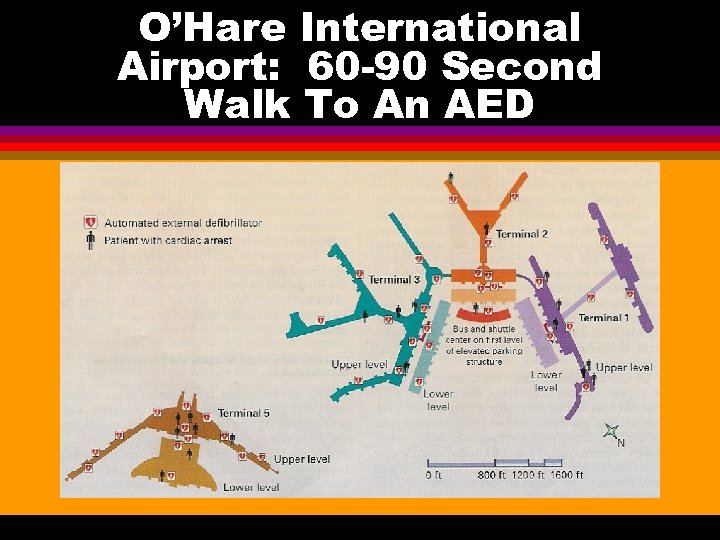 O’Hare International Airport: 60 -90 Second Walk To An AED Caffrey et. al. N Engl J Med 2002; 347: 1242 -7.
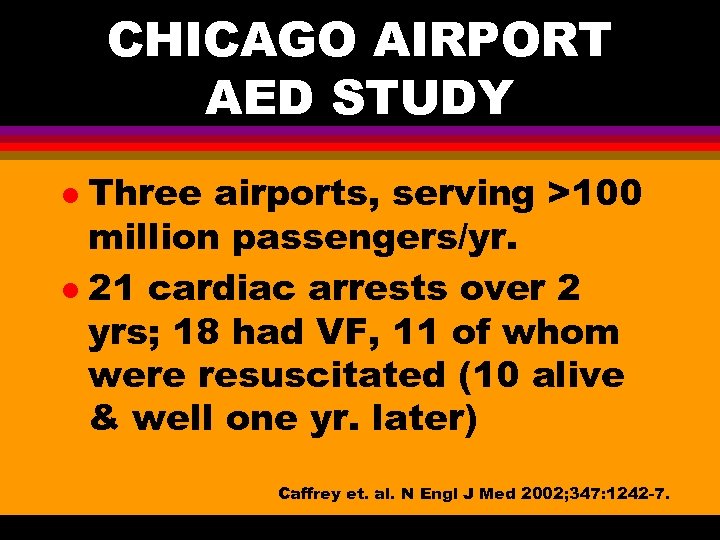 CHICAGO AIRPORT AED STUDY Three airports, serving >100 million passengers/yr. l 21 cardiac arrests over 2 yrs; 18 had VF, 11 of whom were resuscitated (10 alive & well one yr. later) l Caffrey et. al. N Engl J Med 2002; 347: 1242 -7.
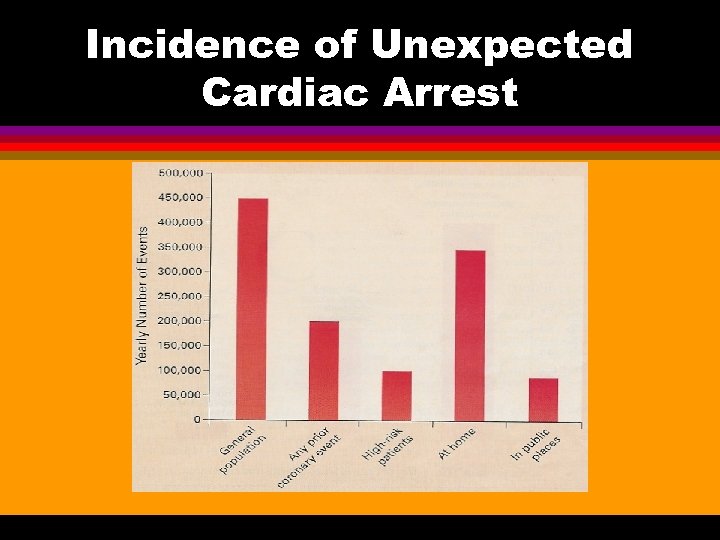 Incidence of Unexpected Cardiac Arrest
 AEDs: UNANSWERED QUESTIONS l Does formal training improve performance? l How are they best deployed? l Are they cost effective?
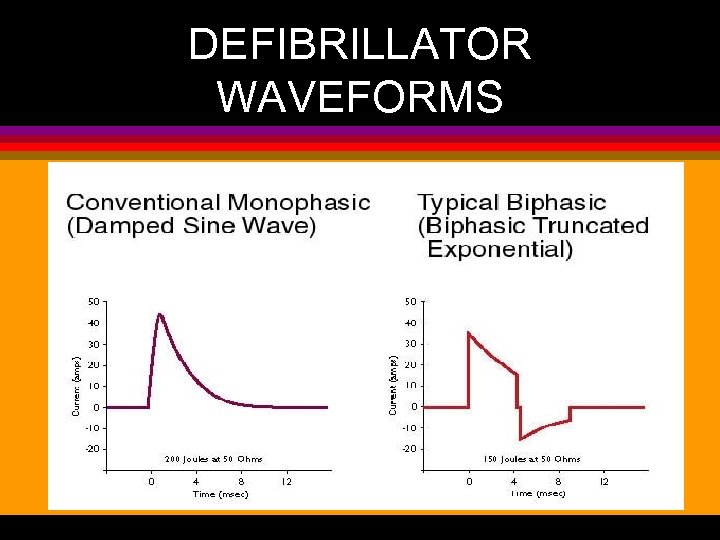 DEFIBRILLATOR WAVEFORMS
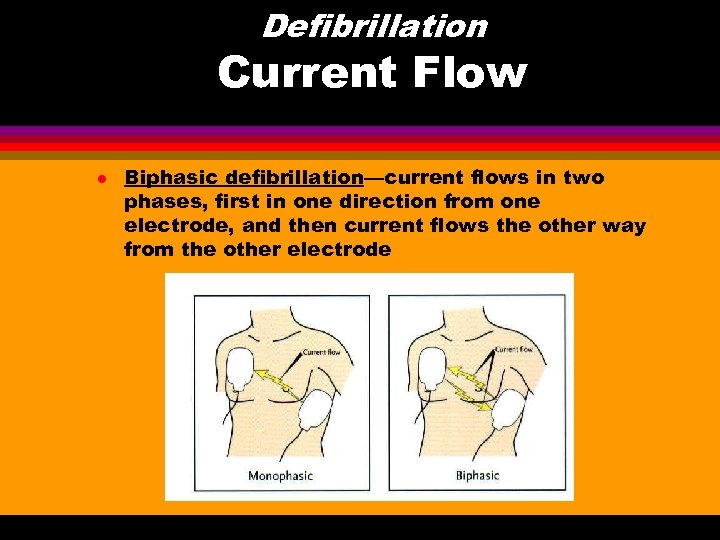 Defibrillation Current Flow l Biphasic defibrillation—current flows in two phases, first in one direction from one electrode, and then current flows the other way from the other electrode
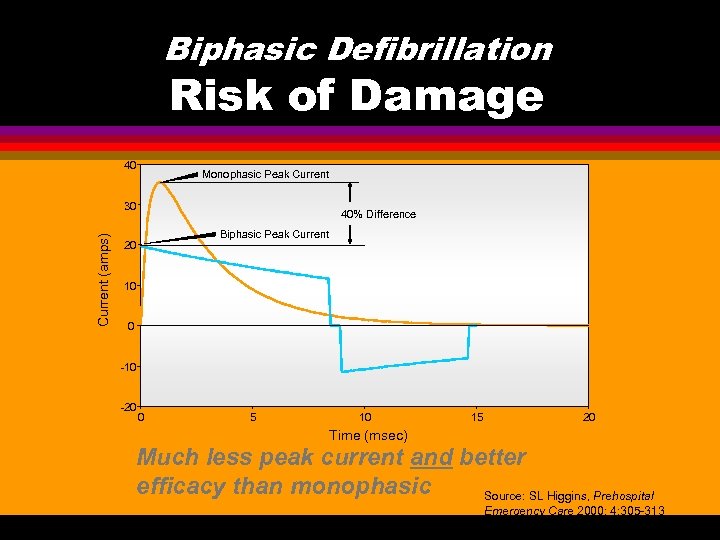 Biphasic Defibrillation Risk of Damage 40 Monophasic Peak Current (amps) 30 40% Difference Biphasic Peak Current 20 10 0 -10 -20 0 5 10 15 20 Time (msec) Much less peak current and better efficacy than monophasic Source: SL Higgins, Prehospital Emergency Care 2000; 4: 305 -313
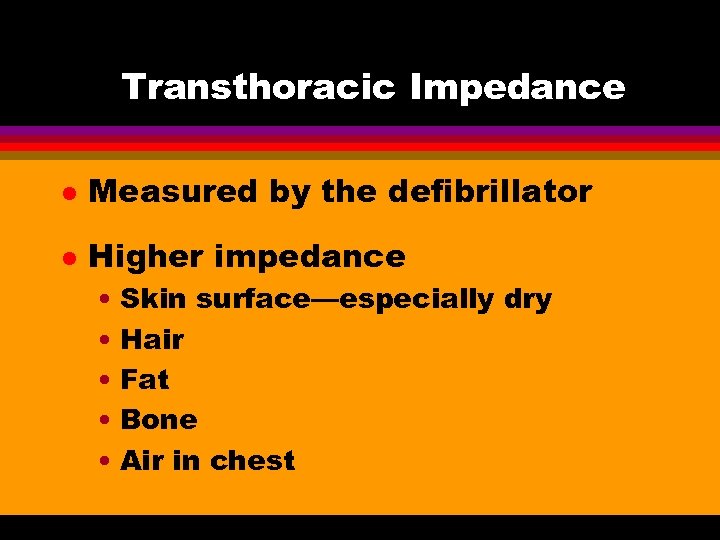 Transthoracic Impedance l Measured by the defibrillator l Higher impedance • Skin surface—especially dry • Hair • Fat • Bone • Air in chest
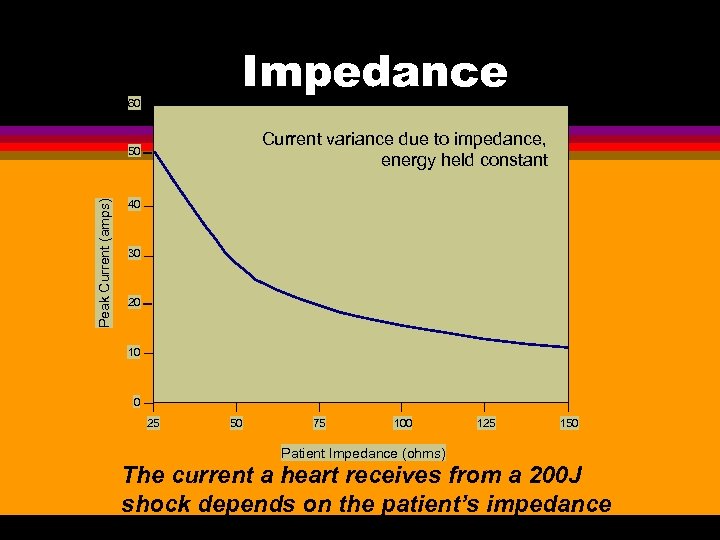 Impedance 60 Current variance due to impedance, energy held constant Peak Current (amps) 50 40 30 20 10 0 25 50 75 100 125 150 Patient Impedance (ohms) The current a heart receives from a 200 J shock depends on the patient’s impedance
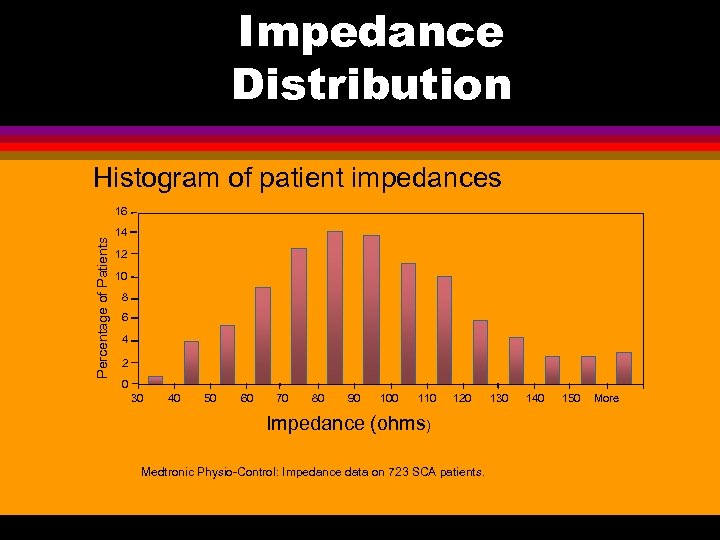 Impedance Distribution Histogram of patient impedances Percentage of Patients 16 14 12 10 8 6 4 2 0 30 40 50 60 70 80 90 100 110 120 Impedance (ohms) Medtronic Physio-Control: Impedance data on 723 SCA patients. 130 140 150 More
 Biphasic Defibrillators Are NOT All the Same l l l Waveforms vary (with regard to voltage or pulse duration) in their response to transthoracic impedance measurements. Energy settings may be fixed, lowdose escalating, or “standard” dose escalating. No clear superiority among manufacturers.
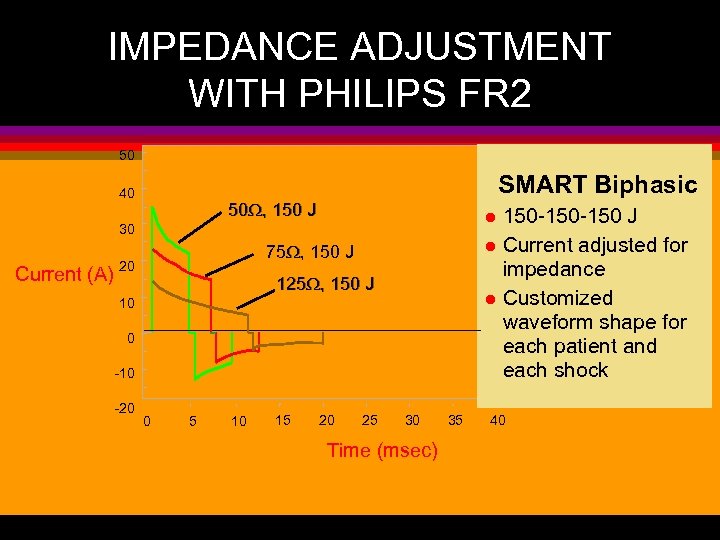 IMPEDANCE ADJUSTMENT WITH PHILIPS FR 2 50 40 SMART Biphasic 50 , 150 J l 30 l 75 , 150 J Current (A) 20 125 , 150 J l 10 0 -10 -20 0 5 10 15 20 25 30 Time (msec) 35 150 -150 J Current adjusted for impedance Customized waveform shape for each patient and each shock 40
 Why Will Biphasic Defibrillators Replace Standard Monophasic Models? l l Impedance compensating, lower shock strength biphasic waveforms have less potential to damage cells. Biphasic waveforms have superior efficacy for treating atrial fibrillation and ventricular fibrillation.
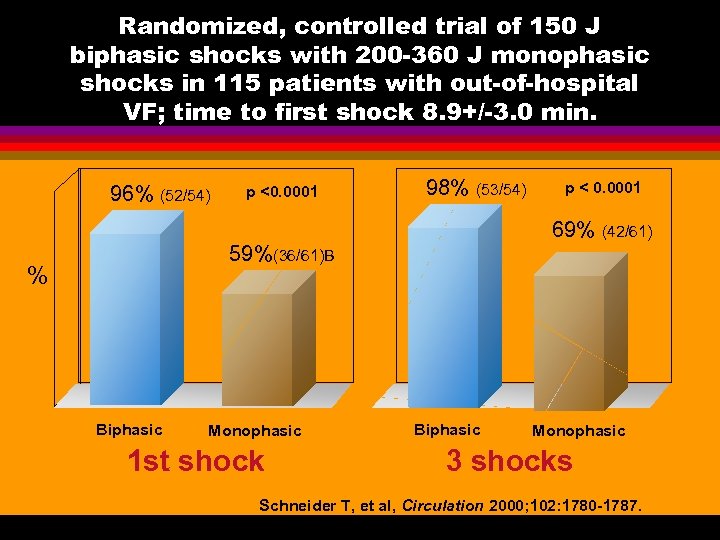 Randomized, controlled trial of 150 J biphasic shocks with 200 -360 J monophasic shocks in 115 patients with out-of-hospital VF; time to first shock 8. 9+/-3. 0 min. 96% (52/54) p <0. 0001 98% (53/54) 69% (42/61) 59%(36/61)B % Biphasic Monophasic 1 st shock p < 0. 0001 Biphasic Monophasic 3 shocks Schneider T, et al, Circulation 2000; 102: 1780 -1787.
 What’s New in ACLS? l Airway Management l Vasopressin l IV amiodarone as a first-line drug
 What’s New in Airway Management l l l Emphasis on skilled bag-mask ventilation with continuous cricoid pressure Validation of airway adjuncts like the laryngeal mask and Combitube Recommendation for secondary confirmation techniques to verify ETT placement (e. g. end-tidal CO 2)
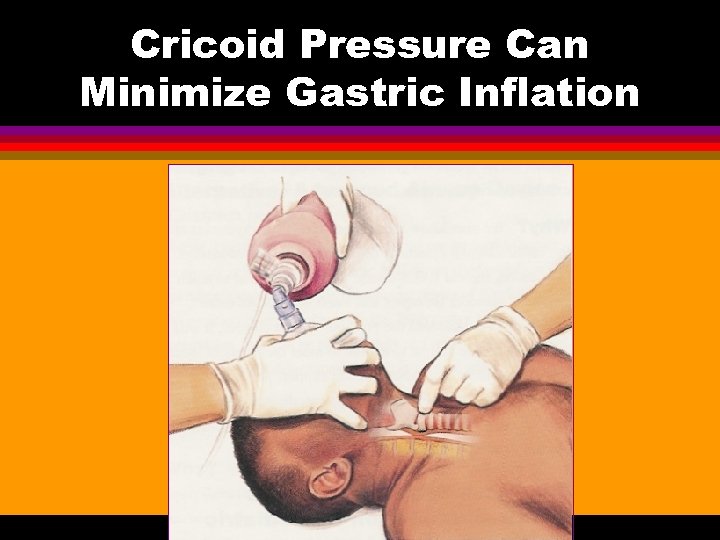 Cricoid Pressure Can Minimize Gastric Inflation
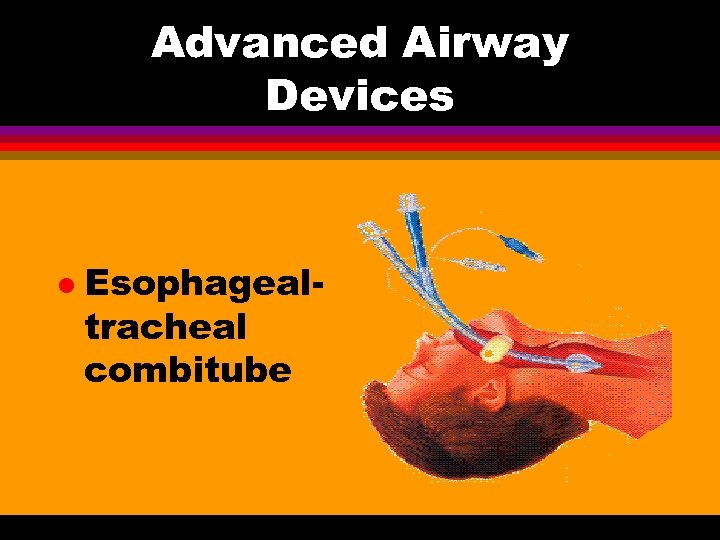 Advanced Airway Devices l Esophagealtracheal combitube
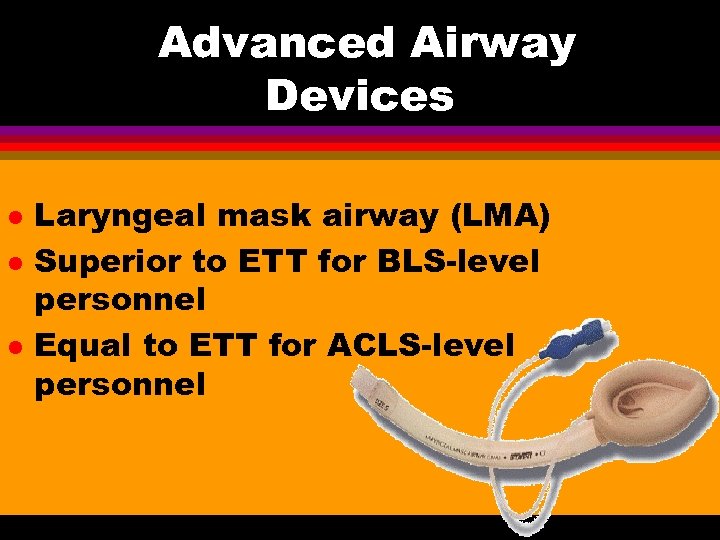 Advanced Airway Devices l l l Laryngeal mask airway (LMA) Superior to ETT for BLS-level personnel Equal to ETT for ACLS-level personnel
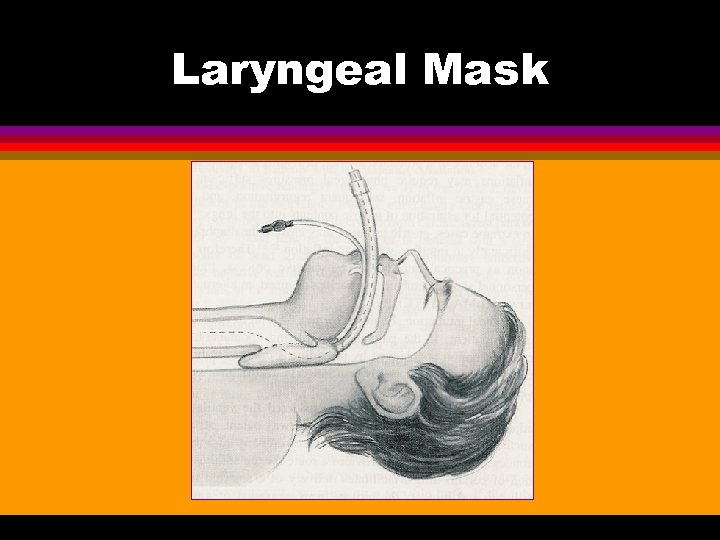 Laryngeal Mask
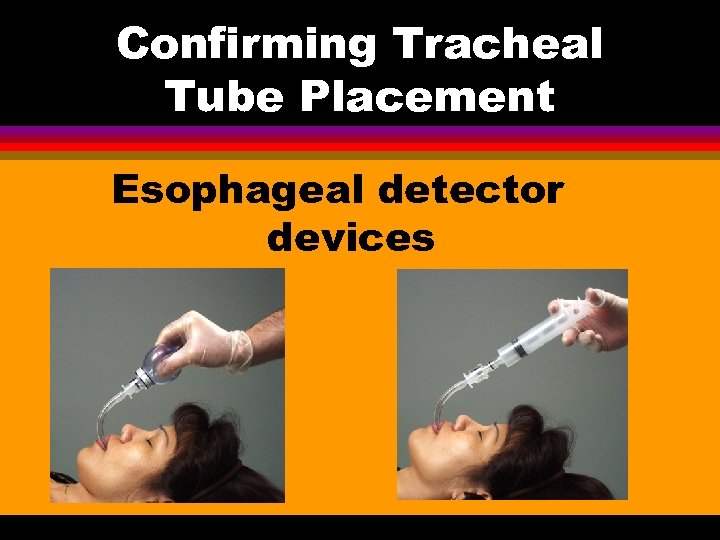 Confirming Tracheal Tube Placement Esophageal detector devices
 Vasopressin 40 U IV Before Epinephrine 1 mg IV? l l l Vasopressin appears at least as effective as epinephrine (large RCT underway in Europe). Vasopressin is non-beta-adrenergic and does not increase myocardial 02 consumption. Longer half-life (10 -20 min. vs. 3 -5 min. ) simplifies administration.
 Amiodarone 300 mg IV Should Be Given Before Lidocaine l l Advantage lidocaine: rapid onset of action, no hypotension Game, set, and match amiodarone: minimal proarrhythmia, much stronger evidence for efficacy
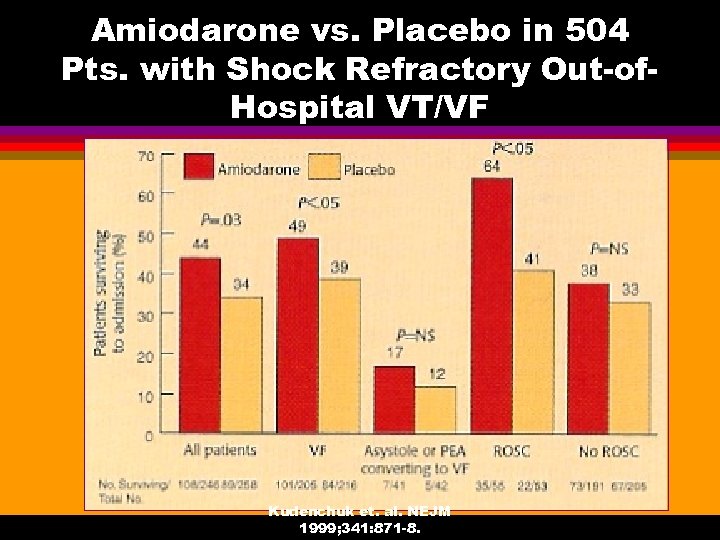 Amiodarone vs. Placebo in 504 Pts. with Shock Refractory Out-of. Hospital VT/VF Kudenchuk et. al. NEJM 1999; 341: 871 -8.
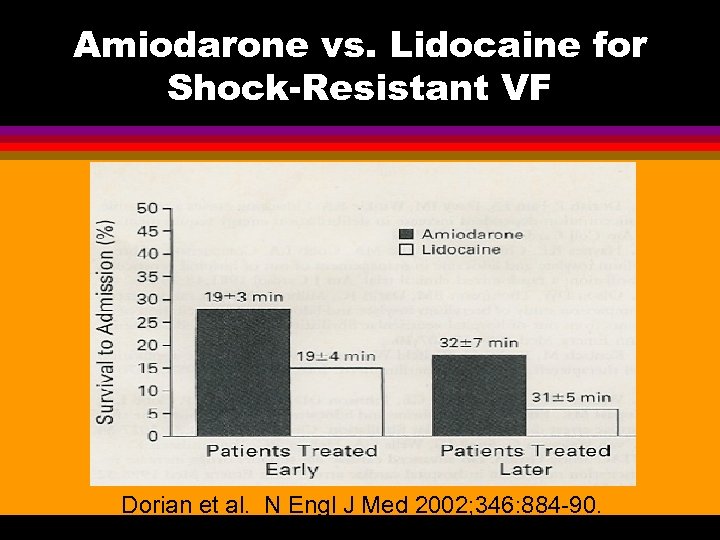 Amiodarone vs. Lidocaine for Shock-Resistant VF Dorian et al. N Engl J Med 2002; 346: 884 -90.
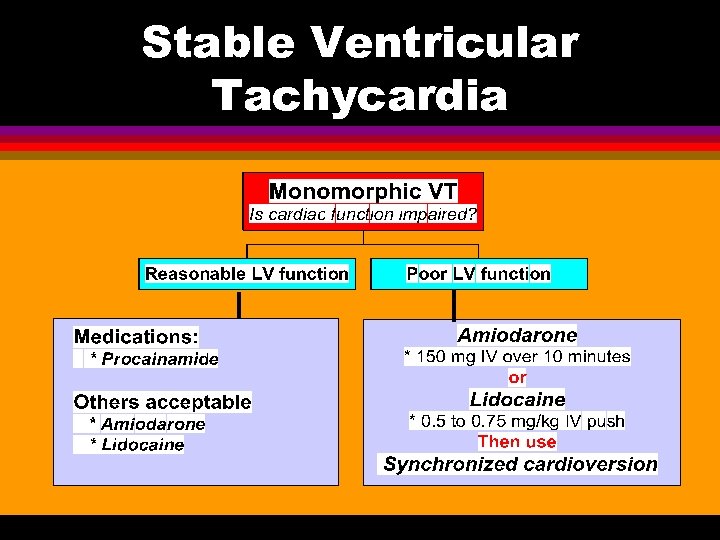 Stable Ventricular Tachycardia
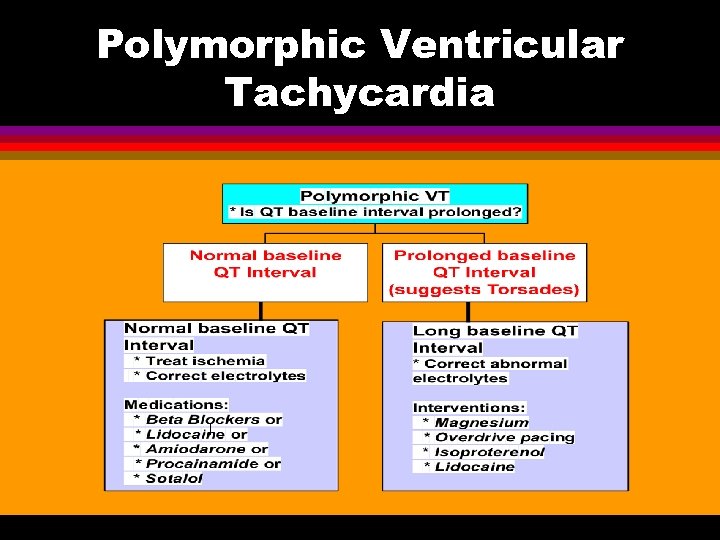 Polymorphic Ventricular Tachycardia