Скачать презентацию Unwrapping the Gift Passions and Pitfalls in Gifted
6efe19806c1fb8e9438af9af95b90bd8.ppt
- Количество слайдов: 84
 Unwrapping the Gift: Passions and Pitfalls in Gifted Education Michael N. Nelson, Ph. D. mnelson@rush. edu Director, Section of Pediatric Psychology Rush Children’s Hospital April 6, 2011
 Components of Today’s Lecture • The nature of the early challenge for parents • “Universal” characteristics of gifted learners that are evident before school entry • Uneven development—implications for emotional responsivity and behavior • Friendship patterns of the gifted and implications for development of socioemotional intelligence • Creativity—The blessing and the curse • Causes of perfectionism, and who it most affects • Why cooperative work can be such a challenge
 The parent’s role—fostering healthy socioemotional development and associated problem-solving skills in a way that builds respectful self confidence and supports remarkable, and often highly creative, native ability
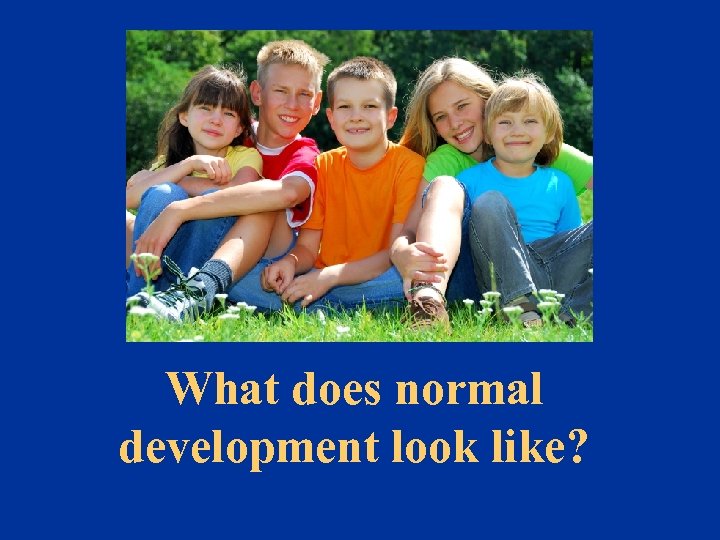 What does normal development look like?
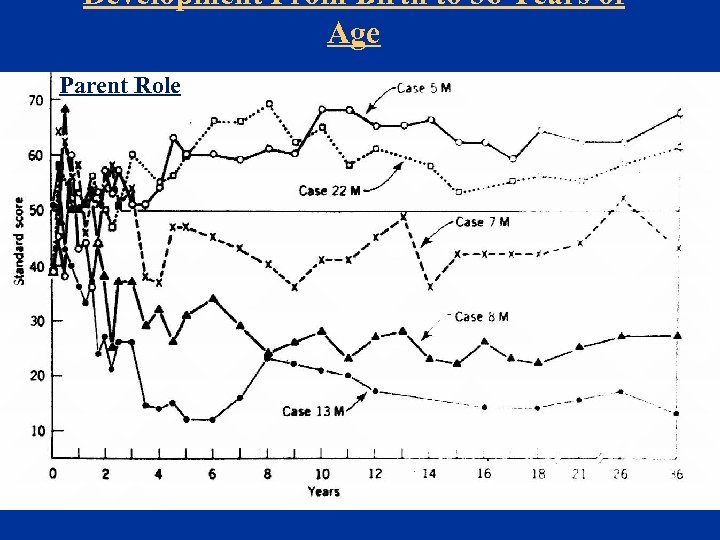 Development From Birth to 36 Years of Age Parent Role
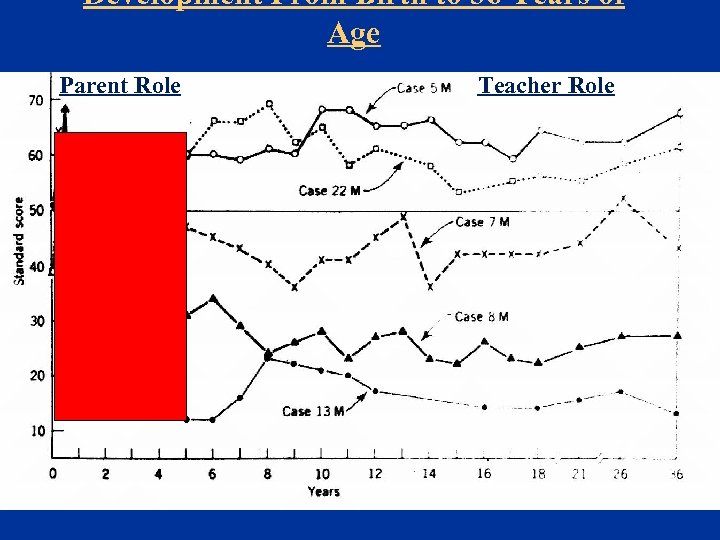 Development From Birth to 36 Years of Age Parent Role Teacher Role
 What happens inside the red box? (the first 5 years of life)
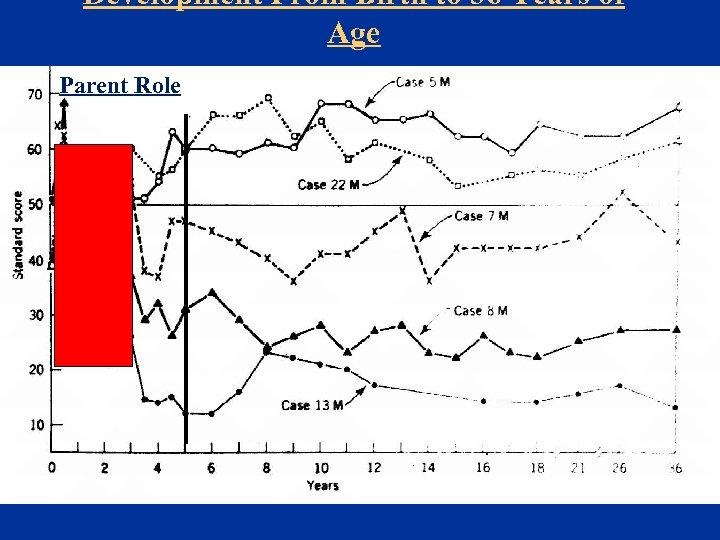 Development From Birth to 36 Years of Age Parent Role
 What happens inside the small red box? (the first 3 years of life)
 Emotional Development: The Organization of Emotional Life in the Early Years Sroufe, L. Alan Cambridge University Press 1997
 . The Development of the Person: The Minnesota Study of Risk and Adaptation from Birth to Adulthood Sroufe, L. A. , Egeland, B. , Carlson, E. , & Collins, W. A. New York: Guilford Publications 2005
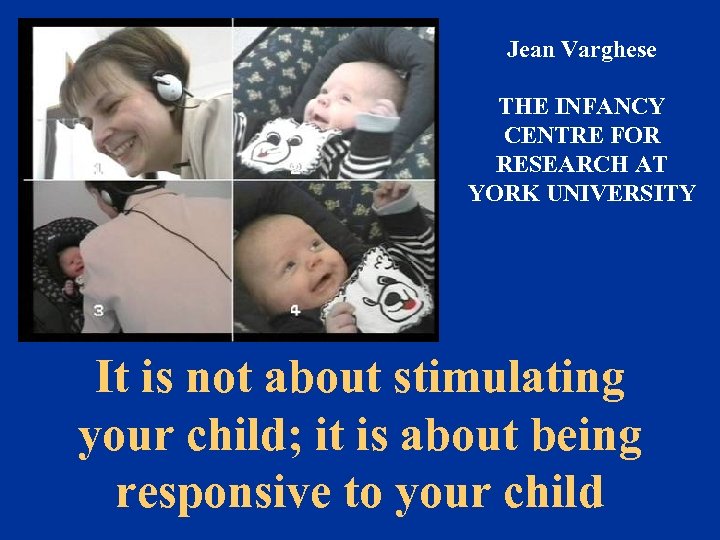 Jean Varghese THE INFANCY CENTRE FOR RESEARCH AT YORK UNIVERSITY It is not about stimulating your child; it is about being responsive to your child
 Infants develop into confident and cooperative problem solvers 2 -23 years later if caregivers are responsive to their cues through the first 6 -7 months of life (primary socialization)
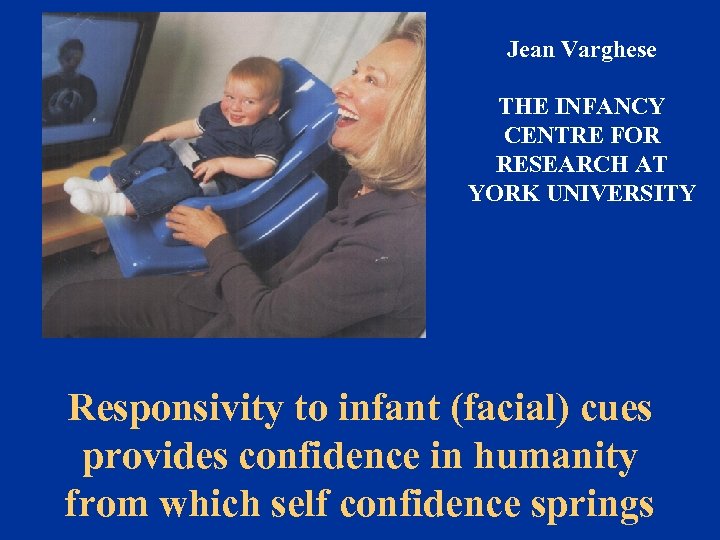 Jean Varghese THE INFANCY CENTRE FOR RESEARCH AT YORK UNIVERSITY Responsivity to infant (facial) cues provides confidence in humanity from which self confidence springs
 Neurodevelopmentally, to become a self-confident problem solver who works well with others, a child first has to develop trust in others (cf. Erikson’s Infant Stage Trust vs. Mistrust, where the infant needs maximum comfort with minimal uncertainty to trust himself/herself, others, and the environment)
 What happens outside the small red box? (between 3 -5 years of age)
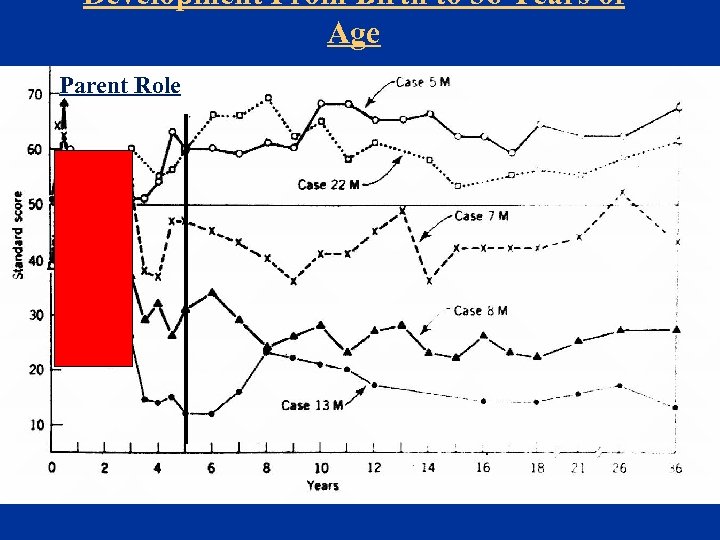 Development From Birth to 36 Years of Age Parent Role
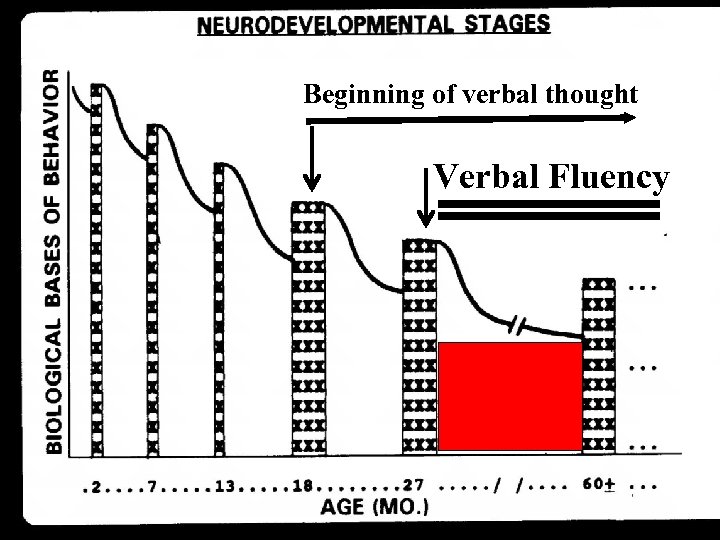 Beginning of verbal thought Verbal Fluency
 Failure to achieve verbal fluency can cause developmental “deterioration” between 3 -5 years of age and undermine preparation for school entry
 Gender Differences in the Relationship of Language Development to Disruptive Behavior and Peer Relationships in Preschoolers Rebecca M. Stowea, David H. Arnold, & Camilo Ortiz Journal of Applied Developmental Psychology, 1999, 20, 521 -536
 Gender Differences in the Relationship of Language…(1999) • Language skills were assessed with standardized tests • Lower levels of language skills were more strongly associated with disruptive behavior and poor peer relationships for boys than for girls • Disruptive behavior was related to the probability that a child would be referred for services • Language development difficulties tended to be seen by teachers only when paired with behavior problems
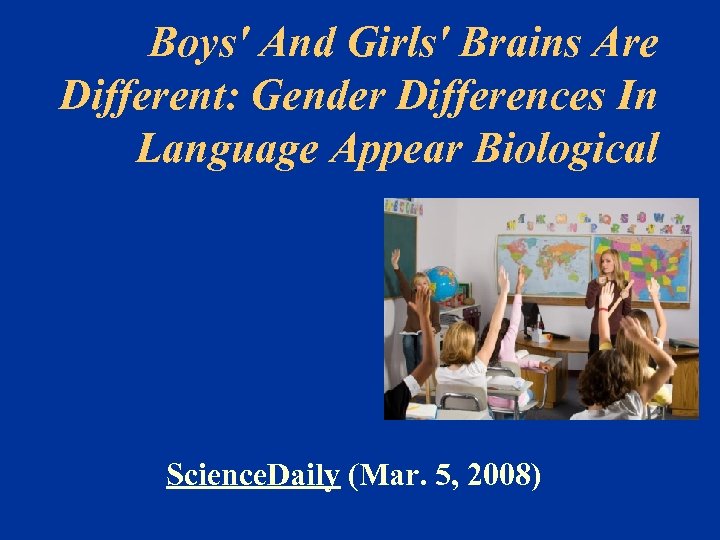 Boys' And Girls' Brains Are Different: Gender Differences In Language Appear Biological Science. Daily (Mar. 5, 2008)
 Boys' And Girls' Brains Are Different…(2008) • For the first time -- and in unambiguous findings -- researchers from Northwestern University and the University of Haifa show both that areas of the brain associated with language work harder in girls than in boys during language tasks, and that boys and girls rely on different parts of the brain when performing these tasks • "Our findings -- which suggest that language processing is more sensory in boys and more abstract in girls -- could have major implications for teaching children and even provide support for advocates of single sex classrooms…”
 Characteristics of Gifted Learners • Passionate in their quest to master new material (rapidly) • Sensitive to nuance and implication, with an “unforgiving” memory • Often narrowly talented in an area of strong interest which leads to uneven development • Creative to the point of genius, which makes them unpredictable—the more creative, the less predictable
 Parental Responsibilities • Passionate—channel the passion and keep it positive, ideally within a social context • Sensitive—be sensitive regarding the words you use and the impact of your own behavior • Ensure variety—don’t let an interest become an obsession; diverse experiences are needed and a child needs to learn from mistakes • Channel creativity—develop and adhere to a schedule or routine that emphasizes responsibility while permitting creative input
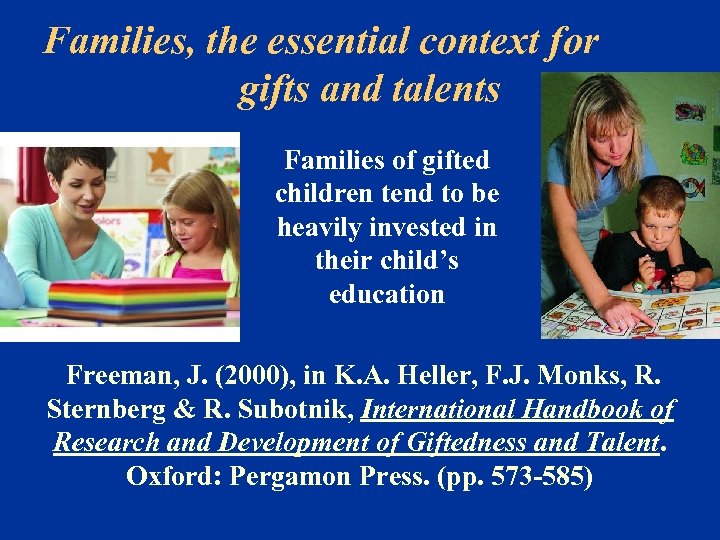 Families, the essential context for gifts and talents Families of gifted children tend to be heavily invested in their child’s education Freeman, J. (2000), in K. A. Heller, F. J. Monks, R. Sternberg & R. Subotnik, International Handbook of Research and Development of Giftedness and Talent. Oxford: Pergamon Press. (pp. 573 -585)
 Freeman, J. (2000) The higher the children's IQ scores, especially over IQ 130 (top 2%), the better the quality of their educational support, measured in terms of reported verbal interactions and activities with parents, number of books and musical instruments in the home, etc. In a detailed review of influences on the development of children’s IQ, Slater (1995) concluded that the best predictor of all is parents’ IQ, education and socioeconomic status.
 Pitfalls of Gifted Learning can have Preschool Origins • High activity level untempered by self control (can’t tell time; never learned to wait) • Passionate sensitivity that is unpredictable due to inconsistency of parental/caregiver behavior • Inability to verbally mediate personal behavior— excessive “visual thinking” that undermines culture and linguistic symbols of authority • Obsessive-compulsive behavior involving a restricted range of interests and activities
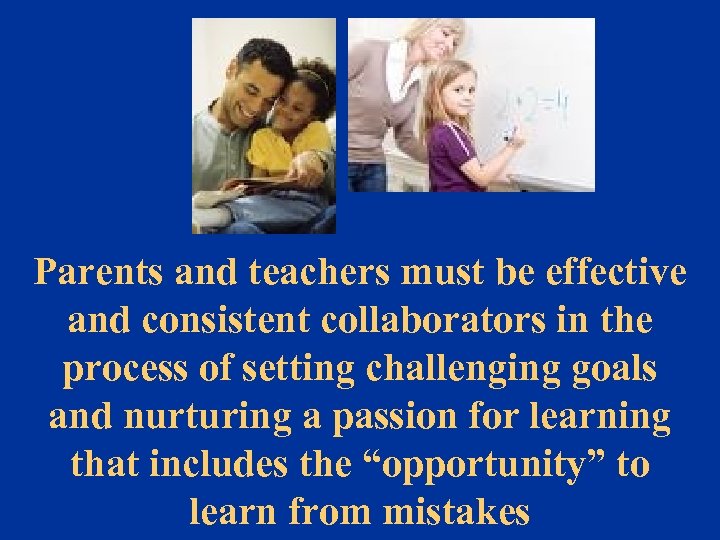 Parents and teachers must be effective and consistent collaborators in the process of setting challenging goals and nurturing a passion for learning that includes the “opportunity” to learn from mistakes
 Teachers understand children like yours because they have worked successfully with hundreds or thousands of similar children
 The challenge for educators and parents is to cooperatively set goals that are challenging to work toward, but nevertheless within reach for each diverse and often highly creative learner
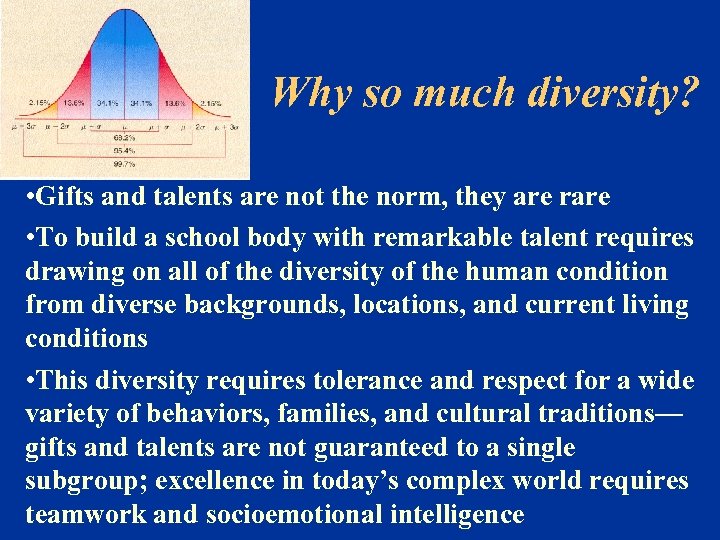 Why so much diversity? • Gifts and talents are not the norm, they are rare • To build a school body with remarkable talent requires drawing on all of the diversity of the human condition from diverse backgrounds, locations, and current living conditions • This diversity requires tolerance and respect for a wide variety of behaviors, families, and cultural traditions— gifts and talents are not guaranteed to a single subgroup; excellence in today’s complex world requires teamwork and socioemotional intelligence
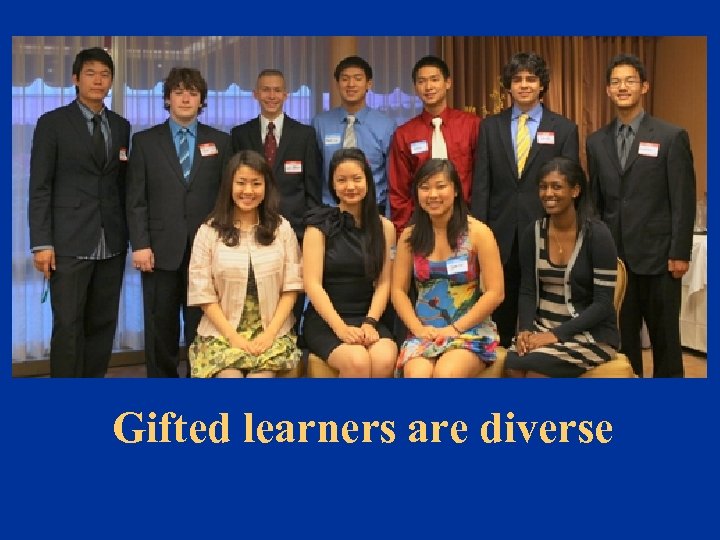 Gifted learners are diverse
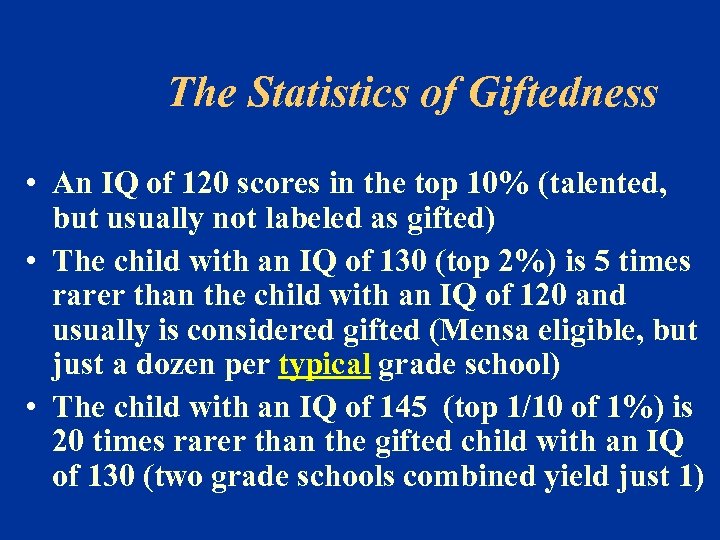 The Statistics of Giftedness • An IQ of 120 scores in the top 10% (talented, but usually not labeled as gifted) • The child with an IQ of 130 (top 2%) is 5 times rarer than the child with an IQ of 120 and usually is considered gifted (Mensa eligible, but just a dozen per typical grade school) • The child with an IQ of 145 (top 1/10 of 1%) is 20 times rarer than the gifted child with an IQ of 130 (two grade schools combined yield just 1)
 Why do problems arise? • Few children are uniformly advanced; the majority show uneven development • Physical/emotional maturity usually can’t keep up with intellectual precocity • Strengths are most predictive of future performance, and that is how adults judge children without even thinking about their relative weaknesses
 Why do problems arise? • A child with uneven development will perceive (unrealistic) adult expectations based on their strengths, and will develop performance anxiety • Performance anxiety can evolve into generalized anxiety or emotional fragility, especially if the child is worried about maintaining placement at Quest • Unruly and/or disrespectful behavior can occur if the child is pushed too hard/far
 Why do problems arise? • Strong emotional responses to criticism occur because the child’s self concept as an able and intelligent child is being challenged by errors and mistakes • Extreme emotional responses occur when a child has rarely/never failed to achieve a goal and finally has to confront the challenge of learning from mistakes • Emotions are high when the child has no alternative adaptive behaviors
 Characteristics of Immaturity • Communication often involves emotion and movement, rather than words—very active and emotional or passionate (to a fault) • Poor verbal comprehension & verbal reasoning, even if vocabulary is quite good • A “visual thinker” who learns by seeing • Often left-handed or ambidextrous with mixed preferences (eye, ear, hand, foot)
 Characteristics of Neurodevelopmental Immaturity • • Limited auditory short-term memory Slow finger tapping speed Impulsive (nonverbal) behavior Immature drawing skills—trouble with diagonal lines and complex figures
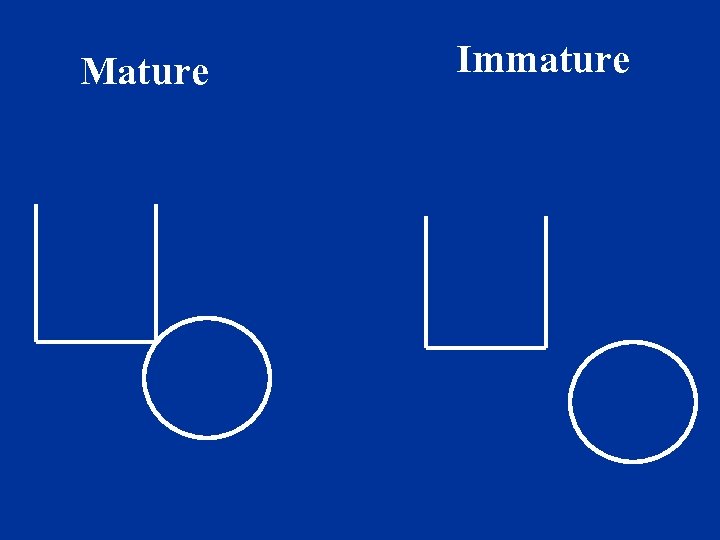 Mature Immature
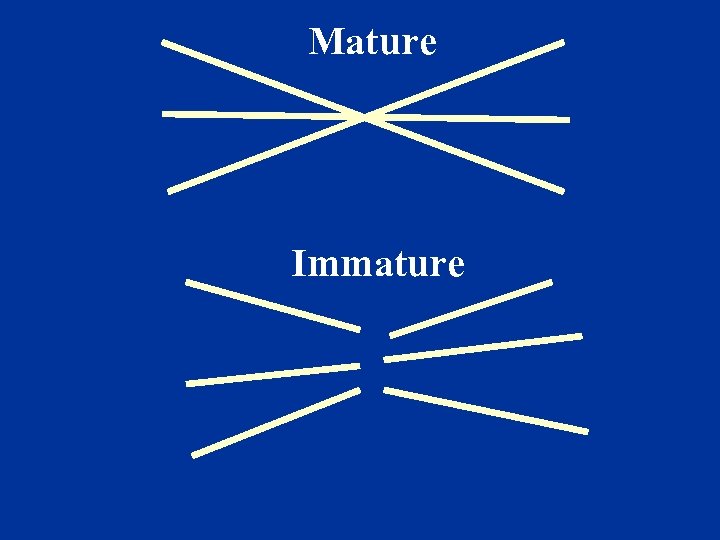 Mature Immature
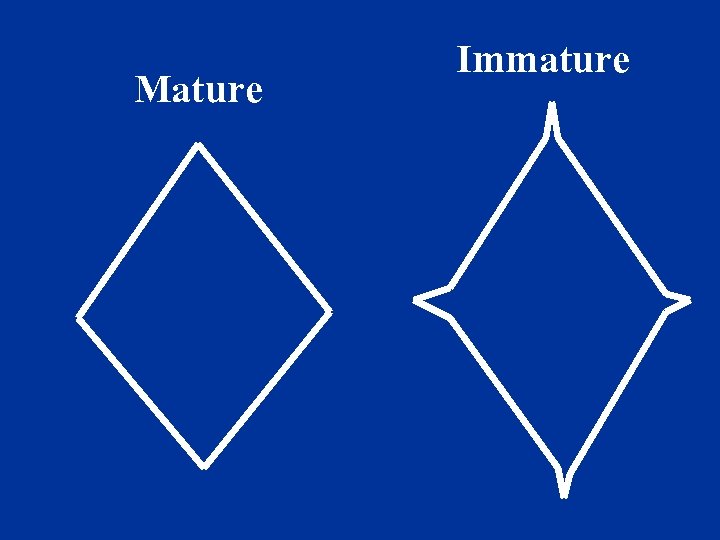 Mature Immature
 What is the effect of intelligence on visual-perceptual skills?
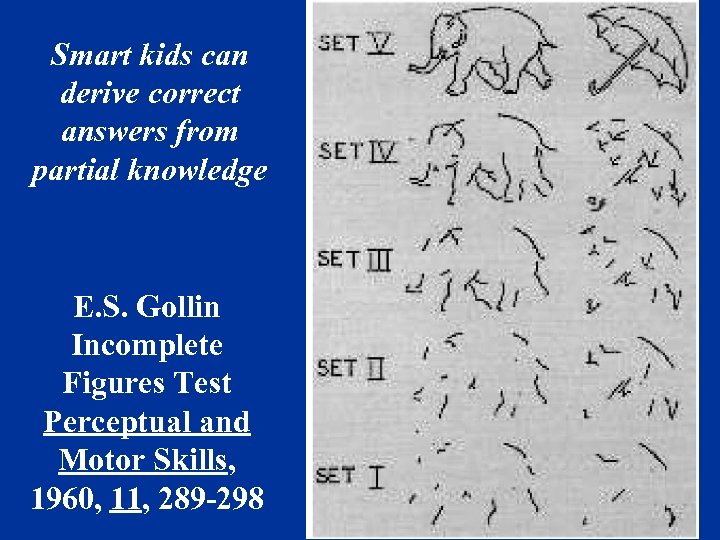 Smart kids can derive correct answers from partial knowledge E. S. Gollin Incomplete Figures Test Perceptual and Motor Skills, 1960, 11, 289 -298
 Good News, Bad News Signs of Readiness to Learn Reduced impulsivity and increased self control if verbal mediation is dominant (a problem in left handers? ) Consistency of behavior (integrity) and trustworthiness Logical thought processes and a maturing sense of humor that includes the capacity for modest self deprecation
 Good News, Bad News Emerging problems Performance anxiety if large discrepancies exist between strengths and weaknesses Embarrassment, fear(s) and self consciousness Perfectionism when work ethic is strong but the work is not adequately challenging Laziness and/or carelessness if the “everything comes too easily”
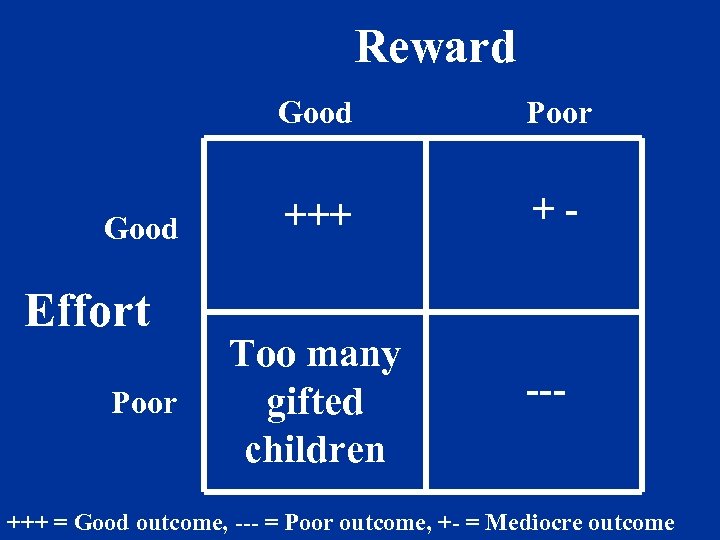 Reward Good Effort Poor +++ + - Too many gifted children --- +++ = Good outcome, --- = Poor outcome, +- = Mediocre outcome
 Challenges to gifted education • Immature/emotional and inappropriate or disrespectful behavior, often related to uneven development • Creative to a fault—chooses inappropriate friends or activities • Perfectionistic to the point of becoming miserable and depressed • A loner, doesn’t get along well with “peers”
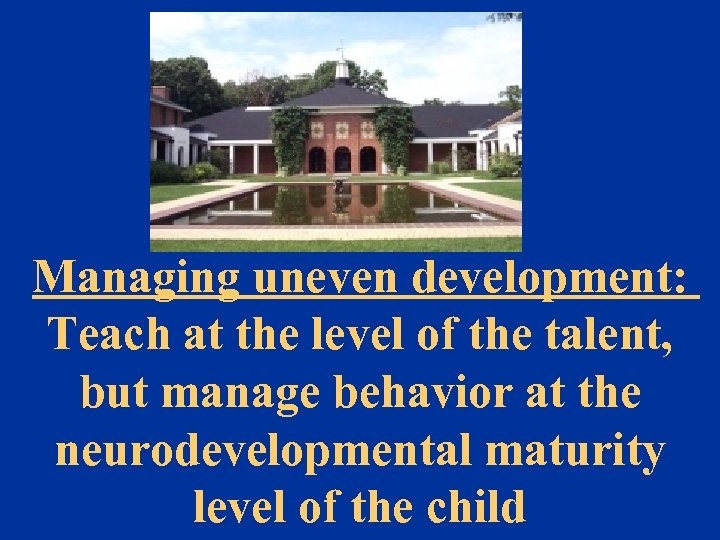 Managing uneven development: Teach at the level of the talent, but manage behavior at the neurodevelopmental maturity level of the child
 “Differentiation for Gifted Children: It’s All About Trust” (i. e. , trustworthy behavior) Dorothy Knopper and Carol Fertig Illinois Association for Gifted Children Journal, 2005, 6– 8
 Differentiation for Gifted Children “Because of the three different levels of ability within this high-level math class, Mr. Nelson needed to decide when he would include all of his students in instruction and how he would modify assignments to fit the variety of needs. He wanted to engage all the students in meaningful learning. He realized that everyone didn’t need to be doing the exact same thing at the same time. ”
 Differentiation for Gifted Children “He saw that one possible option would be to include everyone in the general instruction piece, then split the class into three sections for the practice work. The majority of the students could do the standard practice work provided with the lesson. Those who already understand the concept could be given enrichment activities, preferably using that concept at a higher level…students who were struggling could meet with Mr. Nelson for reinforcement. ” Uneven development
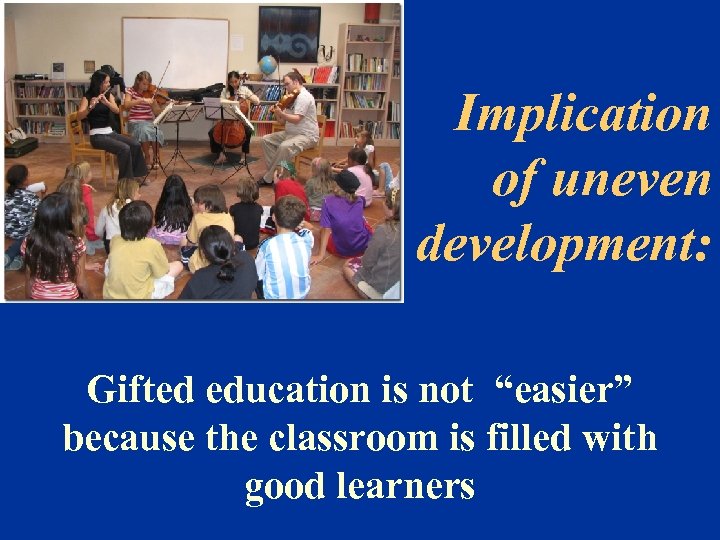 Implication of uneven development: Gifted education is not “easier” because the classroom is filled with good learners
 Frustration and emotion in the child with uneven development • Don’t assume!—Expectations may have to be adjusted since gifted children tend to show high variance—the “math whizzes” may lag in verbal skills, and verbally eloquent children may lag significantly in math skills • Be realistic!—Relative weaknesses are not a predictor of long-term performance but will have to be managed
 Preventing constant frustration and emotion in the child with uneven development • Activities and roles must be selected that don’t “victimize” a child with lagging motor or verbal skills (e. g. , the “mad minute in math, ” or asking for lengthy verbal exposition from the dysfluent dual language child—ask what the author meant, not what happened) • Accommodations may be necessary (e. g. , more time to achieve mastery)
 Arrogant and disrespectful of authority • Gifted children with uneven development may believe that they are uniformly smart and often try to hide their relative weaknesses (e. g. , claiming work is “boring” or “too easy” or resisting a written assignment due to their poor writing skills)) • Anger and disrespect can result when they are challenged/criticized since their self concept is being threatened • It will be better if they do not believe that they are “special” or members of a “chosen group”
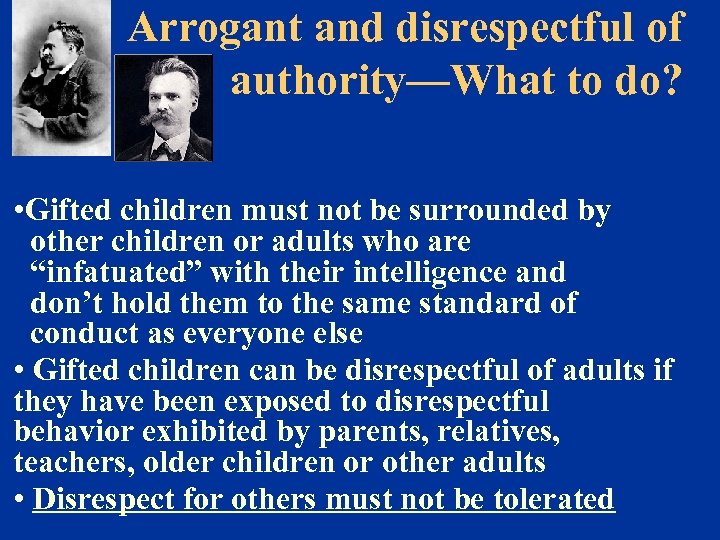 Arrogant and disrespectful of authority—What to do? • Gifted children must not be surrounded by other children or adults who are “infatuated” with their intelligence and don’t hold them to the same standard of conduct as everyone else • Gifted children can be disrespectful of adults if they have been exposed to disrespectful behavior exhibited by parents, relatives, teachers, older children or other adults • Disrespect for others must not be tolerated
 Friendship Patterns of the Gifted • Tend to strike up friendships with children who are struggling with disorders or disabilities (e. g. , ADHD, Down Syndrome, cerebral palsy, etc. ) to satisfy the creative need for novelty • Tend to have very few “real friends, ” and often is found in solitary activities (e. g. , collecting) • Need to be “dragged” out of the house to attend social events, and doesn’t seem to adapt • Doesn’t want to join “typical” same age groups
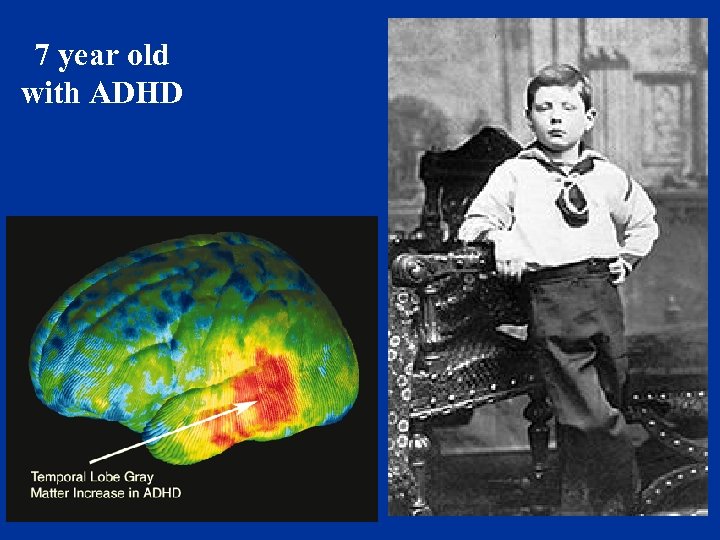 7 year old with ADHD
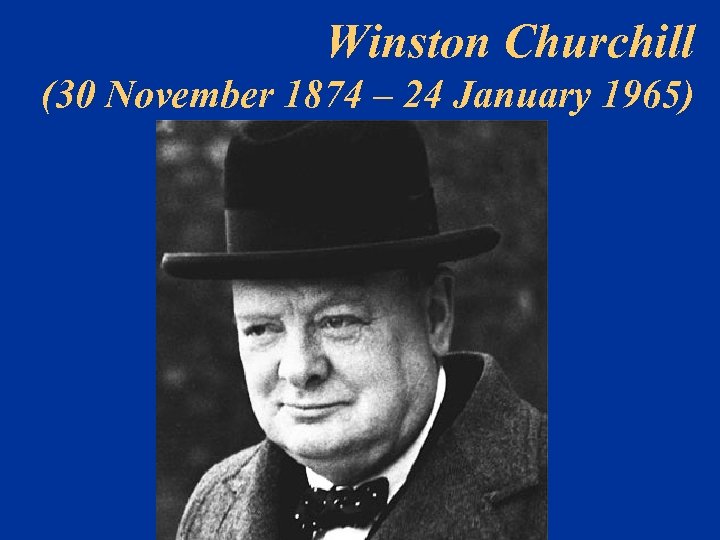 Winston Churchill (30 November 1874 – 24 January 1965)
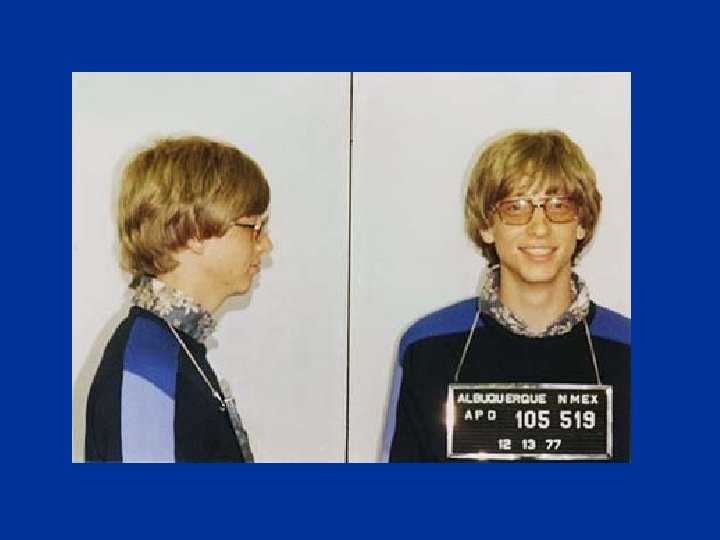
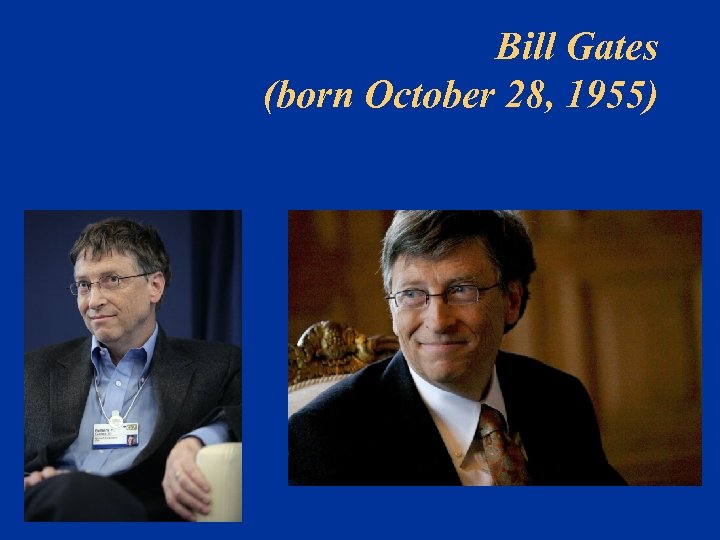 Bill Gates (born October 28, 1955)
 Friendship Patterns of the Gifted are Critically Important * If there aren’t enough gifted children in the child’s milieu, s/he will choose pathological friends who satisfy the thirst for novelty * With no peers, the gifted child tends to socialize with much older children and/or adults either in person or on the internet * Without peers, the gifted child may become bossy and obnoxious as s/he “masters” the social group * Absence of peers can lead to social isolation and depression
 Creativity to a fault • Creative insight requires preparation (“chance favors the prepared mind”—Louis Pasteur) • Creativity is unusual and unpredictable • Creative acts without structure or (academic) context may not lead anywhere • Creativity comes in many varieties (visual, mathematical, poetic or lyrical, etc. ) • Creative distortions are humorous but can be quite disruptive in the classroom
 The Left-Hander Syndrome Coren, S. New York: Vintage (A division of Random House), 1993
 Dealing with problems— Perfectionism (NAGC) A desire to please others: Our children need to know we value who they are, not what they do… This is also linked to a dependence on external motivators such as praise, prizes, and grades rather than finding pleasure and fulfillment in the job itself. Easy successes at a young age: Children who haven't had a challenge don't learn how to bounce back. The development of expertise takes work…
 Dealing with problems— Perfectionism (NAGC) Difficulty setting realistic goals: Multiple abilities mixed with multiple interests plus curiosity and enthusiasm for life can equal overload. Learning how to make reasonable choices is an ongoing challenge. Socializing with older people: Gifted children have a tendency to associate with older children and adults in their quest for intellectual peers, but the standards exhibited by older persons often are unattainable by the child (added to NAGC points)
 Dealing with problems-Perfectionism • Foster academic competence toward realistic goals • Differentiate the curriculum to prevent perfect work, and make the work challenging • Consider advanced grade placement for children who are extremely accelerated in their capabilities • Meet with the family and provide counseling or therapy for the child who is too extreme
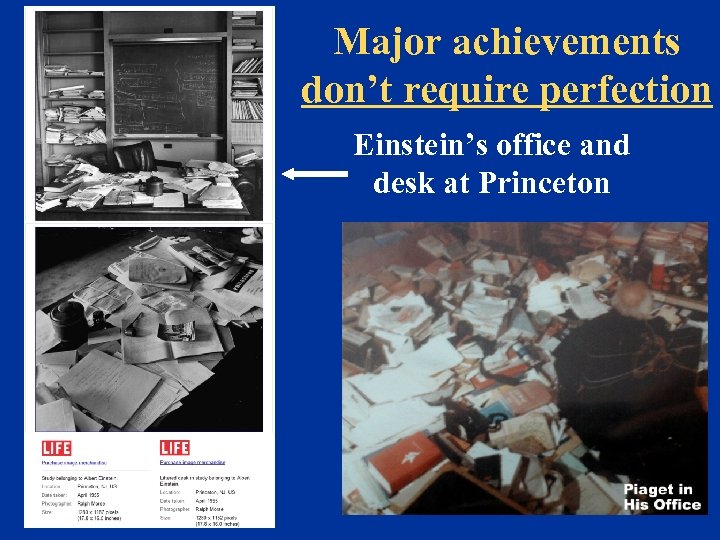 Major achievements don’t require perfection Einstein’s office and desk at Princeton
 Perfectionism in children: Associations with depression, anxiety, and anger Paul L. Hewitt, Carmen F. Caeliana, Gordon L. Flett, Simon B. Sherry, Lois Collins and Carol A. Flynn, Personality and Individual Differences, 2002, 32, 1049 -1061
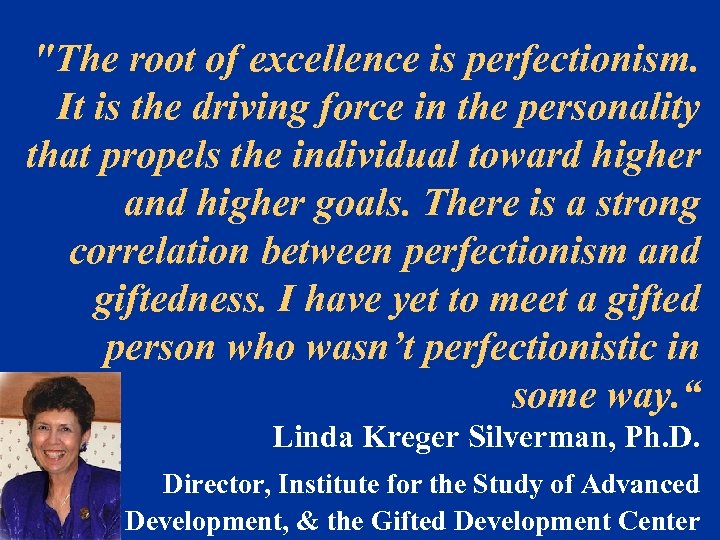 "The root of excellence is perfectionism. It is the driving force in the personality that propels the individual toward higher and higher goals. There is a strong correlation between perfectionism and giftedness. I have yet to meet a gifted person who wasn’t perfectionistic in some way. “ Linda Kreger Silverman, Ph. D. Director, Institute for the Study of Advanced Development, & the Gifted Development Center
 Disagreements about perfectionism may be the product of real variations in the phenomenon
 Two types of perfectionism Normal perfectionism is evidenced when an individual derives a sense of pleasure from painstaking effort while accepting … personal and situational limitations Neurotic perfectionism is evidenced by an intense need to avoid failure. Individuals struggling with neurotic perfectionism do not derive pleasure from a job well done. They are driven by deep-seated feelings of inferiority. This type of perfectionism has been linked with a higher risk of depression. (Sidney J. Blatt, Ph. D. )
 Depression and Giftedness Two possible contributing factors to depression in gifted children are perfectionism and emotional sensitivity. Depression is a serious problem with which some gifted children struggle, and is quite different from the blues everyone feels from time to time. It is an overwhelming sense of sadness or emptiness combined with a number of other symptoms. Individuals suffering from depression may have a preoccupation with suicide, and they may be plagued by feelings of guilt and worthlessness. http: //www. twicegifted. net/id 8. html
 Inability to cooperate • The only child is more likely to have this problem • The most brilliant child is at high risk— is used to working alone on problems or issues not (fully) understood by peers • The most perfectionistic child is at very high risk since s/he has trouble “signing off” on inferior work (s/he will try to do all of the work by her/himself)
 Summary • Good (social) behavior and cooperation is essential to success in a gifted classroom • The roots of competent problem solving lie in the first 6 -7 months of life • Language skills are critical and carry the burden of culture and the academic environment • Frustration, emotion and disruptive behavior are common consequences of uneven development and the stresses associated with large discrepancies between strength and weaknesses
 Summary • Gifted children benefit from examination of high achievement and study of the life histories of those who have accomplished remarkable things with their talents • The child who can do things that no one else can do (e. g. , first draft essays, 3 -D mazes, calculus, etc. ) must be set to work toward higher/different concrete/productive and creative goals with appropriate collaborators and/or mentors
 “When I was in the seventh grade, I was in an advanced math class. And in my math teacher's classroom at the junior high school I went to, they got the first teletype terminal at the school. And this was of course before personal computers, and basically you could like write a program and send it off to a big mainframe -- the answer would come back. And I became kind of, you know, fascinated with this idea of a computing machine. I thought that was pretty cool, so I would sort of program this teletype terminal and sort of learned all I could about computers. ”
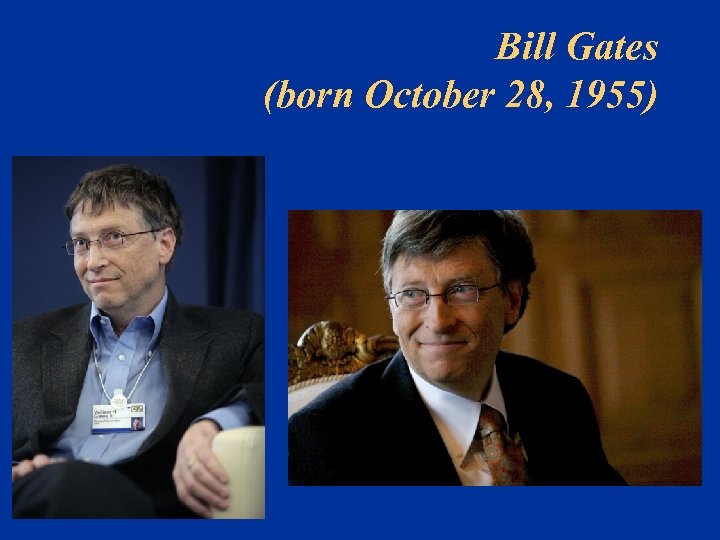 Bill Gates (born October 28, 1955)
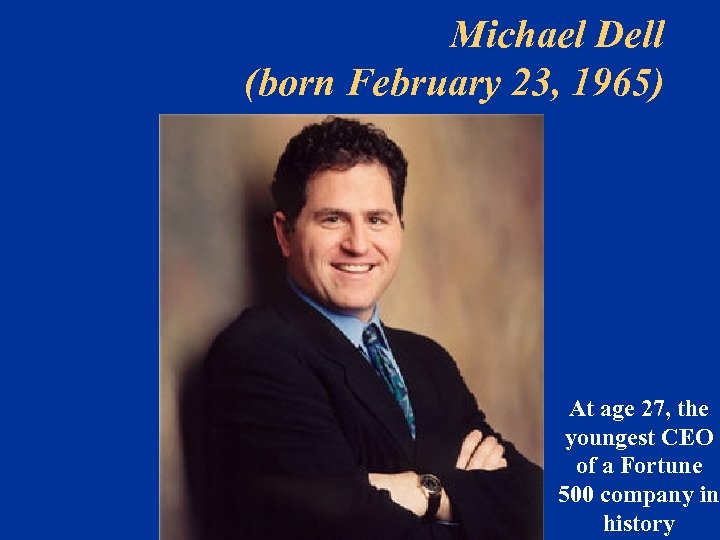 Michael Dell (born February 23, 1965) At age 27, the youngest CEO of a Fortune 500 company in history
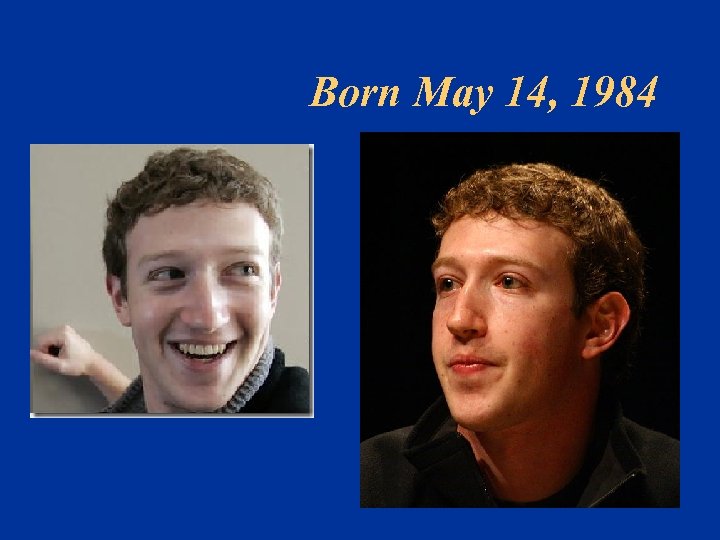 Born May 14, 1984
 Mark Zuckerberg, Age 26 Time Magazine Person of the Year 2010 (net worth $6. 9 billion) Facebook was valued at $15 billion in 2007—only Google, e. Bay, Yahoo and Amazon were worth more