Скачать презентацию University of Texas El Paso April 8 2005
ae11fb1189d5f3f6782a47683753df1c.ppt
- Количество слайдов: 57
 University of Texas, El Paso April 8, 2005 Nutrition, Endocrinology & Diabetes Kenneth L. Campbell Professor of Biology University of Massachusetts at Boston
 This presentation is made possible by a grant entitled “Shortcourses in Endocrinology at Minority Undergraduate Institutions” from the National Institute of General Medical Sciences (NIGMS) to The Minority Affairs Committee of the Endocrine Society
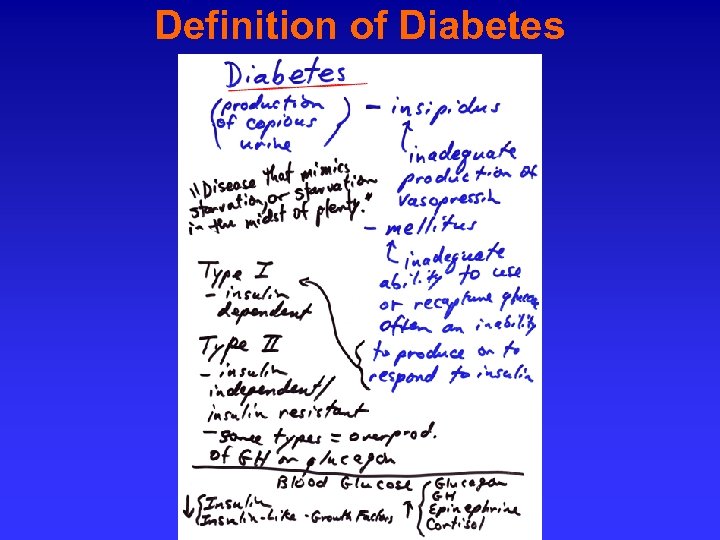
 The Medical Problems of Diabetes & Obesity Over 16 million in the US have clinically diagnosed diabetes mellitus; about 8% of the population. Of these, 91% have type 2 diabetes (strongly linked to obesity) & 9% have type 1 diabetes (autoimmune & genetic origin). Up to 16% of US whites have diabetes by age 70. Prevalences are often higher in other ethnic groups. > 65% of the US population is > 20% over the healthy body weight for their height, age, & gender & at risk for diabetes, cardiovascular disease (heart attack, stroke), & high blood pressure
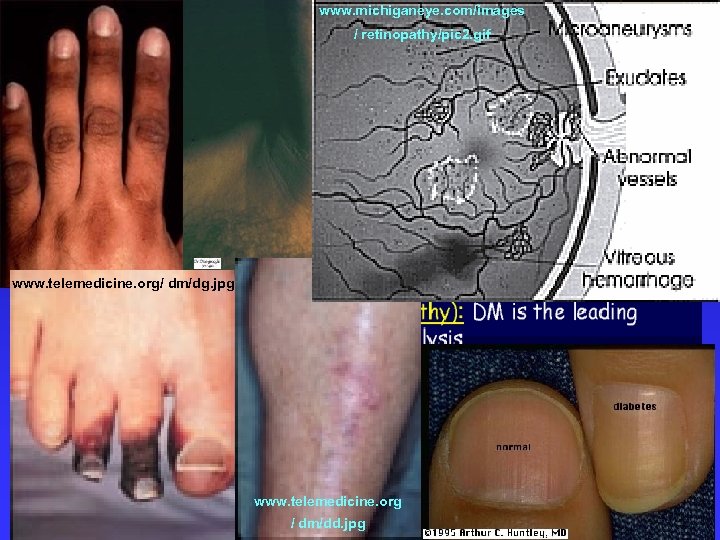 www. michiganeye. com/images / retinopathy/pic 2. gif www. telemedicine. org/ dm/dg. jpg www. telemedicine. org www. mds. qmw. ac. uk/biomed/kb/metabolism/Pancreas%20 lecture/sld 019. htm / dm/dd. jpg
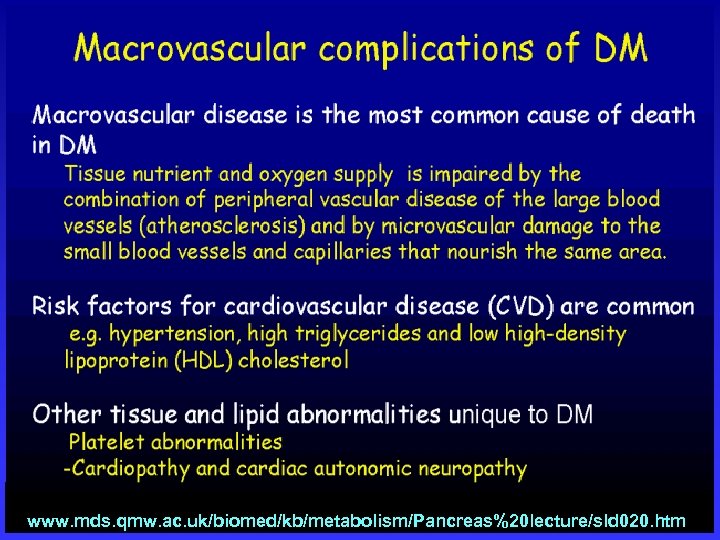 www. mds. qmw. ac. uk/biomed/kb/metabolism/Pancreas%20 lecture/sld 020. htm
 Obtaining & Processing Nutrients
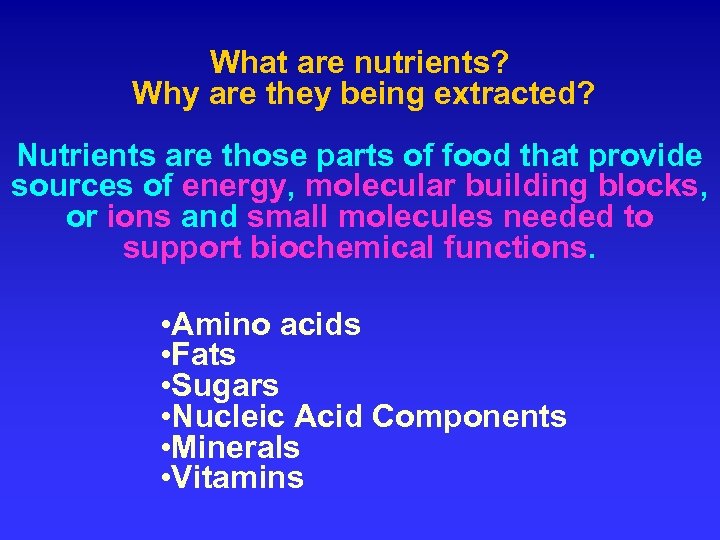 What are nutrients? Why are they being extracted? Nutrients are those parts of food that provide sources of energy, molecular building blocks, or ions and small molecules needed to support biochemical functions. • Amino acids • Fats • Sugars • Nucleic Acid Components • Minerals • Vitamins
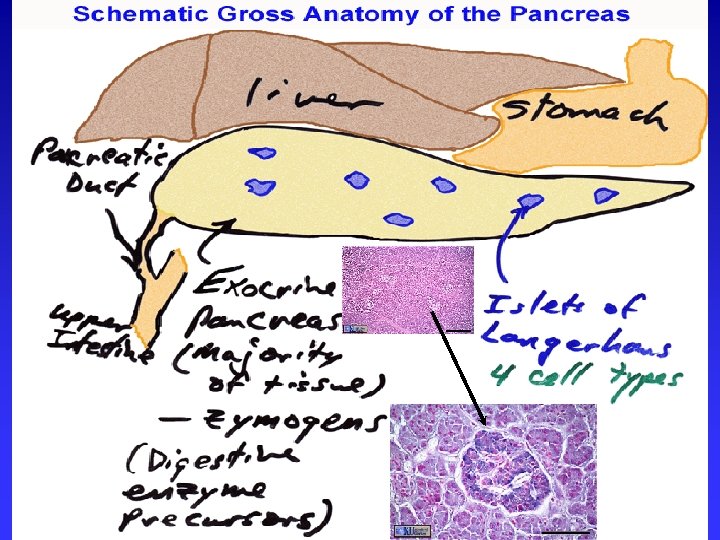
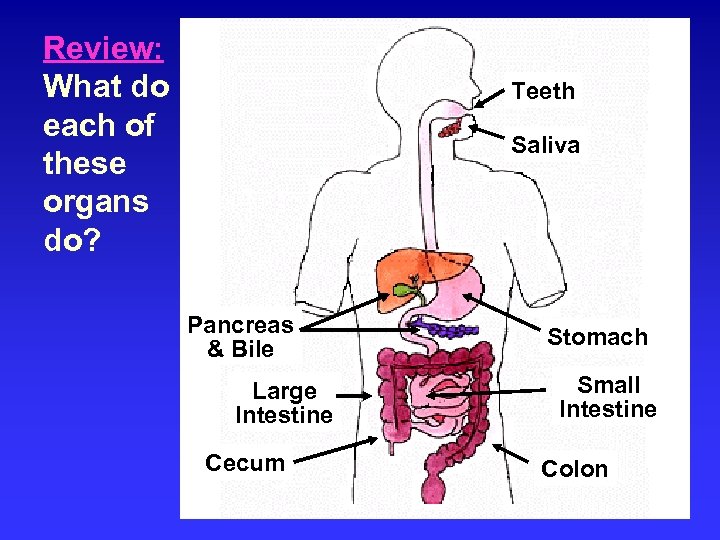
 Where does this occur? Teeth: break food into smaller particles & mix in saliva Saliva: adds water, buffer salts & often enzymes that begin sugar digestion Stomach: adds HCl & pepsin, a proteolytic enzyme Exocrine pancreas & bile: add enzymes & detergents for degrading protein, fats, sugars, & nucleic acids Small intestine: absorbs simple sugars, amino acids, fats, nucleosides, vitamins, & ions Cecum: often acts as a fermenter allowing bacteria to break down complex sugars Large intestine: absorbs water, ions, & small molecules Colon: absorbs water, stores feces
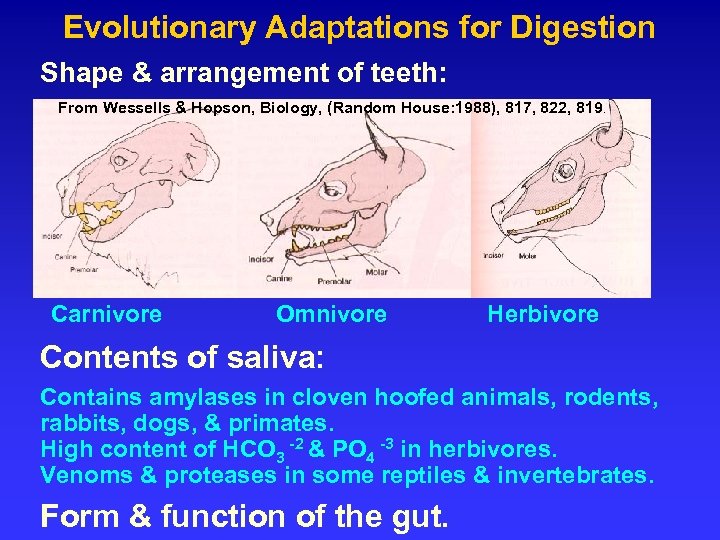 Evolutionary Adaptations for Digestion Shape & arrangement of teeth: From Wessells & Hopson, Biology, (Random House: 1988), 817, 822, 819. Carnivore Omnivore Herbivore Contents of saliva: Contains amylases in cloven hoofed animals, rodents, rabbits, dogs, & primates. High content of HCO 3 -2 & PO 4 -3 in herbivores. Venoms & proteases in some reptiles & invertebrates. Form & function of the gut.
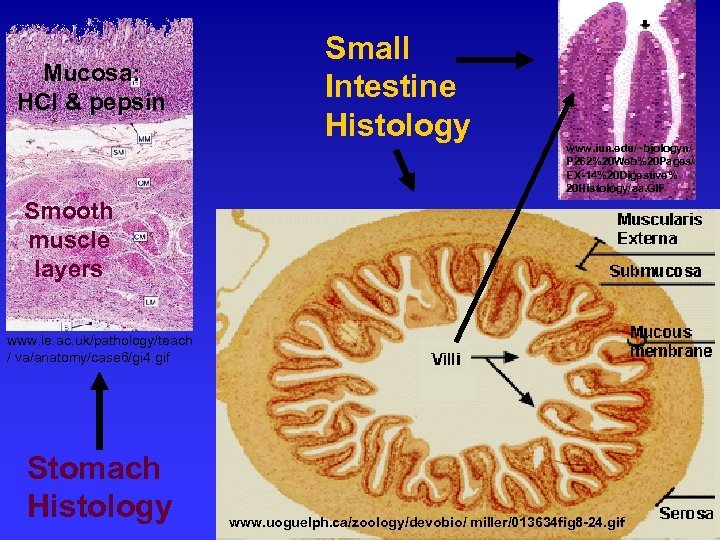 Mucosa: HCl & pepsin Small Intestine Histology www. iun. edu/~biologyn/ P 262%20 Web%20 Pages/ EX-14%20 Digestive% 20 Histology/aa. GIF Smooth muscle layers www. le. ac. uk/pathology/teach / va/anatomy/case 6/gi 4. gif Stomach Histology www. uoguelph. ca/zoology/devobio/ miller/013634 fig 8 -24. gif
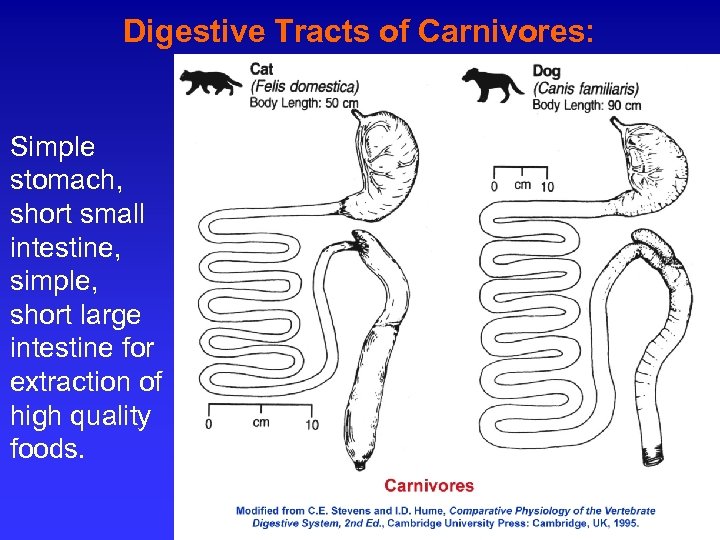 Digestive Tracts of Carnivores: Simple stomach, short small intestine, simple, short large intestine for extraction of high quality foods.
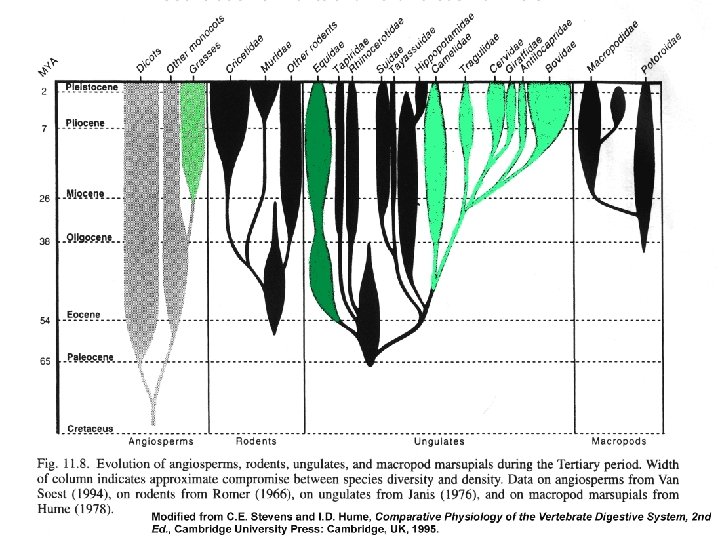
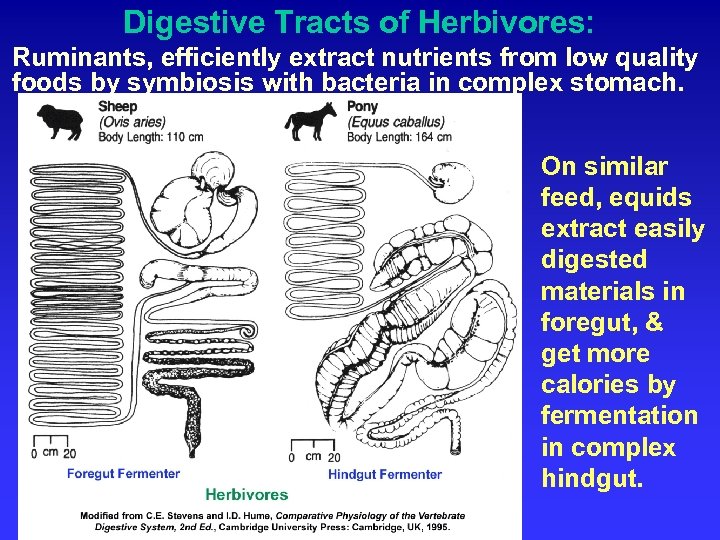 Digestive Tracts of Herbivores: Ruminants, efficiently extract nutrients from low quality foods by symbiosis with bacteria in complex stomach. On similar feed, equids extract easily digested materials in foregut, & get more calories by fermentation in complex hindgut.
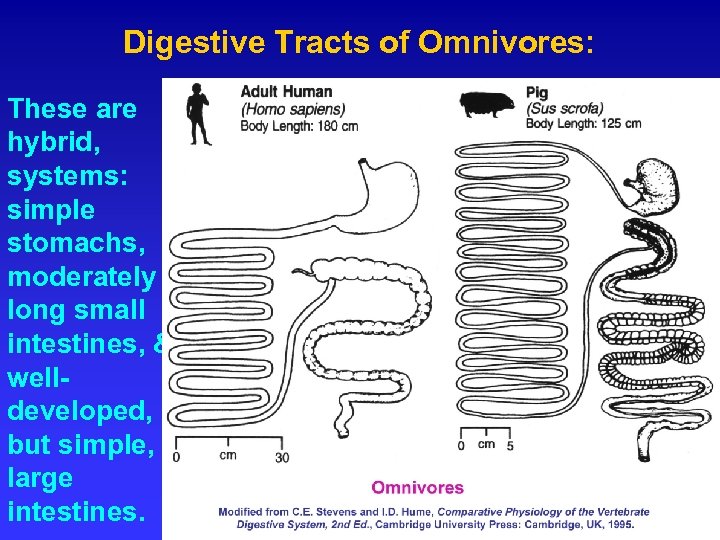 Digestive Tracts of Omnivores: These are hybrid, systems: simple stomachs, moderately long small intestines, & welldeveloped, but simple, large intestines.
 Summary: Digestion is an extraction & breakdown process optimized to provide metabolic building blocks & energy source molecules. Evolutionary adaptations match each animal’s anatomy & physiology to it’s food sources & quality.
 While nucleotides, amino acids, vitamins, & minerals are absorbed by the gut, transported in blood & lymph to the cells where they are used, fats & sugars often need other processing to generate the forms actually used by cells. Cholesterol and Other Fats
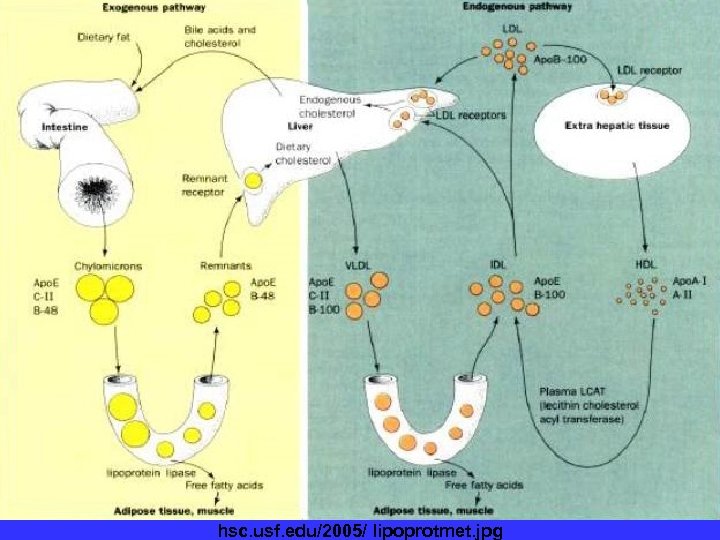 Fats are often broken down after being absorbed by the small intestine. They are moved as complexes wrapped in specific proteins. The earliest complexes have the most fat relative to protein and are the least dense. hsc. usf. edu/2005/ lipoprotmet. jpg
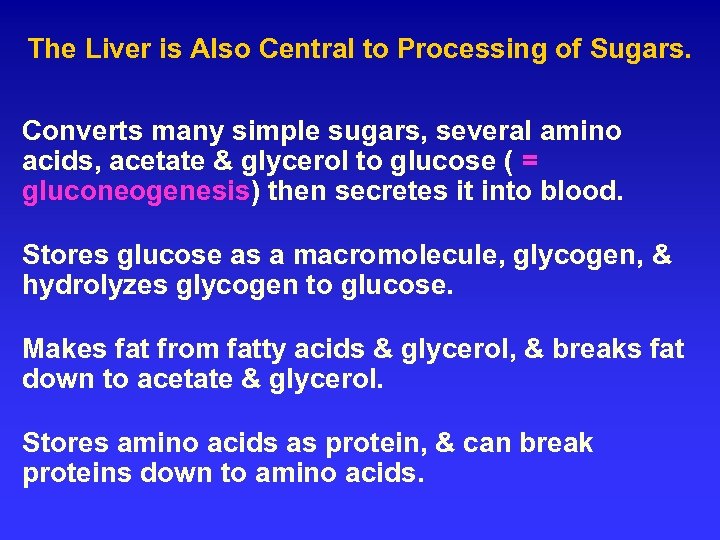 The Liver is Also Central to Processing of Sugars. Converts many simple sugars, several amino acids, acetate & glycerol to glucose ( = gluconeogenesis) then secretes it into blood. Stores glucose as a macromolecule, glycogen, & hydrolyzes glycogen to glucose. Makes fat from fatty acids & glycerol, & breaks fat down to acetate & glycerol. Stores amino acids as protein, & can break proteins down to amino acids.
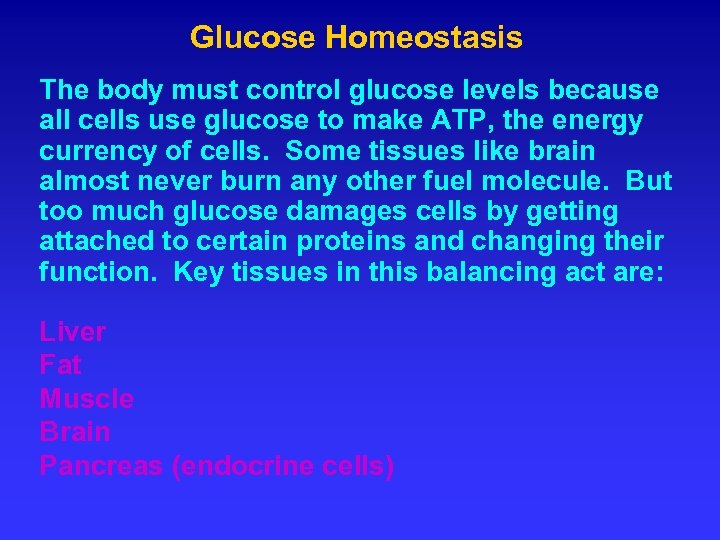 Glucose Homeostasis The body must control glucose levels because all cells use glucose to make ATP, the energy currency of cells. Some tissues like brain almost never burn any other fuel molecule. But too much glucose damages cells by getting attached to certain proteins and changing their function. Key tissues in this balancing act are: Liver Fat Muscle Brain Pancreas (endocrine cells)
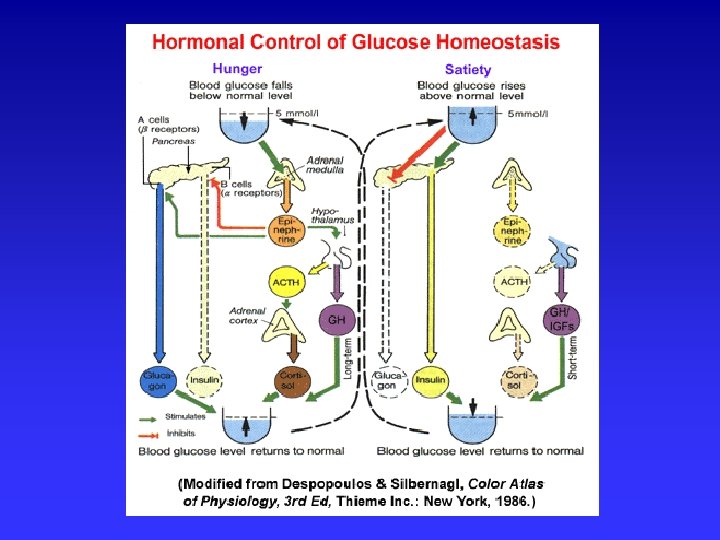
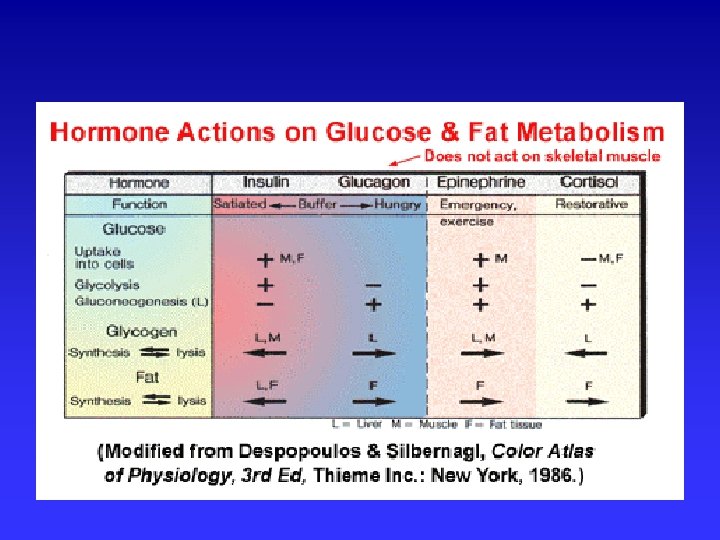
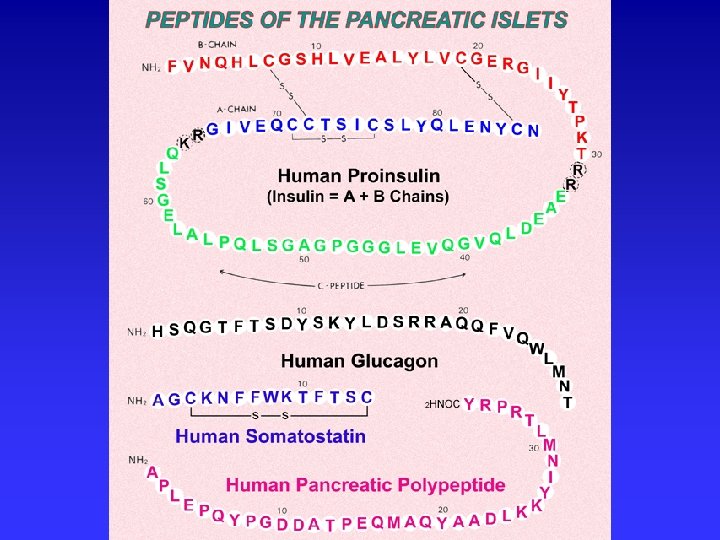
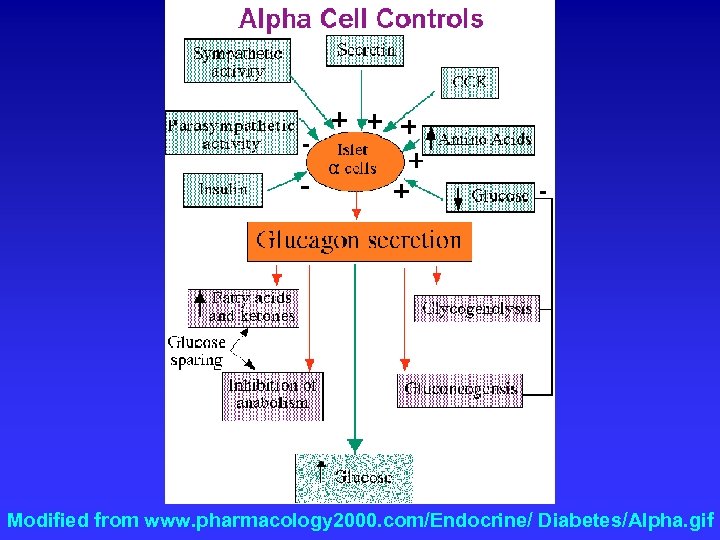
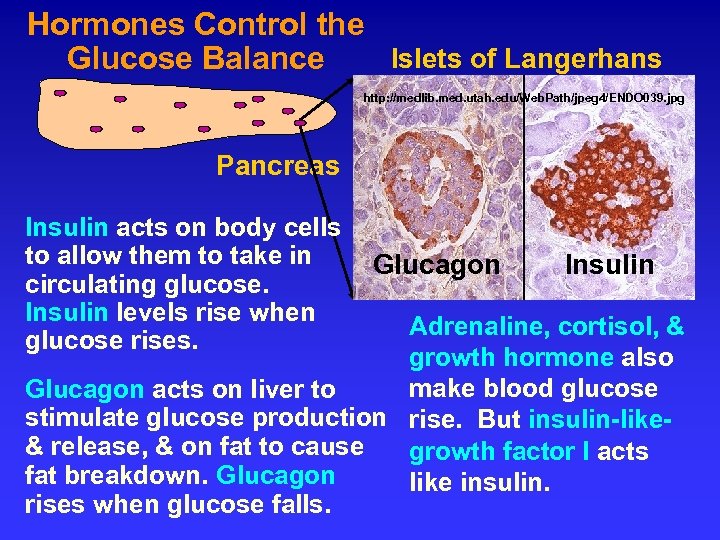 Hormones Control the Islets of Langerhans Glucose Balance http: //medlib. med. utah. edu/Web. Path/jpeg 4/ENDO 039. jpg Pancreas Insulin acts on body cells to allow them to take in circulating glucose. Insulin levels rise when glucose rises. Glucagon Insulin Adrenaline, cortisol, & growth hormone also make blood glucose Glucagon acts on liver to stimulate glucose production rise. But insulin-like& release, & on fat to cause growth factor I acts fat breakdown. Glucagon like insulin. rises when glucose falls.
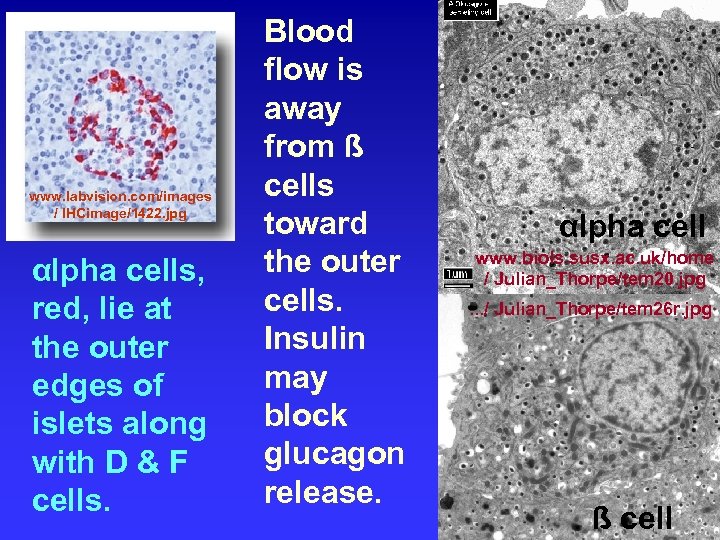 www. labvision. com/images / IHCimage/1422. jpg αlpha cells, red, lie at the outer edges of islets along with D & F cells. Blood flow is away from ß cells toward the outer cells. Insulin may block glucagon release. αlpha cell www. biols. susx. ac. uk/home / Julian_Thorpe/tem 20. jpg. . . / Julian_Thorpe/tem 26 r. jpg ß cell
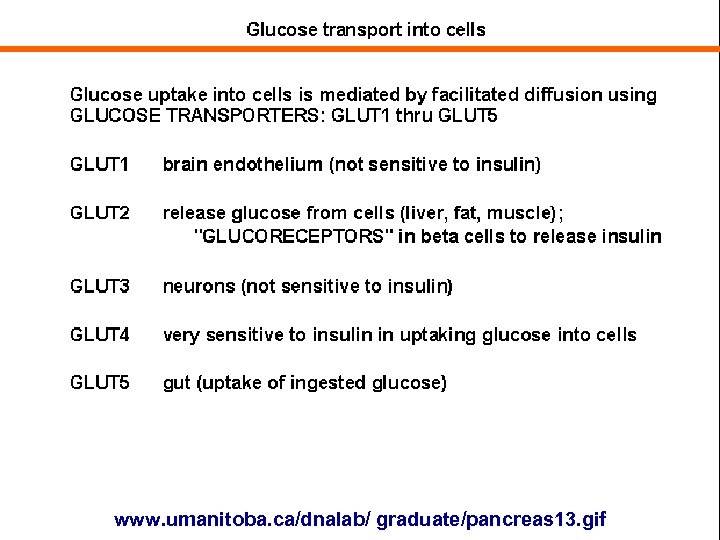 www. umanitoba. ca/dnalab/ graduate/pancreas 13. gif
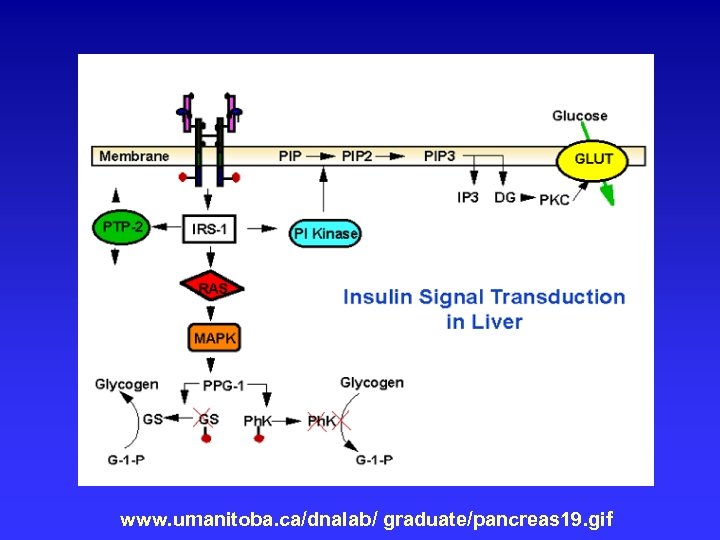 Mechanism of Action of Insulin www. umanitoba. ca/dnalab/ graduate/pancreas 19. gif
 www. mds. qmw. ac. uk/biomed/kb/metabolism/Pancreas%20 lecture/sld 014. htm
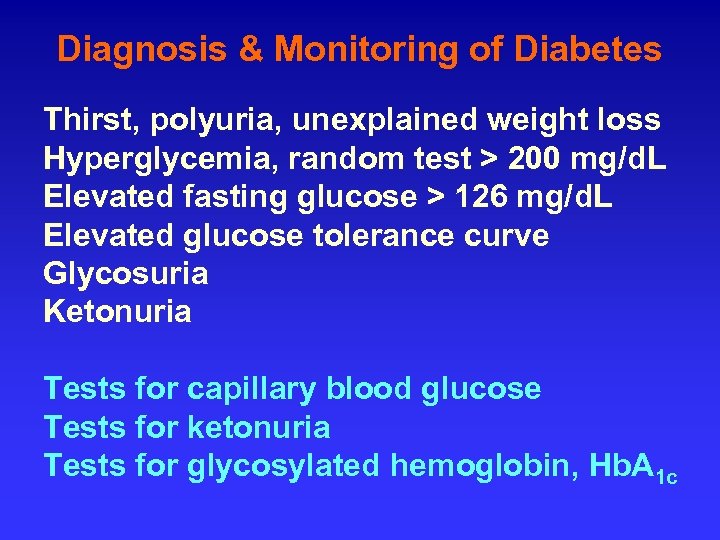 Diagnosis & Monitoring of Diabetes Thirst, polyuria, unexplained weight loss Hyperglycemia, random test > 200 mg/d. L Elevated fasting glucose > 126 mg/d. L Elevated glucose tolerance curve Glycosuria Ketonuria Tests for capillary blood glucose Tests for ketonuria Tests for glycosylated hemoglobin, Hb. A 1 c
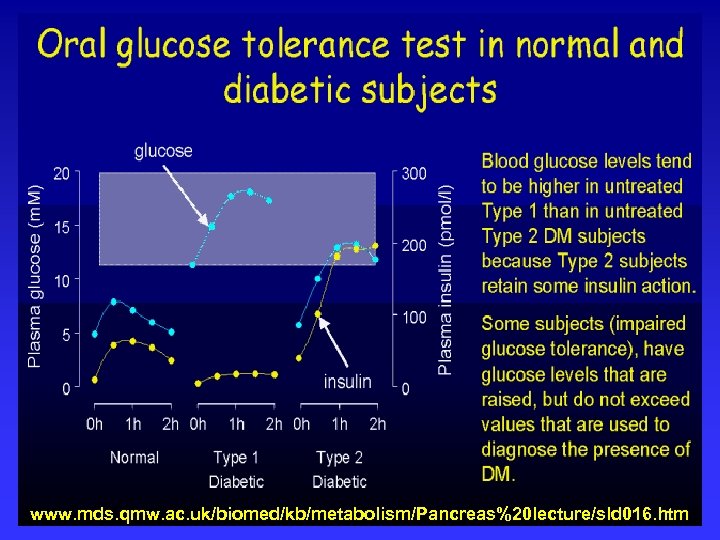 www. mds. qmw. ac. uk/biomed/kb/metabolism/Pancreas%20 lecture/sld 016. htm
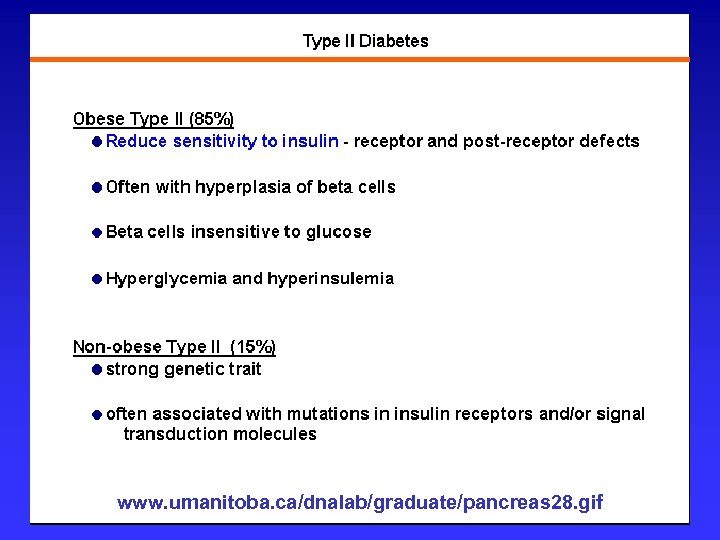 www. umanitoba. ca/dnalab/graduate/pancreas 28. gif
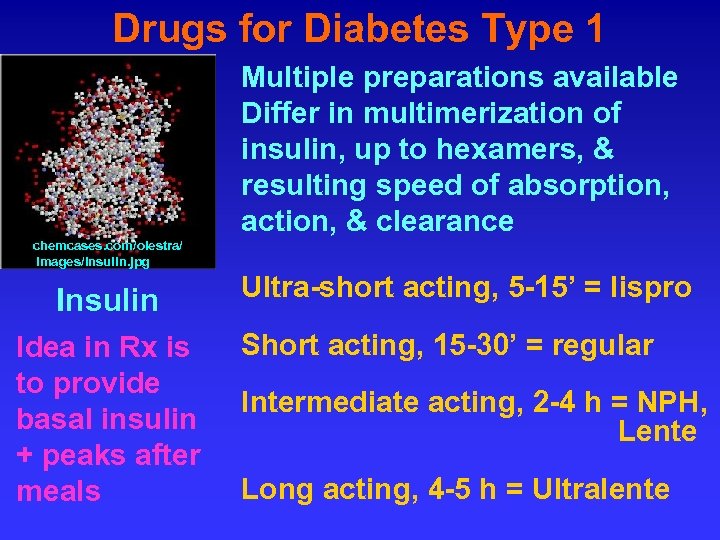 Drugs for Diabetes Type 1 Multiple preparations available Differ in multimerization of insulin, up to hexamers, & resulting speed of absorption, action, & clearance chemcases. com/olestra/ images/insulin. jpg Insulin Idea in Rx is to provide basal insulin + peaks after meals Ultra-short acting, 5 -15’ = lispro Short acting, 15 -30’ = regular Intermediate acting, 2 -4 h = NPH, Lente Long acting, 4 -5 h = Ultralente
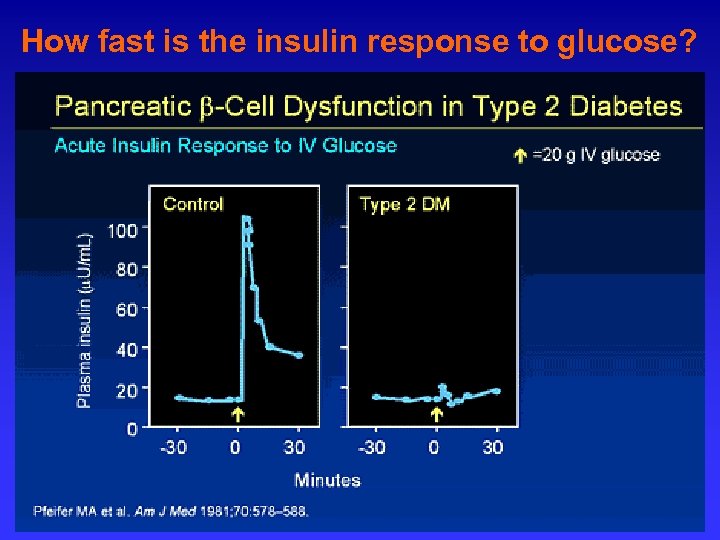 How fast is the insulin response to glucose?
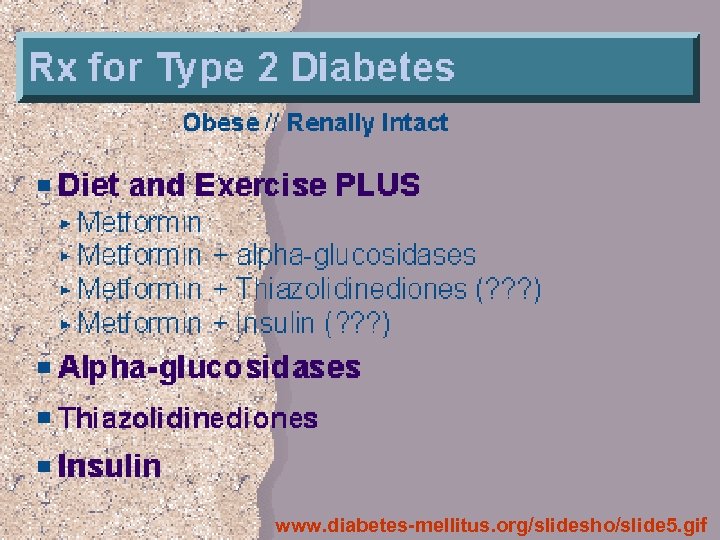
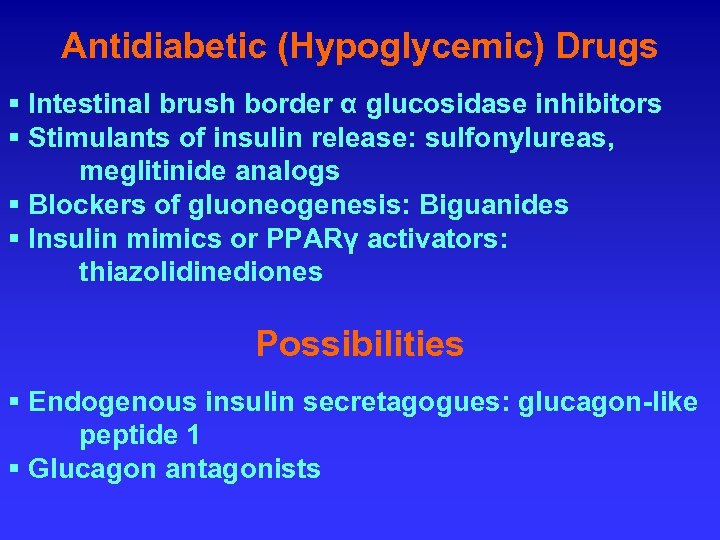 Antidiabetic (Hypoglycemic) Drugs § Intestinal brush border α glucosidase inhibitors § Stimulants of insulin release: sulfonylureas, meglitinide analogs § Blockers of gluoneogenesis: Biguanides § Insulin mimics or PPARγ activators: thiazolidinediones Possibilities § Endogenous insulin secretagogues: glucagon-like peptide 1 § Glucagon antagonists
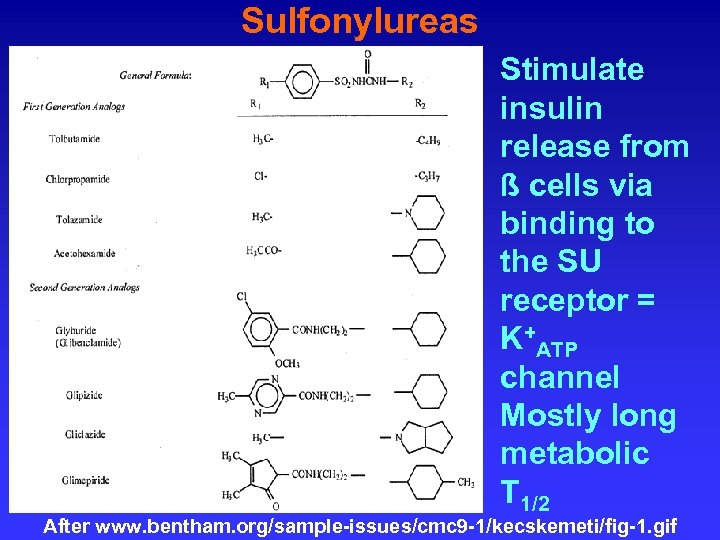 Sulfonylureas Stimulate insulin release from ß cells via binding to the SU receptor = K+ATP channel Mostly long metabolic T 1/2 After www. bentham. org/sample-issues/cmc 9 -1/kecskemeti/fig-1. gif
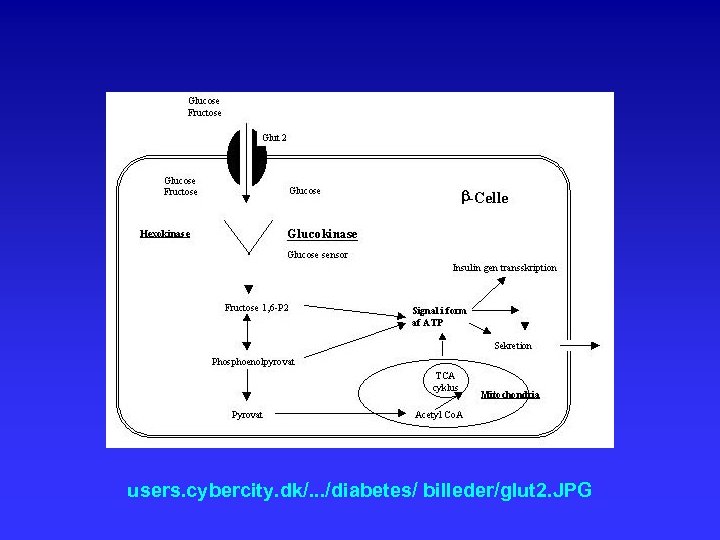
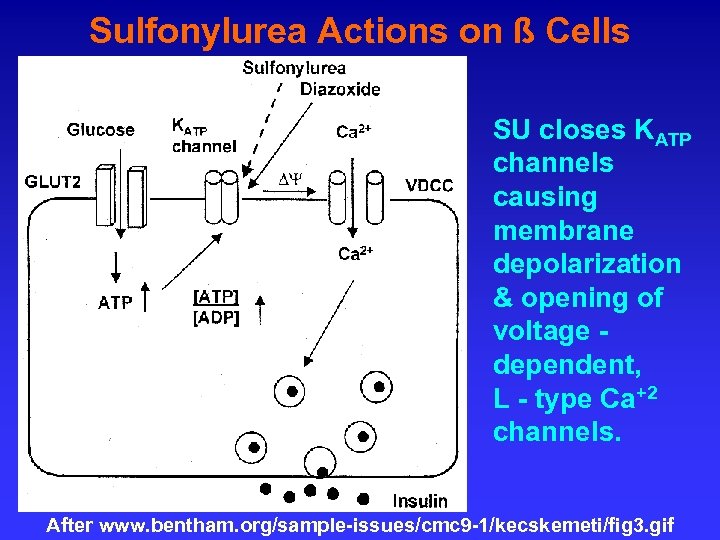 Sulfonylurea Actions on ß Cells SU closes KATP channels causing membrane depolarization & opening of voltage dependent, L - type Ca+2 channels. After www. bentham. org/sample-issues/cmc 9 -1/kecskemeti/fig 3. gif
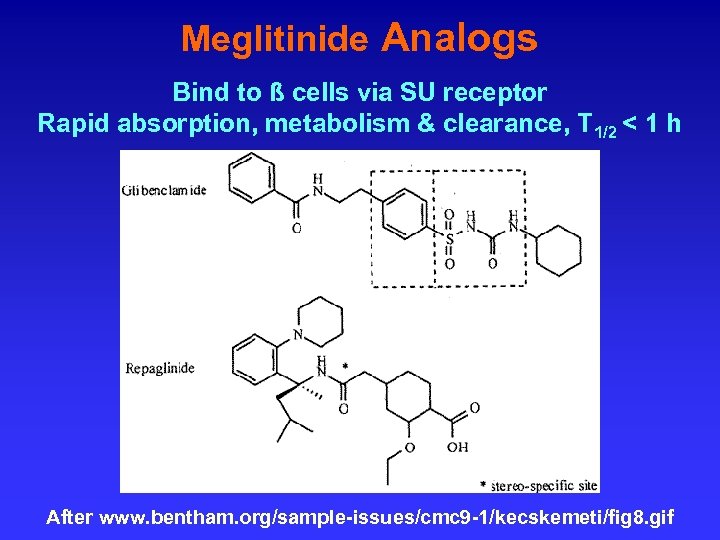 Meglitinide Analogs Bind to ß cells via SU receptor Rapid absorption, metabolism & clearance, T 1/2 < 1 h After www. bentham. org/sample-issues/cmc 9 -1/kecskemeti/fig 8. gif
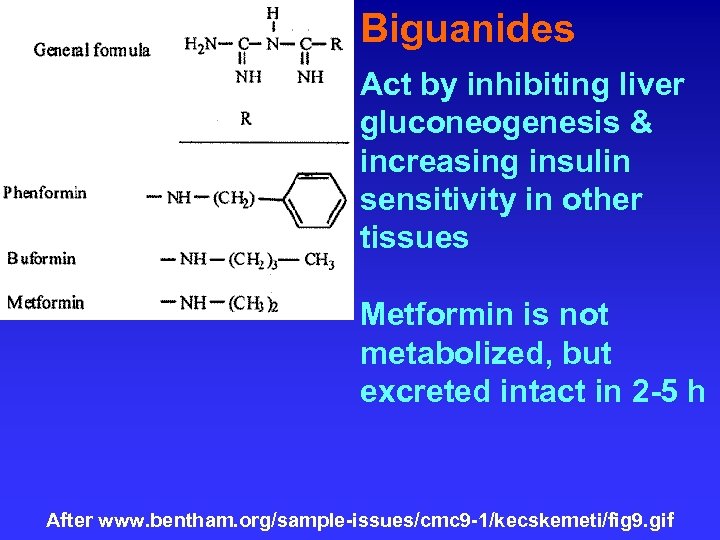 Biguanides Act by inhibiting liver gluconeogenesis & increasing insulin sensitivity in other tissues Metformin is not metabolized, but excreted intact in 2 -5 h After www. bentham. org/sample-issues/cmc 9 -1/kecskemeti/fig 9. gif
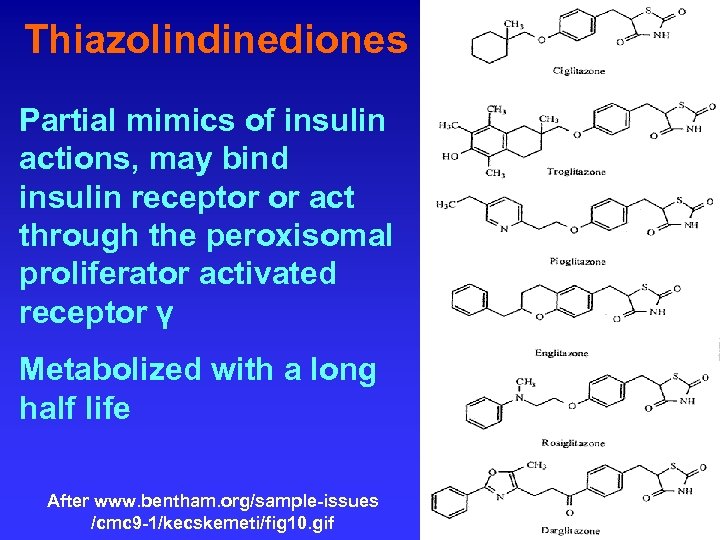 Thiazolindinediones Partial mimics of insulin actions, may bind insulin receptor or act through the peroxisomal proliferator activated receptor γ Metabolized with a long half life After www. bentham. org/sample-issues /cmc 9 -1/kecskemeti/fig 10. gif
 www. diabetes-mellitus. org/slidesho/slide 5. gif
 Traditional Treatments in the Southwest Diabetes is a hot illness (characterized by vasodilation & a high metabolic rate). Various remedies are used: nopal (or cactus), aloe vera juice, bitter gourd. In some areas in Texas & Mexico treatment is started with maturique root infusion for about 1 week if the person is extremely hyperglycemic. Then, for maintenance therapy, trumpet flowerherb or root infusion (tronadora), brickle bush (prodigiosa) tea, or sage tea (salvia) are used. Proven safety & efficacy of maturique, trumpet flower, or bricklebush are not known. Aloe vera juice is reasonably safe but aloe vera latex is a powerful purgative. Sage tea taken chronically can lower the seizure threshold & has been reported to cause mental & physical deterioration because it contains thujones & tannins. [Nancy Neff, Dept. of Community Medicine, Baylor College of Medicine Module VII, Folk Medicine in Hispanics in the Southwestern United States, ww. rice. edu/projects/Hispanic. Health/Courses/ mod 7/mod 7. html]
 Prospects for Long-Term Cures pumps implants gene therapies
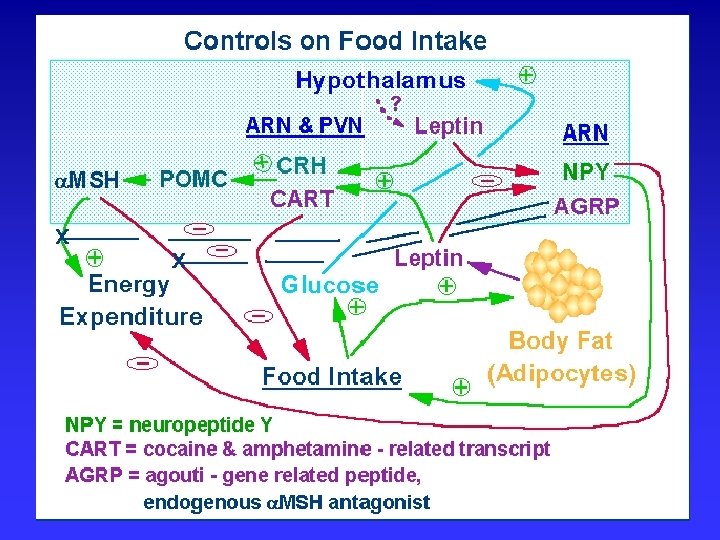
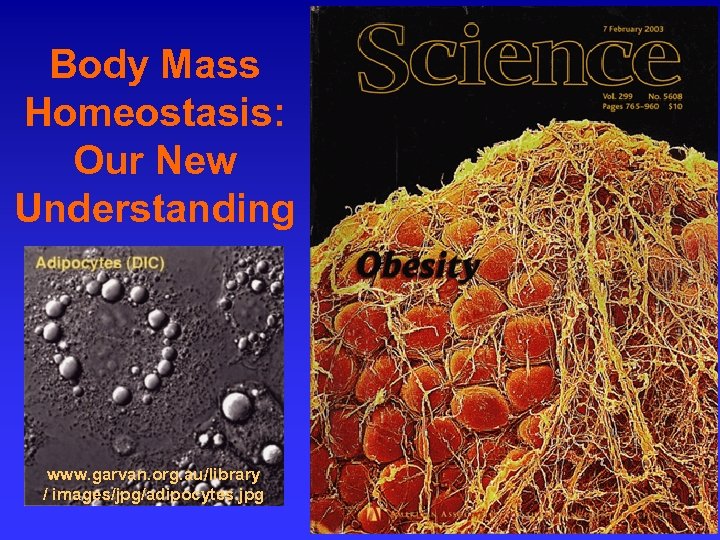 Body Mass Homeostasis: Our New Understanding www. garvan. org. au/library / images/jpg/adipocytes. jpg
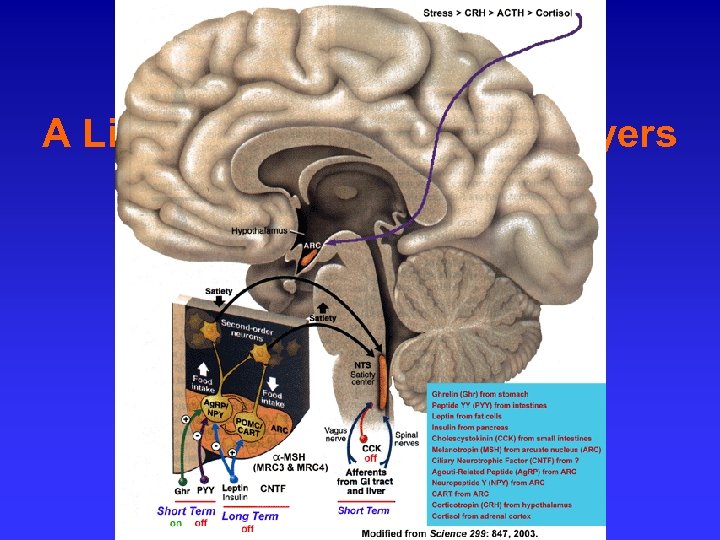 A Little About the Central Players
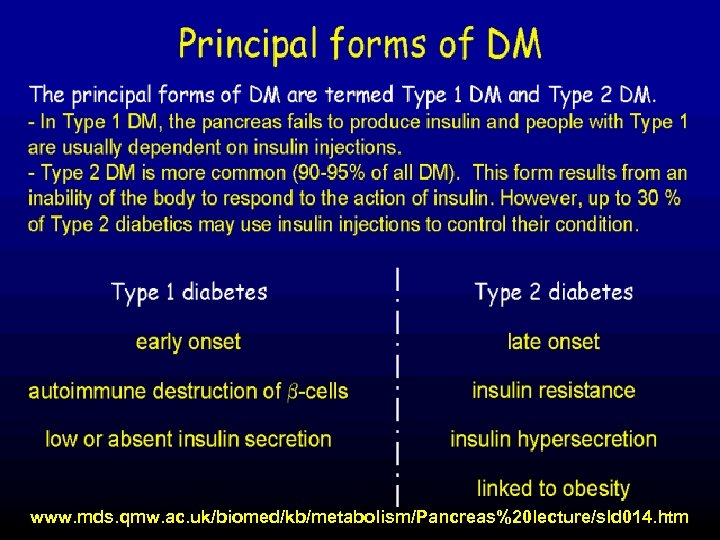
 Summary: Diabetes is a group of pathologies. Type 1 is due to autoimmunity to pancreatic ß cells & demonstrates genetic predispositions. Type 2 seems due to chronic overwork of ß cells & often appears during old age, especially in the chronically overweight. Monitoring tools are available as are drugs and therapies. ß cell implants are being tested. Prevention of Type 2 is often accessible by control of life-style. Prevention of Type 1 will only be possible when causes are identified.

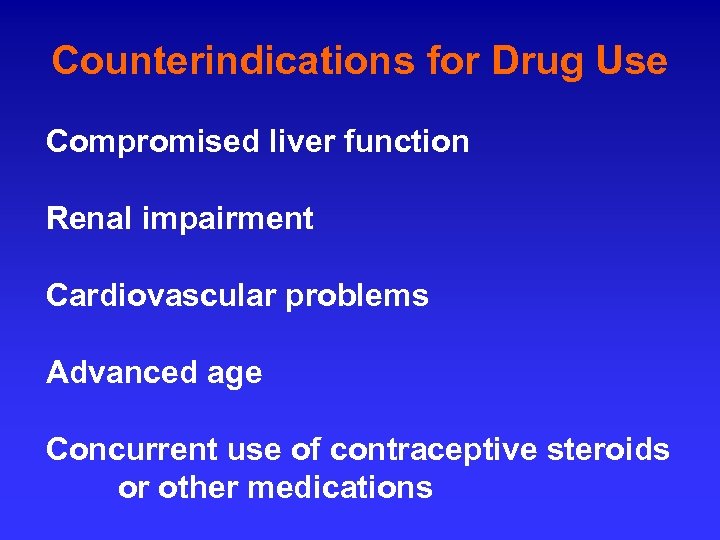 Counterindications for Drug Use Compromised liver function Renal impairment Cardiovascular problems Advanced age Concurrent use of contraceptive steroids or other medications
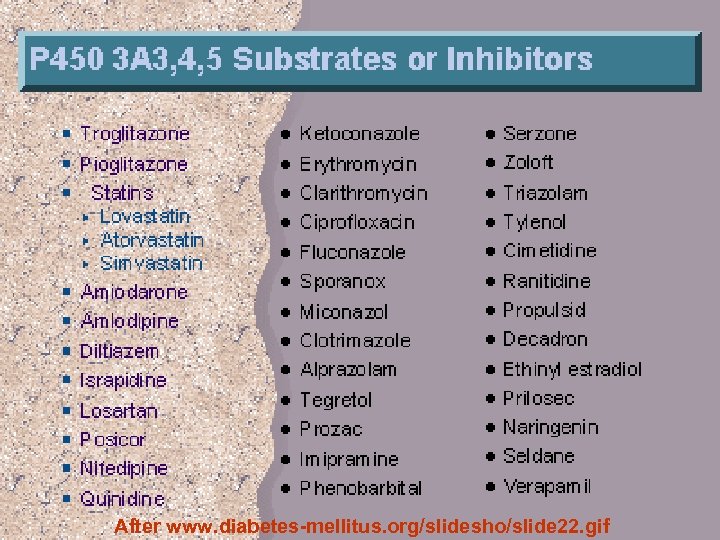 After www. diabetes-mellitus. org/slidesho/slide 22. gif
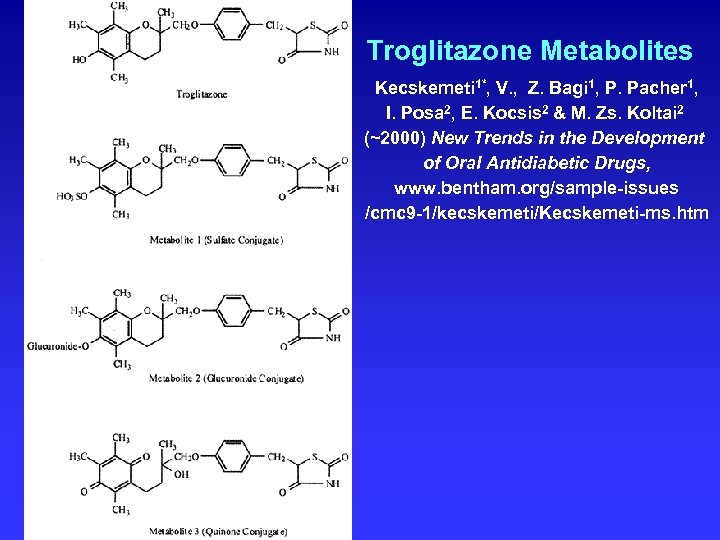 Troglitazone Metabolites Kecskemeti 1*, V. , Z. Bagi 1, P. Pacher 1, I. Posa 2, E. Kocsis 2 & M. Zs. Koltai 2 (~2000) New Trends in the Development of Oral Antidiabetic Drugs, www. bentham. org/sample-issues /cmc 9 -1/kecskemeti/Kecskemeti-ms. htm
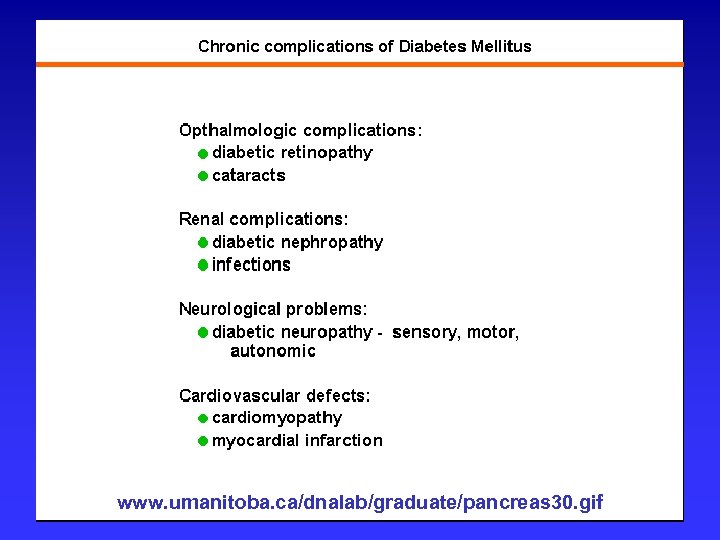 www. umanitoba. ca/dnalab/graduate/pancreas 30. gif
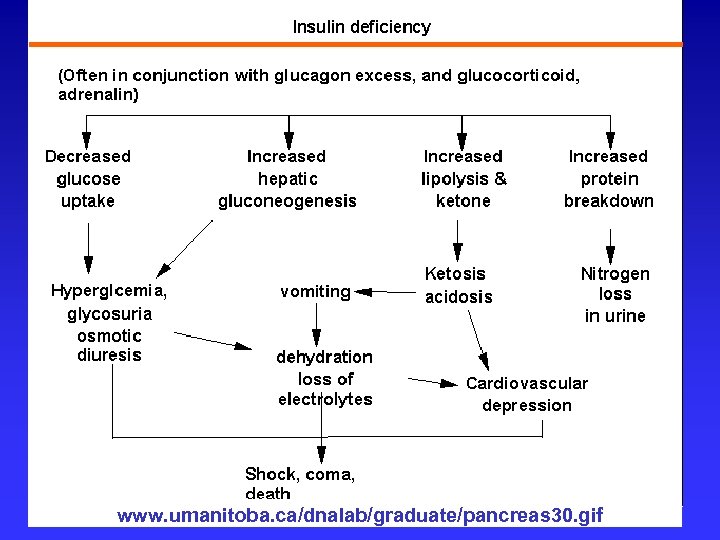 www. umanitoba. ca/dnalab/graduate/pancreas 30. gif
 users. cybercity. dk/. . . /diabetes/ billeder/glut 2. JPG
 Modified from www. pharmacology 2000. com/Endocrine/ Diabetes/Alpha. gif
 Definition of Diabetes
 Review: What do each of these organs do? Teeth Saliva Pancreas & Bile Large Intestine Cecum Stomach Small Intestine Colon