


 Скачать презентацию UNIVERSITY OF CALGARY FLOW CYTOMETRY FACILITY Efficient and
00b1214d8b44b0ac4ab26c07829f6695.ppt
- Количество слайдов: 72
 UNIVERSITY OF CALGARY FLOW CYTOMETRY FACILITY ‘Efficient and reliable flow cytometry services with the highest standards of quality and productivity’
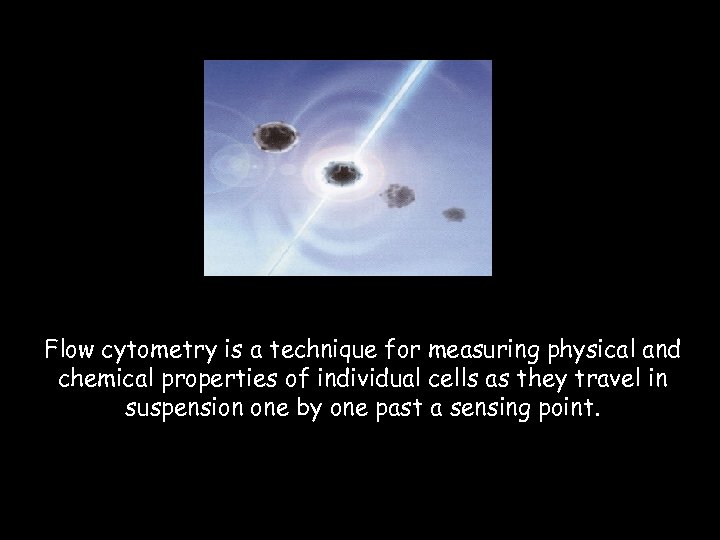 Flow cytometry is a technique for measuring physical and chemical properties of individual cells as they travel in suspension one by one past a sensing point.
 BASICS OF FLOW CYTOMETRY • The cells in suspension are forced to pass in a fluid stream through a flow cell. • The fluid stream intersects the focus of a laser. • The laser light is scattered and, if the cells are fluorescent, they produce fluorescent signals. • These light signals are then converted to electronic signals (voltages).
 INSTRUMENTATION 1. Fluidics 2. Optics 3. 3. Electronics
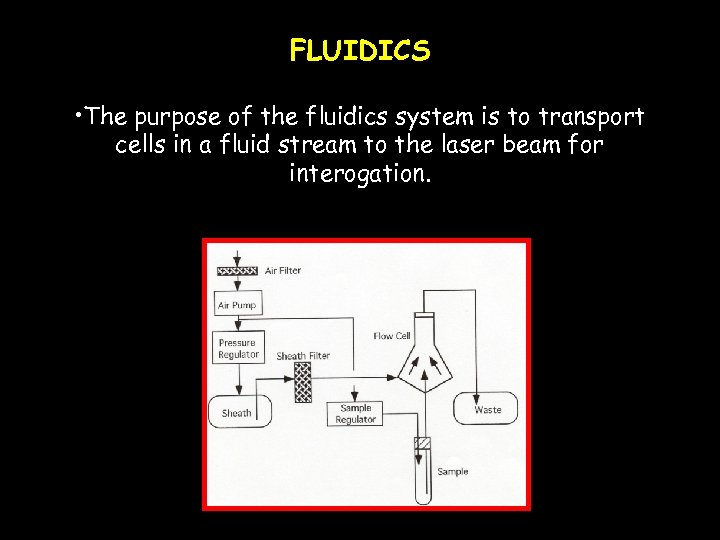 FLUIDICS • The purpose of the fluidics system is to transport cells in a fluid stream to the laser beam for interogation.
 OPTICS The optics system consist of a laser to illuminate the cells in the sample stream and optical filters to direct the resulting light signals to the appropriate detectors (I. e. to resolve different colors).
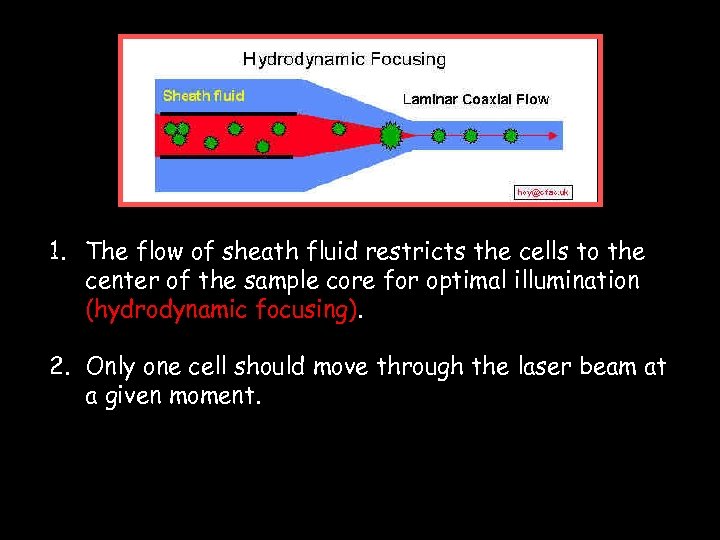 1. The flow of sheath fluid restricts the cells to the center of the sample core for optimal illumination (hydrodynamic focusing). 2. Only one cell should move through the laser beam at a given moment.
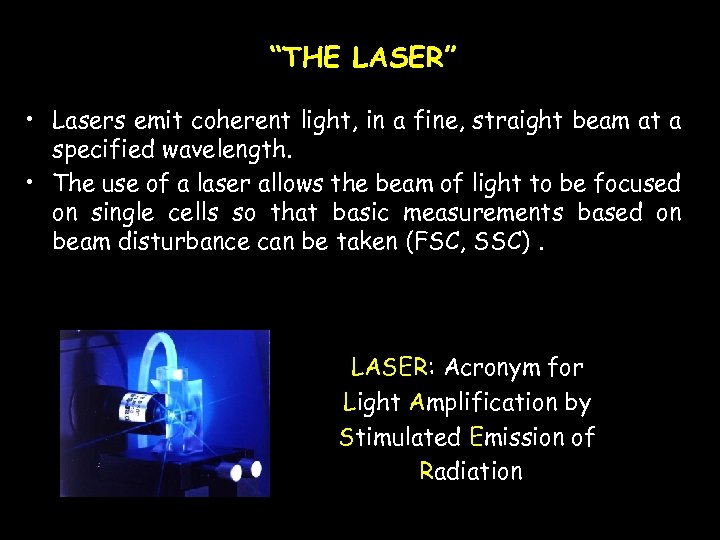 “THE LASER” • Lasers emit coherent light, in a fine, straight beam at a specified wavelength. • The use of a laser allows the beam of light to be focused on single cells so that basic measurements based on beam disturbance can be taken (FSC, SSC). LASER: Acronym for Light Amplification by Stimulated Emission of Radiation
 ELECTRONICS • Processing of signals from detectors -Cells passing through the laser beam generate light signals. These light signals are then converted to electronic signals (voltages). -The electrical voltage generated will be proportional to the number of photons (amount of light) emitted by the cell/particle. -The voltages are processed by the computer.
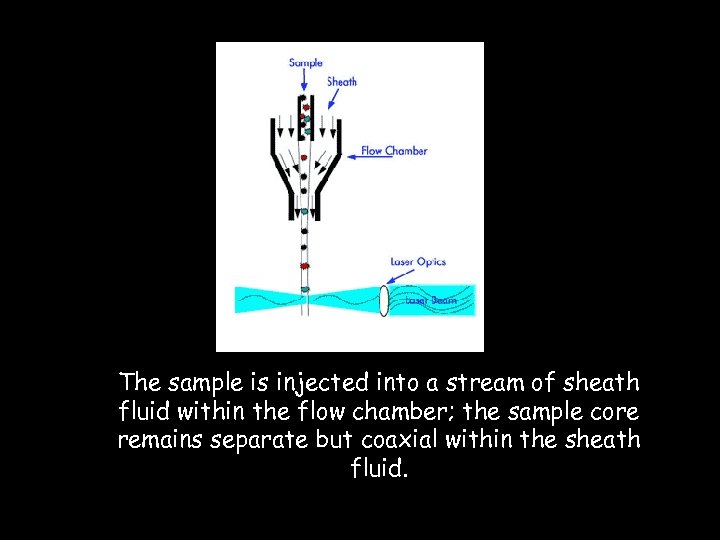 The sample is injected into a stream of sheath fluid within the flow chamber; the sample core remains separate but coaxial within the sheath fluid.
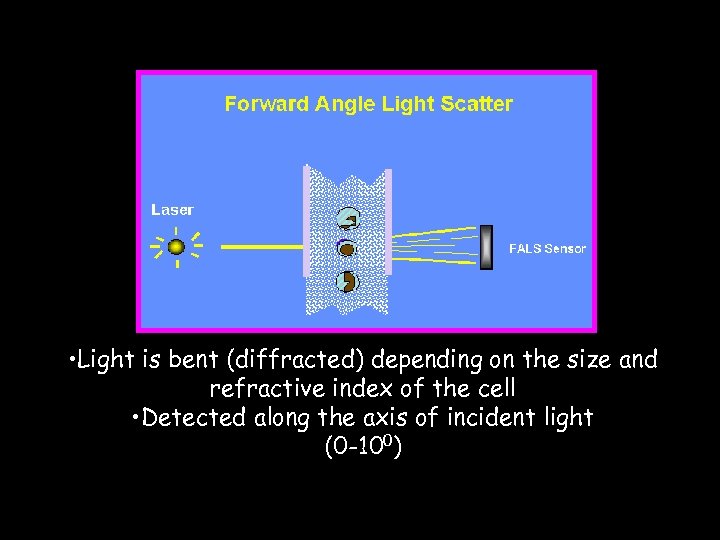 • Light is bent (diffracted) depending on the size and refractive index of the cell • Detected along the axis of incident light (0 -100)
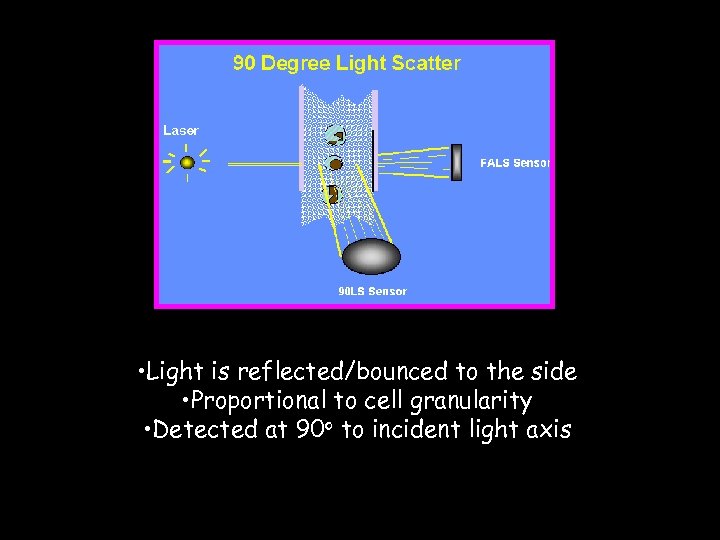 • Light is reflected/bounced to the side • Proportional to cell granularity • Detected at 90 o to incident light axis
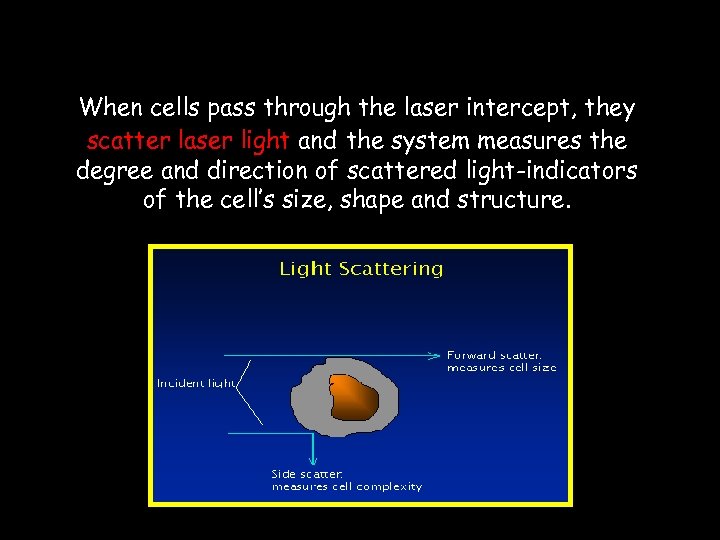 When cells pass through the laser intercept, they scatter laser light and the system measures the degree and direction of scattered light-indicators of the cell’s size, shape and structure.
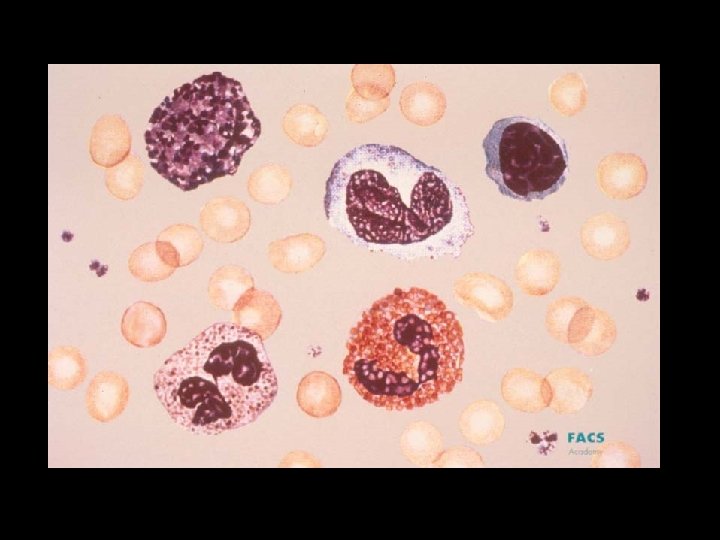
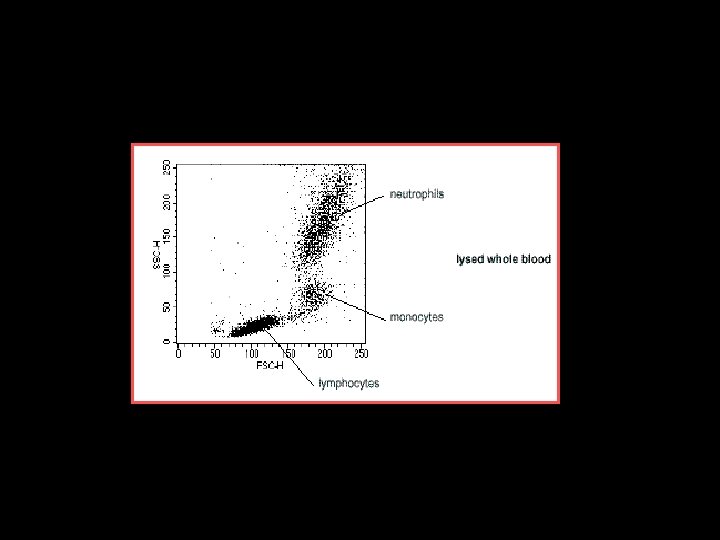
 What do the scatter signals tell us? • Together the forward and side scatter signals can provide useful ways to characterize different cell types. • Example: Leucocytes (white blood cells).
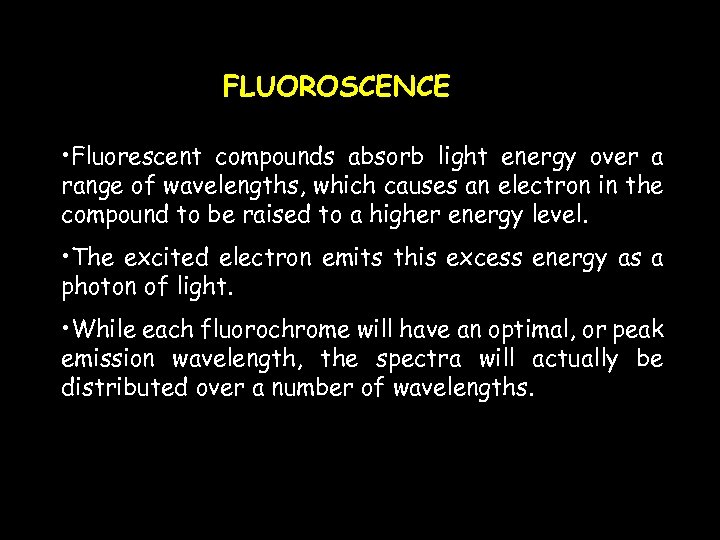 FLUOROSCENCE • Fluorescent compounds absorb light energy over a range of wavelengths, which causes an electron in the compound to be raised to a higher energy level. • The excited electron emits this excess energy as a photon of light. • While each fluorochrome will have an optimal, or peak emission wavelength, the spectra will actually be distributed over a number of wavelengths.
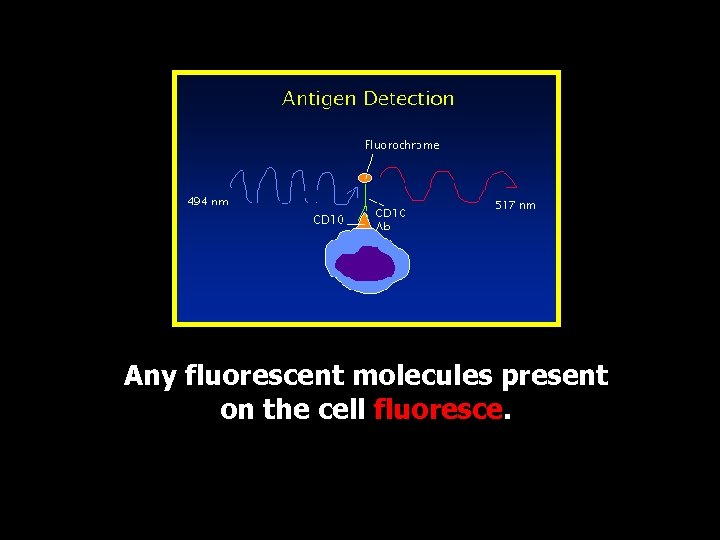 Any fluorescent molecules present on the cell fluoresce.
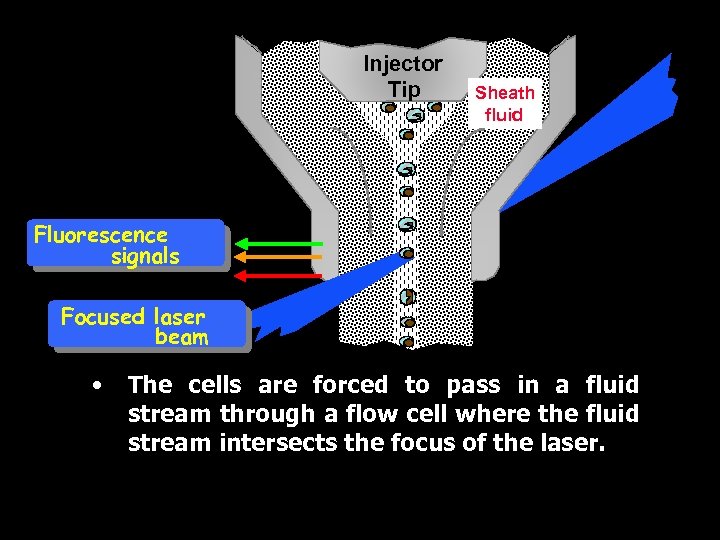 Injector Tip Sheath fluid Fluorescence signals Focused laser beam • The cells are forced to pass in a fluid stream through a flow cell where the fluid stream intersects the focus of the laser.
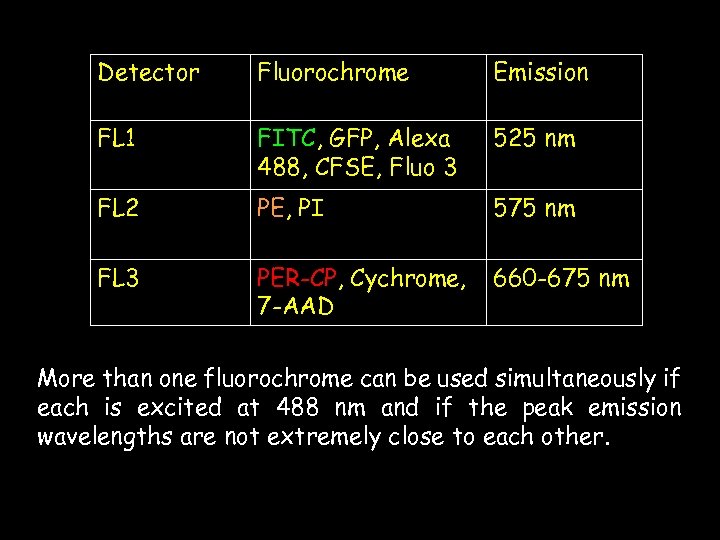 Detector Fluorochrome Emission FL 1 FITC, GFP, Alexa 488, CFSE, Fluo 3 525 nm FL 2 PE, PI 575 nm FL 3 PER-CP, Cychrome, 7 -AAD 660 -675 nm More than one fluorochrome can be used simultaneously if each is excited at 488 nm and if the peak emission wavelengths are not extremely close to each other.
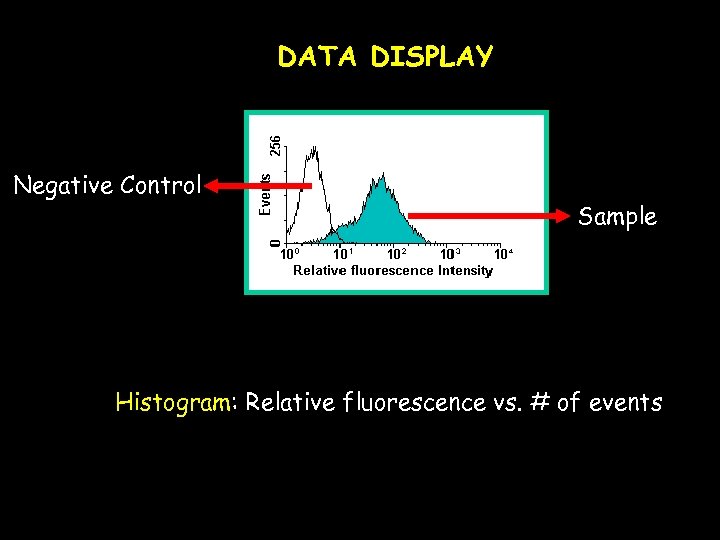 DATA DISPLAY Negative Control Sample Histogram: Relative fluorescence vs. # of events
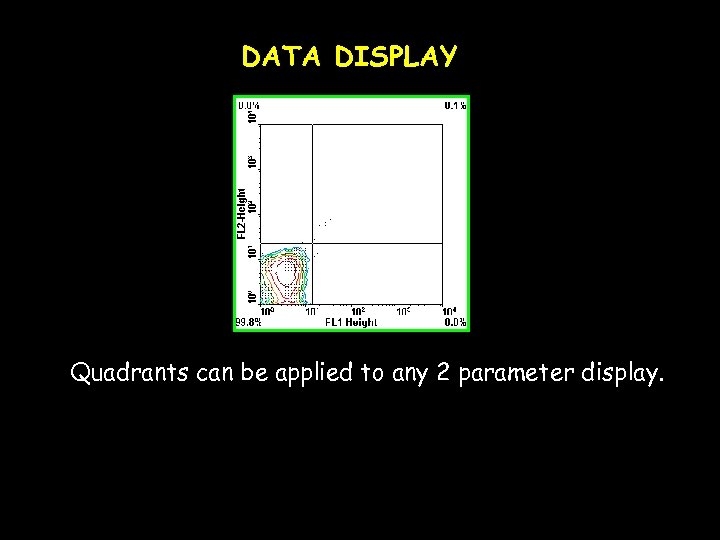 DATA DISPLAY Quadrants can be applied to any 2 parameter display.
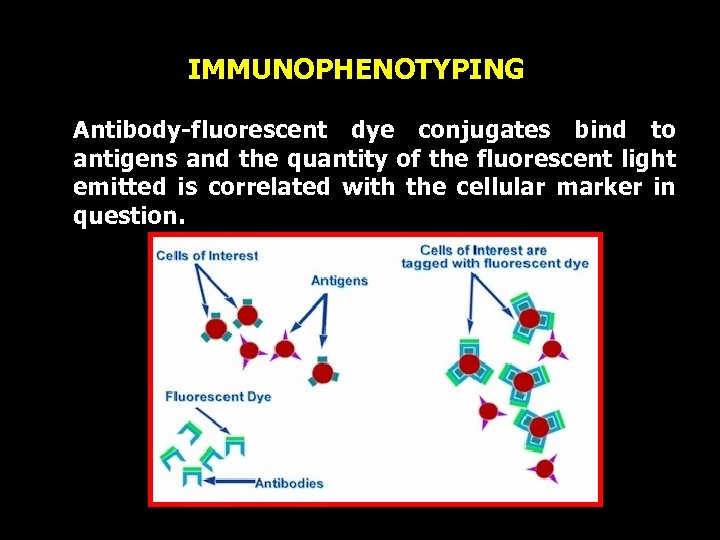 IMMUNOPHENOTYPING Antibody-fluorescent dye conjugates bind to antigens and the quantity of the fluorescent light emitted is correlated with the cellular marker in question.
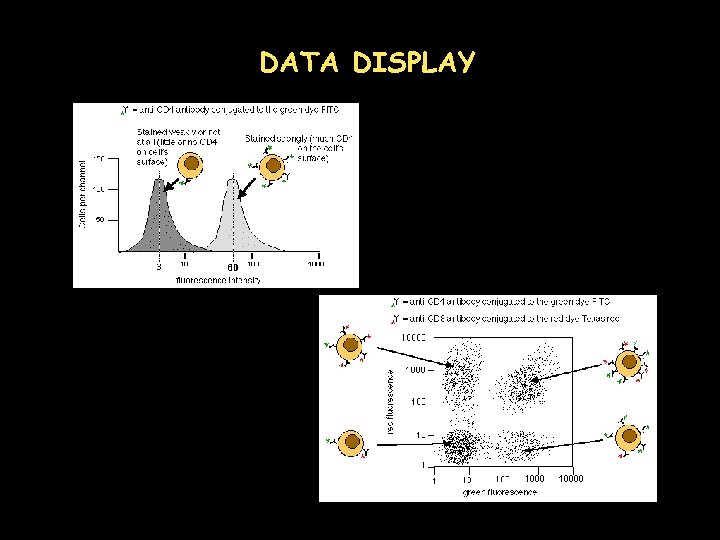 DATA DISPLAY
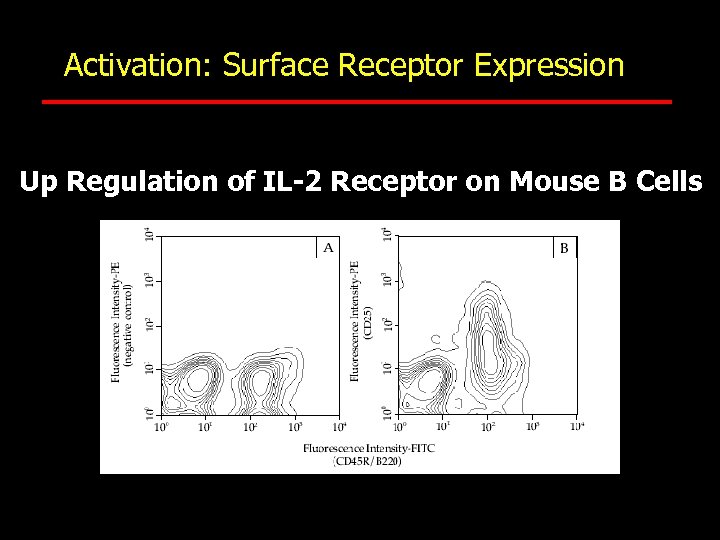 Activation: Surface Receptor Expression Up Regulation of IL-2 Receptor on Mouse B Cells
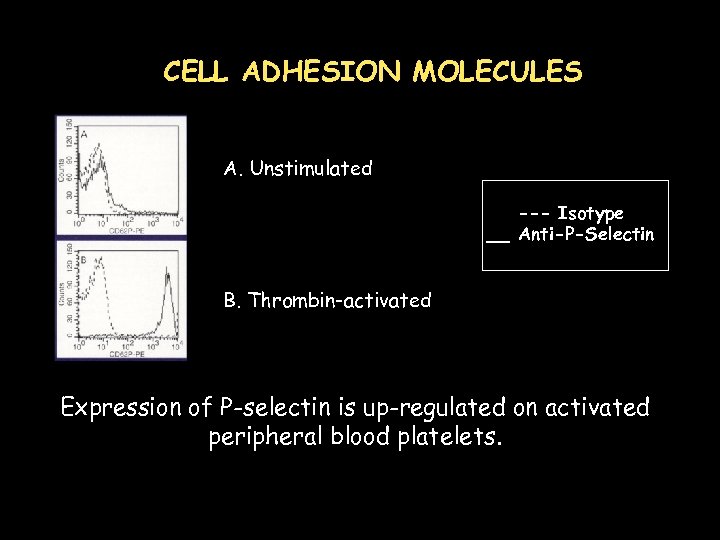 CELL ADHESION MOLECULES A. Unstimulated --- Isotype __ Anti-P-Selectin B. Thrombin-activated Expression of P-selectin is up-regulated on activated peripheral blood platelets.
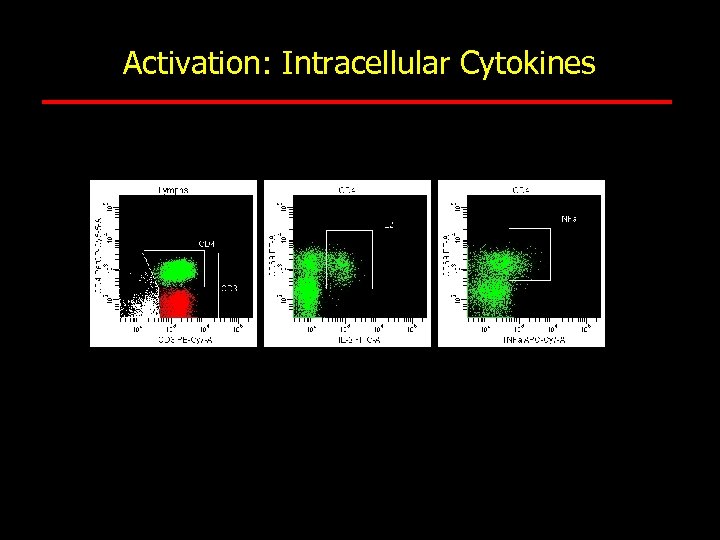 Activation: Intracellular Cytokines
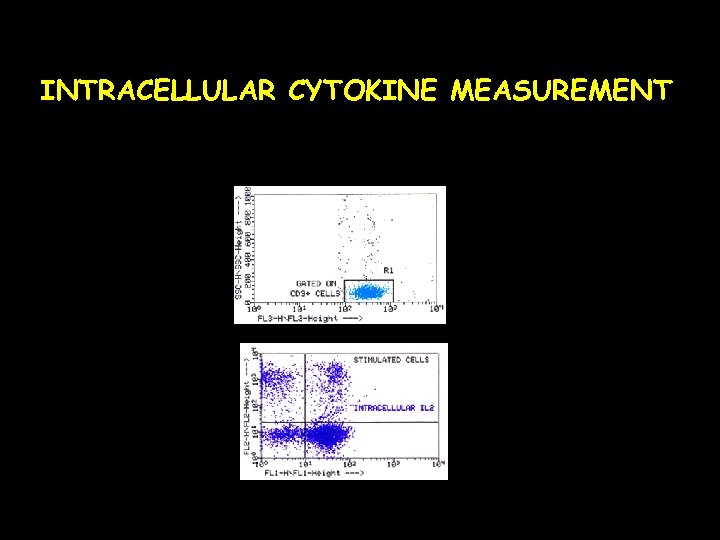 INTRACELLULAR CYTOKINE MEASUREMENT
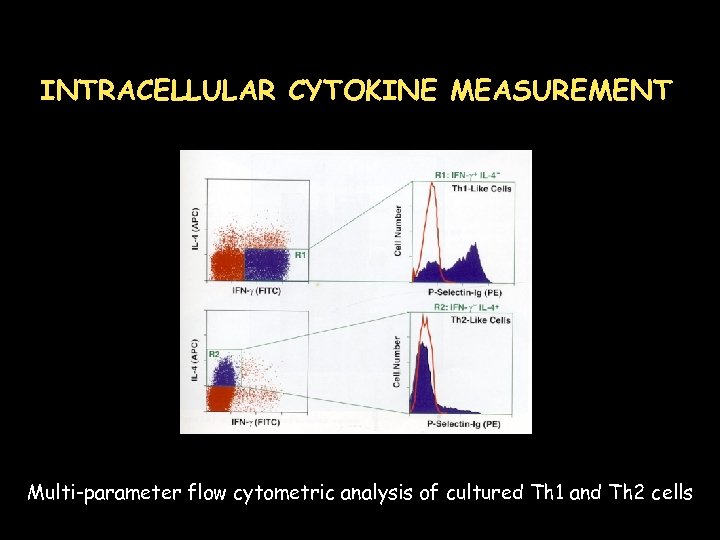 INTRACELLULAR CYTOKINE MEASUREMENT Multi-parameter flow cytometric analysis of cultured Th 1 and Th 2 cells
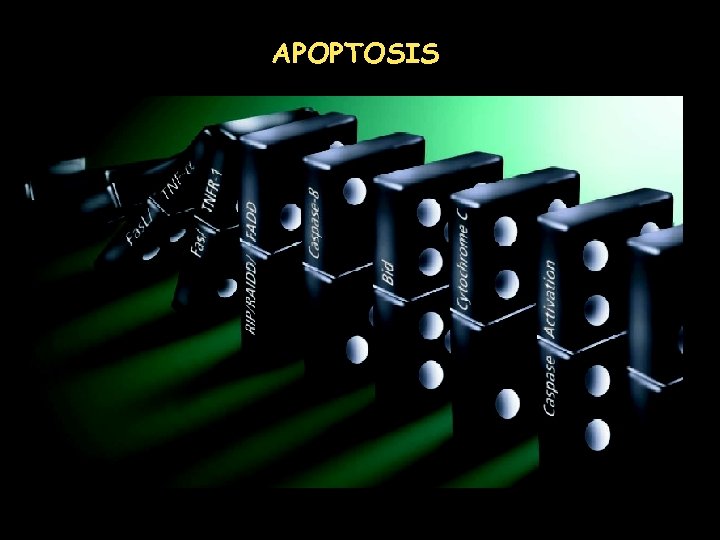 APOPTOSIS
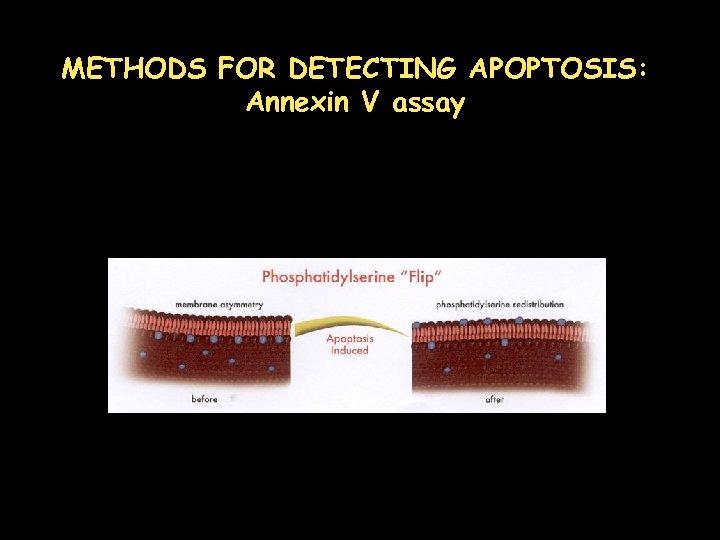 METHODS FOR DETECTING APOPTOSIS: Annexin V assay
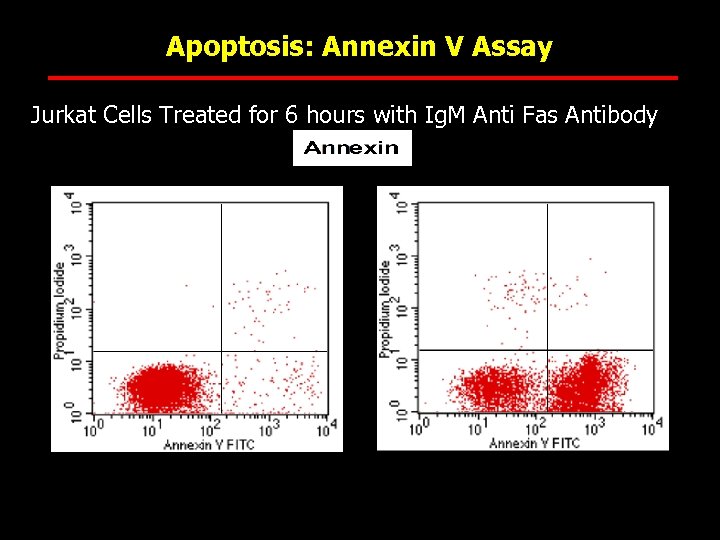 Apoptosis: Annexin V Assay Jurkat Cells Treated for 6 hours with Ig. M Anti Fas Antibody
 PI vs. ANNEXIN • One of the more common uses of DNA-based dyes is to identify apoptotic cells. • Necrotic cells are widely permeable to a number of cell labels (usually PI) whereas apoptotic cells are impermeable. • Staining for apoptotic markers (i. e. , Annexin V) will identify apoptotic cells, whereas necrotic cells will also stain with PI.
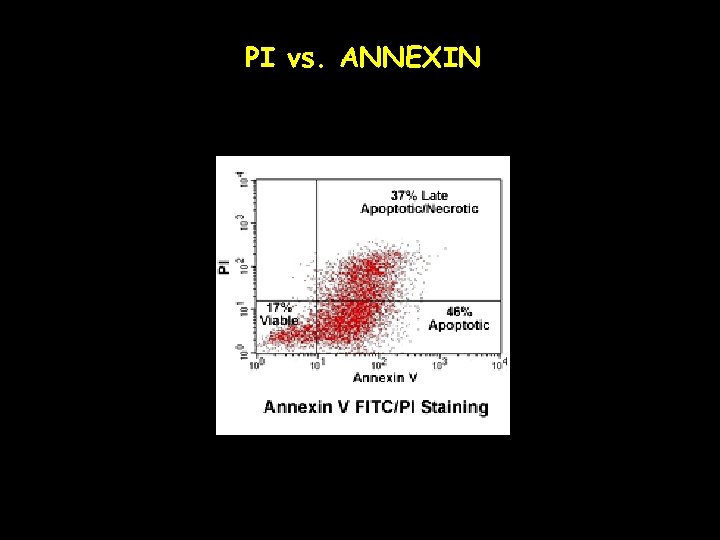 PI vs. ANNEXIN
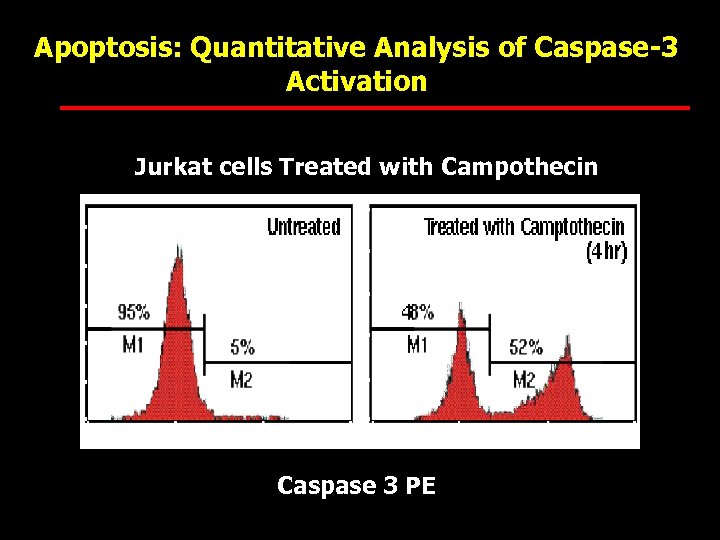 Apoptosis: Quantitative Analysis of Caspase-3 Activation Jurkat cells Treated with Campothecin Caspase 3 PE
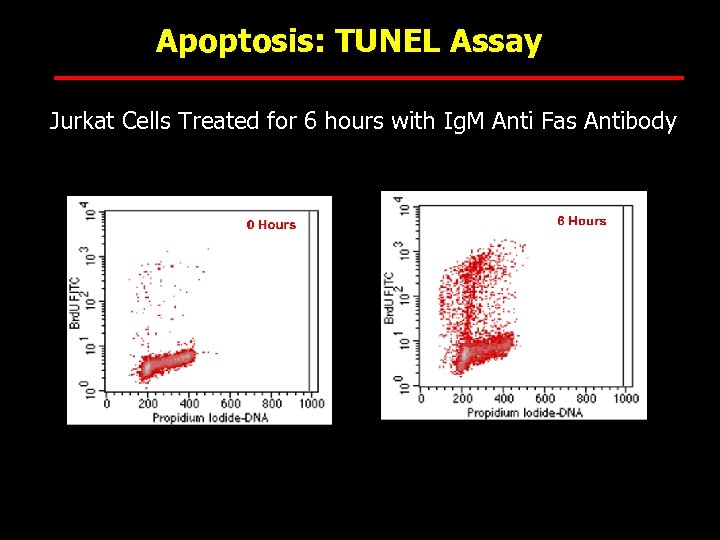 Apoptosis: TUNEL Assay Jurkat Cells Treated for 6 hours with Ig. M Anti Fas Antibody
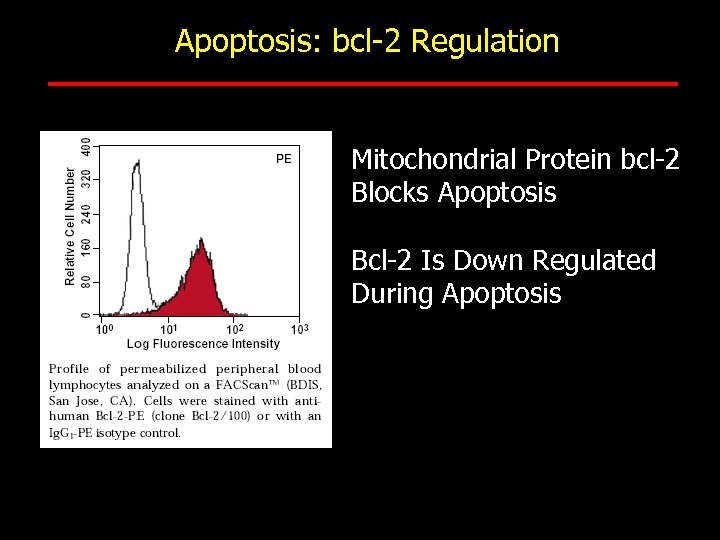 Apoptosis: bcl-2 Regulation Mitochondrial Protein bcl-2 Blocks Apoptosis Bcl-2 Is Down Regulated During Apoptosis
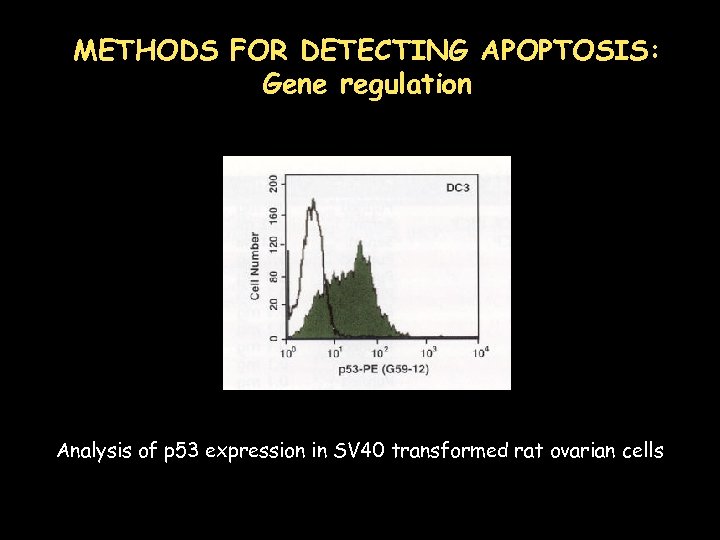 METHODS FOR DETECTING APOPTOSIS: Gene regulation Analysis of p 53 expression in SV 40 transformed rat ovarian cells
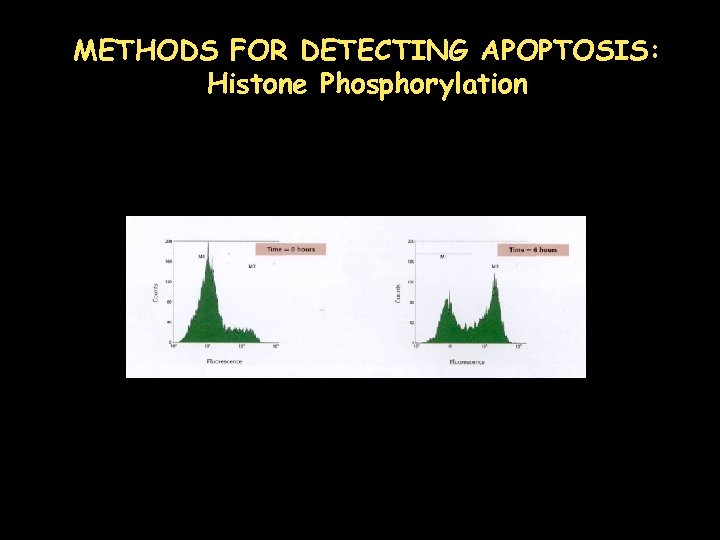 METHODS FOR DETECTING APOPTOSIS: Histone Phosphorylation
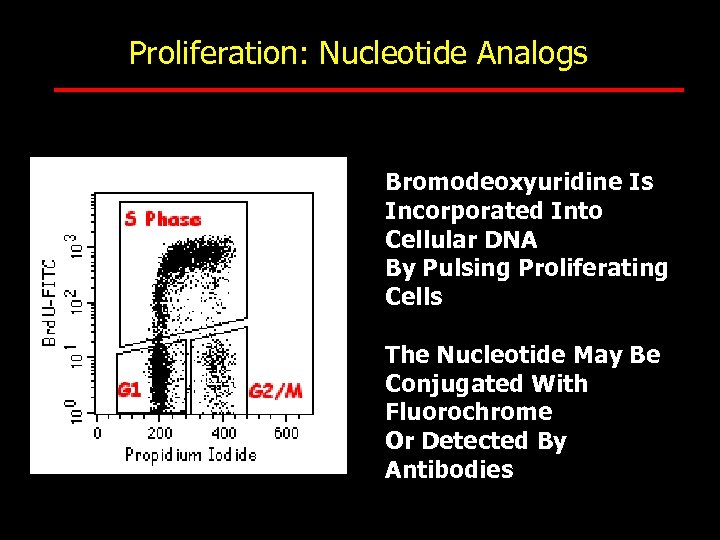 Proliferation: Nucleotide Analogs Bromodeoxyuridine Is Incorporated Into Cellular DNA By Pulsing Proliferating Cells The Nucleotide May Be Conjugated With Fluorochrome Or Detected By Antibodies
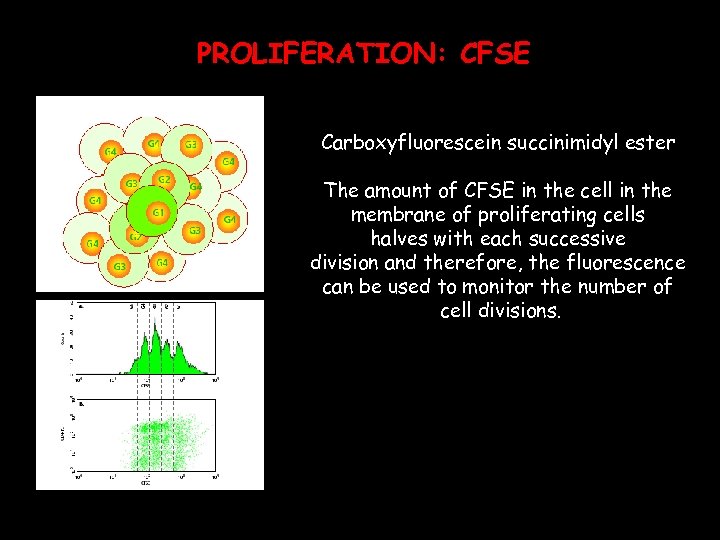 PROLIFERATION: CFSE Carboxyfluorescein succinimidyl ester The amount of CFSE in the cell in the membrane of proliferating cells halves with each successive division and therefore, the fluorescence can be used to monitor the number of cell divisions.
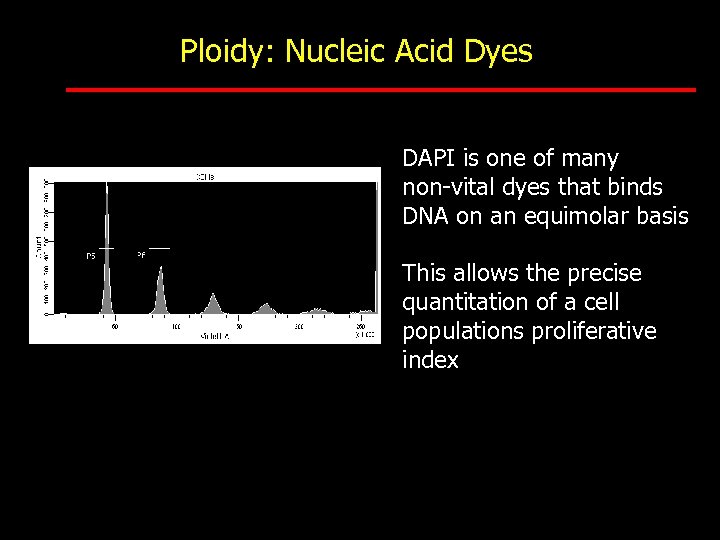 Ploidy: Nucleic Acid Dyes DAPI is one of many non-vital dyes that binds DNA on an equimolar basis This allows the precise quantitation of a cell populations proliferative index
 DNA & CELL CYCLE ANALYSIS PI: Key feature of DNA probes is that they are STOICHIOMETRIC. Total nuclear content and the fraction of cells in each phase of the cell cycle can be measured.
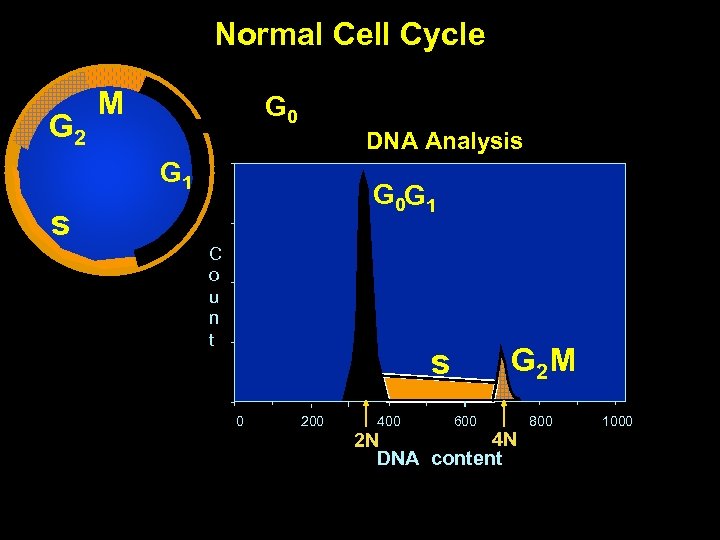 Normal Cell Cycle G 2 M G 0 DNA Analysis G 1 G 0 G 1 s C o u n t s 0 200 400 G 2 M 600 4 N 2 N DNA content 800 1000
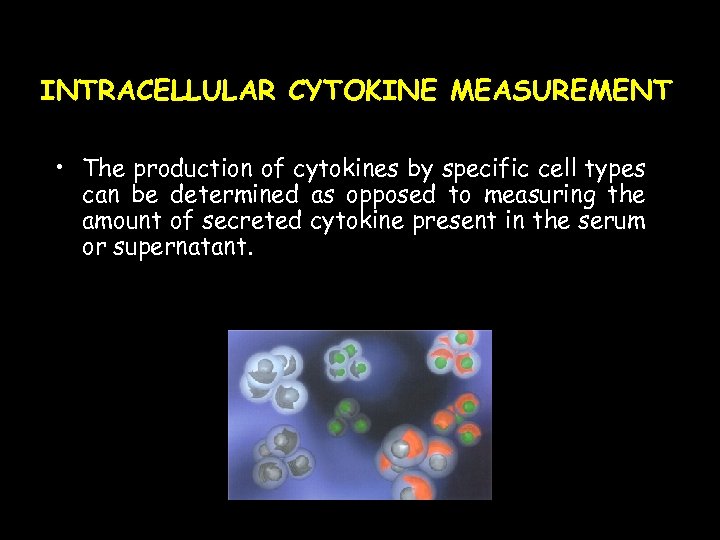 INTRACELLULAR CYTOKINE MEASUREMENT • The production of cytokines by specific cell types can be determined as opposed to measuring the amount of secreted cytokine present in the serum or supernatant.
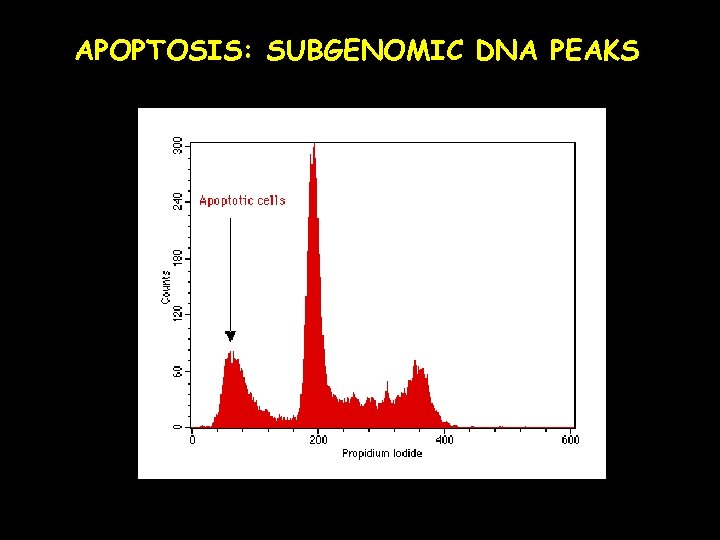 APOPTOSIS: SUBGENOMIC DNA PEAKS
 TRANSFECTION EFFICIENCY Using Green Fluorescent Protein (GFP) as a cotransformation marker is one of the most common applications of GFP-expressing vectors
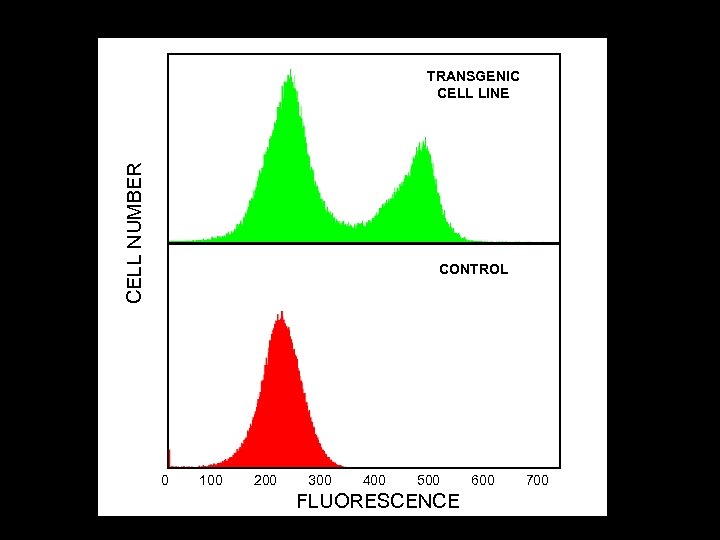 CELL NUMBER TRANSGENIC CELL LINE CONTROL 0 100 200 300 400 500 FLUORESCENCE 600 700
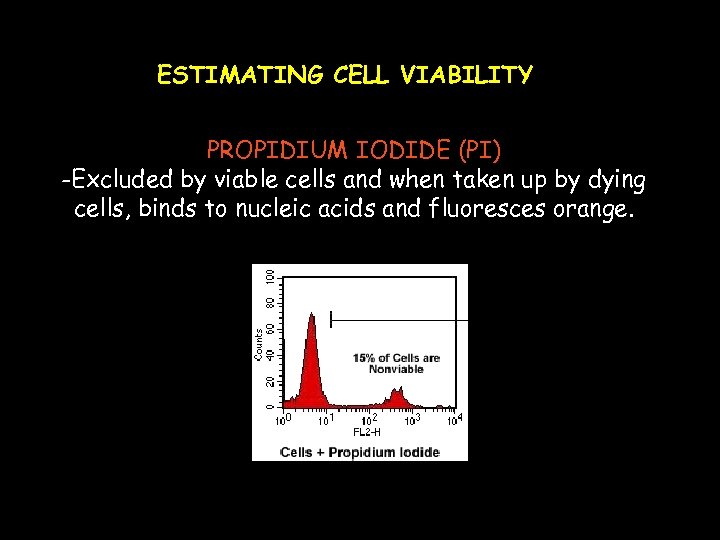 ESTIMATING CELL VIABILITY PROPIDIUM IODIDE (PI) -Excluded by viable cells and when taken up by dying cells, binds to nucleic acids and fluoresces orange.
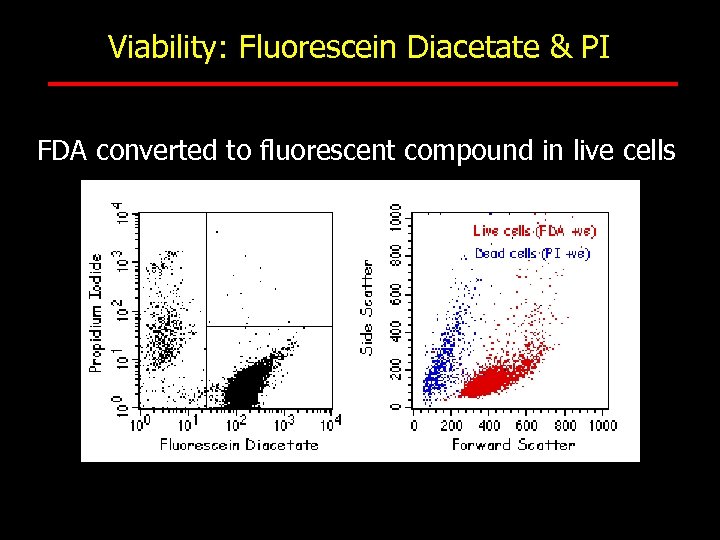 Viability: Fluorescein Diacetate & PI FDA converted to fluorescent compound in live cells
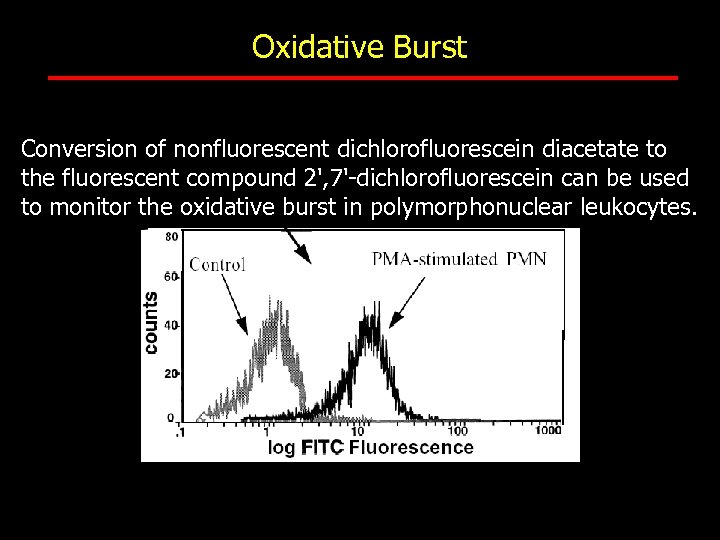 Oxidative Burst Conversion of nonfluorescent dichlorofluorescein diacetate to the fluorescent compound 2', 7'-dichlorofluorescein can be used to monitor the oxidative burst in polymorphonuclear leukocytes.
 CALCIUM FLUX MEASUREMENTS Many stimuli can cause mobilization of calcium either as an influx from the extracellular medium or the release of intracellular stores. A number of dyes that fluoresce when bound to calcium are used to “pre-load” cells prior to calcium mobilization and the cells will “glow” as calcium streams into the cells.
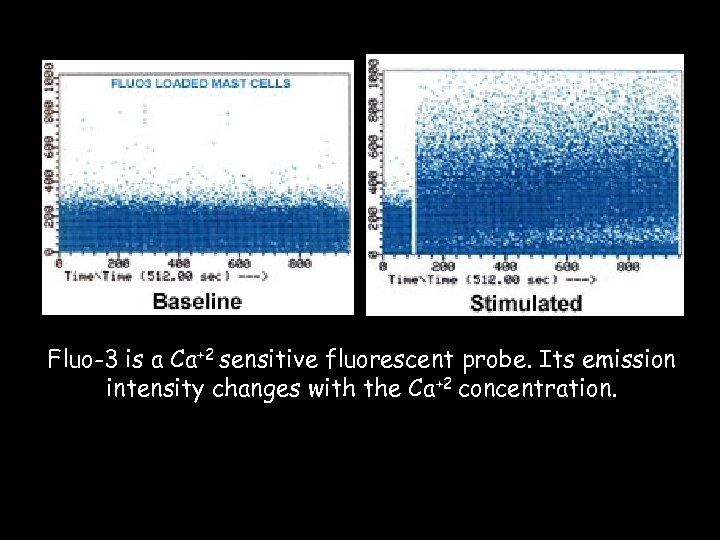 Fluo-3 is a Ca+2 sensitive fluorescent probe. Its emission intensity changes with the Ca+2 concentration.
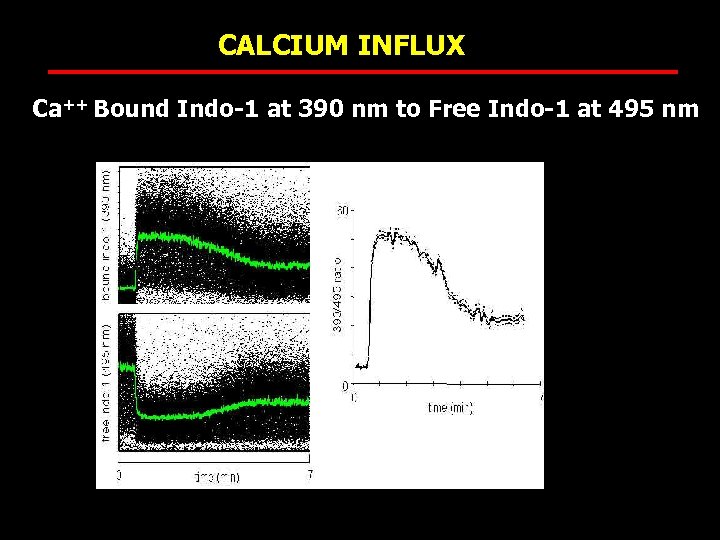 CALCIUM INFLUX Ca++ Bound Indo-1 at 390 nm to Free Indo-1 at 495 nm
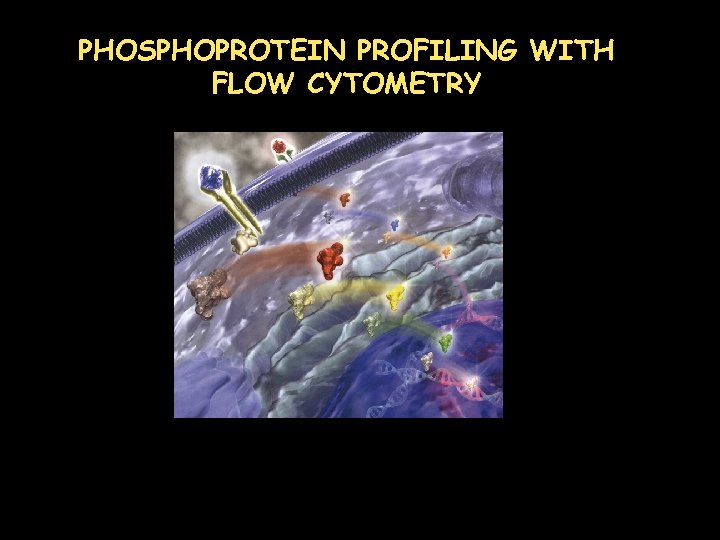 PHOSPHOPROTEIN PROFILING WITH FLOW CYTOMETRY
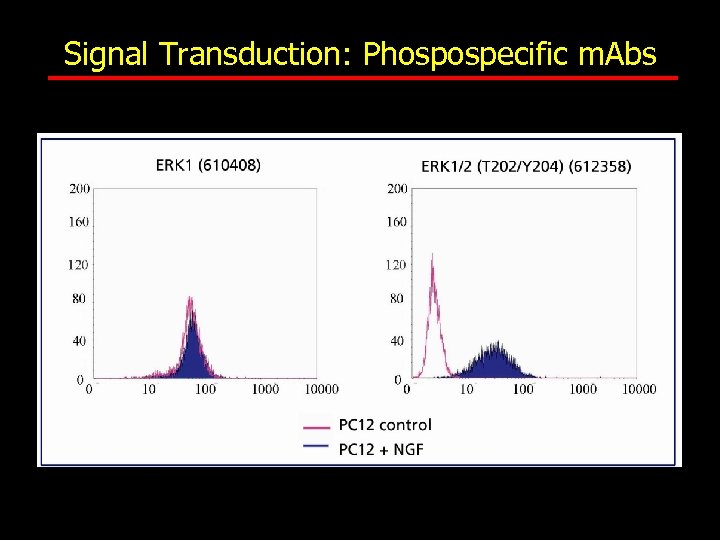 Signal Transduction: Phospospecific m. Abs
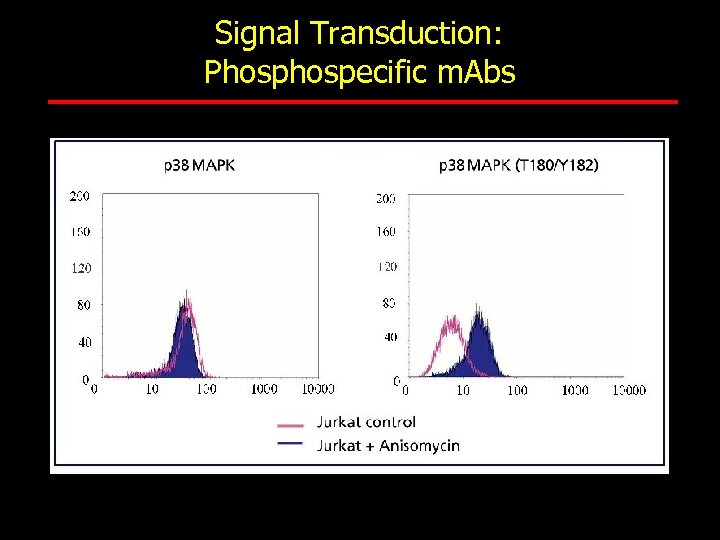 Signal Transduction: Phospecific m. Abs
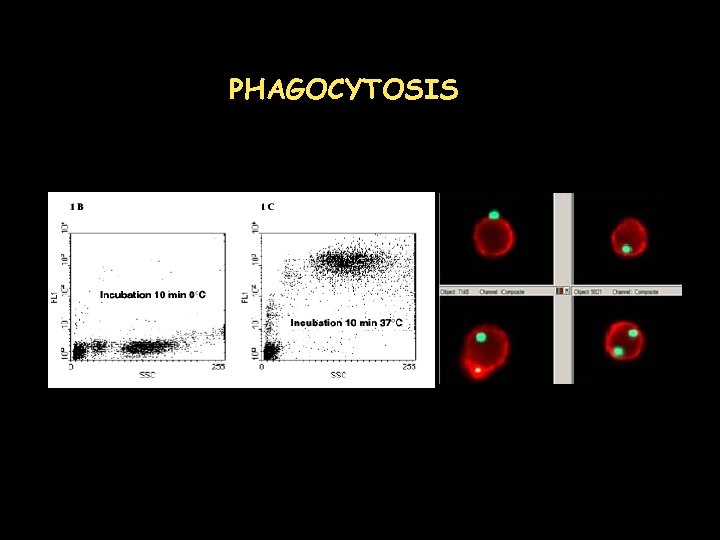 PHAGOCYTOSIS
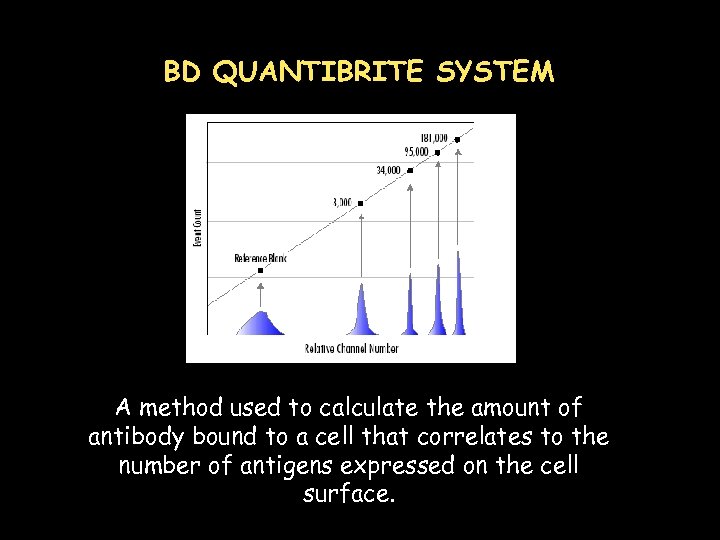 BD QUANTIBRITE SYSTEM A method used to calculate the amount of antibody bound to a cell that correlates to the number of antigens expressed on the cell surface.
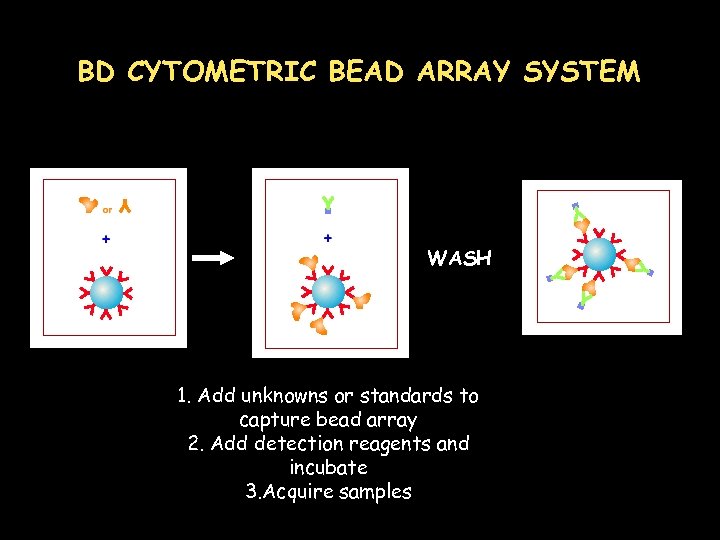 BD CYTOMETRIC BEAD ARRAY SYSTEM WASH 1. Add unknowns or standards to capture bead array 2. Add detection reagents and incubate 3. Acquire samples
 Cell Sorting • The population of interest can be separated during flow and deposited into a tube for later analysis (>95% purity). • Any combination of analytical parameters can be used to set the criteria for sorting as opposed to single parameter methods (I. e. separating the negatives from the positives).
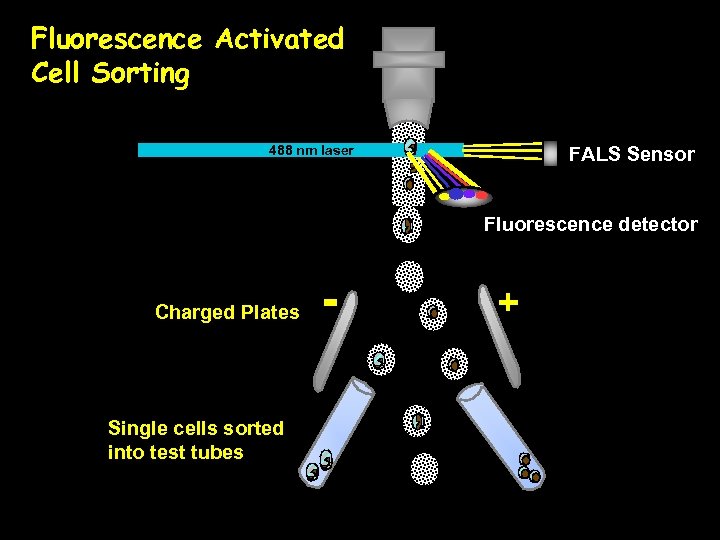 Fluorescence Activated Cell Sorting FALS Sensor 488 nm laser Fluorescence detector Charged Plates Single cells sorted into test tubes - +
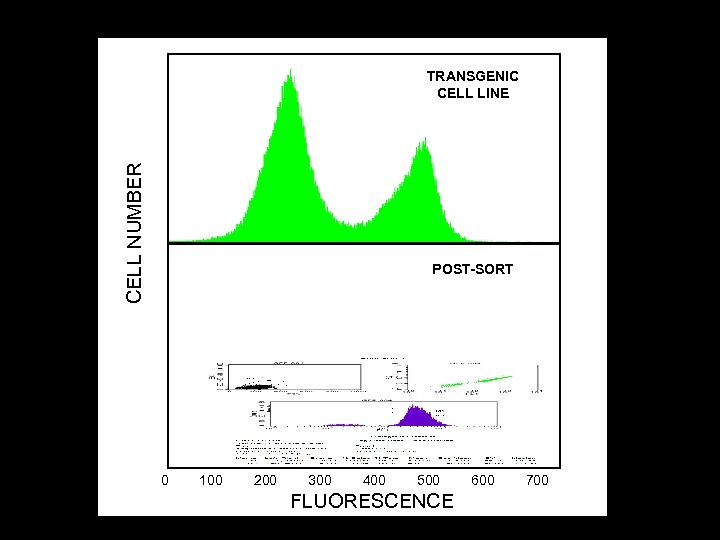 CELL NUMBER TRANSGENIC CELL LINE POST-SORT 0 100 200 300 400 500 FLUORESCENCE 600 700
 ADVANTAGES -Evaluating large number of cells quantitatively and reproducibly increases the statistical confidence and precision of data. -The ability to measure several parameters on thousands of single cells within minute (10, 000 cells/second). -Measurements are made separately on each cell. -Simultaneous, multiparameter analyses in complex cell populations.
 The power of flow cytometry lies in the ability to measure several parameters on thousands of single cells within minutes (1000 cells/second).
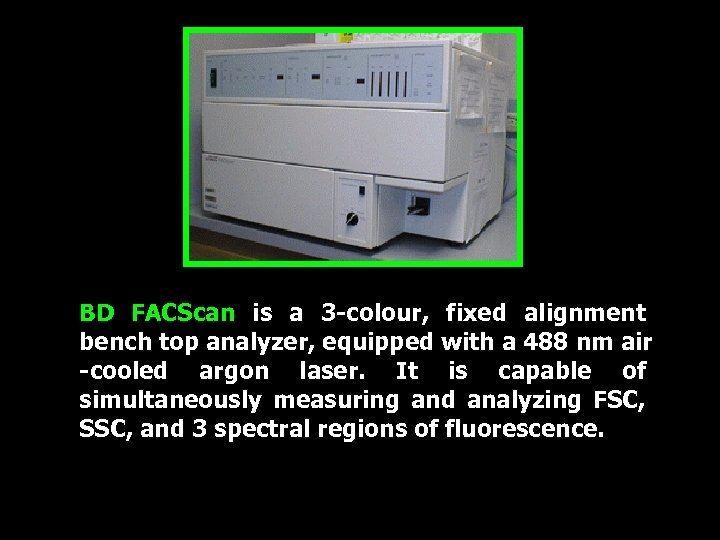 BD FACScan is a 3 -colour, fixed alignment bench top analyzer, equipped with a 488 nm air -cooled argon laser. It is capable of simultaneously measuring and analyzing FSC, SSC, and 3 spectral regions of fluorescence.
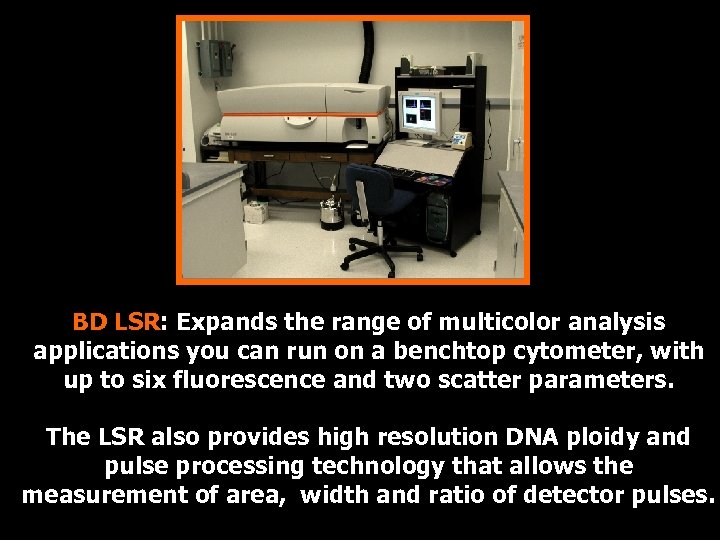 BD LSR: Expands the range of multicolor analysis applications you can run on a benchtop cytometer, with up to six fluorescence and two scatter parameters. The LSR also provides high resolution DNA ploidy and pulse processing technology that allows the measurement of area, width and ratio of detector pulses.
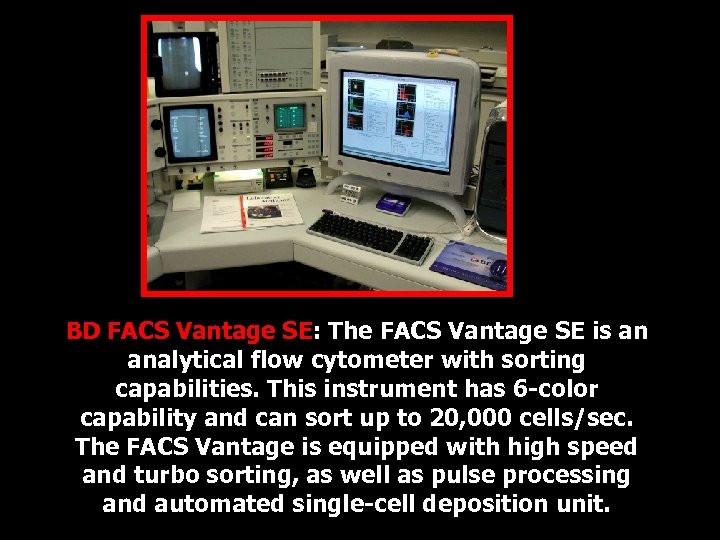 BD FACS Vantage SE: The FACS Vantage SE is an analytical flow cytometer with sorting capabilities. This instrument has 6 -color capability and can sort up to 20, 000 cells/sec. The FACS Vantage is equipped with high speed and turbo sorting, as well as pulse processing and automated single-cell deposition unit.
 U OF C FLOW CYTOMETRY USER FACILITY We offer individual training on basic flow cytometry on an BD FACScan (488 laser) Future courses will include: n Analysis of flow cytometric data n FLOWJO n Measurement of Apoptosis n DNA and Cell Cycle Analysis For more information please contact Laurie Kennedy (210 -8598) (lkennedy@ucalgary. ca)
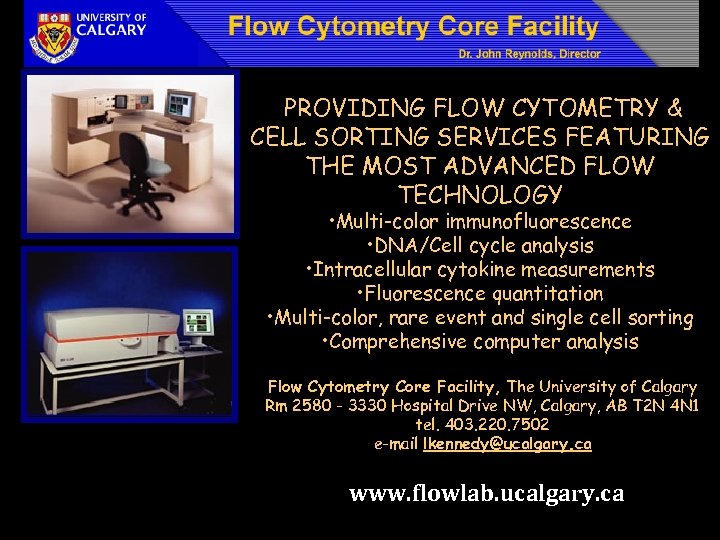 PROVIDING FLOW CYTOMETRY & CELL SORTING SERVICES FEATURING THE MOST ADVANCED FLOW TECHNOLOGY • Multi-color immunofluorescence • DNA/Cell cycle analysis • Intracellular cytokine measurements • Fluorescence quantitation • Multi-color, rare event and single cell sorting • Comprehensive computer analysis Flow Cytometry Core Facility, The University of Calgary Rm 2580 - 3330 Hospital Drive NW, Calgary, AB T 2 N 4 N 1 tel. 403. 220. 7502 e-mail lkennedy@ucalgary. ca www. flowlab. ucalgary. ca
 PERSONNEL Director: John D. Reynolds (reynolds@ucalgary. ca) Operator: Laurie Robertson, HSC 2580 Tel: 220 -7502 e-mail: robertl@ucalgary. ca Operator and Instructor: Laurie Kennedy, HSC 2802 Tel: 210 -8598 e-mail: lkennedy@ucalgary. ca
 Please visit our website: www. flowlab. ucalgary. ca