 Скачать презентацию Unit IV Evolution and Biodiversity Chapter 18 Conservation
5b06e5a69e15e3e74cc2da7c4632a880.ppt
- Количество слайдов: 33



Unit IV: Evolution and Biodiversity Chapter 18: Conservation of Biodiversity
I. The Anthropocene-A 6 th Mass Extinction? ▪ Three Levels of Extinction Local Extinction-not found in parts of range/area it once inhabited but is found other places Ecological Extinction-numbers so low it can no longer fulfill niche in communities where it is found Biological Extinction-gone! ▪ Paths to Extinction 1. Endangered-so few individuals that the specie could soon become extinct over all or most of its natural range; they may soon disappear 2. Threatened-still abundant in natural range but many populations showing a decline
Estimating Extinction Rates ▪ Difficult because so slow and hard to document, we have not id-ed most species and little known about the ecological roles of those species or we have no reliable data to assess their status ▪ Of the estimated 10 million Use mathematical models to estimate risk Background Extinction: species disappear at low levels Mass Extinctions: many species in a short period of time.
II. Global Declines in Crop and Livestock Biodiversity Loss of Crop Diversity: ▪ Gene /Seed Banks: preserve genetic info and seeds in cool, low-humidity environs https: //www. youtube. com/watch? v=g. FAcy. Jx. Igu. A http: //www. huffingtonpost. com/2010/03/1 1/colbert-mocks-glenn-becks_n_494651. html Loss of Livestock Diversity
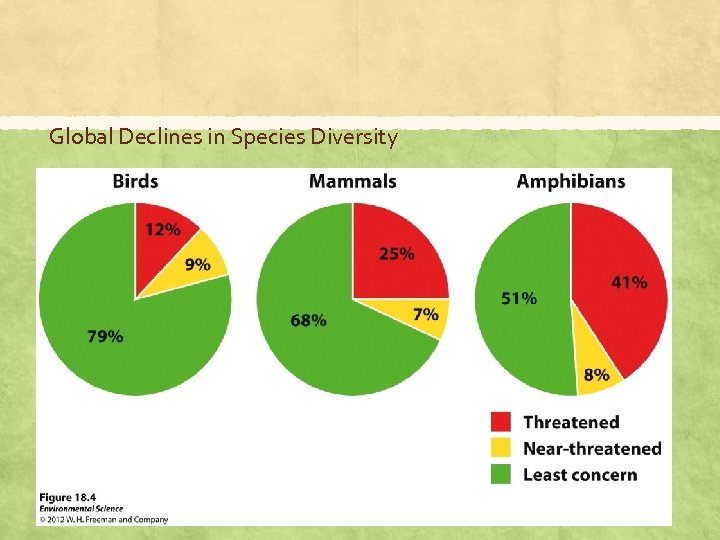
Global Declines in Species Diversity
II. Global Declines in Species Diversity-Causes Human Impact on Biodiversity Underlying Causes: population growth, poverty, undervaluing natural capital Direct Causes: HIPPCO H=Habitat Destruction, degradation and fragmentation I: Invasive Species P=Population growth and increase resource use P=Pollution C: Climate Change O: Overexploitation
Invasive / Alien/Non-Native Species ▪ Native Species: live in their historic range-where they have lived for thousands-millions of years ▪ Alien: Live outside historic range ▪ Trade, transport and agriculture are three of the more common routes, or “pathways, ” through which invasive species arrive. o Some species moved accidentally , some intentionally ▪ Asian Carp http: //www. cbsnews. com/video/watch/? id=5869154 n
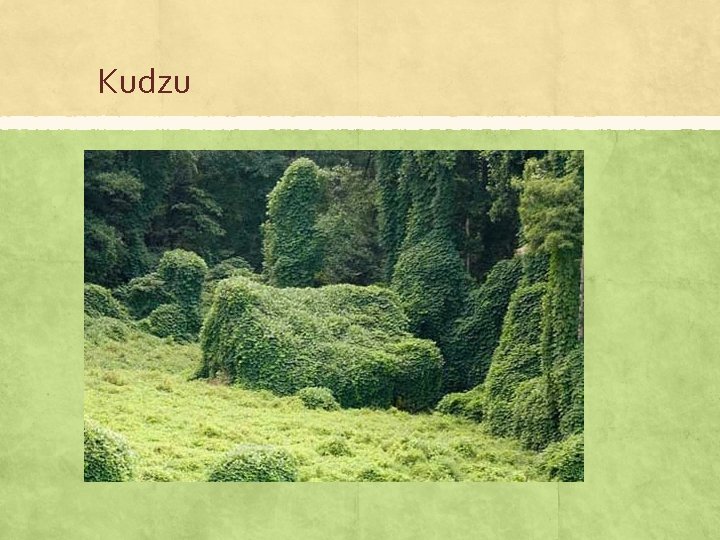
Kudzu
Asian Carp ▪ http: //www. nps. gov/miss/learn/nature/ascarpover. htm
Zebra Mussels ▪ feed by drawing water and filtering out most of the suspended microscopic plants, animals and debris for food. ▪ can lead to increased water clarity and a depleted food supply for other aquatic organisms, including fish. ▪ The higher light penetration fosters growth of rooted aquatic plants which, although creating more habitat for small fish, may inhibit the larger, predatory fish from finding their food. ▪ Zebra mussel infestations may also promote the growth of blue- green algae, since they avoid consuming this type of algae but not others. ▪ Zebra mussels attach to the shells of native mussels in great masses, effectively smothering them
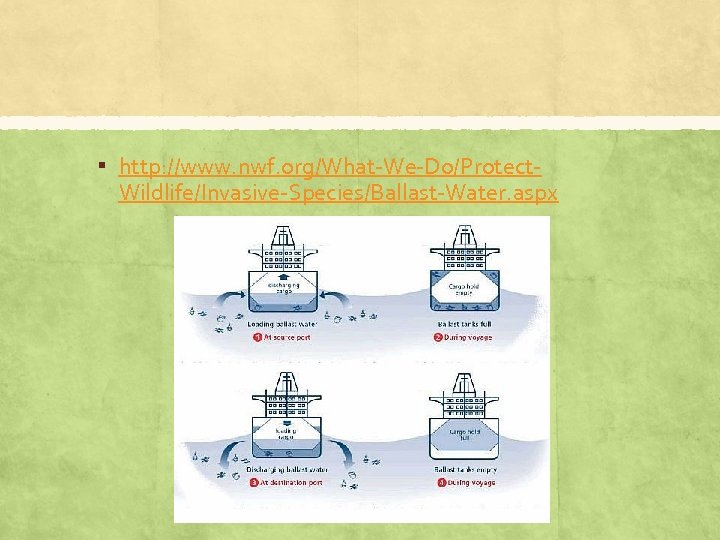
▪ http: //www. nwf. org/What-We-Do/Protect- Wildlife/Invasive-Species/Ballast-Water. aspx
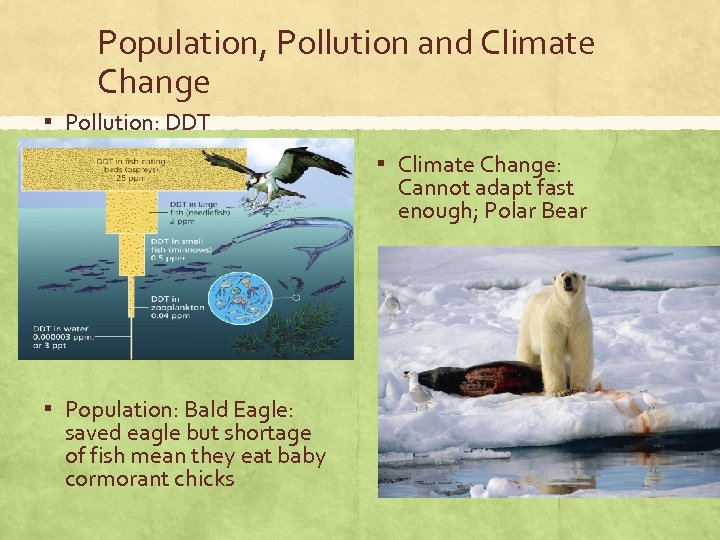
Population, Pollution and Climate Change ▪ Pollution: DDT ▪ Climate Change: Cannot adapt fast enough; Polar Bear ▪ Population: Bald Eagle: saved eagle but shortage of fish mean they eat baby cormorant chicks
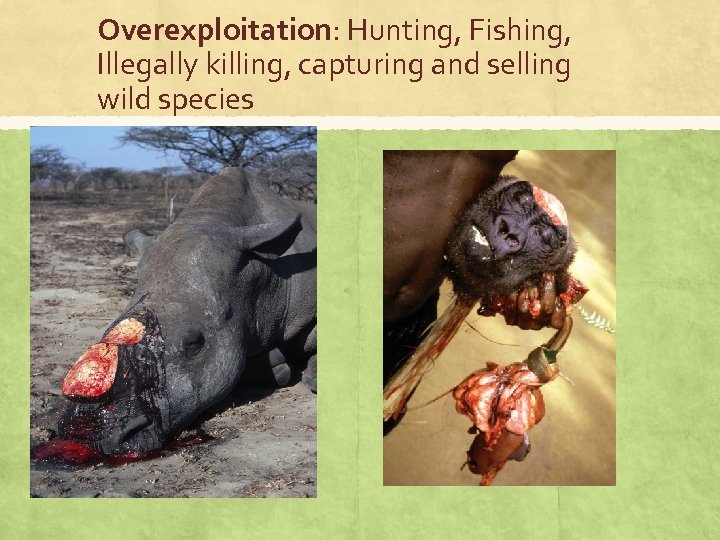
Overexploitation: Hunting, Fishing, Illegally killing, capturing and selling wild species
III. Why Preserve Species? ▪ Ecosystem Services o o Provisioning Regulating Cultural Supporting ▪ Bioprospecting ▪ Ecotourism ▪ Intrinsic Value: religious and philosophical beliefs that we have a moral obligation to preserve species ▪ Biophilia
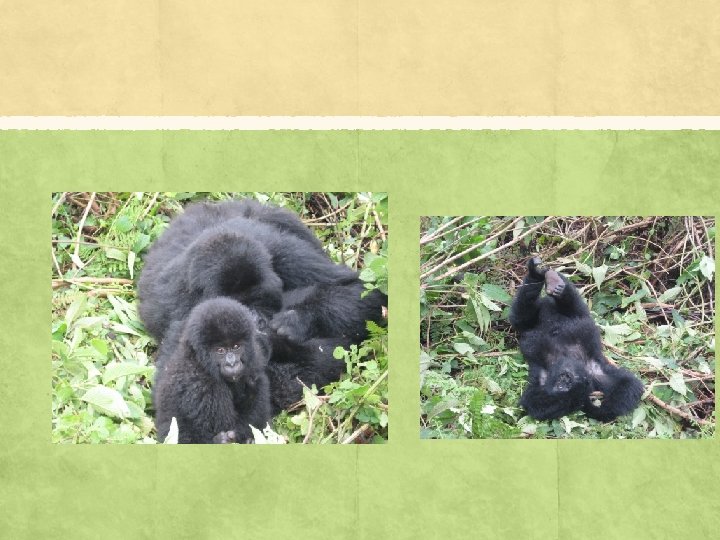
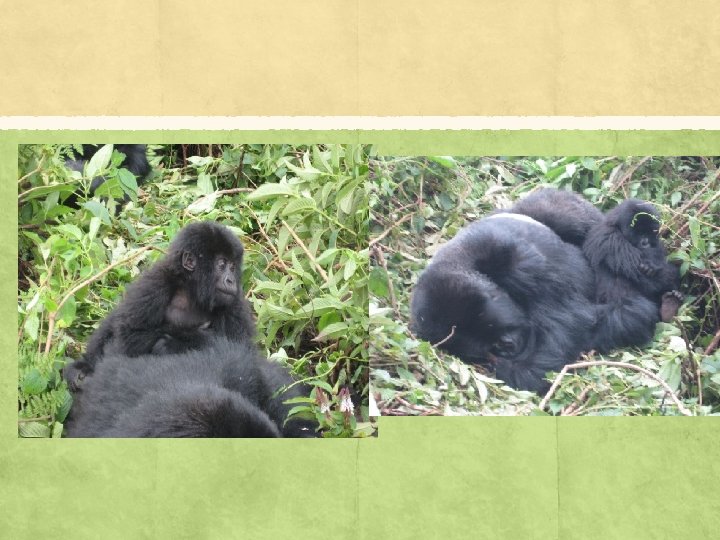
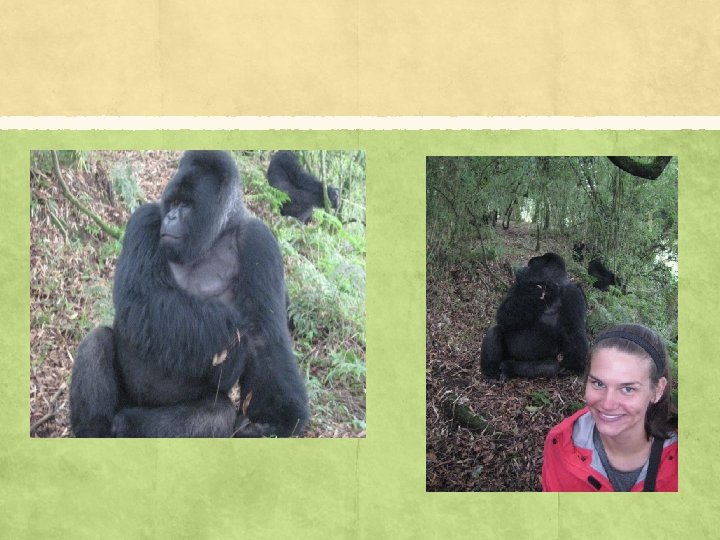
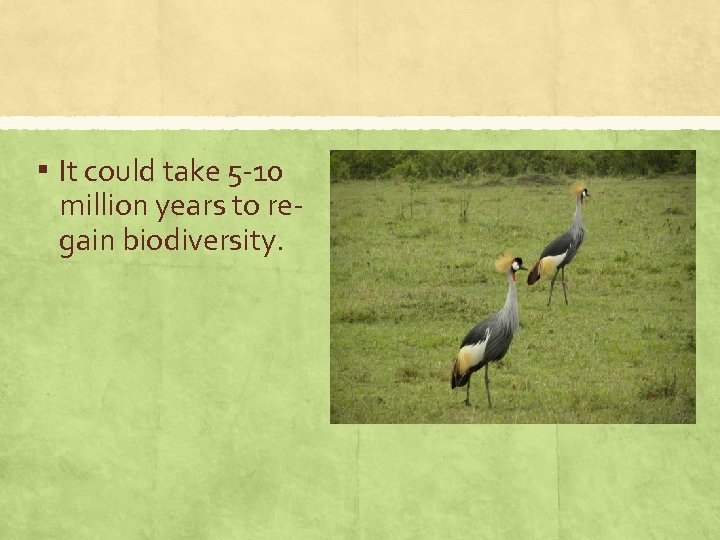
▪ It could take 5 -10 million years to regain biodiversity.
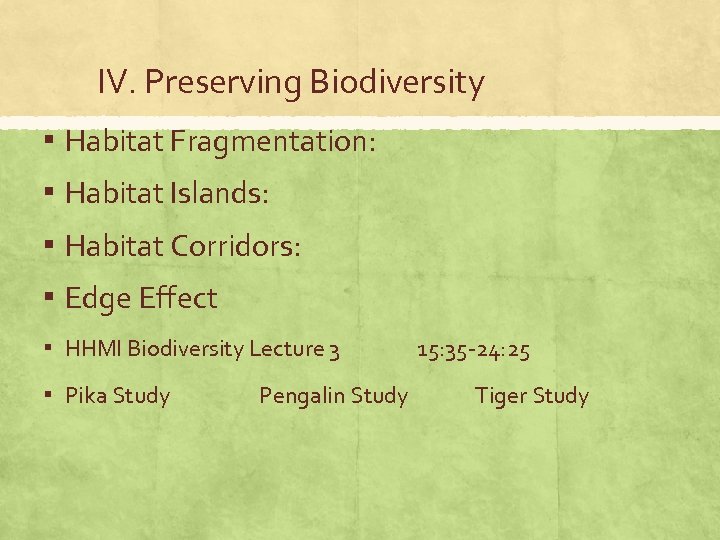
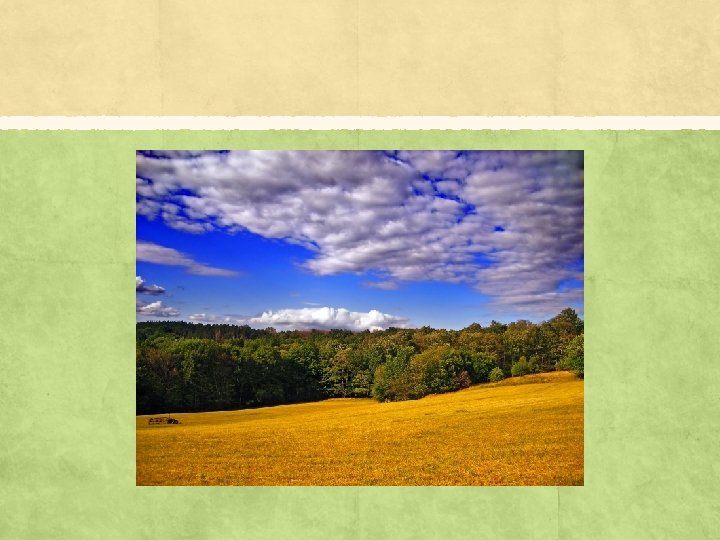
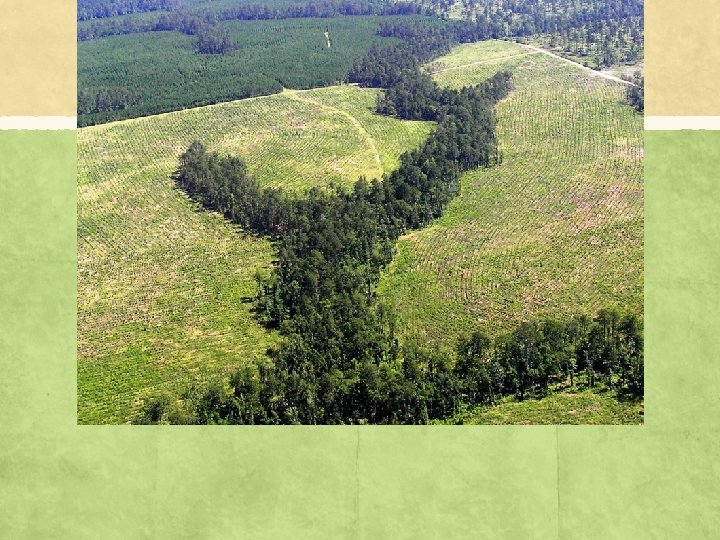
IV. Preserving Biodiversity ▪ Habitat Fragmentation: ▪ Habitat Islands: ▪ Habitat Corridors: ▪ Edge Effect ▪ HHMI Biodiversity Lecture 3 ▪ Pika Study Pengalin Study 15: 35 -24: 25 Tiger Study
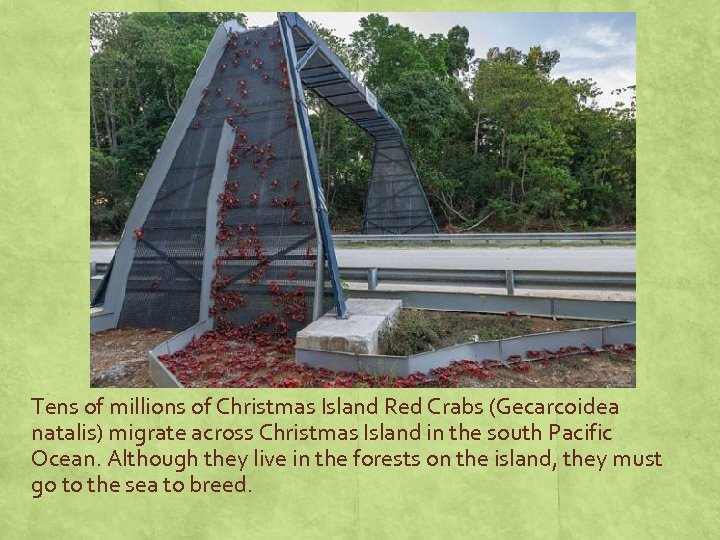
Tens of millions of Christmas Island Red Crabs (Gecarcoidea natalis) migrate across Christmas Island in the south Pacific Ocean. Although they live in the forests on the island, they must go to the sea to breed.
Theory of Island Biogeography ▪ Number of types of species influenced by size and distance from mainland ▪ Larger habitats have more species-why? ▪ Closer to other habitat = more species. Why?
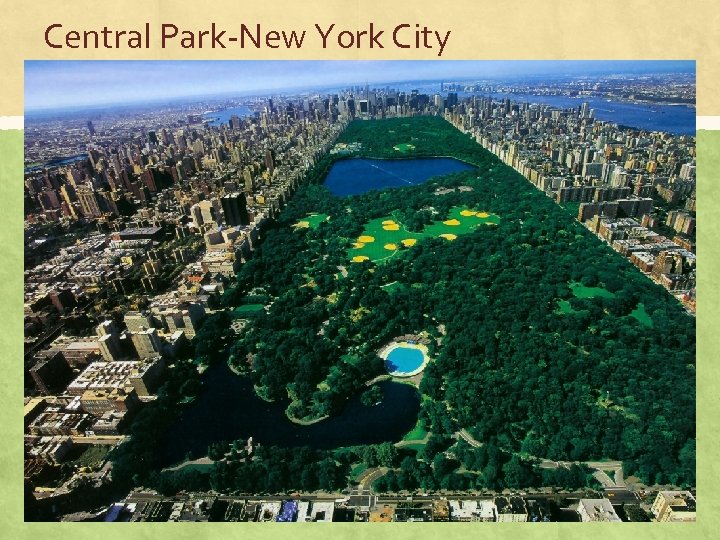
Central Park-New York City
V. Solutions: Protecting Wild Species. Individual Species Approach CITES: Convention on International Trade in Endangered Species. 1973; 175 countries. Red List (threatened species)that cannot be commercially traded as live specimens or for their parts or products and restricts trade on thousands of plants and animal. Hard to enforce; much corruption. Fig. 11 -13, p. 236
Endangered Species Act (ESA): 1973 US law; one of the world’s most far-reaching and controversial environmental laws. ▪ Many amendments ▪ Designed to id and protect ES ▪ USFWS and NMFS id and list plant and animal species ▪ Any decision to add or remove a species must be based on biological factors alone, not economic or political. ▪ Forbids federal agencies to carry out or fund a project that would jeopardize the a species or their habitat ▪ Can not buy or sell product made from species; can not hunt , kill, collect or injure ▪ USFWS and NMFS are suppose to prepare a plan / designate habitat to help each species recover
IV. Solutions: Protecting Wild Species. Ecosystem Approach ▪ Encouraging Private Land Owners Habitat Conservation Plans: allow landowners/developers to destroy habitat if they do something in exchange, i. e. relocate species or buying habitat elsewhere Safe Harbor Agreement: Landowners get financial and technical assistance to restore, improve or maintain habitat Habitat Corridors: : A is a strip of land that aids in the movement of species between disconnected areas of their natural habitat.
Sanctuary Approach: 544 Wildlife refugees: many of which are wetland sanctuaries for migratory waterfowl or habitat for specific endangered species. Have been threatened by invasives and human activities like hunting and atv. Zoos and Aquariums: captive breeding, egg pulling, DNA analysis for mating Reconciliation Ecology: is the science of inventing, establishing and maintaining new habitats to conserve species diversity in places where people live, work or play; protecting wilderness, though necessary, is not enough to preserve biodiversity Biosphere Reserves: UNESCO
Скачать презентацию Unit IV Evolution and Biodiversity Chapter 18 Conservation
5b06e5a69e15e3e74cc2da7c4632a880.ppt