


 Скачать презентацию Unit 4 International Economics Standard
ec135cb4501bd32478f9f0a5667635d5.ppt
- Количество слайдов: 51
 Unit 4 – International Economics
 Standard ¢ ¢ SSEIN 1 The student will explain why individuals, businesses, and governments trade goods and services. a. Define and distinguish between absolute advantage and comparative advantage. b. Explain that most trade takes place because of comparative advantage in the production of a good or service. c. Explain the difference between balance of trade and balance of payments.
 What is Trade? ¢ The voluntary exchange of goods/services ¢ Also known as commerce
 Why Trade? ¢ Resources are NOT distributed equally around the globe Land – agriculture vs. oil l Labor – high literacy rate = skilled workforce l Capital – factories, infrastructure l (Entrepreneurship) l
 Trade Because countries differ in resources, they differ in the production of g/s ¢ Leads to specialization ¢ Specialization – producing certain g/s rather than what you need ¢ Do what you are good at…trade for what you’re not!
 Trade ¢ Countries then rely on each other for the production of g/s. ¢ This is known as interdependence.
 Why Trade? Opportunity Cost: Countries will produced items where opportunity cost is LOWEST. ¢ Think in terms of “what they are giving up” ¢
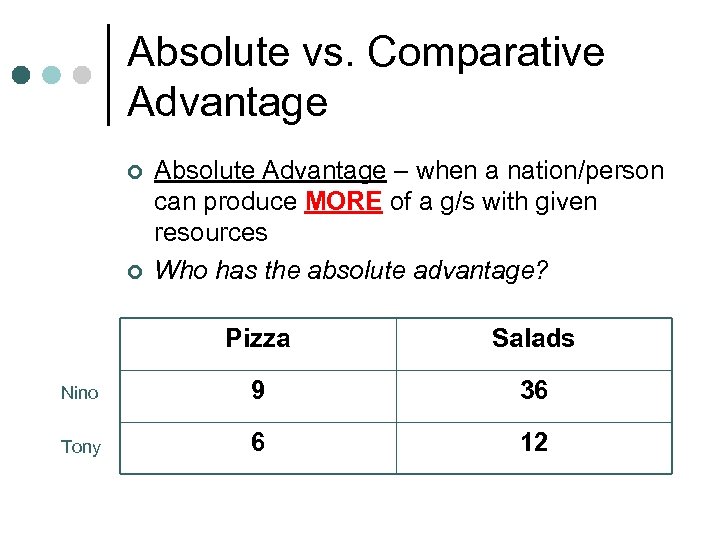 Absolute vs. Comparative Advantage ¢ ¢ Absolute Advantage – when a nation/person can produce MORE of a g/s with given resources Who has the absolute advantage? Pizza Salads Nino 9 36 Tony 6 12
 ¢ Comparative Advantage – the ability to produce most efficiently given all the other products that could be produced ¢ Opportunity cost determines comparative advantage. ¢ LOWER opportunity cost is where you have comparative advantage. ¢ Specialization in what you do best
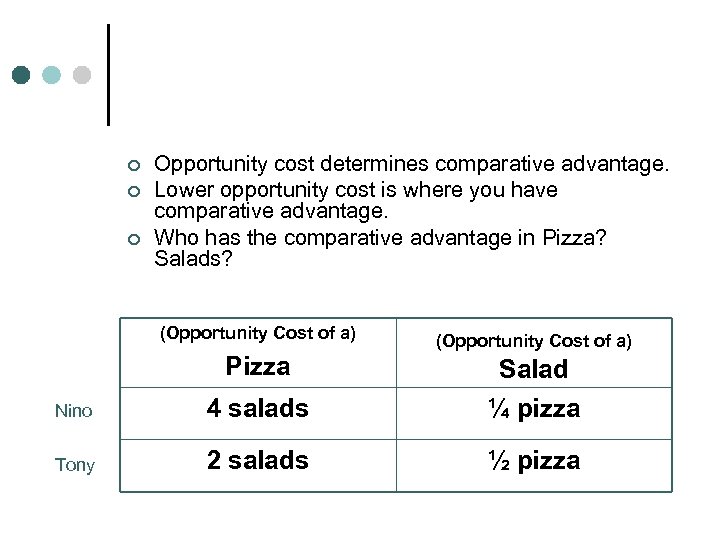 ¢ ¢ ¢ Opportunity cost determines comparative advantage. Lower opportunity cost is where you have comparative advantage. Who has the comparative advantage in Pizza? Salads? (Opportunity Cost of a) Pizza (Opportunity Cost of a) Nino 4 salads Salad ¼ pizza Tony 2 salads ½ pizza
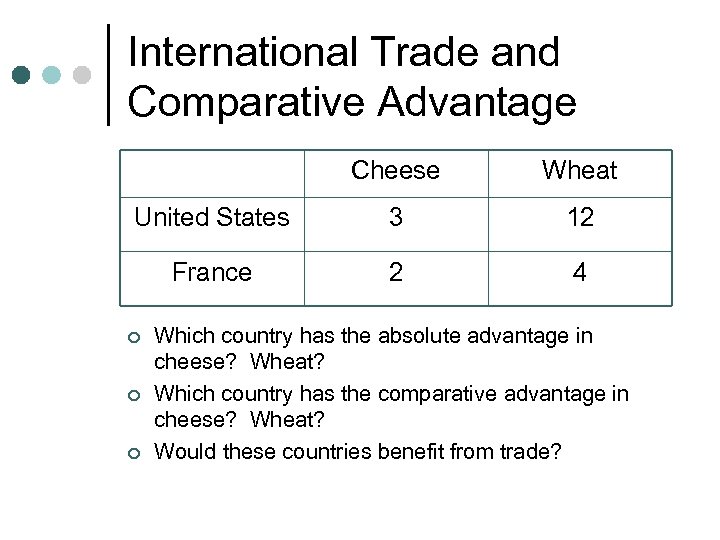 International Trade and Comparative Advantage Cheese Wheat United States 3 12 France 2 4 ¢ ¢ ¢ Which country has the absolute advantage in cheese? Wheat? Which country has the comparative advantage in cheese? Wheat? Would these countries benefit from trade?
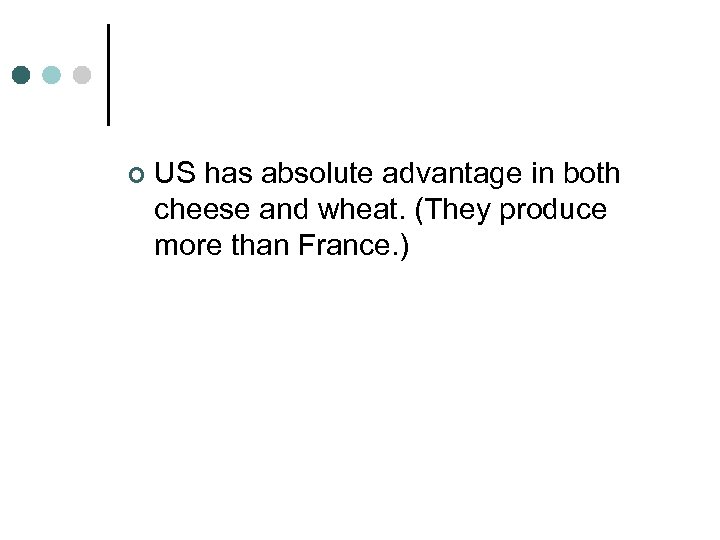 ¢ US has absolute advantage in both cheese and wheat. (They produce more than France. )
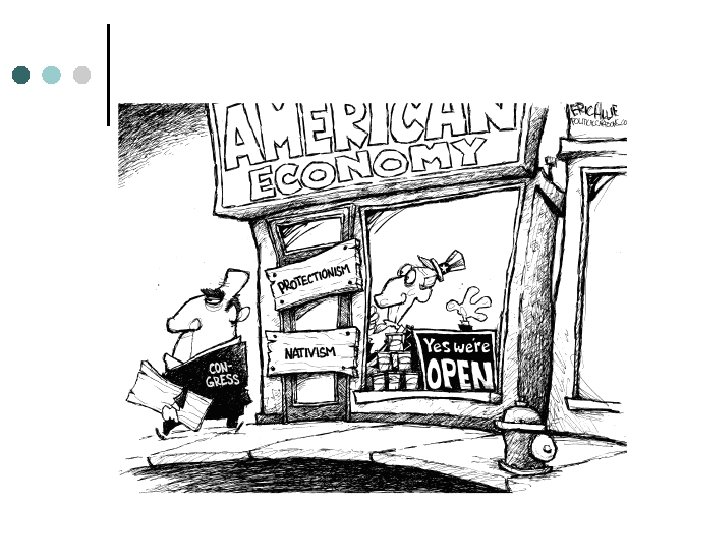
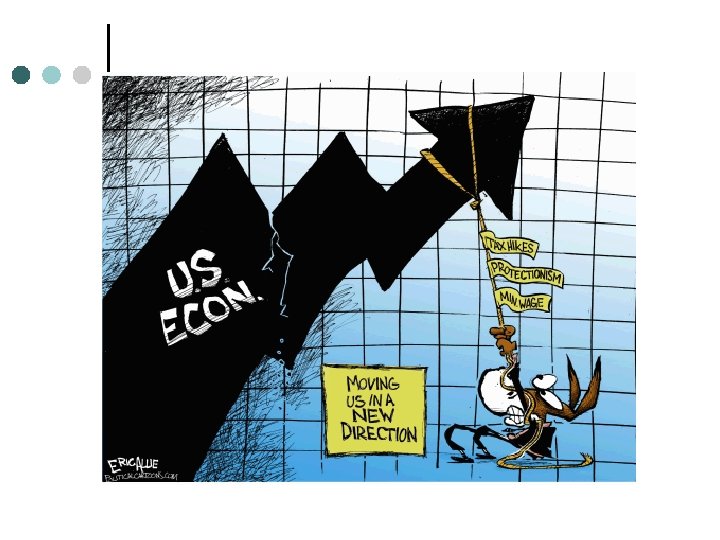
 Protectionism ¢ The use of trade barriers to protect industries from foreign competition ¢ Ex. US Steel (tariff)
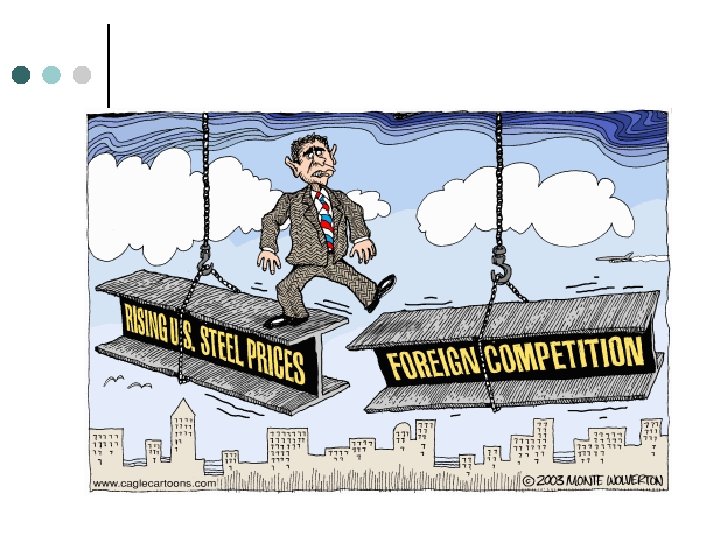
 Type of Barriers 1. Tariff: Tax on imported goods l l 2. US Steel These will be listed as a $ amount Quota: a limit on the amount that can be imported l This will be a # but NOT money.
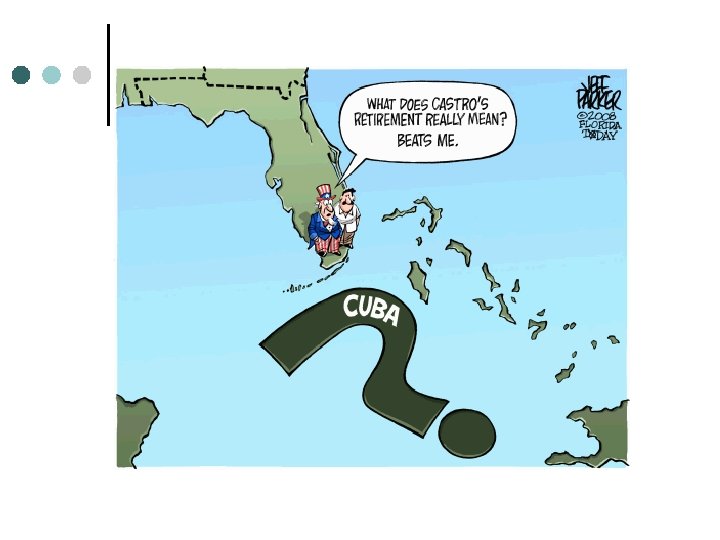
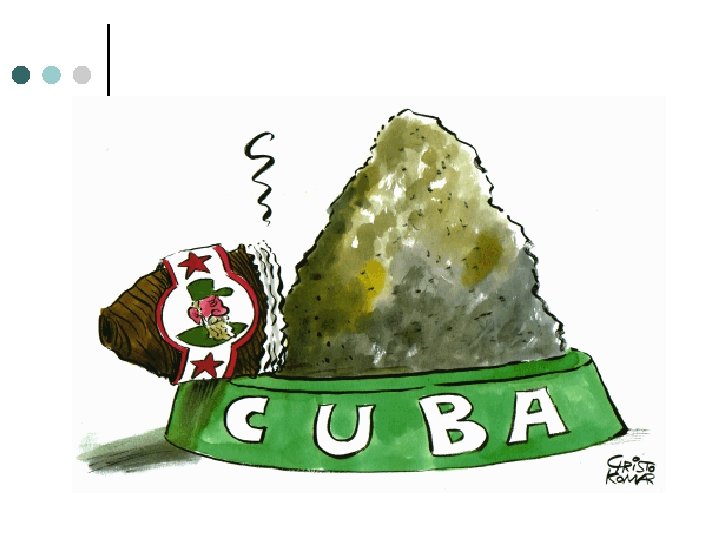
 Types of Trade Barriers 3. Embargo Boycotting trade with another country l Typically for political reasons l l Ex. Trade embargo with Cuba
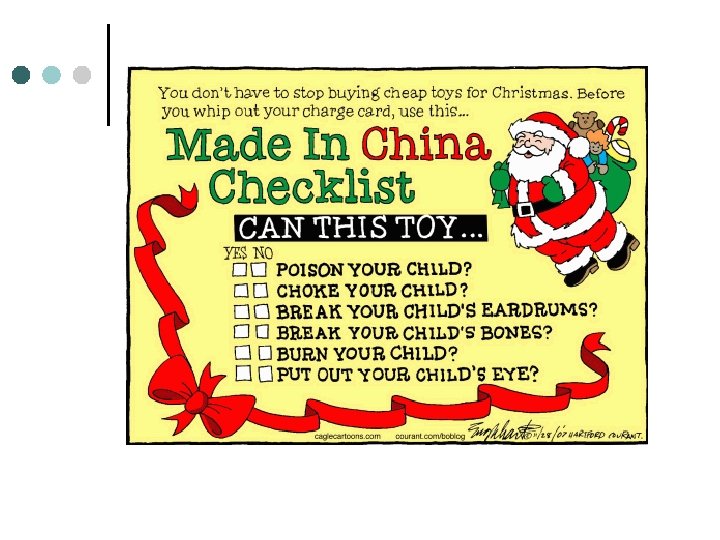
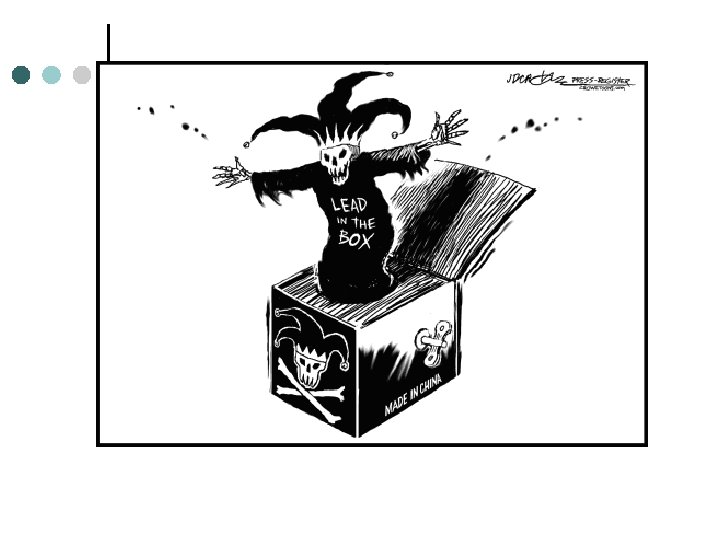
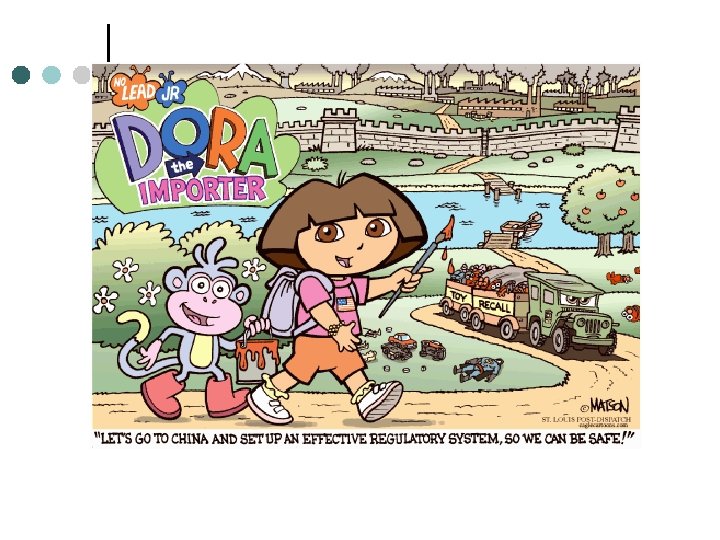
 Barriers to Trade Continued 4. Standards certain requirements set by governments that must be met in order to import a good l Ex. Safety standards l


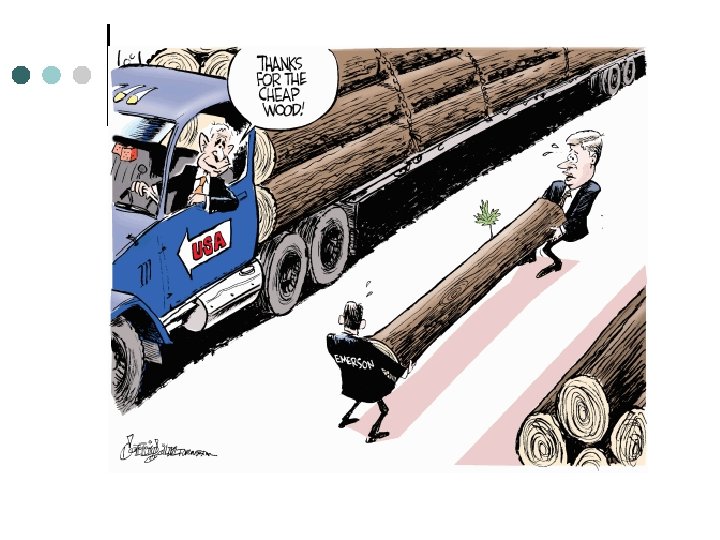
 5. Subsidies payments by a government to a business that helps keep it going l prevents trade at fair market prices l Ex. Canada and softwood timber l
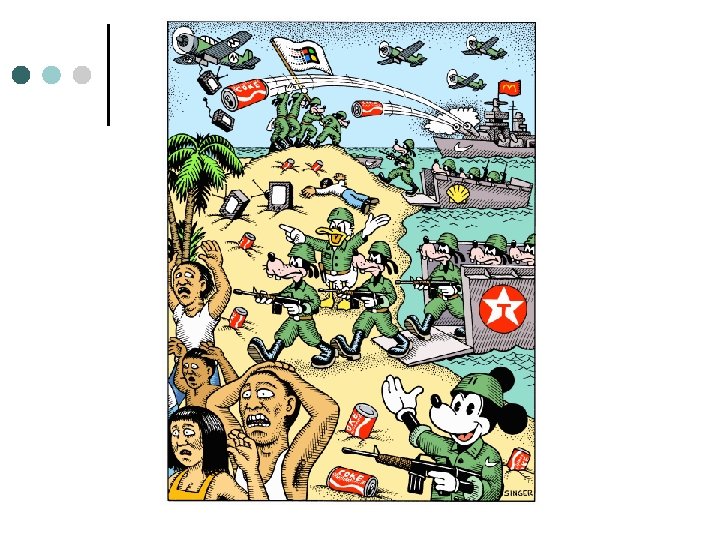
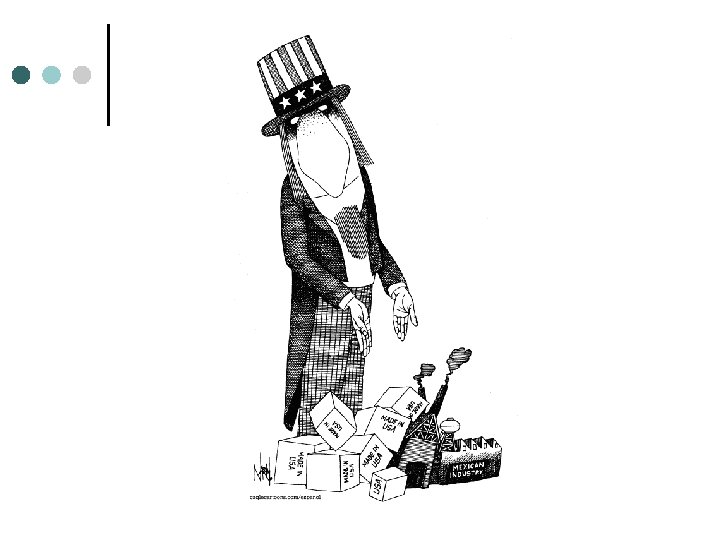
 Free Trade Agreements ¢ 1. Trading Blocks – countries who have agreed to limit or restrict trade barriers NAFTA – North American Free Trade Agreement l Goal is to eliminate all tariffs/trade barriers between Canada, United States, and Mexico by 2009
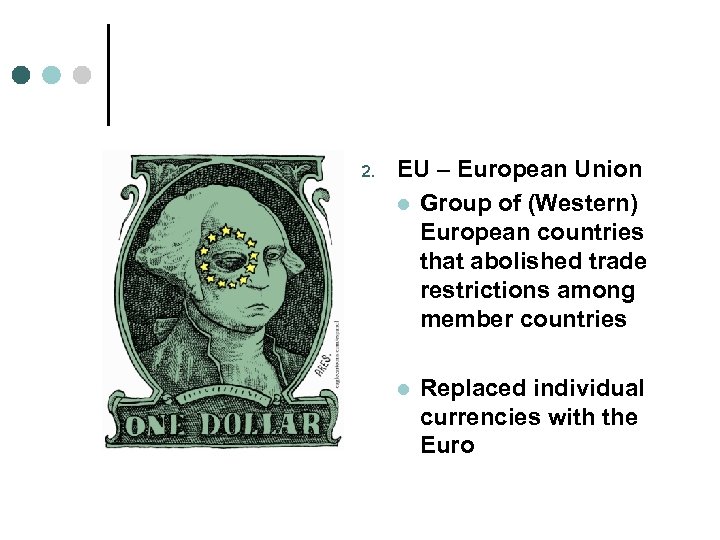 2. EU – European Union l Group of (Western) European countries that abolished trade restrictions among member countries l Replaced individual currencies with the Euro
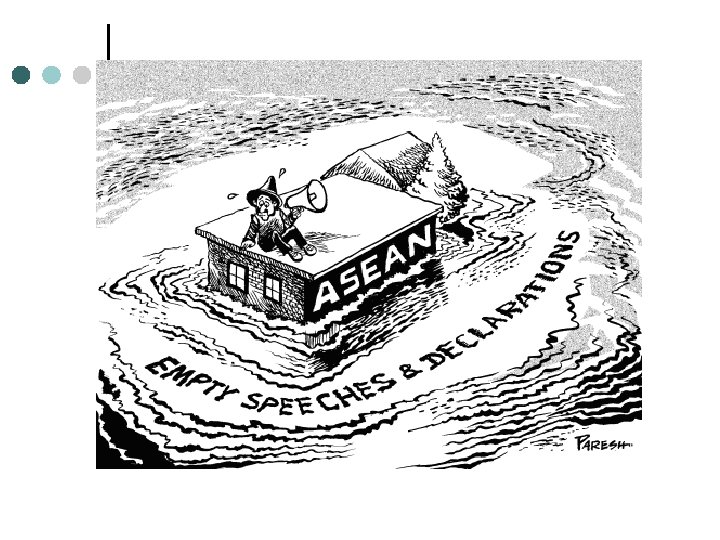
 3. ASEAN – Association of Southeast Asian Nations Promotes economic and social growth l 10 member countries including Philippines, Thailand, Vietnam l Goal is to complete free trade agreements with Japan, China, India, South Korea, Australia, and New Zealand by 2013 l
 Lunch costs $5, how many pesos must you exchange?
 Lunch costs $5, how many pesos must you exchange?
 Finding exchange rates ¢ http: //www. xe. com/#
 Exchange Rates What is it? ¢ The value of a foreign nation’s currency in terms of the home nation’s currency #Exchange rates fluctuate on a daily basis
 You are visiting New York City from Mexico and you want to buy lunch. You need to trade your _____ for ______. $1 U. S. Dollar = 13 pesos Lunch costs $5 How many pesos must you exchange?
 ¢ Stronger: When you get more in return for your one. $1 for 13 Pesos ¢ Weaker: When you get less in return for your one. $1 for. 60 Euro
 Who has the stronger currency? ¢ If your currency is strong, when they give you 1 of theirs, they will get more than 1 in return. ¢ If your currency is weak, when they give you 1 of theirs, they will get LESS THAN 1 in return.
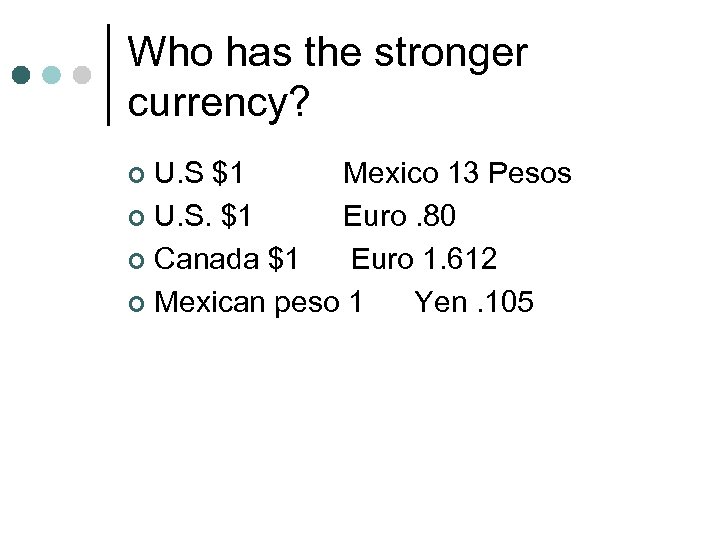 Who has the stronger currency? U. S $1 Mexico 13 Pesos ¢ U. S. $1 Euro. 80 ¢ Canada $1 Euro 1. 612 ¢ Mexican peso 1 Yen. 105 ¢
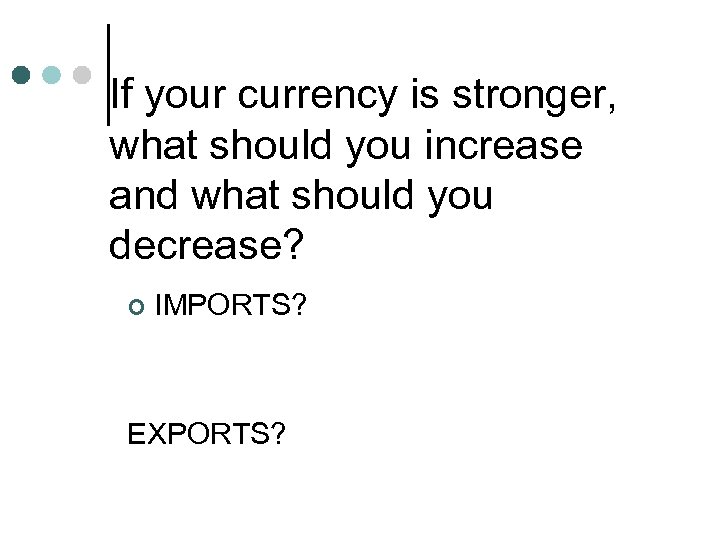 If your currency is stronger, what should you increase and what should you decrease? ¢ IMPORTS? EXPORTS?
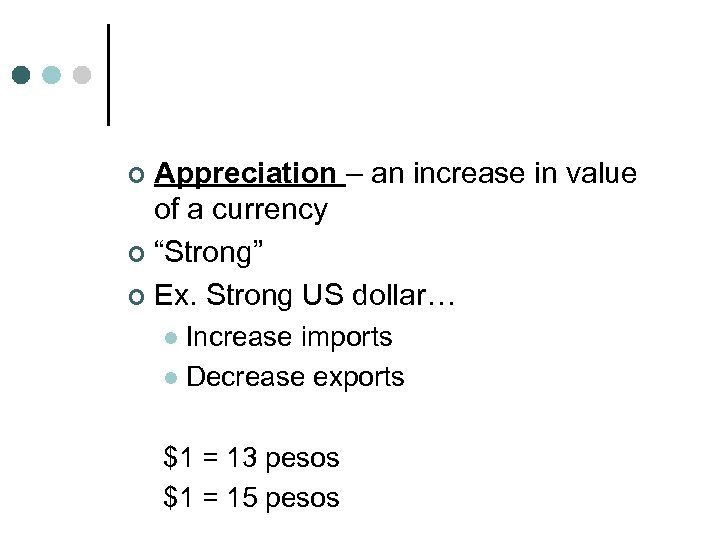 Appreciation – an increase in value of a currency ¢ “Strong” ¢ Ex. Strong US dollar… ¢ Increase imports l Decrease exports l $1 = 13 pesos $1 = 15 pesos
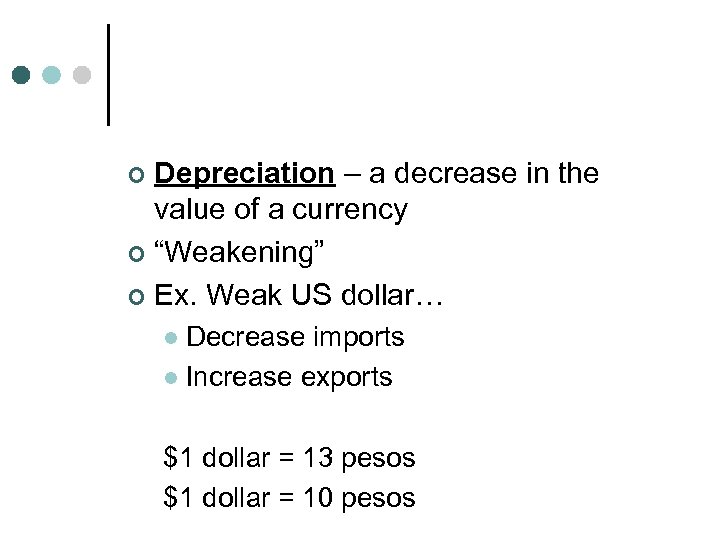 Depreciation – a decrease in the value of a currency ¢ “Weakening” ¢ Ex. Weak US dollar… ¢ Decrease imports l Increase exports l $1 dollar = 13 pesos $1 dollar = 10 pesos
 How to calculate Next we will practice: Which one is stronger? Calculate exchange rate.
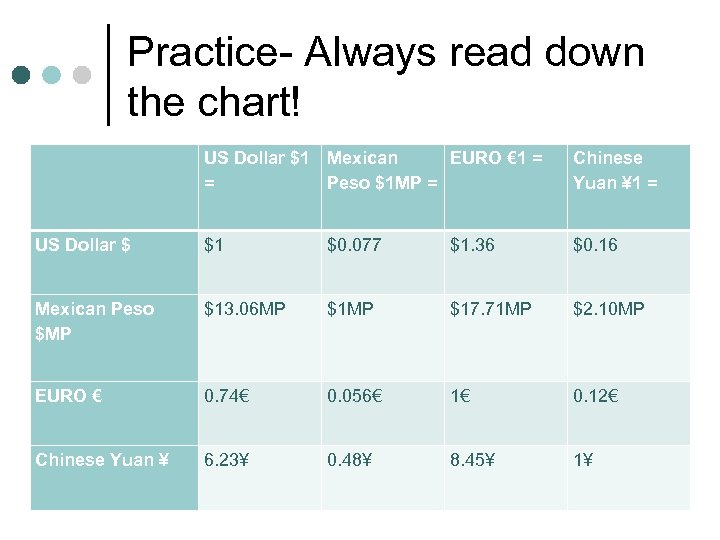 Practice- Always read down the chart! US Dollar $1 Mexican EURO € 1 = = Peso $1 MP = Chinese Yuan ¥ 1 = US Dollar $ $1 $0. 077 $1. 36 $0. 16 Mexican Peso $MP $13. 06 MP $17. 71 MP $2. 10 MP EURO € 0. 74€ 0. 056€ 1€ 0. 12€ Chinese Yuan ¥ 6. 23¥ 0. 48¥ 8. 45¥ 1¥
 Ok…that was some good multiplying, but sometimes you have to divide Example: Given pesos, then find dollars You plan to stay in a hotel for one week on your Senior Trip to Cancun, Mexico. The total cost is 7, 000 pesos. With an exchange rate of 11 pesos per dollar, what is the cost of your hotel in US dollars. $636. 36
 Balance of Trade vs. Balance of Payments Balance of Trade: the relationship between a nation’s imports and exports ¢ Balance of Payments: the financial record of all financial payments between countries ¢ l Tracks the flow of money in or out of a country
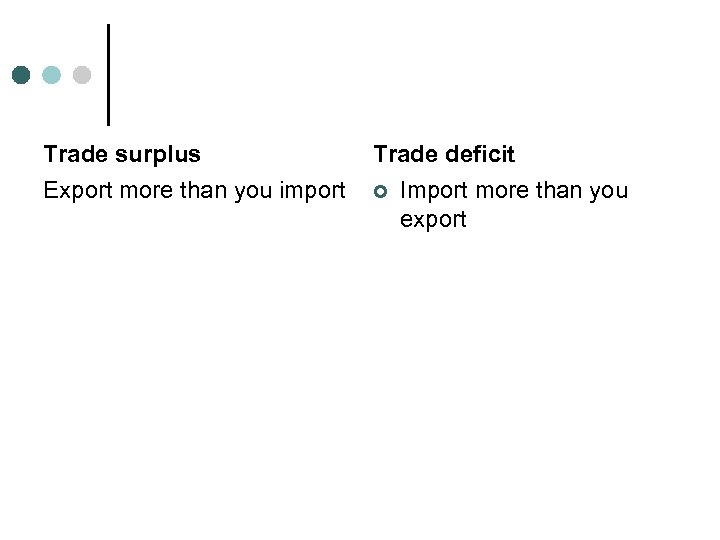 Trade surplus Trade deficit Export more than you import ¢ Import more than you export