


 Скачать презентацию Understanding and mitigating the impacts of altered temperature
0db0c0643babf828e7a5d7b397c3bf09.ppt
- Количество слайдов: 73
 Understanding and mitigating the impacts of altered temperature and precipitation regimes on the function and biodiversity of rangeland communities April 15 th, 2008 Stakeholders Meeting
 Objectives of Today l l l Introduce researchers, supporting organizations, stakeholders, and other interested parties Provide an overview of project objectives, progress to date, and future goals. Exchange ideas between stakeholders and research team
 Project Objectives l l l Understand how linkages between aspects of climate change and native rangeland ecology. Use this information to develop management suggestions to mitigate the negative aspects of climate change in these systems. Disseminate this information amongst stakeholders, the research community, and other interested parties
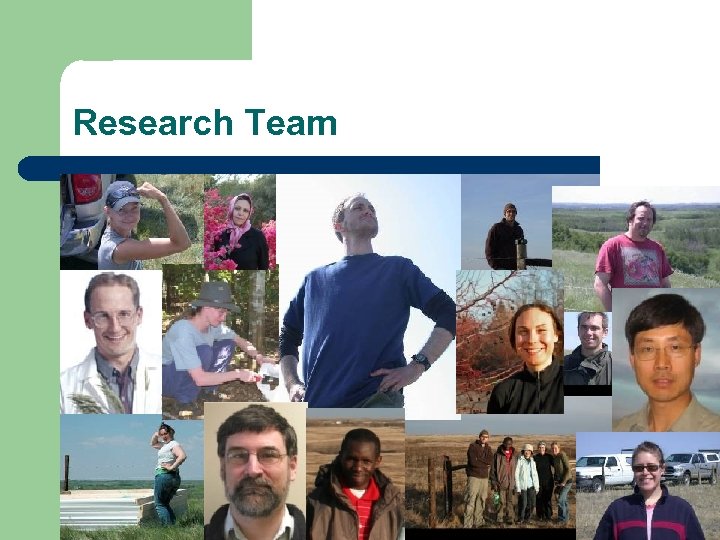 Research Team
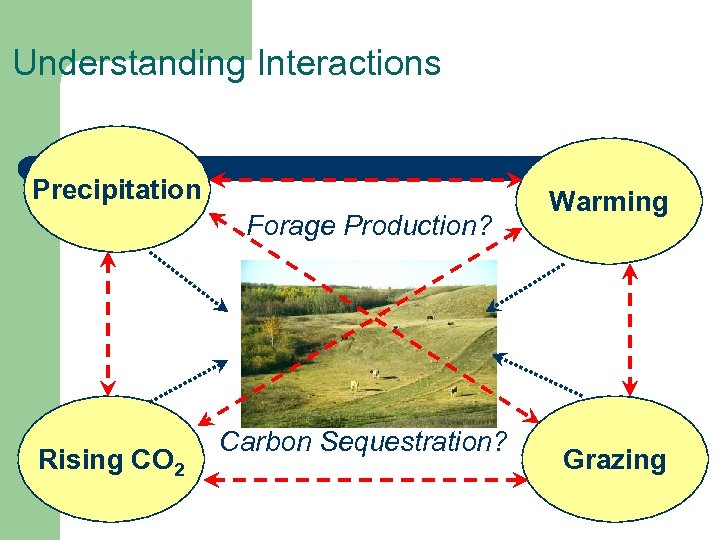 Understanding Interactions Precipitation Forage Production? Rising CO 2 Carbon Sequestration? Warming Grazing
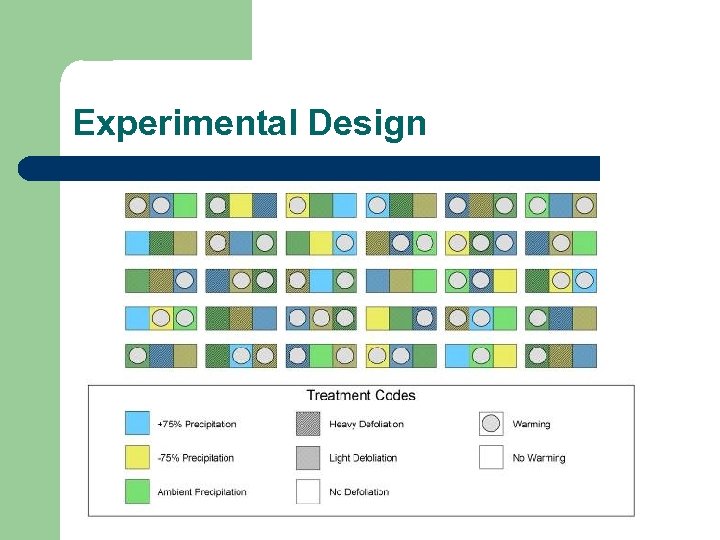 Experimental Design
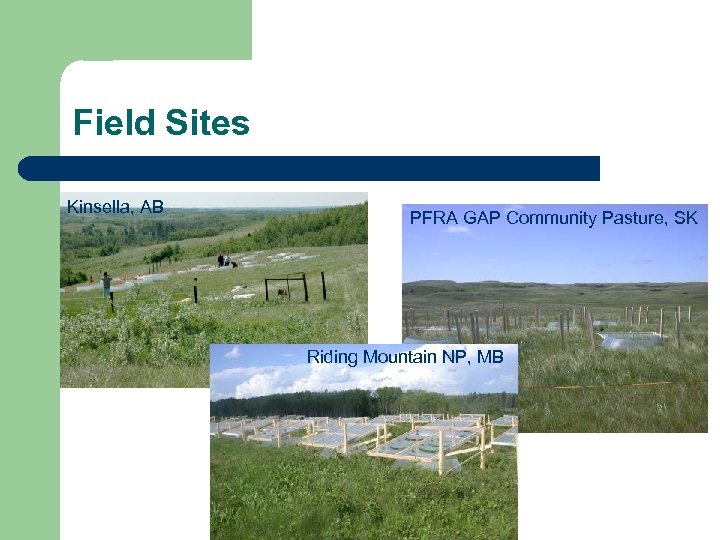 Field Sites Kinsella, AB PFRA GAP Community Pasture, SK Riding Mountain NP, MB
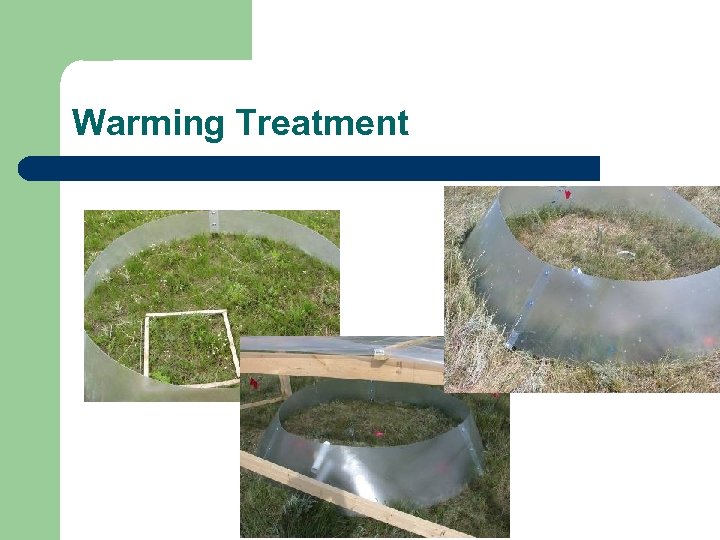 Warming Treatment
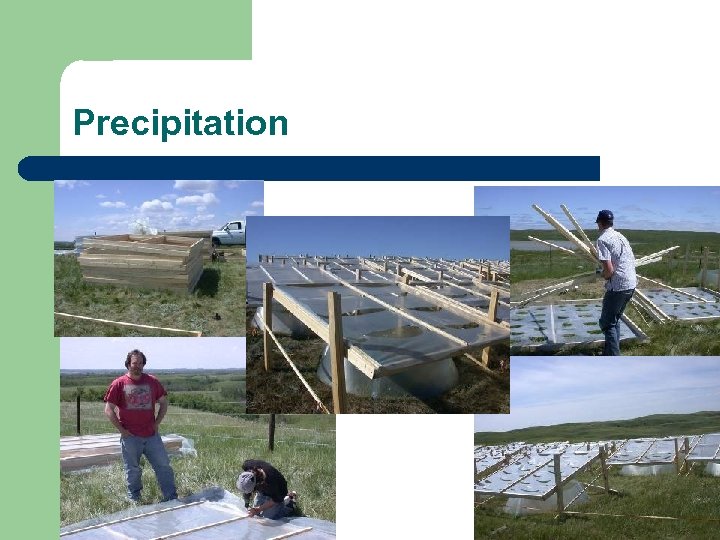 Precipitation
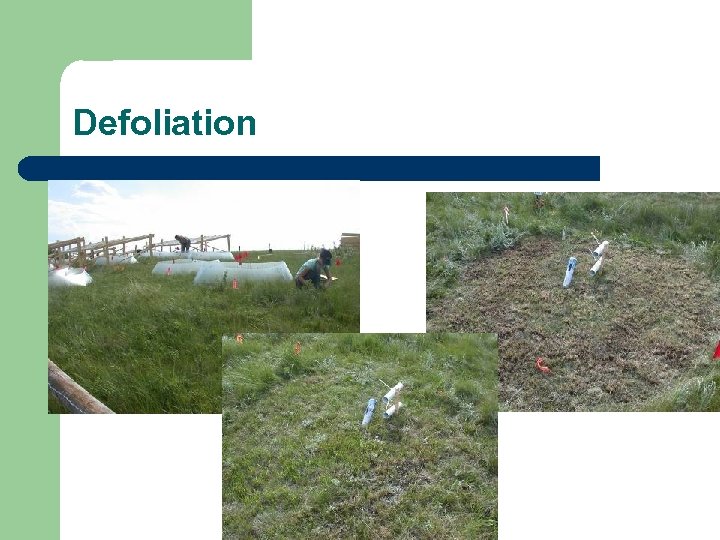 Defoliation
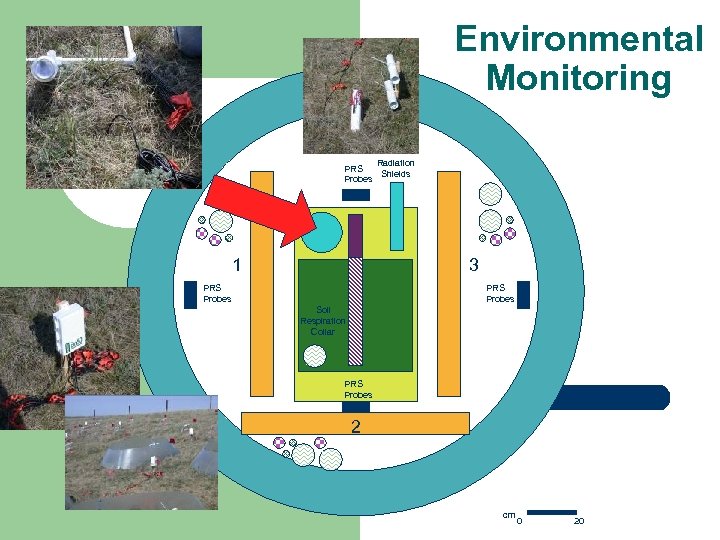 Environmental Monitoring Radiation PRS Shields Probes 1 3 PRS Probes Soil Respiration Collar PRS Probes 2 cm 0 20
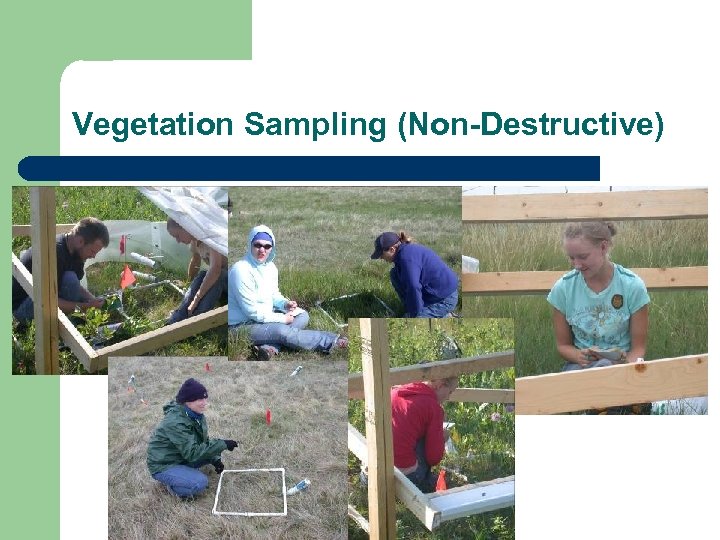 Vegetation Sampling (Non-Destructive)
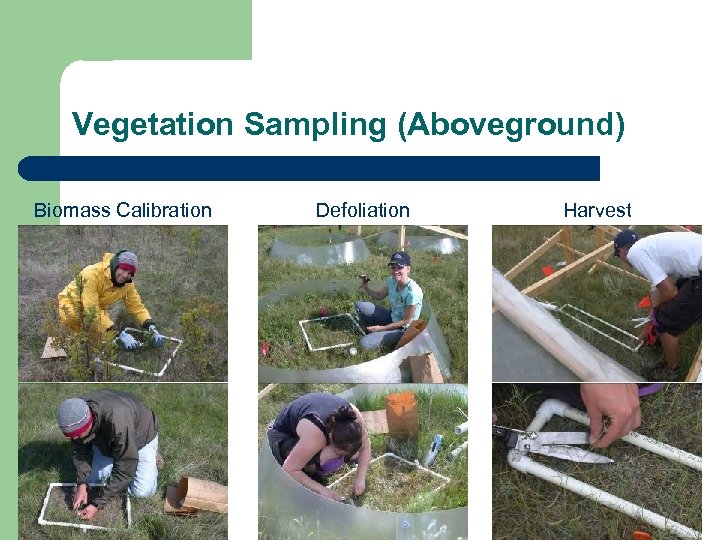 Vegetation Sampling (Aboveground) Biomass Calibration Defoliation Harvest
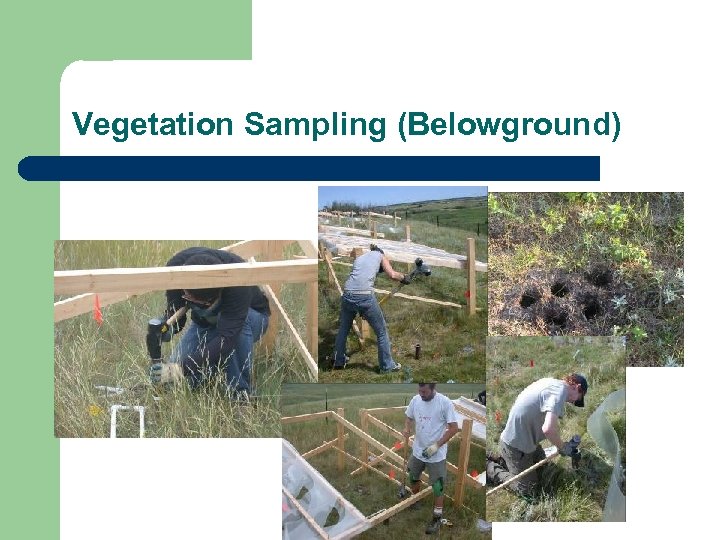 Vegetation Sampling (Belowground)
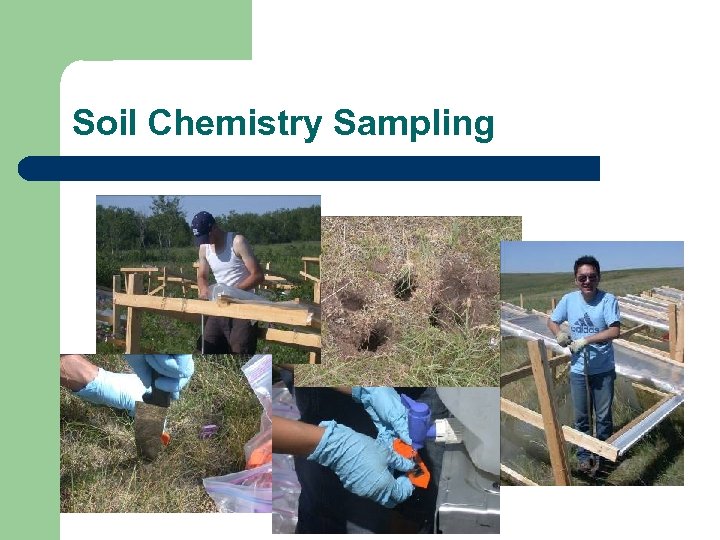 Soil Chemistry Sampling
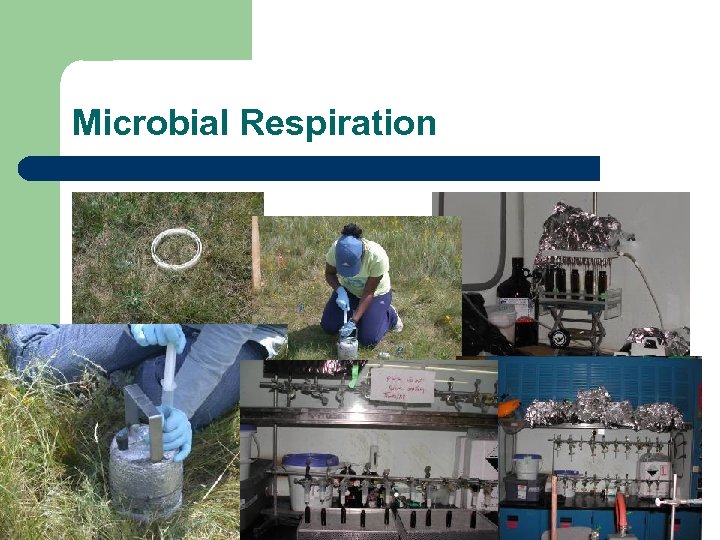 Microbial Respiration
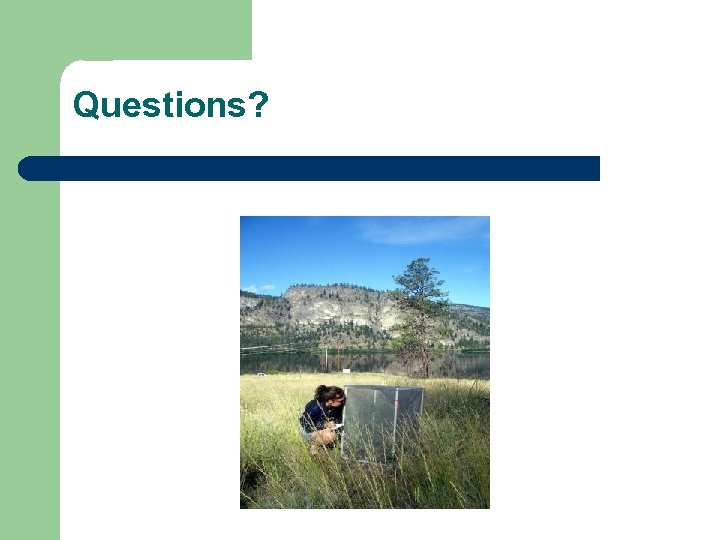
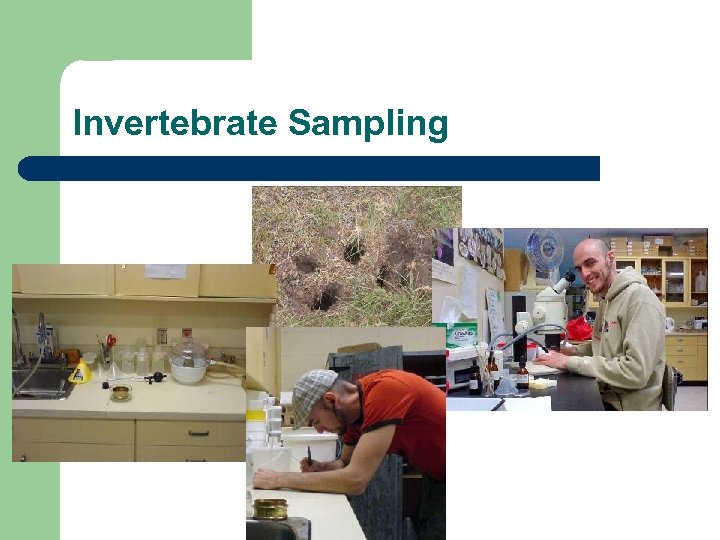 Invertebrate Sampling
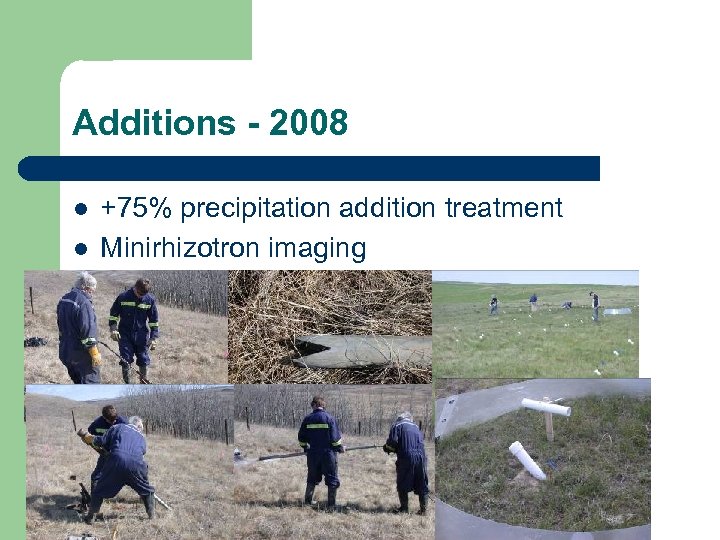 Additions - 2008 l l +75% precipitation addition treatment Minirhizotron imaging
 Here come the grad students!
 Shannon White
 Introduction l Little research has explored the effects of climate change and grazing on vegetation in temperature grasslands l Critical for land managers l Following a disturbance, seed bank and seed rain influences may become important factors in the formation of plant communities
 Research Questions 1) How will climate change (temperature and precipitation) interact with defoliation to alter primary production and associated forage quality in northern temperate grasslands? 2) How will these changes cause shifts in plant community composition and range health? 3) How will these changes alter the community reproductive output? 4) What role will current year seed rain, versus seed bank, play in population dynamics? 5) How will these changes alter subsequent germination and recruitment?
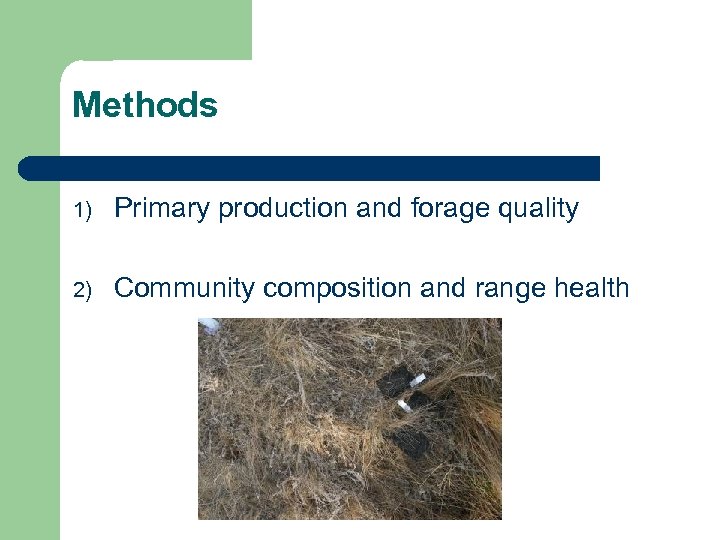 Methods 1) Primary production and forage quality 2) Community composition and range health
 Methods 3) Reproductive output 4) Seed rain, versus seed bank 5) Germination and recruitment
 Questions?
 Samson Nyanumba
 Education: University of Nairobi (Kenya) Ben Gurion University of the Negev (Israel)
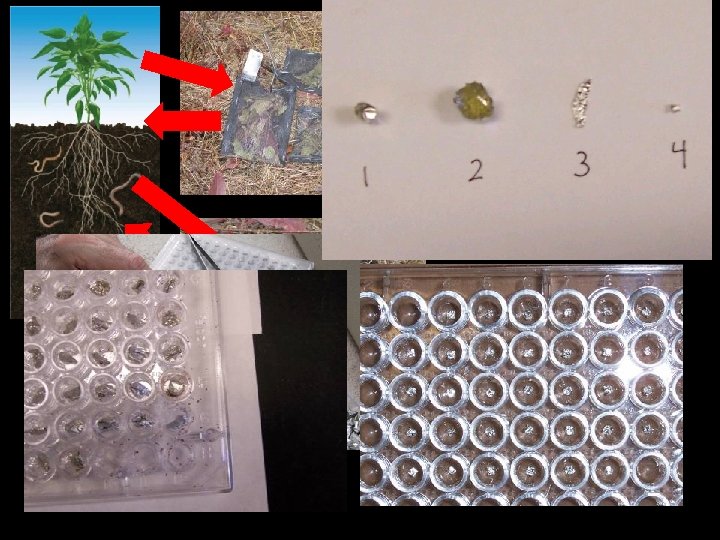
 Litter decomposition and, Carbon and Nitrogen flux
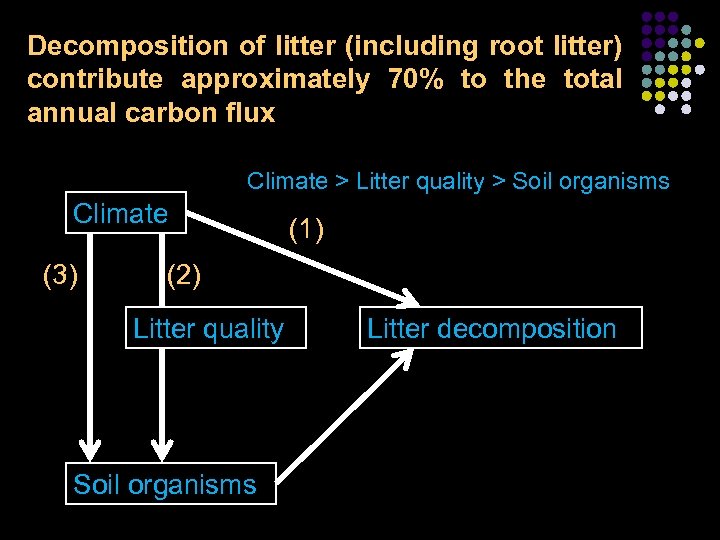 Decomposition of litter (including root litter) contribute approximately 70% to the total annual carbon flux Climate > Litter quality > Soil organisms Climate (3) (1) (2) Litter quality Soil organisms Litter decomposition 29
 30
30
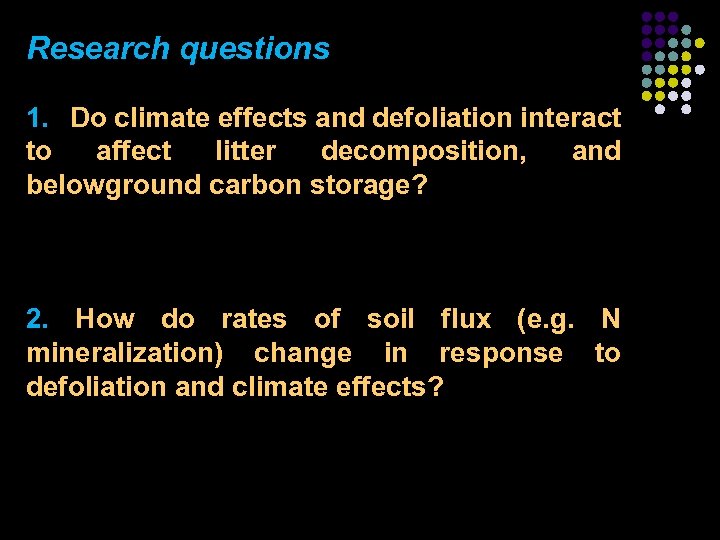 Research questions 1. Do climate effects and defoliation interact to affect litter decomposition, and belowground carbon storage? 2. How do rates of soil flux (e. g. N mineralization) change in response to defoliation and climate effects? 31
 Behnaz Attaeian
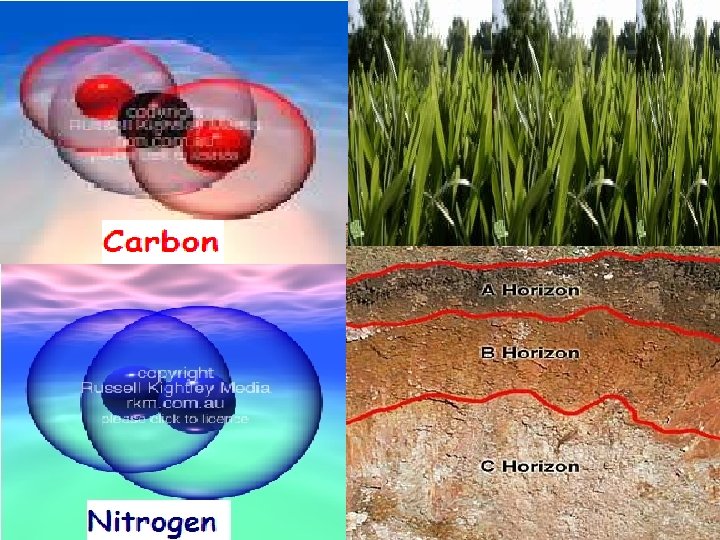
 Biological Fingerprints of Climate Change and Grazing Management on Carbon and Nitrogen Cycling
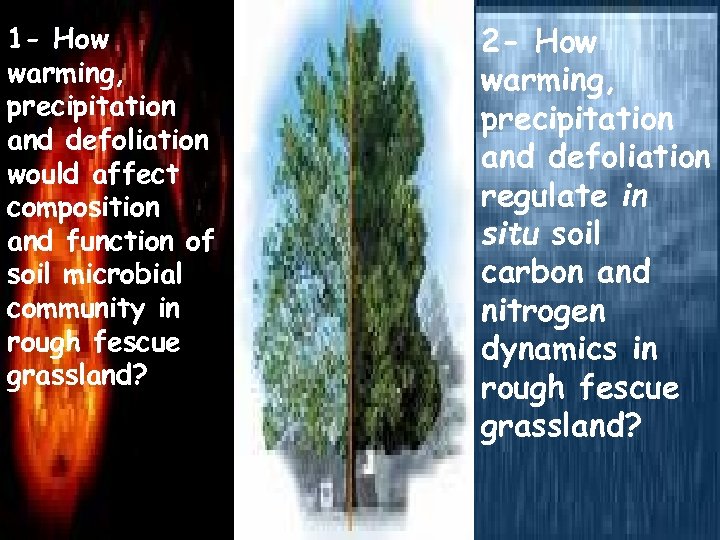 1 - How warming, precipitation and defoliation would affect composition and function of soil microbial community in rough fescue grassland? 2 - How warming, precipitation and defoliation regulate in situ soil carbon and nitrogen dynamics in rough fescue grassland?
 1234 - Soil properties Rangeland productivity Rangeland health Environmental policies: carbon trading
 "We accept the views of most scientists that enough is known about the science and environmental impacts of climate change for us to take actions to address its consequences. " Business Environmental Leadership Council, Pew Center on Global Climate Change
 Jeffrey Newton
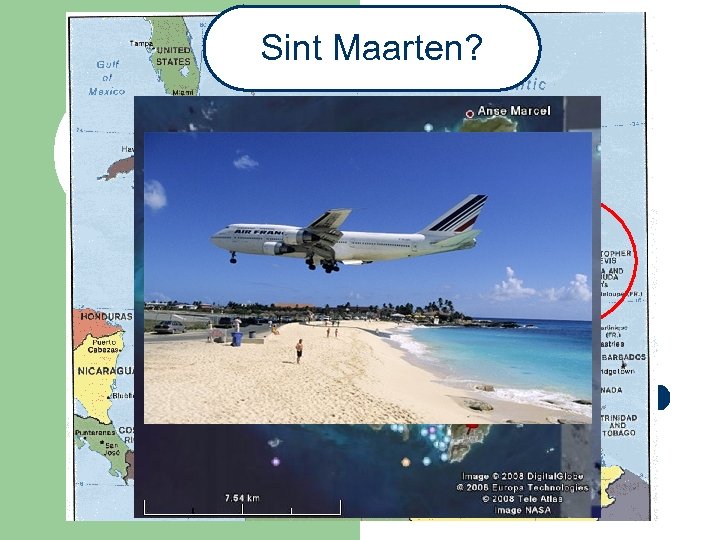 Sint Maarten?
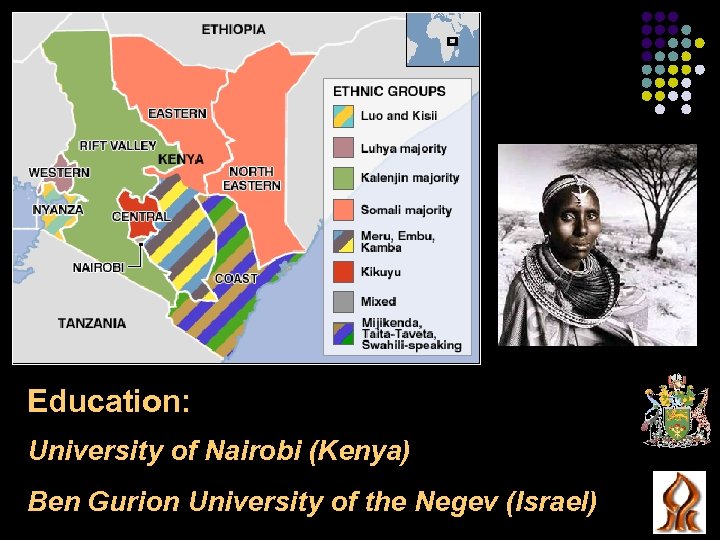
 Education l Wageningen University (Netherlands) l Dutch Ecological Institute (NIOO)
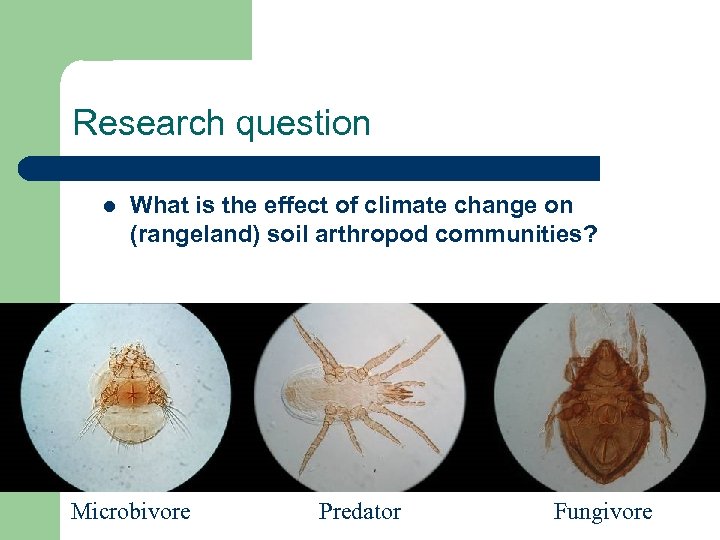 Research question l What is the effect of climate change on (rangeland) soil arthropod communities? Microbivore Predator Fungivore
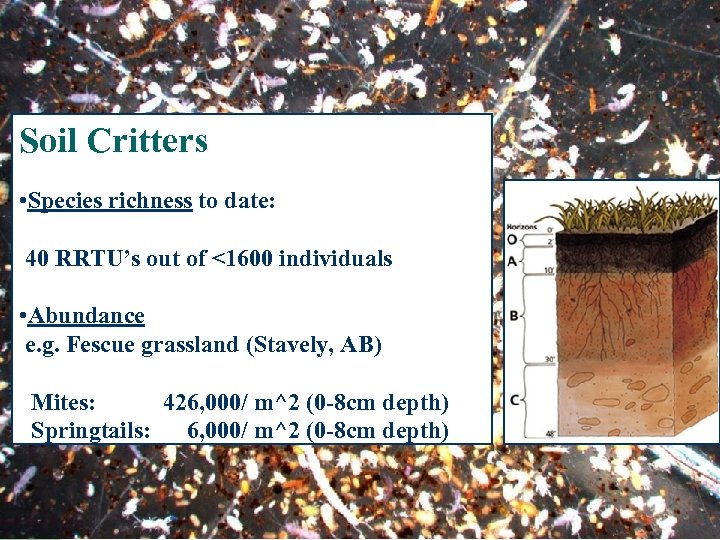 Soil Critters • Species richness to date: 40 RRTU’s out of <1600 individuals • Abundance e. g. Fescue grassland (Stavely, AB) Mites: 426, 000/ m^2 (0 -8 cm depth) Springtails: 6, 000/ m^2 (0 -8 cm depth)
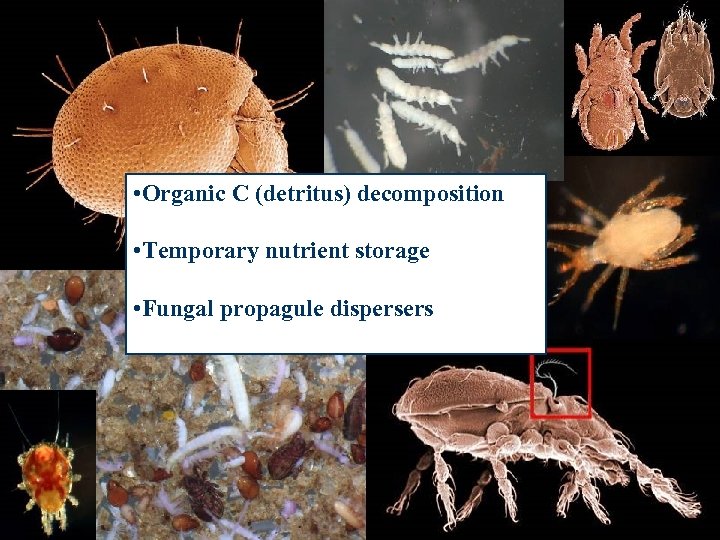 • Organic C (detritus) decomposition • Temporary nutrient storage • Fungal propagule dispersers
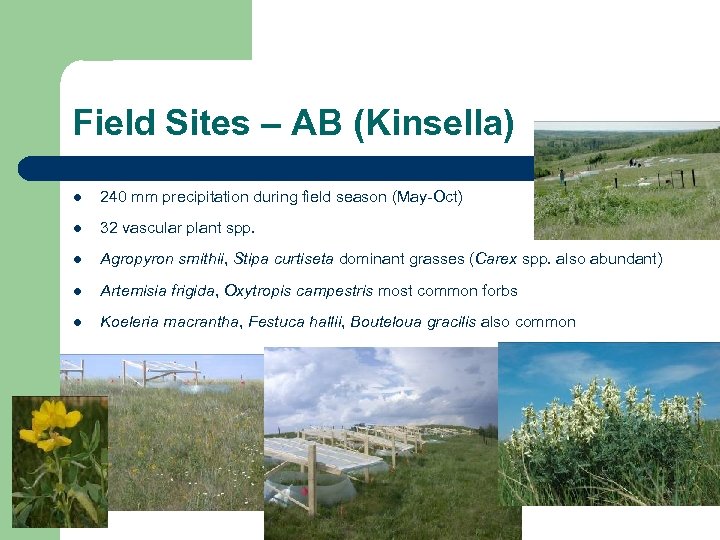 Field Sites – AB (Kinsella) l 240 mm precipitation during field season (May-Oct) l 32 vascular plant spp. l Agropyron smithii, Stipa curtiseta dominant grasses (Carex spp. also abundant) l Artemisia frigida, Oxytropis campestris most common forbs l Koeleria macrantha, Festuca hallii, Bouteloua gracilis also common
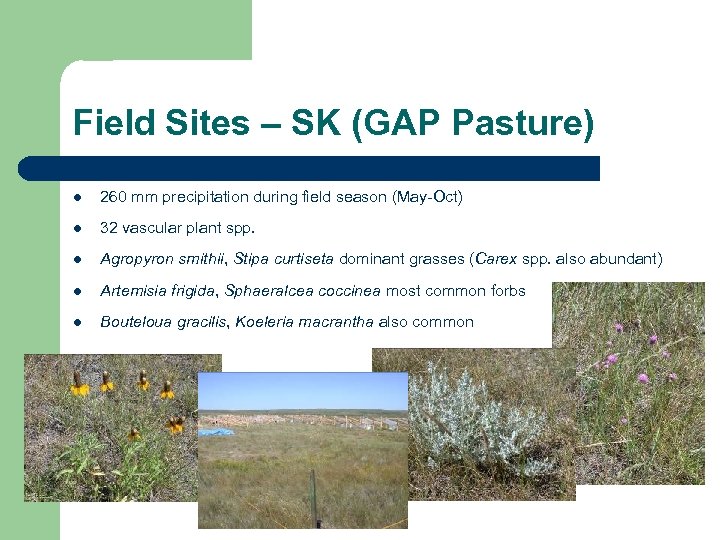 Field Sites – SK (GAP Pasture) l 260 mm precipitation during field season (May-Oct) l 32 vascular plant spp. l Agropyron smithii, Stipa curtiseta dominant grasses (Carex spp. also abundant) l Artemisia frigida, Sphaeralcea coccinea most common forbs l Bouteloua gracilis, Koeleria macrantha also common
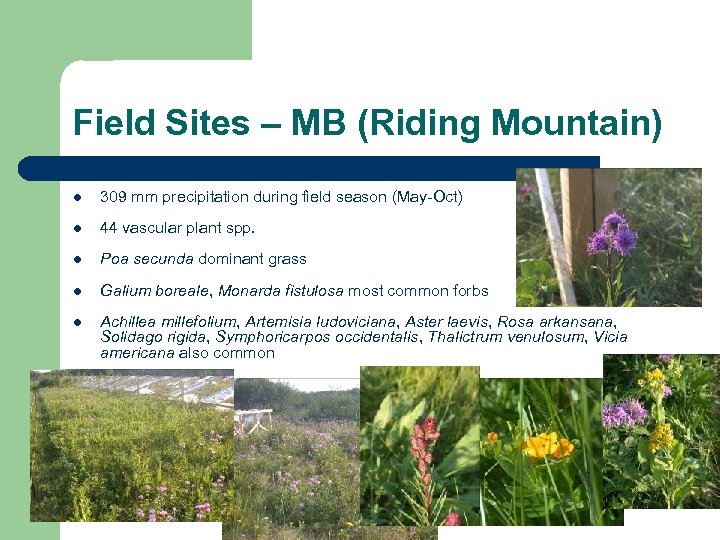 Field Sites – MB (Riding Mountain) l 309 mm precipitation during field season (May-Oct) l 44 vascular plant spp. l Poa secunda dominant grass l Galium boreale, Monarda fistulosa most common forbs l Achillea millefolium, Artemisia ludoviciana, Aster laevis, Rosa arkansana, Solidago rigida, Symphoricarpos occidentalis, Thalictrum venulosum, Vicia americana also common
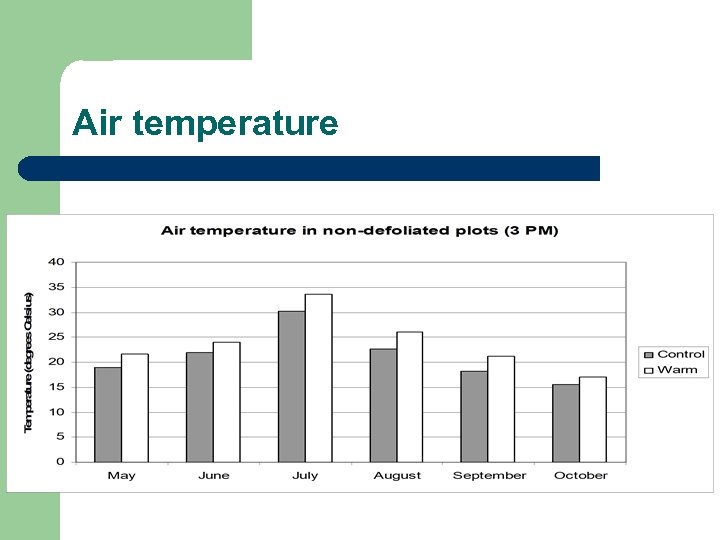 Air temperature
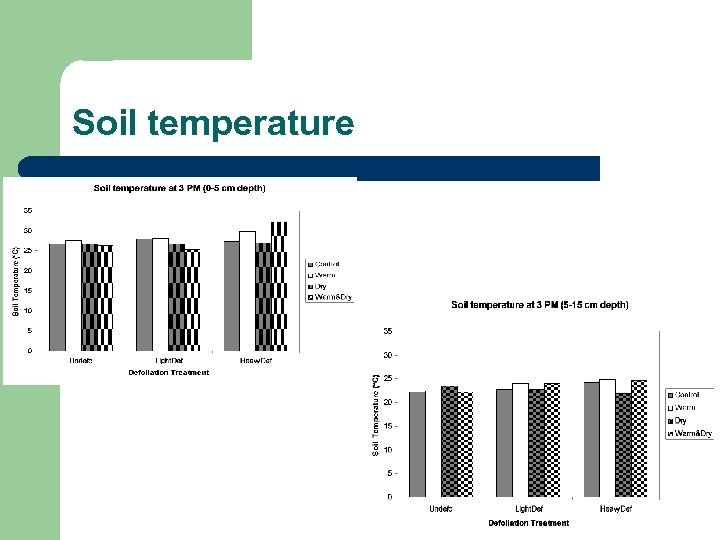 Soil temperature
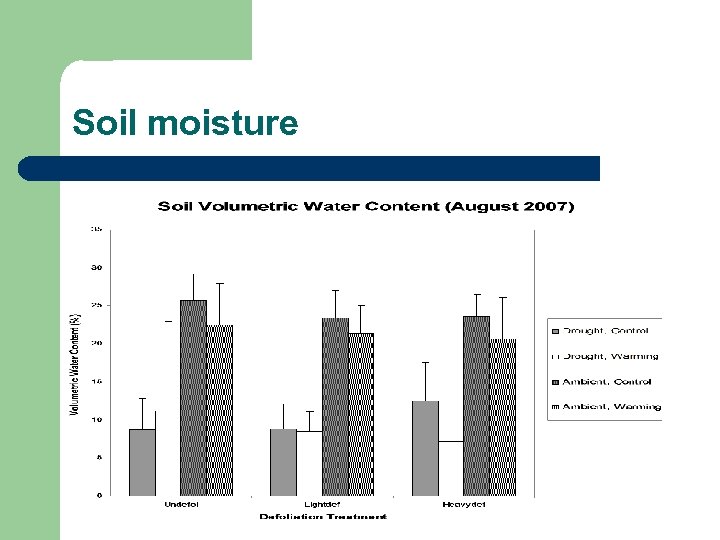 Soil moisture
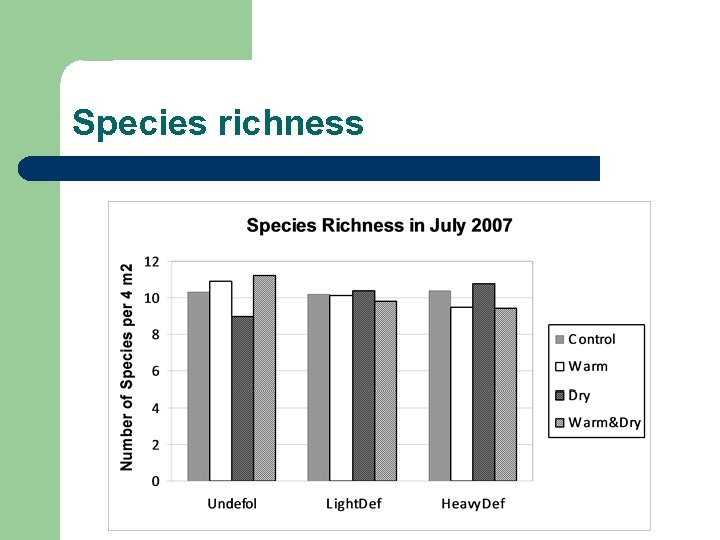 Species richness
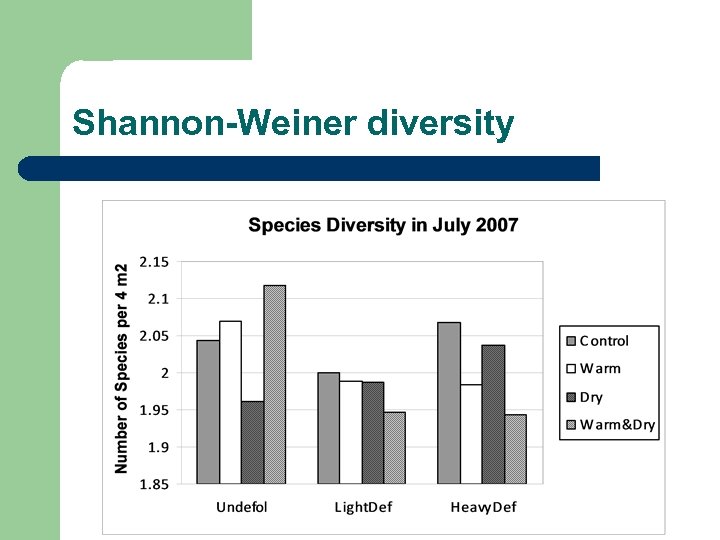 Shannon-Weiner diversity
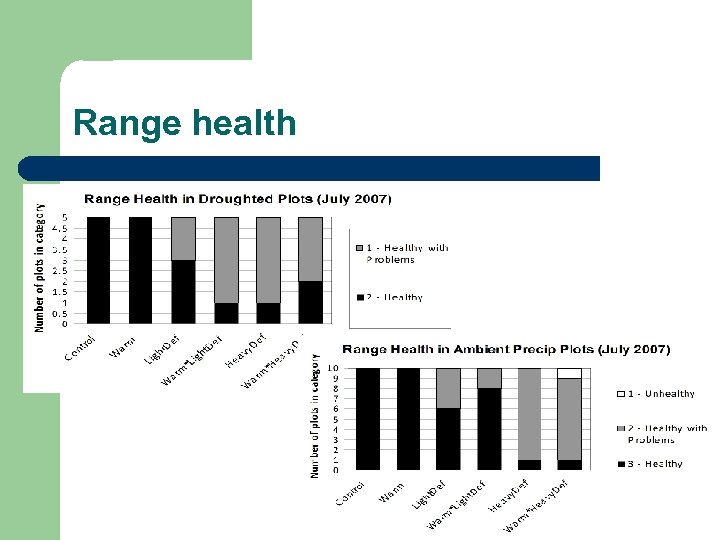 Range health
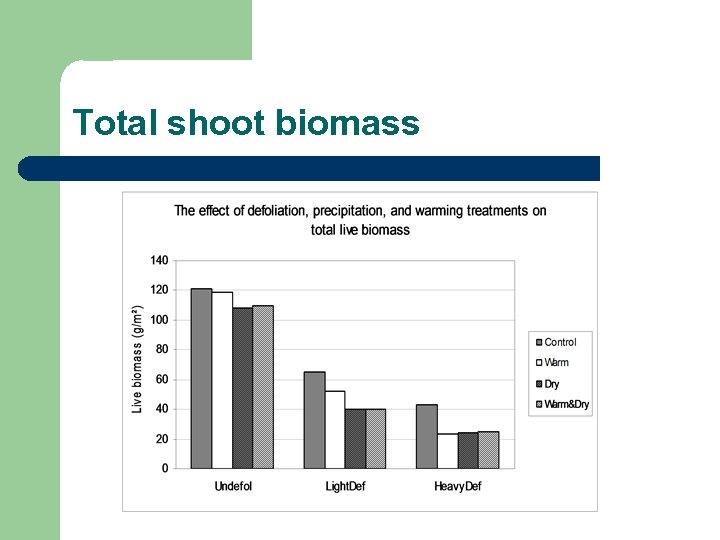 Total shoot biomass
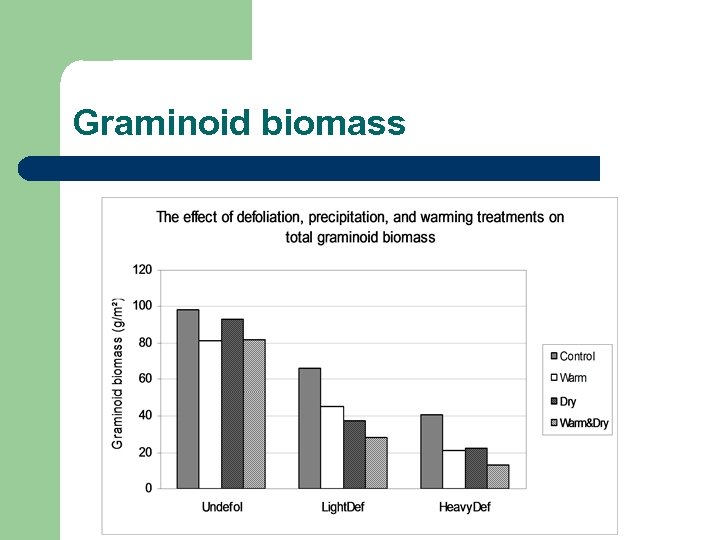 Graminoid biomass
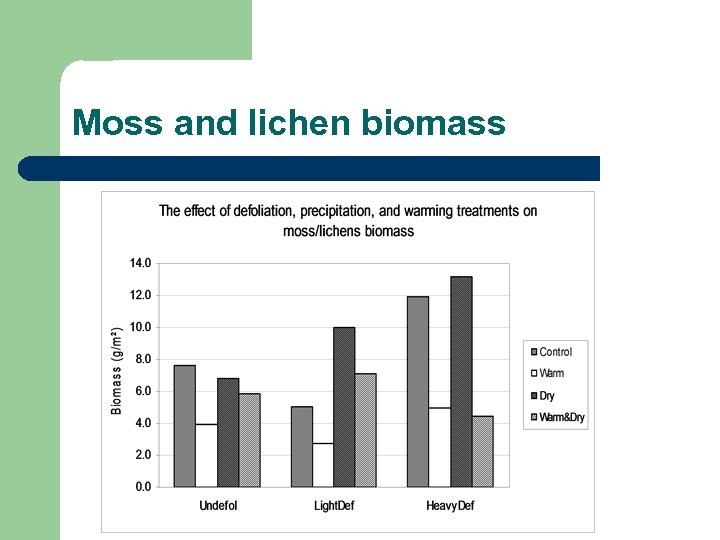 Moss and lichen biomass
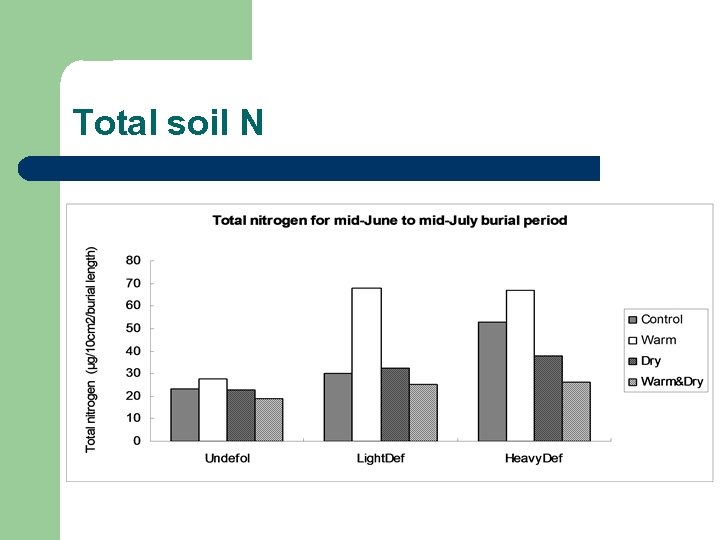 Total soil N
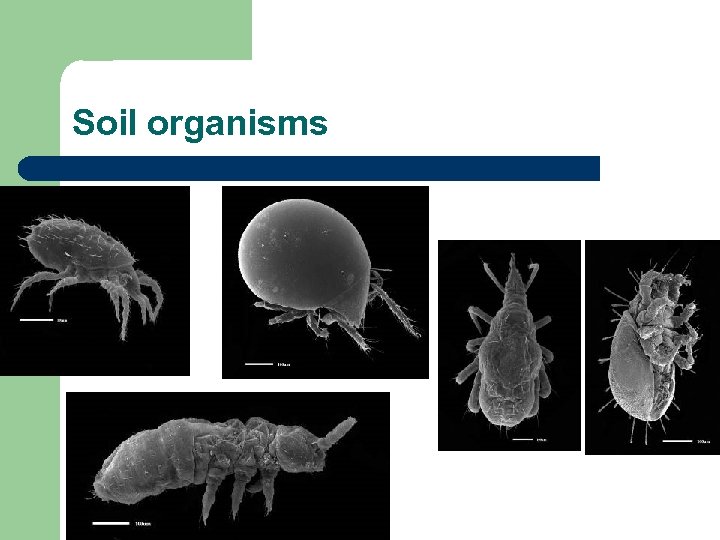 Soil organisms
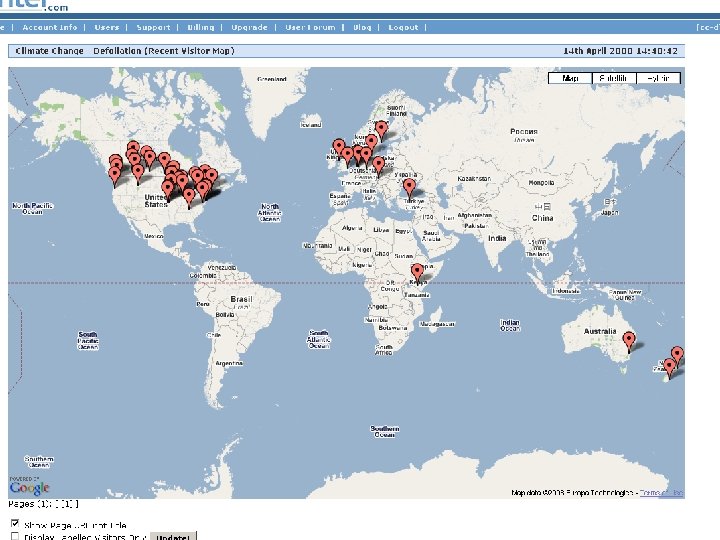
 Communication efforts to date l Webpage is launched – l l http: //climate. biology. ualberta. ca Reports written for SRD, and are publicly available Talks at SRM, Agronomy update, upcoming soil science.
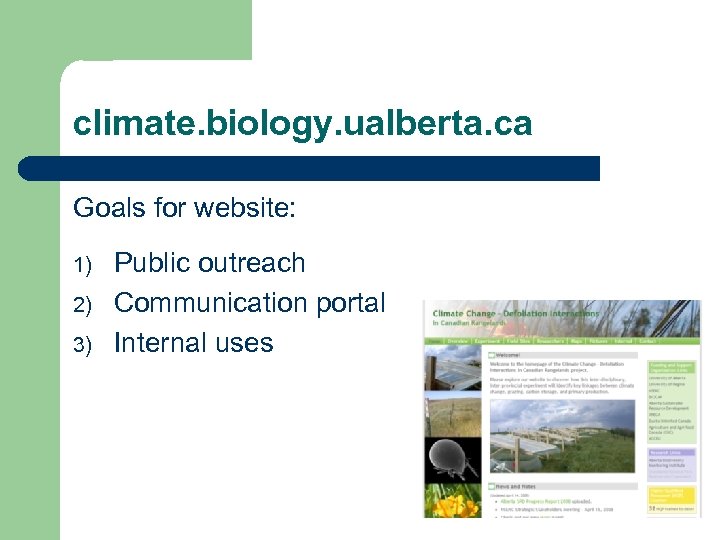 climate. biology. ualberta. ca Goals for website: 1) 2) 3) Public outreach Communication portal Internal uses
 climate. biology. ualberta. ca 1) Public outreach – – Hello world! General goals/research questions Introduce researchers Results!
 climate. biology. ualberta. ca 1) Communication portal – – 2) Questions about project Contact information, websites of individual researchers Internal use – Data/file storage and transfer
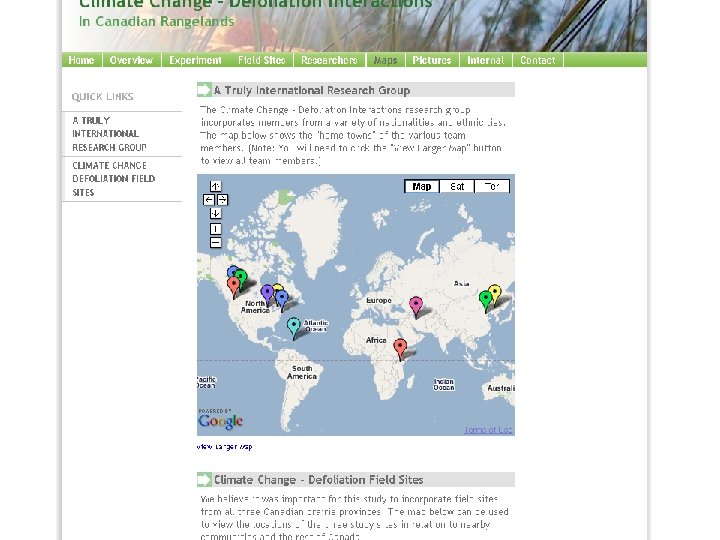
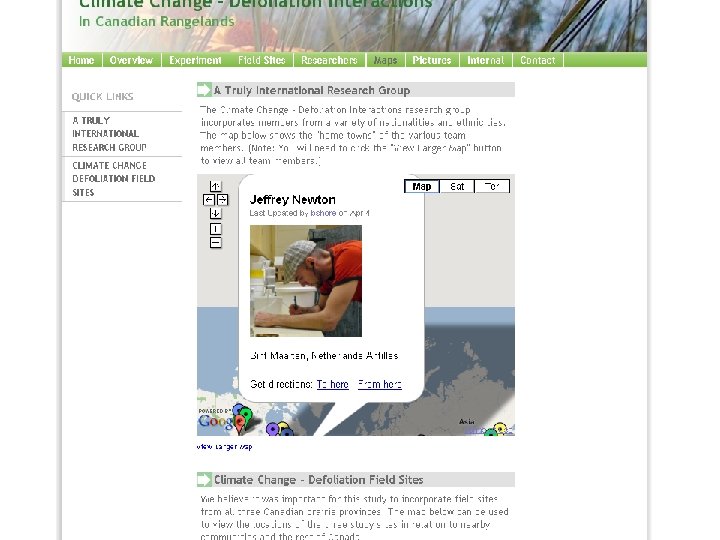
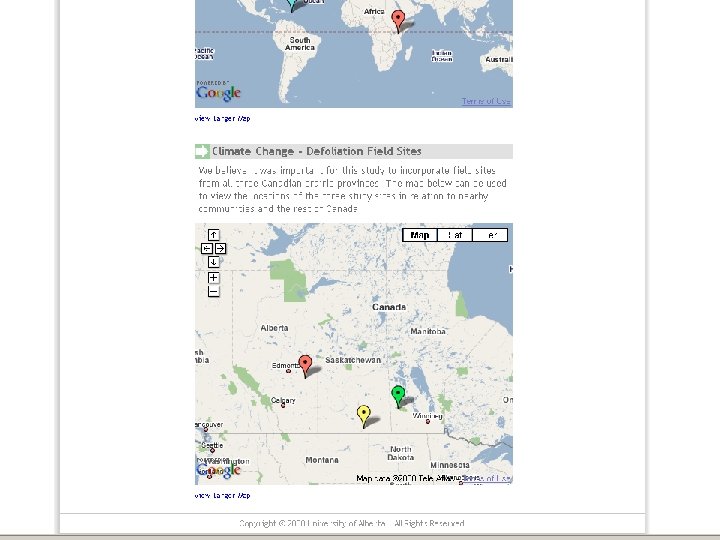
 climate. biology. ualberta. ca Increasing visibility: 1) Biological Sciences dept. webpage link 2) Google/Yahoo – – 3) General searches Directories Links from other pages – – Supporting organizations Feedback to Google ranking
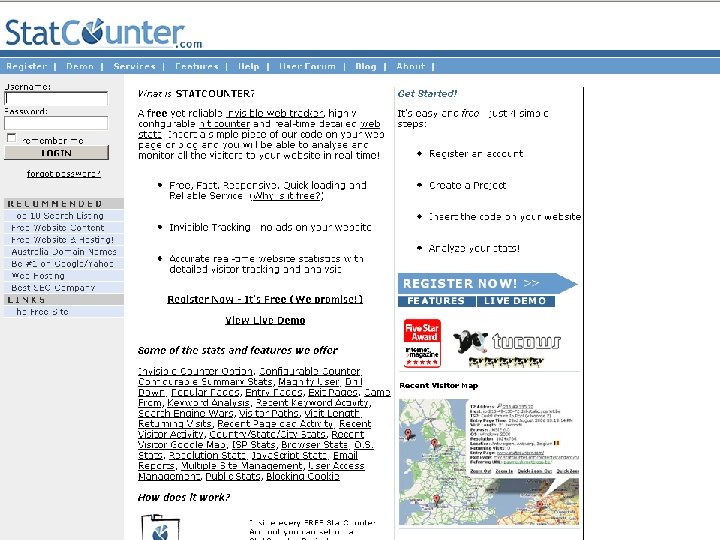
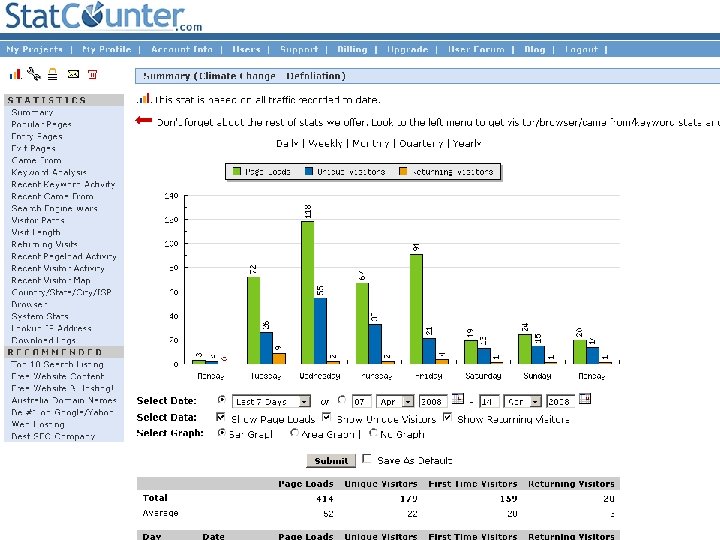
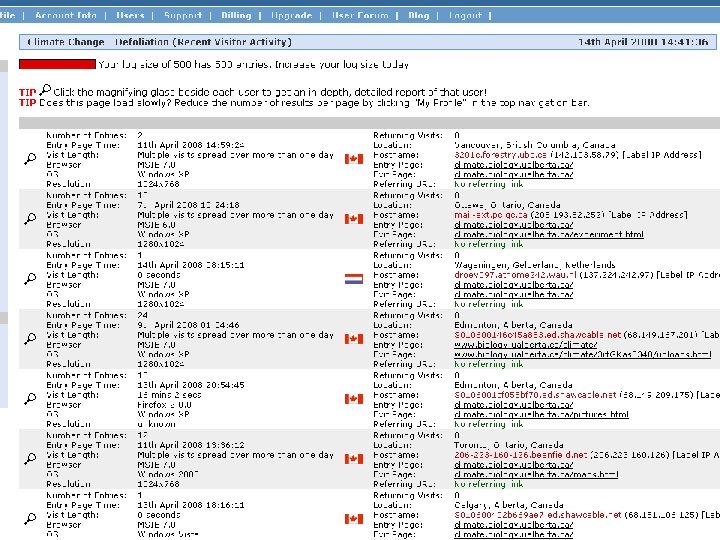
 climate. biology. ualberta. ca Measuring effectiveness: 1) Active feedback – 2) Email Passive feedback – Stat. Counter. com
 NSERC Reporting Requirments l Progress Report – – l Prepared by PIs Due to NSERC, and stakeholders, June 30 th Comments on report – – Prepared by participating organizations Due directly to NSERC July 15 th
 Comments by Supporting Organizations i) the amount and type of interaction their organization has had with the academic members and trainees working on the project; ii) the progress achieved toward the project's objectives; iii) the level of support committed (cash and/or in-kind, if applicable) as indicated in the original proposal; iv) the significance and usefulness of the results (advancement of knowledge, technology transfer) to their organization; v) their satisfaction with the overall direction of the research; vi) their efforts towards exploiting the research results.
 The future l l Gearing up for year 2! Ongoing studies – l Funding options Communication – – – Field day Email updates Meetings