 Скачать презентацию Understanding Alcohol Abuse and Addiction Steve Hanson Associate
c09eecb1f0ef6793fb25f843ee259e59.ppt
- Количество слайдов: 59



Understanding Alcohol Abuse and Addiction Steve Hanson Associate Commissioner New York State Office of Alcoholism & Substance Abuse Services Steve. hanson@oasas. state. ny. us
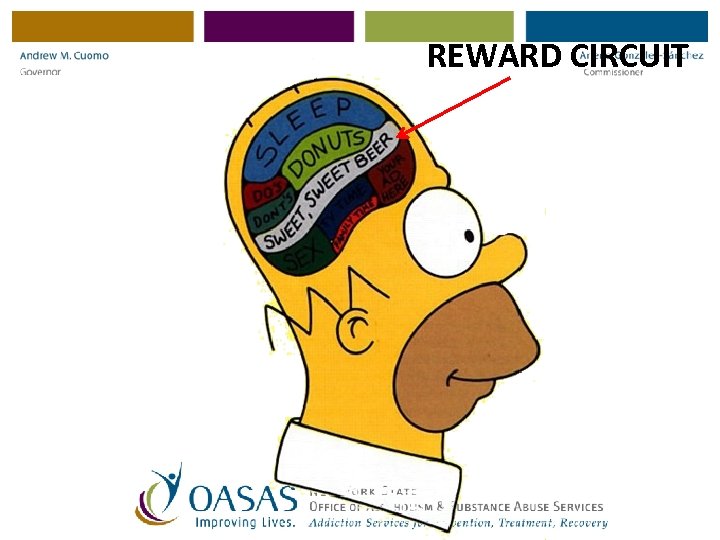
REWARD CIRCUIT
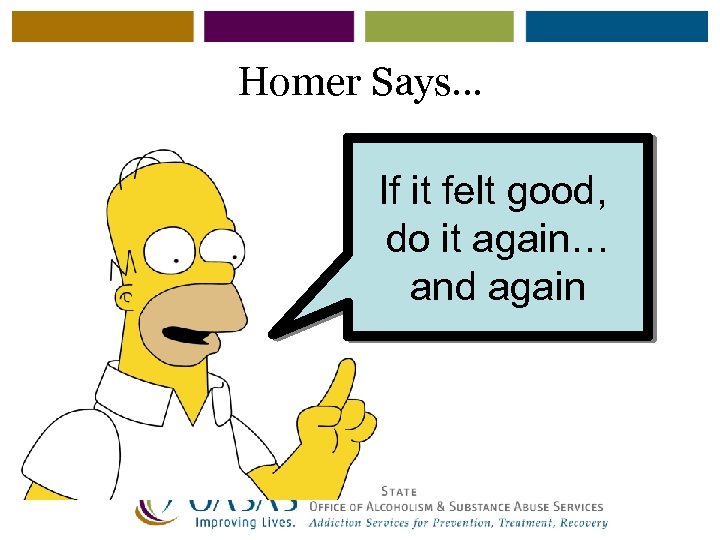
Homer Says… If it felt good, do it again… and again
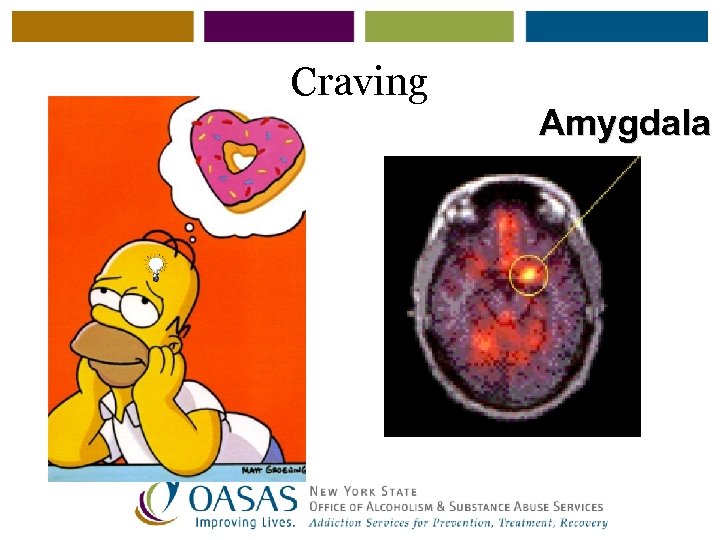
Craving Amygdala
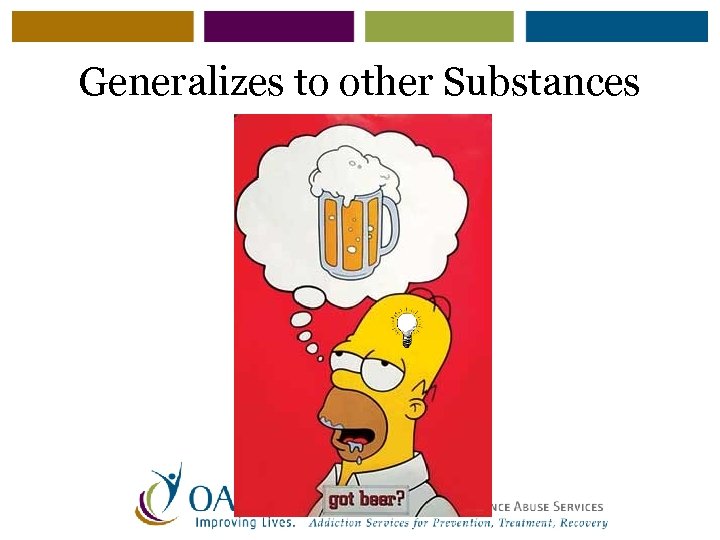
Generalizes to other Substances
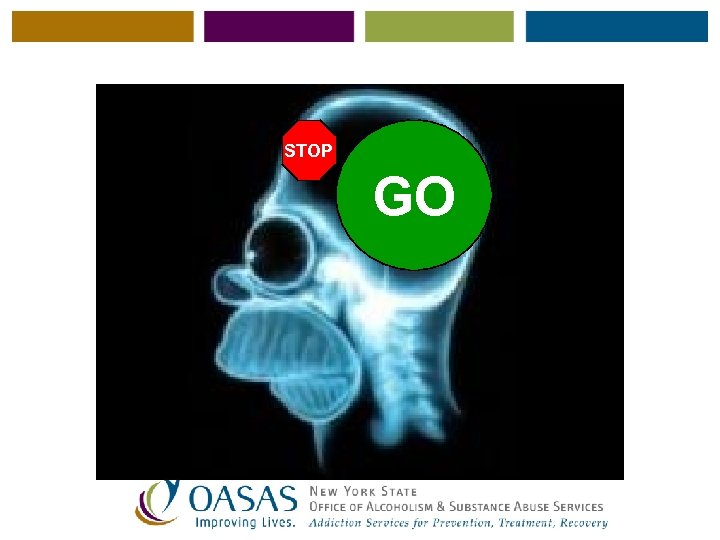
STOP GO
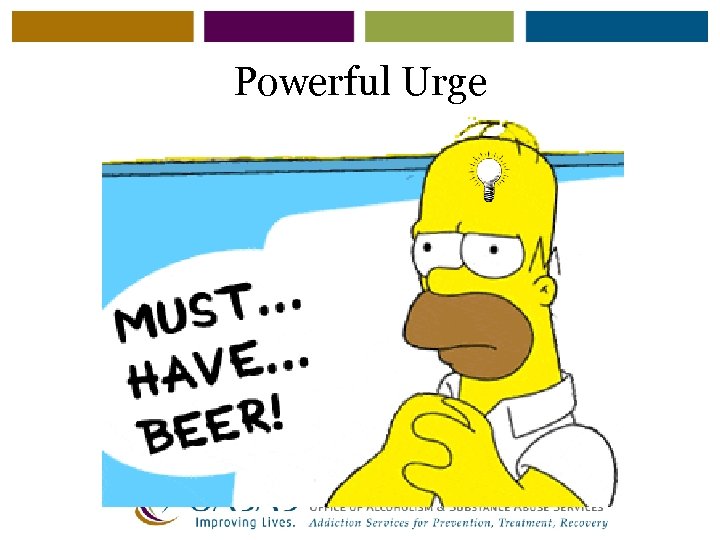
Powerful Urge
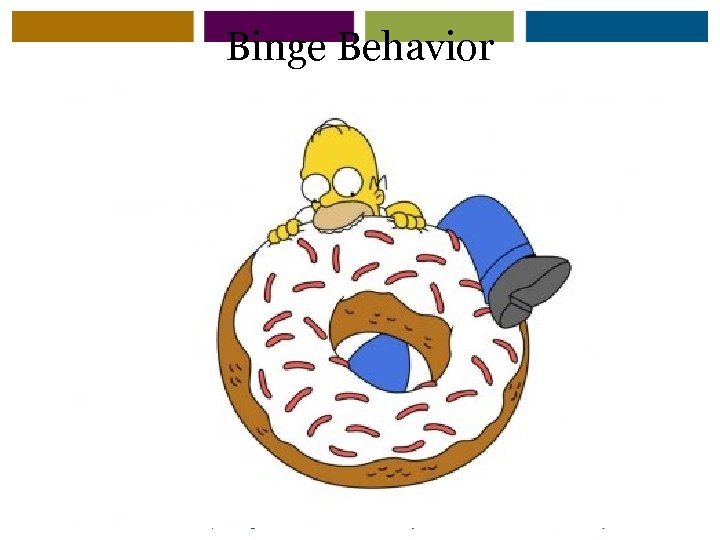
Binge Behavior
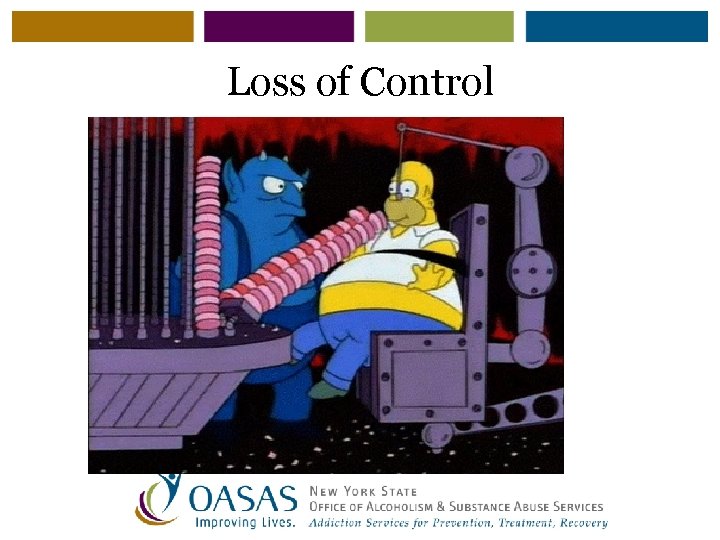
Loss of Control
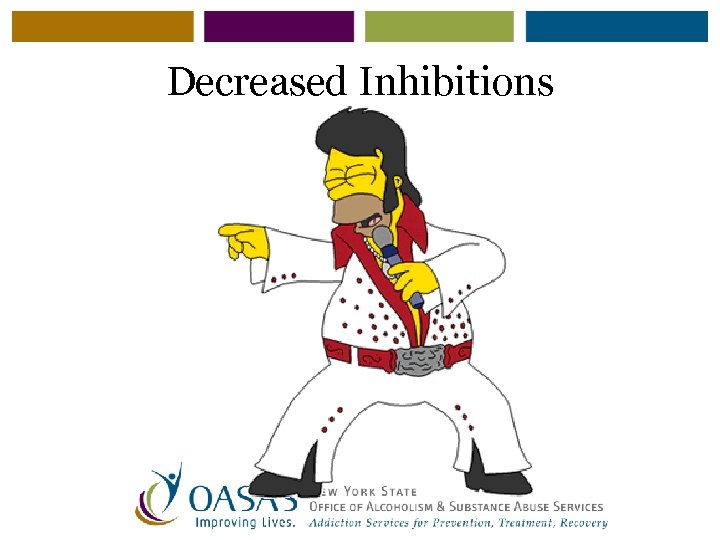
Decreased Inhibitions
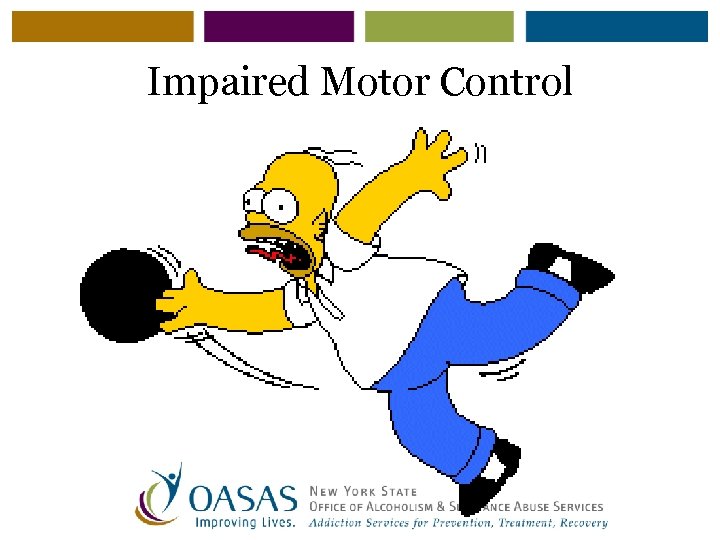
Impaired Motor Control
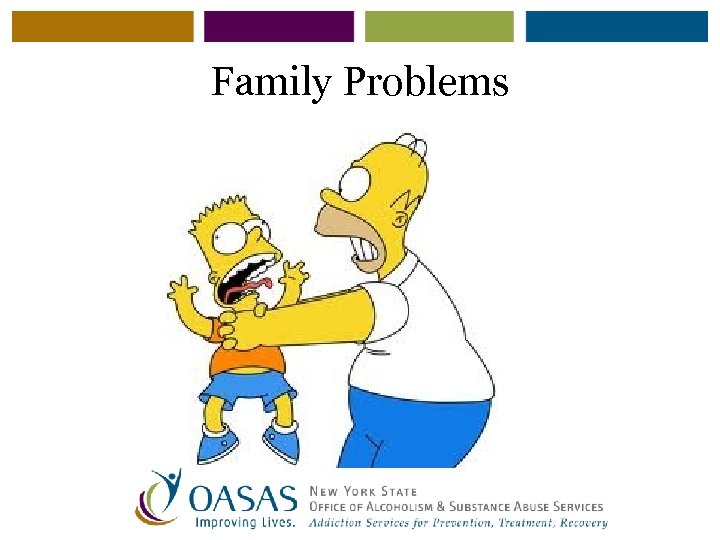
Family Problems
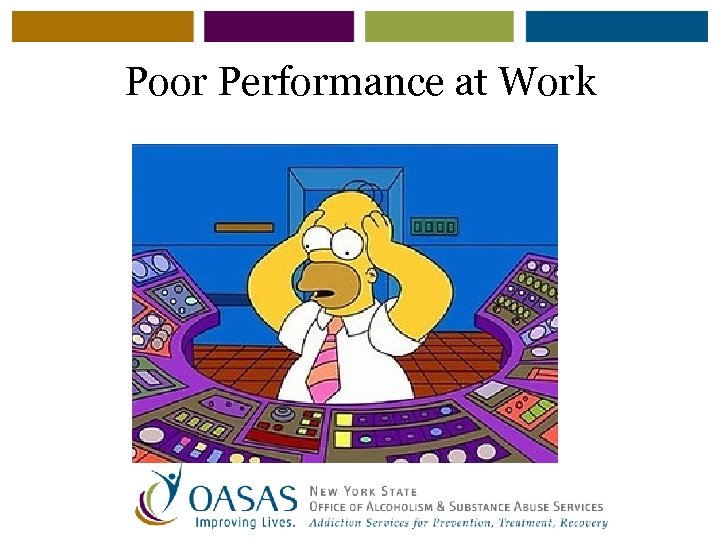
Poor Performance at Work
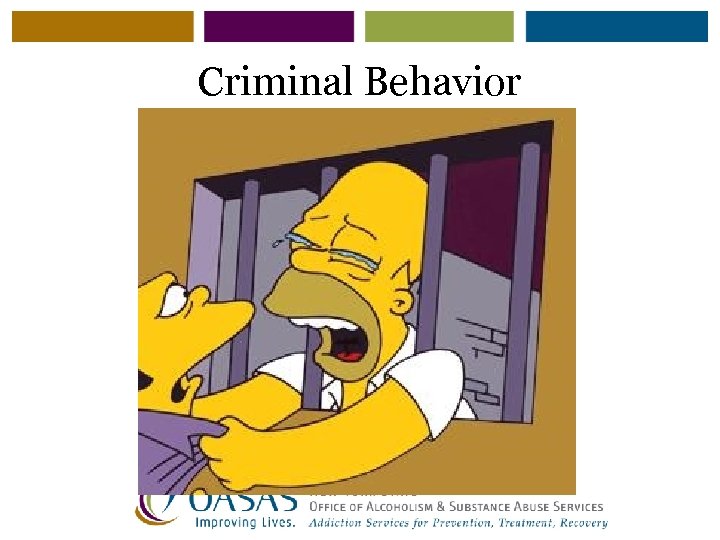
Criminal Behavior
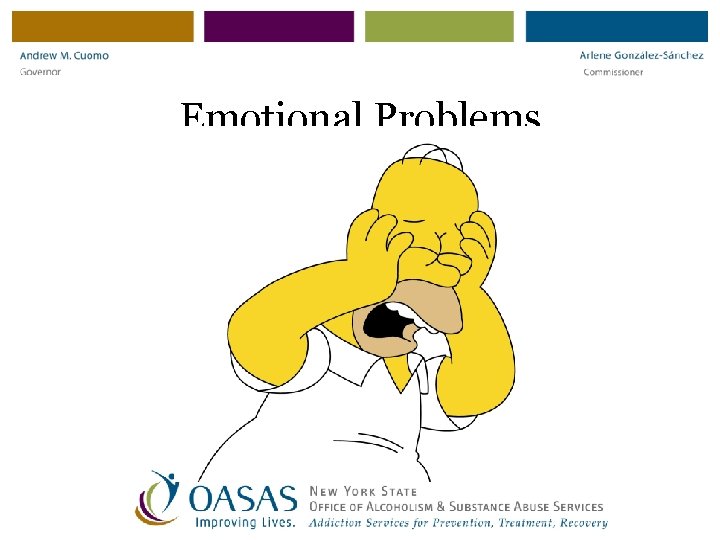
Emotional Problems
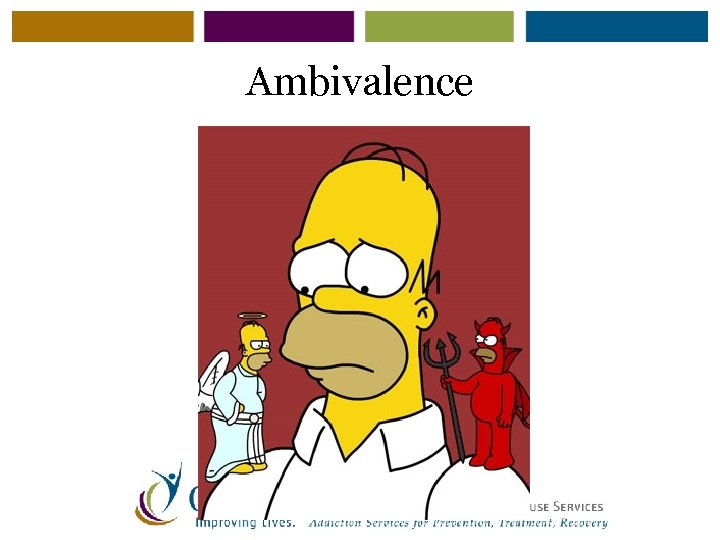
Ambivalence
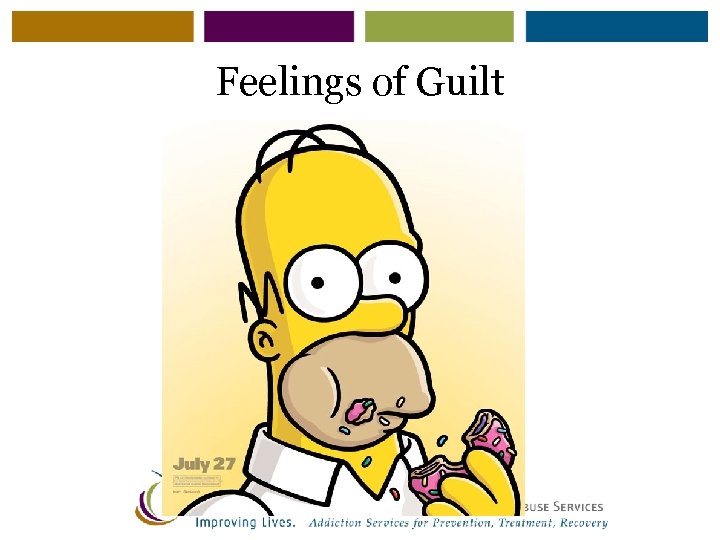
Feelings of Guilt
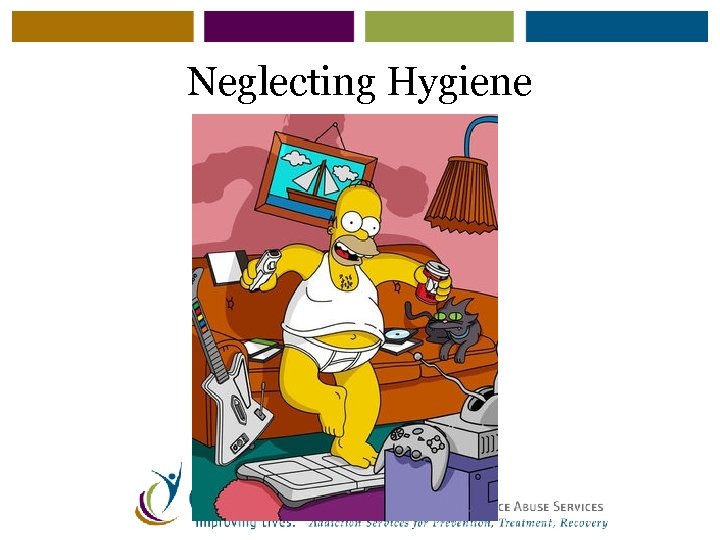
Neglecting Hygiene
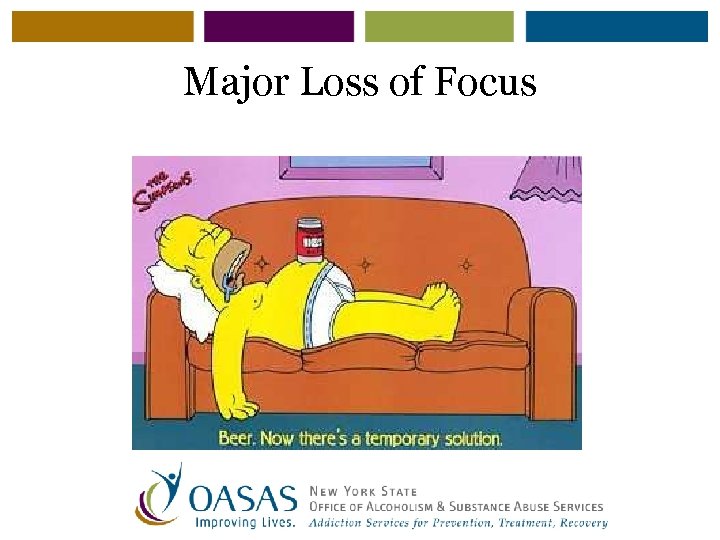
Major Loss of Focus
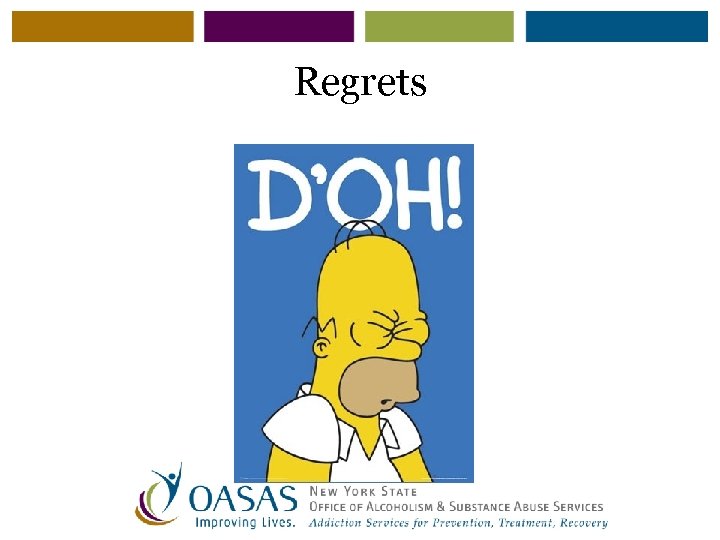
Regrets
Why Do People Drink? • • • Curiosity Enjoy the Beverage Cultural Practices – Peers Makes us feel better/different Dependency
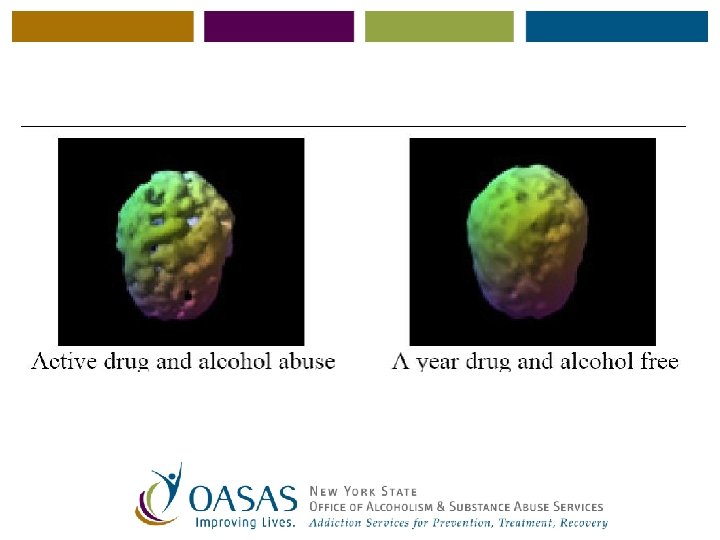
Addiction is a Brain Disease Prolonged Use Changes the brain in Fundamental and Long Lasting Ways
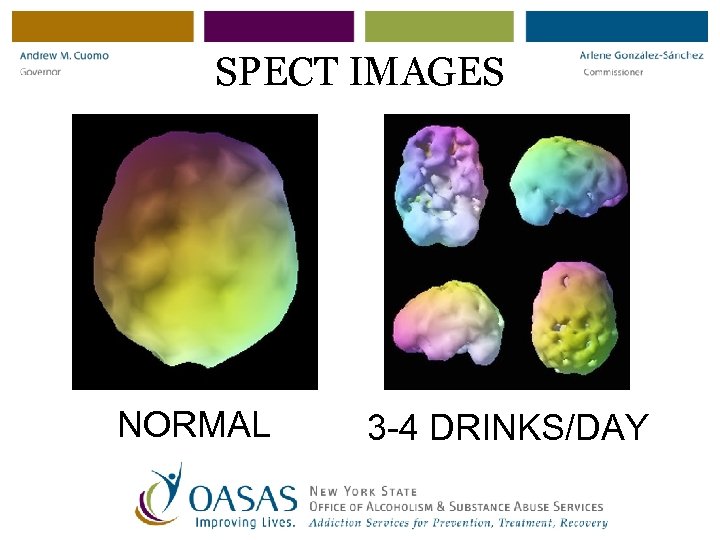
SPECT IMAGES NORMAL 3 -4 DRINKS/DAY
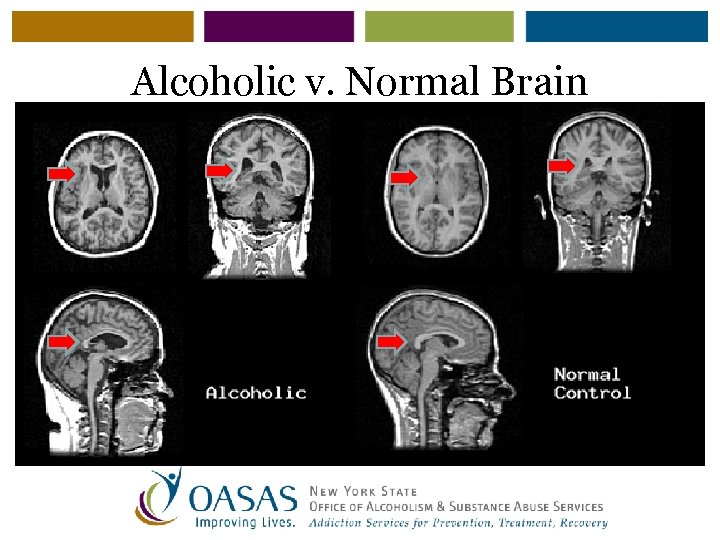
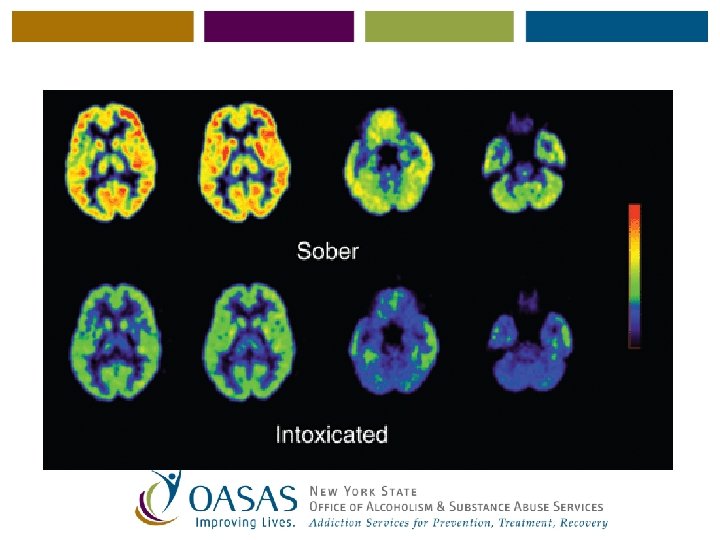
Alcoholic v. Normal Brain
Non-Alcoholic Drinker • . 05 Diminished alertness, impaired judgment • . 10 Increased reaction time, impaired motor skills • . 15 Increasingly impaired motor responses • . 20 Obvious intoxication • . 25 Staggering; grossly impaired motors skills • . 30 Stupor; inability to communicate or comprehend surroundings • . 35 Surgical anesthesia; LD 1 • . 40 LD 50 • . 60 LD 100
Alcoholic Drinker • . 00 Severe withdrawal—tremors, vomiting, delirium, hallucinations, possible seizure • . 05 Continued severe withdrawal • . 10 Some relief of symptoms; discomfort • . 15 Reductions in tremor and gastric distress • . 20 “Normal” range; appetite returns, tremors not evident • . 25 Comfortable • . 30 Upper limits of tolerance • . 35 Obvious signs of sedation, intoxication • . 40 “Drunk” state • . 50 Passes out from alcohol’s effect Tolerance
Alcohol • Most popular drug of abuse • Probably the most physically toxic of drugs • Damages almost every organ in the body • Easy access, adults use, advertising, relatively inexpensive. • THE DRUG for Youth
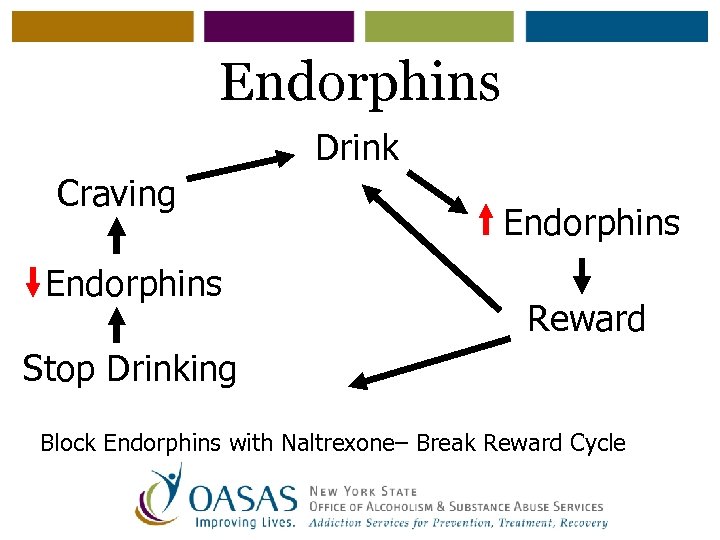
Endorphins Drink Craving Endorphins Reward Stop Drinking Block Endorphins with Naltrexone– Break Reward Cycle
Naltrexone • For people who have stopped drinking, Naltrexone reduces the craving for alcohol • Naltrexone does not help someone stop drinking or doing drugs, it is used to help people who have already stopped maintain abstinence • Sold as Re. Via (daily) Vivitrol (monthly)
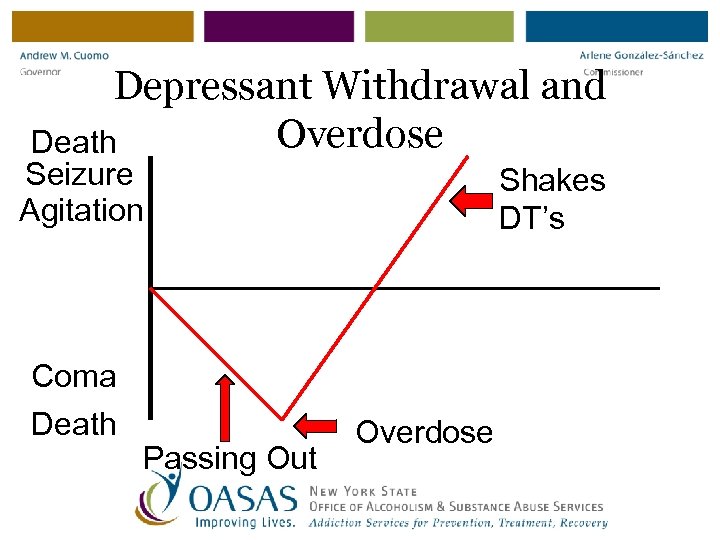
Depressant Withdrawal and Overdose Death Seizure Agitation Coma Death Passing Out Shakes DT’s Overdose
Physical Effects • Vasodilator in skin - blood flow –warm flush – actually indicates loss of body heat. • Reduction in REM (dream) sleep- important for feeling well rested – without feel irritable • Sensory changes - Acuity of hearing and sight Pain – masked fatigue
Physical effects • Burning sensation – warm going down – esophagus and stomach irritated • Initial stimulation of respiration – (disinhibited) – eventually depressed – overdose death due to respiratory arrest • Urine production – blocks anti-diuretic hormone – dehydrate – dry mouth
Physical Effects • Hangover effect – nausea, headache, thirst, anxiety, the shakes – caused by rebound/build up of acetylaldehyde, and other substances.
Long Term Effects • Gastrointestinal – esophageal varices – dilation of vessels – can bleed – possibly fatal • Gastritis – Inflammation of stomach lining – nausea, vomiting, pain, bleeding • Peptic ulcers – ETOH stomach acids
Long Term Effects (2) • Duodenal ulcers – internal bleeding • Pancreatitis – pancreas makes insulin – inflammation – fatal
Liver Problems • Alcoholic hepatitis – onset of fever – death • Fatty liver – ETOH fat in blood stored in liver function -reversible (6 drinks/day for 18 days – 8 X fat in liver) • Cirrhosis –scar tissue in liver – decreased liver fcn – reverse tolerance - can be fatal. Caused by acetylaldehyde.
Physical Effects (3) • P 450 – creates toxins in blood – damage liver – also decreases testosterone and estrogen. • Enlarged spleen • Fluid in abdomen • Cancer links to tongue, mouth, throat, liver (especially linked with smoking)
Cardio/Circulatory effects • • – enlarged heart – heart attack Arrhythmias Stroke risk Hypertension in fat – coronary artery disease loss of elasticity – hardening of arteries bleeding and bruising
Malnutrition • Alcohol empty calories – decreased food intake • Poor diet – vitamin deficiencies – B vitamins • Thiamine deficiency – Wernicke’s – rapid onset – confusion, vision, ataxia, memory, stuporous, • 16% die within 1 month of symptoms – brain lesions – reversible
Korsakoff’s • Gradual - amnesia – short term • Confabulation – make up facts, etc. • Disoriented – brain lesions – irreversible
Neurological Effects • Brain Atrophy – Cerebellum • Larger Ventricles • Cognitive impairment – Memory – Abstract thinking – Impulse Control – Etc.
Alcoholism • • • Traditionally – Moral problem Today – Disease model Loss of control Cannot safely predict how much will drink Prone to relapse
Disease Model • • Primary – not caused by something else Progressive – It gets worse Chronic – lasts a long time Fatal – can kill you • Other chronic diseases – Diabetes, Asthma, Heart Disease, Cancer, etc.
Alcoholism • Prevalence – 10% of population are problem drinkers • A portion of them are alcoholics • Genetic Factors – Neurotransmitter models – Risk increased if parent is alcoholic • Treatable not Curable
Neural Models • • Dopamine – excitement / reward Endorphins – escape, pain relief, craving GABA – stress / anxiety Serotonin – Never felt normal
Drinking patterns • Constant intoxication • Daily use without gross intoxication • Binge users
Stages • Prodromal –(before the disease) – Heavy drinking – Some problems • Early – Onset of frequent problems – Hiding/lying about drinking – Tolerance /Blackouts – Loss of control
Stages • Middle – Solitary drinking – Attempts to stop – Physical problems – Withdrawal / DT’s – Morning Drinking – Nutrition Problems
Stages • Late – Serious Health problems – Reverse tolerance – Binges – Drinking to relieve shakes
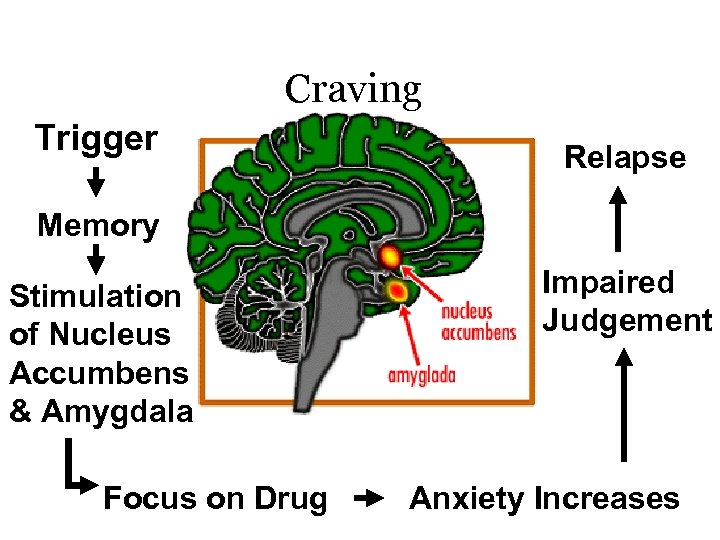
Craving Trigger Relapse Memory Stimulation of Nucleus Accumbens & Amygdala Focus on Drug Impaired Judgement Anxiety Increases
Are adolescents more susceptible to alcohol than adults? • • Adult studies suggest that the areas of the adolescent brain that are remodeled are sensitive to the effects of alcohol Four pieces of evidence
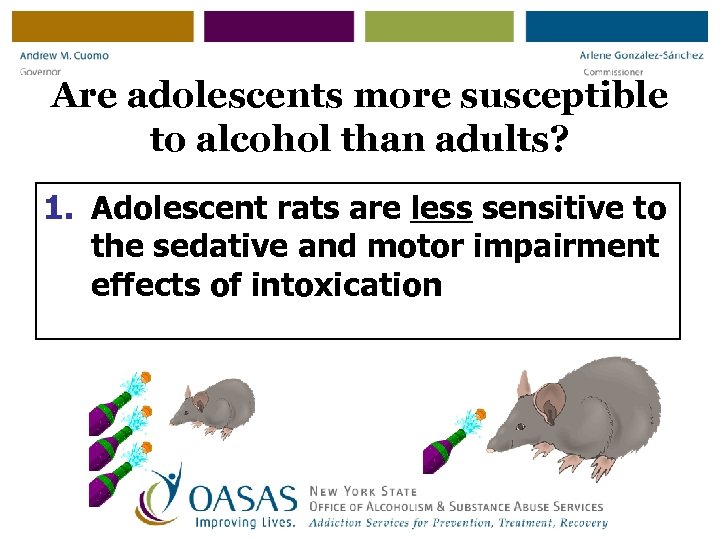
Are adolescents more susceptible to alcohol than adults? 1. Adolescent rats are less sensitive to the sedative and motor impairment effects of intoxication
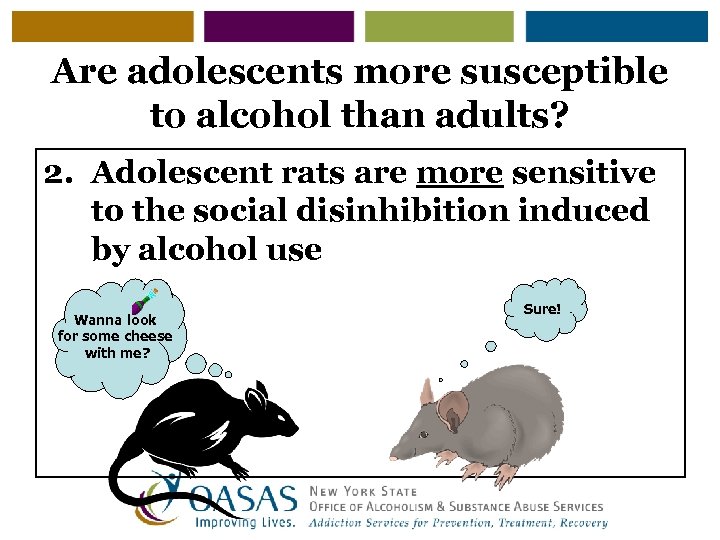
Are adolescents more susceptible to alcohol than adults? 2. Adolescent rats are more sensitive to the social disinhibition induced by alcohol use Wanna look for some cheese with me? Sure!
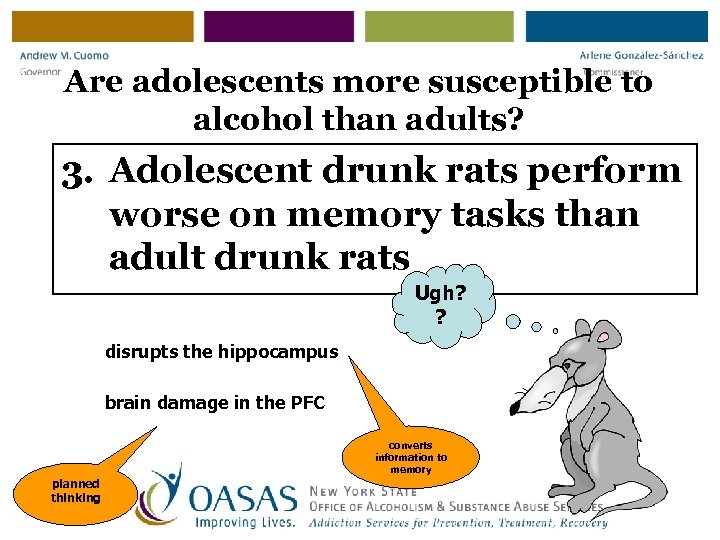
Are adolescents more susceptible to alcohol than adults? 3. Adolescent drunk rats perform worse on memory tasks than adult drunk rats Ugh? ? disrupts the hippocampus brain damage in the PFC converts information to memory planned thinking
Are adolescents more susceptible to alcohol than adults? 4. Hyperexcitability issue • Alcohol relieves hyperexcitability state • Relief is temporary; continued seeking of alcohol is reinforced • Hyperexcitability is a key characteristic of conduct disorder, ODD and ADHD, which are often co-morbid with alcohol use disorders • Hyperexcitability…. • may have its origins in neurological deficits • found in non-alcoholic relatives - suggests inheritance of this trait
• • HAT BOAT CAR BIKE HORSE STEAK BUS • • HOUSE LAKE SHIRT DOPAMINE AMYGDALA RIVER LUNCH
• • GREEN BLUE ORANGE YELLOW PURPLE WHITE RED • • ORANGE PURPLE GREEN WHITE BLUE RED YELLOW
Скачать презентацию Understanding Alcohol Abuse and Addiction Steve Hanson Associate
c09eecb1f0ef6793fb25f843ee259e59.ppt