 Скачать презентацию Über einige Visionen beim Wissensmanagement H Maurer TU
acb9513e36221cd24d87dcd5365be13e.ppt
- Количество слайдов: 39



Über einige Visionen beim Wissensmanagement H. Maurer, TU Graz und Know-Center Graz hmaurer@iicm. edu, www. iicm. edu/maurer 1. Konferenz „Professionelles Wissensmanagement“ Baden-Baden, 14. März 2001 1
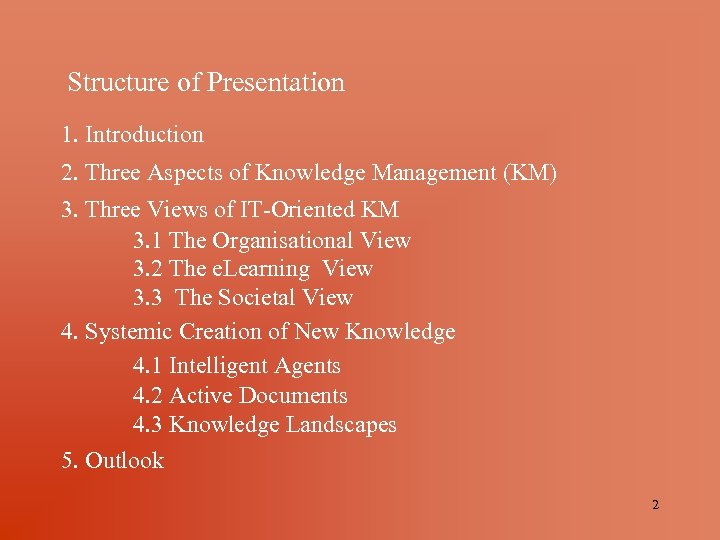
Structure of Presentation 1. Introduction 2. Three Aspects of Knowledge Management (KM) 3. Three Views of IT-Oriented KM 3. 1 The Organisational View 3. 2 The e. Learning View 3. 3 The Societal View 4. Systemic Creation of New Knowledge 4. 1 Intelligent Agents 4. 2 Active Documents 4. 3 Knowledge Landscapes 5. Outlook 2
1. Introduction Danger: KM seen as new buzz word with negative connotation This talk: Some visions and some achievements that show that KM is more than “Old wine in new bottles” 3
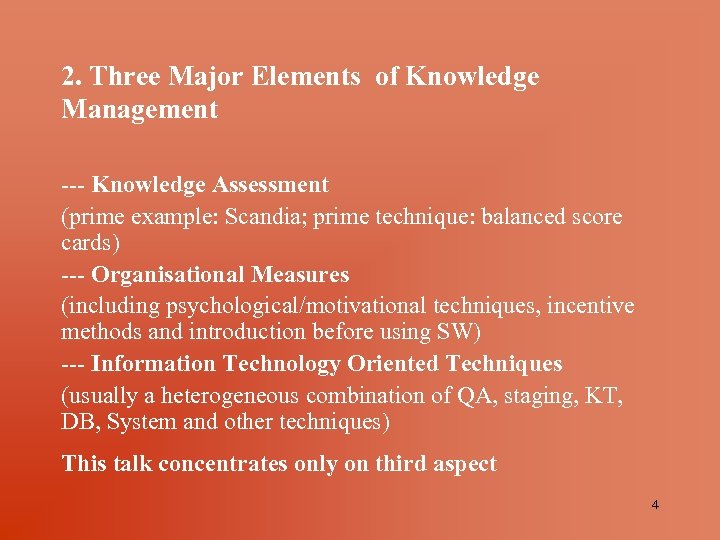
2. Three Major Elements of Knowledge Management --- Knowledge Assessment (prime example: Scandia; prime technique: balanced score cards) --- Organisational Measures (including psychological/motivational techniques, incentive methods and introduction before using SW) --- Information Technology Oriented Techniques (usually a heterogeneous combination of QA, staging, KT, DB, System and other techniques) This talk concentrates only on third aspect 4
3. Three Views of IT-Orientend KM 3. 1 The Organisational View 3. 2 The e. Learning View 3. 3 The Societal View 5
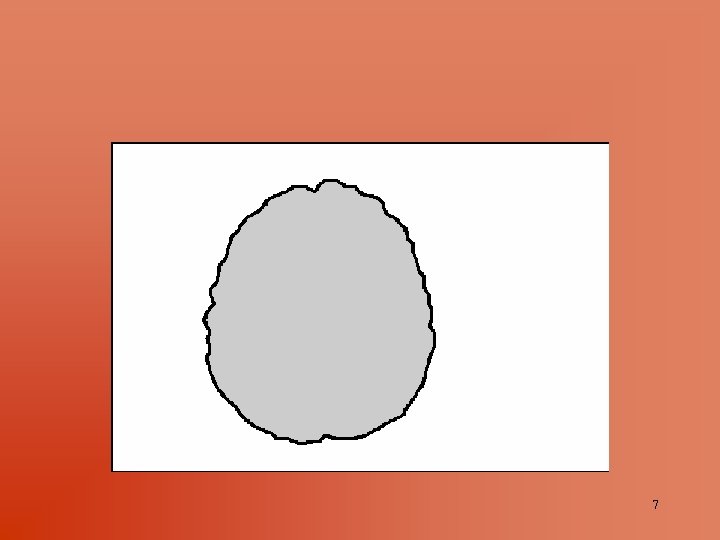
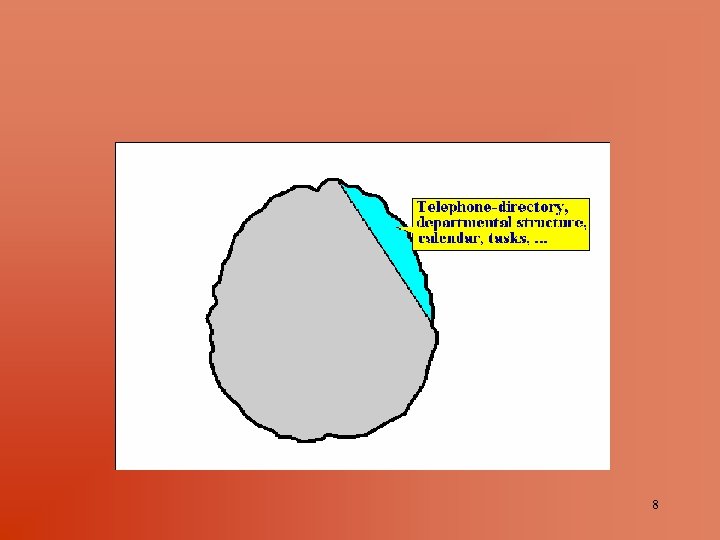
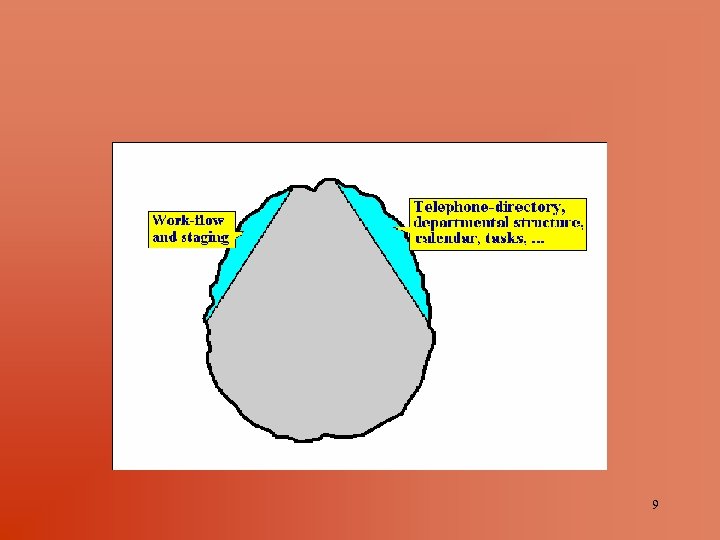
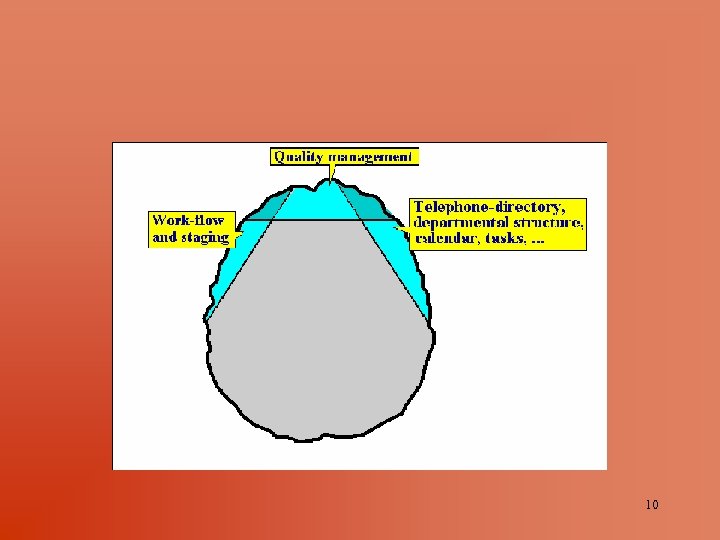
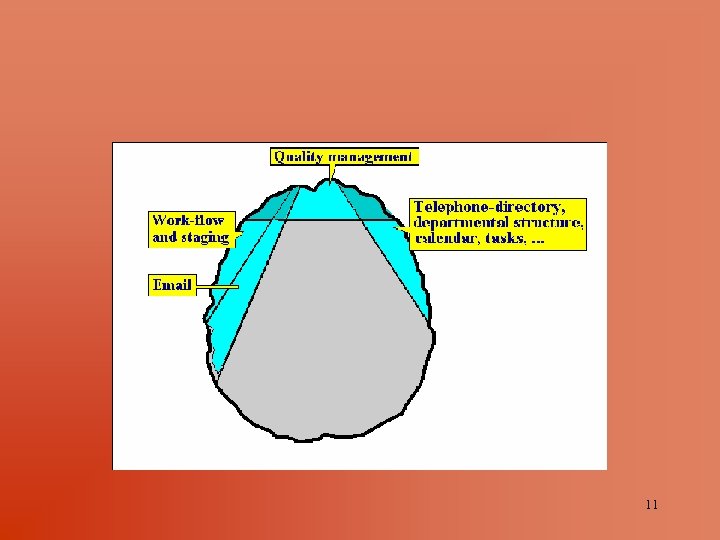
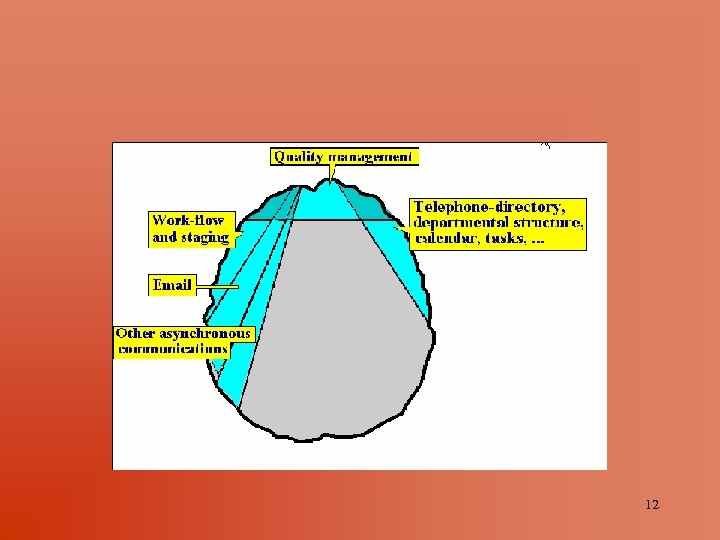
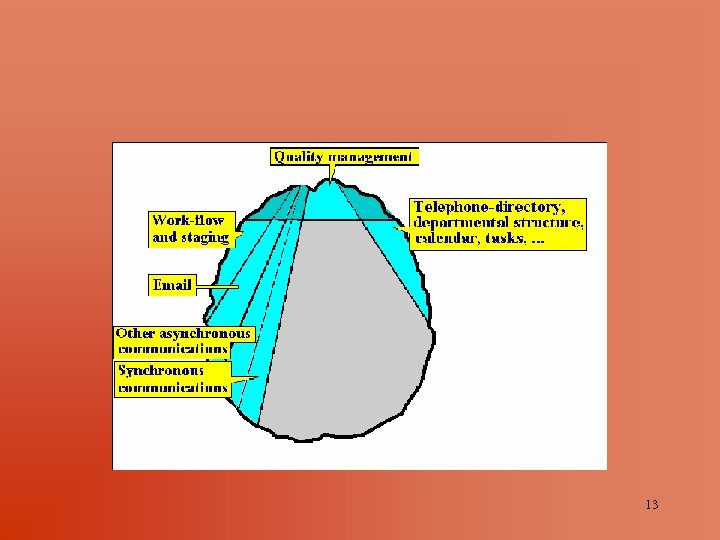
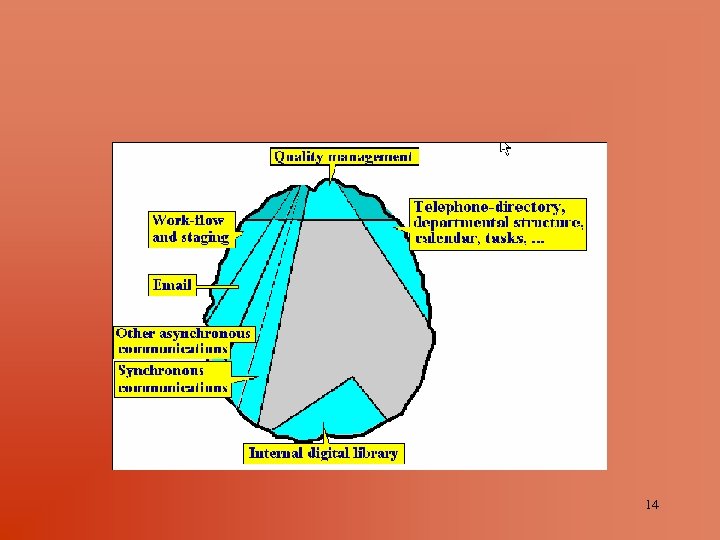
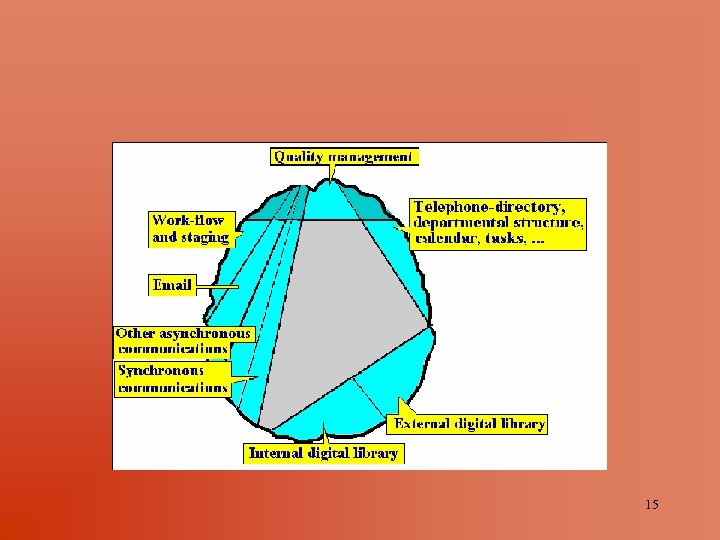
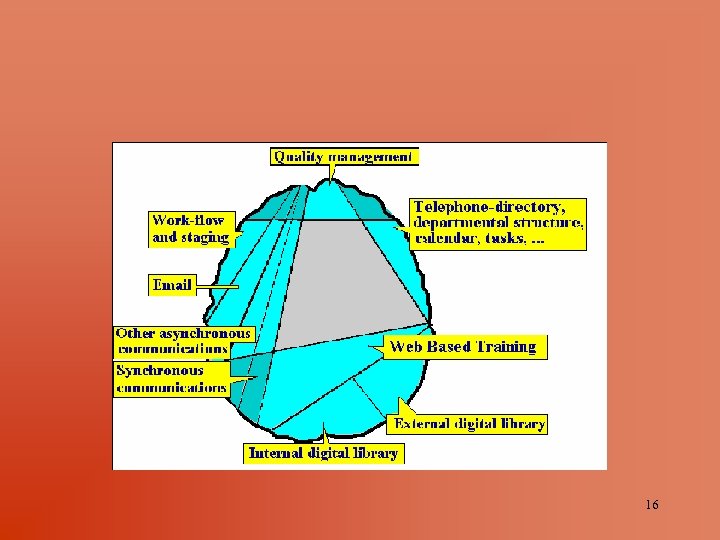
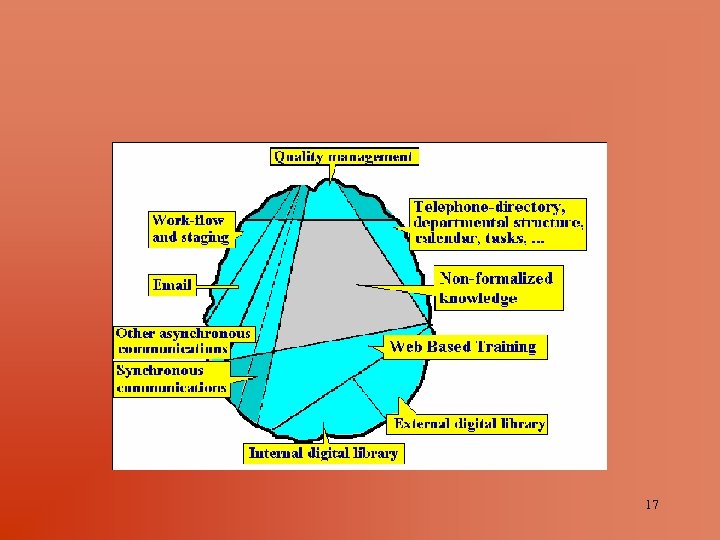
3. 1 The Organisational View Knowledge Management: “If our employees only knew what our employees know we would be a much better organisation. ” Challenge: Collect unobtrusively as much knowledge from persons into computer system; make knowledge easily available. How can we gather “collective knowledge” of a group? 6
7
8
9
10
11
12
13
14
15
16
17
The communication model 18
Features of Hyperwave support Knowledge Management: – Four interwoven information retrieval paradigms (directories, links, attributes, searches) – Automated link- and data management – User administration and authorization classes – Annotations, discussion forums, version control –. . . and much more 19
3. 2 The e. Learning View e. Learning = Knowledge Transfer (KT) ! Close relationship with KM Indeed, some say KM includes KT, others say KT includes KM! 20
Modern e. Learning: more than WWW pages! - Requires solid “learning platform” - User profile defines sequence of multimedia/ interactive modules to be offered - Rich body of background knowledge with systemic growth - Strong communicational and collaborational features - Good statistical, feedback and administrative features 21
Hyperwave‘s e. LS (e. Learning Suite): good example! e. LS : free for non-commercial school and university use www. HAUP. org www. hyperwave. de or www. hyperwave. com 22
3. 3 The Societal View Primitive (cave men) culture: Everyone could do almost everything Continous historic development: Production more and more distributed Today: Production completely distributed („arbeitsteilig“) yet access is universal! 23
Primitive (cave men) culture: everyone knew almost everything Continuous historic development: knowledge more and more distributed Today: knowledge very distributed, but access gets easier Future: knowledge totally distributed („wissensteilig“) yet access is universal! 24
Consequence - Individual knowledge supplementd by huge pool of knowledge - Complex knowledge used like complex machinery - Humans as individuals stop to exist: More and more cells of a new living being: humanity! 25
4. Systemic Creation of New Knowledge 4. 1 Intelligent Agents 4. 2 Active Documents 4. 3 Knowledge Landscapes In this talk just a bit about 4. 2 and 4. 3 26
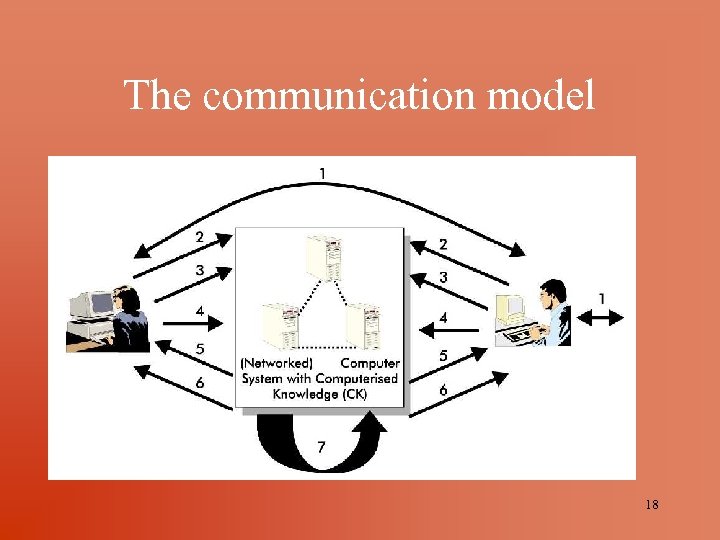
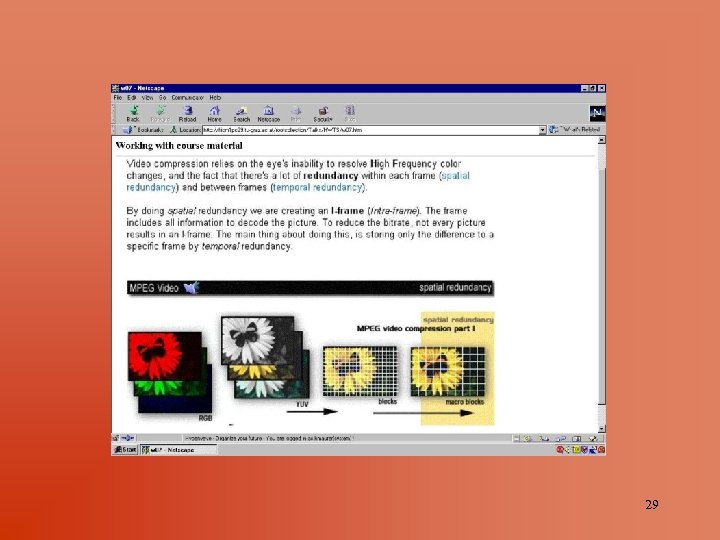
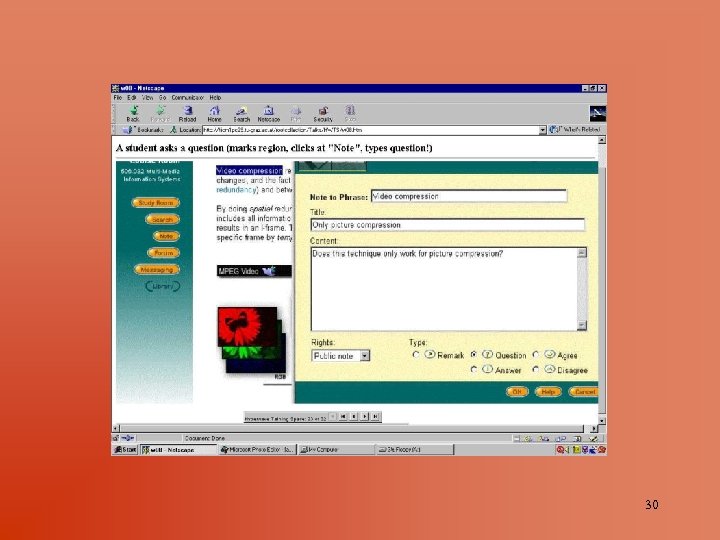
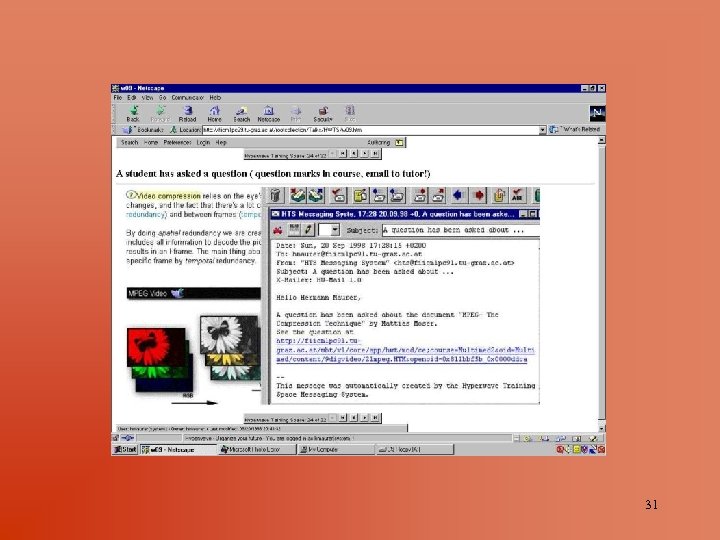
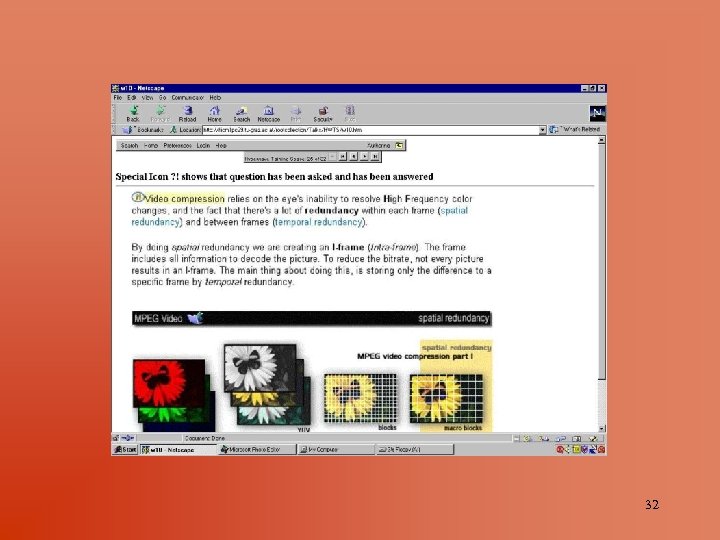
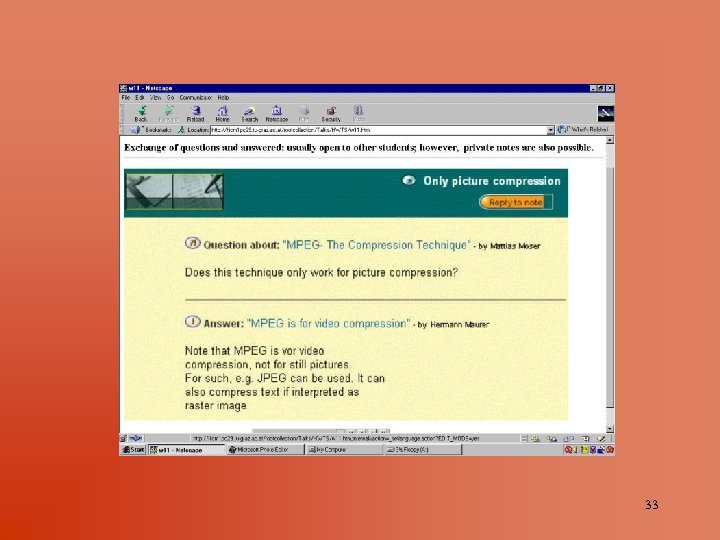
4. 2 Active Documents Main observation: Communication in KM and e. Learning of paramount importance. However: Communication not only human – human but also human – document!!! Vision: Any document on the screen – any question can be asked. Document answers the question! Is this a Science Fiction vision? Not really! 27
Implementation of Active Document concept: Use the fact that many users look at same page! Problem is reduced to: When are different questions x and y semantically identical Trick 1: Location specific FAQ Trick 2: Fuzzy comparison Trick 3: Restricted syntax and area-specific semantic network 28
29
30
31
32
33
4. 3 Knowledge Landscapes - Automatic generation of clusters of information using “similarity” of documents - Important for any set of documents including discussion forums, etc. - Can lead to automatically generated “knowledge landscapes” - Typical application: Germany‘s largest electronic multimedia encyclopedia „Der Brockhaus – Multimedial 2001 Premium“ 34
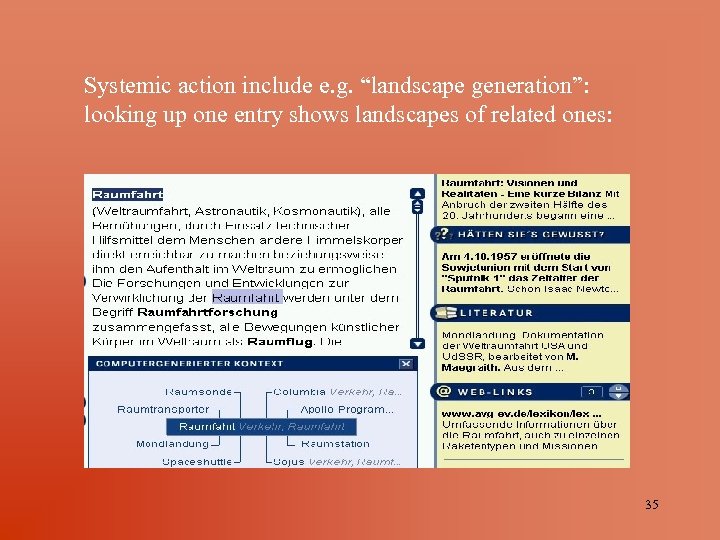
Systemic action include e. g. “landscape generation”: looking up one entry shows landscapes of related ones: 35
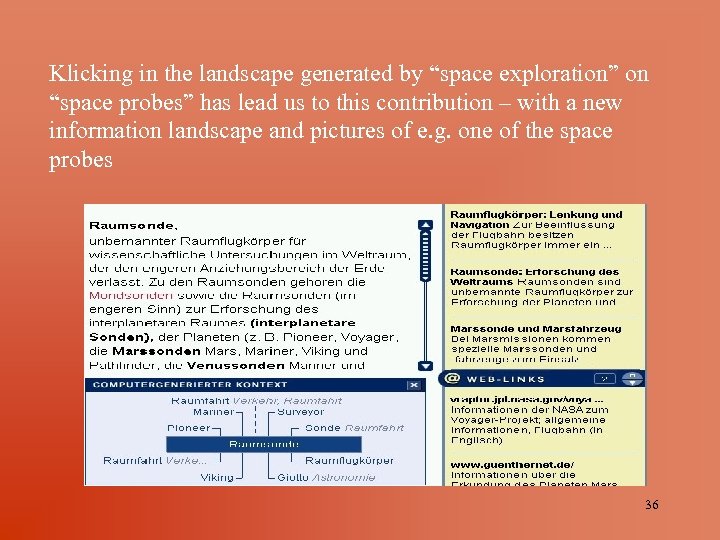
Klicking in the landscape generated by “space exploration” on “space probes” has lead us to this contribution – with a new information landscape and pictures of e. g. one of the space probes 36
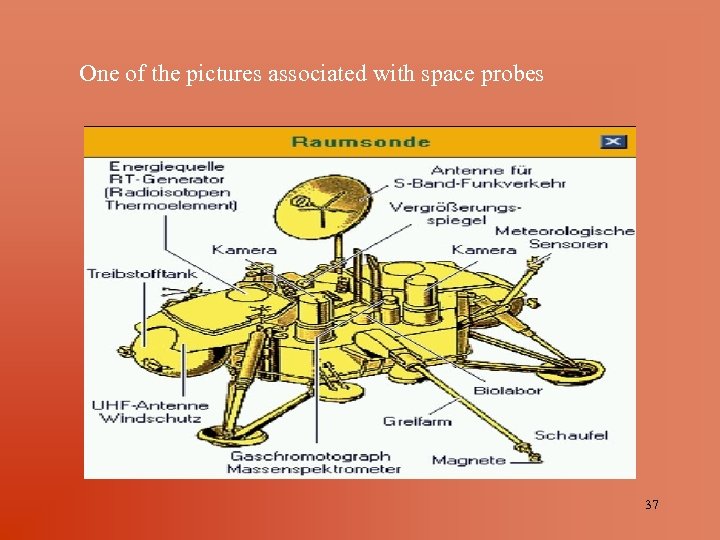
One of the pictures associated with space probes 37
5. Outlook - KM does not just increase efficiency of organisations - KM is not just essential for e. Learning - KM will change fabric of our lives and society We are just seeing the first steps: conferences like this and the I-KNOW conference July 12/13 at Graz/Austria are important further steps forward! 38
Thank you for your attention. H. Maurer Important URL‘s: www. haup. org www. hyperwave. de www. know-center. at/en/conference www. iicm. edu/maurer email: hmaurer@iicm. edu 39
Скачать презентацию Über einige Visionen beim Wissensmanagement H Maurer TU
acb9513e36221cd24d87dcd5365be13e.ppt